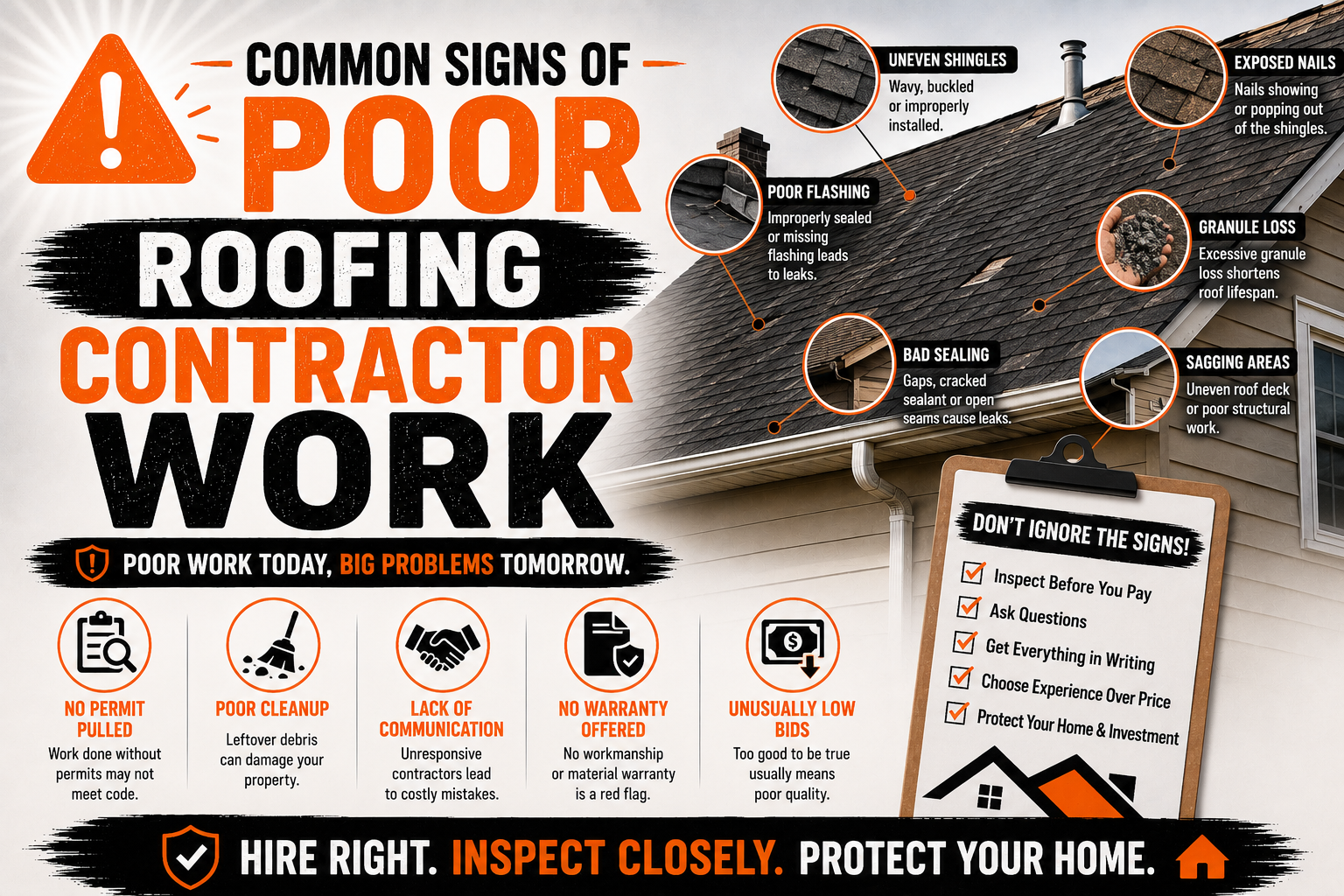
Common Signs of Poor Roofing Contractor Work
Introduction
Your roof is one of the most important parts of your home because it protects everything underneath it from rain, wind, heat, snow, and changing weather conditions. Even the highest quality roofing materials cannot perform well if they are installed by an inexperienced or careless contractor. Poor workmanship often creates problems that remain hidden until they become expensive repairs.
Many homeowners assume that a new roof or recent repair automatically means their home is protected for years. Unfortunately, this is not always true because roofing mistakes are not always visible from the ground. Small installation errors can slowly develop into leaks, structural damage, mold growth, and reduced energy efficiency.
Hiring a roofing contractor involves more than comparing prices or choosing the company that finishes the job the fastest. The quality of the installation determines how long the roof lasts and how well it performs throughout every season. Even premium materials lose much of their value when they are installed incorrectly.
Understanding the warning signs of poor roofing contractor work helps homeowners identify problems before they become major financial burdens. Knowing what to look for also makes it easier to communicate with contractors, request repairs, and protect your investment. Whether your roof is newly installed or several years old, recognizing workmanship issues can save thousands of dollars over the life of the roof.
This guide explores the most common signs of poor roofing contractor work, explains why these issues occur, and shows how they affect the long-term health of your home. By learning these warning signs, you can make informed decisions before minor defects grow into significant structural problems.
Why Roofing Work Quality Matters More Than Price
Many homeowners focus heavily on the price of a roofing project because replacing or repairing a roof is a major expense. While staying within budget is important, choosing the lowest bid often carries risks if workmanship standards are sacrificed. A poorly installed roof may require repeated repairs that eventually cost far more than hiring a qualified contractor from the beginning.
Roofing systems are designed to work as complete systems rather than as individual materials. Shingles, flashing, underlayment, ventilation, fasteners, and drainage components must all function together. If one component is installed incorrectly, it can compromise the performance of the entire roof.
Professional contractors understand manufacturer installation requirements and local building codes. They know how different roofing materials respond to weather, temperature changes, and moisture exposure. Their experience allows them to identify hidden structural issues before installation begins, reducing the likelihood of future failures.
Poor workmanship often remains hidden immediately after installation because a roof can appear attractive from a distance. The real problems usually develop over months or years as rainwater, strong winds, sunlight, and seasonal expansion expose installation mistakes. By the time visible damage appears inside the home, repairs may already be extensive.
Investing in skilled workmanship provides value beyond appearance. A properly installed roof improves durability, energy efficiency, weather resistance, and property value while reducing maintenance costs throughout its lifespan.
The Hidden Cost of Poor Roofing Work
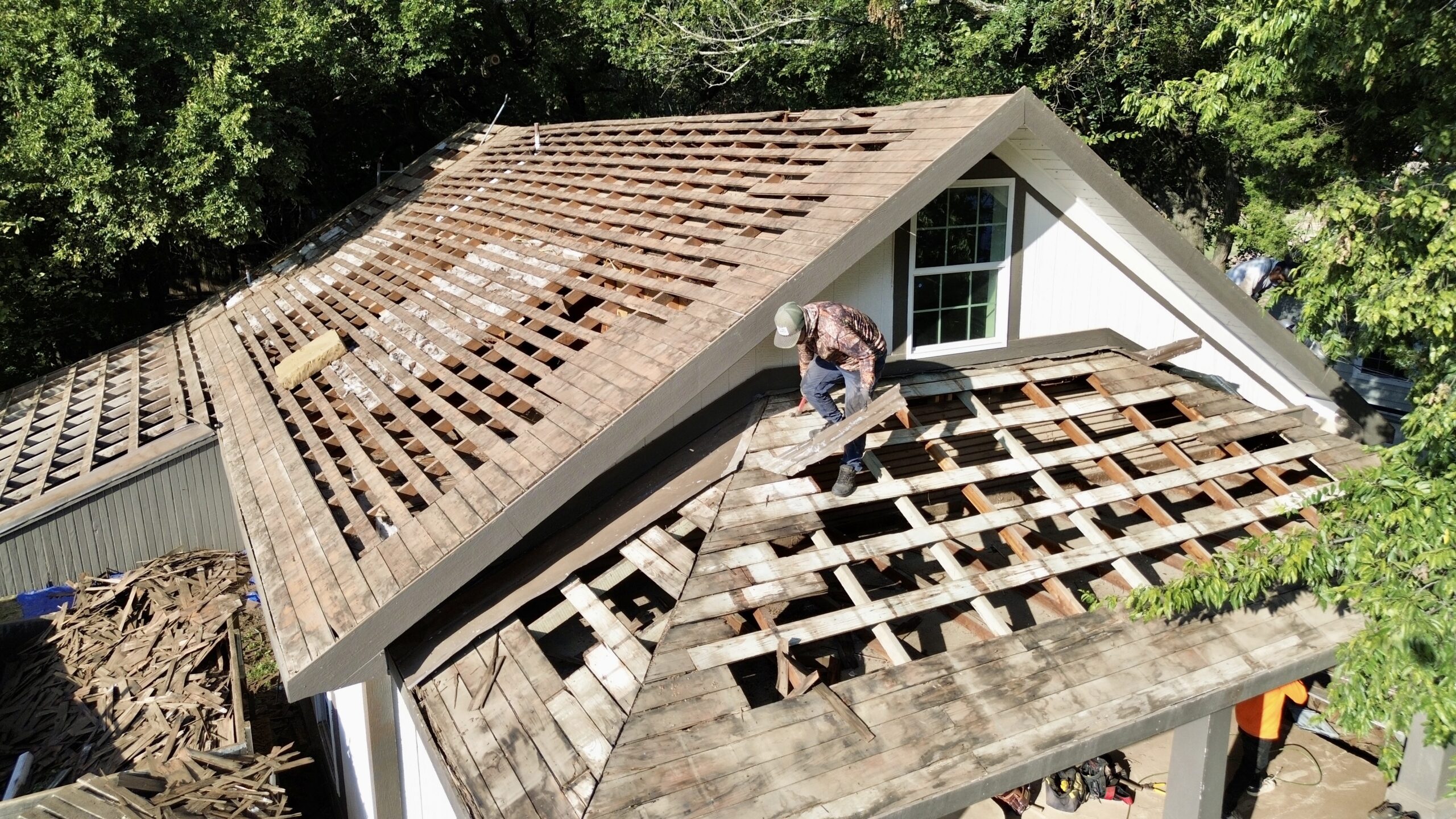
Roofing mistakes rarely affect only the roof itself. Water entering through small openings can travel along rafters, insulation, and walls before becoming visible inside the home. This makes identifying the original source of damage much more difficult and expensive.
Moisture trapped beneath roofing materials creates ideal conditions for mold growth and wood deterioration. Structural framing may weaken gradually without producing obvious symptoms during the early stages. By the time stains appear on ceilings, significant hidden damage may already exist.
Poor roofing work also reduces a home’s energy efficiency. Gaps in insulation, improperly installed ventilation systems, and air leaks allow conditioned air to escape while outdoor temperatures enter the attic. Heating and cooling systems must work harder, resulting in higher utility bills throughout the year.
Insurance claims may also become more complicated when damage results from poor workmanship rather than severe weather. Some warranties only cover manufacturing defects, leaving homeowners responsible for repair costs caused by installation errors. Understanding these risks highlights why quality workmanship is essential from the very beginning.
Why Homeowners Often Miss Contractor Mistakes
Most homeowners are not roofing experts, so they naturally trust contractors to perform work correctly. Since roofs are difficult to inspect safely without proper equipment, many problems remain unnoticed until symptoms develop indoors. A roof that looks neat from the driveway may still contain serious installation errors beneath the surface.
Many workmanship issues occur underneath visible roofing materials where they cannot be easily inspected. Underlayment placement, flashing installation, ventilation design, and fastening methods all play critical roles in roof performance. These components remain hidden after the project is completed.
Some roofing problems also develop slowly rather than immediately. Seasonal weather changes gradually expose weaknesses as roofing materials expand and contract with temperature fluctuations. Wind-driven rain, heavy storms, and prolonged moisture eventually reveal defects that were invisible after installation.
Contractors who rush projects may prioritize speed over precision. Small shortcuts often appear insignificant during construction but create long-term vulnerabilities that become increasingly costly over time. Understanding these patterns allows homeowners to recognize warning signs before serious damage occurs.
Common Signs of Poor Roofing Contractor Work
A roof installed by an experienced professional should display consistent workmanship across every section. Materials should align properly, flashing should fit securely, and transitions between roof components should appear smooth and intentional. Visible inconsistencies often indicate that important installation standards were not followed.
Some warning signs become obvious immediately after construction, while others emerge months later as weather conditions test the roof’s performance. Recognizing these indicators early provides an opportunity to correct problems before they spread throughout the structure.
Although every roofing system differs depending on materials and design, several workmanship issues appear repeatedly across residential roofing projects. Understanding these common defects helps homeowners evaluate completed work more confidently and communicate concerns more effectively.
The table below summarizes several early warning signs and the risks they may indicate.
| Visible Sign | Possible Cause | Potential Long-Term Risk |
|---|---|---|
| Uneven shingles | Incorrect installation | Water penetration and wind damage |
| Crooked roof lines | Poor alignment during installation | Reduced weather resistance |
| Exposed nails | Improper fastening techniques | Moisture intrusion and corrosion |
| Loose flashing | Incorrect sealing or installation | Persistent roof leaks |
| Sagging sections | Structural problems or poor workmanship | Roof failure and costly repairs |
| Missing sealant | Incomplete finishing work | Increased vulnerability to water damage |
These signs do not automatically confirm severe structural problems, but they should always be investigated by a qualified roofing professional. Addressing concerns early is significantly less expensive than waiting until damage spreads throughout the roofing system.
Uneven or Misaligned Shingles
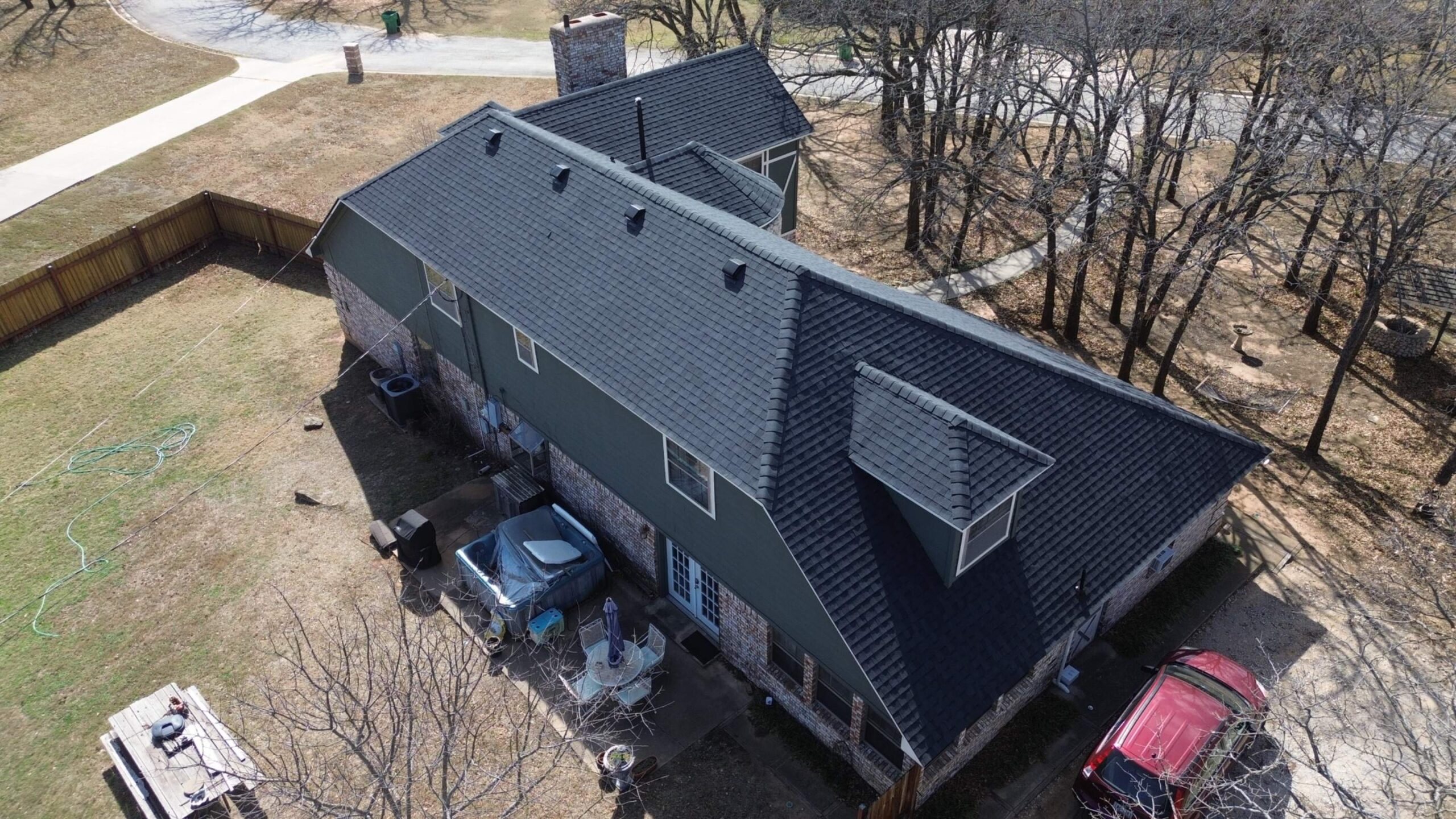
One of the easiest signs of poor roofing workmanship to notice is uneven shingle alignment. Roofing materials should form straight, consistent rows that create a uniform appearance across the entire roof surface. Crooked lines, irregular spacing, or inconsistent overlaps often indicate rushed installation or inadequate attention to detail.
Misaligned shingles affect more than the appearance of the roof. Proper overlap allows water to flow safely toward gutters without reaching the underlying structure. Incorrect placement creates pathways where rainwater can penetrate beneath the shingles and damage underlayment or roof decking.
Wind resistance also depends heavily on proper shingle alignment. Roofing materials installed outside manufacturer specifications are more likely to loosen during storms because they cannot distribute wind pressure evenly. Even a few improperly installed shingles can eventually lead to larger sections becoming damaged.
Homeowners should inspect the roof from multiple viewing angles after installation. Straight horizontal lines and consistent spacing usually indicate careful workmanship, while visible irregularities deserve further evaluation before accepting the completed project.
Improper Nail Placement
Correct nail placement is one of the most important aspects of professional roofing installation. Manufacturers specify exactly where nails should be placed because fastening location directly affects the strength and weather resistance of each shingle. Even high-quality roofing materials can fail prematurely if nails are installed incorrectly.
Common fastening mistakes include nails driven too high, too low, at an angle, or with excessive force. Overdriven nails may tear through shingles, reducing their ability to remain secure during strong winds. Underdriven nails create raised areas that prevent shingles from sealing properly against one another.
Incorrect nail placement often remains hidden because shingles cover the fasteners after installation. However, symptoms eventually appear as loose shingles, lifting edges, or sections damaged during storms that should otherwise withstand normal weather conditions.
Professional contractors carefully follow manufacturer fastening patterns while adjusting their methods for roof slope, climate, and local building requirements. Consistent fastening practices contribute significantly to the overall durability of the roofing system.
Poor Flashing Installation Around Roof Openings
Flashing is designed to direct water away from vulnerable roof areas where different surfaces meet. Chimneys, skylights, vents, valleys, and wall intersections all require properly installed flashing to prevent moisture from entering the home. Because these locations naturally collect water, even small installation mistakes can lead to significant leaks.
Poor flashing installation often includes loose metal pieces, inadequate overlap, excessive sealant, or missing components altogether. Some inexperienced contractors rely heavily on roofing cement instead of properly integrating flashing with surrounding roofing materials. While sealants may temporarily stop leaks, they eventually deteriorate under constant exposure to sunlight and weather.
Water intrusion around flashing rarely remains confined to one location. Moisture may travel beneath roofing materials before appearing inside ceilings or walls several feet away from the actual source. This makes diagnosing leaks considerably more difficult.
Homeowners should visually inspect flashing whenever possible after roofing work is completed. Flashing should sit securely against roof surfaces with clean transitions and no obvious gaps or lifted edges. Professional installation emphasizes precise metal placement rather than excessive amounts of roofing sealant.
Gaps, Exposed Areas, and Inconsistent Roof Lines
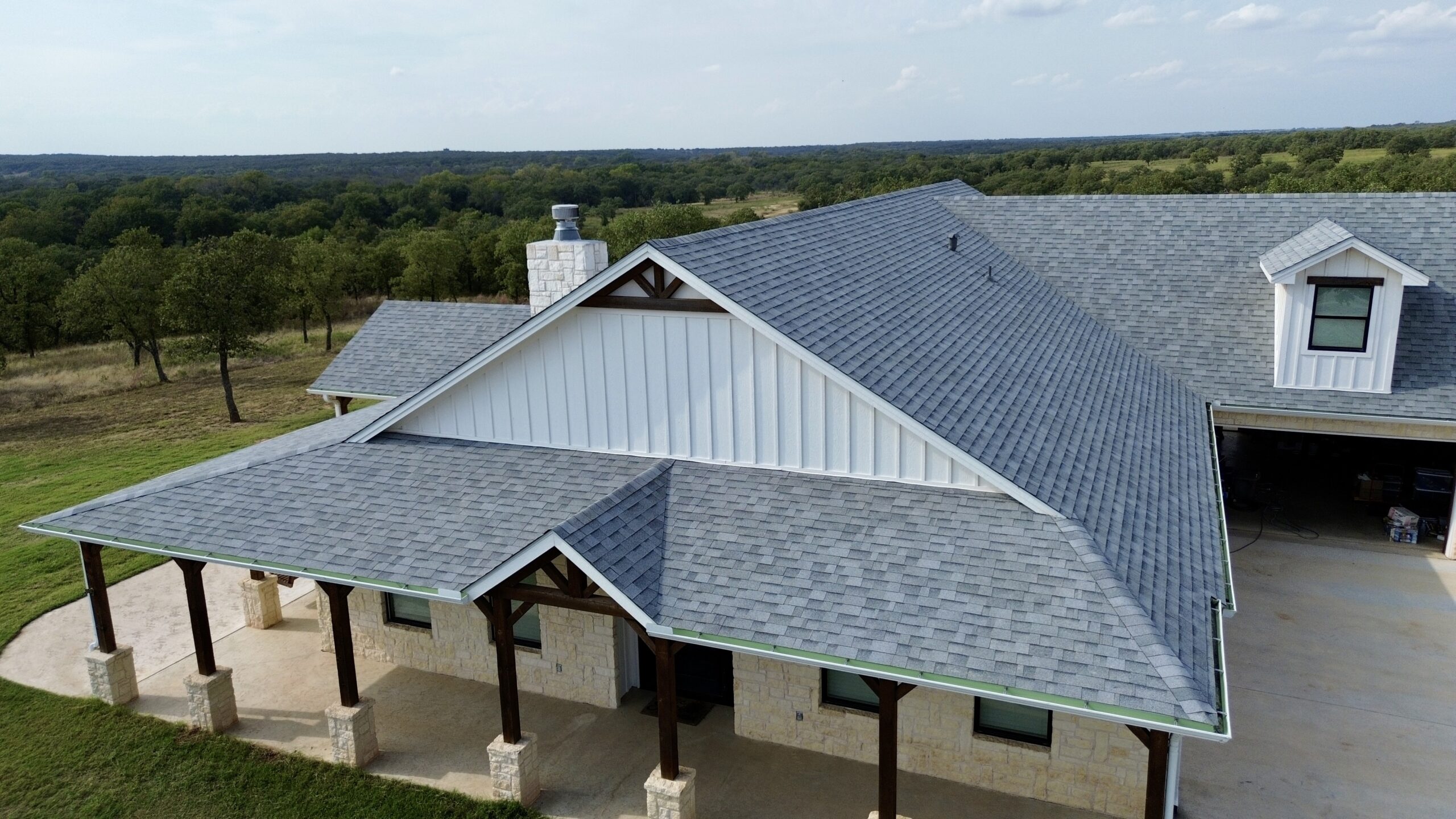
A professionally installed roof should present a continuous protective surface without unnecessary openings or exposed structural components. Visible gaps between roofing materials suggest incomplete installation or poor fitting techniques that may allow water, insects, and debris to enter beneath the roof covering.
Exposed underlayment, roof decking, or fasteners should never remain visible after a roofing project is completed. These materials are intended to function beneath the finished roofing surface and should remain protected from direct weather exposure. Leaving them uncovered significantly reduces their lifespan and compromises the integrity of the roofing system.
Inconsistent roof lines may also indicate deeper installation issues. Wavy edges, uneven ridges, or irregular transitions between roof sections often suggest inadequate preparation before materials were installed. While some older homes naturally settle over time, newly completed roofing work should appear neat, balanced, and professionally finished.
Careful visual inspections from ground level can often reveal these warning signs without requiring anyone to climb onto the roof. If irregularities are noticeable from a distance, they deserve prompt evaluation before weather conditions worsen the damage.
Roof Leaks That Return After Repairs
One of the clearest signs of poor roofing contractor work is a leak that returns shortly after a repair or replacement. A properly repaired roof should eliminate the source of water intrusion rather than temporarily covering the symptoms. When the same leak reappears after the next heavy rain, it often indicates that the underlying issue was never addressed.
Some contractors focus only on sealing the visible opening instead of identifying how water is entering the roofing system. Because water can travel beneath shingles and underlayment before becoming visible inside the home, the location of the leak indoors is not always the actual point of entry. A thorough inspection is essential to locate the true cause.
Recurring leaks also suggest that surrounding roofing components were overlooked during the repair process. Damaged flashing, deteriorated underlayment, or improperly installed shingles may continue allowing moisture into the structure even after the original repair appears complete. Without correcting every contributing factor, the problem simply returns.
Repeated water intrusion affects much more than the ceiling. Moisture gradually damages insulation, weakens wooden framing, stains drywall, and creates favorable conditions for mold growth. Over time, a repair that should have been straightforward becomes a much larger restoration project.
Poor Ventilation Caused by Incorrect Installation
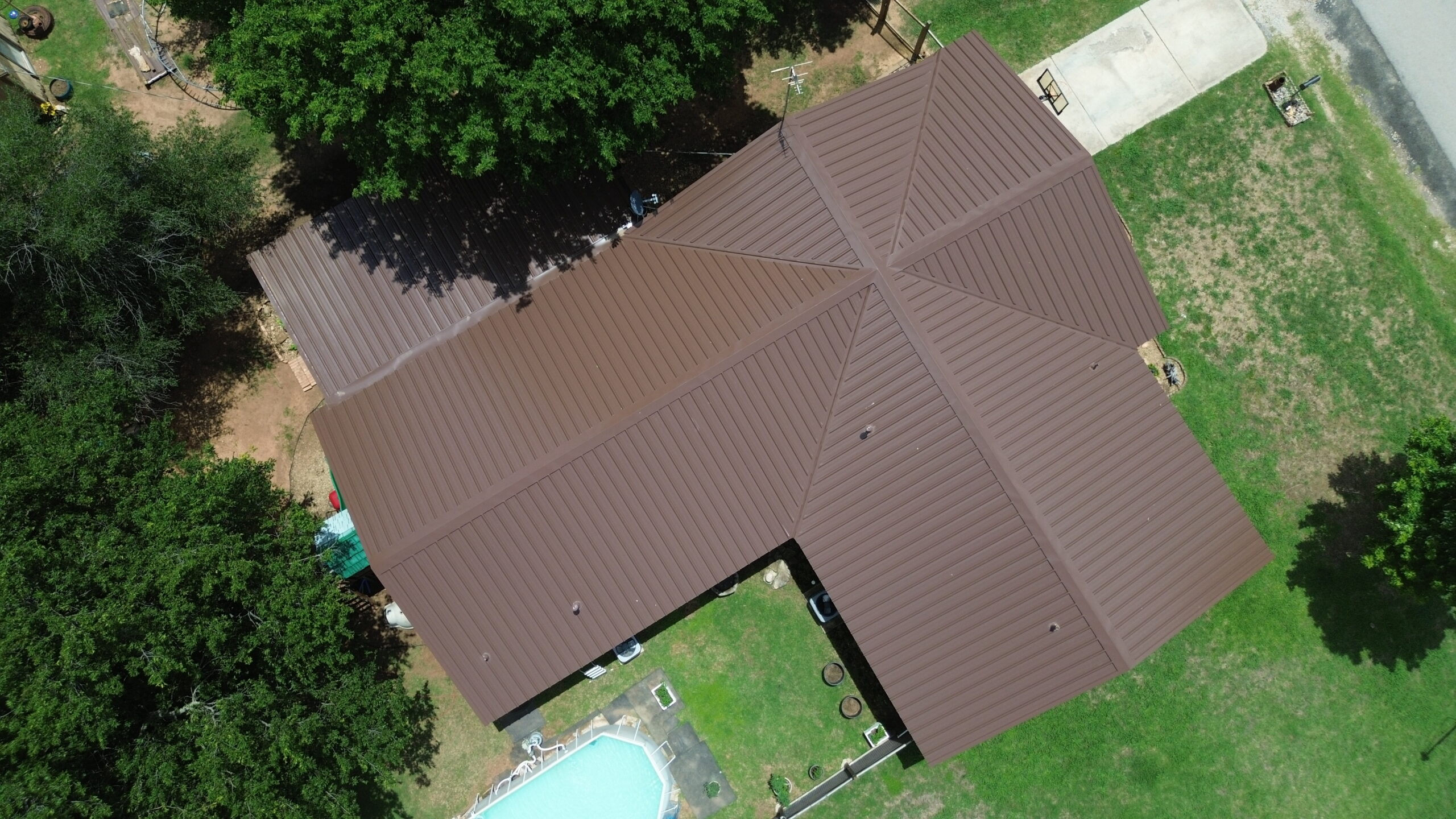
Roof ventilation is an essential but often overlooked part of a healthy roofing system. Proper airflow allows heat and moisture to escape from the attic, helping maintain stable temperatures throughout the year. When ventilation is installed incorrectly or ignored altogether, the roof becomes vulnerable to several long-term problems.
Poor ventilation allows excessive heat to build up during warm weather. High attic temperatures can shorten the lifespan of roofing materials by accelerating the aging process. Shingles may become brittle, adhesives may weaken, and roofing components may deteriorate faster than expected.
Moisture accumulation presents another serious concern. Warm indoor air naturally rises into the attic, where it can condense if ventilation is insufficient. Over time, trapped moisture contributes to mold growth, wood rot, insulation damage, and reduced indoor air quality.
Many homeowners assume ventilation simply involves installing roof vents. In reality, an effective system requires balanced intake and exhaust airflow. If one part of the system is missing or improperly designed, ventilation efficiency declines significantly despite the presence of visible vents.
Inadequate Underlayment and Moisture Protection
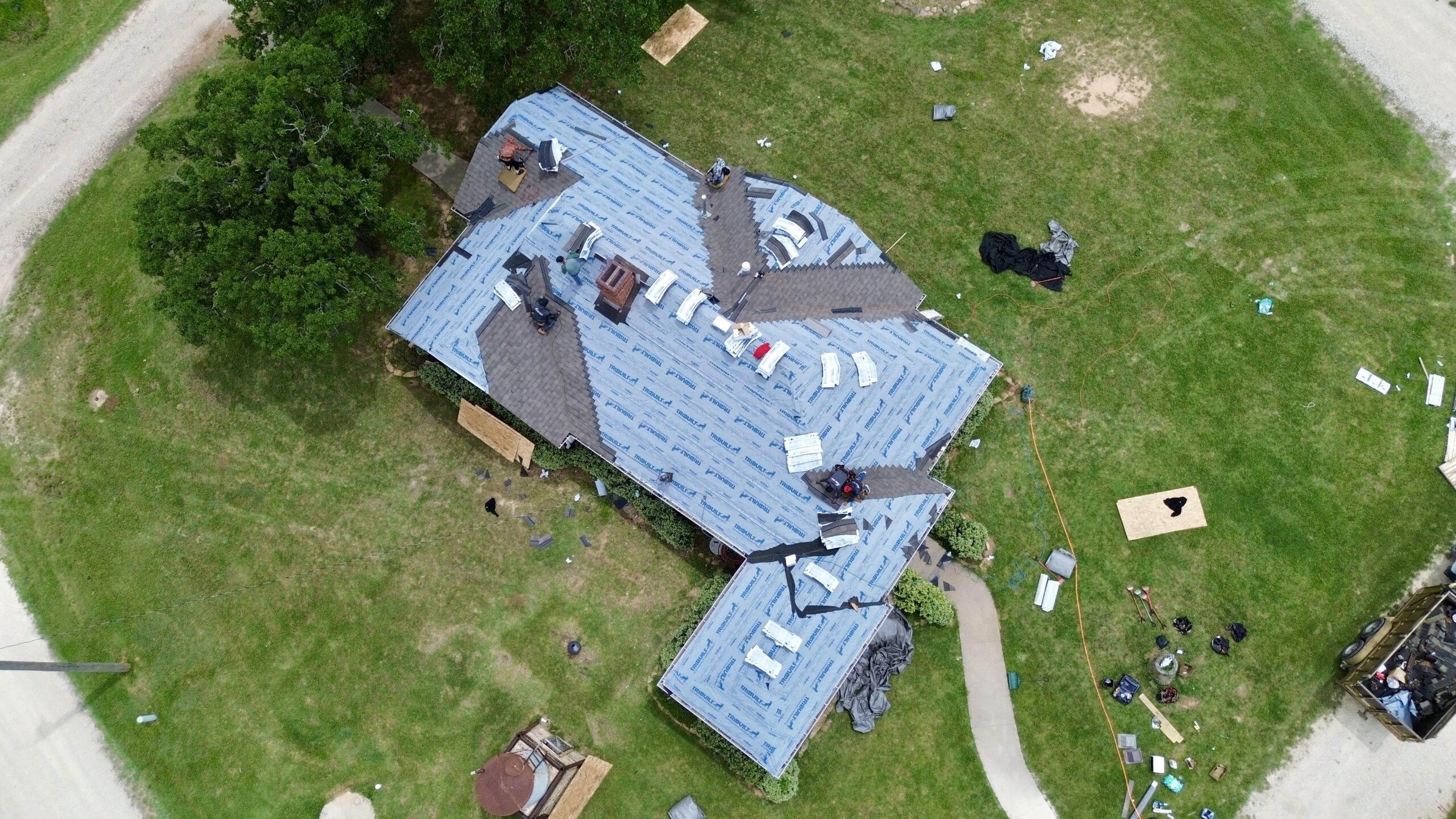
The roofing materials visible from the outside represent only one layer of protection. Beneath shingles lies the underlayment, which serves as an additional barrier against moisture. Proper installation of this hidden layer is just as important as correctly placing the shingles themselves.
Some contractors use lower-quality underlayment to reduce project costs without informing the homeowner. Others install the material with insufficient overlap or fail to secure it correctly before installing the finished roof. Although these mistakes remain hidden after construction, they can dramatically reduce the roof’s ability to resist water intrusion.
Improper underlayment installation becomes especially problematic during severe weather. Wind-driven rain can penetrate beneath shingles, making the underlayment the home’s final defense against moisture. If that layer has been installed carelessly, water can quickly reach the roof decking and structural framing.
A homeowner may never see the underlayment after the roof is completed, which makes contractor honesty and workmanship especially important. Choosing experienced professionals helps ensure that hidden protective layers receive the same attention as the visible roofing materials.
Improper Gutter Integration
A roof and gutter system are designed to work together. Rainwater should move smoothly from the roof surface into the gutters before being directed safely away from the home’s foundation. Poor coordination between these systems often creates drainage problems that become increasingly severe over time.
Improperly positioned drip edges may allow water to run behind the gutters instead of flowing into them. This hidden moisture can damage fascia boards, soffits, siding, and even the foundation if left unresolved. Homeowners sometimes blame failing gutters when the real issue originates with the roofing installation.
Incorrect roof slopes near gutter edges can also contribute to standing water. Instead of draining efficiently, water may collect in certain areas, increasing the risk of leaks and premature material deterioration. Standing water also encourages debris accumulation, making regular maintenance more difficult.
Professional contractors carefully inspect existing gutters before beginning roofing work. If repairs or adjustments are necessary, they coordinate both systems so water management remains effective throughout the life of the roof.
Low Quality Materials Used Without Disclosure
Not every roofing problem results from poor installation alone. Some contractors reduce costs by substituting lower-quality materials while charging homeowners for premium products. Unless the homeowner verifies the materials independently, these substitutions may go unnoticed until premature failures begin to appear.
Inferior shingles often show signs of wear much earlier than expected. Granule loss, cracking, curling, and fading may occur within just a few years rather than after decades of normal service. While every roofing product ages naturally, unusually rapid deterioration may indicate that lower-grade materials were used.
Fasteners, flashing, sealants, and underlayment can also vary significantly in quality. Even if the visible shingles meet expectations, hidden components made from inferior materials may compromise the overall roofing system. Since these elements work together, weak components reduce the durability of the entire installation.
Homeowners should request documentation for all roofing materials before work begins. Product labels, manufacturer warranties, and written contracts help confirm that the materials installed match those originally agreed upon.
Poor Cleanup and Leftover Roofing Debris
The quality of a roofing project extends beyond the installation itself. Professional contractors leave the property clean, organized, and safe after completing the work. Excessive debris, scattered materials, or careless cleanup often reflects the same lack of attention that may have affected the roof installation.
Roofing nails are among the most common hazards left behind after poor cleanup. Loose nails in driveways, lawns, and flower beds create safety risks for family members, visitors, and vehicle tires. Experienced contractors typically use magnetic tools to collect stray nails before leaving the site.
Discarded shingles, packaging materials, old flashing, and damaged wood should also be removed promptly. Leaving construction waste around the property suggests poor project management and may indicate that other aspects of the installation received similar levels of carelessness.
A clean job site demonstrates professionalism and respect for the homeowner’s property. While cleanup alone does not guarantee excellent workmanship, consistently poor housekeeping often raises questions about the overall quality of the project.
Signs Inside Your Home That Point to Roofing Problems
Roofing defects are not always visible from outside the home. In many cases, the earliest warning signs appear indoors as moisture gradually affects ceilings, walls, and attic spaces. Recognizing these symptoms allows homeowners to investigate roofing problems before structural damage becomes extensive.
Water stains on ceilings are among the most recognizable indicators. Brown or yellow discoloration often develops slowly as moisture repeatedly enters through small openings in the roofing system. Even if the stain appears dry, it may indicate an active problem that only becomes visible during certain weather conditions.
Peeling paint and bubbling drywall also suggest excess moisture behind interior surfaces. Water weakens the bond between paint and walls, causing finishes to separate over time. These symptoms frequently appear before major leaks become obvious.
Musty odors inside the attic or upper floors deserve careful attention as well. Persistent damp smells often indicate hidden moisture that encourages mold growth. Since mold spreads quickly in enclosed spaces, identifying the source early helps limit both repair costs and potential health concerns.
Higher energy bills may provide another clue. Poor roofing workmanship can allow conditioned air to escape through gaps in the roofing system or attic insulation. Heating and cooling equipment must then operate longer to maintain indoor comfort, increasing monthly utility expenses.
Questions Every Homeowner Should Ask Before Approving Roofing Work
Many roofing problems can be prevented by asking the right questions before a project begins. Homeowners do not need technical roofing expertise to evaluate a contractor’s professionalism. Clear communication and thorough documentation often reveal whether a contractor is committed to quality workmanship.
Some of the most valuable questions include:
- Which roofing materials and manufacturers will be used?
- Will all flashing and underlayment be replaced if necessary?
- How will the roof ventilation system be evaluated?
- What workmanship warranty is included with the project?
- Will photographs be provided during different stages of installation?
- How will the property be protected and cleaned after completion?
These questions encourage transparency and establish expectations before construction starts. Contractors who willingly explain their methods and materials typically demonstrate greater confidence in the quality of their work.
Essential Inspection Steps After a Roofing Project
Even after hiring a reputable contractor, homeowners should perform a careful inspection once the project is complete. This final review helps identify any obvious concerns while they can still be corrected under the original agreement. Early communication is far easier than requesting repairs months later after weather has exposed additional problems.
A post-installation inspection does not require climbing onto the roof. Many important observations can be made safely from the ground, inside the attic, and around the home’s exterior. If anything appears unusual, requesting a professional follow-up inspection provides additional peace of mind.
Pay particular attention to the overall appearance of the roof. Consistent shingle alignment, secure flashing, clean roof edges, and properly installed gutters all suggest careful workmanship. Inside the attic, check for daylight entering through unexpected openings or any signs of moisture after rainfall.
Taking photographs immediately after project completion also creates a useful record. If concerns arise later, these images help compare the roof’s original condition with any changes that develop over time. This documentation may also prove valuable if warranty claims become necessary in the future.
When Minor Roofing Errors Become Major Structural Issues
Not every roofing mistake creates immediate damage, which is why poor workmanship is often overlooked during the first few months after installation. Small defects may seem harmless at first, but roofs face constant exposure to rain, wind, sunlight, temperature changes, and seasonal storms. These weather conditions gradually enlarge even minor installation errors until they become expensive structural problems.
A small gap around flashing, for example, may allow only a few drops of water to enter during light rain. Over time, repeated exposure saturates nearby wood, weakens framing members, and damages insulation. By the time water stains appear inside the home, moisture may have been accumulating for months.
Loose shingles create another example of how small issues become major concerns. Strong winds can lift improperly fastened shingles, exposing additional sections of the roof to weather. What begins as a single loose shingle may eventually require replacing an entire portion of the roofing system after a severe storm.
Structural damage also affects the home’s long-term value. Potential buyers often view roofing issues as signs of neglected maintenance, leading to lower offers or requests for costly repairs before completing a sale. Addressing workmanship problems early helps preserve both the roof and the property’s market value.
How Professional Roofing Contractors Maintain High Standards
Quality roofing contractors follow established installation practices from the beginning of every project. Rather than rushing to complete work quickly, they focus on precision, consistency, and compliance with manufacturer guidelines. Every stage of the installation receives careful attention because each component contributes to the roof’s overall performance.
Professional contractors begin with a thorough inspection before installing new materials. They evaluate roof decking, ventilation, flashing, drainage, and structural conditions to identify hidden problems that could affect the finished project. Correcting these issues beforehand prevents future complications.
Experienced roofing teams also use the correct materials for the specific roofing system being installed. They avoid mixing incompatible products and ensure every component meets manufacturer recommendations. This approach helps maintain warranty coverage while improving long-term durability.
Communication is another characteristic of reputable contractors. They explain the scope of work, answer questions honestly, document progress when appropriate, and inform homeowners about any unexpected findings. This transparency builds trust and reduces misunderstandings throughout the project.
Quality control continues after installation is complete. Professional contractors inspect their finished work, verify that all materials are installed correctly, and ensure the property is clean before considering the project complete.
What to Do If You Discover Poor Roofing Work
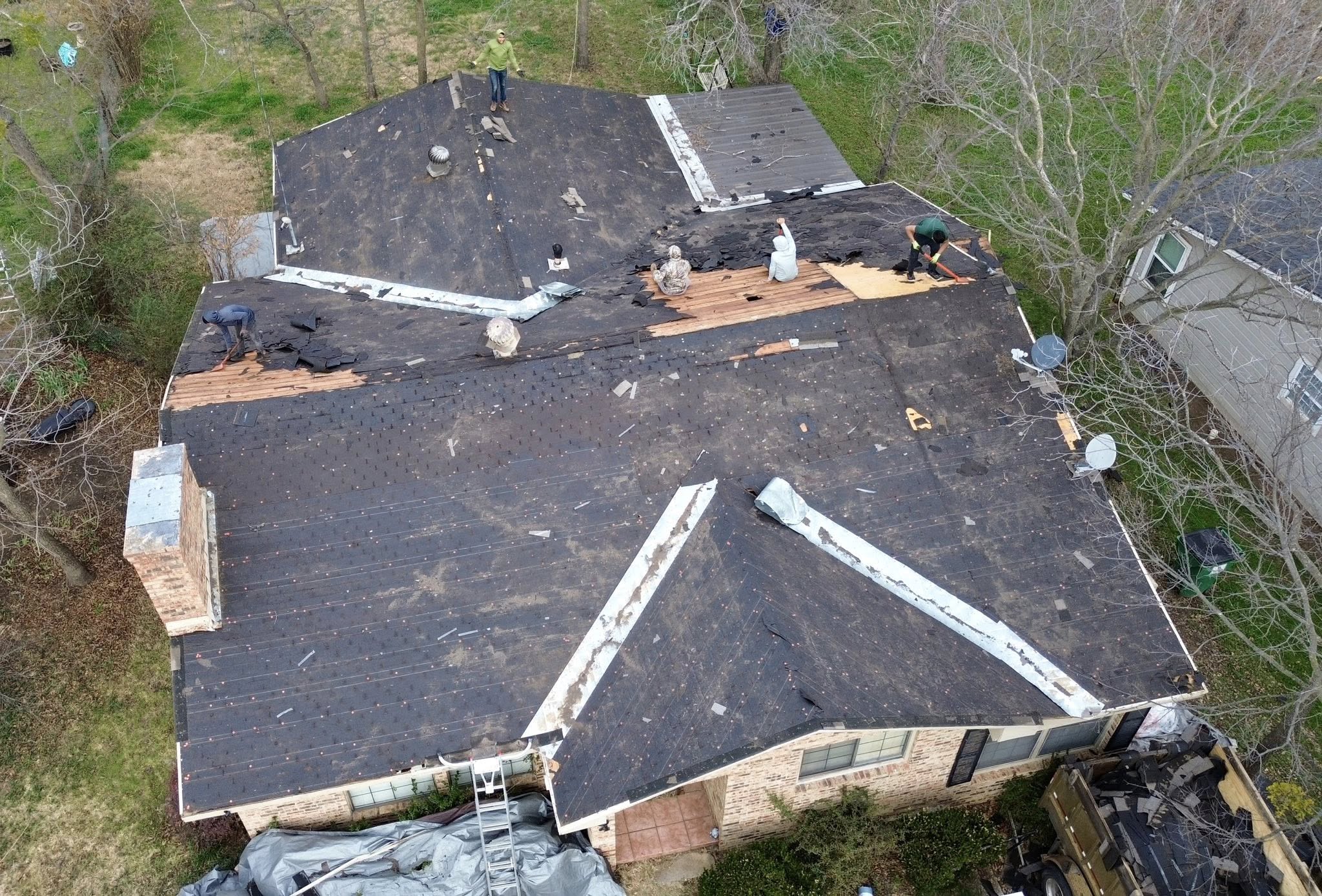
Discovering roofing defects can be frustrating, especially after investing significant time and money in a repair or replacement. Acting promptly, however, often prevents further damage and improves the chances of resolving the issue successfully. Delaying action allows moisture and weather exposure to worsen existing defects.
Begin by documenting every concern with clear photographs from safe locations. Capture wide images that show the overall roof area along with close-up photographs of visible defects. If interior damage is present, document ceiling stains, peeling paint, or other signs of moisture as well.
Review your contract, warranty documents, and any written agreements provided by the contractor. Many workmanship warranties require homeowners to report concerns within specific timeframes. Having organized documentation makes these conversations more productive.
Contact the roofing contractor as soon as possible and explain the issues clearly. Reputable companies generally appreciate the opportunity to inspect their work and correct legitimate installation problems. Keeping communication professional and maintaining written records helps avoid unnecessary disputes.
If the contractor refuses to address serious concerns, consider requesting an independent roof inspection from another qualified professional. An unbiased assessment provides valuable information about the condition of the roof and the repairs that may be necessary.
Can Poor Roofing Work Be Repaired or Does It Require Replacement
The appropriate solution depends on the extent of the workmanship issues and how much damage has already occurred. Some installation mistakes are localized and can be corrected without replacing the entire roof. Others affect multiple components, making replacement the more practical long-term option.
Minor flashing defects, isolated shingle problems, or limited fastening errors can often be repaired successfully if addressed early. Correcting these issues before water damage develops usually preserves the remaining roofing system and reduces repair costs.
More extensive workmanship problems present greater challenges. If underlayment was installed incorrectly across large sections of the roof or if ventilation was improperly designed throughout the attic, repairing isolated areas may not resolve the underlying issues. In these situations, more comprehensive corrective work may be necessary.
The age of the roof also influences repair decisions. Correcting significant installation defects on a relatively new roof often makes financial sense because the roofing materials still have substantial service life remaining. Older roofs nearing the end of their expected lifespan may benefit more from complete replacement rather than repeated repairs.
An independent inspection provides the most reliable basis for making this decision. Experienced roofing professionals evaluate structural conditions, moisture damage, material quality, and overall workmanship before recommending the most appropriate course of action.
Choosing a Reliable Roofing Contractor
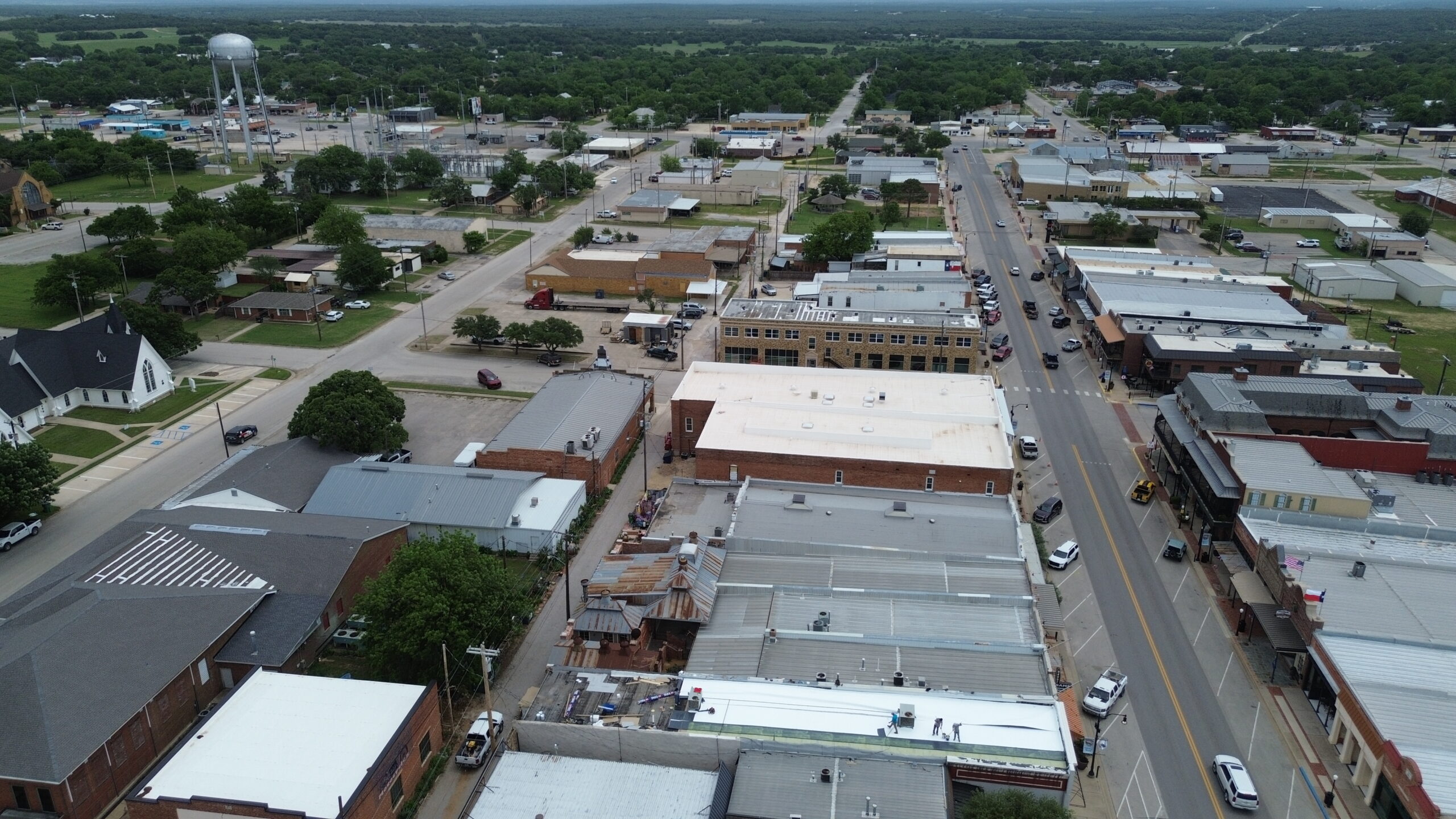
Selecting the right roofing contractor remains the most effective way to avoid workmanship problems in the first place. While every company presents itself professionally, careful research helps distinguish experienced professionals from contractors who may cut corners.
Start by verifying that the contractor is properly licensed where required and carries appropriate insurance coverage. Insurance protects both the homeowner and the workers if accidents occur during the project. A legitimate contractor should have no hesitation in providing documentation upon request.
Experience within your local area is also valuable. Contractors who regularly work in your region understand local weather conditions, building codes, and common roofing challenges. This knowledge allows them to recommend installation methods that perform well under local environmental conditions.
Written estimates should clearly describe materials, labor, warranties, project timelines, and cleanup responsibilities. Detailed documentation reduces misunderstandings and establishes clear expectations before construction begins.
References from previous customers provide additional confidence. Speaking with homeowners who have completed similar projects offers insight into the contractor’s communication, professionalism, and long-term workmanship quality.
Warning Signs Before Hiring Any Roofing Company
Some warning signs appear before construction even begins. Recognizing these early indicators helps homeowners avoid contractors who may deliver poor-quality work. Paying attention during the hiring process is often easier than correcting roofing problems after installation.
Be cautious if a contractor pressures you to make an immediate decision or insists that the offer is only available for a very limited time. Reputable companies understand that homeowners need time to review proposals, compare estimates, and ask questions before making a significant financial commitment.
Another warning sign is an estimate that is dramatically lower than every competing proposal. While competitive pricing is normal, unusually low bids sometimes result from inferior materials, incomplete project scopes, or rushed workmanship. Understanding exactly what is included helps explain pricing differences.
Contractors who avoid written agreements should also raise concern. A detailed contract protects both parties by defining responsibilities, payment schedules, materials, warranties, and project expectations. Verbal promises alone provide little protection if disagreements arise later.
Poor communication before the project starts may continue throughout the installation. Delayed responses, vague answers, or inconsistent information can indicate organizational problems that affect project quality and customer satisfaction.
Best Practices for Protecting Your Roofing Investment
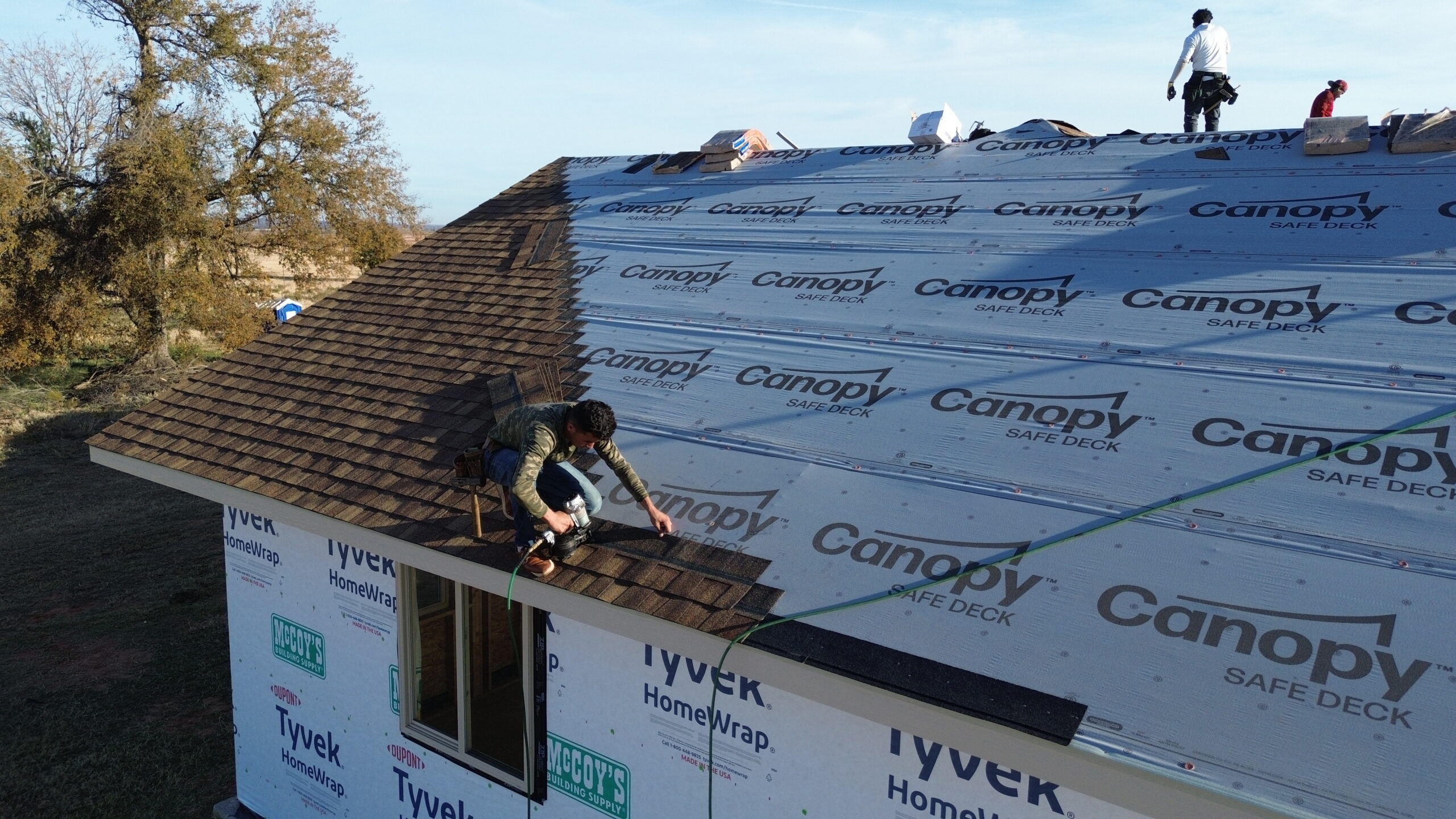
Even after hiring an experienced contractor, homeowners play an important role in maintaining the roof’s condition over time. Regular inspections and routine maintenance help identify small concerns before they develop into costly repairs.
Some practical habits include:
- Schedule roof inspections after major storms.
- Keep gutters free from leaves and debris.
- Trim tree branches that hang over the roof.
- Address small leaks immediately instead of waiting.
- Inspect attic spaces periodically for moisture or daylight.
- Keep warranty documents, invoices, and inspection reports in a safe location.
- Arrange professional maintenance according to the roof manufacturer’s recommendations.
These simple practices help extend the life of the roofing system while reducing the likelihood that hidden workmanship issues will go unnoticed. Preventive maintenance is almost always less expensive than emergency repairs caused by neglected problems.
Conclusion
Poor roofing contractor work is not always obvious immediately after a project is completed. Many installation mistakes remain hidden until changing weather conditions expose weaknesses through leaks, damaged shingles, poor ventilation, or structural deterioration. Understanding the warning signs allows homeowners to recognize problems early, reducing repair costs and protecting the long-term integrity of the home.
From uneven shingles and improper flashing to recurring leaks and inadequate moisture protection, every detail of a roofing installation contributes to the system’s overall performance. Quality workmanship ensures that roofing materials function as intended, while shortcuts and careless installation often create problems that become increasingly expensive over time.
Choosing a qualified roofing contractor requires more than comparing prices. Careful research, written contracts, quality materials, clear communication, and professional installation standards all contribute to a durable roof that provides reliable protection for many years. Investing in skilled workmanship from the beginning is one of the most effective ways to avoid unnecessary repairs and preserve your property’s value.
Regular inspections and prompt maintenance remain equally important after the project is complete. By staying alert to the common signs of poor roofing contractor work and addressing concerns before they escalate, homeowners can maximize the lifespan of their roof and enjoy greater confidence that their investment will continue protecting their home through every season.