
How to Choose the Right Roofing Contractor
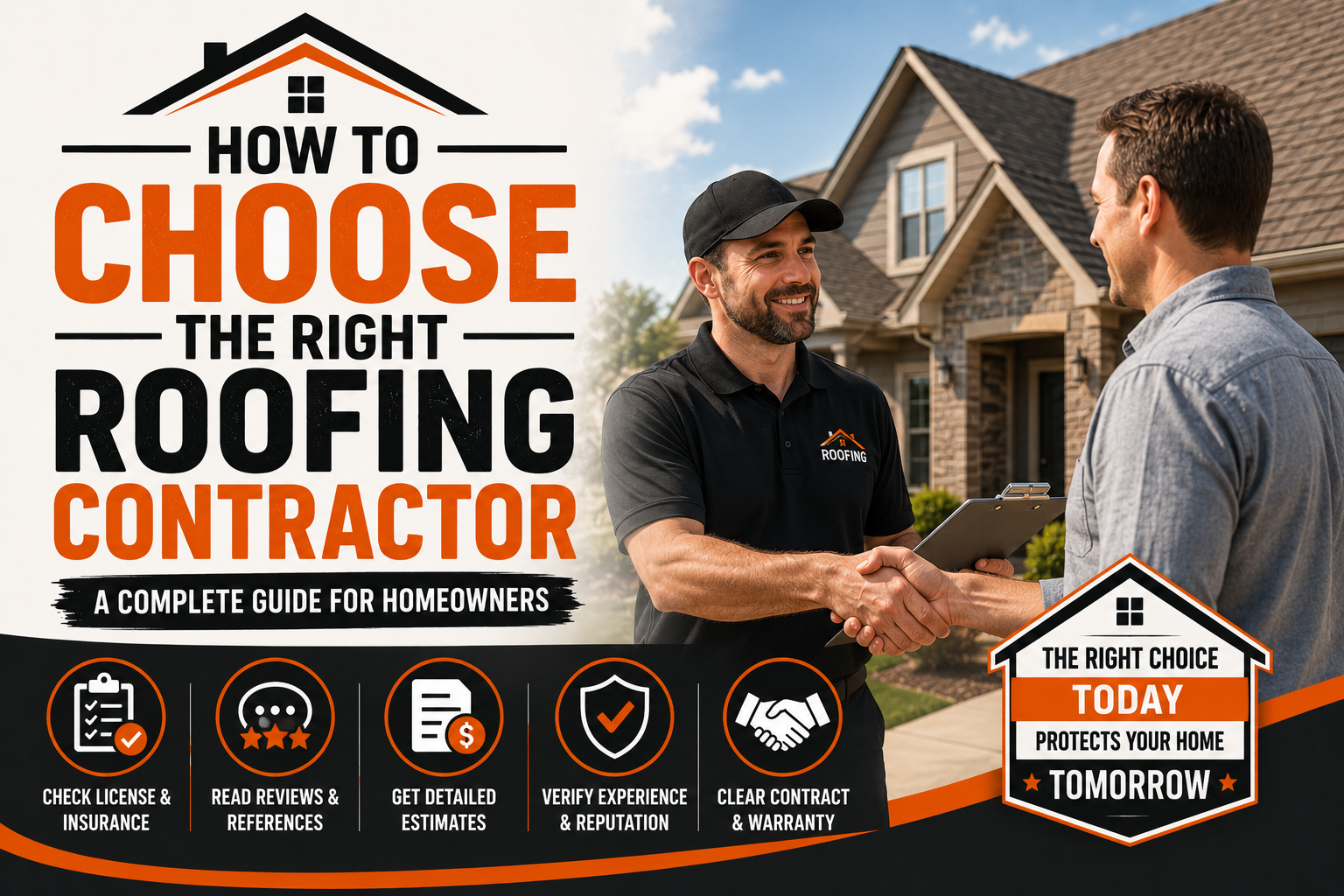
Choosing the right roofing contractor is one of the most important decisions a homeowner can make. Your roof protects your home, your belongings, and your family, so the quality of work matters a great deal. Hiring the wrong contractor can lead to poor workmanship, costly repairs, and long term problems that could have been avoided. This guide explains everything you need to know to choose a reliable roofing contractor with confidence.
Why Choosing the Right Contractor Matters
A roof is a major investment, and it is not something you replace often. Because of this, many homeowners do not have much experience hiring roofing professionals. This can make it difficult to know who to trust. The right contractor will provide quality materials, skilled labor, and clear communication throughout the project.
On the other hand, an inexperienced or dishonest contractor may cut corners, use low quality materials, or leave the job unfinished. This can result in leaks, structural damage, and higher costs in the future. Taking the time to choose the right contractor helps ensure your roof is built to last.
Start With Local Contractors
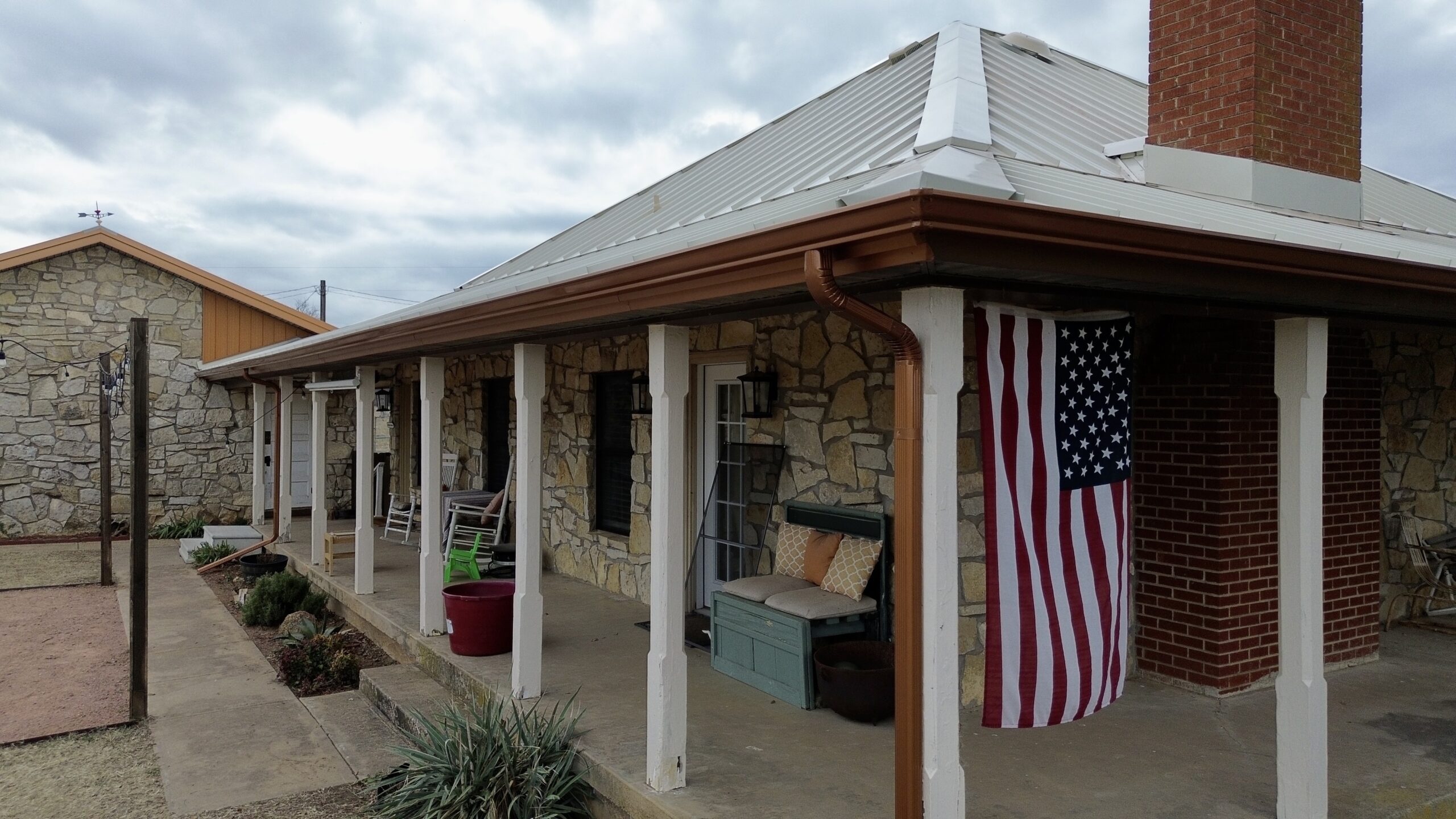
One of the best ways to find a trustworthy roofing contractor is to focus on local companies. Local contractors are familiar with regional weather conditions, building codes, and permit requirements. They are also more likely to stand behind their work because their reputation depends on the community.
Hiring a local contractor also makes it easier to reach them if issues arise after the project is completed. Out of town contractors may be difficult to contact or unwilling to return for follow up work. Choosing a contractor with a strong local presence provides peace of mind.
Check Licensing and Insurance
Before hiring any roofing contractor, it is essential to verify that they are properly licensed and insured. Licensing requirements vary by state, but a valid license indicates that the contractor meets certain standards and follows regulations.
Insurance is equally important. A reputable contractor should carry both liability insurance and workers compensation coverage. This protects you from being held responsible for accidents or damages that occur during the project.
Always ask for proof of licensing and insurance and verify the information if possible. This simple step can prevent serious problems later.
Look for Experience and Expertise
Experience plays a major role in the quality of roofing work. Contractors with years of experience have likely handled a wide range of projects and challenges. They are better equipped to identify issues and provide effective solutions.
Ask potential contractors how long they have been in business and what types of roofing systems they specialize in. Whether you need asphalt shingles, metal roofing, or another material, it is important to choose someone with relevant expertise.
An experienced contractor will also be able to provide references and examples of past work.
Read Reviews and Ask for References
Online reviews can provide valuable insight into a contractor’s reputation. Look for consistent patterns in customer feedback. Positive reviews that mention quality work, professionalism, and timely completion are good signs.
At the same time, pay attention to how the contractor responds to negative reviews. A professional response shows accountability and a willingness to resolve issues.
In addition to online reviews, ask the contractor for references from recent clients. Speaking directly with previous customers can give you a clearer understanding of what to expect.
Get Multiple Estimates
It is always a good idea to get estimates from several contractors before making a decision. This allows you to compare pricing, materials, and scope of work.
Be cautious of estimates that are significantly lower than others. While it may be tempting to choose the cheapest option, unusually low prices can indicate poor quality materials or inexperienced labor.
A detailed estimate should include the cost of materials, labor, permits, and any additional services. Clear and transparent pricing helps you avoid unexpected expenses.
Understand the Scope of Work
Before signing a contract, make sure you fully understand what is included in the project. The scope of work should outline all tasks, materials, and timelines.
This includes removing old roofing materials, installing new components, and cleaning up after the job is completed. It should also specify the type and brand of materials being used.
Having a clear scope of work ensures that both you and the contractor have the same expectations.
Ask About Warranties
Warranties provide protection and peace of mind for your roofing investment. There are typically two types of warranties to consider. The first is a manufacturer warranty that covers defects in materials. The second is a workmanship warranty that covers installation errors.
A reputable contractor will offer a strong workmanship warranty and explain the details clearly. Make sure you understand what is covered and how long the warranty lasts.
Choosing a contractor who stands behind their work is essential for long term reliability.
Evaluate Communication and Professionalism
Communication is a key factor in any successful project. Pay attention to how the contractor communicates from the beginning. Are they responsive to your questions? Do they provide clear and detailed answers?
Professionalism is also important. This includes punctuality, appearance, and the way they handle your concerns. A contractor who values communication and professionalism is more likely to deliver a positive experience.
Trust your instincts when interacting with potential contractors. If something feels off, it is worth exploring other options.
Avoid Storm Chasers and Scams
After severe weather events, it is common for out of town contractors to appear offering quick repairs. These are often referred to as storm chasers. While some may be legitimate, many are not.
Storm chasers may use high pressure sales tactics, request large upfront payments, or provide vague contracts. Once the job is done, they may disappear and be unavailable for follow up work.
To avoid scams, stick with established local contractors and take the time to verify their credentials. Never feel pressured to make a quick decision.
Review the Contract Carefully
The contract is a critical part of the hiring process. It should include all details of the project, including costs, timelines, materials, and payment terms.
Read the contract carefully before signing and ask questions if anything is unclear. Make sure there are no vague or missing details.
A well written contract protects both you and the contractor and helps prevent misunderstandings.
Understand Payment Terms
Payment terms should be clearly outlined in the contract. Avoid contractors who require full payment upfront. A reasonable payment schedule typically includes an initial deposit followed by payments at different stages of the project.
Make sure you understand when payments are due and what milestones must be completed before each payment. This ensures that work progresses as agreed.
Transparent payment terms build trust and reduce the risk of disputes.
Check for Proper Permits
Depending on your location, roofing projects may require permits. A reputable contractor will handle the permitting process and ensure that all work complies with local regulations.
Working without proper permits can lead to fines and complications when selling your home. Always confirm that permits are obtained when required.
This step ensures that your project meets safety and legal standards.
Inspect Past Work
If possible, take the time to view completed projects by the contractor. This can give you a better idea of the quality of their work.
Look for attention to detail, clean installation, and overall appearance. Seeing real examples helps you feel more confident in your decision.
Some contractors may also provide photos or portfolios of their work.
Consider Safety Practices
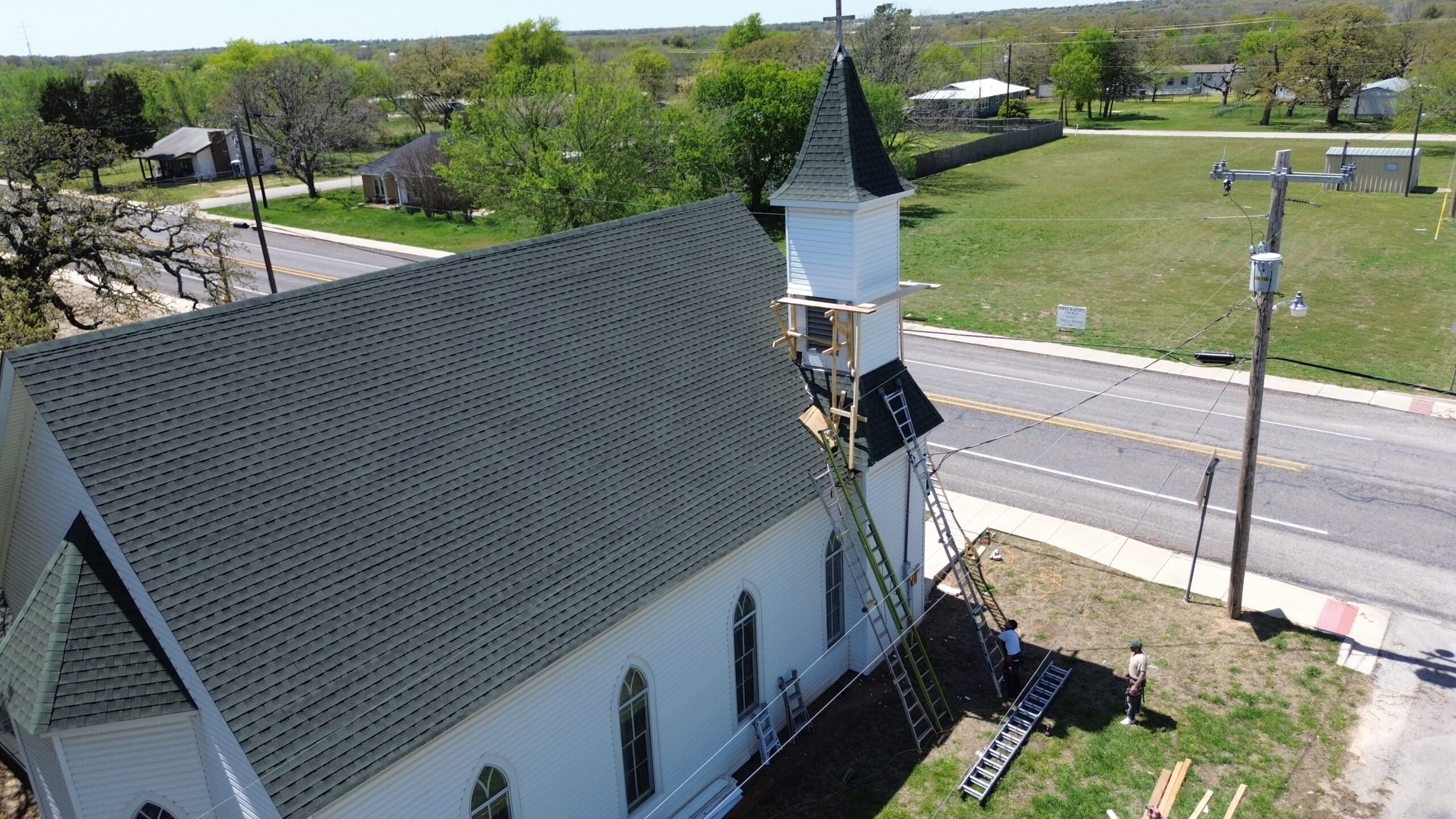
Roofing can be dangerous, so safety should be a top priority. Ask the contractor about their safety practices and procedures.
A professional contractor will follow safety guidelines, use proper equipment, and train their workers. This reduces the risk of accidents and ensures a smooth project.
Choosing a contractor who values safety protects both workers and your property.
Timeline and Project Management
Understanding the timeline of your roofing project is important. Ask the contractor how long the project will take and what factors could affect the schedule.
Weather conditions, material availability, and unexpected issues can impact timelines. A reliable contractor will provide realistic expectations and keep you informed of any changes.
Good project management ensures that work is completed efficiently and on time.
Red Flags to Watch For
There are several warning signs that may indicate a contractor is not trustworthy. These include lack of proper licensing or insurance, unwillingness to provide references, and vague or incomplete estimates.
Other red flags include high pressure sales tactics, requests for large upfront payments, and poor communication. If you notice any of these issues, it is best to look for another contractor.
Being aware of these warning signs helps you avoid potential problems.
Building a Long Term Relationship
Choosing the right roofing contractor is not just about one project. It is about building a relationship with a professional you can trust for future maintenance and repairs.
A reliable contractor will be available for inspections, minor repairs, and advice over time. This ongoing relationship helps keep your roof in good condition.
Having a trusted professional makes it easier to manage your roofing needs in the future.
Final Thoughts
Selecting the right roofing contractor requires careful research and consideration. By focusing on local professionals, verifying credentials, and evaluating experience, you can make an informed decision.
Take the time to compare estimates, review contracts, and ask questions. Do not rush the process or settle for less than quality work.
Your roof is a critical part of your home, and choosing the right contractor ensures it is installed and maintained properly. With the right approach, you can protect your investment and enjoy peace of mind for years to come.