How Waterproof Roofing Barriers Prevent Leaks
Introduction
A roof is one of the most important protective structures in any building. It shields the interior from rain, snow, wind, sunlight, and a variety of environmental conditions that can gradually damage a property over time. While many homeowners focus on shingles, tiles, or metal panels, the real protection against water intrusion often comes from what lies beneath the visible roofing materials.
Roof leaks are among the most common and costly issues faced by property owners. Even a small leak can allow water to enter hidden areas of the structure, leading to damage that may remain unnoticed for weeks or months. By the time stains appear on ceilings or walls, moisture may have already affected insulation, wooden framing, and other critical components.
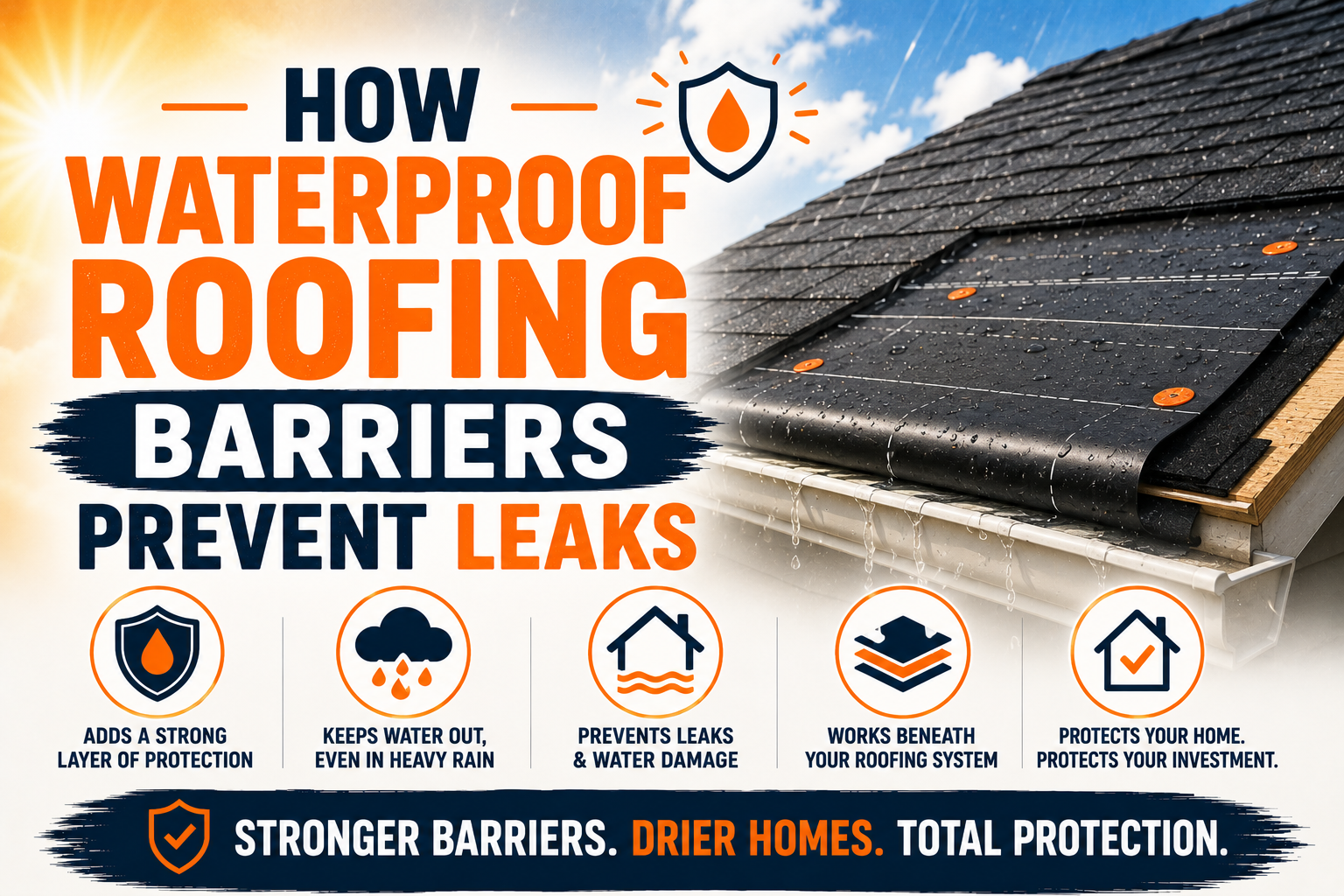
This is where waterproof roofing barriers play a vital role. These protective layers act as an additional shield beneath the primary roofing material, helping prevent water from reaching the roof deck and interior spaces. They provide an extra level of defense that significantly reduces the risk of leaks, especially during severe weather conditions.
Modern roofing systems are designed with multiple layers of protection. Waterproof barriers have become a crucial component because they help address vulnerabilities that traditional roofing materials alone cannot always prevent. Whether a roof is exposed to heavy rain, snow accumulation, strong winds, or fluctuating temperatures, a properly installed waterproof barrier can help maintain the integrity of the entire structure.
Understanding how these barriers function and why they are essential can help homeowners and property managers make informed decisions about roof protection. To appreciate their importance, it is first necessary to understand how roof leaks develop and what causes water to find its way into a building.
The Growing Importance of Roof Waterproofing
Weather patterns have become increasingly unpredictable in many regions. Intense storms, prolonged rainfall, and extreme temperature fluctuations place greater stress on roofing systems than ever before. As a result, the need for enhanced roof protection has become more important for both residential and commercial properties.
Many older roofing systems were designed with the assumption that the outer roofing material would be sufficient to keep water out. While shingles, tiles, and metal roofing can provide excellent protection, they are not completely waterproof under every condition. Wind driven rain, ice buildup, and damaged roofing materials can create pathways for water intrusion.
Waterproof roofing barriers serve as a backup protection system. When the primary roofing surface is compromised, the barrier continues to protect the structure beneath. This secondary line of defense can make the difference between a minor roofing issue and a major repair project.
The growing awareness of moisture related damage has also contributed to increased adoption of waterproof barriers. Property owners now recognize that preventing water intrusion is far more cost effective than repairing extensive structural damage after leaks occur.
In addition, modern building standards often emphasize moisture management as a critical aspect of construction. Waterproof roofing barriers align with these goals by helping roofs perform more effectively throughout their lifespan.
Understanding How Roof Leaks Develop
Many people assume that roof leaks occur only when a visible hole appears in the roof. In reality, water intrusion is often much more complex. A leak can develop through tiny openings, improperly sealed joints, damaged flashing, or even through water that travels beneath roofing materials.
Water naturally seeks the path of least resistance. Once it finds a small gap or vulnerable area, it can move into the roofing system and spread to surrounding materials. Because water can travel significant distances before becoming visible indoors, the source of a leak is not always directly above the area where damage appears.
Roof leaks often begin gradually. Small amounts of moisture may enter during heavy rainstorms and remain trapped within roofing components. Over time, repeated exposure allows the problem to grow until visible signs of damage emerge.
The roofing system is constantly exposed to environmental forces. Wind can lift roofing materials, temperature changes can cause expansion and contraction, and debris can create physical damage. Each of these factors increases the possibility of water penetration.
Without adequate protection beneath the surface, even minor roofing issues can allow moisture to reach the roof deck. Once this occurs, the risk of structural deterioration increases significantly.
Common Causes of Roof Water Intrusion
Understanding the causes of roof leaks helps explain why waterproof barriers are such an important component of modern roofing systems.
One common cause is damaged roofing materials. Shingles may crack, tiles can break, and metal panels can become loose due to weather exposure or aging. These issues create openings through which water can enter the roof structure.
Improper installation is another frequent contributor to leaks. Even high quality roofing materials can fail if they are not installed correctly. Gaps, misaligned components, and inadequate sealing can leave vulnerable points exposed to moisture.
Flashing failures are also a major concern. Flashing is used around roof penetrations such as chimneys, skylights, and vents. When flashing deteriorates or becomes detached, water can easily enter these critical areas.
Clogged gutters may contribute to water intrusion as well. When water cannot drain properly, it can back up beneath roofing materials and reach areas that were not intended to be exposed to standing water.
Environmental factors further increase leak risks. Strong winds can drive rain beneath shingles, while ice dams can trap melting snow on the roof surface. These conditions create opportunities for water to penetrate even well maintained roofs.
As roofs age, the cumulative effects of wear and tear make them increasingly susceptible to leaks. This is why additional waterproof protection becomes so valuable over the long term.
What Are Waterproof Roofing Barriers?
A waterproof roofing barrier is a specialized layer installed beneath the primary roofing material to help prevent water from reaching the roof deck and underlying structure. It functions as a protective membrane that acts as a backup defense against moisture intrusion.
Unlike visible roofing materials, waterproof barriers are generally hidden from view once installation is complete. Despite being concealed, they perform one of the most important roles in the roofing system. Their primary purpose is to stop water that bypasses the outer roofing layer.
These barriers can be manufactured from a variety of materials, including asphalt based compounds, synthetic polymers, and rubberized membranes. Each type is designed to resist water penetration while maintaining durability under challenging conditions.
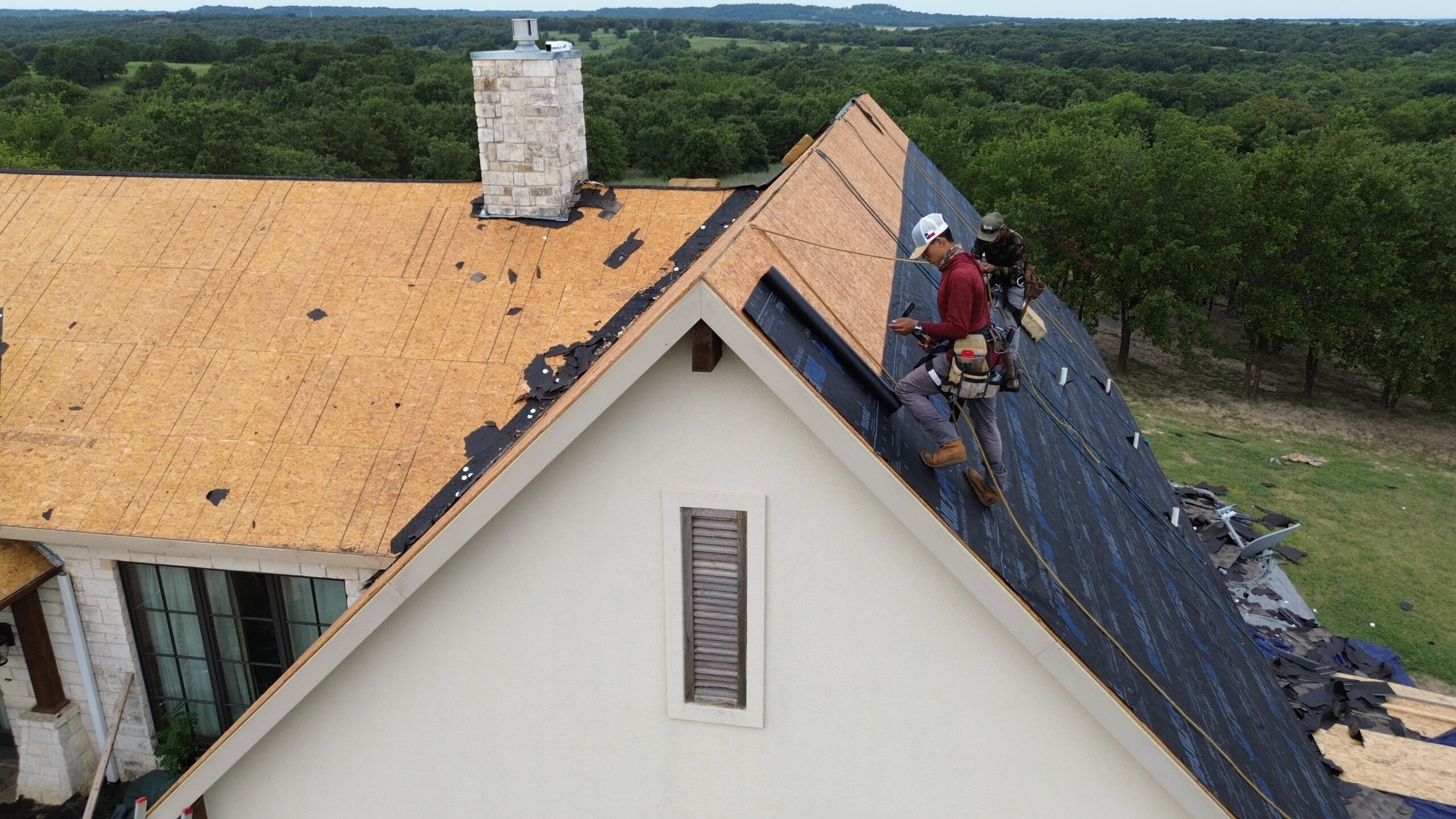
Waterproof barriers are often installed directly on top of the roof deck before shingles, tiles, or metal panels are applied. This placement allows them to intercept moisture before it reaches structural components.
The effectiveness of a roofing barrier depends on both material quality and proper installation. When correctly integrated into the roofing system, it creates a continuous layer of protection across vulnerable areas of the roof.
Modern waterproof barriers are engineered to withstand significant exposure to moisture, temperature changes, and physical stress. Their performance helps ensure that roofing systems remain resilient even when the outer roofing materials are temporarily compromised.
How Waterproof Roofing Barriers Work
The basic principle behind waterproof roofing barriers is relatively simple. They create a physical obstacle that prevents water from reaching the roof deck and interior structure.
When rainwater encounters the roofing surface, most of it is directed away through the roof’s slope and drainage system. However, some water may penetrate beneath shingles or other roofing materials due to wind, damage, or installation imperfections.
At this point, the waterproof barrier becomes active. Instead of allowing water to continue downward into the structure, the barrier redirects moisture toward drainage pathways where it can safely exit the roof system.
Many waterproof membranes feature self sealing properties. When nails or fasteners penetrate the material during installation, the membrane forms a tight seal around these openings. This reduces the likelihood of water infiltration through fastening points.
Certain waterproof barriers also provide enhanced adhesion to the roof deck. By forming a strong bond with the underlying surface, they minimize the risk of water traveling underneath the membrane itself.
Another important function is moisture management. Some advanced barriers are designed to resist external water while allowing trapped internal moisture vapor to escape. This helps maintain healthier roofing conditions and reduces the risk of condensation related issues.
Through these combined mechanisms, waterproof barriers create a reliable secondary shield that strengthens the overall performance of the roof.
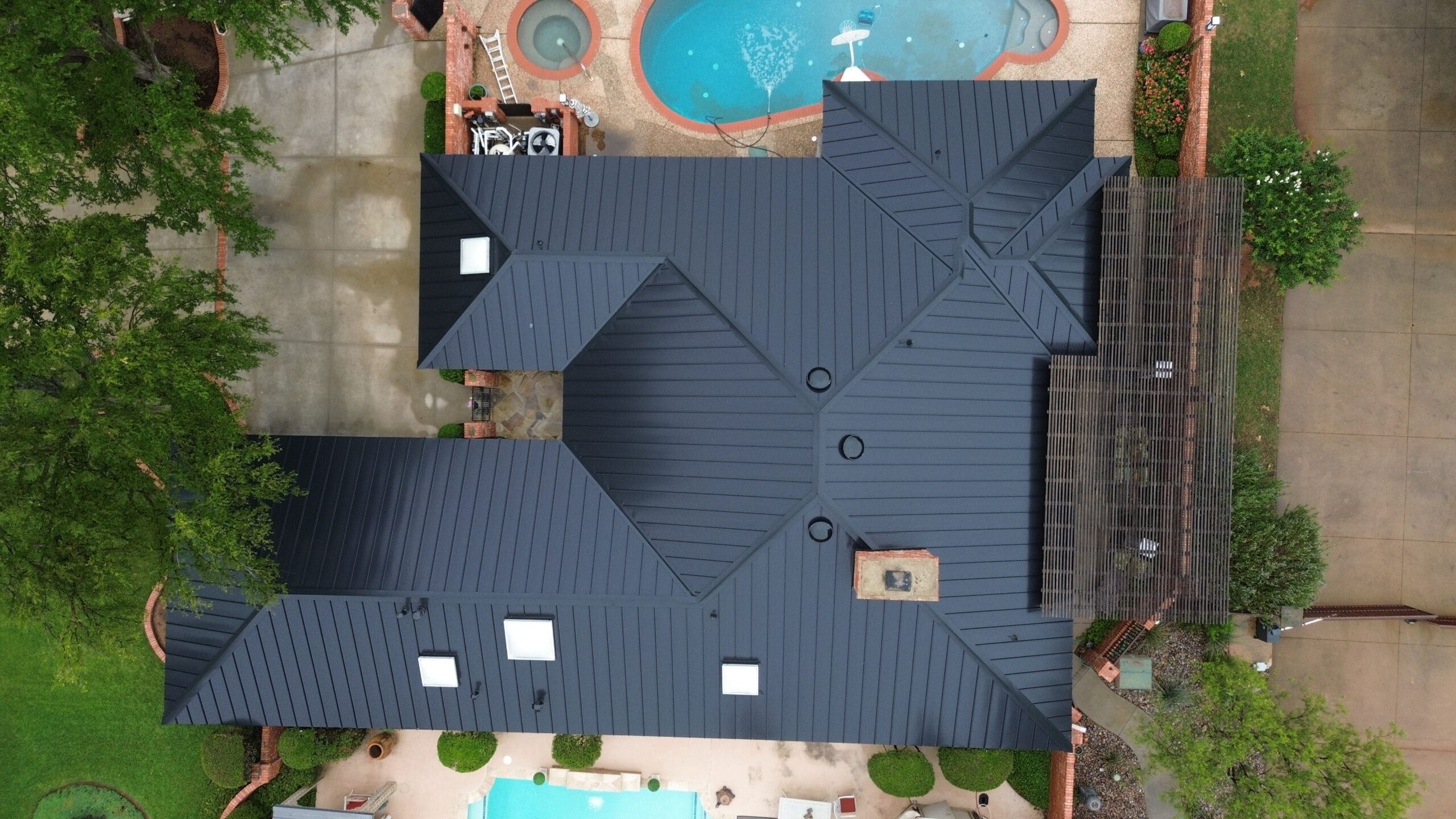
Key Components of a Modern Waterproof Roofing System
A complete waterproof roofing system consists of several interconnected components that work together to manage moisture effectively.
The roof deck serves as the structural foundation of the roofing system. It provides the surface upon which protective layers and roofing materials are installed. Protecting the roof deck from moisture is one of the primary objectives of waterproof barriers.
The waterproof membrane forms the central protective layer. This component creates the moisture resistant barrier that prevents water intrusion beneath the roofing material.
Flashing plays a critical role around roof penetrations and transitions. It helps direct water away from vulnerable areas where leaks commonly occur.
Ventilation systems contribute indirectly to waterproofing by controlling moisture accumulation within attic spaces and roof cavities. Proper ventilation helps reduce condensation and prolongs the life of roofing materials.
Drainage components such as gutters and downspouts ensure that water is efficiently removed from the roof. Effective drainage minimizes standing water and reduces stress on waterproofing systems.
When these elements function together, they create a comprehensive defense against water intrusion that supports long term roof performance.
Different Types of Waterproof Roofing Barriers
Not all waterproof roofing barriers are the same. Different materials offer varying levels of protection, durability, and suitability for specific roofing applications.
Understanding the available options helps property owners select the most appropriate solution for their needs.
Asphalt Saturated Underlayment
Asphalt saturated underlayment has been used in roofing systems for many decades. It typically consists of a felt base that is impregnated with asphalt to improve water resistance.
This material provides basic moisture protection and serves as an intermediate layer between the roof deck and roofing material. While it offers reliable performance under normal conditions, it may not provide the same level of waterproof protection as more advanced modern alternatives.
Its affordability has contributed to its continued use in many residential roofing projects. However, exposure to prolonged moisture and extreme temperatures can affect its durability over time.
For regions with moderate weather conditions, asphalt saturated underlayment can still provide valuable protection when installed correctly.
Synthetic Roofing Underlayment
Synthetic roofing underlayments have gained popularity due to their strength, durability, and improved performance characteristics.
These materials are typically manufactured from advanced polymers that resist tearing, moisture absorption, and ultraviolet exposure. Compared to traditional felt products, synthetic underlayments often offer longer service life and enhanced reliability.
Because they are lightweight, installation can be more efficient while still providing excellent protection. Their resistance to environmental stress makes them particularly attractive for areas prone to severe weather.
Many synthetic products also feature improved slip resistance, which can enhance safety during roof installation and maintenance activities.
As roofing technology continues to evolve, synthetic underlayments are becoming a preferred choice for many contractors and property owners.
Self Adhering Waterproof Membranes
Self adhering waterproof membranes represent one of the most effective solutions for preventing water intrusion.
These membranes contain adhesive backing that bonds directly to the roof deck. This creates a continuous protective layer with minimal gaps or weak points.
One significant advantage is their ability to seal around nails and fasteners. This self sealing characteristic helps maintain waterproof integrity even after roofing materials are attached.
Self adhering membranes are commonly installed in high risk areas such as valleys, eaves, and roof penetrations. These locations are particularly vulnerable to water infiltration and benefit greatly from enhanced protection.
Their superior waterproof performance makes them a popular choice in regions that experience heavy rainfall, snow, or ice related challenges.
Rubberized Asphalt Barriers
Rubberized asphalt barriers combine asphalt with rubber based compounds to create highly flexible and durable waterproof membranes.
This flexibility allows the material to accommodate movement caused by temperature changes and structural shifts. As a result, the barrier maintains its protective qualities even under demanding conditions.
Rubberized asphalt products provide exceptional resistance to water penetration and are often used in premium roofing systems. Their strong adhesion and self sealing capabilities further enhance leak prevention.
These barriers are especially effective in areas where roofs face repeated exposure to harsh environmental conditions. Their long lasting performance can contribute significantly to the overall durability of the roofing system.
Areas of the Roof Most Vulnerable to Leaks
Although every portion of a roof requires protection, certain areas are naturally more susceptible to water intrusion than others. Understanding these vulnerable locations highlights the importance of strategically installed waterproof barriers.
Roof Valleys
Roof valleys are formed where two roof slopes meet. Because they channel large volumes of water during rainfall, valleys experience greater moisture exposure than many other roof sections.
Water flowing through valleys moves with considerable force during storms. If roofing materials become damaged or improperly installed, leaks can develop quickly in these areas.
Waterproof membranes provide critical protection by creating an additional barrier beneath the roofing surface. This extra defense helps manage heavy water flow and reduces the likelihood of moisture reaching the roof deck.
Eaves and Roof Edges
Eaves and roof edges are exposed to both rainwater runoff and ice related issues. These locations frequently experience water accumulation during severe weather events.
Melting snow can refreeze near roof edges, forming ice dams that trap water on the roof surface. As water backs up beneath roofing materials, the risk of leakage increases substantially.
Installing waterproof barriers in these areas helps prevent trapped water from penetrating the roofing structure. The added protection is especially valuable in colder climates where ice dams are common.
Chimneys and Skylights
Chimneys and skylights interrupt the continuity of the roofing surface, creating transition points where leaks often develop.
These features require carefully installed flashing and waterproofing components to ensure proper water management. Even small installation errors can result in moisture intrusion over time.
Waterproof barriers help reinforce protection around these openings by creating a secondary layer beneath flashing systems. This reduces the impact of minor failures and enhances overall leak resistance.
The effectiveness of waterproofing in these locations often determines the long term performance of the entire roofing system.
Roof Penetrations and Vents
Every vent, pipe, and mechanical penetration introduces potential leak points into the roof. These openings must be properly sealed to prevent water infiltration.
Exposure to weather and temperature changes can gradually weaken seals around penetrations. As materials age, gaps may form that allow moisture to enter.
Waterproof barriers help mitigate these risks by providing backup protection beneath the surface. Even if external seals begin to deteriorate, the underlying membrane continues to guard against water intrusion.
This layered approach is one of the primary reasons waterproof roofing systems are so effective at preventing leaks.
Why Traditional Roofing Materials Alone Are Not Enough
Many property owners assume that shingles, tiles, or metal panels are completely waterproof. While these materials are highly effective at shedding water, they are primarily designed to direct moisture away from the roof rather than create an absolute waterproof seal.
Roofing materials face constant exposure to environmental stress. Strong winds can lift shingles, heavy rainfall can force water into small gaps, and temperature fluctuations can gradually weaken roofing components. Over time, these factors can create opportunities for moisture to bypass the outer layer.
Even newly installed roofs can experience unexpected issues. Manufacturing defects, installation errors, or severe weather events may compromise the roofing surface and allow water to reach underlying layers. Without a waterproof barrier beneath, the roof deck becomes vulnerable to damage.
Another challenge is that roofing materials naturally age. As shingles lose granules, tiles develop cracks, or metal fasteners loosen, the roof becomes more susceptible to water intrusion. Waterproof barriers provide an added level of protection that helps compensate for these inevitable changes.
The concept of layered protection is central to modern roofing design. Rather than relying on a single material to stop all moisture, roofing systems use multiple layers that work together to minimize risk. Waterproof barriers play a key role in this strategy by protecting areas that the visible roofing material cannot fully safeguard.
As building standards continue to evolve, the importance of secondary moisture protection has become increasingly recognized. Many roofing professionals now view waterproof barriers not as optional upgrades but as essential components of a durable roofing system.
The Hidden Costs of Roof Leaks
Roof leaks can cause far more damage than many people realize. While a water stain on a ceiling may appear minor, it often represents a larger problem occurring behind walls, above ceilings, or within structural components.
One of the most immediate consequences of a leak is damage to interior finishes. Water can stain paint, warp drywall, damage flooring, and ruin decorative elements throughout the home or building. These repairs can quickly become expensive.
Moisture also threatens insulation performance. Wet insulation loses much of its effectiveness, making it harder to maintain indoor temperatures. This can result in higher energy costs and reduced comfort for occupants.
Structural damage presents an even greater concern. Wooden framing, roof decking, and support members can weaken when exposed to prolonged moisture. Over time, rot and deterioration may compromise the integrity of the building.
Electrical systems may also be affected by water intrusion. Moisture entering areas with wiring or electrical equipment increases the risk of malfunctions and safety hazards.
The financial impact of these issues often extends beyond direct repair costs. Business interruptions, reduced property value, and recurring maintenance expenses can significantly increase the overall burden of roof related problems.
Because waterproof roofing barriers help prevent moisture from reaching critical building components, they serve as a valuable investment in long term property protection.
How Water Travels Through a Roofing System
Many people imagine water moving straight downward once it enters a roof. In reality, moisture often follows a much more complicated path.
Water can travel along rafters, insulation, fasteners, and other structural elements before becoming visible. This movement allows leaks to appear far from their original entry point, making diagnosis more difficult.
Capillary action can also contribute to water migration. Small gaps between materials may draw moisture into areas that would otherwise seem protected. This phenomenon can spread water deeper into the roofing system.
Wind driven rain introduces additional challenges. Strong winds can force water upward and sideways beneath roofing materials, allowing moisture to bypass traditional drainage pathways.
Condensation further complicates moisture management. Warm indoor air that reaches cooler roofing surfaces may condense into water droplets. If this moisture is not properly controlled, it can contribute to many of the same problems associated with roof leaks.
Waterproof roofing barriers help interrupt these pathways by creating a continuous protective layer. By stopping water before it reaches vulnerable components, they reduce the likelihood of hidden moisture damage developing over time.
The Science Behind Water Resistance and Water Shedding
Effective roofing systems rely on both water shedding and water resistance. While these concepts are related, they serve different purposes within the overall design of the roof.
Water shedding refers to the ability of roofing materials to direct rainwater away from the structure. Roof slopes, shingles, tiles, and metal panels all contribute to this process by encouraging water to flow toward gutters and drainage systems.
Water resistance focuses on preventing moisture from penetrating protective layers. Waterproof barriers excel in this area because they are specifically designed to block water movement even when exposure conditions become severe.
The combination of these two functions creates a highly effective moisture management system. The outer roofing layer sheds most water, while the underlying barrier provides protection against any moisture that bypasses the surface.
Surface tension also plays a role in waterproofing performance. Advanced membrane materials are engineered to resist water penetration while maintaining flexibility and durability. This allows them to perform effectively even under challenging conditions.
By understanding the distinction between shedding and resisting water, it becomes easier to appreciate why waterproof barriers are such an important addition to modern roofing systems.
Creating a Secondary Layer of Defense
No roofing material is completely immune to damage. Even the highest quality products can be affected by severe storms, falling debris, aging, or installation errors.
A waterproof roofing barrier serves as a secondary layer of defense that remains in place when the outer roofing surface is compromised. This backup protection greatly reduces the likelihood that a single failure will result in a significant leak.
For example, if a shingle is blown off during a windstorm, the waterproof barrier beneath can continue protecting the roof deck until repairs are completed. Without this layer, water may immediately reach structural components.
The same principle applies to cracked tiles, damaged flashing, and other roofing defects. By providing redundancy within the roofing system, waterproof barriers improve overall resilience.
This layered approach is similar to other building protection strategies. Just as walls often contain multiple moisture management components, roofs benefit from having more than one line of defense against water intrusion.
The result is a roofing system that performs more reliably under a wide range of conditions.
Protection Against Wind Driven Rain
Wind driven rain represents one of the most challenging conditions a roof can face. Unlike ordinary rainfall, wind driven rain can be forced beneath roofing materials and into areas that would normally remain dry.
During storms, high winds create pressure differences across the roof surface. These pressure changes may lift shingles slightly, allowing water to penetrate beneath them.
Heavy rain combined with strong winds can overwhelm traditional roofing defenses. Water may enter through seams, joints, and small openings that would not be problematic under normal conditions.
Waterproof roofing barriers help address this threat by creating a continuous moisture resistant layer beneath the outer roofing material. Even if wind driven rain reaches the underside of shingles or tiles, the barrier prevents further penetration.
This capability is especially valuable in coastal regions and areas that experience frequent storms. The additional protection can significantly reduce the risk of weather related roof damage.
As extreme weather events become more common in many regions, protection against wind driven rain has become an increasingly important consideration for property owners.
Preventing Ice Dam Related Water Damage
Ice dams are a major cause of roof leaks in colder climates. They form when snow on the roof melts due to heat escaping from the building and then refreezes near the roof edge.
As the ice barrier grows, it prevents additional meltwater from draining properly. Water begins to accumulate behind the dam and may eventually back up beneath roofing materials.
Because shingles are designed to shed water downward rather than resist standing water, backed up moisture can find pathways into the roof structure. This often leads to leaks and interior damage.
Waterproof roofing barriers provide critical protection in these situations. Self adhering membranes installed near eaves create a watertight seal that prevents backed up water from reaching the roof deck.
The ability to resist prolonged moisture exposure makes these barriers particularly effective against ice dam related problems. In many cold weather regions, their use is considered a best practice for roof construction.
By reducing the impact of ice dams, waterproof barriers help preserve both roof performance and interior building conditions.
How Waterproof Barriers Protect Roof Decking
The roof deck forms the structural foundation of the roofing system. Whether constructed from plywood, oriented strand board, or other materials, it must remain dry to maintain its strength and stability.
When moisture reaches the roof deck, several problems can develop. Wood based materials may swell, warp, or weaken as they absorb water. Repeated wetting and drying cycles can accelerate deterioration.
Over time, prolonged moisture exposure can lead to rot and structural damage. In severe cases, sections of the roof deck may require replacement, resulting in costly repairs.
Waterproof roofing barriers help prevent these issues by stopping water before it reaches the deck. Their position directly above the structural surface makes them highly effective at intercepting moisture.
Protecting the roof deck also contributes to the longevity of the entire roofing system. A dry and stable foundation supports better performance from all other roofing components.
This protective function is one of the primary reasons waterproof barriers are widely regarded as essential elements of modern roof construction.
Reducing Mold and Moisture Problems
Moisture is one of the key factors that contribute to mold growth. When water enters a building and remains trapped within walls, ceilings, or insulation, conditions become favorable for microbial development.
Mold can affect indoor air quality and create unpleasant odors throughout the building. It may also damage construction materials and require specialized remediation procedures.
Roof leaks are a common source of hidden moisture that supports mold growth. Because leaks often occur in concealed spaces, mold may develop before occupants become aware of the problem.
Waterproof roofing barriers help reduce this risk by limiting the amount of moisture that enters the roofing system. By preventing leaks at their source, they contribute to a healthier indoor environment.
In addition to protecting structural components, effective moisture control supports the long term comfort and safety of building occupants. This benefit extends far beyond the roof itself and influences overall building performance.
The connection between waterproofing and indoor environmental quality highlights the broader value of comprehensive roof protection.
Waterproof Barriers and Energy Efficiency
When people think about roofing systems, energy efficiency is not always the first benefit that comes to mind. However, waterproof roofing barriers can contribute significantly to a building’s overall thermal performance by helping maintain dry insulation and structural components.
Insulation performs best when it remains dry. When moisture enters insulation materials, their ability to resist heat transfer decreases substantially. This can make heating and cooling systems work harder to maintain comfortable indoor temperatures.
By preventing water intrusion, waterproof barriers help preserve insulation effectiveness. This allows the building envelope to perform as intended and supports more consistent indoor comfort throughout the year.
Moisture control can also reduce the likelihood of condensation related issues within roof assemblies. Excess moisture trapped in roofing components may affect thermal performance and contribute to material degradation over time.
Although waterproof barriers are not a replacement for proper insulation, they play an important supporting role. Protecting insulation from moisture helps maximize the value of a building’s energy efficiency investments.
The Role of Waterproof Membranes in Extreme Weather
Extreme weather events place enormous stress on roofing systems. Heavy rainfall, hurricanes, snowstorms, hail, and high winds can all challenge a roof’s ability to keep water out.
During severe storms, roofing materials may be damaged or displaced. Shingles can be torn away, flashing can loosen, and debris can create openings that expose vulnerable areas of the roof.
Waterproof membranes provide an important safety net under these conditions. Even when the outer roofing layer experiences damage, the membrane continues serving as a protective barrier against moisture intrusion.
Many modern waterproof membranes are engineered to withstand substantial temperature fluctuations. Their flexibility helps them maintain performance despite expansion and contraction caused by changing weather conditions.
Some advanced products also offer enhanced resistance to punctures and tearing. This durability helps ensure that the protective layer remains functional even when exposed to demanding environmental conditions.
As climate related weather extremes become more common in many regions, the value of robust waterproofing systems continues to increase.
Comparing Waterproof Roofing Barriers with Standard Underlayment
Although both waterproof barriers and standard underlayments are installed beneath roofing materials, their performance capabilities differ significantly.
Traditional underlayments primarily provide a temporary moisture resistant layer. They help protect the roof during construction and offer limited backup protection once the roofing system is complete.
Waterproof barriers are specifically engineered to resist water penetration under more demanding conditions. Their materials, installation methods, and sealing capabilities generally provide a higher level of protection.
One major difference is adhesion. Many waterproof membranes bond directly to the roof deck, creating a continuous seal. Standard underlayments often rely on mechanical fasteners and may not provide the same level of watertight performance.
Self sealing properties represent another important distinction. Waterproof membranes frequently seal around nails and fasteners, reducing the risk of leaks through penetration points.
Durability also tends to favor waterproof barriers. Advanced membrane technologies are designed to withstand prolonged exposure to moisture, temperature changes, and environmental stress.
While standard underlayments remain useful in many applications, waterproof barriers offer enhanced protection for areas where leak prevention is especially important.
Common Installation Mistakes That Reduce Effectiveness
Even the best waterproof roofing barrier cannot perform properly if installation errors occur. Careful workmanship is essential for achieving the intended level of protection.
One common mistake involves inadequate overlap between membrane sections. Gaps or insufficient overlaps can create pathways through which water may penetrate the roofing system.
Improper surface preparation is another concern. Dust, debris, moisture, or damaged decking can interfere with membrane adhesion and reduce effectiveness over time.
Incorrect placement of fasteners may also compromise waterproof performance. Excessive penetrations or improperly installed roofing components can create vulnerabilities within the system.
Failure to address critical areas such as valleys, roof penetrations, and flashing transitions can significantly increase leak risks. These locations require special attention because they experience concentrated water exposure.
Poor integration with other roofing components may create weak points where moisture can enter. Effective waterproofing depends on all elements of the roofing system working together as a cohesive unit.
Professional installation helps minimize these risks and ensures that waterproof barriers perform as intended throughout their service life.
Signs Your Roof May Need Improved Waterproof Protection
Many roofing problems develop gradually, making early detection important for preventing more extensive damage. Certain warning signs may indicate that a roof could benefit from improved waterproof protection.
Recurring leaks are one of the most obvious indicators. If water intrusion continues despite repairs, the underlying waterproofing system may be inadequate or deteriorated.
Water stains on ceilings and walls often suggest that moisture is entering the building through the roof. These stains may appear long after water first enters the structure.
Mold growth in attic spaces can indicate excessive moisture accumulation. Persistent dampness within roofing components frequently points to waterproofing deficiencies.
Damaged or aging roofing materials may also signal increased vulnerability. As roofs approach the end of their service life, the likelihood of water intrusion generally increases.
Other warning signs include warped decking, deteriorated flashing, and visible signs of moisture around roof penetrations. Addressing these issues early can help prevent larger and more costly problems.
A professional roof inspection can identify vulnerabilities and determine whether additional waterproof protection would be beneficial.
Benefits for Residential Properties
Homeowners invest significant resources in protecting their properties, and waterproof roofing barriers offer several important advantages in residential applications.
One of the primary benefits is leak prevention. By providing a secondary layer of defense, waterproof barriers reduce the likelihood of water reaching interior living spaces.
Homeowners also benefit from reduced maintenance costs. Preventing moisture related damage often eliminates the need for expensive repairs involving ceilings, insulation, drywall, and structural components.
Improved durability is another major advantage. Waterproof barriers help roofs withstand environmental stresses and maintain performance over longer periods.
Enhanced peace of mind is equally valuable. Knowing that the roof includes an additional protective layer can provide reassurance during severe weather events.
For homeowners planning long term property ownership, investing in waterproof protection can contribute to greater overall value and reduced risk of unexpected roofing problems.
Benefits for Commercial Buildings
Commercial properties often face unique roofing challenges due to larger roof areas, complex mechanical systems, and greater financial consequences associated with water intrusion.
A roof leak in a commercial building can disrupt business operations, damage inventory, and affect productivity. Preventing these issues is a key priority for property owners and facility managers.
Waterproof barriers help protect valuable assets by reducing the likelihood of moisture entering occupied spaces. This protection can be particularly important in facilities that contain sensitive equipment or materials.
Commercial roofs frequently include numerous penetrations for HVAC systems, ventilation equipment, and utility services. Waterproof membranes provide valuable reinforcement around these vulnerable locations.
Long term maintenance planning also benefits from improved waterproofing. By reducing leak related repairs, property owners can better manage operating costs and extend roof service life.
For many commercial facilities, waterproof roofing barriers represent an important component of comprehensive risk management strategies.
Factors to Consider When Selecting a Waterproof Roofing Barrier
Choosing the right waterproof roofing barrier requires careful evaluation of several factors. Different roofing systems and environmental conditions may call for different solutions.
Climate is one of the most important considerations. Regions that experience heavy rainfall, snow accumulation, or severe storms often benefit from more advanced waterproofing products.
Roof design also influences product selection. Complex roof configurations with numerous valleys, penetrations, and transitions may require enhanced protection in critical areas.
Compatibility with roofing materials is another key factor. Waterproof barriers should be selected to work effectively with the specific shingles, tiles, or metal systems being installed.
Durability expectations should also be considered. Property owners seeking long term performance may prefer premium membrane products that offer greater resistance to aging and environmental stress.
Installation requirements can affect product choice as well. Some membranes require specialized application techniques, while others are designed for faster installation.
Evaluating these factors helps ensure that the selected waterproof barrier meets the specific needs of the building and its environment.
Matching Barrier Types to Different Roofing Materials
Different roofing materials interact with waterproof barriers in different ways. Selecting compatible products helps maximize performance and reliability.
Asphalt shingle roofs commonly use synthetic underlayments and self adhering membranes in vulnerable areas. This combination provides effective moisture protection while supporting standard installation practices.
Tile roofs often require enhanced waterproofing because water can move beneath individual tiles during severe weather. High quality membranes provide valuable backup protection in these systems.
Metal roofing systems benefit from waterproof barriers that can accommodate thermal movement. Flexible membranes help maintain protection despite expansion and contraction of metal panels.
Low slope roofing applications frequently require specialized waterproofing products designed to manage slower drainage and prolonged moisture exposure.
By matching barrier characteristics to roofing material requirements, property owners can achieve more effective and durable moisture protection.
Climate Considerations and Regional Requirements
Climate plays a major role in determining waterproofing needs. A roofing system that performs well in one region may require additional protection in another.
Areas with frequent rainfall often prioritize membranes that provide exceptional resistance to water penetration. Continuous exposure to moisture increases the importance of reliable waterproofing.
Cold weather regions face unique challenges related to snow accumulation and ice dam formation. Self adhering membranes installed along eaves and vulnerable areas can help prevent ice related leaks.
Coastal environments introduce concerns related to high winds, salt exposure, and severe storms. Durable waterproof barriers provide valuable protection against these demanding conditions.
Hot climates place different stresses on roofing systems. Intense sunlight and temperature fluctuations require materials capable of maintaining performance under prolonged heat exposure.
Local building codes may also establish specific waterproofing requirements. Understanding regional expectations helps ensure compliance and optimal roof performance.
Professional Installation Versus DIY Installation
Some property owners consider installing waterproof roofing barriers themselves. While certain products may appear straightforward, proper installation requires attention to detail and technical knowledge.
Professional roofing contractors understand how different components interact within the roofing system. Their experience helps ensure that membranes are integrated correctly with flashing, drainage features, and roofing materials.
Contractors also possess the tools and expertise needed to address complex roof geometries. Valleys, penetrations, and transitions require careful workmanship to achieve reliable waterproof performance.
DIY installation may reduce initial labor costs, but mistakes can lead to expensive repairs if leaks develop later. Improper adhesion, inadequate overlaps, or missed vulnerable areas can compromise effectiveness.
For most projects, professional installation provides greater confidence that waterproof barriers will perform as intended. The investment often pays for itself through improved reliability and reduced risk.
Roof Maintenance Practices That Support Waterproof Protection
Even the best waterproof roofing barrier benefits from regular roof maintenance. Proper care helps preserve the overall performance of the roofing system and extends its lifespan.
Routine inspections allow property owners to identify damaged roofing materials before leaks develop. Addressing minor issues early often prevents larger problems later.
Keeping gutters and downspouts clear is particularly important. Effective drainage reduces standing water and minimizes stress on roofing components.
Debris removal also supports roof performance. Leaves, branches, and accumulated dirt can trap moisture and create conditions that encourage deterioration.
Periodic evaluation of flashing, sealants, and roof penetrations helps ensure that vulnerable areas remain protected. These components often experience wear before the main roofing surface.
A proactive maintenance program complements waterproof barriers by reducing the likelihood of conditions that could overwhelm the roofing system.
How Waterproof Barriers Extend Roof Lifespan
Roof replacement represents a significant investment for any property owner. Waterproof barriers help maximize that investment by supporting longer roof service life.
Moisture is one of the primary causes of roofing deterioration. By limiting water intrusion, waterproof barriers reduce the damage that can accelerate aging of roofing components.
Protecting the roof deck is especially important. A dry and stable foundation helps preserve the integrity of the entire roofing assembly.
Reduced moisture exposure also benefits insulation, fasteners, flashing, and other supporting components. Maintaining these elements in good condition contributes to overall roof durability.
The cumulative effect of improved moisture control often results in fewer repairs and longer intervals between major roofing projects. This can provide substantial financial benefits over time.
Because waterproof barriers help preserve critical structural components, they play a valuable role in extending the useful life of roofing systems.
Cost Versus Long Term Value
Some property owners initially focus on the added cost of waterproof roofing barriers. However, evaluating waterproofing solely on upfront expense can overlook its long term value.
Repairing water damage is often far more expensive than preventing it. Costs associated with structural repairs, mold remediation, insulation replacement, and interior restoration can accumulate quickly.
Waterproof barriers help reduce the likelihood of these expenses by addressing moisture problems before they develop. This preventive approach often results in lower overall ownership costs.
Improved roof durability can further enhance value by extending replacement intervals. A roofing system that lasts longer generally provides a stronger return on investment.
Property value considerations also play a role. Buyers often view well protected roofing systems as a positive feature that contributes to overall building quality.
When considered over the lifespan of the roof, waterproof barriers frequently prove to be a cost effective investment.
Emerging Innovations in Roofing Waterproofing Technology
Roofing technology continues to evolve, leading to new waterproofing solutions that offer improved performance and durability.
Manufacturers are developing advanced synthetic membranes with greater strength, flexibility, and environmental resistance. These materials are designed to perform effectively under increasingly demanding conditions.
Improved adhesive technologies are enhancing membrane attachment and sealing capabilities. Better adhesion helps create more reliable moisture barriers across complex roof surfaces.
Some products now incorporate enhanced vapor management features. These systems help balance waterproof protection with moisture control inside roof assemblies.
Sustainability is also influencing product development. Manufacturers are exploring environmentally responsible materials that maintain high performance while reducing environmental impact.
As innovation continues, future waterproof roofing barriers are likely to provide even greater protection, efficiency, and longevity.
When to Replace or Upgrade Existing Roofing Barriers
Waterproof barriers do not last forever. Although many products provide decades of reliable performance, replacement or upgrades may eventually become necessary.
Roof replacement projects often present the ideal opportunity to install updated waterproofing systems. Since roofing materials are already being removed, access to underlying components is readily available.
Repeated leak problems may indicate that existing waterproof protection is no longer performing effectively. In these situations, upgrading the waterproofing system can provide long term benefits.
Major renovations and building additions may also justify improved waterproof protection. New construction standards and technologies often offer better performance than older systems.
Professional inspections can help determine whether current waterproof barriers remain adequate. Evaluating roof condition periodically allows property owners to make informed decisions about upgrades and replacements.
Taking a proactive approach helps ensure that roofing systems continue providing dependable moisture protection throughout their service life.
Final Thoughts on Preventing Roof Leaks
Roof leaks rarely occur without warning. In many cases, water intrusion results from a combination of aging materials, environmental stress, installation deficiencies, and inadequate moisture protection.
Waterproof roofing barriers address these challenges by creating an additional layer of defense beneath the visible roofing surface. Their ability to prevent water from reaching structural components makes them one of the most valuable elements of a modern roofing system.
Whether protecting a family home, office building, warehouse, or commercial facility, waterproof barriers contribute to greater durability, improved performance, and reduced maintenance concerns. Their role extends beyond simple leak prevention and supports the overall health of the building.
As roofing technologies continue to advance, waterproof barriers will remain a central component of effective roof design. Property owners who understand their value are better positioned to protect their investments and avoid costly water related damage.
Conclusion
Waterproof roofing barriers play a critical role in preventing roof leaks by providing a dependable secondary layer of protection beneath the primary roofing material. While shingles, tiles, and metal panels are designed to shed water, waterproof barriers ensure that moisture does not reach the roof deck and structural components when the outer layer is compromised.
Their effectiveness comes from their ability to resist water penetration, seal vulnerable areas, protect against wind driven rain, and reduce the impact of ice dams and extreme weather conditions. By safeguarding critical roofing components, these barriers help prevent structural deterioration, mold growth, insulation damage, and costly repairs.
Modern roofing systems rely on a layered approach to moisture management, and waterproof barriers are one of the most important elements within that strategy. They improve roof durability, support energy efficiency, and contribute to longer service life for both residential and commercial properties.
Investing in quality waterproof roofing barriers and ensuring proper installation can significantly reduce the risk of leaks and water damage. For property owners seeking reliable long term protection, waterproof barriers represent one of the most effective tools available for maintaining a strong, resilient, and weather resistant roof.