

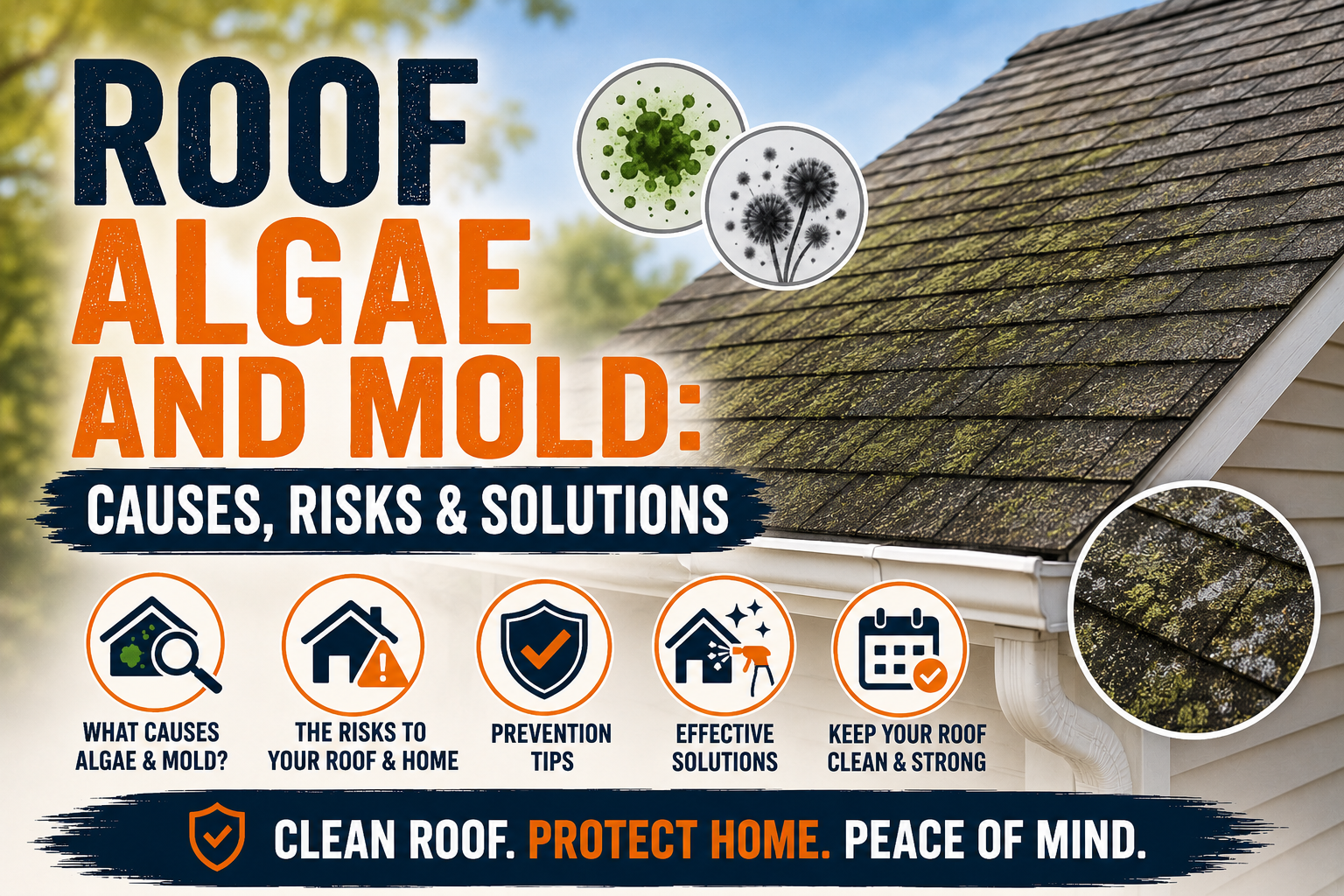
Roof Algae and Mold: Causes, Risks & Solutions
A roof is one of the most important parts of any home or commercial building. It protects the structure from harsh weather, helps maintain indoor comfort, and contributes significantly to property value. However, many homeowners overlook one common issue that can gradually damage their roofing system: algae and mold growth.
Dark streaks, green patches, and black stains on a roof are often dismissed as cosmetic problems. In reality, these growths can signal underlying moisture issues and may lead to long-term damage if left untreated. Understanding what causes roof algae and mold, the risks they present, and the best ways to eliminate and prevent them is essential for maintaining a healthy and durable roof.
This comprehensive guide explores everything property owners need to know about roof algae and mold, including identification, causes, health concerns, prevention methods, and professional solutions.
Understanding Roof Algae and Mold
Roof algae and mold are biological organisms that thrive in damp environments. While they may appear similar from a distance, they are different types of growth with unique characteristics and effects on roofing materials.
Roof algae are typically responsible for black streaks that run down roof surfaces. The most common species found on residential roofs is Gloeocapsa magma, a blue-green algae that appears black due to its dark protective coating.
Mold, on the other hand, often appears as green, black, or brown patches. It grows in moist environments and feeds on organic material, making shaded and damp roofing areas particularly vulnerable.
Both algae and mold can spread over time, especially when environmental conditions support their growth. They can affect asphalt shingles, wood shakes, tile roofs, and other roofing materials.
How Roof Algae Develop
Algae spores are naturally present in the air and can land on roofs through wind, rain, and environmental exposure. Once they settle on a suitable surface, they begin to multiply under favorable conditions.
Moisture is one of the primary requirements for algae growth. Roofs that remain damp for extended periods provide the perfect environment for algae colonies to expand.
Warm temperatures also contribute significantly to algae development. Regions with humid climates often experience higher rates of roof algae infestation because moisture and heat work together to accelerate growth.
As algae spread across roofing materials, they form visible streaks and discoloration. Over time, these stains become more pronounced and affect the roof’s overall appearance.
How Mold Forms on Roofs
Mold develops when spores land on damp surfaces and find a source of nutrients. Organic debris such as leaves, dirt, pollen, and tree residue can provide the food mold needs to grow.
Poor ventilation can also contribute to mold formation. When moisture becomes trapped in roofing systems, mold can establish itself both on the roof surface and beneath roofing materials.
Unlike algae, mold often penetrates deeper into roofing components. This makes it a more serious concern because it can affect structural elements if left untreated.
Areas that receive little sunlight are particularly susceptible. Shade prevents moisture from evaporating quickly, allowing mold colonies to thrive for extended periods.
Common Causes of Roof Algae and Mold
Several environmental and structural factors contribute to algae and mold growth. Understanding these causes can help property owners take preventive action before serious problems develop.
Excessive Moisture
Moisture is the most significant factor behind roof algae and mold growth. Frequent rainfall, high humidity, and poor drainage create ideal conditions for biological activity.
Water that remains on roofing materials for long periods increases the likelihood of spores taking hold. Even small amounts of retained moisture can support growth over time.
Tree Coverage and Shade
Trees provide many benefits, but excessive shade can create roofing problems. Branches that block sunlight prevent roofs from drying efficiently after rain.
Falling leaves and organic debris also accumulate on roof surfaces. This debris traps moisture and provides nutrients for mold growth.
Poor Roof Ventilation
Proper airflow helps regulate temperature and moisture levels in roofing systems. When ventilation is inadequate, condensation can develop within attic spaces and roofing structures.
Excess moisture can eventually migrate to roofing materials. This creates an environment where algae and mold can flourish.
Clogged Gutters
Gutters play a critical role in directing water away from the roof. When gutters become clogged with leaves and debris, water may back up onto roofing surfaces.
Standing water significantly increases the risk of biological growth. Regular gutter maintenance helps reduce this risk.
Roofing Material Composition
Some roofing materials are more susceptible to algae growth than others. Asphalt shingles often contain limestone fillers that provide nutrients for algae colonies.
As a result, asphalt roofs are among the most commonly affected roofing types. Manufacturers have developed algae-resistant products to address this issue.
Identifying Roof Algae
Recognizing algae early can help prevent extensive staining and damage. Roof algae have several distinct characteristics that make them relatively easy to identify.
The most common sign is the appearance of dark streaks running down roof slopes. These streaks typically begin in shaded areas and gradually spread across larger sections of the roof.
Algae stains often appear uniform and smooth rather than fuzzy or raised. The discoloration may become darker as colonies mature.
In many cases, algae growth is primarily cosmetic during its early stages. However, prolonged growth can contribute to roofing deterioration.
Identifying Roof Mold
Mold typically appears differently than algae. It often forms irregular patches with varying colors and textures.
Green, black, brown, or gray areas may indicate mold growth. Some mold colonies have a fuzzy or blotchy appearance that distinguishes them from algae streaks.
A musty odor around the roof or attic can also signal mold problems. In some cases, mold growth may extend beneath roofing materials and become visible inside the building.
Professional inspection is often necessary to determine the full extent of mold contamination. Surface appearances do not always reveal the severity of the issue.
Risks Associated with Roof Algae
Many homeowners assume algae only affect curb appeal. While aesthetics are a significant concern, algae can create additional problems over time.
Dark algae stains absorb more heat from sunlight. Increased heat absorption can raise roof temperatures and reduce energy efficiency during warmer months.
Persistent algae growth may also contribute to premature aging of roofing materials. As colonies expand, they can retain moisture and accelerate wear.
Property value can also be affected by visible roof staining. Potential buyers often perceive stained roofs as signs of neglect or maintenance issues.
Risks Associated with Roof Mold
Mold presents more serious concerns than algae because it can impact both building materials and occupant health.
When mold penetrates roofing systems, it can weaken structural components. Wood decking, insulation, and support elements may deteriorate if moisture problems persist.
Indoor air quality can also suffer. Mold spores may enter living spaces through ventilation systems or structural openings.
Individuals with allergies, asthma, or respiratory conditions may experience worsening symptoms when exposed to mold. This makes prompt remediation especially important.
The Impact on Roofing Materials
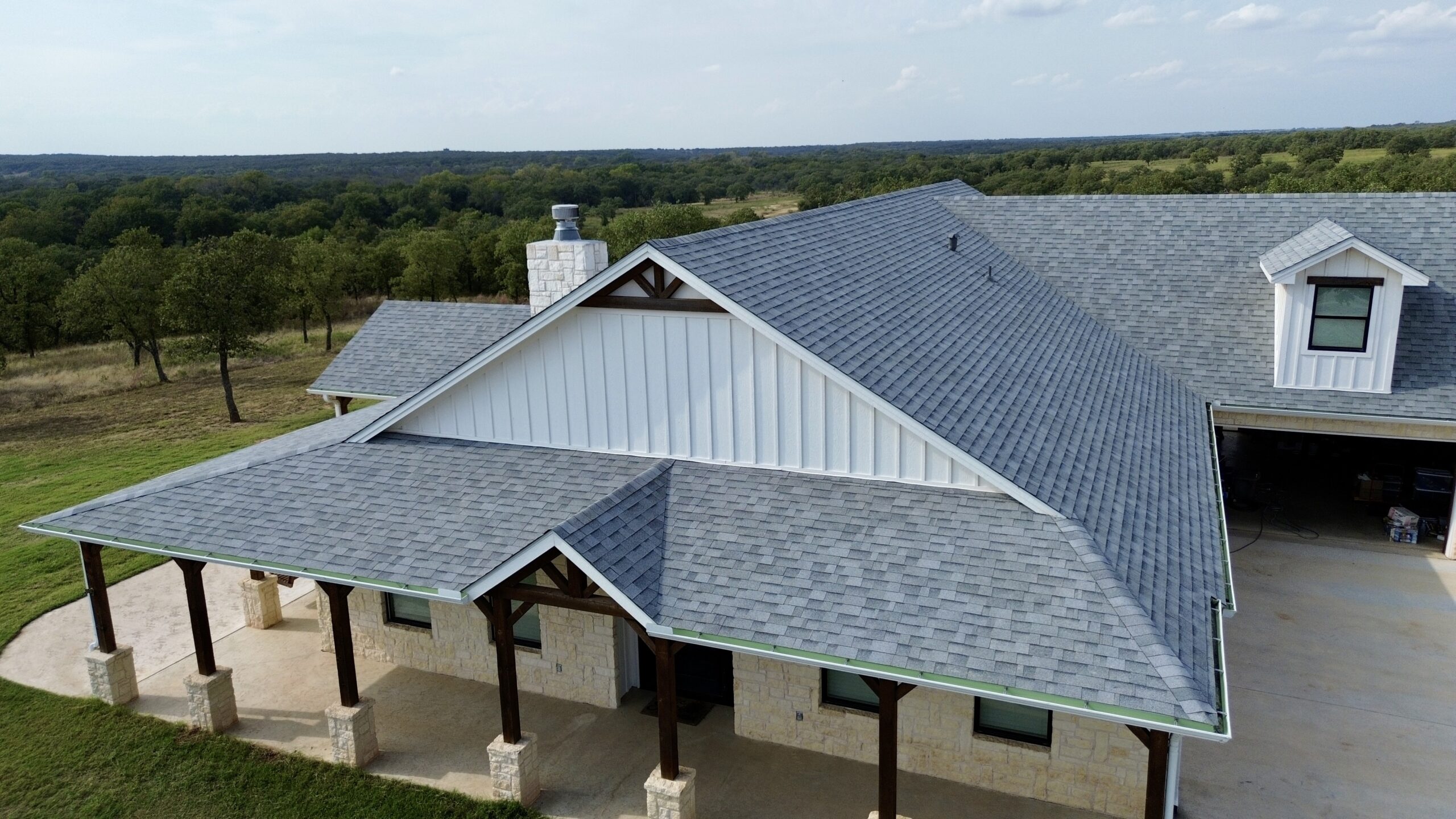
Different roofing materials respond differently to algae and mold exposure. However, prolonged growth can negatively affect nearly all roofing systems.
Asphalt shingles may lose protective granules more quickly when moisture remains trapped on their surfaces. This can reduce their lifespan and weather resistance.
Wood roofs are particularly vulnerable because mold can feed directly on organic materials. Rot and decay may develop if growth is not addressed.
Tile and metal roofs generally resist biological damage better than wood or asphalt. However, staining and moisture retention can still create maintenance concerns.
How Algae and Mold Affect Energy Efficiency
Roof discoloration influences how a roof interacts with sunlight. Clean, lighter-colored roofs typically reflect more solar energy than stained surfaces.
Dark algae streaks increase heat absorption. This can raise attic temperatures and place additional strain on cooling systems during hot weather.
Higher cooling demands often lead to increased energy bills. Over time, the financial impact can become significant.
Maintaining a clean roof helps preserve its reflective properties and supports overall energy efficiency.
Professional Roof Inspection
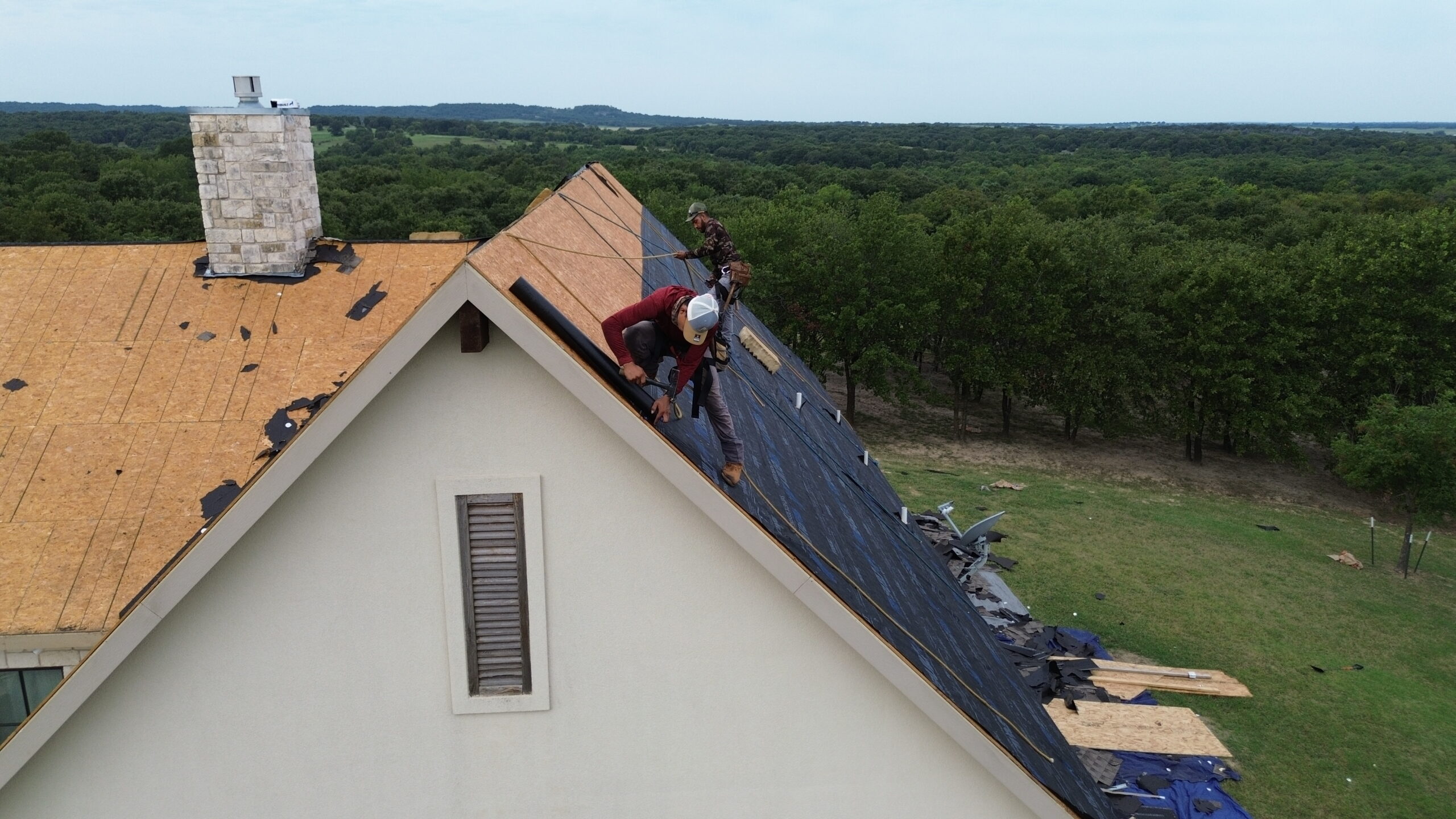
Professional inspections are valuable for accurately assessing algae and mold problems. Experienced roofing contractors can identify growth patterns and underlying causes.
An inspection typically includes evaluating roofing materials, drainage systems, ventilation, and moisture sources. This comprehensive approach helps ensure effective treatment.
Early detection can prevent minor issues from becoming costly repairs. Routine inspections are particularly important in humid climates.
Property owners should consider scheduling inspections whenever unusual stains or growth become visible.
Roof Cleaning Solutions
Several cleaning methods are available for removing roof algae and mold. The best approach depends on the roofing material, severity of growth, and overall roof condition.
Professional cleaning services often provide the safest and most effective results. They use specialized equipment and cleaning solutions designed for roofing applications.
Improper cleaning techniques can damage roofing materials. Therefore, caution is essential when attempting roof cleaning independently.
Choosing the right method helps preserve the roof while eliminating unwanted growth.
Soft Washing
Soft washing is one of the most popular roof cleaning methods. It uses low-pressure water combined with cleaning solutions to remove algae, mold, and other contaminants.
Unlike pressure washing, soft washing minimizes the risk of damaging shingles or roofing surfaces. This makes it suitable for many residential roofing systems.
The cleaning solution continues working after application, helping eliminate spores and reduce regrowth. Results often last significantly longer than simple rinsing methods.
Many roofing professionals recommend soft washing as the preferred approach for algae removal.
Why Pressure Washing Can Be Risky
Pressure washing may seem like a quick solution, but it can cause significant damage when used improperly.
High-pressure water can strip protective granules from asphalt shingles. It may also loosen roofing materials and create pathways for water infiltration.
The short-term visual improvement often comes at the expense of long-term roof performance. For this reason, many roofing manufacturers discourage pressure washing.
Safer alternatives are generally available for most cleaning situations.
Preventing Future Algae and Mold Growth
Prevention is often more cost-effective than repeated cleaning. Several proactive measures can reduce the likelihood of future infestations.
Regular maintenance is one of the most effective strategies. Keeping the roof clean and dry minimizes conditions that support biological growth.
Addressing moisture issues promptly also plays a critical role. Small drainage or ventilation problems can quickly contribute to larger concerns.
A combination of maintenance and preventive improvements usually delivers the best results.
Trim Overhanging Branches
Reducing shade helps roofs dry more quickly after rain. Increased sunlight exposure limits the moisture algae and mold need to survive.
Tree trimming also reduces the accumulation of leaves and organic debris. This decreases available nutrients for biological growth.
Clean Gutters Regularly
Proper drainage prevents water from collecting on roof surfaces. Gutters should be inspected and cleaned multiple times each year.
Removing debris helps maintain efficient water flow. This simple maintenance task can significantly reduce moisture-related issues.
Improve Ventilation
Effective attic ventilation helps control humidity levels throughout the roofing system. Balanced airflow reduces condensation and moisture buildup.
Professional evaluation may be necessary to determine whether ventilation improvements are needed. Proper ventilation benefits both roof performance and indoor comfort.
Install Algae-Resistant Shingles
Many modern roofing products include algae-resistant technology. These shingles often contain copper or other materials that inhibit algae growth.
While not completely immune, algae-resistant shingles provide greater protection than traditional products. They are especially beneficial in humid regions.
The Role of Copper and Zinc Strips
Copper and zinc strips are commonly used as preventive measures against roof algae. These strips are installed near the roof ridge.
When rainwater flows over the metal, small amounts of copper or zinc are released. These minerals inhibit algae growth as water travels down the roof surface.
Many homeowners find this solution effective for reducing future staining. Professional installation helps ensure optimal performance.
When Roof Replacement Becomes Necessary
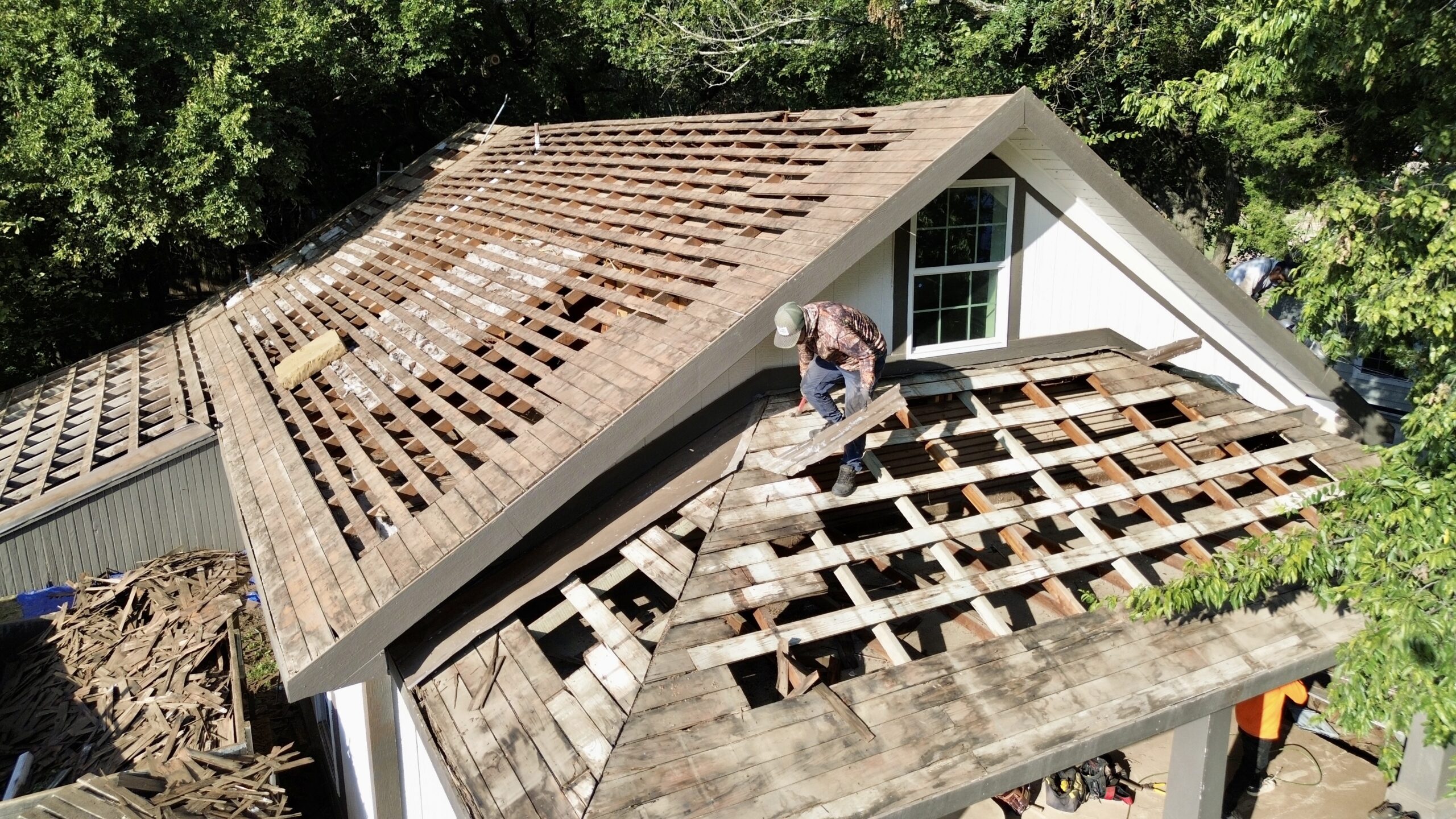
In severe cases, cleaning alone may not solve the problem. Extensive mold damage or advanced roofing deterioration may require replacement.
A roofing professional can determine whether repairs are sufficient or if replacement is the better long-term investment. Factors such as roof age and structural condition influence this decision.
Replacing a compromised roof provides an opportunity to upgrade materials and improve resistance to future growth. Modern roofing technologies offer enhanced durability and protection.
DIY vs Professional Treatment
Some homeowners consider handling algae and mold removal themselves. While minor cleaning may be possible, DIY approaches carry certain risks.
Roof work involves fall hazards and potential material damage. Improper chemical use can also harm landscaping and surrounding surfaces.
Professional services provide expertise, specialized equipment, and safer treatment methods. In many cases, the long-term benefits outweigh the initial cost.
Property owners should carefully evaluate the scope of the problem before deciding on a treatment approach.
Seasonal Roof Maintenance Tips
Consistent maintenance throughout the year helps prevent algae and mold problems from developing.
A seasonal maintenance routine should include:
- Inspecting the roof for stains and discoloration.
- Removing leaves and debris.
- Checking gutters and downspouts.
- Examining attic ventilation.
- Addressing moisture issues promptly.
These simple steps can extend roof life and reduce maintenance expenses over time.
Environmental Factors and Regional Differences
Climate plays a major role in roof algae and mold growth. Regions with frequent rainfall and high humidity typically experience higher infestation rates.
Coastal areas are particularly susceptible because moisture levels remain elevated throughout much of the year. Warm temperatures further accelerate biological activity.
Even drier regions are not immune. Shaded areas and localized moisture problems can support growth regardless of overall climate conditions.
Understanding regional risk factors helps property owners implement appropriate preventive measures.
Cost Considerations
The cost of addressing roof algae and mold varies depending on several factors. Roof size, growth severity, accessibility, and treatment methods all influence pricing.
Routine cleaning is generally less expensive than repairing damage caused by prolonged neglect. Preventive maintenance often delivers the greatest value over time.
Property owners should view roof care as an investment rather than an expense. Protecting roofing materials can prevent much larger repair costs in the future.
Obtaining professional assessments helps ensure accurate budgeting and effective treatment planning.
Conclusion
Roof algae and mold are more than simple cosmetic issues. They can affect roofing performance, energy efficiency, property value, and even indoor air quality when left untreated.
Understanding the causes of these growths is the first step toward effective prevention and management. Moisture, shade, poor ventilation, and inadequate maintenance are among the most common contributing factors.
Regular inspections, proper cleaning methods, and preventive measures such as improved ventilation and algae-resistant roofing materials can significantly reduce the risk of future problems. Taking action early helps protect both the roof and the overall health of the building.
Whether dealing with minor algae streaks or extensive mold contamination, timely intervention is essential. By maintaining a proactive approach, homeowners and property managers can preserve roof appearance, maximize service life, and avoid costly repairs for years to come.