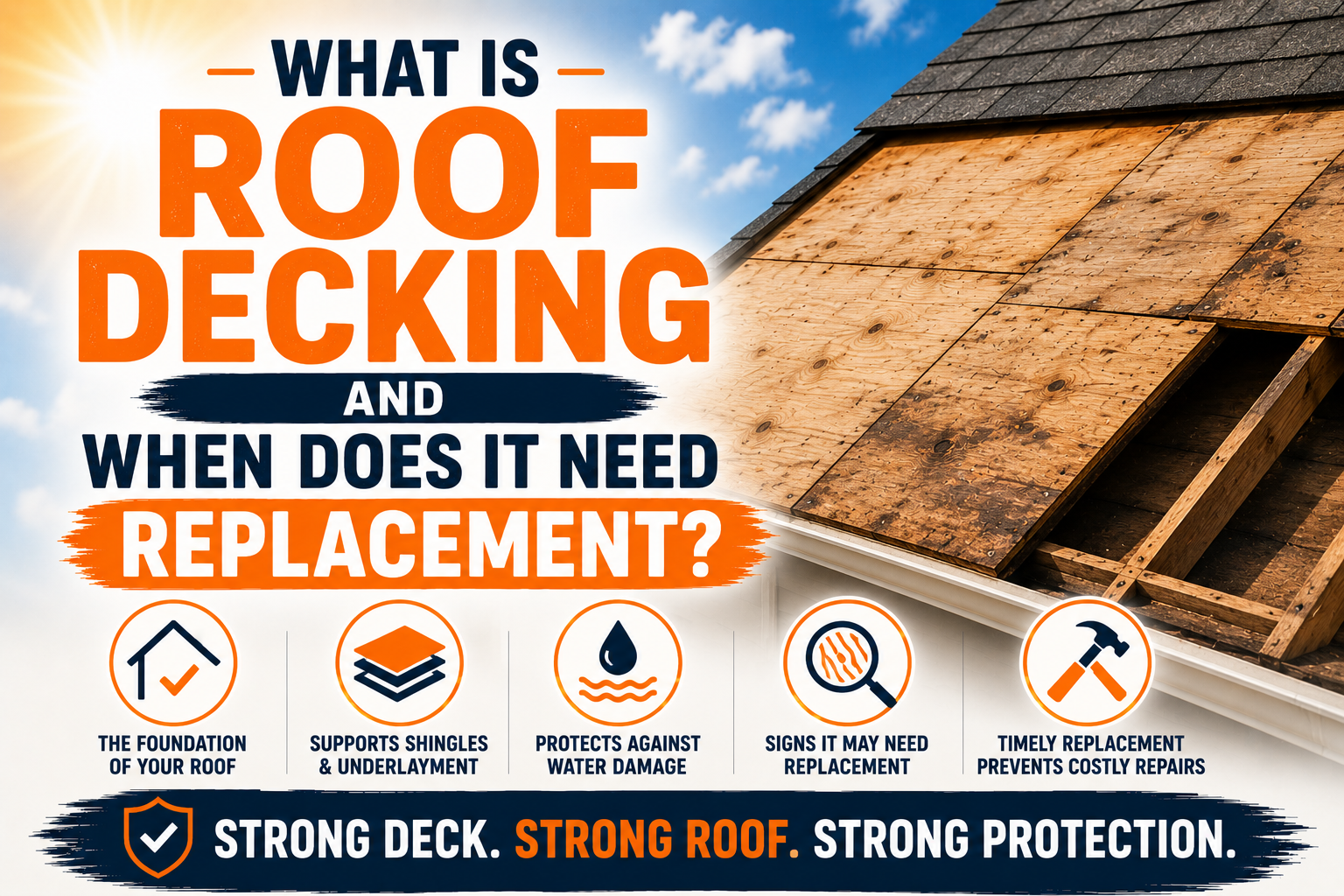
What Is Roof Decking and When Does It Need Replacement?
Introduction
Your roof is one of the most important parts of your home because it protects everything underneath it from rain, wind, sunlight, snow, and changing temperatures. While most homeowners pay attention to shingles, tiles, or metal roofing, there is another component hidden beneath the surface that plays an equally important role. This hidden layer is known as roof decking, and it forms the foundation that supports the entire roofing system.
Roof decking is rarely visible during routine inspections, which is why many homeowners are unfamiliar with its purpose. Despite remaining out of sight, it provides the structural base that holds roofing materials securely in place. Without strong decking, even the highest quality roofing materials cannot perform as intended.
Over time, roof decking can experience wear caused by moisture, age, weather exposure, or structural issues. Damage often develops gradually, making it difficult to notice until roofing work begins or leaks become apparent inside the home. Understanding what roof decking is and recognizing the warning signs of deterioration can help homeowners avoid more expensive repairs in the future.
In this guide, you will learn what roof decking is, why it is essential, the different materials used to build it, how it supports your roof, the difference between roof decking and roof sheathing, and the common signs that indicate it may be damaged. By the end of this article, you will have a clear understanding of why this often overlooked component deserves careful attention.
What Is Roof Decking?
Roof decking is the solid surface attached directly to the roof’s structural framework. It covers the rafters or trusses and creates a flat, stable platform where underlayment, waterproof barriers, and roofing materials are installed. Every roofing system depends on this layer to distribute weight evenly and provide reliable support.
In modern homes, roof decking is usually made from engineered wood panels such as plywood or oriented strand board (OSB). These materials offer an excellent balance of strength, durability, and affordability, making them the preferred choice for residential construction. Older homes may feature plank decking made from individual wooden boards instead.
Think of roof decking as the backbone of your roof. The shingles or metal panels may be the visible protective layer, but they cannot function properly without a solid surface beneath them. If the decking weakens, the entire roofing system becomes more vulnerable to leaks, sagging, and structural failure.
Roof decking also helps distribute the weight of roofing materials, maintenance workers, snow accumulation, and wind pressure across the roof structure. By spreading these loads evenly, it reduces stress on individual rafters or trusses and contributes to the overall stability of the building.
Because roof decking remains hidden beneath multiple roofing layers, homeowners often overlook its condition. It usually receives close inspection only during roof replacement, major repairs, or after severe storm damage. This makes regular roof maintenance especially important because identifying small issues early can prevent widespread decking deterioration.
Why Roof Decking Is an Essential Part of a Roofing System
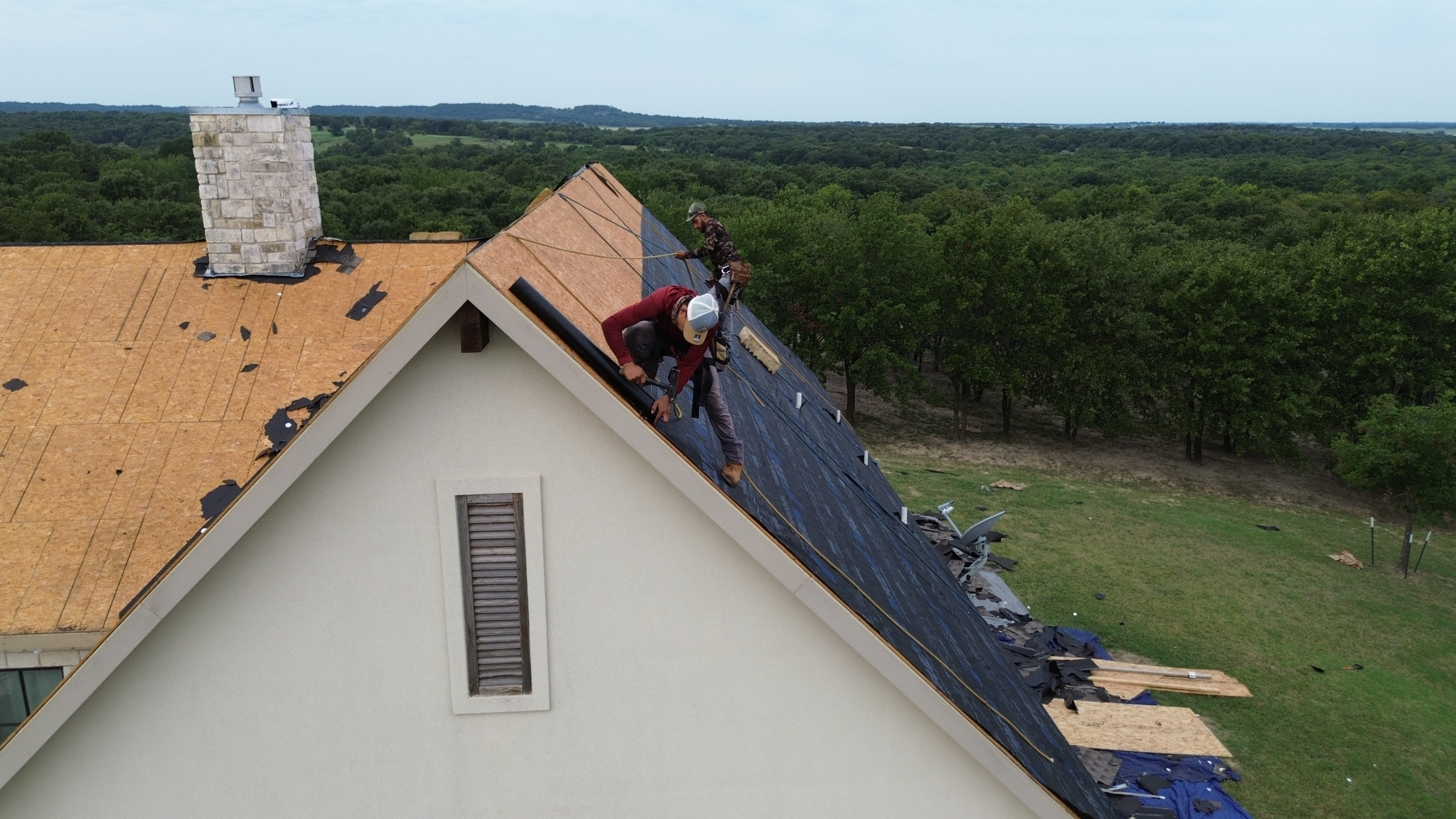
Every component of a roof depends on the strength and stability of the decking beneath it. While shingles protect against weather and underlayment provides moisture resistance, neither can perform effectively if the decking has become weak or damaged. A stable foundation allows every layer above it to function as intended.
Roof decking provides a secure surface for nails, screws, and fasteners that hold roofing materials in place. When the decking remains solid, roofing materials stay properly attached even during strong winds and changing weather conditions. Weak or deteriorated decking reduces the holding power of these fasteners, increasing the risk of roof damage.
Another important function of roof decking is maintaining the roof’s shape. It helps create a smooth, even surface that allows shingles, tiles, or metal panels to lie flat. Uneven decking can produce visible dips, waves, or raised sections that not only affect appearance but may also reduce water drainage efficiency.
Roof decking also contributes to the structural integrity of the home. By connecting multiple roof framing components together, it improves the overall rigidity of the roof structure. This added stability helps the roof withstand external forces such as heavy rainfall, strong winds, and moderate snow loads.
Properly installed roof decking also supports ventilation systems. Roof ventilation relies on balanced airflow through attic spaces, helping regulate temperature and moisture levels. Stable decking allows ventilation components to perform correctly, reducing the risk of condensation that can eventually damage wood framing.
Modern roofing systems are designed with each layer working together as a complete system. Roof decking forms the base that supports underlayment, flashing, insulation, ventilation components, and the finished roofing material. If this foundation fails, the performance of every other roofing component may also decline.
Common Materials Used for Roof Decking
Roof decking materials have evolved significantly over the years as construction methods and building standards have improved. Today’s materials are designed to provide strength, durability, and consistent performance while remaining cost effective for homeowners.
Plywood
Plywood has been a trusted roofing material for decades because of its strength and resistance to cracking. It consists of multiple thin layers of wood veneer that are glued together with alternating grain directions. This construction improves stability while reducing the likelihood of splitting under pressure.
Many contractors continue to choose plywood because it performs well in a wide range of climates. It also handles moisture better than many traditional wood products when properly protected by roofing materials.
Oriented Strand Board (OSB)
OSB is currently one of the most commonly used roof decking materials in residential construction. It is manufactured by compressing wood strands with waterproof adhesives under high pressure, creating large structural panels that are both durable and affordable.
One of OSB’s greatest advantages is its consistent manufacturing quality. The panels have uniform strength throughout, making installation efficient and predictable for roofing professionals. When properly installed and protected, OSB offers excellent long-term performance.
Plank Decking
Many older homes were built using solid wood planks rather than engineered panels. Individual boards were installed side by side across the roof framing to create the decking surface. While this method was common decades ago, it is less frequently used in modern construction.
Plank decking can remain structurally sound for many years if properly maintained. However, aging boards may develop gaps, cracks, or uneven surfaces that make installing modern roofing materials more challenging.
Tongue and Groove Boards
Some homes feature tongue and groove roof decking, especially where exposed wood ceilings are part of the architectural design. These boards interlock tightly, providing additional strength while creating an attractive finished appearance inside the home.
This type of decking often serves both structural and decorative purposes. Because replacing it may affect the home’s interior appearance, repairs often require careful planning by experienced roofing professionals.
How Roof Decking Supports the Entire Roof Structure
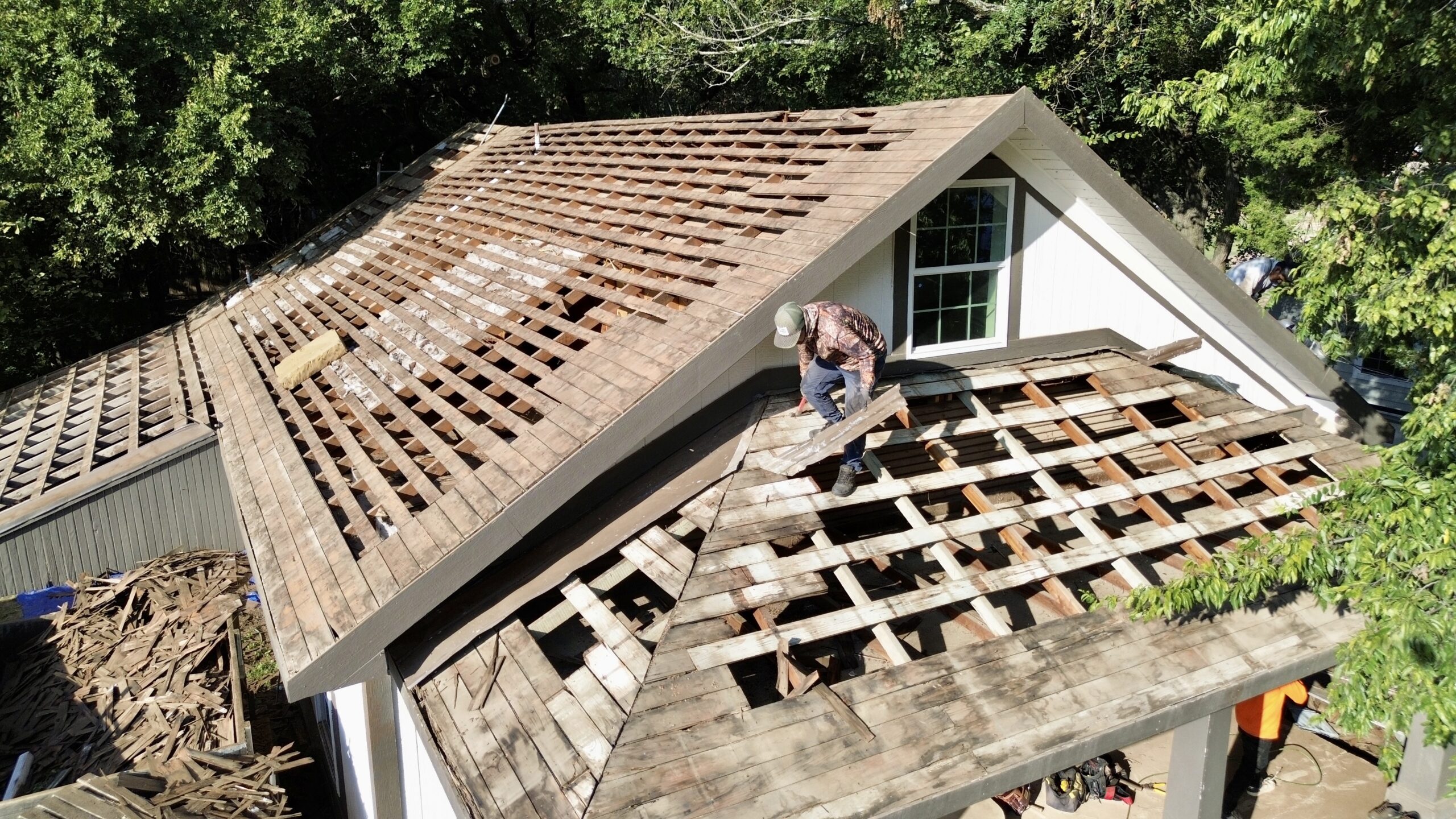
Although it is hidden beneath several roofing layers, roof decking performs numerous structural functions that directly affect the safety and longevity of the roof. Every roofing material installed above it depends on the decking remaining strong and stable throughout its service life.
The decking connects rafters or trusses into one unified surface. Rather than allowing each framing member to work independently, the decking helps distribute loads across the entire roof. This reduces concentrated stress and improves overall structural performance.
Weight distribution is especially important during severe weather. Heavy rain, accumulated snow, maintenance equipment, or workers walking on the roof all place additional loads on the structure. Roof decking spreads these forces evenly, helping prevent localized structural damage.
Wind resistance is another critical benefit provided by quality roof decking. Strong attachment between the decking and roof framing helps the roof resist uplift forces during storms. This secure connection reduces the likelihood of roofing materials becoming loose or separating from the structure.
Roof decking also supports the installation of moisture protection systems. Underlayment, waterproof membranes, flashing, and ice barriers all require a smooth, stable surface for proper installation. Uneven or damaged decking may create gaps that allow moisture to penetrate beneath roofing materials.
The quality of roof decking also influences energy efficiency. A stable roof assembly supports insulation and ventilation systems that help regulate attic temperatures throughout the year. Better temperature control reduces strain on heating and cooling systems while improving indoor comfort.
Finally, roof decking contributes to long-term durability by minimizing movement within the roofing system. Excessive flexing can loosen fasteners, crack roofing materials, and shorten the lifespan of the roof. Strong decking keeps every layer properly supported, allowing the roofing system to perform as designed.
Roof Decking vs Roof Sheathing: Is There a Difference?
Many homeowners use the terms roof decking and roof sheathing interchangeably, and in most situations they refer to the same structural layer. Both describe the solid surface attached to the roof framing that supports all roofing materials installed above it.
In residential construction, there is usually no practical difference between the two terms. Roofing contractors, inspectors, and manufacturers may choose one term over the other depending on regional preferences or company terminology, but they generally mean the same thing.
Some construction professionals make a slight distinction between the terms. They may use roof decking to describe the completed structural surface and roof sheathing to refer specifically to the wood panels or boards used to create that surface. Even with this distinction, the two terms are closely related and often used interchangeably.
Understanding this terminology helps homeowners communicate more confidently during roofing projects. Whether a contractor mentions replacing damaged decking or installing new sheathing, they are usually discussing the same part of the roofing system.
When reviewing roofing estimates or inspection reports, it is helpful to focus on the condition of the material rather than the terminology itself. The important consideration is whether the structural base remains strong enough to support the roofing system safely and effectively.
Signs That Your Roof Decking May Be Damaged
Because roof decking is hidden beneath roofing materials, identifying damage can sometimes be challenging. Fortunately, several warning signs may indicate that the decking has begun to weaken and deserves professional inspection.
One of the most noticeable warning signs is a sagging roofline. If sections of the roof appear uneven or develop visible dips, weakened decking may no longer be supporting the roofing system properly. Structural movement should never be ignored because it can worsen over time.
Water stains on ceilings or interior walls often indicate moisture entering the roofing system. Although leaks can originate from damaged shingles or flashing, prolonged water intrusion frequently affects the roof decking beneath. Continued exposure to moisture may eventually cause wood rot and structural weakening.
Soft or spongy areas on the roof can also indicate damaged decking. Roofing professionals often detect these areas while walking across the roof during inspections. A roof surface that flexes noticeably under weight may suggest that the decking has deteriorated.
Persistent attic moisture is another warning sign worth investigating. Damp insulation, musty odors, mold growth, or visible condensation may indicate moisture problems that eventually affect the roof decking. Addressing ventilation and leak issues early can prevent more extensive structural damage.
Visible mold or wood discoloration inside the attic should never be overlooked. These signs often indicate prolonged moisture exposure that may weaken wood fibers over time. Even if the damage appears localized, a thorough inspection can determine whether repairs are necessary.
Roofs approaching the end of their expected lifespan should also receive careful decking inspections during replacement. Even if the existing shingles appear to have performed well, decades of seasonal expansion, contraction, and weather exposure may have gradually affected the underlying decking.
Ignoring these warning signs can allow relatively small problems to become major structural repairs. Early inspection by a qualified roofing professional often identifies damage before it spreads, helping homeowners protect both their roof and the rest of their property.
Part 2 will explain the most common causes of roof decking deterioration, how professionals inspect it, when replacement becomes necessary, whether it can be replaced without installing a completely new roof, the replacement process, and the factors that influence overall replacement costs.
What Causes Roof Decking to Deteriorate?
Roof decking is designed to last for decades, but no building material lasts forever. Its lifespan depends on the quality of installation, the materials used, climate conditions, and how well the roof has been maintained over the years. Understanding the most common causes of deterioration allows homeowners to take preventive action before significant structural damage occurs.
Moisture is by far the leading cause of roof decking damage. Even a small roof leak can allow water to seep beneath the shingles and soak into the wooden decking. If the moisture remains trapped for an extended period, the wood begins to weaken, swell, and eventually rot.
Leaks are not always caused by damaged shingles. Faulty flashing around chimneys, skylights, roof vents, or valleys can allow water to enter the roofing system. Once water reaches the decking, deterioration often continues unnoticed until visible signs appear inside the home.
Poor attic ventilation is another major contributor to roof decking problems. Without proper airflow, warm and humid air becomes trapped inside the attic. This moisture condenses on the underside of the roof decking, creating ideal conditions for mold growth and wood decay.
Excessive humidity can affect roof decking even if there are no active roof leaks. Homes located in humid climates or those with inadequate ventilation systems are especially vulnerable. Over time, repeated exposure to moisture gradually reduces the structural strength of the wood.
Severe weather can also shorten the lifespan of roof decking. Heavy rain, hailstorms, hurricanes, and snow accumulation place additional stress on the roofing system. While roofing materials are designed to withstand these conditions, repeated weather events can eventually affect the decking beneath.
Ice dams present another seasonal concern in colder climates. When melting snow refreezes near the roof edge, water may back up underneath the shingles. This trapped moisture can slowly penetrate the decking, leading to long-term damage if the problem continues year after year.
Natural aging also plays a significant role. Even well-maintained roof decking experiences decades of expansion and contraction as temperatures change throughout the seasons. These repeated movements gradually weaken the material, especially when combined with moisture exposure.
Poor installation practices may cause premature deterioration as well. If decking panels were not properly fastened, spaced incorrectly, or installed over damaged framing, the roof may begin to show problems much sooner than expected. Quality workmanship during construction is essential for long-term performance.
Pest infestations can damage roof decking in certain situations. Termites, carpenter ants, rodents, and other pests may weaken wood by creating tunnels or nests inside the structure. While this type of damage is less common than moisture-related issues, it should not be overlooked during inspections.
Finally, neglecting regular roof maintenance allows minor issues to become major structural problems. Small leaks, missing shingles, clogged gutters, and damaged flashing may seem insignificant at first. However, if these problems remain unaddressed, they can eventually compromise the condition of the roof decking.
How Roofing Professionals Inspect Roof Decking
Roof decking cannot usually be evaluated through a simple visual inspection from the ground. Because it sits beneath the roofing materials, professionals use several methods to determine its condition before recommending repairs or replacement.
The inspection often begins inside the attic. Roofing contractors look for water stains, mold growth, discoloration, sagging areas, and visible signs of wood rot. These observations provide valuable clues about the condition of the decking above.
Inspectors also examine the attic for proper ventilation. Poor airflow may contribute to condensation that damages the decking over time. Identifying ventilation problems early helps prevent future moisture-related deterioration.
The exterior roof is then carefully inspected for signs of trouble. Missing shingles, cracked flashing, damaged vents, or areas where the roof appears uneven may indicate underlying decking issues. These surface problems often point to damage hidden beneath the roofing material.
Roofing professionals may gently walk across the roof to identify soft or spongy sections. Areas that flex under normal body weight can indicate weakened decking. Experienced contractors know how to perform this inspection safely without causing unnecessary damage.
During a roof replacement project, contractors gain direct access to the decking after removing the old roofing materials. This provides the most accurate opportunity to assess the condition of every section of the roof. Damaged panels can then be replaced before the new roofing system is installed.
Moisture meters are sometimes used to detect elevated moisture levels within the wood. Even when visible damage is limited, excessive moisture may indicate developing problems that require attention before they become more serious.
Professional inspections also include checking fasteners, framing connections, and structural alignment. The goal is not simply to identify damaged wood but to evaluate how well the entire roof system is functioning together.
A thorough inspection allows homeowners to make informed decisions based on the actual condition of the roof rather than assumptions. It also helps avoid unnecessary repairs while ensuring that hidden structural issues are addressed before new roofing materials are installed.
When Does Roof Decking Need Replacement?
Not every roofing project requires new roof decking. In many cases, the existing decking remains structurally sound and can continue supporting a new roof. However, there are situations where replacement becomes necessary to maintain safety and long-term performance.
Extensive wood rot is one of the clearest reasons for replacement. Rot weakens the wood fibers, reducing their ability to support roofing materials. Once decay has progressed beyond a certain point, repairs are usually no longer sufficient.
Large sections of water damage often require replacement as well. Swollen, warped, or delaminated panels cannot provide the stable surface needed for proper roofing installation. Installing new shingles over damaged decking only hides the problem temporarily.
Structural weakness is another important consideration. If the decking flexes excessively, sags between rafters, or has lost its load-bearing capacity, replacement becomes the safest option. A strong roof begins with a strong structural foundation.
Mold growth covering significant portions of the decking may also require replacement. Although surface mold can sometimes be cleaned, widespread moisture damage often indicates deeper deterioration within the wood. Replacing affected panels eliminates compromised material and reduces the likelihood of recurring issues.
Roof decking that has suffered repeated leak damage over many years often reaches a point where replacement is more practical than repair. Multiple repairs on severely weakened wood rarely provide the same level of reliability as installing new panels.
Building code requirements may also influence replacement decisions. During major roof renovations, local building regulations sometimes require damaged or outdated decking to be upgraded before new roofing materials can be installed. Contractors are responsible for ensuring compliance with these standards.
Homeowners occasionally assume that replacing only the visible roofing materials will solve every roofing problem. However, if damaged decking remains beneath the new roof, leaks and structural issues may continue to develop. Addressing the decking during roof replacement often prevents future repair expenses.
Ultimately, replacement decisions should be based on a professional assessment rather than appearance alone. Since roof decking remains hidden beneath the finished roof, experienced contractors are best equipped to determine whether repairs or full replacement provide the most reliable long-term solution.
Can You Replace Roof Decking Without Replacing the Entire Roof?
Many homeowners wonder whether roof decking can be replaced independently of the roofing materials. The answer depends on the location and extent of the damage, as well as the condition of the existing roof.
If the damaged area is small and easily accessible, contractors may remove a limited section of roofing materials to replace the affected decking. After the repair is complete, matching roofing materials can often be installed to restore the roof’s appearance.
This approach works best when the surrounding roof is still in good condition and has many years of useful life remaining. Localized repairs are generally less expensive than replacing the entire roofing system and can effectively resolve isolated problems.
However, extensive decking damage usually requires removing a much larger portion of the roof. In these situations, replacing the entire roofing system often becomes the more practical and cost-effective solution. Attempting multiple small repairs may increase labor costs without providing lasting results.
Roof age is another important factor. If the existing roof is already approaching the end of its lifespan, replacing both the decking and roofing materials at the same time eliminates the need for another major project in the near future.
Matching older roofing materials can also present challenges. Weathering, fading, and discontinued product lines may make repaired areas more noticeable. Homeowners who value a consistent appearance sometimes choose complete roof replacement instead.
Contractors evaluate each project individually before making recommendations. Their goal is to provide a repair strategy that restores structural integrity while offering the best long-term value for the homeowner.
The Roof Decking Replacement Process
Replacing roof decking involves far more than simply removing old wood and installing new panels. Every step is carefully planned to ensure the finished roof remains structurally sound, weather resistant, and compliant with local building codes.
The project begins with protecting the property and preparing the work area. Contractors set up safety equipment, cover landscaping, and organize materials before removing the existing roofing system. Proper preparation helps minimize disruption while improving workplace safety.
Next, the old roofing materials are removed to expose the decking underneath. Once the decking is visible, contractors inspect every panel carefully to determine which sections require replacement. This inspection often reveals damage that could not be detected from the roof surface.
Damaged decking panels are removed without affecting the surrounding structural framing whenever possible. Contractors also inspect rafters and trusses to ensure they remain in good condition before installing replacement panels.
New decking panels are cut to the correct dimensions and securely fastened according to manufacturer specifications and local building codes. Proper spacing between panels allows for natural expansion and contraction caused by temperature changes.
After the decking has been installed, contractors inspect the completed surface for alignment, stability, and secure fastening. Any necessary adjustments are made before proceeding to the next stage of roofing installation.
A waterproof underlayment is then applied across the new decking. This protective layer acts as a secondary moisture barrier beneath the finished roofing material. Flashing, ventilation components, and other roofing accessories are also installed or replaced as needed.
Finally, the new roofing materials are installed according to manufacturer guidelines. Once the work is complete, contractors perform a final inspection to verify that every component functions correctly as part of the complete roofing system.
How Much Does Roof Decking Replacement Cost?
Roof decking replacement costs vary considerably because every roofing project is unique. Factors such as the size of the damaged area, the type of decking material, labor rates, roof accessibility, and local construction costs all influence the final price.
Minor repairs involving only one or two damaged panels are naturally less expensive than replacing large sections of decking. If the damage is discovered during a scheduled roof replacement, labor costs may also be lower because the roofing materials have already been removed.
Material selection affects pricing as well. Plywood and OSB remain the most common choices, but costs vary depending on panel thickness, product quality, and regional availability. Specialty decking materials typically increase both material and installation expenses.
Labor represents a significant portion of the overall cost. Roof decking replacement requires skilled professionals who understand structural requirements, safety procedures, and proper installation techniques. Investing in experienced contractors often results in better long-term performance.
Roof complexity can also increase costs. Steep roof slopes, multiple roof levels, skylights, chimneys, and architectural features require additional labor and safety precautions. These factors extend installation time and may increase project pricing.
Unexpected structural repairs sometimes arise once the old roofing materials have been removed. Damaged rafters, trusses, or ventilation components may require attention before the new decking can be installed. Homeowners should be prepared for the possibility of additional repairs if hidden damage is discovered.
Rather than focusing solely on the initial cost, homeowners should consider the long-term value of replacing damaged decking. Installing new roofing materials over weakened decking often leads to recurring problems that cost significantly more to repair in the future.
Obtaining multiple detailed estimates from reputable roofing contractors helps homeowners compare recommendations, materials, warranties, and pricing. A transparent estimate should clearly explain what work is included and whether additional repairs may become necessary if hidden damage is found.
Factors That Affect Roof Decking Replacement Costs
Although every roofing project is different, several common factors consistently influence the total cost of roof decking replacement. Understanding these variables helps homeowners set realistic expectations before beginning a roofing project.
Some of the most significant cost factors include:
- The total amount of damaged decking that requires replacement.
- The type and thickness of the decking material selected.
- Local labor rates and contractor experience.
- Roof size, slope, and architectural complexity.
- Accessibility for workers and equipment.
- Additional structural repairs discovered during the project.
- Local building permit and inspection requirements.
Each of these factors contributes to the final project cost, which is why estimates can vary between homes that appear similar from the outside. A detailed inspection provides the most accurate basis for determining the scope of work.
Homeowners should also remember that choosing the lowest estimate is not always the best decision. Quality materials, experienced workmanship, and strong warranties often provide greater value over the lifespan of the roof. Investing in proper installation today can reduce maintenance costs and extend the service life of the entire roofing system.
Part 3 will cover whether damaged roof decking can be repaired instead of replaced, practical ways to extend its lifespan, common mistakes homeowners should avoid, why professional installation is essential, frequently asked questions, and the conclusion that brings the entire guide together.
Can Damaged Roof Decking Be Repaired Instead of Replaced?
Not every instance of roof decking damage requires complete replacement. In some situations, localized repairs are enough to restore the strength and functionality of the roof. The decision depends on the extent of the damage, the condition of the surrounding materials, and whether the structural integrity of the decking has been compromised.
Small areas affected by minor water intrusion can often be repaired if the damage is caught early. Contractors may remove the affected section and install a new piece of decking while leaving the surrounding material intact. This approach is usually effective when the rest of the roof remains in good condition.
Repairs are also possible when damage is limited to a single panel or a few isolated sections. If the framing beneath the decking is still solid and there are no signs of widespread rot, replacing only the damaged panels may provide a reliable long-term solution.
However, repairs become less practical when damage extends across multiple areas of the roof. Widespread moisture exposure often weakens more wood than is immediately visible. In these situations, replacing the damaged sections alone may leave hidden problems that continue to worsen over time.
Age is another important factor when deciding between repair and replacement. A roof that is already nearing the end of its expected lifespan may not benefit from repeated repairs. Replacing both the decking and roofing materials at the same time often provides better value and reduces the likelihood of future disruptions.
Professional inspections are essential before making a decision. Roofing contractors can determine whether the remaining decking is structurally sound or whether replacement offers the safest and most cost-effective solution. Their assessment helps ensure that repairs address the underlying problem rather than simply covering visible damage.
How to Extend the Life of Roof Decking
Although roof decking is built for durability, proper maintenance plays a significant role in maximizing its lifespan. Preventive care not only protects the decking itself but also improves the performance of the entire roofing system.
Routine roof inspections are one of the most effective ways to identify problems before they become serious. Professional inspections can detect loose shingles, damaged flashing, clogged drainage systems, and minor leaks that may eventually affect the decking. Addressing these issues early helps prevent moisture from reaching the wood beneath.
Keeping gutters and downspouts clean is equally important. When water cannot drain properly, it may pool near the roof edges or back up beneath roofing materials. Consistent drainage reduces the risk of water infiltration and protects the decking from prolonged moisture exposure.
Proper attic ventilation should never be overlooked. Balanced airflow allows warm, humid air to escape while bringing in cooler outside air. This process reduces condensation that could otherwise accumulate on the underside of the roof decking.
Maintaining adequate attic insulation also contributes to the health of the roofing system. Proper insulation helps regulate indoor temperatures and minimizes the conditions that lead to condensation. Together, insulation and ventilation create an environment that protects both the decking and the roof framing.
Tree branches that hang over the roof should be trimmed regularly. Overhanging limbs can scrape roofing materials during windy weather, while falling branches may cause impact damage. Keeping trees properly maintained reduces these risks and allows sunlight to dry the roof more efficiently after rain.
Promptly repairing roof damage is another key factor in extending decking life. Even small issues such as missing shingles or damaged flashing can allow water to enter the roofing system. Early repairs are typically much less expensive than addressing extensive structural damage later.
Homeowners should also monitor the attic for warning signs throughout the year. Water stains, unusual odors, mold growth, or damp insulation may indicate developing roofing problems. Investigating these signs quickly helps prevent damage from spreading.
Seasonal maintenance is especially valuable in areas that experience severe weather. Inspecting the roof after major storms allows homeowners to identify loose materials, impact damage, or other issues before they develop into larger structural concerns.
Mistakes Homeowners Should Avoid
Many roof decking problems become more expensive because relatively minor issues are ignored for too long. Understanding the most common mistakes can help homeowners avoid unnecessary repairs and extend the life of their roofing system.
One of the biggest mistakes is ignoring small roof leaks. Water often travels through roofing materials before becoming visible inside the home. By the time ceiling stains appear, moisture may have already damaged the decking beneath the roof.
Another common mistake is delaying professional inspections after severe storms. High winds, hail, and falling debris may damage the roof without creating immediately visible leaks. A timely inspection can identify hidden issues before they become major structural problems.
Some homeowners attempt to install new roofing materials over damaged decking to save money. While this may reduce short-term expenses, it usually results in recurring leaks and premature roofing failure. New roofing materials perform best when installed over a solid structural foundation.
Using inexperienced contractors can also create long-term problems. Improper installation techniques, poor fastening methods, or failure to replace damaged decking may shorten the lifespan of the entire roofing system. Choosing qualified professionals is an investment in the roof’s long-term performance.
Neglecting attic ventilation is another frequent oversight. Even a roof that never develops an external leak can suffer moisture damage if humid air remains trapped inside the attic. Proper ventilation is essential for protecting the decking from internal condensation.
Homeowners should also avoid postponing routine maintenance simply because the roof appears to be in good condition. Regular inspections often reveal hidden issues before they become visible from the ground. Preventive maintenance is generally far more affordable than major structural repairs.
Finally, many people focus only on the visible roofing materials while overlooking the condition of the supporting structure beneath them. Roof decking is not visible during everyday life, but its condition directly affects the performance, durability, and safety of the entire roof.
Why Professional Installation Matters
Roof decking replacement is a structural repair that requires experience, precision, and knowledge of modern building practices. While some home improvement projects can be completed by homeowners, roof decking installation is generally best left to trained roofing professionals.
Experienced contractors understand how roof framing, decking, underlayment, ventilation, flashing, and roofing materials work together as one integrated system. Proper installation ensures that every component supports the others, creating a roof that performs reliably for many years.
Professionals also understand local building codes and manufacturer requirements. These standards are designed to improve structural safety and ensure that roofing systems perform as intended under local weather conditions. Following these requirements helps protect both the home and the homeowner’s investment.
Safety is another major consideration. Working on roofs involves significant risks, particularly on steep slopes or multi-story buildings. Professional roofing crews have specialized safety equipment and training that allow them to complete projects efficiently while minimizing the risk of accidents.
Experienced contractors are also better equipped to identify hidden structural issues. During roof replacement, they may discover damaged framing, ventilation deficiencies, or moisture problems that would otherwise remain unnoticed. Correcting these issues during the project helps prevent future repairs.
Quality workmanship also affects warranty protection. Many roofing manufacturers require installation according to specific guidelines for warranty coverage to remain valid. Professional installation helps ensure that homeowners receive the full benefit of both manufacturer and contractor warranties.
In addition, reputable roofing companies typically provide detailed inspections, written estimates, and clear explanations of recommended repairs. This transparency allows homeowners to understand the condition of their roof and make informed decisions based on accurate information rather than guesswork.
Frequently Asked Questions About Roof Decking
How long does roof decking typically last?
Roof decking can last several decades when properly installed and protected from moisture. Its lifespan depends on factors such as material quality, climate, roof maintenance, ventilation, and whether leaks are repaired promptly.
Can roof decking become damaged without a visible roof leak?
Yes. Poor attic ventilation, condensation, high humidity, and long-term moisture exposure can damage roof decking even if water never enters through the roofing materials. This is why attic inspections are an important part of roof maintenance.
Is roof decking replaced during every roof replacement?
Not necessarily. During a roof replacement, contractors inspect the decking after removing the old roofing materials. If the decking remains structurally sound, it can often continue supporting the new roof without replacement.
What happens if damaged roof decking is left untreated?
Ignoring damaged decking can lead to worsening leaks, wood rot, mold growth, structural sagging, reduced energy efficiency, and higher repair costs. Over time, untreated damage may compromise the stability of the entire roofing system.
Which material is better for roof decking, plywood or OSB?
Both plywood and OSB are widely used and provide excellent structural performance when installed correctly. The best choice depends on local building practices, budget, contractor recommendations, and specific project requirements.
Can homeowners inspect roof decking themselves?
Homeowners can look for warning signs such as attic water stains, mold, sagging rooflines, or musty odors. However, because most roof decking remains hidden beneath roofing materials, a professional inspection provides the most accurate assessment of its condition.
Does homeowners insurance cover roof decking replacement?
Insurance coverage depends on the cause of the damage and the terms of the individual policy. Damage resulting from covered events such as storms may qualify for coverage, while deterioration caused by age or lack of maintenance is often excluded. Reviewing your policy and speaking with your insurance provider can clarify what is covered.
Conclusion
Roof decking may remain hidden beneath shingles, tiles, or metal panels, but it is one of the most important structural components of any roofing system. It provides the solid foundation that supports roofing materials, distributes weight across the roof structure, and helps protect the home from weather-related damage. Without strong and properly maintained decking, even the highest quality roofing materials cannot perform at their full potential.
Understanding how roof decking works allows homeowners to recognize its value long before problems develop. Knowing the common causes of deterioration, recognizing early warning signs, and scheduling regular inspections can prevent minor issues from becoming costly structural repairs. Preventive maintenance remains one of the most effective ways to extend the life of both the decking and the roof as a whole.
When damage does occur, obtaining a professional inspection is the best way to determine whether repairs or replacement are the most appropriate solution. Every roof is different, and decisions should be based on the actual condition of the decking rather than assumptions. Investing in quality materials and skilled installation helps ensure that the roof continues protecting the home for many years.
Whether you are planning a roof replacement, purchasing a home, or simply learning more about your property’s structure, understanding roof decking is an important step toward making informed maintenance decisions. A well-maintained roof begins with a strong foundation, and roof decking provides that foundation by supporting every layer above it while contributing to the safety, durability, and long-term value of the entire home.