
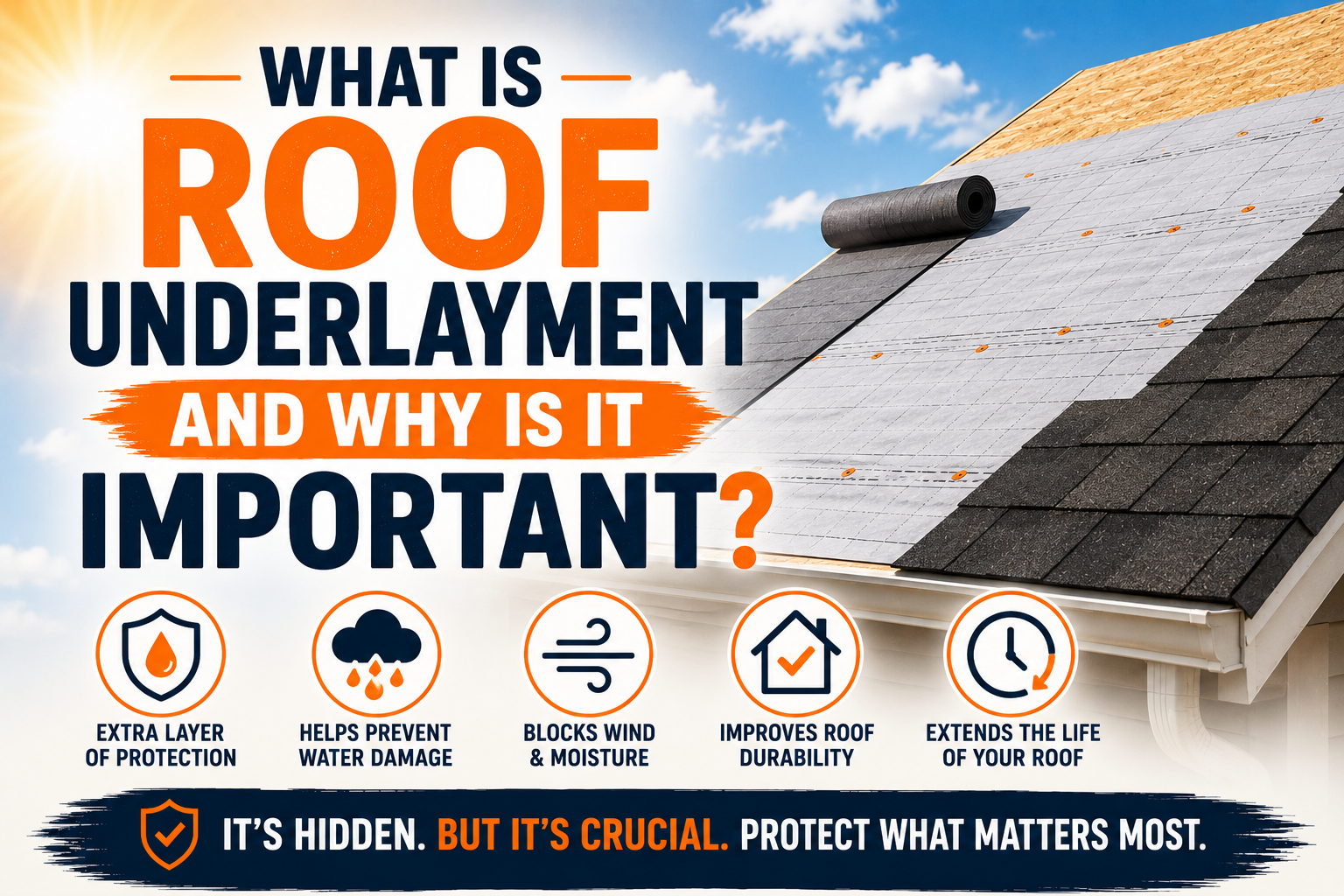
What Is Roof Underlayment and Why Is It Important?
Introduction
A roof is one of the most important parts of any building because it protects everything beneath it from rain, wind, sunlight, and changing weather conditions. While most people focus on roofing materials such as shingles, tiles, or metal panels, there is another critical layer hidden underneath that plays an equally important role. This protective layer is known as roof underlayment, and it serves as the first line of defense when the outer roofing material cannot completely block moisture.
Many homeowners only learn about roof underlayment when they are replacing an old roof or building a new home. Since it remains hidden beneath the finished roofing material, it is often overlooked during discussions about roof quality and long term durability. However, professional roofers understand that even the best roofing material cannot provide maximum protection without a reliable underlayment.
Roof underlayment acts as a barrier between the roof deck and the exterior roofing material. It helps prevent water from reaching the wooden structure of the roof when heavy rain, melting snow, or strong winds force moisture beneath the outer roofing layer. This extra layer significantly reduces the risk of leaks, wood rot, mold growth, and expensive structural damage.
Modern roofing systems are designed with multiple layers that work together to keep a building safe and dry. While shingles or tiles provide the visible protection, the underlayment works quietly in the background to strengthen the roof’s ability to withstand harsh environmental conditions. Without this hidden layer, even minor damage to the roof covering could quickly lead to water intrusion.
Choosing the right roof underlayment is just as important as selecting high quality roofing materials. Different types of underlayment offer different levels of durability, water resistance, flexibility, and weather protection. Understanding these differences helps homeowners make informed decisions that improve both the lifespan and performance of their roofs.
In this guide, you will learn what roof underlayment is, why it is essential, how it protects your home, the different types available, and how to choose the most suitable option for various roofing materials. By understanding the purpose of roof underlayment, you can better appreciate why it has become a standard component in modern roofing systems.
Understanding Roof Underlayment
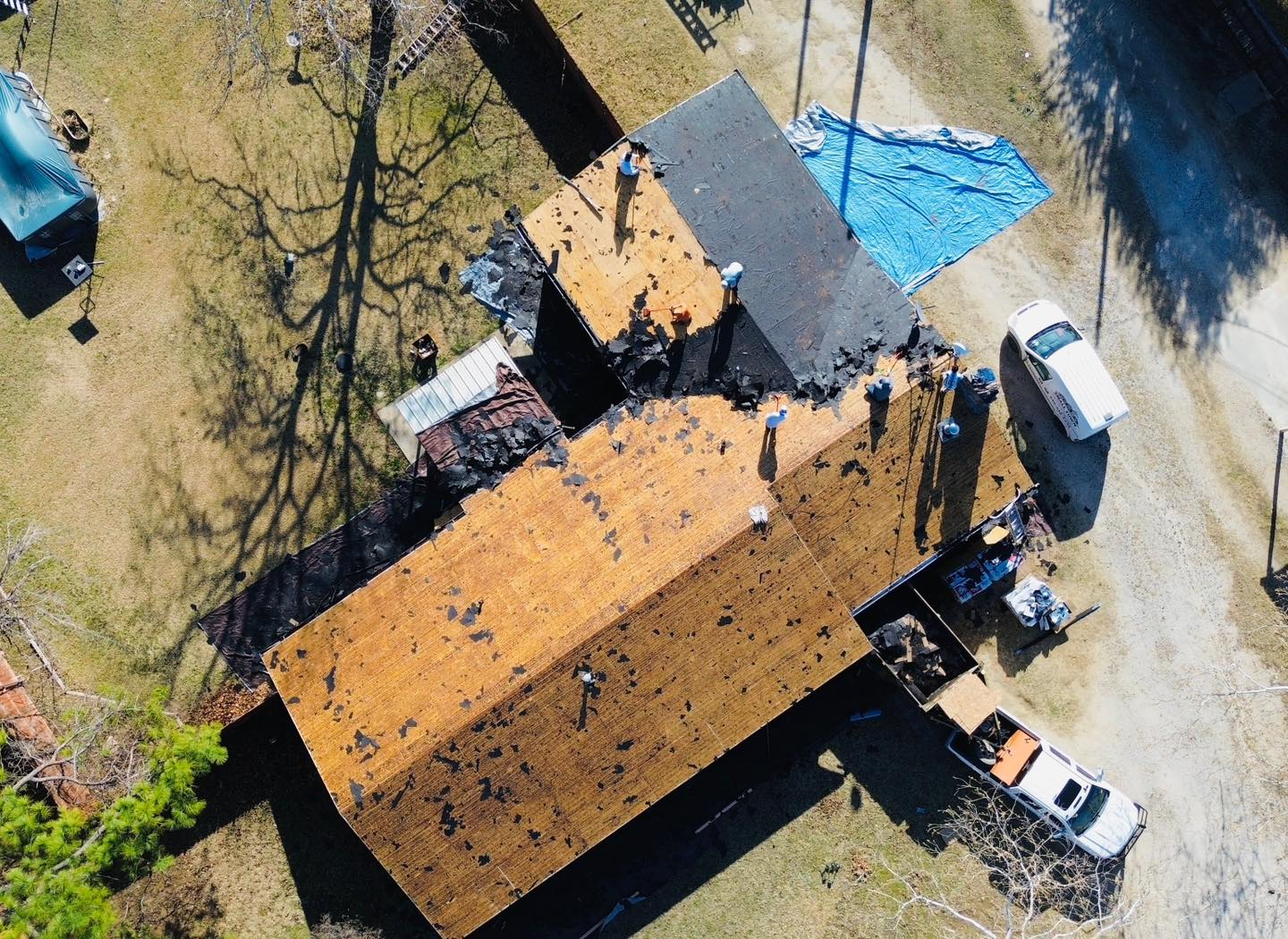
Roof underlayment is a protective sheet installed directly over the roof deck before the final roofing material is applied. It creates an additional moisture barrier that helps prevent water from entering the home if the outer roofing layer becomes damaged or temporarily fails during severe weather.
The roof deck, usually made from plywood or oriented strand board, forms the structural base of the roof. Although it provides strength and support, it is highly vulnerable to moisture exposure. Roof underlayment covers this wooden surface and shields it from water until the roofing material is installed, while continuing to provide protection throughout the life of the roof.
During roof installation, contractors carefully roll out the underlayment across the roof deck and secure it using nails, staples, or specialized fasteners depending on the product being used. The sheets are installed with overlapping edges to reduce the chance of water finding its way through the seams. This overlapping design creates a continuous protective layer beneath the finished roof.
Roof underlayment also serves as temporary weather protection during construction. If unexpected rain occurs before shingles or tiles are installed, the underlayment helps prevent immediate water damage to the roof deck. This temporary protection can save builders and homeowners from costly repairs caused by sudden storms during the installation process.
In addition to water protection, certain underlayment materials provide improved resistance against wind driven rain, ice buildup, and airborne dust. Some premium products even include enhanced slip resistance, making them safer for roofing crews to walk on during installation.
Although roof underlayment is rarely visible after construction is complete, it continues performing its protective function every day. It quietly supports the overall roofing system by reducing the chances of leaks and extending the life of the roof structure.
Why Every Roof Needs an Underlayment
Many homeowners assume that shingles or roof tiles alone are enough to protect their homes from rain. While these materials are highly effective, they are not completely waterproof under every condition. Strong winds, heavy storms, and aging materials can allow moisture to travel beneath the roof covering.
Roof underlayment acts as a backup protection system whenever the primary roofing material is compromised. Even if a few shingles are damaged or displaced, the underlayment helps prevent water from reaching the roof deck. This additional barrier significantly reduces the risk of interior leaks and structural deterioration.
Weather conditions vary greatly throughout the year, and roofing materials naturally expand and contract with temperature changes. Over time, these movements may create small gaps or weak points where water can enter. A properly installed underlayment provides continuous protection beneath these vulnerable areas.
Underlayment also protects against wind driven rain, which can force moisture upward beneath overlapping shingles. In coastal areas and regions that experience frequent storms, this hidden layer becomes even more valuable because it reduces the impact of extreme weather events.
Another important benefit is protection during roof maintenance or repairs. If roofing materials are temporarily removed or accidentally damaged during maintenance work, the underlayment continues providing a degree of moisture resistance until repairs are completed.
Building codes in many regions now require roof underlayment because it improves overall roofing performance and increases building safety. These regulations recognize that a multi layer roofing system provides much better protection than relying solely on the visible roofing material.
Installing quality underlayment also contributes to the overall value of a property. Prospective buyers often appreciate roofs built with durable materials and proper installation methods because they are less likely to require expensive repairs in the near future.
How Roof Underlayment Protects Your Home
Roof underlayment performs several protective functions that work together to keep a home dry, comfortable, and structurally sound. While its primary role is preventing moisture intrusion, its overall contribution extends much further.
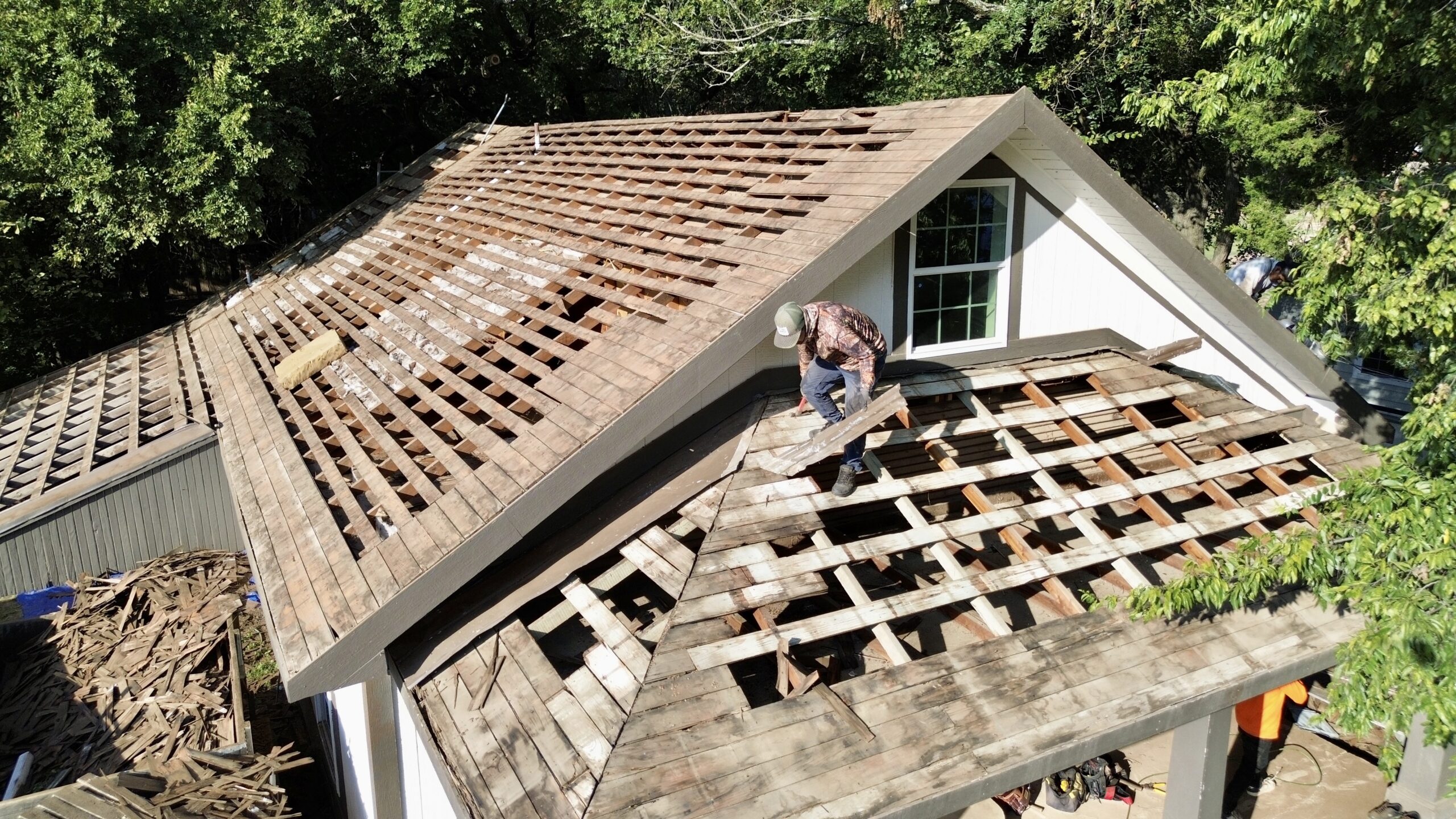
The first layer of protection comes from its ability to block water that penetrates the outer roofing material. Heavy rain, melting snow, or broken shingles can all create opportunities for moisture to enter the roofing system. Underlayment provides an additional barrier that slows or completely stops this water before it reaches the roof deck.
Moisture trapped inside wooden roof structures can lead to mold growth, mildew, and wood decay over time. These problems often remain hidden until significant damage has already occurred. By reducing moisture penetration, underlayment helps preserve the structural integrity of the roof.
Roof underlayment also minimizes the effects of ice dams in colder climates. When snow melts and refreezes near the roof edge, water can back up beneath shingles. High quality underlayment helps resist this moisture and reduces the likelihood of water entering the home.
Wind protection is another important benefit. Powerful winds can lift shingles slightly, creating temporary openings where rain can enter. Since the underlayment remains attached directly to the roof deck, it continues providing protection even when the outer roofing material shifts during severe weather.
Some modern synthetic underlayments include advanced tear resistance that allows them to remain intact during high wind events. This added durability provides greater security during storms and helps maintain the roof’s protective barrier.
Roof underlayment also contributes to improved indoor comfort by helping regulate moisture movement within the roofing system. Keeping excess moisture out of insulation allows the insulation to perform more effectively, supporting better energy efficiency throughout the home.
Main Types of Roof Underlayment
Not all roof underlayments are made from the same materials or offer the same level of protection. Manufacturers have developed several options to meet different budgets, roofing materials, and climate conditions. Understanding these choices helps homeowners select the most suitable solution for their specific roofing project.
Asphalt Saturated Felt
Asphalt saturated felt has been used in residential roofing for decades and remains one of the most common underlayment materials. It is manufactured by saturating a paper or fiberglass base with asphalt, creating a water resistant sheet that offers dependable protection beneath roofing materials.
One of the biggest advantages of felt underlayment is its affordability. It provides reliable performance at a relatively low cost, making it popular for both residential and commercial roofing projects. Many contractors continue using it because of its long history of successful installations.
Although felt performs well under normal conditions, it can absorb moisture after prolonged exposure. Extended periods of wet weather before the final roof covering is installed may reduce its effectiveness and make it more susceptible to wrinkling or tearing.
Felt underlayment is available in different thicknesses, with heavier products generally offering improved durability. Selecting the appropriate grade depends on the roofing material, local building codes, and environmental conditions.
Synthetic Roof Underlayment
Synthetic roof underlayment has become increasingly popular because of its superior strength, lighter weight, and excellent weather resistance. It is typically manufactured using woven or spun polymers that create a durable sheet capable of resisting tears, punctures, and moisture.
Compared with traditional felt, synthetic underlayment is much easier to handle because large rolls cover more roof area while weighing less. This allows roofing crews to work more efficiently and reduce installation time without sacrificing quality.
Synthetic materials generally resist moisture absorption much better than felt products. Even after prolonged exposure to rain during construction, they maintain their strength and continue providing dependable protection for the roof deck.
Many synthetic products also include textured walking surfaces that improve traction for roofing professionals. This feature increases worker safety while installing shingles, tiles, or metal roofing systems.
Although synthetic underlayment usually costs more than traditional felt, its longer lifespan and improved durability often provide better overall value over the life of the roof.
Rubberized Asphalt Underlayment
Rubberized asphalt underlayment is considered one of the highest performing options available for roofing systems that require maximum moisture protection. It combines asphalt with rubber polymers to create a flexible, waterproof membrane capable of sealing around fasteners.
One of its most valuable features is the self sealing property. When roofing nails pass through the material, it tightly seals around the fastener, reducing the possibility of water entering through nail holes.
Rubberized asphalt products are commonly installed in roof valleys, around chimneys, skylights, roof edges, and other locations where leaks are more likely to develop. These vulnerable areas benefit greatly from the enhanced waterproof protection this material provides.
This type of underlayment performs especially well in regions with heavy rainfall, snow accumulation, or ice dam formation. Its flexibility also allows it to adapt to temperature changes without cracking or losing effectiveness.
Although it is usually the most expensive option, many homeowners consider the additional investment worthwhile because of its exceptional long term protection and durability.
Comparing Different Roof Underlayment Materials
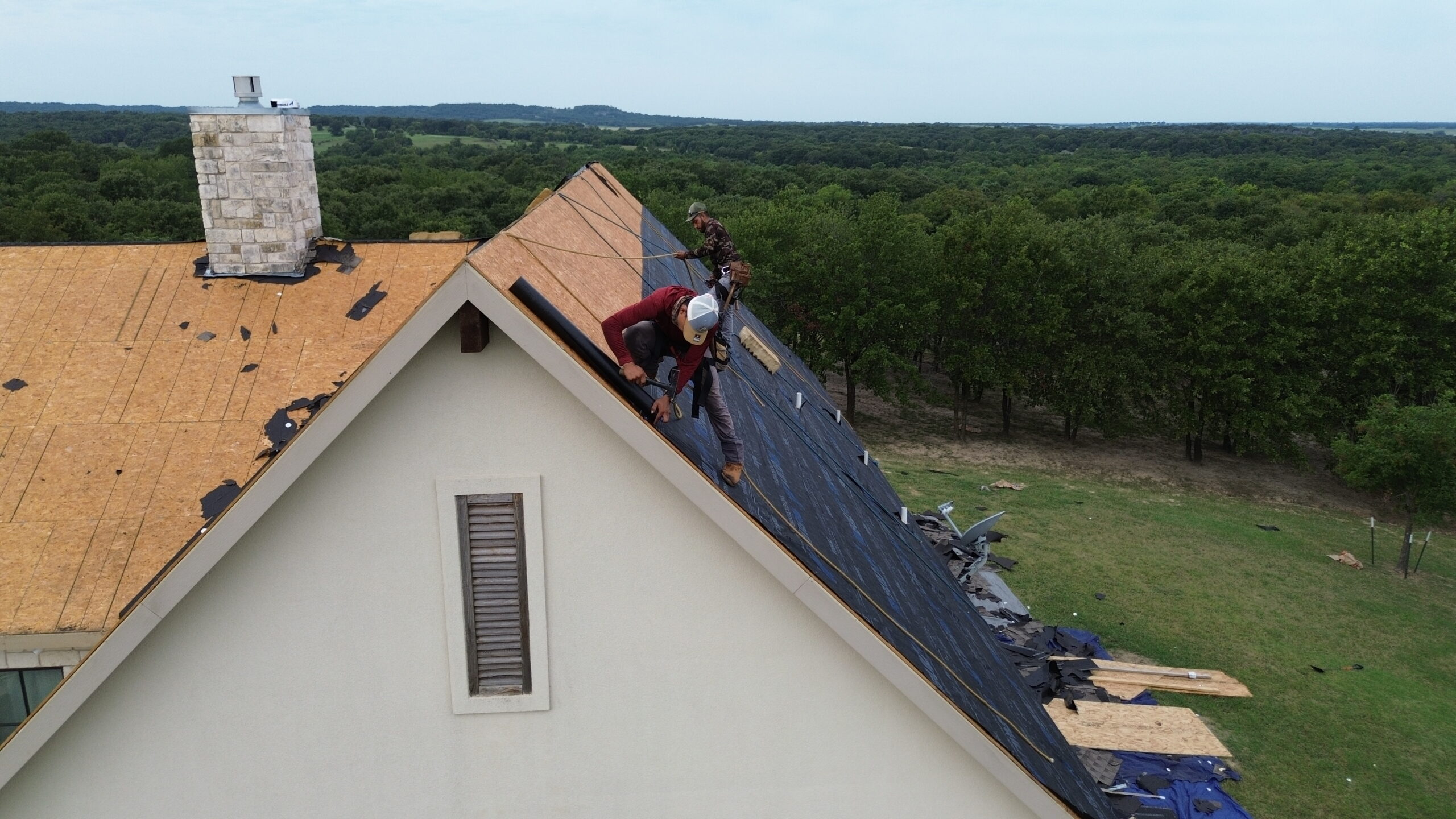
Each type of roof underlayment offers unique strengths, making it suitable for different roofing applications. There is no single product that works best for every situation, so understanding the differences helps homeowners make better decisions.
Traditional felt underlayment remains a practical choice for projects with limited budgets. It provides dependable performance when installed correctly and protected promptly with roofing materials. However, it generally offers lower tear resistance and shorter exposure limits than modern alternatives.
Synthetic underlayment balances affordability with excellent durability. It is lightweight, strong, moisture resistant, and capable of withstanding extended construction periods before the final roof covering is installed. These characteristics make it one of the most popular choices for new roofing projects.
Rubberized asphalt underlayment provides the highest level of waterproof protection among the three major options. Its self sealing ability and superior flexibility make it ideal for areas that experience frequent storms, snow, or heavy rainfall. Although more expensive, it offers outstanding protection in high risk locations.
When selecting an underlayment, homeowners should evaluate climate, roof design, roofing material, installation quality, expected lifespan, and overall budget. Considering all of these factors together leads to a roofing system that performs reliably for many years.
Choosing the Right Underlayment for Different Roofing Materials
Different roofing materials place different demands on the underlayment beneath them. Selecting a compatible product improves the overall performance of the roofing system and helps maximize its lifespan.
Asphalt shingles are commonly paired with either felt or synthetic underlayment depending on the homeowner’s budget and local weather conditions. In areas that experience severe storms or frequent rainfall, synthetic underlayment often provides better long term performance because of its improved tear resistance and moisture protection.
Metal roofs frequently benefit from high quality synthetic underlayment because it withstands temperature fluctuations and provides dependable moisture control beneath metal panels. Some metal roofing systems may also require specialized underlayments recommended by the manufacturer to reduce condensation and improve overall performance.
Clay and concrete tile roofs are heavier than many other roofing materials, making durable underlayment especially important. Premium synthetic or rubberized asphalt products are commonly selected because they offer enhanced strength and long lasting protection beneath these substantial roofing systems.
Wood shakes and wood shingles require underlayment that effectively manages moisture while allowing appropriate ventilation within the roofing assembly. Proper material selection helps preserve both the wooden roofing material and the supporting roof structure over many years.
Slate roofs represent a significant long term investment, often lasting for generations when installed correctly. Pairing natural slate with high quality underlayment ensures that the supporting roof structure receives protection that matches the impressive lifespan of the roofing material itself.
The most suitable underlayment always depends on several factors working together rather than a single feature. Climate conditions, roof slope, local building regulations, roofing material, and manufacturer recommendations should all be carefully considered before making a final decision.
Factors to Consider Before Choosing Roof Underlayment
Selecting the right roof underlayment involves much more than simply choosing the least expensive product. Every roofing project has unique requirements based on the home’s location, roof design, climate, and the type of roofing material being installed. Taking these factors into account helps ensure the roof performs reliably for many years.
One of the first considerations is the local climate. Homes located in areas with frequent rainfall, heavy snowfall, hurricanes, or high humidity require underlayment that offers superior moisture protection and long term durability. In contrast, homes in dry climates may not need the same level of waterproof performance, although quality protection is still important.
Roof slope also influences the choice of underlayment. Low slope roofs tend to hold water longer than steep roofs, increasing the chance of moisture infiltration. These roofs often benefit from premium underlayment products that provide enhanced water resistance and improved sealing around fasteners.
The type of roofing material is another major factor. Asphalt shingles, metal roofing, clay tiles, concrete tiles, wood shakes, and slate all have different installation methods and performance requirements. Choosing an underlayment designed to work with the selected roofing material helps maximize the lifespan of the entire roofing system.
Budget naturally plays a role in every construction project. While traditional felt underlayment costs less upfront, synthetic and rubberized asphalt products often provide greater value over time due to their longer lifespan, improved durability, and reduced maintenance needs. Looking beyond the initial purchase price can result in significant savings over the life of the roof.
Manufacturer recommendations should never be ignored. Many roofing manufacturers specify compatible underlayment products as part of their installation guidelines. Following these recommendations helps maintain warranty coverage while ensuring the roofing system performs as intended.
Local building codes may also establish minimum requirements for underlayment installation. These regulations are designed to improve building safety and often reflect the weather conditions common in the region. Complying with these standards helps ensure the roof meets both legal and performance expectations.
Roof Underlayment Installation Process
Proper installation is just as important as selecting the right underlayment. Even the highest quality product cannot provide reliable protection if it is installed incorrectly. Professional installation techniques help create a continuous barrier that protects the roof deck from moisture intrusion.
The installation process begins after the roof deck has been inspected. Contractors verify that the deck is clean, dry, and structurally sound before laying any underlayment. Damaged or weakened sections should be repaired before work continues to ensure a solid foundation.
Once the roof deck is prepared, the underlayment is rolled out horizontally across the roof surface. Installation usually begins at the lowest edge of the roof and progresses upward toward the ridge. This overlapping pattern encourages water to flow over the seams rather than beneath them.
Each course overlaps the previous one by a specific distance recommended by the manufacturer. Proper overlap is essential because it prevents water from reaching the roof deck through exposed joints. Careful alignment also helps maintain a smooth surface beneath the finished roofing material.
Fasteners are selected according to the type of underlayment being installed. Roofing nails with plastic caps are commonly used because they distribute pressure more evenly and reduce the chance of tearing. Some premium underlayments may use specialized fastening systems designed to improve performance.
Special attention is given to roof valleys, chimneys, skylights, vents, and roof penetrations. These areas are more susceptible to leaks because multiple roofing components intersect in a relatively small space. Additional waterproof membranes are often installed to strengthen protection around these vulnerable locations.
After the underlayment has been fully secured, contractors inspect the installation for wrinkles, gaps, loose fasteners, or damaged sections. Correcting these issues before installing shingles or other roofing materials helps ensure the roof performs as designed for many years.
Common Roof Underlayment Installation Mistakes
Even experienced installers can encounter problems if proper installation practices are not followed. Understanding the most common mistakes helps homeowners appreciate the importance of hiring qualified roofing professionals.
One frequent mistake is using insufficient overlap between underlayment sheets. Small gaps at the seams may allow water to penetrate beneath the material during heavy rain or strong winds. Following the manufacturer’s overlap guidelines is essential for creating a continuous moisture barrier.
Another common issue involves improper fastening. Too few fasteners can allow the underlayment to shift or lift during windy conditions, while excessive fastening may create unnecessary holes that increase the possibility of water infiltration. Balanced fastening provides both stability and protection.
Installing underlayment over a wet roof deck is another avoidable error. Trapping moisture beneath the underlayment can contribute to mold growth, wood decay, and reduced structural integrity over time. The roof deck should always be completely dry before installation begins.
Wrinkles or folds in the underlayment may seem minor during installation, but they can create uneven surfaces beneath shingles or tiles. These imperfections sometimes interfere with proper roofing installation and may shorten the lifespan of the finished roof.
Leaving underlayment exposed for longer than its recommended exposure period can also reduce performance. Although many modern synthetic products tolerate temporary exposure to sunlight, prolonged ultraviolet radiation eventually weakens most materials. Installing the finished roofing material promptly provides the best long term protection.
Ignoring manufacturer installation instructions is another mistake that can have serious consequences. Every product is designed with specific installation requirements, and following these guidelines helps maximize durability while maintaining warranty protection.
How Roof Underlayment Improves Energy Efficiency
Many homeowners associate roof underlayment only with waterproofing, but it can also contribute to better energy efficiency. While it is not a substitute for proper insulation or ventilation, it supports the overall performance of the roofing system.
By helping control moisture movement within the roof assembly, underlayment protects insulation from becoming damp. Wet insulation loses much of its effectiveness, making it harder to maintain comfortable indoor temperatures throughout the year. Keeping insulation dry allows it to perform closer to its intended efficiency.
Some premium synthetic underlayments reflect radiant heat more effectively than traditional materials. Although the improvement varies depending on the roofing system, reducing heat transfer into the attic can help lower indoor temperatures during hot weather.
Moisture control also plays an important role in indoor comfort. Excess moisture trapped within roofing materials may contribute to condensation problems that affect both insulation and ventilation systems. Proper underlayment helps reduce these risks by limiting unwanted water intrusion.
Energy efficient roofing systems rely on multiple components working together. Roof coverings, underlayment, insulation, ventilation, and attic design each contribute to the overall thermal performance of the home. A quality underlayment strengthens this system by protecting the layers beneath it.
Improved energy efficiency may also reduce heating and cooling costs over time. While the savings depend on climate, roof design, and other construction factors, maintaining a dry and well protected roofing system supports better long term energy performance.
Waterproofing vs Water Resistance in Roof Underlayment
Many people assume that all roof underlayments provide complete waterproof protection, but there is an important distinction between waterproof and water resistant materials. Understanding this difference helps homeowners choose the most appropriate product for their specific needs.
Water resistant underlayment is designed to repel water under normal weather conditions. It provides excellent protection against occasional rain and minor moisture exposure while allowing the roof to manage everyday environmental conditions effectively. Traditional asphalt felt generally falls into this category.
Waterproof underlayment creates a much stronger barrier that prevents water penetration even during prolonged exposure. Rubberized asphalt products are commonly classified as waterproof because they form a nearly continuous moisture barrier and often seal around roofing fasteners.
The level of protection required depends on the local climate and roof design. Homes located in regions with heavy rainfall, frequent storms, or snow accumulation often benefit from waterproof products in critical areas such as roof valleys and eaves. Other areas of the roof may perform well with high quality water resistant materials.
Waterproof products are particularly valuable where standing water or ice dams are more likely to occur. These challenging conditions increase the amount of time moisture remains on the roof, making stronger protection especially beneficial.
Selecting the appropriate level of protection allows homeowners to balance performance with project costs. In many cases, combining different underlayment materials in strategic locations provides excellent protection while remaining cost effective.
Roof Underlayment and Weather Protection
Roof underlayment plays a major role in helping roofs withstand changing weather conditions throughout the year. Regardless of the climate, roofs are constantly exposed to environmental forces that gradually wear down the outer roofing material.
Heavy rainfall is one of the most common threats to residential roofs. Even small openings between shingles can allow water to reach the underlayment during severe storms. A dependable underlayment acts as a secondary barrier that helps prevent leaks from developing inside the home.
Strong winds present another challenge. High winds may lift shingles temporarily or even remove them completely in extreme cases. Underlayment continues protecting the roof deck after this type of damage, reducing the likelihood of immediate water intrusion until repairs can be made.
Snow and ice create additional stress on roofing systems. As snow melts and refreezes, water may back up beneath roofing materials and seek any available opening. High quality underlayment helps resist this moisture and protects the roof structure during freezing conditions.
Intense sunlight also affects roofing materials over time. Although underlayment remains beneath the finished roof covering, it contributes to the overall durability of the roofing system by helping manage moisture and supporting the integrity of the roof deck beneath prolonged heat exposure.
Seasonal temperature changes cause roofing materials to expand and contract repeatedly. Flexible underlayment accommodates these movements while maintaining its protective function. This adaptability reduces the risk of cracks or gaps developing within the roofing system.
Roof Underlayment for Different Climate Conditions
Climate is one of the most important factors influencing roof underlayment selection. A product that performs exceptionally well in one region may not be the ideal choice in another. Matching the underlayment to local weather conditions helps maximize roof performance.
In regions with frequent rainfall, moisture resistance becomes the highest priority. Synthetic and rubberized asphalt underlayments often provide excellent protection because they resist prolonged water exposure while maintaining their structural strength.
Cold climates present different challenges. Snow accumulation, ice dams, and repeated freeze thaw cycles place significant demands on roofing systems. Waterproof underlayment installed along roof edges and valleys provides additional protection where melting snow is most likely to create problems.
Hot climates expose roofs to intense sunlight and high temperatures for extended periods. Durable synthetic underlayments often perform well under these conditions because they resist heat related deterioration better than many traditional materials.
Coastal regions experience a combination of heavy rain, high humidity, and powerful winds. Roofing systems in these areas benefit from underlayment with excellent tear resistance, strong moisture protection, and reliable fastening performance during storms.
Areas prone to hurricanes or severe storms require roofing systems capable of withstanding extreme weather events. Premium synthetic products combined with waterproof membranes in vulnerable locations create multiple layers of protection that improve overall roof resilience.
Choosing an underlayment based on climate helps reduce future maintenance costs while extending the lifespan of both the roofing material and the underlying roof structure.
Signs Your Roof Underlayment May Need Replacement
Although roof underlayment is designed to last for many years, it does not remain effective forever. Age, weather exposure, and roof damage gradually reduce its ability to protect the home. Recognizing the warning signs early can help prevent more serious structural problems.
One of the first indications is recurring roof leaks despite replacing damaged shingles. If water continues entering the home after visible roofing repairs, the underlayment beneath the roof covering may have deteriorated and no longer provide adequate protection.
Water stains on ceilings or attic surfaces often suggest moisture has bypassed the roofing system. While these stains may originate from several different roofing issues, worn underlayment is frequently one of the contributing factors. A professional roof inspection can identify the exact cause.
Mold, mildew, or persistent musty odors in the attic may indicate long term moisture intrusion. Since underlayment plays a major role in controlling water penetration, deterioration of this protective layer can create conditions that encourage biological growth.
A roof that has reached the end of its service life often requires complete underlayment replacement during reroofing. Installing new shingles over aging underlayment usually provides only temporary improvements because the hidden protective layer has already experienced years of wear.
Storm damage can also affect underlayment even if the outer roofing material appears relatively intact. Strong winds, hail, and falling tree branches may compromise the protective membrane beneath the roof covering. Thorough inspections after severe weather help identify hidden damage before it becomes a larger problem.
Regular roof inspections remain the best way to evaluate the condition of the underlayment. Professional assessments allow homeowners to address small issues before they develop into expensive repairs, extending the lifespan of the entire roofing system.
How Long Does Roof Underlayment Last?
The lifespan of roof underlayment depends on several factors, including the material used, the quality of installation, local weather conditions, and how well the roofing system is maintained. While underlayment is designed to remain hidden beneath the roof covering, it is expected to provide dependable protection for many years.
Traditional asphalt saturated felt generally has the shortest lifespan among the common underlayment materials. When installed correctly beneath quality roofing materials, it can last for decades. However, prolonged moisture exposure or poor installation can shorten its service life.
Synthetic roof underlayment typically lasts longer because it is manufactured using durable polymers that resist tearing, moisture, and temperature changes. Many premium synthetic products are designed to perform throughout the lifespan of modern roofing materials, making them a popular long term investment.
Rubberized asphalt underlayment is known for its exceptional durability and waterproof performance. Its flexibility allows it to adapt to changing temperatures without cracking, while its self sealing properties continue protecting the roof around fasteners for many years.
The roofing material installed above the underlayment also affects its lifespan. If shingles, tiles, or metal panels become damaged and allow excessive moisture to reach the underlayment, its protective qualities may gradually decline. Keeping the outer roof in good condition helps preserve the hidden layer beneath.
Routine inspections can identify early signs of roofing problems before they affect the underlayment. Addressing damaged shingles, flashing, or roof penetrations promptly reduces unnecessary stress on the protective membrane and extends the overall lifespan of the roofing system.
Roof Underlayment Maintenance Tips
Although roof underlayment is hidden beneath the finished roof, proper roof maintenance plays an important role in preserving its condition. A well maintained roof reduces the likelihood of moisture reaching the underlayment and helps it continue performing effectively.
Regular roof inspections are one of the simplest ways to identify potential issues before they become major problems. Homeowners should inspect their roofs after severe storms and schedule professional inspections every few years to detect hidden damage that may not be visible from the ground.
Keeping gutters and downspouts clean also supports the performance of the roofing system. Clogged drainage systems can cause water to back up onto the roof, increasing the chance of moisture penetrating beneath roofing materials. Proper water drainage reduces unnecessary exposure to standing water.
Overhanging tree branches should be trimmed to prevent them from scraping against roofing materials during strong winds. Falling branches and accumulated leaves can damage shingles, block drainage, and create conditions that increase moisture retention on the roof surface.
Promptly replacing damaged or missing shingles is another important maintenance practice. Even a small section of exposed roof can allow water to reach the underlayment repeatedly, eventually reducing its effectiveness over time.
Attic ventilation should also be monitored regularly. Good airflow helps regulate temperature and moisture levels within the roofing system, reducing condensation that could affect both the roof deck and underlayment. Balanced ventilation contributes to a healthier and longer lasting roof.
Professional roof maintenance provides additional peace of mind. Experienced roofing contractors can identify small concerns before they develop into costly structural repairs, helping homeowners protect their investment over the long term.
Can You Replace Roof Underlayment Without Replacing the Roof?
Many homeowners wonder whether roof underlayment can be replaced while leaving the existing roofing material in place. In most situations, replacing underlayment requires removing the outer roofing material because the protective membrane is installed directly on top of the roof deck.
During a complete roof replacement, contractors remove the existing shingles or tiles before inspecting the roof deck and underlayment. This process provides the opportunity to replace any worn or damaged underlayment with a modern product that offers improved performance and durability.
Partial replacement may be possible when only a small section of the roof has been damaged by storms or falling debris. In these cases, contractors can remove the affected roofing material, replace the damaged underlayment, and reinstall new roofing materials over the repaired section.
Attempting to replace underlayment without removing the roof covering is generally not practical. Since the underlayment lies beneath every layer of roofing material, accessing it without disturbing the roof is extremely difficult and may cause additional damage.
Homeowners planning to install a new roof should view underlayment replacement as an essential part of the project rather than an optional upgrade. Installing new roofing materials over aging underlayment can reduce the effectiveness of the entire roofing system and may shorten the lifespan of the new roof.
Discussing underlayment options with a qualified roofing contractor helps ensure the correct materials are selected for the specific roofing system. Investing in quality underlayment during reroofing provides long term protection that often outweighs the additional upfront cost.
Cost of Roof Underlayment
The cost of roof underlayment varies depending on the material selected, the size and complexity of the roof, labor charges, and regional pricing. While underlayment represents only one part of the overall roofing budget, it plays a critical role in the long term performance of the roof.
Traditional asphalt saturated felt is generally the most affordable option. Its lower purchase price makes it attractive for homeowners working within a limited budget, particularly on straightforward residential roofing projects.
Synthetic underlayment usually costs more than felt but offers greater durability, lighter weight, and improved resistance to moisture and tearing. Many homeowners consider the additional investment worthwhile because it can reduce maintenance costs and provide longer lasting protection.
Rubberized asphalt underlayment is typically the most expensive choice due to its advanced waterproofing capabilities and self sealing properties. It is often installed in areas of the roof that face the greatest risk of leaks, providing targeted protection where it is needed most.
Labor costs also influence the total project price. Complex roof designs with multiple valleys, dormers, skylights, or steep slopes require more installation time, increasing the overall expense. Choosing experienced roofing professionals helps ensure the underlayment is installed correctly despite these challenges.
Although premium underlayment products require a higher initial investment, they may reduce repair expenses over the life of the roof. Improved durability and moisture protection often translate into fewer leaks, less structural damage, and a longer lasting roofing system.
When evaluating roofing estimates, homeowners should compare the quality of materials rather than focusing only on the lowest price. A slightly higher investment in better underlayment can deliver substantial long term value through improved roof performance and reduced maintenance needs.
Roof Underlayment Myths and Misconceptions
Several misconceptions about roof underlayment continue to circulate among homeowners. Understanding the facts helps people make better informed decisions when planning roof repairs or replacements.
One common myth is that roof underlayment is unnecessary if high quality shingles are installed. While premium shingles provide excellent protection, they are still exposed to aging, storm damage, and unexpected failures. Underlayment serves as an essential backup layer that enhances the roof’s overall reliability.
Another misconception is that all underlayment products perform the same. In reality, felt, synthetic, and rubberized asphalt materials differ significantly in strength, moisture resistance, flexibility, and expected lifespan. Selecting the right product can have a major impact on long term roof performance.
Some homeowners believe underlayment only protects against rain. Although moisture protection is its primary purpose, underlayment also helps defend the roof against wind driven rain, ice dams, condensation, and temporary weather exposure during construction.
There is also a belief that replacing damaged shingles automatically solves every roofing problem. In some cases, leaks continue because the underlayment beneath the roof has already deteriorated. A complete roof inspection is often necessary to determine the true source of moisture intrusion.
Another misunderstanding is that premium underlayment eliminates the need for roof maintenance. Even the best materials require proper installation, regular inspections, and timely repairs to deliver their full lifespan. Underlayment works as part of a complete roofing system rather than functioning independently.
Finally, some people assume underlayment lasts forever because it is hidden beneath the roof covering. Like every construction material, it gradually ages over time. Periodic roof evaluations help ensure it continues providing effective protection throughout its intended service life.
Frequently Asked Questions About Roof Underlayment
What is the main purpose of roof underlayment?
The primary purpose of roof underlayment is to provide a secondary barrier against moisture. It helps protect the roof deck if water passes beneath the outer roofing material due to storms, damaged shingles, or other roofing issues.
Is roof underlayment required for every roof?
In most modern construction projects, roof underlayment is considered a standard component of the roofing system. Many local building codes also require it because it significantly improves moisture protection and overall roof performance.
Which type of roof underlayment is the best?
There is no single product that is best for every situation. The ideal choice depends on the roofing material, local climate, budget, roof design, and manufacturer recommendations. Synthetic and rubberized asphalt products generally provide the highest levels of durability and moisture resistance.
Can roof underlayment prevent all roof leaks?
Roof underlayment greatly reduces the risk of leaks, but it cannot completely eliminate them if the roofing system has significant damage or poor installation. It works as a backup layer that supports the primary roofing material rather than replacing it.
How often should roof underlayment be inspected?
Since underlayment is hidden beneath the roof, it is usually evaluated during professional roof inspections or roof replacement projects. Regular roof inspections help identify problems that may affect the underlayment before serious damage occurs.
Does underlayment improve roof durability?
Yes. By protecting the roof deck from moisture and supporting the overall roofing system, underlayment helps extend the lifespan of both the structural components and the finished roofing material.
Conclusion
Roof underlayment may remain hidden beneath shingles, tiles, or metal panels, but its importance should never be underestimated. It serves as a critical protective layer that shields the roof deck from moisture, supports the overall roofing system, and provides valuable backup protection when the outer roofing material is damaged or exposed to severe weather.
Modern roofing systems rely on multiple layers working together, and underlayment is one of the most important components in that structure. Whether you choose traditional felt, synthetic underlayment, or rubberized asphalt, selecting a high quality product that matches your roof design and local climate can significantly improve long term performance.
Proper installation is equally essential because even premium materials cannot deliver reliable results if they are installed incorrectly. Working with experienced roofing professionals and following manufacturer recommendations helps ensure the underlayment performs as intended throughout its service life.
Regular roof maintenance, prompt repairs, and periodic inspections further protect the investment by reducing unnecessary wear on both the roofing material and the underlayment beneath it. Addressing minor issues early can prevent costly structural damage and extend the lifespan of the entire roof.
Whether you are building a new home, replacing an aging roof, or simply learning more about roofing systems, understanding roof underlayment allows you to make informed decisions with greater confidence. Investing in the right underlayment today helps create a stronger, safer, and more durable roof that will continue protecting your home for many years to come.