
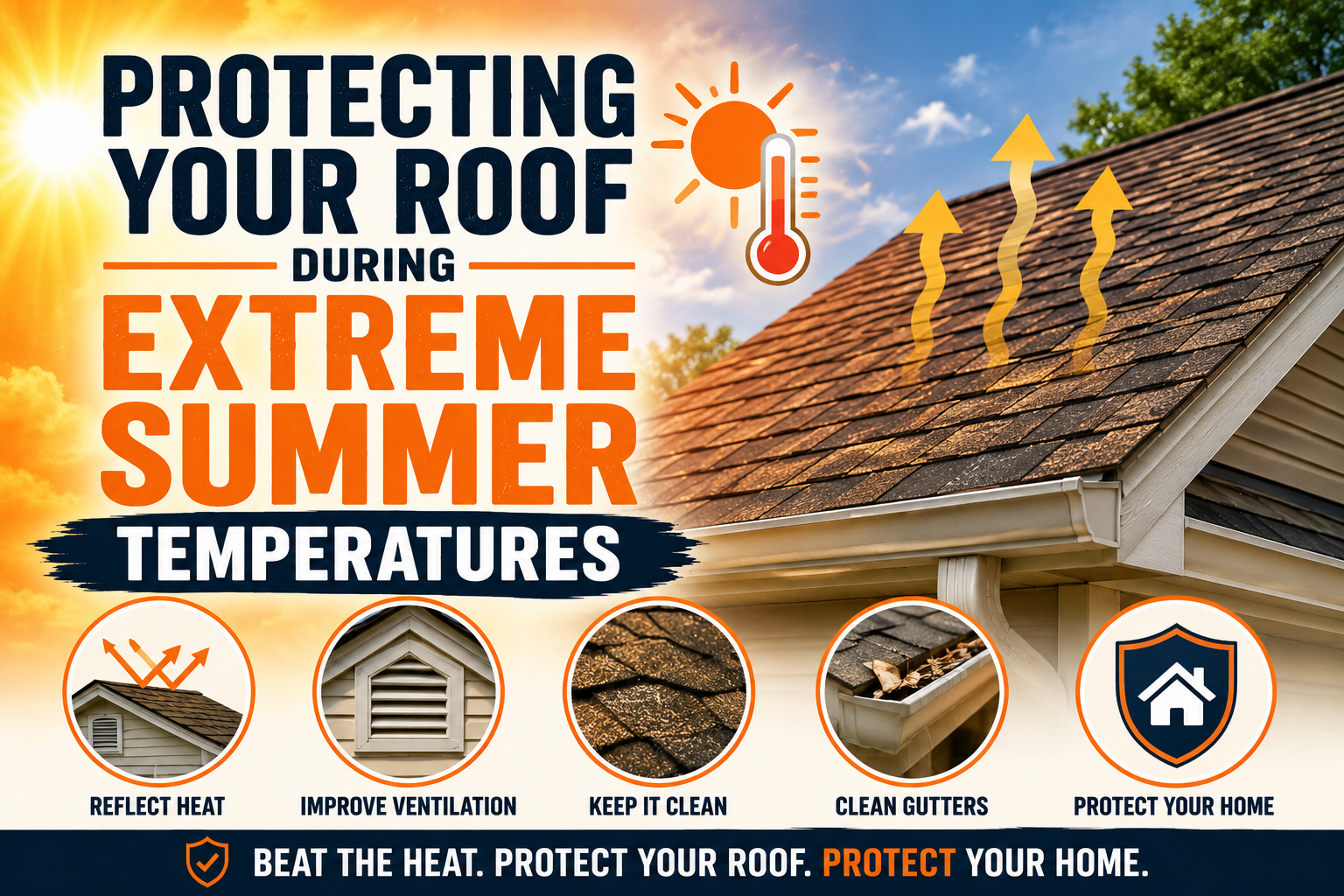
Protecting Your Roof During Extreme Summer Temperatures
Summer can be one of the harshest seasons for residential and commercial roofing systems. While many homeowners focus on winter storms and heavy rain, prolonged summer heat can quietly cause major roof damage over time. Constant exposure to ultraviolet rays, extreme temperatures, humidity, and thermal expansion gradually weakens roofing materials and shortens roof lifespan.
In states like Texas and Oklahoma, summer temperatures often remain above 90 degrees for long periods. Roof surfaces can become significantly hotter than the outdoor air temperature, sometimes reaching well above 150 degrees during peak afternoon heat. This constant heat exposure places tremendous stress on shingles, flashing, ventilation systems, and attic structures.
Protecting your roof during extreme summer temperatures is essential for preventing costly repairs and extending the life of your roofing system. Proper maintenance, ventilation, insulation, and regular inspections can help homeowners reduce heat related damage and improve overall roof performance. This complete guide explains how summer heat affects roofs, common warning signs of heat damage, and the best ways to protect your roof during extreme temperatures.
Why Summer Heat Is Dangerous for Roofs
Many homeowners underestimate how damaging prolonged heat exposure can be for roofing systems. Unlike sudden storm damage, heat damage develops gradually over time. By the time visible signs appear, roofing materials may already be significantly weakened.
Extreme heat affects roofing systems in several ways:
- thermal expansion and contraction
- UV radiation damage
- moisture buildup
- ventilation stress
- material aging
These conditions can shorten roof lifespan even when no obvious storm damage occurs.
Summer heat also affects attic temperatures dramatically. Poor ventilation may trap hot air inside the attic, increasing stress on both the roof and the home’s cooling system. Excessive attic heat can accelerate shingle deterioration and increase energy bills significantly.
How Hot Roof Surfaces Become in Summer
Many people are surprised to learn how hot roofing materials become during summer afternoons. When outdoor temperatures reach 95 degrees, roof surfaces may exceed 150 degrees depending on the roofing material and color.
Dark colored roofing materials absorb more heat than lighter colored materials. Asphalt shingles are especially vulnerable because they retain heat for long periods during the day.
Roof temperatures are influenced by:
- roof color
- material type
- ventilation quality
- sun exposure
- local climate conditions
Constant high surface temperatures gradually weaken roofing materials and reduce flexibility over time.
How UV Rays Damage Roofing Materials
Ultraviolet radiation from the sun slowly breaks down roofing materials every day. Even high quality roofing systems experience gradual UV deterioration over many years.
UV damage commonly causes:
- cracked shingles
- curling edges
- faded roofing colors
- weakened sealants
- brittle materials
Asphalt shingles are particularly vulnerable to UV exposure because prolonged sunlight dries out the oils inside the shingles. This causes the materials to lose flexibility and become more likely to crack during storms or temperature changes.
Metal roofs generally resist UV damage better than asphalt shingles, but they can still experience fading or coating deterioration over time. Protective roof coatings help reduce UV related wear on many roofing systems.
Thermal Expansion and Contraction
Roofing materials constantly expand and contract as temperatures rise and fall throughout the day. During summer, this process becomes more intense because of extreme daytime heat and cooler nighttime temperatures.
Repeated expansion and contraction place stress on:
- shingles
- flashing
- fasteners
- seams
- sealants
Over time, these movements may loosen roofing materials and create small gaps where moisture can enter. Thermal movement is especially important for metal roofing systems because metal expands significantly under high temperatures.
Professional installation helps roofing systems handle thermal movement more effectively. Poor installation increases the risk of cracking, warping, and material separation.
Why Roof Ventilation Is Critical During Summer
Proper roof ventilation is one of the most important defenses against extreme summer heat. Ventilation systems allow hot air to escape from attic spaces while bringing in cooler outside air.
Without proper ventilation, attic temperatures may rise dramatically and create several problems:
- premature shingle aging
- trapped moisture
- mold growth
- higher energy bills
- weakened roof decking
Good ventilation improves airflow and helps regulate attic temperatures more effectively. Balanced intake and exhaust ventilation systems are especially important in hot climates like Texas and Oklahoma.
Signs of Poor Roof Ventilation
Homeowners should watch for signs that ventilation may be inadequate. These warning signs often indicate excessive attic heat buildup.
Common signs include:
- unusually hot attic spaces
- high cooling costs
- curling shingles
- mold or mildew
- uneven indoor temperatures
If these symptoms appear, professional roofing inspections can help determine whether ventilation improvements are necessary.
How Summer Heat Affects Asphalt Shingles
Asphalt shingles are among the most common roofing materials in the United States, but they are also highly vulnerable to extreme summer heat.
High temperatures may cause shingles to:
- dry out
- lose granules
- become brittle
- curl at the edges
- crack prematurely
Granule loss is especially important because granules protect shingles from UV exposure. Once shingles lose too many granules, the underlying asphalt deteriorates much faster.
Older asphalt roofs are especially vulnerable during prolonged heat waves. Heat damaged shingles may appear faded, warped, or uneven across the roof surface.
How Heat Impacts Metal Roofs
Metal roofing performs better in extreme heat than many other roofing materials because it reflects sunlight more effectively. However, metal roofs are still affected by thermal expansion and prolonged UV exposure.
Metal roofing panels expand significantly during hot weather and contract when temperatures cool. Proper installation techniques are necessary to allow this movement without damaging fasteners or seams.
Reflective coatings on metal roofs help reduce heat absorption and improve energy efficiency. Light colored metal roofing systems often remain cooler than dark asphalt shingles during summer afternoons.
Although metal roofs handle heat well, neglected fasteners or sealants may still deteriorate over time. Regular inspections help identify problems before leaks develop.
Flat Roofs and Summer Heat
Flat roofing systems are especially vulnerable to heat related problems because they absorb direct sunlight across a wide surface area. Flat roofs also drain water more slowly than sloped roofs.
Extreme heat may cause:
- membrane blistering
- seam separation
- ponding water issues
- surface cracking
Standing water combined with heat accelerates membrane deterioration significantly. Commercial buildings with flat roofs require regular inspections during summer months.
Reflective roof coatings are commonly used on flat roofs to reduce heat absorption and improve longevity. These coatings also help lower cooling costs inside the building.
How Heat Increases Energy Bills
An overheated roof affects much more than the roofing materials themselves. Excessive attic heat forces air conditioning systems to work harder to keep indoor spaces cool.
Poor roofing ventilation and insulation may lead to:
- higher cooling costs
- uneven room temperatures
- increased HVAC strain
- reduced indoor comfort
Homeowners in hot climates often notice substantial energy savings after improving roof ventilation or replacing aging roofing materials.
Energy efficient roofing systems help reflect sunlight and reduce heat transfer into attic spaces. These upgrades may lower utility bills while extending roof lifespan.
Importance of Attic Insulation
Attic insulation works together with roof ventilation to protect homes during extreme summer temperatures. Insulation helps reduce heat transfer from the roof into living areas below.
Proper insulation provides several benefits:
- improved energy efficiency
- reduced attic temperatures
- lower cooling costs
- better indoor comfort
Without sufficient insulation, summer heat penetrates the home more easily. This increases strain on cooling systems and raises monthly utility expenses.
Older homes often lack modern insulation standards. Upgrading attic insulation may significantly improve both comfort and roofing performance.
Why Roof Inspections Matter During Summer
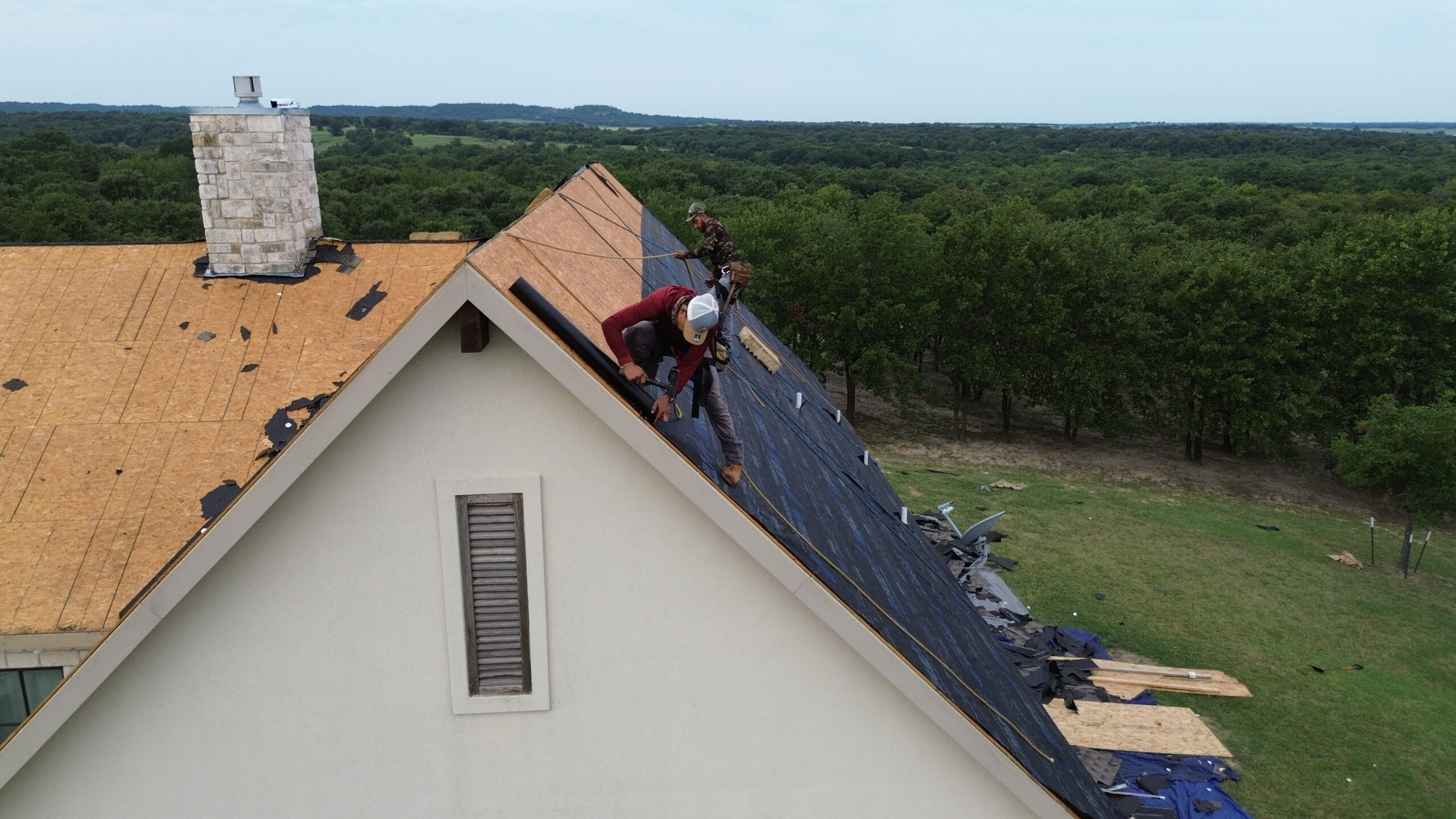
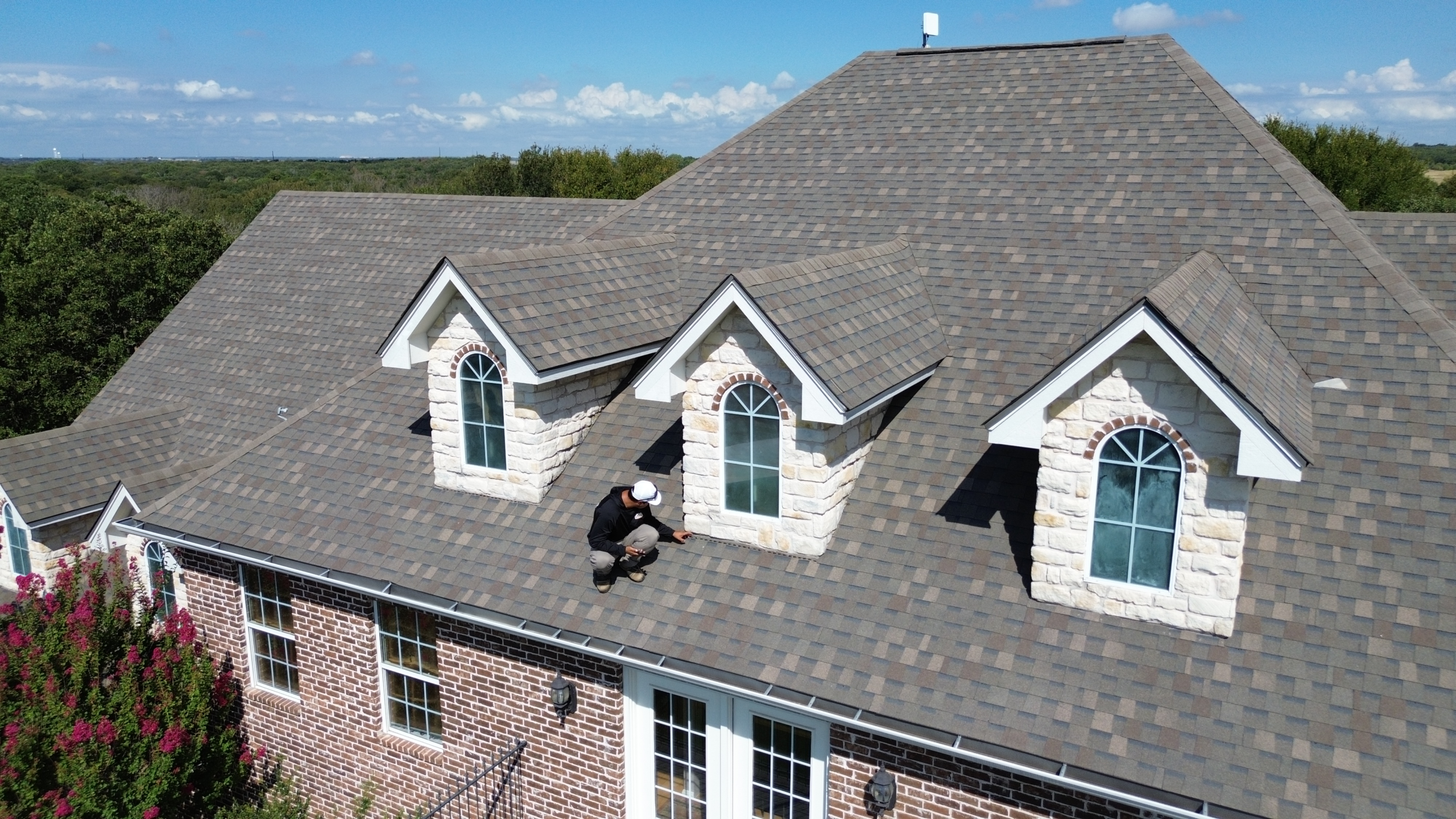
Summer is one of the best times to inspect roofing systems because heat damage becomes easier to identify during hot weather. Regular inspections help homeowners catch small problems before they become major repairs.
Professional inspections may identify:
- loose shingles
- cracked flashing
- ventilation issues
- sealant deterioration
- hidden moisture problems
Routine inspections are especially important after heat waves or severe storms. Roofing professionals can identify subtle damage homeowners might overlook.
Annual inspections also help extend roof lifespan by ensuring minor repairs are completed quickly.
Common Summer Roof Problems
Extreme heat can create several roofing issues that gradually worsen over time. Understanding these common problems helps homeowners recognize warning signs earlier.
Curling Shingles
Curling shingles are one of the most common signs of heat related roof aging. Excessive heat causes shingles to lose moisture and flexibility, leading to upward curling at the edges.
Curled shingles are more vulnerable to:
- wind damage
- leaks
- storm impacts
- granule loss
Once curling begins, roofing materials often deteriorate more rapidly.
Cracked Sealants
Roof sealants around flashing, vents, skylights, and chimneys may crack during extreme heat exposure. Thermal expansion and UV radiation gradually weaken sealants over time.
Cracked sealants increase the risk of water intrusion during storms. Replacing deteriorated sealants helps prevent future leaks.
Granule Loss
Granules protect asphalt shingles from sunlight and weather exposure. Heat and UV radiation gradually loosen these protective granules.
Homeowners may notice granules collecting inside gutters or downspouts. Significant granule loss usually indicates advanced roof aging.
Roof Blistering
Blistering occurs when trapped moisture or gases beneath roofing materials expand during hot weather. These raised bubbles weaken roofing surfaces and may eventually crack.
Flat roofs are especially vulnerable to blistering because heat exposure is concentrated across large surface areas.
How Trees Help Protect Roofs
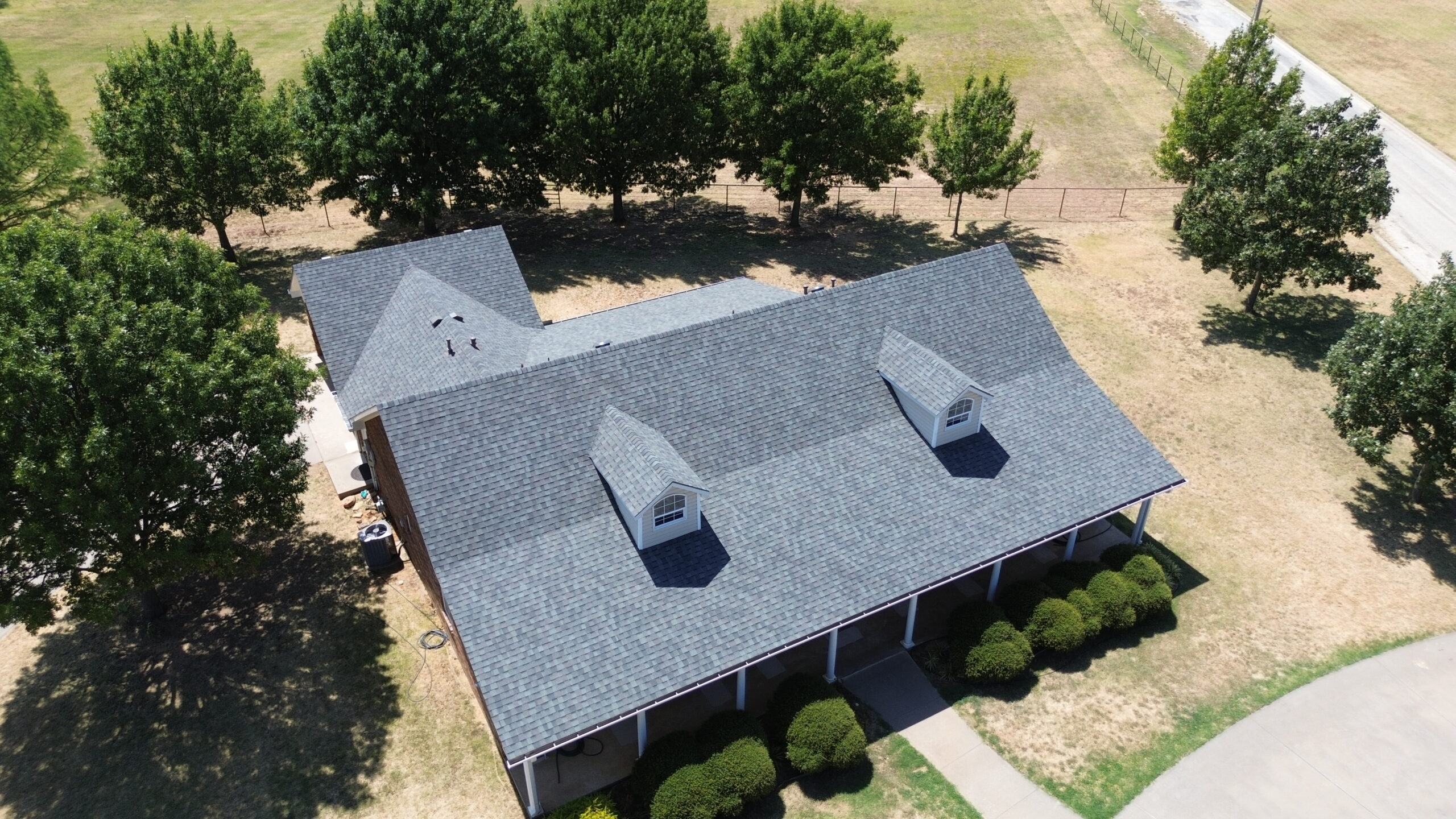
Strategically placed trees can provide shade and reduce direct sun exposure on roofing systems. Shaded roof areas generally remain cooler during summer afternoons.
Trees may help:
- lower roof temperatures
- reduce UV exposure
- improve energy efficiency
- lower cooling costs
However, homeowners should avoid allowing branches to touch the roof directly. Falling branches and trapped debris may create additional roofing problems.
Regular tree trimming helps balance shade benefits with roof protection needs.
Choosing Heat Resistant Roofing Materials
Some roofing materials perform much better than others in extreme summer temperatures. Homeowners replacing their roof should consider heat resistance carefully.
Popular heat resistant options include:
- metal roofing
- cool roof shingles
- clay tiles
- concrete tiles
- reflective membranes
Reflective roofing systems reduce heat absorption and improve energy efficiency. Lighter colored roofing materials also remain cooler under direct sunlight.
Energy efficient roofing upgrades may qualify for rebates or insurance benefits in some areas.
Cool Roofing Systems Explained
Cool roofing systems are designed to reflect more sunlight and absorb less heat than traditional roofing materials. These systems help reduce roof temperatures and improve indoor comfort.
Cool roofs commonly include:
- reflective coatings
- light colored materials
- specialized membranes
- reflective metal panels
Cool roofing technology is becoming increasingly popular in southern states where summer heat is intense.
Homeowners often experience lower energy costs after installing cool roofing materials. Reduced attic temperatures also help extend roof lifespan.
Protecting Gutters During Summer
Gutters play an important role in roof protection year round, including during summer months. Clogged gutters trap moisture and debris that may damage roofing materials.
Summer storms often fill gutters with:
- leaves
- twigs
- dirt
- granules
Blocked gutters prevent proper water drainage and may increase roof edge deterioration. Cleaning gutters regularly helps protect both the roof and foundation.
Proper drainage is especially important after summer thunderstorms with heavy rainfall.
Summer Storms and Roof Damage
Summer often brings severe thunderstorms, hailstorms, and high winds in Texas and Oklahoma. Heat weakened roofing materials are more vulnerable to storm damage.
Storms may cause:
- lifted shingles
- hail impacts
- flashing damage
- leaks
- fallen debris damage
Routine inspections before and after storm season help identify damage quickly. Fast repairs prevent small problems from becoming larger structural issues.
Why Emergency Repairs Increase in Summer
Roofing companies often experience increased emergency calls during summer because heat and storms create ideal conditions for sudden roof failures.
Older roofs weakened by prolonged heat exposure may fail during heavy rain or high winds. Emergency repairs are often more expensive because damage spreads quickly when moisture enters the home.
Preventive maintenance is the best way to reduce emergency roofing situations during summer months.
The Importance of Professional Roof Maintenance
Professional roofing maintenance helps extend roof lifespan and reduce long term repair costs. Experienced contractors can identify subtle heat damage before homeowners notice visible symptoms.
Maintenance services may include:
- roof inspections
- flashing repairs
- sealant replacement
- ventilation evaluation
- debris removal
Routine maintenance improves roofing performance during both summer heat and severe storms.
Homeowners who schedule annual inspections usually experience fewer emergency repairs and lower long term maintenance costs.
How Summer Heat Affects Roof Flashing
Roof flashing protects vulnerable transition areas around vents, chimneys, skylights, and walls. Extreme heat may cause flashing materials to expand, shift, or separate over time.
Damaged flashing often leads to:
- roof leaks
- moisture intrusion
- attic water damage
- mold growth
Because flashing areas experience constant thermal movement, inspections are important during hot weather. Small flashing repairs are much cheaper than major structural repairs caused by hidden leaks.
Roof Coatings and Heat Protection
Roof coatings help protect roofing materials from UV damage and excessive heat exposure. Reflective coatings are especially useful for flat roofs and commercial buildings.
Benefits of roof coatings include:
- lower roof temperatures
- improved UV resistance
- longer roof lifespan
- better energy efficiency
Some coatings also improve waterproofing performance and reduce surface cracking. Professional application is important for achieving proper protection.
How Humidity Affects Roofing Systems During Summer
High humidity levels create additional stress on roofing systems during hot weather. Moisture in the air may become trapped inside attic spaces when ventilation is inadequate.
Excess humidity may contribute to:
- mold growth
- wood rot
- insulation damage
- condensation buildup
When moisture combines with excessive heat, roofing materials often deteriorate faster. Proper attic airflow helps remove humid air and reduce moisture related problems.
Homes in humid climates should pay special attention to attic ventilation and insulation performance during summer months.
Why Roof Color Matters in Hot Climates
Roof color has a major impact on how much heat the roof absorbs during summer. Dark roofing colors absorb significantly more sunlight compared to lighter roofing materials.
Black or dark brown roofs may become much hotter during peak afternoon temperatures. Increased surface heat transfers into the attic and places more stress on roofing materials.
Lighter roofing colors reflect more sunlight and help reduce attic temperatures. Many homeowners in southern states choose lighter roofing materials to improve energy efficiency.
Although roof color alone will not prevent all heat damage, it can influence cooling costs and long term roofing performance.
How Summer Heat Affects Roof Sealants
Roof sealants protect vulnerable roofing areas from water intrusion and air leaks. During extreme summer temperatures, sealants may dry out, crack, or shrink.
Heat damaged sealants often appear:
- brittle
- separated
- uneven
- cracked
Once sealants fail, moisture can enter around flashing, vents, and skylights more easily. Small sealant problems may eventually cause major leaks if ignored.
Routine maintenance helps identify deteriorating sealants before serious water damage develops.
The Importance of Early Morning Roof Inspections
Summer roof inspections are safest and most effective during early morning hours. Roof surfaces become dangerously hot during the afternoon, especially on dark colored roofing systems.
Excessive heat may soften asphalt shingles and make them more vulnerable to damage from foot traffic. Walking on hot shingles during peak temperatures may loosen granules or crack weakened materials.
Professional roofers usually schedule inspections early in the day to reduce both safety risks and roofing damage. Homeowners should avoid climbing onto hot roofs without proper safety equipment.
If homeowners notice signs of damage from the ground, they should contact roofing professionals instead of attempting dangerous inspections during extreme heat.
How Solar Panels Affect Roof Temperatures
Solar panels are becoming increasingly popular in hot states because they help reduce electricity costs. Panels may also provide partial shade that lowers roof surface temperatures beneath them.
However, solar panel installation must be handled carefully to avoid damaging roofing materials. Poor installation may create leaks around mounting points or reduce ventilation.
Homeowners considering solar panels should ensure the roof is in good condition before installation. Installing solar panels on an aging roof may complicate future roof replacement projects.
Professional roofing inspections before solar installation help ensure long term roof performance and prevent hidden moisture problems.
Protecting Older Roofs During Heat Waves
Older roofs are especially vulnerable during periods of extreme summer heat. Aging shingles often lose flexibility and become brittle after years of UV exposure.
Heat waves may accelerate:
- cracking
- granule loss
- curling
- flashing separation
Homeowners with older roofs should schedule inspections before and after severe heat waves. Catching problems early may prevent emergency leaks during summer storms.
Temporary repairs may help extend roof life for a short period, but severely aging roofs often require replacement to avoid ongoing damage.
Why Summer Is a Good Time for Roof Replacement
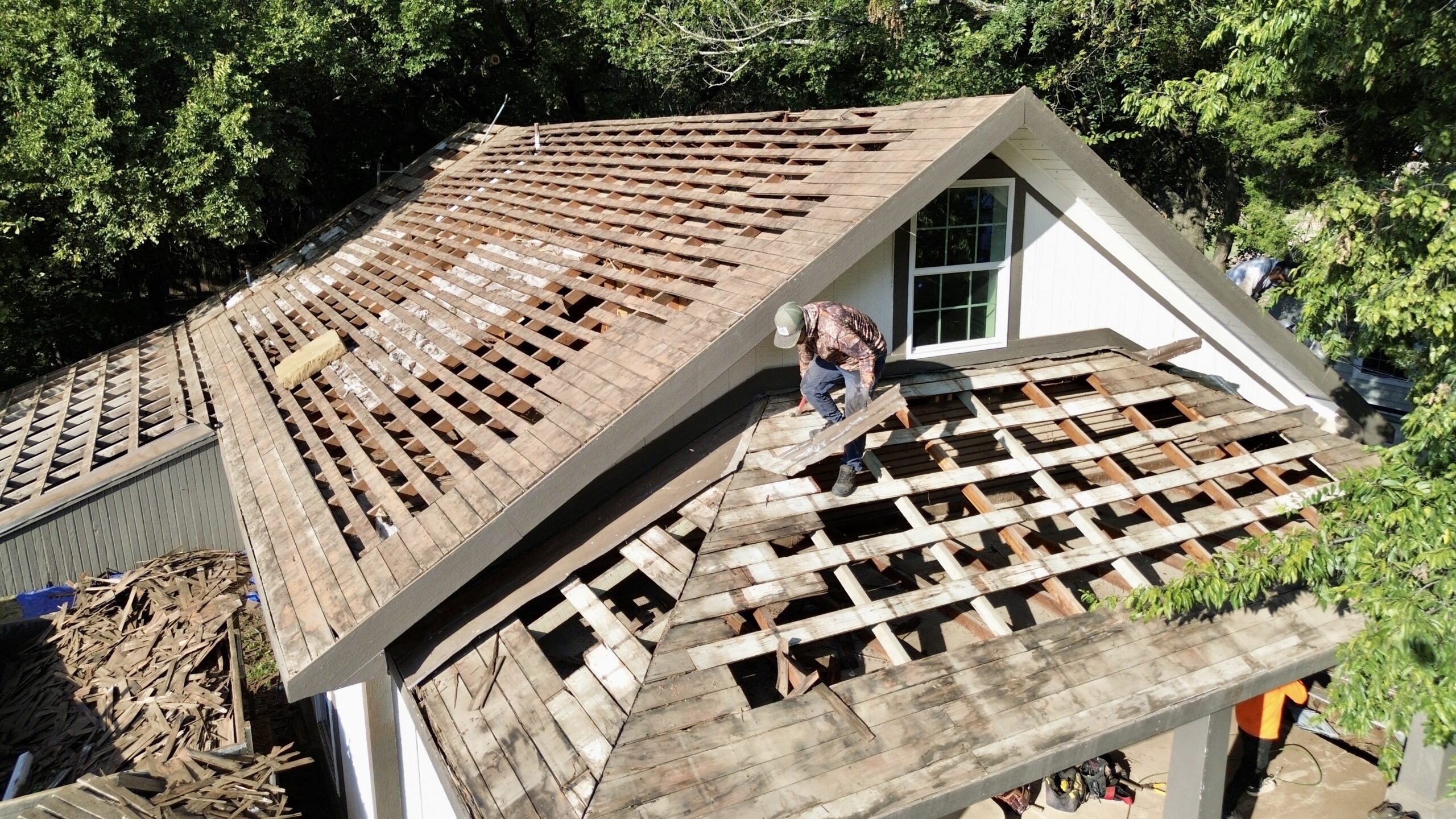
Although summer heat can stress roofing systems, it is also one of the busiest seasons for roof replacement projects. Dry weather conditions often allow roofing crews to complete installations more efficiently.
Warm temperatures also help roofing materials seal properly during installation. Asphalt shingles generally adhere more effectively in warm weather than during cold conditions.
However, extremely high temperatures may slow installation schedules because roofing crews must prioritize safety. Experienced contractors know how to manage summer roofing projects efficiently while protecting workers and materials.
Homeowners planning roof replacement during summer should schedule projects early because contractor demand is often very high.
Signs Your Roof May Already Have Heat Damage
Homeowners should monitor their roof regularly for signs of summer heat damage. Early detection helps prevent more serious structural problems later.
Warning signs include:
- curled shingles
- faded roofing color
- blistering surfaces
- cracked flashing
- rising energy bills
- attic heat buildup
If multiple warning signs appear, professional roofing inspections are recommended immediately.
How Homeowners Can Extend Roof Lifespan
Protecting your roof during summer requires a combination of maintenance, ventilation, and proactive care.
Helpful strategies include:
- Schedule annual roof inspections
- Clean gutters regularly
- Improve attic ventilation
- Replace damaged shingles quickly
- Trim nearby tree branches
- Upgrade insulation if necessary
Consistent maintenance significantly reduces long term roofing expenses.
Homeowners who ignore minor problems often face much larger repair costs later. Preventive care is always more affordable than emergency structural repairs.
Final Thoughts
Extreme summer temperatures place tremendous stress on roofing systems every year. Constant UV exposure, heat buildup, thermal expansion, and severe summer storms gradually weaken roofing materials and shorten roof lifespan.
Protecting your roof during hot weather requires proper ventilation, insulation, maintenance, and routine inspections. Small improvements such as better attic airflow or regular gutter cleaning can significantly improve roof performance and energy efficiency.
Homeowners who take proactive steps to protect their roof during summer can reduce repair costs, improve indoor comfort, and extend the lifespan of their roofing system. Whether your roof is new or aging, regular maintenance and professional inspections are essential for keeping it strong during extreme summer temperatures.