

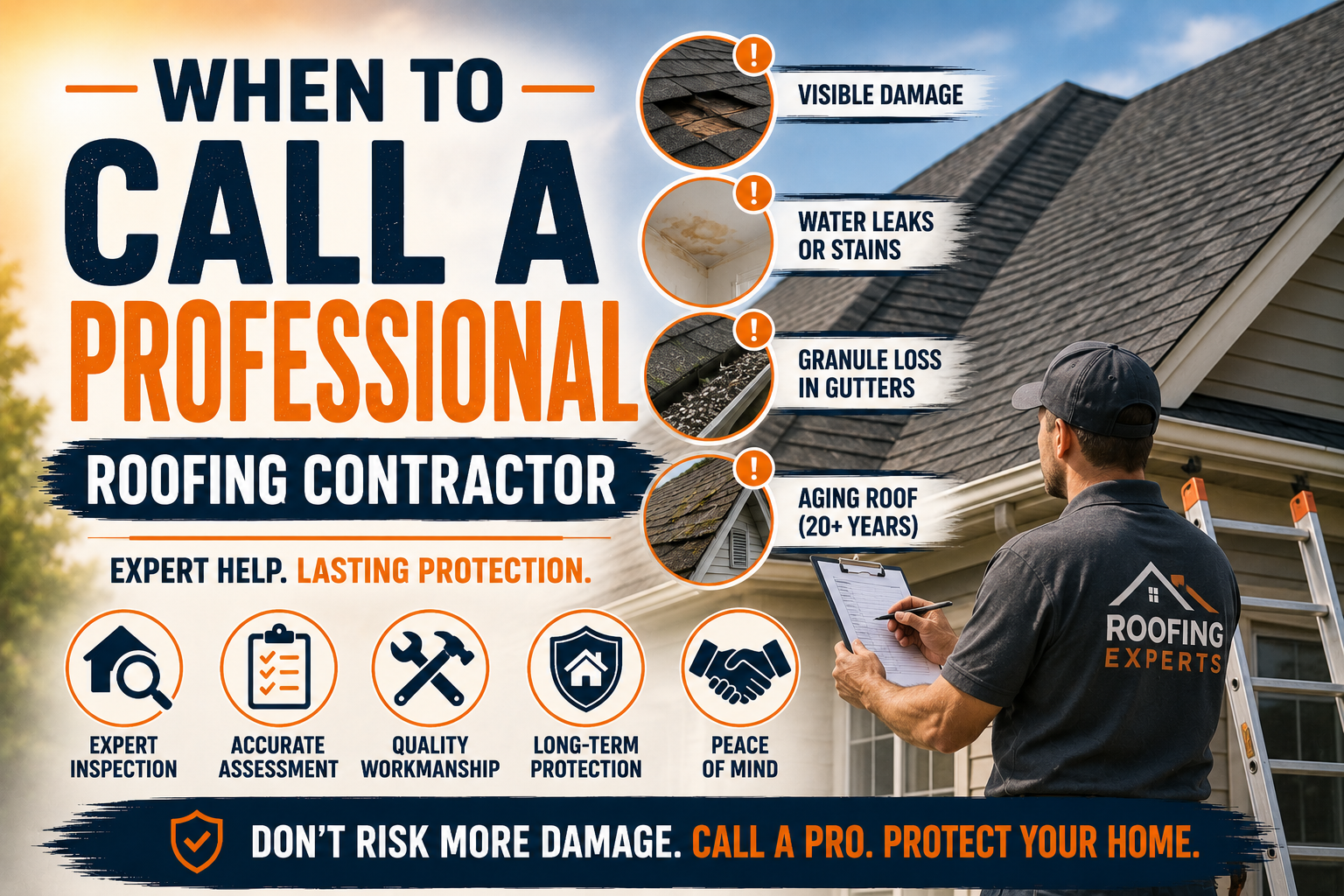
When to Call a Professional Roofing Contractor
Introduction
The roof is one of the most important components of any home or commercial building. It serves as the first line of defense against rain, wind, snow, sunlight, and other environmental elements that can damage the structure beneath. A well-maintained roof not only protects occupants and belongings but also contributes to energy efficiency, property value, and overall safety.
Many property owners try to handle minor roofing issues themselves in an effort to save money. While some maintenance tasks can be performed safely, many roofing problems require professional expertise and specialized equipment. Attempting repairs without the proper knowledge can lead to further damage, costly mistakes, and even serious injuries.
Understanding when to call a professional roofing contractor can help prevent small issues from becoming major structural concerns. Roofing professionals are trained to identify hidden problems, recommend appropriate solutions, and perform repairs or replacements that meet industry standards. Knowing the warning signs can save time, money, and frustration in the long run.
This guide explores the situations where hiring a professional roofing contractor is the best decision. By recognizing these circumstances early, homeowners can protect their investment and maintain the integrity of their property for years to come.
Why Professional Roofing Services Matter
Roofing systems are more complex than many people realize. Beneath the visible shingles or roofing materials lies a network of components that work together to provide protection and structural support. Even a seemingly minor issue can affect multiple layers of the roof.
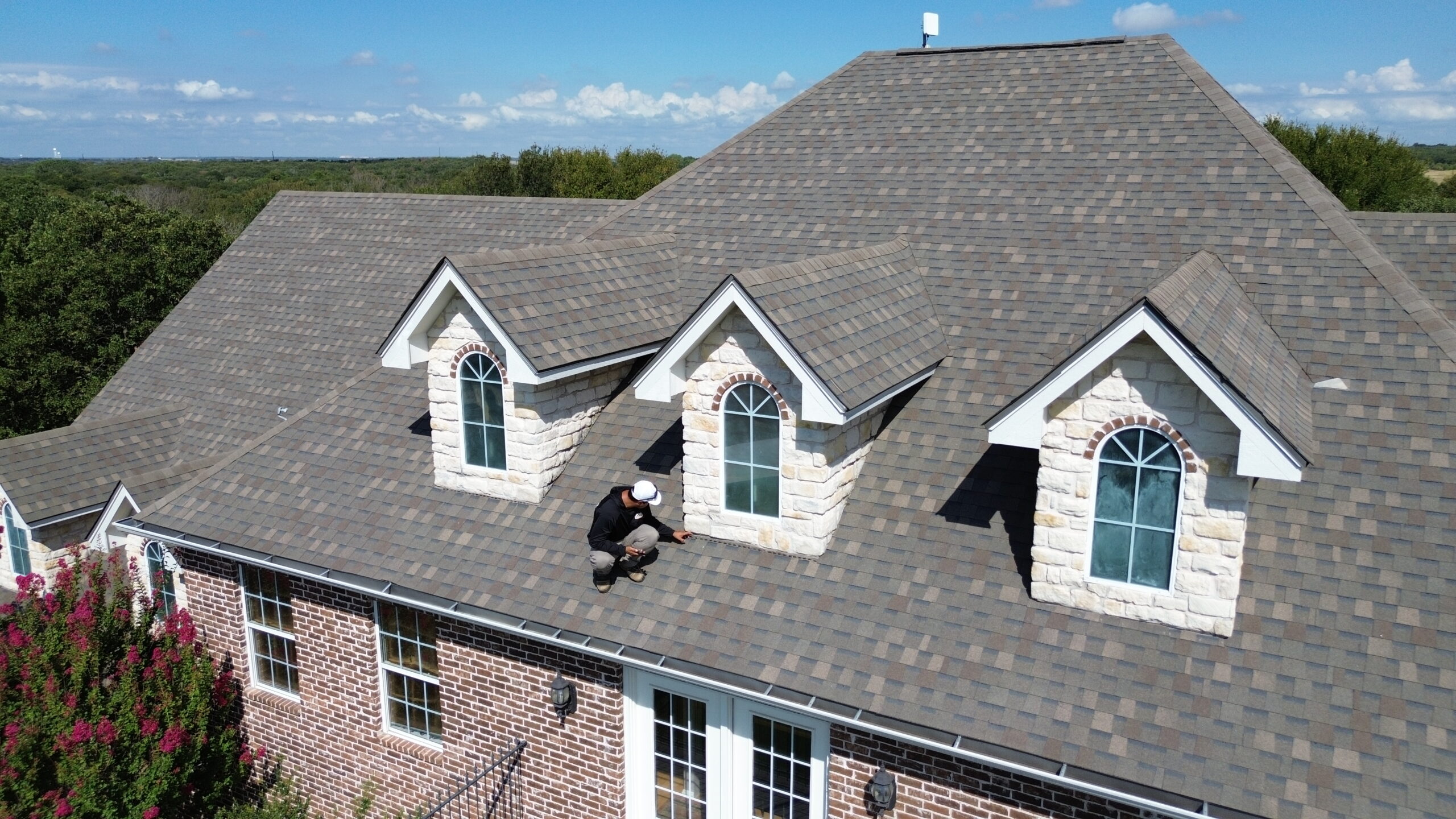
Professional roofing contractors possess the knowledge and experience needed to evaluate roofing systems accurately. They understand how different materials perform under various weather conditions and can identify issues that may not be visible to the untrained eye. Their expertise helps ensure that repairs address the root cause of a problem rather than simply covering up symptoms.
Safety is another major reason to hire professionals. Working on a roof involves significant risks, including falls, electrical hazards, and unstable surfaces. Roofing contractors have specialized safety training and equipment that reduce these dangers while allowing work to be completed efficiently.
In addition, reputable roofing contractors often provide warranties for their workmanship and materials. This added protection gives property owners confidence that the work has been completed correctly and that support is available if issues arise later.
Signs of Roof Damage That Require Professional Attention
Roof damage can occur gradually or suddenly depending on weather conditions and the age of the roofing system. Identifying problems early can help prevent extensive repairs and costly replacements.
Some warning signs are easy to spot from the ground, while others may only become apparent during a professional inspection. Regardless of how obvious the issue appears, significant roof damage should always be evaluated by an experienced contractor.
Missing or Damaged Shingles
Shingles are designed to protect the underlying layers of the roof from moisture and environmental exposure. When shingles become cracked, curled, loose, or completely missing, the roof becomes vulnerable to water infiltration and structural damage.
Strong winds, hailstorms, aging, and temperature fluctuations can all contribute to shingle damage. While replacing a single shingle may seem straightforward, underlying issues often exist beneath the surface. A roofing contractor can assess the extent of the damage and determine whether localized repairs or broader restoration is necessary.
Water Leaks Inside the Home
One of the clearest signs that professional roofing assistance is needed is the presence of water leaks inside the building. Water stains on ceilings, walls, or attic spaces indicate that moisture has penetrated the roofing system.
Leaks are not always located directly above the visible water damage. Water can travel along structural components before becoming noticeable indoors. Professional contractors use their expertise to trace leaks to their source and implement effective repairs that prevent future problems.
Sagging Roof Areas
A sagging roof should never be ignored. This condition often indicates structural issues caused by moisture damage, weakened supports, or excessive weight from accumulated debris or snow.
Structural roof problems require immediate attention from qualified professionals. Delaying repairs can increase the risk of collapse and create significant safety concerns for occupants. Roofing contractors can evaluate the cause of the sagging and recommend appropriate corrective measures.
Granules in Gutters
As asphalt shingles age, they begin to lose the protective granules that shield them from ultraviolet radiation and weather exposure. Finding an excessive amount of granules in gutters is often a sign that the roof is nearing the end of its service life.
While some granule loss is normal over time, significant accumulation should be inspected by a roofing contractor. They can determine whether the roof still has sufficient protection or if replacement should be considered.
After Severe Weather Events
Weather is one of the leading causes of roof damage. Even roofs that appear intact from the ground may sustain hidden damage during severe storms.
After extreme weather conditions, scheduling a professional inspection can help identify issues before they worsen. This proactive approach often reduces repair costs and extends the life of the roofing system.
Hail Damage
Hail can cause dents, cracks, and punctures in roofing materials. The severity of damage depends on the size of the hailstones, wind speed, and roofing material involved.
Some hail damage is difficult to detect without a close inspection. Professional roofing contractors know what signs to look for and can assess whether repairs are needed to maintain the roof’s integrity.
High Winds
Strong winds can lift shingles, loosen flashing, and expose vulnerable areas of the roof. Damage caused by wind may not always be visible from the ground, especially if only a small section has been affected.
A professional inspection ensures that all damaged areas are identified and repaired before water infiltration occurs. Early intervention can prevent much larger problems in the future.
Heavy Rainfall
Extended periods of heavy rain can reveal weaknesses in roofing systems. Water may penetrate compromised areas and lead to leaks, mold growth, and wood rot.
Roofing contractors can inspect the roof after significant rainfall events and identify any vulnerabilities that require attention. Addressing these concerns promptly helps maintain the structural integrity of the building.
When the Roof Is Aging
Every roofing system has a limited lifespan. As materials age, they gradually become less effective at protecting the structure from environmental exposure.
Property owners should be aware of the expected lifespan of their roofing materials and schedule regular inspections as the roof approaches the end of its service life. Professional evaluations can help determine whether repairs are sufficient or replacement is necessary.
Asphalt Shingle Roofs
Asphalt shingles are among the most common roofing materials used in residential construction. Depending on quality and maintenance, they generally last between 20 and 30 years.
As these roofs age, signs of deterioration become more common. Curling shingles, granule loss, and recurring leaks often indicate that professional assessment is needed to determine the best course of action.
Metal Roofs
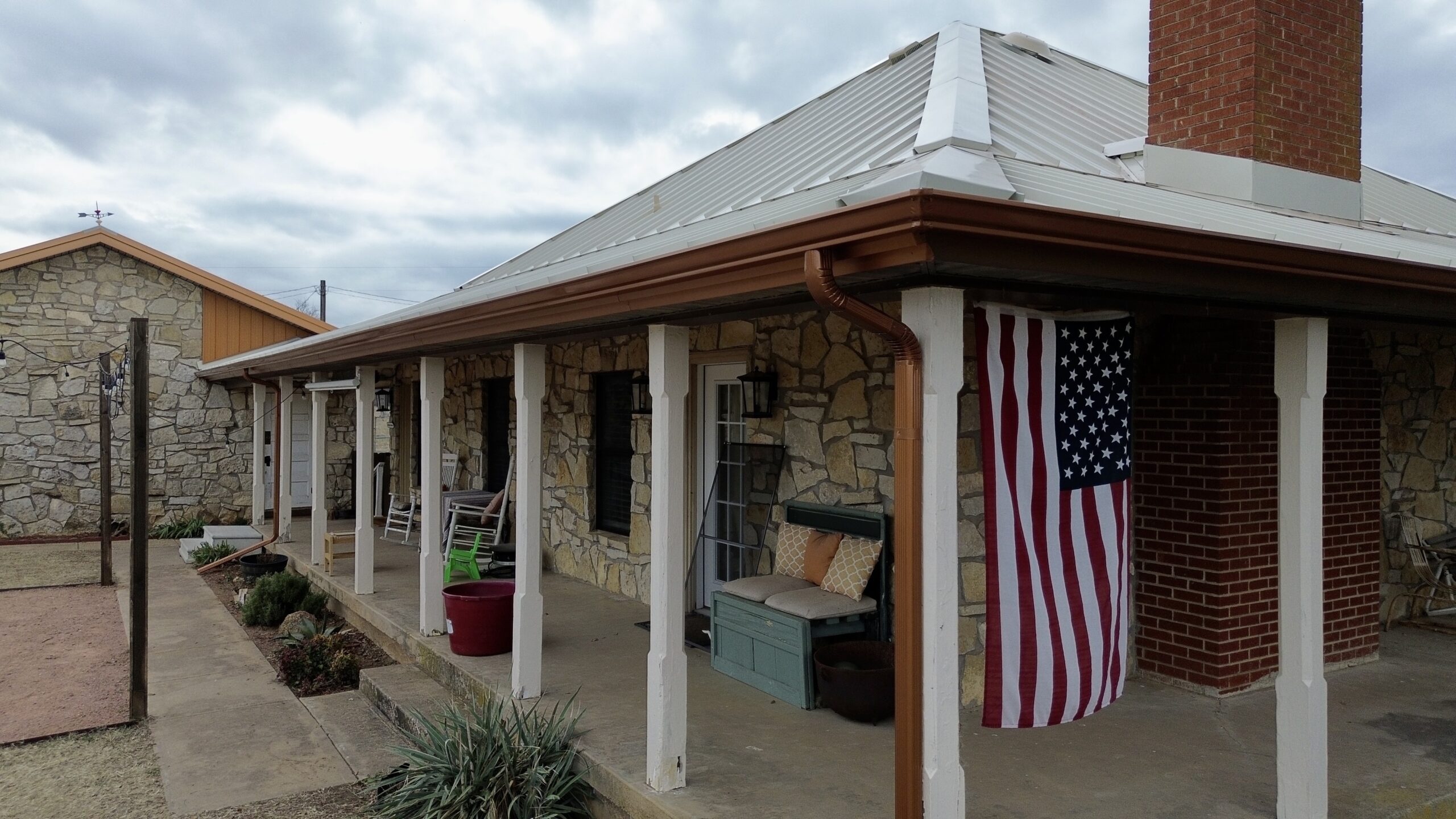
Metal roofs are known for their durability and longevity. Many systems can last 40 years or more when properly maintained.
Despite their resilience, metal roofs can still develop issues such as corrosion, loose fasteners, and damaged seams. Professional contractors can identify these problems and recommend effective solutions before they become serious.
Tile and Slate Roofs
Tile and slate roofs can provide exceptional longevity, often lasting several decades or even more than a century. However, individual tiles or slates may crack or become displaced over time.
Professional roofing contractors have the specialized knowledge required to work with these materials safely and effectively. Proper repairs help preserve both appearance and performance.
During a Home Purchase or Sale
Real estate transactions often involve roofing evaluations. Buyers want confidence that the property is in good condition, while sellers seek to avoid surprises that could delay closing.
A professional roof inspection provides valuable information for all parties involved. The inspection can reveal existing damage, estimate remaining lifespan, and identify potential maintenance needs.
For buyers, this information supports informed decision-making and helps avoid unexpected expenses after purchase. For sellers, addressing roofing issues before listing the property can improve marketability and strengthen buyer confidence.
Roof certification reports from qualified contractors may also help facilitate negotiations. These documents provide an objective assessment of the roof’s condition and can support property valuations.
When Energy Bills Are Increasing
Many property owners do not immediately associate rising energy costs with roofing problems. However, a damaged or aging roof can significantly affect a building’s energy efficiency.
Gaps, deteriorated materials, and inadequate ventilation can allow conditioned air to escape while permitting outdoor temperatures to influence indoor comfort. As heating and cooling systems work harder to maintain desired temperatures, energy consumption increases.
Professional roofing contractors can evaluate the roof’s performance and identify opportunities for improvement. Repairs, ventilation upgrades, and modern roofing materials can contribute to better energy efficiency and lower utility expenses.
In some cases, roofing upgrades may qualify for energy-related incentives or rebates depending on local programs. Contractors familiar with these options can provide guidance and recommendations based on the property’s specific needs.
When Moss, Algae, or Mold Are Present
Organic growth on a roof is often viewed as a cosmetic issue, but it can indicate deeper concerns that should not be ignored. Moss, algae, and mold thrive in moist environments and can gradually compromise roofing materials if left untreated.
Moss is particularly problematic because it retains moisture against the roof surface. Over time, this trapped moisture can weaken shingles, encourage rot, and create conditions that lead to leaks. The longer moss remains in place, the greater the risk of structural damage.
Algae growth commonly appears as dark streaks on roofing materials. While algae may not immediately damage the roof, it can reduce curb appeal and signal excessive moisture retention. In some cases, it may also contribute to premature aging of roofing components.
Mold growth is a more serious concern because it can affect both the roof and indoor air quality. Mold may develop in attic spaces when roofing leaks or ventilation issues create damp conditions. Professional roofing contractors can identify the source of moisture and recommend appropriate corrective measures.
Attempting to remove moss or algae without proper techniques can cause additional damage. Aggressive pressure washing or the use of unsuitable cleaning products may shorten the lifespan of roofing materials. Professional contractors understand the safest and most effective methods for cleaning and protecting roofs.
When Flashing Is Damaged
Flashing is an essential roofing component that prevents water from entering vulnerable areas. It is typically installed around chimneys, skylights, vents, valleys, and roof intersections where leaks are most likely to occur.
Over time, flashing can become loose, corroded, cracked, or displaced. Weather exposure, temperature fluctuations, and natural aging all contribute to deterioration. Even minor flashing damage can create entry points for water.
Leaks caused by flashing problems are often difficult for property owners to identify. Water may enter through a small gap and travel considerable distances before becoming visible inside the building. This can make the actual source of the leak challenging to locate.
Professional roofing contractors have the experience needed to inspect flashing thoroughly and identify weaknesses that may not be obvious during a casual examination. Proper repair or replacement of flashing helps maintain a watertight roofing system.
Ignoring flashing issues can lead to extensive water damage over time. Early intervention by a qualified contractor is often the most cost-effective solution.
When Roof Ventilation Problems Exist
A roofing system does more than keep water out. Proper ventilation plays a critical role in maintaining the health and performance of the roof and the building beneath it.
Inadequate ventilation can trap heat and moisture in the attic. During warmer months, excessive heat buildup can accelerate the aging of roofing materials and increase cooling costs. During colder months, moisture accumulation can contribute to mold growth and wood deterioration.
Signs of ventilation problems may include unusually high energy bills, excessive attic heat, condensation, mold growth, or ice dam formation in colder climates. These symptoms often indicate that airflow within the roofing system is insufficient.
Professional roofing contractors can evaluate attic ventilation and determine whether improvements are needed. They may recommend additional vents, upgraded ventilation systems, or adjustments to existing components to improve airflow.
Addressing ventilation issues not only extends the life of the roof but also enhances indoor comfort and energy efficiency. Proper ventilation is an investment that provides long-term benefits for property owners.
When a Roof Inspection Has Not Been Performed Recently
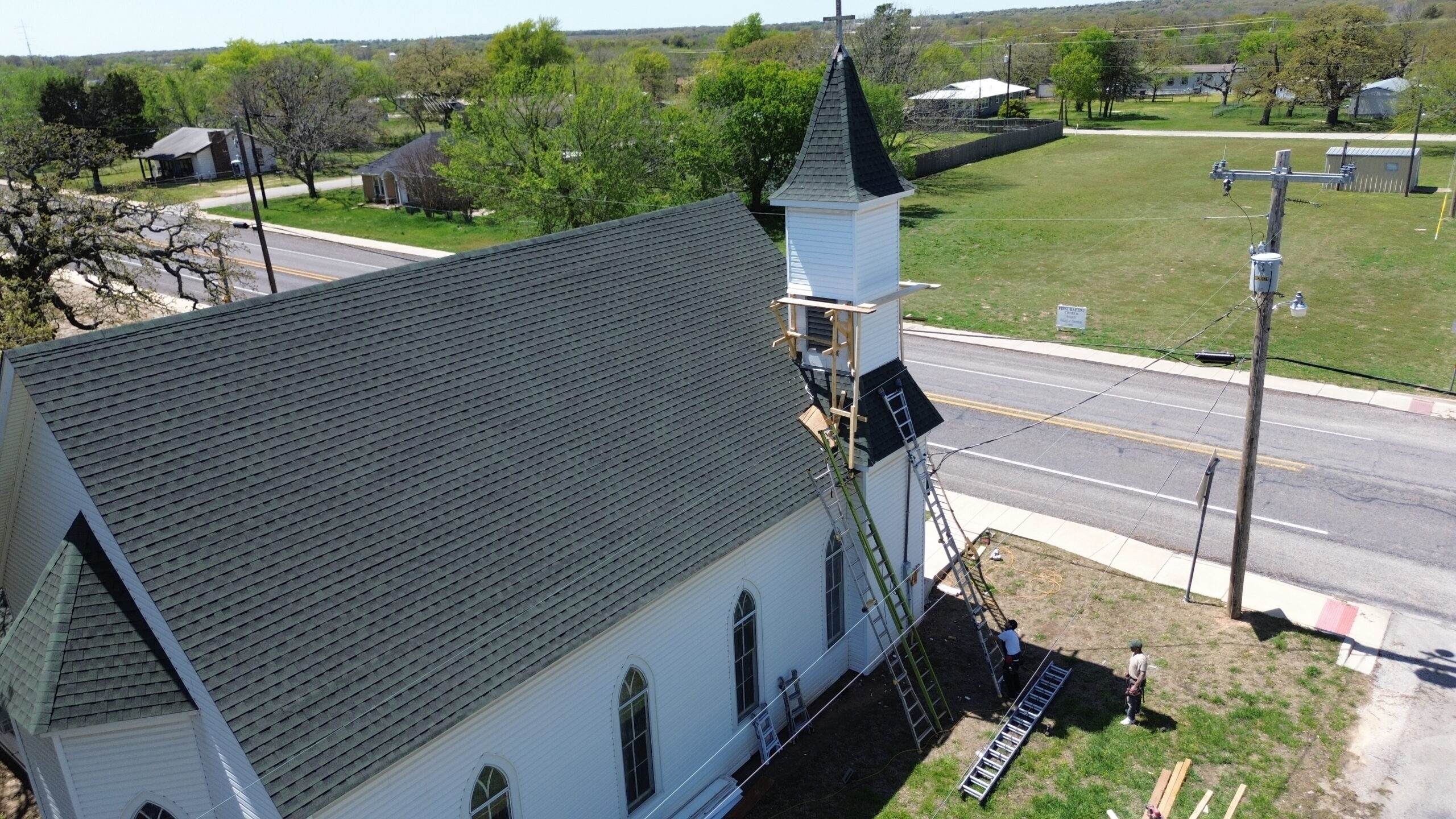
Many roofing problems develop gradually and remain unnoticed until significant damage has occurred. Regular inspections are one of the most effective ways to identify issues before they become expensive repairs.
Property owners often wait until they notice a leak or visible damage before contacting a roofing professional. Unfortunately, by that point the problem may have already affected multiple components of the roofing system.
Routine inspections allow contractors to identify early warning signs such as deteriorating shingles, damaged flashing, clogged drainage systems, and minor leaks. Correcting these issues promptly often costs far less than major repairs.
Most roofing professionals recommend inspections at least once every year. Additional inspections may be beneficial after severe weather events or when a roof is approaching the end of its expected lifespan.
Preventive maintenance supported by regular inspections helps maximize the value and longevity of a roofing investment. It also provides peace of mind by reducing the likelihood of unexpected roofing emergencies.
When Roof Repairs Keep Reoccurring
Occasional roof repairs are normal throughout the lifespan of a roofing system. However, repeatedly repairing the same area or experiencing frequent roofing issues may indicate a larger underlying problem.
Temporary fixes often address visible symptoms without resolving the root cause. As a result, leaks and damage may continue to return despite multiple repair attempts. This pattern can become frustrating and costly for property owners.
Recurring issues may stem from improper installation, hidden structural damage, poor ventilation, aging materials, or widespread deterioration. Identifying the true cause requires a comprehensive evaluation by an experienced roofing contractor.
Professional contractors can determine whether continued repairs are practical or if a more extensive solution is necessary. In some cases, investing in a replacement may be more economical than repeatedly paying for repairs.
Making an informed decision based on professional guidance helps avoid unnecessary expenses and provides a more reliable long-term outcome.
When Planning Major Home Renovations
Roofing considerations are often overlooked during renovation projects. However, significant changes to a property can affect the roof’s performance and structural requirements.
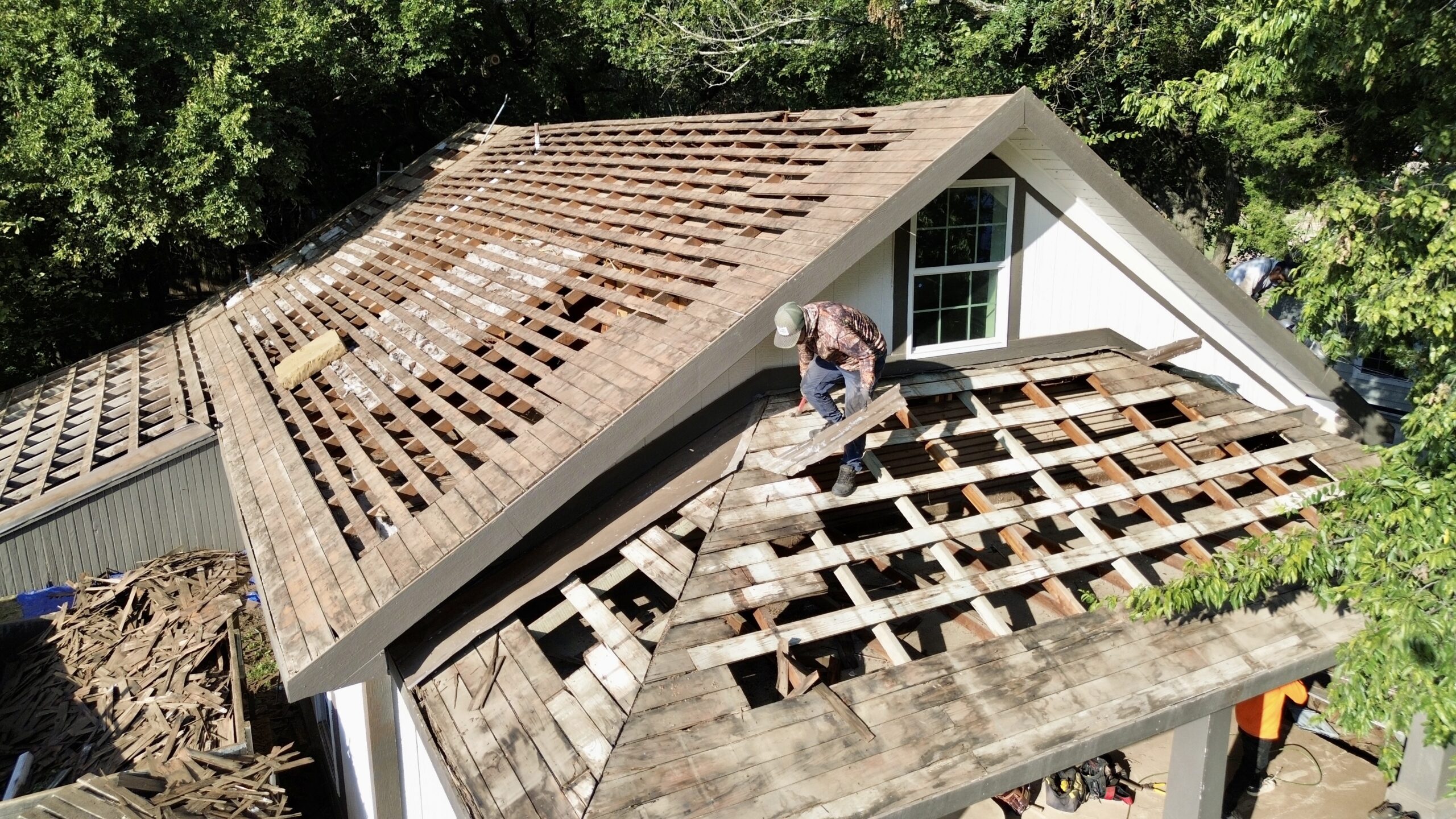
Projects such as home additions, attic conversions, solar panel installations, and major exterior renovations may place new demands on the roofing system. Evaluating the roof before construction begins helps prevent complications later.
A professional roofing contractor can assess whether the existing roof can support planned modifications. They can also identify repairs or upgrades that should be completed before renovation work proceeds.
Coordinating roofing improvements with other renovation projects often saves time and reduces overall costs. It also ensures that all building systems work together effectively.
Property owners who involve roofing professionals early in the planning process are better positioned to avoid delays and unexpected expenses.
When Insurance Claims Are Involved
Roof damage caused by storms, falling debris, or other covered events may qualify for insurance compensation. Navigating the claims process can be challenging without professional assistance.
Insurance companies typically require documentation of the damage before approving claims. Accurate assessments and detailed reports are essential for supporting a successful claim.
Professional roofing contractors can inspect the roof, identify storm-related damage, and provide documentation that helps property owners communicate effectively with insurance representatives. Their expertise can be valuable when explaining the extent of repairs needed.
Many contractors also have experience working with insurance adjusters. This familiarity can help streamline the claims process and reduce misunderstandings regarding repair requirements.
Prompt inspections are especially important because delays may complicate claim approval. Contacting a roofing contractor soon after damage occurs helps ensure that evidence is properly documented.
When Installing New Roofing Materials
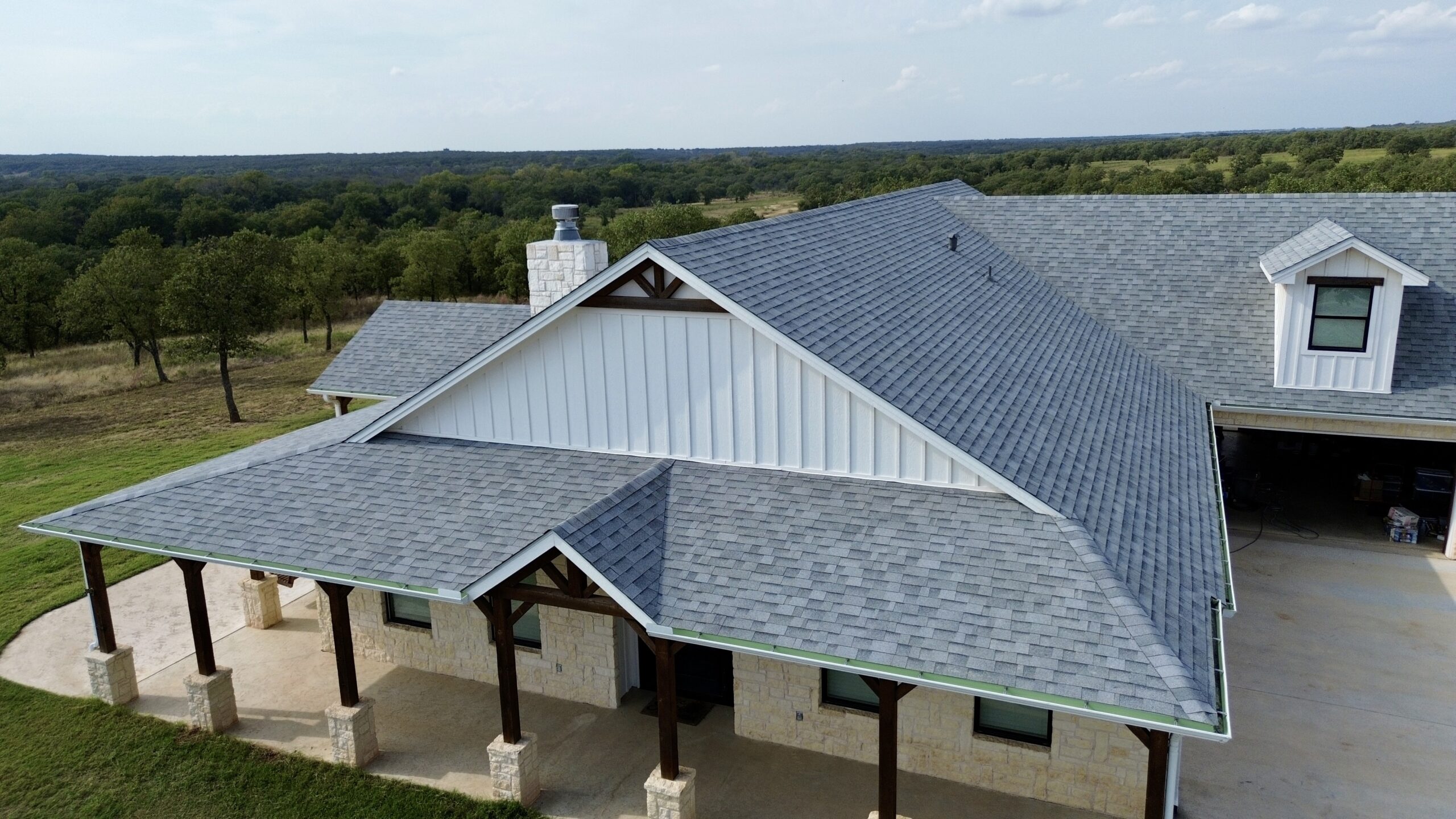
Roof replacement is a significant investment that affects a property’s appearance, performance, and value. Choosing professional installation is critical for achieving the best results.
Modern roofing systems involve numerous components that must work together effectively. Improper installation can lead to leaks, ventilation problems, shortened material lifespan, and warranty issues.
Professional roofing contractors understand manufacturer specifications and industry best practices. Their expertise helps ensure that materials are installed correctly and perform as intended.
Contractors can also help property owners select materials that align with their budget, climate conditions, aesthetic preferences, and long-term goals. This guidance is especially valuable given the wide variety of roofing products available today.
Investing in professional installation provides confidence that the roofing system will deliver reliable performance for many years.
The Risks of Delaying Professional Roofing Services
Many property owners postpone roofing work because they hope the issue will resolve itself or because they want to avoid immediate expenses. Unfortunately, roofing problems rarely improve without intervention.
Small leaks often expand over time as water continues to penetrate vulnerable areas. What begins as a minor repair can eventually require extensive structural restoration if left untreated.
Moisture intrusion may damage insulation, drywall, ceilings, flooring, and electrical systems. Mold growth can also develop, creating additional health and remediation concerns.
Delaying repairs can significantly increase project costs. Addressing problems early is generally less expensive than correcting widespread damage that has accumulated over months or years.
Safety risks may also increase when roofing issues are ignored. Structural deterioration can compromise the stability of the roof and create hazards for occupants.
Professional roofing contractors provide timely solutions that help prevent these complications. Their expertise allows property owners to address concerns before they escalate into major problems.
How to Choose the Right Professional Roofing Contractor
Hiring the right roofing contractor is just as important as recognizing when professional help is needed. Not all contractors offer the same level of experience, quality, or customer service.
Property owners should begin by researching local contractors with strong reputations and positive customer feedback. Established companies often have a proven track record of delivering reliable results.
It is important to verify licensing, insurance coverage, and relevant certifications. These credentials demonstrate professionalism and help protect both the contractor and the property owner during the project.
Requesting written estimates from multiple contractors allows for meaningful comparisons. While cost is an important factor, it should not be the sole basis for a decision. Experience, workmanship quality, warranty coverage, and communication should also be considered.
A reputable contractor will be transparent about project requirements, timelines, and pricing. They should be willing to answer questions and explain recommendations clearly.
Taking the time to select a qualified roofing professional increases the likelihood of a successful project and a positive overall experience.
Questions to Ask Before Hiring a Roofing Contractor
Choosing a roofing contractor should involve more than simply accepting the lowest quote. Asking the right questions can help property owners understand the contractor’s qualifications, work process, and commitment to quality.
A reputable contractor should be comfortable discussing their experience, licensing, insurance coverage, and previous projects. Clear communication during the initial consultation often reflects how the contractor will handle the project itself.
Here are a few important questions worth asking:
- How long have you been in the roofing industry?
- Are you licensed and insured?
- Do you provide written estimates?
- What warranties do you offer?
- Can you provide references from recent customers?
The answers to these questions can provide valuable insight into the contractor’s professionalism and reliability. Property owners should feel confident that they are hiring someone capable of delivering quality workmanship.
Common Roofing Services Provided by Professionals
Professional roofing contractors offer a wide range of services designed to address different roofing needs. Understanding these services can help property owners know when professional assistance is appropriate.
Roof inspections are among the most common services provided. During an inspection, contractors evaluate the condition of roofing materials, flashing, drainage systems, ventilation components, and structural elements.
Repair services address issues such as leaks, damaged shingles, deteriorated flashing, and storm-related damage. Timely repairs help extend the life of the roof and prevent larger problems from developing.
Roof replacement is recommended when a roofing system has reached the end of its useful life or sustained extensive damage. Contractors remove old materials, inspect underlying structures, and install a new roofing system designed to meet current standards.
Preventive maintenance services help identify and correct minor issues before they become major concerns. Regular maintenance often reduces long-term ownership costs and improves overall roof performance.
Many contractors also provide emergency roofing services following severe weather events. Quick response times can help minimize damage and protect the building from further exposure.
The Importance of Emergency Roofing Services
Roofing emergencies can occur without warning. Storms, fallen trees, fire damage, and sudden structural failures may leave a building exposed to the elements and require immediate attention.
In emergency situations, time is critical. Delaying action can allow water intrusion to worsen, increasing the extent of damage throughout the property.
Professional roofing contractors often provide emergency response services that include temporary protective measures. These may involve tarping damaged areas or securing vulnerable sections until permanent repairs can be completed.
Emergency services help stabilize the situation and prevent additional losses. Once immediate risks are addressed, contractors can conduct a detailed assessment and develop a comprehensive repair plan.
Property owners should keep contact information for a trusted roofing contractor readily available. Having a reliable professional to call during an emergency can make a significant difference in protecting the property.
Benefits of Establishing a Relationship With a Roofing Contractor
Many people only contact a roofing contractor when a problem arises. However, developing an ongoing relationship with a trusted professional offers several advantages.
A contractor who is familiar with the property’s roofing system can provide more accurate recommendations and identify changes over time. This familiarity often improves maintenance planning and repair efficiency.
Regular inspections conducted by the same contractor create a documented history of the roof’s condition. These records can be valuable when budgeting for future maintenance or replacement projects.
Established relationships may also result in faster service during emergencies. Contractors often prioritize existing clients when demand is high following major weather events.
Trust and communication tend to improve over time as well. Property owners gain confidence in the contractor’s recommendations, while contractors gain a better understanding of the property’s unique needs.
Seasonal Situations That Warrant a Professional Roofing Inspection
Certain times of the year present increased risks for roofing systems. Seasonal inspections help ensure that the roof is prepared for changing weather conditions.
Spring is an ideal time to inspect roofs for damage caused by winter weather. Snow, ice, and freezing temperatures can create issues that become apparent as temperatures rise.
Summer inspections are useful for identifying heat-related wear and ensuring that ventilation systems are functioning properly. Excessive attic temperatures can place additional stress on roofing materials.
Autumn inspections help prepare roofs for upcoming winter conditions. Contractors can identify loose materials, clear drainage systems, and address minor concerns before harsh weather arrives.
Winter inspections may be necessary following severe storms or heavy snowfall. Professional evaluations can determine whether snow loads, ice accumulation, or storm damage have compromised the roof.
Seasonal maintenance contributes to long-term roof performance and reduces the likelihood of unexpected problems throughout the year.
Warning Signs Homeowners Often Overlook
Some roofing problems develop gradually and may not attract immediate attention. As a result, many property owners unknowingly allow minor issues to progress into significant concerns.
One commonly overlooked sign is a sudden increase in indoor humidity levels. Excess moisture inside the home can sometimes indicate ventilation problems or hidden roof leaks.
Another warning sign is peeling paint near the roofline or around attic access points. Moisture infiltration often affects interior finishes before obvious leaks become visible.
Daylight entering the attic through small openings should also be taken seriously. Even tiny gaps can allow water, insects, and outside air to enter the building.
Unusual odors in attic spaces may signal mold growth resulting from hidden moisture problems. A professional inspection can determine whether roofing issues are contributing to these conditions.
Being aware of these subtle indicators allows property owners to seek professional assistance before extensive damage occurs.
Commercial Properties and Professional Roofing Contractors
Commercial roofing systems often differ significantly from residential roofs. Their size, complexity, and specialized materials require expertise that goes beyond standard home roofing practices.
Commercial properties frequently utilize flat or low-slope roofing systems. These roofs have unique drainage requirements and may be vulnerable to water pooling if not properly maintained.
Businesses depend on reliable roofing performance to protect operations, inventory, equipment, and employees. Even a small leak can disrupt productivity and create financial losses.
Professional commercial roofing contractors understand the challenges associated with large-scale roofing systems. They have the training, equipment, and resources necessary to handle inspections, repairs, and replacements effectively.
Routine maintenance is particularly important for commercial properties. Preventive care helps extend roof lifespan while minimizing disruptions to business operations.
The Financial Advantages of Hiring a Professional
Some property owners hesitate to hire roofing contractors because they are concerned about costs. However, professional services often provide substantial financial benefits over the long term.
Accurate problem diagnosis prevents unnecessary repairs and helps ensure that resources are directed toward effective solutions. This reduces the likelihood of spending money on temporary fixes that fail to address underlying issues.
Professional workmanship also lowers the risk of future damage. Proper installation and repair techniques contribute to longer roof lifespans and fewer recurring problems.
Many contractors have access to high-quality materials that may not be readily available to consumers. These products often provide better performance and durability.
Professional services can also help preserve manufacturer warranties. Improper installation or unauthorized repairs may void warranty coverage, potentially leading to higher future expenses.
When viewed from a long-term perspective, hiring a qualified roofing contractor is often a cost-effective decision that protects both the property and the owner’s investment.
Technology’s Role in Modern Roofing Inspections
Advancements in technology have improved the way roofing contractors evaluate and maintain roofing systems. Modern tools allow for more accurate inspections and detailed reporting.
Drone technology has become increasingly common within the roofing industry. Drones enable contractors to inspect difficult-to-access areas while reducing safety risks associated with manual roof access.
Thermal imaging equipment helps identify hidden moisture, insulation deficiencies, and temperature variations. These tools allow contractors to detect problems that may not be visible during traditional inspections.
Digital reporting systems provide property owners with detailed documentation, photographs, and maintenance recommendations. This information supports informed decision-making and future planning.
Technology does not replace professional expertise, but it enhances the accuracy and efficiency of roofing assessments. Property owners benefit from more comprehensive evaluations and improved service quality.
Building Long-Term Roof Maintenance Habits
Roof maintenance should be viewed as an ongoing responsibility rather than a one-time task. Consistent care helps maximize the lifespan and performance of any roofing system.
Property owners should conduct visual inspections from the ground periodically and remain alert for signs of damage. While these observations do not replace professional evaluations, they can help identify concerns that warrant further investigation.
Keeping gutters clean is another important maintenance practice. Proper drainage reduces the risk of water accumulation and helps protect roofing materials from unnecessary exposure to moisture.
Tree branches that hang over the roof should be trimmed regularly. Overhanging limbs can damage roofing materials during storms and contribute to debris accumulation.
Scheduling annual professional inspections remains one of the most effective maintenance strategies. Contractors can identify developing issues early and recommend corrective actions before major repairs become necessary.
A proactive approach to maintenance often results in lower costs, improved performance, and greater peace of mind.
Conclusion
A roof plays a vital role in protecting a property from weather, moisture, and structural damage. Because roofing systems are exposed to the elements every day, they inevitably experience wear and tear that requires attention over time.
Knowing when to call a professional roofing contractor can make a significant difference in the health and longevity of the roof. Whether dealing with leaks, storm damage, aging materials, ventilation concerns, or recurring repair issues, professional expertise helps ensure that problems are addressed correctly.
Waiting too long to seek professional assistance often leads to higher repair costs and more extensive damage. Early intervention allows contractors to identify the root cause of issues and implement effective solutions before conditions worsen.
Professional roofing contractors bring specialized knowledge, safety training, quality materials, and industry experience to every project. Their skills help protect property owners from costly mistakes while delivering reliable and long-lasting results.
Regular inspections, preventive maintenance, and prompt repairs are essential components of responsible roof ownership. By partnering with a trusted roofing professional and addressing concerns as they arise, property owners can safeguard their investment and enjoy greater confidence in the performance of their roofing system.
Ultimately, the best time to call a professional roofing contractor is before a small issue becomes a major problem. Taking a proactive approach today can save substantial time, money, and stress in the future while ensuring that the roof continues to provide dependable protection for many years to come.