

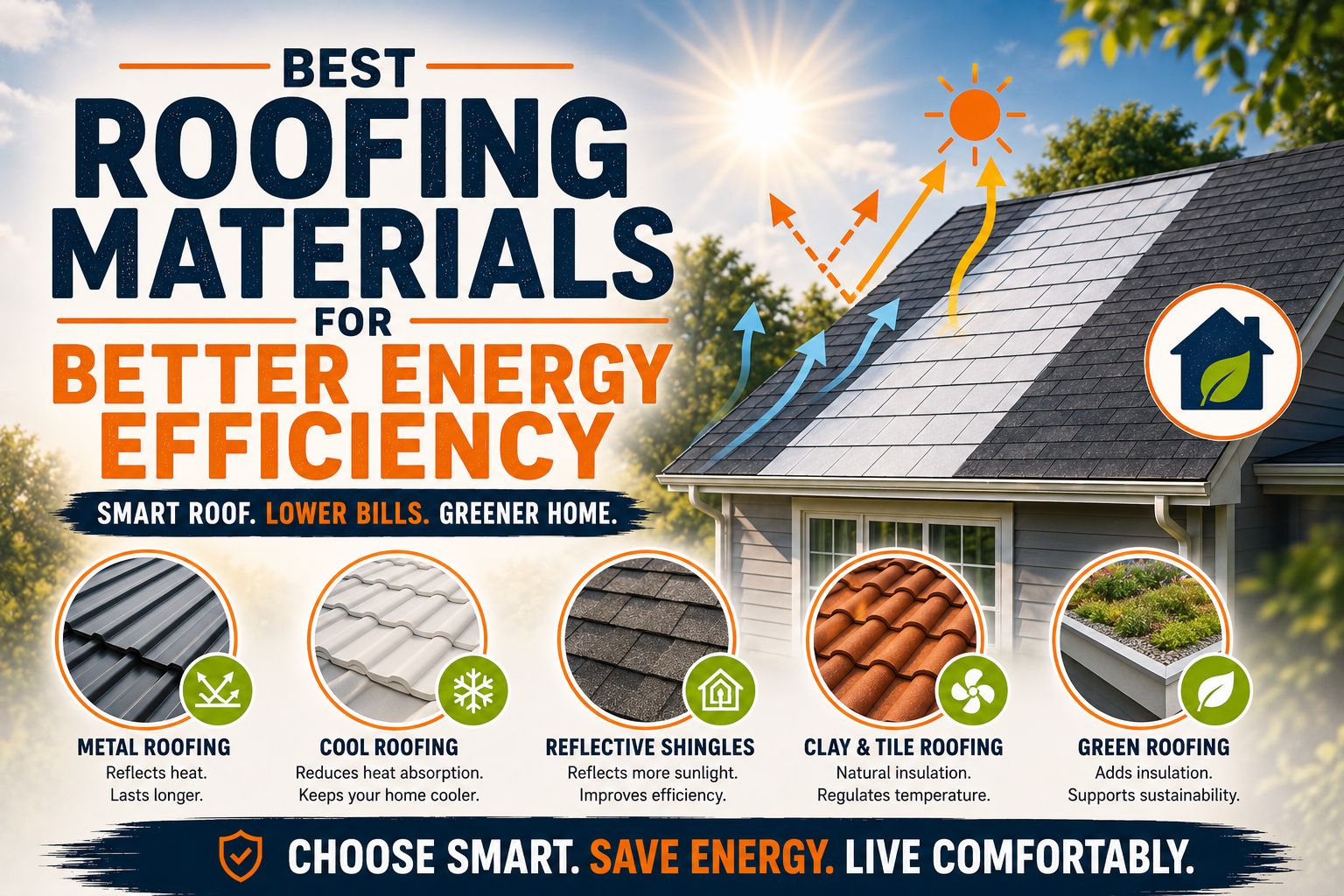
Best Roofing Materials for Better Energy Efficiency
Introduction
Roofing plays a much bigger role in a building’s energy efficiency than most homeowners initially realize because it directly controls how much heat enters or escapes a structure throughout the year. A roof is constantly exposed to sunlight, rain, wind, and temperature fluctuations, which means it becomes one of the primary surfaces responsible for regulating indoor comfort. When roofing materials absorb excessive heat, indoor spaces become warmer and force cooling systems to work harder, which increases electricity consumption and long term energy costs.
In energy efficient building design, the roof is often treated as a thermal barrier that either supports or undermines the overall performance of insulation and ventilation systems. Modern roofing materials are designed not just for durability and weather resistance but also for their ability to reflect sunlight, reduce heat transfer, and stabilize indoor temperatures. Understanding how these materials work helps homeowners make informed decisions that reduce energy bills while improving comfort across seasons.
This article explores the best roofing materials for better energy efficiency by examining how they perform under different climates and construction conditions. It also explains the science behind heat transfer, reflective surfaces, insulation compatibility, and material behavior so that you can evaluate roofing options with clarity and confidence.
Understanding Energy Efficient Roofing
Energy efficient roofing refers to roofing systems that minimize unwanted heat gain during hot conditions and reduce heat loss during colder periods, creating a more stable indoor environment throughout the year. This efficiency is achieved through a combination of material properties, surface design, and installation techniques that influence how the roof interacts with solar radiation and ambient air. A well designed roof reduces the load on heating and cooling systems, which directly translates into lower energy consumption and improved comfort.
Three main factors define how energy efficient a roofing system is: reflectivity, thermal emittance, and insulation compatibility. Reflectivity determines how much sunlight is bounced back into the atmosphere rather than absorbed into the building structure. Thermal emittance refers to how effectively a material releases absorbed heat, while insulation compatibility ensures that heat transfer into the interior space is minimized even when the roof surface becomes hot.
Roofing systems also play a critical role in controlling airflow within attic spaces and upper floors. Proper ventilation works alongside roofing materials to release trapped heat and prevent the buildup of warm air pockets that can significantly increase indoor temperatures. When these elements work together, the result is a balanced thermal environment that reduces strain on HVAC systems and improves long term energy efficiency.
Key Factors That Affect Roofing Efficiency
Several interrelated factors determine how effectively a roofing material contributes to energy efficiency, and these factors often work together rather than independently. One of the most important elements is solar reflectance, which measures how much sunlight is reflected away from the roof surface instead of being absorbed as heat. Materials with high reflectance values stay cooler under direct sunlight, which helps reduce heat transfer into the building interior.
Thermal resistance is another critical factor because it defines how well a roofing system resists heat flow. Materials with higher thermal resistance slow down the movement of heat from the exterior surface to the interior structure, which helps maintain stable indoor temperatures even during peak heat conditions. This is especially important in regions with extreme seasonal variations where roofs must perform efficiently in both hot and cold weather.
The physical characteristics of roofing materials also influence energy performance in subtle but important ways. Light colored roofs typically reflect more sunlight compared to darker surfaces, while textured materials may trap or diffuse heat differently depending on their structure. Density and thickness further affect how much heat is absorbed and how slowly it is released, which can either stabilize or destabilize indoor temperatures depending on the design.
Climate suitability is another essential consideration because no single roofing material performs equally well in all environments. For example, materials that excel in hot and dry regions may not perform as effectively in humid or cold climates where moisture resistance and insulation become more important. Choosing the right material therefore requires understanding both environmental conditions and the thermal behavior of roofing systems.
Cool Roofing Technology Basics
Cool roofing technology is designed to reduce heat absorption by maximizing solar reflectance and enhancing thermal emittance. In simple terms, cool roofs stay significantly cooler than traditional roofs even under direct sunlight, which helps lower indoor temperatures and reduce air conditioning demand. This technology has become increasingly popular in urban areas where heat buildup contributes to higher energy consumption and discomfort.
Cool roofs achieve their performance through specially engineered surfaces that either reflect sunlight naturally or are coated with reflective materials. These coatings are designed to bounce back a large portion of solar radiation while still allowing the roof to release absorbed heat efficiently. The result is a roofing system that maintains a lower surface temperature throughout the day compared to conventional materials.
The benefits of cool roofing extend beyond individual buildings because they also contribute to reducing the urban heat island effect. When multiple buildings in a city use reflective roofing materials, the overall ambient temperature can decrease slightly, which reduces strain on power grids and improves outdoor comfort levels. This makes cool roofing both an individual and community level energy efficiency solution.
Metal Roofing for Energy Efficiency
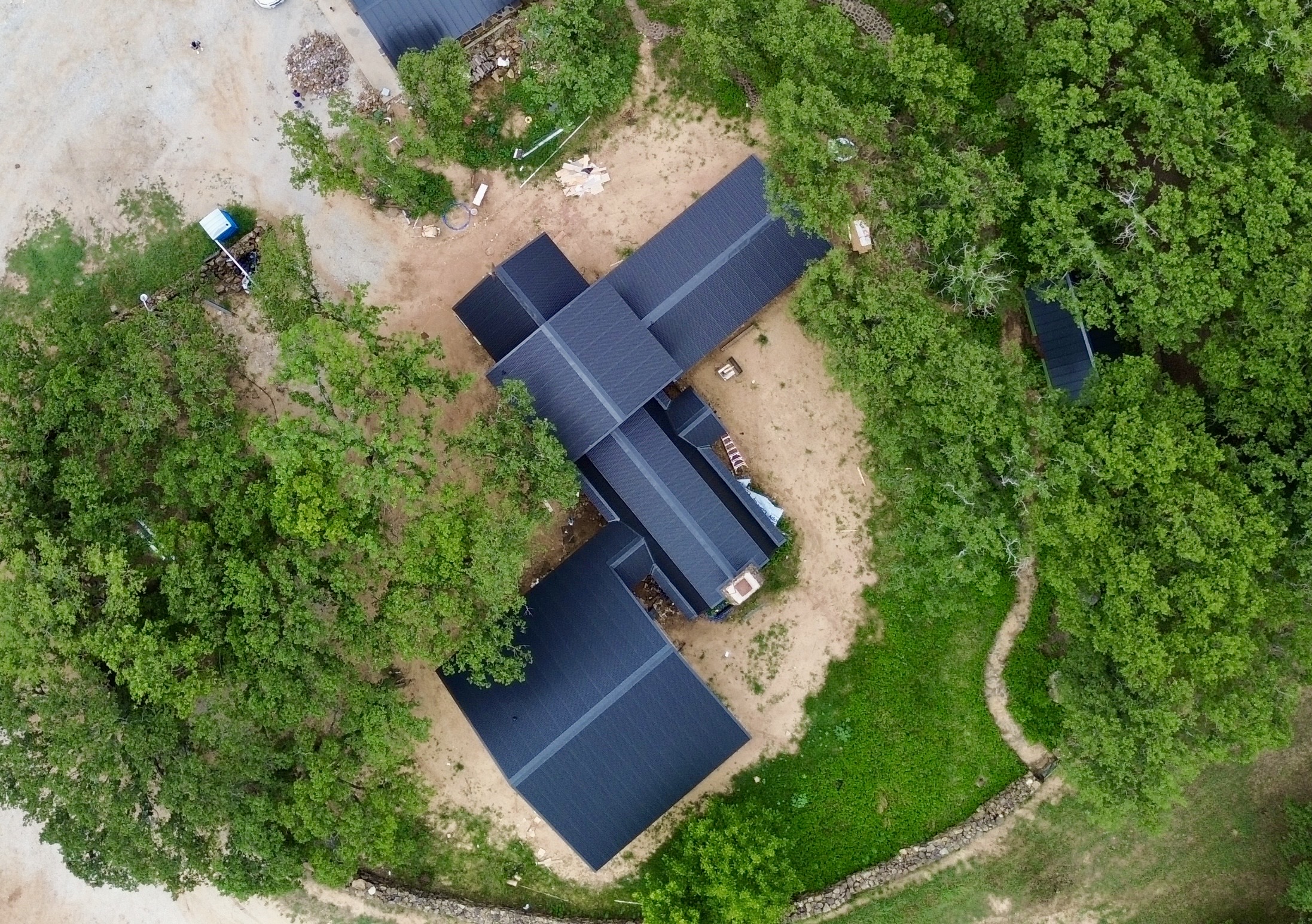
Metal roofing is widely recognized as one of the most energy efficient roofing options due to its high reflectivity and ability to quickly release absorbed heat. Modern metal roofs are often coated with specialized reflective finishes that enhance their performance by reducing heat absorption even further. This allows buildings to maintain lower indoor temperatures during hot weather while reducing reliance on air conditioning systems.
One of the key advantages of metal roofing is its durability combined with thermal performance, making it a long term investment for energy conscious homeowners. Unlike many traditional roofing materials, metal does not degrade quickly under harsh sunlight or extreme weather conditions, which ensures consistent energy efficiency over time. This stability makes it particularly suitable for regions with intense heat exposure.
Metal roofs also perform well when combined with proper insulation systems because their reflective surface reduces heat entry while insulation prevents any residual heat from penetrating the interior space. However, in colder climates, careful installation is required to ensure that heat retention is balanced properly so that energy efficiency is maintained throughout the year.
Despite its advantages, metal roofing can sometimes have higher initial installation costs compared to other materials. However, the long term savings in energy bills and maintenance often offset this initial investment, making it a cost effective choice over time. Its recyclability also adds to its environmental benefits, making it a sustainable option for modern construction.
Clay and Concrete Tiles
Clay and concrete tiles are traditional roofing materials that offer strong energy efficiency benefits due to their natural thermal resistance and structural properties. These materials are dense and capable of absorbing heat slowly, which helps regulate indoor temperatures by preventing rapid heat transfer. As a result, buildings with tile roofs often remain cooler during the day and release heat gradually during cooler periods.
One of the unique advantages of tile roofing systems is the air circulation space created beneath the tiles, which acts as an additional insulating layer. This trapped air helps reduce heat penetration into the building while also allowing for natural ventilation that supports overall thermal regulation. This makes tile roofing particularly effective in hot and humid climates where airflow is essential for comfort.
Clay tiles tend to perform especially well in regions with high solar exposure because they naturally resist heat absorption and maintain structural stability under extreme temperatures. Concrete tiles offer similar benefits but are often more versatile in terms of design and cost, making them a popular alternative for residential construction.
However, both clay and concrete tiles are relatively heavy materials, which means that the building structure must be strong enough to support their weight. This structural requirement can increase construction complexity, but it also contributes to long term durability and stability. When properly installed, tile roofs can provide decades of energy efficient performance with minimal maintenance requirements.
Asphalt Shingles and Energy Efficient Variants
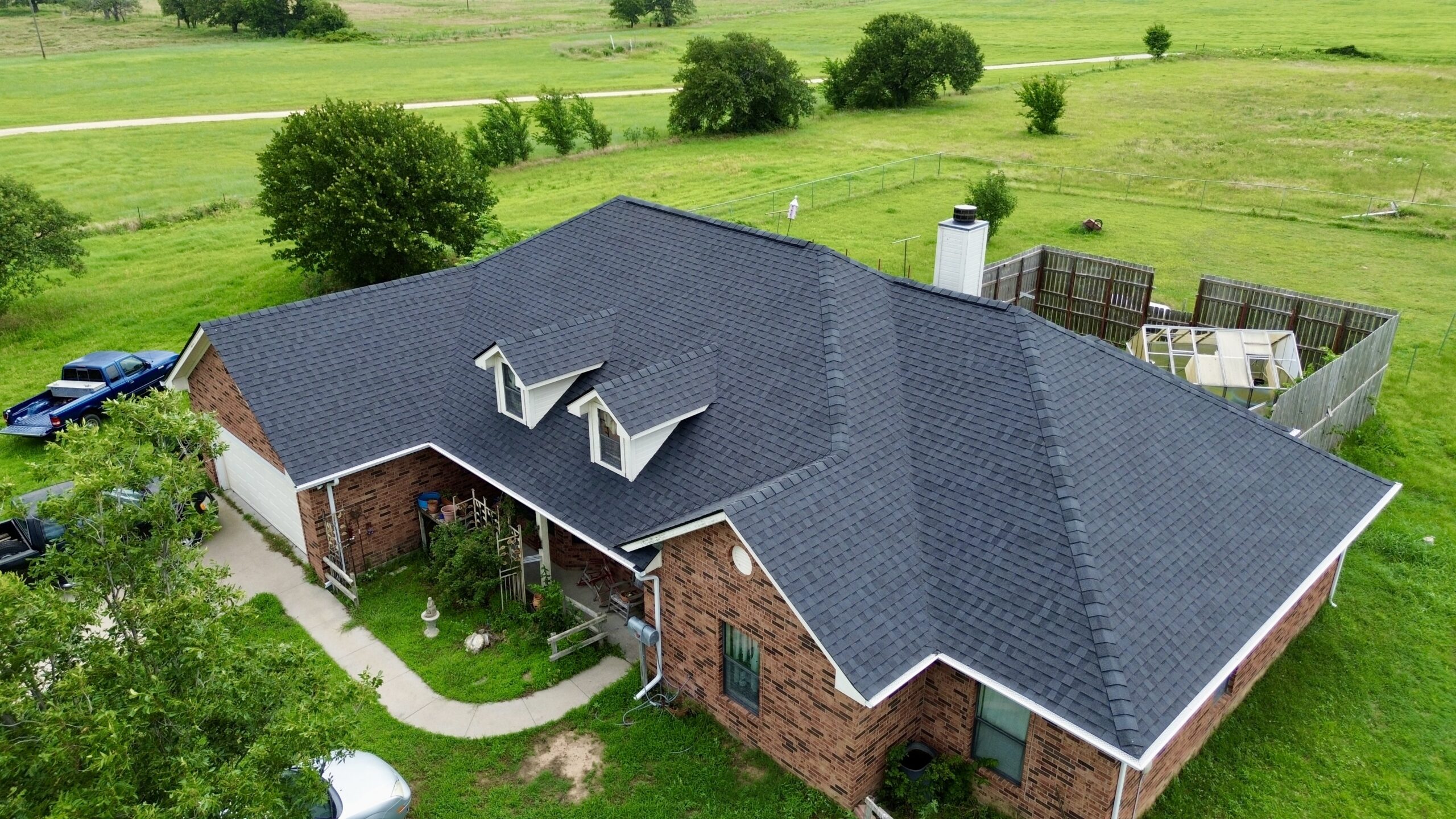
Asphalt shingles are among the most commonly used roofing materials in residential construction because they are affordable, easy to install, and widely available across different markets. However, traditional asphalt shingles are not always known for high energy efficiency since they tend to absorb and retain heat, especially in darker colors. This heat absorption can increase indoor temperatures and place additional strain on cooling systems during warmer months.
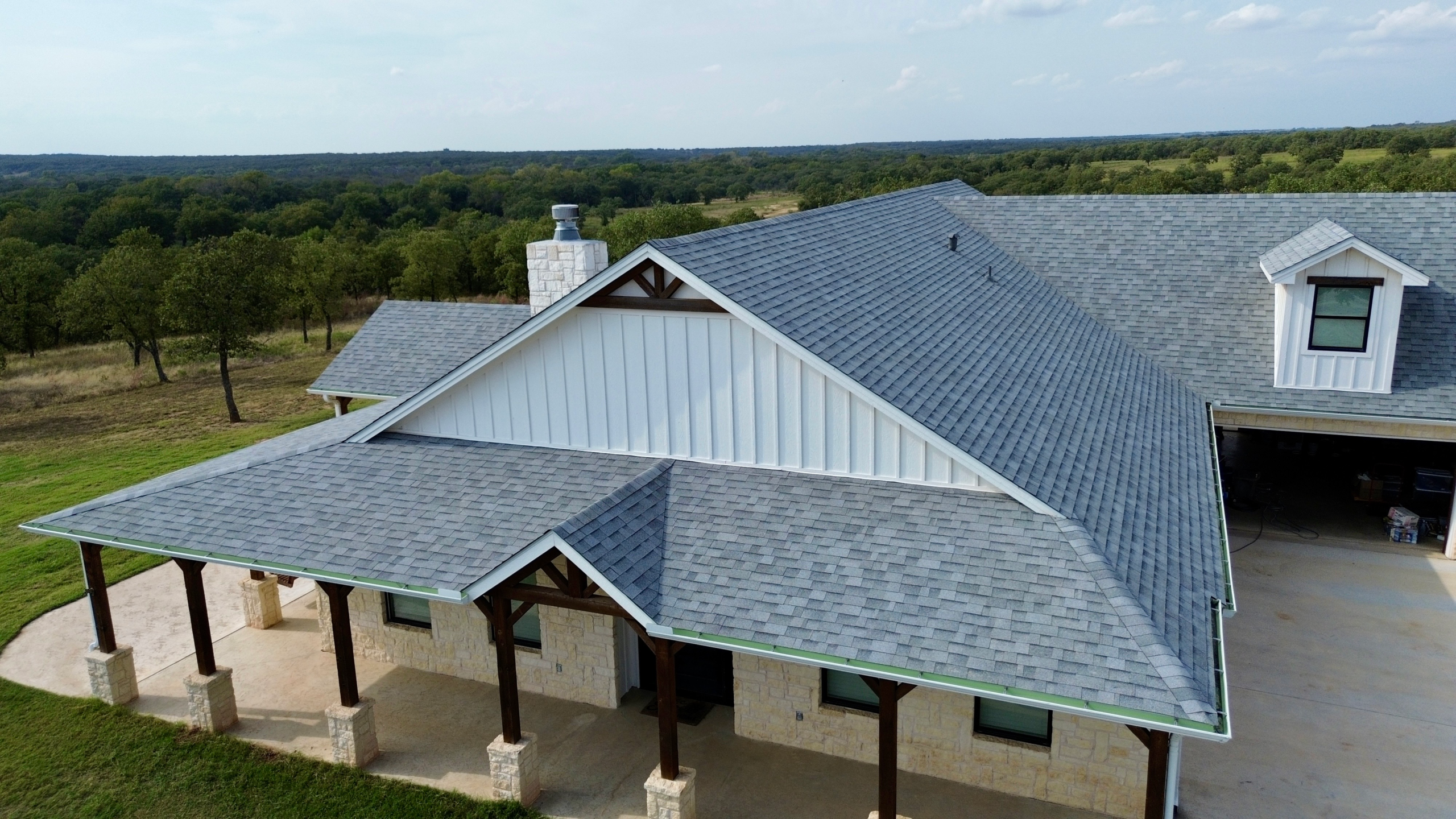
To address these limitations, manufacturers have developed reflective or cool asphalt shingles that incorporate specially coated granules designed to reflect more sunlight. These advanced shingles reduce heat buildup on the roof surface while still maintaining the familiar look and flexibility of traditional asphalt systems. The improvement in reflectivity can make a noticeable difference in indoor comfort, particularly in hot and sunny climates where roof exposure is constant.
Another important advantage of modern asphalt shingles is their compatibility with a wide range of architectural styles, which makes them a practical choice for homeowners who want energy improvements without changing the appearance of their home. While they may not match the long term thermal performance of metal or tile roofing, they offer a balanced combination of affordability and moderate energy efficiency.
Cost effectiveness remains one of the strongest reasons for choosing asphalt shingles, especially when upgrading from older roofing systems. When paired with proper attic insulation and ventilation, reflective asphalt shingles can significantly improve overall building performance without requiring major structural changes.
Slate Roofing and Natural Stone Options
Slate roofing is a premium roofing material known for its exceptional durability and natural energy efficiency characteristics. Because slate is a dense natural stone, it has strong thermal mass properties that allow it to absorb heat slowly and release it gradually over time. This helps maintain stable indoor temperatures by reducing sudden temperature fluctuations caused by external weather conditions.
One of the most important advantages of slate roofing is its extremely long lifespan, often lasting several decades or even over a century when properly maintained. This longevity reduces the need for frequent replacement, which indirectly contributes to sustainability and energy savings by minimizing manufacturing and disposal impacts over time. A roof that lasts longer also ensures that its thermal performance remains consistent without degradation from aging materials.
Slate performs particularly well in cooler climates where heat retention during the day can help maintain comfortable indoor temperatures at night. However, in extremely hot regions, its thermal mass can sometimes lead to heat retention that requires proper insulation and ventilation to balance indoor conditions. This makes system design an important factor when using slate as a roofing material.
The main drawback of slate roofing is its weight and installation complexity. Like tile roofs, slate requires a strong structural foundation, and installation must be handled by experienced professionals to ensure safety and performance. Despite these challenges, its combination of durability, aesthetics, and thermal stability makes it a highly efficient long term roofing solution.
Green Roof Systems
Green roof systems, also known as living roofs, represent one of the most innovative approaches to energy efficient roofing because they integrate vegetation layers directly into the roofing structure. These systems use soil, plants, and waterproof membranes to create a natural insulation layer that significantly reduces heat transfer between the building and the external environment.
One of the key energy benefits of green roofs is evapotranspiration, a natural process where plants release moisture into the air, helping cool the surrounding environment. This process reduces roof surface temperatures and minimizes heat absorption, which leads to lower indoor cooling demands during hot weather. In dense urban areas, green roofs can also contribute to reducing ambient heat levels and improving air quality.
Green roofs provide excellent insulation during colder months as well because the soil and vegetation layers act as a thermal barrier that helps retain indoor heat. This dual performance makes them suitable for a wide range of climates, although they are particularly effective in moderate and warm regions where cooling demands are high.
However, green roofing systems require careful structural planning because they add significant weight to a building. They also require regular maintenance to ensure plant health and proper drainage, which can increase long term upkeep requirements. Despite these challenges, their environmental and energy efficiency benefits make them an increasingly popular choice in sustainable architecture.
Solar Roofing Technologies
Solar roofing systems integrate energy generation directly into roofing materials, transforming the roof into an active power producing surface. Unlike traditional roofing materials that only reduce energy consumption, solar roofs generate electricity that can offset household energy usage, significantly improving overall energy efficiency.
Solar shingles and integrated photovoltaic panels are designed to blend seamlessly with conventional roofing materials while capturing sunlight and converting it into usable electrical energy. This dual function allows homeowners to reduce reliance on external power sources while also maintaining the protective function of a standard roof.
One of the major advantages of solar roofing is its long term financial benefit, as it can significantly reduce electricity bills and, in some cases, allow excess energy to be fed back into the grid. This makes it not only an energy efficient solution but also a potential source of long term energy savings and revenue depending on local energy policies.
However, solar roofing systems require higher initial investment compared to traditional materials, and their efficiency depends heavily on sunlight availability and roof orientation. Proper installation and system design are essential to maximize energy production and ensure consistent performance throughout the year.
Roof Coatings and Reflective Paints
Roof coatings and reflective paints offer a practical and cost effective way to improve the energy efficiency of existing roofing systems without requiring full roof replacement. These coatings are typically made from elastomeric or reflective materials that increase solar reflectance and reduce heat absorption on roof surfaces.
By applying a reflective coating, older roofs can gain improved thermal performance, which helps lower indoor temperatures and reduce cooling energy consumption. This makes coatings especially useful for buildings with aging roofs that still have structural integrity but lack modern energy efficient properties.
Another advantage of reflective coatings is their versatility, as they can be applied to various roofing materials including metal, asphalt, and concrete surfaces. This flexibility makes them an accessible upgrade option for homeowners seeking immediate energy improvements without major construction work.
However, the effectiveness of roof coatings depends on proper application and periodic maintenance, as wear and environmental exposure can reduce reflectivity over time. Regular reapplication may be necessary to maintain optimal performance, especially in regions with extreme weather conditions.
Insulation and Ventilation Integration
Roofing materials alone cannot achieve maximum energy efficiency without proper integration with insulation and ventilation systems. Insulation plays a critical role in reducing heat transfer between the roof and interior spaces by creating a thermal barrier that slows down energy exchange. This helps maintain stable indoor temperatures regardless of external weather conditions.
Ventilation systems complement insulation by allowing trapped heat and moisture to escape from attic spaces, preventing heat buildup that can affect indoor comfort and structural integrity. When warm air is allowed to circulate and exit efficiently, the overall cooling load on the building is significantly reduced.
The combination of high performance roofing materials with well designed insulation and ventilation systems creates a layered defense against heat gain and heat loss. This integrated approach ensures that energy efficiency is not dependent on a single factor but rather achieved through a balanced building envelope strategy.
Proper installation is essential for achieving the full benefits of these systems because even high quality materials can underperform if airflow is blocked or insulation is unevenly distributed. When correctly designed, this integration can dramatically improve energy savings and extend the lifespan of roofing systems.
Comparing Roofing Materials for Energy Performance
When evaluating roofing materials for energy efficiency, it is important to understand that no single option performs best in every climate or building type. Each material has its own balance of reflectivity, thermal mass, insulation compatibility, and cost effectiveness, which makes comparison essential before making a decision. The goal is not just to reduce heat gain but to maintain stable indoor temperatures throughout seasonal changes while keeping long term energy consumption under control.
Metal roofing and cool roof coated systems generally perform best in hot climates because they reflect a large portion of solar radiation and release heat quickly. This reduces the need for continuous air conditioning and helps maintain more comfortable indoor conditions even during peak summer months. Clay and concrete tiles also perform well in hot regions due to their natural ventilation gaps and thermal resistance, although their performance depends heavily on proper installation and airflow design.
In colder climates, materials with higher thermal mass such as slate and tile roofing can help stabilize indoor temperatures by retaining heat during the day and releasing it gradually at night. However, their effectiveness increases significantly when paired with strong insulation systems that prevent heat loss through the roof structure. Asphalt shingles, especially reflective variants, offer moderate performance across different climates, making them a balanced but less specialized option.
Green roofs and solar roofing systems stand apart because they actively contribute to energy efficiency rather than only reducing heat transfer. Green roofs provide natural insulation and cooling through vegetation, while solar roofs generate electricity that offsets energy consumption. These systems can outperform traditional materials in long term sustainability, even if their upfront complexity and cost are higher.
Choosing the Right Roofing Material
Selecting the right roofing material requires balancing energy efficiency with structural requirements, budget limitations, and long term performance expectations. Homeowners often focus only on upfront costs, but energy efficient roofing should be viewed as a long term investment that influences utility bills and maintenance expenses for decades. A slightly higher initial cost can often result in significant savings over time through reduced energy consumption.
Climate is one of the most important factors to consider when choosing a roofing system because materials behave differently under varying temperature and humidity conditions. In hot and sunny regions, reflective materials such as metal or cool roof coatings are generally more effective, while in colder or mixed climates, materials with better thermal retention and insulation compatibility tend to perform better.
Architectural design also plays a significant role in material selection because roof shape, slope, and structural strength determine what materials can be safely installed. Heavy materials like slate and tile require strong support structures, while lighter materials such as metal or asphalt shingles are more flexible in design applications. This makes it essential to evaluate both aesthetic goals and engineering limitations together.
Budget considerations should include not only installation costs but also long term energy savings, maintenance requirements, and expected lifespan of the roofing material. A material with higher durability and better thermal performance may reduce replacement frequency and lower energy bills, making it more cost effective over its lifetime.
Installation and Maintenance Considerations
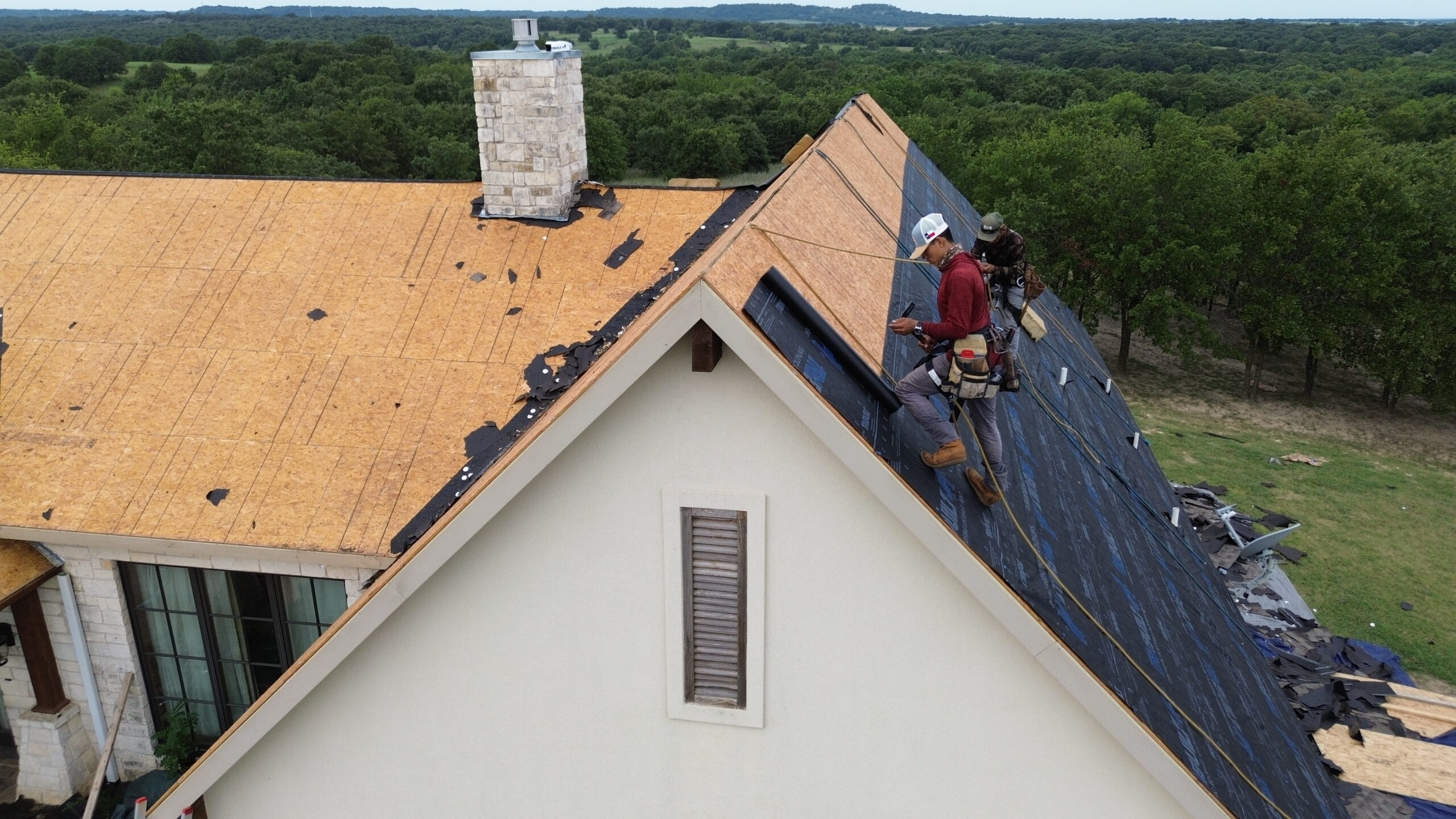
Even the most energy efficient roofing material can lose its performance advantage if it is not installed correctly or maintained regularly. Installation quality directly affects how well the roof manages heat transfer, moisture control, and airflow, which are all essential components of energy efficiency. Poor installation can create gaps, uneven insulation, or ventilation blockages that significantly reduce overall performance.
Proper sealing and alignment are especially important in reflective roofing systems because small installation errors can reduce their ability to reflect sunlight effectively. In tile and slate roofs, incorrect placement can disrupt natural airflow channels, while in metal roofs, improper fastening can lead to heat bridging that increases energy transfer into the building.
Maintenance also plays a key role in preserving energy efficiency over time. Dust, debris, algae growth, and surface wear can reduce reflectivity in cool roofs and coatings, making regular cleaning and inspection essential. Green roofs require ongoing plant care and drainage checks to ensure that vegetation continues to provide insulation benefits without causing moisture issues.
Routine inspections help identify early signs of damage such as cracks, loose tiles, or coating degradation, which can be repaired before they significantly impact energy performance. A well maintained roof not only lasts longer but also continues to deliver consistent energy savings throughout its lifespan.
Environmental Impact of Roofing Choices
Roofing materials have a significant environmental impact because they influence both energy consumption during building operation and resource use during manufacturing. Energy efficient roofing reduces greenhouse gas emissions by lowering the demand for heating and cooling systems, which are among the largest contributors to household energy use.
Materials such as metal and clay tiles are often considered more sustainable because they are durable and recyclable, which reduces waste over time. Metal roofing in particular can be fully recycled at the end of its life cycle, making it a strong choice for environmentally conscious construction. Slate also has a long lifespan that reduces the need for frequent replacement, lowering its overall environmental footprint.
Green roofs provide additional environmental benefits beyond energy efficiency by improving air quality, supporting biodiversity, and reducing stormwater runoff in urban areas. These advantages make them a valuable component of sustainable city planning and green building initiatives.
Solar roofing systems contribute to environmental sustainability by reducing reliance on fossil fuel based electricity. By generating renewable energy directly from the roof surface, they help lower overall carbon emissions associated with residential energy use.
Future of Energy Efficient Roofing
The future of roofing technology is moving toward smarter, more adaptive systems that actively respond to environmental conditions rather than passively resisting them. Emerging innovations in nanotechnology coatings are making roofing surfaces more reflective, self cleaning, and heat resistant at a microscopic level, which improves long term energy efficiency without increasing maintenance requirements.
Smart roofing systems are also being developed to integrate with home automation and energy management systems. These roofs can adjust thermal performance based on temperature changes or sunlight intensity, optimizing indoor comfort while minimizing energy consumption. This level of adaptability represents a major shift from traditional static roofing materials.
Solar technology is expected to become more integrated and efficient, with advancements in photovoltaic materials allowing roofs to generate more electricity from smaller surface areas. Combined with battery storage systems, future roofing may allow homes to operate with significantly reduced dependence on external power grids.
Sustainable material innovation is also expanding, with recycled composites and bio based materials being developed to reduce environmental impact while maintaining high thermal performance. These advancements are likely to make energy efficient roofing more accessible and affordable in the coming years.
Conclusion
Energy efficient roofing is one of the most impactful yet often overlooked aspects of building design because it directly influences indoor comfort, energy consumption, and long term environmental impact. From highly reflective metal roofs to natural clay tiles, green roofing systems, and advanced solar technologies, each material offers unique advantages depending on climate, structure, and budget.
The most effective roofing solutions are those that combine material performance with proper insulation, ventilation, and installation quality to create a complete thermal management system. When these elements work together, they significantly reduce energy costs while improving indoor comfort throughout the year.
As roofing technology continues to evolve, future systems will likely become even more efficient, adaptive, and environmentally friendly, making energy conscious construction more accessible to homeowners worldwide. Choosing the right roofing material today is not just about protecting a building but about investing in long term sustainability and smarter energy use for the future.