
Complete Guide to Roof Storm Damage Assessment
Storms can cause serious damage to your roof, often in ways that are not immediately visible. High winds, hail, heavy rain, and debris impact can weaken your roofing system and create long term issues if not addressed quickly. Many homeowners assume that if there is no leak, the roof is fine, but this is not always true. Hidden damage can develop into costly repairs if left untreated.
This complete guide will help you understand how to assess roof storm damage step by step. It explains what to look for, how different types of storms affect your roof, when to call a professional, and how to protect your home after severe weather.
Understanding Storm Damage and Why It Matters
Roof storm damage refers to any harm caused by weather events such as hailstorms, windstorms, heavy rainfall, or falling debris. Even minor damage can weaken the integrity of your roof and reduce its lifespan. Over time, small issues can lead to leaks, mold growth, insulation damage, and structural problems.
Assessing storm damage early is important because it allows you to take action before the damage spreads. It also helps you document issues for insurance claims, which can cover the cost of repairs or replacement in many cases.
Types of Storms That Affect Roofs
Different types of storms can cause different kinds of damage. Understanding these differences can help you identify problems more effectively.
Hailstorms are one of the most damaging weather events for roofs. Hailstones can crack shingles, knock off granules, and create soft spots that weaken the roof over time. Even small hail can cause damage that is not immediately visible.
Windstorms can lift shingles, break seals, and tear off roofing materials. Strong winds can also blow debris onto the roof, causing impact damage.
Heavy rain can expose weaknesses in your roof. If shingles are already damaged or flashing is compromised, water can enter your home and cause leaks.
Tornadoes and severe storms can cause extreme damage, including complete roof failure. While these events are less common, they require immediate professional assessment.
Signs of Roof Storm Damage
Recognizing the signs of storm damage is the first step in protecting your home. Some signs are obvious, while others require closer inspection.
Missing shingles are one of the most visible indicators of damage. If you notice bare spots on your roof, it means the protective layer has been compromised.
Dented gutters, downspouts, or vents can indicate hail impact. These dents often occur alongside roof damage.
Granules in gutters are a sign that shingles have been damaged and are losing their protective coating. This is common after hailstorms.
Water stains on ceilings or walls inside your home suggest that water is entering through the roof.
Cracked or curling shingles can result from wind or impact damage and should be addressed quickly.
How to Safely Inspect Your Roof After a Storm
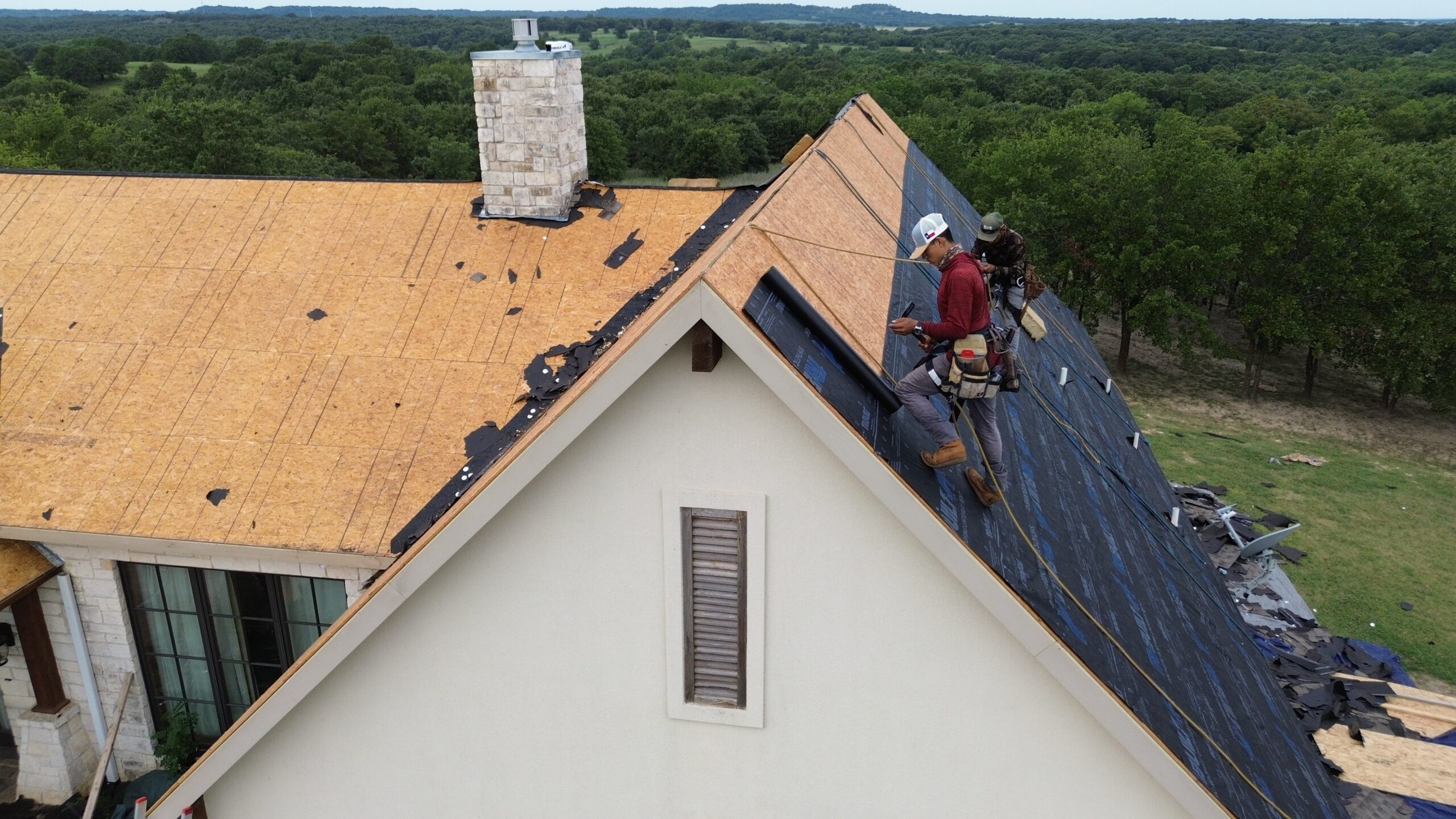
Safety should always be your top priority when assessing roof damage. Avoid climbing onto your roof unless you have the proper equipment and experience.
Start by inspecting your property from the ground. Walk around your home and look for visible damage such as missing shingles, debris, or damaged gutters.
Check your attic for signs of water intrusion. Look for damp insulation, mold growth, or daylight coming through the roof boards.
Use binoculars if necessary to get a closer look at your roof from a safe distance. This allows you to identify potential issues without risking injury.
If you are unsure about the condition of your roof, it is best to contact a professional roofing contractor for a detailed inspection.
Step by Step Roof Storm Damage Assessment
A systematic approach helps ensure that no damage is overlooked.
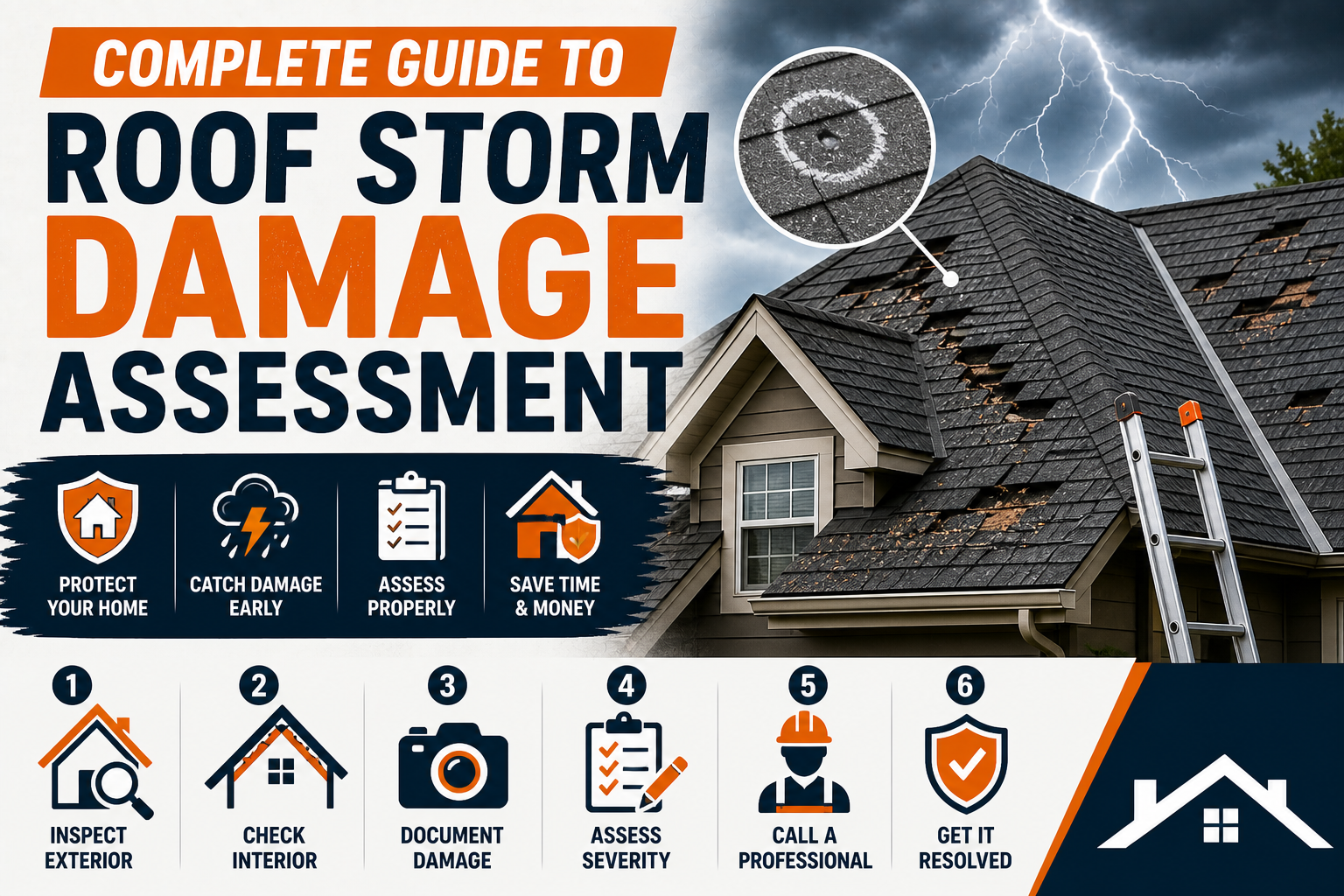
Begin with an exterior inspection. Look for visible signs of damage on the roof, gutters, siding, and surrounding areas. Pay attention to any debris that may have fallen onto the roof.
Next, inspect the interior of your home. Check ceilings, walls, and the attic for signs of water damage or leaks.
Document everything you find. Take clear photos and videos of all visible damage. This documentation is important for insurance claims and repair planning.
Evaluate the severity of the damage. Minor issues may require simple repairs, while extensive damage may require a full roof replacement.
Consult a professional roofing contractor for a comprehensive assessment. They can identify hidden damage and provide expert recommendations.
Hail Damage Assessment
Hail damage can be difficult to detect because it does not always create visible holes or cracks. Instead, it often causes subtle damage that weakens shingles over time.
Look for dark spots or bruising on shingles where granules have been knocked off. These areas may feel soft when pressed.
Check metal components such as vents, flashing, and gutters for dents. These are strong indicators that hail has impacted your roof.
Inspect shingles for cracks or splits caused by larger hailstones. Even small cracks can allow water to enter and cause long term damage.
Wind Damage Assessment
Wind damage often affects the edges and corners of your roof. Strong winds can lift shingles and break the seal that keeps them in place.
Look for shingles that are missing, loose, or out of alignment. These areas are vulnerable to water intrusion.
Check for debris such as branches or leaves that may have been blown onto the roof. Impact from debris can cause additional damage.
Inspect flashing and roof edges for signs of lifting or separation. These areas are critical for preventing leaks.
Water Damage and Leak Detection
Water damage is one of the most serious consequences of roof storm damage. Even small leaks can lead to significant problems if not addressed quickly.
Look for water stains on ceilings and walls. These stains may appear as discolored patches or rings.
Check your attic for damp insulation, mold growth, or a musty smell. These are signs that moisture is present.
Inspect areas around chimneys, vents, and skylights where leaks are more likely to occur.
If you suspect a leak but cannot find the source, a professional inspection can help identify the problem.
When to Call a Professional
While basic inspections can be done by homeowners, professional roofing contractors have the experience and tools needed to perform a thorough assessment.
You should call a professional if you notice significant damage, leaks, or signs of structural issues. A professional inspection is also recommended after major storms, even if no damage is visible.
Contractors can identify hidden damage, provide detailed reports, and recommend the best course of action. They can also assist with insurance claims by providing documentation and estimates.
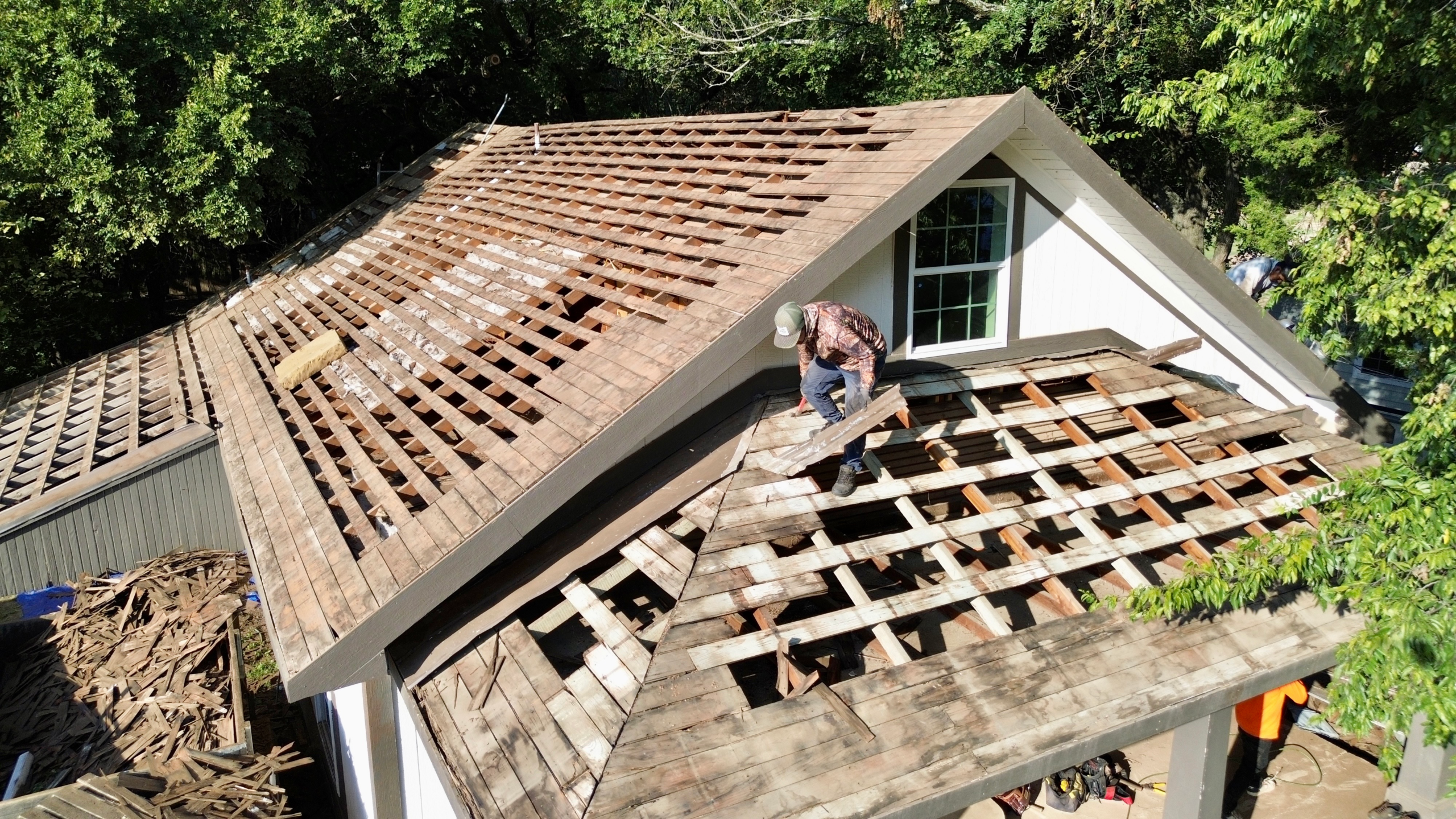
Temporary Repairs and Damage Control
If your roof has been damaged, taking immediate steps to prevent further damage is important.
Cover exposed areas with a tarp to prevent water from entering your home. This is a temporary solution until permanent repairs can be made.
Remove debris from the roof and gutters to prevent additional stress and blockage.
Keep records of any temporary repairs and expenses, as these may be reimbursed by your insurance company.
Insurance and Storm Damage Claims
Storm damage is often covered by homeowners insurance policies. Filing a claim can help cover the cost of repairs or replacement.
Document all damage thoroughly before making any repairs. Take photos and keep records of the storm event.
Contact your insurance company as soon as possible to report the damage. Provide accurate information and follow their instructions.
Work with a reputable roofing contractor who can assist with the claims process and provide detailed estimates.
Preventing Future Storm Damage
While you cannot control the weather, there are steps you can take to reduce the risk of damage.
Regular roof maintenance is essential. Inspect your roof periodically and address minor issues before they become major problems.
Trim trees near your home to prevent branches from falling onto the roof during storms.
Consider upgrading to impact resistant shingles or more durable roofing materials.
Ensure proper attic ventilation and insulation to maintain the health of your roofing system.
Cost of Storm Damage Repairs
The cost of repairing storm damage varies depending on the severity of the damage and the type of roofing material.
Minor repairs may cost a few hundred dollars, while more extensive repairs can cost several thousand dollars. In cases of severe damage, a full roof replacement may be necessary.
Insurance coverage can significantly reduce out of pocket costs if the damage is covered by your policy.
Importance of Timely Action
Delaying repairs after a storm can lead to more serious problems. Water damage can spread quickly, and structural issues can worsen over time.
Addressing damage early helps protect your home and reduces repair costs. It also ensures that your insurance claim is processed within the required time frame.
Final Thoughts
Roof storm damage assessment is an essential part of protecting your home after severe weather. By understanding what to look for and taking a systematic approach, you can identify issues early and take the necessary steps to address them.
Whether you are dealing with hail, wind, or heavy rain, being proactive can save you time, money, and stress. If you are unsure about the condition of your roof, scheduling a professional inspection is the best way to ensure your home remains safe and secure.