

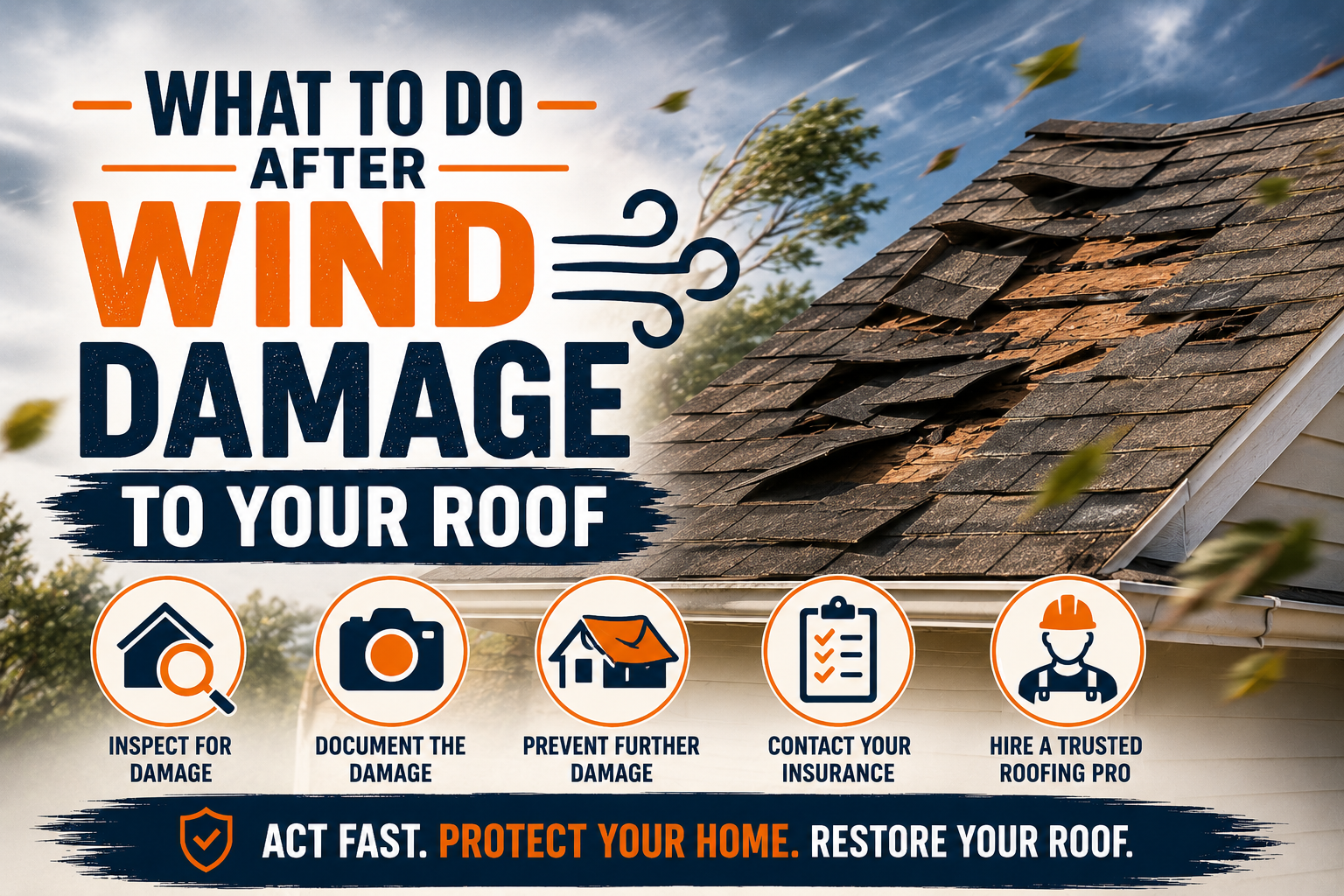
What to Do After Wind Damage to Your Roof
Strong winds can cause serious damage to a roof, even when there are no visible signs from the ground. Whether the damage comes from a severe storm, hurricane-force winds, or an unexpected weather event, acting quickly can prevent further problems and expensive repairs. Many homeowners underestimate the impact of wind damage until leaks, structural issues, or missing roofing materials become impossible to ignore.
A damaged roof leaves your home vulnerable to water intrusion, mold growth, insulation damage, and even structural deterioration. The hours and days following a windstorm are critical because timely action can help minimize losses and simplify the insurance claims process. Knowing what steps to take after wind damage can protect both your home and your finances.
This guide explains everything homeowners should do after discovering or suspecting wind damage to their roof. From conducting a safe inspection to working with insurance companies and roofing professionals, these steps can help you handle the situation effectively.
Understanding How Wind Damages a Roof
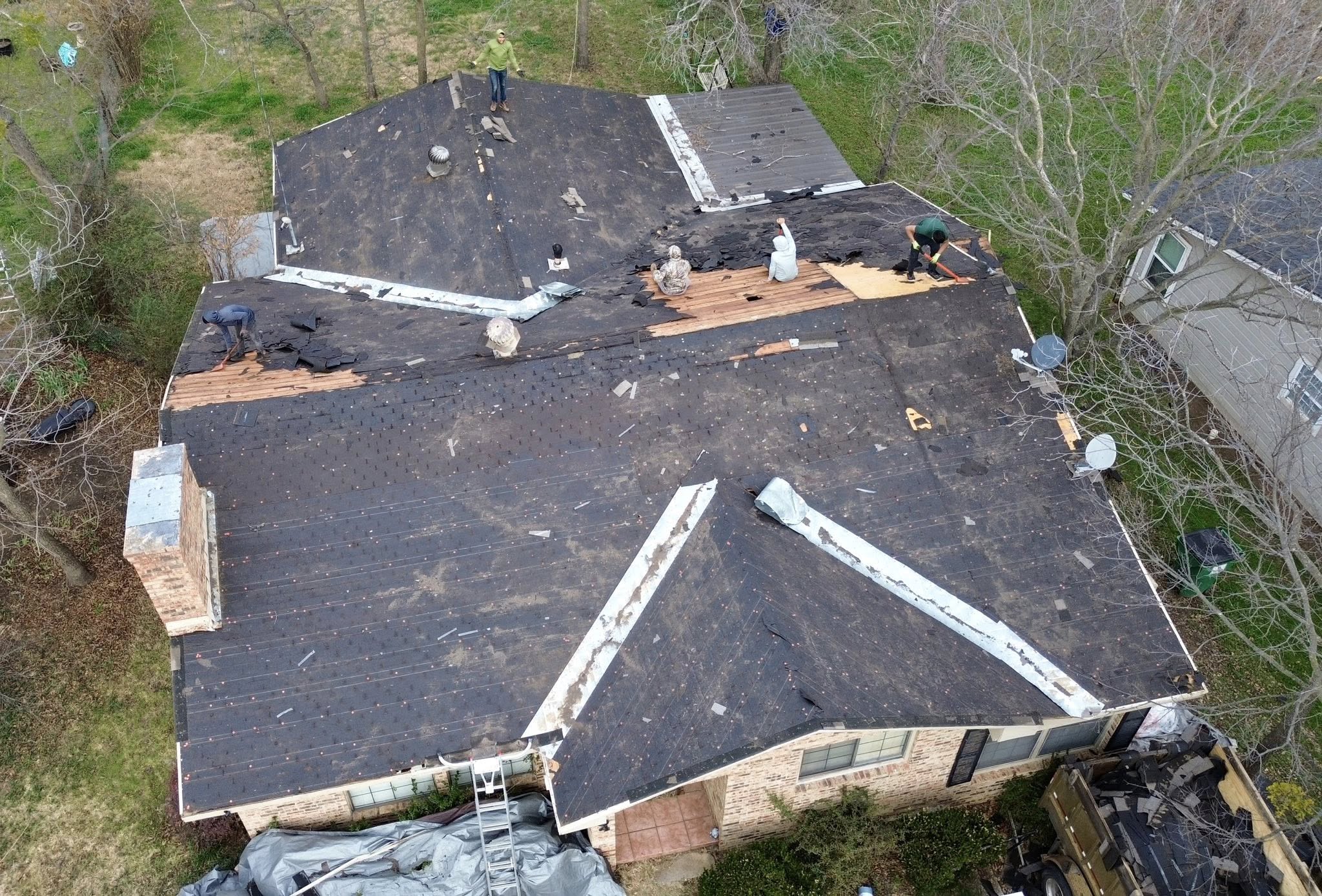
Wind damage is not always as obvious as shingles scattered across the yard. In many cases, the damage begins with small weaknesses that gradually worsen over time. High winds create uplift pressure that can loosen roofing materials and compromise the roof’s protective layers.
When wind moves over a roof, it creates suction that can pull shingles upward. Once a shingle loses its seal, it becomes more vulnerable to future storms and water infiltration. Even if the shingle appears intact, hidden damage may already exist underneath.
Strong gusts can also lift flashing, loosen gutters, damage roof vents, and dislodge ridge caps. Flying debris carried by wind can create punctures or cracks in roofing materials. These impacts often lead to leaks that may not become noticeable until weeks later.
Different roofing materials react differently to wind exposure. Asphalt shingles may curl or tear, while metal panels can loosen at fastening points. Tile roofs may crack or shift under pressure, creating vulnerable areas where moisture can enter.
Understanding the potential scope of wind damage helps homeowners recognize why a thorough inspection is necessary after severe weather.
Prioritize Safety First
Safety should always be your first concern after a windstorm. Many homeowners rush outside to inspect their roofs immediately, but storm conditions can create dangerous hazards. Fallen power lines, unstable trees, and slippery surfaces can pose significant risks.
Avoid climbing onto the roof yourself, especially if there is visible damage. Wind may have weakened structural components that are not immediately apparent. A compromised roof can become unsafe to walk on without proper equipment and training.
Instead, inspect your property from a safe distance. Use binoculars if necessary to look for obvious signs of damage. Taking a cautious approach can prevent injuries while still allowing you to assess the situation.
If severe structural damage is suspected, keep family members away from affected areas until a professional inspection is completed. Safety should always take precedence over immediate repairs.
Perform an Initial Ground-Level Inspection
Once conditions are safe, conduct a visual inspection from the ground. This first assessment helps identify obvious problems while avoiding unnecessary risks. Walk around your property and examine the roof from multiple angles.
Look for missing shingles, lifted roofing materials, or pieces of roofing debris in your yard. Shingles found on the ground often indicate that wind forces have exceeded the roof’s ability to remain intact. Missing sections may expose underlayment or roof decking.
Check gutters and downspouts for accumulated roofing granules. Excessive granule loss often signals shingle damage and accelerated wear. Granules protect shingles from UV exposure, so their loss can shorten roof lifespan.
Pay attention to roof edges, corners, and ridges. These areas experience the highest wind pressures and are often the first locations where damage occurs. Any visible irregularities should be documented for further evaluation.
Inspect Your Home’s Interior
Not all wind damage is visible from outside. Interior inspections can reveal early signs of roof failure that might otherwise go unnoticed. Begin by checking ceilings, walls, and attic spaces.
Look for water stains, discoloration, or peeling paint on ceilings and upper walls. These symptoms often indicate moisture intrusion caused by roof damage. Even small stains can point to larger issues above.
In the attic, inspect insulation, rafters, and decking for signs of water penetration. Damp insulation, mold growth, or visible daylight entering through the roof structure should be taken seriously. These conditions suggest that the roof’s protective barrier has been compromised.
Listen for dripping sounds during rainfall and monitor areas where leaks commonly develop. Early detection can help prevent extensive water damage and costly repairs.
Document All Visible Damage
Proper documentation is one of the most important steps after wind damage occurs. Detailed records support insurance claims and provide valuable information for roofing contractors. The more evidence you gather, the stronger your case will be.
Take clear photographs from multiple angles. Capture both close-up and wide-angle shots that show the extent of the damage. Include damaged shingles, fallen debris, damaged gutters, and any interior signs of water intrusion.
Record the date of the storm and make notes about weather conditions. If local weather reports confirm high wind speeds, save copies for your records. This information may strengthen your insurance claim.
Create a dedicated folder to organize photos, inspection notes, receipts, and communications. Keeping everything in one place helps streamline the recovery process.
Prevent Additional Damage Immediately
Insurance companies often expect homeowners to take reasonable steps to prevent further damage after a storm. Ignoring exposed areas can result in additional losses that may complicate your claim. Temporary protection measures are often necessary.
If safe to do so, cover exposed roof sections with tarps. Secure them properly to prevent further wind damage. Temporary coverings help keep water out until permanent repairs can be completed.
Move valuable belongings away from leak-prone areas inside your home. Use buckets, towels, or plastic sheeting to manage water intrusion. These actions can reduce secondary damage to furniture, flooring, and personal items.
Keep receipts for emergency materials and temporary repair expenses. Many insurance policies may reimburse reasonable mitigation costs.
Contact Your Insurance Company
Once immediate safety concerns are addressed, notify your insurance provider as soon as possible. Prompt reporting helps initiate the claims process and demonstrates responsible action. Delays can sometimes create complications during claim evaluations.
Provide a clear description of the damage and the date of the storm. Share photographs and any supporting documentation you have collected. The more information you provide upfront, the smoother the process may be.
Ask about claim requirements and documentation expectations. Different insurance providers may have specific procedures that must be followed. Understanding these requirements early can prevent unnecessary delays.
Keep detailed records of all conversations with insurance representatives. Document names, dates, and summaries of discussions for future reference.
Schedule a Professional Roof Inspection
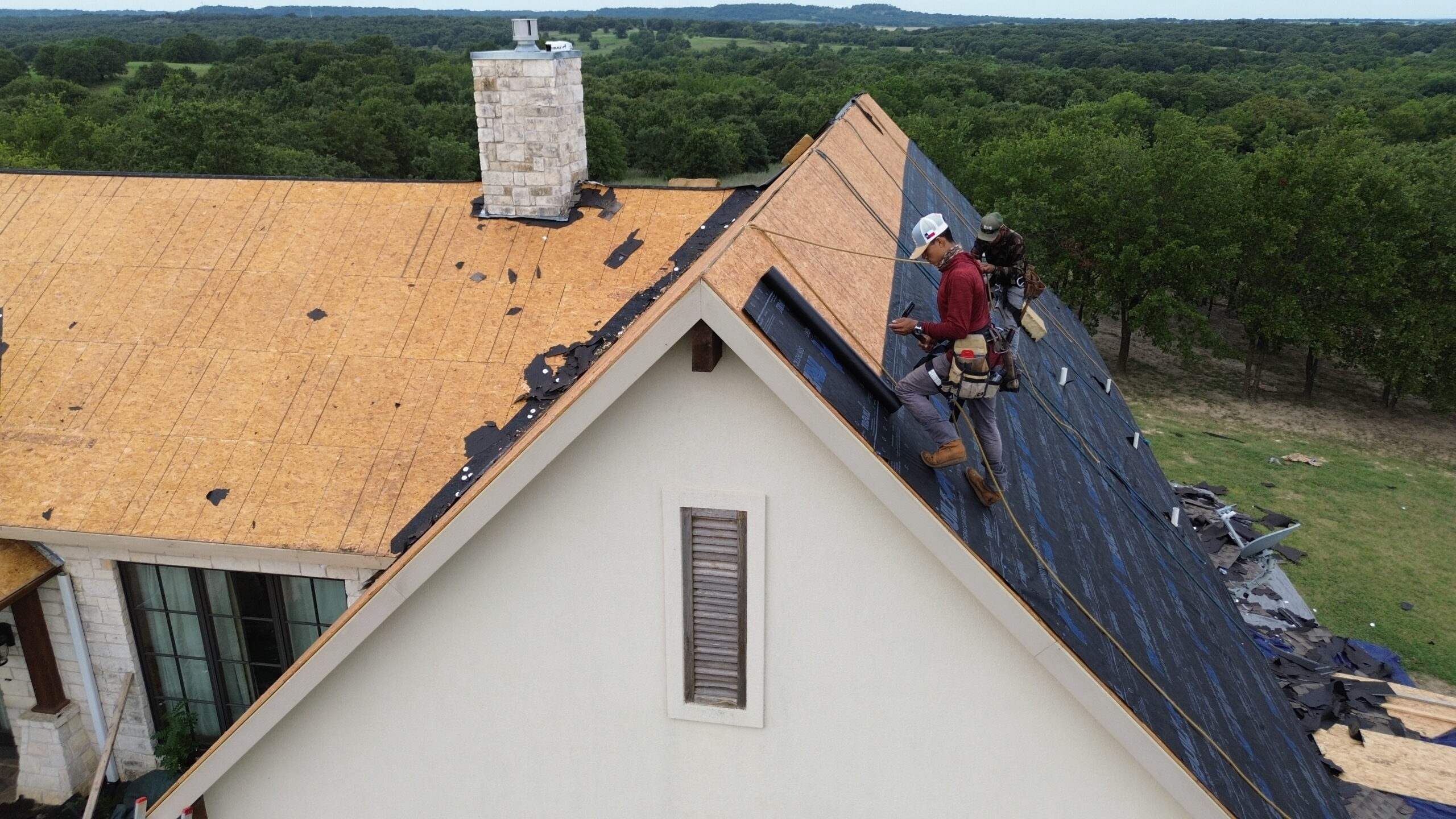
A professional roof inspection is essential after wind damage. Roofing experts can identify hidden issues that homeowners may overlook. Their assessment provides a more accurate understanding of the roof’s condition.
Experienced contractors examine shingles, flashing, vents, underlayment, and structural components. They can determine whether repairs are sufficient or if more extensive work is required. Their expertise helps prevent minor problems from developing into major failures.
Request a detailed inspection report with photographs and written findings. This report can support your insurance claim and help you make informed decisions about repairs. Comprehensive documentation strengthens your position during negotiations.
Choose a reputable roofing contractor with experience handling storm-related damage. Local companies often have a better understanding of regional weather patterns and building requirements.
Watch Out for Storm Chasing Contractors
Unfortunately, severe storms often attract contractors looking to take advantage of homeowners. These individuals may appear immediately after a storm and offer quick repairs at suspiciously low prices. While some may be legitimate, others engage in fraudulent practices.
Be cautious of contractors who pressure you into signing agreements immediately. Reputable professionals understand that homeowners need time to evaluate options. High-pressure sales tactics are often warning signs.
Verify licenses, insurance coverage, and references before hiring anyone. Check online reviews and confirm business credentials through local authorities. Taking time to research contractors can prevent costly mistakes.
Avoid paying the full project cost upfront. Legitimate roofing companies typically use structured payment schedules tied to project milestones.
Understand Common Types of Wind Damage
Wind damage can take many forms, and recognizing these patterns helps homeowners better understand inspection findings. Some damage is obvious, while other forms remain hidden until leaks appear.
Common types of wind damage include:
- Missing shingles
- Lifted or creased shingles
- Damaged flashing
- Dislodged ridge caps
- Loose roof vents
- Damaged gutters
- Punctures from flying debris
Each type of damage affects roof performance differently. Even minor issues can compromise the roof’s ability to resist future weather events. Addressing problems promptly helps preserve long-term structural integrity.
Professional evaluations ensure that all damage is identified and properly repaired.
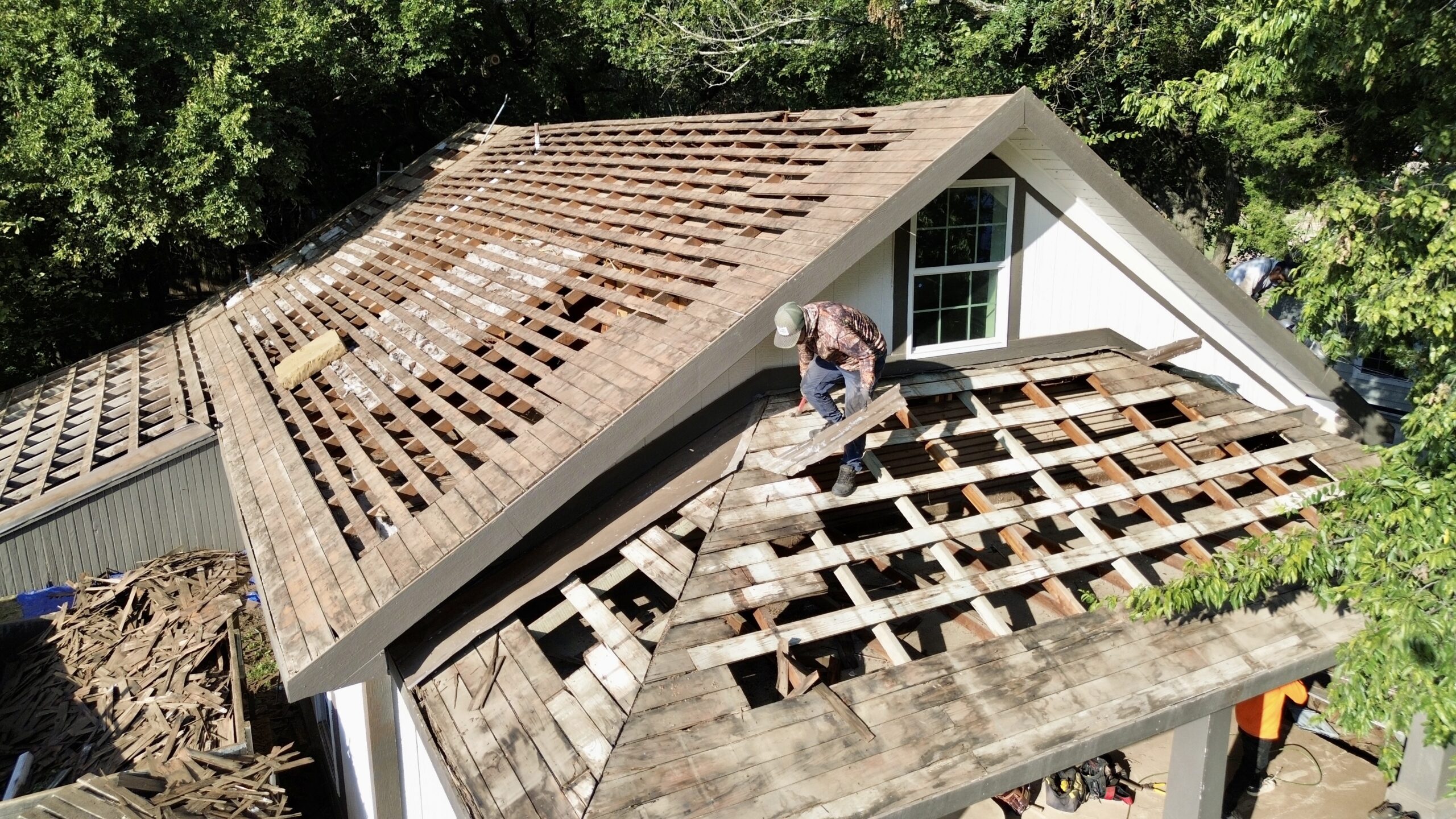
Determine Whether Repair or Replacement Is Needed
Not every wind-damaged roof requires complete replacement. The extent of damage, roof age, and overall condition influence the appropriate solution. A professional assessment helps determine the best course of action.
Minor damage affecting a limited area may only require repairs. Replacing missing shingles and repairing flashing can often restore protection. These targeted solutions are generally more affordable when damage is isolated.
Extensive damage across multiple roof sections may justify replacement. Older roofs nearing the end of their lifespan may benefit from a full upgrade rather than repeated repairs. Replacement can provide improved durability and long-term value.
Discuss available options with your roofing contractor. Understanding costs, benefits, and expected lifespan helps guide your decision.
Review Your Insurance Coverage Carefully
Insurance policies vary significantly in terms of coverage and exclusions. Understanding your policy helps set realistic expectations during the claims process. Review key details before making assumptions about coverage.
Pay close attention to deductibles, depreciation clauses, and coverage limits. Some policies provide replacement cost coverage, while others reimburse actual cash value. These distinctions can significantly impact claim payouts.
Ask your insurance representative to explain unclear provisions. A thorough understanding of policy language helps avoid misunderstandings. Knowing your rights and responsibilities allows for better decision-making.
Keep copies of all claim-related documents throughout the process. Organized records make it easier to resolve disputes if they arise.
Prepare for the Insurance Adjuster’s Visit
Most insurance claims involve an inspection by an adjuster. Their evaluation helps determine the extent of covered damage and the amount of compensation available. Proper preparation can improve the accuracy of their assessment.
Gather photographs, inspection reports, and repair estimates before the visit. Presenting organized documentation helps ensure important details are not overlooked. Comprehensive evidence supports a fair evaluation.
If possible, arrange for your roofing contractor to be present during the inspection. Contractors can point out damage that may not be immediately visible to adjusters. Their expertise can help ensure a more complete assessment.
Take notes during the inspection and ask questions about the process. Understanding the adjuster’s findings can help you anticipate next steps.
Address Repairs Promptly
Delaying repairs can lead to worsening damage and increased expenses. Small roof problems often become major issues when exposed to additional weather events. Timely action helps protect your investment.
Water intrusion can damage insulation, drywall, electrical systems, and structural components. The longer moisture remains present, the greater the risk of mold growth. Prompt repairs reduce these secondary complications.
Schedule work as soon as insurance approvals and contractor availability allow. Maintaining communication with all parties helps keep the project moving forward. Proactive management often leads to better outcomes.
Protecting your home quickly also restores peace of mind after a stressful storm event.
Consider Upgrading to Wind-Resistant Roofing Materials
If replacement becomes necessary, consider investing in materials designed for improved wind resistance. Modern roofing products often offer enhanced performance compared to older systems. These upgrades may reduce future storm damage risks.
Many high-performance shingles are rated to withstand stronger wind speeds. Improved fastening systems and advanced manufacturing techniques contribute to greater durability. Some products may even qualify for insurance discounts.
Metal roofing systems also provide excellent wind resistance when properly installed. Their durability and longevity make them attractive options for many homeowners. Evaluating available materials helps maximize long-term value.
Discuss performance ratings and warranty options with your contractor. Understanding product specifications can guide a more informed investment.
Maintain Your Roof After Repairs
Completing repairs does not eliminate the need for ongoing maintenance. Regular inspections help identify developing issues before they become serious. Preventive care extends roof lifespan and improves performance.
Schedule inspections at least once or twice each year. Additional inspections after major storms can help detect damage early. Consistent monitoring reduces the likelihood of unexpected repair costs.
Keep gutters clean and remove debris from roof surfaces. Proper drainage helps prevent water accumulation and moisture-related problems. Routine maintenance supports overall roof health.
Address minor concerns immediately rather than postponing repairs. Small investments today can prevent major expenses tomorrow.
Create a Storm Preparedness Plan
Preparing for future storms can reduce damage and improve response times. While no roof is completely immune to extreme weather, proactive planning helps minimize risks. A well-prepared homeowner is often better equipped to manage emergencies.
Consider the following preparedness measures:
- Schedule annual roof inspections.
- Trim nearby tree branches.
- Secure outdoor furniture and equipment.
- Maintain updated insurance records.
- Keep emergency supplies readily available.
These simple steps can improve resilience during severe weather events. Preparation reduces uncertainty and helps protect both property and occupants.
Signs That Future Wind Damage May Be More Likely
Certain conditions make roofs more vulnerable to wind-related problems. Recognizing these risk factors allows homeowners to take preventive action before storms arrive. Awareness is an important part of long-term roof management.
Aging roofing materials often lose flexibility and strength. As shingles deteriorate, their ability to resist uplift forces decreases. Older roofs typically require closer monitoring and maintenance.
Poor installation practices can also contribute to wind vulnerability. Improper fastening, inadequate sealing, and incorrect flashing installation increase failure risks. Quality workmanship plays a critical role in roof performance.
Environmental factors such as exposure to frequent storms or open terrain can further increase risk. Homes located in high-wind regions may benefit from specialized roofing systems.
The Cost of Ignoring Wind Damage
Some homeowners postpone repairs because the damage appears minor. Unfortunately, even small roof problems can escalate quickly. Ignoring wind damage often results in significantly higher repair costs over time.
Water infiltration can spread beyond the roof and affect ceilings, walls, and flooring. Structural components may weaken as moisture accumulates. These issues become increasingly expensive to correct.
Mold growth presents additional concerns for indoor air quality and occupant health. Remediation costs can be substantial when moisture problems persist. Early intervention is usually the most cost-effective approach.
Ignoring visible damage may also complicate future insurance claims. Insurers may question whether additional deterioration resulted from neglect rather than the original storm.
Final Thoughts
Wind damage to a roof should never be ignored, even when it appears minor. Prompt action can prevent additional damage, simplify insurance claims, and reduce long-term repair costs. Understanding the proper steps to take after a storm helps homeowners protect both their property and their financial investment.
From conducting safe inspections and documenting damage to working with roofing professionals and insurance providers, every step plays an important role in the recovery process. Acting quickly and staying organized can make a significant difference in the outcome.
A roof is one of the most important components of any home, serving as the first line of defense against the elements. By responding appropriately after wind damage occurs and maintaining the roof properly afterward, homeowners can ensure continued protection and peace of mind for years to come.