
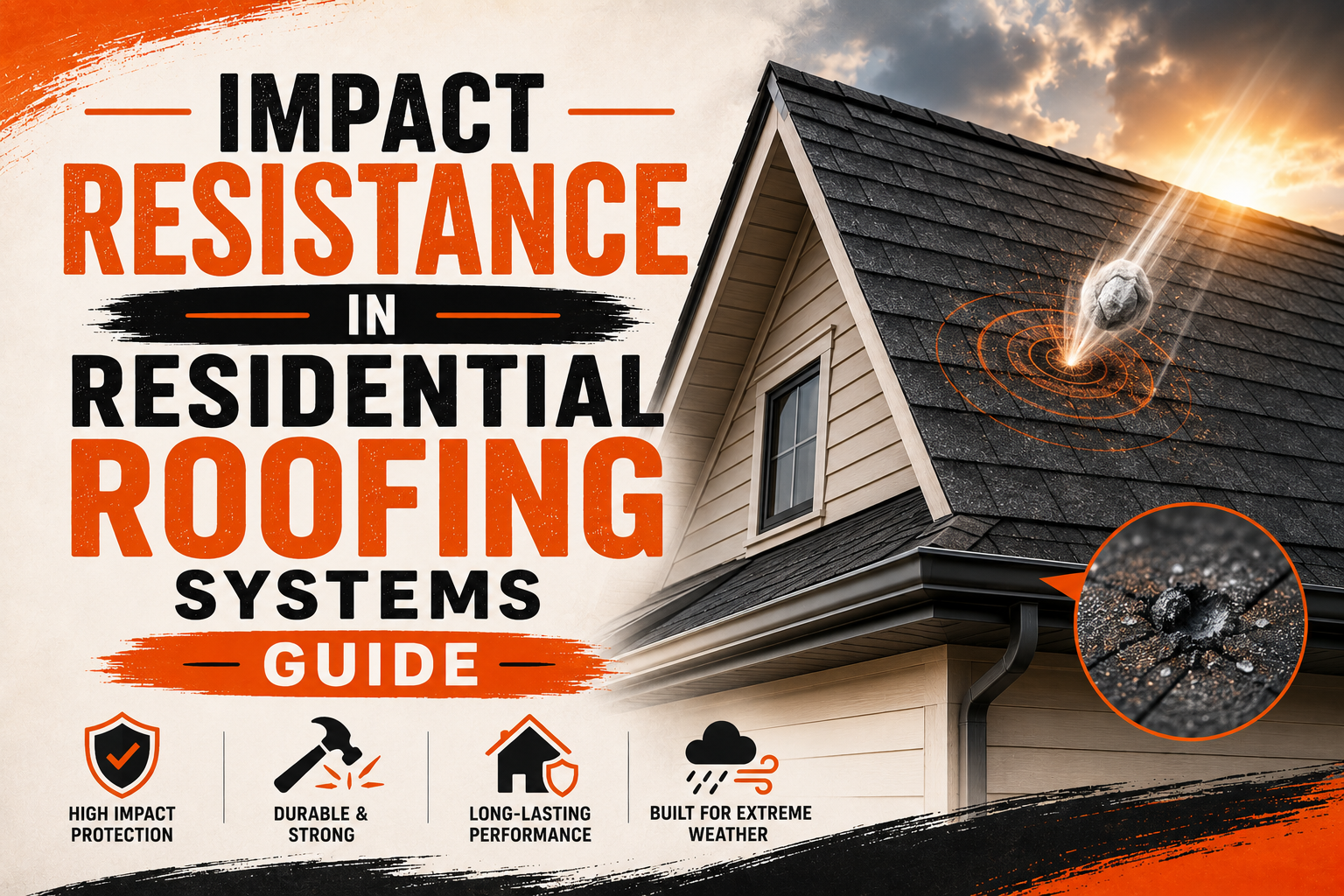
Impact Resistance in Residential Roofing Systems Guide
Introduction
A residential roof is constantly exposed to weather, but hail and other high-impact events can create some of the most sudden forms of roofing damage. A single severe storm can dent, crack, tear, or displace roofing materials, potentially allowing water to reach the layers beneath the roof surface. Understanding impact resistance can help homeowners choose roofing systems that are better suited to their local weather risks and long-term property protection.
Impact resistance refers to a roofing material’s ability to withstand physical force without experiencing unacceptable damage. In residential roofing, hail is one of the most common causes considered when evaluating impact performance, although falling branches, wind-driven debris, and other objects can also place stress on a roof. The actual result depends on the size, mass, hardness, speed, and angle of the object, as well as the characteristics of the roofing material.
Hail damage is particularly complex because hailstones do not all behave in the same way when they strike a roof. According to the Insurance Institute for Business & Home Safety, hail can bounce from the roof, shatter into pieces, or turn into slush depending partly on its physical properties. The size and velocity of the hailstone determine its kinetic energy, which strongly influences the severity of the resulting impact.
Impact resistance should therefore be viewed as one part of overall roof performance rather than as a guarantee against storm damage. A roofing product can perform well in a controlled laboratory test and still experience damage during an unusually severe storm. Understanding testing standards, material differences, installation quality, and the condition of an existing roof gives homeowners a more realistic way to evaluate impact protection.
What Impact Resistance Means for a Residential Roof
Impact resistance describes how effectively a roofing system can tolerate a physical strike while continuing to perform its protective function. In the context of hail, the objective is not necessarily to prevent every visible mark or dent. A more meaningful concern is whether an impact causes damage that compromises the roofing material or increases the possibility of water entering the building.
Different roofing materials respond to impacts in different ways. Asphalt shingles may develop dents, lose protective granules, or tear, while tile can crack or shatter under sufficiently strong impacts. Metal roofing commonly develops dents from hail, although a dent does not necessarily mean that the roof has lost its ability to shed water.
The distinction between cosmetic damage and functional damage is important for homeowners. A roof may show visible marks after a storm without requiring complete replacement, while a less obvious tear or breach can create a serious water-intrusion risk. Professional inspection is therefore valuable after major hail events, particularly when the storm involved large or unusually dense hail.
Impact resistance can also change as a roof ages. Roofing materials are exposed to ultraviolet radiation, temperature fluctuations, moisture, wind, and everyday weather long before a major storm occurs. IBHS research notes that roofing materials are tested when new, but real roofs experience years of weathering before an extreme event tests their limits.
The condition of the complete roofing assembly matters as well. Underlayment, roof decking, flashing, fasteners, and other components can influence what happens after the roof covering is damaged. A strong outer material can provide useful protection, but the entire system needs to work together to limit water intrusion and maintain structural performance.
Homeowners should also understand that impact-resistant does not mean impact-proof. Even products specifically designed and tested for improved resistance have limits. Larger hailstones, unusual impact angles, repeated impacts, and severe storm conditions can exceed the performance demonstrated during standardized testing.
How Hail Damages Different Roofing Materials
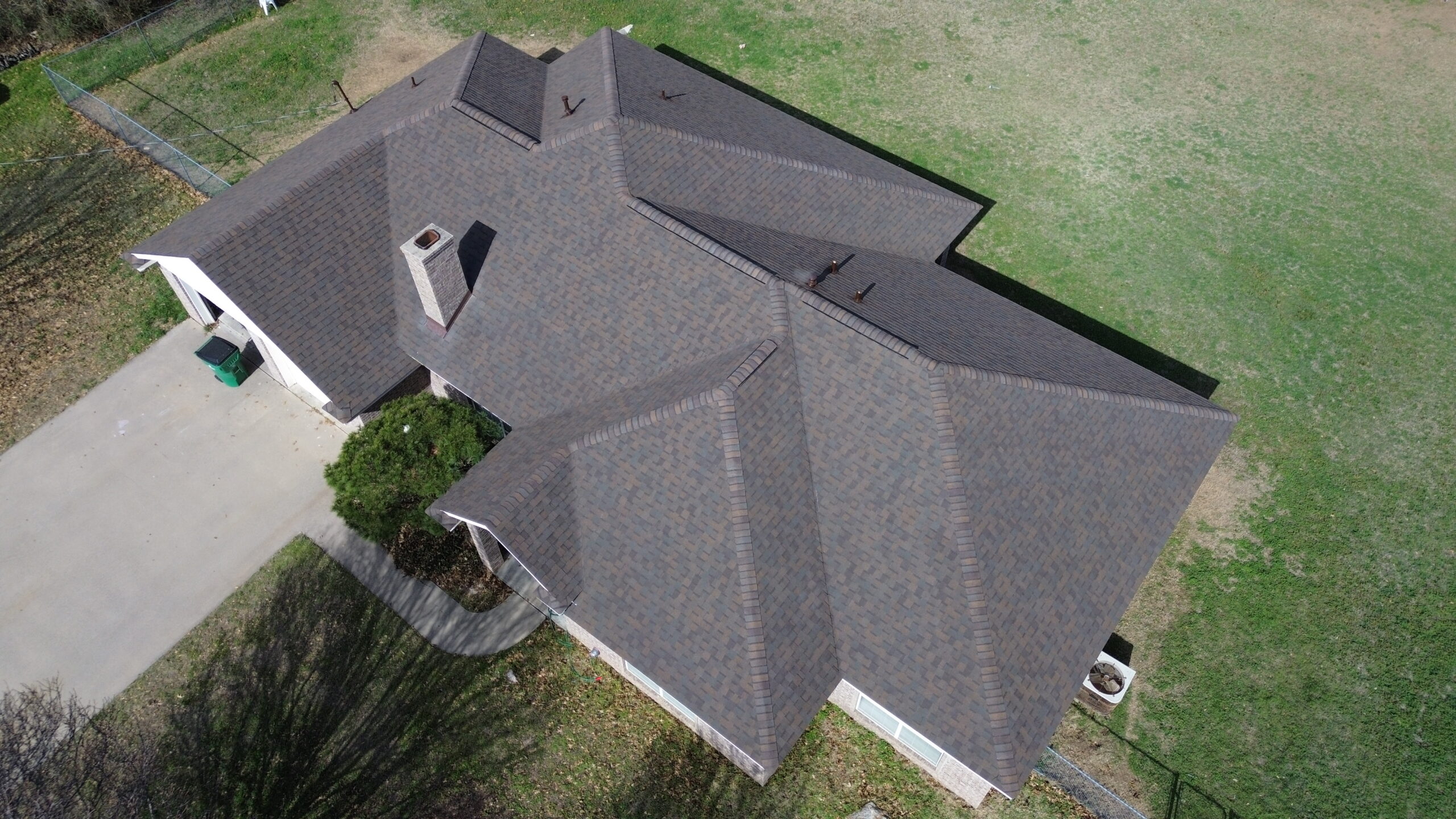
Hail damage varies considerably depending on the roofing material and the characteristics of the hailstorm. The size of the hailstone is important, but so are its hardness, mass, velocity, and impact angle. A smaller but harder hailstone can behave differently from a larger, softer stone, making real-world damage more complicated than simply measuring hail diameter.
Asphalt shingles are particularly sensitive to impact because hail can damage the granule surface and underlying layers. According to IBHS research, hail can dent shingles, displace granules, or breach and tear the material. Severe damage can interfere with the roof’s ability to shed water and may create pathways for moisture to enter the roofing system.
Metal roofing generally responds differently. Hail can create visible dents in metal panels, particularly when larger stones strike areas of the roof that are more vulnerable to deformation. IBHS notes that dents can affect the appearance of metal roofing, while current evidence does not indicate that denting by itself necessarily compromises the roof’s functionality.
Tile roofing can also experience significant impact damage. Large hail can crack or shatter tiles, with the severity influenced by tile thickness, material, and the location of the impact. Once a tile is broken or displaced, the affected area should be evaluated because the visible tile works together with underlying components to protect the building.
Synthetic roofing materials vary widely in their impact performance. Some engineered products are specifically designed to resist impacts and may provide an alternative to natural slate or wood. However, homeowners should examine the specific product’s testing and performance data instead of assuming that every synthetic roof has the same level of resistance.
Wood shingles and shakes can also be affected by severe impacts. A strong hailstone or falling object may crack or split individual pieces, particularly as the material ages and becomes more weathered. Maintenance and material condition can therefore influence how well a wood roof responds to a major storm.
Several factors determine the severity of roofing impact damage:
- Hail size and mass: Larger and heavier hail generally carries more impact energy.
- Hail hardness: Harder hailstones can produce different damage than softer stones.
- Impact speed: Greater velocity increases the energy transferred to the roofing material.
- Impact angle: A more direct impact can transfer more energy to a smaller area.
- Roof condition: Older or weathered materials may respond differently from new products.
These factors explain why two roofs in the same neighborhood can experience different levels of damage during the same storm. Material quality, roof age, slope, exposure, and the exact location of impacts all contribute to the final outcome.
Understanding Roofing Impact Testing and Ratings
Roofing impact testing gives manufacturers, contractors, insurers, and homeowners a standardized way to compare certain aspects of material performance. One widely recognized standard is UL 2218, the Standard for Impact Resistance of Prepared Roof Covering Materials. UL Solutions explains that the UL 2218 certification system produces Class 1, Class 2, Class 3, and Class 4 ratings based on controlled impact testing using steel balls dropped from specified heights.
Class 4 is the highest classification within the UL 2218 system. This does not mean that a Class 4 roof is guaranteed to survive every hailstorm without damage. Instead, the rating indicates that the product met the requirements of the particular standardized test used for certification.
FM 4473 is another recognized impact-resistance testing standard used for certain roofing products. Both UL 2218 and FM 4473 provide standardized methods for evaluating roofing materials, but homeowners should understand exactly which material, assembly, and testing conditions a rating applies to. A rating should never be interpreted as a prediction of how a roof will perform against every possible real-world storm.
Modern hail research has also highlighted limitations in traditional testing approaches. IBHS developed its own Impact Resistance Test Protocol for Asphalt Shingles using laboratory-manufactured hailstones designed to reproduce important physical characteristics of natural hail. The protocol evaluates damage modes such as dents, tears, and granule loss rather than relying only on a simple pass-or-fail assessment.
This distinction is important because visible damage and functional damage are not always identical. A testing method that focuses on one type of failure may not capture every way a roof can be affected during a real storm. IBHS research was developed partly to provide more realistic comparisons between asphalt shingle products and actual hail behavior.
Homeowners should therefore look beyond a single rating when comparing impact-resistant roofing. Product certifications, independent testing, manufacturer documentation, local weather exposure, and the specific roofing assembly should all be considered together.
Impact Resistance of Asphalt Shingles
Asphalt shingles are widely used in residential construction, making their impact performance an important consideration for homeowners in hail-prone regions. Standard asphalt shingles can experience dents, granule loss, cracking, or tearing when exposed to sufficiently strong hail. The severity of damage depends on the product construction and the characteristics of the storm.
Impact-resistant asphalt shingles are manufactured with features intended to improve their ability to withstand physical impacts. These may include stronger reinforcement, modified asphalt formulations, specialized mat construction, or other design approaches. The exact technology varies by manufacturer, so homeowners should review product-specific performance information.
The term “impact resistant” should not automatically be treated as a universal performance level. IBHS testing has demonstrated differences among products marketed as impact resistant, which means two shingles carrying similar marketing language may not perform identically under controlled hail testing. In its 2025 ratings, IBHS evaluated 24 impact-resistant shingle products and found that most received a “Good” rating, while none achieved an “Excellent” rating under its assessment.
The IBHS approach is useful because it examines multiple forms of hail damage. Its testing considers dents, tears, and granule loss, providing more detailed information about how products respond to realistic simulated hail impacts. This helps demonstrate why a simple impact classification may not tell the entire story.
Homeowners should also consider the roof’s age. An impact-resistant shingle installed several years ago has already experienced sunlight, temperature changes, moisture, and normal weathering. The material’s condition at the time of a hailstorm may therefore differ from its performance when it was new.
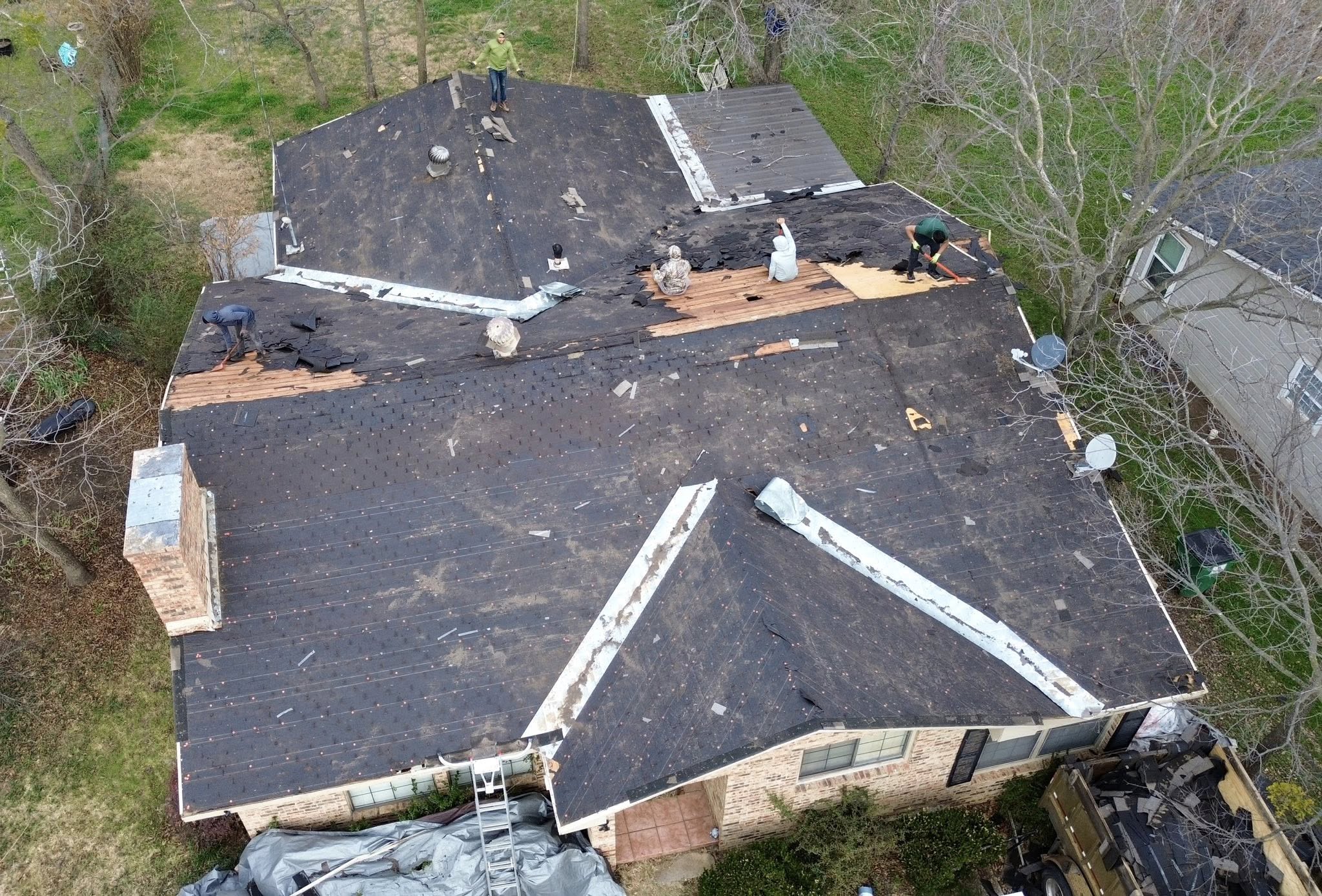
Proper installation remains essential. Even a high-performance shingle can be vulnerable if it is incorrectly fastened, poorly aligned, or installed without appropriate supporting components. Good installation practices help ensure that the roofing material performs as intended and remains securely attached during severe weather.
When selecting asphalt shingles for a hail-prone property, homeowners should review the specific product’s impact testing, warranty conditions, wind rating, installation requirements, and availability. Combining these factors provides a more reliable basis for decision-making than choosing a product solely because its packaging uses the words “impact resistant.”
Why Roof Design and Installation Matter for Impact Protection
Impact resistance begins with the roofing material, but the performance of the complete system depends heavily on installation and roof design. A roof is made up of multiple layers and components that work together to protect the structure. Damage to one component can create weaknesses that become more serious during severe weather.
Proper fastening is especially important for asphalt shingles and other mechanically attached roofing materials. Fasteners need to be placed correctly according to the manufacturer’s requirements. Incorrect placement can weaken the attachment and may allow roofing components to move or become more vulnerable during storms.
Roof edges and vulnerable transitions also deserve careful attention. Wind can get underneath damaged or poorly secured roof coverings and increase the amount of stress placed on the system. IBHS’s FORTIFIED program emphasizes stronger roof attachment and enhanced edge protection as part of a broader approach to severe-weather resilience.
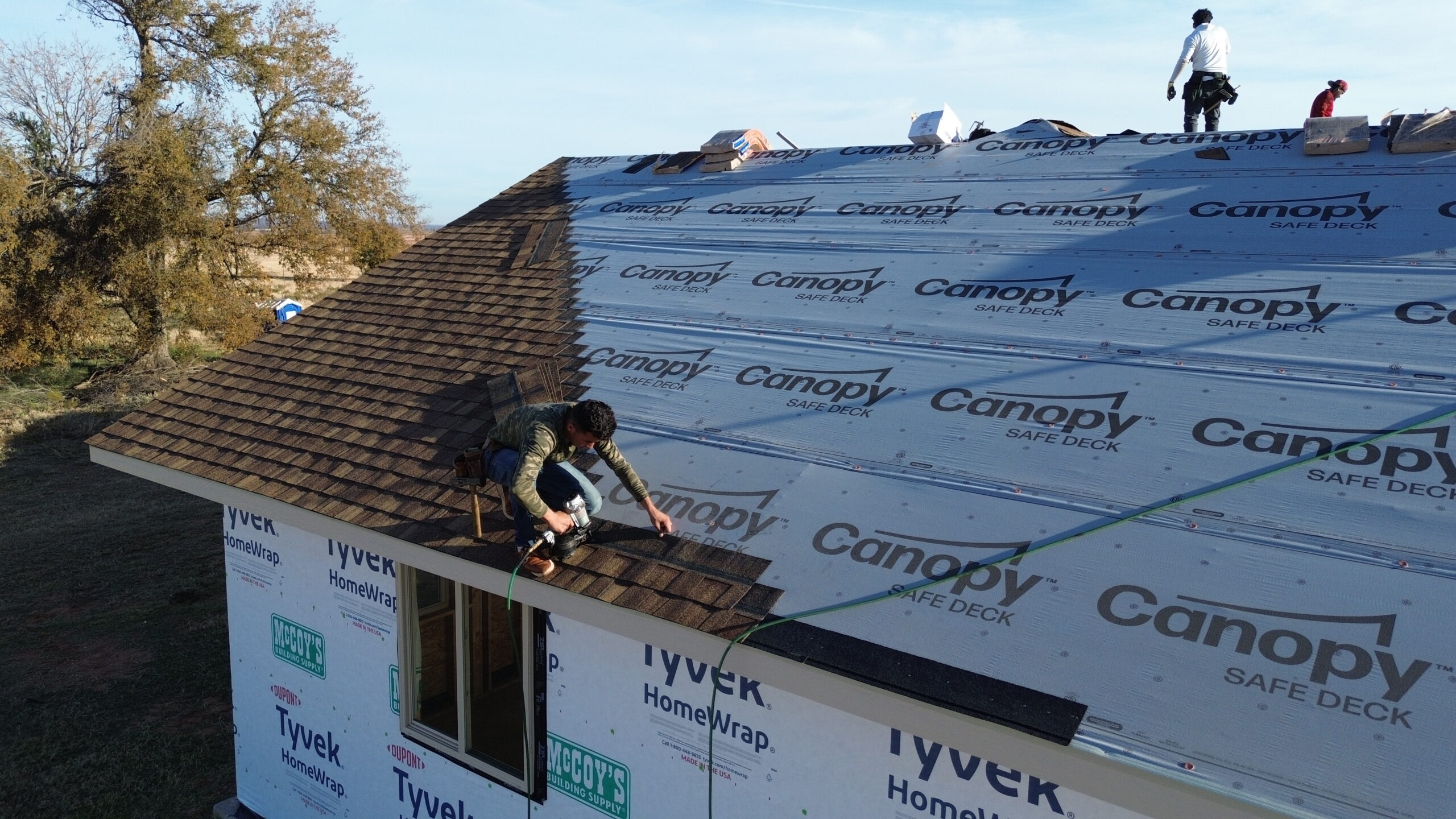
Underlayment provides another layer of protection beneath the visible roofing material. Although it may not prevent the initial impact damage, it can contribute to the roof’s ability to resist water intrusion after the outer covering has been compromised. IBHS notes that underlayment quality can affect the water-shedding performance of a roof after hail damage.
Roof slope and drainage can also influence post-storm performance. A properly designed roof moves water away efficiently, while vulnerable areas around valleys, penetrations, chimneys, and skylights require carefully installed flashing. After an impact event, these areas should be inspected because damage may not always be visible from the ground.
The age and condition of the roof should be considered alongside its impact rating. A newly installed impact-resistant system may provide stronger protection than an older system made from the same product. Regular maintenance and timely repairs help preserve the roof’s ability to withstand weather and reduce the chance that existing weaknesses will worsen during a storm.
Ultimately, impact resistance is not determined by a product label alone. Material selection, testing performance, installation quality, roof design, supporting components, maintenance, and local weather conditions all influence how well a residential roofing system responds to hail and other impacts.
Metal Roofing and Impact Performance
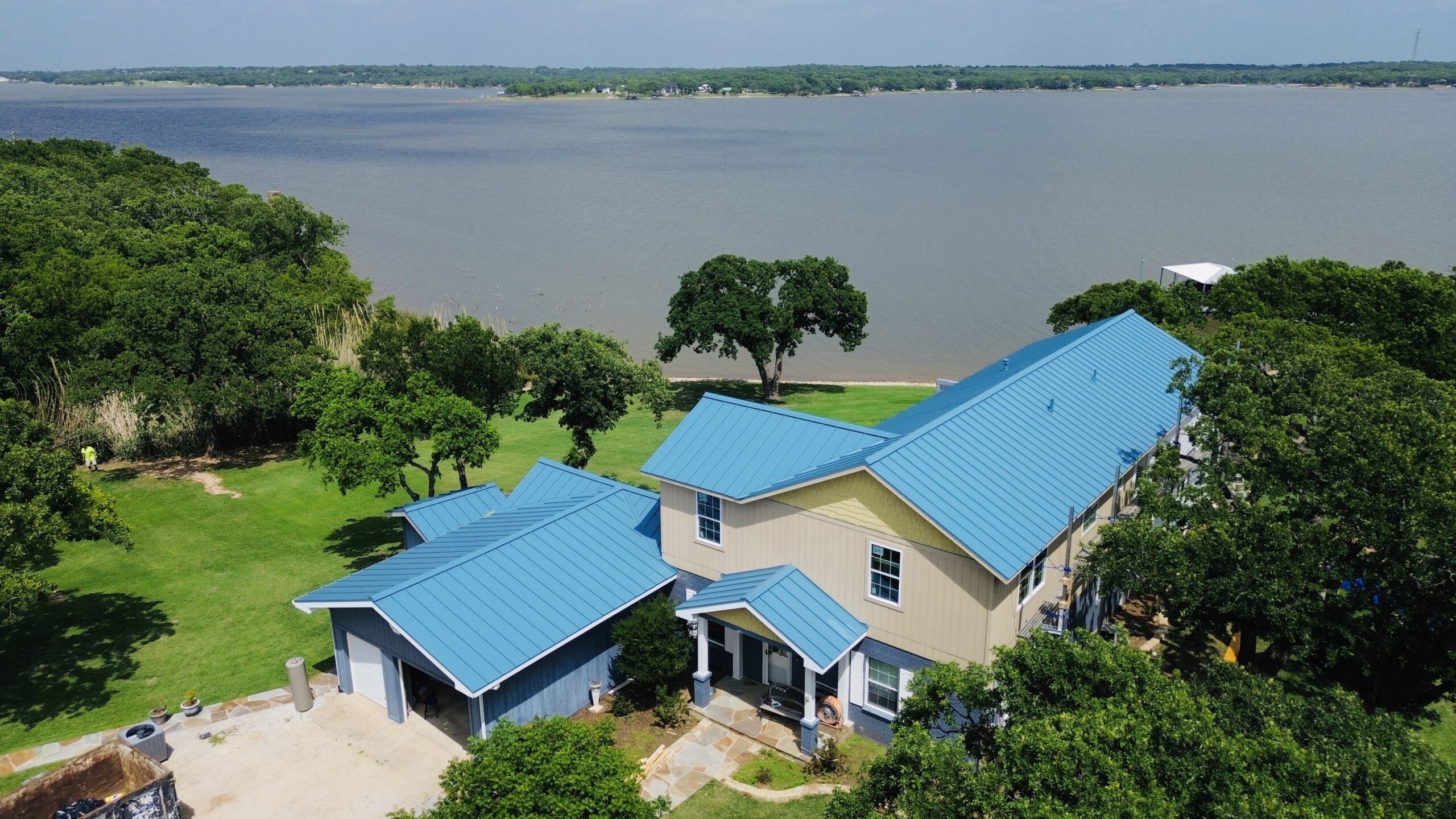
Metal roofing is often considered a durable option for homes exposed to severe weather, including hail. Steel, aluminum, copper, and other metals can respond differently to impact depending on their thickness, profile, coating, installation method, and supporting structure. Unlike brittle materials that may crack or break, metal panels commonly deform when struck by hail, creating dents that may be primarily cosmetic or may affect vulnerable areas.
The visible appearance of a dent does not automatically mean that a metal roof has lost its weatherproofing ability. IBHS research indicates that dents from hail can affect the appearance of metal roofing, while current evidence does not show that denting alone necessarily compromises the roof’s functionality. However, severe impacts can still damage seams, coatings, fasteners, flashing, or other components, so a professional inspection is appropriate after a significant storm.
The design of the metal panel also affects impact performance. Standing-seam panels, exposed-fastener systems, metal shingles, and other profiles have different construction characteristics. Thicker metal may resist deformation better, but the performance of the complete system depends on how the panels are supported and attached.
Protective coatings are another important consideration. A deep dent that damages the finish can expose the underlying metal to environmental conditions, potentially increasing corrosion risk depending on the material and coating system. Coastal environments require particular attention because salt exposure can accelerate corrosion on unsuitable metals and components.
Metal roofing can also benefit from its ability to remain functional after certain types of impact damage. A dented panel may continue to shed water even when its appearance has changed, whereas a cracked tile or severely torn shingle may create a more direct pathway for moisture. This does not make metal completely immune to storm damage, but it can provide a useful durability advantage in some conditions.
Homeowners considering metal roofing for hail-prone areas should evaluate more than the material itself. Panel thickness, profile, coating, fastening system, underlayment, manufacturer testing, and installation quality all contribute to overall performance. A properly designed and installed metal roof can provide strong long-term protection, but expectations should remain realistic because sufficiently severe hail can damage any roofing system.
Tile, Slate, and Synthetic Roofing Impact Resistance
Tile roofing can provide excellent long-term durability, but its response to impact is different from that of metal. Clay and concrete tiles are rigid materials, so sufficiently strong impacts can cause cracks, chips, or complete breakage. The likelihood and severity of damage depend on the tile’s composition, thickness, profile, installation, age, and the characteristics of the impacting object.
A broken tile should not automatically lead to complete roof replacement. Individual damaged tiles can often be replaced while the remaining system stays in place. However, homeowners should not ignore isolated damage because broken or displaced pieces can expose underlying roofing components to moisture and weather.
Natural slate has similar considerations. Slate is extremely durable under many environmental conditions, but it can be brittle when struck directly by a sufficiently powerful object. Its performance depends strongly on the quality and thickness of the slate, and improper foot traffic can also cause cracking that may later be mistaken for storm damage.
Synthetic roofing products can provide an alternative for homeowners who want the appearance of slate, wood, or other traditional materials while seeking improved impact performance. Some engineered products are specifically designed with flexibility or reinforced construction to reduce the likelihood of cracking. Performance varies widely, however, so product-specific testing should be reviewed before purchase.
The condition of tile, slate, or synthetic roofing also matters. Weathered materials may respond differently from newly installed products because years of sunlight, temperature changes, moisture, and mechanical stress can alter their physical properties. A roof that has already experienced deterioration may therefore have less resistance to a severe impact event.
Another important factor is the underlying assembly. Tile and slate systems rely on underlayment, battens or other support components, flashing, and fasteners to complete the weatherproofing system. Even when the visible surface remains relatively intact, damage to supporting components should be considered after a severe storm.
Homeowners should therefore evaluate these roofing materials based on both durability and repairability. A material that can withstand many years of weather but requires replacement of individual pieces after a severe hail event may still provide excellent long-term value. The most appropriate choice depends on the home’s climate, structure, budget, appearance requirements, and expected exposure to impact hazards.
Hail Resistance Versus Other Forms of Impact
Hail is the most commonly discussed impact hazard in residential roofing, but it is not the only source of physical damage. Roofs can also be struck by falling branches, airborne debris, maintenance equipment, ladders, and other objects. Each type of impact produces different forces and may affect different areas of the roofing system.
Hail usually produces numerous impacts distributed across a roof surface. During a severe storm, thousands of individual strikes can occur within a short period. This repeated exposure means that a roofing material must tolerate not only one impact but potentially many impacts across the same general area.
Falling branches can create much more concentrated damage. A large branch may puncture or crush several roofing components at once, potentially damaging the roof deck and structural framing beneath the surface. Even highly impact-resistant shingles or metal panels may not be designed to withstand the force of a large tree limb.
Wind-driven debris presents another challenge because objects can strike at high speeds and unusual angles. The object itself may be irregular in shape, and the impact location may be difficult to predict. Strong roof attachment and protected edges can help reduce vulnerability to wind-related damage, but no residential roofing material can eliminate every risk.
Foot traffic can also create avoidable impact damage. Slate, tile, and some other roofing materials can crack when stepped on incorrectly, while asphalt shingles can lose granules or become damaged under repeated pressure. Maintenance personnel should use appropriate procedures when accessing roofs to prevent unnecessary deterioration.
Because different hazards produce different damage patterns, homeowners should avoid assuming that a hail rating describes every form of impact resistance. A standardized hail test evaluates a specific set of conditions. It does not mean that the roofing product has been proven immune to every object, force, or weather event that may strike a residential roof.
The best approach is to consider the property’s broader exposure. Homes beneath mature trees may need to account for falling branches, while properties in hail-prone regions should place greater emphasis on hail performance. Coastal and storm-prone homes may also need stronger attention to wind resistance and roof attachment.
How Roof Age and Weathering Affect Impact Resistance
A roofing product’s impact performance can change as the material ages. Laboratory testing is often conducted on new products, but a roof may spend years exposed to sunlight, rain, wind, humidity, temperature changes, and other forms of natural weathering before experiencing a major hailstorm. The condition of the material at the time of impact can therefore influence the resulting damage.
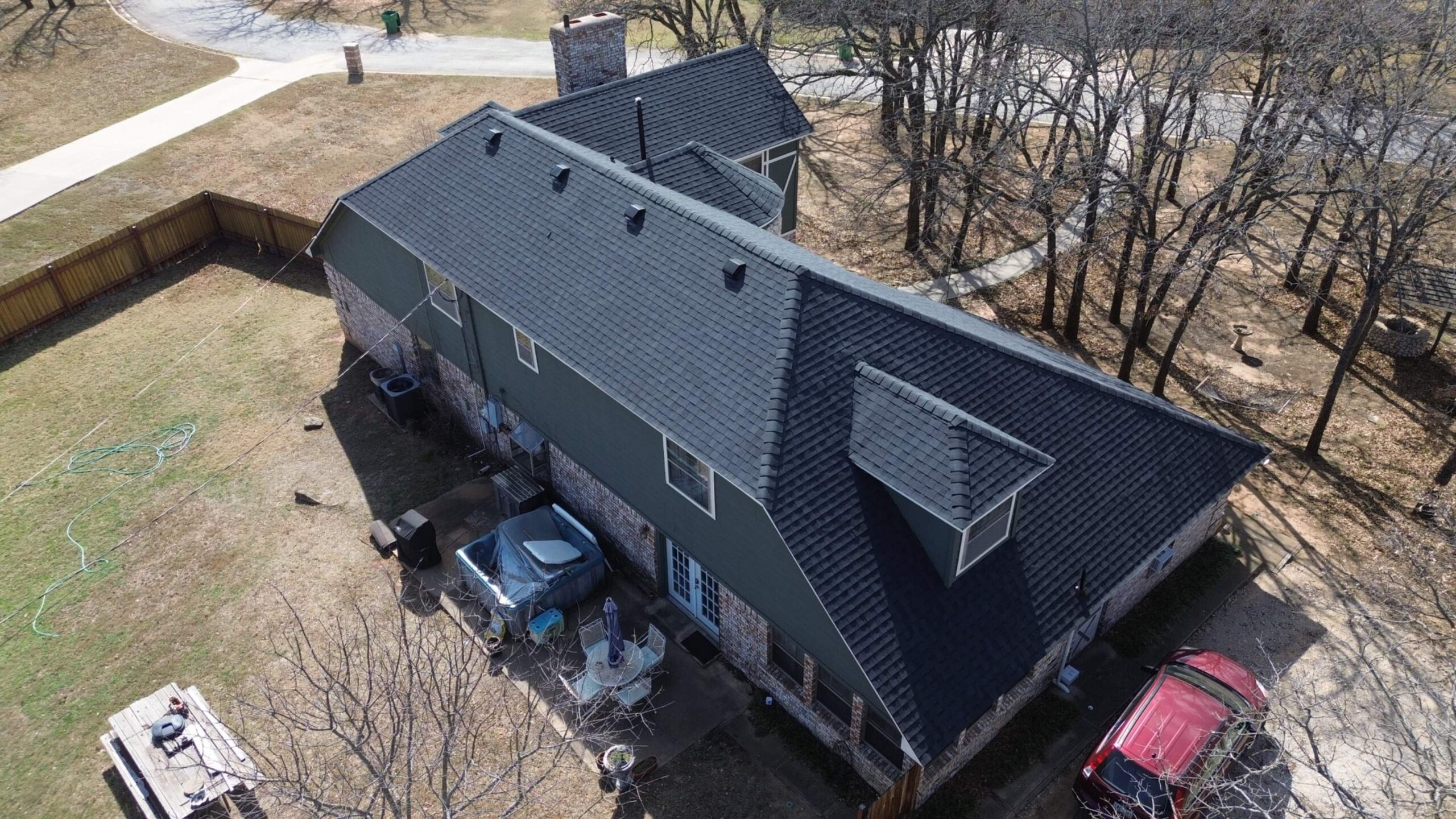
Asphalt shingles provide a useful example. Over time, ultraviolet exposure and weathering can alter the surface and reduce some of the flexibility or protective properties of the material. Granule loss can expose areas of the shingle to additional environmental stress, potentially making an older roof more vulnerable to severe weather.
Metal roofing also changes over time. Protective coatings can weather, fasteners can deteriorate, and corrosion can develop when protective layers are damaged or environmental exposure is severe. A metal roof may remain structurally sound for many years, but neglected corrosion or damaged components can reduce its overall resilience.
Tile and slate can remain durable for very long periods, but their supporting components may age at different rates. Underlayment, flashing, fasteners, and sealants can deteriorate while the primary roofing material still appears serviceable. These components should be evaluated because impact damage may become more consequential when the underlying system is already weakened.
Weathering is not always obvious from ground level. A roof can appear visually acceptable while developing hidden weaknesses in flashing, attachment points, or underlayment. Professional inspections can identify these conditions and provide a clearer assessment of the roof’s ability to withstand another severe weather event.
Maintenance can help preserve the condition of an aging roof. Replacing damaged components, correcting drainage problems, repairing flashing, and maintaining ventilation can reduce preventable deterioration. While maintenance cannot make an old roof perform like a new one, it can help preserve its remaining service life and reduce vulnerabilities.
Homeowners should therefore consider both the age and condition of a roof when evaluating impact resistance. A product’s original rating provides useful information, but the roof’s present condition is equally important. This is particularly relevant when purchasing an older home or evaluating whether an existing roof should be replaced with a more impact-resistant system.
Inspecting a Roof After a Hailstorm
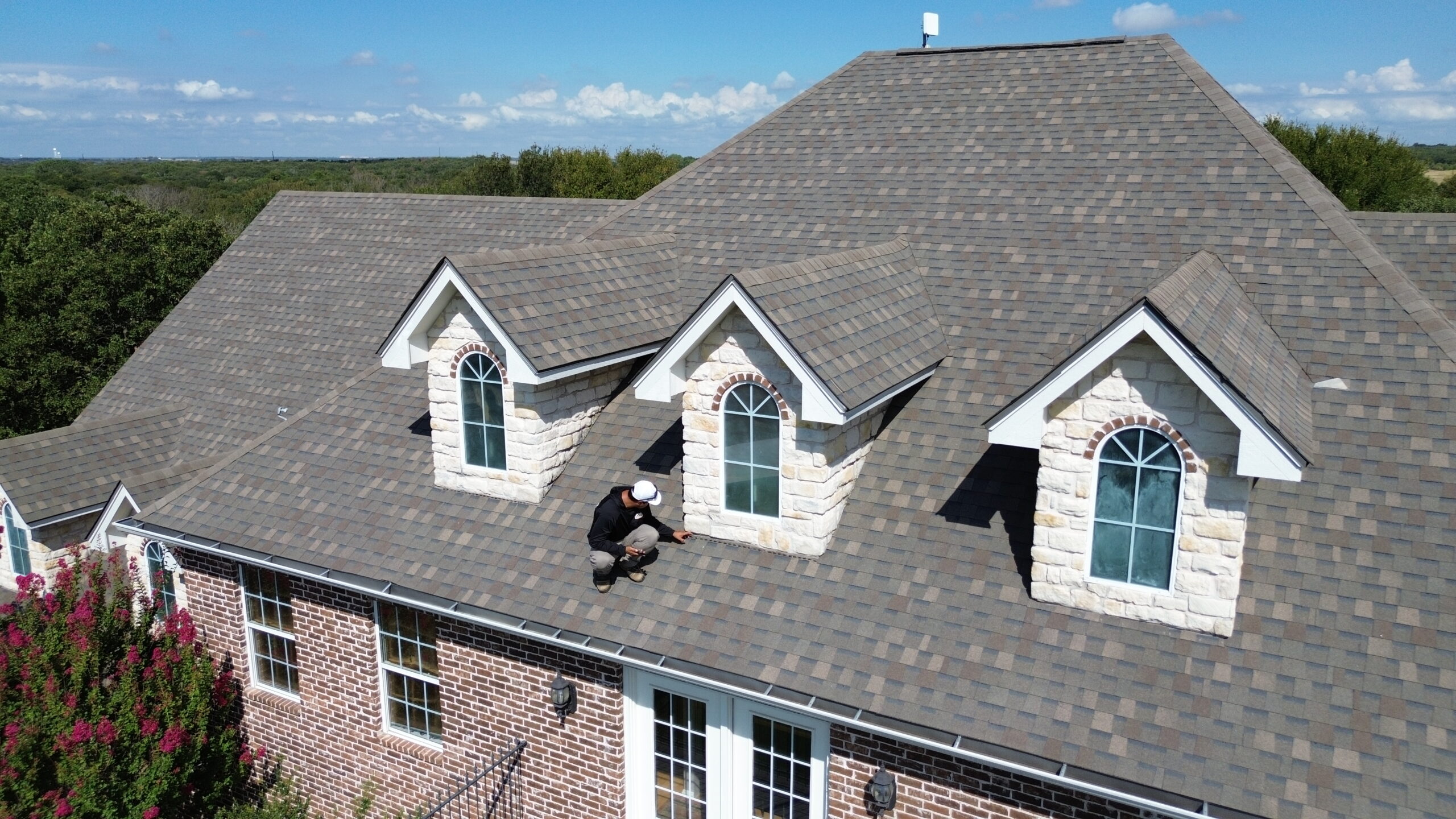
A roof should be inspected after a significant hailstorm, especially when large hail has been reported in the area. Some forms of damage are obvious, while others can be difficult to identify without close examination. A professional inspection can help determine whether damage is cosmetic, functional, localized, or widespread.
Asphalt shingles should be checked for missing granules, dents, bruising, cracks, tears, and exposed areas. Granules may also accumulate in gutters and downspouts after a major hail event. While some granule accumulation can occur through normal aging, an unusual increase after a storm may warrant further evaluation.
Metal roofs should be inspected for dents, damaged coatings, seam issues, loose fasteners, and corrosion risks. Small dents may primarily affect appearance, but more severe damage around seams, penetrations, or connections can require attention. The inspector should evaluate the complete system rather than assuming that every dent represents functional failure.
Tile and slate roofs should be checked for cracked, chipped, or displaced pieces. Because walking directly on these materials can cause additional damage, homeowners should avoid attempting a detailed roof inspection themselves. A qualified professional can use appropriate access and inspection methods.
Interior areas should also be checked after a severe storm. Water stains on ceilings, damp insulation, peeling paint, or moisture around windows and walls may indicate that water has entered the building envelope. However, the visible location of an interior stain does not always correspond directly to the point where water entered the roof.
When storm damage is suspected, photographs and inspection records can be useful for documenting the condition of the property. Homeowners should avoid making unnecessary changes before the damage has been properly assessed, particularly when an insurance claim may be involved. The exact process depends on the homeowner’s policy and local requirements.
A post-storm inspection is ultimately about more than identifying visible damage. It helps determine whether the roofing system remains capable of protecting the home or whether repairs are needed. Early assessment can also prevent small problems from developing into leaks and structural damage.
Choosing Impact-Resistant Roofing for a Hail-Prone Home
Homeowners in areas that regularly experience hail should consider impact resistance as part of their roofing selection process. The goal is not to find a material that can never be damaged, because every roofing system has limitations. Instead, homeowners should select a product and installation approach that provide an appropriate level of protection for the property’s expected hazards.
The first step is to understand local weather exposure. Historical hail activity, storm frequency, wind conditions, and surrounding environmental risks can help determine whether investing in enhanced impact resistance is worthwhile. Local roofing professionals may also be familiar with materials and installation methods commonly used in the area.
Product testing should be reviewed carefully. UL 2218 and FM 4473 classifications can provide standardized information about impact performance, while independent testing such as the IBHS Impact Resistance Test Protocol can offer additional insight into how certain asphalt shingles respond to hail. A homeowner should verify that the rating applies to the exact product and roofing assembly being considered.
Material selection should then be combined with installation quality. Correct fastening, appropriate underlayment, strong roof edges, reliable flashing, and proper drainage can improve overall resilience. A highly rated roofing product installed incorrectly may not provide the expected level of protection.
Homeowners should also consider these factors before making a final decision:
- Local hail exposure: Determine how frequently severe hail occurs in the area.
- Product testing: Review recognized impact-resistance ratings and independent test information.
- Roof design: Consider slope, edges, valleys, penetrations, and drainage.
- Installation quality: Use an experienced contractor familiar with the selected roofing system.
- Long-term maintenance: Plan for regular inspections and prompt repairs after severe storms.
Cost is another important consideration. Impact-resistant products may have higher material or installation costs than standard alternatives, so homeowners should compare the potential benefits with the property’s risk exposure and expected ownership period. In some situations, a higher initial investment may make sense because the homeowner places a high value on storm resilience and reduced vulnerability.
Impact resistance should ultimately be treated as one component of a broader roofing strategy. A strong roof also needs appropriate wind resistance, water-shedding capability, ventilation, drainage, secure attachment, and regular maintenance. When these elements work together, the roofing system has a better chance of protecting the home through repeated severe-weather events.
Comparing Impact-Resistant Roofing Materials
Choosing an impact-resistant roofing system requires more than comparing material names. Different roofing products respond to hail and other impacts in different ways, and their performance can vary significantly depending on construction, thickness, installation, age, and weather exposure. Homeowners should therefore compare the complete roofing system rather than assuming that one material is automatically superior in every situation.
Asphalt shingles remain one of the most accessible options because impact-resistant versions are widely available. Some products use reinforced construction or modified materials to improve their resistance to impact damage. Homeowners should look for specific testing information rather than relying only on general descriptions such as “strong,” “durable,” or “impact resistant.”
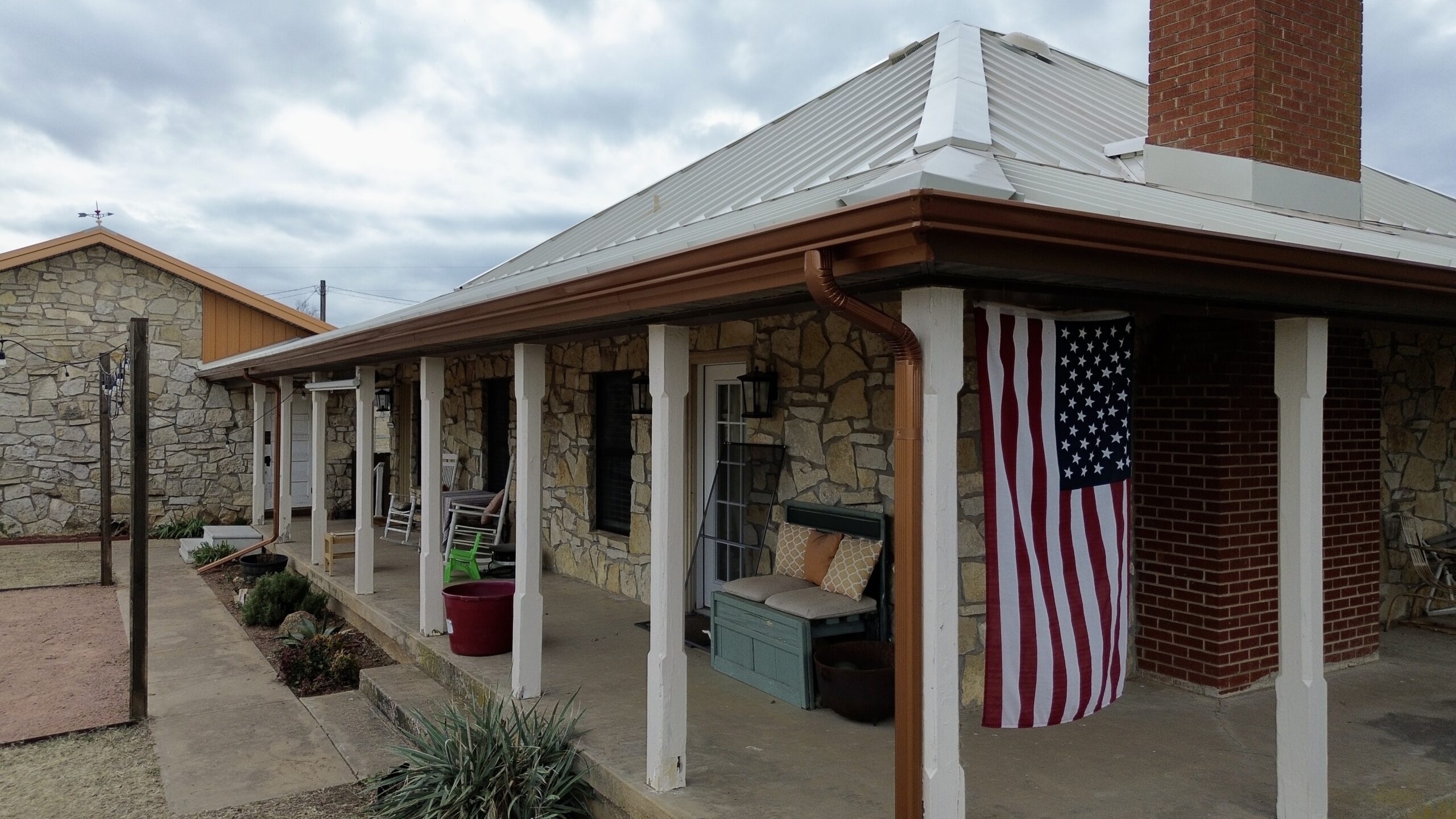
Metal roofing provides another strong option, particularly for homeowners who value long service life and weather resistance. Hail can dent metal surfaces, but denting does not necessarily mean the roof has lost its ability to shed water. The thickness, profile, coating, fastening system, and installation quality all influence how a particular metal roof performs during severe weather.
Clay and concrete tiles can provide excellent long-term durability but may be vulnerable to cracking from strong impacts. Their individual components can often be replaced when damage is localized, which can make repairs practical. However, homeowners should consider the weight of these materials and the structural requirements before choosing them.
Synthetic roofing products can offer another approach to impact resistance. Some are engineered to provide improved flexibility or impact performance while imitating natural slate, wood, or tile. Since synthetic products vary significantly between manufacturers, homeowners should examine independent testing, warranty conditions, and product specifications carefully.
Natural slate is exceptionally durable against many forms of weathering, but its rigid and brittle nature means severe impacts can cause cracks or breaks. Its long service life can still make it an attractive premium option, particularly when the building structure and budget are suitable. Repairs should be performed by professionals because improper handling can cause additional damage.
The best material depends on the home’s specific circumstances. A hail-prone property may benefit from a tested impact-resistant shingle, while another homeowner may prefer metal because of its long-term durability and resistance to many weather conditions. The decision should consider impact performance together with cost, maintenance, lifespan, appearance, and local climate.
Understanding Impact Ratings and What They Do Not Guarantee
Impact ratings are useful tools for comparing roofing products under standardized testing conditions. They provide homeowners with more objective information than general marketing claims, but they should not be interpreted as guarantees that a roof will remain completely undamaged during a severe storm. Every test has defined conditions and limitations.
UL 2218 is one commonly recognized standard for impact resistance. The standard uses controlled impacts to classify prepared roof coverings into Classes 1 through 4, with Class 4 representing the highest classification within that system. The rating indicates that the product met the requirements of the test, not that it can withstand every possible hail event.
FM 4473 is another standardized test used for impact resistance of roofing systems. It evaluates products under specified impact conditions using ice balls. Like other laboratory tests, its results are useful for comparison but cannot reproduce every combination of hail size, hardness, velocity, angle, temperature, roof age, and storm behavior found in nature.
IBHS has highlighted the importance of considering realistic hail characteristics when evaluating asphalt shingles. Its Impact Resistance Test Protocol uses laboratory-manufactured hailstones designed to reproduce important physical characteristics of natural hail and evaluates several types of damage.
This type of testing demonstrates why homeowners should avoid reducing impact resistance to a single number. A product can perform well against one form of damage while responding differently to another. Dents, granule loss, cracking, tearing, punctures, and displacement are separate damage mechanisms that may require different evaluation.
Another limitation is roof age. Laboratory tests generally evaluate products under controlled conditions, while a real roof may have spent years exposed to sunlight and weather before encountering hail. IBHS has emphasized that roofing products are tested when new, whereas real-world roofs experience natural weathering before severe storms occur.
Homeowners should therefore use impact ratings as one part of the decision-making process. Product quality, independent testing, installation requirements, local storm exposure, maintenance, and roof age should all be considered before concluding that a roofing system provides adequate protection.
Cost and Long-Term Value of Impact-Resistant Roofing
Impact-resistant roofing can require a greater initial investment than standard roofing products. The additional cost may come from specialized materials, reinforced construction, upgraded components, or installation requirements. Whether the investment is worthwhile depends largely on the property’s exposure to hail and the homeowner’s long-term plans.
For a home located in an area with frequent severe hail, improved impact resistance may provide meaningful value. Reducing the likelihood of severe damage can help protect the roofing system and minimize the disruption associated with emergency repairs. However, homeowners should avoid assuming that impact-resistant roofing eliminates maintenance or future replacement costs.
Insurance considerations may also influence the financial calculation. Some insurers may offer incentives or discounts for certain impact-resistant roofing systems, depending on the policy, location, product certification, and applicable requirements. Homeowners should confirm current eligibility directly with their insurer before choosing a product based on a potential insurance benefit.
The lifespan of the roofing system should also be considered. A material that costs more initially but lasts substantially longer may provide better long-term value than a lower-cost product that requires more frequent replacement. Impact resistance is therefore only one part of the total ownership calculation.
Maintenance costs should be included as well. Metal, tile, slate, asphalt, and synthetic roofing systems have different inspection and repair requirements. A homeowner should consider not only how much the roof costs to install but also how easy it will be to obtain replacement components and qualified repair services later.
A practical long-term comparison should consider:
- Initial material and installation cost.
- Expected service life under local conditions.
- Impact and severe-weather performance.
- Routine inspection and maintenance requirements.
- Potential repair and replacement costs.
This approach provides a clearer picture of value than comparing material prices alone. A more expensive roofing system may be worthwhile when severe weather is common and the homeowner expects to remain in the property for many years. In a low-risk environment, a standard roofing system may provide a more appropriate balance between cost and performance.
Maintenance After Impact and Severe Weather
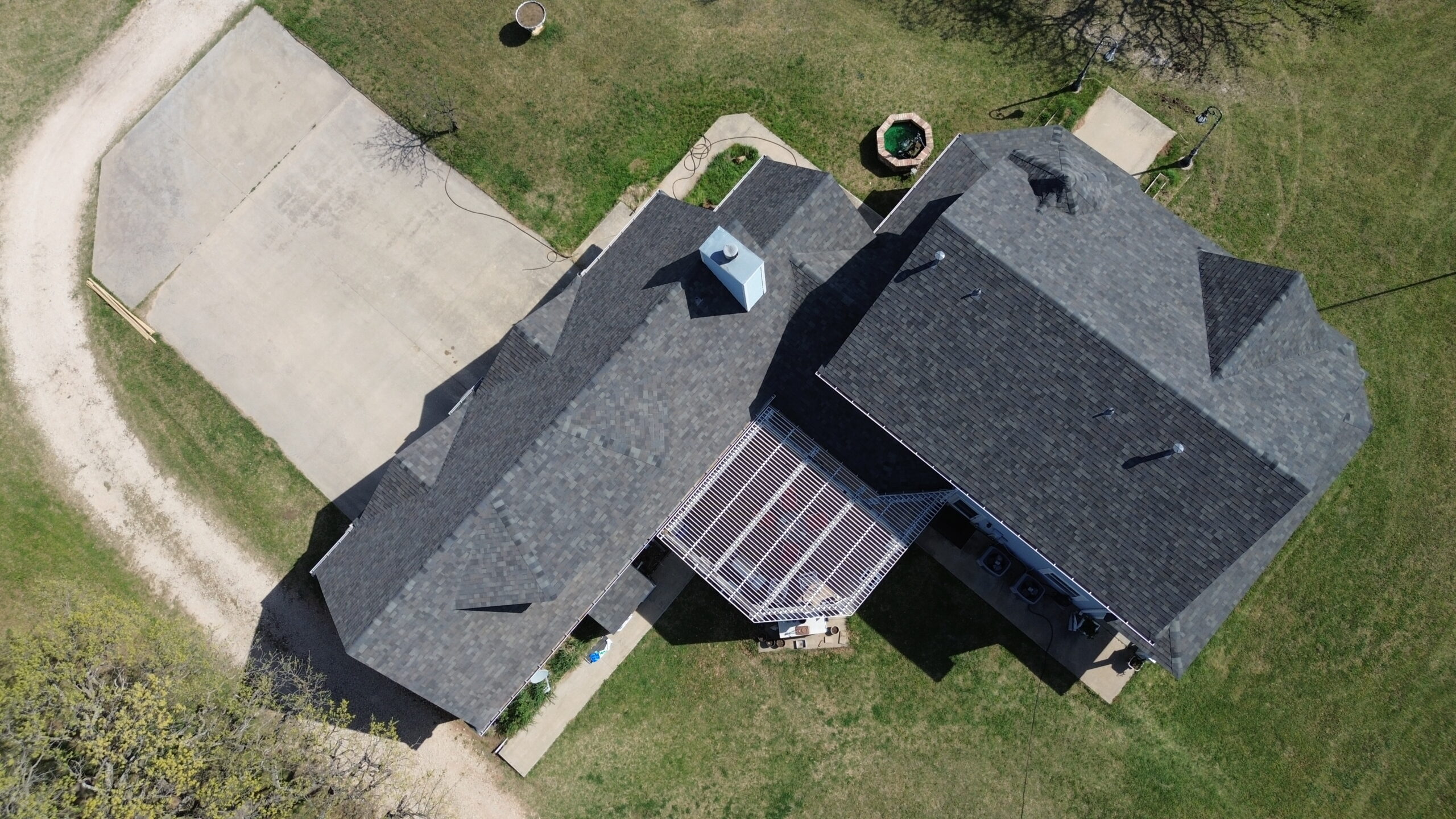
Even the most impact-resistant roofing system requires inspection and maintenance after a major storm. Hail can create damage that is difficult to see from the ground, particularly on textured surfaces or roofs with complex designs. Early inspection helps identify problems before damaged areas allow water to enter the building.
Asphalt shingles should be checked for missing granules, bruising, cracking, tears, and exposed areas. Granule loss can sometimes be difficult to distinguish from normal aging, which is why a professional assessment may be useful after a major hail event. The inspector should evaluate whether the observed damage is consistent with storm impact or ordinary deterioration.
Metal roofs should be examined for dents, damaged coatings, loose fasteners, seam problems, and signs of corrosion. Not every dent requires repair, particularly when the roof remains watertight and structurally sound. However, damage near seams, penetrations, edges, and fasteners deserves closer attention because these areas can be more important to overall weather resistance.
Tile and slate roofs require careful inspection because broken pieces can create openings or expose underlying components. Homeowners should not walk across these surfaces themselves because additional breakage can occur. Professional roofers can identify damaged sections and replace individual pieces where appropriate.
The roof’s drainage system should also be inspected after severe weather. Hail, leaves, branches, and other debris can block gutters and drainage points, increasing the risk of standing water. Keeping drainage paths clear helps prevent additional moisture-related problems after the storm.
Interior spaces should be checked for signs of water intrusion. Stains on ceilings or walls, damp insulation, peeling paint, or unusual moisture can indicate a roofing problem. Because water can travel along roofing and structural components before appearing indoors, the visible location of a stain may not identify the exact point of entry.
Prompt maintenance is particularly important after severe weather because a small defect can become a larger problem through repeated rainfall. Repairing damage early can protect the roof deck and interior of the home while potentially reducing the cost and scope of future repairs.
Building a More Resilient Residential Roofing System
Impact resistance is strongest when it forms part of a broader roof-resilience strategy. A roofing material alone cannot protect a home from every severe-weather hazard. Roof attachment, edges, flashing, underlayment, ventilation, drainage, and maintenance all contribute to the system’s ability to continue protecting the building.
Strong roof attachment is particularly important in areas exposed to high winds. IBHS’s FORTIFIED program emphasizes improvements such as stronger roof-to-wall connections, enhanced roof-edge protection, and improved roof coverings as part of a broader approach to reducing storm damage.
The roof edge deserves special attention because wind can place significant stress on this area. Properly installed edge materials and secure attachment can help reduce vulnerability during severe storms. This is particularly important when hail and high winds occur during the same weather event.
Underlayment provides another layer of defense. While it cannot prevent all impact damage to the outer roofing material, it can help maintain water-shedding performance when the roof covering has been compromised. Proper installation around valleys, penetrations, and other vulnerable areas is essential.
Ventilation and moisture management also support long-term resilience. A roof that is already weakened by excessive heat or moisture may be less capable of handling additional stress. Proper attic ventilation and insulation help maintain healthier conditions beneath the roof covering.
Trees and surrounding property features should also be considered. Large branches located directly above a roof can create a significant physical hazard during storms. Regular tree maintenance can reduce the risk of falling debris while also limiting leaves and organic material that can accumulate around the roof and gutters.
A resilient roofing strategy should therefore combine several measures rather than relying on a single impact rating. Material selection, installation quality, structural connections, drainage, maintenance, and surrounding property management all work together to improve the roof’s overall ability to withstand severe weather.
Final Guide for Selecting Impact-Resistant Roofing
Homeowners choosing a roofing system for a hail-prone property should begin by understanding the risks specific to the location. Historical hail activity, storm intensity, wind exposure, surrounding trees, and local building requirements can all influence which roofing characteristics are most valuable. There is no single roofing material that provides identical performance under every condition.
Product testing should be one of the first technical considerations. Homeowners can compare recognized standards such as UL 2218 and FM 4473 while also reviewing independent research where available. A product’s exact test result should be verified rather than relying on broad claims about impact resistance.
Material selection should then be matched to the home’s structure and budget. Asphalt shingles can provide accessible impact-resistant options, metal can offer long-term durability with different types of dent resistance, and tile or slate can provide exceptional longevity when the structure can support them. Synthetic materials may provide another option for homeowners seeking lighter-weight products with enhanced performance.
Installation quality should never be overlooked. Correct fastening, underlayment, flashing, roof-edge treatment, drainage, and ventilation can make a substantial difference in how the complete system performs. Even a highly tested product can underperform when installation does not follow manufacturer requirements.
Homeowners should also plan for the roof’s entire service life. Regular inspections, prompt repairs, gutter maintenance, tree management, and post-storm assessments can help preserve the roof and reduce preventable damage. Impact resistance is most valuable when the roof remains in good condition before a severe weather event occurs.
The following principles provide a practical framework for making the decision:
- Evaluate local hazards before choosing the material.
- Compare verified impact testing rather than marketing claims alone.
- Consider the age and condition of an existing roof.
- Choose qualified installation professionals.
- Maintain drainage, flashing, ventilation, and roof attachments.
- Inspect the roof after significant hail or severe weather.
Conclusion
Impact resistance is an important consideration for residential roofing, particularly in regions where hail and severe storms occur regularly. However, impact resistance should not be understood as a guarantee that a roof will remain completely undamaged. Every material has performance limits, and real-world storms can involve combinations of hail size, velocity, hardness, wind, repeated impacts, and debris that are difficult to reproduce in laboratory testing.
Asphalt shingles, metal, tile, slate, and synthetic roofing materials all have different impact characteristics. Some may resist functional damage particularly well, while others may show visible damage without losing their ability to protect the building. Understanding these differences helps homeowners make decisions based on realistic expectations rather than simply choosing the material with the highest marketing claims.
Standardized testing provides useful information when comparing roofing products. UL 2218 and FM 4473 classifications can help identify products that meet defined impact-resistance requirements, while research from organizations such as IBHS provides additional insight into how certain roofing products respond to simulated hail. These tests are valuable comparison tools, but they should always be considered within their specific testing conditions.
The roof’s installation and supporting components are equally important. Strong attachment, properly installed flashing, suitable underlayment, effective drainage, appropriate ventilation, and well-maintained roof edges can help the entire system perform more effectively during severe weather. A durable material cannot compensate for major weaknesses elsewhere in the roofing assembly.
Long-term maintenance also plays a central role. A roof that is inspected regularly and repaired promptly is better positioned to handle future storms than one with existing damage and neglected components. Homeowners should also inspect roofs after major hail events and seek professional evaluation when damage is difficult to identify from the ground.
Ultimately, the best impact-resistant roofing system is one that matches the property’s climate, structure, budget, and exposure to severe weather. By combining appropriate materials with reliable testing, professional installation, preventive maintenance, and a broader resilience strategy, homeowners can improve their roof’s ability to withstand impacts and continue protecting the home for years to come.