
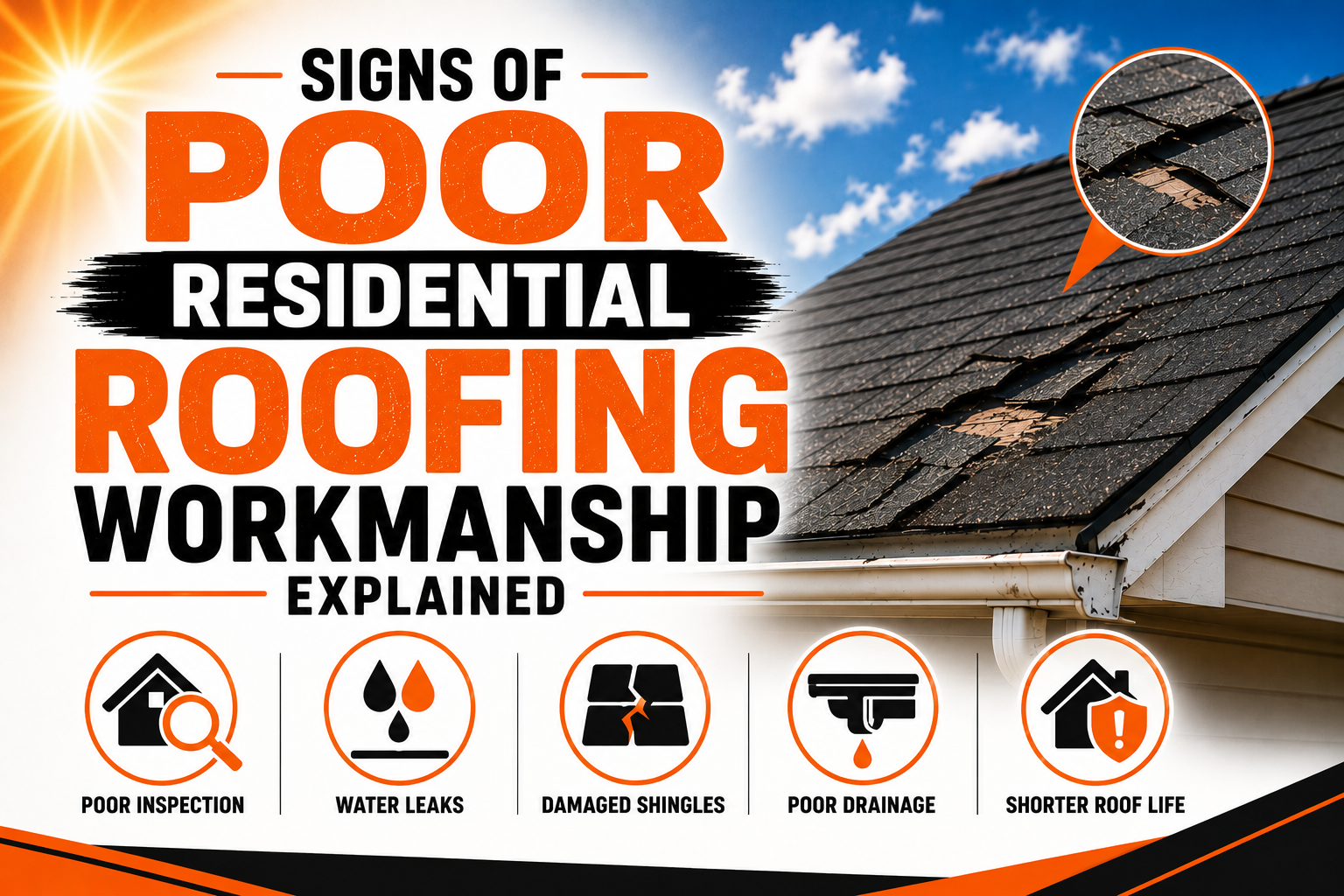
Signs of Poor Residential Roofing Workmanship Explained
Introduction
A residential roof is one of the most important protective systems in a home, and the quality of its installation can significantly affect its performance. Even high-quality roofing materials can fail earlier than expected when they are installed incorrectly, poorly aligned, inadequately sealed, or not properly integrated with the rest of the building. Poor workmanship may not always be obvious immediately, which makes early inspection especially important.
Some roofing defects become visible soon after installation, while others develop gradually as the roof is exposed to sunlight, wind, rain, and changing temperatures. Problems such as uneven roofing materials, exposed fasteners, damaged flashing, poor ventilation, and improper drainage can eventually contribute to leaks or premature deterioration. Homeowners who understand these warning signs can identify potential problems before they become more expensive.
Good workmanship involves much more than placing shingles, tiles, or metal panels over a roof deck. A professional installation requires accurate measurements, suitable materials, proper fastening, effective flashing, correct underlayment placement, and careful attention to roof edges and transitions. Every component needs to work together to create a weather-resistant and durable roofing system.
Workmanship should also be evaluated according to the specific roofing material and roof design. Installation requirements for asphalt shingles can differ considerably from those for metal roofing, clay tiles, concrete tiles, or other systems. Following manufacturer requirements and applicable building standards is therefore an important part of quality roofing work.
Uneven or Improperly Installed Roofing Materials
One of the easiest signs of poor residential roofing workmanship to notice is an uneven appearance across the roof surface. Shingles, tiles, or panels should generally follow consistent lines that match the roof’s geometry. Wavy rows, inconsistent spacing, crooked materials, or visibly uneven sections can indicate installation problems.
On a shingle roof, courses should normally appear reasonably straight and consistent. When shingles are installed at different heights or with irregular spacing, the roof can look poorly finished. More importantly, improper positioning can affect how overlapping materials shed water.
Tiles also need careful alignment because their position affects both appearance and water management. Tiles that sit unevenly, move excessively, or have inconsistent spacing may indicate problems with battens, fasteners, roof preparation, or installation technique.
Metal roofing requires particular attention to panel alignment and fastening. Panels should follow the intended roof lines, while seams and connections should be installed according to the manufacturer’s requirements. Visible buckling, poorly aligned panels, or irregular seams may indicate installation issues that deserve further inspection.
Another warning sign is roofing material that appears loose shortly after installation. Roofing components should be secured using appropriate fastening methods for the specific material and roof design. Loose components can become more vulnerable to wind and may allow moisture to reach areas beneath the surface.
Homeowners should also look for damaged materials that were installed rather than replaced. Cracked tiles, torn shingles, bent metal panels, or visibly broken components can compromise the finished roof. Minor damage may sometimes occur during installation, but it should normally be identified and corrected before the project is considered complete.
A professional-looking roof should have consistent lines, appropriate spacing, secure materials, and a clean overall appearance. Visual appearance alone cannot prove that a roof was installed correctly, but obvious irregularities can be useful warning signs that justify a closer inspection.
Visible Problems With Roof Alignment and Installation
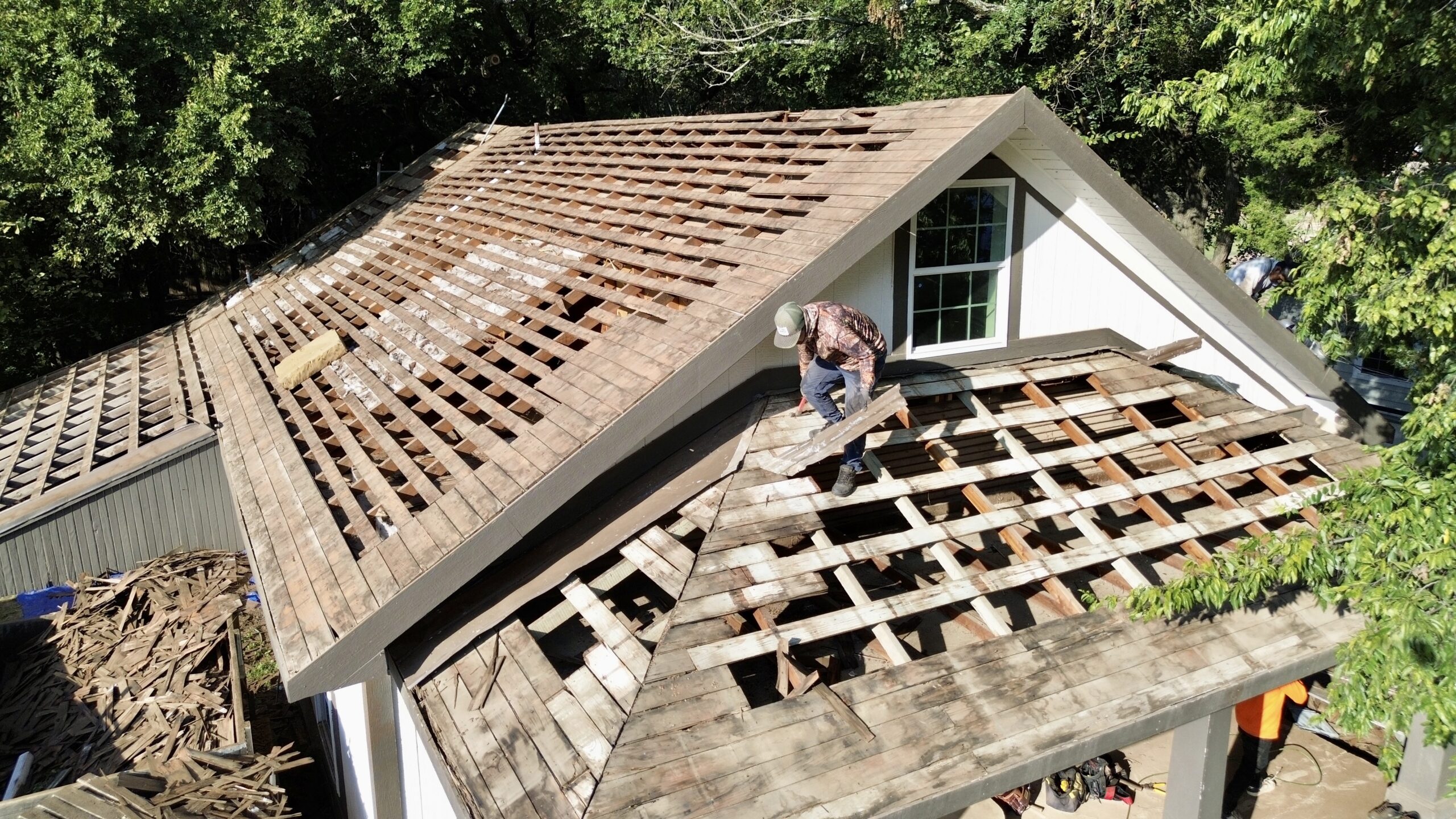
Roof alignment is important because roofing materials are installed according to the underlying structure and established layout lines. When installation begins without accurate measurements or proper planning, visible alignment problems can appear across the roof.
Crooked rows are a common example. Shingles or tiles that gradually drift upward or downward across a roof slope may indicate that the installer did not maintain appropriate reference lines. This can affect the appearance of the roof and may also create inconsistent overlaps.
Roof edges should also appear clean and properly finished. Materials that extend too far, stop short, or create irregular edges can indicate poor measurement or installation. Proper edge details are important because roof edges are exposed to weather and can be vulnerable to wind and water.
At roof peaks, ridge materials should be installed consistently. Uneven ridge caps, exposed gaps, or poorly aligned ridge components can indicate that the final stage of installation was not completed carefully. These areas can also be important for ventilation and weather protection.
Valleys require particular attention because they collect and direct significant amounts of rainwater. Roofing materials around valleys should be installed according to the selected valley design, with appropriate flashing and overlapping details. Visible gaps, exposed underlayment, or inconsistent cuts may indicate workmanship concerns.
Roof penetrations should also be carefully finished. Plumbing vents, chimneys, skylights, and other penetrations create openings through the roofing system and require proper flashing and sealing. Rough cuts or gaps around these areas can increase the risk of water intrusion.
The roof should also maintain a consistent plane. Visible dips, raised areas, or unusual waves may sometimes indicate installation problems, but they can also be related to the roof deck or underlying structure. These conditions should be professionally evaluated rather than automatically attributed to the roofing material.
Good alignment requires preparation before installation begins. Measurements, material layout, roof geometry, and installation sequences all contribute to the final result. When these steps are handled carefully, the finished roof should look orderly and function as a coordinated system.
Poor Flashing and Sealant Work
Flashing is one of the most important components of a residential roofing system because it helps protect areas where water could otherwise enter. It is commonly used around chimneys, skylights, walls, roof valleys, vents, and other transitions. Poor flashing workmanship can create serious problems even when the main roofing surface appears attractive.
One warning sign is flashing that looks visibly bent, loose, incomplete, or improperly positioned. Flashing should be securely integrated with the surrounding roofing components. Gaps or exposed areas can provide pathways for water to move beneath the roof surface.
Flashing around chimneys and walls requires careful installation because these locations experience changes in direction and material. Poorly fitted pieces may allow water to enter behind the flashing. The problem may not become visible inside the home until moisture has traveled through multiple layers.
Sealant is sometimes used as part of a roofing detail, but excessive reliance on sealant can be a concern. Sealants can deteriorate with exposure to sunlight and weather, so they should not be used as a substitute for properly designed flashing or mechanical connections.
Another warning sign is cracked or poorly applied sealant shortly after the roofing project. Small gaps, incomplete coverage, or sealant placed where it does not belong can indicate rushed finishing work. The appropriate repair depends on the roofing detail and material involved.
Roof penetrations also require careful flashing. Plumbing vents and other openings need weather-resistant details that accommodate movement and water runoff. Improperly installed flashing around these areas can become a common source of leaks.
Homeowners should pay particular attention after heavy rainfall. Water stains or damp areas around chimneys, skylights, walls, and ceiling penetrations can sometimes point toward flashing problems. However, the visible location of a stain may not be the actual entry point because water can travel beneath roofing materials.
Quality flashing should be integrated into the overall roofing system rather than added as an afterthought. Proper installation helps direct water away from vulnerable transitions and reduces dependence on sealants alone.
Improper Shingle or Tile Installation
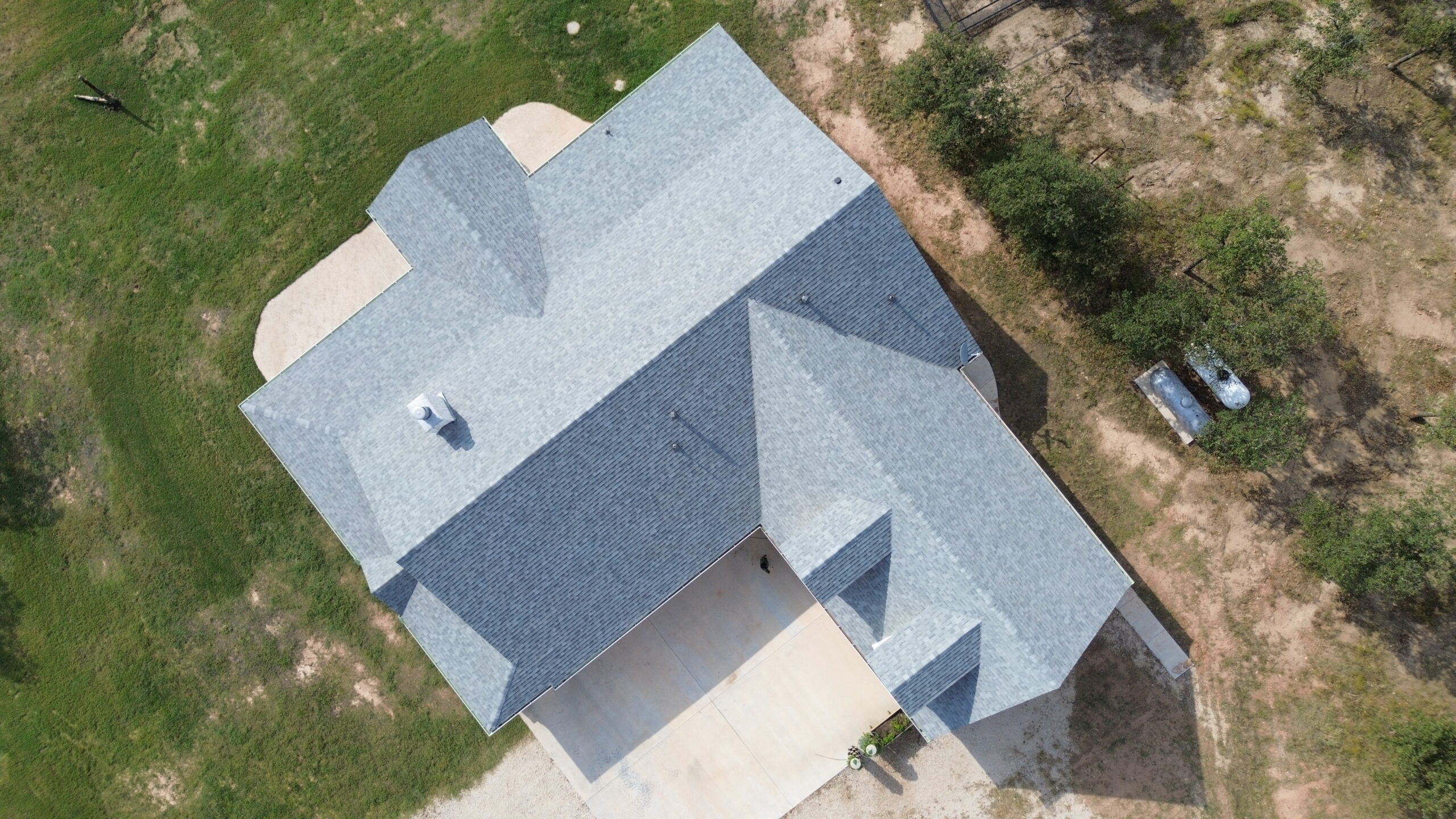
Roofing materials have specific installation requirements, and failing to follow them can reduce the performance and service life of the roof. Asphalt shingles, for example, need correct placement, fastening, overlap, and exposure. Tiles have their own requirements for support, alignment, fastening, and spacing.
One common workmanship problem is incorrect fastener placement. Fasteners that are too high, too low, improperly spaced, or insufficiently secured may reduce the material’s resistance to wind and movement. The exact requirements vary according to the roofing product and manufacturer.
Shingles should also be installed with appropriate overlaps. Incorrect exposure can affect the roof’s ability to shed water and may create an inconsistent appearance. Rows that are visibly uneven or improperly staggered can be a sign that installation instructions were not followed carefully.
Tile roofing requires secure placement because individual tiles can shift if they are not properly supported or fastened. Cracked tiles installed during construction should also be replaced rather than left as part of the finished roof.
Another concern is excessive use of nails, screws, or other fasteners in locations that are not intended for them. Fasteners create penetrations through roofing materials, so their placement should be carefully controlled. Unnecessary penetrations can increase the number of areas that require weather protection.
Roofing materials should also be handled carefully during installation. Walking incorrectly on certain tiles or placing tools and materials carelessly can cause cracking or surface damage. Proper installers should protect the materials throughout the project.
Manufacturer installation instructions are particularly important because roofing products can differ in design and requirements. Following generic methods without checking the specifications for the actual product can lead to installation errors.
A finished roof should show consistent material placement, secure components, appropriate overlaps, and clean transitions. When these details are missing, homeowners should request clarification and consider having the installation reviewed before accepting the completed work.
Inadequate Roof Ventilation
Roof ventilation is another area where poor workmanship can affect long-term roofing performance. A properly designed vented attic generally needs appropriate intake and exhaust pathways so that air can move through designated areas. If these pathways are blocked, missing, or incorrectly installed, the roof system may not perform as intended.
Soffit vents are commonly used to provide intake airflow near the lower edge of the roof. If insulation is installed over these openings, outside air may not be able to enter the attic. During installation or insulation work, these ventilation pathways should be kept clear where the roof is designed for them.
Exhaust ventilation may be provided through ridge vents, gable vents, roof vents, or other systems. These components need to be properly positioned and integrated with the rest of the roof. Simply adding multiple exhaust vents does not guarantee effective ventilation if there is insufficient intake airflow.
A visible lack of ventilation components can sometimes be a warning sign, especially when the roof design requires them. However, not every roof uses the same ventilation strategy, so the absence of a particular vent type does not automatically mean the roof is defective.
Poor ventilation may eventually contribute to excessive attic heat or moisture problems. Homeowners might notice unusually hot attic conditions, condensation, damp insulation, or moisture staining. These symptoms can have multiple causes, so a complete inspection is necessary before determining whether ventilation is responsible.
Another concern is improperly installed ridge ventilation. Gaps or inconsistent installation along the ridge can affect both airflow and weather protection. Ridge vents need to be integrated carefully with the roofing material to maintain a suitable balance between ventilation and water resistance.
Ventilation should always be considered together with insulation and air sealing. A roof that has been insulated without maintaining intended ventilation channels may develop airflow restrictions. Likewise, uncontrolled air leakage from the living space can introduce moisture into the attic.
Good workmanship means understanding how ventilation interacts with the entire roof assembly. A professional installer should not simply install visible vents but should ensure that the intended airflow pathway remains functional.
Poor Roof Edge and Drainage Work
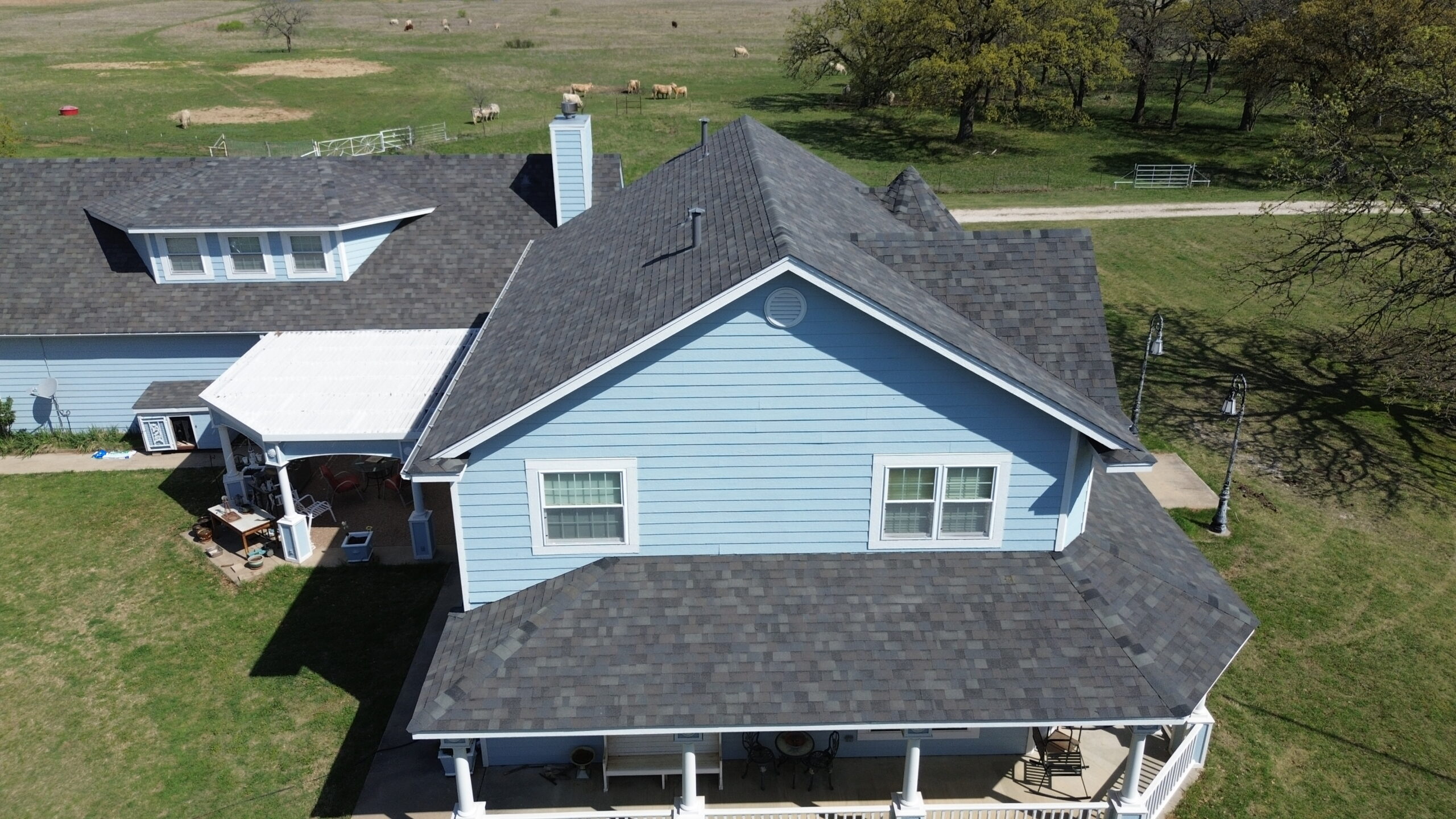
Roof edges and drainage components are exposed to significant amounts of weather and require careful installation. Poor workmanship around these areas can allow water to collect, overflow, or reach vulnerable sections of the roof structure.
Gutters should generally be installed with appropriate positioning and slope so that water moves toward downspouts. Gutters that appear noticeably uneven, detached, or poorly supported may not manage rainfall effectively.
Drip edges are another important roof component. They help guide water away from vulnerable roof edges and into the drainage system. Missing, poorly aligned, or improperly installed edge details can reduce the effectiveness of the roof’s water-shedding design.
Downspouts should also be properly connected to gutters and positioned to move water away from the building. Loose connections, gaps, or poorly directed discharge can result in water accumulating near walls or foundations.
Roof valleys require especially careful drainage planning. These areas concentrate runoff and must be constructed to handle significant water flow. Poorly cut roofing materials, exposed gaps, or inadequate flashing around valleys can increase the risk of leaks.
Improperly finished roof edges may also allow wind to affect roofing materials. Edge components help secure and protect vulnerable areas of the roof, so poor installation can have consequences beyond appearance.
After rainfall, homeowners can sometimes identify drainage problems by observing overflowing gutters, water collecting behind roof edges, or unusual runoff patterns. However, observations should be made safely from the ground rather than by walking on the roof.
Good workmanship extends beyond the main roof surface. Edges, gutters, valleys, flashing, and downspouts all contribute to the roof’s ability to manage water. When these components are installed carefully, they help protect the roof structure and surrounding parts of the home.
A quality roofing installation should therefore show attention to detail in every area, not just the sections that are easiest to see. Recognizing these early workmanship problems can help homeowners address defects before they develop into major roofing failures.
Signs of Poor Roof Deck Preparation
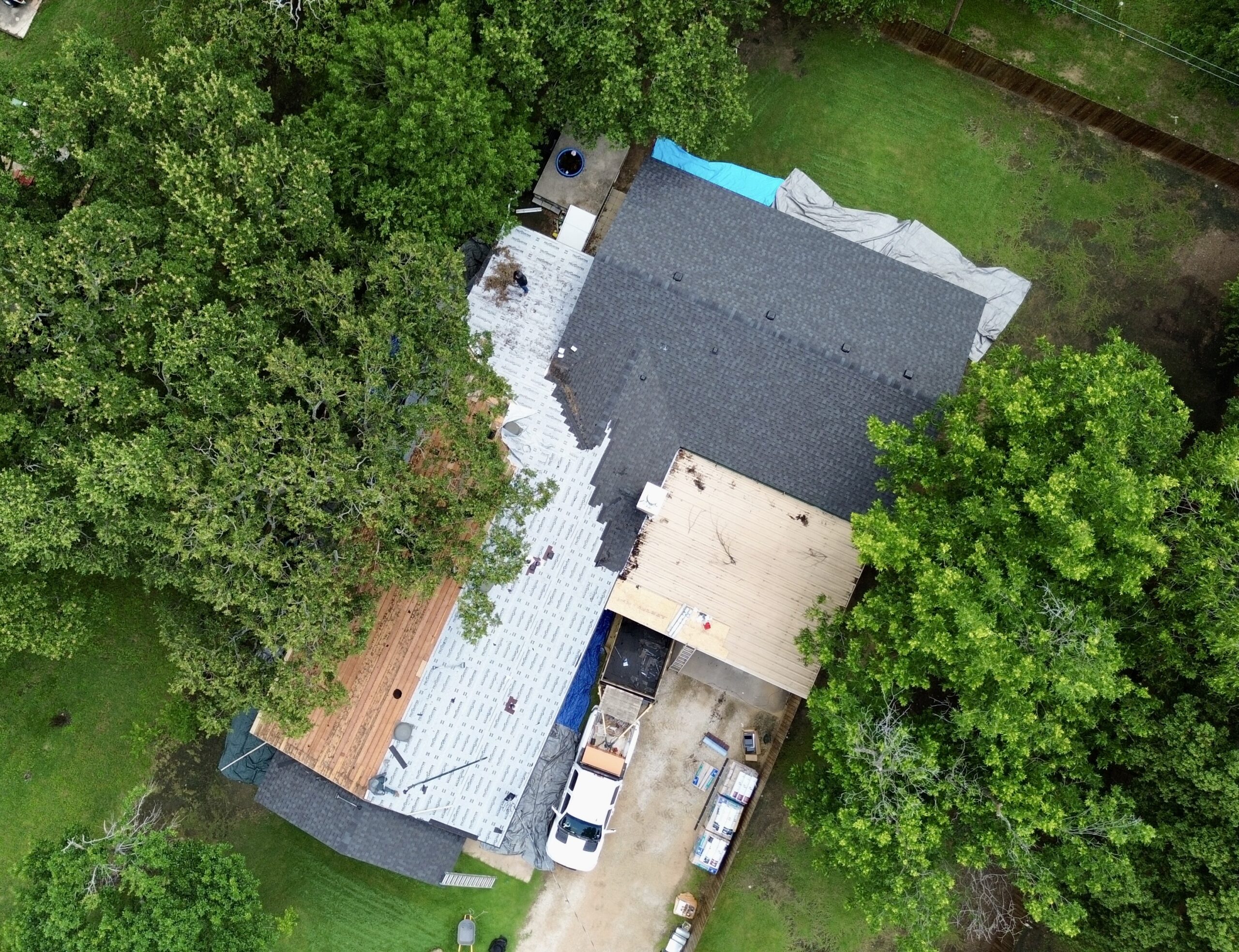
The roof deck provides the foundation for the roofing system, so its condition should be carefully evaluated before new roofing materials are installed. Poor workmanship can occur when damaged, rotten, warped, or weakened decking is covered instead of being repaired or replaced. Although the finished roof may initially look attractive, problems underneath can eventually affect its strength and performance.
A properly prepared roof deck should provide a stable and reasonably even surface for the roofing materials. If sections of the deck are sagging, deteriorated, or uneven, the roofing materials may not sit correctly. Visible dips or waves across a newly completed roof can sometimes indicate problems with the underlying deck rather than the roofing material itself.
Another warning sign is roofing installed over obvious water-damaged wood. Long-term moisture exposure can weaken decking and create conditions where decay develops. Covering damaged areas without addressing the underlying cause can allow deterioration to continue beneath the new roof.
Roof deck preparation should also include removing debris, old materials, and unsuitable components when required by the roofing system. Leaving loose debris beneath roofing materials can create uneven areas or interfere with proper installation. A clean and properly prepared surface helps the roofing system sit securely.
Moisture damage should be investigated before replacement materials are installed. Dark staining, soft wood, visible rot, or damaged areas around roof penetrations can indicate previous leaks. The source of the moisture should be corrected rather than simply covered with new roofing.
Another concern is inadequate attention to roof structure. If a roof deck has noticeable movement or structural weakness, installing new roofing materials without investigating the cause may create future problems. Structural concerns should be evaluated by an appropriately qualified professional.
The condition of the roof deck can also affect fastening. Fasteners need suitable material to hold securely, and deteriorated decking may not provide adequate support. This can become particularly important in areas exposed to strong winds.
Homeowners should therefore ask whether the deck was inspected before installation began. A responsible roofing contractor should identify obvious defects and explain whether repairs are needed before the new roofing system is installed.
Incorrect Fastener Placement and Installation
Fasteners are small components, but their correct placement is essential to the performance of many roofing systems. Nails, screws, clips, and other fasteners hold roofing materials in position and help the roof resist wind and movement. Poor fastener installation can reduce the effectiveness of an otherwise high-quality roofing material.
One common problem is placing fasteners in incorrect locations. Roofing manufacturers normally specify where fasteners should be positioned and how many should be used. When fasteners are placed too high, too low, too close to an edge, or outside the recommended fastening zone, the material may not be adequately secured.
Overdriven fasteners can also cause problems. When a nail or screw is driven too deeply, it can damage the roofing material or reduce its ability to hold properly. Underdriven fasteners may remain exposed or fail to secure the material firmly against the roof deck.
Another warning sign is exposed or protruding fasteners where they should not be visible. Exposed fasteners can create potential water entry points depending on their location and the roofing system. They may also indicate that the installation was not completed according to the product’s requirements.
Using the wrong type of fastener can be equally problematic. Roofing materials may require specific fastener materials, lengths, head sizes, or corrosion resistance. A fastener that is unsuitable for the roof system or local environmental conditions can contribute to premature deterioration.
Fastener spacing is also important for many roofing systems. Too few fasteners may reduce wind resistance, while unnecessary or incorrectly placed fasteners can create additional penetrations. Installers should follow the requirements applicable to the specific roofing product.
In metal roofing, screw placement and washer compression require particular attention. Screws that are over-tightened may damage washers or distort the panel, while loose screws can allow movement or water entry. Incorrectly installed fasteners can become more noticeable as the roof experiences temperature changes.
Homeowners may not be able to determine whether every fastener is correctly positioned simply by looking from the ground. However, visible patterns such as exposed screws, damaged material around fasteners, or inconsistent attachment can justify a professional inspection.
Good workmanship requires careful fastening from the beginning of the installation. Correct fastener selection, positioning, spacing, and installation pressure all contribute to a roof that remains secure and weather resistant.
Problems With Underlayment Installation
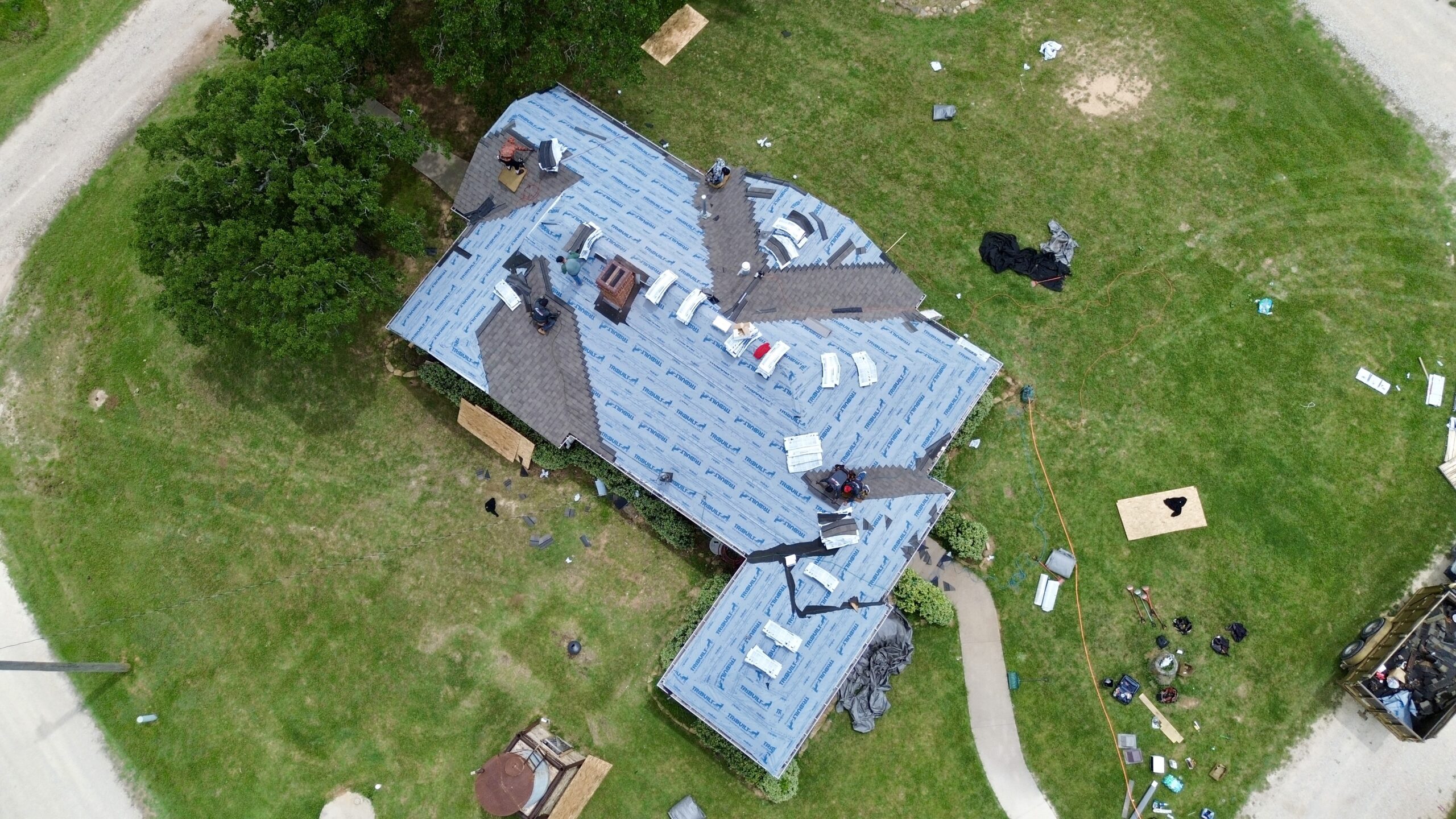
Underlayment is installed beneath many roofing systems and provides an additional layer of protection against moisture. Although much of it becomes hidden after the roof is completed, poor underlayment installation can affect the performance of the entire roofing assembly.
One concern is incomplete coverage. Areas that should have underlayment but are left exposed may have reduced protection against moisture. The exact requirements vary according to roof design, material, climate, and applicable installation standards.
Incorrect overlaps can also create problems. Underlayment sections need to be installed in a way that encourages water to move downward rather than beneath overlapping layers. Reversed or insufficient overlaps can compromise the intended water-shedding function.
Wrinkled or excessively loose underlayment can create another issue. Uneven installation may make it more difficult to install the final roofing materials correctly. In some situations, significant wrinkles can affect the appearance and performance of the finished roof.
Fastening underlayment incorrectly can also reduce its effectiveness. Depending on the product, manufacturers may specify particular fastening methods, spacing, or attachment techniques. Installers should follow the requirements for the material being used.
Roof penetrations require special attention. Underlayment should be properly integrated around vents, chimneys, skylights, and other openings according to the roofing system’s design. Poorly handled transitions can create pathways for water to reach the roof deck.
Edges and valleys are also important. These areas receive concentrated water flow and often require specific underlayment or membrane details. If these components are missing or improperly installed, the roof may become more vulnerable during heavy rainfall.
Another warning sign can be underlayment exposed unnecessarily after the roofing project is supposedly complete. Some temporary exposure can occur during construction, but finished roofing should generally protect the underlayment according to the system’s requirements.
Because underlayment is mostly hidden, documentation can be useful. Homeowners may ask contractors about the product used and the installation method. Photographs taken during construction can also provide useful records of areas that will later become inaccessible.
Proper underlayment installation creates an important secondary layer of moisture protection. It should not be treated as an insignificant step simply because it is hidden beneath the visible roofing material.

Poor Valleys, Penetrations, and Roof Transitions
Roof valleys, penetrations, and transitions are among the most technically sensitive parts of a residential roof. These locations involve changes in direction, material, or elevation, making them more vulnerable to water intrusion when workmanship is poor.
Valleys collect water from two roof slopes and direct it toward lower areas. Because of this concentrated water flow, valley construction needs careful planning and precise installation. Visible gaps, exposed materials, inconsistent cuts, or damaged flashing can indicate potential problems.
Different valley designs use different installation methods. Some may use exposed metal flashing, while others rely on specific shingle or membrane configurations. The correct method depends on the roofing system and manufacturer requirements.
Roof penetrations create another common area of concern. Plumbing vents, exhaust vents, skylights, chimneys, and other structures pass through the roof surface. Each penetration requires appropriate flashing and weatherproofing details.
Poorly cut roofing materials around penetrations can leave excessive gaps. These openings may be difficult to notice from ground level but can become pathways for water during heavy rain. The surrounding flashing should provide a properly integrated transition.
Roof-to-wall transitions also require careful attention. Water can accumulate or move along these areas, so flashing needs to direct runoff away from vulnerable points. Improperly installed step flashing, counterflashing, or related components can contribute to hidden leaks.
Transitions between different roofing materials can be equally challenging. For example, where a metal section meets shingles or where a roof meets an addition, the installer must create a weather-resistant connection between the two systems.
Another warning sign is excessive dependence on exposed sealant. Sealant can have an appropriate role in certain roofing details, but it should not replace properly designed flashing or mechanical integration. Large amounts of visible sealant can sometimes indicate that an installer is attempting to compensate for an incorrectly constructed detail.
Water stains around ceiling areas near roof penetrations can provide another warning sign. However, the location of an interior stain does not necessarily identify the exact source of the leak because water can travel through roofing layers before entering the home.
Careful workmanship in valleys and transitions is therefore essential. These areas deserve particular attention during inspection because even a small installation defect can become a significant source of moisture intrusion.
Inadequate Insulation and Airflow Coordination
Roofing workmanship does not stop with the visible exterior materials. Insulation, air sealing, and ventilation can strongly influence how the roof assembly performs, particularly in homes with attic spaces.
One common problem is insulation installed without considering existing ventilation pathways. In a vented attic, insulation should not block designated intake routes near soffits. When airflow is restricted, the ventilation system may not operate as intended.
Air sealing is another important consideration. Gaps around pipes, electrical fixtures, ducts, attic hatches, and other penetrations can allow conditioned air to move into the attic. This can contribute to energy loss and may also introduce moisture into areas where condensation can become a concern.
Poor coordination between insulation and ventilation can create confusing symptoms. An attic may have many vents but still perform poorly if intake airflow is blocked. Similarly, adding insulation without addressing significant air leakage may not provide the expected improvement in energy efficiency.
Roofing contractors and insulation professionals may need to coordinate their work. The correct installation depends on the type of attic and roof assembly, so homeowners should avoid assuming that one standard approach is appropriate for every property.
Moisture is particularly important. Warm indoor air can contain moisture that moves upward through unintended openings. If this air reaches colder surfaces within the roof assembly, condensation may develop under certain conditions.
Homeowners may notice damp insulation, musty odors, staining, or excessive attic humidity. These signs can have several possible causes, including roof leaks, plumbing problems, or inadequate ventilation, so professional evaluation is important.
A well-designed roof assembly should maintain appropriate separation between conditioned and unconditioned spaces. Insulation should be installed consistently, air barriers should be properly maintained, and ventilation pathways should remain functional where required by the design.
Energy efficiency and roofing durability are closely connected in this area. Poor coordination can increase heating and cooling demands while also contributing to moisture-related deterioration.
Early Roof Damage After Installation
A newly installed roof should not normally show significant deterioration shortly after completion. Early cracking, lifting, slipping, excessive granule loss, damaged coatings, or other unusual defects can indicate installation problems, although the exact cause must be determined through inspection.
Shingles that lift or curl soon after installation can be concerning. Strong winds and extreme weather can affect roofing materials, but widespread early movement may indicate fastening or installation issues. The manufacturer’s installation requirements should be reviewed when evaluating the problem.
Tiles that become loose or shift shortly after installation can also deserve attention. Properly installed tile systems should have appropriate support and attachment based on the roof design and local conditions. A pattern of movement may indicate a larger workmanship problem.
Metal roofing can show early signs of poor installation through distorted panels, irregular seams, loose screws, or damaged finishes. Some movement is expected because metal expands and contracts with temperature, but the system should be designed to accommodate that movement.
Premature staining or moisture damage can be another warning sign. If water begins entering the home soon after a roof replacement, the issue should be investigated rather than assumed to be normal settling.
Excessive debris left after installation can also reflect poor project completion. Roofing nails, packaging, damaged materials, and loose components should generally be removed from the work area. Debris left on the roof or around the property can create safety and maintenance concerns.
A contractor should also provide appropriate project documentation where applicable. Information about the roofing materials, warranties, maintenance recommendations, and completed work can be useful if problems appear later.
Homeowners should document early defects with photographs and written observations. If a problem develops, having records of when it appeared and what conditions were present can help when discussing the issue with the contractor or manufacturer.
Early damage does not automatically prove poor workmanship because weather events, material defects, and other factors can also contribute. However, repeated or widespread problems shortly after installation deserve careful investigation.
A professionally installed roof should be built to provide reliable performance from the beginning. Identifying unusual deterioration early gives homeowners a better opportunity to correct workmanship problems before they result in extensive damage or costly repairs.
Interior Warning Signs of Poor Roofing Work
Some of the most important signs of poor residential roofing workmanship may appear inside the home rather than on the roof itself. Water stains on ceilings and walls, damp insulation, peeling paint, and musty odors can indicate that moisture is entering through the roofing system. These problems should not be ignored simply because the exterior roof looks acceptable from the ground.
Ceiling stains are particularly common after rainfall. A brown or yellow discoloration may indicate that water has entered through a roof penetration, flashing detail, valley, damaged roofing material, or another vulnerable location. However, the position of the stain does not always identify the exact point where water entered because moisture can travel along roof components before reaching the interior.
Damp attic insulation can provide another warning sign. When insulation becomes wet, its thermal performance can be reduced, and prolonged moisture exposure may contribute to deterioration of surrounding materials. If dampness appears after a recent roof installation, the roof and related flashing should be inspected carefully.
Peeling paint or bubbling surfaces around ceilings and upper walls may also indicate moisture problems. These signs can sometimes be caused by plumbing or condensation rather than roofing defects, so the source should be properly identified before repairs are made.
Musty odors in an attic or upper floor can indicate persistent moisture. While an odor alone does not prove a roofing problem, it deserves attention when combined with staining, damp materials, or visible mold-like growth.
Homeowners should also watch for repeated problems after rainfall. If a newly installed roof begins producing interior moisture soon after storms, the issue should be investigated promptly rather than treated as normal behavior.
Water Leaks and Moisture-Related Problems
Water leaks are among the clearest signs that a roofing system is not performing as intended. Leaks can result from poor flashing, improperly installed roofing materials, inadequate underlayment, damaged penetrations, poorly sealed transitions, or drainage problems. Identifying the source early can help prevent more extensive structural and interior damage.
Not every roof leak produces an immediate visible drip. Water can move beneath shingles, tiles, membranes, or other roofing layers before entering the attic. This means a small stain may represent a problem located some distance away from the visible interior damage.
Newly installed roofs deserve particular attention if leaks appear soon after completion. While severe weather can damage a roof, repeated leakage under ordinary rainfall may indicate an installation issue. The roofing contractor should investigate the condition rather than simply applying surface sealant.
Moisture can also affect roof decking and structural components. Prolonged exposure may weaken wood and encourage deterioration. If moisture continues to enter the roof assembly, repair costs can increase significantly over time.
Poor drainage can make moisture problems worse. Gutters that overflow, valleys that do not drain correctly, or downspouts that discharge water against the building can expose roofing and exterior components to unnecessary moisture.
Homeowners should avoid attempting dangerous roof inspections during or immediately after severe weather. From a safe location, they can document visible interior signs and contact a qualified roofing professional for a detailed assessment.
The following warning signs should receive prompt attention:
- New ceiling or wall water stains
- Damp or damaged attic insulation
- Repeated leaks after rainfall
- Musty odors near upper floors or attic spaces
- Visible moisture around roof penetrations
- Water damage around chimneys or skylights
A roofing problem becomes easier to manage when it is identified early. Ignoring repeated moisture intrusion can allow damage to spread beyond the original roofing defect.
Premature Roofing Material Deterioration
Roofing materials are designed to withstand exposure to weather, but premature deterioration can sometimes indicate installation problems. Shingles that lift, crack, curl, or lose excessive surface material shortly after installation should be evaluated carefully. Similar concerns can occur with tiles, membranes, and metal roofing when installation methods are unsuitable.
Improper fastening is one possible cause of early deterioration. Roofing materials need to be secured according to their specific installation requirements so that they can withstand normal wind and temperature changes. Incorrectly positioned or insufficient fasteners can leave materials vulnerable to movement.
Poor material handling can also cause damage. Roofing products can be damaged when they are dropped, dragged, stacked incorrectly, or walked on improperly. Cracked tiles or damaged shingles should generally be identified and replaced before the project is completed.
Metal roofing may develop visible distortion when panels are improperly fastened or when movement caused by temperature changes has not been properly accommodated. Loose screws, damaged washers, irregular seams, and unusual panel movement can be warning signs.
Premature deterioration can also result from incompatible materials. Certain metals, coatings, sealants, or fasteners may react with one another or perform poorly under specific environmental conditions. Proper material selection is therefore an important part of workmanship.
Roofing materials should also be installed within the conditions specified by the manufacturer. Temperature, weather, substrate condition, and handling requirements can affect installation quality for certain products.
Homeowners should compare the timing and pattern of deterioration. An isolated defect may result from a localized material issue, while widespread deterioration shortly after installation can suggest a broader problem.
A professional inspection can help determine whether early damage is caused by workmanship, product defects, severe weather, or another factor. Identifying the cause is important because the appropriate repair depends on the source of the problem.
Safety and Structural Concerns
Poor roofing workmanship can create safety and structural concerns that go beyond leaks or appearance. A roof must be securely attached to the building and capable of handling expected environmental loads. Problems with structural preparation, fastening, or material installation can reduce the reliability of the entire system.
Visible sagging is one warning sign that deserves professional attention. A sagging roof may be related to damaged decking, structural problems, moisture deterioration, inadequate support, or excessive loading. It should not be assumed to be a simple cosmetic issue.
Loose roofing materials can also become safety hazards during strong winds. Shingles, tiles, panels, flashing, and other components should be properly secured. If materials begin moving shortly after installation, the roof should be inspected.
Poorly installed gutters and edge components can also create hazards. Detached sections can fall during severe weather, while loose materials around the roof perimeter may damage property or injure people below.
Structural capacity becomes particularly important when additional equipment is installed. Solar panels, rooftop equipment, or specialized roofing systems can add weight and may require appropriate structural evaluation.
Walking on certain roofing materials can also cause damage if the materials are not designed for regular foot traffic. Homeowners should avoid inspecting steep or fragile roofs themselves because attempting to identify workmanship problems can create unnecessary personal risk.
Safety concerns should always take priority over visual inspection. A professional roofing contractor can use appropriate equipment and procedures to evaluate difficult areas without exposing the homeowner to unnecessary hazards.
A properly installed roof should provide both weather protection and structural reliability. When workmanship creates concerns about movement, sagging, loose components, or inadequate support, the problem should be evaluated before additional damage occurs.
How to Evaluate Roofing Workmanship
Evaluating roofing workmanship requires more than looking at whether the completed roof appears attractive. A roof can have a clean appearance while still containing hidden problems beneath the visible surface. Homeowners should consider both visual details and available project documentation.
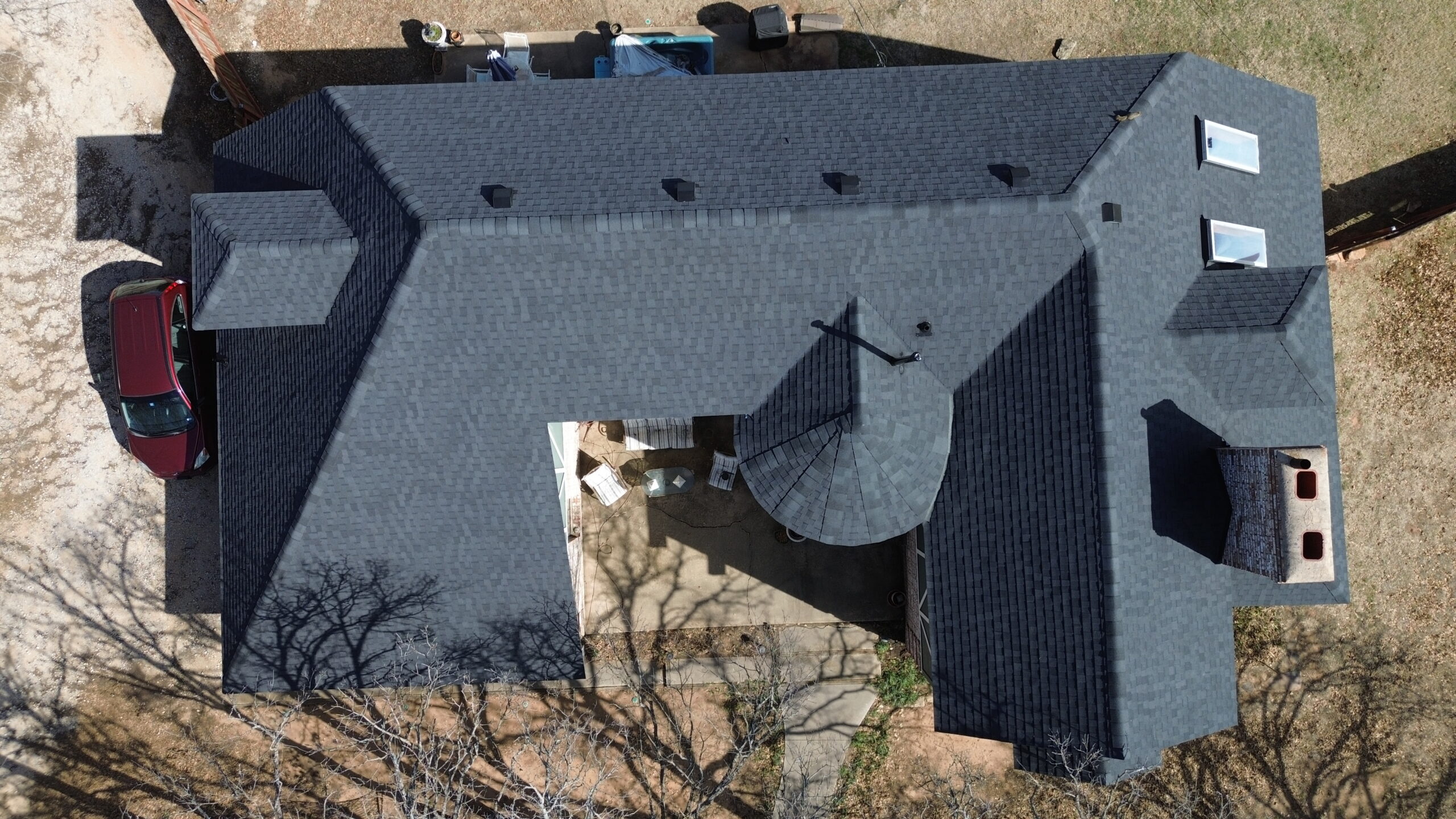
A basic ground-level inspection can identify obvious concerns such as crooked rows, missing materials, loose components, damaged shingles, unusual roof waves, poor gutter alignment, or visible gaps. These observations do not establish the exact cause, but they can identify areas that deserve closer examination.
Homeowners should also review the roofing contract and product information. The documents may identify the roofing material, installation requirements, warranty information, and scope of work. Comparing the completed project with the agreed specifications can help identify missing or incomplete work.
Photographs taken during installation can be particularly useful. They may show underlayment, flashing, roof decking, ventilation components, or other details that become hidden after the project is finished. Keeping these records can make future maintenance and troubleshooting easier.
If workmanship concerns arise, homeowners should document them clearly. Photographs, dates, weather conditions, and descriptions of recurring problems can create a useful record. This information can be shared with the contractor or another qualified professional during an inspection.
A second professional opinion can be valuable when the problem is disputed or difficult to identify. An independent roofing assessment may help distinguish between workmanship issues, material defects, weather damage, and normal aging.
Homeowners should avoid making major repairs based solely on assumptions. Applying sealant, replacing visible materials, or covering damaged areas without identifying the underlying cause may hide the problem temporarily while allowing further deterioration underneath.
Quality workmanship is ultimately demonstrated through proper preparation, accurate installation, secure fastening, effective flashing, appropriate drainage, and careful finishing. A professional evaluation can help confirm whether these elements have been completed correctly.
Conclusion
Poor residential roofing workmanship can create problems that range from unattractive installation details to serious leaks, energy loss, material deterioration, and structural concerns. Recognizing warning signs early gives homeowners a better opportunity to address defects before they become expensive and disruptive repairs.
Visible issues such as crooked roofing rows, uneven materials, loose components, damaged shingles, poorly aligned panels, and incomplete roof edges can provide the first indication that installation quality should be reviewed. Hidden components such as underlayment, flashing, roof decking, insulation, and ventilation are equally important even though they may not be visible after the project is completed.
Water intrusion deserves particular attention because a small leak can eventually damage insulation, decking, ceilings, walls, and other parts of the home. Repeated stains, damp insulation, musty odors, and moisture around roof penetrations should be investigated rather than treated as minor inconveniences.
Premature deterioration can also provide valuable clues. Roofing materials that begin cracking, lifting, shifting, or becoming damaged shortly after installation may require evaluation to determine whether the cause is workmanship, material quality, severe weather, or another issue.
Safety should always remain a priority when evaluating roofing problems. Homeowners should avoid climbing onto steep, wet, fragile, or damaged roofs and should rely on qualified professionals when detailed inspection is required.
Good roofing workmanship depends on careful preparation and attention to every component of the system. Proper roof deck preparation, correct fastener placement, suitable underlayment, effective flashing, appropriate ventilation, and reliable drainage all contribute to a durable and weather-resistant roof.
Before accepting a completed roofing project, homeowners should review the finished work, keep project records, document visible concerns, and ask questions about anything that appears incomplete or unusual. Addressing potential workmanship problems early can help protect the roof, the structure, and the interior of the home while reducing the likelihood of costly repairs in the future.