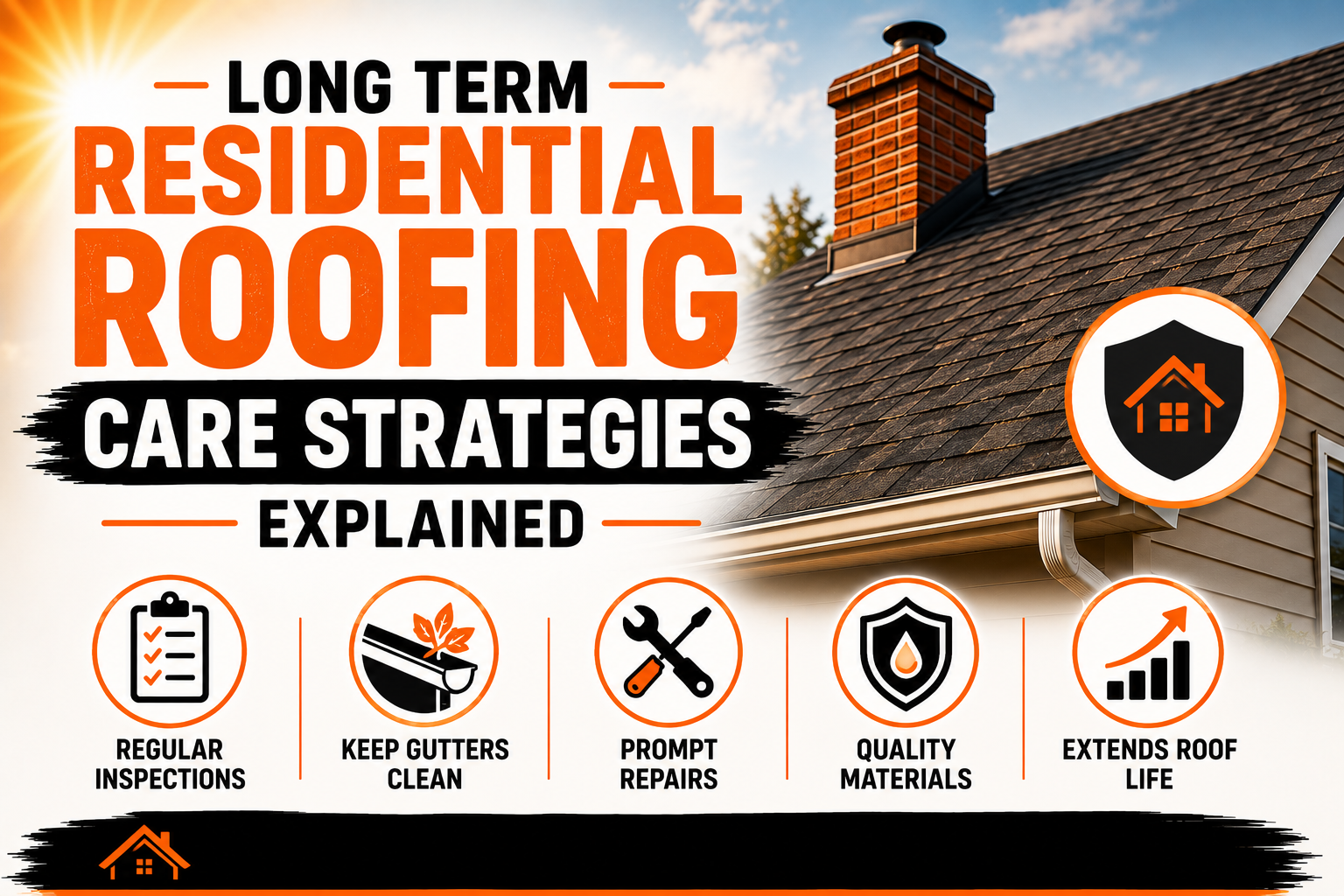
Long Term Residential Roofing Care Strategies Explained
Introduction
A residential roof is one of the most important protective systems in a home. It shields the interior from rain, wind, sunlight, temperature changes, debris, and other outdoor conditions. Although roofing materials are designed to provide dependable protection for years, their performance depends heavily on proper installation, regular maintenance, timely repairs, and appropriate long term care.
Many homeowners focus on roofing only when a problem becomes visible. A leak, missing shingle, damaged tile, or overflowing gutter may suddenly draw attention to the roof. However, effective roofing care begins long before these problems appear. Preventive maintenance helps identify developing issues while they are still manageable.
Long term roof care is also about understanding how different roofing components work together. Shingles, tiles, metal panels, flashing, underlayment, gutters, downspouts, roof edges, and ventilation all contribute to the performance of the system. Damage to one component can eventually affect other parts if it is not addressed.
Weather exposure is one of the biggest factors affecting roofing performance. Repeated rainfall can expose weak areas, sunlight can accelerate material aging, and strong winds can loosen roofing components. Seasonal changes can also create different maintenance requirements throughout the year.
A long term strategy allows homeowners to move from reactive maintenance toward planned care. Instead of waiting for a major problem, they can establish inspection schedules, monitor vulnerable areas, maintain drainage, and plan repairs according to the roof’s age and condition.
Long term care can also help control expenses. Preventive inspections and minor repairs generally provide homeowners with more opportunities to manage costs than unexpected emergency repairs. Early action can sometimes prevent damage from spreading into the roof deck, insulation, walls, or other parts of the building.
Safety should remain an important part of every roofing strategy. Homeowners can perform safe visual observations from the ground and monitor interior warning signs, but many roof-level tasks require appropriate equipment and professional experience. Avoiding unnecessary roof access can protect both the homeowner and the roofing materials.
The goal of long term residential roofing care is not simply to make a roof look attractive. It is to maintain its ability to manage water, withstand weather, protect the building envelope, and perform reliably as it ages. A consistent strategy can help homeowners make better decisions and preserve the value of their roofing investment.
Understanding the Full Residential Roofing System
Effective long term roofing care begins with understanding that a roof is a complete system rather than a single layer of material. The visible roofing surface is only one part of the structure. Several components work together to keep water outside and maintain the building’s protection.
Depending on the design, a residential roofing system may include shingles, tiles, metal panels, underlayment, flashing, ventilation components, roof decking, gutters, and downspouts. Each component has a specific purpose, and a problem in one area can influence the performance of another.
The roof covering provides the primary exterior barrier against weather. Asphalt shingles, clay or concrete tiles, metal panels, and other materials have different maintenance requirements. Homeowners should understand which material is installed because cleaning methods, repair techniques, and expected aging patterns can vary.
Underlayment provides an additional protective layer beneath many roofing materials. It can help reduce the chance of water reaching the roof deck when moisture gets beneath the outer surface. Damage to the visible roof may therefore require assessment of the layers underneath as well.
Flashing is especially important around areas where different surfaces meet. Chimneys, skylights, vents, walls, valleys, and roof edges often require flashing to guide water away from vulnerable joints. Because these areas experience concentrated water flow or material transitions, they should receive regular attention.
The roof deck provides structural support beneath the roofing materials. If moisture reaches the deck repeatedly, deterioration can occur depending on the construction and exposure. A roof that appears acceptable from the outside may therefore require further evaluation when leaks or moisture problems are present.
Ventilation is another important component. Proper attic airflow can help manage heat and moisture conditions beneath the roof. Poor ventilation or blocked airflow can contribute to excessive heat or condensation, creating conditions that may affect roofing and structural materials.
Gutters and downspouts form the drainage portion of the system. They collect roof runoff and direct it away from the building. If they become blocked, damaged, or poorly positioned, water can overflow and affect roof edges, exterior walls, and foundation areas.
Understanding these relationships helps homeowners avoid isolated maintenance decisions. A leaking gutter, for example, may appear to be a simple drainage problem, but repeated overflow could also affect fascia or roof-edge materials. Similarly, a ceiling stain may require investigation of flashing or roof penetrations rather than simply applying an interior patch.
Long term care should therefore consider the entire system. Maintaining each component and understanding how they interact can improve the roof’s ability to perform reliably over many years.
Establishing a Regular Roof Inspection Routine
Regular inspections are one of the most effective strategies for maintaining a residential roof over the long term. An inspection can reveal small changes before they develop into more serious problems. The frequency should depend on factors such as roof age, material, weather exposure, surrounding trees, and previous repair history.
Homeowners can perform basic visual observations from safe locations around the property. From the ground, they may notice missing shingles, damaged tiles, sagging areas, excessive debris, visible flashing problems, or changes in the roof’s appearance. These observations should not replace professional inspections when closer evaluation is required.
Interior inspections are also useful. Homeowners can periodically check attic spaces, ceilings, and upper walls for water stains, damp insulation, unusual odors, or visible moisture. These signs can provide early clues about roof leaks or ventilation problems.
After severe weather, additional inspection is often appropriate. Strong winds can loosen roofing materials, while hail, branches, or heavy rainfall can create damage that was not previously visible. Identifying storm-related problems quickly can help prevent further exposure during subsequent weather events.
Older roofs generally benefit from closer monitoring. As roofing materials age, the likelihood of deterioration can increase. Regular inspection allows homeowners to determine whether the roof remains suitable for continued maintenance or whether larger repairs should be planned.
Roof inspections should pay particular attention to vulnerable areas. These include valleys, roof edges, flashing, penetrations, skylights, chimneys, and areas where different materials meet. Problems in these locations can create water entry even when the main roof surface appears intact.
Homeowners should also observe the condition of gutters and downspouts during inspections. Water overflow, sagging sections, blocked outlets, or disconnected downspouts can indicate drainage problems that may affect the roof and exterior of the home.
A professional inspection becomes especially important when signs of damage are present. Qualified roofing professionals can safely evaluate steep or complex roof sections and identify issues that are difficult to see from ground level.
Inspection findings should be documented. Photographs, notes, dates, and repair recommendations can create a useful history of the roof. This information helps homeowners recognize recurring problems and plan future maintenance.
A consistent inspection routine changes roofing care from a reactive process into preventive management. Instead of waiting for obvious failure, homeowners can monitor the system and respond when early warning signs appear.
Preventive Repairs and Early Problem Detection
Long term roofing care depends heavily on addressing problems before they have time to spread. Small defects can become larger when exposed repeatedly to rain, wind, sunlight, and temperature changes. Prompt repairs can help maintain the protective function of the roof.
Missing or damaged shingles should be evaluated when discovered. A damaged section may expose underlying layers to weather. Strong winds can also affect surrounding materials when one section has already become loose.
Cracked or displaced tiles require similar attention. Water can enter through damaged areas, while movement may create additional vulnerabilities. Replacement should be performed using suitable materials and proper installation techniques.
Flashing should also be monitored carefully. Loose, corroded, or damaged flashing can create pathways for water around chimneys, skylights, vents, and walls. Because these areas can be difficult to diagnose from inside the home, professional assessment may be appropriate when leakage is suspected.
Small leaks should never be ignored simply because the water entry appears limited. Water can travel beneath roofing materials before becoming visible indoors. Continuing exposure may affect insulation, decking, framing, and interior finishes.
Preventive repairs should also include gutters and downspouts. Cleaning debris, securing loose sections, correcting minor drainage problems, and ensuring water is discharged away from the building can reduce unnecessary moisture exposure.
Roof edges deserve attention as well. Damaged fascia, soffits, or edge components can affect how water is managed around the perimeter. Repairing these areas early may prevent moisture from reaching more vulnerable materials.
Homeowners should avoid assuming that every small problem can be repaired with sealant or a temporary patch. Some products may provide short-term protection, but they may not address the actual cause. Professional evaluation is important when a problem returns or appears to be spreading.
The timing of repairs should also consider the overall condition of the roof. A relatively new roof with isolated damage may benefit from targeted repair, while an older roof with widespread deterioration may require a broader assessment.
Early detection provides homeowners with more choices. They can compare repair options, obtain professional advice, plan expenses, and schedule work under suitable conditions. Waiting until a major leak or structural problem develops can reduce these options.
Preventive repairs are therefore an essential part of long term roofing care. The objective is not to eliminate every maintenance expense but to address manageable issues before they become unnecessarily complex.
Gutter, Downspout, and Drainage Management
Effective drainage is essential for protecting a residential roof over the long term. Gutters collect water from roof surfaces, while downspouts direct that water away from the building. When these components work properly, they reduce uncontrolled runoff around roof edges and exterior walls.
Debris is one of the most common drainage problems. Leaves, twigs, dirt, and other materials can accumulate inside gutters and restrict water flow. Homes surrounded by trees may require more frequent cleaning because debris can build up quickly.
Downspouts should also be inspected regularly. A blocked downspout can cause water to back up inside the gutter, leading to overflow during rainfall. Cleaning the gutter without checking the downspout may therefore leave the underlying drainage problem unresolved.
Gutters should maintain an appropriate slope toward their outlets. Sagging sections can create areas where water remains trapped. Standing water adds weight and may contribute to material deterioration or loosened fasteners.
Loose brackets and connections should be addressed when identified. A gutter that pulls away from the roof edge may allow water to escape behind the system. This can expose fascia and other nearby materials to repeated moisture.
Downspouts should discharge water away from the foundation when necessary. Concentrated runoff close to the building can create persistent moisture conditions around foundation areas. Proper extensions or drainage arrangements can help move water to more appropriate locations.
Drainage should be monitored during heavy rainfall when possible. Observing where water flows can reveal problems that are not obvious during dry weather. Overflowing gutters, pooling water, or water running behind gutters may indicate a need for repair or professional evaluation.
Gutter guards can help reduce certain types of debris but should not eliminate maintenance completely. Small particles and organic material can still accumulate, and guards themselves may need inspection.
Good drainage management protects more than the gutter system. It supports the roofing system, roof edges, exterior walls, landscaping, and foundation areas. Maintaining gutters and downspouts is therefore an important long term strategy for reducing preventable water damage.
Seasonal Roofing Care Strategies
Seasonal maintenance helps homeowners adapt their roofing care to changing weather conditions. Different times of year can expose roofs to different stresses, so a maintenance strategy should account for these changes rather than relying on a single annual inspection.
Spring is a useful time to check for damage caused by winter weather. Homeowners can look for displaced materials, damaged gutters, fallen branches, and signs of moisture. Cleaning drainage systems before periods of heavier rainfall can also improve water management.
Summer can bring intense sunlight, high temperatures, and severe storms. Roof ventilation and attic conditions should be monitored, while gutters and downspouts should remain clear. Trees near the property should also be checked for weak branches that could fall during storms.
Fall often creates additional maintenance demands because leaves and other debris can accumulate quickly. Gutters, roof valleys, and drainage outlets should be checked regularly. Nearby trees may also require trimming to reduce debris and branch-related risks.
Winter requirements depend heavily on the local climate. In areas where freezing conditions occur, homeowners should monitor for drainage problems and interior moisture while avoiding unsafe roof access. In warmer climates, winter may provide an opportunity for general inspection and repair planning.
Severe weather should trigger additional attention regardless of the season. After strong winds, hail, heavy rain, or other major events, homeowners should safely check for visible changes and arrange professional inspection when damage is suspected.
Seasonal maintenance also helps with budgeting. Problems identified during routine inspections can often be scheduled for repair rather than becoming emergency projects. This allows homeowners to plan expenses according to the condition and priorities of the roofing system.
A long term strategy should therefore connect routine inspections with seasonal conditions. By understanding when specific risks are more likely to occur, homeowners can prepare the roof and drainage system before those conditions arrive.
Consistent seasonal care does not guarantee that a roof will remain free from damage. Weather can still create unexpected problems, and roofing materials naturally age. However, regular preparation and monitoring can reduce preventable deterioration and help the roofing system provide reliable protection for many years.
Protecting Roofing Materials From Weather and Environmental Damage
Residential roofing materials remain exposed to changing environmental conditions throughout their service life. Sunlight, rainfall, wind, temperature fluctuations, humidity, and airborne debris can gradually affect roofing surfaces and supporting components. Long term care should therefore focus on reducing avoidable exposure while keeping the roof prepared for normal weather conditions.
Sunlight can contribute to gradual material aging, particularly on roof surfaces that receive strong and prolonged exposure. Some materials may fade, become brittle, or lose protective properties as they age. Homeowners should monitor visible changes and have unusual deterioration evaluated rather than assuming that all changes are simply cosmetic.
Rain is another major factor in roof deterioration. A properly installed roof is designed to shed water, but blocked drainage, damaged flashing, or deteriorated roofing materials can allow moisture to remain in vulnerable areas. Keeping water moving efficiently is one of the most important ways to support long term roof performance.
Strong winds can loosen shingles, panels, flashing, and other components. Homeowners should inspect the roof safely after significant storms and look for visible changes from ground level. Any suspected damage should be assessed before another major weather event creates additional problems.
Temperature changes can also cause roofing materials and connected components to expand and contract. Over many years, repeated movement can affect sealants, joints, flashing, and other connections. Regular inspections can help identify areas where this natural movement has resulted in deterioration.
Environmental debris should also be managed. Leaves, branches, and organic material can retain moisture against roofing surfaces or block drainage pathways. Keeping roof valleys and gutters reasonably clear can reduce unnecessary moisture exposure and improve water movement.
Trees require special attention because branches can scrape roofing materials during windy conditions. Weak or dead branches can also fall and cause sudden damage. Appropriate tree trimming can reduce these risks while keeping vegetation at a safer distance from the roof.
Moss and algae may develop in shaded or consistently damp areas. Aggressive removal methods can damage roofing materials, so treatment should be appropriate for the specific roof. Homeowners should also consider why the growth is occurring and whether persistent shade or moisture is contributing to the problem.
Protecting roofing materials does not mean attempting to shield the roof from every environmental condition. Instead, long term care focuses on maintaining drainage, controlling nearby hazards, addressing deterioration early, and using appropriate maintenance methods. These practices can help the roofing system handle normal environmental exposure more effectively.
Managing Roof Debris, Trees, Moss, and Algae
Roof debris can create several maintenance problems when it remains on the surface for extended periods. Leaves, branches, dirt, and organic material may trap moisture, block drainage, and hide areas of deterioration. Regular observation and safe debris management can help prevent these conditions from becoming long term problems.
Tree branches should be kept away from roofing surfaces when practical. During windy conditions, branches can rub against shingles, tiles, or other materials. This repeated contact may cause surface wear or loosen roofing components.
Large or unstable branches can create an even greater concern. A falling branch may damage the roof, gutters, flashing, skylights, or roof edges. Homeowners should arrange professional tree care when branches are high, heavy, diseased, or difficult to remove safely.
Leaves commonly accumulate in valleys and near roof penetrations. Valleys are particularly important because they carry water from intersecting roof sections. Debris in these areas can interfere with drainage and increase the possibility of water overflow.
Organic growth should also be monitored. Moss and algae can appear in areas with shade and moisture. Although some growth may primarily affect appearance, persistent growth can create damp conditions and should be handled using methods suitable for the roofing material.
Homeowners should avoid scraping aggressively or using harsh chemicals without understanding their effect on the roof. Improper cleaning can remove protective surfaces or damage roofing materials. Manufacturer recommendations or professional guidance can help determine an appropriate treatment method.
Gutters should be checked after major tree or roof cleaning work. Debris removed from the roof can enter the drainage system and create blockages. Maintaining the roof and drainage system together provides better protection than addressing them separately.
Tree maintenance should also consider the overall property. Keeping vegetation appropriately managed can reduce leaf accumulation, branch impact, and shade-related moisture. It can also make roof inspections easier by improving visibility around the building.
Roof debris should never be removed in a way that creates unnecessary safety risks. Steep or difficult roofs should be handled by professionals with suitable equipment. Homeowners can often identify excessive debris from the ground and arrange appropriate service when necessary.
Long term debris management is therefore a combination of prevention and safe maintenance. Proper tree care, regular inspections, appropriate cleaning, and effective drainage can help reduce the conditions that encourage roof deterioration.
Maintaining Flashing, Roof Edges, and Penetrations
Flashing and roof-edge components are among the most important areas to monitor during long term residential roofing care. These sections often protect transitions where roofing materials meet walls, chimneys, skylights, vents, or other structures. Because water can concentrate around these areas, deterioration may lead to leaks even when the main roof surface appears acceptable.
Flashing can become loose, corroded, cracked, or separated from surrounding materials as it ages. Temperature changes and repeated weather exposure can also affect sealants and connections. Regular inspections help identify these changes before they develop into more extensive moisture problems.
Roof penetrations require particular attention because they create openings through the roofing surface. Plumbing vents, skylights, exhaust vents, and other installations need appropriate flashing and sealing. Problems around these features may cause leaks that are difficult to trace from inside the home.
Chimney flashing can be especially vulnerable because it connects roofing materials with masonry. Water can enter when flashing becomes damaged or when joints deteriorate. Professional evaluation may be necessary when staining or moisture appears near a chimney.
Skylights should also be monitored for signs of leakage, condensation, or deterioration. Water around a skylight may come from the flashing, the skylight itself, or surrounding roofing materials. Identifying the actual source is essential before attempting repairs.
Roof edges protect transitions between the roof covering and exterior components. Damage to edge materials can allow water to reach fascia or roof decking. Gutters should also remain correctly positioned so that they collect runoff without interfering with the roof edge.
Previously repaired areas should not be ignored. A patch or sealant may provide useful protection for a period of time, but repairs can age as well. If the same location repeatedly develops problems, the underlying cause should be investigated.
Homeowners should avoid making complex flashing repairs without appropriate experience. Incorrectly installed flashing can redirect water into the roof rather than away from it. Professional installation is often the safer choice for complicated repairs.
Maintaining these vulnerable areas supports the entire roofing system. Careful monitoring of flashing, penetrations, valleys, and roof edges can help reduce water entry and provide early warning when aging components require attention.
Attic Ventilation and Moisture Control
Long term roof care should include the space beneath the roof as well as the exterior surface. Attic ventilation and moisture conditions can affect roofing materials, insulation, decking, and structural components. Problems in these areas may remain hidden until deterioration becomes significant.
An attic that becomes excessively hot may indicate inadequate ventilation. High temperatures can contribute to material aging and may also increase cooling demands inside the home. Appropriate ventilation helps move air through the attic and manage accumulated heat.
Moisture is another important concern. Warm indoor air can move into an attic and condense on colder surfaces under certain conditions. Persistent condensation can affect wood, insulation, fasteners, and other components.
Homeowners should look for damp insulation, water marks, condensation, unusual odors, or visible discoloration. These signs can have different causes, including roof leaks, ventilation problems, indoor humidity, or inadequate insulation. Professional assessment can help identify the actual source.
Ventilation openings should remain unobstructed. Stored items, insulation, dust, or other materials can interfere with intended airflow. Homeowners should avoid changing ventilation components without understanding how the existing system is designed to operate.
Bathroom and kitchen exhaust fans should also discharge appropriately. Releasing humid air directly into an attic can create persistent moisture conditions. These ventilation systems should be checked if unexplained attic dampness develops.
Insulation and ventilation should be considered together. Proper insulation helps control heat transfer, while appropriate airflow supports attic moisture and temperature management. Changes to one component may affect the performance of the other.
Adding additional vents is not always the correct solution. An attic ventilation system needs appropriate intake and exhaust airflow, and simply adding openings may not resolve an existing problem. Professional evaluation is preferable when ventilation performance is uncertain.
Long term monitoring can help homeowners identify changes before serious deterioration occurs. Attic inspections can be performed alongside exterior roof checks, especially after significant weather or when interior warning signs appear.
Maintaining appropriate attic conditions supports the longevity of the roofing system from below. By controlling moisture, preserving airflow, and addressing ventilation problems early, homeowners can reduce the risk of hidden deterioration.
Professional Roofing Inspections and Maintenance
Professional inspections are an important part of long term residential roofing care because some problems cannot be identified safely or accurately from ground level. Roofing professionals have the experience and equipment needed to examine difficult areas and evaluate the condition of different components.
A professional inspection can include roofing materials, flashing, valleys, roof edges, penetrations, gutters, and other drainage components. Depending on the situation, the inspector may also evaluate attic conditions and look for signs of moisture or structural deterioration.
Professional inspections are especially useful for older roofs. As materials age, problems can develop in multiple areas at the same time. A broader assessment can help homeowners understand whether continued repairs are reasonable or whether replacement planning should begin.
Inspections are also valuable after severe weather. Strong winds, hail, heavy rain, and falling branches can create damage that is difficult to identify from the ground. Early professional evaluation can reduce the chance of overlooked damage becoming worse.
Homeowners should also consider professional maintenance when the roof is steep, complex, unusually high, or difficult to access. Attempting to perform detailed inspections without appropriate safety equipment can create unnecessary risks.
Professional maintenance should not replace regular homeowner observation. Homeowners are often the first to notice interior stains, gutter overflow, unusual debris, or visible changes. Reporting these signs promptly allows professionals to investigate the issue before it becomes more extensive.
When selecting a roofing professional, homeowners should consider experience, scope of work, written estimates, material suitability, and warranty information. The lowest price should not automatically determine the decision.
A professional should also explain identified problems clearly. Homeowners benefit from understanding whether an issue requires immediate repair, routine maintenance, monitoring, or future replacement planning.
Regular professional care creates an additional layer of protection within a long term maintenance strategy. Combined with homeowner monitoring and seasonal upkeep, it can help identify problems earlier and support better roofing decisions.
Planning for Roof Aging and Future Replacement
Every roofing system eventually ages, even when it has been properly maintained. Long term care should therefore include planning for the later stages of the roof’s service life rather than waiting until severe deterioration creates an emergency.
The age of the roof is an important planning factor, but age alone does not determine its remaining performance. Installation quality, material type, weather exposure, maintenance history, ventilation, and previous repairs can all influence how a roof ages.
Homeowners should monitor signs such as widespread cracking, curling, deterioration, corrosion, repeated leaks, damaged flashing, and frequent repair requirements. Multiple signs appearing together may indicate that the roofing system needs a comprehensive professional evaluation.
Planning ahead gives homeowners time to research replacement materials and understand available options. They can compare durability, maintenance requirements, appearance, climate suitability, installation considerations, and long term costs without making a rushed decision.
A replacement budget should also consider related components. Depending on the condition of the existing system, work may involve roof decking, flashing, ventilation, gutters, or other connected areas. Understanding the complete scope helps homeowners prepare more accurately.
Maintenance records can be particularly useful during this stage. Previous inspection reports, repair invoices, and photographs can show how the roof has changed over time. This information can help professionals provide more informed recommendations.
Homeowners should not automatically replace a roof because of one isolated problem. A localized repair may be appropriate when the rest of the system remains in good condition. Conversely, repeatedly repairing widespread deterioration may not provide good long term value.
Future replacement should be treated as part of responsible roof management rather than as a failure of maintenance. Even a well-cared-for roof has a finite service life. Planning ahead allows homeowners to make thoughtful decisions and minimize disruption.
A long term roofing strategy therefore includes both preservation and preparation. Maintaining the existing system carefully while recognizing signs of aging helps homeowners protect the roof today and prepare for the investment that may eventually be required.
Creating a Long Term Residential Roofing Maintenance Schedule
A long term roofing strategy becomes much easier to manage when maintenance tasks are organized into a practical schedule. Instead of waiting for visible damage, homeowners can divide inspections, cleaning, repairs, and professional assessments throughout the year. This approach makes roof care more predictable and helps prevent important tasks from being forgotten.
A maintenance schedule should be adjusted according to the roofing material, property location, climate, roof age, surrounding trees, and previous repair history. A newer roof may require less frequent professional attention than an older system, while a property surrounded by trees may need more frequent gutter and debris management. The schedule should therefore be flexible rather than identical for every home.
Routine visual checks can be performed throughout the year from safe locations. Homeowners can look for missing or displaced materials, visible debris, damaged gutters, sagging areas, and changes around roof edges. Interior areas such as ceilings and accessible attic spaces can also be checked for moisture stains or unusual odors.
Seasonal maintenance can then address specific risks. Spring is useful for identifying damage after harsh weather, while summer maintenance can focus on drainage, ventilation, and storm preparation. Fall usually requires attention to leaves and gutters, while winter maintenance depends on local temperatures and weather conditions.
After major storms, homeowners should perform an additional visual assessment. Strong winds, hail, heavy rain, and falling branches can affect roofing materials even when damage is not immediately obvious. Suspected damage should be professionally evaluated rather than ignored until a leak appears.
Professional inspections should also form part of the schedule when appropriate. A qualified roofer can evaluate areas that homeowners cannot safely reach and identify deterioration around flashing, penetrations, valleys, roof edges, and other vulnerable locations.
A simple maintenance schedule can include the following priorities:
- Regularly observe the roof and surrounding property for visible changes.
- Keep gutters, downspouts, and drainage pathways clear.
- Check attic and interior areas for signs of moisture.
- Inspect after severe weather.
- Address minor problems before they spread.
- Maintain records of inspections, repairs, and professional recommendations.
Consistency is more important than complexity. A practical schedule that homeowners can realistically follow is more valuable than an elaborate plan that is frequently ignored.
Budgeting for Repairs and Roof Replacement
Long term roofing care should include financial planning because even well-maintained roofs eventually require repairs and replacement. Unexpected roofing expenses can be difficult to manage when homeowners have not considered the age and condition of the system. Planning ahead provides more flexibility when major work becomes necessary.
A roofing maintenance budget should account for routine cleaning, inspections, minor repairs, gutter maintenance, and occasional professional services. Older roofs may require more frequent repairs, while newer systems may primarily require preventive care.
Homeowners should also consider the potential cost of larger work. Roof replacement can involve more than the visible roofing material. Depending on the condition of the system, costs may include removal, underlayment, flashing, roof decking, ventilation improvements, gutters, disposal, and labor.
Maintenance records can help with financial planning. Knowing how frequently repairs have been required provides useful information about the condition of the roof. If repair costs are increasing or problems are appearing in multiple areas, homeowners may want to begin planning for replacement.
Choosing repairs based solely on the lowest price can create long term expenses. A temporary repair may reduce the immediate cost but fail sooner than a properly completed solution. Homeowners should compare the expected durability and scope of work rather than focusing only on the initial price.
It is also useful to obtain detailed written estimates for major projects. Estimates should clearly explain materials, labor, preparation, removal, cleanup, and other relevant work. Comparing complete scopes rather than headline prices can help homeowners make better financial decisions.
Emergency roofing work can be more expensive because homeowners have less time to compare options. Preventive maintenance reduces the likelihood of reaching a situation where immediate action is required. Planning repairs during suitable conditions can also provide more control over scheduling and budgeting.
A roofing budget should therefore be viewed as part of property maintenance rather than an occasional unexpected expense. Setting aside funds and monitoring the roof’s condition can make future repairs or replacement easier to manage.
Choosing Appropriate Roofing Materials and Services
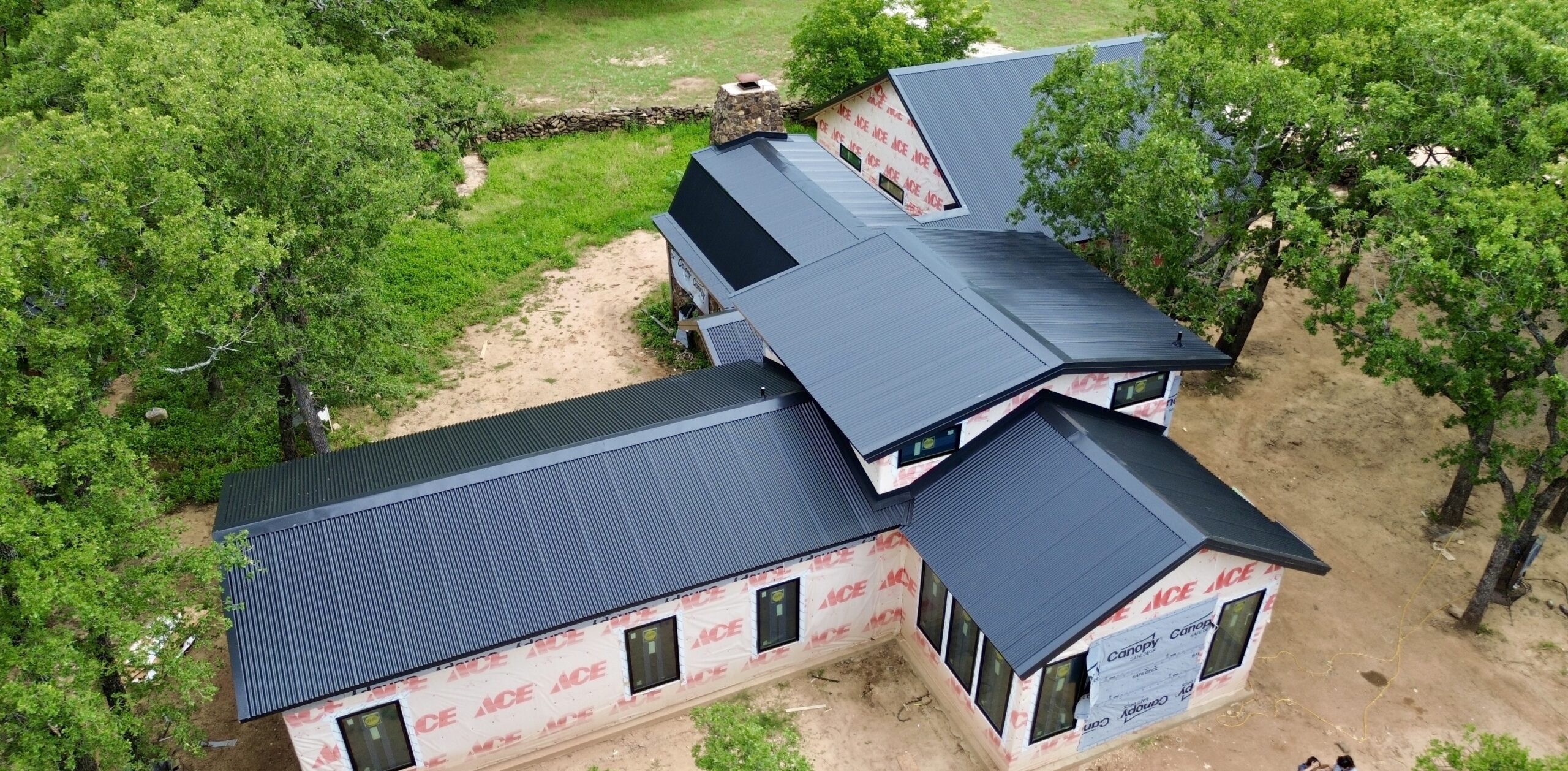
The materials selected for a roofing system can influence maintenance requirements, durability, appearance, and long term costs. Homeowners should consider more than the initial purchase price when selecting materials for repairs or replacement.
Different roofing materials have different characteristics. Asphalt shingles, metal roofing, clay tiles, concrete tiles, and other systems vary in weight, installation requirements, weather resistance, maintenance needs, and expected service life. The appropriate choice depends partly on the home’s design and local environmental conditions.
Climate should be an important consideration. Roofing materials need to withstand the weather conditions common in the property’s area. Intense sunlight, heavy rainfall, strong winds, temperature fluctuations, and other environmental factors can influence material performance.
Compatibility with existing components is equally important during repairs. A replacement material should work appropriately with surrounding roofing materials, flashing, underlayment, and drainage features. Using incompatible products can create performance problems even when the individual material appears high quality.
Professional installation also affects long term performance. Incorrect fastening, poor flashing installation, inadequate preparation, or improper drainage can shorten the useful life of otherwise suitable materials. Experienced professionals can help ensure that materials are installed according to appropriate requirements.
Homeowners should evaluate roofing services based on experience, workmanship, communication, written scope, and warranty information. A contractor should be able to explain the recommended work and why it is necessary.
Material and workmanship warranties should be reviewed carefully. Homeowners should understand what is covered, how long coverage lasts, and whether specific maintenance or installation requirements apply. Clear documentation can be valuable if questions arise later.
The best roofing decision is not necessarily the cheapest or most expensive option. It should provide a suitable balance between durability, maintenance requirements, appearance, performance, and overall cost.
Choosing appropriate materials and reliable services creates a strong foundation for long term roof care. Good maintenance can preserve a properly designed system, but it cannot fully compensate for unsuitable materials or poor installation.
Common Long Term Roofing Care Mistakes to Avoid
Even homeowners who understand the importance of maintenance can make mistakes that reduce roofing performance. One common problem is treating maintenance as something that only needs to happen after a leak appears. By that point, moisture may already have affected materials beneath the visible surface.
Another mistake is ignoring gutters and drainage. A roof may be in good condition, but blocked or damaged gutters can cause water to overflow around roof edges. Regular drainage maintenance is therefore essential to the overall roofing strategy.
Homeowners may also use inappropriate cleaning methods. High-pressure washing, aggressive scraping, or unsuitable chemicals can damage roofing materials. Cleaning should always be appropriate for the specific roofing system.
Unnecessary roof walking is another avoidable problem. Foot traffic can damage shingles, tiles, flashing, and other components while also creating fall risks. Detailed roof-level work should generally be handled by qualified professionals.
Temporary repairs can also become a problem when they are repeatedly used instead of addressing the underlying issue. A patch may provide short-term protection, but recurring leaks indicate that the source should be investigated.
Ignoring attic conditions is another mistake. Excessive heat, condensation, damp insulation, and poor ventilation can contribute to hidden deterioration. Long term roofing care should include appropriate monitoring of the space beneath the roof.
Tree maintenance should not be overlooked either. Overhanging branches can scrape roofing materials, while falling limbs can cause significant damage during storms. Proper vegetation management can reduce these risks.
Homeowners should also avoid assuming that an old roof automatically requires replacement or that a visibly attractive roof will remain problem-free. Both decisions should be based on condition, maintenance history, material type, and professional evaluation.
Avoiding these mistakes does not require complicated procedures. It requires consistent attention, safe maintenance practices, appropriate professional support, and a willingness to address problems before they become larger.
Improving Roof Lifespan Through Consistent Maintenance
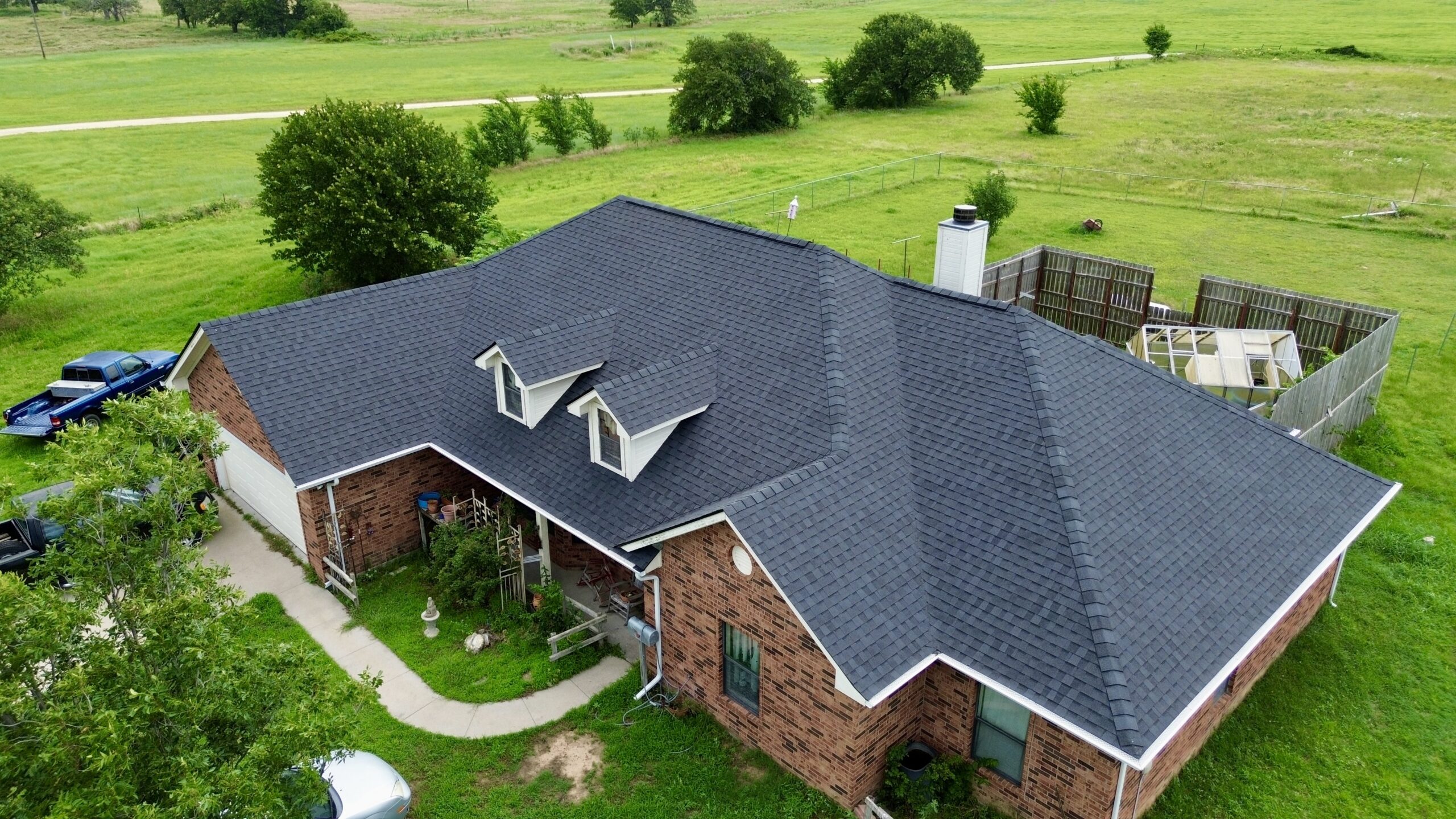
A roof’s service life is influenced by many factors, including material quality, installation, climate, ventilation, drainage, maintenance, and exposure. Homeowners cannot control every environmental condition, but consistent care can help reduce preventable deterioration.
The first priority should be keeping water moving away from the building. Clear gutters, functioning downspouts, properly maintained valleys, and effective flashing all contribute to water management. Moisture is one of the most important risks to monitor because it can affect multiple roofing layers and nearby building components.
Regular inspections also improve lifespan management. Small defects can be repaired before they spread, while developing problems can be monitored when immediate repair is not required. This allows homeowners to make decisions based on the actual condition of the roof.
Protecting the roof from physical damage is equally important. Trees should be maintained, debris should be removed safely, and unnecessary foot traffic should be avoided. These simple practices reduce avoidable wear on roofing materials.
Ventilation and moisture control should also remain part of the strategy. Appropriate attic conditions can support the performance of roofing and structural materials. Any persistent moisture or condensation should be investigated instead of being treated as normal.
Professional inspections provide another layer of protection. Professionals can identify conditions that may be difficult to see from the ground and can provide recommendations based on the roof’s overall condition.
Maintenance should also be adapted as the roof ages. A relatively new roof may require routine inspections and cleaning, while an older roof may need closer monitoring and more detailed professional assessments. Long term care should evolve with the system rather than remaining unchanged.
The purpose of maintenance is not to make a roof last indefinitely. Instead, it is to help the system perform effectively for as long as reasonably possible while reducing unnecessary damage and expenses.
Conclusion
Long term residential roofing care is a continuous process that combines inspection, prevention, maintenance, repair, budgeting, and professional assessment. A roof provides essential protection for the home, but its ability to perform effectively depends on how consistently its different components are managed.
The most effective strategy begins with regular observation. Homeowners should monitor roofing materials, gutters, roof edges, flashing, drainage pathways, attic conditions, and surrounding trees. Early warning signs can provide valuable opportunities to address problems before they develop into extensive damage.
Preventive maintenance should remain a priority throughout the roof’s service life. Cleaning drainage systems, managing debris, controlling vegetation, maintaining ventilation, and addressing minor defects can reduce unnecessary stress on roofing materials.
Professional support is also an important part of responsible roof care. Some inspections and repairs require specialized knowledge, equipment, and safety procedures. Using qualified professionals for complex work can help prevent incorrect repairs and provide homeowners with better information about the condition of their roofing system.
Financial planning should not be overlooked. Setting aside funds for maintenance and future replacement can reduce the pressure of unexpected roofing expenses. Keeping records of inspections and repairs also makes it easier to understand how the roof has changed over time.
As roofing materials age, homeowners should shift from simply maintaining the existing system toward planning for its eventual replacement. Recognizing signs of widespread deterioration allows more time to compare materials, services, costs, and installation options.
A sustainable roofing strategy is ultimately based on consistency rather than occasional emergency action. Regular inspections, timely repairs, effective drainage, appropriate materials, safe maintenance, and professional guidance can work together to support long term performance.
By treating residential roofing as an ongoing investment rather than a one-time project, homeowners can protect their property more effectively and make better maintenance decisions. Consistent care cannot prevent every form of weather-related damage or stop natural aging, but it can reduce avoidable problems and help the roofing system provide dependable protection for many years.