
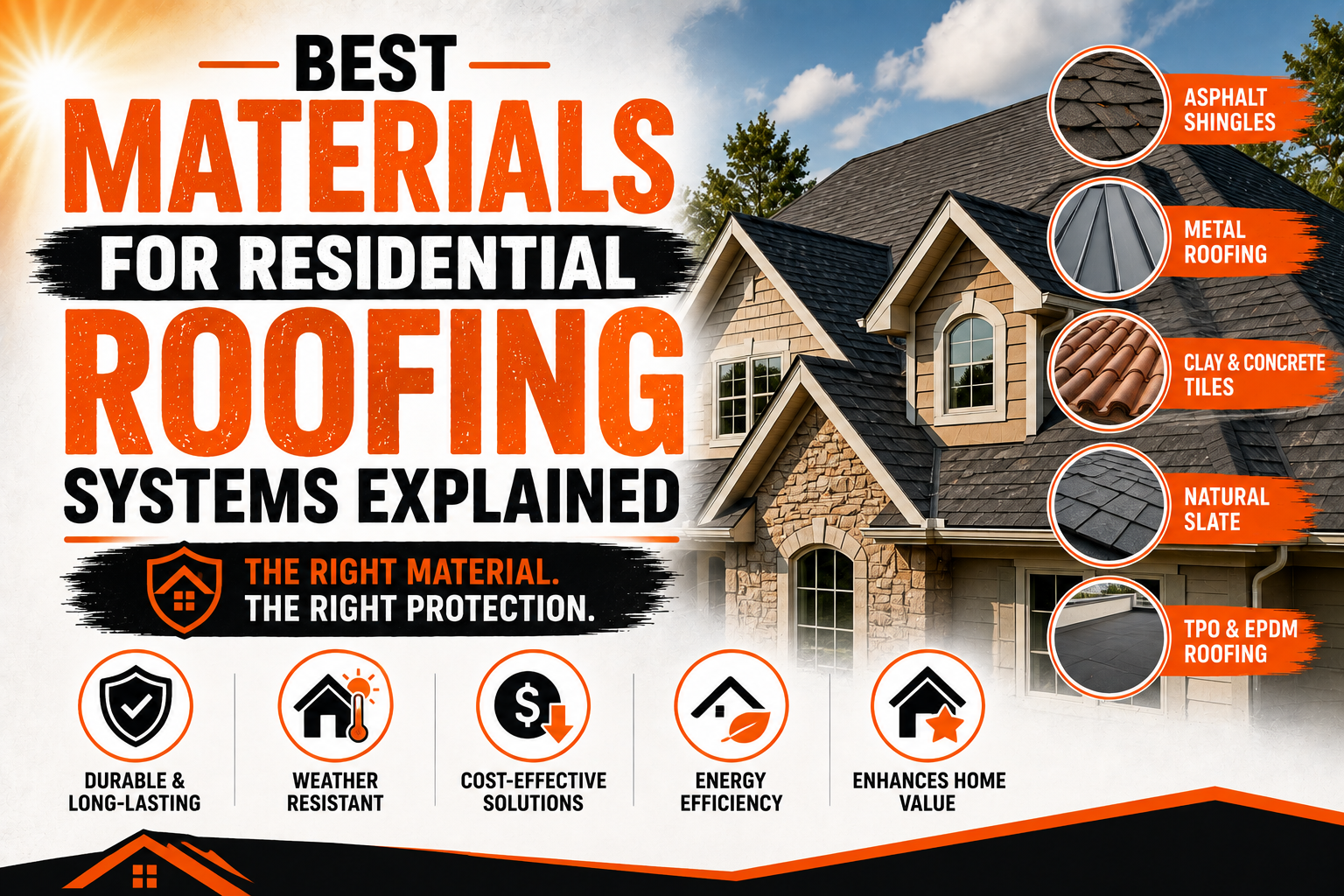
Best Materials for Residential Roofing Systems Explained
Introduction
Choosing the right material is one of the most important decisions when installing, replacing, or upgrading a residential roofing system. The roofing material protects the home from rain, wind, sunlight, temperature changes, and other outdoor conditions, while also influencing appearance, maintenance requirements, energy performance, and long-term costs.
No single roofing material is ideal for every home. Climate, roof design, slope, budget, structural requirements, expected lifespan, and local building conditions can all affect which option makes the most sense. A material that performs well in one environment may require more maintenance or have a shorter service life in another.
Homeowners should also look beyond the initial purchase price. A less expensive material may have a shorter expected lifespan or require more frequent maintenance, while a higher-cost material may provide greater durability and longer-term value. Installation quality is equally important because even high-quality roofing materials can perform poorly when they are incorrectly installed.
The best residential roofing system is therefore one that balances performance, appearance, cost, durability, and maintenance. Understanding the characteristics of the most common materials can help homeowners make a more informed decision before beginning a roofing project.
Understanding Residential Roofing Material Selection
Roofing material selection should begin with the characteristics of the home and its surrounding environment. The roof’s slope, shape, size, drainage design, and structural capacity can affect which materials are suitable for installation.
Climate is another major factor. Homes exposed to heavy rainfall need materials and installation systems that provide dependable water shedding, while areas with strong winds require roofing products and fastening systems designed to resist wind uplift.
Temperature also affects roofing performance. Materials expand and contract as temperatures change, and repeated movement can influence fasteners, seals, joints, and other components. A roofing system should therefore be selected with local weather patterns in mind.
Sun exposure is important as well. Continuous ultraviolet exposure can gradually affect some roofing materials, causing fading, brittleness, surface deterioration, or loss of protective coatings.
The roof’s slope should be considered before selecting a material. Some products are designed primarily for steep-sloped roofs, while others are more suitable for low-slope applications. Installing an unsuitable material can create drainage and water-intrusion problems.
Structural weight is another consideration. Some roofing materials are considerably heavier than others, and the home’s framing may need to be evaluated before installation. This is particularly important when replacing a lightweight roof with a heavier material.
Maintenance expectations should also influence the decision. Homeowners who prefer minimal routine maintenance may prioritize materials that require less frequent attention, while others may be comfortable with periodic inspections and upkeep.
Appearance can play a role in material selection as well. Roofing contributes significantly to a home’s exterior appearance, so homeowners may want a material that complements the architectural style, siding, windows, and other exterior features.
Budget should be considered from both short-term and long-term perspectives. Material price, installation labor, underlayment, flashing, ventilation, removal of existing roofing, and future maintenance can all contribute to the total cost.
Homeowners should also consider availability and repairability. A roofing material that is readily available locally may be easier to repair or replace if individual sections become damaged.
Asphalt Shingles for Residential Roofing
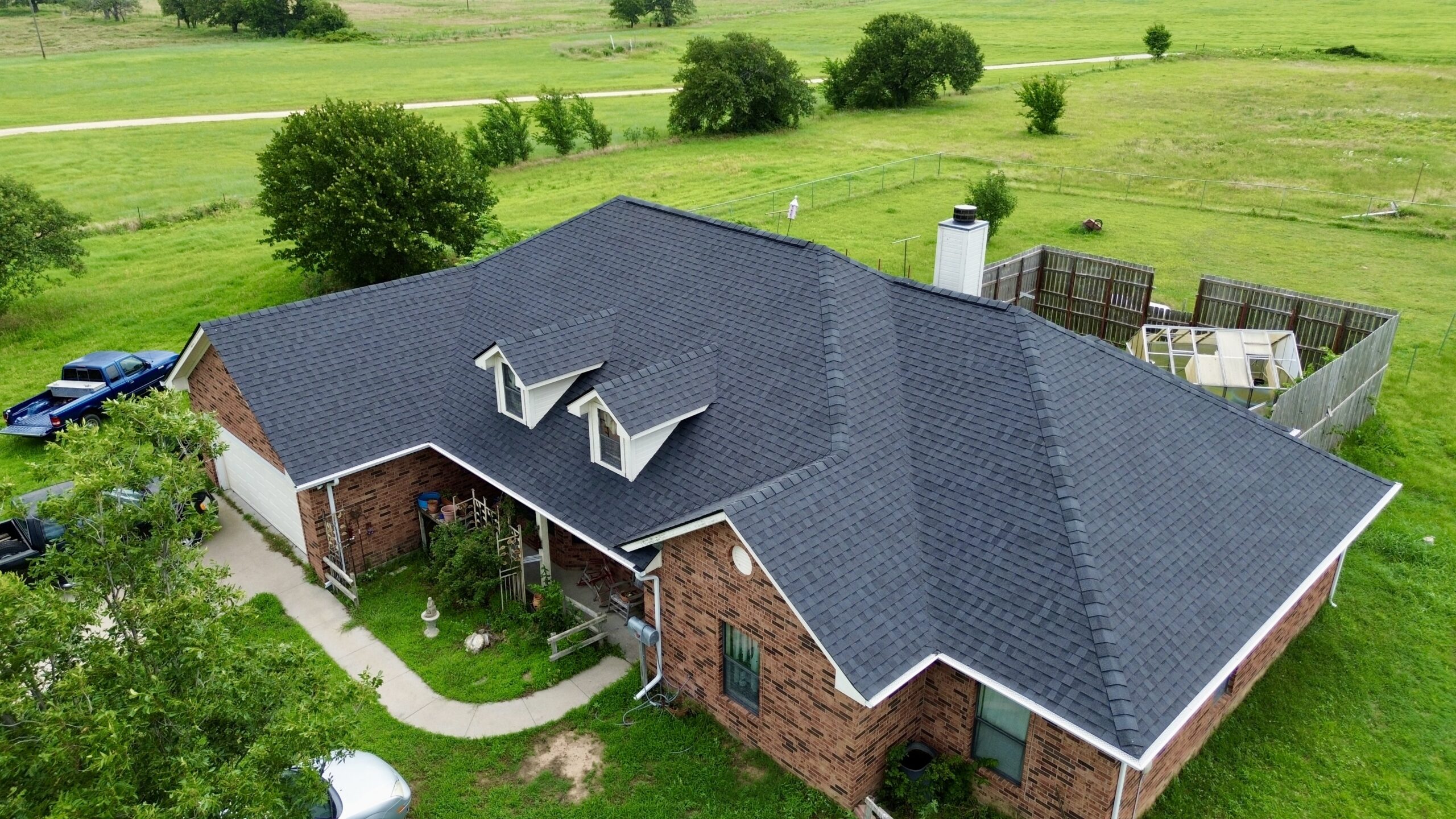
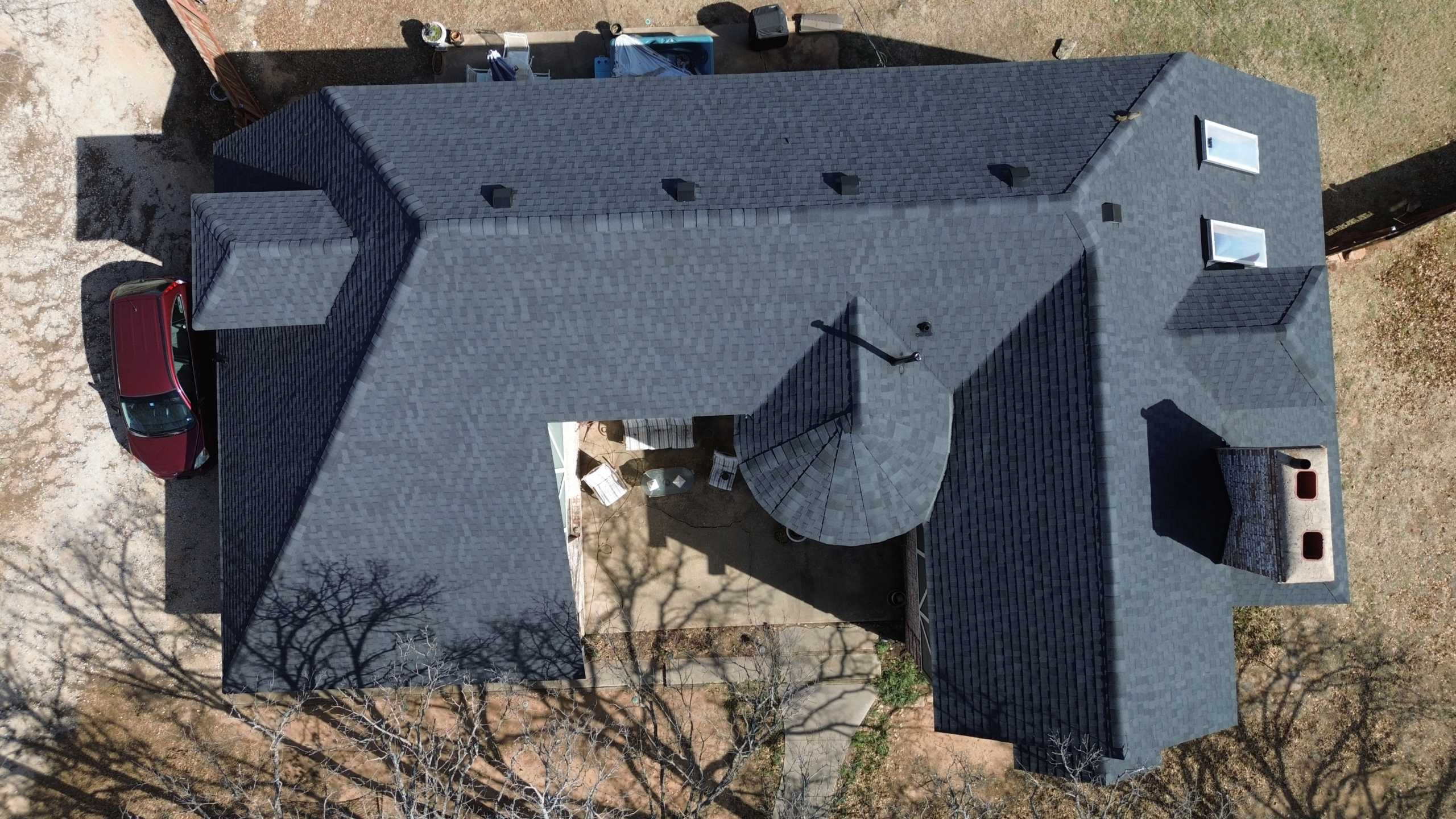
Asphalt shingles are among the most widely used residential roofing materials because they offer a combination of affordability, appearance, availability, and relatively straightforward installation. They are available in numerous styles and colors, making them suitable for many different home designs.
There are several types of asphalt shingles, with common options including three-tab shingles and architectural shingles. Architectural shingles generally have a dimensional appearance and are often selected by homeowners who want a more textured roof design.
One of the major advantages of asphalt shingles is their relatively accessible initial cost. Compared with many premium roofing materials, they can provide a practical solution for homeowners working within a moderate budget.
Installation is another reason asphalt shingles remain popular. Roofing contractors commonly have experience working with these products, and replacement materials are usually easy to source.
Asphalt shingles can also provide good protection when properly installed. They are designed to shed rainwater and can be manufactured with features intended to improve resistance to wind and weather exposure.
However, asphalt shingles are not maintenance-free. Homeowners should periodically inspect the roof for missing, cracked, curled, or damaged shingles and address problems before water reaches the underlying layers.
Climate can also influence their performance. Extreme heat, strong sunlight, severe storms, and large temperature fluctuations can contribute to material deterioration over time.
Ventilation is important for asphalt roofing systems. Proper attic ventilation can help manage heat and moisture conditions beneath the roof and support the performance of roofing materials.
Granule loss is another condition homeowners may notice as asphalt shingles age. Some granules naturally loosen over time, but significant or widespread loss can indicate that the shingles are deteriorating.
Asphalt shingles are available in products designed for different performance requirements. Homeowners should compare product specifications rather than selecting a material based only on appearance or price.
The quality of installation also has a major effect on performance. Incorrect fastening, poor flashing, inadequate ventilation, or improper installation around roof penetrations can create problems regardless of the quality of the shingles.
For homeowners seeking a familiar and cost-conscious roofing option, asphalt shingles can provide a practical balance of performance and affordability when the correct product is selected and professionally installed.
Metal Roofing Systems
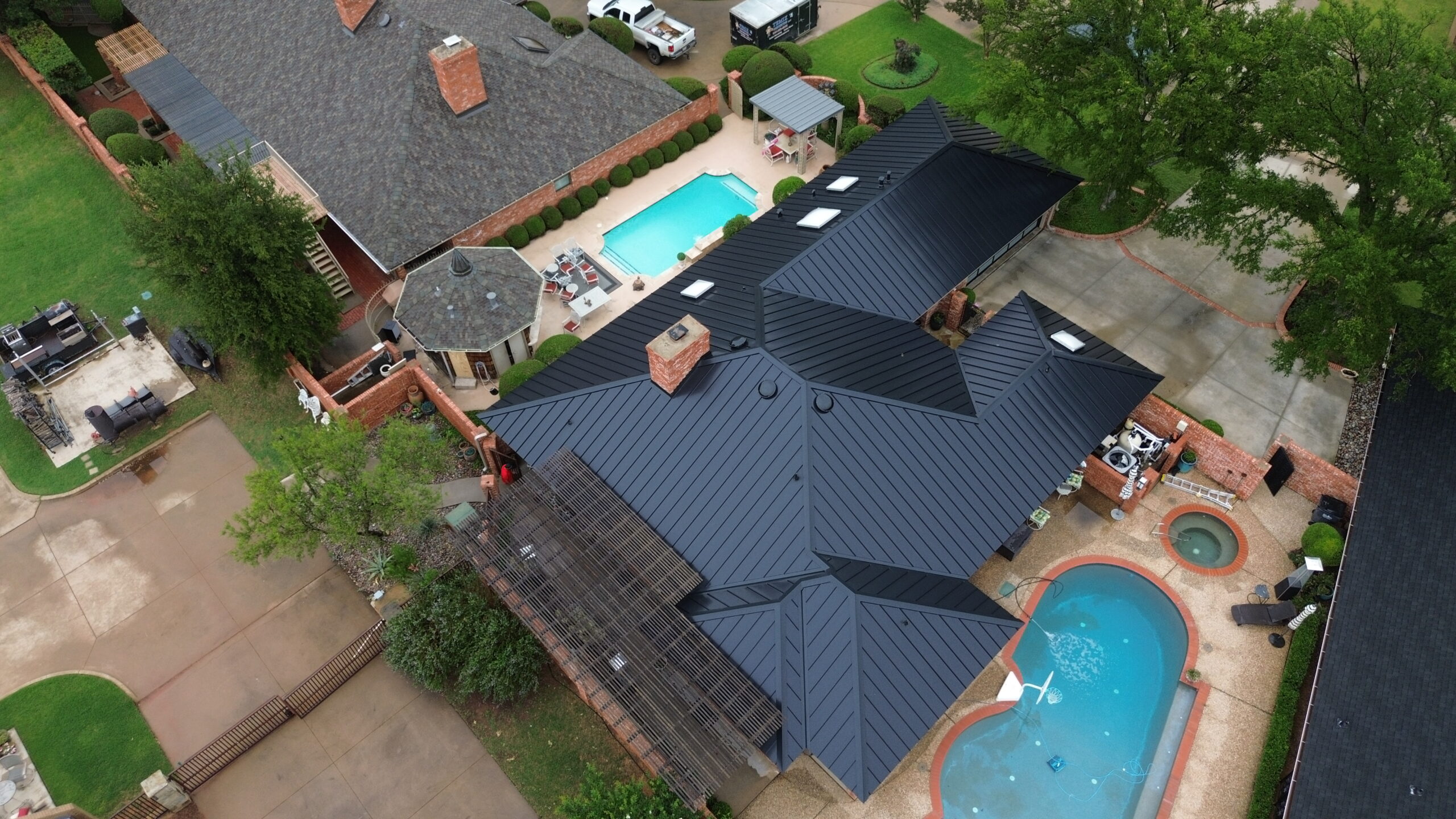
Metal roofing has become a popular residential option because of its durability, modern appearance, and ability to provide long-term protection. Metal roofs can be manufactured from materials such as steel, aluminum, copper, and other metal products, with different options offering different performance characteristics.
Steel roofing is commonly used because it can provide strength while remaining relatively manageable for residential applications. Protective coatings can help reduce corrosion and improve resistance to outdoor exposure.
Aluminum is naturally resistant to corrosion and can be useful in environments where moisture exposure is a concern. It is also relatively lightweight compared with some other roofing materials.
Copper is a premium roofing material known for its distinctive appearance and long service potential. Over time, copper develops a characteristic surface color as it reacts with environmental conditions.
Metal roofing is available in several styles. Panels can create a contemporary appearance, while products designed to resemble shingles or tiles can provide a more traditional look.
One advantage of metal roofing is its ability to withstand many common weather conditions when appropriately designed and installed. Proper fastening and detailing are particularly important in areas that experience strong winds.
Metal roofs can also reflect a significant portion of solar radiation when they have suitable coatings or finishes. This characteristic may help reduce heat transfer into the building, although overall energy performance depends on insulation, ventilation, roof design, and other factors.
Despite its advantages, metal roofing can have a higher initial cost than basic asphalt shingles. Homeowners should therefore evaluate the expected service life and maintenance requirements when comparing total long-term value.
Noise is another consideration. Rain or hail can be more noticeable on some metal roofs, although appropriate roof assemblies and insulation can influence sound levels.
Metal can also experience dents from severe hail or falling debris. The severity depends on the type and thickness of the material, the product design, and the impact involved.
Proper installation is especially important around seams, penetrations, edges, and fasteners. Poorly detailed areas can allow water to enter or create premature deterioration.
For homeowners seeking a durable roofing solution with a distinctive appearance and potentially long service life, metal roofing can be an attractive option when the home’s design and budget are suitable.
Clay and Concrete Tile Roofing
Clay and concrete tiles are widely recognized for their durability, distinctive appearance, and ability to complement certain architectural styles. They are commonly associated with Mediterranean, Spanish, Southwestern, and other traditional residential designs, although modern tile profiles are available in many forms.
Clay tiles are manufactured from natural clay that is shaped and hardened through controlled heating. Their color and appearance can remain attractive for many years, although exact performance depends on the product and environmental conditions.
Concrete tiles are produced using cement-based mixtures and can be manufactured in a variety of shapes, colors, and surface finishes. They can provide homeowners with more design flexibility while maintaining the visual character associated with tile roofing.
One of the main advantages of tile roofing is durability. Properly installed tile systems can provide long-lasting protection, while individual damaged tiles can sometimes be replaced without removing the entire roof.
Tiles are also resistant to many forms of environmental exposure. They do not deteriorate in exactly the same way as organic roofing materials, although supporting components and underlayment still require maintenance.
Weight is an important consideration. Tile roofs can be substantially heavier than asphalt shingles or some metal roofing systems, so the home’s structural capacity should be evaluated before installation.
Tile can also be brittle. Walking directly on tiles or allowing heavy objects to impact them can result in cracking or breakage. Maintenance and inspection should therefore be performed carefully.
The underlayment beneath tile is also important because tiles primarily form the exterior weather-resistant surface while the underlying roofing system provides additional protection against water intrusion.
Tile roofing can work particularly well in warm climates, but suitability depends on the specific product, installation method, roof design, and local weather conditions.
Initial costs can be higher than basic asphalt roofing. However, homeowners who value durability, appearance, and long-term performance may consider tile a worthwhile investment.
Regular inspections should look for cracked, displaced, or missing tiles as well as problems around flashing and roof penetrations. Addressing damaged tiles promptly can help prevent moisture from reaching the underlying roofing layers.
For homes designed to support its weight and complement its appearance, clay or concrete tile can provide a durable and visually distinctive roofing solution.
Wood Shingles and Shakes for Residential Roofs
Wood shingles and shakes offer a natural appearance that can give a residential property a warm and traditional character. They are commonly made from materials such as cedar, redwood, or other suitable wood species, with the specific performance depending on the product, installation method, and environmental conditions.
Wood shingles are generally machine-cut and have a more uniform appearance, while wood shakes are often thicker and have a more textured, handcrafted look. Both options can complement traditional, rustic, cottage-style, and other residential architectural designs.
One of the main advantages of wood roofing is its appearance. Natural wood can create visual depth that is difficult to reproduce with some manufactured materials, and it can gradually develop a distinctive weathered appearance when properly maintained.
Wood can also provide some natural insulating properties. However, the overall energy performance of a roof depends on the complete assembly, including insulation, ventilation, underlayment, and other components.
Maintenance is an important consideration with wood roofing. Homeowners should regularly check for splitting, curling, discoloration, moisture-related deterioration, and biological growth that could affect the roofing materials.
Moisture is one of the biggest concerns for wood roofing systems. If water remains trapped against wood materials or the roof does not drain properly, deterioration can develop over time.
Wood roofing can also be affected by insects and organisms in certain environments. Proper material selection, installation, ventilation, and maintenance can help reduce some of these risks.
Fire resistance should also be considered carefully. Some wood roofing products are manufactured or treated to meet specific fire-performance requirements, while untreated materials may have different limitations. Local building requirements and product specifications should always be reviewed before installation.
Wood roofing may require more maintenance than some manufactured alternatives. Homeowners should therefore consider whether they are prepared for periodic inspections and upkeep before choosing this material.
The quality of installation is particularly important. Proper spacing, ventilation, underlayment, flashing, and fastening help manage moisture and support the performance of wood roofing.
Wood shingles and shakes can be an appealing choice for homeowners who prioritize natural appearance and traditional character. However, their suitability depends heavily on local climate, maintenance expectations, fire requirements, and the home’s architectural design.
Slate Roofing Materials
Slate is a natural stone roofing material known for its distinctive appearance and exceptional durability. It has been used on residential and historic buildings for generations and remains a premium roofing choice for homeowners seeking a long-lasting material.
Natural slate is available in different colors, textures, thicknesses, and patterns. Its appearance can range from relatively uniform to highly varied, depending on the type of stone selected.
One of the strongest advantages of slate is its durability. High-quality slate can remain functional for many decades when properly installed and maintained, although the expected lifespan depends on the specific slate, climate, installation, and supporting roofing system.
Slate is also resistant to many common forms of weather exposure. It does not rot like wood and is not affected by insects in the same way organic roofing materials can be.
However, slate is extremely heavy compared with many other residential roofing materials. A home’s structural system must be capable of supporting the additional weight before slate is installed.
Slate can also be brittle. Walking on the surface incorrectly can crack or break individual pieces, so inspections and maintenance should be performed by professionals familiar with slate roofing.
Installation requires specialized knowledge and experience. Slate pieces need to be properly selected, fastened, aligned, and integrated with flashing and other components.
The quality of the supporting materials is also important. Underlayment, flashing, fasteners, roof decking, and structural components all contribute to the performance of the complete system.
Repairs may require matching replacement slate. Because natural slate can vary in color and texture, finding an exact visual match may sometimes be challenging.
The initial cost of slate roofing can be significantly higher than basic asphalt shingles. Homeowners should therefore evaluate the investment based on expected longevity, appearance, maintenance, and property value rather than comparing material prices alone.
Slate can be especially suitable for high-end homes, historic properties, and architectural designs where a premium natural material is appropriate. Its long service potential can make it attractive to homeowners planning for long-term ownership.
Although slate requires a larger initial investment, its combination of natural beauty and durability makes it one of the most distinctive residential roofing materials available.
Synthetic and Composite Roofing Materials
Synthetic and composite roofing materials have become increasingly popular because they can reproduce the appearance of natural materials while offering different combinations of durability, weight, and maintenance requirements. These products can be designed to resemble slate, wood shakes, or other traditional roofing materials.
Many synthetic roofing products are manufactured using engineered polymers, recycled materials, composites, or combinations of these components. Their exact characteristics vary significantly between manufacturers and product lines.
One advantage is reduced weight compared with some natural materials. Synthetic products designed to resemble slate or tile may weigh considerably less, which can make them suitable for homes that cannot support the weight of traditional stone or concrete roofing.
Synthetic materials can also provide design flexibility. Homeowners may be able to achieve a premium architectural appearance without choosing natural slate, wood, or heavy tile.
Durability is another reason homeowners consider synthetic roofing. Many products are engineered to resist impact, moisture, ultraviolet exposure, and other common environmental stresses.
However, product quality can vary. Homeowners should examine manufacturer specifications, warranty information, installation requirements, and performance testing before selecting a synthetic roofing product.
Color stability is another factor to consider. Some products can experience changes in appearance after prolonged exposure to sunlight, while higher-quality products may be designed to maintain their appearance for longer periods.
Maintenance requirements are generally manageable, but synthetic roofing should still be inspected periodically. Damaged pieces, loose components, flashing problems, and drainage issues should be addressed promptly.
Installation is important because synthetic materials can have product-specific requirements. Contractors should follow manufacturer instructions regarding fastening, spacing, underlayment, ventilation, and flashing.
Repairability should also be considered. Homeowners should determine whether replacement pieces are readily available and whether local roofing contractors have experience working with the selected product.
Environmental considerations may influence the decision as well. Some synthetic products incorporate recycled content, while others may have different manufacturing or disposal characteristics. Homeowners interested in sustainability should review the specific product rather than assuming all synthetic materials have the same environmental profile.
Synthetic roofing can provide a useful middle ground between basic roofing products and premium natural materials. For homeowners who want a distinctive appearance with potentially lower weight and maintenance requirements, it can be a practical option when the product is properly selected and installed.
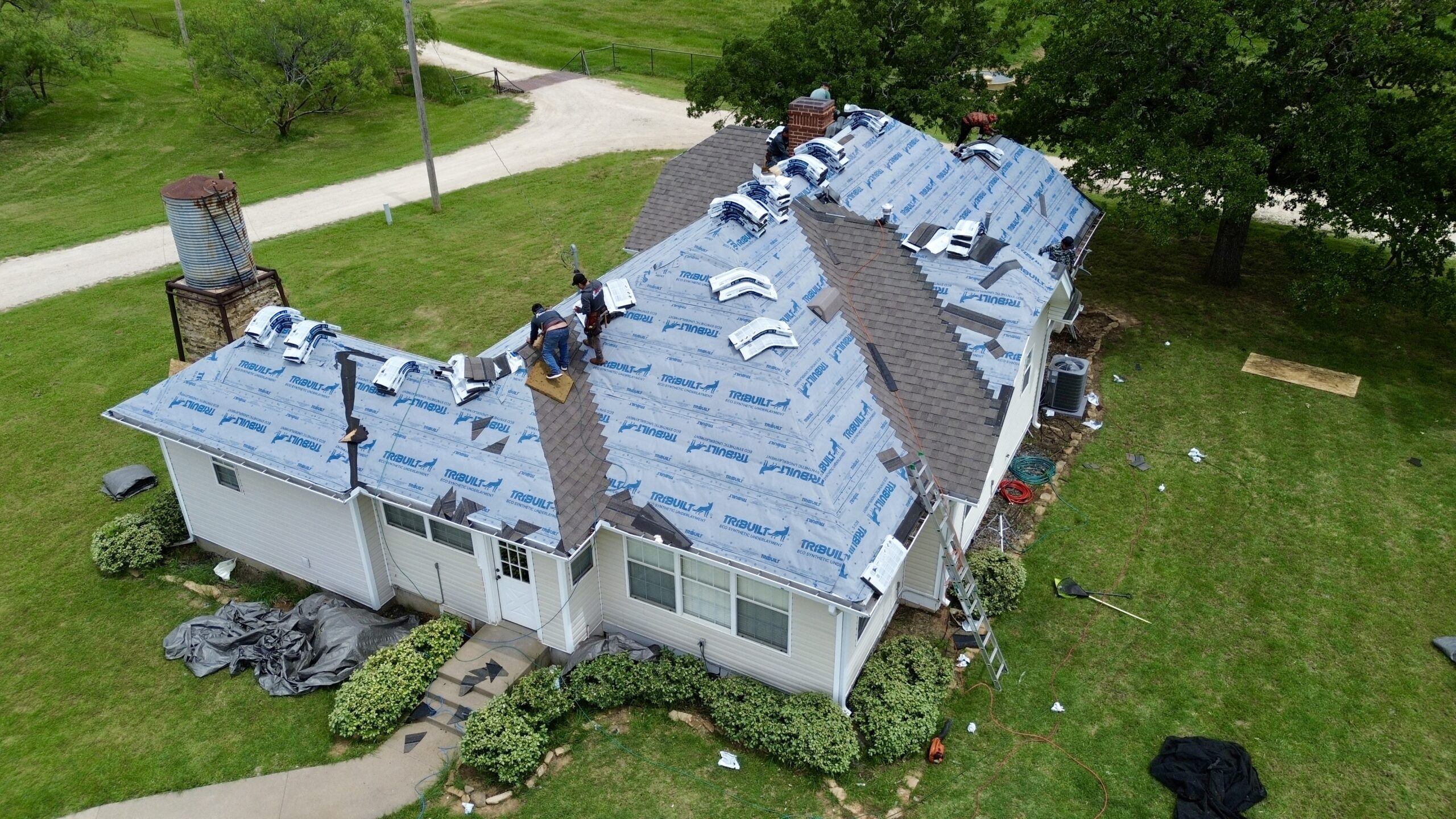
Flat and Low-Slope Roofing Materials
Flat and low-slope roofs require different material considerations because water does not move across them as quickly as it does on steeply pitched roofs. The roofing system must therefore be designed to manage drainage and reduce the possibility of standing water.
Common materials for low-slope residential applications include modified bitumen, built-up roofing, single-ply membranes, and other products specifically designed for low-slope conditions.
Modified bitumen roofing is a membrane-based system that can provide flexibility and water resistance. It is available in different installation configurations and can be suitable for certain residential low-slope applications.
Single-ply membranes include products such as EPDM, TPO, and PVC. These materials are manufactured as flexible sheets that can form a continuous weather-resistant surface when properly installed.
EPDM is commonly associated with rubber-like membrane roofing and is known for flexibility and resistance to weather exposure. TPO and PVC are thermoplastic membranes that can offer different combinations of durability, reflective performance, and installation characteristics.
Drainage is critical for every low-slope roof. Gutters, drains, scuppers, slopes, and other drainage components must work properly so water does not remain on the roof.
Standing water can increase the possibility of membrane deterioration and leaks. Even a durable roofing material can experience problems when drainage is poorly designed or maintained.
Flashing around penetrations is equally important. Vents, skylights, walls, HVAC equipment, and other roof features must be properly integrated with the membrane.
Low-slope roofing can be practical for specific residential designs, additions, garages, porches, and other structures. However, homeowners should select a material specifically designed for the roof’s slope and drainage conditions.
Maintenance should include checking drains, seams, flashing, membrane surfaces, and areas where water may collect. Small defects should be addressed before they develop into larger leaks.
Because low-slope systems have different installation requirements from traditional shingle roofs, professional installation is particularly valuable. An experienced contractor can select an appropriate membrane and design details around the roof’s specific conditions.
Comparing Roofing Materials by Durability and Lifespan
Durability is one of the most important factors when comparing residential roofing materials. Homeowners generally want a roof that can withstand weather exposure while providing dependable protection for many years.
However, durability should not be judged by material type alone. Installation quality, climate, ventilation, maintenance, roof design, and exposure to severe weather can all affect how long a roofing system performs.
Basic asphalt shingles can provide a practical service life when properly installed and maintained, while premium asphalt products can offer different levels of performance. Their relatively lower initial cost makes them attractive for many homeowners.
Metal roofing can provide strong long-term performance and may be suitable for homeowners seeking a durable material with relatively low routine maintenance. Different metals and coatings have different characteristics, so product selection matters.
Tile and slate can provide very long service potential, but their supporting components and installation must also remain in good condition. A durable exterior material does not eliminate the need for maintenance.
Wood roofing can perform well when properly maintained, but moisture, insects, fire requirements, and environmental exposure can influence its longevity.
Synthetic materials vary considerably. Some products are engineered for long-term durability and impact resistance, while lower-quality products may perform differently.
The expected lifespan of a roof should therefore be considered as a range rather than an absolute guarantee. Manufacturers may provide product warranties, but actual performance depends on many factors beyond the material itself.
Homeowners should also compare the expected maintenance requirements. A material with a long service potential may still require regular inspections and repairs to achieve that performance.
The following comparison can help illustrate the general differences among common options:
| Roofing Material | Main Advantage | Important Consideration |
|---|---|---|
| Asphalt shingles | Affordable and widely available | May require more frequent replacement than premium materials |
| Metal | Durable and versatile | Initial cost can be higher |
| Clay or concrete tile | Long-lasting and distinctive | Heavy and potentially brittle |
| Wood | Natural appearance | Requires careful maintenance |
| Slate | Exceptional durability and appearance | Heavy, expensive, and specialized to install |
| Synthetic | Lightweight design flexibility | Product quality varies |
| Low-slope membranes | Suitable for low-slope roofs | Drainage and installation are critical |
This comparison is only a starting point. Homeowners should evaluate specific products based on their property’s conditions instead of choosing a material solely because it has a particular reputation.
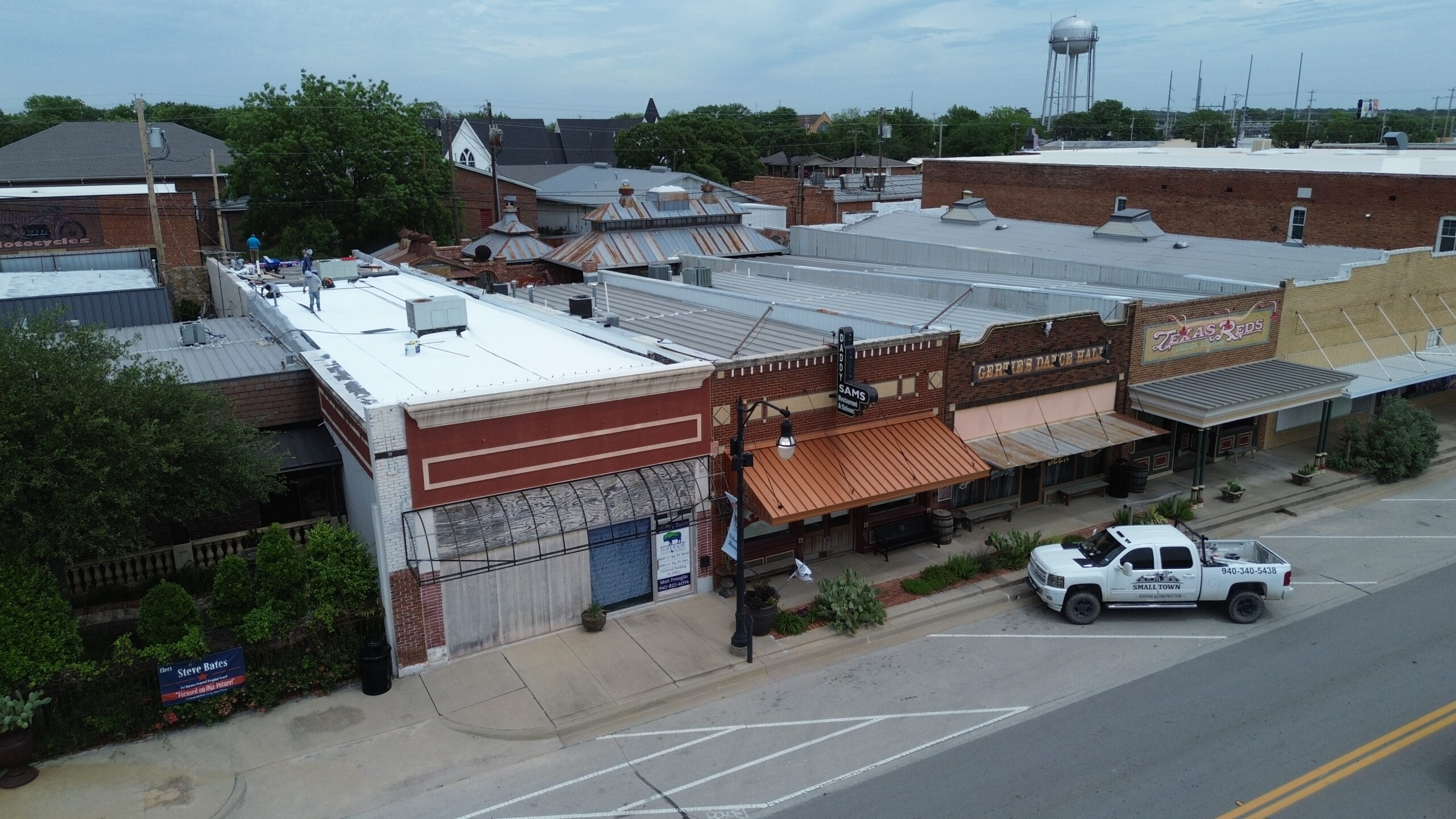
Energy Efficiency and Climate Considerations
Climate should play a major role in roofing material selection because weather conditions affect both durability and indoor comfort. A roofing material that performs well in a mild environment may require different considerations in an area exposed to extreme heat, heavy rain, snow, or strong winds.
In hot climates, solar reflectance can be important. Certain roofing products and coatings can reflect more sunlight and reduce the amount of solar heat absorbed by the roof.
Metal roofing with suitable reflective finishes can contribute to reduced heat absorption. Light-colored roofing materials can also reflect more sunlight than darker surfaces, although overall energy performance depends on the complete roof assembly.
Insulation and ventilation are equally important. A highly reflective roof will not compensate for inadequate insulation or poorly designed attic ventilation.
In areas with heavy rainfall, water-shedding capability and drainage become priorities. Roof slope, flashing, underlayment, gutters, and material selection should work together to move water away from the home.
Homes exposed to strong winds need materials and fastening systems appropriate for local conditions. The installation method can be just as important as the roofing material itself.
Snow and ice conditions create additional considerations. Roof design, structural capacity, drainage, and material performance should be evaluated for the local environment.
Homeowners should also consider exposure to salt air in coastal environments. Corrosion-resistant materials and appropriate protective finishes may be important in areas with significant salt exposure.
The most energy-efficient roofing choice is therefore not necessarily one specific material. Performance depends on the interaction between roofing material, color, insulation, ventilation, roof design, and local climate.
Selecting materials according to actual environmental conditions can improve durability and comfort while reducing the likelihood of premature roofing problems. A professional contractor can help homeowners match the roofing system to the property’s climate and structural requirements.
Comparing Roofing Materials by Cost and Long-Term Value
Cost is one of the first factors homeowners consider when selecting a residential roofing material, but the lowest initial price does not always represent the best long-term value. A roofing system involves more than the visible material because underlayment, flashing, ventilation, fasteners, labor, removal of existing roofing, and disposal can all contribute to the overall project cost.
Asphalt shingles are often attractive to homeowners with a limited or moderate budget because they are widely available and generally have straightforward installation requirements. Their lower initial cost can make them practical for many properties, particularly when the homeowner needs a reliable roofing solution without making a premium investment.
Metal roofing generally has a higher upfront cost than basic asphalt shingles, but its durability and relatively low maintenance requirements can make it appealing over the long term. Homeowners should compare the expected service period and maintenance needs rather than focusing only on the initial installation price.
Tile and slate can require a substantially larger investment because the materials themselves can be expensive and installation may require specialized labor. Their long service potential can make them valuable for homeowners who prioritize durability, architectural appearance, and long-term ownership.
Wood roofing falls into a different category because its cost and maintenance requirements depend heavily on the type of wood, product quality, local conditions, and installation method. It can provide excellent visual appeal, but homeowners should account for ongoing inspections and maintenance.
Synthetic roofing can offer a balance between appearance and performance. Some products are designed to imitate premium materials while weighing less, potentially reducing structural requirements and installation challenges.
When comparing costs, homeowners should consider the entire life cycle of the roof. A useful comparison should include the initial installation, expected maintenance, possible repairs, replacement frequency, and the potential consequences of premature failure.
Roofing warranties can also influence value, but homeowners should read the actual warranty terms carefully. A long warranty does not necessarily mean every type of damage or installation issue is covered.
Installation quality should be included in the value calculation as well. Spending more on a high-quality material does not provide the expected benefit if the roofing system is poorly installed.
The best value is usually achieved when the material matches the home’s requirements, the local climate, the owner’s budget, and the expected period of ownership. A balanced decision can help prevent both unnecessary spending and premature replacement.
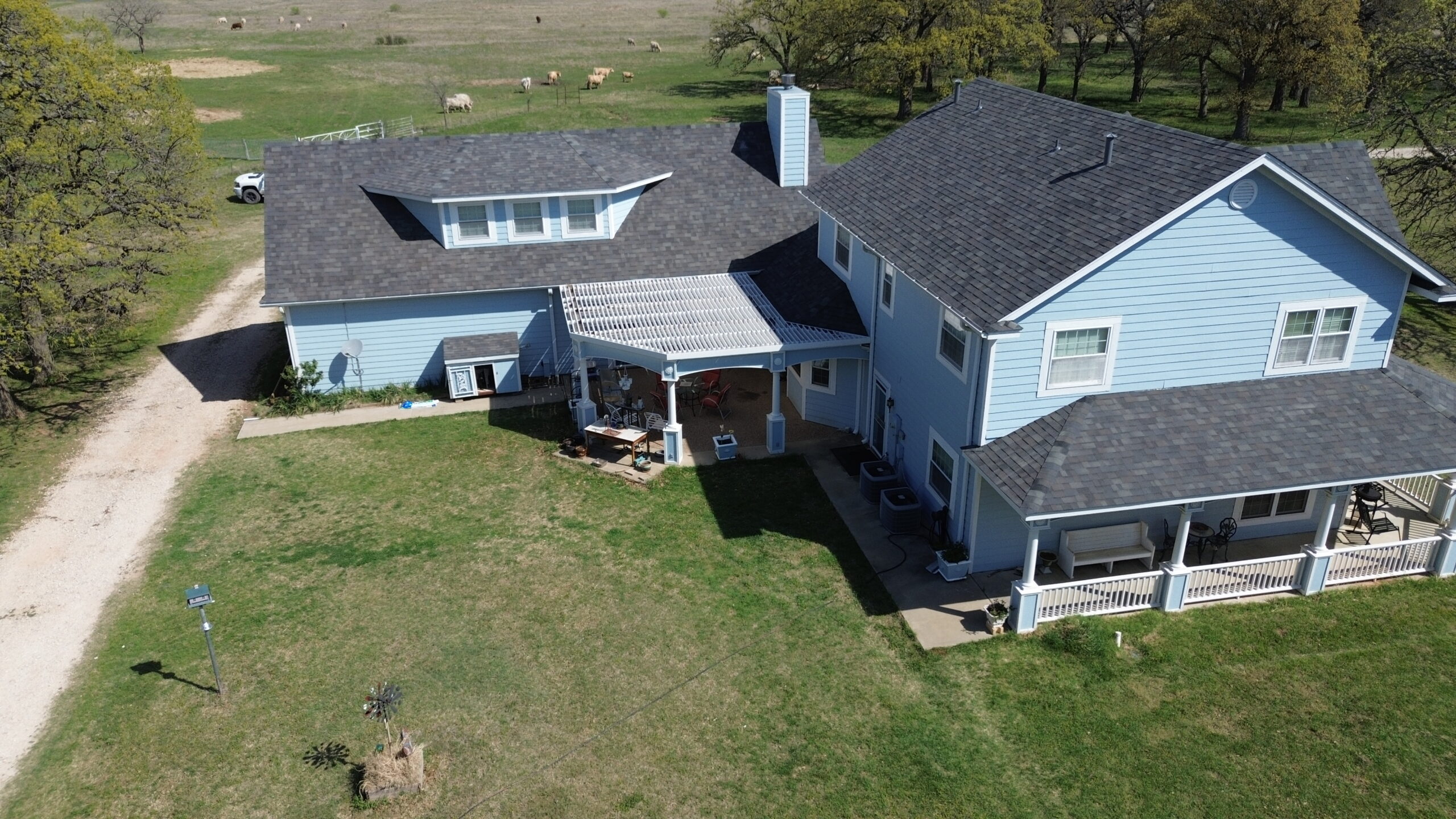
Choosing Materials Based on Home Design
A roofing material should provide protection, but it also contributes significantly to the visual character of a home. The roof covers a large portion of the exterior, so its color, texture, profile, and overall style can influence how the property looks.
Asphalt shingles are available in many colors and styles, making them adaptable to traditional and contemporary homes. Architectural shingles can provide a dimensional appearance that adds visual interest without the weight of natural tile or slate.
Metal roofing can create either a modern or traditional appearance depending on the panel design and finish. Some products are manufactured to resemble shingles, tiles, or other roofing materials.
Clay and concrete tiles are often associated with Mediterranean, Spanish, Southwestern, and similar architectural styles. Their curved or flat profiles can create a distinctive appearance that complements homes designed around those traditions.
Wood shingles and shakes can provide a natural appearance that works particularly well with cottages, rustic homes, cabins, and traditional properties. Their texture can add warmth and character to the exterior.
Slate is often selected for high-end and historic properties because of its natural variation and elegant appearance. Its substantial visual character can complement masonry, traditional detailing, and other premium exterior materials.
Synthetic roofing gives homeowners additional flexibility because it can imitate the appearance of slate, wood, and other materials. This can allow a property to achieve a particular architectural style while using a lighter manufactured product.
Color should also be considered carefully. Darker roofing can absorb more solar heat, while lighter surfaces may reflect more sunlight, although actual performance depends on the material and complete roof assembly.
Homeowners should consider the color of siding, brick, stone, windows, doors, trim, and other exterior elements before selecting a roof. A material that looks attractive by itself may not complement the rest of the property.
Neighborhood character and local requirements can also influence selection. Some communities or homeowners’ associations may have restrictions regarding roofing colors, materials, or architectural styles.
A good roofing choice should therefore support both functional requirements and the home’s existing design. Appearance should not be the only deciding factor, but it can help homeowners select a material that provides lasting visual appeal.
Evaluating Weather and Environmental Resistance
A residential roof must withstand continuous exposure to the environment, so weather resistance should be a central part of material selection. Rain, wind, sunlight, hail, temperature changes, snow, and airborne debris can all affect roofing performance.
Water resistance is particularly important because moisture can damage both exterior roofing materials and hidden components. Roofing materials should be installed with suitable underlayment, flashing, drainage, and ventilation to provide a complete moisture-management system.
Wind resistance depends on both the roofing material and installation method. Proper fastening, edge detailing, and product selection can help the roof withstand strong wind conditions.
Hail resistance may also matter in areas where severe storms are common. Some roofing products are designed and tested for impact performance, but homeowners should review specific product ratings rather than assuming every product offers the same level of protection.
Sunlight can gradually affect roofing materials through ultraviolet exposure. Some materials may fade, become brittle, or lose protective characteristics over extended exposure.
Temperature changes can create repeated expansion and contraction. Materials, fasteners, seams, and flashing should be appropriate for the local climate and installed according to manufacturer requirements.
Coastal environments create additional concerns because salt and moisture can accelerate corrosion in some materials. Homeowners in these areas may need products with suitable corrosion resistance and protective finishes.
Fire performance is another consideration. Roofing materials can have different fire classifications, and local building requirements may influence which products are appropriate.
Environmental exposure also includes nearby trees. Falling branches, accumulated leaves, moss, and other organic debris can affect roofing performance regardless of the material selected.
The right material should therefore be evaluated against the actual environmental conditions surrounding the property. A roofing contractor familiar with the local climate can help identify suitable products and installation practices.
Weather resistance is not simply a property of the roofing material itself. A durable roof depends on the interaction between materials, installation quality, drainage, ventilation, flashing, and regular maintenance.
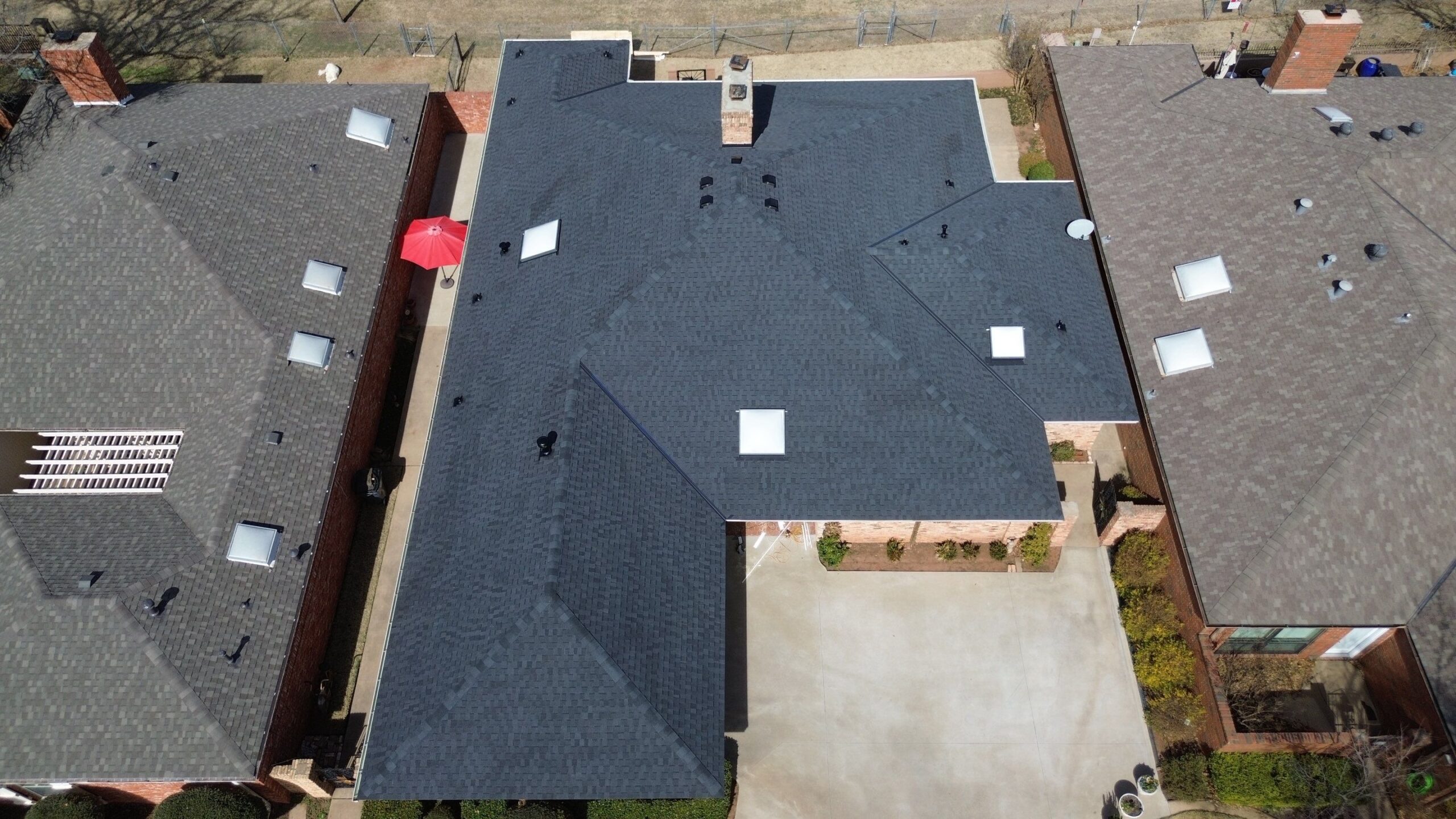
Understanding Installation and Repair Requirements
Installation requirements can have a major influence on the suitability of a roofing material. Each roofing system has specific requirements for underlayment, fastening, flashing, ventilation, spacing, and preparation.
Asphalt shingles are generally familiar to many roofing contractors, which can make installation and future repairs relatively straightforward. However, correct fastening patterns, flashing details, ventilation, and manufacturer requirements still need to be followed.
Metal roofing requires careful attention to seams, fasteners, penetrations, edges, and thermal movement. Poor installation can lead to leaks or premature deterioration even when the metal itself is durable.
Tile roofing requires appropriate support because of its weight. Contractors must also handle tiles carefully because damaged pieces can create water-entry points.
Slate requires specialized installation techniques. Incorrect fastening, unsuitable fasteners, or improper handling can damage the slate and reduce the expected service life of the system.
Wood roofing requires attention to spacing and ventilation because moisture management is essential. Poorly installed wood materials may deteriorate more quickly.
Synthetic roofing products often have manufacturer-specific installation requirements. Contractors should understand the particular product rather than assuming that installation is identical to another roofing material.
Low-slope membranes require especially careful attention to seams, drainage, flashing, and penetrations. Water management is critical because these roofs have less natural slope for rapid drainage.
Repair requirements should be considered before installation. Homeowners should determine whether replacement materials are readily available and whether contractors in the area are experienced with the selected system.
Maintenance access is also important. Some materials are more fragile and should not be walked on casually, while others can tolerate normal maintenance activities more easily.
A roofing system should be selected with its entire service life in mind. Understanding how the material will be installed, inspected, repaired, and eventually replaced can help homeowners avoid choosing a system that is difficult to maintain locally.
Selecting the Right Roofing Material for Your Home
Selecting the best residential roofing material requires balancing several factors rather than choosing a product based on popularity or appearance alone. The right decision should reflect the home’s structure, climate, roof design, budget, maintenance expectations, and desired appearance.
Homeowners should begin by identifying the roof’s basic characteristics. The slope, size, shape, drainage design, existing materials, and structural capacity can help narrow the range of suitable options.
The local climate should then be considered. Properties exposed to extreme heat, heavy rain, strong winds, hail, snow, or coastal conditions may require materials with specific performance characteristics.
Budget is another important consideration, but homeowners should compare long-term value rather than focusing exclusively on the initial price. Installation, maintenance, repairs, expected service life, and eventual replacement should all be part of the evaluation.
The home’s architectural style should also influence the decision. A suitable material can improve the property’s appearance while helping the roof complement existing exterior features.
Homeowners should compare product specifications from reputable manufacturers. Important information may include wind performance, impact resistance, fire classification, installation requirements, warranty coverage, and maintenance recommendations.
Contractor experience should also be considered. Even a high-quality material may not perform as expected if it is installed incorrectly, so homeowners should look for professionals familiar with the selected roofing system.
A practical decision-making process can involve the following steps:
- Assess the home’s roof structure, slope, and drainage.
- Identify the local weather and environmental conditions.
- Establish a realistic project budget.
- Compare suitable materials and their expected maintenance.
- Review product specifications and warranty terms.
- Obtain estimates from qualified roofing professionals.
Homeowners should also consider future plans for the property. Someone planning to remain in the home for many decades may place greater value on long service potential, while someone expecting to move sooner may prioritize initial cost and appearance.
The final decision should not be based on one factor. A roofing material that provides the right combination of durability, affordability, appearance, weather resistance, and maintenance requirements will generally provide better value than a product selected solely because it is inexpensive or visually attractive.
Conclusion
The best materials for residential roofing systems vary because every home has different structural, environmental, architectural, and financial requirements. Asphalt shingles, metal, tile, wood, slate, synthetic products, and low-slope membranes can all provide effective roofing solutions when they are appropriate for the property and installed correctly.
Asphalt shingles remain a practical choice for homeowners who value affordability, availability, and a wide range of styles. Metal roofing can provide durability and design flexibility, while clay and concrete tiles offer distinctive appearance and long-term performance when the structure can support their weight.
Wood shingles and shakes provide natural character but require greater attention to moisture, maintenance, and local fire requirements. Slate offers exceptional durability and a premium appearance but involves higher costs, significant weight, and specialized installation.
Synthetic roofing materials can provide another option for homeowners seeking the appearance of premium natural materials without necessarily accepting their weight or maintenance requirements. Low-slope roofing membranes serve a different purpose and are particularly important for roof designs where conventional steep-slope materials are unsuitable.
Climate should always be considered when selecting a material. Rain, wind, sunlight, temperature changes, hail, snow, and coastal exposure can affect roofing performance, making product specifications and professional recommendations valuable.
Homeowners should also evaluate the complete roofing system rather than focusing only on the visible surface. Underlayment, flashing, ventilation, drainage, fasteners, roof decking, and installation quality all contribute to the roof’s ability to protect the home.
Long-term value is another important consideration. A material with a higher initial price may provide excellent value when its durability and maintenance requirements are appropriate, while an inexpensive material may become costly if it requires frequent repairs or early replacement.
The most suitable roofing material is ultimately the one that fits the home’s structure, climate, design, budget, and long-term plans. By comparing materials carefully and working with qualified roofing professionals, homeowners can select a residential roofing system that provides dependable protection, attractive appearance, and lasting value.