
Residential Roofing Repair Cost Factors Explained Clearly
Introduction
Residential roofing repair costs can vary significantly from one home to another. A small repair involving a few damaged shingles may require limited labor and materials, while a roof with extensive water damage, deteriorated decking, or complicated flashing may require much more work. Understanding the factors that influence roofing repair costs can help homeowners prepare a realistic budget and make better decisions about maintenance and repairs.
The price of a roof repair is rarely determined by one factor alone. The size of the damaged area, roofing material, type of damage, roof design, accessibility, labor requirements, and condition of the underlying components can all influence the final expense. Even two homes with similar-looking leaks may require completely different repair approaches.
Homeowners should also understand that the visible problem is not always the actual source of the damage. A ceiling stain inside the home may result from water entering through a damaged flashing detail several feet away. Before estimating the repair, a contractor may need to inspect the roof surface, flashing, valleys, penetrations, underlayment, and attic area.
Repair costs can also increase when a problem has been ignored for an extended period. A small roof opening may initially require only a localized repair, but continued water exposure can eventually damage insulation, roof decking, framing, and interior finishes. Prompt attention can therefore help prevent a manageable roofing problem from becoming a larger project.
The age and overall condition of the roof should also be considered. A relatively new roof with isolated damage may be inexpensive to repair compared with an older roof that has widespread deterioration. In some cases, repeated repairs may no longer be financially practical, making full roof replacement worth considering.
Homeowners should request a detailed written estimate rather than relying on a quick verbal price. A professional estimate should explain the cause of the problem, materials required, labor involved, and any additional work that may become necessary once damaged areas are exposed.
Roof Size and Overall Repair Area
The size of the repair area is one of the most obvious factors affecting roofing costs. A small damaged section usually requires fewer materials and less labor than a large area with extensive deterioration. However, the size of the visible damage does not always represent the full area that needs to be repaired.
For example, a homeowner may notice several missing shingles after a storm. Replacing those shingles may appear to be a straightforward task, but the contractor may discover damage to the underlayment or decking beneath them. The repair area can therefore become larger once the roofing materials are removed.
Roof measurements also affect material requirements. Roofing contractors may need to calculate the amount of replacement material, underlayment, flashing, fasteners, and other components required for the job. Larger repair areas generally require more materials and more installation time.
The location of the damage matters as well. A small repair in an easily accessible section may require less labor than a similar-sized repair located around a chimney, skylight, valley, or difficult roof transition. Complicated locations require more careful preparation and installation.
The shape of the roof can also influence how easily a damaged area can be accessed. Simple roof designs may allow contractors to reach problem areas more efficiently, while roofs with multiple slopes, dormers, hips, valleys, and other architectural features can require additional time.
Homeowners should therefore avoid estimating repair costs solely by looking at the number of damaged shingles. The contractor needs to determine how much of the roofing system must be removed to reach and properly repair the affected area.
A repair that appears small from the ground may also require inspection from inside the attic. If moisture has traveled along the roof deck, the contractor may need to investigate areas beyond the original visible damage. This additional inspection helps ensure that the repair addresses the actual source.
The repair area can also change when damaged materials are difficult to match. If the original roofing product is discontinued or significantly weathered, the contractor may recommend replacing a larger section to achieve better integration and appearance.
Roofing Material and Its Effect on Repair Costs
The type of roofing material used on a home has a major influence on repair costs. Different materials have different purchase prices, installation requirements, availability, durability, and repair techniques. A repair involving common asphalt shingles may have very different requirements from one involving metal panels, clay tiles, slate, or other specialized materials.
Asphalt shingles are widely used in residential roofing because they are available in many styles and can often be repaired without replacing large sections. Individual damaged shingles can sometimes be removed and replaced when the surrounding materials remain in good condition.
Metal roofing requires different repair methods. Depending on the system, the contractor may need to address damaged panels, seams, fasteners, coatings, or flashing. Matching the existing metal profile and finish can also affect material availability and labor requirements.
Tile roofing can involve additional considerations because individual tiles may crack or break while the underlying components remain intact. Removing and replacing tiles requires care to avoid damaging adjacent materials. Certain tile products may also be difficult to source if the roof is older.
Slate roofing is another specialized system. Natural slate can last for a long time, but repairs require appropriate materials and experience. Replacing damaged pieces without understanding the fastening and surrounding structure can create additional problems.
The availability of matching materials can affect repair expenses. Older roofs may contain products that are no longer manufactured, making it necessary to source similar materials or use compatible alternatives. Contractors may need additional time to locate appropriate replacement components.
Roofing accessories also vary according to the material. Different systems may require specific underlayment, fasteners, flashing, sealants, or installation techniques. These requirements contribute to the overall repair cost.
Homeowners should avoid choosing repair materials solely because they are inexpensive. Using incompatible products can affect the performance and appearance of the roofing system. The replacement material should be appropriate for the existing roof and installed according to accepted practices.
The long-term condition of the roofing material should also be considered. If the existing roof is already near the end of its useful life, spending heavily on specialized repairs may not provide the same value as replacement. A contractor can help determine whether repairing the existing material makes financial sense.
Type and Severity of Roof Damage
The type of damage is another major factor affecting residential roofing repair costs. Not every roof problem requires the same materials, labor, or repair process. A loose shingle, damaged flashing component, leaking valley, and deteriorated roof deck can all require very different levels of work.
Minor surface damage may be relatively simple to address. Individual missing or damaged shingles can sometimes be replaced when the surrounding roof remains healthy. Small repairs may require limited materials and labor if the affected area is easily accessible.
Flashing problems can be more complicated. Flashing is installed around vulnerable areas such as chimneys, skylights, walls, valleys, and roof penetrations. When flashing fails, the contractor may need to remove nearby roofing materials to access and rebuild the affected section correctly.
Water damage can increase repair costs because moisture may have moved beneath the visible roofing surface. Prolonged leaks can damage underlayment, decking, insulation, and structural components. The longer a leak remains unresolved, the greater the possibility of secondary damage.
Storm damage can also vary significantly in severity. A few missing shingles may be repaired, while widespread wind or hail damage may require replacement across several roof sections. Strong storms can also damage gutters, flashing, vents, and other components at the same time.
Punctures and holes may require more extensive repairs depending on their size and location. A small opening through a roofing material may be straightforward to address, but damage that reaches the roof deck can require removal of several layers.
Sagging or visibly uneven areas require particular attention. These conditions can indicate damaged decking or structural problems rather than simple surface damage. A professional evaluation is necessary before deciding what type of repair is appropriate.
The severity of the damage should therefore be determined through inspection rather than appearance alone. A professional may need to examine both the exterior and interior of the roofing system before providing a reliable estimate.
Homeowners should also ask whether the proposed repair addresses the cause of the damage. Repairing the visible symptom without correcting the underlying problem can result in recurring leaks and additional expenses.
Labor, Accessibility, and Roof Complexity
Labor can represent a significant portion of residential roofing repair costs. The amount of time required depends on the repair type, roof accessibility, safety requirements, material handling, and complexity of the work. Two repairs involving similar materials may have different labor costs because of differences in the roof itself.
A simple, low-slope roof with easy access may allow contractors to complete repairs efficiently. A steep or difficult roof can require additional safety equipment, preparation, and time. These requirements increase the labor involved in completing the work safely.
Roof height can also affect accessibility. A multi-story home may require additional equipment compared with a single-story property. Contractors may need to use specialized ladders, scaffolding, lifts, or fall-protection systems depending on the site.
Roof complexity is another important consideration. Multiple slopes, valleys, dormers, skylights, chimneys, and other architectural features can make repairs more time-consuming. Each transition may require careful flashing and material integration.
Weather conditions can also affect labor. Roofing work generally requires suitable conditions for safe movement and proper installation. Rain, strong winds, extreme temperatures, or other unfavorable conditions may delay the project or require additional planning.
The location of the repair can influence how materials and equipment are moved around the property. A difficult-to-access backyard, limited driveway space, landscaping, or nearby structures may make preparation and cleanup more challenging.
Safety should never be treated as an unnecessary expense. Proper equipment and trained labor help reduce the risk of injuries and property damage. Homeowners should be cautious about choosing a contractor solely because the quoted labor price is unusually low.
A professional estimate should reflect the actual working conditions of the property. Contractors who inspect the roof before providing a detailed quote can usually account for accessibility and complexity more accurately than someone offering a price without examining the site.
Homeowners can also ask whether cleanup and disposal are included in the labor estimate. Removing damaged roofing materials and keeping the property safe during the project can require additional time and equipment.
Flashing, Valleys, and Other Specialized Repairs
Certain roof components require specialized repair techniques and can increase the overall cost of a project. Flashing, valleys, roof penetrations, skylights, chimneys, vents, and roof edges are particularly important because they are designed to manage water around areas where the roofing surface changes direction or is interrupted.
Flashing helps direct water away from vulnerable joints and transitions. When it becomes loose, corroded, cracked, or improperly sealed, water can enter beneath the roofing system. Correcting the problem may require removing nearby roofing materials and reinstalling the flashing properly.
Roof valleys receive significant amounts of water because they collect runoff from two roof slopes. Damaged valley materials, debris accumulation, or improper installation can create leaks that are difficult to identify. Repairs in these areas require careful attention to drainage and water flow.
Chimneys can also increase repair complexity. Their connection to the roof may involve multiple flashing components that work together to keep water outside the building. A contractor may need to inspect both the roofing and masonry surfaces when determining the source of a leak.
Skylights require careful examination around their frames and flashing. If the flashing has failed, repairing only the visible seal may provide limited results. In some situations, the skylight itself may also need evaluation.
Plumbing vents and other roof penetrations can develop leaks when protective boots or surrounding seals deteriorate. These repairs may be relatively localized, but they still require proper integration with the roofing system.
Roof edges can also develop problems involving drip edges, fascia, gutters, or surrounding materials. Water that moves behind these components can cause damage that is not immediately visible from outside.
Specialized repairs often require more time because the contractor must carefully remove surrounding materials and restore the area without creating new pathways for water. The quality of this work is important because poorly repaired details can lead to recurring leaks.
Homeowners should ask contractors to explain which specialized components are involved in the repair and why they need attention. Understanding the scope of work makes it easier to compare estimates and recognize why a seemingly small leak may require more than a simple patch.
When specialized components are repeatedly failing across an older roof, homeowners should also consider whether full replacement would provide better long-term value. A repair can be appropriate for an isolated problem, but widespread deterioration may require a more comprehensive solution.
Roof Decking and Underlayment Repair Costs
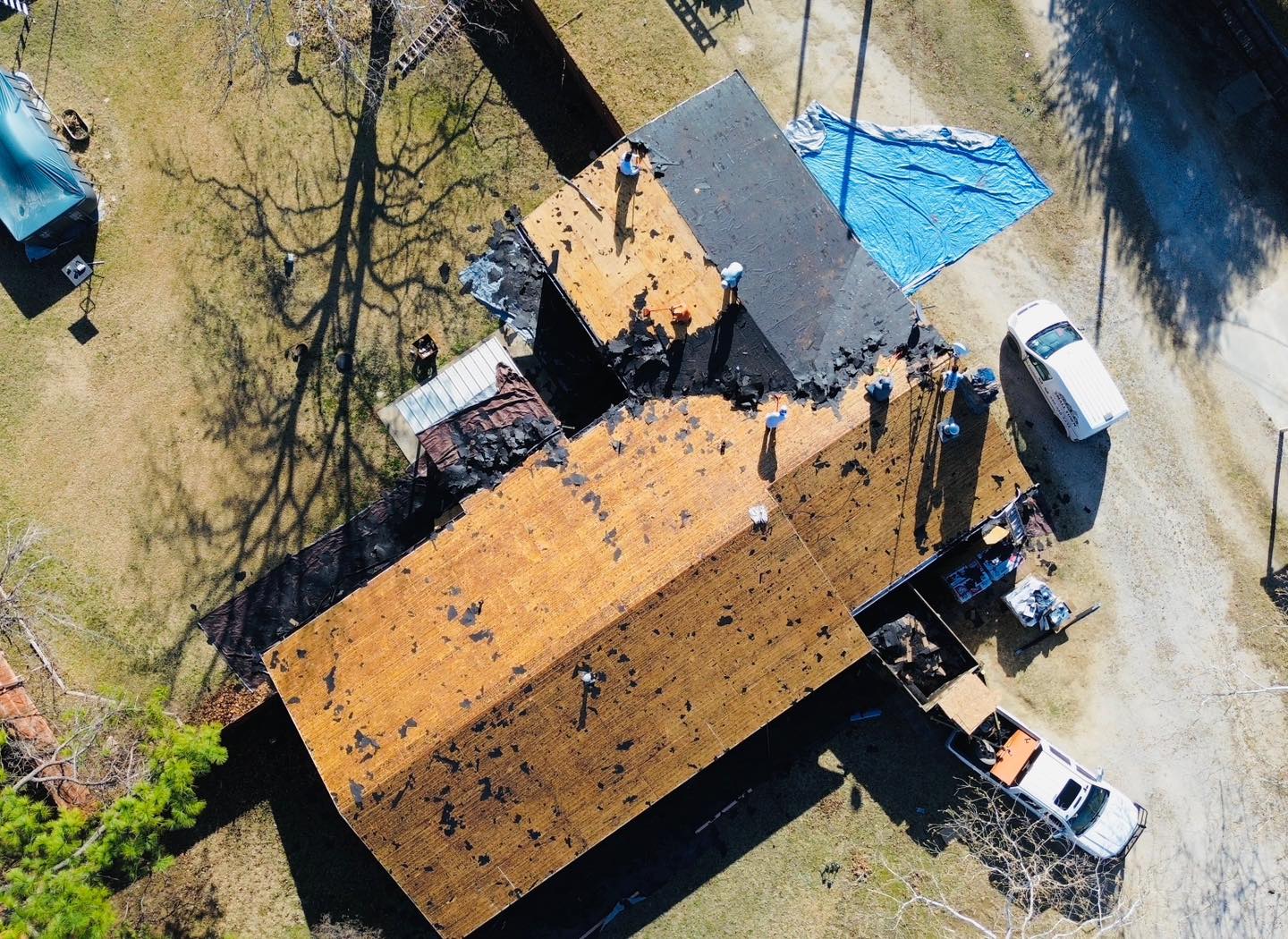
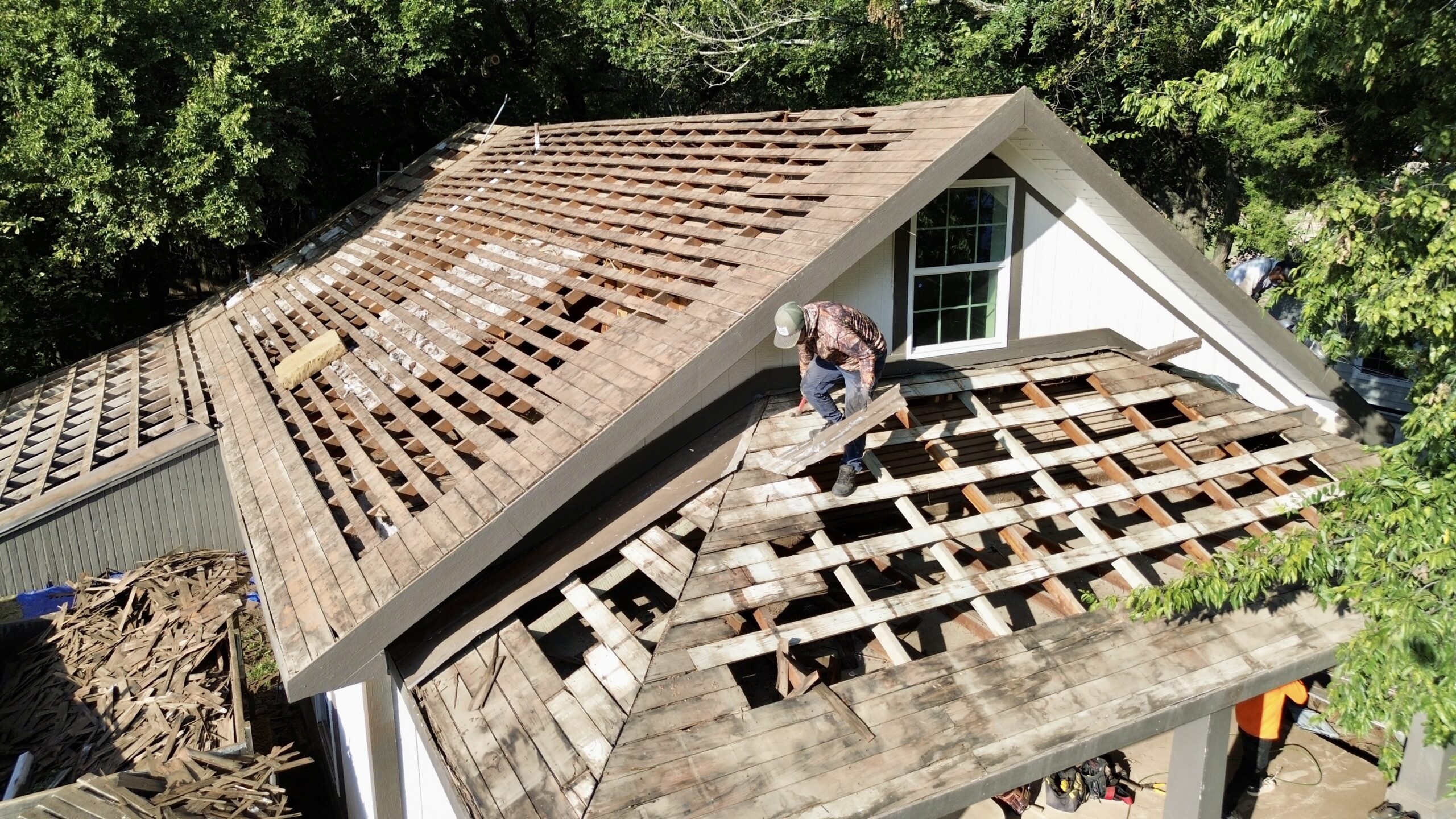
Roof decking and underlayment are important components beneath the visible roofing material, and damage to either can increase the cost of a residential roof repair. Homeowners may initially notice a small leak or damaged shingle, but moisture can travel underneath the surface and affect the materials below. When this happens, repairing only the exterior covering may not solve the underlying problem.
Roof decking provides the structural base for many roofing systems. It is commonly made from wood panels that support the roofing materials above. When water repeatedly enters the roof assembly, the decking can become damp, swollen, warped, soft, or deteriorated, which may require additional repair before new roofing materials can be installed.
The amount of damaged decking has a direct effect on repair costs. A small localized section may be removed and replaced without disturbing a large portion of the roof. If deterioration extends across several areas, however, more roofing materials may need to be removed so the contractor can properly inspect and repair the affected surface.
Underlayment provides an additional layer of protection beneath the primary roofing material. It helps prevent moisture from reaching the decking when water gets beneath shingles or other exterior materials. If the underlayment has been damaged by age, prolonged moisture, or previous roofing work, replacement may be necessary.
The condition of these hidden components cannot always be determined from the ground. A contractor may need to lift or remove roofing materials to inspect the underlying layers. This is one reason an initial repair estimate can sometimes change after the damaged area is opened.
Homeowners should ask whether the estimate includes potential decking repairs and how unexpected damage will be handled. Some contractors may provide a separate price for replacement per affected section, while others may include an allowance in the estimate.
Moisture can also affect insulation and structural framing. If a leak has continued for a long time, the contractor may recommend additional inspection of the attic. These extra services can increase the overall project cost, but they may be necessary to prevent hidden damage from remaining unresolved.
Repairing damaged decking should not be viewed as an unnecessary addition to a roofing project. Installing new roofing materials over a compromised surface can create performance and safety concerns. Addressing the underlying damage provides a stronger foundation for the repaired roofing system.
Storm Damage and Emergency Roofing Repairs
Storms can create unexpected roofing expenses because damage can occur suddenly and may require immediate attention. Strong winds, hail, heavy rainfall, fallen branches, and other severe weather events can affect roofing materials and supporting components. Emergency repairs may also cost more because they often require faster scheduling and temporary protection.
Wind damage can range from a few loose shingles to widespread material displacement. If only a small number of shingles are affected, localized repair may be possible. However, when wind has damaged several roof sections, the contractor may need to inspect the entire system for weakened materials.
Hail damage can be more difficult to identify. Hailstones may leave marks, remove protective granules, or weaken roofing materials without creating an obvious opening. A professional inspection can determine whether the damage is cosmetic or whether it has affected the roof’s ability to resist water.
Fallen branches can create larger openings and may damage multiple roofing layers. In addition to the roofing surface, the impact can affect decking, flashing, gutters, vents, and structural components. The greater the extent of the damage, the more likely the repair cost will increase.
Emergency leaks can also require temporary measures before permanent repairs are completed. These may include temporary coverings or other methods designed to prevent additional water from entering the home. The cost of temporary protection is separate from the eventual permanent repair in some situations.
Weather can affect the availability of roofing contractors as well. After major storms, many homeowners may need repairs at the same time, which can lead to longer wait times. Emergency service may therefore carry additional labor or scheduling costs depending on the contractor and circumstances.
Homeowners should document visible damage from a safe location. Photographs of missing roofing materials, damaged gutters, fallen branches, and interior water stains can help with the inspection process. Documentation may also be useful when discussing possible insurance coverage.
Insurance policies vary, so homeowners should review their individual coverage and follow the required claim process. A contractor can provide an estimate of the physical repair, but homeowners should not assume that every roofing expense will automatically be covered.
Storm damage can sometimes reveal pre-existing deterioration. An older roof that was already near the end of its useful life may respond differently to severe weather than a newer roof. The contractor should distinguish between storm-related damage and normal aging when evaluating the repair.
Geographic Location, Weather, and Seasonal Pricing
The location of a home can influence residential roofing repair costs because labor rates, material availability, transportation expenses, and local building requirements vary between areas. A repair that costs one amount in one region may have a different price in another because the contractor operates under different market conditions.
Local labor costs are an important consideration. Roofing contractors in areas with higher operating expenses may charge more to cover wages, insurance, equipment, transportation, and other business costs. Homeowners should compare estimates from qualified local contractors rather than relying on prices from unrelated regions.
Climate also affects roofing repair requirements. Homes exposed to frequent heavy rain may experience more flashing and drainage problems, while areas with strong winds may see more shingle displacement. Regions with significant temperature changes can also place additional stress on roofing materials.
Seasonal demand can influence scheduling and pricing. Roofing contractors may have busier periods when weather conditions are favorable for exterior construction. During these periods, homeowners may face longer scheduling times or different labor rates depending on local demand.
Material transportation can also contribute to project costs. Heavy roofing products, replacement decking, metal components, tiles, and other materials may require specialized delivery. If a home is difficult to access, transporting materials from the delivery point to the work area may require additional effort.
Local building requirements can affect the scope of work as well. Certain repairs may require permits or specific installation methods depending on the location and type of work. Homeowners should ask their contractor whether local requirements apply to the proposed project.
Weather conditions can also affect the duration of a repair. Rain, strong winds, extreme heat, or other unsuitable conditions may prevent work from proceeding safely. Delays can affect scheduling and may require temporary protection for exposed areas.
Homeowners should avoid choosing a contractor solely because the quoted price is the lowest. A contractor operating in a different market may provide a price that does not reflect local requirements or actual site conditions. Comparing several detailed local estimates provides a more meaningful basis for evaluating costs.
Understanding regional and seasonal influences helps homeowners recognize why roofing prices can vary. It also makes it easier to plan repairs at an appropriate time rather than waiting until a small problem becomes an emergency.
Drainage, Gutters, and Water Management Repairs
Roof drainage plays an important role in preventing leaks and protecting roofing materials. Gutters, downspouts, valleys, roof slopes, and drainage outlets work together to move rainwater away from the home. When these components fail or become blocked, water can accumulate and contribute to roofing damage.
Gutter problems may appear minor, but they can contribute to larger roofing issues. Blocked gutters can cause water to overflow near the roof edge, while loose or damaged gutters may allow water to move behind exterior materials. Repairing these problems can therefore become part of a larger roofing project.
Downspouts should also direct water away from the building. If water repeatedly collects near the foundation, it can contribute to moisture problems around the structure. Correcting the drainage route may require additional components or adjustments beyond the immediate roof repair.
Roof valleys require particular attention because they naturally carry substantial amounts of water. Debris, damaged flashing, poor installation, or deterioration can prevent water from moving properly. Repairing a valley may involve replacing materials and restoring the correct drainage path.
Roof pitch also affects water movement. A roof with complicated slopes or transitions may require more detailed drainage planning than a simple roof surface. Water can accumulate around areas where roof sections meet if flashing or drainage details are not properly maintained.
Gutter cleaning is usually different from a roofing repair, but it may be recommended when drainage problems contribute to roof damage. Homeowners should clarify whether cleaning, repair, or replacement of drainage components is included in the roofing estimate.
Some drainage problems may be corrected without replacing the entire roof. If the roofing materials remain healthy and the issue is limited to gutters or a localized valley, targeted work may be enough. However, persistent drainage problems can contribute to repeated roofing deterioration if they are not addressed.
The cost of drainage work depends on the type and extent of the problem. Replacing a short section of gutter is different from replacing a complete drainage system. Similarly, repairing a localized valley is different from rebuilding multiple roof transitions.
Homeowners should therefore consider drainage as part of the complete roofing system. Correcting the source of water movement can help protect the repair and reduce the possibility of future leaks.
Permits, Disposal, and Additional Project Expenses
The quoted price of a residential roof repair may include more than materials and labor. Depending on the location and project type, homeowners may also encounter costs related to permits, disposal, equipment, site protection, cleanup, and other project requirements.
Permit requirements vary according to local regulations and the scope of the work. Some minor repairs may not require a permit, while larger structural work or significant roofing projects may have specific requirements. The contractor should explain whether permits apply and who is responsible for obtaining them.
Disposal is another expense that homeowners should clarify before work begins. Damaged shingles, underlayment, decking, packaging, and other materials need to be removed from the property. The cost of disposal may be included in the estimate or listed separately.
Equipment can also affect the final price. Depending on the roof and repair location, contractors may require ladders, scaffolding, lifts, safety equipment, or other specialized tools. More complex access requirements generally require additional preparation.
Protecting landscaping and exterior property may also require time and materials. Contractors may use protective coverings around work areas to reduce the risk of damage from falling debris. The amount of preparation depends on the property’s layout and the size of the repair.
Cleanup should be included in a professional roofing estimate. Roofing work can produce small pieces of material, fasteners, dust, and other debris. Proper cleanup helps restore the property after the repair and reduces hazards around the home.
Unexpected costs can arise when hidden damage is discovered. Homeowners should ask the contractor how additional work will be approved before it begins. A clear process can prevent disagreements about whether an added repair was necessary.
Some contractors may offer warranties on their workmanship. Homeowners should understand what the warranty covers, how long it lasts, and whether there are conditions that could affect coverage. Product warranties and workmanship warranties should also be distinguished.
These additional expenses do not necessarily indicate that a contractor is overcharging. They can represent legitimate requirements for completing the work safely and properly. A detailed estimate makes it easier to understand what the homeowner is actually paying for.
Previous Repairs and Hidden Roofing Problems
A roof’s repair history can have a major effect on current repair costs. Previous work may have solved isolated problems, but repeated repairs can also indicate that the roof is aging or that earlier issues were not fully corrected. Contractors should consider this history when evaluating the next repair.
Poorly performed previous repairs can create additional complications. Incorrect fasteners, incompatible materials, poorly installed flashing, or excessive sealant may need to be removed before a proper repair can be completed.
Hidden problems can also remain beneath previous patches. A repair may stop visible water temporarily while moisture continues entering through another location. When the same area develops a new leak, the contractor may need to remove previous repair materials to determine the actual cause.
Multiple layers of old roofing materials can also complicate repairs. Depending on the roofing system and local requirements, excessive layers may need to be removed before new materials can be installed correctly. This can increase labor and disposal costs.
Homeowners should provide contractors with information about previous repairs whenever possible. Old invoices, photographs, inspection reports, and material information can help explain what has already been replaced and where recurring problems have occurred.
If repairs have become frequent and expensive, homeowners should ask whether continued repair remains practical. An older roof with multiple areas of deterioration may require increasingly extensive work, making replacement a more predictable long-term option.
The most important goal is to identify the actual source of the problem. Repairing only the visible symptom can result in repeated expenses. A thorough inspection can help determine whether the issue is isolated or part of a broader roofing condition.
Understanding previous repairs and hidden problems allows homeowners to evaluate estimates more accurately. It also helps them recognize when a repair is a sensible investment and when continued patching may no longer provide good value.
Comparing Repair Estimates and Understanding the Total Cost
Comparing residential roofing repair estimates requires more than looking at the final price. Different contractors may recommend different repair methods, materials, or scopes of work, which can make two estimates difficult to compare at first glance. Homeowners should review what is included in each proposal before deciding which option provides the best overall value.
A detailed estimate should identify the damaged area, proposed repair, materials, labor, removal, disposal, and cleanup. It should also explain whether the contractor expects to replace underlayment, flashing, decking, or other components. When an estimate contains only a single total price without explaining the work, it can be difficult to determine whether important items have been left out.
Homeowners should also ask whether the quoted amount is fixed or subject to change. Hidden damage may be discovered after roofing materials are removed, particularly when a leak has existed for a long time. A professional contractor should explain how additional work will be identified, priced, and approved before it is performed.
Warranty information should be reviewed as part of the estimate. Some warranties cover workmanship, while others apply to roofing materials supplied by the manufacturer. Understanding the difference can help homeowners determine what protection they will receive after the repair is completed.
The contractor’s experience should also be considered. A lower price may not provide better value if the repair is incomplete or performed incorrectly. Proper diagnosis and installation can prevent recurring leaks that would otherwise result in additional expenses.
Homeowners should consider asking these questions before approving a repair:
- What exactly caused the damage?
- Which roofing components will be replaced?
- Does the estimate include labor, disposal, and cleanup?
- Could hidden decking or underlayment damage change the price?
- What workmanship and material warranties are included?
Comparing estimates this way helps homeowners focus on the complete scope rather than the cheapest number. A slightly higher estimate may provide better materials, more thorough preparation, or a more comprehensive repair.
Repair Versus Full Roof Replacement Costs
One of the most important financial decisions homeowners may face is whether to repair the existing roof or replace it completely. A repair is generally more practical when damage is limited and the surrounding roofing system remains in good condition. Replacement becomes more attractive when problems are widespread or the roof is already approaching the end of its useful life.
The age of the roof is an important consideration. A relatively new roof with one damaged section may still have substantial service life remaining, making a targeted repair worthwhile. An older roof with repeated leaks and widespread material deterioration may not provide enough remaining life to justify continued repairs.
Repair frequency should also be considered. If homeowners repeatedly pay for repairs every few months or years, the combined expense can become significant. Replacing the roof may provide more predictable protection and reduce the need for repeated emergency work.
The condition of the underlying components is another factor. If the roof deck, underlayment, flashing, and other components remain sound, repair may be reasonable. If several underlying areas are damaged, a larger project may be necessary to restore the roofing system properly.
A full replacement also provides an opportunity to address several problems at once. Homeowners can replace deteriorated materials, improve flashing, evaluate ventilation, correct drainage issues, and install a consistent roofing system.
However, replacement should not be recommended simply because a repair is possible. If the roof is generally healthy and the damage is clearly localized, replacing the entire system may create an unnecessary expense. The decision should be based on the roof’s actual condition and expected future performance.
Homeowners can ask a contractor to provide both repair and replacement options when the situation is uncertain. Comparing the immediate repair cost with the expected remaining service life can make the financial decision clearer.
Ways Homeowners Can Control Repair Expenses
Homeowners cannot eliminate every roofing expense, but they can take steps to reduce unnecessary costs. Early attention to minor problems is one of the most effective ways to prevent a small defect from becoming a major repair.
Regular inspections can identify damaged shingles, deteriorated flashing, blocked drainage, and other developing problems. Finding these issues before water enters the home can reduce the possibility of damage to decking, insulation, ceilings, and walls.
Keeping gutters and downspouts clear can also protect the roof. Proper drainage helps prevent water from accumulating near roof edges and other vulnerable areas. Homeowners should arrange safe cleaning and maintenance rather than allowing debris to remain for long periods.
Trees should also be managed carefully around the home. Overhanging branches can scrape roofing materials and may fall during severe weather. Properly maintaining nearby trees can reduce the chance of storm-related roofing damage.
Homeowners should respond quickly when a leak becomes visible. Delaying a repair may allow moisture to spread through hidden areas. The longer water remains inside the roofing assembly, the greater the possibility of additional repair expenses.
It is also useful to maintain records of roofing work. Keeping estimates, invoices, inspection reports, warranties, and photographs helps homeowners understand the roof’s history. This information can make future inspections more efficient and may help identify recurring problems.
Choosing materials and repairs based on long-term value can also reduce expenses. The cheapest material or repair method may not always provide the best result. A properly completed repair using compatible materials can reduce the likelihood of repeated problems.
Homeowners should avoid unnecessary DIY work on steep or difficult roofs. An unsuccessful repair can create additional damage and may increase the cost of professional correction. Safe maintenance and timely professional assistance are generally better choices for complex roofing problems.
When Delaying Roof Repairs Can Increase Costs
Postponing a roof repair may seem like a way to save money temporarily, but delays can allow damage to spread. Water does not always remain in the area where it first enters the roof. It can travel through underlayment, decking, insulation, framing, and interior materials before becoming visible.
A small damaged shingle may initially require only a localized replacement. If water continues entering through that opening, the roof deck beneath it may become damaged. Eventually, the repair may involve several roofing layers and interior restoration.
Persistent moisture can also contribute to mold or unpleasant odors under certain conditions. Wet insulation may lose its effectiveness, while damp wood components can deteriorate over time. These secondary problems can make the final repair more complicated.
Interior damage can become another expense. Ceiling stains, damaged drywall, peeling paint, and flooring problems may appear after a roof leak has continued for some time. Repairing these areas does not solve the source of the moisture, so the roofing problem must still be addressed.
Emergency repairs may also be more expensive than planned maintenance. A leak discovered during severe weather can require temporary protection and urgent service. Planning a repair when the problem is still manageable may provide more options.
Homeowners should not ignore small signs such as occasional dripping, dark attic stains, damaged shingles, or deteriorated flashing. These signs do not always indicate major damage, but they deserve inspection before they develop into larger problems.
The best time to address a roofing problem is generally when it can be evaluated and repaired safely without extensive secondary damage. Prompt action can protect both the roofing system and the interior of the home.
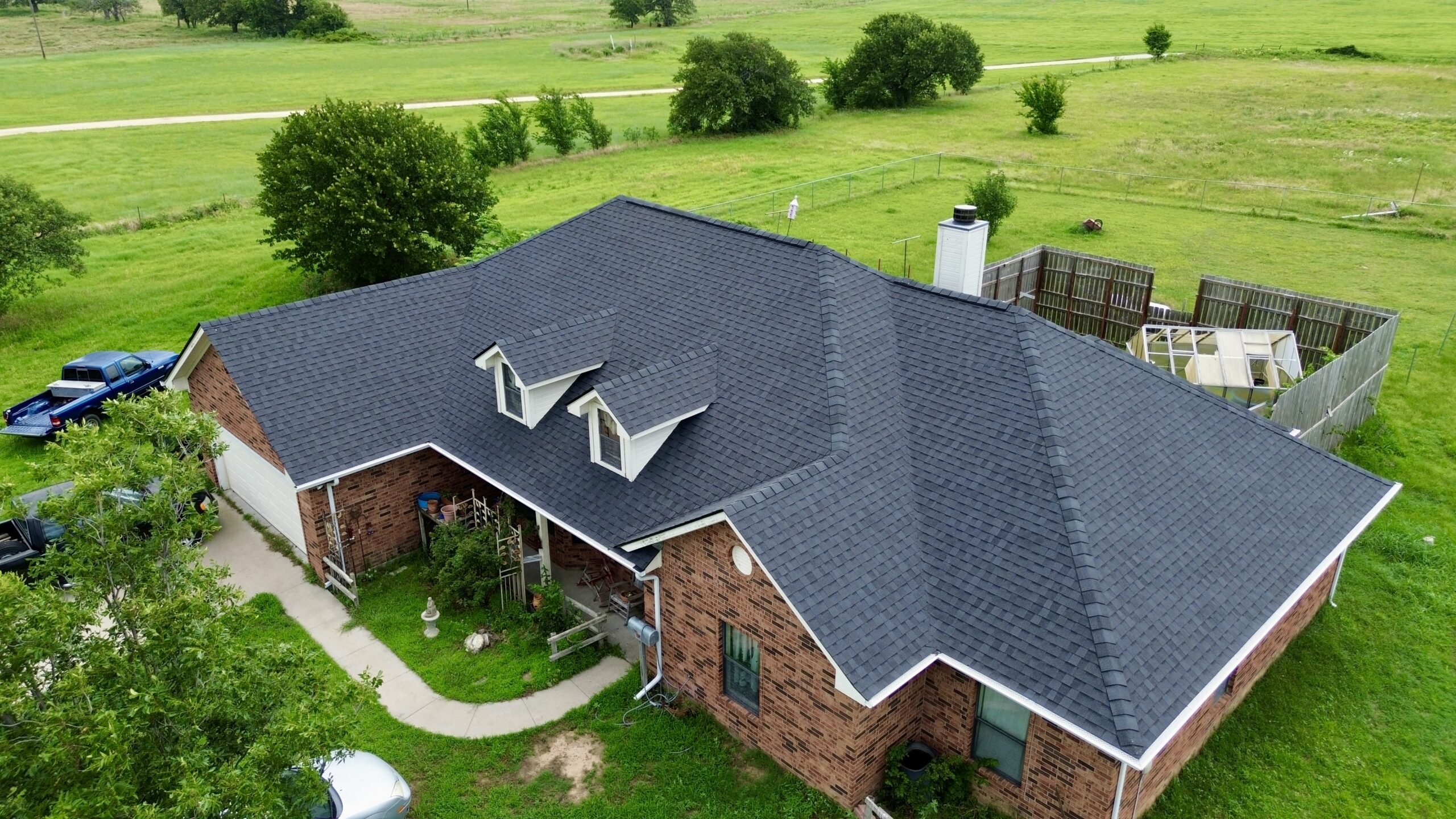
Choosing a Roofing Contractor and Reviewing Estimates
The contractor selected for a residential roofing repair can influence both the immediate cost and the long-term performance of the repair. Homeowners should look for qualified professionals who provide clear estimates and demonstrate experience with the specific roofing system.
A contractor should inspect the roof before recommending significant work. Estimates based only on a brief description or photographs may not account for accessibility, hidden damage, roof complexity, or underlying deterioration.
Homeowners should request written details about the proposed work. The estimate should explain the materials, labor, repair locations, disposal, cleanup, warranties, and any conditions that could affect the final cost.
Insurance and applicable licensing requirements should also be verified according to local regulations. Homeowners should be cautious about contractors who refuse to provide basic business information or pressure them into immediate decisions.
Several estimates can be useful when comparing major repairs, but homeowners should compare equivalent scopes of work. A low estimate may exclude important components that another contractor has included. Reviewing the details is therefore more useful than simply comparing totals.
Communication should remain clear throughout the project. If hidden damage is discovered, homeowners should understand what additional work is required and how much it will cost before approving the change.
A dependable contractor should be willing to explain why a repair is needed and what result homeowners can reasonably expect. Good communication can reduce misunderstandings and help ensure that the completed work matches the agreed scope.
Conclusion
Residential roofing repair costs are influenced by many factors, including damage severity, roof size, roofing material, labor, accessibility, flashing, drainage, underlying components, storm conditions, and the age of the existing system. Understanding these factors allows homeowners to approach repair decisions with a clearer idea of what may affect the final price.
A detailed inspection is one of the most important steps because visible damage does not always reveal the complete problem. Water can travel beneath roofing materials and damage decking, insulation, underlayment, or structural components before becoming noticeable inside the home.
Homeowners should compare detailed estimates rather than choosing a contractor based solely on the lowest price. The scope of work, materials, labor, warranties, disposal, cleanup, and potential additional costs should all be reviewed before the project begins.
Regular maintenance can also help control long-term expenses. Keeping drainage systems clear, arranging inspections, addressing minor damage promptly, and maintaining nearby trees can reduce the likelihood of expensive emergency repairs.
At the same time, homeowners should recognize when repair costs no longer provide good value. An aging roof with widespread deterioration, recurring leaks, extensive decking damage, or frequent repair requirements may be better suited to full replacement.
Ultimately, the goal of a roofing repair is not simply to stop a leak temporarily. The repair should restore the roof’s ability to protect the home from weather while providing reasonable durability for the investment. By understanding the major cost factors, addressing problems promptly, and choosing qualified professionals, homeowners can make informed roofing decisions and avoid unnecessary expenses over the life of their residential roof.