

How to Plan Residential Roof Replacement Projects Effectively
Introduction
Replacing a residential roof is a major home improvement project that requires more planning than simply selecting new shingles and scheduling a contractor. A roof protects the structure, interior spaces, insulation, and belongings from rain, wind, sunlight, and changing weather conditions. Because the roofing system is closely connected to several parts of the home, poor planning can lead to delays, unexpected expenses, material problems, and installation mistakes.
Effective planning begins well before the first roofing material is removed. Homeowners need to understand the condition of the existing roof, establish a realistic budget, select suitable materials, research qualified contractors, and choose a practical project schedule. Taking time to organize these decisions can make the replacement process more predictable and reduce unnecessary stress once construction begins.
A well-planned project also helps homeowners recognize potential problems before they become expensive surprises. For example, an inspection may reveal damaged decking beneath the existing shingles, while a contractor may identify inadequate ventilation or deteriorated flashing that needs attention during replacement. Addressing these issues during the planning stage allows homeowners to prepare financially and avoid making rushed decisions during installation.
The planning process should therefore focus on the entire roofing system rather than only its visible exterior. The following stages provide a practical foundation for organizing a residential roof replacement from the earliest assessment through the preparation for construction.
Assessing the Existing Roof Condition
The first major step in planning a roof replacement is understanding why the existing roof needs to be replaced. Some roofs reach the end of their expected service life gradually, while others require replacement because of storm damage, widespread leaks, structural deterioration, or repeated repair problems. Identifying the reason for replacement helps determine the scope of the project.
Homeowners can begin by observing visible warning signs from a safe location. Missing or damaged shingles, widespread curling, cracking, exposed underlayment, excessive granule loss, sagging areas, damaged flashing, and recurring leaks can all indicate significant deterioration. However, visual observations alone cannot reveal every problem because important components are located beneath the exterior roofing material.
A professional inspection should examine the condition of the roofing materials as well as the components underneath them. The contractor may assess the roof deck, underlayment, flashing, valleys, vents, drainage areas, and other details that influence the performance of the system. Accessible attic areas can also provide useful information about moisture intrusion, ventilation, insulation conditions, and structural concerns.
The inspection should determine whether the entire roof requires replacement or whether certain sections can remain. When deterioration is widespread, replacing only a few visible areas may provide limited value. A complete replacement can address the roofing system more consistently and provide an opportunity to correct underlying problems.
Homeowners should also consider the roof’s history. Previous repairs, recurring leaks, storm damage, and maintenance records can help explain why the existing system has failed. A roof that has required frequent repairs may have reached a point where continuing to fix individual problems is less practical than installing a new system.
The condition assessment should result in a clear understanding of the project’s likely scope. Before moving forward, homeowners should ask the contractor to explain which components need replacement, which areas may require additional work, and what conditions could only become visible after the existing roofing materials are removed.
Setting a Realistic Roof Replacement Budget
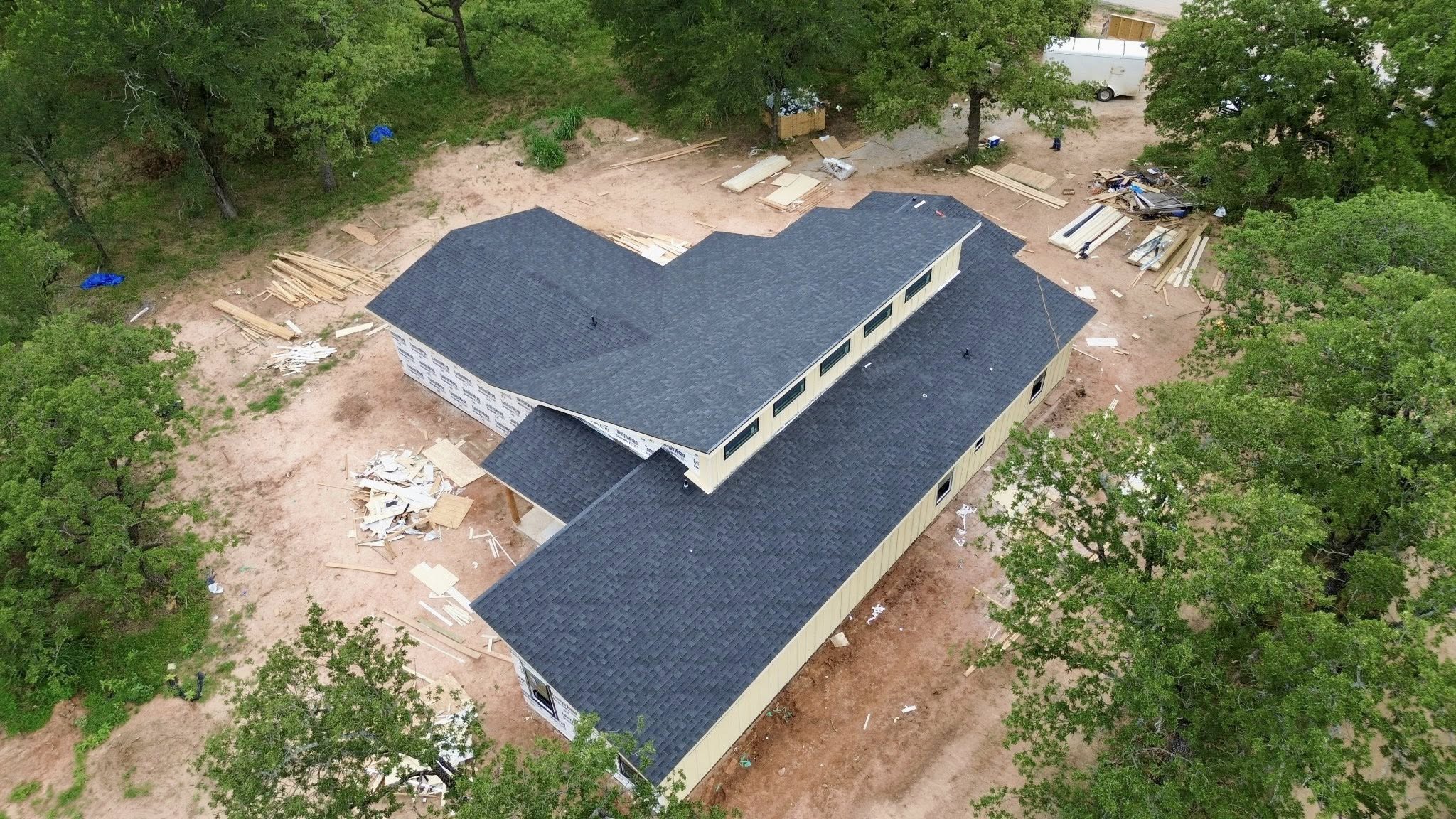
A realistic budget is essential for keeping a roof replacement project under control. The total cost is influenced by factors such as roof size, design complexity, roofing material, labor, removal of the existing system, disposal, accessibility, and the condition of the underlying structure. Homeowners should avoid building a budget around the price of roofing materials alone.
The initial estimate should identify the major categories of work. These can include removal of existing roofing materials, disposal of debris, installation of the new roofing system, replacement of damaged decking, flashing work, ventilation improvements, permits, and cleanup. Having these details identified early makes it easier to compare estimates from different contractors.
Unexpected conditions are another important consideration. Once the existing roof is removed, contractors may discover damaged decking, hidden moisture problems, deteriorated flashing, or other issues that could not be fully evaluated from the exterior. Setting aside part of the budget for legitimate unforeseen work can prevent these discoveries from creating major financial difficulties.
Homeowners should also distinguish between essential work and optional upgrades. Structural repairs and weatherproofing components are generally more important to the basic performance of the roof than purely cosmetic improvements. If the budget is limited, priorities should focus first on creating a sound and properly installed roofing system.
The cheapest estimate is not necessarily the best financial decision. A very low bid may leave out important components, use lower-quality materials, or provide a narrower scope of work than other estimates. Homeowners should compare what each contractor is actually offering rather than comparing only the final dollar amount.
A useful budget review can include:
- Existing roof removal and disposal
- New roofing materials and installation
- Decking or structural repairs
- Flashing, ventilation, and underlayment
- Permits and required inspections
- Cleanup and final project work
Keeping these categories visible throughout the planning process helps homeowners understand where their money is going. It also makes it easier to discuss changes if the project scope needs to be adjusted.
Choosing the Right Roofing Materials
Selecting roofing materials is one of the most important decisions in a replacement project because the material affects appearance, durability, maintenance, performance, and overall cost. Homeowners should choose materials based on the characteristics of the property and local environmental conditions rather than selecting an option solely because it looks attractive.
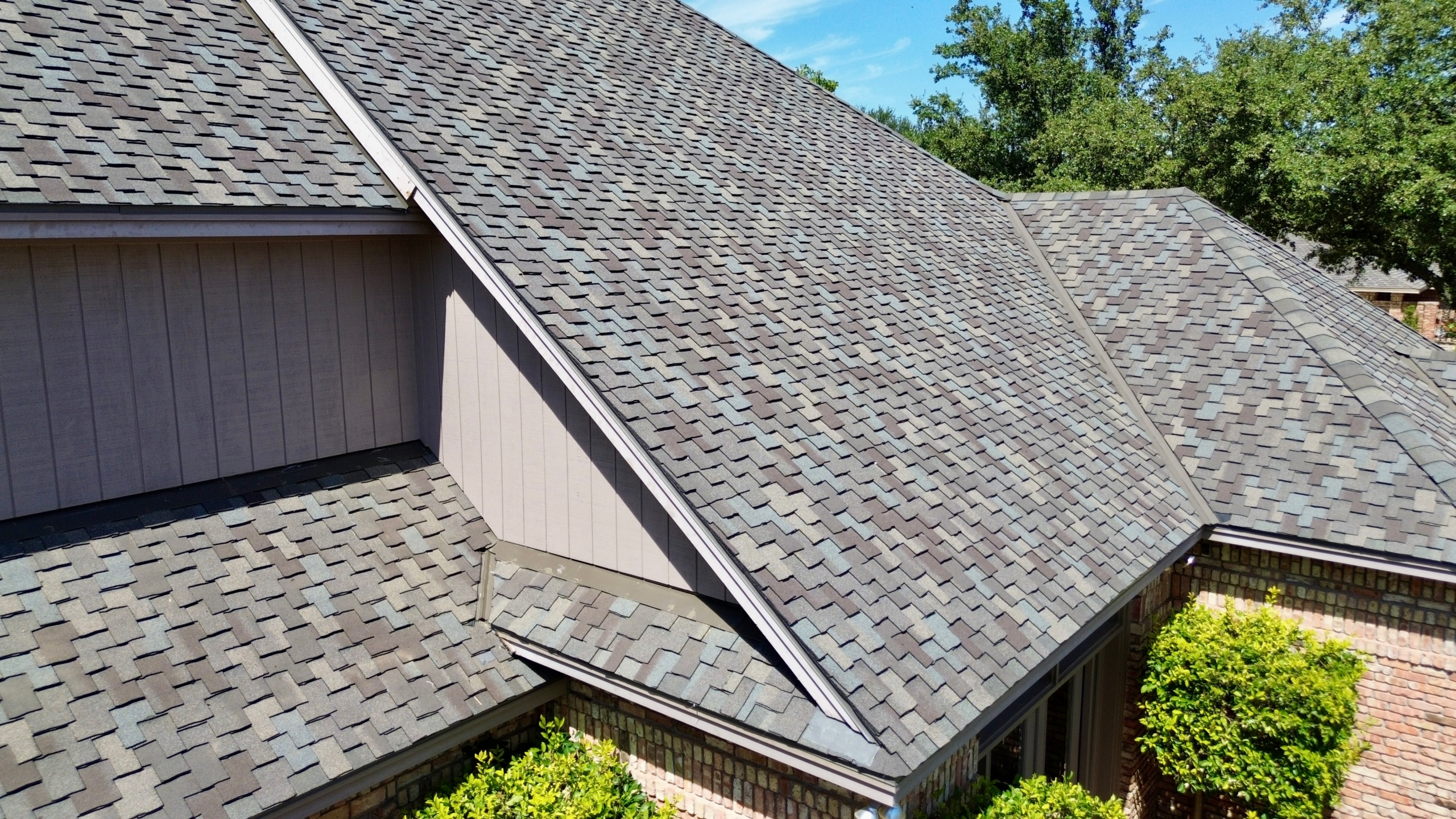
Asphalt shingles are widely used for residential properties because they come in different styles and price ranges. They can provide reliable protection when properly selected and installed, making them a practical choice for many homeowners. Different shingle grades can have different durability and warranty characteristics, so homeowners should compare product specifications carefully.
Metal roofing is another option that may provide long-term durability and resistance to various weather conditions. Metal systems are available in different profiles, finishes, and materials, allowing homeowners to consider both performance and appearance. The installation method and structural requirements should be reviewed before choosing this option.
Tile and other specialized roofing materials may be suitable for particular homes. However, heavier materials can place different demands on the supporting structure, while certain roof designs may require specialized installation techniques. Homeowners should confirm that the selected material is compatible with the existing building before making a final decision.
Climate should play an important role in material selection. Homes exposed to strong sunlight, heavy rainfall, high winds, hail, or other challenging conditions may benefit from roofing products designed for those environments. Local building requirements may also influence which materials and installation methods are appropriate.
Appearance is still an important consideration because a new roof can significantly affect the home’s exterior. Homeowners can compare colors, profiles, textures, and styles while keeping performance requirements in mind. The goal should be to find a material that provides an appropriate balance between appearance, durability, maintenance, and budget.
Warranty terms should also be reviewed before purchasing roofing materials. Manufacturer warranties can vary significantly, and some may require specific installation practices or approved contractors. Understanding these conditions before installation can help prevent confusion later.
Selecting a Qualified Roofing Contractor
Choosing the right contractor is one of the most important planning decisions because installation quality has a major influence on how well a new roof performs. Even high-quality roofing materials can fail prematurely when they are installed incorrectly. Homeowners should therefore research contractors carefully rather than selecting the first company that provides an estimate.
Experience is an important factor, particularly when the home has a complex roof design or requires structural repairs. Homeowners should look for contractors who regularly perform residential roof replacements and can clearly explain how they handle common challenges. References, reviews, previous project examples, and professional documentation can provide additional information when evaluating potential contractors.
Insurance and required credentials should also be verified. Homeowners should understand what type of coverage the contractor carries and whether the company meets applicable local requirements. These checks can help reduce potential problems if an accident or property issue occurs during construction.
Detailed written estimates are essential when comparing contractors. Each estimate should clearly describe the roofing material, removal process, installation work, expected repairs, cleanup responsibilities, warranty information, and payment terms. If one contractor provides a much shorter estimate than others, homeowners should ask whether important work has been excluded.
Communication should also be considered during the selection process. A contractor who responds clearly to questions and explains the project in understandable terms can make the planning process much easier. Homeowners should feel comfortable asking about materials, scheduling, possible hidden damage, safety procedures, and what happens if weather delays the project.
It is also useful to establish who will be responsible for daily project supervision. The homeowner should know whom to contact if a question or unexpected issue arises during installation. Clear communication before work begins can reduce misunderstandings once the project is underway.
Planning the Project Schedule
Timing can have a significant effect on the success of a roof replacement. Homeowners should consider seasonal weather, contractor availability, material delivery schedules, local requirements, and personal circumstances before selecting a start date. A project that begins without sufficient scheduling preparation may face avoidable interruptions.
Weather is especially important because roofing installation generally requires suitable outdoor conditions. Rain, strong winds, extreme temperatures, or severe weather can delay certain stages of the project. Homeowners should understand that a weather-related delay may be necessary to protect workers and prevent installation problems.
Material availability should also be confirmed before the project begins. Some roofing products may require additional ordering time, especially if the homeowner has selected a less common color, style, or material. The contractor should confirm that the necessary materials are available and that delivery is coordinated with the planned installation date.
The expected duration of the project should be discussed in advance, but homeowners should avoid assuming that every roof replacement will follow the same timeline. Roof size, design complexity, material type, weather, crew size, and unexpected repairs can all affect the schedule.
Homeowners should also consider how the work will affect their daily routine. Roof replacement can involve significant noise, workers moving around the property, material deliveries, and temporary restrictions around the house. Planning work schedules, parking arrangements, pets, children, and other household activities in advance can make the construction period easier to manage.
A written project schedule can help establish expectations. It should identify the anticipated start date, major stages of work, expected completion period, and possible factors that could cause changes. The schedule should remain flexible enough to accommodate legitimate weather or structural issues without creating unnecessary pressure on the contractor.
Preparing the Property Before Work Begins
Once the contractor, materials, budget, and schedule have been confirmed, homeowners should prepare the property for construction. Good preparation protects belongings, improves access for the roofing crew, and reduces the chances of unnecessary disruption. It also allows the project to begin more efficiently once materials arrive.
Outdoor furniture, decorations, planters, tools, toys, and other movable objects should be relocated away from the immediate work area. Vehicles may also need to be moved because roofing materials and debris can be transported around the property during construction. The contractor can identify areas that need to remain clear for ladders, equipment, deliveries, and waste containers.
The attic should receive attention before work begins as well. Homeowners may want to remove or protect fragile belongings stored beneath the roof because vibrations and construction activity can disturb dust or small debris. Clearing unnecessary items can also make it easier for contractors to inspect the area if access is required.
Windows, doors, and other vulnerable areas may need temporary protection depending on the project. Homeowners should discuss these measures with the contractor rather than attempting to install protective coverings without guidance. Professional crews can identify the areas most likely to experience construction-related exposure.
Children and pets should be kept away from active work zones. Roofing projects involve ladders, tools, nails, heavy materials, and falling debris, making construction areas unsuitable for regular household access. A designated safe area can help maintain separation between the household and the work crew.
Finally, homeowners should organize important project documents before installation begins. The contract, estimate, material specifications, warranty information, permits, inspection documents, and communication records should be kept together. Having these records available makes it easier to verify the agreed scope and manage questions throughout the replacement process.
Creating a Detailed Project Scope
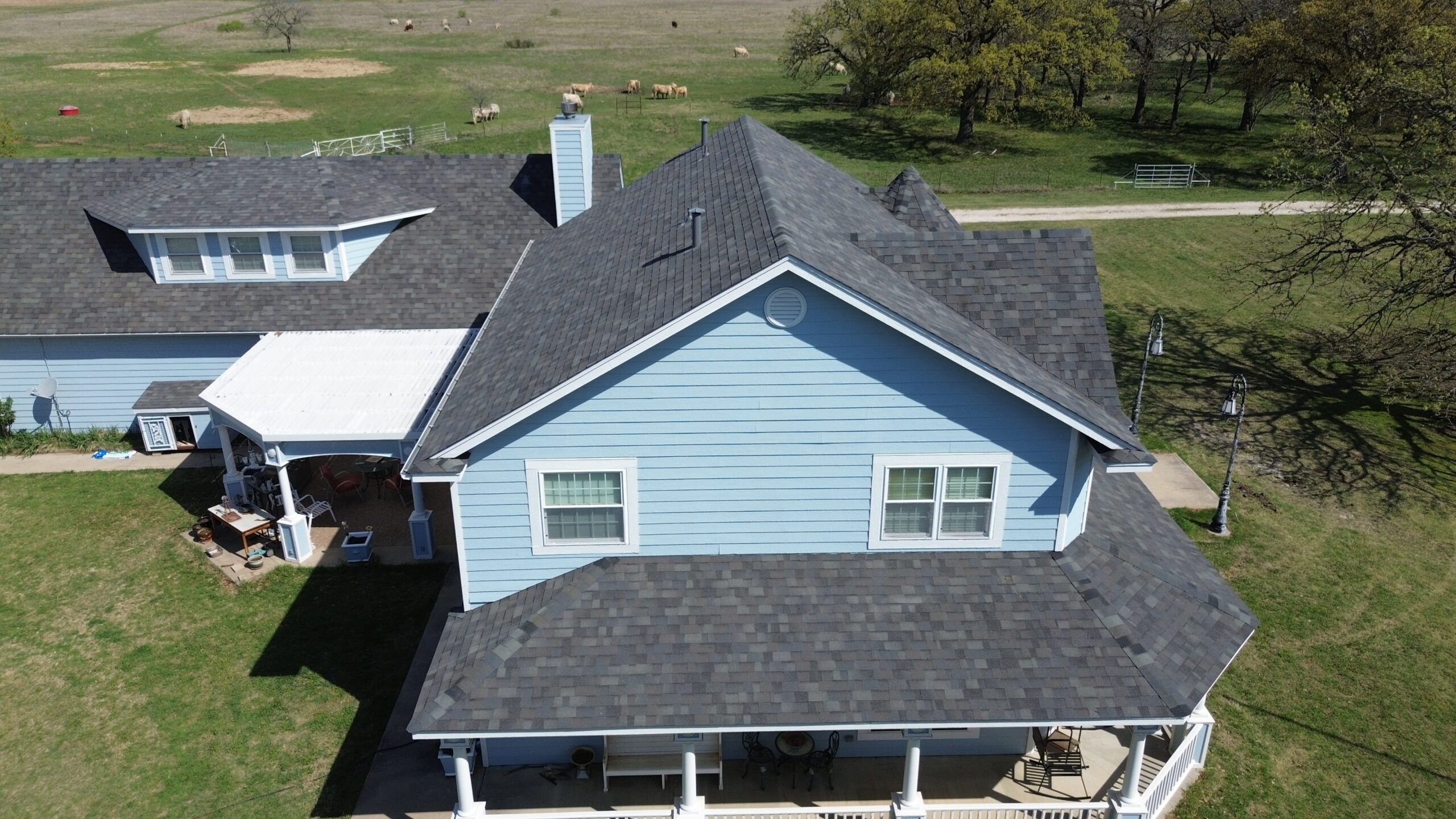
A clear project scope is one of the most valuable planning tools for a residential roof replacement. It explains what the contractor will remove, what will be installed, which additional components are included, and how the property will be handled during construction. Without a detailed scope, homeowners may have difficulty determining whether the completed project matches the original agreement.
The scope should begin with the existing roofing system and explain how it will be removed. Depending on the condition and type of roof, this may include removing shingles, underlayment, flashing, vents, or other materials. The agreement should also explain how old roofing materials will be collected and disposed of after removal.
The new roofing system should be described in enough detail to avoid confusion. The estimate should identify the roofing material, product type, approximate quantity, underlayment, flashing, ventilation components, edge materials, and other major installation elements. If the homeowner has selected a specific color or style, those details should also be recorded.
Decking and structural repairs deserve particular attention because hidden damage may only become visible after removal begins. The contractor should explain how damaged decking will be handled and whether repairs are included at a specific rate or subject to an additional approval process. This helps homeowners understand what may happen if unexpected deterioration is discovered.
The project scope should also identify areas that are not included. For example, interior ceiling repairs, extensive structural reconstruction, gutter replacement, or landscaping work may be outside the basic roofing contract. Knowing these exclusions before construction begins prevents disagreements about responsibilities.
A written scope also provides a useful reference during the project. If an unexpected problem occurs, the homeowner and contractor can compare the issue with the original agreement and discuss the appropriate change. Clear documentation makes these conversations more objective and reduces the risk of misunderstandings.
Understanding Permits and Local Requirements
Permits and building requirements should be addressed before roof replacement begins. Requirements vary depending on the location, property type, scope of work, and local regulations. Some projects may require permits or inspections, while others may be subject to different procedures based on the extent of the replacement.
Homeowners should ask the roofing contractor who is responsible for obtaining required permits. If the contractor handles this process, the homeowner should understand what documentation will be provided and whether permit fees are included in the project estimate. If the homeowner is responsible, the necessary applications should be completed before construction begins.
Building requirements can influence the way a roof is installed. They may address issues such as structural safety, ventilation, flashing, weather protection, material specifications, and other construction details. Following applicable requirements helps ensure that the new roofing system is installed according to recognized standards.
Inspections may also be required during or after the project. Depending on local procedures, an inspector may need to verify certain stages of the work or review the completed roofing system. Homeowners should ask the contractor whether inspections are expected and how they will be scheduled.
Documentation should be kept throughout the project. Permit records, inspection results, approved plans, contractor agreements, and material information can be valuable if the property is sold or if future repairs are required. These records can also help demonstrate that the work was completed through an appropriate process.
Homeowners should not assume that a contractor will automatically handle every regulatory requirement. Asking specific questions before signing the agreement can clarify responsibilities. A professional contractor should be able to explain the applicable process and identify any requirements that could affect the project’s schedule or cost.
Ordering and Confirming Roofing Materials
Material planning should happen early enough to prevent supply problems from delaying the replacement. Once the roofing material has been selected, the contractor should confirm the product type, quantity, color, accessories, and expected delivery date. This information should match the specifications included in the project agreement.
Material shortages can create unnecessary delays when construction begins before all necessary supplies are available. If shingles, tiles, metal panels, flashing components, or other essential products are missing, the crew may have to pause work. Confirming availability before the start date helps reduce this risk.
Homeowners should also be cautious about unapproved substitutions. If the selected material becomes unavailable, the contractor should discuss alternative options before making a change. A different product may have different appearance, performance, warranty, or cost characteristics, so substitutions should not be made without the homeowner’s understanding and agreement.
Delivery arrangements should also be considered. Roofing materials can be heavy and may require specialized equipment for placement. The contractor should determine where materials can be safely delivered and stored without damaging the driveway, landscaping, walls, or other parts of the property.
The timing of delivery should correspond with the construction schedule. Materials arriving too early may occupy valuable space around the property, while materials arriving too late can interrupt installation. Coordinating delivery with the roofing crew allows the project to move more efficiently.
Homeowners should keep product information for future reference. Manufacturer details, product names, warranty documents, installation requirements, and color information can be useful for maintenance or future repairs. Keeping these records with the project contract creates a complete reference file for the new roofing system.
Preparing for Roof Removal
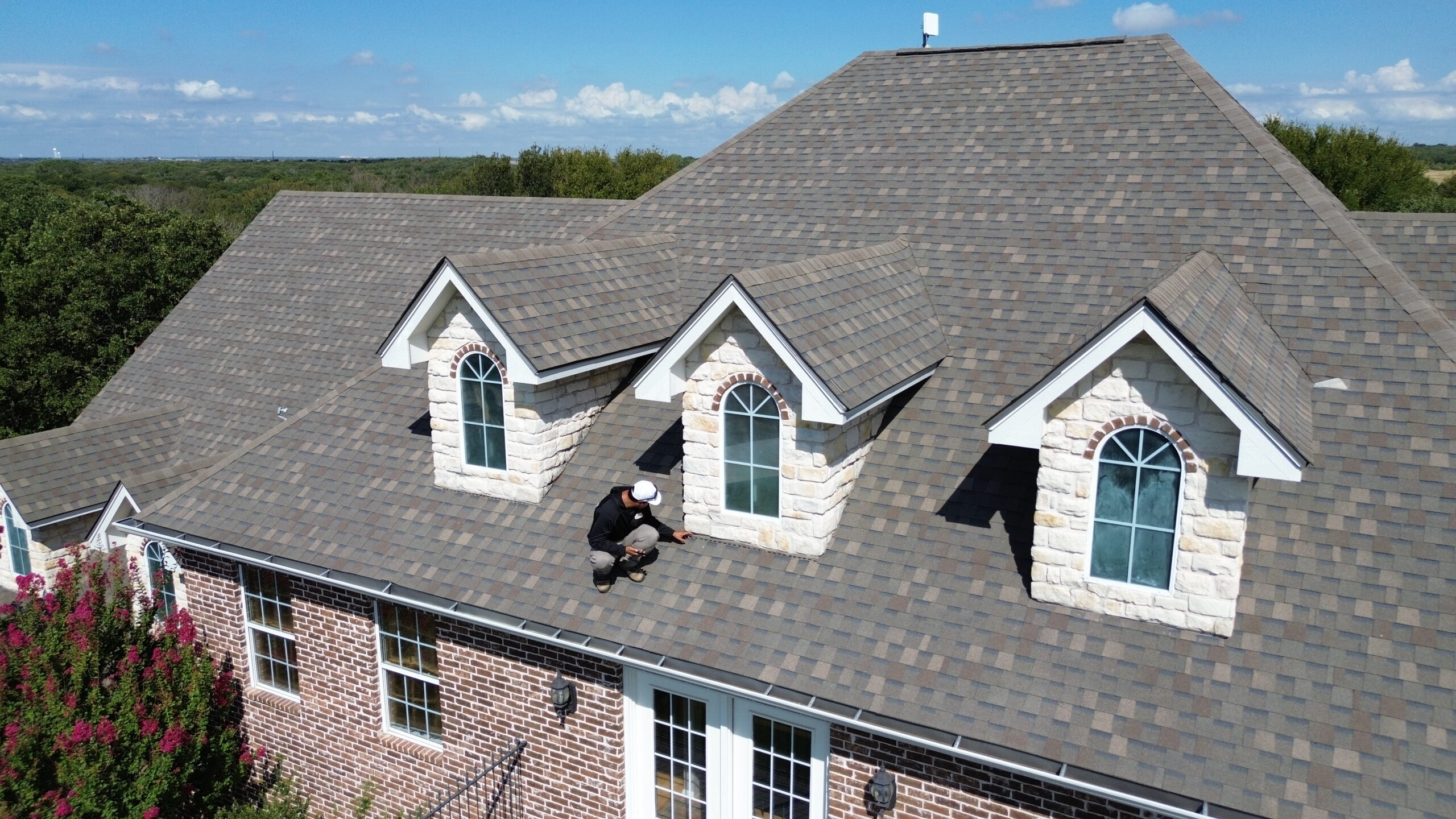
Removing the existing roof is often one of the most disruptive stages of a replacement project. Crews may strip old roofing materials, expose the roof deck, move large quantities of debris, and use ladders and equipment around the property. Understanding this stage helps homeowners prepare the house and household routines accordingly.
Before removal begins, the contractor should identify how debris will be controlled. Roofing materials can fall around the edges of the structure during demolition, so protective measures may be used around landscaping, windows, doors, and other vulnerable areas. Homeowners should discuss these precautions before work begins.
Noise is another factor that should be considered. Removing old roofing materials can create substantial sound and vibration, particularly when work is taking place directly above occupied rooms. People working from home may need to arrange an alternative workspace during the loudest stages.
The household should also be prepared for temporary changes in access. Contractors may need space for ladders, tools, vehicles, material deliveries, and waste containers. Keeping these areas clear can improve worker safety and reduce delays.
Debris management should be included in the project agreement. The contractor should explain whether a dumpster, trailer, or other collection method will be used and when it will be removed. Homeowners should also understand whether final cleanup includes the removal of loose nails and smaller debris from accessible areas around the property.
Roof removal can reveal conditions that were not visible during the initial inspection. Damaged decking, moisture deterioration, inadequate previous repairs, or other problems may become apparent once the old materials are removed. The homeowner should have an agreed process for reviewing and approving additional work when such conditions are discovered.
Monitoring Installation Quality
Homeowners do not need to perform the contractor’s work, but they should understand the major stages of installation and monitor the project at an appropriate level. Regular communication can help confirm that work is progressing according to the agreed scope and that important changes are discussed promptly.
The roof deck should be properly prepared before the new roofing materials are installed. Damaged or unstable sections should be addressed according to the agreed project scope. Installing new roofing over a compromised surface can create problems that may not become obvious until later.
Underlayment is another important part of the roofing system. It provides an additional layer of protection beneath the exterior roofing material and should be installed according to the product and project requirements. Homeowners can ask the contractor to explain which underlayment is being used and where it will be installed.
Flashing deserves careful attention because it protects areas where water is more likely to enter. Roof valleys, chimneys, skylights, vents, walls, and other penetrations should be handled carefully. Poorly installed or improperly sealed flashing can create leaks even when the main roofing material appears correctly installed.
Ventilation should also be considered during installation. Appropriate attic ventilation can help manage heat and moisture conditions within the roofing system. If the existing roof has ventilation problems, replacement provides an opportunity to review and improve the arrangement where appropriate.
Homeowners should avoid interfering with active installation work or walking on the roof to inspect progress. Instead, questions can be directed to the project supervisor. Photographs provided by the contractor can also help homeowners understand work taking place in areas that are not safely accessible.
Managing Unexpected Problems During Replacement
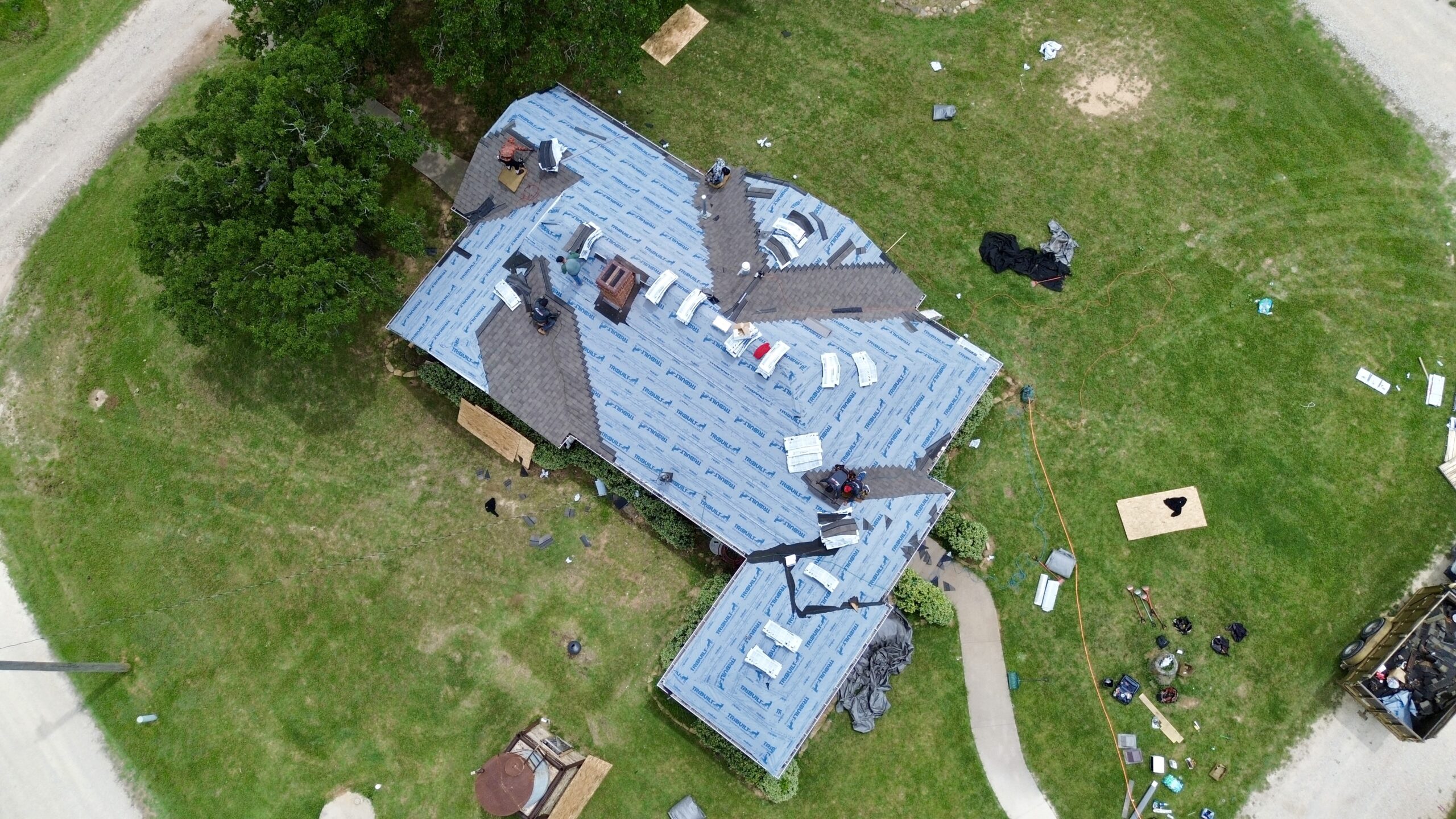
Even careful planning cannot eliminate every unexpected problem. A roof may appear reasonably sound from the outside while hidden deterioration becomes visible after the old materials are removed. The planning process should therefore include a clear method for handling conditions that were impossible to identify during the initial inspection.
Decking damage is one common example. Moisture can weaken sections of wood beneath the roofing material without creating obvious exterior signs. If damaged decking is discovered, the contractor may recommend replacing the affected sections before installing the new roof.
Structural deterioration can require more extensive attention. Damaged rafters, trusses, or other supporting components may need evaluation by an appropriately qualified professional. Homeowners should understand that structural work may involve additional costs and could affect the original completion schedule.
Weather is another source of unexpected delays. Rain, strong winds, or severe weather can make roofing work unsafe or interfere with installation. A responsible contractor may pause work until conditions improve rather than attempting to continue under unsuitable conditions.
Material problems can also occur. A shipment may arrive damaged, incomplete, or different from the approved specification. These issues should be identified before installation whenever possible so that incorrect materials are not incorporated into the new roof.
The homeowner should establish an approval process for additional work before construction begins. For example, the contract can explain how the contractor will document unexpected damage, provide an estimate for the additional work, and receive authorization before proceeding. This approach helps maintain financial control while allowing legitimate problems to be addressed.
The key is to distinguish necessary work from optional upgrades. If a structural or waterproofing issue must be corrected for the roof to function properly, delaying the work may create additional problems. Optional improvements, however, can be discussed separately so homeowners can make decisions based on their budget and priorities.
Communicating With the Roofing Contractor
Clear communication is essential throughout a roof replacement because many decisions must be made before and during construction. Homeowners should identify a primary contact person and understand how updates will be provided. Establishing this process before work begins can prevent confusion when questions arise.
A pre-project meeting can be useful for reviewing the final scope, schedule, material selections, property access, safety procedures, and cleanup expectations. The homeowner can use this meeting to confirm details that may have changed since the original estimate. Any important changes should be reflected in written documentation.
Communication should continue during installation without becoming disruptive to the work crew. A project supervisor can provide updates on progress, weather delays, material issues, and unexpected conditions. Homeowners should raise concerns promptly rather than waiting until the project is nearly complete.
Any change to the agreed scope should be documented. If additional decking needs replacement or the homeowner decides to change a material, the updated cost and work should be recorded before the change is completed whenever practical. Verbal agreements can be difficult to verify later, while written records provide a clearer reference.
Payment milestones should also be understood. Homeowners should know when deposits, progress payments, and final payments are due and what conditions apply to the final payment. Payment arrangements should correspond with the written contract and should not change unexpectedly without discussion.
Good communication also involves asking questions when something is unclear. Homeowners do not need to understand every technical detail of roofing installation, but they should understand what is being done, why it is necessary, how changes affect the budget, and when major stages are expected to finish.
By maintaining organized communication, homeowners can remain informed without attempting to manage every construction detail themselves. This creates a more professional working relationship and gives both parties a reliable record of decisions throughout the replacement process.
Conducting the Final Roof Inspection
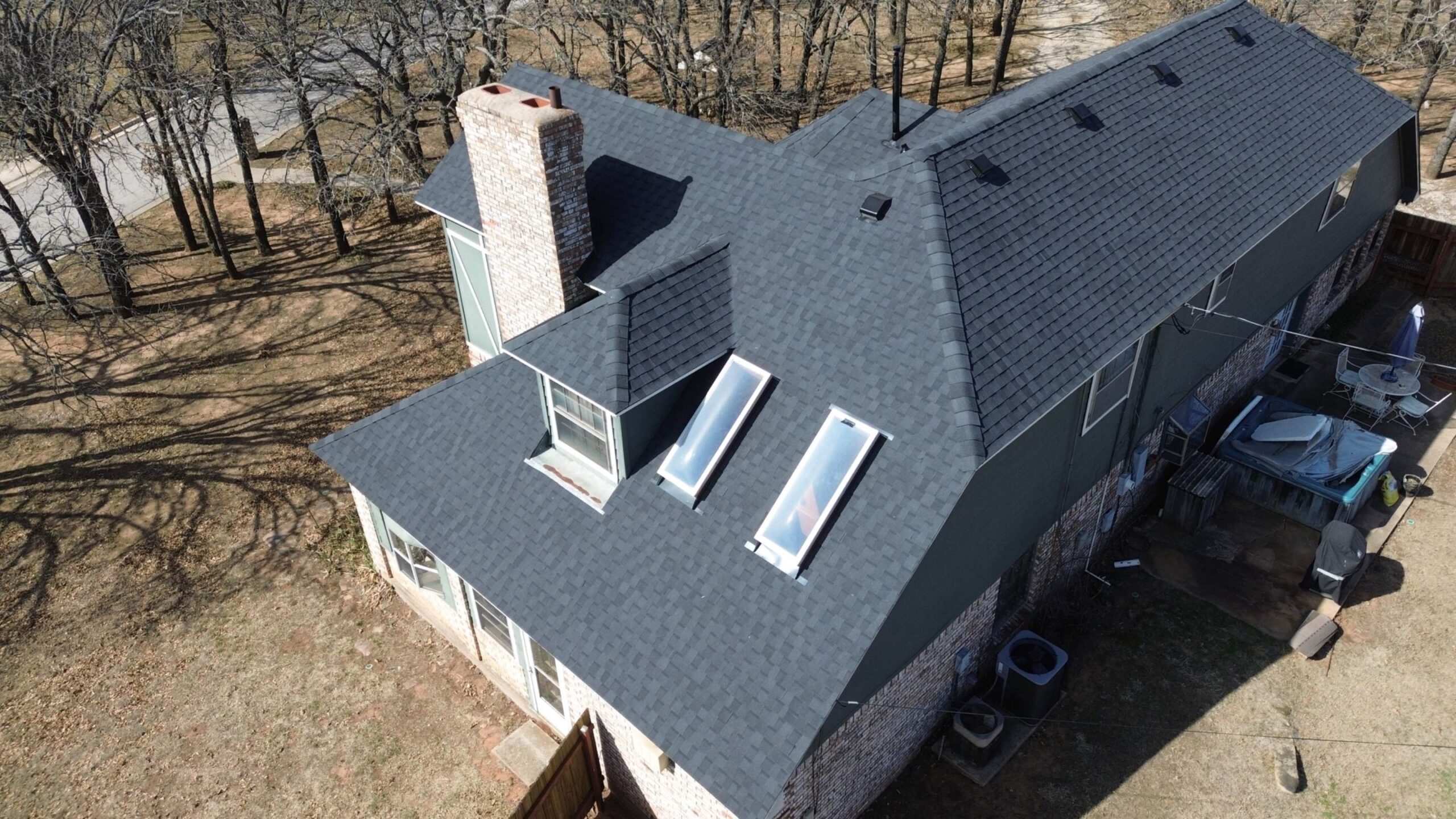
The final inspection is an important stage of a residential roof replacement project because it confirms whether the completed work matches the agreed project scope. Homeowners should not consider the project finished simply because the new roofing material has been installed. A careful review can identify incomplete work, visible installation concerns, or cleanup issues that should be addressed before the contractor leaves the property.
The inspection should begin with the major roofing surfaces. Homeowners can look from safe ground-level locations for obvious missing materials, uneven sections, exposed components, damaged shingles, or other visible concerns. They should avoid climbing onto the roof because professional roofing crews have the equipment and training needed for close inspection.
Important areas such as valleys, roof edges, flashing, vents, chimneys, skylights, and other penetrations deserve particular attention. These locations are more vulnerable to water intrusion because multiple surfaces or materials meet in the same area. The contractor should confirm that these components have been completed according to the agreed specifications.
The condition of the roof drainage system should also be reviewed. Gutters, downspouts, and drainage paths should remain clear of excessive construction debris so that rainwater can move away from the roofing system properly. Blocked drainage can create unnecessary moisture problems even when the new roof itself has been installed correctly.
Homeowners should compare the completed work with the original contract and material specifications. If the agreement specified a particular roofing product, color, flashing system, ventilation component, or other feature, those details should be confirmed. Any differences should be discussed with the contractor before the project is formally closed.
A final inspection can also include photographs and written notes. Keeping a record of the completed roof provides useful documentation for future maintenance, insurance discussions, warranty matters, or property records. If the contractor provides a final inspection report, homeowners should keep it with the rest of the project documentation.
Confirming Cleanup and Property Restoration
Roof replacement creates considerable construction debris, including removed roofing materials, packaging, damaged decking, nails, and other waste. Proper cleanup should therefore be included in the project plan rather than treated as an afterthought. A professional roofing crew should leave the property in a reasonably clean and safe condition after completing the work.
The immediate area around the home should be inspected for loose roofing materials and debris. Driveways, walkways, patios, gardens, and other accessible areas may require attention after the crew finishes. Homeowners should also check that temporary construction equipment, protective materials, and waste containers have been removed as agreed.
Nails and small metal fragments deserve particular attention because they can create safety problems for household members, visitors, vehicles, and pets. Roofing contractors commonly use cleanup methods designed to collect these materials, but homeowners should still perform a basic visual check after the work is complete.
Landscaping should also be reviewed. Roofing crews may need to place ladders, equipment, and materials around the house, so plants and outdoor features can be exposed to construction activity. If protective measures were used, homeowners should confirm that those materials have been removed and that the property has been restored as much as reasonably possible.
Gutters should be checked for excessive roofing debris as well. Small amounts of construction material can sometimes enter gutters during removal and installation. Keeping gutters and downspouts clear helps maintain proper drainage and reduces the chance of water backing up against the new roofing system.
The final cleanup should match the responsibilities established in the contract. If certain exterior restoration tasks were excluded, homeowners should know which work remains their responsibility. Clarifying these details before final payment can prevent disagreements after the crew has departed.
A clean and organized final site is more than a cosmetic benefit. It allows homeowners to safely use the property again and provides a clear indication that the contractor has completed the agreed construction process. Any significant cleanup concern should be raised promptly rather than being left unresolved.
Reviewing Warranties and Project Documents
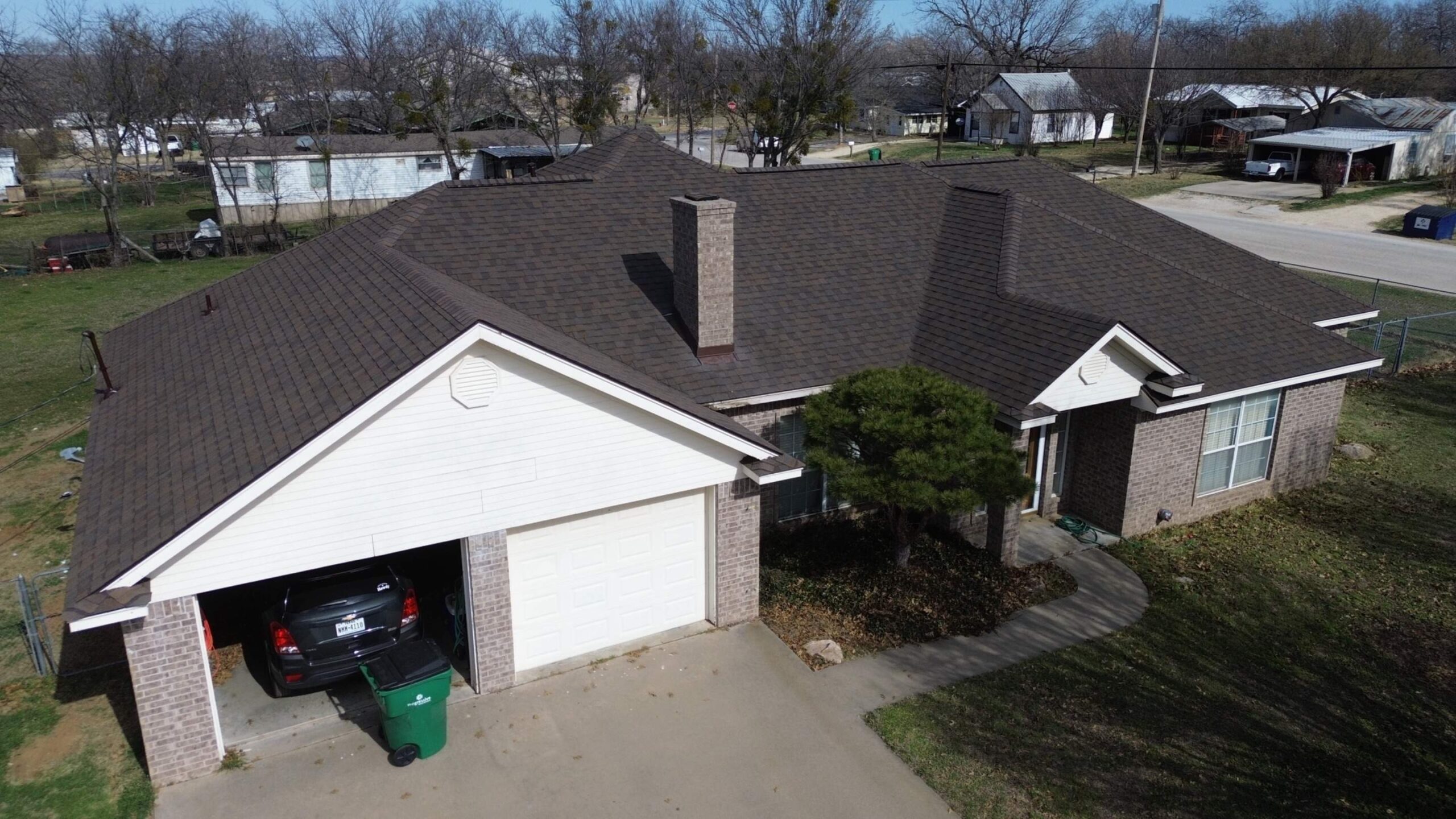
A roof replacement creates important documents that homeowners should preserve for the future. These may include the signed contract, final estimate, material specifications, invoices, permit records, inspection documents, photographs, maintenance information, and warranty paperwork. Keeping these records together can make future maintenance and warranty claims much easier.
Manufacturer warranties generally relate to the roofing products themselves, but the exact terms can vary considerably. Homeowners should understand what the warranty covers, how long coverage lasts, and whether specific conditions apply. Some warranties may have requirements related to installation, maintenance, ventilation, or approved installation practices.
Workmanship warranties are separate from manufacturer product warranties in many cases. They may cover certain installation-related problems for a specified period. Homeowners should ask the contractor to explain the workmanship warranty and understand how to contact the company if a problem develops.
The final payment should be handled according to the written contract. Homeowners should confirm that agreed work has been completed and that any approved changes have been documented. If there are unresolved issues, those concerns should be discussed with the contractor rather than ignored.
Material information can also become valuable years after installation. If a section of the roof is damaged later, knowing the exact product, color, profile, and manufacturer can make matching replacement materials easier. Without these records, finding compatible materials may become more difficult as product lines change.
Digital copies can be useful alongside physical documents. Homeowners can store photographs, invoices, warranties, inspection reports, and contracts in a secure location for easy access. Maintaining an organized project file turns the roof replacement from a one-time construction event into a documented part of the home’s maintenance history.
Evaluating the Completed Roofing System
After the roof replacement is complete, homeowners should pay attention to how the new system performs over time. The first inspection is important, but ongoing observation can reveal concerns that may not be visible immediately. Changes after heavy rain, strong winds, or other severe weather can provide useful information about the roof’s performance.
Water should drain properly without creating persistent areas of accumulation. Homeowners should observe gutters and downspouts during rainfall when it is safe to do so. Water flowing through the intended drainage paths is generally expected, while unexplained interior moisture, repeated ceiling stains, or unusual water entry should be investigated promptly.
The attic can also provide useful information about the roofing system. Where safe and accessible, homeowners can periodically look for signs of moisture, staining, damp insulation, or unusual changes. Any suspected leak should be reported quickly because early attention can prevent a relatively small problem from becoming more extensive.
Ventilation should remain part of the long-term evaluation. Excessive attic heat or moisture can affect roofing performance and other building components. A properly planned replacement should account for the home’s ventilation needs rather than treating the roof covering as the only important element.
Homeowners should also retain photographs of the new roof immediately after installation. These images establish a useful baseline for future comparisons. If a storm later damages the roof, having photographs showing its original condition can provide helpful documentation.
A new roof should not be expected to remain maintenance-free. Even high-quality roofing systems benefit from routine inspections, clean drainage paths, prompt attention to damaged materials, and appropriate maintenance. Early detection is generally easier and less disruptive than waiting until a small problem develops into a major repair.
The completed project should ultimately provide the performance promised in the agreement. If concerns appear soon after installation, homeowners should contact the contractor and provide clear information about the issue. Prompt communication gives the contractor an opportunity to investigate the problem while the project details are still recent.
Planning Long-Term Maintenance and Avoiding Common Mistakes
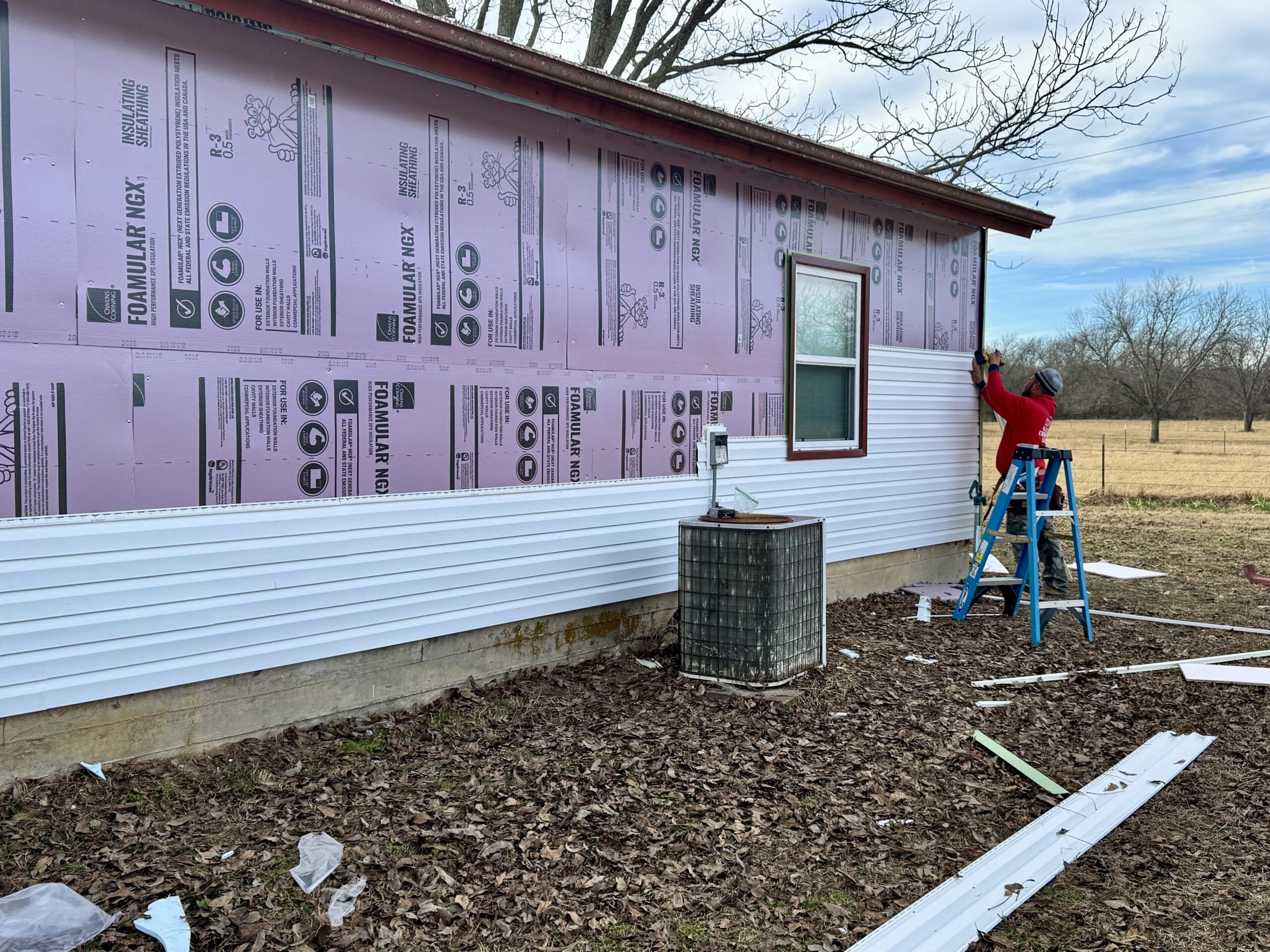
Effective roof replacement planning does not end when the installation crew leaves. Homeowners should create a simple maintenance approach that helps preserve the new roofing system. Routine inspections can identify damaged materials, clogged drainage, deteriorated flashing, or other concerns before they become significant problems.
Gutters and downspouts should be kept clear so rainwater can move away from the roof efficiently. Branches and other debris should also be managed when they create excessive contact with the roofing materials. These simple maintenance measures can help reduce unnecessary wear and make developing problems easier to identify.
Homeowners should avoid assuming that a new roof makes professional inspections unnecessary. Severe weather, falling branches, animals, and other events can damage roofing materials even when the system is relatively new. A professional inspection can be particularly useful after a major storm or when unusual signs appear.
Several planning mistakes should also be avoided on future roofing projects. Choosing a contractor based only on the lowest estimate, failing to document the agreed scope, ignoring hidden repair allowances, selecting unsuitable materials, and overlooking drainage or ventilation can all create unnecessary complications.
Another mistake is failing to plan for the entire roofing system. The visible shingles or panels are only one part of the roof. Underlayment, flashing, decking, ventilation, drainage, and installation quality all influence long-term performance, so these elements should be considered when evaluating both estimates and completed work.
Homeowners should also avoid making major changes during construction without considering their impact on the budget and schedule. Optional upgrades can be valuable, but they should be evaluated separately from essential repairs. Keeping priorities clear helps prevent a carefully planned replacement from becoming unnecessarily expensive.
A practical maintenance record can include the installation date, roofing material, contractor information, warranty details, inspection dates, repairs, and significant weather events. This information gives homeowners a useful reference throughout the roof’s service life and can also be valuable when the property is eventually sold.
Conclusion
Planning a residential roof replacement effectively requires attention to the project from the initial inspection through final cleanup and long-term maintenance. A successful replacement is not simply about installing new roofing materials. It involves understanding the condition of the existing system, establishing a realistic budget, selecting suitable materials, choosing a qualified contractor, preparing the property, managing unexpected conditions, and reviewing the completed work.
Good planning also gives homeowners greater control over costs and expectations. A detailed written scope can clarify what is included, while proper material and schedule planning can reduce avoidable delays. Preparing for potential hidden damage also makes it easier to respond calmly when conditions beneath the existing roof differ from what was visible during the initial inspection.
Communication remains important throughout the project. Homeowners should know who to contact, how changes will be approved, what payment arrangements apply, and what documentation will be provided when the work is complete. Clear communication creates a stronger working relationship and reduces the possibility of misunderstandings.
The final inspection, cleanup, warranty review, and documentation should receive the same attention as the installation itself. These steps confirm that the project has been completed properly and provide homeowners with information they can use for future maintenance. Keeping detailed records also protects the value of the investment and makes future roofing decisions easier.
Most importantly, homeowners should view roof replacement as a complete property improvement project rather than a simple exterior upgrade. When the roof is carefully assessed, properly planned, professionally installed, and routinely maintained, it can provide dependable protection for many years.
Effective preparation cannot eliminate every challenge, but it can make those challenges easier to manage. By taking time to plan each stage, homeowners can approach roof replacement with clearer expectations, better financial preparation, and greater confidence in the finished roofing system.