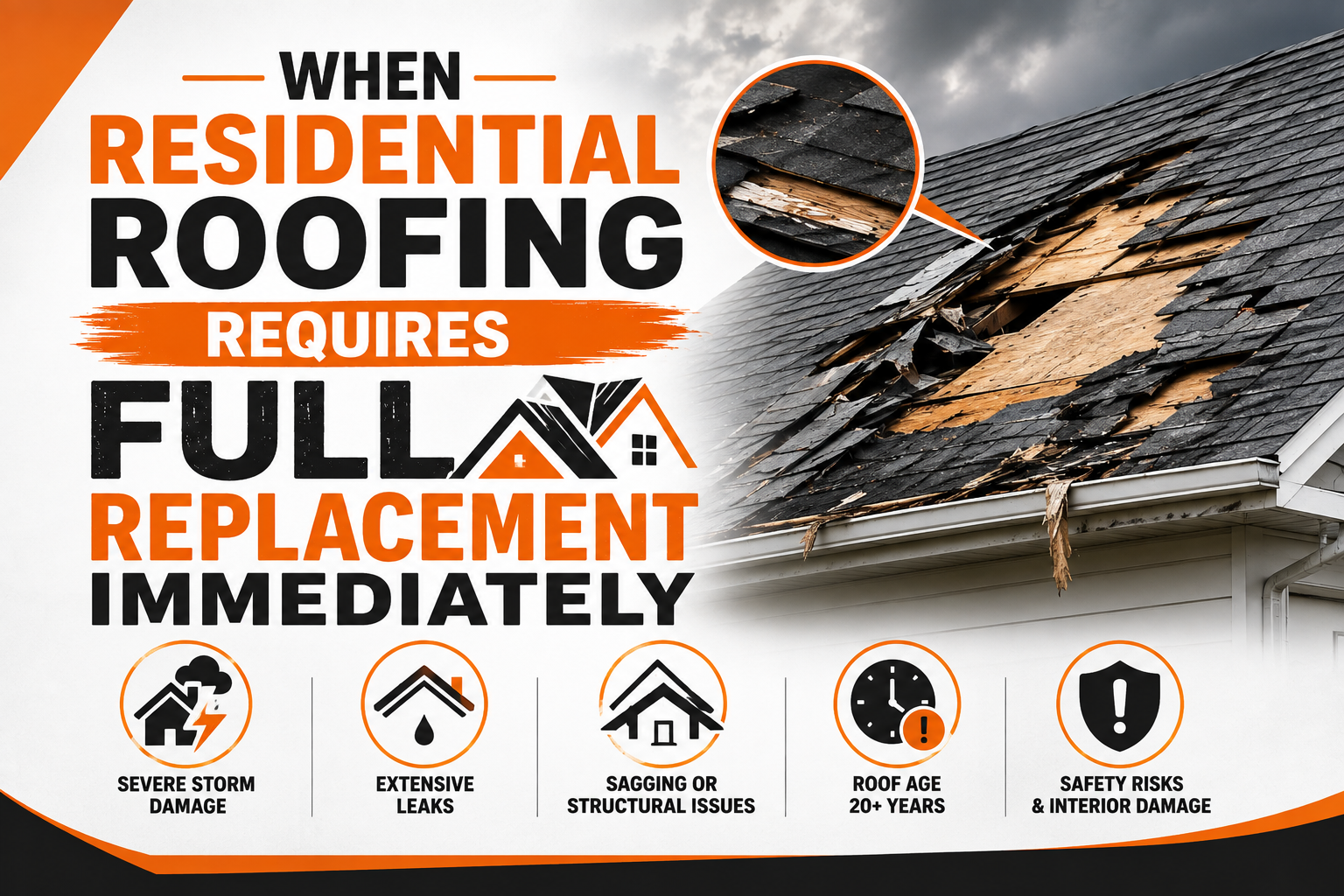
When Residential Roofing Requires Full Replacement Immediately
Introduction
A residential roof protects the entire home from rain, wind, heat, moisture, and other outdoor conditions. While many roofing problems can be corrected through targeted repairs, some situations are too severe for a simple fix. When damage affects large portions of the roofing system or compromises its structural integrity, delaying full replacement can expose the home to much greater risks.
Homeowners may initially notice a missing shingle, a ceiling stain, or a small leak and assume that repairing the visible problem will be enough. However, the visible damage may only represent a small part of a much larger roofing failure. Water can travel beneath roofing materials, wind can weaken multiple sections, and long-term deterioration can affect the decking and supporting structure underneath.
Knowing when a roof requires immediate replacement helps homeowners respond before minor problems become major property damage. A professional roofing inspection can determine whether the existing system can still provide reliable protection or whether replacing the entire roof is the safer and more practical solution.
Severe Storm and Weather Damage
Severe weather is one of the most common reasons a residential roof may suddenly require full replacement. Strong winds can tear shingles away, lift roofing materials, damage flashing, and expose sections of the underlayment. When a major storm affects a large part of the roof, replacing individual shingles may not restore the system to dependable condition.
Hail can also create extensive damage that is difficult to recognize from the ground. Repeated impacts may bruise shingles, remove protective granules, and weaken the material beneath the surface. If hail has affected multiple roof slopes, attempting to repair only the most obvious areas may leave other damaged sections vulnerable to future leaks.
Hurricanes and tornadoes can cause even more serious roofing failures. Flying debris can puncture roofing materials, while powerful winds can loosen large sections of the roof assembly. In extreme cases, roofing materials may be missing across several areas, leaving the decking and interior of the home directly exposed to weather.
Heavy rainfall following a storm can make the situation worse. Once protective roofing layers have been damaged, water can enter through openings and spread into insulation, ceilings, walls, and structural components. If the storm has compromised most of the roofing system, immediate replacement may be necessary to restore reliable protection.
A contractor evaluating storm damage will generally consider the extent, location, and severity of the damage rather than focusing only on individual damaged shingles. When damage is widespread, replacement can provide a more dependable result than repeatedly repairing separate areas after every storm.
Widespread Roof Leaks and Water Intrusion
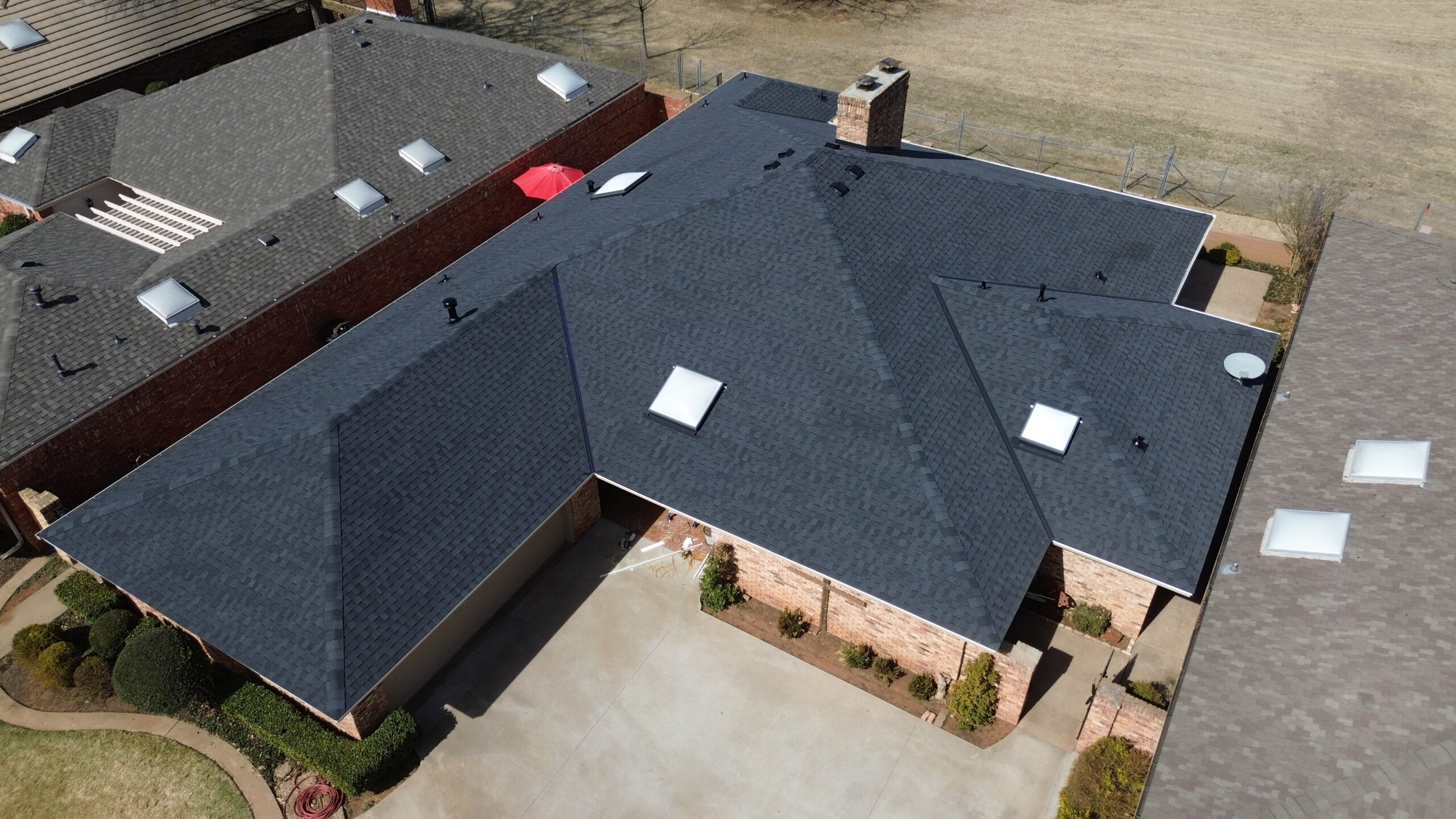
A single isolated roof leak does not automatically mean that a complete replacement is necessary. Small leaks can sometimes be repaired successfully when the surrounding roofing materials and underlying structure remain in good condition. However, multiple active leaks can indicate that the roofing system is experiencing widespread failure.
Homeowners should pay attention when leaks appear in different rooms or in different areas of the ceiling. Water entering through several locations may suggest that moisture has penetrated multiple sections of the roofing assembly. Repeated leaks after previous repairs can also indicate that the underlying problem has not been fully resolved.
Water damage can extend far beyond the original entry point. Moisture may travel along decking, insulation, rafters, and other building components before becoming visible inside the home. This means that a small ceiling stain does not necessarily represent the full size of the problem.
Persistent moisture can also contribute to wood deterioration and mold growth. Over time, wet roofing materials may lose their strength, while damp insulation can become less effective and retain moisture. If water intrusion has affected a significant portion of the roof, replacing the entire system may be more appropriate than continuing to patch individual leaks.
Homeowners should be particularly cautious when a roof continues leaking despite previous repair attempts. Repeated repairs can temporarily reduce symptoms without addressing widespread deterioration. A professional inspection can help determine whether the existing roofing system still has enough useful life to justify another repair.
Extensive Structural Roof Damage
Structural damage is one of the strongest warning signs that a roof may require immediate full replacement. The roof is not simply a layer of shingles sitting above the home. It is a complete system that depends on decking, rafters, trusses, underlayment, flashing, ventilation components, and other materials working together.
Sagging areas are especially concerning because they may indicate that the decking or supporting structure has weakened. A roof that appears uneven or visibly dips in one or more locations should be professionally evaluated as soon as possible. Ignoring structural warning signs can allow moisture and gravity to worsen existing damage.
Roof decking can become weakened by prolonged water exposure, age, poor ventilation, or repeated leaks. Once the decking loses its strength, installing new shingles over the affected area does not solve the underlying problem. Damaged decking may need to be removed and replaced before a new roofing system can be installed correctly.
Rafters and trusses can also be affected by long-term moisture exposure or severe structural stress. Although these components are not always visible to homeowners, a qualified contractor can inspect accessible areas of the attic for signs of deterioration. In serious cases, structural repairs may need to be completed as part of the overall roof replacement project.
The presence of significant structural damage changes the priority from cosmetic improvement to safety and protection. A roof that cannot adequately support its own materials or resist normal weather conditions should not be treated as a routine maintenance issue.
Advanced Roof Rot and Material Deterioration
Roof rot develops when roofing-related wood components remain exposed to moisture for extended periods. It may begin around areas where water has repeatedly entered, such as valleys, flashing points, roof penetrations, or damaged sections of decking. If moisture problems continue, deterioration can spread beyond the original location.
Early-stage deterioration may sometimes be addressed by replacing limited sections of affected material. However, widespread rot can make localized repairs impractical. When large areas of decking or other structural components have deteriorated, a complete roofing project may be necessary to remove damaged materials and rebuild the affected portions properly.
Shingles and other exterior roofing materials can also deteriorate significantly with age. Cracking, curling, brittleness, missing granules, and exposed underlying layers can indicate that the roofing system is nearing the end of its useful service life. When these conditions appear across much of the roof, replacing a few individual materials will usually provide only a temporary improvement.
Underlayment deterioration is another concern because it provides an additional protective layer beneath the primary roofing material. If the underlayment has become damaged or compromised across extensive areas, replacing only the outer shingles may not restore the complete protective assembly.
Homeowners should avoid judging roof condition solely by what is visible from the ground. Some of the most serious deterioration can exist underneath the surface. An inspection that examines both the exterior and accessible attic areas can provide a clearer understanding of how extensively the roofing system has deteriorated.
Old Roofing Systems With Multiple Problems
Roof age becomes increasingly important when several different roofing problems appear at the same time. Every roofing material has a finite service life, and older systems may become less capable of handling repeated repairs and severe weather. A roof that is already near the end of its expected lifespan may not be a good candidate for extensive repair work.
Consider a roof that has old shingles, recurring leaks, damaged flashing, deteriorated underlayment, and areas of weakened decking. Repairing each individual problem may appear less expensive at first, but the homeowner could eventually spend a substantial amount addressing one failure after another.
Several problems occurring together can also make it difficult to guarantee the long-term performance of the existing system. New materials may be installed alongside older components that are already approaching failure. This can create an uneven roofing system where repaired sections perform differently from the surrounding older areas.
Replacement can provide an opportunity to address the roofing system as a complete assembly. The contractor can remove deteriorated materials, inspect the decking, replace necessary components, install new underlayment and flashing, and finish the project with a new exterior roofing material.
The decision should not be based on age alone. An older roof in good condition may continue performing effectively, while a relatively newer roof with severe storm or structural damage may require replacement. Age becomes most significant when it is combined with extensive deterioration, recurring failures, or major damage.
When Immediate Replacement Becomes the Safer Choice
The need for immediate replacement usually becomes clearer when several serious warning signs occur together. A roof with widespread storm damage, recurring leaks, structural deterioration, and advanced material failure presents a very different situation from a roof with one damaged shingle or a small flashing issue.
Homeowners should seek professional evaluation when they notice conditions such as:
- Large sections of missing, lifted, or severely damaged roofing materials.
- Multiple leaks appearing in different areas of the home.
- Visible sagging or uneven sections across the roof.
- Extensive water damage, rot, or deterioration beneath roofing materials.
- Repeated repair problems on an aging roofing system.
These conditions do not automatically mean that every roof must be replaced, but they indicate that a detailed inspection should not be delayed. A qualified roofing professional can determine whether repairs remain practical or whether the damage has reached the point where full replacement offers better protection.
Safety should remain the primary consideration when serious structural problems are suspected. Homeowners should avoid walking on severely damaged roofing areas or attempting major repairs without appropriate experience and equipment. If a storm has created openings in the roof, temporary protection may also be necessary to reduce additional water intrusion while a permanent solution is arranged.
The goal of immediate replacement is not simply to install new shingles. A properly planned replacement addresses the condition of the entire roofing system and provides an opportunity to correct underlying problems that may have contributed to its failure. Taking action at the right time can help prevent additional damage to the home’s interior, structure, insulation, and belongings while restoring dependable protection for the years ahead.
Recognizing Damaged or Failing Roof Decking
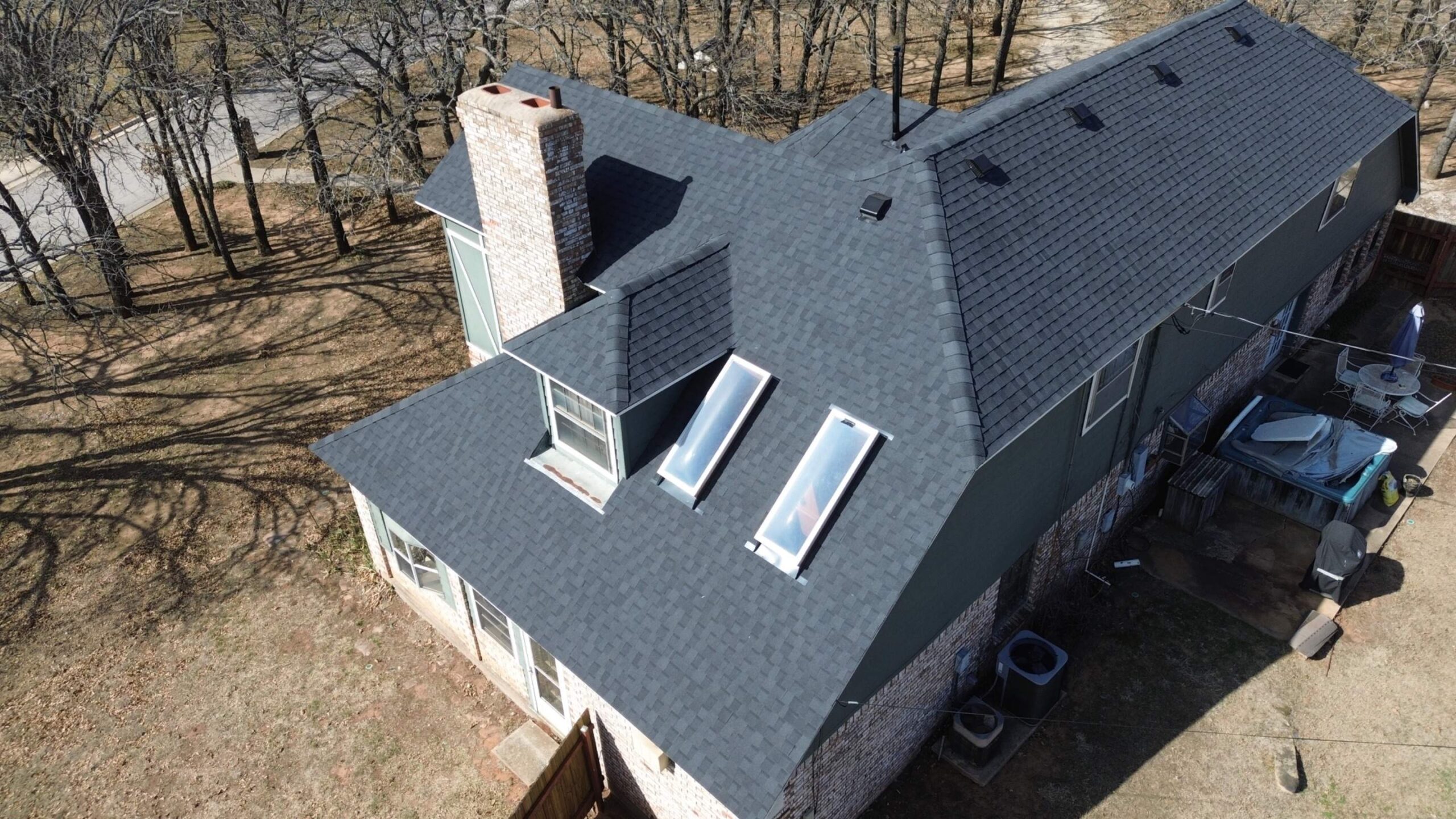
The roof deck is one of the most important parts of a residential roofing system because it provides the solid surface beneath the underlayment and exterior roofing material. When the decking becomes weak, cracked, warped, or rotten, simply replacing the shingles may not restore the roof’s strength. Extensive decking damage can indicate that the roof requires more than an exterior repair.
Water exposure is a common cause of decking deterioration. When leaks continue for months or years, moisture can penetrate beneath the shingles and remain trapped around the wooden decking. Over time, this can cause the material to soften, swell, decay, or lose its ability to support the roofing layers above it.
Homeowners may notice some warning signs from inside the attic. Soft spots, dark staining, visible moisture marks, mold-like growth, or areas of deteriorated wood can indicate that water has been reaching the decking. However, not all damaged areas are visible without removing portions of the roofing material, which is why a professional inspection is important.
Severe storm damage can also affect the roof deck. Strong winds may lift roofing materials and expose the decking to rain, while falling branches or other debris can puncture or break the surface. If damage is widespread, replacing only the exterior covering may leave compromised sections underneath.
When a roofing contractor discovers extensive decking deterioration during an inspection, sections of the damaged material may need to be removed before the new roof is installed. If the problem extends across much of the roof, a full replacement becomes more practical because the contractor can inspect and rebuild the roofing assembly systematically.
Identifying Severe Shingle Failure
Shingles provide the first major line of defense against weather, but they gradually deteriorate through exposure to sunlight, rain, wind, temperature changes, and other environmental conditions. A few damaged shingles can often be replaced without disturbing the entire roof. However, widespread shingle failure is a different situation and may signal that the roof has reached the end of its useful service life.
Missing shingles are an obvious warning sign, particularly when large sections are affected. Wind can loosen shingles and remove them from their intended positions, leaving the underlying layers exposed. If numerous shingles are missing after a storm, the contractor must determine whether the remaining materials are still strong enough to integrate with new replacement shingles.
Curling and cracking can also indicate advanced deterioration. Shingles that curl upward at the edges or develop extensive cracks may no longer shed water effectively. When these conditions occur throughout multiple roof slopes, replacing only the worst-looking shingles may not provide reliable long-term protection.
Granule loss is another concern, especially when large quantities of granules collect in gutters or appear missing from broad areas of the roof. These granules help protect asphalt shingles from sunlight and weather exposure. Significant and widespread granule loss can leave shingles increasingly vulnerable to accelerated deterioration.
A severely aged roof may show several of these problems at the same time. The following comparison illustrates why the extent of damage matters when deciding between repair and replacement:
| Roof condition | Typical concern | Possible approach |
|---|---|---|
| A few isolated damaged shingles | Limited exterior damage | Targeted repair |
| Several damaged areas on an otherwise sound roof | Moderate localized deterioration | Repair after inspection |
| Widespread curling and cracking | Advanced material deterioration | Consider replacement |
| Extensive missing shingles after severe weather | Large-scale exposure | Professional replacement assessment |
| Shingles failing with damaged decking | Roofing and structural deterioration | Full replacement may be necessary |
The condition of the materials underneath the shingles must also be considered. A roof can look damaged from the outside while having additional deterioration below the surface, making a complete assessment essential before deciding how much work is required.
Addressing Major Flashing and Penetration Problems
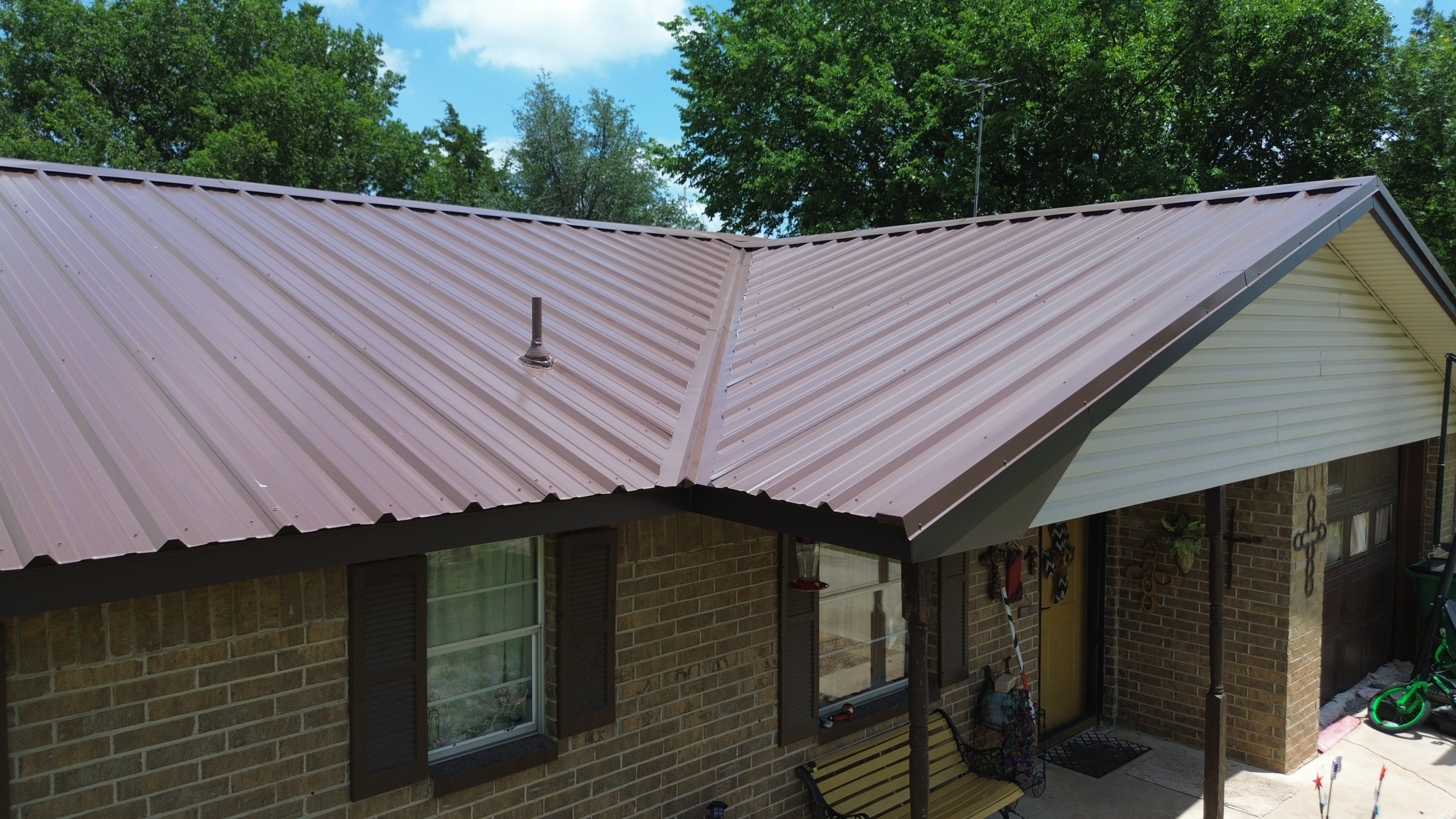
Roof flashing protects vulnerable areas where different surfaces meet or where structures pass through the roof. Chimneys, vents, skylights, valleys, walls, and other roof penetrations depend on properly installed and maintained flashing to prevent water from entering the building. When flashing fails, water can enter through small openings and gradually damage surrounding materials.
A single damaged flashing section does not necessarily require a complete roof replacement. In many cases, a qualified contractor can repair or replace the affected flashing while leaving the rest of the roof intact. The situation becomes more serious when flashing problems are widespread or occur alongside other signs of roofing deterioration.
Older roofs may have flashing that has corroded, separated, cracked, or been improperly repaired over time. Repeated patching can create areas where water continues to find a path underneath the roofing materials. If multiple penetrations have failed, the contractor may recommend replacing the roofing system so the flashing can be rebuilt as part of a coordinated installation.
Roof valleys deserve particular attention because they collect and direct significant amounts of rainwater. Damaged or improperly installed valley materials can allow water to penetrate beneath surrounding shingles. If valley deterioration is combined with damaged shingles and underlayment, isolated repairs may not provide a dependable long-term solution.
Chimney flashing can create similar problems. Water may enter around the chimney base and travel into the attic or interior walls before the homeowner notices a visible stain. Because moisture can travel away from its original entry point, the location of an interior leak does not always identify the exact area where the roofing system has failed.
When several flashing points are failing on an aging roof, replacement may provide a better opportunity to correct the system comprehensively. New flashing, underlayment, roofing materials, and ventilation components can be installed together instead of repeatedly repairing individual weak points.
Evaluating Mold, Moisture, and Interior Damage
Roof failure does not always become obvious from outside the home. In some cases, the first warning signs appear indoors as ceiling stains, peeling paint, damp walls, musty odors, or visible moisture. These symptoms can indicate that water is entering through the roofing system and reaching interior building materials.
A small stain may result from a limited leak, but larger or recurring stains deserve closer attention. If the same area becomes wet after multiple storms, the roof may have an unresolved water-entry problem. Repainting or repairing the ceiling without correcting the source can allow the damage to continue behind the finished surface.
Moisture can also affect insulation in the attic. Wet insulation may lose some of its effectiveness and can remain damp for extended periods if ventilation and drainage problems are not corrected. Continued moisture exposure can create conditions that contribute to mold growth and deterioration of nearby materials.
Mold-related concerns should be treated seriously, especially when moisture has been present for an extended period. The roofing problem itself should be evaluated alongside any interior damage so that the source of moisture can be addressed rather than simply covering its visible effects.
When widespread water intrusion has affected the roof and interior of a home, full replacement may become necessary to establish a reliable weather barrier. The contractor may also need to coordinate roofing work with repairs to damaged decking, insulation, drywall, or other affected components.
Homeowners should document visible interior damage before major work begins. Photographs, inspection findings, repair records, and other documentation can help establish the extent of the problem and provide useful information for insurance discussions when applicable.
Responding to Roof Damage That Creates Immediate Safety Concerns
Some roofing conditions require urgent attention because they can create direct safety hazards. A severely weakened roof may be unable to withstand additional weather, while loose materials can fall from the roof and endanger people around the property. These conditions should not be treated as ordinary maintenance issues.
Visible sagging is particularly concerning because it can indicate problems with the decking or supporting structure. Homeowners should avoid standing beneath areas that appear unstable if there is a possibility of falling materials. A professional should evaluate the roof before anyone attempts to access the damaged area.
Storm-damaged roofs can also contain loose shingles, exposed nails, broken materials, or debris. Walking across an unstable roof can increase the chance of injury and may cause additional damage. Homeowners should allow trained roofing professionals to perform close inspections using appropriate safety equipment.
Water intrusion can introduce additional risks inside the home. If water reaches electrical components, light fixtures, outlets, or wiring, the situation may become more serious than a simple roof leak. Homeowners should exercise caution around wet electrical areas and seek qualified assistance when electrical damage is suspected.
Temporary protection may be necessary when immediate permanent replacement cannot begin. Properly installed temporary coverings can reduce further water entry while the replacement project is arranged. However, temporary measures should be viewed as short-term protection rather than a substitute for correcting a severely failed roofing system.
The urgency of replacement depends on the specific condition of the roof. A contractor should evaluate structural stability, exposed areas, weather exposure, and the likelihood of additional damage before recommending the appropriate response.
Understanding When Multiple Roofing Components Have Failed
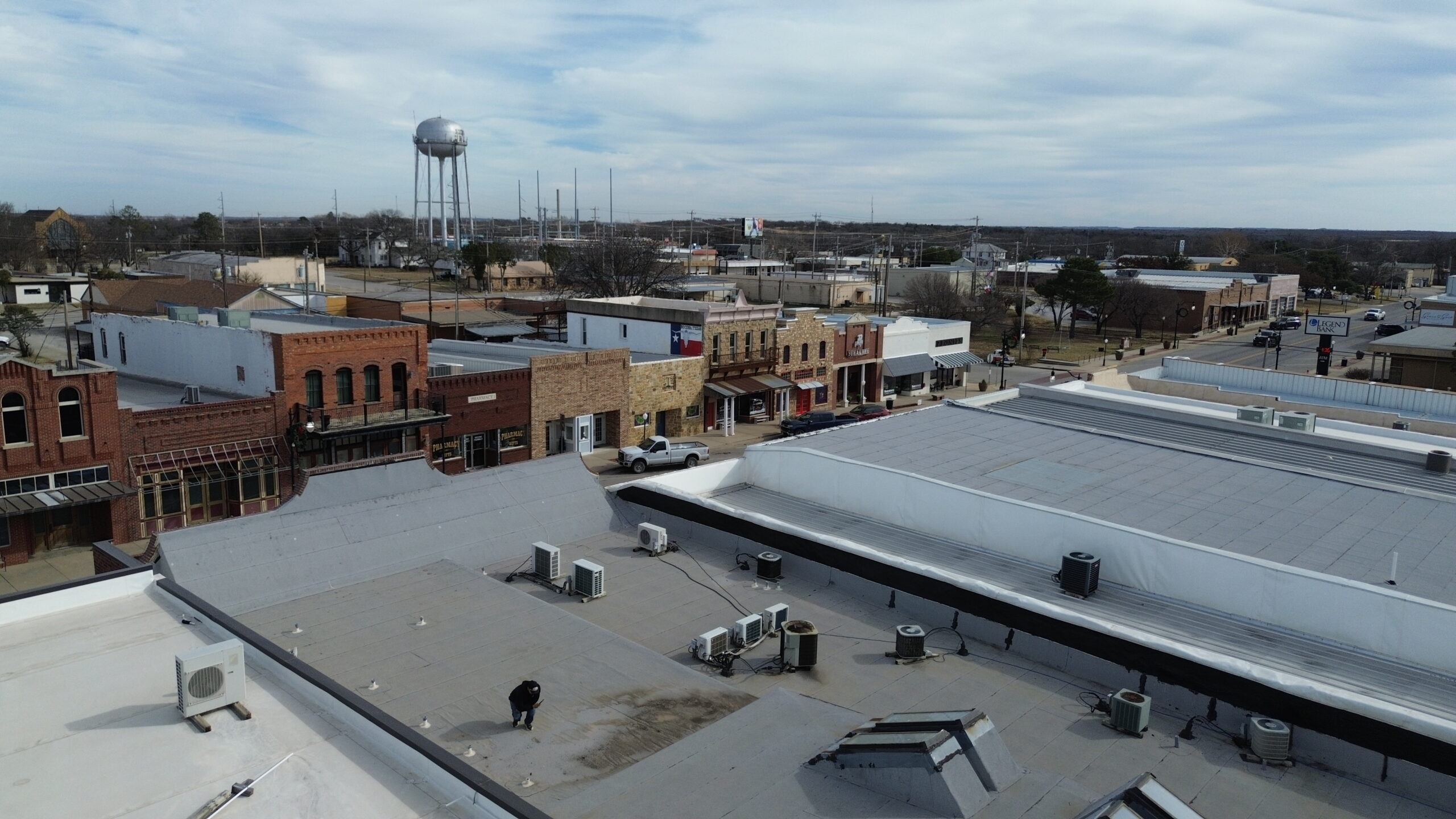
A roof functions as a complete system rather than a collection of unrelated materials. Shingles, underlayment, flashing, decking, ventilation components, and other parts must work together to keep the home protected. When several components fail at the same time, repairing one layer may not resolve the underlying problem.
For example, replacing missing shingles will not correct rotten decking underneath them. Similarly, installing new shingles without addressing widespread flashing failures can leave vulnerable areas where water may continue entering the home. A successful replacement project must consider the condition of the complete roofing assembly.
Multiple component failures often occur on older roofs or roofs that have experienced prolonged moisture exposure. A homeowner may have repaired leaks several times, but each repair can reveal another deteriorated area. Eventually, the accumulated repair needs may make full replacement more practical than continuing with individual fixes.
A complete replacement also gives contractors an opportunity to identify hidden problems after the old roofing materials are removed. Damaged decking, deteriorated underlayment, inadequate flashing, or other issues can be addressed before the new exterior material is installed.
Homeowners should therefore ask what components are included in a proposed replacement rather than focusing only on the visible roofing material. A detailed estimate should explain the expected work and identify any areas where additional repairs may become necessary after removal.
Emergency Protection, Replacement Costs, and Long-Term Value
When a roof has suffered serious damage, homeowners may need to protect the property while arranging a permanent replacement. Temporary coverings, controlled access to damaged areas, and prompt removal of standing water can help reduce additional damage. The exact protection method should be appropriate for the condition of the roof and should not create additional safety risks.
Cost is naturally an important part of the replacement decision. Homeowners may hesitate to replace a roof because the initial expense is higher than repairing one damaged section. However, repeated repairs can accumulate over time, particularly when an aging roofing system continues developing new problems.
The comparison should include both immediate and potential future costs. A low-cost repair may appear attractive today but may provide limited value if another major failure occurs within a short period. Full replacement can involve a larger upfront investment while providing a new roofing system with more predictable performance.
Homeowners should also consider the potential consequences of delaying action. Continued leaks can damage ceilings, insulation, walls, flooring, furniture, and structural components. Once secondary damage develops, the total project cost can become significantly greater than addressing the roofing failure promptly.
Insurance may also be relevant when damage results from a covered storm or other qualifying event. Policies differ in their terms, exclusions, deductibles, and coverage requirements, so homeowners should review their policy and document the damage rather than assuming that replacement will automatically be covered.
The most important decision is whether the existing roofing system can still provide dependable protection. When major components have failed across extensive areas, replacing the roof may offer a safer and more cost-effective long-term solution than continuing a cycle of emergency repairs. The next step is to obtain a professional assessment, understand the scope of work, and prepare carefully for the replacement process.
Professional Roof Inspection and Damage Assessment
Once a residential roof shows signs of serious deterioration, the first step toward making an informed replacement decision is a professional inspection. Homeowners may be able to identify missing shingles, visible leaks, or sagging areas, but many important roofing problems are hidden beneath the surface. A qualified roofing professional can evaluate the exterior materials, underlying components, attic areas, drainage points, and other parts of the roofing system.
A thorough inspection should consider both the visible condition of the roof and the likely causes of the damage. The contractor may examine shingles, flashing, valleys, vents, chimneys, skylights, underlayment, and exposed decking. Where accessible, the attic can also provide useful evidence through signs such as water stains, damp insulation, damaged wood, poor ventilation, or daylight entering through roof openings.
The extent of damage is one of the most important factors in determining whether repair remains practical. If only a small section has failed while the surrounding roof remains structurally sound, targeted repairs may be reasonable. When damage appears throughout several roof slopes or involves multiple components, full replacement may provide a more reliable solution.
Age should also be considered during the assessment. A roof that is relatively new but has suffered severe storm damage may need replacement because of the extent of the physical damage. On the other hand, an older roof with minor localized damage might still be repairable if its major components remain in good condition.
Homeowners should ask the contractor to explain the findings in straightforward language. Photographs of damaged areas can make it easier to understand why certain repairs or replacement work is being recommended. A detailed inspection also helps homeowners compare estimates from different contractors without relying solely on price.
Determining Whether Full Replacement Is Necessary
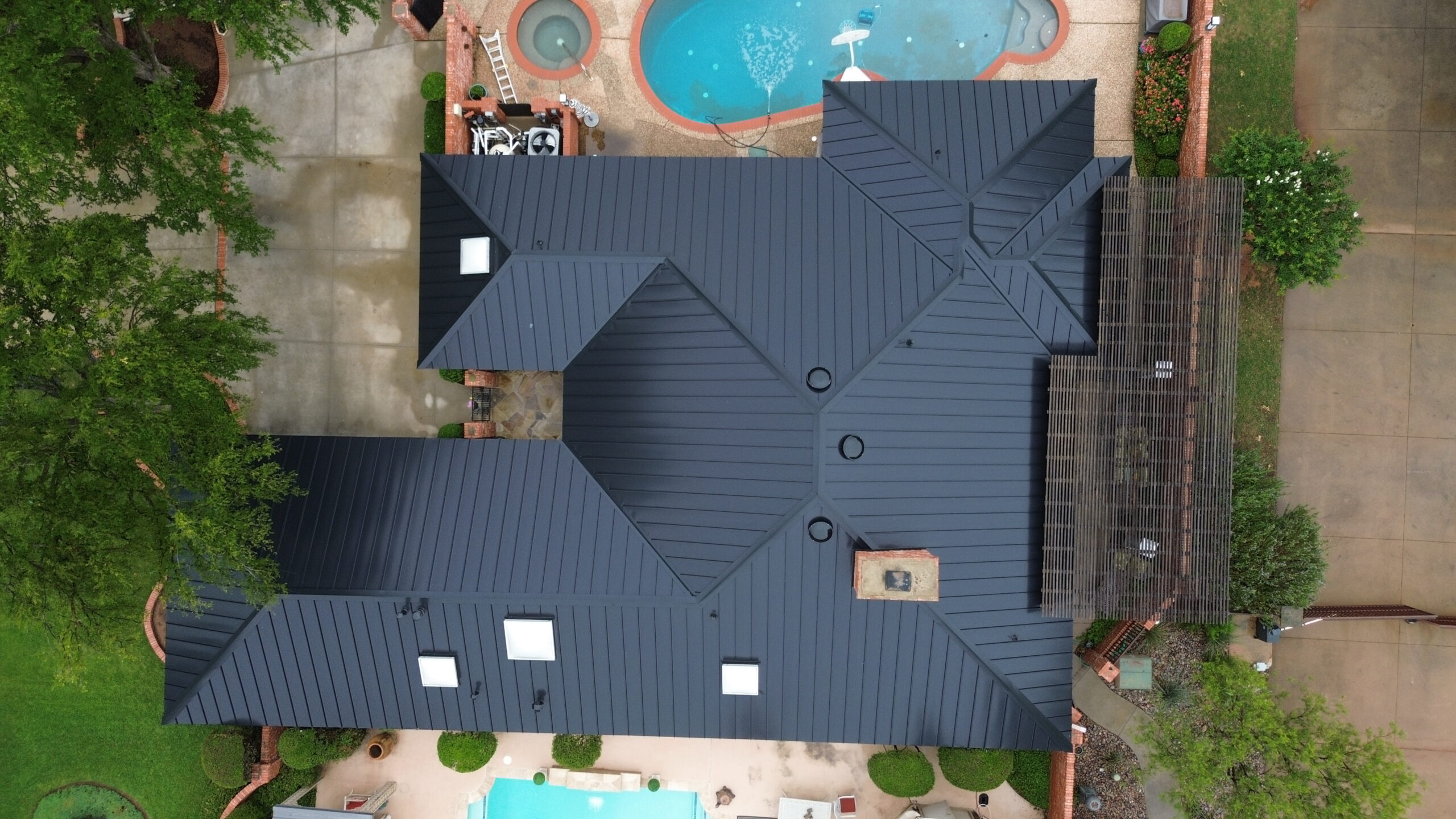
A recommendation for full roof replacement should be based on the overall condition of the roofing system rather than one isolated defect. Contractors generally consider the amount of damage, the age of the roof, structural condition, previous repairs, material deterioration, and the expected performance of the remaining roofing components. Looking at these factors together provides a more realistic picture of whether continued repairs make sense.
One important consideration is the percentage of the roof affected by damage. If a small portion of an otherwise healthy roof has been damaged, replacing that section may restore adequate protection. If numerous areas have failed, however, repairing each location individually can leave the homeowner with an increasingly inconsistent and unreliable roof.
The condition of the underlying materials is equally important. New shingles installed over deteriorated decking or damaged structural components cannot compensate for weaknesses beneath them. When the foundation of the roofing system has been compromised, the appropriate solution may involve removing the existing roof and rebuilding the affected layers.
Previous repairs should also be reviewed. A roof that has experienced repeated leaks and multiple repair attempts may have underlying problems that are difficult to resolve through additional patching. Repeated repairs can also make the roofing system more complicated because newer materials may be installed beside older, deteriorating sections.
Homeowners can use a simple decision process when discussing the recommendation with a contractor:
- Determine how much of the roof is damaged and whether the damage is isolated or widespread.
- Examine the condition of decking, underlayment, flashing, ventilation, and supporting components.
- Compare the expected cost and lifespan of continued repairs with the cost and benefits of full replacement.
- Consider the roof’s age and history of previous leaks, repairs, and weather-related damage.
- Confirm that the proposed solution addresses the underlying cause rather than only the visible symptoms.
A responsible contractor should be willing to explain why replacement is recommended and what could happen if the work is postponed. Homeowners should be cautious of recommendations that provide little explanation or pressure them to approve expensive work immediately without adequate documentation.
Insurance Considerations After Major Roof Damage
When a roof requires replacement because of a severe storm or another potentially covered event, insurance may become an important part of the process. Homeowners should review their policy and understand its requirements before assuming that all replacement costs will be covered. Coverage can depend on the cause of damage, policy terms, deductibles, exclusions, maintenance history, and other conditions.
Documentation is particularly useful after a major roofing event. Homeowners can photograph visible damage from safe locations and keep records of the date of the storm, interior water damage, emergency protection, previous repairs, and professional inspection findings. These records can help provide a clearer picture of what occurred.
It is also important to distinguish storm-related damage from ordinary aging. Insurance policies commonly treat sudden damage and gradual deterioration differently, although the exact rules vary by policy. A roof that has simply reached the end of its service life may not receive the same treatment as a roof damaged by a covered event.
Homeowners should communicate with their insurer and follow the required claim process. A roofing contractor can provide inspection findings or an estimate, but homeowners should understand that the contractor does not determine insurance coverage. The insurer ultimately applies the terms of the specific policy to the claim.
If an adjuster inspects the property, homeowners should keep copies of relevant documents and ask questions about the assessment when something is unclear. Clear communication can help reduce confusion about what work is being considered, what costs may be covered, and what expenses may remain the homeowner’s responsibility.
Choosing the Right Replacement Roofing System
When full replacement is necessary, homeowners have an opportunity to select a new roofing system that suits the property and its long-term needs. The choice should not be based entirely on appearance or initial price. Climate, roof design, expected service life, maintenance requirements, installation quality, and budget all deserve consideration.
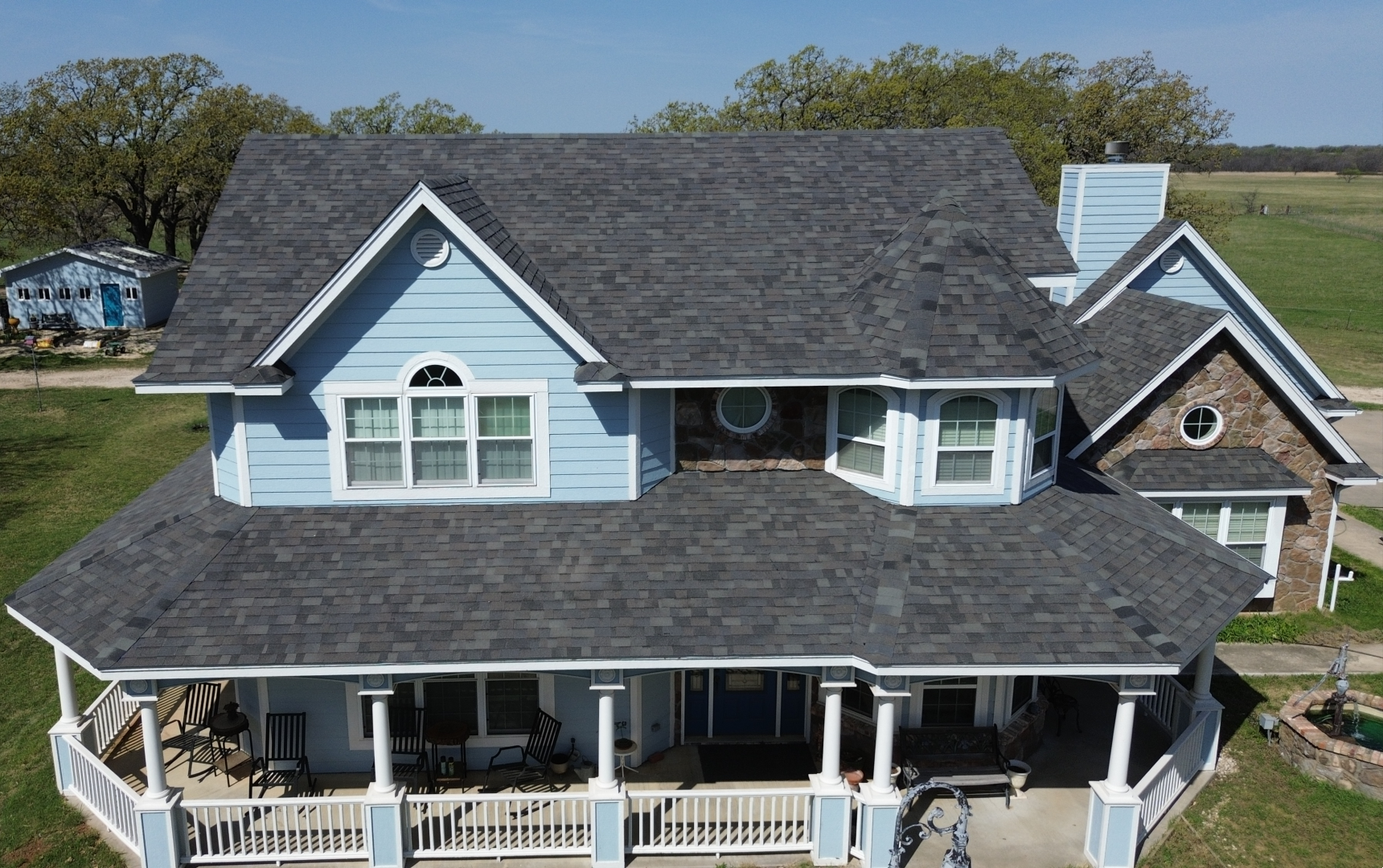
Asphalt shingles remain a common residential roofing option because they are available in many styles and price ranges. They can provide dependable protection when properly selected and installed, making them suitable for many homes. Homeowners should still compare the quality and specifications of different shingle products rather than assuming that every option performs the same way.
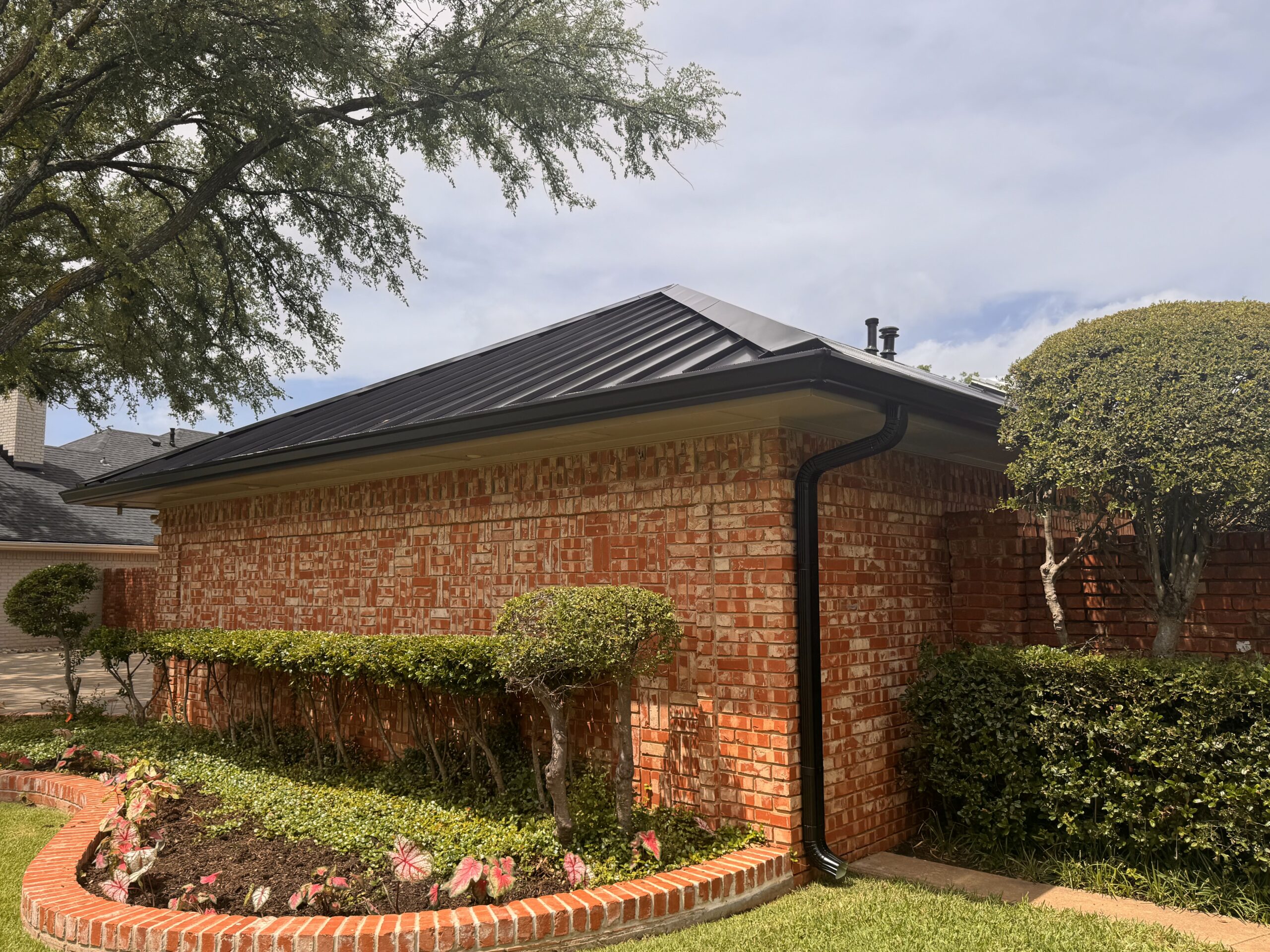
Metal roofing can provide durability and resistance to several environmental conditions. It is available in different profiles and finishes and may have a longer service life than some conventional roofing materials. However, installation requirements and project costs can differ considerably depending on the material and design.
Tile and other specialized roofing materials may also be appropriate for certain homes. Their suitability depends on the building’s structural capacity, roof design, climate, installation requirements, and homeowner preferences. A contractor should confirm that the selected material is compatible with the existing structure before installation begins.
The supporting components should receive just as much attention as the visible roofing material. A replacement project may include new underlayment, flashing, ventilation components, drip edges, decking sections, and other materials. Choosing quality products while using poor installation practices can still result in premature roofing problems.
Homeowners should therefore evaluate both materials and workmanship when selecting a replacement system. A properly installed roofing system should provide a coordinated barrier against weather while allowing appropriate drainage and ventilation.
Preparing Your Home for Immediate Roof Replacement
Once replacement has been approved and scheduled, homeowners can take several steps to prepare the property for construction. Roof replacement can involve significant noise, movement around the property, falling debris, material deliveries, and temporary access restrictions. Preparing in advance can make the process more organized and reduce unnecessary disruption.
Outdoor items near the house should be moved away from walls and work areas when possible. Patio furniture, decorations, planters, vehicles, and other movable objects may need to be relocated. Clearing access points also gives the roofing crew more room to work and can make cleanup easier.
Inside the home, homeowners may want to secure fragile items, particularly those stored in the attic. Removing unnecessary belongings from the attic can make inspection easier and protect them from construction dust or vibration. Items that cannot be removed should be covered appropriately.
Children and pets should remain away from active work areas throughout the project. Roofing involves ladders, tools, heavy materials, and falling debris, so construction zones should be treated as restricted areas. Homeowners should follow the contractor’s safety instructions regarding access to the property during working hours.
It is also useful to plan for temporary changes in daily routines. Roof replacement can create considerable noise during material removal and installation, which may affect people working or studying from home. Planning ahead can make these temporary disruptions easier to manage.
Weather should also be considered when scheduling major roofing work. Contractors may need to adjust the schedule because of rain, strong winds, or other unsafe conditions. Homeowners should understand that a short delay caused by unsafe weather can be preferable to rushing work under conditions that could affect installation quality.
What Happens During an Emergency Roof Replacement
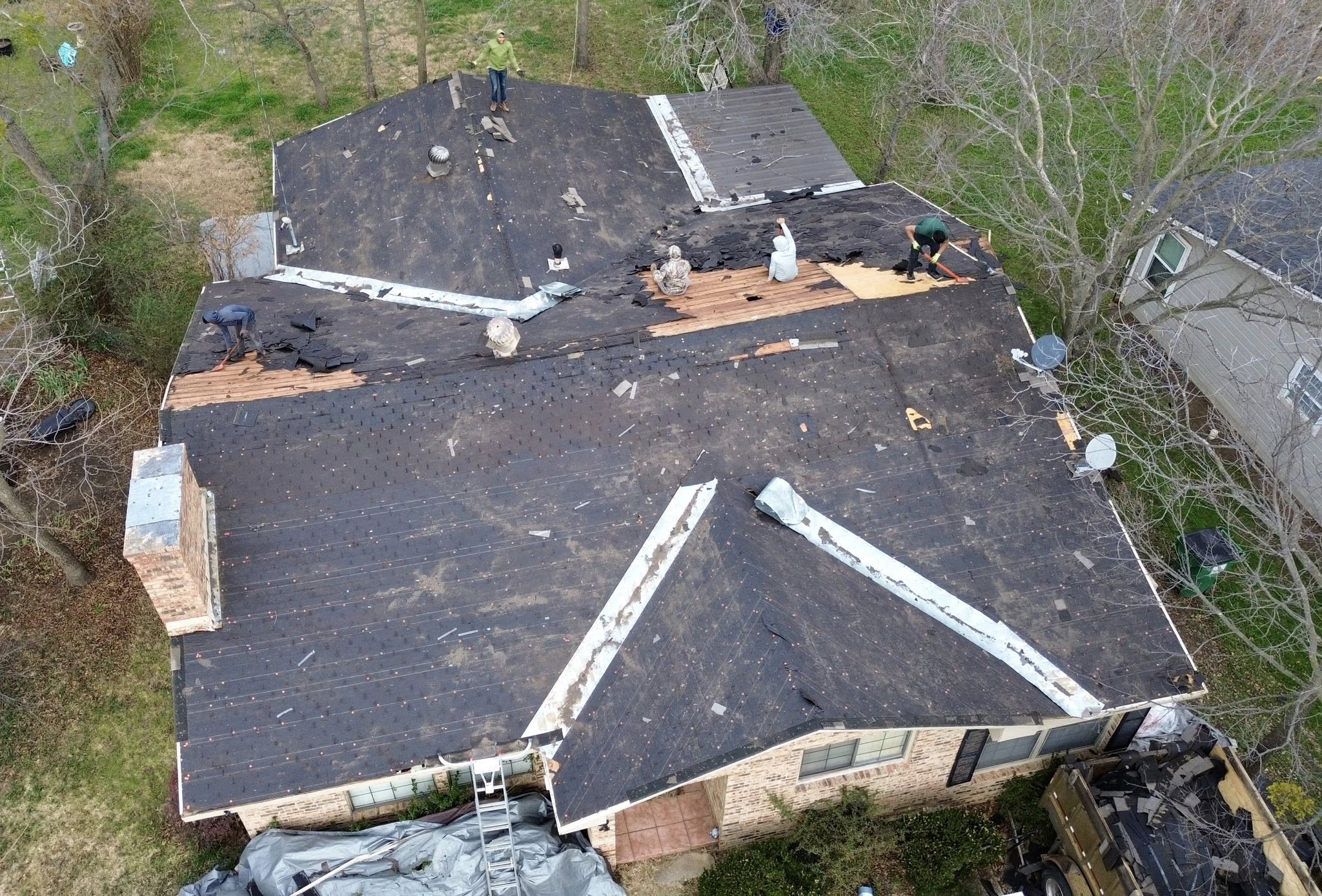
A full roof replacement generally begins with preparation and removal of the existing roofing materials. Crews carefully remove old shingles or other exterior materials so that the underlying components can be inspected. Damaged materials are identified and removed as necessary before the new system is installed.
After the old roofing materials are removed, the roof decking becomes easier to evaluate. Any sections that are weakened by rot, moisture, impact, or other damage may need to be replaced. This stage is important because new roofing materials require a stable and suitable surface.
The contractor then installs the appropriate roofing components according to the project’s specifications. Depending on the roofing system, this may include underlayment, flashing, drip edges, ventilation components, and the primary exterior roofing material. Proper installation at valleys, roof edges, penetrations, and other vulnerable areas is particularly important for long-term performance.
During an emergency replacement, protecting the home from additional weather exposure remains a major priority. Contractors may use temporary protection during stages when portions of the roof are open. The goal is to keep the project moving while limiting the chance of water entering the building.
After installation is completed, the contractor should inspect the finished system and address any obvious issues. Cleanup is also an important part of the project because roofing work can leave behind discarded materials, nails, packaging, and other debris. Homeowners should understand what cleanup is included in their agreement before work begins.
A final inspection gives the homeowner an opportunity to ask questions about the completed work. It is helpful to keep the contract, material information, warranty documents, photographs, inspection records, and receipts together for future reference.
Common Mistakes and Knowing When Replacement Is the Right Choice
One of the biggest mistakes homeowners can make is delaying action after serious roofing damage becomes apparent. Waiting may seem like a way to avoid an immediate expense, but ongoing leaks and structural deterioration can spread into other parts of the property. The longer water enters through a compromised roof, the greater the possibility of secondary damage.
Another common mistake is choosing a contractor solely because the estimate has the lowest price. Price matters, but a complete comparison should also consider the materials specified, installation methods, project scope, warranties, experience, insurance, and the contractor’s ability to explain the proposed work.
Homeowners should also avoid relying on temporary repairs indefinitely. A tarp or patch can provide short-term protection after an emergency, but it cannot restore a roofing system that has widespread structural or material failure. Temporary measures should lead toward a permanent solution when replacement is clearly necessary.
At the same time, homeowners should not assume that every roofing problem requires immediate full replacement. A roof with limited damage, sound decking, functional flashing, and substantial remaining service life may be better served by a targeted repair. Replacement should be recommended when the overall condition of the system justifies it, not simply because one component has failed.
The strongest indication for immediate replacement is usually a combination of serious problems. Widespread leaks, extensive missing or deteriorated roofing materials, damaged decking, structural weakness, advanced rot, and repeated failures together can make continued repair impractical.
Conclusion
A residential roof may require full replacement immediately when damage has progressed beyond isolated repairs and the roofing system can no longer provide dependable protection. Severe storm damage, widespread leaks, deteriorated decking, structural problems, extensive rot, and multiple failed roofing components are important warning signs that should receive professional attention without unnecessary delay.
The decision should always be based on the overall condition of the roof rather than one visible defect. A qualified contractor can inspect the exterior and accessible interior areas, identify hidden problems, explain the extent of damage, and determine whether repair or replacement is the more appropriate long-term solution.
When replacement is necessary, homeowners should focus on more than simply installing new shingles. The project should address the underlying roofing assembly, including decking, underlayment, flashing, ventilation, drainage, and other components that contribute to the roof’s performance.
Timely action can also help prevent a roofing emergency from becoming a much larger home repair project. Addressing serious damage before additional water intrusion or structural deterioration occurs can protect the home’s interior, reduce secondary damage, and provide greater confidence in the finished roofing system.
Ultimately, the goal of an immediate roof replacement is to restore safety, weather protection, and long-term reliability. By obtaining a professional assessment, understanding the recommended scope of work, choosing suitable materials, and preparing the home properly, homeowners can move from a damaged and unreliable roof to a stronger roofing system designed to protect the property for years to come.