
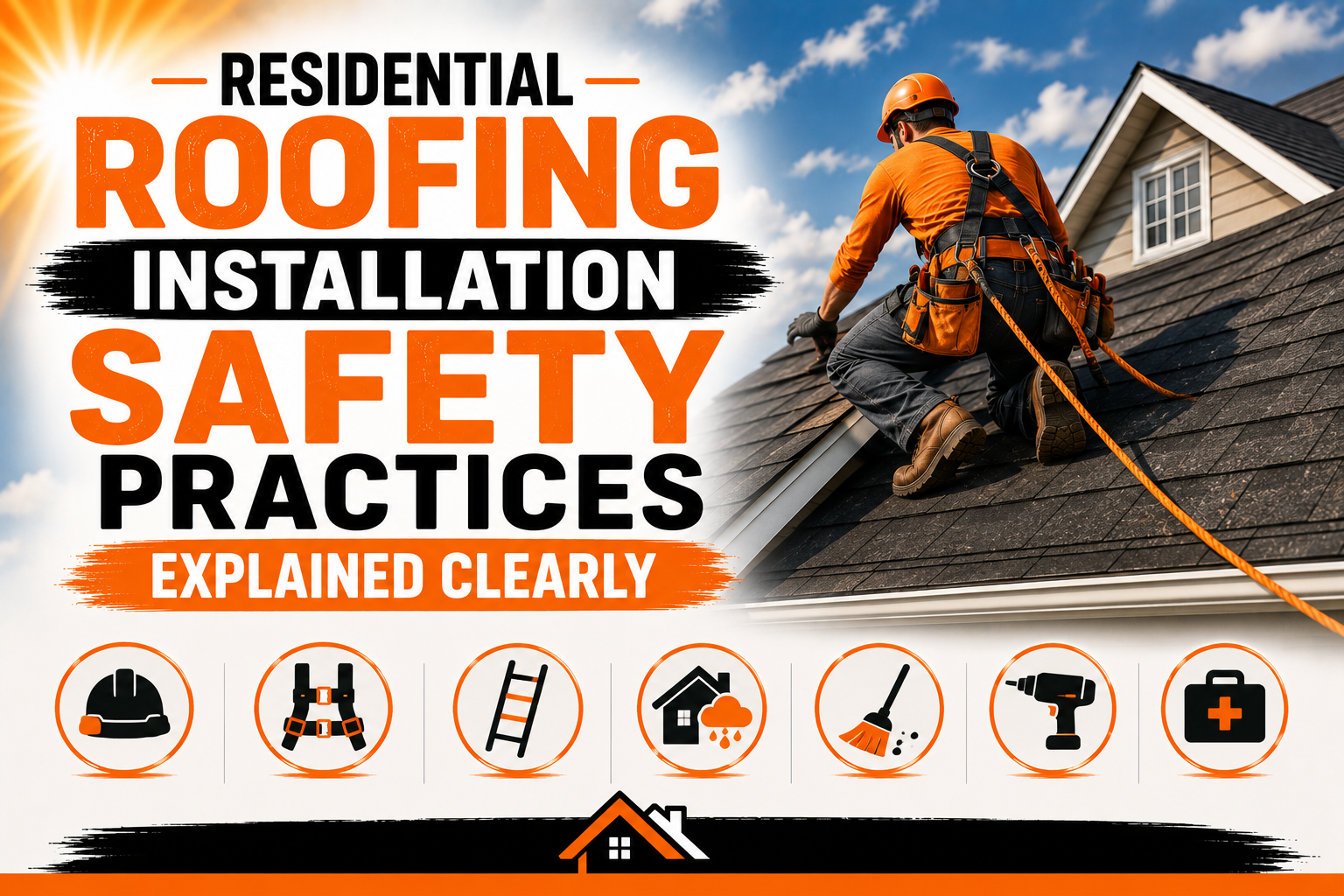
Residential Roofing Installation Safety Practices Explained Clearly
Introduction
Residential roofing installation is an important construction project that can improve a home’s protection, appearance, energy efficiency, and long-term value. However, working on a roof involves significant risks because workers operate at height while handling heavy materials, sharp tools, power equipment, and changing weather conditions. A safe installation process therefore requires more than simply knowing how to place roofing materials correctly.
Safety should be considered from the earliest planning stage through the final installation inspection. Roofing contractors, workers, homeowners, and other people near the property all have a role in reducing hazards and preventing avoidable accidents. When proper procedures are followed, many common roofing injuries, property damage incidents, and installation problems can be prevented before they occur.
Residential roofing projects may involve steep slopes, ladders, scaffolding, roof edges, openings, electrical equipment, and temporary work areas. Even a relatively small roof can create dangerous conditions when workers are carrying materials or moving across surfaces that may become slippery. Understanding these hazards helps contractors establish practical safety procedures that protect everyone involved in the project.
Why Safety Matters During Residential Roofing Installation
Roofing work is performed several feet above ground, which makes falls one of the most serious hazards on a residential construction site. A worker can lose balance because of loose materials, an unstable footing position, a sudden movement, or an unexpected change in the roof surface. Proper fall protection and safe movement practices are therefore essential throughout the installation.
Safety also protects the quality of the roofing work itself. When workers have organized equipment, stable access, and suitable protective equipment, they can concentrate more effectively on accurate installation. Rushed or unsafe working conditions may increase the possibility of damaged materials, misplaced fasteners, poor flashing installation, and other workmanship problems.
Homeowners also benefit from strong safety practices because roofing projects can create hazards around the property. Falling tools, roofing debris, exposed nails, and construction materials can injure residents, visitors, children, or pets. A well-managed roofing site keeps these hazards controlled while allowing the installation team to work efficiently.
Before work begins, the roofing contractor should evaluate the property and identify conditions that could affect safety. Important considerations include the roof slope, access points, electrical lines, nearby trees, weather conditions, ground conditions, fragile roof areas, and locations where materials will be delivered or stored.
Understanding Common Roofing Installation Hazards
The first step toward safer roofing work is recognizing the hazards that may appear during installation. Different homes create different challenges, so workers should not assume that a familiar roofing procedure will be equally safe on every property. A proper site assessment helps identify risks before workers begin climbing onto the roof.
Falls are among the most significant hazards because workers may operate near roof edges, openings, or steep sections. Slips and trips can also occur when underlayment, shingles, tools, cords, or loose materials are left in walking areas. Maintaining stable footing and using appropriate fall protection can significantly reduce these risks.
Tools and materials create another category of hazards. Roofing nails, utility knives, metal flashing, saws, nail guns, and other equipment can cause cuts or puncture injuries when handled incorrectly. Materials can also fall from the roof and create dangers for people working below or passing near the property.
Electrical hazards should receive particular attention when ladders, scaffolding, metal components, or long materials are used near overhead electrical lines. Contact between equipment and energized lines can result in severe injury or death. Workers should identify electrical hazards before positioning ladders, scaffolding, or materials.
Heat, wind, rain, and other environmental conditions can also affect roofing safety. A hot roof surface can increase fatigue and dehydration, while rain can make roofing materials dangerously slippery. Strong winds can make it difficult to control lightweight materials and may create additional fall risks, so work should be adjusted or stopped when conditions become unsafe.
Pre-Installation Safety Planning and Site Preparation
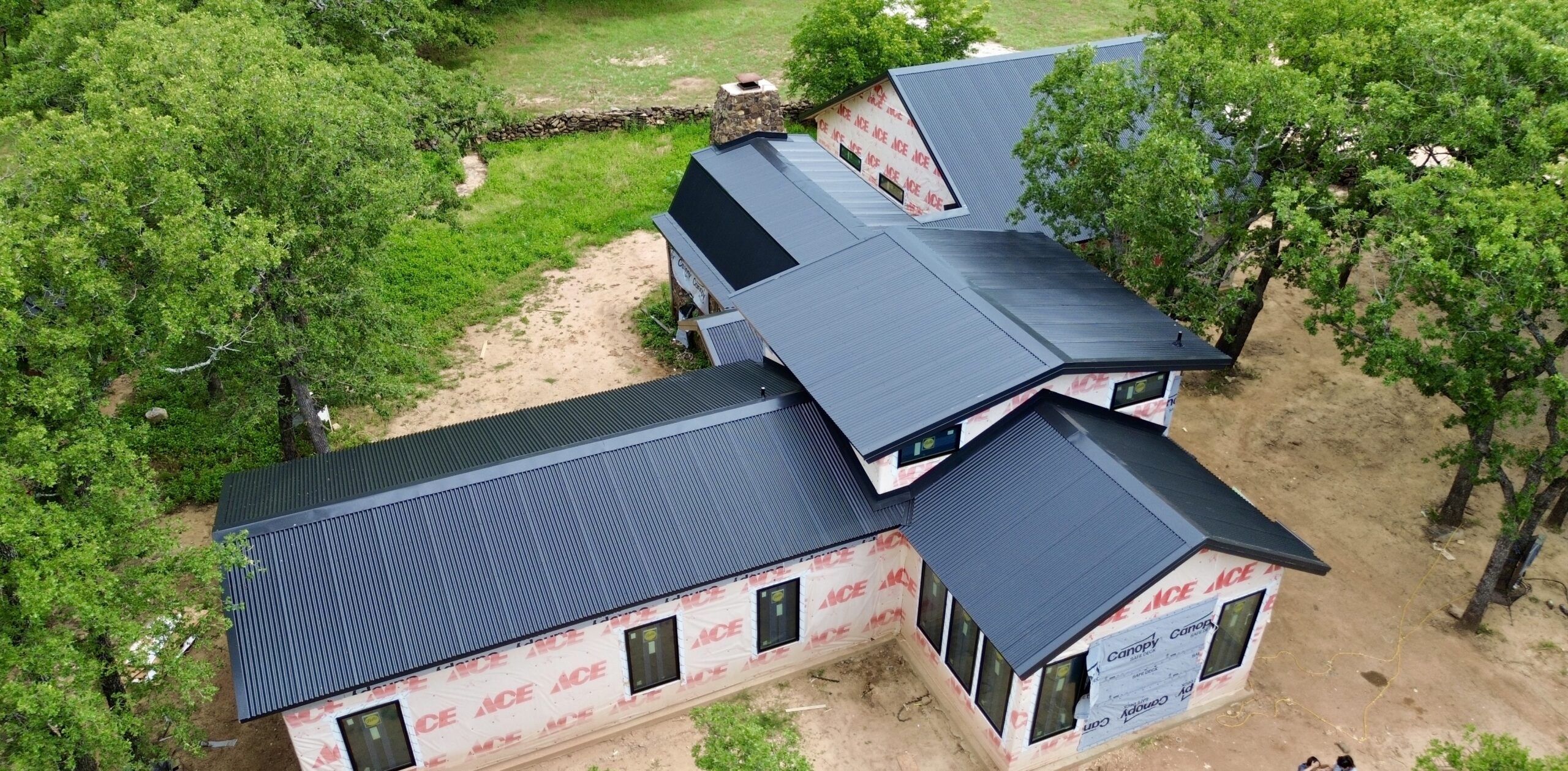
A safe roofing project begins before materials are placed on the roof. Contractors should develop a basic safety plan that considers the specific property, planned work, equipment, workforce, and expected site conditions. This preparation allows hazards to be addressed before they interfere with installation activities.
The area surrounding the house should be inspected before work begins. Workers should identify driveways, walkways, landscaping, outdoor furniture, vehicles, utility lines, air-conditioning equipment, and other objects that could interfere with safe operations. Items that could be damaged or create obstacles should be moved, covered, or protected where appropriate.
Access to the work area should also be controlled. Homeowners should know which areas are being used by the roofing crew and should avoid entering restricted zones without permission. Children and pets should be kept away from construction areas because small roofing materials and tools can create serious hazards.
A basic roofing safety preparation should address several important areas:
- Safe access to the roof and suitable ladder positioning
- Fall protection and edge protection requirements
- Locations for tools, equipment, and roofing materials
- Safe storage of debris and removed roofing materials
- Electrical hazards and overhead utility lines
- Emergency access and communication procedures
- Weather conditions that could affect the work
Material delivery should be planned carefully because roofing materials can be heavy and difficult to move. Shingles, underlayment, flashing, sheathing, and other components should be stored in stable locations where they will not slide, fall, or obstruct walkways. Materials should not be placed where their weight could create an unsafe condition for the roof structure or workers.
Workers should also inspect ladders, harnesses, tools, extension cords, and other equipment before use. Damaged or defective equipment should be removed from service rather than used temporarily. Taking a few minutes to inspect equipment can prevent an otherwise avoidable incident during the project.
Personal Protective Equipment for Roofing Work
Personal protective equipment, commonly called PPE, provides an additional layer of protection against common roofing hazards. PPE should be selected according to the work being performed and should be properly fitted and maintained. It should complement safe work procedures rather than replace them.
Head protection can help protect workers from falling or moving objects, while appropriate eye protection can reduce the risk of injury from dust, debris, cutting operations, and flying particles. Roofing work often involves handling rough materials and sharp components, making suitable gloves useful for protecting hands from cuts, abrasions, and punctures.
Footwear is particularly important because workers need stable traction while moving across roof surfaces. Roofing footwear should provide appropriate grip and fit securely so that it does not become a source of instability. Workers should also keep footwear reasonably clean because accumulated dirt, roofing granules, mud, or other material can reduce traction.
Fall protection equipment may be required when workers are exposed to roof edges or other fall hazards. Depending on the project and applicable safety requirements, systems may include guardrails, personal fall arrest systems, safety nets, or other approved protective measures. Equipment should be used according to manufacturer instructions and applicable regulations.
Workers should understand how to inspect and use their PPE before starting work. Equipment that appears damaged, excessively worn, improperly fitted, or otherwise unsuitable should not be relied upon. Proper training is equally important because protective equipment is only effective when workers understand how to use it correctly.
Safe Roof Access and Ladder Practices
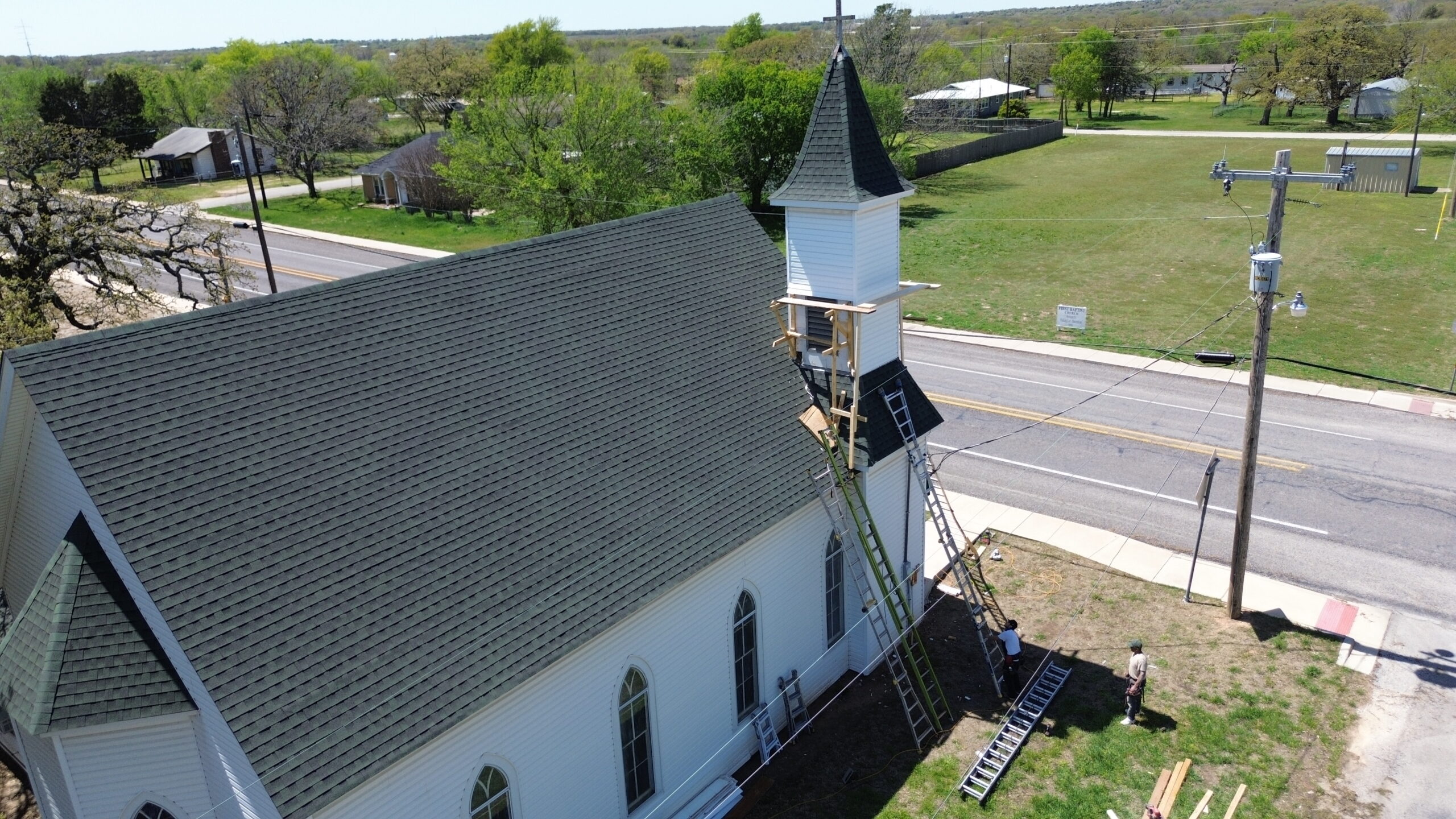
Ladders are commonly used during residential roofing projects, but improper ladder use can create serious hazards. A ladder should be placed on a stable, level surface and positioned according to the manufacturer’s instructions. It should not rest on unstable objects, loose materials, or surfaces that can shift during use.
Before climbing, workers should inspect the ladder for damaged steps, rails, feet, locks, or other components. The surrounding area should also be checked for obstacles, traffic, doors, and electrical hazards. A ladder should never be positioned where it can easily be struck by a vehicle or accidentally moved by another person.
Workers should maintain secure contact while climbing and avoid carrying bulky materials that interfere with balance. Tools and smaller materials can often be transported using appropriate methods rather than being carried in a way that prevents the worker from maintaining stable contact with the ladder.
Roof access points should be kept clear and organized. Workers should avoid jumping from ladders onto the roof or making sudden movements while transitioning between surfaces. If a ladder extends above the roof access point, it should be positioned and secured according to applicable safety requirements and manufacturer guidance.
Ladder safety is especially important when several workers are using the same access route. The area around the ladder should remain free of loose materials and debris, and workers should communicate when materials are being moved through the access point. A stable and predictable access system makes movement between the ground and roof safer.
Fall Protection Systems and Edge Safety
Fall protection is one of the most important elements of residential roofing safety because workers may spend many hours close to roof edges. A momentary loss of balance can result in a serious fall, particularly on steep or elevated roofs. Protection should therefore be planned before workers begin activities near exposed edges.
The appropriate fall protection system depends on the type of roof, work being performed, site conditions, and applicable regulations. Contractors should use systems that are designed for the situation and ensure that workers receive proper instruction before using them. Equipment should also be inspected regularly to identify signs of damage or improper setup.
Roof edges should never be treated as ordinary walking areas. Workers should remain aware of their position and avoid placing tools, materials, or debris where they could create additional trip hazards near an edge. Materials should be secured so they cannot slide or fall from the roof.
Roof openings require special attention because they may not always be immediately visible. Skylights, roof hatches, unfinished openings, and other fragile or exposed areas can create fall hazards. These areas should be clearly identified and protected using appropriate measures before general roofing work continues around them.
Workers should also avoid unnecessary movement near unprotected edges. Planning the sequence of installation can reduce the amount of time workers need to operate in hazardous positions. Materials and tools should be arranged so that workers can complete tasks without repeatedly reaching, stretching, or moving unpredictably.
Effective fall protection is not simply a piece of equipment worn by a worker. It is part of an overall safety system that includes planning, training, proper access, organized materials, suitable equipment, and continuous awareness of changing site conditions. These measures create a safer foundation for the roofing installation practices discussed in the next stages of the project.
Safe Movement and Work Practices on the Roof
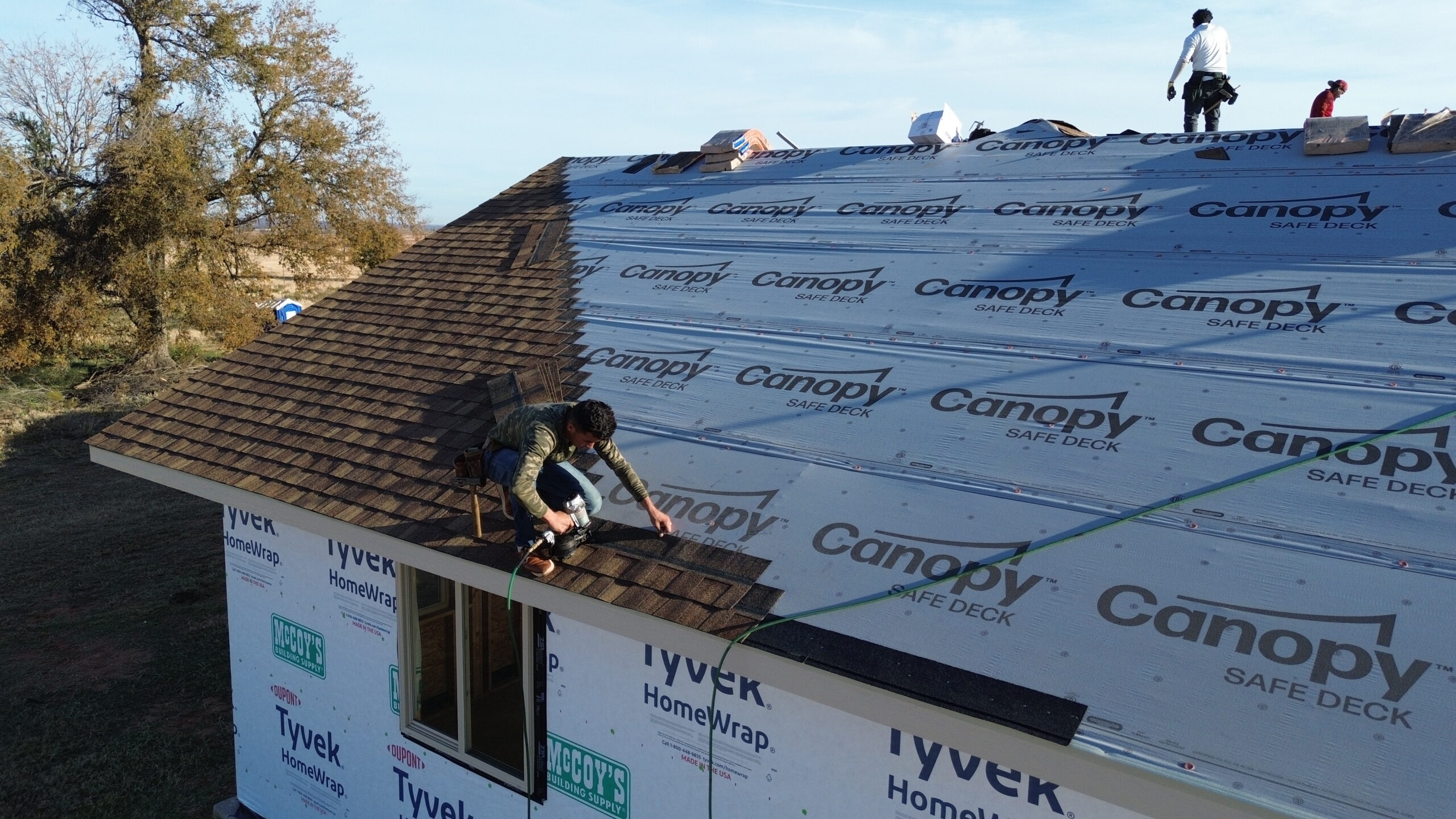
Once workers have safely accessed the roof, their movement across the work area becomes an important part of overall roofing safety. Roof surfaces can vary considerably in slope, texture, moisture, and stability, so workers should move deliberately rather than rushing between tasks. Keeping the work area organized also helps reduce trips caused by loose shingles, tools, cords, and construction debris.
Workers should maintain awareness of their position in relation to roof edges, openings, ladders, and other hazards. Materials should not be placed randomly across walking paths because workers may need to move repeatedly while installing different roofing components. A planned work sequence allows the crew to keep frequently used tools and materials accessible without creating unnecessary obstacles.
Roofing workers should avoid carrying loads that block their view or interfere with their balance. Heavy or awkward materials may require more than one person to move safely, particularly when they must be transported across a sloped roof. Team members should communicate clearly before lifting, carrying, lowering, or passing materials.
Workers should also avoid unnecessary sitting, kneeling, or leaning near exposed edges unless suitable protection is in place. Even a small shift in body position can affect balance on a sloped surface. Maintaining stable footing and using appropriate protective systems throughout the task is safer than relying on personal balance alone.
Proper Use of Roofing Tools and Equipment
Roof installation involves a variety of hand tools and power equipment, including hammers, nail guns, utility knives, drills, saws, measuring equipment, and other specialized tools. Each tool should be selected for its intended purpose and operated according to its manufacturer’s instructions. Using a tool incorrectly can damage roofing materials and increase the possibility of cuts, punctures, impact injuries, or other accidents.
Before work begins, tools should be inspected for visible damage or defects. Handles should be secure, cutting tools should be properly maintained, electrical cords should not show exposed wiring, and power equipment should have suitable guards and safety features. Any damaged equipment should be removed from use until it has been properly repaired or replaced.
Power tools should be operated by workers who understand their controls and safety requirements. Workers should avoid bypassing guards, removing protective features, or modifying equipment to make a task faster. Shortcuts involving safety mechanisms can create serious hazards and may also cause unexpected equipment behavior.
Utility knives require particular care because roofing materials frequently need to be trimmed and cut during installation. Workers should use appropriate cutting techniques and keep their hands away from the path of the blade. When the tool is not being used, it should be stored safely rather than left exposed on a roof surface where someone could step on it.
Nail guns can improve installation efficiency but require careful handling because they can cause serious injuries when directed toward a person or when accidentally activated. The tool should be kept under control, the operator should understand its trigger mechanism, and workers should avoid carrying or positioning the tool in a way that could cause accidental discharge.
Safe Handling and Storage of Roofing Materials
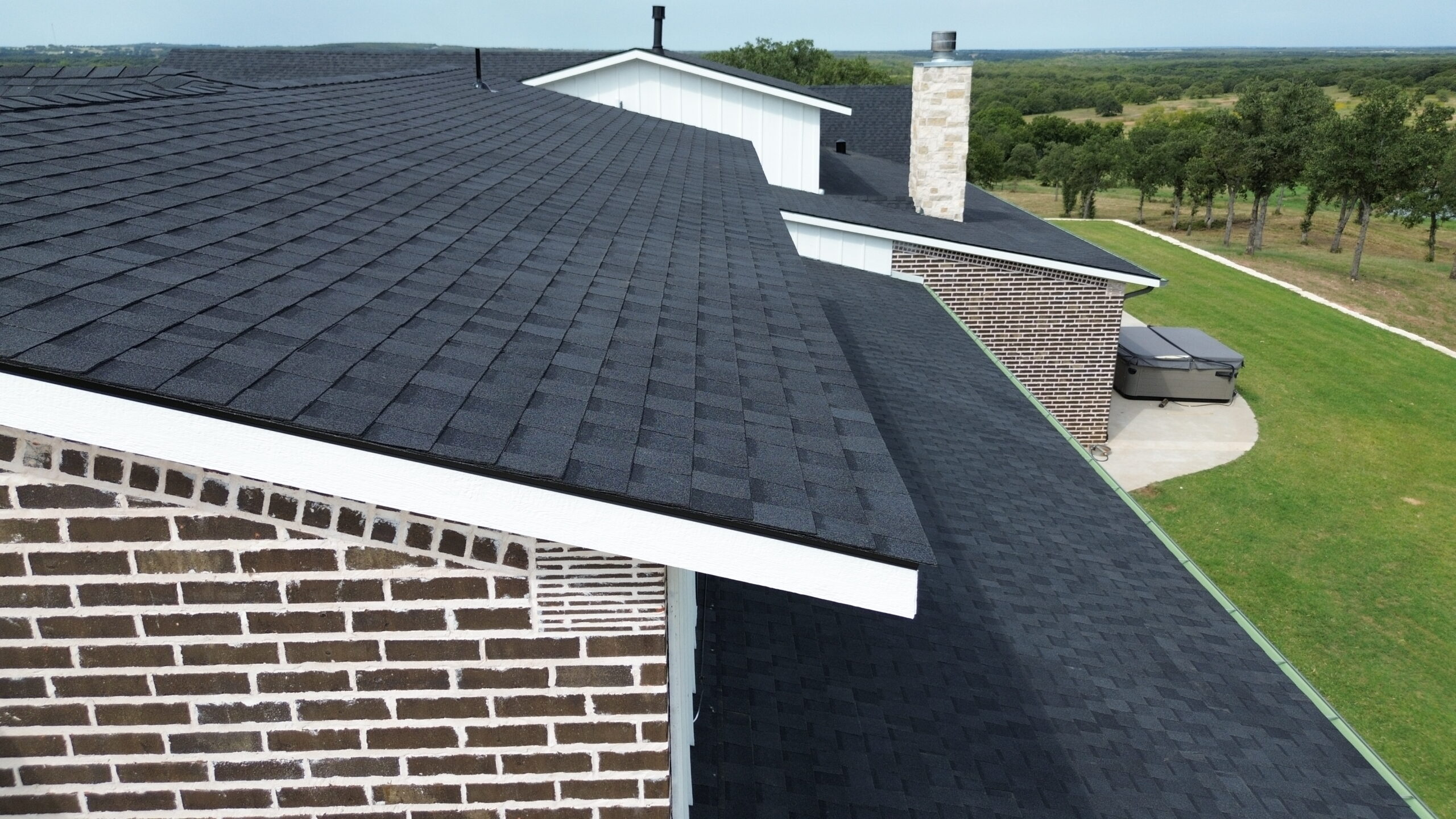
Roofing materials can be heavy, bulky, sharp, or difficult to handle, making material management an important part of job-site safety. Shingles, bundles, rolls of underlayment, flashing, boards, and other components should be transported and positioned carefully. Improperly stored materials can slide, fall, create trip hazards, or place unnecessary loads in unsuitable areas.
Material placement should be planned before supplies are distributed across the roof. Workers should consider where materials will be needed during installation and avoid creating large piles that restrict movement. Heavy materials should be placed only where the roof structure and installation plan allow them to be safely supported.
Workers should use proper lifting techniques when moving roofing materials at ground level. Heavy or awkward items should be handled by more than one person when necessary, and workers should communicate before lifting or lowering a load. Mechanical lifting equipment may be appropriate for larger quantities of material when available and suitable for the property.
Materials stored on the roof should also be protected from wind and other environmental conditions. Lightweight products can become airborne during strong winds and may fall from the roof or damage surrounding property. Secure storage helps protect workers, homeowners, vehicles, landscaping, and neighboring areas.
Sharp metal flashing and other components should be handled carefully because their edges can cause cuts. Workers should avoid leaving exposed pieces in locations where someone could accidentally contact them. Proper organization ensures that materials remain accessible without turning the roof into a collection of hidden hazards.
Electrical Safety Around Residential Roofing Projects
Electrical hazards should be identified before roofing work begins, particularly when overhead utility lines are located near the house. Ladders, scaffolding, tools, metal flashing, and long materials can create dangerous situations when they come too close to energized electrical equipment. Workers should maintain appropriate clearances and follow applicable electrical and workplace safety requirements.
The location of overhead lines should be discussed during the initial site assessment. Workers should understand where electrical hazards exist before carrying ladders or long materials around the property. Materials should never be moved casually through areas where they could contact or approach electrical lines.
Temporary electrical equipment used during roofing work should also be inspected before use. Extension cords should be suitable for the intended application and protected from damage, water, sharp edges, and unnecessary traffic. Electrical equipment should be used in accordance with applicable safety requirements rather than improvised connections.
Workers should never assume that a wire is safe simply because it appears inactive. Electrical hazards can be difficult to identify visually, and contact with energized equipment can result in severe injury. If there is uncertainty about an electrical condition, work should pause until the hazard can be properly assessed and addressed by an appropriately qualified professional.
Weather Conditions and Roofing Safety
Weather can change roofing conditions quickly, making environmental awareness essential throughout installation. Rain can make roof surfaces slippery, while strong winds can destabilize workers and move lightweight materials. Extreme temperatures can also contribute to fatigue, dehydration, or reduced concentration.
Before beginning work, contractors should review current and expected weather conditions. The work schedule may need to be adjusted when conditions become unsuitable for safe roof operations. Continuing simply to maintain a deadline can expose workers to unnecessary hazards and may also compromise the quality of the installation.
Hot weather requires attention to hydration, rest periods, and signs of heat-related problems. Workers may become fatigued more quickly when exposed to direct sunlight and hot roof surfaces, which can reduce concentration and physical coordination. Regular breaks and appropriate hydration practices can help workers maintain safer performance.
Cold conditions can create different challenges, particularly when surfaces become wet, icy, or difficult to grip. Workers should not assume that a roof is safe simply because precipitation has stopped. Moisture may remain on surfaces and can significantly affect traction.
Wind deserves particular attention during roofing work because it can affect both workers and materials. Loose underlayment, flashing, insulation, packaging, and other lightweight items can be blown from the roof. Workers should secure materials and stop operations when wind conditions create an unacceptable safety risk.
Protecting Workers and Homeowners Around the Job Site
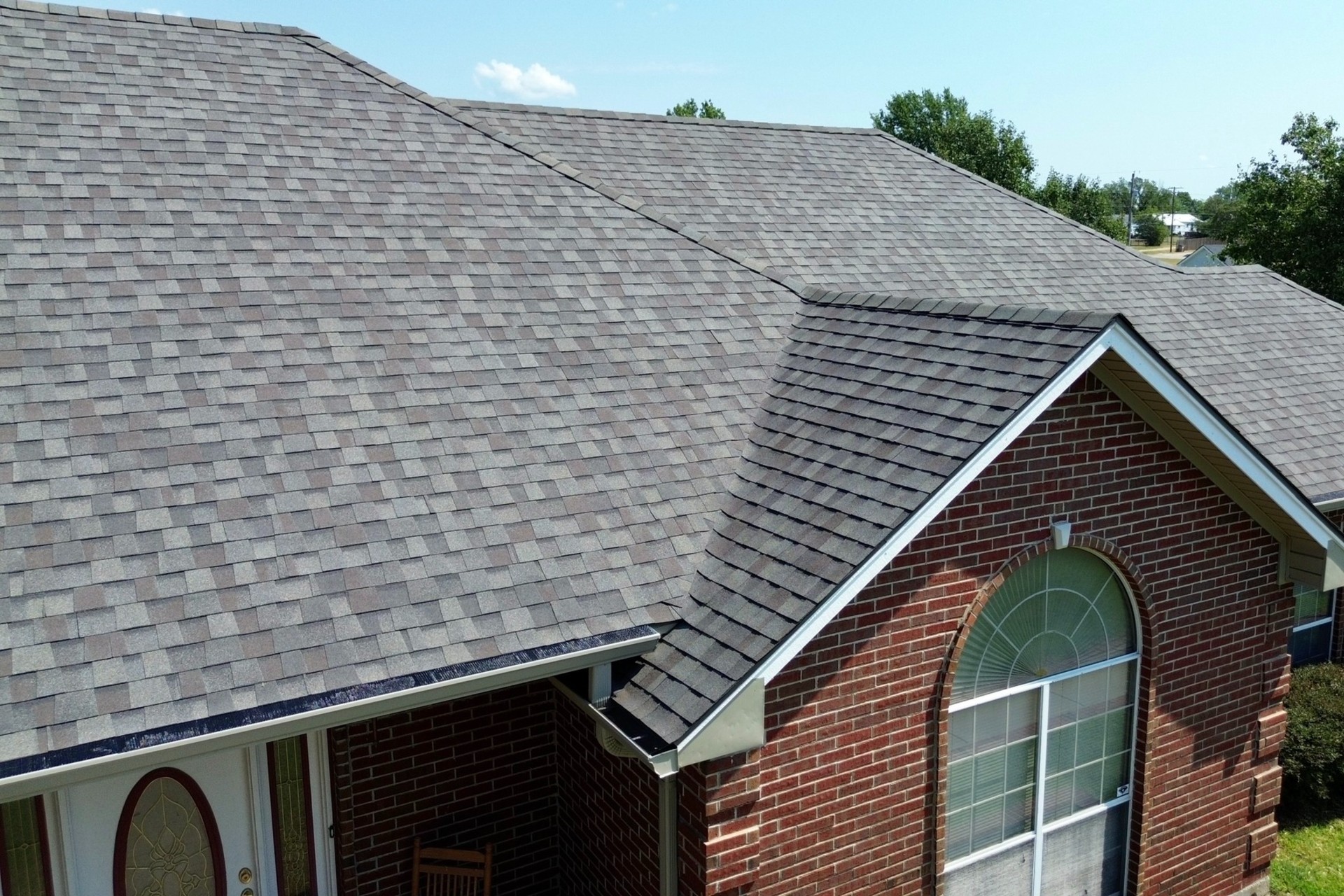
A roofing project affects more than the workers on the roof. People on the ground can be exposed to falling tools, nails, shingles, dust, and other materials. Establishing controlled areas around the house helps separate construction activity from normal household movement.
Homeowners should receive clear instructions about which areas should be avoided during installation. Walkways, entrances, driveways, and areas underneath active roofing work may require temporary restrictions. Workers should communicate these restrictions clearly rather than assuming residents will automatically understand where hazards exist.
Children and pets require particular attention because they may not recognize construction hazards. Loose materials, ladders, debris, and tools can attract curiosity while creating serious risks. Keeping children and pets away from the active work zone is an important responsibility for everyone involved.
Vehicles should also be considered when planning the site. Roofing materials and debris should not be stored where they obstruct traffic or create a risk of falling onto vehicles. If the work requires temporary changes to parking or access, the contractor should communicate those changes with the homeowner before work begins.
Safe Tear-Off and Removal of Existing Roofing Materials
Removing an existing roof can create hazards that differ from those involved in installing new materials. Old shingles, nails, damaged sheathing, flashing, insulation, and other debris may need to be removed before the new roofing system can be installed. Workers should use suitable protective equipment and safe handling procedures throughout the tear-off process.
Old roofing materials can be heavier than expected, particularly when several layers have accumulated. Workers should avoid creating unstable piles on the roof or allowing debris to collect near access points and edges. Removed materials should be moved to designated disposal areas using appropriate methods.
Exposed nails are a common hazard during tear-off operations. Workers should remain alert to protruding fasteners and avoid leaving nails mixed with loose debris in walking areas. Magnetic collection tools and organized cleanup procedures can help reduce the chance of puncture injuries around the work area.
Damaged roof decking should also be treated carefully. Areas weakened by moisture, rot, or previous damage may not provide the same support as sound structural materials. Workers should identify questionable areas before placing their full weight on them and follow appropriate procedures for addressing structural concerns.
Maintaining a Clean and Organized Roofing Work Area
Good housekeeping is one of the simplest ways to improve safety during residential roofing installation. Roofing work naturally creates waste, but debris should not be allowed to accumulate throughout the work area. Regular cleanup keeps access routes clearer and reduces opportunities for slips, trips, puncture injuries, and falling objects.
Tools should be returned to predictable locations when they are not being used. Materials should be stacked or secured appropriately, while waste should be moved to designated collection areas. A worker who knows where equipment and materials belong can move more confidently and spend less time searching through clutter.
Ground-level cleanup is equally important because roofing debris can spread across lawns, driveways, gardens, and walkways. Nails and sharp fragments may remain hidden after larger pieces of debris have been removed. The work crew should conduct regular cleanup and a thorough final inspection before the site is considered safe.
Communication between crew members supports good housekeeping as well. Workers should alert others when materials are being moved, debris is being dropped into a disposal container, or an area temporarily becomes restricted. Clear communication prevents one worker from unexpectedly entering another worker’s operating area.
A clean job site also helps maintain professionalism and protects the homeowner’s property. Roofing installation can be disruptive, but organized work practices can keep that disruption under control. By combining safe movement, properly maintained tools, controlled material handling, electrical awareness, weather monitoring, and regular cleanup, the roofing crew establishes a safer environment for the more detailed installation activities that follow.
Safe Installation Practices for Different Roofing Components
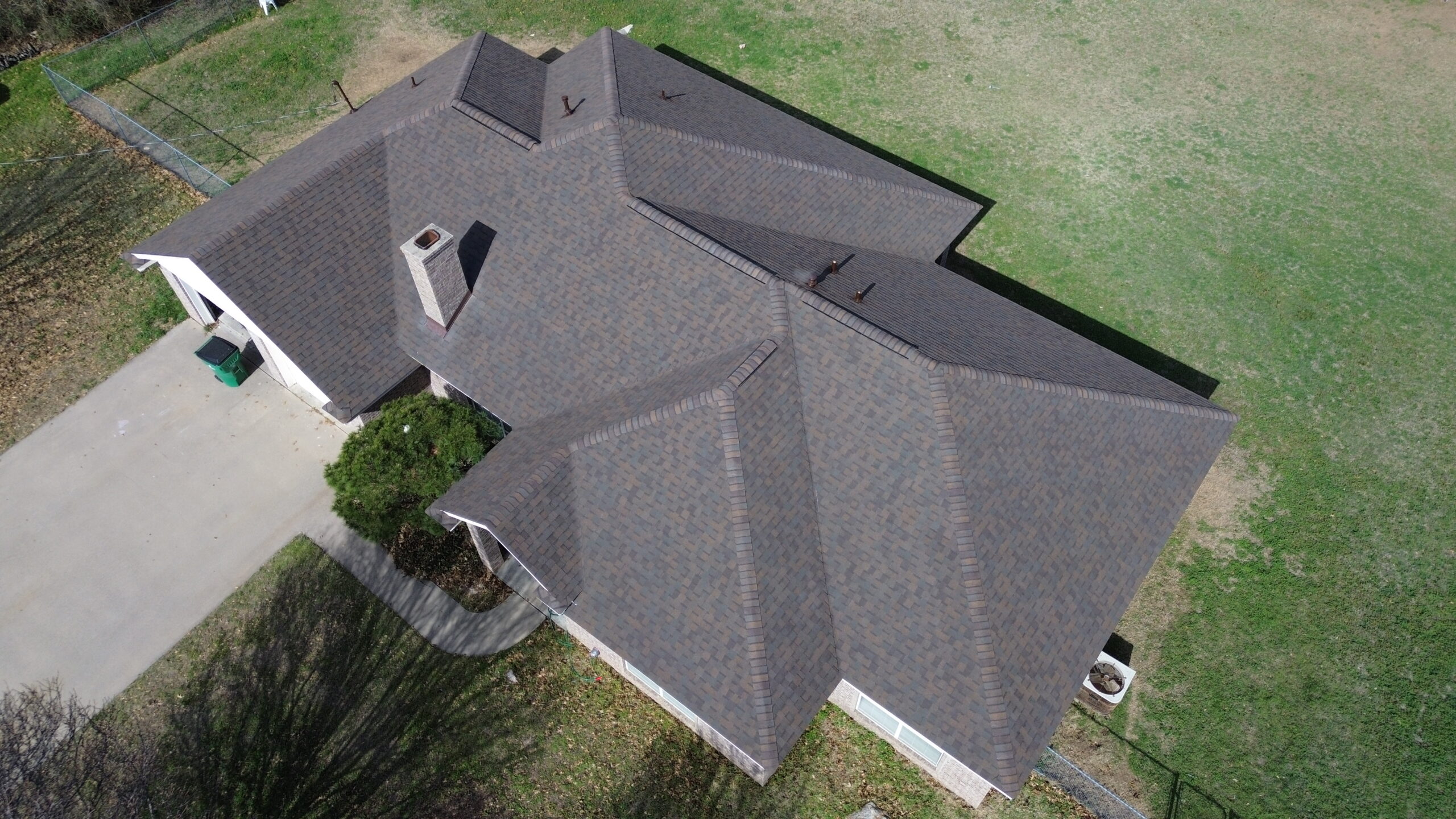
The final stage of a residential roofing project requires workers to combine safety procedures with careful installation techniques. Each roofing component has its own handling requirements, and workers should follow manufacturer instructions and applicable building and safety requirements throughout the process. A safe installation should never sacrifice proper workmanship simply to complete the project faster.
Roofing underlayment, shingles, flashing, ventilation components, ridge materials, and other products should be installed in an organized sequence. Workers should avoid creating unnecessary congestion by keeping only the materials needed for the immediate task in the active work area. This approach gives workers more room to move and reduces trip hazards.
Flashing installation requires particular attention because metal pieces can have sharp edges and may need to be cut or shaped. Workers should use appropriate hand protection and suitable tools when handling flashing, while completed pieces should be positioned securely rather than left loose on the roof. Proper organization also prevents unused metal sections from becoming hidden hazards.
Shingles and similar roofing products should be moved carefully because bundles can be heavy and awkward to carry. Workers should use appropriate lifting techniques and avoid throwing materials across the roof. Once placed, materials should remain stable and should not obstruct access routes or create additional hazards near roof edges.
Proper Use of Fasteners, Nail Guns, and Power Tools
Fasteners are essential to a roofing system, but their installation can create safety concerns when tools are handled carelessly. Workers should use the correct fasteners and tools specified for the roofing product and follow the manufacturer’s instructions. Using unsuitable equipment can affect both worker safety and the performance of the finished roof.
Nail guns should be operated only by workers who understand the equipment and its safety features. The tool should be handled carefully during movement, positioning, and storage, and workers should never point it toward another person. When the tool is not being used, it should be placed in a secure location where it cannot accidentally activate.
Power cords and hoses should be positioned so they do not become trip hazards. They should also be protected from sharp roofing materials, excessive heat, moisture, and other conditions that could damage them. Workers should avoid pulling equipment by its cord or hose because this can damage the equipment and create additional hazards.
When cutting materials, workers should use stable work positions whenever possible. Cutting directly on an unstable roof surface can make it difficult to control a tool or material. A planned cutting area can improve both safety and efficiency while reducing loose scraps across the roof.
Safety Around Skylights, Roof Openings, and Fragile Areas
Skylights and roof openings require special attention because they can present fall hazards even when they appear secure. A skylight may not be designed to support a person’s weight, and workers should never assume that a transparent or covered surface is strong enough to stand on. These areas should be identified before work begins and protected according to applicable safety requirements.
Unfinished roof openings should be clearly recognized by everyone on the crew. Materials and tools should not be placed in ways that conceal an opening or make it difficult to see. Protective systems should remain in place until the opening is safely closed or otherwise secured.
Some older roofing areas may also contain deteriorated decking or other fragile surfaces. Moisture damage, rot, previous construction, or long-term deterioration can reduce the strength of the roof structure. Workers should remain alert to signs of weak materials and communicate concerns immediately rather than continuing across an unsafe area.
Roofing crews should also avoid using fragile areas as convenient storage locations. Heavy bundles, tools, or equipment should not be placed where the supporting surface has not been confirmed as suitable. Protecting vulnerable areas helps prevent both structural damage and worker injuries.
Communication and Emergency Procedures on Roofing Projects
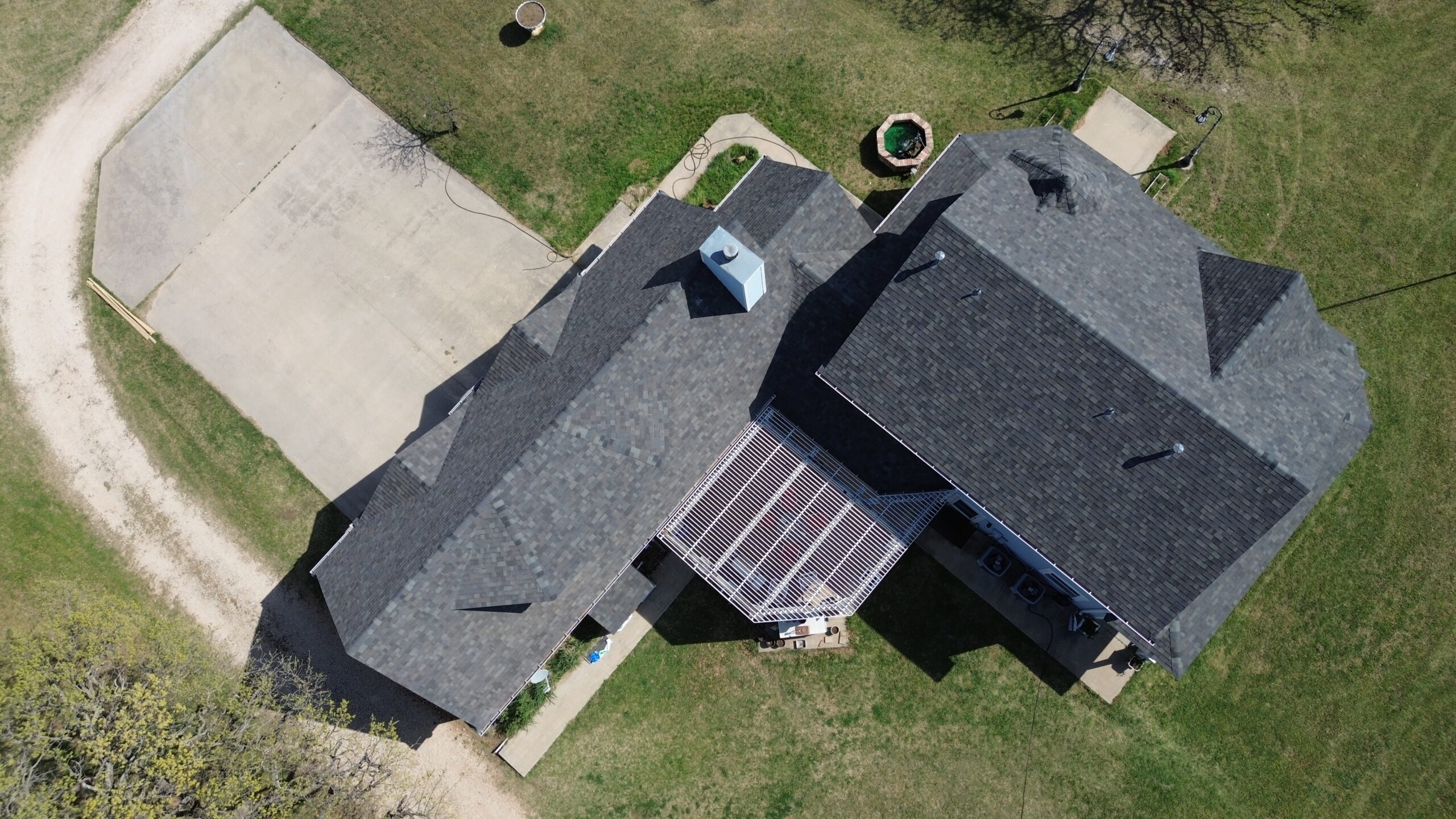
Clear communication is one of the most effective safety practices on a residential roofing project. Workers should understand who is responsible for different tasks and how they will communicate when materials, tools, or equipment are being moved. Simple communication procedures can prevent workers from unexpectedly entering hazardous areas.
Before work starts, the crew should know how to respond if an accident or other emergency occurs. Emergency contact information, access routes, and the location of essential equipment should be known to appropriate members of the team. Workers should not have to determine basic emergency procedures for the first time after an incident happens.
Communication is especially important when workers are positioned at different levels. A person on the ground may not see what is happening on the roof, while a worker above may not notice someone approaching the drop zone. Workers should use clear warnings before moving or lowering materials and should maintain controlled areas below active work.
If an injury occurs, work should be stopped or controlled as necessary so that additional hazards do not create more injuries. Workers should avoid rushing into an unsafe area to help someone without considering their own safety. Appropriate emergency procedures should be followed, and professional emergency assistance should be contacted when required.
Final Safety Inspection Before Leaving the Job Site
A roofing project should not be considered complete when the final shingle is installed. A thorough safety inspection should also be performed before the crew leaves the property. This inspection helps identify loose materials, exposed fasteners, debris, damaged equipment, and hazards that may remain after installation.
The roof should be checked for loose roofing components and improperly stored materials. Workers should verify that tools, equipment, packaging, and temporary protective systems have been handled appropriately. Any temporary protection that is no longer required should be removed safely, while necessary permanent components should remain secure.
The ground around the home should receive equal attention. Nails, metal scraps, shingle pieces, plastic packaging, wood fragments, and other debris can remain after the main cleanup. A careful ground inspection reduces the possibility that homeowners, visitors, children, or pets will encounter dangerous materials after the crew has finished.
Gutters, walkways, driveways, landscaping, and other areas should also be checked for construction debris or accidental damage. Cleanup should be systematic rather than limited to areas that are immediately visible. A clean property demonstrates that safety and professionalism were considered throughout the project.
Common Residential Roofing Safety Mistakes to Avoid
Even experienced roofing crews can encounter problems when routine tasks are treated casually. Many accidents occur because workers become comfortable with familiar conditions and stop actively evaluating risks. Maintaining consistent safety procedures throughout the project helps prevent this type of complacency.
Some common mistakes include working too close to roof edges without suitable protection, using damaged ladders, leaving tools in walking paths, and moving heavy materials without adequate assistance. Other problems include ignoring changing weather, failing to control ground-level access, and using power equipment without proper safeguards.
Another mistake is assuming that personal protective equipment alone makes a work area safe. PPE is important, but it should be combined with appropriate planning, access systems, fall protection, housekeeping, training, and communication. A helmet or pair of gloves cannot compensate for an unstable ladder or an unprotected roof edge.
Workers should also avoid rushing because of scheduling pressure. Roofing projects may have deadlines, but completing work quickly is not a reason to ignore hazardous conditions. If a task cannot be performed safely, the correct response is to address the hazard before continuing.
How Homeowners Can Support a Safer Roofing Project
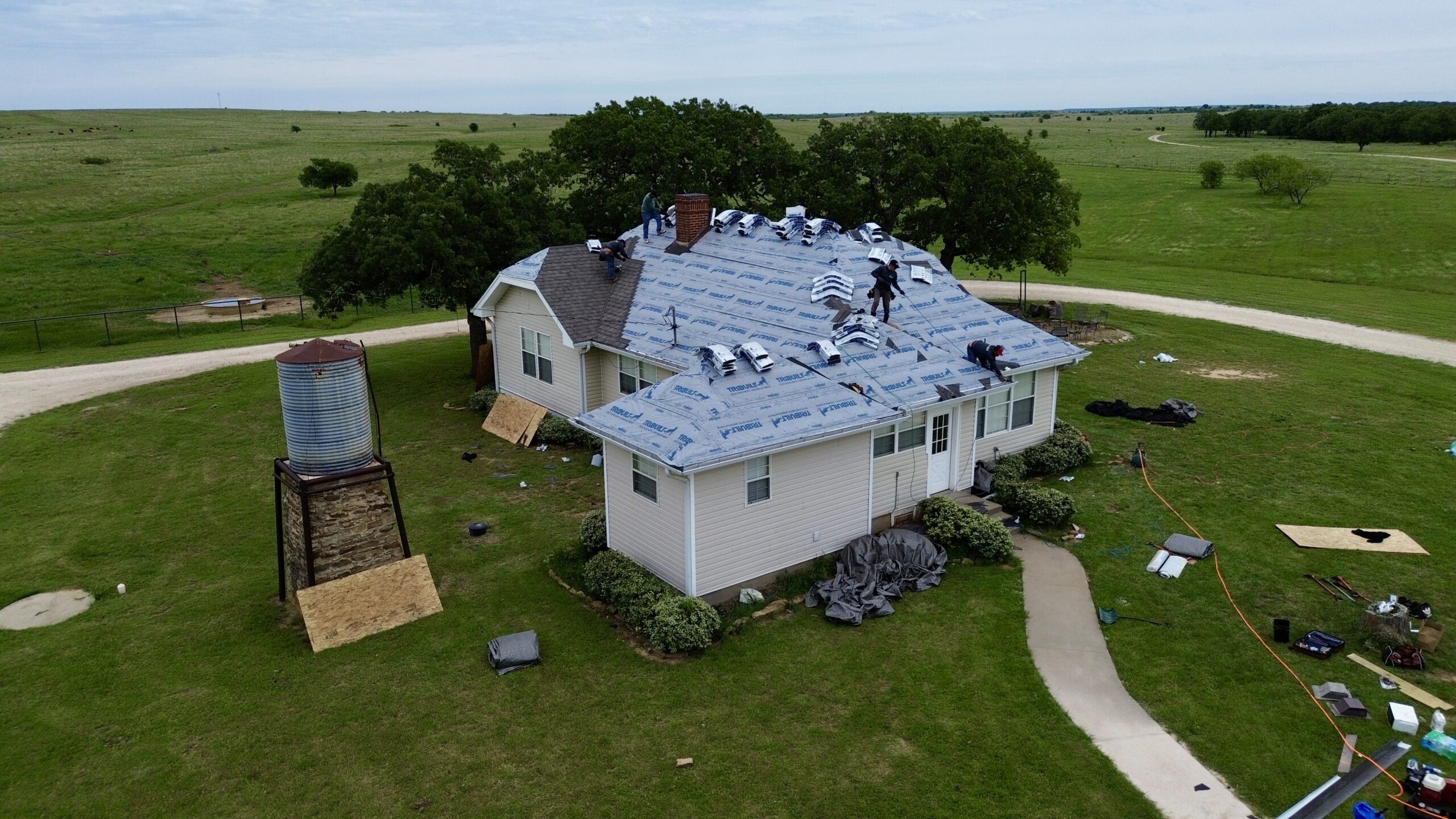
Homeowners can contribute to roofing safety by preparing the property before workers arrive. Outdoor furniture, vehicles, decorations, and other unnecessary items can be moved away from active construction areas when possible. Homeowners should also discuss access arrangements with the contractor so that workers have clear and practical routes around the property.
Children and pets should remain away from the work zone throughout the project. Roofing materials and tools may remain dangerous even when workers are temporarily away from the immediate area. Keeping family members away from construction zones is one of the simplest ways to reduce unnecessary exposure to hazards.
Homeowners should also communicate relevant property information to the roofing contractor. Details about known roof damage, previous repairs, difficult access areas, electrical equipment, or other conditions may help the crew plan safer work procedures. Good communication before installation can prevent unexpected problems later.
During the project, homeowners should avoid walking underneath active roofing operations unless the contractor has confirmed that the area is safe. They should also avoid moving ladders, tools, materials, barriers, or other equipment without speaking to the crew. A small change to the work setup can unintentionally create a serious hazard.
Choosing a Roofing Contractor With Strong Safety Practices
Choosing a qualified roofing contractor is an important part of maintaining a safe installation. Homeowners should look beyond price and consider whether the contractor demonstrates organized work practices, appropriate training, suitable equipment, and a clear approach to job-site safety. A professional contractor should be willing to explain how workers and property will be protected during the project.
During the selection process, homeowners can ask how the contractor handles fall protection, material storage, cleanup, weather interruptions, and emergency situations. The answers can provide useful insight into whether safety is treated as a routine part of the company’s operations. Contractors who take these issues seriously are more likely to approach the project in a structured and responsible manner.
Homeowners should also confirm that the contractor follows applicable local requirements and manufacturer instructions. Roofing products can have specific installation procedures, while safety requirements may vary according to location and project conditions. Professional contractors should understand the requirements that apply to their work and should not rely on unsafe shortcuts.
A strong contractor also maintains communication throughout the project. Homeowners should know when work will occur, which areas will be restricted, and what temporary changes they should expect around the property. Clear communication reduces confusion and helps everyone cooperate toward a safer installation.
Building a Safety-Focused Roofing Installation Process
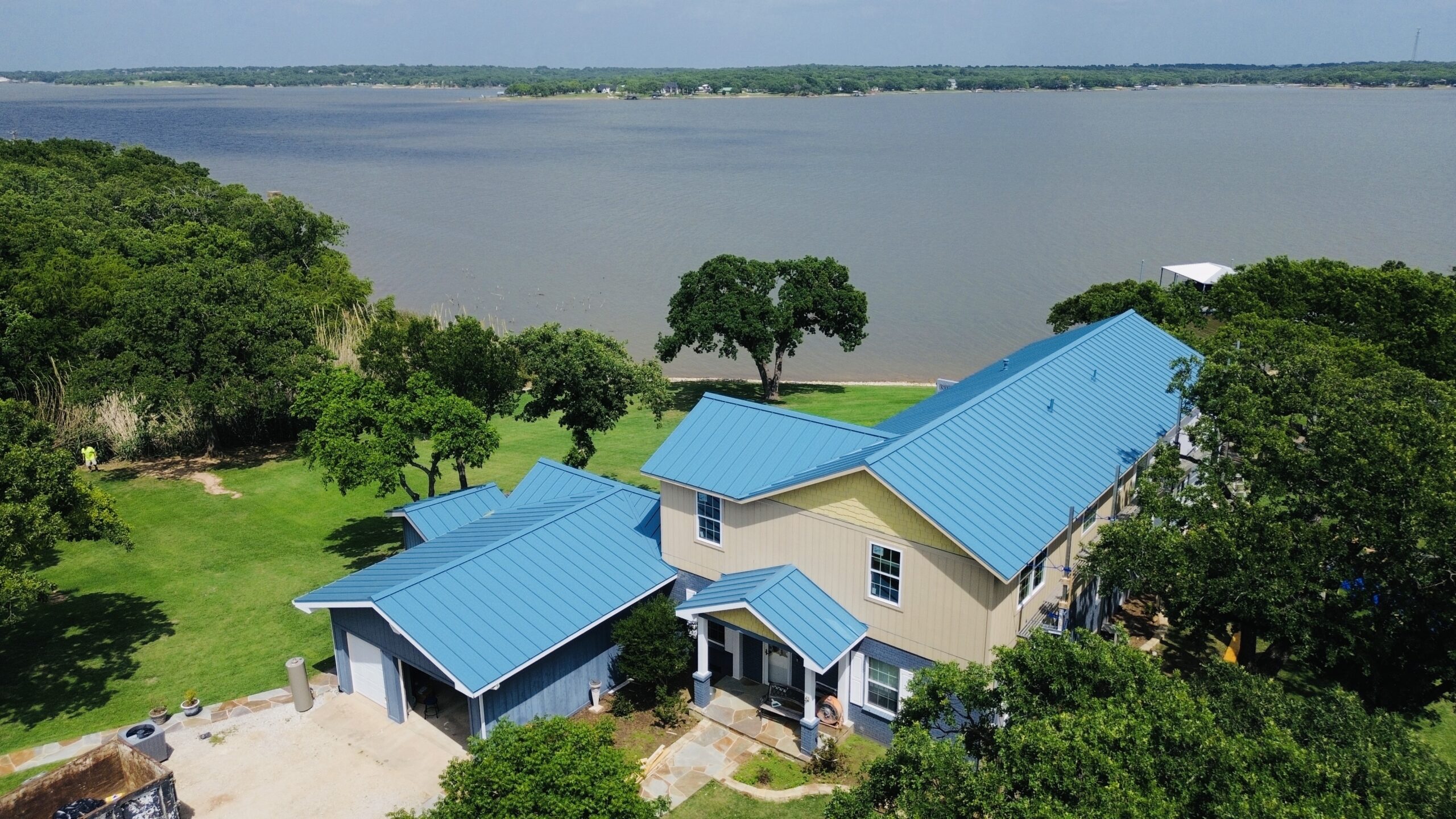
A successful residential roofing installation depends on more than installing durable materials. Safety should be integrated into every stage, from initial planning and roof access to material handling, installation, cleanup, and final inspection. When safety procedures are treated as part of normal workmanship, workers can perform their tasks with greater confidence and homeowners can have greater peace of mind.
The most effective approach is proactive rather than reactive. Instead of waiting for a hazard to cause a problem, the crew should identify potential risks and address them before work begins. Regular inspections, clear communication, appropriate protective equipment, organized materials, and attention to weather conditions all contribute to this approach.
Safety practices should also remain consistent throughout the project. A crew may begin with excellent preparation but still encounter risks if tools become disorganized, weather changes, or workers become fatigued. Maintaining awareness from the first preparation task through final cleanup is essential for a genuinely safe roofing installation.
Conclusion
Residential roofing installation can be completed safely when workers, contractors, and homeowners understand the risks and take practical steps to control them. Fall protection, safe ladders, appropriate protective equipment, organized materials, careful tool handling, electrical awareness, weather monitoring, and proper housekeeping all contribute to a safer work environment.
The safest roofing projects begin with planning rather than reacting to problems after they occur. Contractors should evaluate the property, prepare suitable equipment, establish controlled work areas, communicate responsibilities, and adjust procedures when site conditions change. Workers should follow established safety practices consistently and report hazards before they result in injuries or property damage.
Homeowners also have an important role in supporting a safe installation. Keeping children and pets away from active work areas, following contractor instructions, communicating relevant property concerns, and avoiding unauthorized movement of equipment can help protect everyone around the project.
Ultimately, roofing safety is closely connected to quality workmanship. A well-organized and safety-conscious crew is better positioned to install roofing components accurately while protecting workers and the property. By making safety a fundamental part of residential roofing installation, homeowners can support a project that is not only durable and professionally completed but also responsibly managed from beginning to end.