
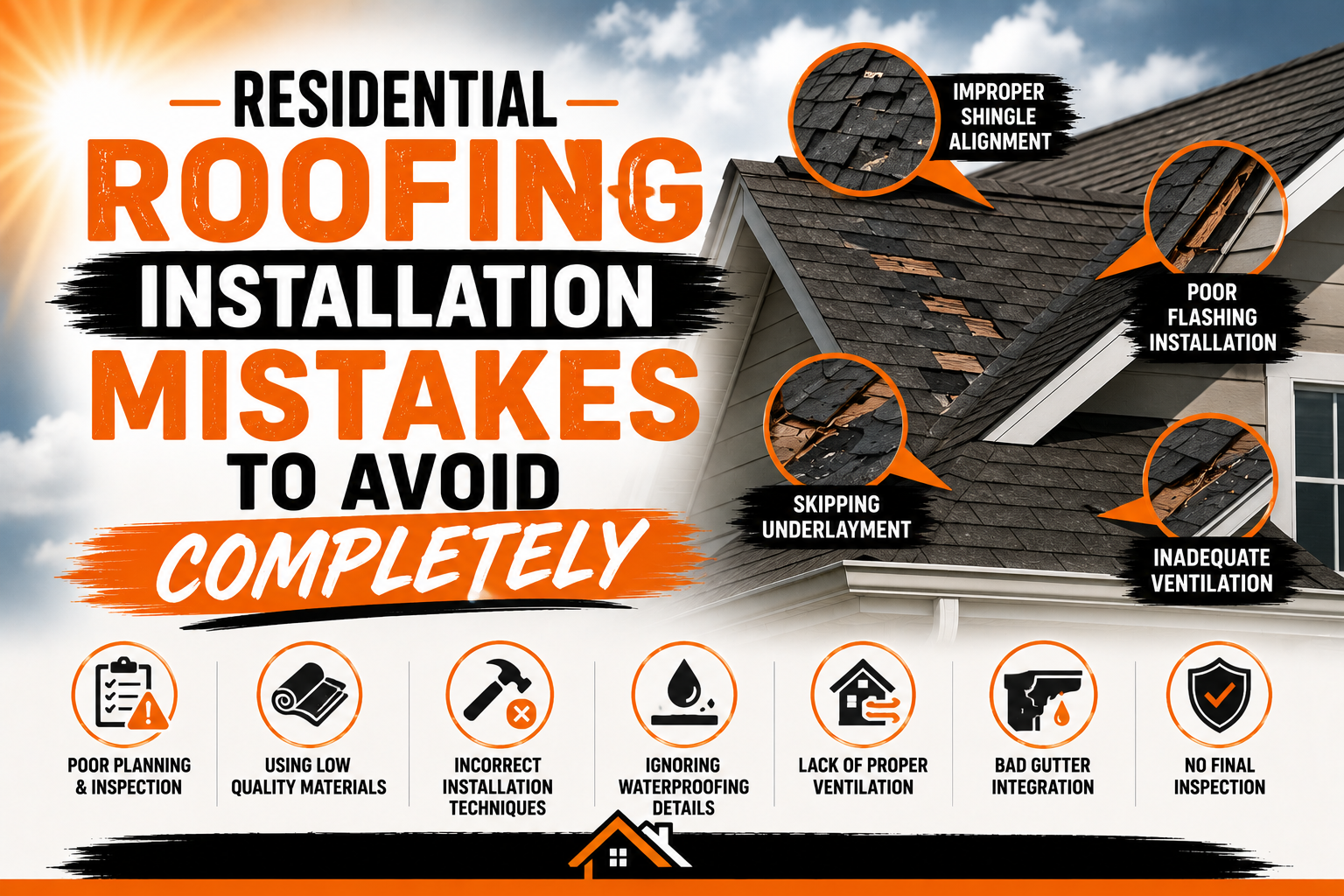
Residential Roofing Installation Mistakes to Avoid Completely
Introduction
Residential roof installation is a major construction project that directly affects the protection, comfort, and long-term condition of a home. A roof is expected to withstand rain, wind, sunlight, temperature changes, and other environmental conditions for many years, but its ability to do so depends heavily on how it is installed. Even high-quality roofing materials can develop serious problems when basic installation requirements are ignored.
Many roofing failures do not happen because the roofing material itself is defective. Instead, problems can result from poor preparation, incorrect fastening, inadequate moisture protection, improper flashing, poor drainage, or inexperienced workmanship. Some mistakes may remain hidden for months before they appear as leaks, damaged decking, loose materials, or interior moisture problems.
Avoiding installation mistakes is generally more effective than correcting them later. Once a new roof has been installed, finding a problem may require removing sections of the completed system to reach the affected component. This can increase repair costs, extend disruption, and potentially reduce confidence in the roof’s long-term performance.
Homeowners should also understand that roofing installation is a complete process rather than simply placing a new exterior covering over an existing surface. The roof deck, underlayment, flashing, ventilation, fasteners, primary roofing material, edges, valleys, and drainage components all need to work together.
The first step toward avoiding problems is recognizing where mistakes commonly occur. Careful inspection, appropriate material selection, proper preparation, and professional installation can reduce many of the risks associated with residential roofing projects.
Failing to Inspect the Existing Roof Properly
One of the most serious mistakes is beginning a roofing project without properly evaluating the existing roof. A contractor may focus heavily on the visible roofing material while overlooking the roof deck, flashing, ventilation, drainage, or structural conditions underneath and around it.
A thorough inspection should determine why replacement is needed and what conditions may affect the new installation. The contractor should look for widespread deterioration, previous leaks, damaged roofing materials, poor repairs, sagging areas, drainage problems, and signs of moisture intrusion.
The roof deck deserves particular attention. It provides the foundation for many roofing systems, and damaged decking may not provide adequate support for fasteners. If deteriorated sections are simply covered with new roofing material, the underlying weakness can remain hidden and eventually affect the new roof.
Previous leaks should also be investigated carefully. Water does not always enter directly above the location where a stain appears inside the home. Moisture can travel along roofing components, decking, insulation, or framing before becoming visible indoors.
Roof penetrations require additional inspection. Chimneys, skylights, plumbing vents, exhaust vents, and other openings can create potential pathways for water. Existing flashing around these areas may be damaged or unsuitable for the new roofing system.
Ventilation should also be considered before installation begins. If the existing system has blocked intake vents, inadequate exhaust capacity, or other ventilation concerns, simply installing a new roof without addressing these conditions may allow problems to continue.
Drainage should be reviewed as well. Gutters, downspouts, valleys, roof edges, and drains need to work together to move water away from the building. Poor drainage can expose the new roofing system and surrounding components to unnecessary moisture.
A proper inspection also helps establish realistic expectations about the project timeline and cost. Some problems may not become fully visible until the old roofing materials are removed, but an initial inspection can identify potential risk areas and help homeowners understand that additional repairs may be necessary.
Ignoring the inspection stage often creates problems later because contractors are forced to discover and address important conditions during active installation. Careful assessment before work begins provides a stronger foundation for every stage that follows.
Choosing the Wrong Roofing Materials
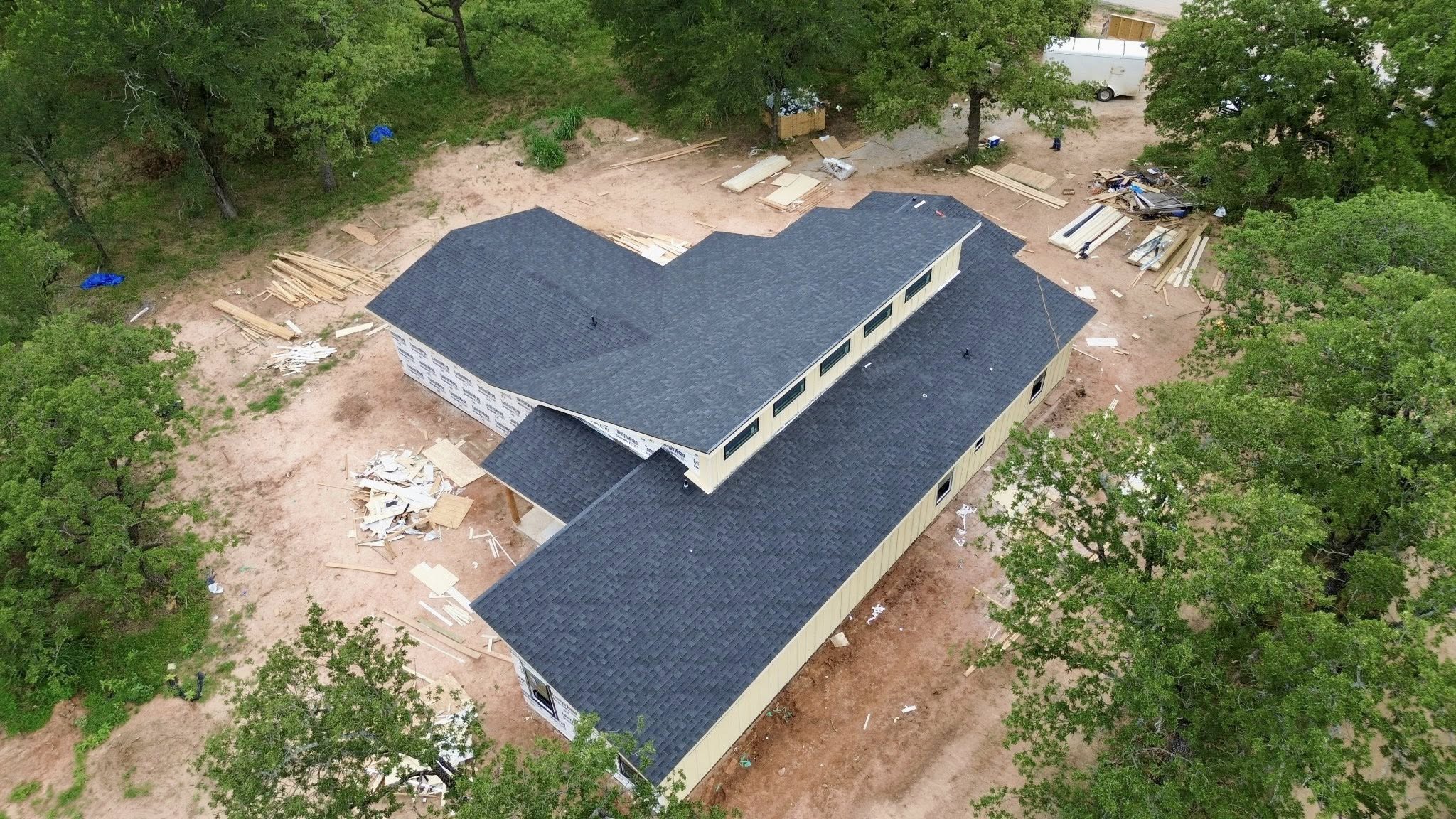
Selecting roofing materials based mainly on price or appearance can create another serious installation problem. Roofing products differ in weight, durability, installation requirements, slope limitations, maintenance needs, and weather resistance. The selected material must be appropriate for the home and its environment.
The roof’s slope is one important consideration. Certain roofing systems require minimum slopes to shed water properly, while others are designed for different roof configurations. Installing a product outside its intended application can create drainage and moisture problems.
Structural capacity must also be considered. Some roofing materials are significantly heavier than others. A homeowner considering tile, slate, or another heavy system should ensure that the structure is capable of supporting the additional load.
Climate is equally important. A property exposed to heavy rainfall, strong winds, hail, intense sunlight, snow, or coastal conditions may require materials designed to perform under those specific conditions. Selecting a product without considering local weather exposure can shorten its useful life.
Compatibility between materials is another important factor. Underlayment, flashing, fasteners, ventilation components, and the primary roofing material should form a compatible system. Using components that are unsuitable for one another can create installation or performance problems.
Homeowners should also consider maintenance requirements. A material that looks attractive but requires specialized maintenance may not be appropriate for every property. Long-term care should be considered alongside initial purchase and installation costs.
Manufacturer requirements should be reviewed before installation. Roofing products often have specific instructions concerning fastening, overlaps, slopes, ventilation, underlayment, and weather conditions. Contractors should understand these requirements before beginning work.
Choosing materials solely because they are inexpensive can also create long-term financial problems. A lower initial price may not represent good value if the product requires frequent repairs or is poorly suited to the property.
The best material is not necessarily the most expensive one. It should provide an appropriate balance between performance, appearance, structural requirements, climate suitability, maintenance, and budget.
Poor Roof Deck Preparation
The roof deck is one of the most important hidden components of a roofing system. It provides the surface on which many other roofing layers are installed and gives fasteners the support they need. Poor deck preparation can therefore undermine the performance of the entire roof.
After old roofing materials are removed, the exposed deck should be carefully inspected. Contractors should look for rot, moisture damage, cracks, warping, delamination, weak areas, and other defects that could affect the new installation.
Damaged sections should be replaced or repaired before the new roofing system is installed. Covering deteriorated decking with underlayment and roofing materials may hide the problem, but it does not restore the structural strength of the affected area.
Previous leak locations deserve special attention. Long-term moisture can weaken wood-based decking even when the surface initially appears reasonably stable. The contractor should evaluate suspicious areas rather than assuming that every section can be reused.
The deck should also be prepared so that the new roofing materials can sit properly. Loose debris, protruding nails, damaged surfaces, and other obstructions should be addressed before underlayment is installed.
Fastening depends heavily on the condition of the deck. Roofing nails, screws, clips, or other fasteners need suitable supporting material to provide the required attachment strength. If the deck is weak, even correctly selected fasteners may not perform as intended.
Another mistake is failing to communicate unexpected deck damage to the homeowner. Some deterioration cannot be seen until the existing roof is removed, so additional repairs may become necessary. Contractors should document these findings and explain the recommended solution before proceeding with extra work.
Poor deck preparation can also create uneven surfaces. Roofing materials installed over warped or unsuitable areas may not sit correctly, potentially affecting appearance, water shedding, and attachment.
Proper preparation takes additional time, but it is an important investment in the new roof. A stable and suitable deck provides a stronger foundation and reduces the likelihood that hidden structural problems will compromise the completed installation.
Incorrect Underlayment Installation
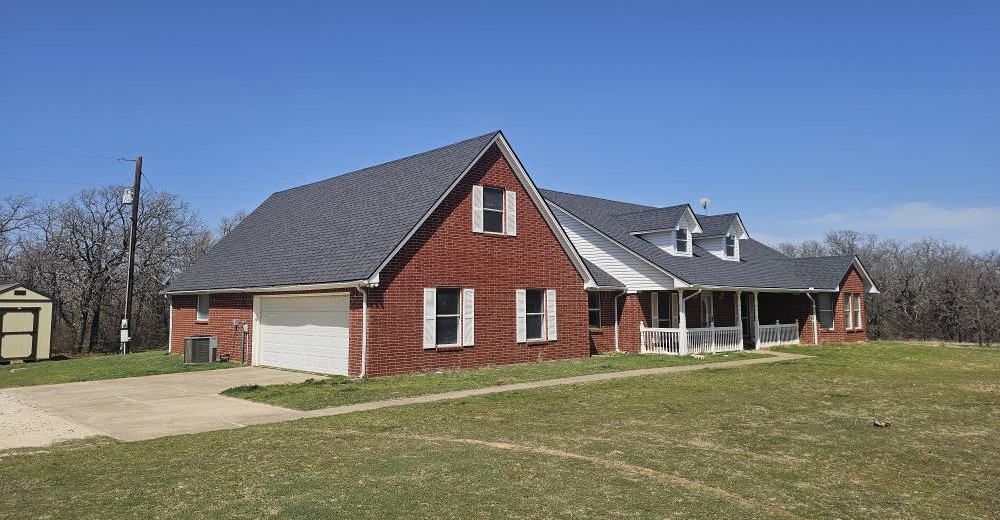
Underlayment provides an important secondary layer of moisture protection beneath the primary roofing material. Although it remains mostly hidden after installation, mistakes in this stage can contribute to water intrusion and damage to the roof deck.
One common problem is incorrect overlap. Underlayment sections need to be installed in the appropriate sequence and with suitable overlaps so water cannot easily move through the joints. The required installation method depends on the roofing system and product specifications.
Fastening is also important. Underlayment should be secured according to the manufacturer’s requirements and local installation practices. Loose or poorly secured sections can move, tear, or become exposed during construction.
Unnecessary damage to the underlayment should be avoided. Workers moving across the roof or installing subsequent components can accidentally tear or puncture the material. Damaged sections should be corrected before the primary roofing material covers them.
Valleys and roof edges require particular attention because they can experience substantial water movement. Additional moisture protection may be required in these areas depending on the roofing system and local requirements.
Underlayment must also be properly integrated with flashing. If these layers are installed independently without considering how water moves across the roof, gaps can develop around penetrations and transitions.
Leaving underlayment exposed to unsuitable weather conditions for longer than recommended can also create problems. Contractors should follow product limitations and use appropriate temporary protection when necessary.
Another mistake is assuming that any underlayment can be used with any roofing material. Different products have different characteristics and installation requirements, so compatibility should be confirmed before installation begins.
A properly installed underlayment system creates an additional defense against moisture. Because it is difficult to inspect after the roof is completed, contractors need to pay close attention to its installation while the layer remains accessible.
Improper Roof Edge and Drip Edge Installation
Roof edges may appear simple, but they are important areas where water, wind, roofing materials, fascia, and drainage components meet. Improper installation around eaves and rakes can create pathways for moisture and increase the risk of damage.
Drip edges are commonly used to help direct water away from the roof deck and toward the exterior drainage system. They also help protect vulnerable roof-edge materials from repeated exposure to runoff.
The relationship between the drip edge and underlayment needs to be correct. Installation sequence can vary depending on the roofing system, so contractors should follow the applicable requirements rather than using one method for every roof.
Eaves require particular attention because rainwater flows toward these lower roof boundaries. If water is allowed to move behind the edge components, it can affect the roof deck, fascia, or other structural materials.
Rake edges also need secure installation because they can experience wind exposure. Loose or poorly positioned edge components may become vulnerable during strong storms.
The fascia should be inspected before gutters are installed or reattached. Damaged fascia may not provide suitable support for the drainage system, and covering the problem with a new gutter does not correct the underlying condition.
Gutters should also be coordinated with the roof edge. Water should have a clear path from the roofing surface into the gutter rather than flowing behind it or over the edge unnecessarily.
Homeowners should understand that roof-edge details contribute to both appearance and performance. A poorly finished edge can make the roof look incomplete while also creating potential moisture and wind vulnerabilities.
Careful installation of drip edges and other boundary components helps create a continuous protective system. When these details are completed correctly, they support effective drainage and provide additional protection to the roof deck and surrounding structure.
The roof installation process should therefore never treat edges as an afterthought. Proper inspection, material selection, installation sequence, fastening, and drainage coordination are necessary to avoid problems that could otherwise become costly repairs later.
Incorrect Flashing Installation
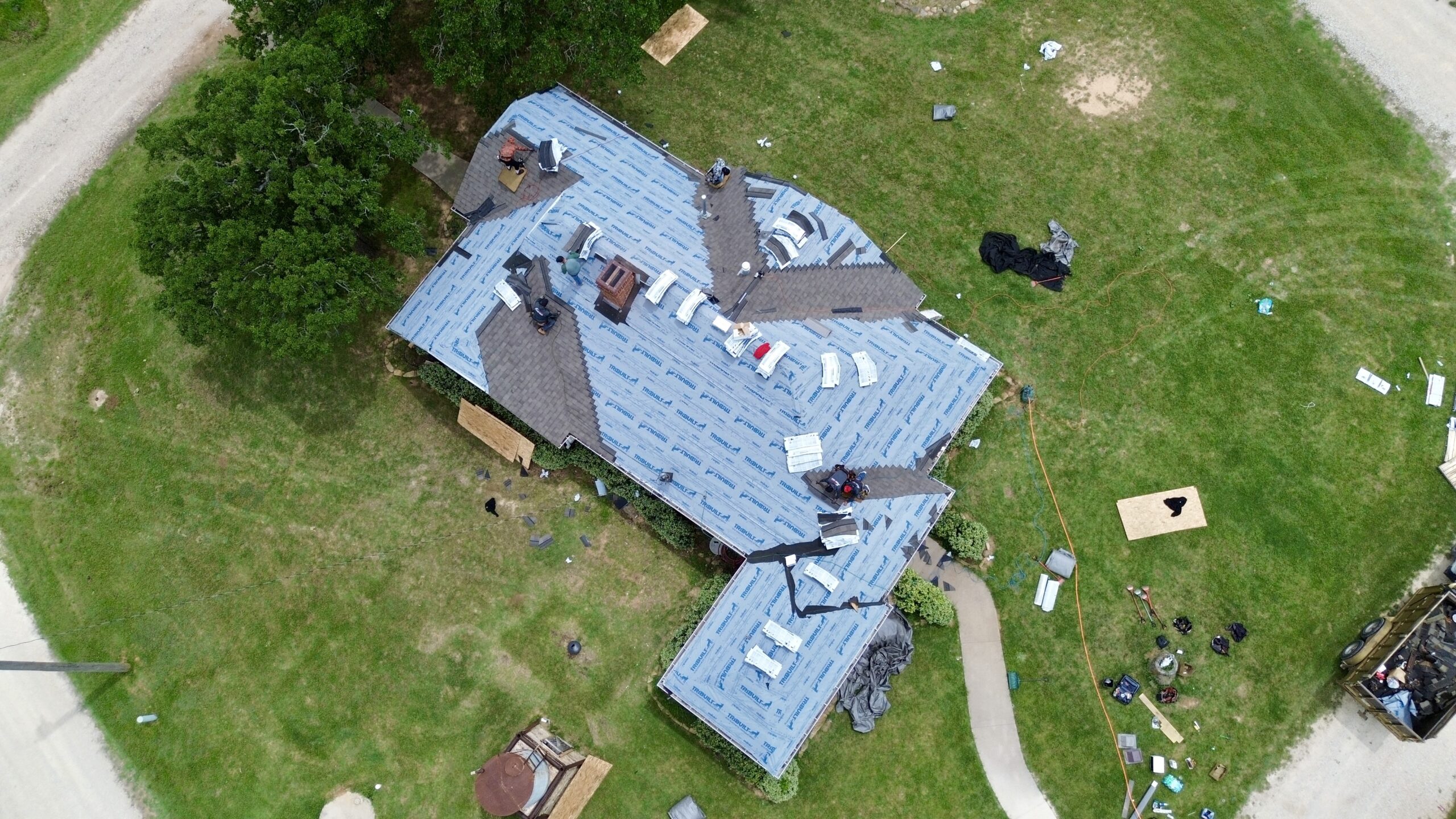
Flashing is one of the most important parts of a residential roofing system because it protects areas where the roof meets walls, chimneys, skylights, vents, and other structures. These locations interrupt the continuous roofing surface and can become vulnerable to water intrusion when flashing is incorrectly installed. Even a well-installed shingle or metal roof can develop leaks if the flashing details are neglected.
One common mistake is using damaged or deteriorated existing flashing during a roof replacement. Contractors may try to save time by leaving old components in place, but compromised flashing can create problems beneath the new roofing material. When replacement is necessary, new flashing should be compatible with the roofing system and installed correctly.
Chimneys require particularly careful attention because they create a large transition between the roof and a vertical masonry surface. Step flashing, counterflashing, and other appropriate components need to work together so that water is directed away from the joint. Simply applying sealant around the chimney is not an adequate substitute for properly designed flashing.
Skylights can create similar challenges. Their flashing system needs to be integrated with the underlayment and surrounding roofing material. Poor installation around a skylight can allow water to enter gradually, sometimes producing interior stains far from the actual source.
Plumbing vents and other roof penetrations also require specialized flashing components. The flashing should fit appropriately around the penetration and remain secure as the roof experiences normal temperature changes and weather exposure.
Roof-to-wall transitions deserve attention as well. Water moving down a sloped roof can collect against a vertical wall if the transition is not properly protected. Appropriate flashing helps direct water over the roofing system and toward the drainage path.
Another common mistake is relying excessively on caulk or roofing cement. Sealants can be useful in specific applications, but they can deteriorate from sunlight, temperature changes, and movement. Proper flashing should provide the primary waterproofing protection rather than using sealant to cover installation deficiencies.
Flashing should also be installed in the correct sequence with the underlayment and primary roofing material. If the layers are installed in the wrong order, water can become trapped or redirected beneath the roofing system.
Contractors should inspect flashing during installation instead of waiting until the final stage. Correcting an improperly installed component is much easier while the surrounding materials are still accessible.
Proper flashing installation requires patience and experience because every transition has its own requirements. When these details are completed correctly, they help protect some of the most vulnerable areas of the roof and reduce the likelihood of hidden moisture damage.
Improper Fastening of Roofing Materials
Fastening is another area where seemingly small mistakes can have major consequences. Roofing materials need to remain securely attached to the structure throughout their service life, especially during strong winds. The type, quantity, placement, and installation depth of fasteners all matter.
One common mistake is using the wrong fastener for the selected roofing material. Shingles, metal panels, tile, slate, and other systems may require different nails, screws, clips, or attachment methods. Fasteners should be compatible with both the roofing material and supporting structure.
Incorrect placement can also reduce attachment strength. Fasteners should be positioned according to the manufacturer’s requirements rather than placed wherever they appear convenient. Incorrectly positioned nails or screws may fail to provide the intended holding strength.
Overdriving fasteners is another problem. When a nail or screw is driven too deeply, it can damage the roofing material or reduce its ability to hold securely. In some systems, excessive penetration can also create a pathway for moisture.
Underdriven fasteners can create a different problem. If a fastener is not properly seated, the roofing material may not lie flat. This can affect appearance, attachment, and resistance to weather.
Using too few fasteners can also weaken the roof. The required number may depend on the roofing material, roof location, wind exposure, and applicable installation requirements. Contractors should not reduce fastening simply to speed up the project.
Fastening around roof edges and corners can require particular attention. These areas may experience stronger wind forces, making proper attachment especially important.
The condition of the roof deck also affects fastening. A fastener needs suitable material beneath it to provide reliable support. If the deck is deteriorated, replacing the roofing material without repairing the supporting surface may not solve the underlying problem.
Contractors should monitor fastening throughout installation. Waiting until the entire roof is finished to discover incorrect fastening can make corrections more difficult and time-consuming.
Homeowners should also avoid assuming that a roof is properly fastened simply because the surface looks neat. Fastening quality is largely a technical issue that may not be obvious from the ground.
Proper attachment helps maintain the relationship between the roofing material and the structure beneath it. Correct fastening therefore contributes directly to wind resistance, durability, and the long-term reliability of the roof.
Poor Installation of Primary Roofing Materials
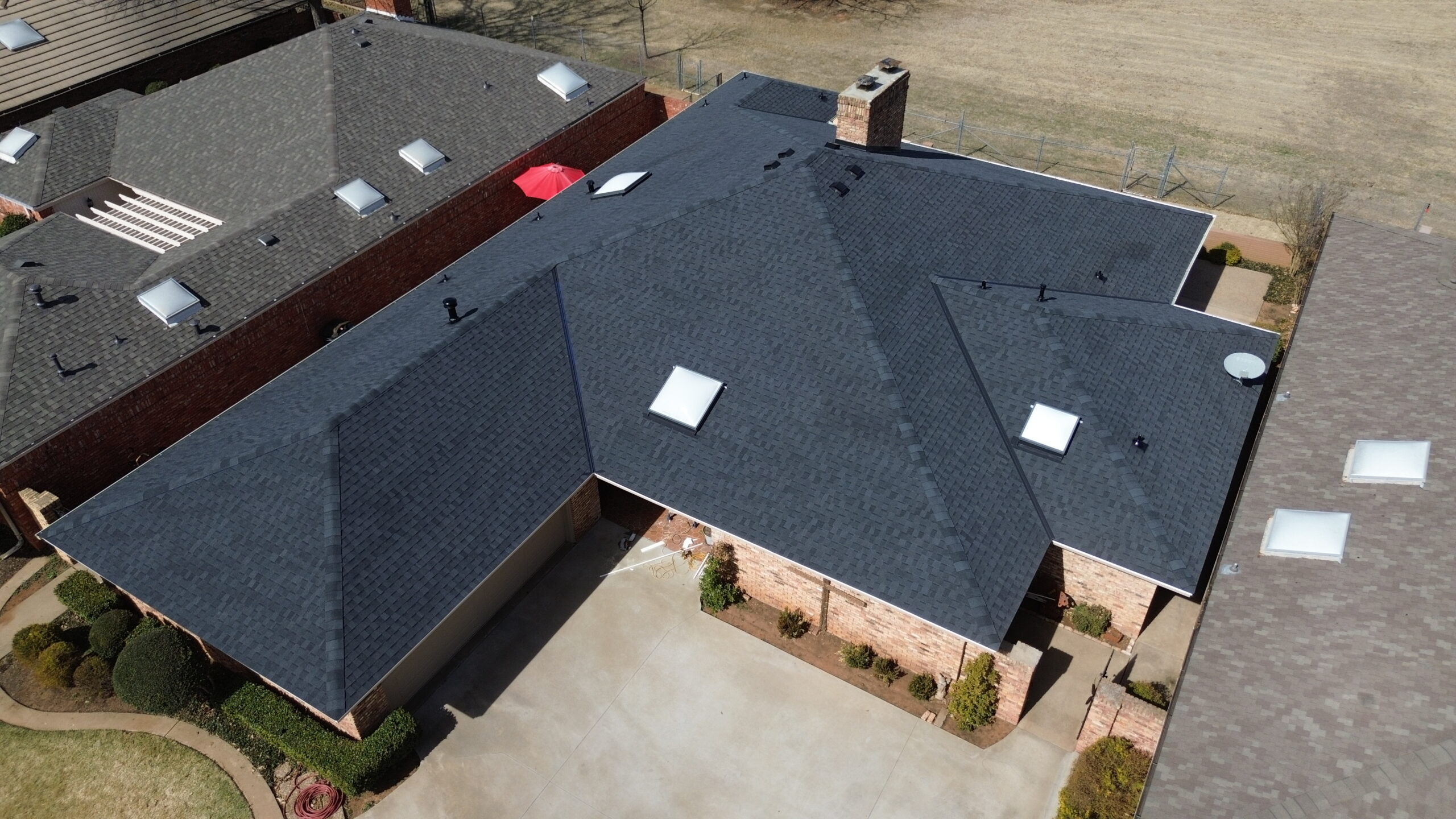
The primary roofing material forms the visible exterior surface of the roof, making installation quality particularly important for both appearance and performance. Shingles, metal panels, tiles, slate, and other materials each have specific requirements that should be followed carefully.
With asphalt shingles, incorrect alignment can create uneven courses and inconsistent exposure. Although small variations may initially seem minor, repeated errors can affect the appearance of the entire roof and may interfere with the intended overlap between materials.
Incorrect overlap is another concern. Roofing materials are designed to shed water through carefully arranged layers. If pieces are installed too closely, too far apart, or in the wrong direction, water may find pathways beneath the surface.
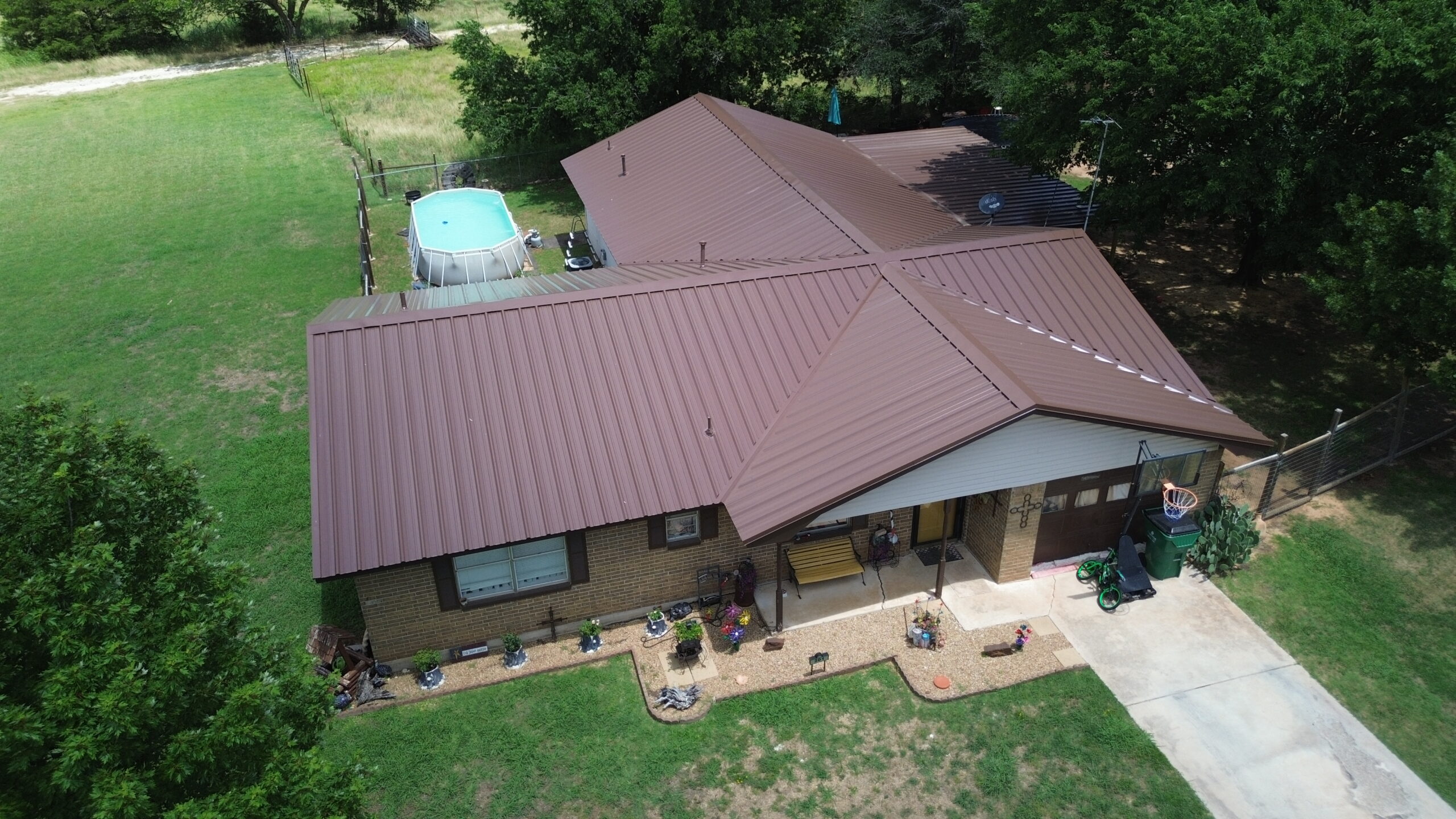
Metal panels require precise alignment and appropriate seam installation. Panels that are improperly positioned can create visible inconsistencies and may affect water shedding. Fasteners also need to be installed correctly without unnecessarily damaging the panels.
Tile installation requires careful handling because individual tiles can crack or break when dropped, improperly positioned, or subjected to excessive foot traffic. Damaged tiles should be replaced rather than incorporated into the finished roof.
Slate requires specialized installation because it is both durable and relatively fragile during handling. Contractors unfamiliar with slate can cause unnecessary breakage or use inappropriate fastening methods.
Another mistake is failing to follow the manufacturer’s installation instructions. Roofing products may have specific requirements for slope, fastening, overlap, ventilation, underlayment, and weather conditions. Ignoring these requirements can affect performance and may also create warranty concerns.
Roofing materials should be stored properly before installation. Improper stacking or exposure to unsuitable conditions can damage some products. Contractors should follow product-specific handling and storage recommendations.
Weather can also influence material installation. Strong winds can make panels and other large materials difficult to control, while rain can create unsafe working conditions. Contractors should not rush installation simply to maintain an unrealistic schedule.
The installation should also account for roof penetrations, valleys, ridges, and edges. The primary material needs to integrate correctly with these components rather than simply being installed across the open roof surface.
Quality checks should be performed throughout installation. Contractors can identify alignment problems, damaged materials, missing fasteners, or inconsistent coverage while the work is still underway.
A professional installation is therefore more than placing roofing products on the deck. It requires careful measurement, correct sequencing, appropriate fastening, material handling, and attention to every transition across the roof.
Neglecting Roof Ventilation
Roof ventilation is often overlooked because much of the ventilation system is hidden from view after installation. However, appropriate ventilation can play an important role in managing heat and moisture in attic spaces designed to be ventilated.
A common mistake is installing exhaust vents without providing suitable intake ventilation. A ventilation system generally works best when air can enter through designated intake areas and leave through appropriate exhaust openings.
Soffit vents are often used as intake openings along the lower roof edges, while ridge vents or other systems may provide exhaust. The exact arrangement depends on the building design and roofing system.
Blocked intake vents can reduce ventilation effectiveness. Insulation, debris, or construction materials should not obstruct intended airflow pathways. Contractors should inspect these areas during installation to ensure that air can move as designed.
Another mistake is adding vents without evaluating the existing ventilation arrangement. More vents do not automatically mean better ventilation. The system needs to be properly designed so that intake and exhaust components work together.
Ventilation also needs to be coordinated with insulation and air sealing. Insulation should not block required ventilation channels, while air leaks from the living space can introduce moisture into attic areas under certain conditions.
Roof-mounted vents require proper flashing because they create penetrations through the roofing surface. The ventilation function should therefore be coordinated with waterproofing details.
Homeowners should also understand that ventilation is not a replacement for adequate insulation. Insulation helps reduce heat transfer, while ventilation manages airflow in appropriate spaces. Both can contribute to a properly designed roof assembly.
Poor ventilation can contribute to excessive attic heat or moisture-related concerns under certain conditions. These issues may affect insulation, decking, roofing materials, and indoor comfort.
Contractors should review the ventilation design before installation begins rather than treating it as a final addition. Addressing ventilation during planning can prevent costly modifications after the new roof has already been installed.
Poor Drainage and Roof Valley Installation
Water management is one of the fundamental functions of a roofing system. A roof must shed rainfall efficiently and direct it toward gutters, downspouts, drains, or other appropriate outlets. Poor drainage can expose the roof and surrounding building components to unnecessary moisture.
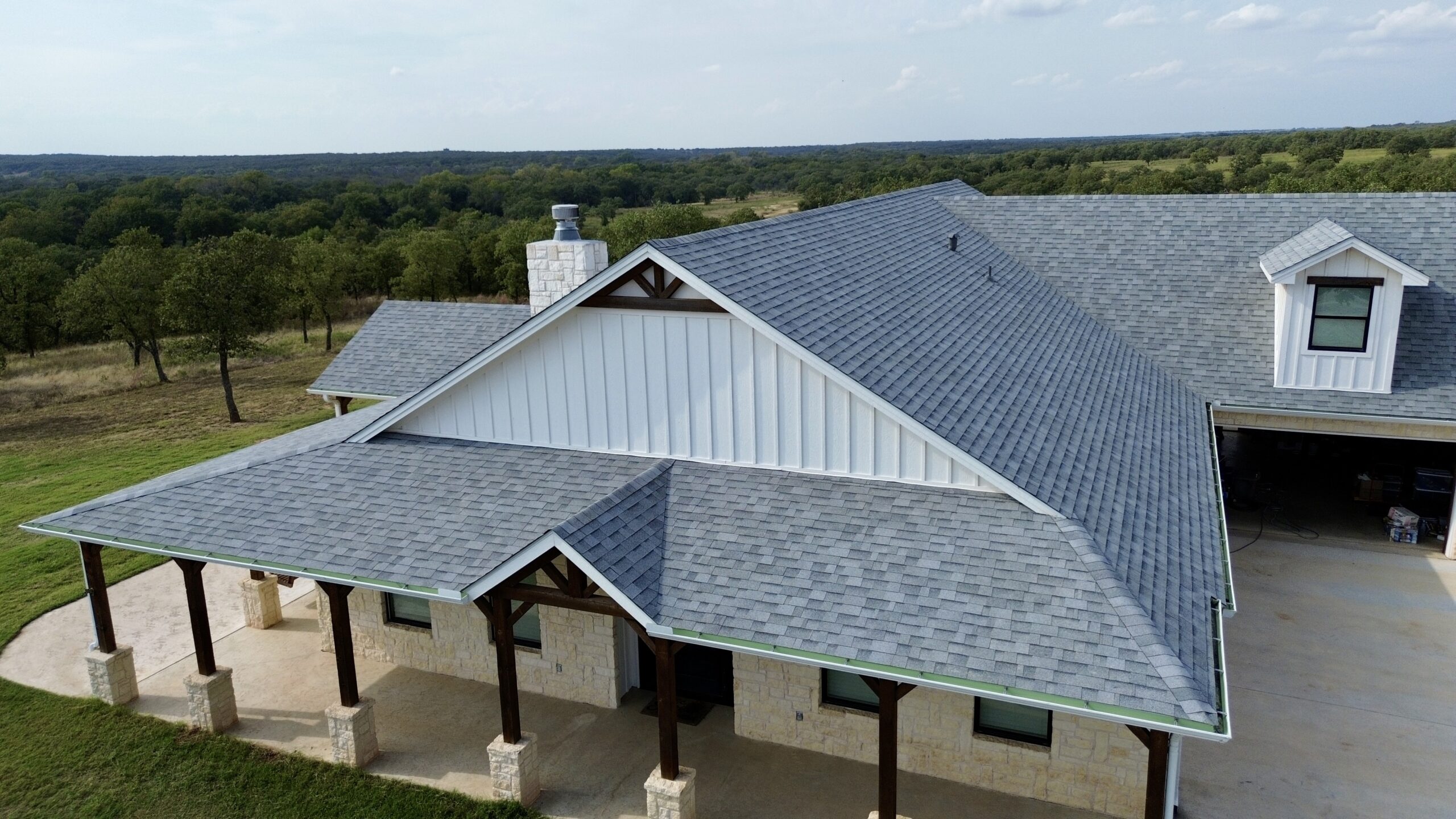
Valleys deserve particular attention because they collect water from multiple roof sections. During heavy rainfall, substantial amounts of water may move through these areas. The valley must therefore provide a clear and durable pathway toward the drainage system.
A common mistake is allowing roofing materials to obstruct the valley. Materials should be installed according to the selected valley design so water can move freely without becoming trapped.
The underlayment and valley protection also need to be coordinated. Gaps, wrinkles, damaged sections, or incorrect overlaps can weaken the moisture barrier in an area that receives substantial water flow.
Gutters need to be positioned correctly along the roof edge. If they are poorly aligned, water may overflow or move behind the gutter instead of entering the drainage system.
Downspouts should provide a suitable route away from the building. Simply installing a downspout is not enough if the discharge point directs water toward the foundation or another vulnerable area.
Low-slope roof sections can present additional drainage challenges. Water may move more slowly across these surfaces, making properly designed drains, scuppers, slopes, and other drainage components particularly important.
Standing water should not be ignored. Persistent ponding may indicate a drainage or roof-slope problem that requires professional evaluation.
Construction debris can also interfere with drainage. Roofing scraps, nails, packaging, and other materials should be removed from valleys, gutters, drains, and other water pathways before the project is completed.
The contractor should review drainage during installation and again during the final inspection. Identifying a blocked or poorly designed drainage pathway early can prevent future moisture problems.
Rushing the Installation and Ignoring Weather Conditions
Trying to finish a roofing project as quickly as possible can create pressure that leads to installation mistakes. Homeowners may want the project completed quickly, but rushing important stages can compromise the quality and reliability of the finished roof.
Weather is one of the biggest factors that can affect roofing work. Rain can make surfaces slippery and interfere with moisture-sensitive installation steps, while strong winds can create safety risks and make materials difficult to handle.
Extreme temperatures may also affect certain roofing products. Some materials have specific installation requirements related to temperature, adhesives, sealants, or flexibility. Contractors should follow the product instructions rather than forcing installation under unsuitable conditions.
A rushed crew may also overlook small but important details. Flashing, fasteners, ventilation openings, roof edges, and transitions require careful attention, and reducing inspection time can allow mistakes to remain hidden.
Material handling can suffer when workers are under excessive time pressure. Roofing products may be dropped, scratched, cracked, bent, or improperly stored. Damaged materials should be identified and replaced before the project is completed.
Temporary weather protection may be necessary if the roof cannot be completed in one work period. Contractors should have appropriate methods for protecting exposed areas from unexpected rain or other conditions.
Homeowners should be cautious about demanding that a contractor continue working solely to meet a specific completion date. A short delay caused by unsuitable weather is generally preferable to workmanship problems that could affect the roof for years.
Good project scheduling allows contractors to account for weather, material delivery, crew availability, and unexpected repairs. A realistic timeline provides enough flexibility to complete the work correctly.
Communication is especially important when delays occur. Contractors should explain why work has stopped, what conditions are being monitored, and when work is expected to resume.
A successful roofing project should prioritize safety and workmanship over speed. Completing the roof correctly is more valuable than completing it prematurely and creating problems that require costly repairs later.
Failing to Inspect the Completed Roof
A roofing installation should never be considered finished simply because the new roofing material has been placed across the roof. A final inspection is necessary to confirm that the major components have been installed correctly and that visible problems are addressed before the contractor leaves the property. Skipping this stage can allow small installation mistakes to remain hidden until they develop into leaks, material damage, or expensive repairs.
The final inspection should cover the entire roofing system rather than focusing only on the shingles, panels, or tiles. The contractor should review flashing, fasteners, roof edges, valleys, penetrations, ventilation, drainage, and other components that contribute to the roof’s performance.
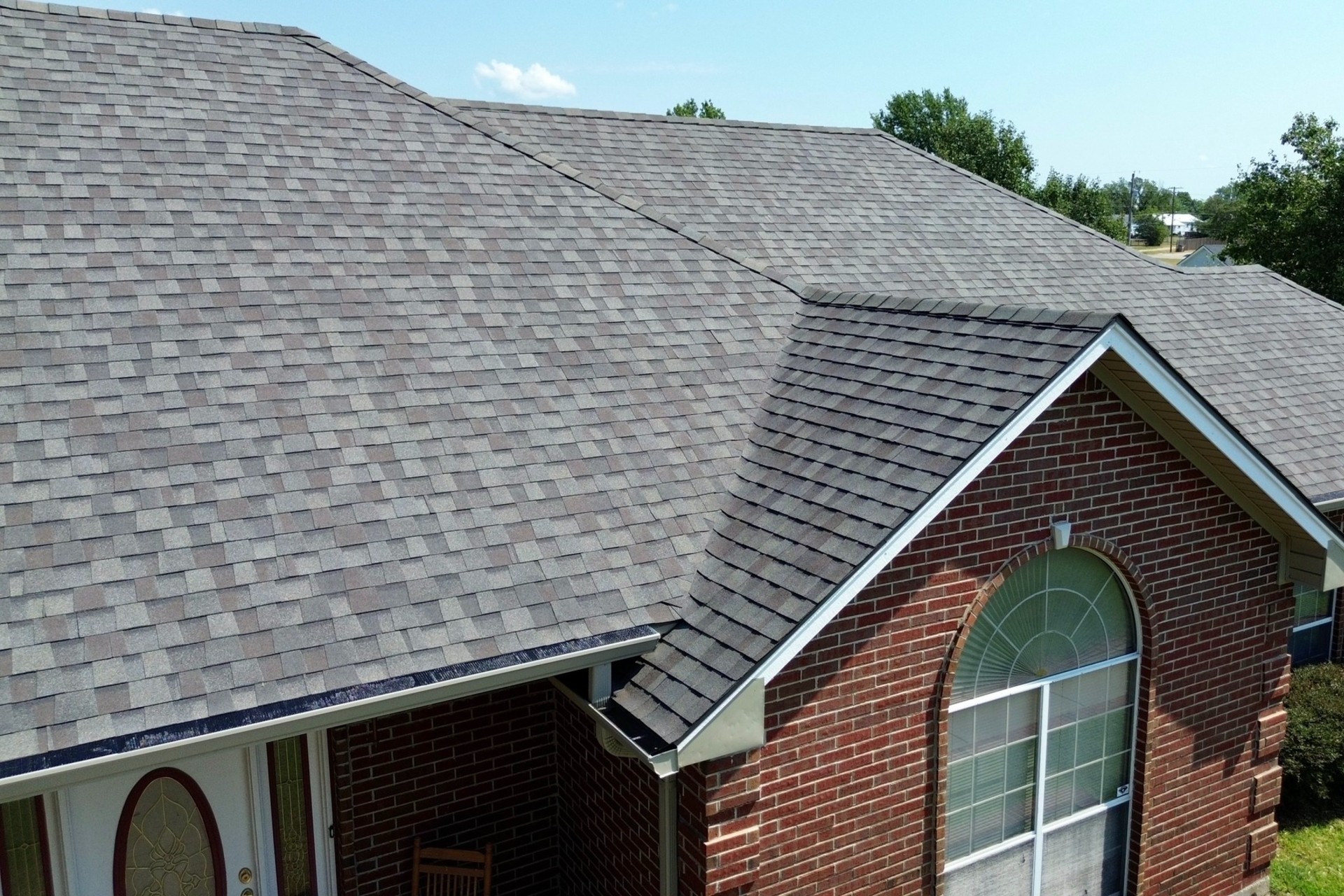
Roofing materials should be checked for visible cracks, displacement, damage, uneven installation, or missing sections. Shingles should have consistent alignment and exposure, while metal panels, tiles, or other materials should be securely positioned according to their installation requirements.
Flashing deserves particular attention during the final inspection. Areas around chimneys, skylights, vents, pipes, walls, and valleys should be examined carefully because these locations are common points where water can enter when installation details are incomplete.
Fasteners should also be reviewed. Missing, loose, overdriven, or incorrectly positioned fasteners can reduce the attachment strength of roofing materials. These issues may not be obvious from the ground, making a detailed professional inspection important.
The contractor should inspect roof edges and drip edges as well. These components need to work with the underlayment, roofing material, fascia, and drainage system. Poorly completed edges can allow water to reach vulnerable parts of the roof structure.
Ventilation openings should remain unobstructed after installation. Roofing materials, debris, or other components should not block intended intake or exhaust pathways. Proper airflow is important for appropriately designed attic ventilation systems.
Drainage should also be checked before the project is closed. Gutters, downspouts, valleys, drains, and other water pathways should remain clear and properly connected. Water needs a predictable route away from the roof and building.
A useful final inspection can follow a simple sequence:
- Check the primary roofing material for alignment, damage, and proper coverage.
- Inspect flashing, penetrations, valleys, ridges, and roof edges.
- Verify fasteners, ventilation, gutters, downspouts, and other supporting components.
- Remove debris and document any remaining concerns before accepting the completed work.
Homeowners should have an opportunity to walk through the completed project with the contractor. Questions about unusual details, maintenance requirements, warranties, or visible concerns should be addressed before the contractor considers the job complete.
A final inspection is therefore an important quality-control stage. It gives the contractor one last opportunity to correct workmanship problems while the installation is still fresh and accessible.
Poor Cleanup and Construction Debris Management
Poor cleanup is another mistake that can create unnecessary problems after roofing installation. Roofing projects produce old materials, packaging, nails, fasteners, cut pieces, and other construction debris. Leaving these materials around the property can create safety hazards and interfere with drainage.
Gutters are particularly vulnerable to construction debris. Small pieces of shingles, metal, underlayment, or other materials can fall into gutters during installation. If they remain there, they may restrict water flow and cause overflow during rainfall.
Valleys and roof edges should also be checked for debris. Materials left in these areas can interfere with water movement or eventually become loose during strong winds.
The ground around the property requires careful attention as well. Roofing nails and other sharp materials can become hidden in grass, soil, driveways, or walkways. These objects can cause injuries to residents, visitors, pets, or workers performing future maintenance.
Landscaping should be inspected after the work is completed. Protective coverings may have been placed over plants and shrubs during installation, but they should be removed once construction is finished. Any noticeable damage should be discussed with the contractor.
Vehicles and outdoor furniture should also be checked. Roofing debris can potentially damage surfaces if it falls or is not properly controlled. A professional contractor should maintain reasonable protection around active work areas.
Unused roofing materials should be handled appropriately. Some spare materials can be useful for future repairs, especially when matching a particular color or product becomes difficult. Homeowners may want to retain a small quantity if suitable storage is available.
Waste disposal should be clearly defined in the project agreement. Homeowners should know whether the contractor is responsible for removing old roofing materials, packaging, and other construction waste.
Cleanup should occur throughout the project rather than only at the very end. Regular debris management keeps the work area safer and makes it easier for the crew to identify unfinished installation details.
A final property walkthrough can help confirm that the roof and surrounding areas have been properly cleaned. This should include checking gutters, downspouts, landscaping, walkways, driveways, and other areas affected by construction.
Good cleanup demonstrates that the contractor has completed the project responsibly. It also protects the homeowner from avoidable hazards that have nothing to do with the quality of the roofing material itself.
Hiring an Unqualified Roofing Contractor
One of the most important mistakes homeowners can avoid is hiring a contractor without properly evaluating their experience and qualifications. Roofing installation requires specialized knowledge, and poor workmanship can create problems even when high-quality materials are used.
Price is often an important consideration, but the lowest estimate should not automatically be treated as the best option. A significantly cheaper proposal may leave out important components, use lower-quality materials, reduce preparation work, or provide less experienced labor.
Homeowners should look for contractors who have relevant experience with the specific roofing system being installed. A contractor experienced with asphalt shingles may not have the same level of expertise with slate, tile, standing-seam metal, or other specialized materials.
Insurance is another important consideration. Homeowners should verify that the contractor maintains appropriate coverage for the work being performed. This can help reduce unnecessary risk during a construction project.
References and previous projects can provide useful information about workmanship. Homeowners can ask for examples of similar roofing projects and, where appropriate, speak with previous customers about their experience.
A detailed written proposal should explain the project scope. It should identify the roofing material, underlayment, flashing, removal, disposal, repairs, ventilation, drainage, cleanup, and other important components.
The contractor should also explain how unexpected problems will be handled. Hidden roof deck damage is one example of a condition that may not become visible until the old roofing material is removed. A clear approval process can prevent disagreements about additional work.
Warranty information should be reviewed before signing the agreement. Homeowners should understand the difference between manufacturer coverage for roofing materials and contractor coverage for workmanship.
Communication is another sign of a professional contractor. A contractor who clearly explains the installation process, expected schedule, material requirements, weather considerations, and maintenance responsibilities can make the project easier to manage.
Homeowners should be cautious of contractors who pressure them to make immediate decisions without providing adequate information. Roofing is a significant investment, and homeowners should have enough time to review the proposal and ask questions.
A qualified contractor does not guarantee that unexpected problems will never occur. Instead, professional experience helps reduce preventable mistakes and provides a structured approach for addressing problems when they arise.
Ignoring Manufacturer Installation Requirements
Every roofing product has specific characteristics, and manufacturers provide installation instructions designed around those characteristics. Ignoring these requirements is a serious mistake because the product may not perform as intended when installed incorrectly.
Manufacturer requirements can cover many areas, including roof slope, underlayment, fastening, overlap, ventilation, flashing, installation temperature, and approved accessories. Contractors should review these instructions before beginning the project.
Fastening requirements can be particularly important. Different products may require different fastener types, quantities, locations, and spacing. Using a general fastening method without considering the product specifications can reduce performance.
Underlayment requirements can also vary. Some roofing materials may require specific membranes or installation techniques in valleys, eaves, or other vulnerable areas. Using an incompatible product may affect moisture protection.
Ventilation requirements should not be overlooked either. A roofing manufacturer may specify ventilation conditions that need to be met for the system to perform correctly. These requirements should be coordinated with the home’s overall ventilation design.
Manufacturer instructions may also explain how materials should be stored and handled. Incorrect storage can damage products before they are even installed.
Weather conditions can influence installation as well. Some products have specific limitations regarding temperature, rain, wind, adhesives, or sealants. Contractors should avoid forcing installation under conditions that are outside the product’s recommended range.
Ignoring installation requirements can also create warranty concerns. Some warranties depend on the roofing system being installed according to specified procedures. Homeowners should therefore keep product documentation and ensure that contractors understand the applicable requirements.
The contractor should use compatible components throughout the roofing assembly. Flashing, underlayment, fasteners, ventilation products, and sealants should work appropriately with the selected roofing material.
Following manufacturer requirements does not mean every roofing project will look identical. Roof design, climate, local requirements, and building conditions can affect installation details. However, product-specific instructions provide an important technical foundation.
The safest approach is to treat manufacturer requirements as part of the installation plan rather than optional suggestions. Doing so can reduce avoidable mistakes and help the roofing system perform closer to its intended design.
Preventing Roofing Installation Mistakes Through Quality Control
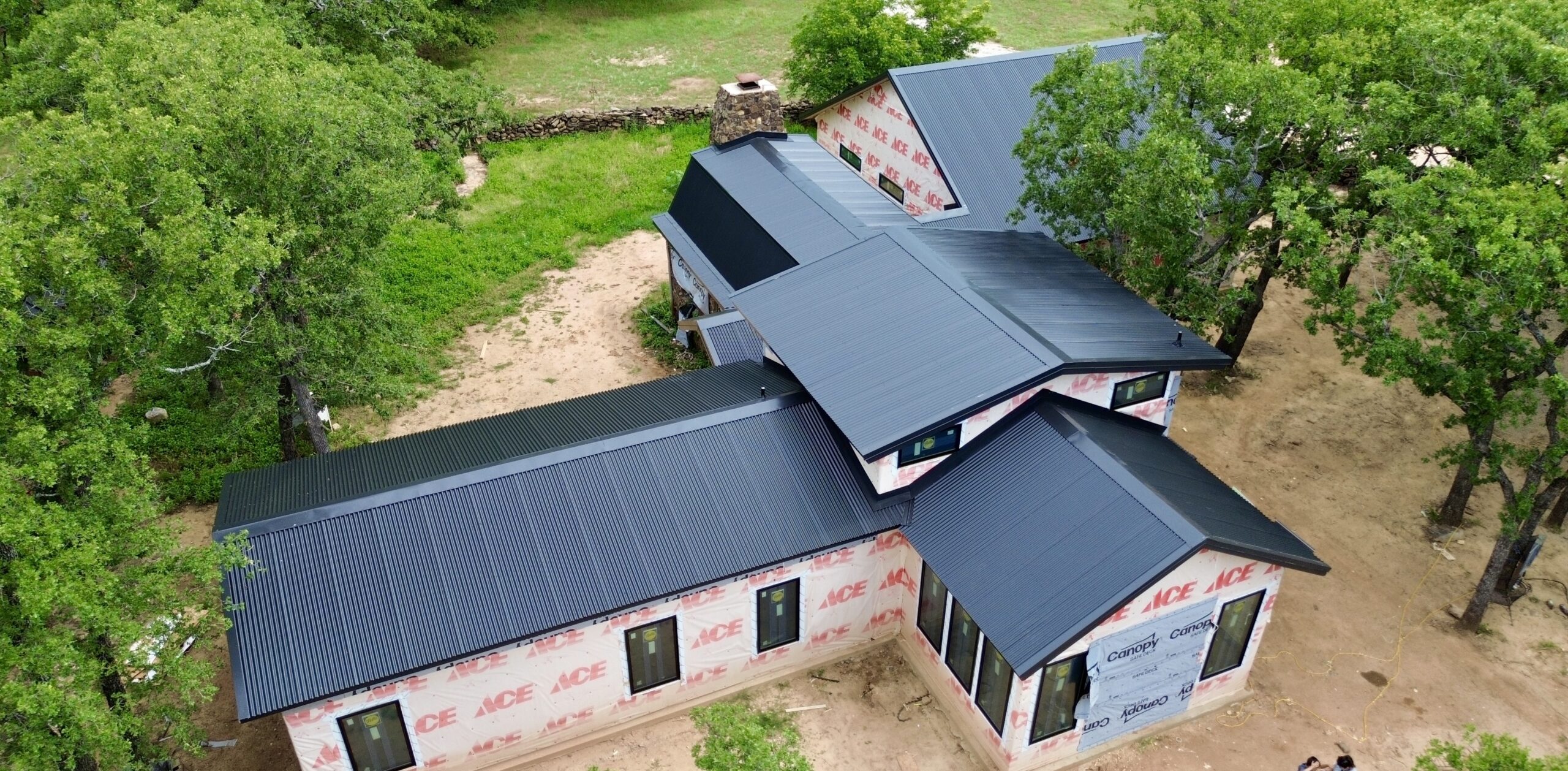
Preventing roofing mistakes requires attention throughout the entire project rather than relying only on a final inspection. Quality control should begin during planning and continue through material selection, preparation, installation, inspection, and cleanup.
The contractor should establish a clear installation sequence before work begins. This helps ensure that important components are installed in the appropriate order and reduces the possibility of missing critical details.
Materials should be verified before installation. The contractor should confirm that the correct roofing products, underlayment, flashing, fasteners, ventilation components, and other materials have arrived. Discovering a material problem after installation has begun can cause unnecessary delays.
The roof deck should be inspected carefully after removal of the old roofing system. Any damaged areas should be documented and repaired before the new system covers them.
Each installation stage should receive a quality check. Underlayment should be inspected before it is covered, flashing should be reviewed while accessible, and fastening should be monitored as roofing materials are installed.
Homeowners can also support quality control by maintaining communication with the contractor. They should ask questions when the project scope changes and request clarification when unexpected conditions are discovered.
A written record of changes can be useful. If additional deck repairs, flashing replacement, or other work becomes necessary, documenting the decision helps both parties understand what was completed.
Weather should be monitored throughout the project. Contractors should not allow schedule pressure to override safe working conditions or product installation requirements.
The final inspection should bring all these quality-control steps together. It should confirm that the roofing system is complete, clean, properly attached, weather-resistant, and ready for ongoing maintenance.
Homeowners can reduce installation risks by focusing on these key areas:
- Choose materials appropriate for the property and local conditions.
- Hire a contractor with relevant experience and proper documentation.
- Confirm that the roof deck is sound before new materials are installed.
- Require careful attention to flashing, fastening, ventilation, and drainage.
- Review the completed installation before final project acceptance.
Quality control is most effective when it becomes part of the entire roofing process. It is much easier to prevent a mistake than to locate its source after water has entered the finished roof.
Conclusion
Residential roofing installation mistakes can affect much more than the appearance of a new roof. Poor preparation, incorrect materials, weak fastening, inadequate flashing, improper ventilation, poor drainage, and rushed workmanship can reduce the roof’s ability to protect the home and may lead to expensive repairs.
The best way to avoid these problems is to approach installation as a complete system. The roof deck needs to provide a stable foundation, underlayment needs to provide secondary moisture protection, flashing needs to protect vulnerable transitions, and the primary roofing material needs to be correctly installed and secured.
Quality control should continue throughout the project. Contractors should inspect each stage before it becomes hidden beneath subsequent layers, while homeowners should maintain communication and ask questions whenever the project scope changes.
Hiring the right contractor is equally important. Relevant experience, insurance, references, clear written proposals, warranty information, and knowledge of the selected roofing system can help homeowners reduce the risks associated with poor workmanship.
Following manufacturer requirements is another essential part of preventing installation failures. Roofing products are designed to work within specific installation conditions, and ignoring those requirements can affect performance, durability, and potentially warranty coverage.
Weather should also be respected throughout the project. Rain, strong winds, extreme temperatures, and other unsuitable conditions can affect both safety and workmanship. A reasonable delay is often preferable to rushing the installation and creating problems that may remain for years.
Final inspection and cleanup should never be treated as optional steps. The completed roof should be carefully checked for installation defects, while gutters, valleys, landscaping, driveways, and other surrounding areas should be cleared of construction debris.
Ultimately, avoiding residential roofing installation mistakes requires planning, skilled workmanship, suitable materials, careful inspections, and clear communication. When these elements are combined, homeowners have a better opportunity to achieve a roofing system that performs reliably, protects the building, and provides long-term value. A properly installed roof is not simply a finished surface over a house; it is a coordinated protective system whose performance depends on getting every important stage right.