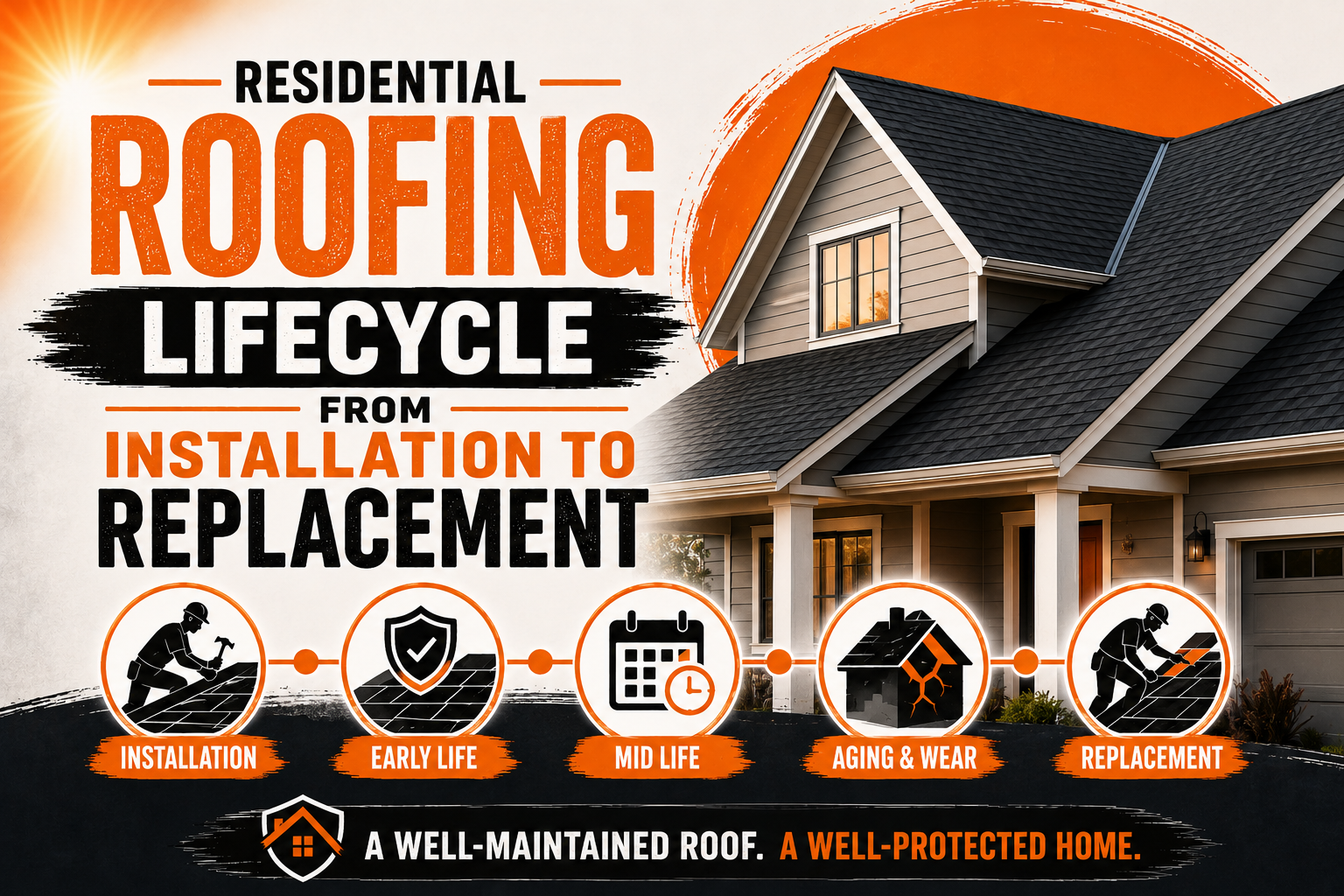
Residential Roofing Lifecycle From Installation to Replacement
Introduction
A residential roof goes through a complete lifecycle that begins long before installation and continues until the system eventually requires major replacement. Understanding this lifecycle helps homeowners make better decisions at every stage, from selecting materials and preparing the roof deck to maintaining the finished system and recognizing when it is approaching the end of its useful service life.
A roof does much more than cover the top of a house. It protects the interior from rain, wind, sunlight, temperature changes, and moisture while supporting other building components such as insulation, ventilation, gutters, and flashing. Because all these elements work together, the condition of one component can influence the performance of the entire roofing system.
The lifecycle begins with planning and preparation. Homeowners need to evaluate the existing roof, determine whether repairs or replacement are necessary, choose appropriate materials, establish a realistic budget, and select a qualified contractor. Careful decisions at this stage can create a stronger foundation for the years that follow.
Installation is another critical stage because workmanship has a direct effect on roof performance. Proper underlayment, flashing, fastening, ventilation, drainage, and material installation allow the system to perform according to its intended design. Poor installation can create problems much earlier than normal aging would be expected to occur.
Once installation is complete, the roof enters its active service stage. During this period, regular inspections and maintenance help protect the roofing system from weather exposure and gradual deterioration. Homeowners should also respond promptly when small problems appear instead of allowing them to develop into major repairs.
Eventually, every roofing system reaches a point where repairs may no longer provide the most practical solution. The decision to replace a roof should be based on its overall condition, repair history, age, material characteristics, and future performance rather than age alone.
Understanding the complete lifecycle allows homeowners to treat roofing as a long-term property responsibility rather than a single construction project. Each stage influences the next, making planning, installation, maintenance, repair, and replacement important parts of protecting the home.
Planning and Preparing for a New Roof
Planning is the first major stage of a residential roofing lifecycle. Before new materials are ordered or installation begins, homeowners need to understand the condition of the existing roof and determine what type of roofing system will best suit the property. Rushing into installation without proper evaluation can lead to unsuitable material choices or unexpected problems during construction.
The existing roof should first be assessed by a qualified professional. The inspection can identify damaged roofing materials, leaks, deteriorated flashing, drainage problems, ventilation concerns, and possible damage beneath the visible surface. This information helps determine whether localized repairs are sufficient or whether a complete replacement is more appropriate.
Material selection is another important decision. Asphalt shingles, metal roofing, tile, slate, wood, synthetic products, and low-slope membrane systems all have different characteristics. The choice should consider the roof’s slope, structural capacity, climate, appearance, maintenance requirements, expected service life, and available budget.
Climate can have a major influence on the decision. A property exposed to heavy rainfall needs effective water management, while a home in a high-wind area may require appropriate fastening and edge protection. Strong sunlight, hail, temperature changes, snow, and coastal exposure can also influence which roofing materials are suitable.
The roof structure should also be considered before selecting a material. Some roofing systems are significantly heavier than others. If a homeowner wants to change from a lightweight material to a heavier tile or slate system, the supporting structure should be evaluated to make sure it can accommodate the proposed roof.
Budget planning should include more than the visible roofing material. Costs can include old-roof removal, disposal, roof deck repairs, underlayment, flashing, ventilation, gutters, labor, permits where applicable, and other project requirements. A detailed estimate helps homeowners understand the complete scope of work.
Choosing the contractor is equally important. Homeowners should consider relevant experience, insurance, licensing requirements where applicable, references, written contracts, warranty terms, and familiarity with the selected roofing material. A contractor experienced with one type of roof may not necessarily have the same expertise with every roofing system.
The property may also need preparation before work begins. Outdoor furniture, vehicles, decorations, and other items near the house may need to be moved or protected. Homeowners should also discuss access, work schedules, debris removal, landscaping protection, and communication procedures with the contractor.
Good preparation reduces surprises during installation. It gives homeowners a clearer understanding of what will be installed, how much the project is expected to cost, and what conditions may need attention before the new roofing materials are placed.
Roof Deck Inspection and Preparation
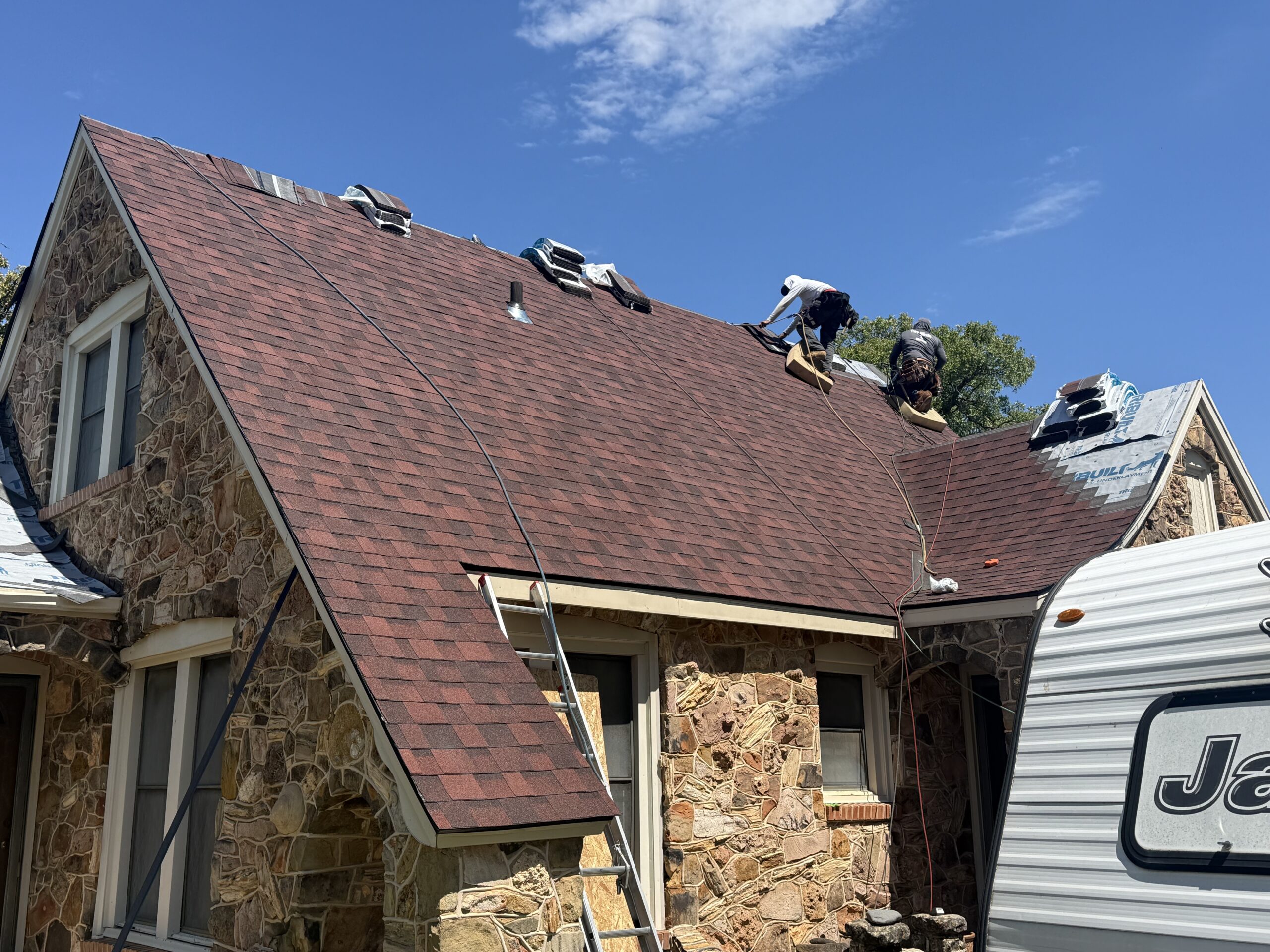
The roof deck provides the structural surface beneath the roofing system, making its condition essential to a successful installation. When an old roof is removed, the deck becomes visible and can be inspected for damage that may have been hidden by the previous roofing materials.
Moisture damage is one of the main concerns during this inspection. Long-term leaks can cause wood-based decking to soften, rot, warp, or lose strength. If deteriorated sections are left beneath a new roof, they may affect fastening and provide an unstable foundation.
The deck should be examined around areas that have experienced previous leaks. Valleys, chimneys, skylights, roof penetrations, and edges may receive greater moisture exposure depending on the roof design. These locations should receive appropriate attention during preparation.
Replacing damaged decking may increase the project cost, but it can be an important investment in the new roofing system. Installing high-quality roofing materials over a weakened surface does not solve the underlying structural problem. A stable deck gives the new roof a better foundation.
The surface should also be prepared for the installation of underlayment and other components. Loose debris, damaged sections, protruding fasteners, and other conditions that could interfere with the new system should be addressed. Proper preparation allows subsequent layers to sit and attach correctly.
The roof deck also influences fastener performance. Nails, screws, and other attachment components need adequate supporting material to achieve the required holding strength. If the deck is compromised, even correctly selected fasteners may not provide reliable attachment.
Homeowners should understand that some deck problems cannot be identified accurately until the old roof has been removed. For this reason, roofing contracts should explain how unexpected damage will be handled. A clear process for approving additional repairs can prevent disagreements during construction.
Once the deck has been appropriately repaired and prepared, it provides the foundation for the rest of the roofing assembly. The condition of this layer may remain hidden for many years, but its importance continues throughout the roof’s lifecycle.
Installing the Roofing System
Once preparation is complete, the new roofing system can be installed. This stage involves much more than placing the primary roofing material on the roof. Underlayment, flashing, fasteners, ventilation, drainage, and edge protection must all be coordinated to create a complete weather-resistant assembly.
Underlayment is installed over the prepared roof deck and provides secondary protection against moisture. Its sections need to be positioned and overlapped according to the roofing system’s requirements. Special attention is often necessary around valleys, eaves, edges, and other areas that experience greater water exposure.
Flashing is installed around vulnerable transitions and penetrations. Chimneys, skylights, vents, pipes, walls, valleys, and roof edges all require appropriate detailing. Proper flashing helps direct water away from areas where the roof surface is interrupted.
The primary roofing material is then installed according to its specific requirements. Asphalt shingles, metal panels, tiles, slate, wood products, and membrane systems have different methods for alignment, fastening, overlap, and handling. Contractors should follow the manufacturer’s installation instructions rather than applying a single technique to every material.
Fastening is another essential part of installation. The correct nails, screws, clips, or other attachment components must be used and positioned properly. Incorrect fastening can reduce wind resistance, damage roofing materials, or create pathways for water.
Ventilation components also need to be incorporated into the system. Intake and exhaust pathways should remain functional, while roof vents require appropriate flashing to prevent water intrusion. Insulation should not block intended ventilation pathways.
Drainage must remain effective throughout the installation. Valleys, roof edges, gutters, downspouts, drains, and scuppers should provide clear routes for water. Construction debris should be removed so that it does not obstruct these pathways.
Professional installation should include quality checks throughout the project. Inspecting components before they are covered by later layers makes it easier to identify and correct problems. A final inspection should confirm that the completed system is properly installed and that obvious defects have been addressed.
The quality of this stage can influence the entire remaining lifecycle of the roof. Proper installation provides a stronger starting point for maintenance and long-term performance, while poor workmanship can result in premature leaks, material movement, drainage problems, and other failures.
Initial Inspection After Installation
The first inspection after installation provides an important baseline for the roof’s future lifecycle. Once the work is complete, the contractor should review the finished roofing system and confirm that major components have been installed correctly.
The inspection should cover the visible roofing materials, roof edges, flashing, penetrations, valleys, drainage components, and ventilation features. The contractor should also check for damaged materials, missing fasteners, exposed areas, incomplete details, and construction debris.
Flashing deserves particular attention because it protects some of the most vulnerable areas of the roof. Chimneys, skylights, vents, pipes, walls, and valleys should be checked to ensure that water can move around these transitions without entering the roofing assembly.
Drainage systems should also be reviewed. Gutters and downspouts need to remain clear, while valleys and roof edges should direct water toward the intended outlets. Construction materials should not remain in areas where they can obstruct drainage.
Homeowners should request information about the completed system. This may include the roofing product name, installation documentation, warranty details, maintenance recommendations, and information about the contractor. Keeping these records can make future maintenance much easier.
Photographs can also establish a useful record of the roof’s initial condition. Images of important areas can later be compared with inspection photographs to identify changes or deterioration.
The contractor should explain any maintenance requirements that apply to the selected roofing material. Different systems may have different cleaning, inspection, and repair recommendations. Understanding these requirements from the beginning helps homeowners avoid damaging the roof through inappropriate maintenance.
The initial inspection is not simply a final formality. It creates the starting point for monitoring the roof throughout its service life. Any installation-related concerns should ideally be addressed while the project is still active.
Early Years of Roof Performance
After installation and the initial inspection, the roof enters the early years of its service life. During this period, the primary goal is to protect the quality of the completed installation while monitoring for unexpected issues.
A newly installed roof should not require constant repairs, but homeowners should still perform basic visual checks and maintain drainage systems. Gutters and downspouts should remain clear, while nearby vegetation should be managed to reduce the risk of falling branches and excessive debris.
Homeowners should also pay attention to interior warning signs. Water stains, damp areas, peeling finishes, or unexplained moisture may indicate a roofing problem. If such signs appear, professional evaluation is preferable to assuming that the issue will disappear.
The early years can also be important for warranty considerations. Homeowners should understand the difference between product warranties and workmanship warranties and know how to report potential problems. Keeping the original contract and installation documents makes this process easier.
Severe weather can affect a new roof regardless of its age. Strong winds, hail, heavy rainfall, or falling branches may cause damage soon after installation. A professional inspection after significant weather can help identify problems that are difficult to see from ground level.
Maintenance during the early stage should focus on prevention rather than unnecessary intervention. Homeowners should avoid pressure washing, excessive roof traffic, unsuitable sealants, and unplanned modifications. Following manufacturer and contractor recommendations helps protect the new system.
The early years also establish a maintenance history. Recording inspections, repairs, weather-related damage, and other important observations creates information that can become increasingly valuable as the roof ages.
A residential roof’s lifecycle is therefore shaped by decisions made at every stage. Careful planning and preparation establish the foundation, proper installation creates the working system, and early maintenance protects that investment. As the roof continues to age, regular inspections, seasonal care, and timely repairs become increasingly important before the system eventually reaches the stage where replacement must be considered.
Routine Maintenance During the Roof’s Service Life
Once a residential roof has passed its initial installation stage, routine maintenance becomes one of the most important factors affecting its long-term performance. Even a professionally installed roof is continuously exposed to rain, wind, sunlight, temperature changes, debris, and other environmental conditions. Regular care helps identify small problems before they develop into larger and more expensive repairs.
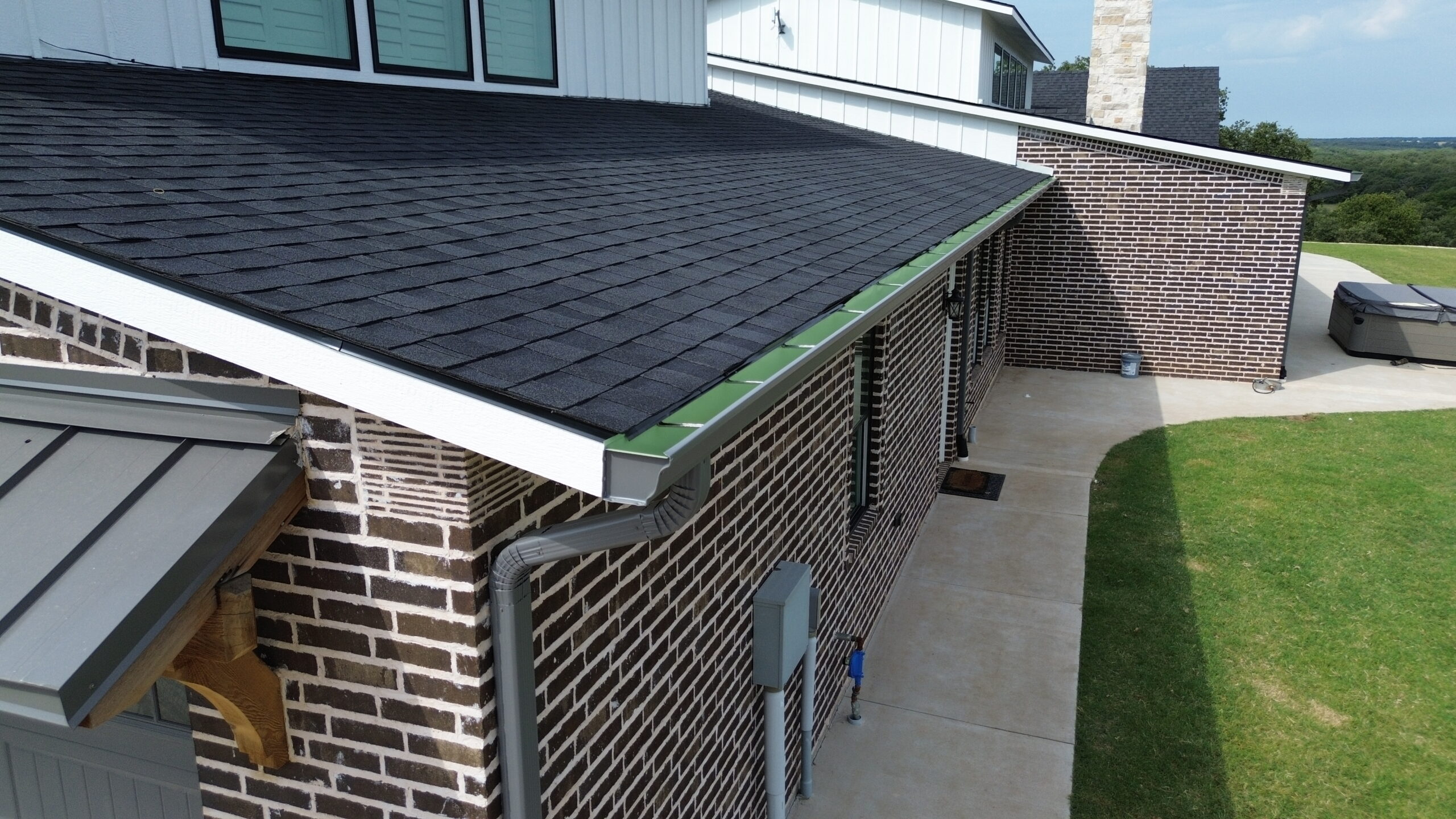
One of the simplest maintenance tasks is keeping gutters and downspouts clear. Leaves, branches, dirt, and other debris can restrict water flow and cause rainwater to overflow around the roof edges. When this happens repeatedly, moisture can affect fascia, exterior walls, roof decking, and other nearby components.
The roof should also be checked for visible signs of damage from a safe location. Homeowners can look for missing or displaced shingles, damaged tiles, loose metal panels, excessive debris, or changes around roof edges. Detailed roof access should generally be left to qualified professionals, particularly when the roof is steep or difficult to reach.
Flashing deserves particular attention because it protects transitions around chimneys, skylights, vents, pipes, walls, and valleys. Damaged or displaced flashing can create pathways for water to enter the roofing assembly. Professional inspections can help identify problems that are not obvious from ground level.
Vegetation should also be managed around the property. Large branches near the roof can become hazards during storms, while leaves can accumulate in valleys and gutters. Maintaining nearby trees can reduce the amount of debris reaching the roof and lower the risk of impact damage.
Ventilation should remain functional throughout the roof’s service life. Blocked intake or exhaust openings can affect heat and moisture conditions in the attic. Homeowners should also avoid making attic changes that accidentally block ventilation pathways.
Maintenance should follow the requirements of the specific roofing material. Asphalt shingles, metal, tile, slate, wood, and membrane systems can have different cleaning and inspection needs. Using the wrong cleaning method or repair product may damage the roof instead of protecting it.
Keeping maintenance records is also useful. Homeowners can document inspection dates, repairs, photographs, and significant weather events. Over time, these records provide a clearer picture of how the roof has performed and which areas may require additional attention.
Routine maintenance does not mean constantly working on the roof. The objective is to monitor its condition, maintain drainage and ventilation, control debris, and address genuine problems when they appear. A consistent approach can help preserve the quality established during installation.
Seasonal and Severe Weather Impact
Weather is one of the most significant influences on a roof throughout its lifecycle. Different seasons expose roofing materials to different conditions, and severe weather can create sudden damage even when a roof has been properly maintained. Understanding these effects helps homeowners prepare the roof and respond appropriately after demanding conditions.
Heavy rainfall places particular pressure on drainage systems. Gutters, downspouts, valleys, drains, and roof edges need to move water away from the roofing surface efficiently. Blockages can cause water to overflow or accumulate in areas that are not designed for prolonged moisture exposure.
Strong winds can affect roofing materials, flashing, fasteners, and roof-edge components. Wind damage may include lifted or displaced shingles, damaged panels, loose flashing, or other attachment problems. A professional inspection can determine whether materials have been compromised after a significant wind event.
Hail can also affect residential roofing systems. Depending on the material and severity of the storm, hail may cause cracking, dents, surface damage, or other defects. Some damage may not be obvious from the ground, which is why professional assessment can be useful after a major hailstorm.
Falling branches are another weather-related concern. Trees near the home can drop branches during high winds or heavy storms, potentially damaging roofing materials and gutters. Maintaining trees and removing hazardous branches before severe weather can reduce this risk.
Extreme temperatures can contribute to gradual material movement and aging. Roofing materials expand and contract as temperatures change, while repeated exposure to sunlight can affect some surfaces and components. Proper material selection and installation can help the system accommodate normal environmental conditions.
Cold weather can create different concerns, including moisture, freezing conditions, and snow where applicable. Roof design, insulation, ventilation, and drainage all influence how the system responds to colder conditions. Local requirements and roofing-material recommendations should be considered.
After severe weather, homeowners should inspect accessible areas of the property from the ground and look inside for possible signs of water intrusion. Ceiling stains, damp areas, or other unusual moisture can indicate that the roof needs professional attention.
Weather-related inspections are especially important because damage can become worse when left exposed. A small opening or displaced component may allow additional water to enter during the next rainfall. Prompt professional evaluation can help limit the extent of the damage.
A roof cannot be protected from every weather event, but preparation and timely inspections can reduce preventable problems. Seasonal maintenance should therefore be viewed as a normal part of the roofing lifecycle rather than something homeowners do only after a major failure.
Identifying Repairs and Addressing Problems
As a roof ages, occasional repairs may become necessary. The appearance of a problem does not automatically mean the entire roof needs replacement. In many situations, timely localized repairs can restore the affected area and help the existing roofing system continue performing effectively.
Leaks are among the most important problems to investigate. Water may enter through damaged roofing materials, flashing, valleys, penetrations, or other areas and travel beneath the surface before appearing inside the home. The visible location of a ceiling stain may therefore be different from the actual source of the leak.
Damaged roofing materials should also be addressed promptly. Missing shingles, cracked tiles, damaged panels, or punctured membranes can expose underlying layers to weather. Repairing these areas early can reduce the chance of moisture reaching the roof deck.
Flashing problems are another common reason for professional repair. Loose, cracked, corroded, or displaced flashing can weaken the water-resistant details around roof transitions. Because flashing is critical to moisture management, these defects should not be ignored.
Drainage problems can sometimes be corrected through relatively simple maintenance. Blocked gutters or downspouts may only require cleaning, while damaged or poorly positioned components may need repair or replacement. Persistent drainage issues should be professionally evaluated to determine whether a larger design problem exists.
Ventilation concerns may also require attention as a roof ages. Blocked vents, damaged components, or changes to the attic can affect airflow. Professional evaluation can determine whether the problem is related to ventilation, insulation, air leakage, moisture intrusion, or another condition.
Homeowners should avoid making repairs based solely on assumptions. Applying sealant over a suspected leak may temporarily hide the visible symptom without correcting the underlying cause. A professional should determine what is actually allowing water or other damage to occur.
Warranty terms may also influence the repair process. If the roof is still covered by a workmanship or product warranty, homeowners should review the applicable requirements before arranging significant work. Documentation and photographs can help support the evaluation.
A repair should restore the function of the affected component rather than simply improve its appearance. The goal is to prevent the problem from spreading and protect the surrounding roofing assembly.
Prompt repairs are particularly valuable during the middle stages of a roof’s lifecycle. They allow homeowners to preserve an otherwise serviceable system while avoiding premature replacement. However, repeated or widespread repairs may eventually indicate that the roof should be evaluated for replacement.
Midlife Roof Assessment
A midlife roof assessment provides an opportunity to evaluate the overall condition of the roofing system rather than focusing only on individual problems. The timing of this assessment depends on the material, climate, installation quality, weather exposure, and maintenance history.
The inspection should evaluate the visible roofing materials as well as important supporting components. Flashing, roof edges, valleys, drainage, ventilation, and accessible areas of the roof assembly should all be considered.
The roof’s repair history can provide valuable information during a midlife assessment. A few isolated repairs may be normal, but repeated problems in the same areas may indicate an underlying issue. Recurring leaks or frequent material replacement deserve closer professional evaluation.
The condition of the roofing material should also be compared with its expected service characteristics. Aging does not automatically mean failure, but widespread deterioration can indicate that the roof is approaching a later stage of its lifecycle.
The roof deck and underlying components may also need attention when there is evidence of long-term moisture exposure. If leaks have occurred repeatedly, a professional may need to determine whether water has affected the supporting structure.
Drainage should be reviewed because changes can develop over time. Gutters may become damaged, downspouts may shift, or landscaping may increase debris accumulation. A drainage system that worked effectively after installation may require maintenance or adjustment years later.
Ventilation should also be reassessed if attic conditions have changed. Renovations, insulation work, new equipment, or other modifications can affect airflow. A midlife inspection can identify whether the existing ventilation arrangement continues to function appropriately.
This assessment can help homeowners decide whether to continue routine maintenance, plan specific repairs, or begin preparing for eventual replacement. It provides an opportunity to make decisions based on the roof’s actual condition rather than waiting for a major failure.
A professional midlife assessment is particularly useful for homeowners who want to plan ahead. Understanding the roof’s condition allows them to budget for future work, compare material options, and schedule replacement at an appropriate time instead of responding to an emergency.
Factors That Affect Roof Lifespan
The useful life of a residential roof depends on several factors, and no single number can accurately predict when every roof will require replacement. Two roofs made from similar materials can perform differently because of differences in installation, climate, maintenance, design, and exposure.
Material quality is one important factor. Roofing products vary in construction, specifications, and expected service characteristics. Homeowners should evaluate the specific product rather than assuming that all materials within a broad category have identical performance.
Installation workmanship is equally important. Incorrect fastening, inadequate flashing, poor underlayment installation, blocked ventilation, and drainage mistakes can cause problems much earlier than normal material aging. Professional installation provides a stronger starting point for long-term performance.
Climate has a major influence as well. Strong winds, heavy rainfall, intense sunlight, hail, temperature extremes, snow, and coastal exposure can all affect roofing materials. A system selected for the local environment has a better opportunity to perform effectively.
Maintenance can also influence the lifecycle. Clear gutters, functioning ventilation, controlled vegetation, regular inspections, and prompt repairs can reduce avoidable deterioration. Neglected problems can expose roofing components to moisture and environmental stress for extended periods.
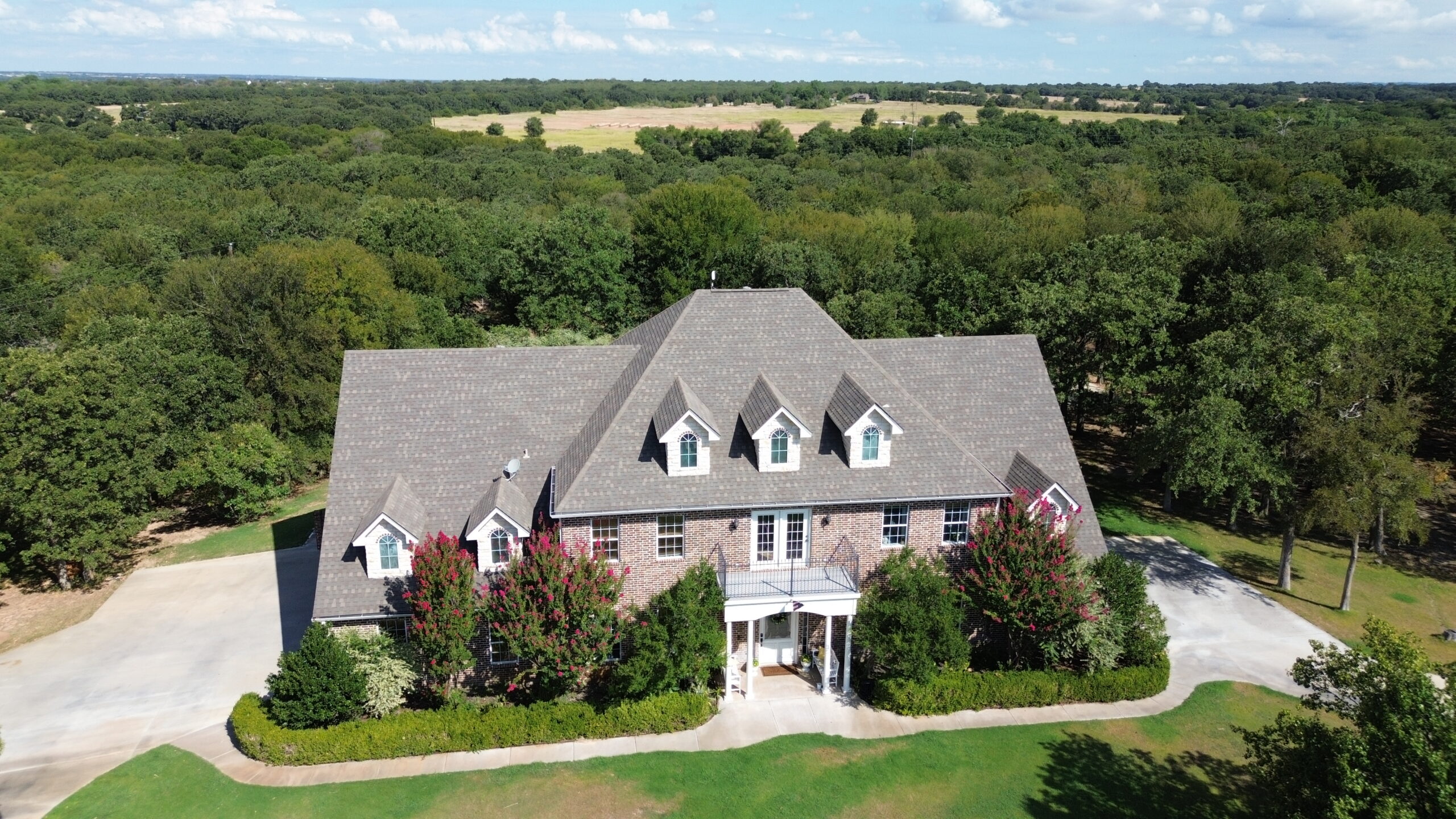
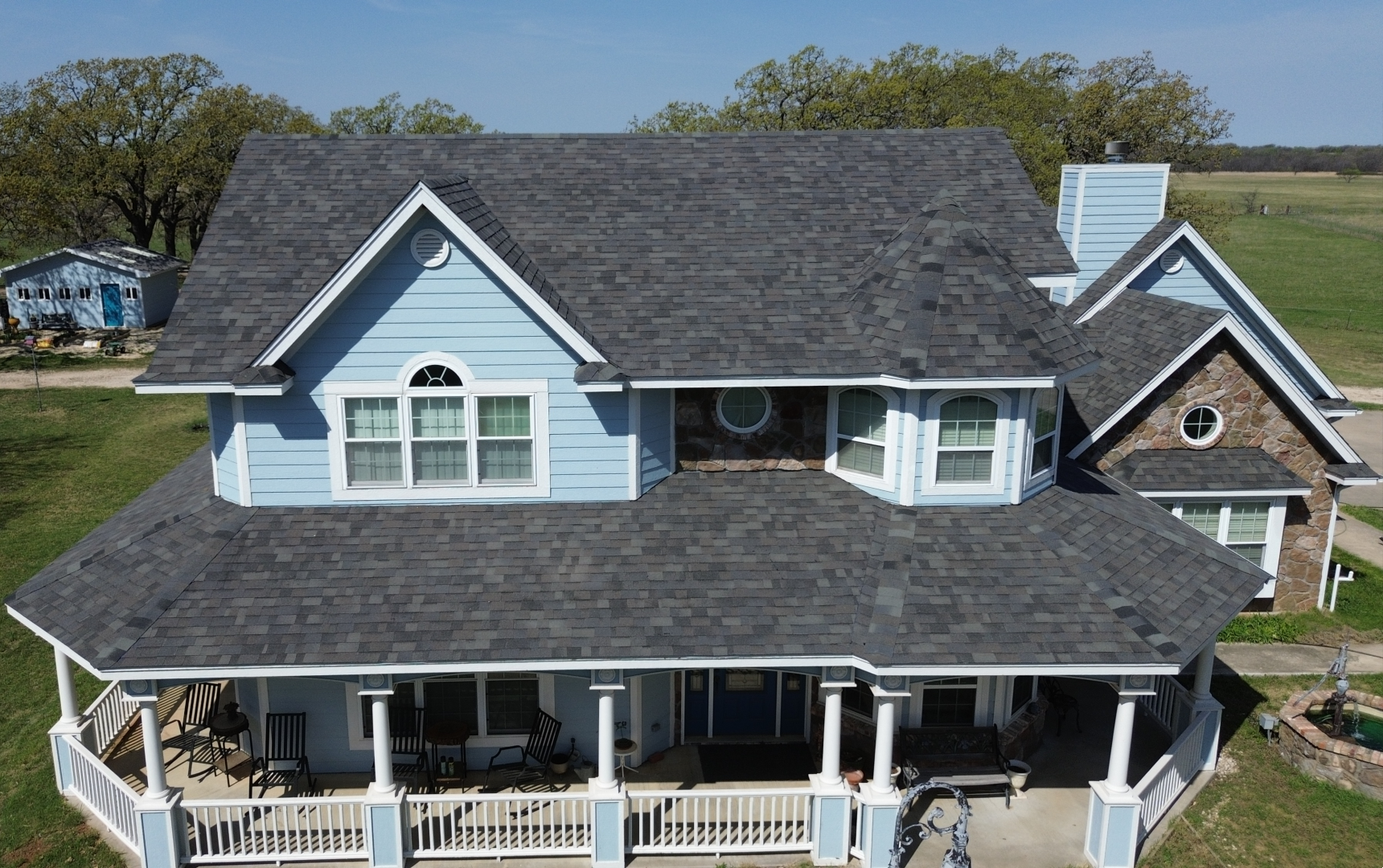
Roof design is another consideration. Complex roofs with numerous valleys, penetrations, dormers, and roof-to-wall transitions have more vulnerable areas than simple roof designs. These details require careful installation and may require greater maintenance attention.
Ventilation and moisture management can affect underlying components. Persistent attic moisture or inadequate airflow may contribute to deterioration even when the exterior roofing material appears acceptable.
Severe weather can shorten a roof’s useful life regardless of age. A major storm can cause damage that changes the condition of the system significantly. This is why post-storm inspections and timely repairs remain important throughout the lifecycle.
The homeowner’s maintenance history also matters when evaluating lifespan. A well-documented roof with regular inspections provides more information than one with no records. Maintenance records can help professionals determine whether the roof is aging normally or developing unusual problems.
Understanding these factors helps homeowners avoid relying solely on an advertised lifespan. A roof’s actual condition should be evaluated regularly, especially as it moves toward the later stages of its service life.
The residential roofing lifecycle is shaped by continuous decisions rather than a single installation date. Routine maintenance protects the system, weather preparation reduces avoidable damage, repairs address developing problems, and midlife assessments provide a clearer picture of future needs. Eventually, widespread deterioration or repeated failures may signal that the next stage is approaching: deciding whether to repair further or begin planning for complete roof replacement.
Signs a Roof Is Approaching Replacement
Every residential roofing system eventually reaches a stage when normal maintenance and isolated repairs may no longer provide the best long-term solution. The timing varies according to the roofing material, installation quality, climate, maintenance history, and exposure to severe weather. Homeowners should therefore evaluate the overall condition of the roof rather than relying on age alone.
Widespread deterioration is one of the clearest signs that a roof may be approaching replacement. If large sections of shingles, tiles, metal panels, wood components, or membrane surfaces are showing significant damage, repairing individual areas may become less practical. A professional inspection can determine whether the deterioration is localized or affecting most of the roofing system.
Repeated leaks can also indicate that the roof is reaching a later stage of its lifecycle. One isolated leak may be relatively simple to repair, but recurring leaks in different areas suggest that the system may be experiencing broader deterioration. Continuing to repair individual leaks without evaluating the entire roof can result in increasing maintenance costs.
Visible aging of the primary roofing material is another factor. Shingles may become brittle or lose their protective surface, metal components may show deterioration, tiles may develop repeated cracks, and other materials may show signs of long-term exposure. These conditions should be assessed alongside the roof’s overall performance.
Damage to the underlying roof deck is particularly important. If long-term moisture has affected large areas of the deck, replacement may involve more than simply installing new exterior materials. The supporting surface may require extensive repairs before a new roofing system can be installed.
The condition of flashing and other supporting components should also be considered. Widespread deterioration around chimneys, skylights, vents, valleys, and roof edges can indicate that the system needs more comprehensive work. Replacing several interconnected components may sometimes make more sense than continuing isolated repairs.
Homeowners should also consider the frequency and cost of recent repairs. A roof that requires increasingly frequent attention may be becoming less economical to maintain. When repair expenses continue to increase while the remaining service life becomes uncertain, a replacement assessment can provide useful guidance.
Interior warning signs should never be ignored. Water stains, damp insulation, peeling ceiling finishes, or recurring moisture may indicate that the roof is no longer providing reliable protection. These signs do not automatically mean replacement is necessary, but they warrant professional investigation.
A roof approaching replacement may show several warning signs at the same time. Professional evaluation helps homeowners understand whether these conditions can be addressed through repairs or whether replacing the complete system would provide better long-term value.
Repair or Replace: Making the Right Decision
Deciding between repairing and replacing a roof is one of the most important decisions during the later stages of its lifecycle. The correct choice depends on the extent of damage, remaining service potential, repair history, material condition, and long-term goals for the property.
Repairs may remain practical when damage is limited to specific areas and the majority of the roofing system is still performing well. A damaged flashing component, isolated leak, or small section of roofing material may be repairable without disturbing the entire roof.
Replacement becomes more attractive when problems are widespread or recurring. If multiple areas require repair and new defects continue appearing, the homeowner may be spending money on a system that is already nearing the end of its practical service life.
The age of the roof can provide useful context but should not be the only deciding factor. A well-maintained roof may perform effectively beyond an expected average period, while a poorly installed or severely weather-damaged roof may require replacement sooner. Condition and performance should remain central to the decision.
Cost should also be evaluated carefully. A low-cost repair may appear attractive in the short term, but repeated repairs can become expensive over several years. Comparing the expected cost of continued maintenance with the investment required for a new system can provide a clearer picture of long-term value.
The condition of the roof deck can influence the decision as well. If extensive underlying damage is discovered, replacing the roof may provide an opportunity to address structural and moisture-related problems comprehensively.
Homeowners should also consider their future plans for the property. Someone planning to remain in the home for many years may prefer a new roofing system that provides predictable performance. A homeowner planning a near-term move may have different priorities, although the roof’s condition can still affect property value and buyer expectations.
A professional inspection is particularly valuable when the decision is uncertain. An experienced roofing professional can evaluate the complete system and explain whether repairs are likely to provide meaningful additional service life.
The goal is not to choose replacement simply because it is newer or repair simply because it costs less initially. The best decision balances immediate expenses with future performance, maintenance requirements, property protection, and the expected remaining life of the existing system.
Planning the Replacement
Once replacement becomes the appropriate option, careful planning can make the project more organized and reduce unexpected complications. Homeowners should begin by reviewing the existing roof’s condition, identifying lessons from previous repairs, and determining what they want from the new roofing system.
Material selection should be based on the property’s actual requirements. Homeowners can compare asphalt shingles, metal roofing, tile, slate, synthetic materials, or other appropriate systems based on climate, roof structure, appearance, budget, maintenance, and expected service characteristics.
The roof’s structural condition should be considered before selecting a new material. If the new system is significantly heavier than the previous one, the supporting structure may require professional evaluation. This is particularly important when changing from a lightweight system to heavy tile or slate.
The budget should include the complete project rather than only the primary roofing material. Removal and disposal of the existing roof, roof deck repairs, underlayment, flashing, ventilation, edge components, labor, and other requirements can all affect the final cost.
Contractor selection is another critical step. Homeowners should look for contractors with relevant experience, appropriate insurance, required licensing or registration, strong references, clear contracts, and experience installing the selected material.
The written contract should clearly describe the scope of work. It should identify the roofing material, expected preparation, removal procedures, installation details, cleanup responsibilities, payment terms, and applicable warranties. Clear documentation reduces misunderstandings during the project.
Scheduling should also account for weather and household needs. Roofing work can create noise, temporary access limitations, and construction debris. Homeowners should discuss the expected project timeline and preparation requirements with the contractor before work begins.
Property protection should be included in the planning process. Landscaping, outdoor furniture, vehicles, windows, doors, and other areas near the work zone may need protection. The contractor should also explain how old roofing materials and construction waste will be handled.
A replacement project provides an opportunity to improve the roofing system rather than simply reproduce the previous one. If the old roof had drainage, ventilation, flashing, or material-selection problems, these issues should be considered during the design of the new system.
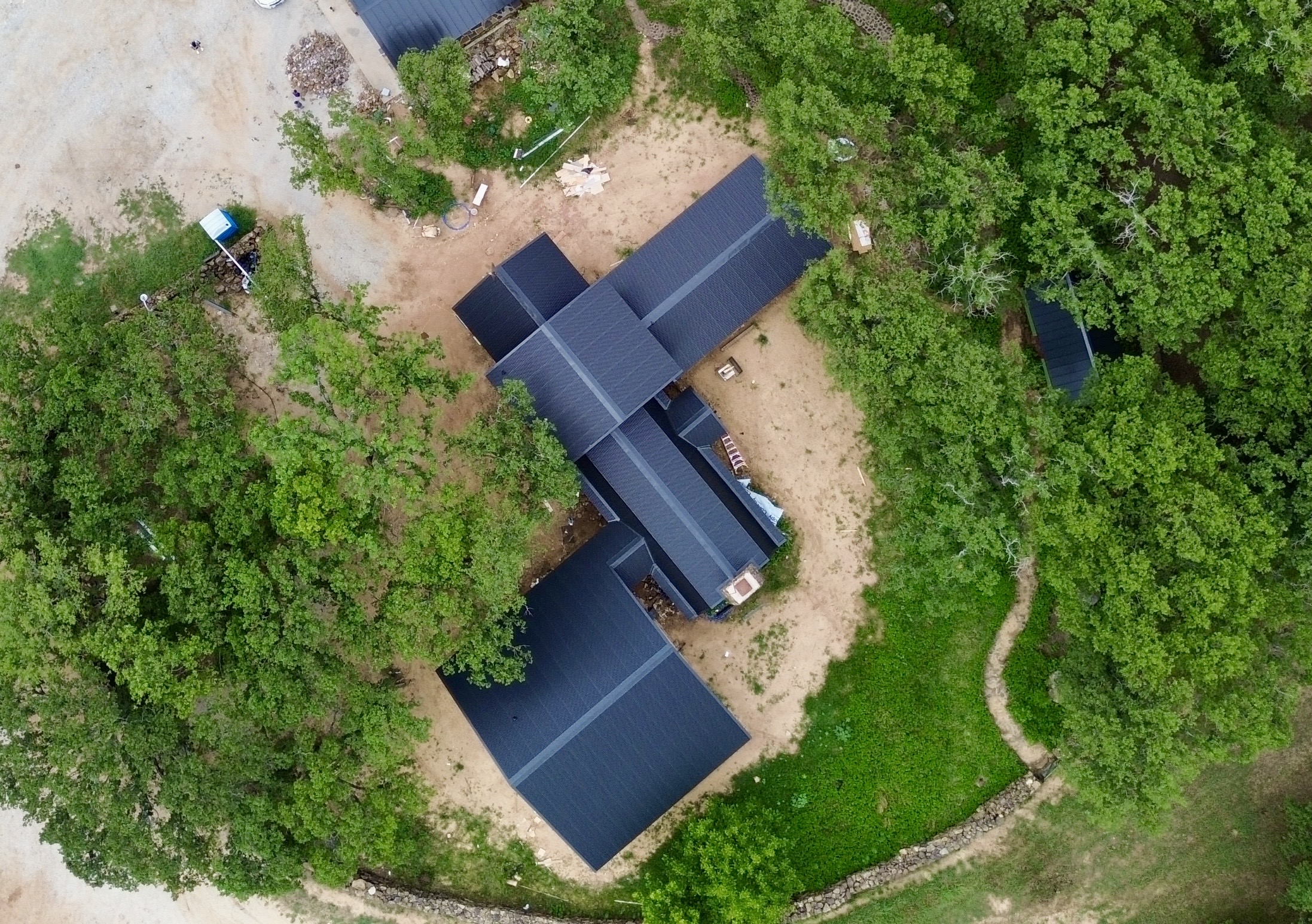
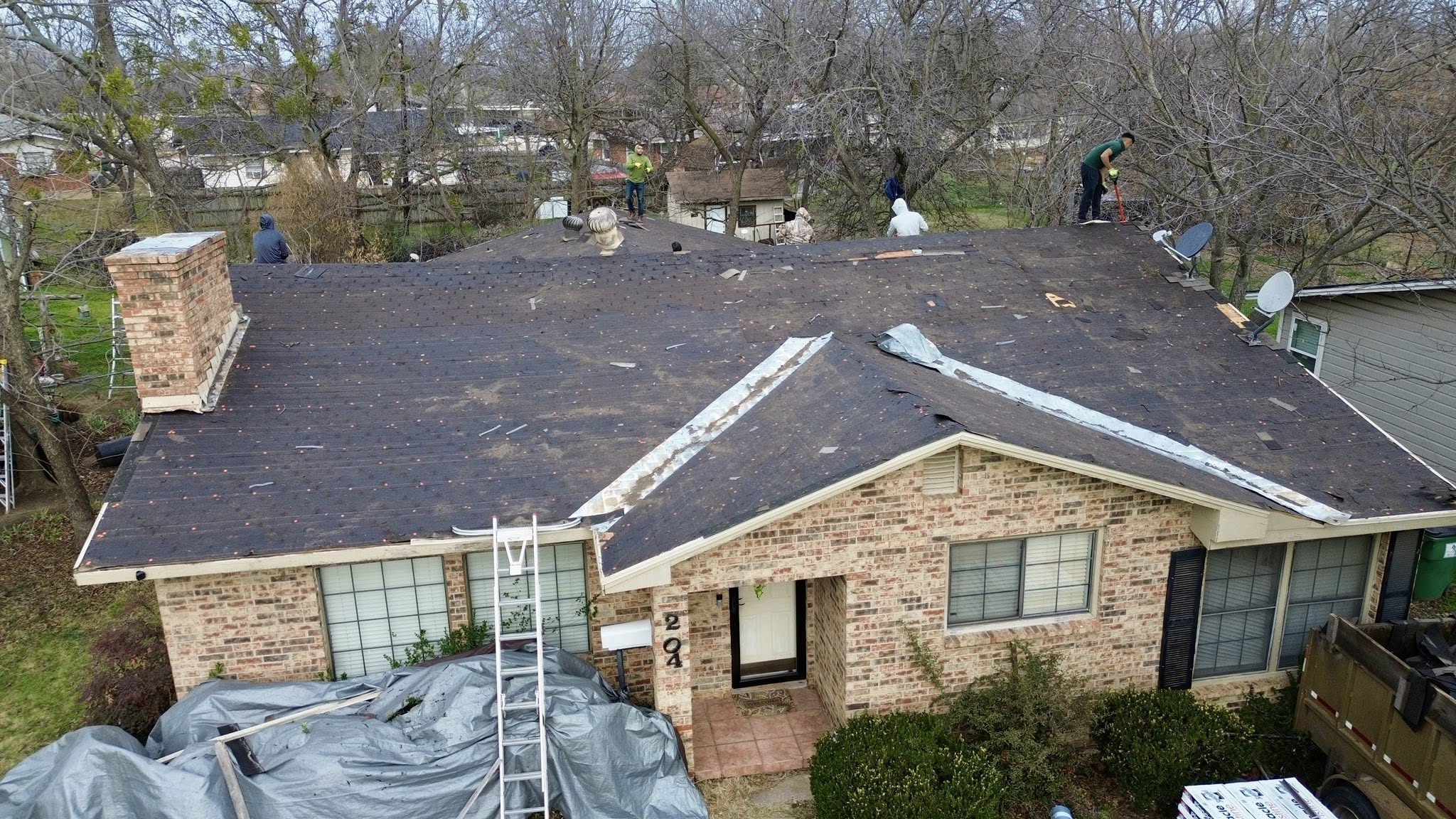
Removing the Old Roofing System
Removing the existing roofing system is a major stage in the replacement process because it exposes components that were previously hidden. Safe and careful removal allows contractors to inspect the roof deck and identify conditions that need attention before the new system is installed.
Old roofing materials should be removed using methods appropriate for the property and material. Contractors need to control debris and protect surrounding areas during the process. Proper handling reduces the risk of damage to landscaping, exterior surfaces, and other property features.
Once the old materials are removed, the roof deck can be inspected more thoroughly. Damaged, wet, rotten, warped, or otherwise unsuitable sections may need replacement. The extent of these repairs can sometimes only be determined after the previous roof has been taken off.
Flashing should also be evaluated during removal. Existing flashing may be reusable in limited circumstances, but deteriorated or incompatible components may need replacement. New roofing systems often benefit from installing appropriate flashing rather than relying on compromised details from the previous roof.
Ventilation components should be checked as well. If the previous roof experienced attic moisture or heat-management problems, replacement provides an opportunity to improve the ventilation arrangement. Any modifications should be planned as part of the complete roofing design.
Drainage components should also be reviewed. Gutters, downspouts, valleys, roof edges, and drains need to work with the new roofing system. Existing components that are damaged or improperly positioned may need adjustment or replacement.
The roof deck should be properly prepared before new underlayment is installed. A clean and stable surface provides a better foundation for the new roofing assembly. Any necessary repairs should be completed rather than covered by new materials.
Old roofing removal can reveal useful information about the previous roof’s performance. Areas with repeated moisture damage may indicate problems with flashing, drainage, ventilation, or installation. Learning from these conditions can help homeowners and contractors avoid repeating the same weaknesses.
The removal stage is therefore more than simply taking away old materials. It is an opportunity to examine the building, correct underlying problems, and prepare a stronger foundation for the next roofing lifecycle.
Starting the Next Roofing Lifecycle
Once the old roof has been removed and the underlying structure prepared, installation of the new roofing system begins. This marks the start of another complete lifecycle, but homeowners can use knowledge from the previous roof to make better decisions about the new one.
The new system should include appropriate underlayment, primary roofing materials, flashing, fasteners, ventilation, drainage, and edge protection. These components need to be installed as an integrated system rather than treated as unrelated additions.
Homeowners should retain documentation from the new installation. Product information, warranties, contracts, inspection records, photographs, and maintenance recommendations should be stored together. These records establish a new baseline for future maintenance.
A new maintenance plan should also be created immediately after installation. Gutters and drainage pathways should be kept clear, nearby vegetation should be controlled, and the roof should be inspected periodically. The homeowner should also understand which maintenance methods are recommended for the selected material.
The new roof should be inspected after completion to identify any installation concerns. Flashing, fasteners, roof edges, penetrations, drainage, ventilation, and visible roofing materials should all be reviewed. Addressing problems early is easier than discovering them years later.
The previous roof’s maintenance history can provide useful lessons. If the old system experienced repeated leaks around a chimney, for example, the new installation should receive particular attention in that area. If blocked gutters were a recurring problem, a more consistent drainage maintenance routine should be established.
Homeowners should also avoid unnecessary modifications that could compromise the new system. Solar equipment, antennas, HVAC components, skylights, and other additions should be planned with appropriate roofing professionals so that waterproofing and structural details remain protected.
The next lifecycle should be viewed as an ongoing process rather than a completed project. Quality installation establishes the foundation, while inspection, maintenance, weather preparation, and timely repairs protect the roof as it ages.
Conclusion
The residential roofing lifecycle begins with planning and continues through installation, inspection, maintenance, repairs, aging, and eventual replacement. Understanding these stages helps homeowners make informed decisions instead of treating roofing as a one-time construction expense.
The quality of the lifecycle is strongly influenced by decisions made before installation. Choosing appropriate materials, evaluating the roof structure, selecting an experienced contractor, and establishing a realistic budget can create a stronger foundation for long-term performance.
Professional installation then brings the roofing system together. Proper underlayment, flashing, fastening, ventilation, drainage, and primary roofing materials need to work as one complete assembly. A final inspection and proper documentation provide an important starting point for future maintenance.
During the service life of the roof, regular maintenance and inspections help protect the original investment. Clear gutters, controlled vegetation, functional ventilation, monitored flashing, and prompt repairs can reduce avoidable deterioration. Severe weather should also be followed by appropriate inspection when damage may have occurred.
As the roof ages, homeowners should evaluate its overall condition rather than relying only on its age. Repeated leaks, widespread deterioration, extensive underlying damage, and increasing repair requirements may indicate that replacement offers better long-term value than continued repairs.
When replacement becomes necessary, the previous roofing lifecycle can provide valuable lessons. Homeowners can identify what worked well, what problems occurred, and which components or maintenance practices should be improved. This information can guide material selection, contractor decisions, and the design of the next system.
Ultimately, a residential roof should be viewed as a long-term protective investment. Quality installation begins the lifecycle, consistent maintenance preserves it, professional repairs extend it when practical, and timely replacement starts the process again. By understanding every stage from installation to replacement, homeowners can protect their property, plan future expenses more effectively, and give each roofing system the best opportunity to perform reliably throughout its useful life.