
Residential Roofing Explained for First Time Homeowners
Introduction
Buying a first home is an exciting experience, but it also comes with responsibilities that may be unfamiliar to a new homeowner. One of the most important parts of the property to understand is the roof. The roof protects the home from rain, wind, sunlight, temperature changes, and other outdoor conditions, so knowing how it works can help homeowners make better decisions about inspections, repairs, maintenance, and replacement.
A residential roof is more than the visible layer of shingles, tiles, or metal panels. It is a complete system made up of several components that work together to protect the structure. Roofing materials provide the primary exterior barrier, while underlayment, decking, flashing, ventilation, and drainage components provide additional protection and support.
For first-time homeowners, roofing can seem complicated because many important components are hidden from view. A roof may look perfectly fine from the ground while having damaged decking, deteriorated flashing, poor ventilation, or moisture problems underneath. This is why professional inspections are useful, particularly when buying an older property or when signs of damage appear.
Understanding basic roofing terminology can also make conversations with contractors much easier. Homeowners who know the difference between shingles, flashing, underlayment, decking, ventilation, and gutters are better prepared to understand estimates and ask relevant questions about proposed work.
Roofing decisions should also be based on the condition and needs of the property rather than fear or assumptions. Not every leak requires a complete replacement, and not every older roof needs immediate removal. A professional assessment can help determine whether repair, maintenance, or replacement is the most appropriate option.
For a first-time homeowner, the goal is not to become a roofing expert. Instead, it is to understand how the system works, recognize common warning signs, know when professional help is needed, and protect one of the home’s most important investments.
Understanding the Main Parts of a Residential Roof
A residential roof contains several layers and components, and each has a specific purpose. Understanding these parts helps homeowners recognize why proper installation and maintenance are important.
The roofing material is the most visible part of the system. Depending on the home, this may include asphalt shingles, metal panels, clay or concrete tiles, slate, or another specialized material. The outer roofing layer is designed to withstand normal weather exposure and help keep water away from the structure.
Beneath the roofing material is the underlayment. This protective layer provides an additional barrier against moisture that may move beneath the outer roofing material. Underlayment types and installation methods vary depending on the roofing system and project requirements.
The roof deck provides the supporting surface beneath the other roofing layers. It is commonly made from structural wood panels or other suitable materials. The condition of the deck is important because roofing materials and fasteners depend on having a stable foundation.
Flashing protects areas where the roof meets other structures or where openings pass through the roofing surface. Chimneys, skylights, vents, pipes, walls, valleys, and roof edges may all require specialized flashing. These areas are particularly important because changes in direction and roof penetrations can create potential pathways for water.
Ventilation helps manage conditions in the attic or roof space. Intake and exhaust vents allow air to move through the area, helping manage heat and moisture. Poor ventilation can contribute to condensation, excessive attic temperatures, and deterioration of certain roofing components.
Drainage components are also essential. Roof slopes and valleys guide water toward gutters, while downspouts move collected water away from the building. If gutters or downspouts become blocked, damaged, or poorly positioned, water may overflow and affect other parts of the property.
These components work as a system rather than independently. A problem with one part can sometimes affect another. For example, poor ventilation can contribute to moisture problems in the roof deck, while damaged flashing can allow water to reach the underlayment and decking.
First-time homeowners should therefore think of the roof as a complete protective system. Understanding the purpose of each component makes it easier to recognize why professional installation, regular inspection, and proper maintenance matter.
Choosing the Right Roofing Material
One of the biggest roofing decisions a homeowner may face is selecting the appropriate roofing material. The choice can affect the home’s appearance, maintenance requirements, expected service life, installation cost, and long-term performance.
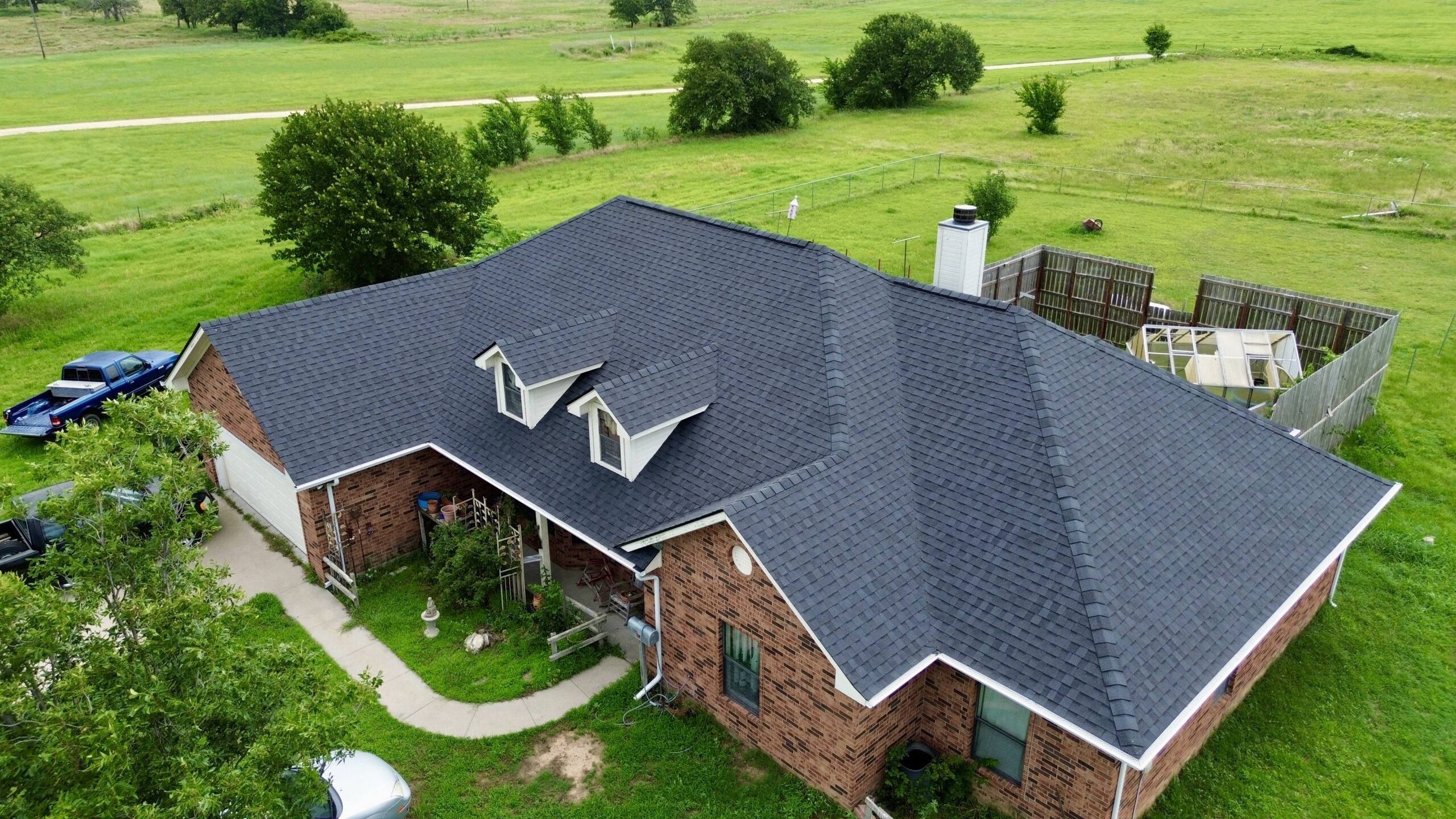
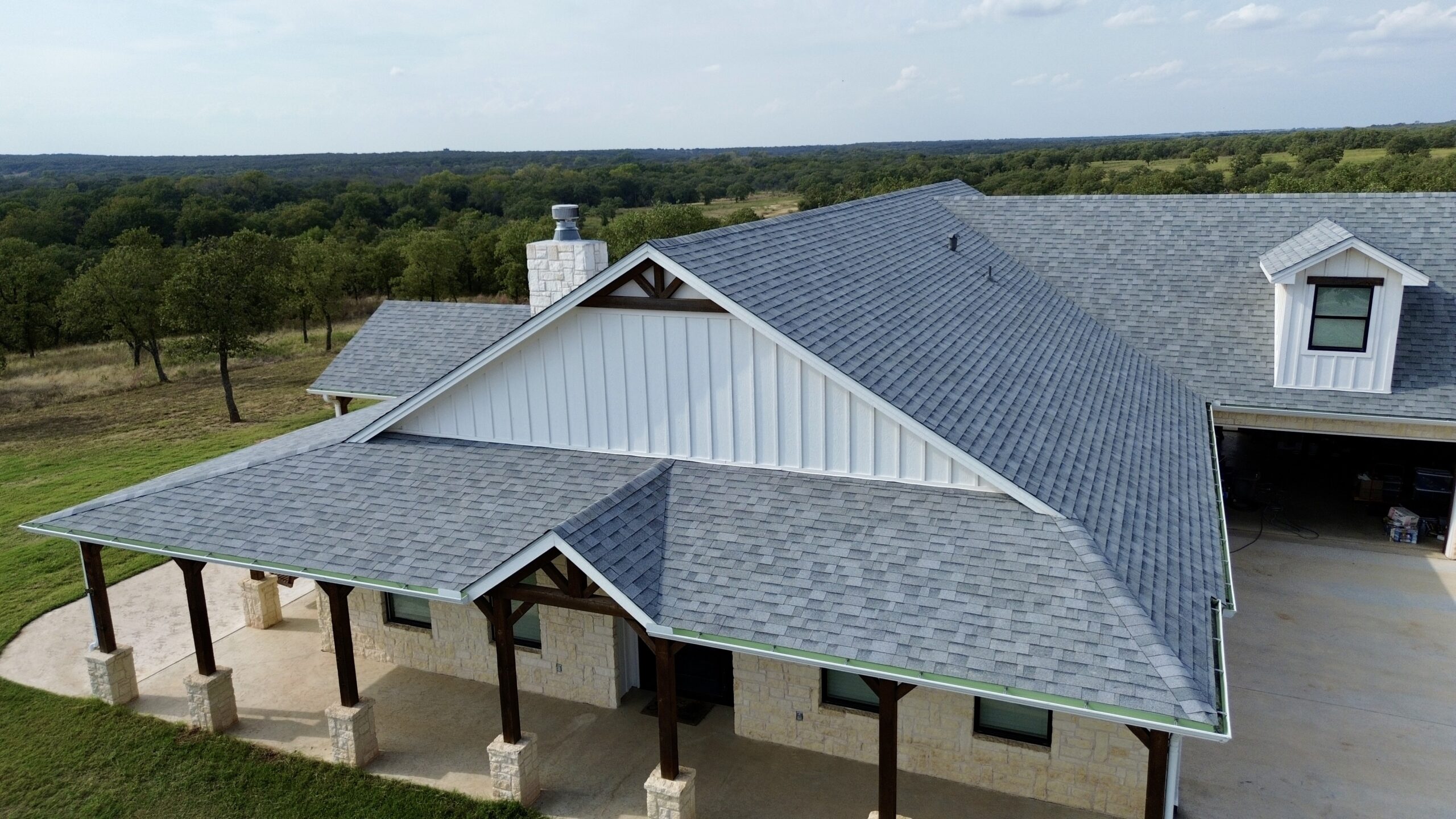
Asphalt shingles are one of the most common residential roofing options. They are available in different styles, profiles, and price ranges, making them suitable for many homes. Their performance depends on the specific product, installation quality, weather conditions, and maintenance.
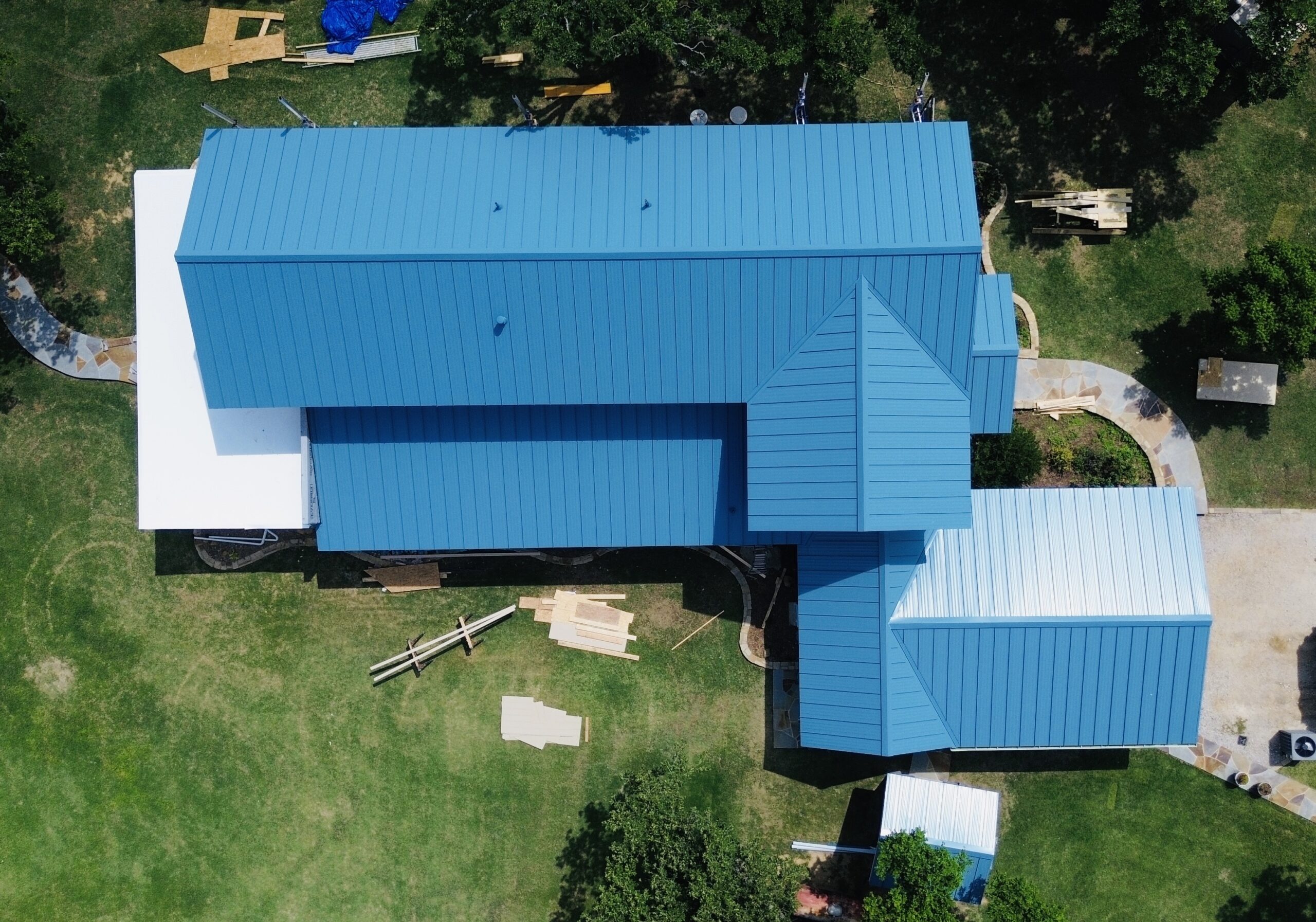
Metal roofing is another popular option. Metal systems can offer durability and come in various colors, profiles, and finishes. However, different metal roofing products use different installation methods, so homeowners should work with contractors experienced with the specific system being considered.
Tile roofing can provide a distinctive appearance and long-term durability when properly installed. However, some tile systems are relatively heavy, so the building’s structure may need to be evaluated before installation.
Other roofing materials, including slate and specialized systems, may be appropriate for certain homes. These products can have different structural, installation, maintenance, and cost considerations.
Climate is an important factor when selecting a roofing material. A home exposed to strong winds, heavy rainfall, intense sunlight, or significant temperature changes may have different requirements from a home in a milder environment. Homeowners should consider how the selected material is designed to perform under local conditions.
The roof’s design also affects material selection. A simple roof may be easier to install than one with numerous valleys, dormers, skylights, chimneys, and other features. Some materials may require more specialized installation around these areas.
Budget is naturally another consideration. Homeowners should compare the total value of the roofing system rather than looking only at the initial price. A cheaper material may have different maintenance or replacement expectations, while a more expensive product may offer characteristics that better suit the property.
Homeowners should also ask about warranties. Material warranties are generally provided by manufacturers and can have specific conditions. Installation workmanship may be covered separately by the roofing contractor, depending on the agreement.
The contractor’s experience with the selected material is equally important. A high-quality product can still perform poorly if it is installed incorrectly. Homeowners should therefore consider both the material and the expertise of the contractor installing it.
A good roofing decision balances several factors:
- Expected performance and durability
- Compatibility with the home’s design
- Local weather conditions
- Installation requirements
- Maintenance needs
- Overall project cost
The best option is not necessarily the most expensive or the cheapest. It is the system that appropriately matches the home’s structure, environment, appearance, budget, and long-term expectations.
How a Roof Inspection Works
A roof inspection helps homeowners understand the current condition of their roofing system. Inspections are particularly valuable when purchasing a home, preparing for major repairs, or investigating signs of moisture or damage.
An exterior inspection usually begins with the visible roofing surface. A professional may look for cracked, curled, missing, loose, or damaged materials. They may also examine areas where previous repairs have been performed because repeated repairs can indicate an underlying problem.
Flashing receives careful attention during an inspection. The contractor may examine flashing around chimneys, skylights, vents, pipes, walls, valleys, and roof edges. Damaged or poorly installed flashing can create opportunities for water intrusion.
The roof’s drainage system should also be evaluated. Gutters and downspouts need to move water away from the roof and building efficiently. Blockages, damage, improper positioning, or excessive debris can contribute to water-related problems.
Ventilation is another important inspection point. The contractor may examine visible intake and exhaust vents and, where appropriate, inspect attic conditions. Excessive moisture, condensation, damp insulation, or unusual heat may indicate a ventilation or moisture-management concern.
An attic inspection can reveal problems that are not visible from outside. Water stains, damaged decking, condensation, insulation problems, or signs of previous leaks may become apparent in this area.
Homeowners should tell the inspector about any known problems. If they have noticed ceiling stains, leaks after rainfall, unusual odors, or recurring moisture, this information can help direct the inspection.
A roof inspection does not always mean that repairs or replacement are necessary. Sometimes the roof may only require routine maintenance or a small repair. The purpose of the inspection is to understand the condition of the system so that decisions can be based on evidence.
First-time homeowners should be cautious about diagnosing roofing problems themselves. A ceiling stain, for example, may be related to a roof leak, plumbing issue, or condensation. Professional evaluation can help identify the actual cause.
Regular inspections can also help homeowners track changes over time. Keeping inspection reports and photographs can create a useful history of the roof and make it easier to identify developing concerns.
Understanding Roof Installation and Replacement
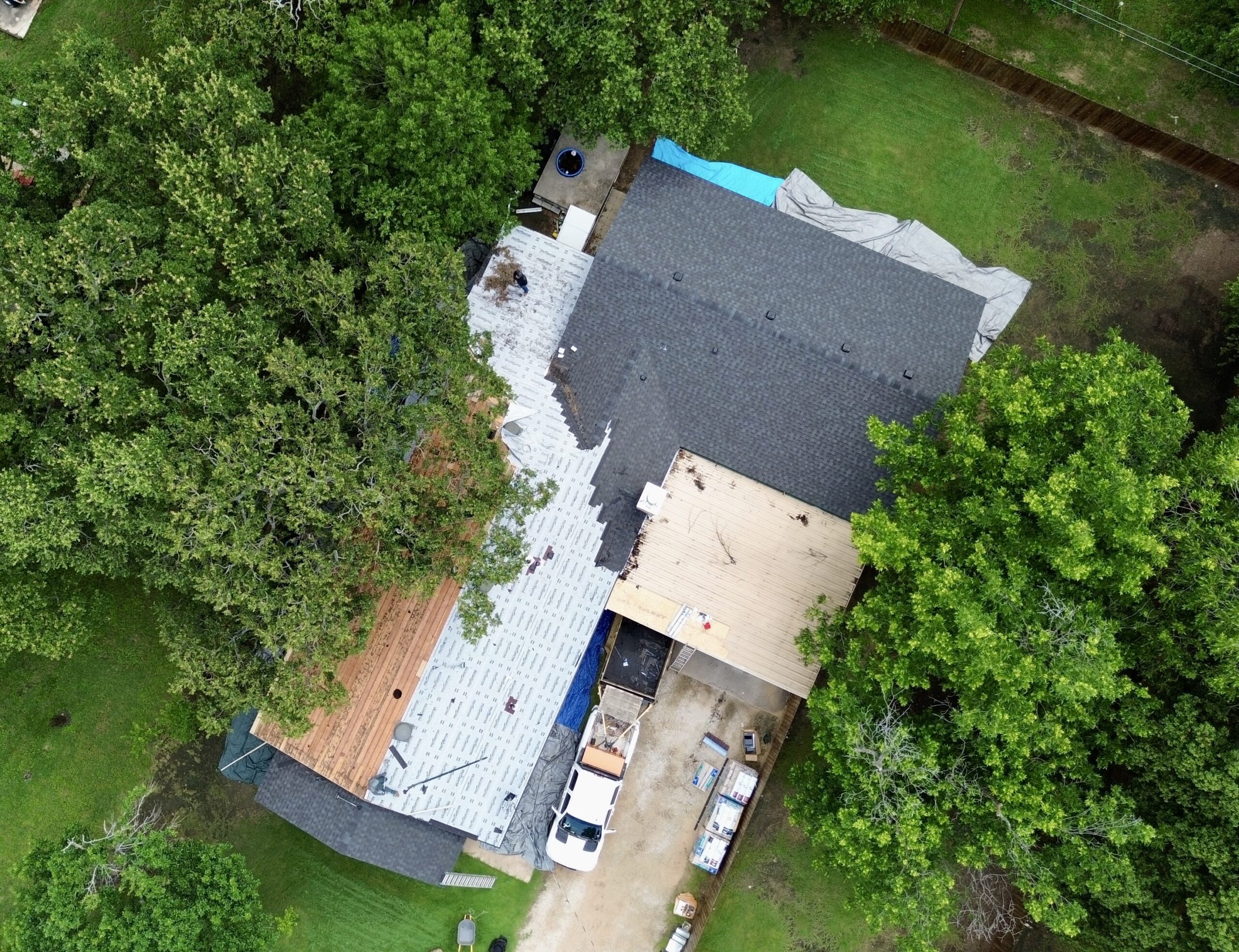
When a roof requires replacement, homeowners should understand that the process usually involves much more than removing old shingles and installing new ones. The contractor must prepare the underlying structure and install several components correctly to create a complete roofing system.
The process generally begins with planning and preparation. The contractor confirms the project scope, materials, schedule, property protection measures, and procedures for unexpected conditions.
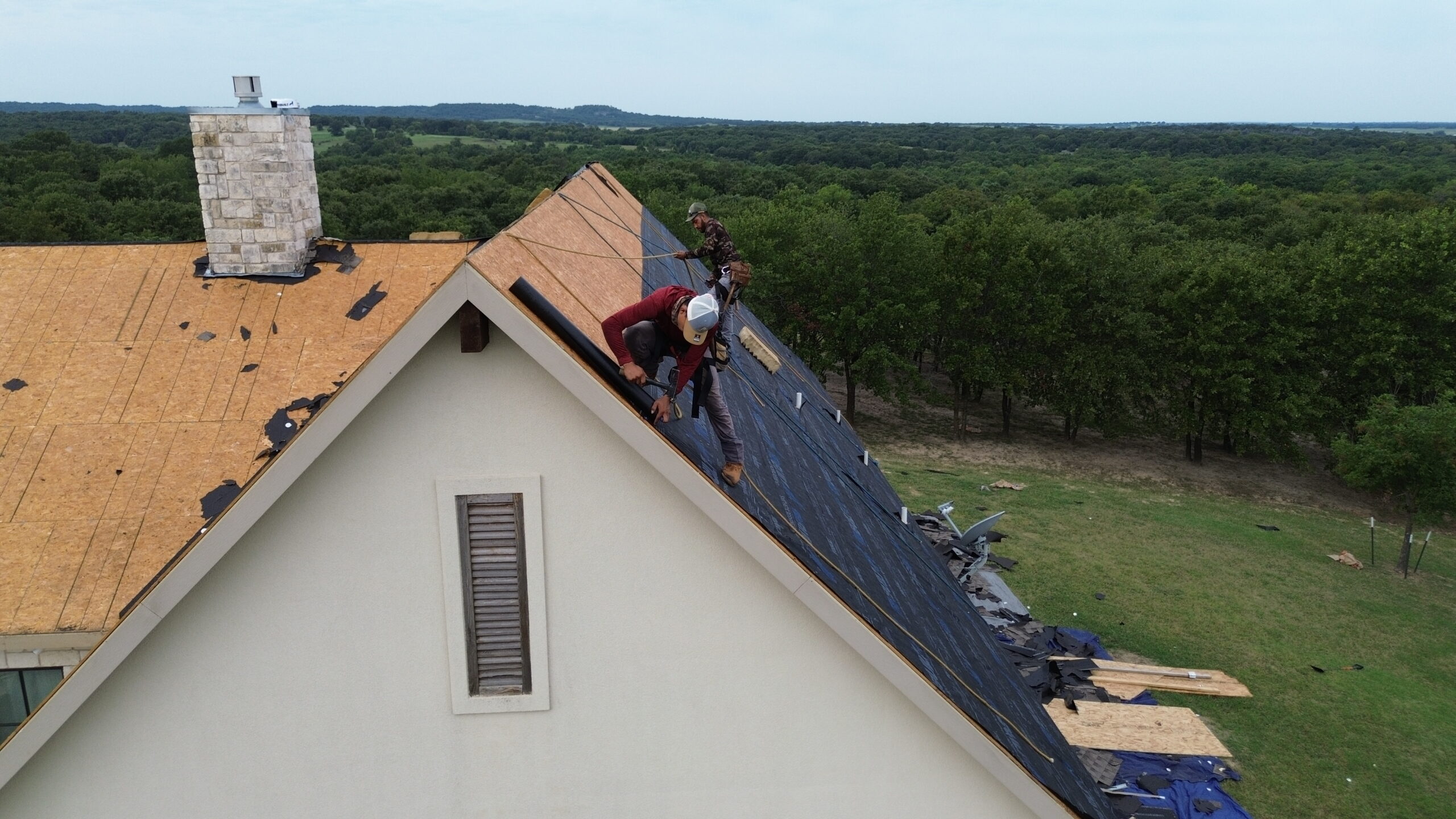
The existing roofing material is then removed when a full replacement requires tear-off. This allows the contractor to expose and inspect the roof deck. Hidden damage may become visible at this stage, particularly around previous leak locations, valleys, chimneys, and other vulnerable areas.
If damaged decking is discovered, the affected sections may need to be repaired or replaced before new roofing materials are installed. This step is important because the new roofing system needs a stable foundation.
Underlayment is then installed according to the requirements of the selected roofing system. It provides additional moisture protection beneath the primary roofing material.
Flashing and other water-protection components are installed around vulnerable areas. These may include chimneys, skylights, vents, walls, valleys, and roof edges.
The primary roofing material is then installed according to manufacturer requirements. Correct alignment, fastening, spacing, overlaps, and finishing details all contribute to the performance of the finished roof.
Ventilation and drainage also need to be considered during installation. Intake and exhaust vents should remain functional, while valleys, roof edges, gutters, and downspouts should provide appropriate water-management pathways.
Once installation is complete, the contractor should perform a final inspection. The roof should be checked for missing or damaged materials, fastening issues, flashing concerns, ventilation problems, drainage obstructions, and other deficiencies.
Cleanup is also part of the project. Roofing debris, old materials, packaging, and loose fasteners should be removed from the property as part of the contractor’s agreed scope.
For first-time homeowners, understanding this process helps explain why a professional roof replacement can take several stages. Each layer serves a purpose, and rushing one stage can affect the performance of the entire system.
A properly completed installation gives the homeowner a stronger foundation for long-term maintenance. However, even a new roof still requires routine care, inspections, and attention to weather-related damage.
Understanding Roofing Costs and Estimates
Roofing costs can vary considerably between homes because no two projects are exactly the same. Roof size, material, design complexity, labor requirements, accessibility, existing damage, and selected components can all influence the final price.
The roofing material is one obvious cost factor. Different products have different prices, installation requirements, expected service lives, and maintenance considerations. Homeowners should compare complete roofing systems rather than comparing only the price of the visible material.
Labor is another major component. A complex roof with steep slopes, multiple valleys, skylights, chimneys, or other features may require more time and specialized work than a simple roof.
The condition of the existing roof can also affect the estimate. If the contractor discovers damaged decking, deteriorated flashing, or other hidden problems after tear-off, additional work may be necessary.
Homeowners should ask whether the estimate includes removal and disposal of the old roofing materials. They should also check whether underlayment, flashing, ventilation, edge components, cleanup, and other important services are included.
Comparing multiple estimates can help homeowners understand the market and identify differences in project scope. However, the lowest estimate is not automatically the best choice.
A detailed estimate should make it clear what materials will be installed and what services are included. It should also explain payment terms, expected scheduling, warranties, and how unexpected conditions will be handled.
First-time homeowners should be comfortable asking questions before signing a contract. Understanding the estimate at the beginning can prevent confusion once work starts.
Ultimately, the goal is to choose a roofing solution that provides appropriate value for the home. A clear assessment, suitable materials, skilled installation, and realistic budgeting can help first-time homeowners approach roofing projects with greater confidence and fewer surprises.
How Proper Roof Ventilation Works
Roof ventilation is an important part of a residential roofing system, even though most of it is not visible from outside the home. It helps manage heat and moisture in the attic and can support the condition of roofing materials, insulation, decking, and structural components. For first-time homeowners, understanding ventilation can make it easier to recognize why certain vents are installed and why keeping them unobstructed matters.
A typical ventilation system uses intake and exhaust pathways. Intake vents allow outside air to enter the attic, while exhaust vents provide a route for warm or moisture-laden air to leave. When these components are properly designed and positioned, air can move through the attic more effectively.
Soffit vents are commonly used as intake openings along the lower edges of the roof. Ridge vents or other exhaust vents are generally positioned higher so that warmer air can move upward and exit the attic. The exact arrangement depends on the home’s construction and roof design.
Balanced airflow is important because simply adding more vents does not necessarily improve ventilation. If a roof has exhaust vents but insufficient intake openings, airflow may be limited. Likewise, intake openings need appropriate exhaust pathways to create useful circulation.
Insulation can also affect ventilation. If insulation blocks soffit openings or other intended airflow channels, outside air may not be able to enter the attic properly. Contractors should coordinate ventilation and insulation so that one does not interfere with the other.
Moisture control is one of the major benefits of appropriate ventilation. Warm, humid air can enter the attic through air leaks and normal household activities such as cooking and bathing. When this moisture encounters cooler surfaces, condensation can form and potentially affect wooden decking, insulation, fasteners, and other components.
Ventilation also helps manage heat during hot weather. Sunlight can cause the roof and attic to become significantly warmer than the outdoor environment. Appropriate airflow can help move accumulated hot air out of the attic and support more stable conditions.
However, homeowners should understand that ventilation is not a solution for every moisture or temperature problem. A roof leak, plumbing leak, improperly vented bathroom fan, or major air-sealing issue may require separate corrective work.
When buying a home, first-time homeowners can ask whether the attic has adequate ventilation and whether previous moisture problems have been identified. During roof replacement, contractors should evaluate existing ventilation and recommend improvements when appropriate.
A properly functioning ventilation system works together with insulation, roofing materials, flashing, and drainage. Keeping vents clear and avoiding unauthorized modifications can help preserve the performance of this important part of the roofing system.
How Roof Drainage Protects the Home
A residential roof must be able to move rainwater away from the building efficiently. Good drainage helps prevent water from accumulating on the roof or flowing into areas where it can damage exterior surfaces, walls, foundations, or interior spaces.
Roof slopes naturally guide water toward lower areas. Valleys collect water from different roof sections and direct it downward, while roof edges guide water toward gutters or other drainage components. Each part needs to work together so rainfall follows a predictable path.
Valleys are especially important because they can receive large amounts of water during storms. Improperly installed or damaged valley materials may allow water to move beneath the roofing system. Homeowners should pay attention to debris accumulation in these areas because leaves and branches can interfere with drainage.
Gutters collect water along the roof edge and direct it toward downspouts. They need to remain relatively clear and properly positioned to function effectively. A gutter filled with leaves may cause water to overflow against fascia, siding, or other parts of the home.
Downspouts carry collected water away from the building. Their discharge locations should prevent repeated water accumulation near the foundation. If downspouts release large amounts of water directly beside the home, the homeowner may need to consider appropriate drainage improvements.
Roof flashing also contributes to water management. Flashing around chimneys, skylights, vents, walls, and other transitions helps direct water away from vulnerable areas. Damaged or poorly installed flashing can allow water to enter the roof structure even when the main roofing surface appears intact.
Standing water should not automatically be ignored. Some roofing systems and roof designs have different drainage characteristics, but persistent water accumulation should be professionally evaluated. It may indicate a problem with slope, drainage, structural conditions, or another part of the system.
Homeowners should also understand that good drainage does not depend only on the roof. Gutters, downspouts, landscaping, grading, and exterior drainage all influence where water eventually goes.
Regular gutter maintenance is therefore one of the simplest ways homeowners can support roof performance. Cleaning should be performed as needed, particularly in homes surrounded by trees where leaves and branches can accumulate quickly.
After heavy rainfall, homeowners can safely observe whether gutters and downspouts appear to be carrying water correctly. They should avoid climbing onto the roof simply to inspect drainage, particularly when the surface is wet or steep.
A roofing professional can evaluate drainage concerns that are difficult to identify from the ground. Addressing water-management problems early can help reduce the risk of moisture damage and protect the wider structure of the home.
Common Roofing Problems First-Time Homeowners Should Know
First-time homeowners may not immediately recognize the warning signs of a roofing problem. Learning the most common symptoms can help them decide when a professional inspection may be necessary.
Leaks are one of the most familiar roofing concerns. Water may enter through damaged roofing materials, flashing, valleys, penetrations, or other areas. A ceiling stain can indicate a leak, although plumbing and condensation can create similar symptoms, so the actual source should be professionally confirmed.
Missing, cracked, curled, lifted, or displaced roofing materials can also indicate damage. A small amount of isolated damage may be repairable, while widespread deterioration may indicate that the roofing system is approaching the end of its useful service life.
Flashing problems are another common concern. Flashing around chimneys, skylights, vents, and walls can deteriorate or become displaced over time. Because these areas are particularly vulnerable to water intrusion, they should receive attention when warning signs appear.
Sagging areas are more serious and should be evaluated promptly. A visibly uneven or sagging roof may indicate structural deterioration, moisture damage, or another underlying problem. Homeowners should avoid attempting to correct such conditions themselves.
Attic moisture can also reveal problems that are not visible outside. Damp insulation, condensation, staining, musty odors, or deteriorated decking may indicate excessive moisture or inadequate ventilation.
The following warning signs deserve particular attention:
- Unexplained ceiling or wall stains
- Missing or visibly damaged roofing materials
- Repeated leaks after rainfall
- Damaged or displaced flashing
- Persistent attic condensation or moisture
- Visible sagging or structural changes
Homeowners should not assume that every problem means the entire roof needs to be replaced. A professional inspection can determine whether the issue is localized or part of a broader roofing concern.
Repeated repairs can provide another clue. If leaks or damaged areas continue appearing in different parts of an older roof, continued patching may eventually become less practical than a complete replacement.
The timing of a problem also matters. Concerns appearing shortly after a roof installation may require communication with the original contractor, particularly if they appear unrelated to severe weather or accidental damage.
Prompt attention can reduce the chance that a small problem becomes a major one. Water can travel through concealed areas and affect decking, insulation, ceilings, walls, and other components before obvious damage becomes visible.
First-time homeowners do not need to diagnose roofing problems themselves. Their most important responsibility is to recognize unusual changes and arrange professional evaluation when something does not appear normal.
How Weather Affects Residential Roofing
Weather has a continuous effect on residential roofing. Rain, wind, sunlight, hail, temperature changes, and seasonal conditions can gradually affect roofing materials even when the roof was installed correctly.
Rain tests the roof’s ability to shed water. Properly installed roofing materials, underlayment, flashing, valleys, gutters, and downspouts work together to move rainfall away from the home.
Strong winds can place stress on roofing materials and their fasteners. Severe storms may lift or displace shingles, damage flashing, or cause branches and other objects to strike the roof. After significant wind events, homeowners should check for visible damage from a safe location.
Hail can create dents, cracks, fractures, or other damage depending on the roofing material and severity of the storm. Some damage may not be obvious from ground level, making professional inspection useful after a significant hail event.
Heat and sunlight contribute to normal roofing aging. Roofing materials are designed for outdoor exposure, but long-term ultraviolet radiation and temperature changes can gradually affect their condition. Proper ventilation can help manage attic conditions beneath the roof.
Heavy rainfall can also expose drainage problems. Gutters may overflow, valleys can become blocked by debris, and damaged flashing may allow water to enter vulnerable areas.
Seasonal changes may require different maintenance attention. Homes surrounded by trees may need more frequent gutter cleaning during periods of heavy leaf fall, while areas exposed to severe storms may benefit from inspections after significant weather events.
Homeowners should not assume that a new roof is completely protected from storm damage. Severe weather can exceed the conditions for which a roofing system was designed. A professional inspection can help distinguish storm damage from normal aging or installation-related concerns.
Weather damage should be addressed promptly when discovered. A temporary protective measure may sometimes be appropriate while permanent repairs are arranged, particularly if the roof has been exposed to active water intrusion.
Homeowners should also avoid climbing onto a roof immediately after a storm. Wet surfaces, loose materials, and hidden structural damage can create serious safety risks.
Understanding weather exposure helps first-time homeowners develop realistic expectations. A roof is designed to withstand normal environmental conditions, but its long-term performance also depends on installation quality, material selection, maintenance, and the severity of weather events.
Choosing a Reliable Roofing Contractor
Choosing a roofing contractor is one of the most important decisions a homeowner can make when repair or replacement is required. A reliable contractor can help protect the property, while poor workmanship can create problems that remain hidden until long after the project is finished.
Experience should be one of the first factors homeowners consider. The contractor should have experience with the type of roofing material and roof design involved in the project. Different roofing systems require different installation techniques, so general construction experience may not be enough.
Homeowners should also ask about applicable licensing, insurance, certifications, and manufacturer qualifications. Requirements vary by location, but verifying relevant credentials can provide additional confidence before work begins.
References can help homeowners understand a contractor’s previous performance. Speaking with previous customers or reviewing completed projects may provide useful information about workmanship, communication, scheduling, and cleanup.
A written estimate should clearly describe the proposed work. It should identify the roofing material, underlayment, flashing, ventilation, removal and disposal services, labor, cleanup, and other important components included in the project.
Homeowners should also ask how unexpected problems will be handled. Hidden decking damage or other conditions may only become visible after the old roofing is removed. The contractor should have a clear process for explaining additional work and obtaining approval before significant extra costs are incurred.
Communication is another important consideration. A professional contractor should respond to reasonable questions and provide updates when important changes occur. Homeowners should know who is supervising the project and how they can raise concerns.
The contractor should also explain warranties. Material warranties and workmanship warranties may have different terms, limitations, and responsibilities. Homeowners should receive copies of relevant documentation and understand any maintenance requirements.
The lowest estimate should not automatically determine the final decision. An unusually low price may reflect differences in materials, preparation, labor, flashing, ventilation, disposal, or other parts of the project.
A useful comparison is to review contractors based on several factors:
| Factor | What Homeowners Should Consider |
|---|---|
| Experience | Familiarity with the roofing system and similar projects |
| Estimate | Clear description of materials, labor, and included services |
| Credentials | Appropriate insurance, licensing, and relevant qualifications |
| Communication | Clear answers, updates, and written agreements |
| Warranty | Understanding of material and workmanship coverage |
| References | Evidence of previous customer satisfaction |
Taking time to compare contractors can help first-time homeowners avoid rushed decisions. A professional relationship should be based on clear expectations, quality workmanship, and accountability rather than price alone.
Understanding Roofing Warranties
Roofing warranties can be useful for homeowners, but they should be understood before the project begins. A warranty is not necessarily a guarantee against every possible roofing problem, and different types of coverage can have different conditions.
Material warranties are generally provided by the manufacturer. They may cover certain defects or performance issues associated with the roofing product. The exact terms vary by product, so homeowners should read the documentation for the specific material installed on their home.
Workmanship warranties are generally provided by the contractor. They may cover certain installation-related problems for a specified period. The scope and duration can vary considerably between contractors.
Homeowners should ask what actions could affect warranty coverage. Improper modifications, neglect, unsuitable repairs, or failure to follow maintenance recommendations may have implications depending on the warranty terms.
Keeping records is especially important. The homeowner should retain the contract, final invoice, product information, warranty documents, inspection reports, and records of significant repairs or maintenance.
If a roofing concern appears, homeowners should document it when safe to do so. Photographs and written notes can help explain the issue to the contractor or manufacturer.
Warranty coverage also does not eliminate the need for routine maintenance. Homeowners remain responsible for protecting the roof from avoidable damage and addressing normal maintenance requirements.
Understanding warranty terms before signing a roofing contract can prevent misunderstandings later. First-time homeowners should feel comfortable asking contractors to explain unfamiliar conditions in straightforward language.
A warranty is most useful when the homeowner knows what it covers, what it does not cover, and what responsibilities must be followed. Keeping accurate records and using qualified professionals for future roofing work can help protect that coverage while supporting the long-term condition of the home.
Basic Roof Maintenance for Homeowners
Once a roofing system is installed, regular maintenance becomes one of the homeowner’s most important responsibilities. A new roof does not require constant attention, but periodic checks can help identify small problems before they develop into expensive repairs. Simple maintenance also helps preserve the performance and appearance of the roofing materials.
Homeowners should safely inspect the roof from the ground when possible. Look for missing or visibly damaged roofing materials, excessive debris, damaged gutters, displaced flashing, or branches touching the roof. Climbing onto the roof is not recommended for routine inspection because roofing surfaces can be steep, slippery, and unsafe.
Gutters and downspouts should be kept clear so rainwater can move away from the roof and home. Leaves, dirt, branches, and other debris can cause blockages, leading to overflowing water around roof edges and exterior walls. Homes surrounded by trees may require more frequent gutter maintenance.
Vegetation should also be managed around the property. Overhanging branches can scrape roofing materials, drop debris onto the roof, or fall during severe weather. Keeping trees appropriately trimmed can reduce these risks and limit the amount of organic material collecting on the roof.
Roof ventilation should receive attention as well. Homeowners should make sure visible vents are not blocked by debris or other materials. Condensation, damp insulation, musty odors, or unusual moisture in the attic may indicate a ventilation or water-intrusion problem that needs professional evaluation.
It is also important to keep maintenance records. Homeowners can record inspections, gutter cleaning, repairs, and professional assessments in a simple file. These records can help identify recurring issues and provide useful information when the roof eventually needs major work.
When a Roof Needs Repair
Roofing problems do not always mean the entire roof needs replacement. Many issues can be addressed through localized repairs when the overall roofing system remains in reasonable condition. The key is identifying the problem early and having it professionally evaluated.
Missing, cracked, curled, or displaced roofing materials are common reasons to arrange an inspection. Storms, falling branches, age, and installation issues can all contribute to visible damage. Prompt repairs can help prevent water from reaching the layers beneath the roofing surface.
Water stains on ceilings or walls should also be investigated. Although stains can sometimes result from plumbing or condensation, roof leaks are another possible cause. The visible location of a stain may not identify the exact entry point, so homeowners should avoid making assumptions.
Damaged flashing around chimneys, skylights, vents, and walls can also require repair. These areas are particularly vulnerable because they involve transitions or openings in the roof. Correcting damaged flashing can help prevent water from reaching the roof deck and interior areas.
A roof that requires repeated repairs in different locations may need a more comprehensive assessment. If problems continue appearing across an aging roof, repeatedly repairing individual areas may become less practical than considering replacement.
Homeowners should also take structural warning signs seriously. Sagging areas, widespread moisture damage, or visibly deteriorated decking can indicate problems that require more than a surface repair.
The most appropriate repair strategy depends on the roofing material, age, extent of damage, and overall condition. A qualified roofing contractor can help determine whether a localized repair is sufficient or whether broader work is necessary.
When Roof Replacement Makes Sense
Roof replacement becomes a consideration when the existing roofing system has reached the end of its useful service life or has experienced extensive deterioration. Age alone does not always determine whether replacement is necessary, but it becomes more significant when combined with widespread damage or recurring maintenance problems.
Widespread deterioration is one reason homeowners may consider replacement. If roofing materials are damaged across large portions of the roof, isolated repairs may provide only temporary benefits.
Frequent leaks can also indicate that the roofing system is becoming less reliable. When leaks continue appearing after previous repairs, homeowners should ask whether the underlying system can reasonably continue providing protection.
Extensive structural or moisture damage may require replacement as well. If the roof deck or other supporting components have been significantly affected, simply installing new surface materials may not address the complete problem.
Homeowners should also consider long-term costs. Repeated repair expenses can accumulate over time, particularly when an aging roof requires attention in multiple locations. Comparing the expected cost of continued repairs with a planned replacement can help with decision-making.
A professional inspection should guide the final decision. Contractors should explain the current condition of the roof and clearly distinguish between necessary repairs, recommended improvements, and complete replacement.
When replacement is appropriate, planning ahead can make the project easier. Homeowners can compare materials, research contractors, establish a budget, and schedule the work before a major failure creates an emergency.
Roofing Safety for Homeowners
Roof safety is an important consideration for every homeowner. Residential roofs can have steep slopes, fragile materials, slippery surfaces, and hidden structural weaknesses. Attempting repairs without appropriate experience and safety equipment can create unnecessary risks.
Routine inspections should generally be performed from safe locations. Homeowners can often identify obvious problems from the ground or through accessible attic areas without climbing onto the roof.
After severe weather, it may be tempting to climb up and inspect damage immediately. However, wet roofing surfaces, loose materials, fallen branches, and structural damage can make post-storm roof access particularly dangerous.
Repairs should generally be left to qualified professionals. Roofing contractors have the equipment and experience needed to work safely at height while evaluating roofing materials and structural components.
Homeowners should also be careful when hiring other professionals who need roof access. Solar installers, satellite technicians, chimney specialists, and other workers should understand how to access the roof without damaging the roofing system.
Avoiding unnecessary roof traffic can also extend the condition of the materials. Walking on some roofing systems can damage surfaces, loosen components, or affect flashing.
Safety should always take priority over convenience. If a homeowner notices a possible roofing problem but cannot safely inspect it, contacting a professional is a better approach than attempting to investigate the area personally.
Planning for Long-Term Roof Ownership
First-time homeowners should think about roofing as a long-term responsibility rather than a one-time expense. A roof can protect a property for many years, but its performance depends on installation quality, weather exposure, maintenance, and timely repairs.
Creating a simple maintenance schedule can help homeowners stay organized. Periodic inspections, gutter cleaning, vegetation management, and storm checks can become part of the normal care routine.
It is also useful to understand the age and expected service characteristics of the existing roof. Homeowners who know when the roof was installed can better plan for future inspections, repairs, and eventual replacement.
Budgeting for future roofing work is another practical step. Even a well-maintained roof will eventually require repairs or replacement. Setting aside funds over time can make a major roofing expense easier to manage when it eventually becomes necessary.
Homeowners should keep important roofing documents together. Contracts, invoices, material information, warranties, inspection reports, photographs, and repair records can all provide useful information in the future.
Professional inspections can be especially valuable when buying an older home or after significant weather events. An experienced contractor can identify problems that may not be obvious during a basic visual check.
Long-term roof ownership is ultimately about prevention. Addressing small concerns early, maintaining drainage and ventilation, and avoiding unnecessary damage can help homeowners get better performance from their roofing investment.
Conclusion
Residential roofing may seem complicated to first-time homeowners, but understanding the basic system makes roof ownership much easier. The roof includes much more than the visible roofing material, with underlayment, decking, flashing, ventilation, and drainage all contributing to the home’s protection.
Homeowners should pay attention to the condition of the roof and understand the difference between routine maintenance, repair, and replacement. Small problems can often be addressed before they become major concerns when they are identified early.
Regular maintenance should include safe visual inspections, gutter and downspout care, vegetation management, ventilation checks, and professional assessments when warning signs appear. Homeowners should also avoid unnecessary roof access and leave potentially dangerous work to qualified professionals.
When repairs are necessary, the right solution depends on the extent of damage, roof age, material condition, and overall performance. A professional assessment can help determine whether a localized repair is enough or whether replacement would provide better long-term value.
For first-time homeowners, the most important lesson is that roof care should be proactive rather than reactive. Understanding the roofing system, keeping accurate records, responding promptly to warning signs, and working with reliable professionals can help protect both the roof and the home beneath it.
A well-maintained residential roof provides more than shelter from rain and sunlight. It helps protect the home’s structure, interior spaces, belongings, and overall value. By learning the basics and taking a responsible approach to maintenance and professional care, first-time homeowners can manage their roofing responsibilities with greater confidence.