

Seasonal Planning for Roof Installation Work Efficiency
Introduction
Roof installation is an outdoor construction project that can be strongly influenced by seasonal weather conditions. Temperature, rainfall, wind, humidity, sunlight, snow, and changing daylight hours can all affect how efficiently a roofing crew can work. Planning the installation around seasonal conditions can help contractors maintain productivity while protecting workers, materials, and the quality of the finished roof.
Every season presents different opportunities and challenges for roofing work. Spring may provide moderate temperatures but can also bring frequent rainfall, while summer offers longer daylight hours but may create extreme heat. Fall can provide comfortable working conditions in many regions, although changing weather and increased demand may affect scheduling. Winter can create the greatest challenges in colder climates because snow, ice, freezing temperatures, and shorter days may restrict certain installation activities.
Seasonal planning does not mean that roofing can only be performed during one specific time of year. Modern roofing systems can often be installed under a range of conditions when the manufacturer’s requirements and appropriate safety practices are followed. However, choosing suitable weather windows and preparing for seasonal challenges can make the process more efficient.
Good planning should begin before the roofing crew arrives at the property. Contractors can review the expected weather, determine material requirements, organize labor, plan deliveries, and identify potential delays. Homeowners can also benefit from understanding how the season may influence the project’s timeline and preparation requirements.
An efficient roofing project balances productivity with quality and safety. Trying to complete work as quickly as possible during unsuitable weather can create more problems than it solves. Seasonal planning provides a practical way to organize roofing work around environmental conditions while maintaining appropriate installation standards.
Why Seasonal Planning Matters for Roof Installation
Seasonal planning helps roofing contractors anticipate conditions that could affect the installation process. Instead of reacting to every weather change, contractors can prepare schedules and work methods based on the typical conditions expected during the selected season. This can reduce unnecessary interruptions and make better use of available labor and equipment.
Weather conditions can affect different roofing tasks in different ways. Rain may prevent work on exposed roof surfaces, while extreme heat can increase worker fatigue and affect certain materials. Cold temperatures can influence adhesives and sealants, while strong winds can make lightweight materials difficult to control.
Seasonal planning also affects material storage. Roofing products need to remain in suitable conditions before installation, and some materials may be more sensitive to temperature or moisture than others. Planning deliveries close to the installation period can reduce unnecessary exposure to unsuitable weather.
Labor scheduling is another important consideration. Roofing contractors often manage multiple projects and need to coordinate crews based on expected working conditions. During periods of high demand, homeowners may need to schedule projects further in advance, particularly when many customers are trying to complete roofing work during the same favorable season.
Seasonal planning can help contractors focus on several important areas:
- Selecting suitable installation windows
- Preparing for expected weather conditions
- Coordinating workers and equipment
- Protecting roofing materials
- Allowing reasonable time for weather interruptions
- Organizing inspections and project completion
A seasonal plan should still remain flexible because weather patterns are not completely predictable. A contractor may schedule a project during a generally favorable period and still encounter unexpected rain, wind, or temperature changes. Building reasonable flexibility into the schedule can prevent pressure to continue work when conditions are unsuitable.
Seasonal planning can also help homeowners make informed decisions. A homeowner may prefer to install a roof during a particular season because of personal scheduling or property needs, but the contractor can explain whether the expected conditions are suitable. This discussion can help establish realistic expectations before the project begins.
The best season for a roof installation therefore depends on more than the calendar. Local climate, roofing materials, building design, project size, contractor availability, and weather forecasts all need to be considered together.
Planning Roofing Work During Spring
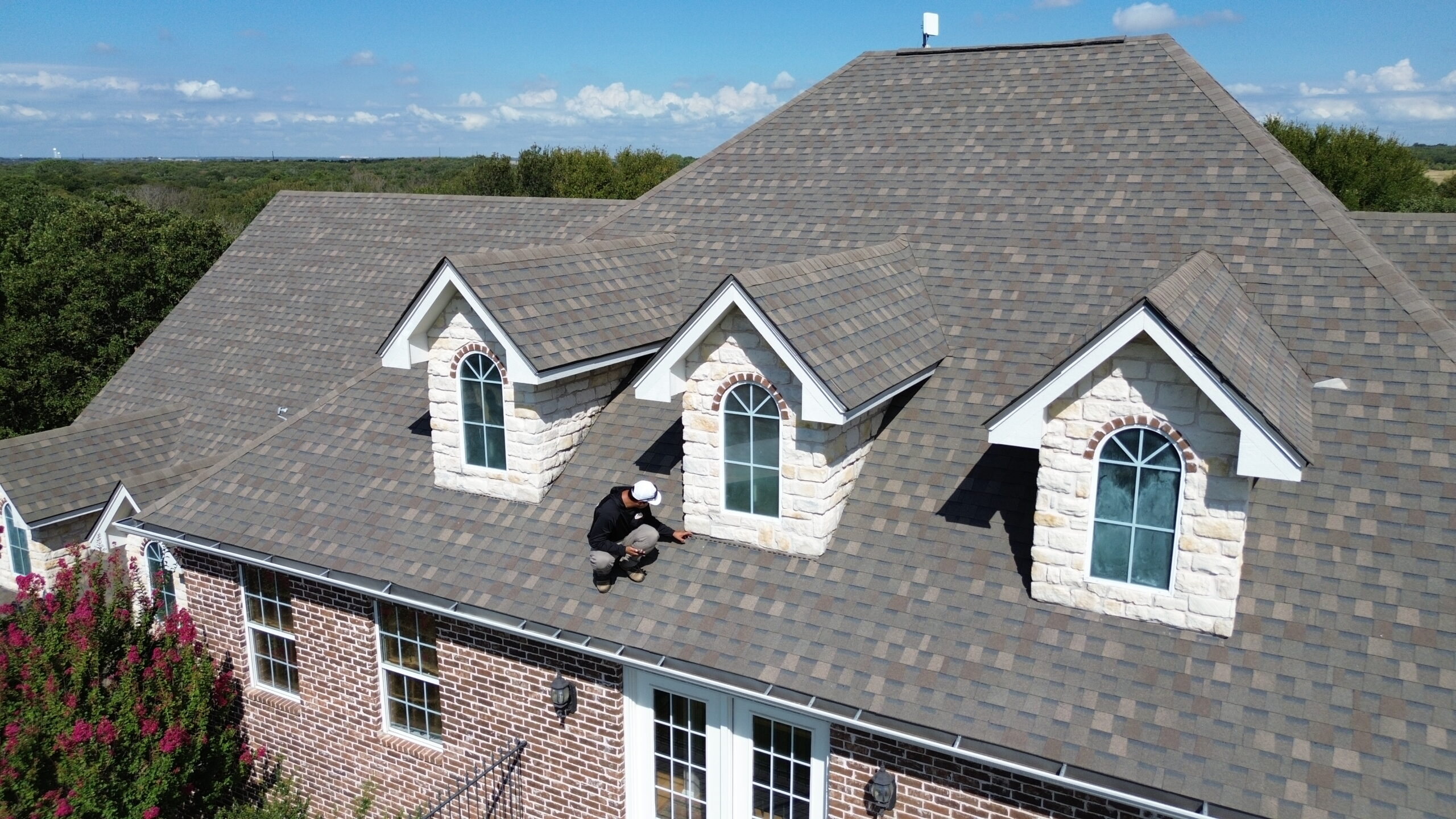
Spring can be a useful season for roof installation in many regions because temperatures often become more moderate after winter. Longer daylight hours can provide additional working time, while improved weather can make outdoor construction easier. However, spring can also bring frequent rainfall, storms, high winds, and rapidly changing conditions.
Rain is one of the main scheduling concerns during spring. A roof installation may need to pause when rainfall makes the surface slippery or when moisture affects the roof deck. Contractors should monitor forecasts and plan the work so that exposed areas can be protected if rain is expected.
Spring temperatures can vary significantly from one day to another. Early-season mornings may still be cold, while afternoons can become considerably warmer. Contractors should consider the temperature requirements of roofing materials, especially when adhesives, sealants, coatings, or other products are involved.
Spring can also be a busy period for roofing companies. Homeowners who postponed repairs or replacement projects during winter may begin scheduling work as soon as conditions improve. Increased demand can make contractor availability more limited, so early planning may be useful for homeowners who need a specific installation period.
Another advantage of planning ahead is that contractors can identify necessary repairs before the main installation begins. If the roof deck, flashing, ventilation, or other components require attention, these tasks can be included in the project schedule rather than discovered unexpectedly after work starts.
Spring weather can change quickly, so contractors should avoid planning every stage around a fixed sequence with no flexibility. A project schedule that includes reasonable weather allowances can make it easier to manage short interruptions without creating unnecessary pressure.
Homeowners should also prepare the property before the roofing crew arrives. Outdoor furniture, vehicles, decorations, and other items may need to be moved away from the work area. Clearing access routes can help the crew begin work efficiently when the weather window is suitable.
Managing Summer Roof Installation Conditions
Summer is often considered a popular season for roofing because many regions experience longer periods of dry weather and extended daylight hours. These conditions can allow crews to complete substantial amounts of work during the day. However, excessive heat can create challenges that require careful planning.
High roof-surface temperatures can make roofing physically demanding. Workers may experience greater fatigue when exposed to direct sunlight while carrying materials and operating tools. Contractors may adjust working hours, schedule demanding tasks during cooler periods, and provide appropriate breaks to reduce heat exposure.
Roofing materials can also respond differently to high temperatures. Asphalt-based products may become softer, while certain adhesives and sealants can become more fluid or cure differently. Contractors should follow the manufacturer’s temperature and application requirements rather than assuming that all products can be installed under the same conditions.
Material storage is particularly important during summer. Roofing products should be protected from excessive heat and direct sunlight when required by the manufacturer. Materials should also be positioned safely so that workers can access them without unnecessary movement across hot roof surfaces.
Summer storms can create another scheduling challenge. A project may have several days of favorable weather followed by sudden heavy rain, strong winds, or thunderstorms. Contractors should continue monitoring forecasts and maintain a plan for protecting unfinished areas.
Longer daylight hours can provide useful scheduling flexibility, but they should not be used as a reason to work beyond safe conditions. If extreme heat or severe weather creates an unsafe environment, delaying the work may be more appropriate than trying to complete the installation late in the day.
Summer planning can therefore provide efficiency benefits when temperatures and weather conditions are manageable. The key is balancing the advantages of longer working periods with appropriate heat management, material handling, and storm preparation.
Preparing for Fall Roofing Projects
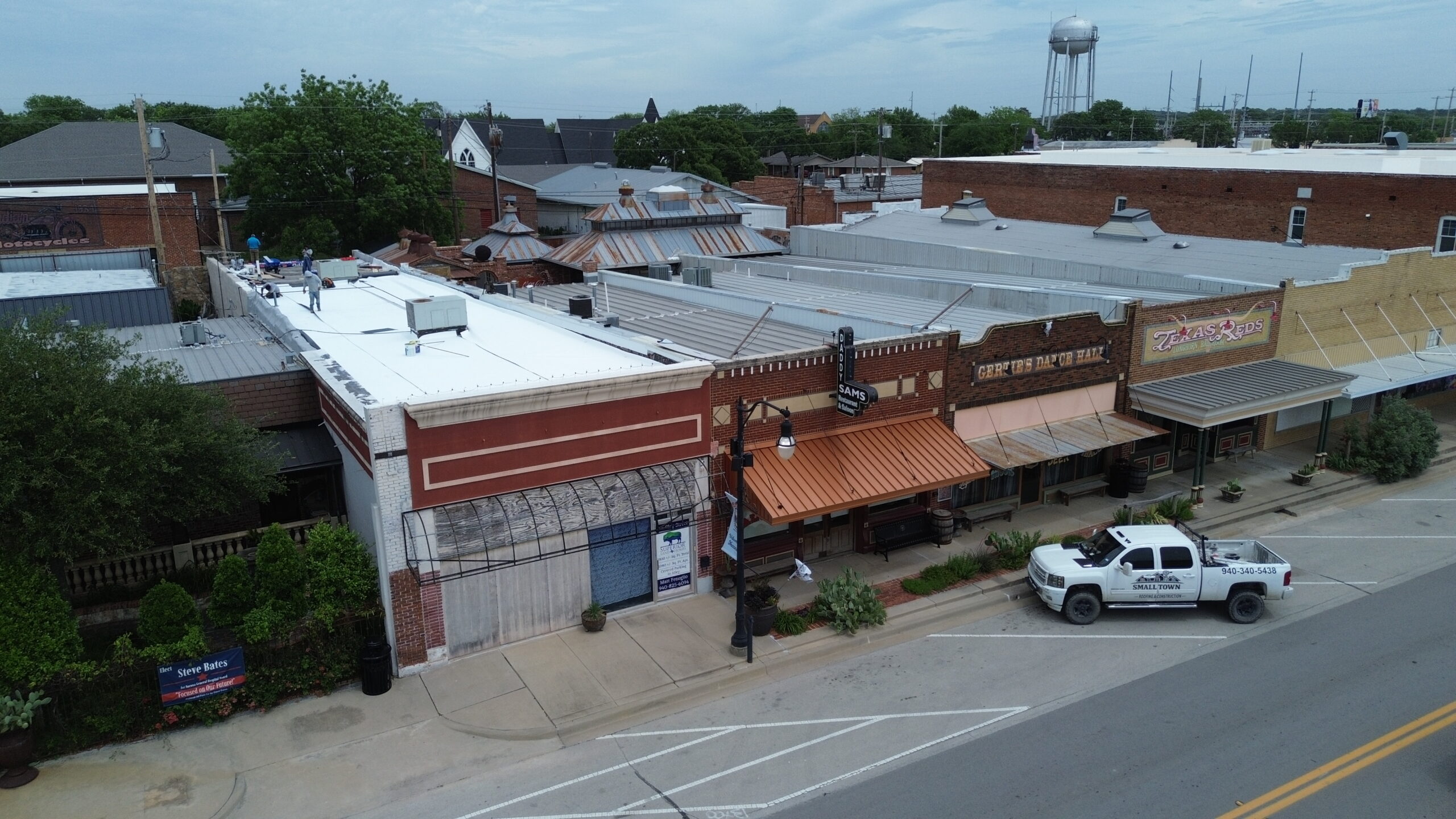
Fall can provide favorable roofing conditions in many areas because temperatures often become more comfortable after the hottest part of summer. Cooler working conditions can make physically demanding installation easier for crews, while relatively stable weather may provide useful installation windows.
However, fall weather can become unpredictable as the season progresses. Rain, strong winds, rapidly falling temperatures, and shorter daylight hours may begin affecting the schedule. Contractors should account for these changes when setting project timelines.
Falling leaves can also affect the job site. Leaves and other debris can collect on roof surfaces, gutters, valleys, and surrounding areas. Keeping the work area clean can help prevent debris from interfering with installation or drainage.
Shorter daylight hours can reduce the amount of productive working time available each day. Contractors may need to adjust crew schedules and material deliveries to make the best use of available daylight. Artificial lighting should only be used where appropriate and under suitable safety conditions.
Fall can also be a busy period for roofing contractors. Homeowners may want to complete roof replacements before winter arrives, which can increase demand for skilled crews. Scheduling early can help homeowners avoid limited availability and allow enough time for unexpected weather interruptions.
Preparing for fall installation should also include consideration of winter conditions that may arrive earlier than expected. If a project is scheduled late in the season, the contractor should evaluate whether there is enough time to complete the work before more severe weather becomes likely.
A realistic schedule is particularly important during late fall. Allowing some flexibility for rain, wind, temperature changes, and shorter working days can help prevent the project from becoming rushed. Proper planning can improve both efficiency and installation quality.
Winter Roof Installation Planning
Winter can present the most challenging conditions for roof installation in colder climates. Snow, ice, freezing temperatures, strong winds, and limited daylight can affect worker safety and material performance. In regions with mild winters, however, roofing may still be practical when weather conditions remain within the requirements of the selected roofing system.
Cold temperatures can affect materials in several ways. Some roofing products become less flexible, while adhesives and sealants may require warmer conditions for proper application and curing. Contractors should review manufacturer requirements before scheduling work during cold weather.
Snow and ice create additional safety concerns. Workers need stable footing when operating on elevated surfaces, and frozen or slippery roofs can make movement dangerous. Snow may also need to be cleared before work can begin, depending on the roof and installation requirements.
Winter daylight hours are shorter in many locations, reducing the available work period. Contractors may need to begin earlier or organize tasks more efficiently, but safety should remain the priority. Working in poor visibility simply to maintain a schedule can increase the risk of mistakes and accidents.
Material storage is also important during winter. Products should be protected from moisture and freezing conditions when required. Some materials may need to be kept within a specific temperature range before installation, so delivery timing and storage arrangements should be planned carefully.
Weather delays can be more significant during winter because suitable conditions may occur less frequently. A project may need to pause for snow, ice, freezing temperatures, or storms and resume only when the roof and materials are suitable for installation.
Winter roof installation should therefore be evaluated on a project-by-project basis. The local climate, roofing system, contractor experience, building condition, and expected weather should all be considered before deciding whether the work can proceed efficiently.
Choosing the Right Season for Different Roofing Projects
There is no universal season that is best for every roof installation project. The appropriate timing depends on local weather patterns, the roofing material, the building’s condition, contractor availability, and the urgency of the work.
A homeowner replacing a roof because of an active leak may not be able to wait for the ideal season. In such cases, the contractor may need to use appropriate temporary protection and schedule the permanent work during the first suitable weather window. Safety and protection of the building should remain the primary considerations.
For planned replacement projects, homeowners may have more flexibility. They can discuss seasonal conditions with contractors and select a period that provides a reasonable combination of suitable weather and contractor availability. Early scheduling can also provide additional time to address unexpected repairs.
The following factors can help guide seasonal planning:
| Planning Factor | Why It Matters |
|---|---|
| Temperature | Can affect materials, adhesives, sealants, and worker comfort |
| Rainfall | May interrupt installation and create roof deck moisture |
| Wind | Can affect worker safety and material handling |
| Daylight | Determines available working time |
| Contractor demand | Can affect scheduling and project availability |
| Material requirements | May limit suitable installation conditions |
Seasonal planning should ultimately focus on creating a practical installation window rather than selecting a season based solely on general assumptions. A well-prepared contractor can adapt the project to changing conditions while maintaining safety and quality.
How Seasonal Weather Affects Roofing Materials
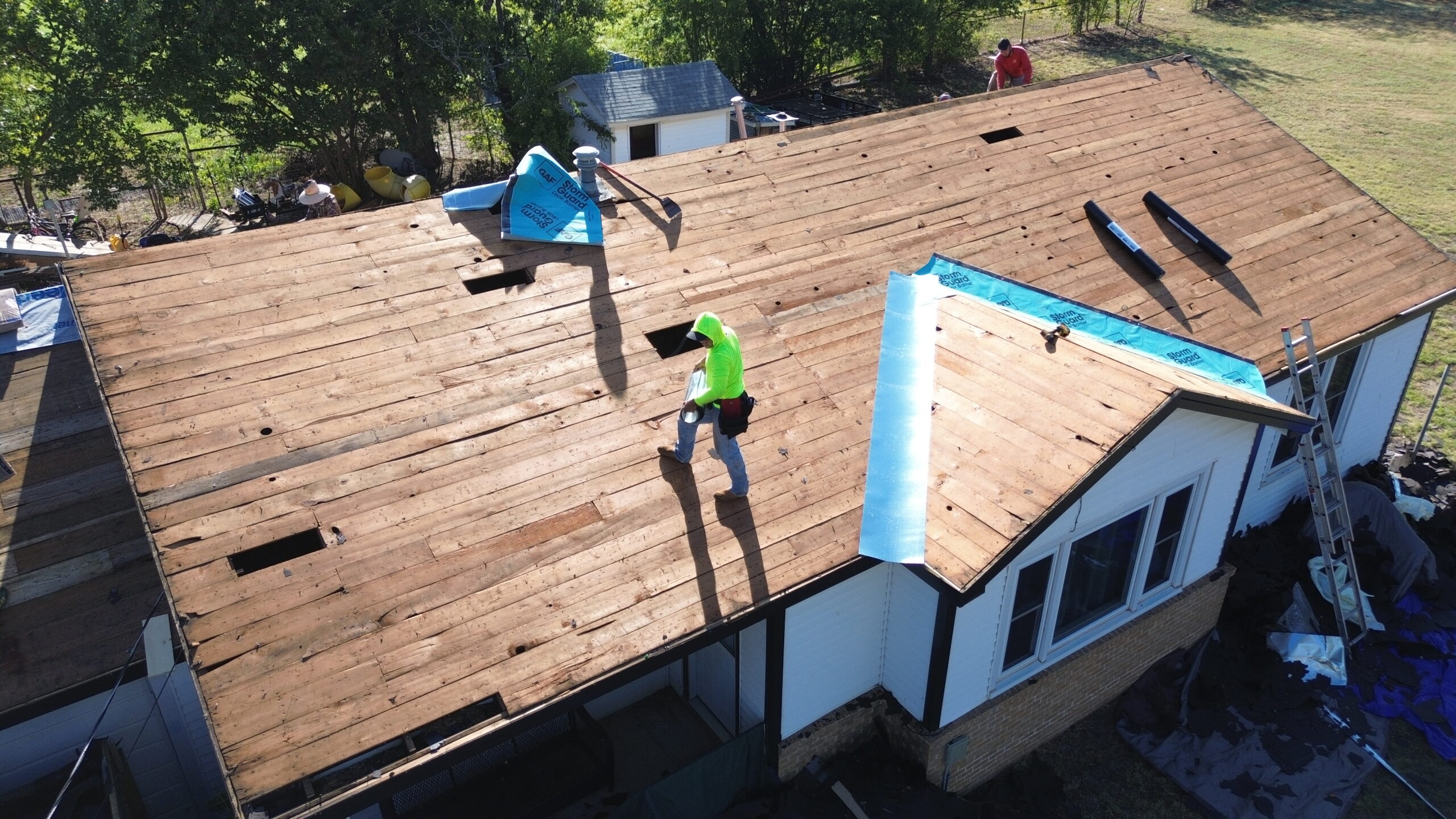
Seasonal conditions can influence roofing materials before, during, and immediately after installation. Temperature, moisture, wind, sunlight, and humidity can affect how materials are stored, handled, positioned, fastened, sealed, and cured. For this reason, seasonal planning should consider the requirements of the complete roofing system rather than focusing only on the primary roof covering.
Asphalt shingles are a common example of a material that can respond differently to temperature changes. In hot conditions, shingles may become softer and more flexible, which can make handling easier in some situations but can also increase the risk of surface damage from unnecessary foot traffic. In colder weather, some shingles may become less flexible and require careful handling according to the manufacturer’s instructions.
Metal roofing materials can also be affected by seasonal conditions. Large panels may become difficult to control during strong winds, while very cold or wet conditions can create additional handling challenges. Contractors should consider the expected weather when planning panel delivery, movement, positioning, and fastening.
Underlayment and roofing membranes can be sensitive to wind because large sheets can catch air before they are properly secured. Rain can also affect surfaces where certain membranes or adhesives need to be installed. A contractor may therefore schedule membrane work during a weather window that provides enough time to complete and secure the material.
Adhesives, sealants, coatings, and similar products often have specific application requirements. Extreme heat can change their consistency or curing behavior, while low temperatures may slow curing or make application more difficult. Moisture can also interfere with products that require a dry surface.
Roofing materials should therefore be stored according to manufacturer requirements throughout the project. Seasonal planning can help contractors avoid unnecessary exposure by arranging deliveries close to the time products will be installed. Proper storage reduces the chance of materials becoming damaged before they reach the roof.
Weather can also affect materials after installation. Some roofing systems require suitable conditions to complete sealing, curing, or bonding processes. Contractors should consider these requirements when scheduling work near the beginning or end of a seasonal weather window.
The key is to understand that roofing materials do not all respond to weather in the same way. A temperature or moisture condition that is acceptable for one component may not be suitable for another. Coordinating the entire system can help contractors maintain consistent installation quality.
Scheduling Labor and Roofing Crews Efficiently
Labor scheduling is a major part of seasonal roofing efficiency. Roofing companies often experience changes in demand throughout the year, with certain seasons becoming much busier than others. Planning crew availability in advance can help contractors manage multiple projects without creating unnecessary scheduling gaps.
During popular roofing seasons, homeowners may request installations at the same time. If a contractor receives more projects than available crews can complete, waiting periods may become longer. Early scheduling can help homeowners secure a suitable installation window before demand reaches its peak.
Crew scheduling should also consider the length of daylight available during different seasons. Longer summer days can provide more working time, while shorter winter days may reduce the number of productive hours. Contractors need to organize tasks so that important installation activities can be completed within safe daylight conditions.
Weather forecasts should be incorporated into crew planning. A contractor may have a crew assigned to a project for several consecutive days, but rain or strong winds can interrupt the schedule. The crew may need to move to another suitable project or remain available until weather conditions improve.
Flexibility is especially important because seasonal forecasts cannot guarantee exact working conditions. A well-organized company can adjust its schedule without compromising safety or sending workers onto roofs during unsuitable weather.
Worker safety should remain part of labor planning. Extreme summer heat may require additional breaks, while winter conditions may require shorter work periods or additional precautions. Scheduling crews too aggressively can reduce productivity if workers become fatigued or conditions become unsafe.
Communication among supervisors and crews can also improve efficiency. Workers should understand the expected weather conditions and the planned sequence of activities before beginning the day. This allows the team to prepare materials and equipment according to the conditions they are likely to encounter.
A seasonal labor plan should therefore balance customer demand, crew availability, daylight, weather conditions, project size, and worker safety. Efficient scheduling is not simply about filling every available workday but about assigning crews when they can perform the required work safely and effectively.
Planning Material Deliveries Around Seasonal Conditions
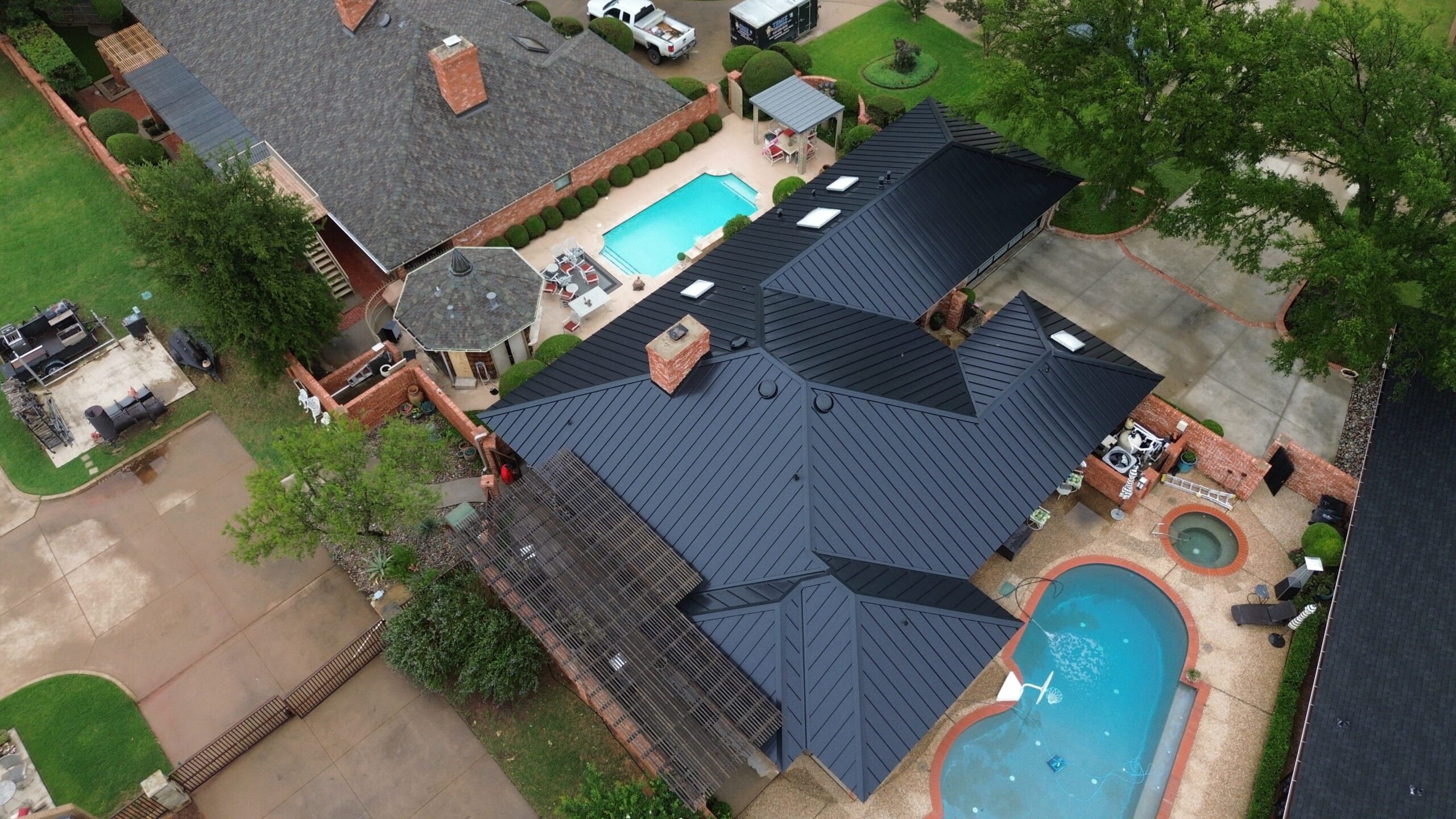
Material delivery planning can have a major effect on roofing efficiency. Delivering materials too early may expose them to unsuitable weather, while delivering them too late can leave the crew waiting for products before work can continue. Seasonal planning helps contractors choose delivery windows that match the installation schedule.
Weather-sensitive materials should not be left exposed unnecessarily. Rain, snow, extreme heat, and strong winds can affect packaging and product condition. Contractors should arrange suitable storage locations and follow the manufacturer’s recommendations for protecting materials.
The delivery location should also be considered. Roofing materials are often heavy, and large quantities may need to be placed close to the building. The location should provide safe access for delivery equipment while avoiding unnecessary concentration of weight in one area of the roof or property.
Seasonal weather can affect delivery vehicles as well. Heavy rain can make access roads or driveways difficult to use, while snow and ice may prevent delivery trucks from reaching the property safely. Contractors may need to reschedule deliveries when site access becomes unsuitable.
Material deliveries should be coordinated with the actual progress of the roofing project. If weather delays are expected, contractors may postpone deliveries to avoid storing materials at the property for longer than necessary. This can reduce exposure and help maintain organized job-site conditions.
Communication with suppliers is important when weather changes the schedule. Contractors should provide updates when a delivery needs to move and confirm that the required materials will remain available. During high-demand seasons, early communication can help avoid additional delays.
Homeowners can support the delivery process by ensuring that access areas are clear when materials arrive. Vehicles, outdoor furniture, landscaping obstacles, and other items may interfere with delivery equipment. Preparing the property ahead of time can help the crew begin installation more efficiently.
Managing Weather Delays and Installation Buffers
No seasonal roofing plan can eliminate weather delays completely. Even during a generally favorable season, unexpected rain, wind, storms, or temperature changes can interrupt work. Including reasonable time buffers in the project schedule can help contractors manage these disruptions.
A weather buffer is additional time allowed for conditions that may prevent installation. The appropriate amount depends on the local climate, season, project size, roofing material, and expected weather patterns. A project in a rainy climate may require more flexibility than one in a consistently dry region.
Buffers should not be treated as unused time that must be eliminated. They provide room for the contractor to respond to conditions without rushing later stages. This can be particularly valuable when the roof deck needs to dry after rainfall or when temporary protection has to be inspected.
Weather delays can have a chain effect across a roofing project. If tear-off is delayed, deck preparation may also move, followed by underlayment, roofing installation, flashing, and inspection. A small interruption can therefore affect the expected completion date if there is no flexibility in the schedule.
Contractors can reduce the effect of delays by planning the installation sequence carefully. They may avoid exposing large sections of the roof when poor weather is approaching and focus on tasks that can be completed and protected within the available weather window.
Weather monitoring should continue throughout the project. Forecasts reviewed several days in advance may change as the installation date approaches. Checking updated conditions allows contractors to make better decisions about labor, material deliveries, and daily work plans.
Homeowners should understand that a weather buffer does not necessarily mean the project will use all of the additional time. If conditions remain favorable, the roof may be completed sooner than the maximum estimated period. The buffer simply provides flexibility if environmental conditions interrupt the work.
A realistic schedule therefore includes both productive working days and reasonable allowances for weather. This approach can improve efficiency by reducing pressure on crews and allowing them to maintain installation standards when conditions change.
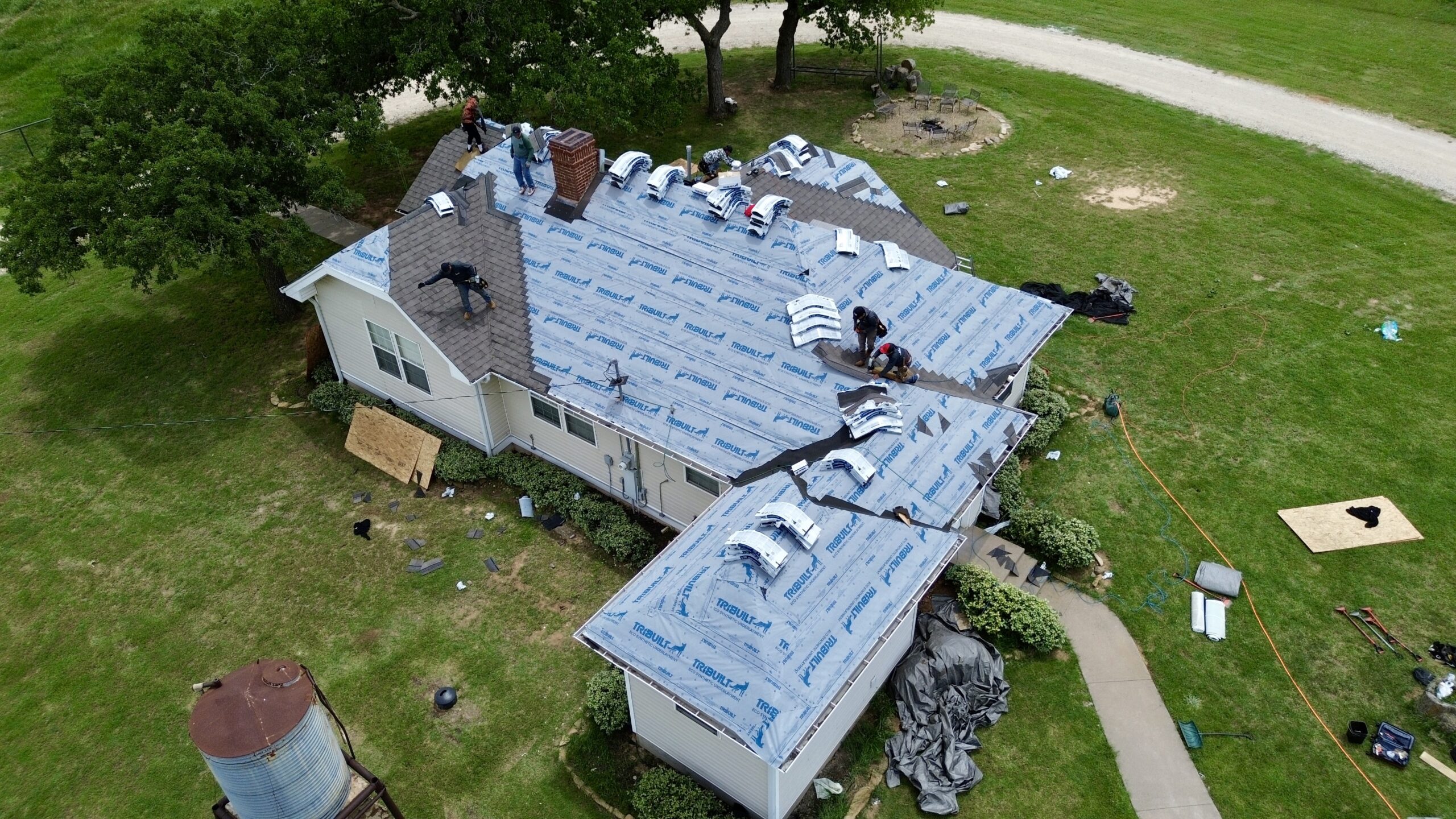
Preparing the Job Site for Different Seasons
Job-site preparation should change according to the season. The same property may require different precautions for a summer installation compared with a winter or rainy-season project. Preparing the site properly can improve worker safety and reduce unnecessary interruptions.
During summer, contractors should consider heat exposure, shaded rest areas, hydration, and protection of heat-sensitive materials. Roof surfaces can become extremely hot under direct sunlight, so work scheduling may need to account for the hottest parts of the day.
Spring and fall may require greater attention to rain and changing weather. Temporary protection should be readily available if rainfall is expected, while leaves and other debris may need to be cleared from work areas during fall.
Winter preparation may involve snow, ice, cold temperatures, and shorter daylight hours. Access routes should be maintained safely, and materials should be stored according to their temperature requirements. Contractors should also evaluate whether the roof surface is suitable for safe access.
Wind protection is important throughout the year but can become particularly important during storm seasons. Loose materials, packaging, temporary coverings, tools, and debris should be secured so they do not become hazards.
The area around the property should also be prepared. Vehicles, outdoor furniture, decorations, and other objects can interfere with roofing work or become damaged by falling materials. Keeping the work zone controlled helps protect both the property and people nearby.
Seasonal job-site preparation can also reduce time wasted on avoidable tasks. When materials, equipment, access routes, and protective measures are ready before the crew begins, workers can focus more of their time on installation.
A prepared site also makes weather changes easier to manage. If rain or strong wind arrives unexpectedly, the crew can secure the roof and surrounding area more quickly. This can reduce the amount of unfinished work exposed to the weather.
Balancing Roofing Demand and Project Availability
Roofing demand can change significantly throughout the year. Homeowners often prefer to complete roof replacement projects during seasons with comfortable temperatures and favorable weather, which can create periods of high demand. Contractors need to balance customer requests with realistic crew capacity.
High-demand periods can affect project availability. Homeowners who wait until the busiest part of the season may have fewer scheduling options. Planning several weeks or months ahead can provide more flexibility, particularly for larger roof replacement projects.
Contractors should avoid accepting more projects than their crews can reasonably complete. Overbooking may create scheduling pressure, especially when weather delays occur. A realistic workload allows contractors to maintain quality while still accommodating unexpected interruptions.
Seasonal demand can also affect material availability. Popular roofing products may experience higher demand during busy periods, potentially creating longer lead times. Early material planning can help contractors secure the required products before installation begins.
Homeowners should discuss scheduling expectations during the initial planning stage. Instead of focusing only on a preferred start date, they can ask about expected project duration, weather flexibility, material availability, and contractor workload. This creates a more realistic understanding of the installation timeline.
Contractors can also use slower seasons for preparation and maintenance. Equipment checks, staff training, material planning, administrative work, and future project scheduling can be completed before demand increases. This preparation can improve operational efficiency during busier periods.
The most efficient roofing schedule is not necessarily the one with the most projects packed into the shortest period. It is the schedule that allows crews to work safely, materials to arrive when needed, weather interruptions to be managed, and each project to receive appropriate attention.
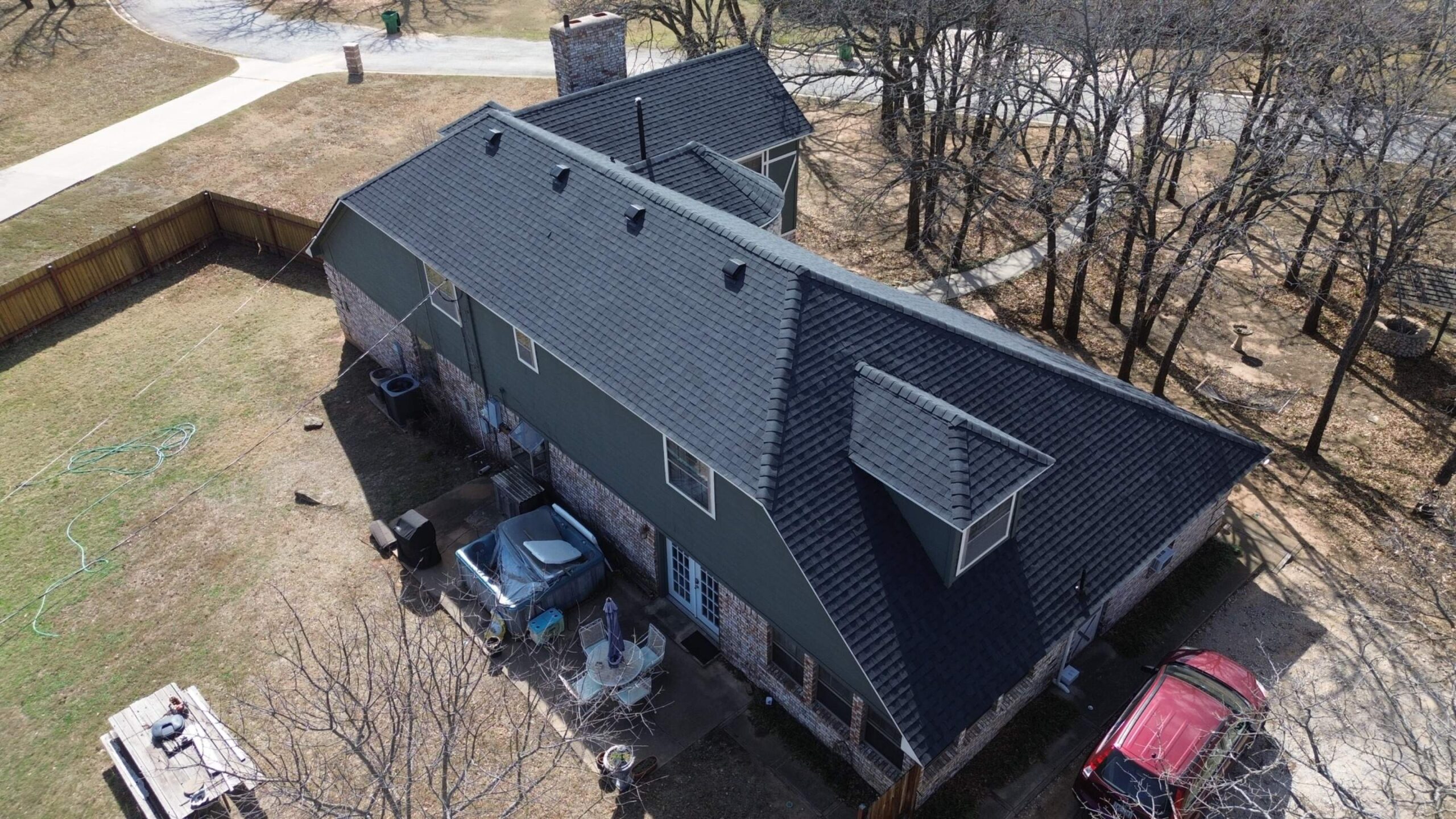
Seasonal Maintenance Before and After Installation
Seasonal planning should not end when the roof installation is complete. The condition of the roof before and after installation can influence future maintenance needs, and each season can introduce different stresses. Planning inspections and maintenance around local weather patterns can help identify problems before they become more serious.
Before a new roof is installed, contractors should inspect existing components that may affect the replacement. The roof deck, flashing, ventilation, drainage areas, and other related elements should be evaluated as appropriate for the project. Identifying these conditions before installation helps prevent unexpected interruptions after the new roofing materials are already being installed.
After installation, the first seasonal changes can provide useful opportunities to observe how the roofing system performs. Heavy rain can reveal drainage or flashing concerns, while strong winds can expose loose materials or vulnerable areas. Extreme temperatures may also highlight problems with sealants, expansion, or other components.
Regular maintenance should be based on the roofing system, local climate, manufacturer’s recommendations, and property conditions. A building surrounded by trees may require more frequent debris removal than a property in an open area. Similarly, a roof exposed to severe weather may need closer inspection after major storms.
Seasonal maintenance can include several practical activities:
- Checking roof surfaces for visible damage
- Clearing leaves and debris from drainage areas
- Inspecting flashing and roof penetrations
- Checking gutters and downspouts
- Looking for signs of moisture intrusion
- Reviewing areas affected by severe weather
Homeowners should avoid unnecessary roof access because walking across roofing materials can cause damage and create safety risks. Professional contractors can perform inspections when detailed evaluation is required. This is particularly important for steep, high, or difficult-to-access roofs.
Maintenance planning can also help preserve project records. Homeowners should keep product information, warranties, installation records, inspection documentation, and maintenance recommendations. These records can be valuable if repairs are needed later or if the property changes ownership.
Seasonal planning is therefore useful throughout the life of the roof, not just during installation. A well-maintained roofing system is easier to manage when seasonal changes and severe weather are anticipated rather than addressed only after damage occurs.
Common Mistakes in Seasonal Roofing Planning
One common mistake is choosing an installation date based only on convenience. A homeowner may select a date that fits their personal schedule without considering seasonal weather patterns or material requirements. While personal availability matters, the installation period should also provide reasonable conditions for safe and effective roofing work.
Another mistake is assuming that one season is automatically ideal for every roofing project. Climate conditions vary widely between regions, and even within the same region, weather can change from year to year. Contractors should evaluate local conditions and the specific roofing system instead of relying on general seasonal assumptions.
Failing to schedule early can also create problems. During busy roofing seasons, experienced contractors may have limited availability. Waiting until demand is highest can result in longer lead times and reduced flexibility if weather delays occur.
A further mistake is leaving no time for weather interruptions. A schedule that assumes every working day will be available can quickly become unrealistic when rain, wind, storms, or extreme temperatures occur. Including reasonable flexibility helps protect the project from unnecessary pressure.
Poor material planning can create similar delays. Ordering materials too early may expose them to unsuitable storage conditions, while ordering too late can leave crews waiting for supplies. Materials should be coordinated with the expected installation schedule and stored according to manufacturer requirements.
Another issue is ignoring seasonal worker safety. Extreme summer heat, winter ice, strong winds, and wet conditions can all affect how roofing crews work. Contractors should adjust schedules and procedures when environmental conditions create additional risks.
Homeowners should also avoid choosing a contractor based solely on the earliest available installation date. A quick start may seem attractive, but proper planning, experience, safety practices, and material knowledge are more important for long-term results. A contractor who explains seasonal considerations clearly can help establish realistic expectations.
Finally, poor communication can make seasonal delays more frustrating than necessary. Contractors should explain why weather is affecting the schedule and provide updates when conditions change. Homeowners should also communicate any timing restrictions or property requirements before installation begins.
Avoiding these mistakes can make seasonal planning more predictable. The goal is not to eliminate every possible delay but to prepare for foreseeable conditions and maintain enough flexibility to handle unexpected changes.
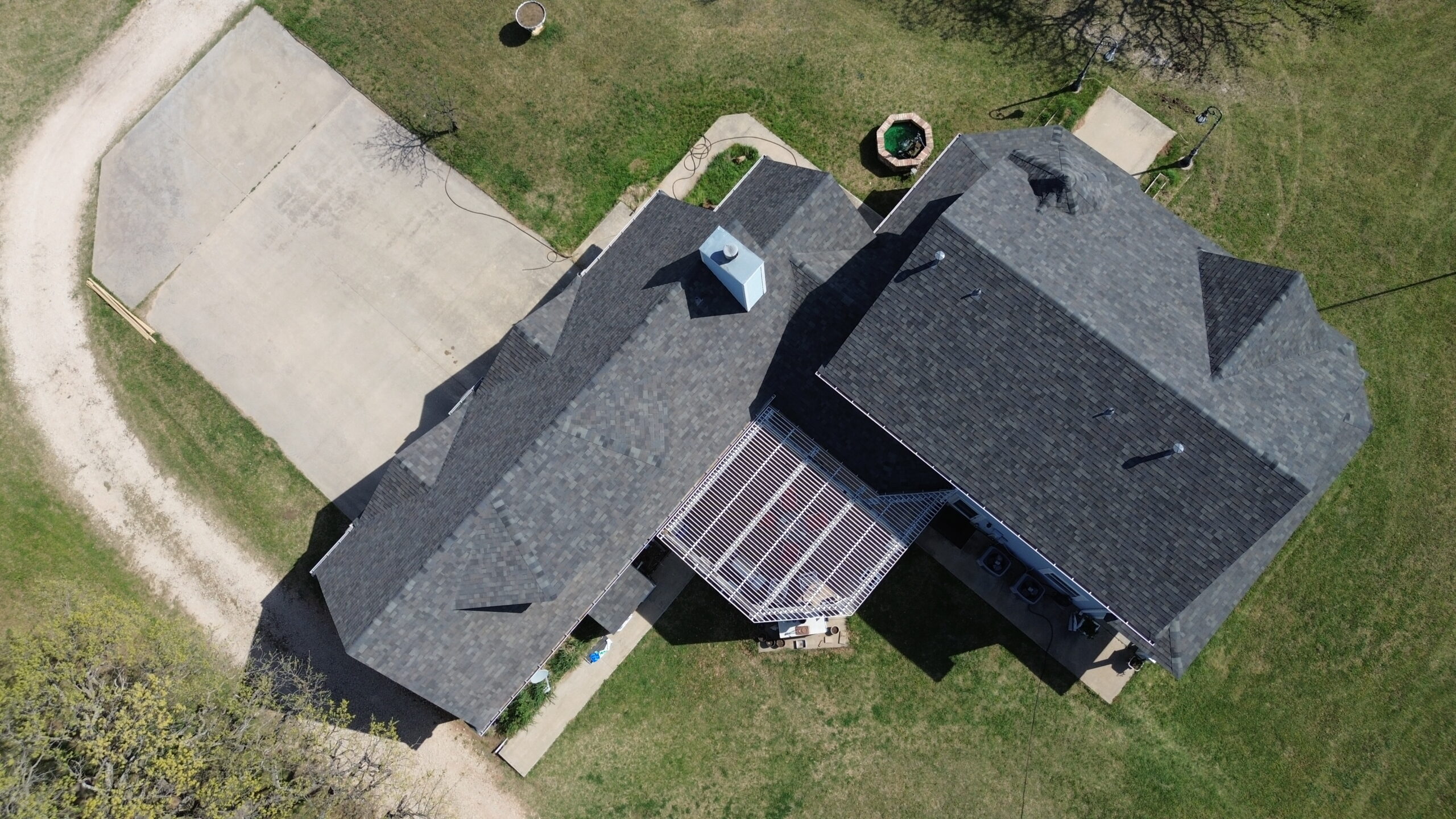
How Homeowners Can Prepare for a Seasonal Roof Project
Homeowners can contribute significantly to efficient roof installation by preparing the property before the roofing crew arrives. Simple preparation can reduce interruptions and help workers focus on installation rather than spending unnecessary time dealing with access or property obstacles.
The first step is to discuss the expected schedule with the contractor. Homeowners should understand the planned start date, estimated duration, likely weather considerations, material delivery arrangements, and any conditions that could change the timeline. This conversation can prevent misunderstandings later.
The property should also be prepared for construction activity. Vehicles may need to be moved from the driveway, outdoor furniture may need to be relocated, and fragile decorations or equipment should be protected. The contractor can explain which areas need to remain accessible during the project.
Homeowners should also consider children and pets. Roofing involves elevated work, tools, falling debris, ladders, and construction materials. Keeping children and pets away from the active work zone helps maintain a safer environment.
Seasonal conditions may require additional preparation. During rainy periods, homeowners should understand how unfinished areas will be protected. During summer, they may need to keep certain areas around the property accessible for workers while ensuring that the household remains safe from construction activity.
Communication about existing roof problems is also valuable. If the homeowner has noticed leaks, stains, unusual noises, damaged shingles, or other concerns, these should be discussed with the contractor before installation begins. Providing this information can help the contractor pay closer attention to potentially affected areas.
Homeowners should also ask how weather delays will be handled. Understanding what happens if rain, wind, extreme temperatures, or storms interrupt the project can make schedule changes easier to manage. The contractor should explain how unfinished areas will be protected and how the project will be rescheduled.
Keeping documentation is another useful step. Product information, warranties, contracts, photographs, inspection records, and maintenance instructions should be stored after the installation. These records can help with future maintenance and provide useful information about the roofing system.
Good homeowner preparation does not require extensive technical knowledge. It mainly involves keeping the property accessible, communicating clearly, following safety instructions, and understanding the seasonal factors that may affect the work.
Working With Professional Roofing Contractors
A professional roofing contractor can help turn seasonal planning into a practical installation strategy. Contractors with experience in local weather conditions are better positioned to anticipate common challenges and adjust the project schedule accordingly. They can also help homeowners select suitable materials based on the building and environmental conditions.
Before hiring a contractor, homeowners should discuss the proposed installation period and ask how seasonal weather may affect the project. A contractor should be able to explain potential weather-related delays without promising conditions that cannot realistically be guaranteed.
The contractor should also understand the manufacturer’s requirements for the selected roofing products. Temperature, moisture, wind, storage, and curing conditions can vary between products. Following these requirements is an important part of maintaining installation quality.
Professional contractors should have a plan for material storage and job-site preparation. Roofing products should be protected from unsuitable weather, while tools and equipment should be organized to reduce unnecessary delays. The work area should remain controlled throughout the project.
Communication is another important factor. Contractors should provide updates when weather conditions affect the schedule and explain what steps are being taken to protect the property. Clear communication can help homeowners understand why a project may take longer than originally expected.
Safety should remain a priority throughout the installation. Professional crews should adjust working practices when extreme heat, cold, wind, rain, or other conditions create additional hazards. A contractor who prioritizes safety is less likely to rush work simply to maintain an unrealistic deadline.
The contractor should also perform appropriate inspections throughout the project. Checking completed sections before moving to later stages can help identify problems while they are still accessible. A final review should confirm that the roof is complete and that relevant documentation is available to the homeowner.
Choosing a professional contractor is therefore an important part of seasonal planning. Good workmanship, realistic scheduling, proper material handling, and effective communication work together to make the installation process more efficient.
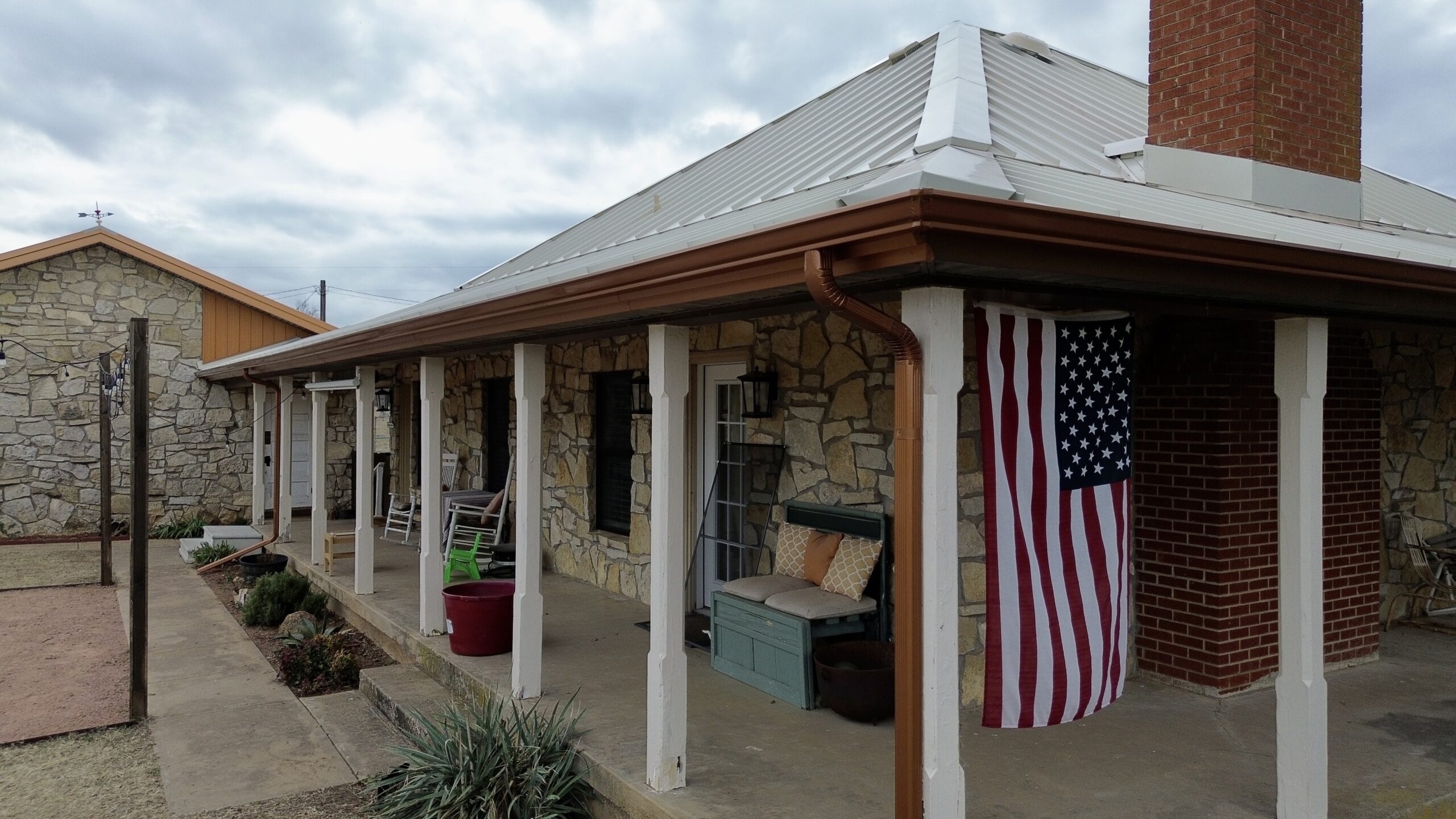
Creating an Efficient Year-Round Roofing Schedule
An efficient roofing schedule should consider the entire year rather than treating each project as an isolated activity. Contractors can use seasonal patterns to plan workloads, material orders, equipment availability, crew capacity, and customer scheduling.
The first step is to identify the seasons that generally provide the most suitable installation conditions in the local area. This does not mean restricting all roofing work to those periods, but it can help determine when larger or more weather-sensitive projects are most practical.
Contractors can then estimate customer demand throughout the year. If spring and fall are typically busy, scheduling systems should allow homeowners to reserve installation periods well in advance. Slower periods can be used for maintenance, equipment preparation, training, and administrative tasks.
Material planning should also be coordinated with seasonal demand. Contractors can work with suppliers to understand typical lead times and avoid unnecessary shortages during busy periods. However, materials should not be stored for long periods unless the storage conditions are appropriate.
Weather buffers should remain part of the yearly schedule. Even favorable seasons can experience unexpected storms or temperature changes. Allowing some flexibility prevents one weather event from causing a chain of unrealistic deadlines across multiple projects.
Contractors can also organize projects according to their complexity. Smaller repairs or less weather-sensitive tasks may be easier to schedule during periods with uncertain weather, while larger roof replacements can be planned during longer periods of favorable conditions.
A year-round schedule should remain adaptable. Weather patterns can change, customer priorities can shift, and material availability can fluctuate. Regularly reviewing the schedule allows contractors to make adjustments before problems become major disruptions.
For homeowners, the same principle applies. Planning a roof installation well in advance provides more opportunities to select a suitable season, compare contractors, arrange financing or budgeting, and prepare the property. Waiting until the roof has developed serious problems may reduce these options.
Conclusion
Seasonal planning can make roof installation work more efficient by aligning materials, labor, scheduling, job-site preparation, and weather expectations. Each season presents different conditions, and understanding these differences allows contractors and homeowners to make better decisions about when and how roofing work should be performed.
Spring can offer moderate temperatures but may bring frequent rain and changing conditions. Summer can provide longer daylight hours and favorable dry periods, but extreme heat and storms may create challenges. Fall often provides comfortable working conditions, although shorter days and changing weather require planning. Winter may be suitable for some projects in mild climates but can create significant limitations in colder regions.
The most effective approach is not to identify one universally perfect season. Instead, contractors should consider local climate conditions, roofing materials, worker safety, project size, contractor availability, and expected weather when creating an installation schedule.
Material storage and delivery planning are also important parts of seasonal efficiency. Products should be protected from unsuitable conditions, delivered at practical times, and handled according to manufacturer requirements. Proper coordination can reduce waste, prevent damage, and help crews spend more time on productive installation work.
Weather delays should also be treated as a normal possibility rather than a failure of planning. A realistic schedule includes reasonable flexibility for rain, wind, storms, extreme temperatures, and other environmental conditions. Allowing this flexibility reduces pressure to rush the work and helps protect both workers and the finished roof.
Homeowners can improve project efficiency by scheduling early, preparing the property, communicating clearly with contractors, and understanding how seasonal conditions may affect the timeline. Professional roofing contractors can support this process through careful weather monitoring, material planning, crew coordination, safety procedures, and quality control.
Ultimately, seasonal planning is about making roofing work predictable without pretending that weather can be controlled. A well-organized project uses favorable conditions when available, prepares for interruptions when necessary, and prioritizes safe, high-quality installation throughout the year. With thoughtful planning and professional coordination, roof installation can remain efficient while providing the durable protection the building requires.