

Winter Roof Installation Challenges and Solutions for Contractors
Introduction
Winter roof installation can present challenges that contractors do not normally face during warmer months. Low temperatures, snow, ice, strong winds, shorter daylight hours, and changing weather conditions can affect worker safety, material performance, productivity, and the overall project schedule. Without proper planning, these conditions can turn an otherwise manageable roofing project into a difficult and potentially hazardous operation.
Contractors may still need to install or replace roofs during winter because of emergency repairs, construction deadlines, property transactions, storm damage, or other project requirements. Waiting until warmer weather is not always possible, which means roofing companies need practical methods for working safely and maintaining installation quality during colder periods.
Winter roofing requires more than simply providing workers with warm clothing. Contractors need to consider the condition of the roof surface, the temperature requirements of roofing products, access equipment, material storage, weather forecasts, worker fatigue, and the possibility of sudden weather changes. A successful winter project depends on preparing for these conditions before the crew begins work.
Why Winter Roofing Requires Extra Planning
Winter conditions can change a roofing project in several ways. A task that normally takes a few hours may require additional preparation when workers must remove snow, deal with frozen surfaces, protect materials, or wait for temperatures to become suitable for installation. Contractors should therefore avoid using summer production estimates when planning winter roofing work.
The roof itself can become more difficult to work on during winter. Snow, frost, ice, and moisture may reduce traction and make it harder for workers to move safely across sloped surfaces. Even when there is no visible snow, freezing temperatures can create slippery conditions that are not immediately obvious.
Winter also creates additional scheduling uncertainty. A clear morning can quickly turn into an afternoon of snow, freezing rain, or strong winds, forcing the crew to stop work earlier than expected. Contractors should build reasonable flexibility into their schedules rather than promising completion dates based on ideal weather conditions.
Material requirements should also be reviewed before the project begins. Some roofing products have specific temperature or surface conditions for installation, while others may require special handling during cold weather. Contractors should follow the manufacturer’s instructions for the products being installed and plan the work accordingly.
Cold Temperatures and Roofing Material Performance
Cold temperatures can affect how roofing materials behave during installation. Some products become less flexible in low temperatures, while adhesives, sealants, coatings, and other products may require specific temperature ranges for proper application and curing. Contractors should review product requirements before scheduling weather-sensitive installation activities.
Asphalt shingles are one example of a roofing material that may behave differently during colder weather. The adhesive strips used on some shingles may not seal as quickly when temperatures are low because solar heating is limited. Contractors may need to follow the manufacturer’s recommended procedures for securing and sealing shingles when conditions are below the normal installation range.
Metal roofing can also present winter challenges. Cold panels may be difficult to handle with bare hands, while frost or ice on the roof surface can increase the risk of slipping. Workers need suitable protective equipment and should avoid carrying large panels when wind or icy conditions make control difficult.
Membranes, coatings, and roofing systems that rely on adhesives can be especially sensitive to temperature and moisture. A cold or damp substrate may affect adhesion and curing, which can lead to installation problems if the product is applied outside its recommended conditions. Contractors should never assume that a product will perform normally simply because it has been used successfully during warmer weather.
Sealants can also behave differently in cold temperatures. Some products become thicker or more difficult to apply, while others may require the surface to be dry and within a specific temperature range. Contractors should plan sensitive tasks for suitable conditions and store products according to the manufacturer’s recommendations.
Snow, Ice, and Wet Roof Surfaces
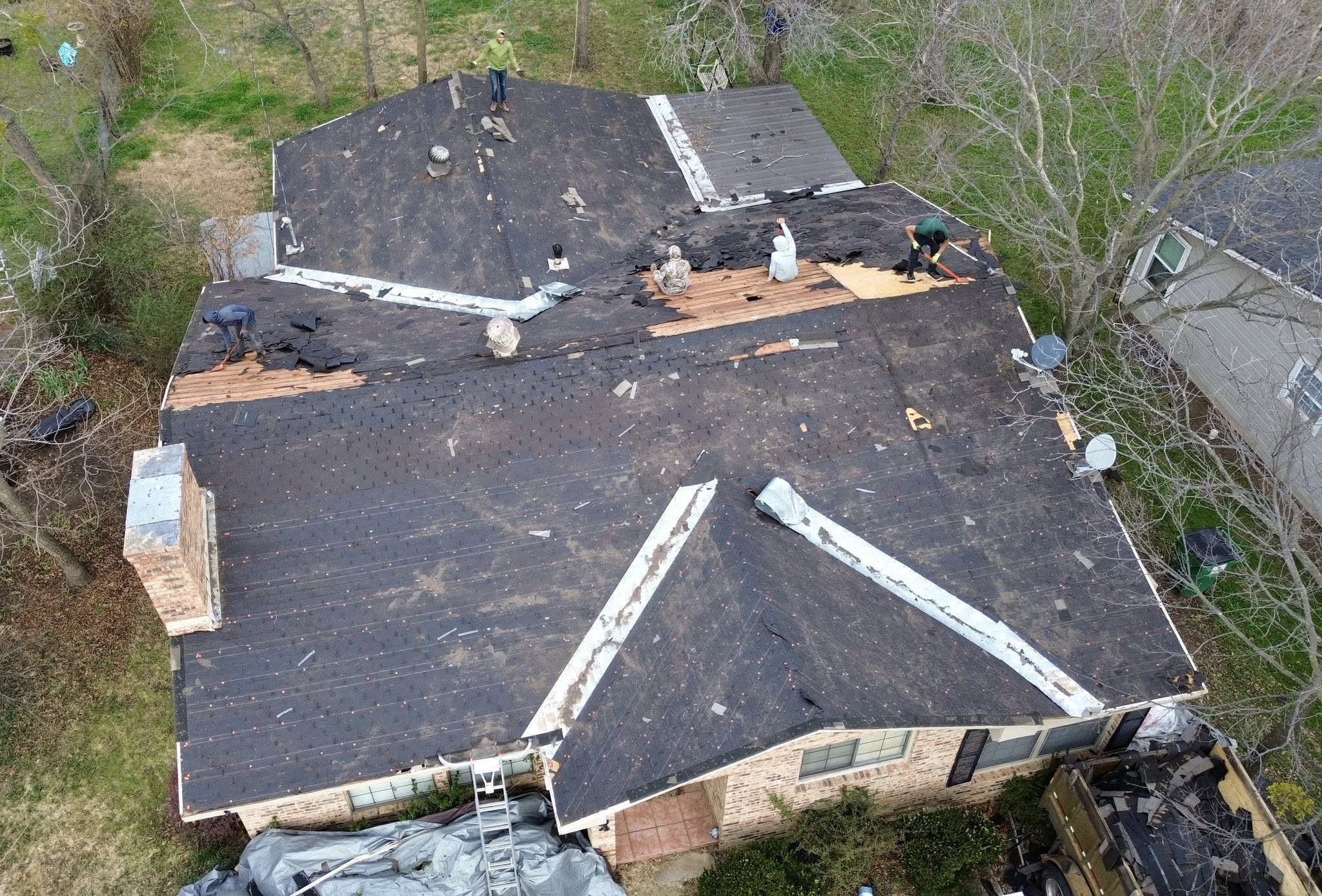
Snow and ice create some of the most obvious winter roofing hazards. A roof covered with snow can hide openings, damaged decking, loose materials, and other hazards beneath the surface. Workers may also have difficulty identifying changes in roof slope or elevation when snow covers the area.
Ice can make roof surfaces extremely slippery. A thin layer of ice may be difficult to see but can significantly reduce traction. Workers should not assume that a roof is safe simply because it appears mostly clear.
Before work begins, contractors should evaluate the roof surface and determine whether snow, ice, frost, or moisture can be safely removed. Snow removal should be performed using methods that do not unnecessarily damage the roof deck, existing roofing system, flashing, or other components.
Ladders and scaffolds also require careful attention during winter. Snow and ice can accumulate on steps, platforms, rungs, and access points. These surfaces should be inspected and cleared appropriately before workers use them.
Wet conditions can remain a problem even after snow has been removed. Melting snow can leave moisture on the roof, and freezing temperatures can cause that moisture to refreeze later. Contractors should therefore monitor the surface throughout the workday rather than treating snow removal as a one-time task.
Winter Worker Safety and Cold Stress
Protecting workers from cold stress is an important part of winter roofing operations. Employees working outdoors may be exposed to low temperatures for extended periods while performing physically demanding activities. Wind and wet clothing can make cold conditions more severe and increase the risk of cold-related illness.
Contractors should provide appropriate cold-weather clothing and ensure workers have access to warm, dry areas where they can take breaks. Gloves should provide protection without interfering with the worker’s ability to safely handle tools and materials. Footwear should also provide suitable traction for the conditions.
Workers should be trained to recognize signs that cold exposure is becoming dangerous. Shivering, unusual fatigue, confusion, reduced coordination, and numbness can indicate that a worker needs to leave the cold environment and receive appropriate attention.
Winter roofing can require workers to perform precise tasks while wearing additional layers of clothing. Bulky clothing may affect movement, while cold hands can reduce dexterity. Contractors should consider these limitations when assigning tasks and should not expect workers to maintain normal productivity when environmental conditions make safe performance more difficult.
Work-rest schedules may also need adjustment. Providing opportunities to warm up can help workers maintain concentration and physical control. Contractors should make sure breaks are treated as part of the safety plan rather than something employees should avoid because the project is behind schedule.
Shorter Daylight and Reduced Productivity
Winter generally provides fewer daylight hours than many other seasons, which can reduce the amount of time available for outdoor roofing work. This becomes especially important when tasks require workers to clearly see roof edges, openings, tools, fasteners, and material placement.
Artificial lighting may be useful for certain construction activities, but contractors should not assume that additional lighting automatically makes every elevated task safe. Shadows, glare, snow reflection, and uneven illumination can make some hazards harder to recognize.
A shorter workday can also affect productivity. Crews may need to start later because of frost or cold conditions and finish earlier because visibility decreases. Material preparation and ground-level tasks can be scheduled around these limitations where practical.
Contractors should consider daylight when planning deliveries and major installation activities. A material delivery that arrives late in the afternoon may create unnecessary pressure if the crew has limited time remaining to move and secure the materials.
Winter scheduling should therefore focus on productive and safe working hours rather than simply maximizing the number of hours workers remain on site. A shorter but well-organized workday may be more effective than attempting to continue roofing after conditions become difficult.
Winter Weather Forecasting and Project Scheduling
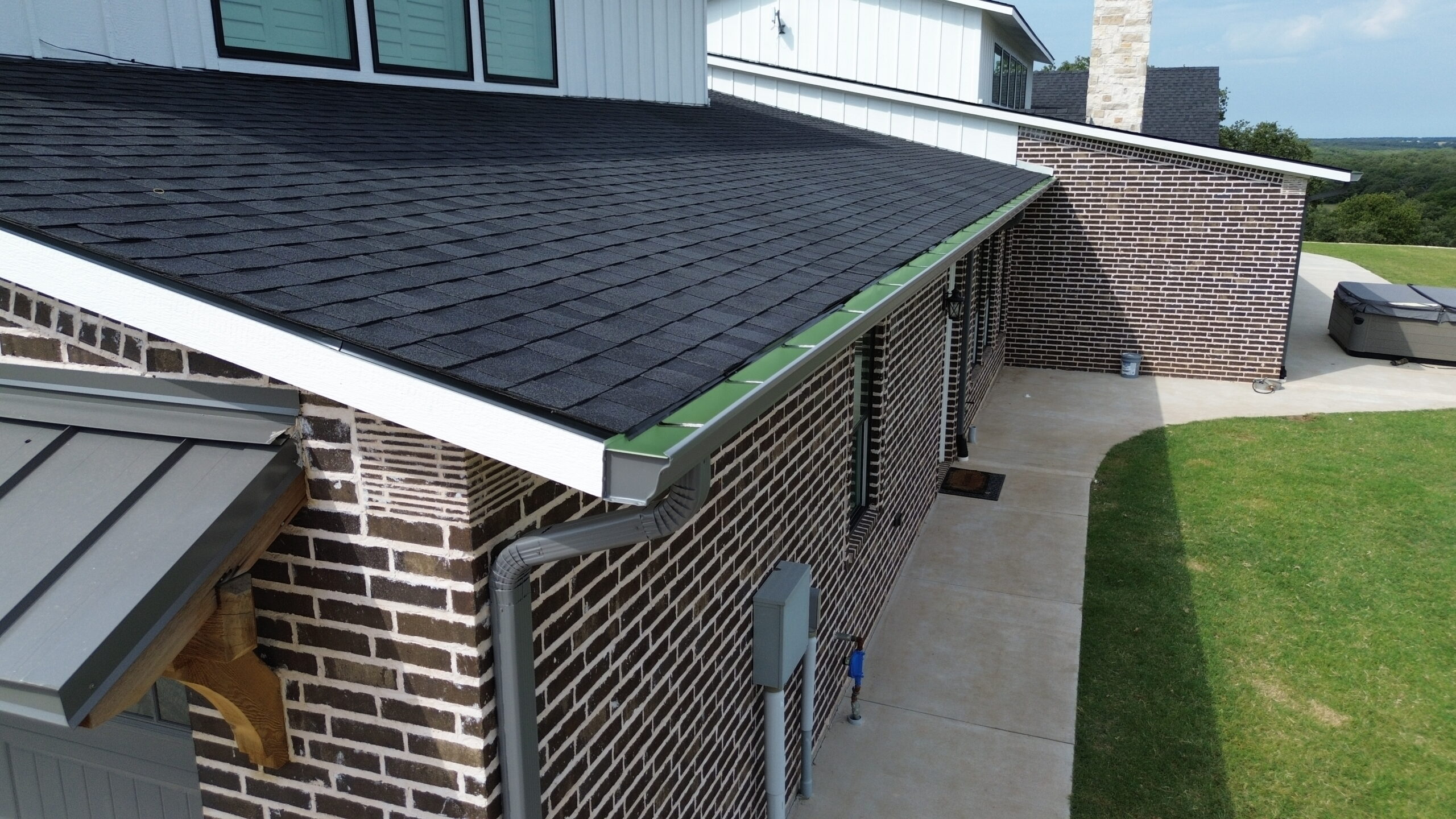
Weather forecasting should be an essential part of winter roofing planning. Contractors should review expected temperatures, precipitation, snow, freezing rain, wind, and other conditions before assigning crews and ordering materials for a specific installation date.
A forecast several days in advance can help with general scheduling, but conditions should be reviewed again before the crew begins work. Winter weather can change quickly, and a project that appears suitable several days earlier may become unsuitable as the installation date approaches.
Contractors should pay particular attention to periods when temperatures are expected to rise above freezing during the day and fall below freezing at night. These temperature changes can create cycles of melting and refreezing that affect roof surfaces, access equipment, and temporary protection.
Forecasts can also help contractors decide which tasks should be prioritized. If a suitable temperature window is expected to last only a few hours, the crew may focus on installation activities that require those conditions while completing other work later.
A winter roofing schedule should include reasonable allowances for weather interruptions. Contractors should consider not only the expected installation time but also the possibility of snow removal, surface preparation, warming periods, material handling delays, and temporary protection.
Planning Around Temperature Windows
Temperature windows can be especially important when installing roofing products with specific application requirements. Contractors should identify which parts of the installation are sensitive to cold temperatures and plan those activities during the most suitable portion of the day.
For example, if a product requires a particular temperature range for application, the contractor should avoid scheduling that task during the coldest hours. Other preparation activities can be completed beforehand so the crew can use the suitable temperature window efficiently.
Temperature planning should also account for the temperature of the actual roof surface. The roof may be colder than the surrounding air, especially in shaded areas or after overnight freezing conditions. Contractors should follow the product manufacturer’s instructions rather than relying only on the weather application’s reported air temperature.
This approach can improve both safety and installation quality. Instead of forcing the entire project into an unsuitable weather window, contractors can organize the work so temperature-sensitive activities receive the most attention when conditions are appropriate.
Protecting the Worksite Before Winter Weather Arrives
Winter roofing requires contractors to think ahead about what could happen if weather changes suddenly. Before leaving the site, workers should make sure loose materials, tools, temporary coverings, and other items are properly secured.
A partially completed roof can be particularly vulnerable to snow and freezing precipitation. Temporary protection should be installed according to the project’s requirements so that water does not enter the building while the roof remains unfinished.
Materials should also be stored in locations where they are protected from unnecessary exposure. Wet or frozen materials may become more difficult to handle and may not be suitable for immediate installation. Storage practices should follow manufacturer instructions for the particular products.
The surrounding property should also be considered. Snow, ice, materials, and equipment can create hazards for occupants, pedestrians, vehicles, and neighboring properties. Contractors should maintain organized access routes and secure anything that could become displaced during winter weather.
Creating a Flexible Winter Roofing Schedule
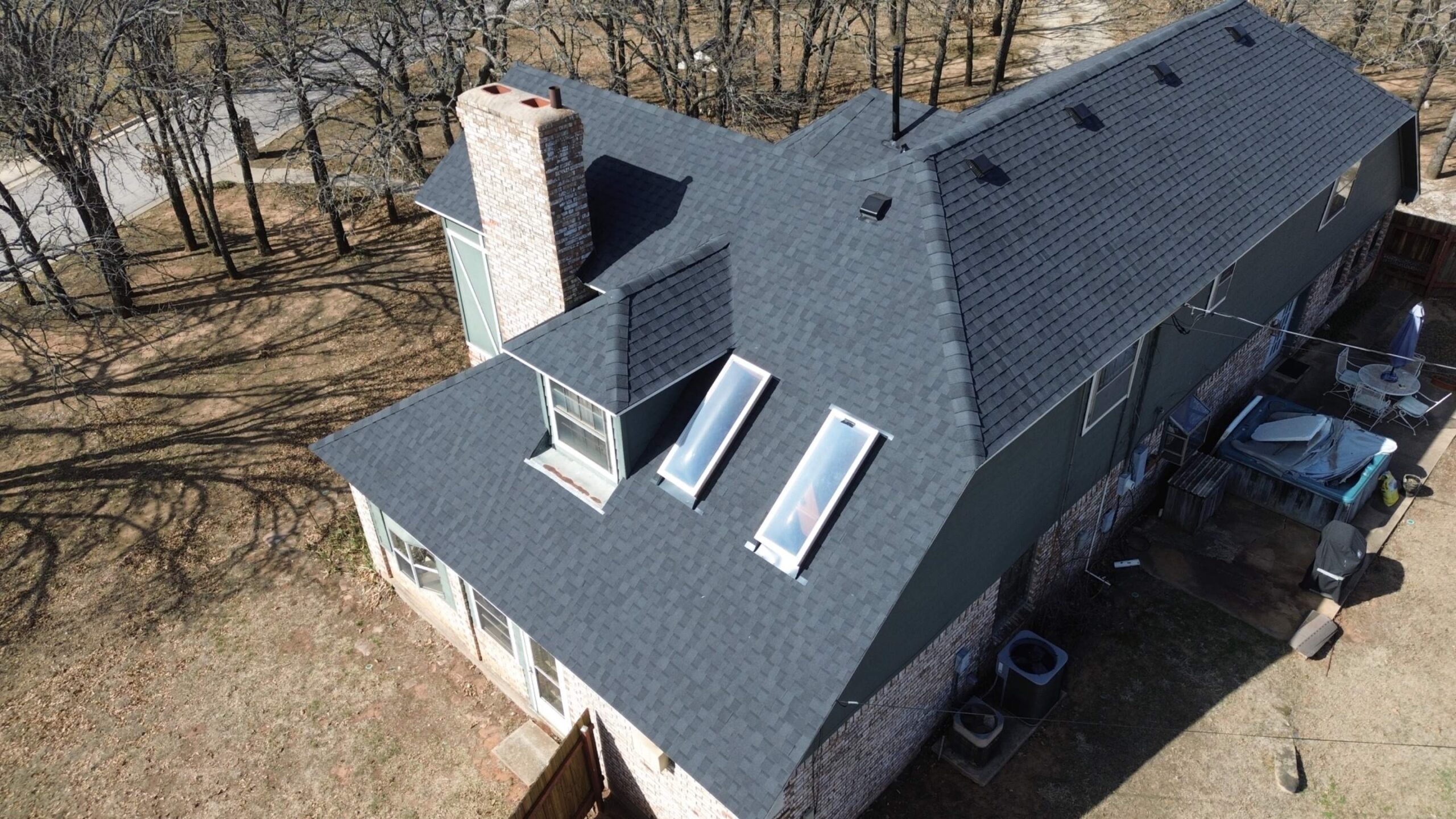
A successful winter roofing schedule should allow for changes rather than assuming that every planned workday will proceed normally. Contractors can establish target dates while explaining to property owners that snow, ice, extreme temperatures, and severe weather may require adjustments.
Crew availability should also be considered. If a project is postponed, workers and equipment may need to be reassigned to another job. Having a flexible schedule makes it easier for contractors to keep crews productive without forcing them to work in unsafe conditions.
Material deliveries should be coordinated carefully as well. Delivering materials too early can expose them to unnecessary weather, while delivering them too late can leave the crew waiting during a limited installation window. Contractors should coordinate deliveries with the expected work sequence and weather conditions.
The most effective winter schedule is therefore not necessarily the shortest schedule. It is one that accounts for environmental conditions, protects workers, allows materials to be installed properly, and provides enough flexibility to respond when winter weather changes unexpectedly.
How Winter Conditions Affect Different Roofing Materials
Winter weather can affect roofing materials differently, so contractors should understand the requirements of the specific roofing system before beginning installation. Asphalt shingles, metal panels, tiles, membranes, insulation, adhesives, and sealants can all respond differently to low temperatures and moisture. Using the same installation approach for every material can create quality problems when conditions are outside the product’s recommended range.
Asphalt shingles can become less flexible in cold weather and may not respond the same way as they do during warmer conditions. Their adhesive strips may also take longer to activate when there is limited sunlight and low surface temperature. Contractors should follow the manufacturer’s cold-weather installation procedures and ensure that shingles are properly secured when natural sealing may be delayed.
Metal roofing presents different concerns because panels can become difficult to handle when temperatures are low. Workers may need additional hand protection, while frost or ice can make the roof surface more dangerous. Large panels can also become difficult to control during winter winds, increasing the need for careful handling and secure staging.
Tile and slate roofing materials require careful handling because they can be heavy and fragile. Cold weather can make workers less dexterous, while snow or ice can make the roof surface more difficult to navigate. Contractors should plan material movement carefully and avoid creating unnecessary exposure for workers carrying heavy pieces across elevated surfaces.
Low-slope membrane systems can be particularly sensitive to temperature and moisture. Some adhesives, primers, and other installation products may require specific conditions before they can be applied effectively. Contractors should check the product requirements and plan installation activities around suitable conditions instead of applying materials simply because the crew is available.
Managing Adhesives, Sealants, and Roofing Components
Adhesives and sealants can become challenging to work with during winter. Low temperatures may change the consistency of some products, making them harder to spread, apply, or position correctly. Certain products may also require additional time to cure before they achieve their intended performance.
Contractors should store temperature-sensitive products according to the manufacturer’s recommendations. Moving a product from a cold storage area directly onto a roof and expecting it to perform normally may create problems. Products may need to be maintained within a specified temperature range before application.
Surface preparation is equally important. Adhesives and sealants may not bond properly to surfaces covered with ice, frost, standing water, or excessive moisture. Before application, workers should verify that the substrate meets the required conditions for the product being used.
Cold weather can also affect mechanical fastening. Workers wearing thick gloves may have less control over nail guns, drills, or other equipment, while frozen materials may be more difficult to position. Contractors should provide suitable equipment and work practices that allow employees to maintain control without sacrificing hand protection.
Roofing components should also be protected from unnecessary weather exposure before installation. Materials that become wet or damaged during storage may require inspection before they can be used. Contractors should follow the manufacturer’s recommendations for handling, storage, and installation throughout the winter project.
Safe Material Storage During Winter
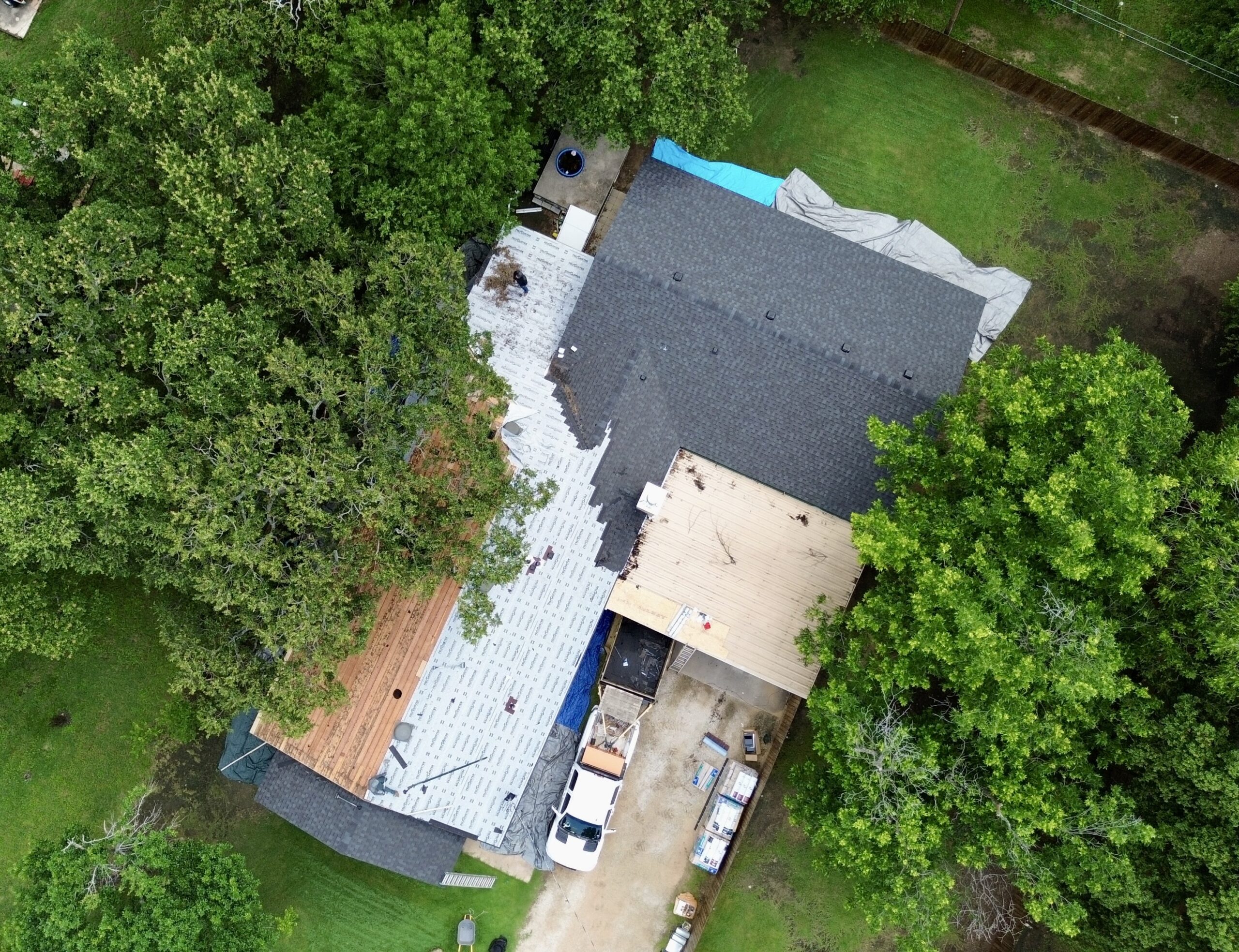
Proper material storage becomes particularly important when roofing work is performed during cold or wet weather. Materials should be stored in a location that protects them from moisture, snow, ice, and unnecessary temperature extremes while still allowing workers to access them safely.
Roofing materials should not be placed randomly across the roof simply because they need to be close to the installation area. Bundles and other loads can add significant weight to specific sections of the roof, while snow accumulation can increase the overall load. Contractors should distribute materials according to the structural conditions and applicable requirements.
Lightweight materials require additional protection from winter winds. Underlayment, insulation boards, packaging, membranes, and other products can become airborne if they are not properly secured. A material blown from a roof can damage property or injure people below.
Ground-level storage areas should also be kept clear of snow and ice where workers need to move materials. Slippery access routes can create hazards during loading and unloading. Contractors should establish safe paths between storage areas and the building before material movement begins.
Materials should also be inspected after exposure to severe weather. A bundle that appears acceptable from a distance may contain damaged, wet, frozen, or deformed components. Checking materials before installation can prevent unsuitable products from becoming part of the completed roof.
Fall Protection and Access on Snowy or Icy Roofs
Fall protection is essential during roofing work regardless of the season, but winter conditions can make fall hazards more difficult to control. Snow, ice, frost, and moisture can reduce traction while workers are already operating near roof edges and other elevated hazards.
OSHA construction requirements include fall protection provisions for employees working at elevated locations where falls can occur. Contractors should make sure required systems remain properly installed and usable throughout winter operations rather than assuming that cold weather eliminates the need for normal protection.
Access equipment also requires additional attention during winter. Ladders can collect snow and ice on their rungs, while scaffolds can become slippery after freezing precipitation. Workers should inspect access systems before use and address hazardous conditions before climbing.
Snow removal from a roof should be planned carefully. Workers should not create additional fall hazards while attempting to clear snow, and they should be aware that snow can conceal openings, skylights, damaged decking, and other hazards. The removal method should be appropriate for the roofing surface and the conditions.
Roof edges can become particularly difficult to recognize when snow covers the surface. Contractors should make sure workers understand where edges, openings, and other hazards are located before beginning work. Snow should not be allowed to obscure important safety features or access routes.
A roof that was safe earlier in the day may become hazardous after temperatures drop. Melting snow can refreeze overnight, and shaded areas may remain icy even after other parts of the roof have cleared. Contractors should reassess conditions whenever weather changes rather than relying on an earlier inspection.
Protecting the Building During Winter Installation
Protecting the building is especially important when a roof is removed during winter. Once the existing roofing system has been opened, the structure may be vulnerable to snow, rain, freezing precipitation, and wind. Contractors should have a plan for temporarily protecting exposed areas before tear-off begins.
Temporary protection should be installed securely and checked regularly. Strong winter winds can loosen coverings, while accumulated snow or water can place additional stress on temporary systems. Contractors should inspect protection after significant weather events and make repairs before allowing work to continue.
The size of the exposed area should also be considered. Removing more roofing than the crew can safely replace or protect during the available weather window can increase the risk of moisture entering the building. Contractors should organize tear-off and installation so that exposure is controlled.
Interior conditions can provide clues about problems with temporary protection. Water stains, damp insulation, dripping, or moisture around ceilings may indicate that precipitation has entered the structure. If this occurs, the contractor should investigate the source and correct the protection before continuing.
Building protection is particularly important for commercial properties, occupied homes, and facilities where moisture could damage sensitive equipment or materials. Contractors should discuss temporary protection procedures with property owners before beginning work so expectations are clear if winter weather interrupts installation.
When Contractors Should Postpone or Stop Work
One of the most important winter roofing decisions is determining when conditions are unsuitable for work. Contractors should establish clear procedures for postponing or stopping installation when snow, ice, wind, extreme cold, poor visibility, or other conditions create unacceptable risks.
Work should not continue simply because workers have already arrived at the site or materials have already been delivered. Those circumstances may create pressure to proceed, but they do not make hazardous conditions safer. The contractor’s priority should remain the safety of the crew and the protection of the property.
Snow-covered surfaces should be evaluated before workers climb onto the roof. If the surface cannot be made reasonably safe or if important hazards remain concealed, postponing the work may be the appropriate decision.
Strong winter winds can also make material handling unsafe. Large roofing panels, insulation boards, and temporary coverings can be difficult to control during gusts. If workers cannot safely manage the materials or maintain stable footing, the work should be suspended.
Extreme cold may also affect worker safety and productivity. Contractors should consider whether employees can maintain the dexterity, concentration, and physical ability needed to perform the task safely. Warming breaks and schedule adjustments may be appropriate when conditions are cold but manageable, while more severe conditions may require work to stop.
The decision should be based on the actual conditions, the roofing task, the equipment being used, and applicable safety requirements. There is no benefit in maintaining a schedule if doing so increases the likelihood of an accident or installation failure.
Managing Winter Roofing Delays
Winter delays should be expected and incorporated into the project plan. Snow, freezing rain, strong winds, low temperatures, and unsafe roof conditions can all reduce the number of productive hours available to a roofing crew.
Contractors should communicate weather delays to property owners as soon as practical. A customer may not understand why a crew cannot work simply because there is no active snowfall, so the contractor should explain how current conditions affect roof safety, material installation, or access.
A revised schedule should provide a realistic new work window rather than another date that depends on perfect conditions. Contractors should consider the upcoming forecast, material requirements, inspection schedules, and crew availability when selecting the next target date.
Delays can also affect other trades and suppliers. If gutters, siding, solar equipment, exterior painting, or other work is scheduled after the roof installation, a winter delay may move the entire sequence. Early communication gives other contractors an opportunity to adjust their schedules.
Material deliveries may need to be rescheduled as well. Leaving materials exposed while waiting for suitable weather can create unnecessary risks, particularly for products that are sensitive to moisture or freezing conditions. Contractors should coordinate delivery timing with the revised installation plan.
Adjusting the Work Sequence During Winter
A flexible work sequence can help contractors maintain productivity when weather limits certain roofing activities. Not every task requires the same environmental conditions, so crews may be able to complete preparation work while waiting for a suitable installation window.
Ground-level preparation, material organization, equipment checks, site protection, and certain non-weather-sensitive tasks may be performed when roof installation itself cannot safely continue. The specific activities should be evaluated individually to make sure workers are not exposed to unnecessary cold or other hazards.
Contractors can also divide larger projects into smaller installation areas. Completing and weatherproofing one section before opening another can reduce the amount of roof exposed to winter weather. This approach may require additional planning but can provide greater control over the building’s protection.
Work can also be scheduled around daily temperature changes. Some tasks may be more appropriate during the warmer portion of the day, while preparation and cleanup can occur during colder periods. Contractors should use the available conditions efficiently without forcing workers to continue when the environment becomes unsafe.
This type of scheduling can improve productivity without sacrificing safety. Instead of treating a winter weather delay as a complete loss of the day, contractors can identify safe tasks that support the project while waiting for better conditions.
Maintaining Communication With the Roofing Crew
Winter safety depends heavily on communication because conditions can change quickly. Workers should know the day’s expected weather, the areas of the roof that may be affected, the required protective measures, and the procedures for stopping work.
Supervisors should encourage workers to report changes in roof conditions. An employee who notices ice forming in a shaded area, wind increasing, or temporary protection becoming loose should be able to raise the concern immediately.
Daily safety discussions can be especially useful during winter. The supervisor can review the forecast, expected temperatures, roof conditions, material requirements, access routes, and any planned changes to the work sequence.
Communication should also continue when work is suspended. Workers should know how tools and materials should be secured, where they should wait for further instructions, and what conditions must be met before work resumes.
A clear communication process reduces confusion and helps ensure that winter safety decisions are made consistently. It also prevents individual workers from feeling pressured to continue working simply because other members of the crew are still on the roof.
Quality Control During Cold-Weather Installation
Winter conditions can make quality control more important because certain installation problems may not become obvious immediately. Contractors should inspect completed sections before moving on, especially when temperature or moisture conditions have been challenging.
The contractor should verify that materials have been properly secured and that weather-sensitive products were installed under acceptable conditions. If the manufacturer specifies particular temperature or substrate requirements, those requirements should be followed throughout the installation.
Flashing, seams, fasteners, edges, and transitions should receive careful attention. These areas can be vulnerable to installation problems when workers are dealing with cold hands, reduced visibility, or difficult weather conditions.
A final inspection should also consider areas that may have been temporarily protected during delays. Temporary coverings should be removed or properly integrated into the completed roofing system as appropriate, and any damage caused by winter weather should be corrected.
Maintaining quality control throughout the project is more effective than waiting until the entire roof is finished. Early identification of problems allows the contractor to correct them while equipment, materials, and workers are still available at the site.
Preparing for Winter Weather Before Each Workday
Daily preparation can make a significant difference to the safety and efficiency of winter roofing work. Before the crew begins, contractors should assess the roof, access points, weather forecast, materials, equipment, and expected work sequence.
The roof should be checked for snow, ice, frost, standing water, loose materials, and other changes since the previous work period. Access equipment should also be inspected because overnight freezing can change conditions even when the previous day’s work ended safely.
Materials should be checked before being moved onto the roof. Products that have been exposed to moisture or freezing conditions should be evaluated according to the manufacturer’s requirements.
The contractor should then determine whether the planned activities remain appropriate for the conditions. If temperatures are too low for a particular product, wind is too strong for safe material handling, or the roof surface is too slippery, the work sequence should be changed or postponed.
This daily process allows contractors to respond to winter conditions instead of simply following a fixed calendar. The result is a roofing schedule that is more adaptable, safer for workers, and more likely to produce a properly installed roof.
Planning Winter Roofing Projects More Effectively
Winter roofing projects require a schedule that accounts for changing temperatures, snow, ice, wind, shorter daylight hours, and possible interruptions. Contractors should avoid creating a timeline based only on the number of days required for physical installation because winter conditions can reduce the number of productive hours available.
Before confirming a start date, contractors should review the expected weather pattern and identify which parts of the installation are most sensitive to cold or moisture. They should also consider material availability, crew experience, access conditions, equipment requirements, and the amount of temporary protection that may be needed.
A useful winter schedule should include some flexibility for weather interruptions. This does not mean adding unnecessary days to every project, but it does mean recognizing that a roof scheduled for several consecutive winter days may encounter conditions that prevent safe work.
Contractors should also plan the sequence of work carefully. Completing smaller sections and weatherproofing them before opening additional areas can reduce the amount of the building exposed to winter conditions. This approach can be particularly useful when weather forecasts show a limited period of suitable conditions.
Preparing Workers and Equipment for Cold Weather
Workers should arrive prepared for the actual conditions expected on the jobsite. Appropriate winter clothing, gloves, footwear, and other protective equipment should allow employees to stay warm while still maintaining the movement and control necessary for roofing tasks.
Footwear is particularly important because winter surfaces may be wet, icy, or covered with frost. Workers need footwear that provides suitable traction while remaining compatible with the roofing surface and the tasks being performed.
Equipment should also be prepared for winter conditions. Ladders, scaffolds, lifts, generators, compressors, power tools, and other equipment should be inspected before use. Snow, ice, moisture, and freezing temperatures can affect equipment performance and create additional hazards.
Contractors should pay attention to tools that require precise handling. Cold hands can reduce dexterity, making it harder for workers to control nail guns, drills, cutting tools, and other equipment. Warming periods and appropriate gloves can help workers maintain control.
Vehicles and transportation equipment should also be considered. Snow and ice can affect roads, parking areas, loading zones, and access to the property. A roofing project may be delayed before the crew even reaches the roof if winter travel conditions make transportation unsafe.
Communicating Winter Delays With Property Owners
Weather-related delays are easier to manage when property owners understand them before the project begins. Contractors should explain that winter roofing schedules can change when conditions make roof access unsafe or prevent certain materials from being installed correctly.
Customers should receive realistic expectations rather than a guaranteed completion date based on ideal conditions. A target installation window can provide useful information while still allowing the contractor to adjust the schedule when significant weather events occur.
When a delay happens, communication should be prompt and specific. The contractor should explain what conditions are preventing work, how the delay affects the current schedule, and when the next reasonable work opportunity is expected.
The contractor should avoid using vague explanations that leave the property owner uncertain about what is happening. A clear message about snow, ice, extreme cold, strong wind, or material requirements helps the customer understand why the crew cannot safely continue.
If the roof has been partially opened, the contractor should also explain what temporary protection has been installed. Property owners should know whether the building has been secured and whether any additional precautions are required while the project is temporarily paused.
Protecting the Property During Winter Delays
A partially completed roof needs careful protection when winter weather interrupts installation. Snow, rain, freezing precipitation, and wind can enter exposed areas if temporary protection is not properly installed and maintained.
Contractors should inspect temporary protection after significant weather events. Strong winds can loosen coverings, while accumulated snow or water can place additional pressure on exposed areas. Any damage should be addressed before the crew resumes installation.
Interior areas should also be monitored when appropriate. Signs of water intrusion, dampness, or unexpected moisture should be investigated promptly. Delaying the response can allow a small weather-related problem to become a larger building issue.
Materials should be protected at the same time. Lightweight products should be secured against wind, while moisture-sensitive materials should be stored according to their specific requirements. Contractors should avoid leaving valuable roofing products exposed unnecessarily during a prolonged delay.
The goal of temporary protection is not simply to keep the roof dry for one night. It should provide reasonable protection until work can safely resume and the permanent roofing system can be completed.
Quality Control After Cold-Weather Installation
Quality control is especially important when roofing work has been completed during challenging winter conditions. Contractors should review the finished areas carefully to make sure materials were installed according to applicable requirements and manufacturer instructions.
Temperature-sensitive products should receive particular attention. If adhesives, sealants, coatings, or other components were installed during cold conditions, the contractor should verify that the required installation process was followed.
Roof coverings should also be checked for proper fastening, alignment, sealing, edges, transitions, and other visible details. Cold weather should never be used as a reason to accept incomplete or questionable workmanship.
Flashing and roof penetrations deserve careful review because they can become common points of water entry when installation details are incomplete. Areas around vents, chimneys, skylights, walls, valleys, and other transitions should be examined before the project is considered complete.
Contractors should also inspect areas that experienced temporary protection or severe weather during the project. Materials may have shifted, become damaged, or been exposed to moisture before permanent installation. Any affected components should be evaluated and replaced or repaired where necessary.
Managing Winter Roofing Productivity
Cold weather can reduce productivity even when the crew is able to work safely. Workers may need additional warm-up periods, material handling may take longer, and some installation products may require more preparation.
Contractors should account for this when estimating labor and project duration. Expecting the same production rate achieved during warm and dry conditions can place unnecessary pressure on workers and increase the temptation to take shortcuts.
Productivity can often be improved through better preparation rather than by simply working faster. Materials can be organized before the installation window, tools can be checked in advance, and work areas can be prepared so the crew spends less time waiting when suitable conditions arrive.
The work sequence can also be adjusted to make the most of limited daylight and temperature windows. Weather-sensitive activities can be prioritized during suitable periods, while preparation and cleanup can be scheduled around them.
This approach allows contractors to maintain reasonable productivity while still respecting winter safety requirements. The objective should be efficient work under safe conditions rather than maximum production at any cost.
Practical Winter Roofing Safety Checklist
A final winter safety review can help contractors identify common hazards before work begins. The checklist should be adapted to the project and should complement the contractor’s normal safety procedures.
| Safety Area | What to Check |
|---|---|
| Roof surface | Snow, ice, frost, moisture, and hidden hazards have been evaluated |
| Weather | Current and expected conditions are suitable for planned work |
| Workers | Appropriate cold-weather clothing and protective equipment are available |
| Access | Ladders, scaffolds, and other access systems are safe and clear |
| Fall protection | Required protection remains installed and usable |
| Materials | Products are stored and handled according to requirements |
| Temperature | Weather-sensitive materials can be installed under suitable conditions |
| Temporary protection | Exposed roof sections are securely protected |
| Tools | Equipment is inspected and suitable for winter conditions |
| Lighting | Adequate visibility is available for the planned work |
| Communication | Workers understand weather hazards and stop-work procedures |
| Property protection | Building occupants, vehicles, and surrounding areas are protected |
This checklist should be reviewed at the beginning of the workday and updated when conditions change significantly. A roof that was safe at the start of the morning may become slippery after precipitation or freezing temperatures later in the day.
Best Practices for Successful Winter Roof Installation
Successful winter roofing depends on preparation, flexibility, and attention to changing conditions. Contractors should understand the limitations of their materials, train workers for cold-weather hazards, and establish clear procedures for postponing or stopping work when conditions become unsafe.
One of the most important practices is avoiding unnecessary exposure. If a roofing section can be completed and weatherproofed before another section is opened, this may reduce the amount of the building exposed to winter weather.
Another useful practice is maintaining strong communication between supervisors and workers. Employees should be able to report icy surfaces, changing weather, equipment problems, or other hazards without feeling pressured to continue working.
Contractors should also coordinate closely with suppliers. Material deliveries should be scheduled around suitable installation windows and protected storage conditions. This can reduce the risk of materials arriving when the crew cannot safely use them.
Following manufacturer instructions is equally important. Roofing products can have specific requirements for temperature, moisture, storage, handling, and installation. These instructions should be incorporated into the project plan rather than treated as an afterthought.
Finally, contractors should prioritize safety over an arbitrary completion date. A short weather delay is generally easier to manage than an injury, damaged material, failed installation, or moisture intrusion caused by rushing work under unsuitable conditions.
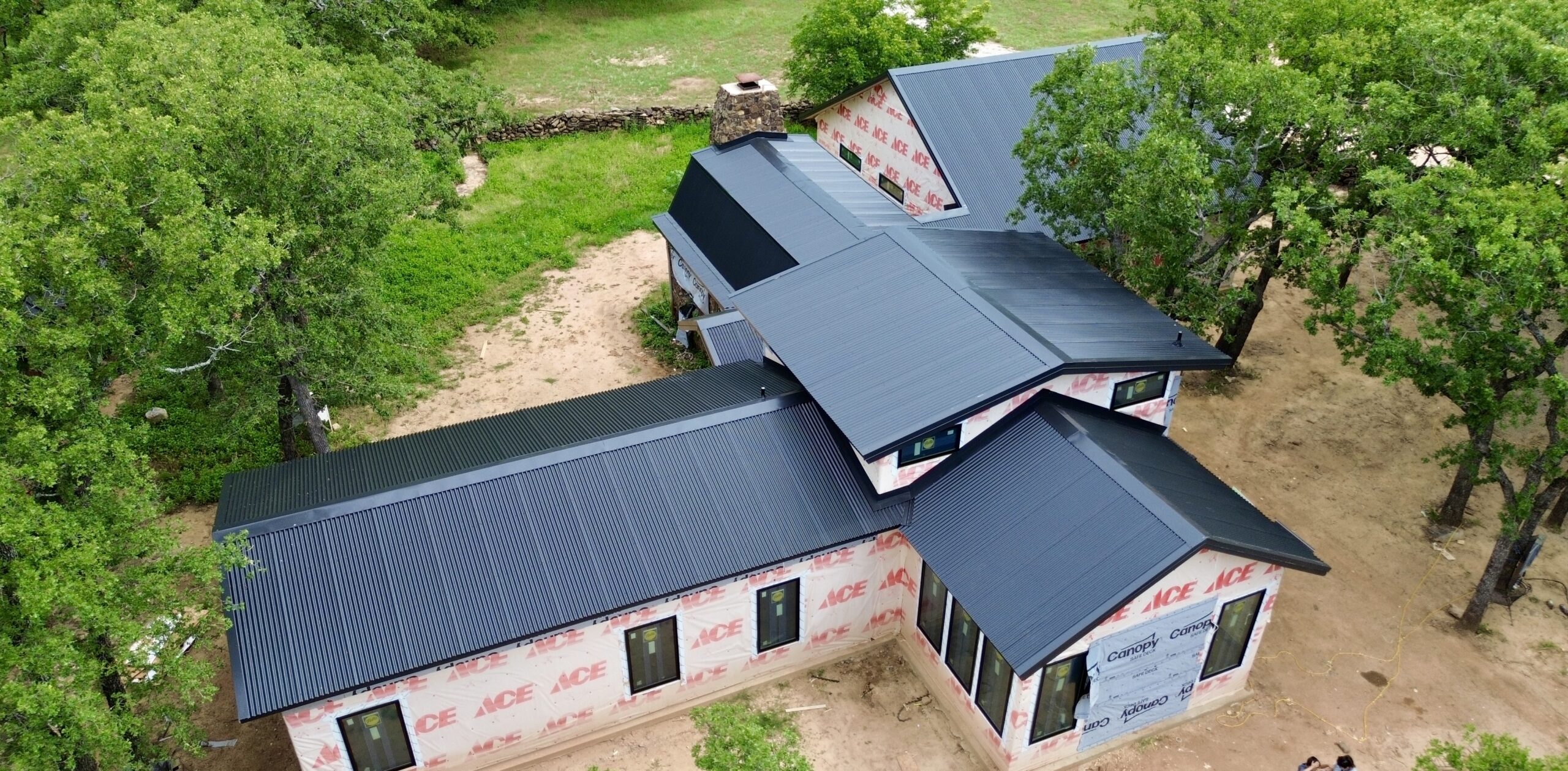
Winter Roof Installation: Challenges and Solutions
Winter roofing presents several interconnected challenges, but each can be addressed through proper planning. Low temperatures can be managed by scheduling suitable tasks during appropriate temperature windows and following product requirements. Snow and ice can be addressed through careful surface preparation, safe access procedures, and regular inspections.
Worker safety can be improved through appropriate clothing, warming periods, training, and clear stop-work procedures. Shorter daylight hours can be managed by organizing the work sequence around available visibility and completing preparation activities before the main installation begins.
Material problems can be reduced through proper storage and handling. Contractors should protect products from unnecessary moisture, freezing conditions, and wind while ensuring that materials are available when the installation window opens.
Scheduling problems can be reduced through realistic planning and communication. Contractors should allow reasonable flexibility and keep property owners informed when weather changes affect the project.
These solutions do not eliminate every winter challenge, but they allow contractors to manage the conditions more effectively. The goal is to create a process where workers can perform their tasks safely while the roofing system is installed according to the appropriate requirements.
Conclusion
Winter roof installation can be challenging because contractors must manage cold temperatures, snow, ice, wind, shorter daylight hours, changing weather, and the effects these conditions can have on roofing materials and workers. These challenges can make projects slower and less predictable than installations performed during more favorable weather.
However, winter conditions do not automatically make roof installation impossible. With careful scheduling, proper material handling, appropriate worker protection, regular weather monitoring, and strong quality-control procedures, contractors can complete many winter roofing projects successfully.
The most important consideration is knowing when conditions are suitable for work and when the project should be delayed. Contractors should never allow schedule pressure, customer expectations, or material deliveries to override basic safety considerations. Protecting workers and the building should remain the priority throughout the installation.
Contractors should also remember that every roofing system has its own installation requirements. Temperature, moisture, surface conditions, adhesives, sealants, fastening methods, and material handling procedures should be evaluated according to the specific products being installed.
Communication with property owners is another important part of successful winter roofing. When customers understand that weather can affect installation dates, material performance, and worker safety, they are more likely to accept reasonable schedule adjustments. Providing timely updates can prevent confusion and maintain confidence throughout the project.
A strong winter roofing plan begins before the first worker reaches the roof. By reviewing forecasts, preparing workers and equipment, protecting materials, planning temperature-sensitive activities, securing unfinished areas, and allowing reasonable scheduling flexibility, contractors can reduce many of the risks associated with cold-weather installation.
Ultimately, successful winter roofing is not about forcing a project to continue regardless of conditions. It is about knowing how to adapt the work safely and efficiently when winter weather changes. Contractors who plan ahead and treat weather as a core part of project management can protect their crews, maintain installation quality, reduce avoidable delays, and deliver a finished roof that performs as intended.