
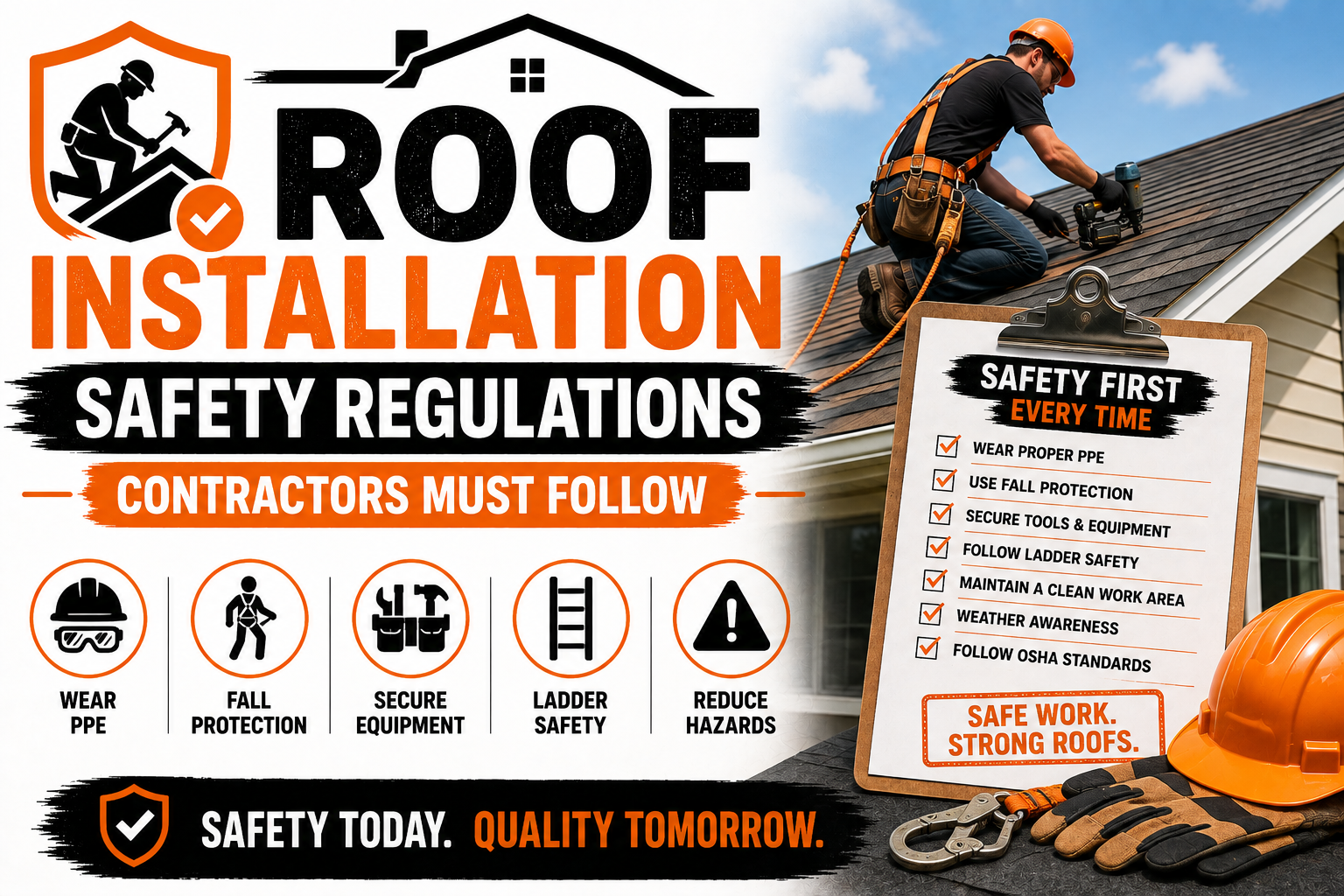
Roof Installation Safety Regulations Contractors Must Follow
Introduction
Roof installation is one of the most demanding activities in residential and commercial construction because workers operate at elevation while handling heavy materials, power tools, ladders, and other equipment. A roofing crew may face fall hazards, unstable surfaces, electrical risks, changing weather, falling objects, and structural weaknesses during the same project. Following established roof installation safety regulations helps contractors reduce these risks while protecting workers, property owners, visitors, and members of the public.
Safety requirements vary depending on the project location, building type, roofing system, and applicable authority. In the United States, contractors commonly need to consider Occupational Safety and Health Administration requirements under 29 CFR Part 1926, including standards covering fall protection, scaffolds, ladders, and other construction activities. State OSHA plans may also have requirements that are different or more stringent than federal OSHA standards.
A compliant roofing operation therefore involves more than simply providing workers with safety equipment. Contractors need to evaluate the site, identify hazards, provide appropriate access, train workers, inspect equipment, and maintain protective systems throughout the project. These measures should be incorporated into the work plan before installation begins rather than introduced only after a problem occurs.
Why Roof Installation Safety Regulations Matter
Roofing work exposes contractors and employees to hazards that can change throughout the day. A roof can become slippery because of rain, dust, frost, or loose materials, while an unfinished roof may contain exposed edges, openings, weak decking, or areas that cannot safely support workers. Even a routine shingle installation can become dangerous when workers are moving quickly between different roof levels while carrying materials and tools.
Fall protection is especially important because a fall from a roof, scaffold, ladder, or elevated platform can cause severe injury or death. OSHA’s construction fall protection rules establish requirements for protecting workers in situations where falls can occur, with Subpart M covering the scope, duty to provide protection, system criteria, and training requirements.
Safety compliance also protects contractors from operational and financial consequences. Accidents can stop a project, damage a contractor’s reputation, increase insurance costs, and create regulatory problems. A strong safety program helps create a more organized workplace where employees understand their responsibilities and know how to perform roofing tasks without taking unnecessary risks.
Understanding Contractor Responsibilities
Roofing contractors are responsible for planning work in a way that addresses foreseeable hazards before employees begin installation activities. This responsibility includes identifying fall hazards, determining how workers will access the roof, selecting suitable equipment, and establishing procedures for handling materials and tools. Contractors should also make sure employees receive training appropriate to the hazards they may encounter.
The safety plan should reflect the actual conditions of the project instead of relying on a generic checklist. For example, a steep residential roof may require different controls from a low-slope commercial roof, while a roof with skylights or fragile surfaces presents hazards that need specific attention. The condition of the existing structure should also be considered when workers are installing a new roof over an older building.
Contractors should assign qualified personnel to oversee safety-related activities where required by applicable regulations. Supervisors should understand the equipment being used and recognize conditions that could create an immediate danger. Workers should have a clear process for reporting unsafe conditions without being encouraged to continue working simply to maintain the project schedule.
OSHA and Workplace Safety Requirements
For roofing projects in the United States, OSHA construction standards provide an important framework for workplace safety. Part 1926 includes dedicated requirements for fall protection, scaffolds, ladders, stairways, and other construction hazards. Contractors should review the standards applicable to their specific work instead of assuming that one safety rule covers every roofing situation.
Fall protection requirements are particularly relevant because roofing employees frequently work near roof edges or other elevated locations. OSHA Subpart M includes standards addressing when fall protection is required, the criteria for protective systems, and employee training. The exact protection method depends on the work conditions, roof configuration, and applicable regulatory requirements.
Contractors should also remember that federal OSHA requirements are not necessarily the only rules that apply. OSHA identifies state plans that operate their own occupational safety and health programs, and these plans must be at least as effective as federal OSHA requirements while potentially imposing additional or more stringent provisions. Contractors working across different states should therefore verify the rules governing each project location.
Fall Protection Requirements for Roofing Crews
Fall protection should be one of the first safety considerations when planning a roof installation project. Workers can fall from roof edges, through openings, from ladders, or from elevated work platforms, so contractors need to determine where these hazards exist before the crew begins work. The protective system should be appropriate for the roof design and the tasks workers will perform.
Depending on the circumstances, fall protection may involve systems such as guardrails, safety nets, personal fall arrest systems, or other methods permitted by the applicable requirements. Contractors should not select equipment simply because it is available on the truck. The system needs to be suitable for the work, properly installed, maintained, and used according to applicable standards and manufacturer instructions.
Personal fall arrest equipment requires particular attention because an improperly connected or poorly maintained system may not provide effective protection. Harnesses, connectors, anchor points, lifelines, and related components should be inspected before use, and damaged equipment should be removed from service. Workers also need appropriate training so they understand how the system operates and what actions are required if a fall occurs.
Roof edges deserve continuous attention as installation progresses. Temporary protections can become ineffective when materials are moved, roof sections are completed, or workers change positions. Supervisors should regularly verify that protective systems remain in place and that workers are not bypassing them for convenience.
Safe Use of Roof Access Equipment
Safe roof installation begins with safe access to the work area. Workers may use ladders, stairways, scaffolds, aerial lifts, or other access systems depending on the building and project requirements. OSHA’s construction standards require appropriate access where there is a significant elevation change and specify requirements for ladders and stairways used during construction.
Access routes should remain clear of loose materials, tools, debris, and other obstacles. Workers should not be expected to climb over stored roofing materials or unstable surfaces simply to reach the work area. Contractors should also consider how materials will reach the roof so employees are not forced to carry excessively heavy or awkward loads while climbing.
A roof access system should be inspected before workers rely on it. Ladders should be checked for damaged rails, missing or broken rungs, unstable feet, contamination, and other defects. Temporary access equipment should be positioned and secured appropriately for the conditions in which it is being used.
Ladder and Scaffold Safety During Roof Installation
Ladders are common on roofing projects, but their familiarity can cause workers to underestimate the associated risks. OSHA’s ladder standard covers construction ladders and includes requirements concerning their capacity and safe use. Contractors should ensure that ladders are suitable for the intended load and are maintained in safe condition.
A ladder should never be treated as a substitute for a properly planned access system when the work requires a different method. Workers should avoid carrying loads that interfere with their ability to maintain secure contact while climbing. Ladders also need to be placed on stable surfaces and used according to the requirements applicable to their type and configuration.
Scaffolds require similar attention because workers may use them for access, material handling, or installation activities. OSHA’s scaffold requirements address capacity, platform construction, access, and other conditions designed to reduce scaffold-related hazards. For example, covered scaffolds generally must be capable of supporting their own weight and at least four times the maximum intended load, subject to the standard’s specific provisions.
Contractors should never overload scaffolds with bundles of shingles, tools, workers, or other materials beyond their rated capacity. Platforms, braces, connections, and access components should be inspected and maintained, while damaged or improperly assembled scaffolding should not be used. Scaffold work should be handled by personnel who understand the applicable requirements and the particular system being installed.
Personal Protective Equipment for Roofing Contractors
Personal protective equipment provides an additional layer of protection when hazards cannot be eliminated through engineering or administrative controls. The exact PPE required depends on the work being performed, the materials involved, and the hazards identified during the site assessment.
Typical roofing PPE may include appropriate head protection, eye protection, gloves, high-visibility clothing where necessary, protective footwear, hearing protection, and fall protection equipment when required. Workers using cutting tools or powered equipment may need additional protection based on the specific hazards involved.
PPE should fit the worker correctly and remain in usable condition. A damaged harness, cracked helmet, worn glove, or defective protective item should not remain in service simply because replacing it may delay the job. Contractors should also train employees on the correct use, limitations, inspection, storage, and maintenance of the protective equipment they are expected to wear.
Jobsite Hazard Assessment Before Work Begins
A thorough hazard assessment provides the foundation for a safe roofing operation. Before installation starts, contractors should examine the roof, surrounding property, access points, existing structure, electrical hazards, weather exposure, and areas where workers or the public could be exposed to falling objects.
The assessment should identify both obvious and less visible hazards. An apparently stable roof may contain deteriorated decking, hidden openings, weak sections, or damaged structural components that become apparent only after old roofing materials are removed. Contractors should plan for these possibilities and establish procedures for stopping work when unexpected structural conditions are discovered.
A practical pre-installation assessment should consider:
- Roof height, slope, edges, openings, and access points.
- Condition of the existing roof deck and supporting structure.
- Locations of skylights, fragile surfaces, and other potential fall-through areas.
- Nearby electrical lines, equipment, and other electrical hazards.
- Locations for ladders, scaffolds, lifts, material storage, and debris collection.
- Weather conditions that could affect worker stability or material handling.
- Areas where falling tools or materials could endanger people below.
The assessment should not be treated as a one-time activity. Roofing conditions change as workers remove old materials, install underlayment, place new roofing products, and move equipment around the property. Supervisors should reassess the work area when conditions change and make appropriate adjustments to the safety plan.
A strong hazard assessment also improves communication among the crew. When workers understand where the major risks are located and which controls are required, they can make better decisions while performing their tasks. This approach helps turn safety regulations from paperwork into practical procedures that guide everyday roofing operations.
Roof Surface and Structural Safety
The condition of the roof itself must be evaluated before workers begin installation because the surface can present hazards that are not immediately visible. Damaged decking, rotted wood, deteriorated framing, loose materials, and existing water damage can make certain areas unsafe to walk on or support loads. Contractors should identify weak areas before work begins and establish safe procedures for accessing or repairing them.
Roof slope is another important consideration because steeper surfaces make it more difficult for workers to maintain stable footing. The combination of slope, loose roofing materials, tools, and changing weather can significantly increase the possibility of a slip or fall. Workers should use the appropriate fall protection and access systems required for the specific roof configuration rather than relying on personal balance or experience.
Skylights, roof openings, shafts, and other openings require particular attention during installation. A worker may mistake a covered or weathered skylight for a solid roof surface, especially when working quickly or in poor visibility. Contractors should ensure that openings are properly guarded or covered using protection that meets applicable requirements and can withstand the expected loads.
Roof surfaces should also be kept reasonably clear as installation progresses. Loose shingles, nails, packaging, scraps of underlayment, and other debris can become tripping hazards. Maintaining an organized work area reduces unnecessary movement and helps workers identify changes in the roof surface.
Safe Material Handling and Storage
Roofing materials can be heavy, awkward, and difficult to move safely, particularly when they must be transported from ground level to an elevated work area. Shingle bundles, rolls of underlayment, insulation boards, metal panels, flashing, tools, and other materials should be moved using suitable equipment and procedures. Contractors should avoid placing unnecessary loads on areas of the roof that have not been confirmed as capable of supporting them.
Materials should be positioned so they do not interfere with access routes, fall protection systems, or workers’ ability to move safely. Improperly placed materials can slide down a sloped roof, create trip hazards, or fall from an elevated surface. Storage arrangements should therefore account for both the weight of the materials and the possibility of movement caused by wind or roof slope.
OSHA’s construction standards include requirements for storage, handling, and disposal of materials, including provisions under Subpart H. Contractors should follow the applicable requirements for the materials and equipment being used on each project.
Material handling should be planned before deliveries arrive at the jobsite. The contractor should determine where materials will be unloaded, how they will reach the roof, and where they can be safely stored without obstructing workers or damaging the structure. A planned delivery process can also reduce the amount of manual carrying required by the roofing crew.
Workers should use proper lifting techniques when handling materials manually. Large or heavy items may require two or more workers or mechanical assistance, depending on their size and weight. Contractors should not allow employees to carry loads that prevent them from maintaining secure footing or seeing the path ahead.
Roofing Tools and Equipment Safety
Roof installation commonly involves hammers, nail guns, utility knives, drills, saws, compressors, generators, and other powered equipment. Every tool introduces its own hazards, and workers should receive appropriate instruction before using equipment. Tools should be selected for the intended task and maintained according to manufacturer requirements.
Hand tools should be inspected regularly for damaged handles, loose components, worn cutting edges, or other defects. A damaged hammer or cutting tool may cause an unexpected injury or force a worker to apply excessive pressure. Tools that are unsafe should be removed from service until they are properly repaired or replaced.
Power-operated tools require additional precautions because they can create cutting, impact, electrical, noise, and vibration hazards. Guards and protective devices should remain installed when required and should not be removed simply to make a task faster. Workers should also follow the operating instructions supplied with the equipment.
Pneumatic nail guns deserve particular attention on roofing projects because they are frequently used while workers are positioned at elevation. The tool should be handled carefully, directed away from people, and maintained properly, while workers should use the protective equipment required for the task. Contractors should also establish procedures for disconnecting or securing equipment when it is not being used.
Extension cords and portable electrical equipment should be inspected before use. Damaged insulation, exposed conductors, defective plugs, and makeshift repairs can create electrical hazards on a roofing site. Equipment should be removed from service when defects could compromise worker safety.
Electrical Safety on Roofing Jobsites
Electrical hazards can exist around almost any roofing project, particularly when workers operate ladders, scaffolds, metal panels, long tools, or other conductive materials near overhead power lines. A roofing crew may concentrate on the roof and overlook electrical lines passing near the building. Contractors should identify these hazards during the initial site assessment and establish appropriate controls before work begins.
Workers should maintain the required clearances from exposed energized lines under the applicable construction standards. The exact clearance depends on the voltage and circumstances, so contractors should verify the requirements rather than relying on a general distance remembered from another project. OSHA’s scaffold requirements, for example, specify minimum clearances from exposed and energized power lines and provide procedures for situations requiring work closer to those lines.
When work must take place near electrical infrastructure, contractors may need to coordinate with the utility or electrical system operator. Depending on the circumstances, lines may need to be de-energized, relocated, or protected before work proceeds. These decisions should be made by appropriate qualified personnel rather than left to individual workers on the roof.
Electrical equipment used outdoors should also be appropriate for the working environment. Roofing operations may expose equipment to moisture, dust, impact, and changing weather conditions. Contractors should use suitable protection and follow applicable electrical safety requirements for temporary power and construction equipment.
Workers should never assume that a power line is insulated or safe to contact simply because it appears covered. Overhead lines should be treated as energized unless the responsible utility or qualified authority has confirmed otherwise. Keeping workers, ladders, tools, scaffolds, and materials away from these hazards is an essential part of roof installation planning.
Weather-Related Roofing Safety Requirements
Weather can change roofing conditions quickly, making an otherwise controlled work area hazardous. Rain can make roof surfaces slippery, strong winds can move materials and equipment, and extreme heat can affect worker health and concentration. Contractors should monitor conditions throughout the workday and be prepared to suspend operations when conditions become unsafe.
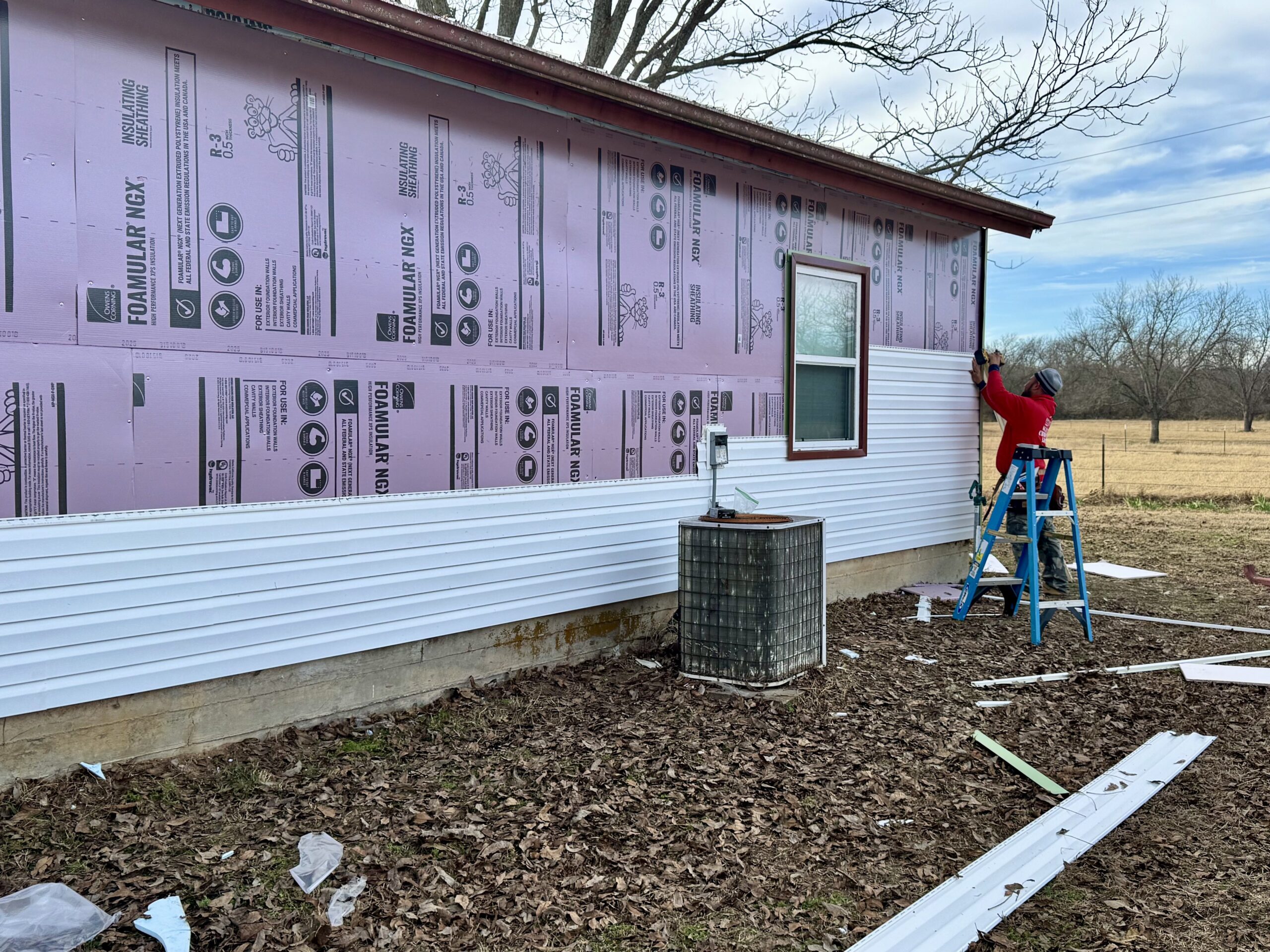
Wind is especially important when workers are handling large sheets, insulation boards, membranes, flashing, or other lightweight materials. A sudden gust can catch a material and cause a worker to lose balance or create a hazard for people below. Materials that are waiting to be installed should therefore be secured appropriately rather than left exposed to changing wind conditions.
Wet roofs require additional caution because moisture can reduce traction and increase the risk of slipping. Contractors should assess whether workers can safely continue the planned activity and should not pressure employees to work on surfaces that have become dangerously slippery. Roofing materials and tools should also be managed so they do not create additional slip hazards.
Extreme heat can create another category of risk. Workers may experience fatigue, dehydration, reduced concentration, or heat-related illness while performing physically demanding tasks in direct sunlight. Contractors should organize work appropriately, provide access to suitable drinking water, encourage appropriate rest practices, and follow applicable heat-related safety requirements.
Cold weather can create different problems, including reduced dexterity, frost, ice, and increased difficulty maintaining stable footing. Workers may also have difficulty operating tools safely when their hands become cold or numb. Weather assessments should therefore consider the specific conditions rather than treating every season in the same way.
Safe Use of Powered Equipment and Machinery
Roofing projects may involve hoists, material lifts, compressors, generators, forklifts, aerial lifts, and other machinery. Equipment should be operated only by workers who are trained and authorized for the equipment and task involved. Operators should understand the manufacturer’s instructions, load limits, inspection requirements, and site-specific hazards.
Before machinery is used, the operator should inspect it for obvious defects or conditions that could affect safe operation. Damaged cables, hydraulic leaks, missing guards, malfunctioning controls, or other serious defects should be addressed before equipment is placed into service. Contractors should maintain inspection and maintenance practices appropriate to the equipment being used.
Material lifts and hoists should never be treated as unrestricted transportation systems. Loads need to be within the equipment’s rated capacity and secured against shifting or falling. Workers should remain clear of areas where suspended or elevated loads could create a hazard.
Aerial lifts require particular care because workers may be elevated well above ground level while handling roofing materials or equipment. The work area should be assessed for overhead power lines, unstable ground, nearby structures, and other hazards before the lift is positioned. The manufacturer’s operating instructions and applicable safety requirements should be followed throughout the operation.
Proper Roof Edge, Opening, and Skylight Protection
Unprotected roof edges remain one of the most serious hazards during roof installation. Workers may approach an edge while carrying materials, positioning equipment, installing flashing, or completing work near the perimeter. Contractors should ensure that an appropriate protective system is available and used wherever required.
Roof openings should receive similar attention because they can be difficult to recognize once covered with temporary materials. A cover that shifts, breaks, or cannot support the required load may create a dangerous fall-through hazard. Contractors should use properly designed protection and ensure that workers know where openings are located.
Skylights require special consideration because some may appear strong while being incapable of supporting a worker’s weight. Workers should not assume that a skylight can be used as a stepping surface or support point. The protective approach should be determined before workers enter the area around the skylight.
Protection should remain effective throughout the project. As roof sections are completed and workers move to new areas, guardrails, covers, warning systems, or other controls may need to be adjusted. Any modification should be planned so that workers are not left temporarily exposed while the work progresses.
Protecting Workers and the Public Around the Jobsite
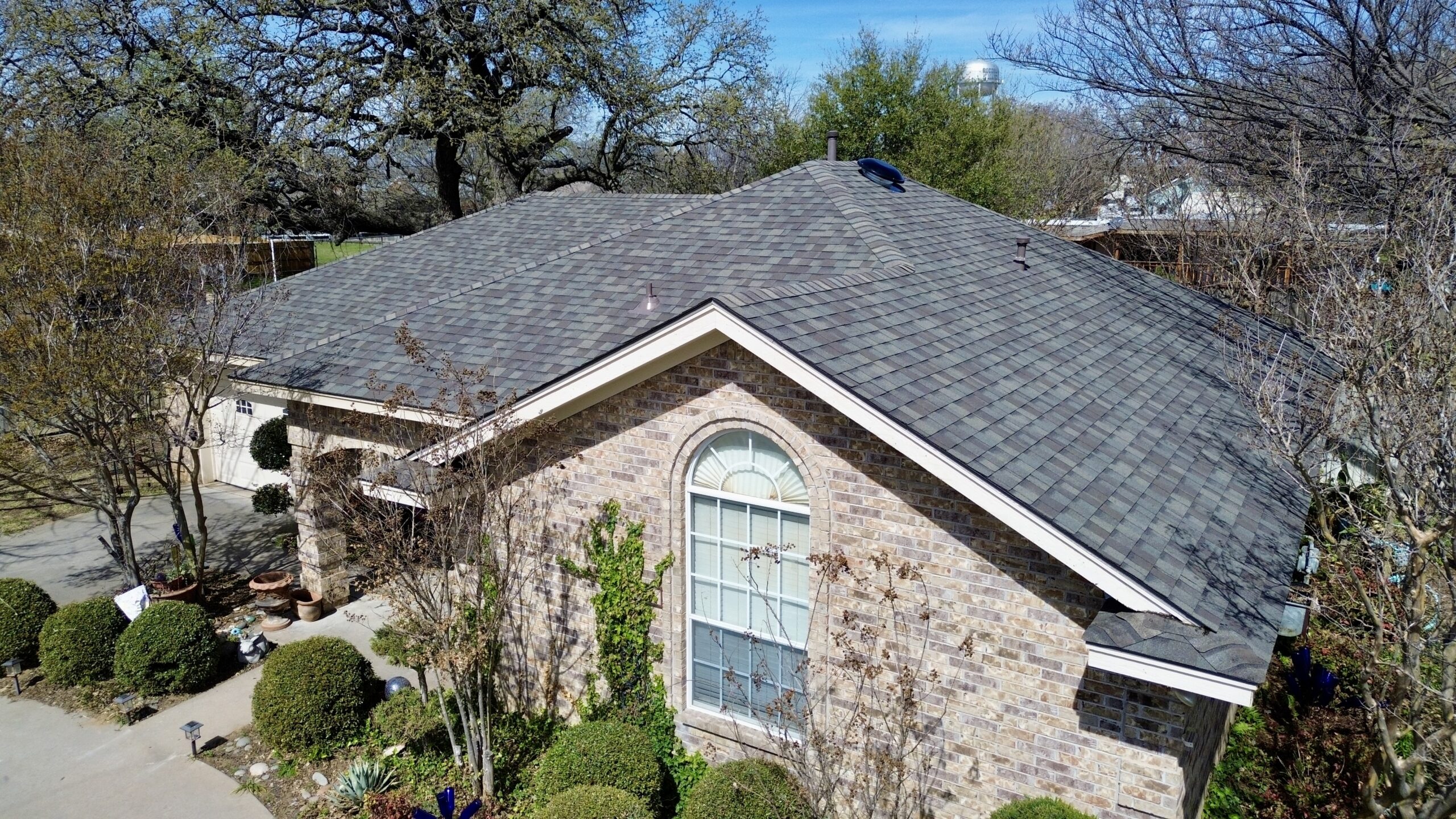
Roof installation safety extends beyond the employees working on the roof. Tools, nails, roofing fragments, packaging, and other materials can fall from elevated locations and injure people below. Contractors should control the area beneath and around the roof wherever falling-object hazards could exist.
Barricades, warning signs, controlled access areas, toe boards, debris containment, and other measures may be appropriate depending on the project. The selected controls should reflect the height of the work, type of materials being handled, location of pedestrian routes, and surrounding property. Workers should also understand which areas below the roof must remain clear.
Vehicles and equipment should be positioned carefully around the building. Delivery trucks, material lifts, dumpsters, and other equipment can create additional hazards when placed near access routes or work areas. A planned site layout helps separate workers from moving vehicles and provides designated locations for materials and waste.
Homeowners, tenants, visitors, and other unauthorized people should not be allowed into areas where roofing operations create significant hazards. On residential projects, contractors may need to explain to property owners where they should avoid walking while work is underway. Clear communication is especially important when children, pets, or other people may be present around the property.
Communication, Training, and Emergency Procedures
A roofing safety program is only effective when workers understand how to apply it. Contractors should provide training appropriate to the hazards, equipment, and tasks involved in the project. Employees should understand the required protective systems, access procedures, equipment limitations, and methods for reporting unsafe conditions.
Training should be practical and connected to the actual work. A worker who knows that fall protection is required but does not understand how to inspect or properly use the system may still be exposed to serious danger. Supervisors should therefore verify that employees understand the procedures rather than treating training as a paperwork requirement.
Communication should continue throughout the project because roofing conditions can change quickly. A short pre-work discussion can identify the day’s major hazards, weather concerns, equipment changes, material movement, and areas requiring special attention. Workers should also be encouraged to report new hazards when they encounter them.
Emergency procedures should be established before an incident occurs. The crew should know how to contact emergency services, where first-aid supplies are located, how to provide the jobsite location to responders, and who is responsible for coordinating emergency actions. Fall incidents deserve particular planning because a worker suspended in a fall arrest system may require prompt rescue procedures rather than simply waiting for help.
Scaffold operations provide a useful example of why competent oversight and training matter. OSHA requires scaffolds to be erected, moved, dismantled, or altered under the supervision and direction of a competent person who is qualified for the work, with experienced and trained employees performing those activities.
A roofing contractor that treats safety as part of project planning can respond more effectively when conditions change. The goal is not simply to satisfy a regulation during an inspection, but to create a work environment where safe procedures are part of normal roofing operations. With the basic controls established, contractors can then focus on the additional risks created by materials, tools, weather, electrical systems, roof openings, and the movement of people and equipment across the jobsite.
Safety Requirements for Different Roofing Materials
Different roofing materials create different installation hazards, so contractors should adjust their safety procedures according to the roofing system being installed. Asphalt shingles can involve nail guns, cutting tools, bundles of material, and tear-off debris, while metal roofing can involve sharp edges, large panels, and conductive materials. Tile, slate, membrane, and other systems can introduce additional weight, breakage, chemical exposure, or handling concerns.
Asphalt shingles should be stored and distributed carefully because bundles can be heavy and difficult to move on a sloped roof. Workers should avoid placing excessive quantities in one location unless the roof structure and applicable requirements allow it. Shingles should also be positioned so they do not obstruct walkways, ladders, fall protection systems, or other necessary access routes.
Metal roofing requires special attention because panels can have sharp edges and may become difficult to control during windy conditions. Workers should use appropriate hand protection and safe handling techniques while cutting, carrying, and positioning panels. Contractors should also account for the electrical conductivity of metal materials when the work is performed near electrical lines.
Clay, concrete, and slate tiles can create significant manual handling and load concerns because individual pieces may be heavier or more fragile than other roofing products. Broken tiles can also produce sharp fragments that create injury hazards. Contractors should plan material delivery and roof distribution carefully and avoid unnecessary movement of heavy materials across the roof.
Synthetic membranes and other specialty roofing products may require adhesives, primers, solvents, heat equipment, or specialized tools. Workers should follow the product manufacturer’s safety instructions and use the appropriate protective equipment. Safety data sheets should be available when hazardous chemicals are involved so employees understand the associated risks and required precautions.
Safe Tear-Off and Roof Replacement Procedures
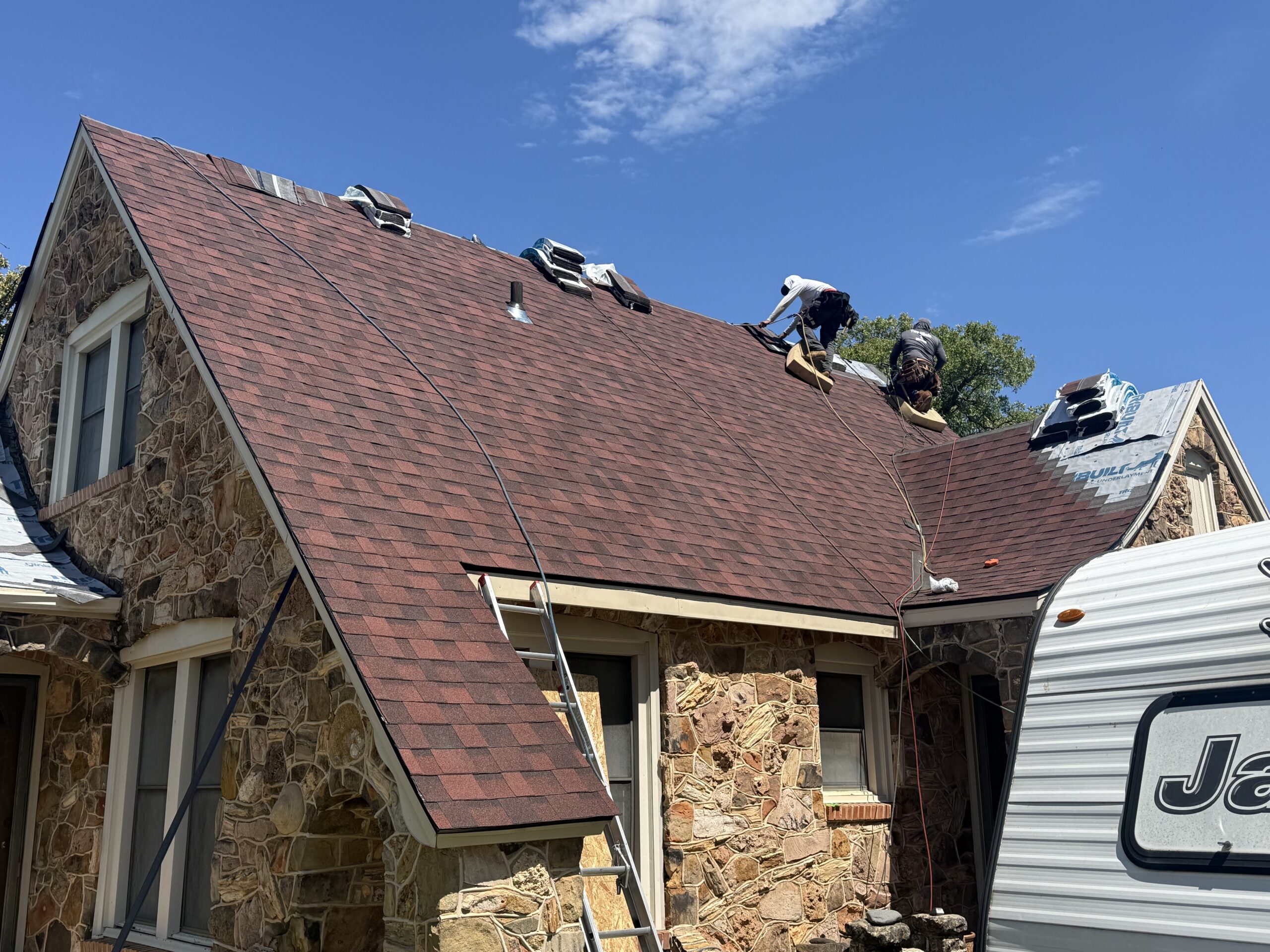
Roof replacement often creates additional hazards because workers must remove existing roofing before installing the new system. During tear-off, hidden damage may be discovered beneath shingles, membranes, flashing, or insulation. Contractors should be prepared to stop work and reassess conditions when the roof deck or supporting structure appears unsafe.
Old roofing materials should be removed in a controlled sequence. Workers should avoid creating unstable piles of debris or allowing materials to accumulate around access points and roof edges. Debris should be moved to designated collection areas using methods appropriate for the building and project conditions.
Nails and sharp fasteners are common hazards during tear-off. Workers should wear appropriate protective footwear and gloves while handling old roofing materials, but PPE should not be considered a substitute for good housekeeping. Exposed nails should be removed, contained, or managed promptly to reduce puncture and trip hazards.
Tear-off can also create dust and airborne particles. Contractors should evaluate the materials being removed and determine whether additional respiratory or exposure controls are necessary. If older construction materials could contain hazardous substances, the contractor should follow applicable requirements and obtain appropriate professional evaluation before disturbing them.
The work sequence should also account for changing roof conditions. Removing an existing roof may expose weak decking, openings, or structural damage that was previously hidden. Workers should be informed about these possibilities before tear-off begins and should know how to respond when unexpected conditions are discovered.
Managing Debris and Construction Waste
Roofing debris should be controlled throughout the installation rather than left until the end of the project. Loose materials can create trip hazards for workers and can also fall from elevated areas and endanger people below. Contractors should establish designated locations and procedures for collecting and removing waste.
Debris should not be thrown from the roof unless a method specifically designed for that purpose is being used and applicable requirements are satisfied. Chutes, containers, hoists, or other controlled systems may be used depending on the project. The selected method should prevent uncontrolled materials from striking workers, pedestrians, vehicles, or property.
Dumpsters and collection containers should be positioned where they can be accessed safely without interfering with ladders, emergency routes, or other operations. Workers should also be aware of the load capacity and safe operating procedures associated with any equipment used to transport debris.
Good housekeeping should continue during every stage of the installation. A clean work area makes it easier to identify hazards and reduces the amount of unnecessary movement required by employees. At the end of each work period, tools, loose materials, packaging, and debris should be secured or removed so the site remains safe when workers leave.
Documentation, Inspections, and Contractor Compliance
Safety compliance involves more than performing safe work; contractors should also maintain appropriate documentation showing that safety procedures are being implemented. Depending on the project and applicable regulations, records may include training documentation, equipment inspections, safety meetings, incident reports, and other jobsite records.
Inspection procedures should be consistent and appropriate to the equipment being used. Ladders, scaffolds, fall protection equipment, power tools, lifts, and other equipment should be inspected according to applicable requirements and manufacturer instructions. Defective equipment should be removed from service rather than left available for workers to use.
Contractors should also document corrective actions when hazards are discovered. Recording what was identified, what action was taken, and whether the issue was resolved can help supervisors maintain accountability. These records may also help identify recurring problems that require changes to training or work procedures.
OSHA standards contain specific inspection and training requirements for different types of construction equipment and hazards. Contractors should therefore avoid relying on a single general safety form for every project. Their documentation should reflect the actual hazards and protective measures associated with the roofing work being performed.
Regular jobsite inspections are particularly important when multiple crews or subcontractors are involved. Each company may have its own employees, equipment, and work methods, but hazards can overlap between trades. Contractors should coordinate safety responsibilities so one crew’s activities do not create uncontrolled risks for another.
Common Roofing Safety Violations to Avoid
Many roofing incidents occur because workers become accustomed to hazards that should have been corrected. A missing guardrail, unsecured ladder, cluttered walkway, or damaged piece of equipment may seem minor until it contributes to an accident. Contractors should actively identify these conditions instead of assuming experienced workers can simply work around them.
Common problems include inadequate fall protection, improper ladder use, unsafe scaffold conditions, failure to protect roof openings, poor housekeeping, improper material storage, and insufficient worker training. Electrical hazards and unsafe use of powered equipment can also create serious risks when contractors do not properly evaluate the work environment.
Contractors should pay particular attention to shortcuts taken to save time. Removing a guard, walking outside a protected area, carrying materials while climbing improperly, or continuing work during dangerous weather may make a task faster in the short term but can significantly increase risk. A strong safety culture makes it clear that production targets do not justify unsafe practices.
Another common problem is failing to update safety procedures when site conditions change. A safety plan prepared before tear-off may not adequately address hazards discovered after the existing roof is removed. Contractors should reassess the site whenever the work sequence, equipment, weather, roof condition, or surrounding environment changes.
Best Practices for Maintaining a Compliant Roofing Jobsite
Maintaining compliance requires consistent attention throughout the project. Contractors should establish clear responsibilities for supervisors and workers, provide appropriate training, inspect protective equipment, and correct hazards promptly. Safety should be integrated into scheduling and daily operations instead of being treated as a separate activity.
A practical daily process can help keep the crew focused on the most important risks. Before work begins, supervisors can review the roof condition, access routes, weather, equipment, fall protection, material locations, and work areas. Workers can then raise concerns before starting tasks that may expose them to unexpected hazards.
A strong roofing safety routine can follow these general steps:
- Inspect the work area and identify new or changing hazards.
- Confirm that fall protection and roof access systems are correctly installed and ready for use.
- Inspect ladders, scaffolds, tools, machinery, and PPE before workers begin operations.
- Review weather conditions and determine whether planned activities can be performed safely.
- Confirm material storage, debris controls, electrical precautions, and restricted areas.
- Communicate the day’s major hazards and required controls to everyone involved.
- Stop and reassess the work when unexpected conditions create a significant safety concern.
The process should remain flexible because every roof and every project has different conditions. Contractors should follow applicable federal, state, and local requirements as well as manufacturer instructions for roofing products and equipment. Where requirements differ, the contractor should determine which provisions apply to the specific project before work begins.
Final Safety Checklist for Roof Installation Contractors
Before and during roof installation, contractors can use a concise safety review to confirm that major controls are in place. The checklist should supplement, rather than replace, the detailed requirements that apply to the particular project.
| Safety Area | Contractor Check |
|---|---|
| Fall protection | Required protective systems are selected, installed, inspected, and used correctly |
| Roof access | Ladders, scaffolds, stairs, or other access systems are suitable and maintained |
| Roof condition | Weak decking, openings, skylights, and unstable surfaces have been identified |
| PPE | Workers have appropriate, properly fitting, and serviceable protective equipment |
| Tools | Hand and power tools are inspected and used according to requirements |
| Materials | Roofing materials are safely stored, distributed, and secured |
| Electrical hazards | Power lines and electrical equipment have been evaluated and controlled |
| Weather | Current conditions are suitable for the planned roofing activities |
| Housekeeping | Debris, nails, packaging, and loose materials are controlled |
| Public protection | People below and around the work area are protected from falling objects |
| Training | Workers understand the hazards, equipment, procedures, and emergency response |
| Inspections | Required equipment and safety systems are inspected throughout the project |
This review should be repeated when the project moves into a new phase. For example, the controls needed during tear-off may differ from those required during underlayment installation, flashing work, or final shingle placement. Rechecking safety conditions helps contractors avoid assuming that controls established earlier remain effective throughout the entire job.
Building a Strong Roofing Safety Program
The most effective roofing contractors treat safety as a continuing responsibility shared by management, supervisors, and workers. Management establishes resources and expectations, supervisors monitor jobsite conditions, and employees follow procedures while reporting hazards that they encounter. This shared approach makes safety part of the project’s normal workflow.
Contractors should also review incidents and near misses instead of focusing only on accidents that result in injuries. A near miss can reveal a weakness in a procedure before someone is seriously harmed. Reviewing what happened and correcting the underlying problem can strengthen the safety program for future projects.
Worker feedback can be particularly valuable because employees performing the work often identify practical hazards that may not be obvious during planning. Contractors should create an environment where workers can raise concerns without fear of punishment for stopping unsafe work. When employees know that safety concerns will be taken seriously, problems are more likely to be reported before they result in injuries.
Training should also be refreshed when new equipment, materials, procedures, or hazards are introduced. A worker who has safely installed one type of roofing system may still require additional instruction when working with a different material or specialized installation method. Contractors should ensure that training remains relevant to the work employees actually perform.
Safety planning should continue until the project is completely finished. Final cleanup, equipment removal, material loading, and site demobilization can still expose workers to falls, lifting hazards, sharp objects, moving equipment, and other risks. The same level of attention applied during installation should remain in place until the jobsite is safely closed.
Conclusion
Roof installation safety regulations exist to reduce preventable hazards and provide contractors with a framework for protecting workers during demanding construction activities. Fall protection, safe roof access, proper PPE, equipment inspections, electrical precautions, material handling, weather awareness, and effective housekeeping all contribute to a safer roofing operation.
Compliance begins before the first worker steps onto the roof. Contractors should assess the site, identify foreseeable hazards, select appropriate protective systems, train employees, and establish procedures that match the actual conditions of the project. These controls should then be inspected and adjusted as the work progresses.
A safe roofing project also requires communication and accountability. Supervisors need to monitor changing conditions, workers need to follow established procedures, and everyone involved should have a clear method for reporting hazards and responding to emergencies. Safety requirements should never be viewed as obstacles to productivity because preventing an accident protects both the workforce and the progress of the project.
Contractors should always verify the regulations applicable to their location and project because requirements can vary by jurisdiction, roof type, equipment, and work activity. Federal OSHA standards provide an important foundation for many U.S. construction projects, while state and local requirements may impose additional obligations. By combining regulatory compliance with careful planning, regular inspections, proper training, and responsible work practices, roofing contractors can create jobsites that are safer, more organized, and better prepared for the challenges of roof installation.