Energy Efficient Roofing Materials for Installation Projects Today
Introduction
Energy efficiency has become one of the most important priorities in modern construction, and the roof plays a significant role in achieving this goal. A roof is constantly exposed to sunlight, changing temperatures, wind, and rain, making it one of the primary building components that influences indoor comfort and energy consumption. Choosing the right roofing material during installation can significantly reduce heating and cooling costs while improving the overall performance of the building.
Modern roofing technology has introduced a wide range of energy efficient materials designed to reflect sunlight, reduce heat absorption, and improve insulation. These roofing systems help maintain stable indoor temperatures throughout the year, reducing the demand on heating and air conditioning equipment. As energy prices continue to rise, more property owners are investing in roofing materials that lower utility expenses while providing long term durability.
Energy efficient roofing is no longer limited to commercial buildings or environmentally focused projects. Homeowners are increasingly recognizing the benefits of installing roofing systems that improve comfort, reduce monthly energy bills, and support sustainable construction. Advances in manufacturing have also made these roofing materials available in various colors, styles, and price ranges, allowing property owners to balance appearance with performance.
The effectiveness of an energy efficient roof depends on more than the material itself. Proper installation, quality insulation, adequate ventilation, and professional workmanship all contribute to overall energy performance. Even the most advanced roofing product cannot achieve its full potential if installation standards are not followed correctly.
Selecting the right roofing material requires understanding how different products interact with sunlight, weather conditions, and the building structure. Climate, roof design, maintenance requirements, and expected lifespan all influence which roofing system provides the greatest energy savings.
This guide explains how energy efficient roofing materials improve building performance, explores the factors that influence roofing efficiency, and introduces the most popular roofing materials used in modern installation projects. Understanding these concepts helps property owners make informed decisions that provide long term financial savings while improving indoor comfort and environmental sustainability.
What Are Energy Efficient Roofing Materials
Energy efficient roofing materials are roofing products specifically designed to reduce the amount of heat transferred into or out of a building. Their primary purpose is to improve thermal performance by reflecting solar radiation, minimizing heat absorption, or improving insulation. These characteristics reduce the energy required to maintain comfortable indoor temperatures throughout the year.
Traditional roofing materials often absorb large amounts of solar heat during the day. As the roof surface becomes hotter, heat gradually transfers into the building, increasing the workload placed on air conditioning systems. Energy efficient roofing materials minimize this process by reflecting a greater percentage of incoming sunlight or slowing heat transfer through advanced material design.
Solar reflectance is one of the most important characteristics of energy efficient roofing. Reflective roofing surfaces bounce sunlight away instead of absorbing it, allowing the roof to remain significantly cooler during warm weather. Lower roof temperatures help reduce indoor heat gain while improving occupant comfort.
Thermal emittance also contributes to roofing performance. Materials with high thermal emittance release absorbed heat more quickly after sunset, preventing unnecessary heat retention. This characteristic helps maintain lower roof temperatures throughout both day and night.
Many energy efficient roofing systems combine reflective surfaces with improved insulation compatibility. High quality insulation beneath the roofing material reduces heat transfer regardless of outdoor weather conditions. Together, these components create roofing systems capable of improving energy efficiency throughout every season.
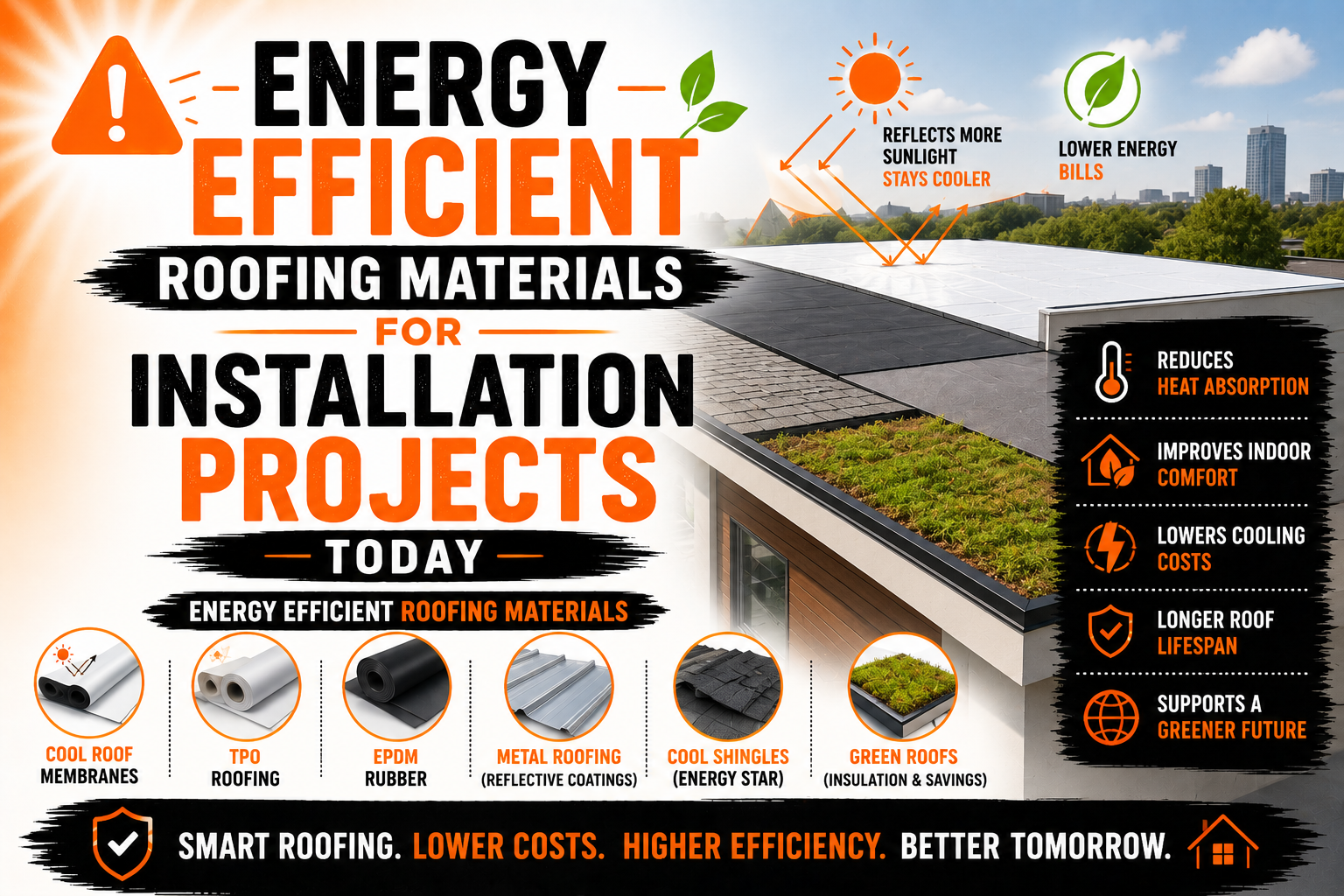
Modern energy efficient roofing materials include reflective metal roofing, cool asphalt shingles, clay tiles, concrete tiles, synthetic roofing products, vegetative roofing systems, and specialized roof coatings. Each material achieves energy efficiency through different methods while providing varying levels of durability, maintenance, and cost effectiveness.
Rather than serving only as weather protection, today’s roofing materials actively contribute to building performance by reducing energy consumption and improving thermal comfort.
Why Energy Efficient Roofing Matters Today
Energy efficiency has become increasingly important as property owners seek practical ways to reduce operating expenses while minimizing environmental impact. Because the roof receives continuous exposure to sunlight, improving its thermal performance can significantly influence the overall efficiency of the building.
Heating and cooling systems account for a large portion of energy consumption in both residential and commercial buildings. Roofs that absorb excessive heat increase indoor temperatures, forcing cooling equipment to operate longer during warm weather. Energy efficient roofing helps reduce this unnecessary energy demand.
Rising electricity prices have further increased interest in energy saving construction materials. Even moderate improvements in roofing efficiency can produce noticeable reductions in monthly utility bills. These savings accumulate year after year, helping offset the initial investment made during roof installation.
Environmental concerns have also encouraged greater adoption of energy efficient roofing. Lower energy consumption reduces greenhouse gas emissions associated with electricity generation while supporting broader sustainability goals. Many governments and organizations now promote energy efficient construction through building standards and environmental certification programs.
Urban heat islands represent another challenge addressed by reflective roofing materials. Dark roofing surfaces absorb significant amounts of solar heat, increasing temperatures within densely developed cities. Energy efficient roofing helps reduce this effect by reflecting more sunlight back into the atmosphere rather than storing it within the building.
Occupant comfort improves as well. Buildings with efficient roofing systems experience more stable indoor temperatures throughout the day. Reduced temperature fluctuations create more comfortable living and working environments while decreasing reliance on mechanical heating and cooling equipment.
Long term property value may also increase through improved energy performance. Buyers and tenants increasingly recognize the financial advantages of buildings with lower operating costs. Energy efficient roofing therefore contributes to both immediate savings and future property appeal.
As energy efficiency becomes a central objective in modern construction, roofing materials continue evolving to provide greater performance while supporting sustainable building practices.
How Roofing Materials Affect Building Energy Performance
Roofing materials influence building energy performance through several interconnected mechanisms. Understanding these processes helps property owners appreciate why roofing selection has such a significant impact on heating and cooling costs.
Solar radiation represents the primary source of rooftop heat gain. During daylight hours, sunlight strikes the roof surface, causing traditional roofing materials to absorb large amounts of thermal energy. This heat gradually transfers through the roof assembly into the building interior.
Reflective roofing materials interrupt this process by sending a greater percentage of incoming solar radiation back into the atmosphere. Because less heat is absorbed, the roof surface remains cooler, reducing heat transfer into occupied spaces below.
Material color also affects thermal performance. Lighter colored roofing generally reflects more sunlight than darker surfaces, although advances in reflective pigments now allow darker roofing products to achieve improved solar reflectance compared to conventional materials.
Roof ventilation works together with roofing materials to improve efficiency. Air movement beneath the roof helps remove excess heat before it enters the building. Proper ventilation reduces attic temperatures while improving insulation performance throughout the roofing system.
Insulation beneath the roofing material provides another important layer of thermal protection. High quality insulation slows heat transfer in both directions, helping maintain comfortable indoor temperatures regardless of outdoor conditions. Roofing materials and insulation therefore function most effectively as an integrated system.
Thermal mass also influences energy performance. Some roofing materials absorb heat slowly and release it gradually, moderating indoor temperature fluctuations. Others rely primarily on high reflectivity to prevent heat absorption altogether. The most suitable approach depends on local climate conditions.
Roof design further affects efficiency. Roof slope, orientation, ventilation pathways, and surrounding shade all influence how much solar energy reaches the roofing material. Professional installation considers these factors to maximize the effectiveness of energy efficient roofing products.
Understanding these interactions demonstrates that roofing materials contribute much more than weather protection. They actively influence building energy consumption every day throughout their service life.
Factors to Consider Before Choosing Energy Efficient Roofing
Selecting the best energy efficient roofing material requires careful evaluation of several important factors. Every building presents unique environmental conditions, structural requirements, and financial considerations that influence the most suitable roofing system.
Climate should always receive primary attention. Hot regions benefit greatly from highly reflective roofing materials that minimize solar heat gain, while colder climates may prioritize insulation performance to reduce heating costs. Local weather patterns therefore play a major role in roofing selection.
Roof slope also influences material suitability. Certain roofing products perform better on steep pitched roofs, while others are specifically designed for low slope or flat roof applications. Choosing materials appropriate for the roof design improves both energy efficiency and weather resistance.
Building insulation should be considered alongside roofing materials. Even highly reflective roofing cannot compensate for inadequate insulation beneath the roof deck. Coordinating insulation improvements with roof installation produces greater energy savings than addressing either component independently.
Expected lifespan is another important factor. Durable roofing materials continue providing energy benefits for many decades, reducing replacement frequency while lowering overall ownership costs. Comparing lifespan alongside installation cost provides a more accurate measure of long term value.
Maintenance requirements also vary among roofing materials. Some products maintain reflective performance with minimal maintenance, while others require periodic cleaning or protective coatings to preserve efficiency. Property owners should understand these expectations before making a final decision.
Aesthetic preferences should not be ignored. Modern energy efficient roofing products are available in numerous colors, textures, and architectural styles. Attractive roofing systems can therefore improve both building appearance and thermal performance simultaneously.
Budget naturally influences roofing selection, but installation cost alone should not determine the final choice. Lower energy bills, reduced maintenance, and extended service life often provide greater financial value than the initial purchase price suggests.
Evaluating all of these considerations helps property owners select roofing materials that deliver dependable performance while maximizing long term energy efficiency.
Benefits of Installing Energy Efficient Roofing Materials
Energy efficient roofing materials provide advantages that extend well beyond reducing electricity bills. Their combined financial, environmental, and practical benefits make them valuable investments for many types of buildings.
Lower heating and cooling expenses represent the most immediate benefit. Reflective roofing surfaces reduce heat gain during warm weather, while improved insulation compatibility helps maintain comfortable indoor temperatures throughout changing seasons. Reduced energy demand lowers monthly utility costs year after year.
Improved indoor comfort is another important advantage. Buildings remain cooler during hot afternoons and experience fewer temperature fluctuations throughout the day. More stable indoor conditions create healthier and more comfortable environments for occupants.
Longer roof lifespan often accompanies energy efficient roofing systems. Many reflective roofing materials resist ultraviolet degradation, thermal expansion, and weather related stress more effectively than conventional products. Greater durability reduces maintenance requirements while delaying future roof replacement.
Reduced environmental impact further increases their value. Lower energy consumption decreases greenhouse gas emissions associated with electricity production. Reflective roofing also helps reduce urban heat island effects by limiting heat absorbed by densely developed areas.
Many energy efficient roofing products support renewable energy technologies as well. Metal roofing and several synthetic systems provide excellent platforms for solar panel installation, allowing property owners to further improve building sustainability.
Property values may also benefit from energy efficient upgrades. Buyers increasingly appreciate homes and commercial buildings with lower operating expenses and improved environmental performance. Roofing improvements therefore contribute to long term investment value.
Insurance companies may also view durable energy efficient roofing materials favorably because they often provide better resistance to weather damage. Although discounts vary by location and policy, durable roofing systems may contribute to reduced long term ownership costs.
Installing energy efficient roofing creates lasting value by combining financial savings, environmental responsibility, improved comfort, and dependable building protection.
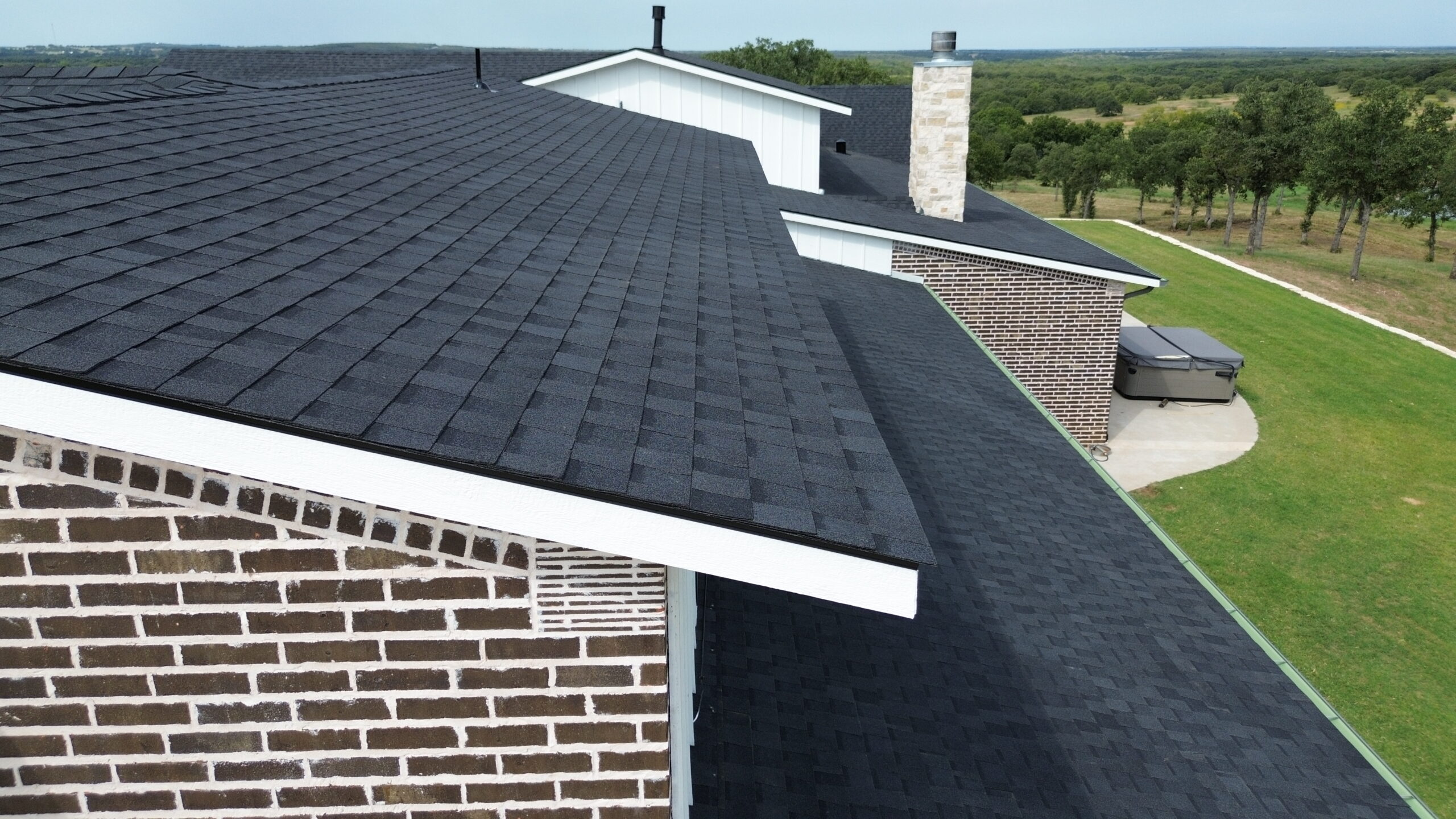
Overview of Popular Energy Efficient Roofing Materials
The roofing industry now offers numerous materials specifically designed to improve building energy performance. Each product achieves energy efficiency through different technologies while providing unique advantages for various building types and climates.
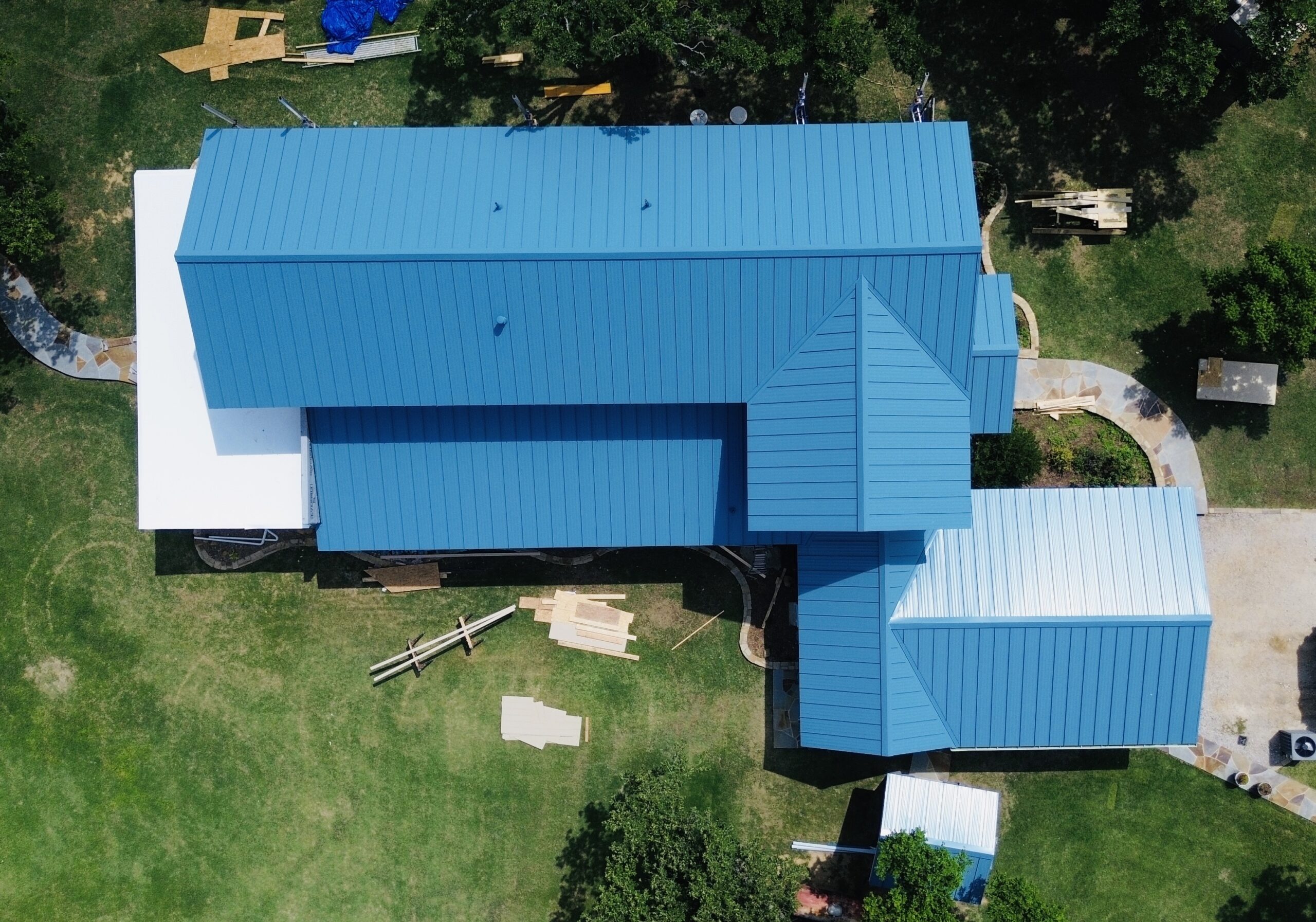
Metal roofing remains one of the most popular energy efficient options because its reflective coatings significantly reduce solar heat absorption. Combined with exceptional durability and long service life, metal roofing delivers dependable performance across residential and commercial applications.
Reflective asphalt shingles provide another practical solution. Advanced manufacturing techniques allow traditional asphalt shingles to reflect more sunlight than conventional products while maintaining familiar appearance and affordable installation costs.
Clay and concrete tiles naturally improve thermal performance through their shape and ventilation characteristics. Air circulation beneath individual tiles helps reduce heat transfer into the building while providing long lasting weather protection.
Synthetic roofing materials continue gaining popularity because engineered polymers combine reflective technology with lightweight construction and excellent durability. Many synthetic products imitate natural slate or wood while offering improved energy efficiency.
Green roofing systems use vegetation to reduce rooftop temperatures while improving insulation and stormwater management. Although more common on commercial buildings, they demonstrate how living roofing systems contribute to sustainable construction.
Reflective roof coatings provide another option for improving energy performance, particularly on existing flat roofs. These specialized coatings increase solar reflectance while extending the lifespan of underlying roofing materials.
Cool Metal Roofing Systems
Cool metal roofing systems have become one of the most effective solutions for improving building energy efficiency. Unlike conventional roofing that absorbs large amounts of solar heat, cool metal roofs are designed with reflective finishes that reduce heat gain throughout the day. This helps maintain lower roof temperatures while reducing the amount of heat transferred into the building.
Modern metal roofing is commonly manufactured from steel or aluminum. Both materials provide excellent durability, but aluminum offers superior corrosion resistance in coastal environments where salt exposure is common. Steel remains a popular choice because it combines exceptional strength with competitive pricing and long service life.
The reflective coatings applied to cool metal roofing are one of its greatest advantages. These specialized finishes reflect a significant portion of incoming solar radiation while releasing absorbed heat quickly through high thermal emittance. As a result, roof surfaces remain noticeably cooler than many traditional roofing materials during sunny weather.
Standing seam metal roofing is widely recognized for its outstanding energy performance. Concealed fasteners improve weather resistance while allowing metal panels to expand and contract naturally as temperatures change. The raised seams also contribute to efficient water drainage and long term structural reliability.
Corrugated metal roofing provides another energy efficient option for residential, commercial, and industrial buildings. The corrugated profile strengthens the panels while maintaining lightweight construction. Combined with reflective coatings, these systems provide dependable protection while lowering cooling costs.
Metal roofing works particularly well with solar panel installations. The durable surface provides a stable platform for photovoltaic systems, allowing property owners to combine reflective roofing with renewable energy production. This combination significantly improves overall building efficiency.
Maintenance requirements remain relatively low. Periodic inspections, cleaning accumulated debris, and checking flashing around roof penetrations are generally sufficient to preserve performance. Because reflective coatings retain their effectiveness for many years, cool metal roofing continues providing energy savings throughout its long service life.
Although the initial investment may exceed that of conventional asphalt shingles, lower utility bills, minimal maintenance, and exceptional durability often make cool metal roofing one of the most cost effective energy efficient roofing systems available.
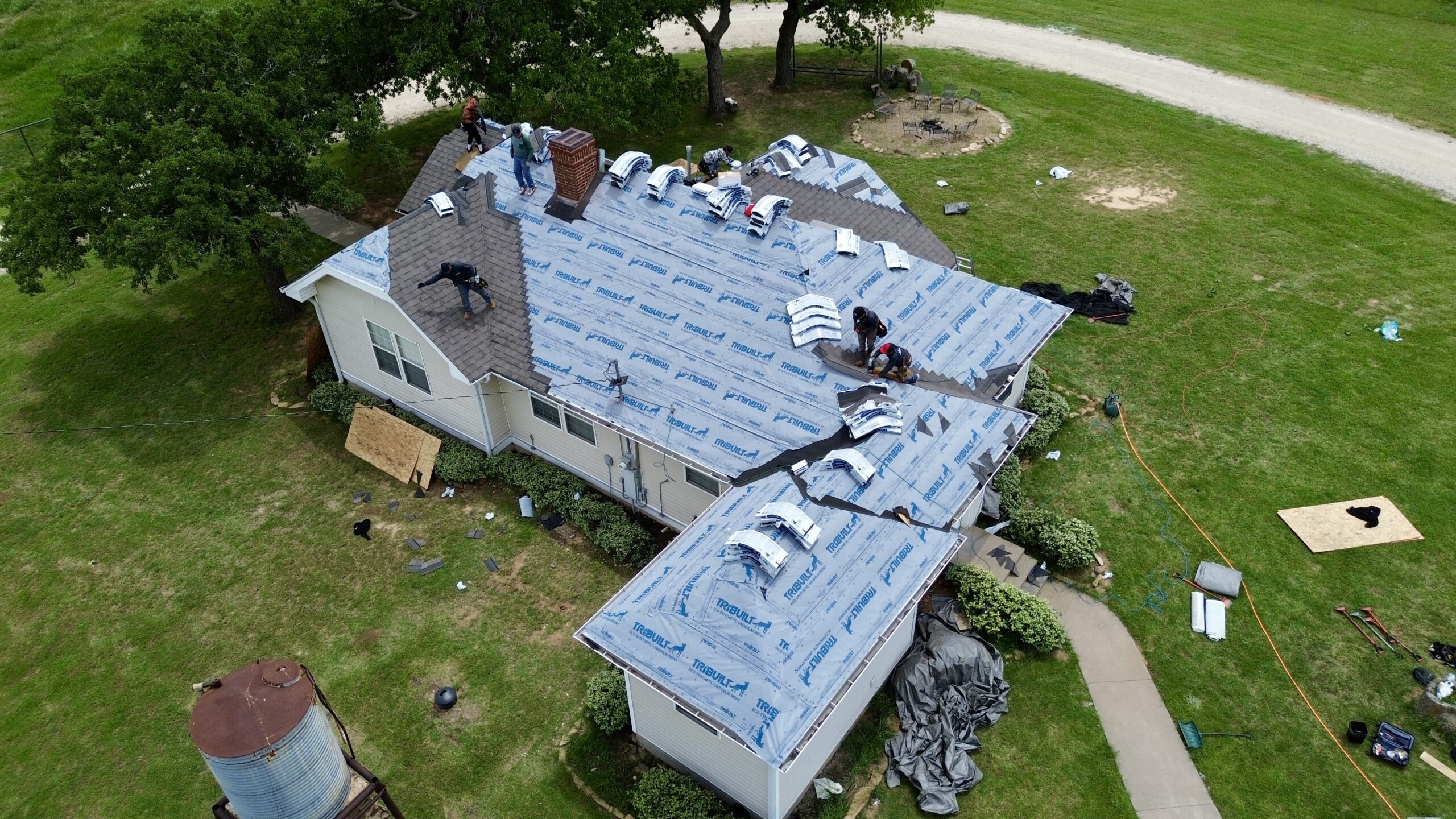
Reflective Asphalt Shingles
Asphalt shingles remain the most common residential roofing material, and recent technological improvements have significantly increased their energy efficiency. Reflective asphalt shingles, often referred to as cool shingles, use advanced reflective granules that reduce solar heat absorption while maintaining the familiar appearance homeowners expect.
Traditional asphalt shingles absorb considerable amounts of sunlight, causing roof temperatures to rise substantially during warm weather. Reflective shingles reduce this effect by incorporating specially engineered mineral granules that increase solar reflectance without dramatically changing the roof’s appearance.
Manufacturers now offer reflective shingles in numerous colors, allowing homeowners to select products that complement their property’s architecture while improving energy performance. Even darker shades can achieve improved reflectivity through advanced pigment technology, giving property owners greater design flexibility.
Installation procedures remain very similar to conventional asphalt shingles. Contractors familiar with standard shingle installation generally require no major adjustments when installing reflective products. This allows homeowners to upgrade energy performance without significantly increasing installation complexity.
Architectural reflective shingles provide additional benefits beyond energy efficiency. Their thicker construction improves durability, wind resistance, and overall appearance while maintaining excellent thermal performance. Many homeowners choose these premium shingles because they balance affordability with long term value.
Routine maintenance requirements are minimal. Regular inspections help identify damaged or missing shingles, while cleaning gutters and removing roof debris support proper drainage. Reflective surfaces continue functioning effectively with only basic maintenance throughout much of their service life.
Reflective asphalt shingles represent an attractive solution for homeowners seeking improved energy efficiency without changing the traditional appearance of their roofs. Their combination of affordability, ease of installation, and reduced cooling costs makes them a practical choice for many residential installation projects.
Clay and Concrete Tile Roofing
Clay and concrete tiles have been valued for centuries because of their durability, weather resistance, and distinctive appearance. In addition to these well known qualities, they also provide excellent energy efficiency through their natural thermal properties and installation design.
The shape of individual roof tiles creates small air spaces between the roofing material and the roof deck. These ventilation channels allow air to circulate beneath the tiles, reducing heat transfer into the building during hot weather. Continuous airflow helps maintain cooler roof temperatures while improving overall thermal performance.
Clay tiles are manufactured from natural clay fired at high temperatures. Their dense structure provides excellent durability while resisting ultraviolet radiation, moisture, insects, and fire. Concrete tiles offer similar advantages while using cement based manufacturing processes that create equally durable roofing systems.
One of the most important energy benefits of tile roofing is thermal mass. Clay and concrete absorb heat gradually during the day and release it slowly over time. This characteristic helps moderate indoor temperature fluctuations, particularly in regions experiencing significant differences between daytime and nighttime temperatures.
Lighter colored clay and concrete tiles further improve energy efficiency by reflecting more sunlight than darker surfaces. Manufacturers now produce numerous color options that balance aesthetic preferences with improved thermal performance.
Although tile roofing is heavier than many other roofing materials, its exceptional lifespan contributes significantly to long term sustainability. Properly installed tile roofs often remain functional for many decades, reducing replacement frequency while maintaining dependable energy performance.
Maintenance requirements remain relatively low. Periodic inspections help identify broken or displaced tiles, while keeping roof valleys clear of debris supports efficient drainage. Individual damaged tiles can usually be replaced without disturbing surrounding sections of the roof.
For property owners seeking long lasting roofing with excellent energy performance, clay and concrete tiles continue to represent highly dependable options, particularly in regions with warm climates.
Synthetic Energy Efficient Roofing Materials
Synthetic roofing materials have become increasingly popular because they combine lightweight construction with advanced thermal performance. Manufactured from engineered polymers, recycled plastics, rubber compounds, and composite materials, these roofing systems imitate the appearance of slate, cedar shakes, or clay tiles while providing modern energy saving benefits.
Reflective technology is incorporated directly into many synthetic roofing products during manufacturing. Specialized pigments and coatings reduce solar heat absorption while maintaining consistent appearance for many years. This allows buildings to remain cooler without sacrificing architectural style.
Lightweight construction contributes indirectly to energy efficiency as well. Lighter roofing systems simplify installation and reduce structural demands, allowing additional insulation or ventilation improvements to be incorporated more easily into the roofing assembly.
Synthetic roofing materials also demonstrate excellent resistance to ultraviolet radiation, moisture, insects, and weather related deterioration. Their ability to maintain structural integrity over long periods helps preserve energy performance while reducing maintenance requirements.
Manufacturers produce synthetic roofing in numerous colors, textures, and profiles that closely resemble natural roofing products. Property owners can therefore achieve premium architectural appearances while benefiting from improved thermal performance and simplified maintenance.
Many synthetic roofing products also incorporate recycled materials during manufacturing, supporting environmentally responsible construction practices. Combined with long service life and energy savings, this improves their overall sustainability profile.
Routine maintenance generally consists of visual inspections and occasional cleaning. Their resistance to biological growth and weather damage helps minimize long term maintenance expenses while preserving energy efficiency throughout the roof’s lifespan.
Synthetic roofing demonstrates how modern material engineering can successfully combine attractive appearance, lightweight construction, durability, and energy performance within a single roofing system.
Green Roof Systems and Vegetative Roofing
Green roof systems represent one of the most innovative approaches to energy efficient roofing. Instead of relying solely on manufactured materials, these roofing systems incorporate living vegetation installed over specialized waterproof membranes and drainage layers. The result is a roofing assembly that actively contributes to building efficiency while supporting environmental sustainability.
Vegetation naturally shades the roof surface, preventing direct sunlight from heating the underlying roofing materials. Plants also cool the surrounding environment through evapotranspiration, a process in which water evaporates from plant surfaces and surrounding soil. This natural cooling effect significantly lowers roof temperatures during hot weather.
Green roofs improve insulation throughout the year. During summer they reduce heat gain, while in colder months they provide additional thermal protection that helps reduce heating demands. The combination of vegetation, growing media, and specialized roofing layers creates an effective insulating system.
Stormwater management provides another important advantage. Vegetative roofing absorbs rainfall, reducing runoff while easing pressure on municipal drainage systems during heavy storms. Slower water release also improves water quality and helps reduce localized flooding.
Urban heat island reduction is another significant environmental benefit. Large cities often experience elevated temperatures because conventional roofing and pavement absorb substantial solar energy. Green roofs replace heat absorbing surfaces with vegetation, helping moderate surrounding air temperatures.
Green roofing systems also support biodiversity by creating habitats for birds, bees, butterflies, and other beneficial wildlife. These ecological benefits contribute to healthier urban environments while improving the overall sustainability of modern buildings.
Installation requires specialized planning because the roof structure must support the additional weight of soil, plants, and retained moisture. Waterproof membranes, root barriers, drainage systems, and irrigation considerations must all be integrated carefully during construction.
Although installation costs are generally higher than traditional roofing systems, green roofs provide substantial long term benefits through improved insulation, extended roof lifespan, enhanced environmental performance, and lower energy consumption.
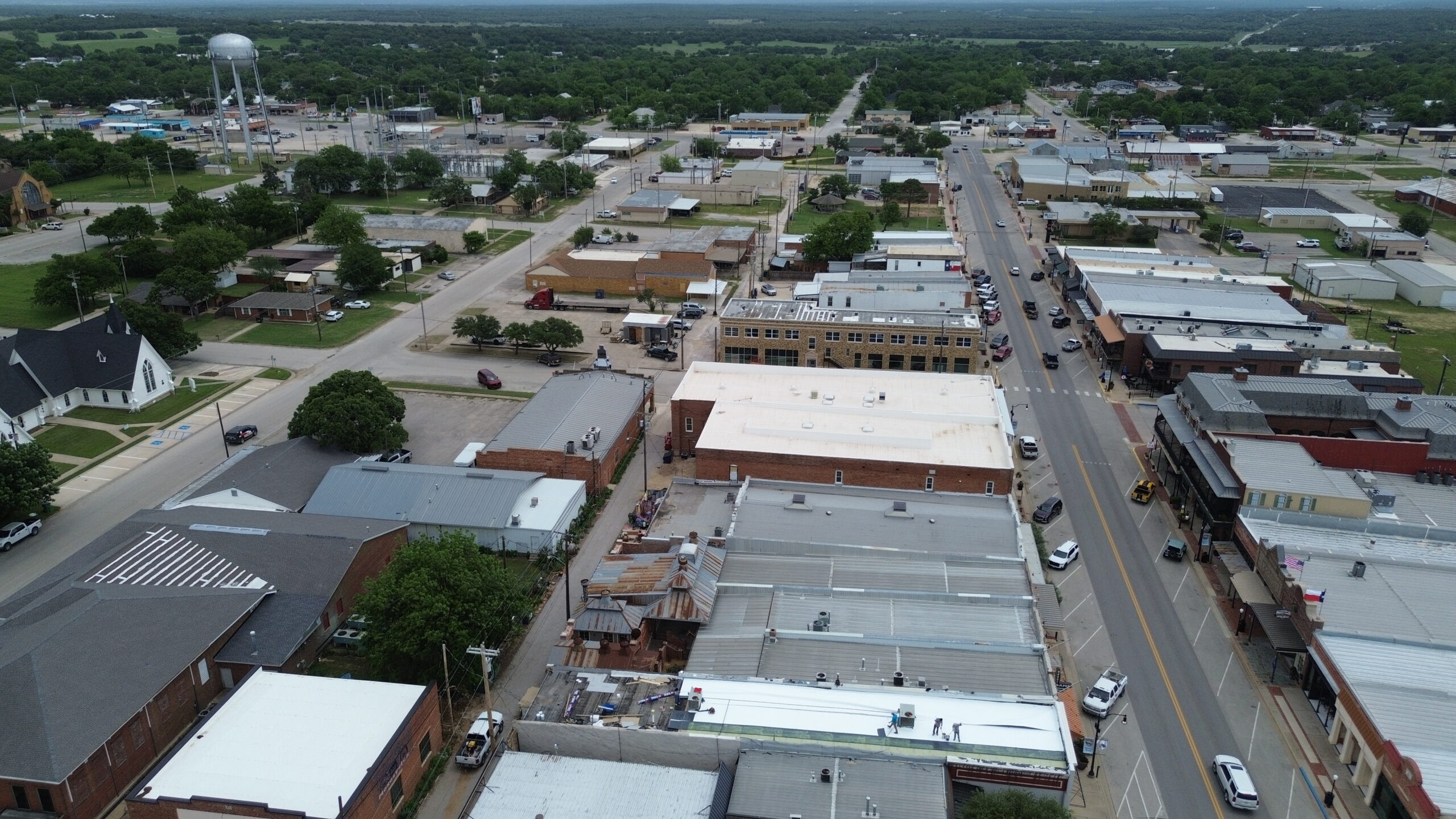
Solar Reflective Roof Coatings
Solar reflective roof coatings provide an effective method for improving the energy efficiency of both new and existing roofing systems. These specialized coatings are commonly applied to flat roofs, low slope commercial buildings, warehouses, and industrial facilities where replacing the entire roofing system may not be necessary.
Reflective coatings create a protective surface that increases solar reflectance while reducing heat absorption. White coatings generally provide the highest reflectivity, although manufacturers also offer lighter colored coatings suitable for various architectural requirements.
One significant advantage of reflective roof coatings is their ability to extend the lifespan of existing roofing materials. By reducing temperature fluctuations and ultraviolet exposure, coatings slow the aging process while maintaining waterproof protection.
Application is generally less disruptive than complete roof replacement. Contractors clean and prepare the roof surface before applying one or more coating layers according to manufacturer recommendations. Proper preparation ensures strong adhesion and long term durability.
Reflective coatings also improve waterproof performance by sealing small surface imperfections and creating continuous protective barriers across the roof. This additional protection reduces moisture penetration while supporting long term roof preservation.
Routine maintenance includes periodic inspections to identify areas requiring touch up or recoating. Proper maintenance allows reflective coatings to continue delivering energy savings while protecting the underlying roofing system.
For buildings with structurally sound roofs, reflective coatings provide a practical and cost effective method of improving energy efficiency without the expense of complete roof replacement.
Energy Efficient Roofing Material Comparison Table
The following comparison highlights the major characteristics of today’s most common energy efficient roofing materials.
| Roofing Material | Energy Efficiency | Average Lifespan | Maintenance Level | Best Climate | Initial Cost |
|---|---|---|---|---|---|
| Cool Metal Roofing | Excellent | 40 to 70 years | Low | Hot and mixed climates | Medium to High |
| Reflective Asphalt Shingles | Very Good | 20 to 30 years | Low | Moderate and warm climates | Low to Medium |
| Clay Tiles | Excellent | 50 to 100 years | Low | Hot climates | High |
| Concrete Tiles | Very Good | 50+ years | Low | Warm and moderate climates | Medium to High |
| Synthetic Roofing | Excellent | 40 to 60 years | Low | Most climates | Medium |
| Green Roof Systems | Outstanding | 40+ years with maintenance | Moderate | Urban environments | High |
| Reflective Roof Coatings | Very Good | 10 to 20 years before recoating | Low | Commercial flat roofs | Low to Medium |
This comparison shows that each roofing material achieves energy efficiency through different technologies. Selecting the most suitable system depends on climate, building design, maintenance expectations, and long term ownership goals.
Choosing the Right Energy Efficient Roofing Material for Different Buildings
Selecting the ideal energy efficient roofing material depends largely on the purpose of the building. Residential homes, commercial facilities, industrial buildings, and public institutions each have different priorities that influence roofing selection.
Residential homeowners often seek a balance between appearance, affordability, and energy savings. Reflective asphalt shingles provide an excellent entry level solution, while cool metal roofing offers greater durability and long term energy performance. Synthetic roofing also appeals to homeowners seeking premium appearance with reduced maintenance.
Luxury homes frequently incorporate clay tiles, concrete tiles, or standing seam metal roofing. These materials combine outstanding architectural appeal with excellent thermal performance while contributing to higher property value and long service life.
Commercial buildings generally prioritize energy efficiency, maintenance simplicity, and lifecycle costs. Cool metal roofing, reflective roof coatings, and green roof systems frequently provide the greatest long term value because they reduce operating expenses while supporting sustainable building certifications.
Industrial facilities often require roofing systems capable of covering large roof areas efficiently. Reflective metal roofing and specialized roof coatings remain popular because they lower cooling costs while requiring relatively little maintenance over many years.
Educational institutions, hospitals, and government buildings typically focus on durability, energy savings, and environmental responsibility. Long lasting roofing systems that reduce utility expenses while supporting occupant comfort often provide the greatest return on investment.
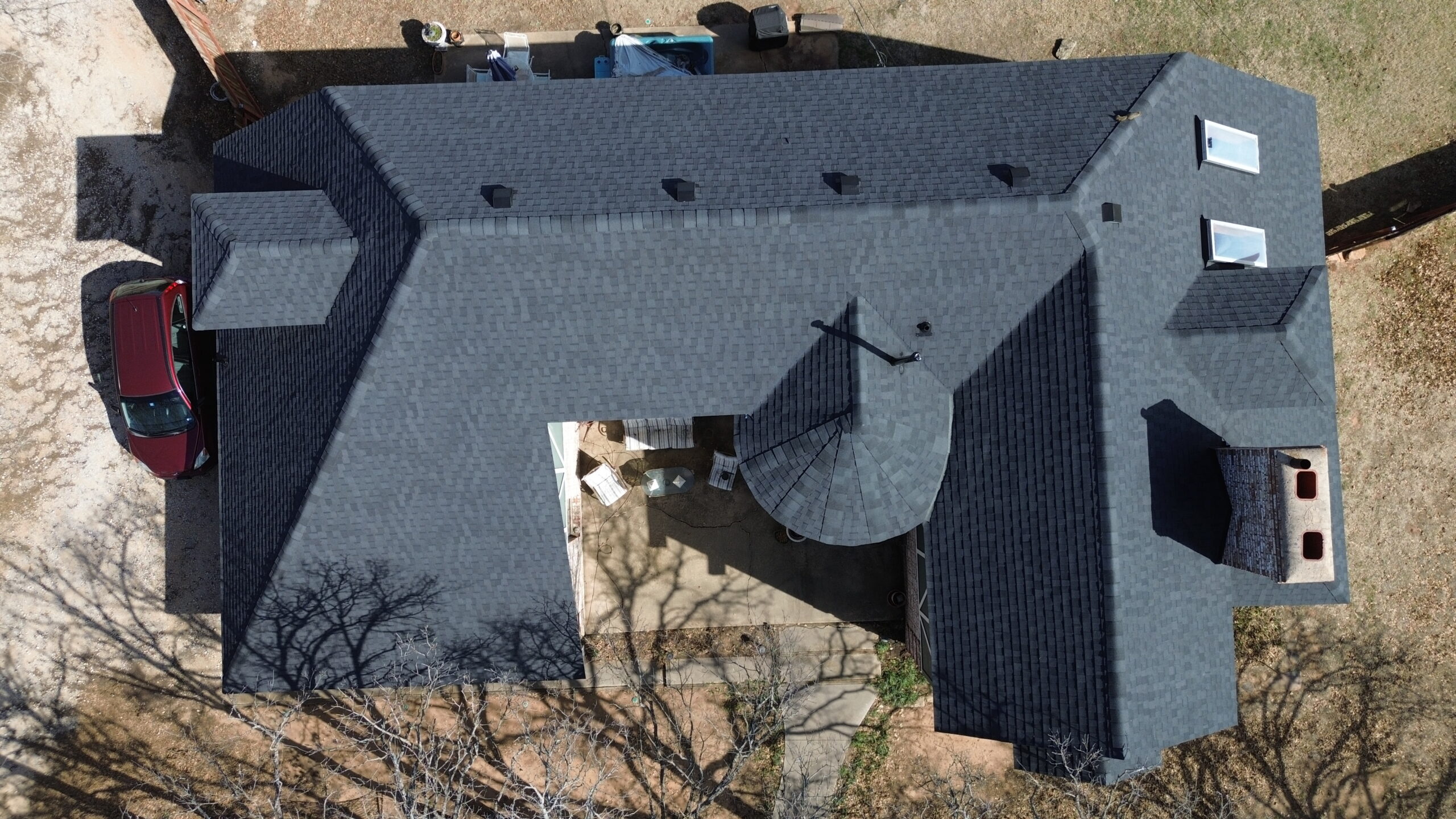
Installation Best Practices for Energy Efficient Roofing
Selecting an energy efficient roofing material is only one part of creating a high-performing roof. The quality of installation has an equally important influence on energy savings, weather resistance, and long term durability. Even the most advanced roofing materials cannot achieve their full performance if they are installed incorrectly or if critical roofing components are overlooked.
Every installation project should begin with a thorough inspection of the existing roof structure. Contractors evaluate the condition of roof decking, rafters, trusses, and supporting walls before installing new materials. Any damaged wood, loose fasteners, or structural weaknesses should be repaired first to provide a solid foundation for the new roofing system.
Roof deck preparation is another essential step. A clean, dry, and level roof deck allows roofing materials to sit correctly and perform as intended. Moisture trapped beneath roofing materials can reduce insulation efficiency, encourage mold growth, and shorten the roof’s lifespan.
High quality underlayment plays an important role in energy performance. Modern underlayment materials provide an additional moisture barrier while helping regulate heat transfer beneath the roofing surface. Choosing an underlayment recommended by the roofing manufacturer improves compatibility and overall system performance.
Proper attic insulation should always be installed alongside energy efficient roofing whenever possible. Insulation slows the movement of heat between the roof and interior living spaces. Even highly reflective roofing materials provide greater energy savings when combined with sufficient insulation.
Roof ventilation is equally important. Ventilation allows hot air to escape from the attic during summer while helping prevent moisture accumulation throughout the year. Ridge vents, soffit vents, and other ventilation systems work together to improve indoor comfort and extend the lifespan of roofing materials.
Correct fastening methods also influence long term performance. Roofing panels, shingles, tiles, and synthetic materials each require manufacturer approved fastening patterns. Proper fastening improves wind resistance while preventing movement that could reduce waterproof performance.
Flashing around chimneys, skylights, vents, and roof valleys deserves careful attention during installation. These transition areas are common locations for water infiltration if flashing is installed incorrectly. High quality flashing protects both the roofing material and the building structure beneath.
Drainage planning is another important consideration, particularly for low slope and commercial roofs. Water should move efficiently toward drains, gutters, or downspouts without forming standing pools. Proper drainage helps maintain reflective roofing surfaces while reducing moisture related damage.
Professional installation concludes with a complete quality inspection. Contractors verify roofing alignment, flashing integrity, ventilation performance, drainage, and fastening before considering the project complete. This final inspection helps identify small issues before they become expensive repairs.
When installation follows industry best practices, energy efficient roofing materials provide dependable weather protection while delivering the thermal performance expected throughout their service life.
Maintaining Energy Efficient Roofing Systems
Routine maintenance helps preserve the energy saving benefits of modern roofing systems while extending their lifespan. Although many energy efficient roofing materials require relatively little maintenance, regular inspections and cleaning ensure they continue performing at their highest level.
Roof inspections should be performed at least twice each year, preferably during spring and autumn. Additional inspections after severe storms allow property owners to identify loose roofing components, damaged flashing, clogged drainage systems, or weather related damage before larger problems develop.
Keeping the roof surface clean is one of the most effective maintenance practices. Leaves, branches, dirt, and other debris reduce drainage efficiency while trapping moisture against roofing materials. On reflective roofing systems, accumulated dirt may also reduce solar reflectance, decreasing energy performance over time.
Cleaning gutters and downspouts remains equally important. Blocked drainage systems may cause water to back up onto the roof, increasing the risk of leaks and moisture damage. Free flowing drainage protects both the roofing material and the building structure.
Reflective metal roofing should be inspected periodically for scratches, loose fasteners, or damaged protective coatings. Prompt repairs help preserve corrosion resistance while maintaining high solar reflectance throughout the roof’s lifespan.
Reflective asphalt shingles require basic visual inspections to identify missing, curled, or damaged shingles. Replacing individual shingles promptly prevents moisture intrusion while maintaining consistent roof performance.
Clay and concrete tile roofs benefit from periodic inspections for cracked or displaced tiles. Damaged tiles should be replaced as soon as possible to protect the underlayment from prolonged weather exposure. Roof valleys should also remain free from leaves and debris that restrict drainage.
Synthetic roofing materials generally require only occasional cleaning and visual inspections. Their resistance to ultraviolet radiation, insects, and moisture helps minimize maintenance requirements while preserving long term appearance.
Green roof systems require more specialized maintenance than conventional roofing. Vegetation should be monitored regularly to ensure healthy growth, irrigation systems should function correctly, and drainage layers should remain free of obstructions. Proper plant care directly influences both insulation performance and stormwater management.
Reflective roof coatings should also be inspected periodically. Small cracks or worn areas may require localized repairs or recoating to maintain maximum energy efficiency. Regular maintenance helps extend coating life while preserving its reflective properties.
Professional roof inspections every few years provide additional assurance that hidden problems have not developed beneath the visible roofing surface. Experienced contractors can identify moisture intrusion, insulation concerns, or ventilation issues before they become noticeable inside the building.
Consistent maintenance allows energy efficient roofing systems to continue reducing utility costs while protecting the building for many decades.
Common Mistakes When Selecting Energy Efficient Roofing Materials
Choosing energy efficient roofing materials requires careful evaluation of numerous factors. Unfortunately, several common mistakes can reduce long term performance or prevent property owners from achieving expected energy savings.
One frequent mistake is focusing entirely on the roofing material while ignoring insulation. Reflective roofing surfaces reduce solar heat gain, but poor attic insulation still allows significant heat transfer into the building. Roofing materials and insulation should always be considered as parts of a complete energy efficient system.
Another common mistake involves selecting roofing materials without considering the local climate. Highly reflective roofing performs exceptionally well in warm climates, while colder regions may place greater emphasis on insulation performance. Matching roofing materials to environmental conditions improves both comfort and efficiency.
Some property owners assume that darker roofing materials cannot be energy efficient. Modern manufacturing techniques now allow darker roofing products to incorporate reflective pigments that improve solar performance. Color alone should not determine roofing selection.
Choosing roofing materials based only on installation cost often leads to disappointment. Lower priced roofing products may require earlier replacement or provide smaller energy savings. Evaluating total ownership costs offers a more accurate comparison of long term value.
Ignoring roof ventilation is another significant mistake. Even highly efficient roofing materials cannot compensate for inadequate attic ventilation. Poor airflow allows heat and moisture to accumulate, reducing both energy performance and roofing lifespan.
Hiring inexperienced roofing contractors may also reduce expected energy savings. Correct installation techniques are essential for achieving proper ventilation, waterproofing, insulation compatibility, and weather resistance. Quality workmanship remains just as important as selecting quality materials.
Neglecting regular maintenance after installation is another avoidable error. Dirt, debris, damaged flashing, or clogged drainage systems gradually reduce roofing efficiency if left unaddressed. Simple maintenance tasks help preserve thermal performance while preventing expensive repairs.
Some property owners overlook compatibility with future improvements such as solar panels. Selecting roofing systems capable of supporting renewable energy equipment simplifies future upgrades while increasing the building’s overall sustainability.
Finally, failing to review manufacturer warranties and installation requirements may create unnecessary risks. Following manufacturer recommendations helps maintain warranty coverage while ensuring roofing materials perform according to their intended design.
Avoiding these common mistakes allows property owners to maximize both the financial and environmental benefits of energy efficient roofing.
Frequently Asked Questions
Which roofing material is the most energy efficient?
The answer depends on climate and building design. Cool metal roofing, green roof systems, and highly reflective roofing materials generally provide excellent energy performance. The most suitable choice varies according to local weather conditions and project requirements.
Does roof color affect energy efficiency?
Yes. Lighter colored roofing generally reflects more sunlight than darker surfaces. However, many modern roofing products use advanced reflective pigments that improve the performance of darker colors as well.
Can energy efficient roofing reduce electricity bills?
Yes. By reducing heat transfer into the building, energy efficient roofing lowers the workload placed on air conditioning systems during warm weather. Combined with proper insulation, this often produces noticeable reductions in monthly energy costs.
Are energy efficient roofing materials more expensive?
Some products require greater initial investment than traditional roofing materials. However, lower utility bills, reduced maintenance, and longer service life frequently provide greater overall value throughout the roof’s lifetime.
Can solar panels be installed on energy efficient roofs?
Yes. Many roofing materials, particularly standing seam metal roofing, provide excellent platforms for solar panel installation. Combining reflective roofing with solar energy systems further improves building efficiency.
How long do energy efficient roofing materials last?
Lifespan depends on the material selected. Reflective asphalt shingles generally last twenty to thirty years, while cool metal roofing may remain functional for forty to seventy years or more. Clay tiles, concrete tiles, and certain synthetic materials often provide similarly long service lives.
Conclusion
Energy efficient roofing materials have become an essential part of modern construction because they improve building performance while reducing long term operating costs. By reflecting solar radiation, improving insulation performance, and reducing heat transfer, these roofing systems help create more comfortable indoor environments while lowering energy consumption throughout the year.
Today’s roofing industry offers numerous energy efficient solutions suitable for different building types and climates. Cool metal roofing provides exceptional durability and reflective performance, while reflective asphalt shingles offer an affordable option for residential projects. Clay and concrete tiles combine natural thermal benefits with remarkable longevity, synthetic roofing materials provide lightweight efficiency, green roof systems contribute to environmental sustainability, and reflective roof coatings improve the performance of existing roofing systems.
Choosing the right roofing material requires careful evaluation of climate, roof design, insulation, ventilation, maintenance expectations, and long term ownership goals. No single roofing product is ideal for every installation project. The best solution is one that balances energy performance with durability, appearance, budget, and structural requirements.
Professional installation remains critical to achieving maximum energy savings. Proper roof deck preparation, high quality underlayment, sufficient insulation, effective ventilation, accurate flashing, and reliable drainage all contribute to the overall performance of the roofing system. Regular maintenance then preserves these benefits by ensuring the roof continues functioning efficiently throughout its lifespan.
As energy costs continue to increase and sustainable construction becomes more important, investing in energy efficient roofing materials provides lasting value. Property owners benefit from lower utility bills, improved indoor comfort, greater environmental responsibility, and enhanced property value. These advantages extend well beyond the roof itself, contributing to healthier buildings and more efficient communities.
Selecting high quality energy efficient roofing materials today is an investment that continues delivering returns for decades. When combined with expert installation and routine maintenance, these roofing systems provide dependable protection, outstanding thermal performance, and meaningful financial savings while supporting the future of sustainable construction.