
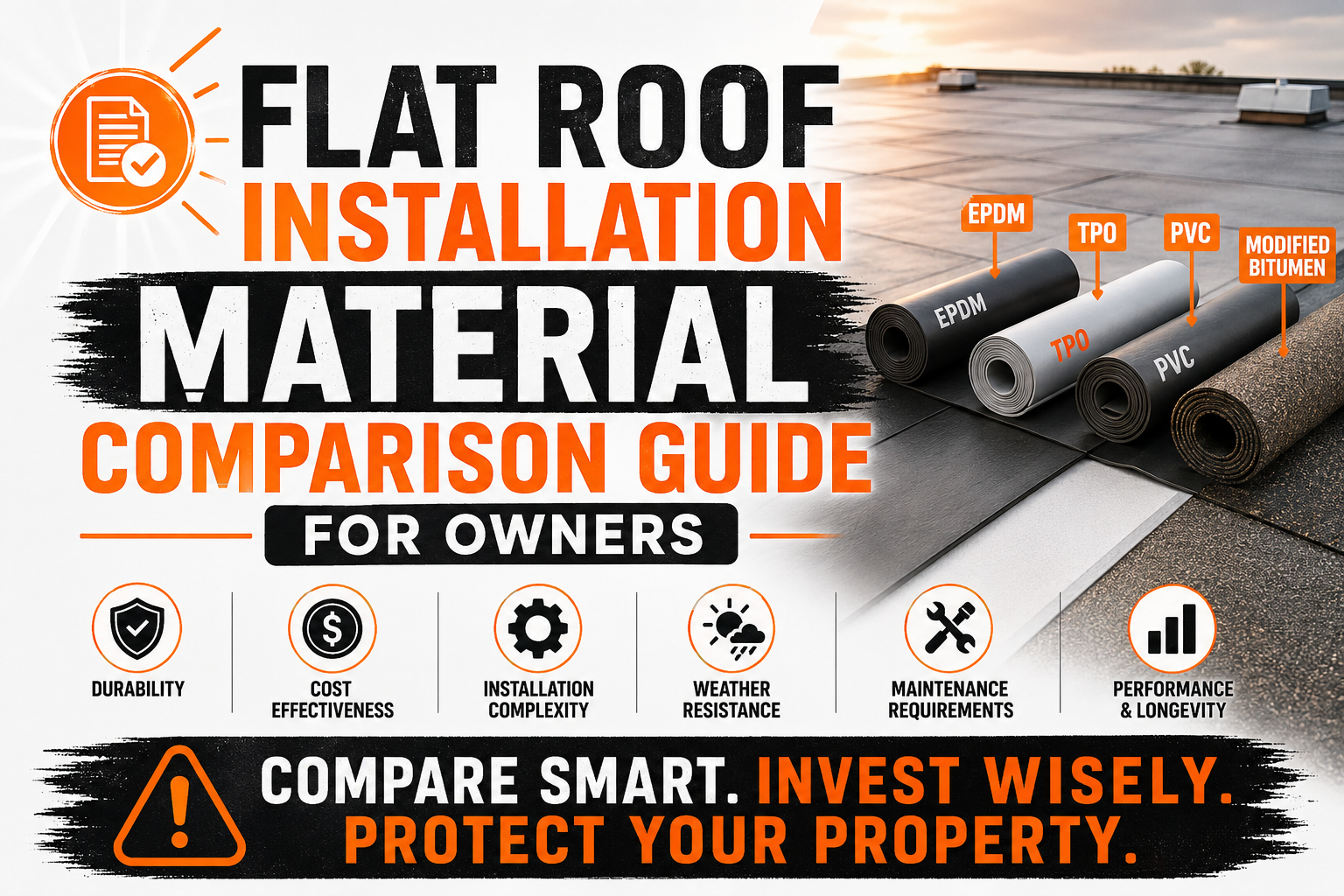
Flat Roof Installation Material Comparison Guide for Owners
Introduction
Choosing the right roofing material is one of the most important decisions property owners make during a flat roof installation project. While proper installation plays a major role in roof performance, the material itself determines how well the roof withstands weather, resists damage, conserves energy, and performs over the coming decades. A roofing system that matches the building’s requirements can provide dependable protection and reduce long-term ownership costs.
Today’s market offers several high-quality flat roofing materials, each designed to meet different performance needs. Some materials prioritize energy efficiency, while others focus on durability, chemical resistance, or lower installation costs. Because every building has unique structural requirements and environmental conditions, there is no single roofing material that is ideal for every situation.
Many property owners initially focus on installation price alone, believing the least expensive option provides the best value. However, long-term ownership costs often depend more on maintenance requirements, repair frequency, energy efficiency, and expected service life than on the original installation expense. Understanding these factors helps owners make better financial decisions.
Climate also influences material selection. A roofing system that performs exceptionally well in a warm, dry region may not provide the same results in an area experiencing heavy snowfall, frequent storms, or intense temperature fluctuations. Evaluating local environmental conditions ensures the selected material can withstand long-term weather exposure.
Building usage should also be considered before selecting a roofing system. Office buildings, warehouses, hospitals, schools, apartment complexes, and industrial facilities often have different roofing priorities. Rooftop equipment, maintenance traffic, and operational requirements all influence which material delivers the greatest value.
This guide compares the most commonly used flat roof installation materials to help property owners understand their strengths, limitations, and ideal applications. In this first part, we will examine the purpose of flat roofing materials, explore the factors that influence material selection, introduce the major roofing systems available today, and provide an overview comparison before moving into more detailed evaluations in the following sections.
Understanding Flat Roof Installation Materials
Flat roofing materials form the primary waterproof barrier that protects buildings from rain, sunlight, wind, temperature changes, and environmental exposure. Although different roofing systems use different installation methods, every material is designed to prevent moisture from entering the building while providing long-term structural protection.
Modern flat roofing systems have evolved significantly over the past several decades. Earlier roofing technologies relied heavily on multiple layers of asphalt and felt, while today’s roofing industry increasingly uses advanced synthetic membranes engineered for durability and energy efficiency.
Each roofing material consists of unique chemical compositions, reinforcement methods, and manufacturing processes. These differences influence flexibility, weather resistance, installation complexity, maintenance requirements, and overall service life.
Selecting roofing materials therefore involves much more than choosing a waterproof covering. Property owners must evaluate how each material interacts with insulation, roof decking, drainage systems, flashing, and building movement throughout many years of operation.
A complete roofing system functions as an integrated assembly where every component supports the performance of the others. The roofing membrane may receive the most attention, but insulation, vapor barriers, fasteners, adhesives, and flashing all contribute to the roof’s overall success.
Why Roofing Materials Differ
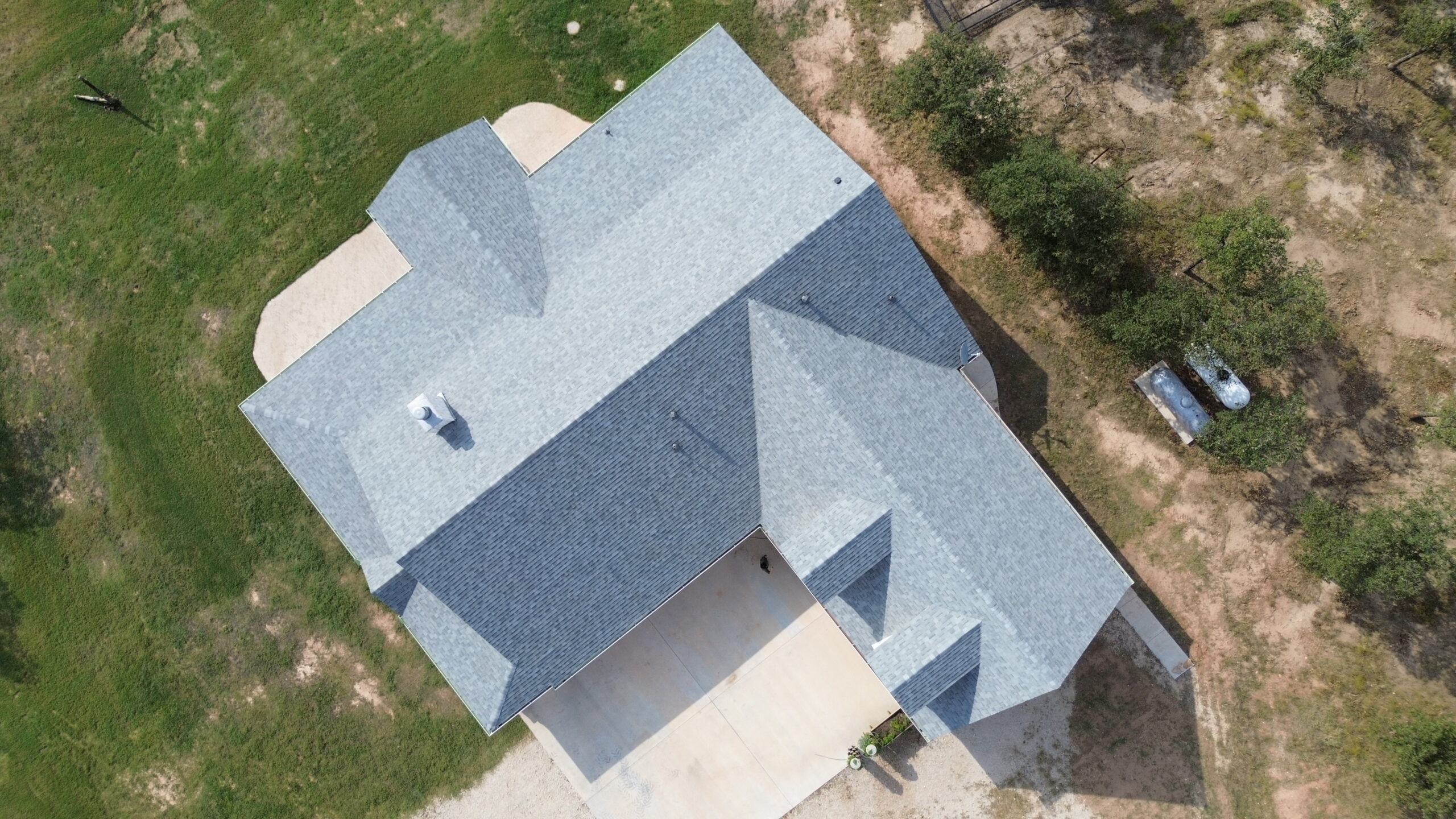
The wide variety of flat roofing materials exists because buildings operate under very different conditions. A warehouse storing packaged goods has different roofing requirements than a restaurant with grease exhaust systems or a manufacturing facility exposed to industrial chemicals.
Climate creates another important distinction. Roofing materials installed in regions with intense sunlight require excellent ultraviolet resistance, while colder climates demand flexibility that allows the membrane to withstand repeated freeze-thaw cycles without cracking.
Roof traffic also affects material selection. Buildings requiring frequent rooftop equipment maintenance benefit from roofing systems capable of resisting punctures and repeated foot traffic.
Energy efficiency objectives further influence material choice. Reflective roofing membranes help reduce cooling costs in warm climates, while darker materials may provide different performance characteristics depending on regional weather patterns.
Rather than searching for a universally superior roofing material, property owners should identify the system that best matches their building’s operational requirements and long-term goals.
Matching Roofing Materials to Building Requirements
Successful roofing projects begin by understanding how the building will be used throughout its lifespan. Roofing materials should support daily operations while minimizing maintenance interruptions and long-term repair expenses.
Commercial office buildings often prioritize energy efficiency because heating and cooling expenses represent a significant portion of operating costs. Reflective roofing materials help reduce rooftop temperatures while lowering air conditioning demands.
Industrial facilities may require roofing systems capable of resisting chemical exposure, grease, oils, or specialized environmental conditions. Material compatibility becomes especially important in these settings.
Residential flat roofs frequently emphasize appearance, weather protection, and affordability while still requiring dependable waterproof performance.
Healthcare facilities, schools, and government buildings often seek roofing systems that combine durability with long service life to minimize disruptions caused by future replacement projects.
Understanding these operational priorities allows owners to compare roofing materials more effectively.
Key Factors to Compare Before Choosing a Roofing Material
Evaluating flat roofing materials requires examining several important characteristics rather than focusing on a single feature. Every material offers advantages and limitations that influence long-term performance.
One of the first considerations is climate compatibility. Roofing systems perform differently depending on regional temperatures, rainfall, snowfall, humidity, and ultraviolet exposure.
Expected lifespan also deserves careful attention. While longer-lasting materials may involve higher installation costs, they often provide greater value over several decades of service.
Installation complexity influences labor costs, project scheduling, and contractor selection. Some roofing systems require highly specialized equipment or certified installation techniques.
Maintenance requirements vary considerably among roofing materials. Systems requiring less frequent repairs may reduce long-term ownership costs despite higher initial investments.
Budget remains an important factor, but evaluating lifecycle costs often provides a more accurate understanding of overall value than comparing installation prices alone.
Climate Suitability
Climate affects nearly every aspect of roof performance. Continuous sunlight, heavy rainfall, strong winds, snow accumulation, hailstorms, and rapid temperature changes all place different demands on roofing materials.
Reflective roofing systems generally perform well in warmer climates by reducing heat absorption. Lower rooftop temperatures improve indoor comfort while decreasing cooling costs during summer months.
Cold climates often require roofing materials that remain flexible despite repeated freezing temperatures. Materials that become brittle during winter may experience cracking as buildings expand and contract seasonally.
Regions with frequent storms benefit from roofing systems offering strong wind resistance and dependable waterproof seams. Proper installation becomes especially important in these environments.
Selecting materials designed for local weather conditions significantly improves long-term roof reliability.
Lifespan Expectations
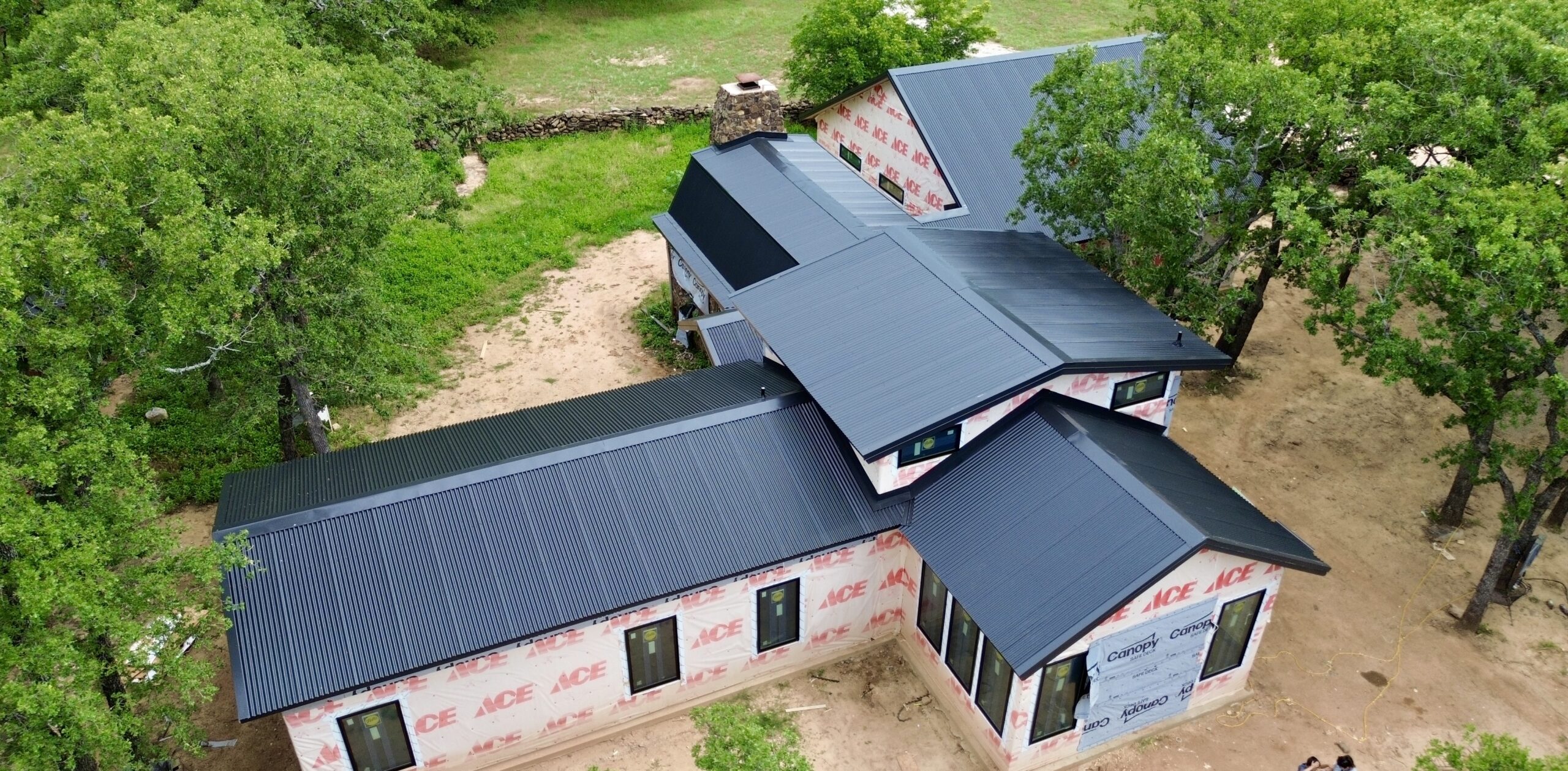
Every roofing material has an expected service life when installed and maintained properly. Although actual lifespan varies depending on environmental conditions and maintenance quality, understanding general expectations helps owners compare long-term value.
Longer-lasting roofing systems reduce the frequency of replacement projects, minimizing disruption to building operations over many decades.
Routine inspections, prompt repairs, and preventive maintenance often extend roof lifespan regardless of the material selected.
Manufacturer warranties also provide insight into expected product performance. While warranty length should not be the only evaluation criterion, it offers useful information when comparing similar roofing systems.
Considering expected lifespan together with maintenance costs produces a more balanced assessment than installation price alone.
Installation Complexity
Installation procedures differ significantly among flat roofing materials. Some systems require specialized welding equipment, while others rely on adhesives, mechanical fasteners, or multiple built-up layers.
Projects involving complex roof layouts, numerous penetrations, or rooftop equipment may benefit from materials offering greater installation flexibility.
Highly specialized roofing systems require experienced contractors familiar with manufacturer specifications and approved installation techniques.
Selecting qualified installers remains just as important as choosing quality materials because poor workmanship can reduce the performance of even the most advanced roofing products.
Professional installation also supports manufacturer warranty requirements and long-term roof reliability.
Maintenance Requirements
Maintenance should always be considered before selecting a roofing system because every roof requires periodic inspections throughout its service life.
Some materials resist dirt accumulation better than others, simplifying routine cleaning and visual inspections. Smooth membrane surfaces often allow maintenance personnel to identify developing issues more easily.
Repair procedures also vary between roofing systems. Certain materials permit relatively simple localized repairs, while others may require more extensive restoration work.
Property owners should evaluate how maintenance activities fit within their operational schedules and long-term facility management plans.
Lower maintenance requirements often contribute significantly to overall ownership value.
Budget Considerations
Budget influences nearly every roofing decision, but property owners benefit from considering both immediate and long-term financial impacts.
Installation costs include roofing materials, insulation, labor, equipment, structural repairs, permits, and project management expenses.
Long-term ownership costs extend beyond installation to include maintenance, repairs, energy consumption, inspections, and eventual roof replacement.
Investing slightly more during installation sometimes reduces overall lifetime expenses through improved durability and lower maintenance requirements.
Evaluating total ownership cost rather than installation price alone supports more informed financial decision-making.
Overview of the Most Common Flat Roofing Materials
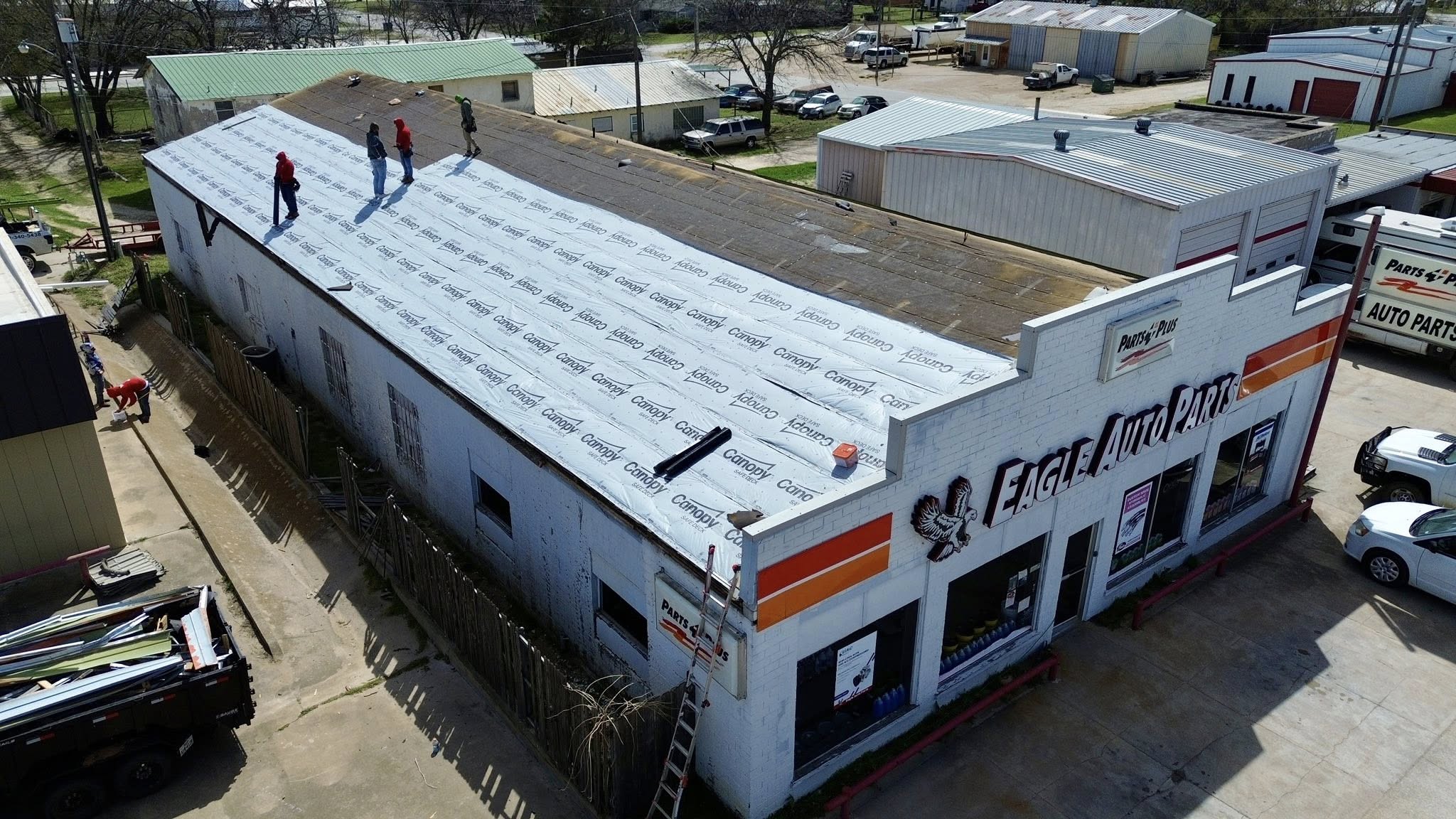
Several roofing systems dominate today’s commercial and residential flat roofing market because they consistently provide dependable performance across a wide range of applications.
Each material offers distinct advantages while serving different operational priorities.
The most widely used flat roofing materials include:
- TPO (Thermoplastic Polyolefin)
- EPDM (Ethylene Propylene Diene Monomer)
- PVC (Polyvinyl Chloride)
- Modified Bitumen
- Built-Up Roofing (BUR)
Understanding the basic characteristics of these materials provides a foundation for more detailed comparisons later in this guide.
TPO Roofing
TPO roofing has become one of the fastest-growing flat roofing systems due to its combination of energy efficiency, durability, and relatively straightforward installation.
Its reflective white surface helps reduce rooftop temperatures by reflecting sunlight away from the building. Heat-welded seams create strong waterproof connections that contribute to reliable long-term performance.
TPO is commonly installed on commercial buildings, warehouses, schools, retail facilities, and modern residential flat roofs.
The material performs particularly well in regions where reducing cooling costs represents an important operational objective.
EPDM Roofing
EPDM is a synthetic rubber membrane recognized for its flexibility and long history of reliable performance.
Its ability to remain flexible during cold weather makes it especially popular in regions experiencing significant seasonal temperature changes.
EPDM roofing generally features dark membrane surfaces that absorb more heat than reflective roofing materials. While this characteristic may increase cooling demands in warm climates, it can provide advantages in colder environments.
Its simple membrane design also allows efficient installation across large commercial roof areas.
PVC Roofing
PVC roofing offers excellent resistance to chemicals, grease, oils, and environmental contaminants, making it particularly suitable for restaurants, industrial facilities, and manufacturing plants.
Like TPO, PVC membranes use heat-welded seams that provide dependable waterproof protection.
The material also demonstrates strong resistance to fire, ultraviolet exposure, and many industrial pollutants.
Although installation costs may be higher than some alternatives, PVC often delivers excellent long-term value in demanding commercial environments.
Modified Bitumen Roofing
Modified bitumen combines traditional asphalt roofing technology with modern polymer modifications that improve flexibility and durability.
Multiple installation methods allow contractors to adapt the system to different building requirements and project conditions.
The material provides strong puncture resistance, making it suitable for roofs experiencing regular maintenance traffic.
Modified bitumen has remained a dependable roofing solution for decades because of its proven weather resistance and durable layered construction.
Built-Up Roofing (BUR)
Built-Up Roofing, commonly known as BUR, represents one of the oldest commercial flat roofing systems still widely used today.
BUR consists of multiple alternating layers of reinforcing materials and bitumen that create a thick, durable waterproof assembly.
Its layered construction provides excellent redundancy because multiple waterproof layers protect the building rather than relying on a single membrane.
Although installation typically requires more labor than modern single-ply systems, BUR continues serving many commercial buildings successfully.
Material Comparison Overview
The following table provides a general comparison of the most common flat roofing materials before examining each system in greater detail.
| Roofing Material | Main Strength | Primary Limitation | Best Application |
|---|---|---|---|
| TPO | Energy efficiency | Installation quality is critical | Commercial and residential buildings |
| EPDM | Excellent flexibility | Dark surface absorbs more heat | Large commercial roofs |
| PVC | Superior chemical resistance | Higher installation cost | Industrial and restaurant facilities |
| Modified Bitumen | Strong puncture resistance | More labor-intensive installation | High-traffic commercial roofs |
| Built-Up Roofing | Multiple waterproof layers | Heavier roofing system | Large commercial buildings |
While these materials share the common goal of protecting buildings from weather, each offers unique performance characteristics that influence installation methods, maintenance needs, durability, and long-term value.
TPO Roofing
Thermoplastic Polyolefin, commonly known as TPO, has become one of the most popular flat roofing materials for commercial buildings and modern residential properties. Its combination of affordability, energy efficiency, and reliable waterproof performance makes it a preferred option for many new construction and roof replacement projects.
TPO is a single-ply membrane manufactured from a blend of polypropylene and ethylene-propylene rubber. The material is available in large rolls that allow contractors to cover wide roof areas with relatively few seams. Heat-welded seams create strong waterproof connections that contribute to long-term roof performance.
Reflective white TPO membranes are especially common because they help reduce rooftop temperatures during warm weather. Lower roof temperatures improve indoor comfort while reducing the demand placed on cooling systems.
Although TPO performs well in many situations, property owners should understand both its strengths and limitations before selecting it for a roofing project.
Advantages of TPO Roofing
One of TPO’s greatest strengths is its excellent energy efficiency. Its reflective surface minimizes solar heat absorption, helping reduce air conditioning costs in warm climates.
Heat-welded seams also provide outstanding waterproof protection. Properly welded joints create strong connections that resist moisture infiltration while maintaining long-term durability.
The membrane is lightweight, making transportation and installation more efficient than many heavier roofing systems. Its flexibility also allows it to accommodate normal building movement caused by changing temperatures.
TPO demonstrates good resistance to ultraviolet radiation, algae growth, and general weather exposure. These characteristics contribute to dependable performance throughout much of its expected service life.
Disadvantages of TPO Roofing
Despite its many advantages, TPO has several limitations that deserve consideration.
Performance may vary among manufacturers because membrane formulations differ slightly across brands. Selecting reputable manufacturers helps reduce this concern.
Installation quality is another important factor. Improper seam welding or flashing installation can significantly reduce long-term waterproof performance.
Although modern TPO products continue improving, the material has a shorter performance history than some older roofing systems. Owners often rely heavily on manufacturer testing and warranties when evaluating long-term durability.
Best Applications for TPO
TPO roofing performs especially well on buildings where energy efficiency is a primary objective.
Typical applications include:
- Office buildings
- Retail centers
- Warehouses
- Schools
- Apartment complexes
- Modern residential flat roofs
These buildings often benefit from reduced cooling costs while enjoying dependable waterproof protection.
Installation Considerations
Successful TPO installation depends on proper substrate preparation, accurate membrane alignment, and consistent heat welding.
Contractors must carefully monitor welding temperatures because insufficient heat weakens seams while excessive heat may damage the membrane.
Professional installation by experienced roofing contractors remains essential for maximizing roof performance and maintaining manufacturer warranty coverage.
EPDM Roofing
EPDM is one of the longest-established synthetic rubber roofing materials available for flat roofs. It has earned a strong reputation for durability, flexibility, and dependable long-term performance across many commercial applications.
The membrane is manufactured primarily from synthetic rubber compounds that remain flexible even during significant temperature fluctuations. This flexibility helps the roof accommodate normal building movement without developing cracks.
EPDM is commonly available in large membrane sheets that reduce the number of field seams required during installation. Fewer seams generally reduce opportunities for water infiltration.
Its proven performance history continues making EPDM an attractive choice for many building owners.
Advantages of EPDM Roofing
EPDM remains flexible in both hot and cold weather, making it particularly suitable for regions experiencing harsh winters or significant seasonal temperature changes.
The material has demonstrated reliable long-term durability through decades of commercial use. Many building owners value this proven track record when making roofing decisions.
Repairs are often relatively straightforward because damaged areas can frequently be restored without replacing large roof sections.
EPDM also resists ozone exposure and many environmental conditions that contribute to membrane aging.
Disadvantages of EPDM Roofing
Traditional EPDM membranes are usually black, causing them to absorb more solar heat than reflective roofing materials such as TPO.
Greater heat absorption may increase cooling costs during warm weather, particularly on large commercial buildings with significant roof exposure.
Adhesive-based seams require careful installation because seam performance depends heavily on workmanship and ongoing maintenance.
The membrane may also be more susceptible to punctures than some thicker roofing systems if exposed to heavy rooftop traffic without protective walkways.
Best Applications for EPDM
EPDM performs particularly well on:
- Large commercial buildings
- Warehouses
- Distribution centers
- Schools
- Industrial facilities
- Buildings located in colder climates
These applications benefit from the material’s flexibility, durability, and proven performance history.
Installation Considerations
EPDM installation methods vary depending on project requirements. Membranes may be fully adhered, mechanically fastened, or ballasted.
Proper seam preparation remains essential regardless of the installation method. Contractors carefully clean and prepare membrane surfaces before completing seam connections.
Routine quality inspections during installation help ensure long-term waterproof performance.
PVC Roofing
Polyvinyl Chloride, commonly known as PVC roofing, is recognized for its outstanding resistance to chemicals, grease, and industrial contaminants. These characteristics make it especially valuable for specialized commercial environments.
PVC membranes share many installation similarities with TPO, including heat-welded seams that create durable waterproof joints.
The material also provides excellent fire resistance and strong ultraviolet protection, making it suitable for buildings exposed to demanding environmental conditions.
Although PVC generally involves higher material costs, its specialized performance often justifies the investment.
Advantages of PVC Roofing
Chemical resistance represents PVC’s greatest advantage. Restaurants, food processing facilities, laboratories, and manufacturing plants often expose roofs to substances that may damage conventional roofing materials.
Heat-welded seams provide excellent waterproof integrity while resisting long-term separation.
PVC also demonstrates strong resistance to grease, oils, bacteria, mold growth, and environmental pollutants.
Its reflective surface contributes to improved energy efficiency by reducing solar heat absorption.
Disadvantages of PVC Roofing
The primary disadvantage of PVC roofing is its higher initial cost compared with several competing roofing systems.
Material quality varies among manufacturers, making careful product selection important.
Professional installation remains essential because heat welding requires specialized equipment and experienced technicians.
Some building owners may find less expensive roofing systems sufficient when chemical resistance is not a significant concern.
Installation Considerations
Successful PVC installation depends on precise seam welding and careful flashing around roof penetrations.
Installers also verify compatibility between PVC membranes and adjacent construction materials to prevent unwanted chemical interactions.
Routine quality inspections ensure welded seams maintain consistent strength throughout the completed roofing system.
Modified Bitumen Roofing
Modified bitumen combines traditional asphalt roofing with polymer technology that improves flexibility and weather resistance.
Unlike single-ply membranes, modified bitumen typically consists of multiple reinforced layers that increase puncture resistance while providing durable waterproof protection.
The material has remained popular because it offers dependable performance across a wide range of commercial roofing applications.
Several installation methods provide flexibility for different project requirements.
Advantages of Modified Bitumen
Modified bitumen performs well on roofs experiencing regular maintenance traffic because its reinforced construction resists punctures more effectively than many thinner membranes.
Its multiple waterproof layers provide additional security against moisture intrusion.
The material also demonstrates good weather resistance while remaining adaptable to different installation techniques.
Repairs are generally straightforward because localized damage can often be corrected without replacing extensive roof sections.
Disadvantages of Modified Bitumen
Installation generally requires more labor than single-ply membrane systems.
Depending on the installation method, some applications involve open flames or heated asphalt, requiring additional safety precautions.
The roofing system is also heavier than many synthetic membrane alternatives.
Energy efficiency depends on the surface finish selected because darker surfaces absorb more solar heat.
Best Applications for Modified Bitumen
Modified bitumen is frequently used on:
- Commercial buildings
- Office complexes
- Schools
- Healthcare facilities
- High-maintenance rooftops
- Buildings requiring strong puncture resistance
Its durability makes it especially suitable for roofs supporting frequent maintenance activities.
Built-Up Roofing (BUR)
Built-Up Roofing, commonly called BUR, has protected commercial buildings for more than a century. Although newer membrane technologies have gained popularity, BUR continues providing dependable service in many large commercial facilities.
BUR consists of alternating layers of reinforcing fabric and bitumen that create a thick waterproof roofing assembly.
The multiple layers provide redundancy, allowing the system to maintain waterproof protection even if one layer experiences localized damage.
Its long history demonstrates the effectiveness of traditional multi-layer roofing construction.
Advantages of BUR
BUR provides excellent durability because several waterproof layers work together to protect the building.
Its thick construction offers strong resistance to weather, foot traffic, and physical damage.
The system also performs well on large commercial roofs where dependable long-term protection remains a priority.
Many roofing professionals appreciate BUR’s extensive performance history and well-established installation procedures.
Disadvantages of BUR
BUR installation typically requires more labor than single-ply roofing systems.
The roofing assembly is heavier, requiring adequate structural support.
Installation may take longer because multiple waterproof layers must be applied sequentially.
Future modifications around rooftop equipment may also require additional labor due to the layered construction.
Best Applications for BUR
BUR remains suitable for:
- Large commercial buildings
- Government facilities
- Institutional buildings
- Warehouses
- Industrial structures
- Buildings prioritizing long-term durability
Its multiple waterproof layers continue making it a dependable choice for demanding commercial applications.
Installation Considerations
Successful BUR installation requires careful sequencing of reinforcing layers and waterproofing materials.
Contractors continuously inspect each completed layer before adding the next to ensure proper adhesion and consistent waterproof performance.
Weather conditions also influence installation because moisture must not become trapped between roofing layers.
Common Installation Mistakes When Choosing Roofing Materials
Selecting the right roofing material involves much more than comparing product brochures or installation prices. Many roofing problems result from poor decision-making during material selection rather than manufacturing defects.
Understanding these common mistakes helps property owners avoid unnecessary expenses while improving long-term roofing performance.
The most frequent mistake is selecting roofing materials based solely on the lowest installation cost. Although budget remains important, lower-priced materials may require more frequent maintenance or earlier replacement.
Another common error involves ignoring local climate conditions. Materials that perform exceptionally well in one region may provide less satisfactory results elsewhere.
Some owners also overlook future maintenance requirements. Choosing materials without considering long-term maintenance schedules may increase operating costs over time.
Hiring contractors without experience installing a specific roofing material creates additional risks. Every roofing system requires specialized knowledge to achieve optimal performance.
Why Professional Guidance Matters
Flat roofing materials continue evolving through ongoing product development and manufacturing improvements. Experienced roofing professionals remain familiar with these changes and understand which systems perform best under different conditions.
Professional evaluations consider roof structure, drainage design, insulation requirements, climate, rooftop equipment, maintenance expectations, and future operational needs before recommending a roofing material.
This comprehensive approach helps ensure the selected roofing system aligns with both immediate construction goals and long-term ownership objectives.
Cost Comparison
Cost is often the first factor property owners consider when planning a flat roof installation. While staying within budget is important, focusing only on the initial installation price can lead to decisions that increase long-term ownership expenses. A roofing system should be evaluated based on its overall value rather than its purchase price alone.
The total cost of a flat roof includes much more than roofing materials. Labor, insulation, flashing, drainage improvements, permits, structural repairs, equipment rentals, and future maintenance all contribute to the actual investment. Comparing complete lifecycle costs provides a more accurate picture of which roofing material offers the greatest long-term value.
Some materials involve higher installation costs but require fewer repairs throughout their lifespan. Others may be less expensive initially but demand more frequent maintenance or earlier replacement. Understanding these trade-offs helps owners make financially sound decisions.
Property owners should also consider how roofing performance affects energy consumption. A material that lowers heating or cooling costs every year may offset part of its installation expense through reduced utility bills.
Initial Installation Costs
Installation costs vary depending on the roofing material, project size, roof complexity, labor availability, and local construction markets. Larger buildings generally benefit from economies of scale, while roofs with multiple penetrations or complex layouts require additional labor.
Single-ply membranes such as TPO and EPDM often require less installation time than multi-layer roofing systems. Faster installation can reduce labor expenses while minimizing disruption to building operations.
PVC roofing usually involves higher material costs because of its specialized chemical-resistant properties. However, facilities that benefit from these features often find the additional investment worthwhile.
Modified Bitumen and Built-Up Roofing typically require more labor due to their layered construction methods. Although installation may take longer, these systems provide strong durability that many owners consider valuable.
Comparing estimates from experienced roofing contractors allows owners to understand both installation pricing and the scope of work included in each proposal.
Long-Term Ownership Costs
Long-term ownership costs frequently determine whether a roofing investment delivers good value. These expenses include routine maintenance, inspections, repairs, cleaning, energy consumption, and eventual replacement.
Roofing systems requiring fewer repairs generally produce lower maintenance costs over several decades. Preventive maintenance remains important for every roofing material, but some systems demand less attention than others.
Energy-efficient materials also influence ownership costs by reducing heating or cooling requirements. Lower utility expenses accumulate gradually over many years, improving the overall financial performance of the roofing system.
Owners should also consider business interruption costs when evaluating roofing materials. Roofing systems with longer lifespans reduce the frequency of future replacement projects that may temporarily affect building operations.
A balanced financial evaluation considers both immediate expenses and future operating costs.
Repair Expenses
Every roofing system eventually requires repairs, regardless of material quality. Weather events, rooftop maintenance activities, accidental damage, and normal aging all contribute to repair needs throughout the roof’s service life.
Single-ply membranes often allow localized repairs that restore damaged sections without replacing large roof areas. This approach can reduce repair costs when damage remains limited.
Multi-layer roofing systems may require more extensive repair procedures depending on the location and severity of the problem. However, their layered construction often provides additional waterproof protection before leaks develop.
Prompt repairs consistently reduce long-term expenses because small defects rarely remain isolated if left uncorrected.
Routine inspections help identify developing issues before repairs become more complicated and costly.
Energy Savings
Energy efficiency has become an increasingly important consideration in modern roofing design. Roofing materials influence indoor temperatures by affecting how much solar heat enters the building through the roof.
Reflective roofing systems such as white TPO and many PVC membranes reduce rooftop temperatures by reflecting sunlight rather than absorbing it. Lower roof temperatures decrease cooling demands during warm weather.
Buildings with large flat roofs often experience significant energy savings because extensive roof areas receive continuous sunlight throughout the day.
Improved insulation installed alongside modern roofing systems further enhances thermal performance. Combining quality insulation with reflective roofing materials provides maximum energy efficiency.
Reduced energy consumption benefits both operating budgets and environmental sustainability objectives.
Lifespan Comparison
Roof lifespan represents one of the most important measures of long-term value. Although actual service life depends on climate, installation quality, maintenance, and building conditions, each roofing material offers general performance expectations.
Long-lasting roofing systems reduce replacement frequency, minimizing construction disruption while extending the return on the original investment.
Property owners should remember that published lifespan estimates assume professional installation and regular maintenance. Neglected roofs rarely achieve their full performance potential regardless of material quality.
Manufacturer warranties provide additional insight into expected durability, although warranty length alone should not determine material selection.
Understanding lifespan expectations helps owners compare roofing materials from a long-term investment perspective rather than focusing only on installation cost.
Factors That Affect Roof Longevity
Several conditions influence how long a flat roof performs successfully.
Climate remains one of the most important factors. Continuous ultraviolet exposure, severe storms, heavy snowfall, high winds, and repeated freeze-thaw cycles gradually affect roofing materials over time.
Installation quality also plays a major role. Even premium roofing products cannot achieve maximum lifespan if seams, flashing, insulation, or drainage systems are installed improperly.
Routine maintenance significantly extends roof life by identifying and correcting small problems before they expand into widespread damage.
Foot traffic, rooftop equipment servicing, and accidental mechanical damage also influence long-term performance.
Understanding these variables helps owners develop realistic expectations for their roofing investment.
Warranty Considerations
Most roofing manufacturers provide warranties covering defects in materials, while many certified installation programs also include workmanship protection.
Warranty coverage varies depending on the roofing system, membrane thickness, installation method, and contractor qualifications.
Some manufacturers require certified installers to complete the project before full warranty benefits become available. Others specify detailed maintenance requirements that owners must follow throughout the warranty period.
Property owners should review warranty documentation carefully before making a final roofing decision.
Keeping inspection and maintenance records also supports warranty compliance while providing useful documentation throughout the roof’s service life.
Maintenance Comparison
Every flat roof requires maintenance, but maintenance requirements differ among roofing materials.
Routine maintenance generally includes inspections, drain cleaning, debris removal, flashing evaluation, seam inspection, and prompt repair of minor damage.
Smooth membrane systems often simplify inspections because surface defects remain easier to identify.
Multi-layer roofing systems may require additional attention around flashings and rooftop penetrations, although their redundant waterproof layers provide added protection.
Preventive maintenance consistently reduces emergency repair costs regardless of the roofing material selected.
Inspection Frequency
Professional inspections should generally occur at least twice each year and after severe weather events.
During inspections, roofing professionals examine membrane condition, flashing integrity, drainage performance, rooftop equipment, and any visible signs of moisture intrusion.
Buildings exposed to unusually demanding conditions may benefit from more frequent inspections.
Documenting inspection findings helps track roof condition while supporting future maintenance planning.
Regular inspections remain one of the most cost-effective investments property owners can make.
Cleaning and Preventive Care
Cleaning contributes directly to roofing performance by preventing debris from blocking drainage systems or hiding developing damage.
Leaves, dirt, branches, and construction debris should be removed before they interfere with water flow.
Cleaning methods should always follow manufacturer recommendations to avoid damaging roofing materials.
Preventive care also includes maintaining rooftop equipment because service activities sometimes create accidental membrane damage.
Consistent housekeeping helps preserve both roof appearance and waterproof performance.
Which Roofing Material Is Best for Different Owners?
There is no universally perfect roofing material because every building has different operational priorities.
Owners seeking maximum energy efficiency often prefer reflective systems such as TPO.
Buildings exposed to grease, chemicals, or industrial contaminants frequently benefit from PVC roofing.
Facilities located in colder climates may appreciate EPDM’s flexibility during freezing temperatures.
High-traffic commercial roofs often perform well with Modified Bitumen due to its reinforced construction.
Owners prioritizing traditional multi-layer durability may continue selecting Built-Up Roofing.
Matching roofing materials to building requirements produces better long-term results than choosing the same material for every project.
Choosing Based on Building Type
Different property types typically emphasize different roofing priorities.
Commercial office buildings often seek energy efficiency and reduced operating costs.
Industrial facilities frequently prioritize chemical resistance and long-term durability.
Residential flat roofs commonly balance appearance, affordability, and dependable weather protection.
Schools, hospitals, and government facilities often emphasize long service life with minimal operational disruption.
Understanding these priorities simplifies material selection.
Final Roofing Material Comparison
The following table summarizes the major characteristics of each roofing system discussed throughout this guide.
| Roofing Material | Lifespan | Energy Efficiency | Maintenance | Best For |
|---|---|---|---|---|
| TPO | Long | Excellent | Low | Energy-efficient commercial buildings |
| EPDM | Long | Moderate | Low to Moderate | Cold climates and large commercial roofs |
| PVC | Long | Excellent | Low | Industrial and restaurant facilities |
| Modified Bitumen | Long | Moderate | Moderate | High-traffic commercial roofs |
| Built-Up Roofing | Very Long | Moderate | Moderate | Large institutional and commercial buildings |
While every roofing system offers dependable protection when properly installed, the ideal choice depends on balancing performance, maintenance, climate suitability, and long-term financial goals.
Tips for Selecting the Right Roofing Contractor
Choosing the correct roofing material is only part of a successful installation project. Even premium materials cannot deliver expected performance without proper installation.
When evaluating contractors, owners should consider several important qualifications.
- Verify manufacturer certifications.
- Review experience with the selected roofing material.
- Request references from similar projects.
- Confirm licensing and insurance coverage.
- Compare workmanship warranties.
- Ask about maintenance services after installation.
- Review quality control procedures during installation.
Experienced contractors understand manufacturer specifications, local building codes, drainage design, flashing details, and quality inspection procedures.
Working with knowledgeable professionals greatly increases the likelihood of achieving the roof’s expected lifespan.
Making the Final Decision
Selecting a flat roofing material should never be based on a single feature. Instead, property owners should evaluate installation costs, maintenance expectations, energy performance, climate suitability, building usage, and projected service life together.
Consulting experienced roofing professionals allows owners to compare practical performance rather than relying solely on product marketing.
Taking time to evaluate all available options before construction begins often prevents costly changes later in the project.
An informed decision creates a roofing system that supports building performance for decades.
Conclusion
Choosing the right flat roof installation material is one of the most important decisions a property owner can make because it directly affects durability, maintenance requirements, energy efficiency, and long-term ownership costs. Modern roofing materials such as TPO, EPDM, PVC, Modified Bitumen, and Built-Up Roofing each provide reliable weather protection, but they differ significantly in performance characteristics, installation methods, and ideal applications. Understanding these differences allows owners to select a roofing system that matches their building’s unique needs rather than relying solely on initial installation cost.
Every roofing material offers distinct advantages. TPO stands out for its energy efficiency and reflective surface, EPDM provides outstanding flexibility in colder climates, PVC excels in chemically demanding environments, Modified Bitumen offers excellent puncture resistance for high-traffic roofs, and Built-Up Roofing continues to deliver proven long-term durability through its multi-layer construction. The most suitable choice depends on factors such as climate, roof usage, maintenance expectations, and future operational goals.
Professional installation and regular maintenance remain just as important as material selection. Even the highest-quality roofing system cannot perform as expected if it is installed incorrectly or neglected after completion. Routine inspections, prompt repairs, proper drainage maintenance, and adherence to manufacturer recommendations all contribute to maximizing roof lifespan and preserving warranty protection.
By carefully comparing roofing materials before installation, property owners can make informed decisions that balance performance, cost, efficiency, and long-term value. Investing in the right roofing system today provides dependable building protection, lower maintenance expenses, improved energy performance, and greater confidence that the roof will continue serving the property effectively for many years to come.