
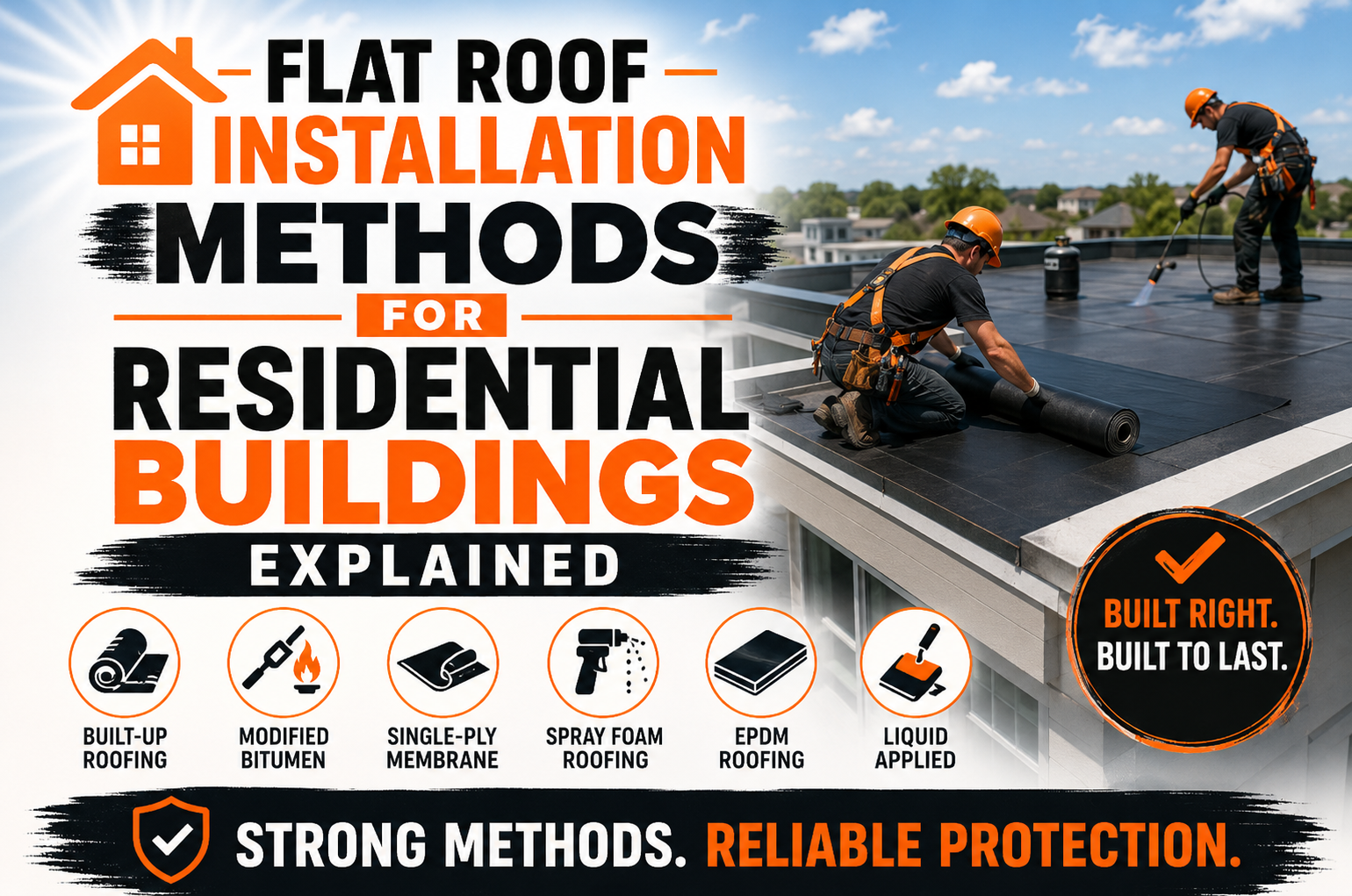
Flat Roof Installation Methods for Residential Buildings Explained
Introduction
Flat roofs have become an increasingly popular choice for residential buildings because they combine modern aesthetics with practical functionality. Homeowners appreciate their clean architectural appearance, efficient use of space, and compatibility with energy-saving features such as solar panels and rooftop gardens. As residential construction trends continue to evolve, flat roof systems are now being designed to provide durability, weather resistance, and long-term performance.
Despite their growing popularity, many people still believe that flat roofs are more likely to leak than sloped roofs. This misconception often comes from older construction methods that lacked advanced waterproofing materials and proper drainage systems. Modern flat roof installation techniques have addressed these concerns through improved membranes, better insulation, and carefully planned drainage solutions.
Installing a residential flat roof involves much more than simply placing a waterproof covering over a building. Every layer, from the structural deck to the protective surface, plays an important role in ensuring the roof performs well under changing weather conditions. Proper installation also minimizes maintenance needs while extending the overall lifespan of the roofing system.
This guide explains the most common flat roof installation methods used for residential buildings and the factors that influence the selection of each system. It also explores the essential components of modern flat roofs, common mistakes to avoid before installation begins, and how homeowners can make informed decisions when planning a new roofing project. By understanding these fundamentals, property owners can better appreciate the value of professional installation and quality materials.
What Is a Residential Flat Roof?
A residential flat roof is a roofing system designed with a very slight slope rather than being completely level. This gentle slope allows rainwater to flow toward drains, gutters, or scuppers instead of collecting on the roof surface. Although the name suggests otherwise, every properly constructed flat roof includes enough pitch to support effective water drainage.
Modern residential flat roofs differ significantly from the older systems installed decades ago. Advances in roofing materials, insulation technologies, and waterproof membranes have transformed flat roofs into highly reliable solutions for homes in many different climates. Today’s systems are engineered to withstand temperature fluctuations, moisture, wind, and ultraviolet exposure while maintaining structural integrity.
Flat roofs are commonly found on contemporary homes, townhouses, apartment buildings, extensions, garages, and home additions. Their simple design often complements minimalist architecture while creating opportunities for outdoor living spaces or rooftop equipment placement. Some homeowners also use flat roofs to support solar panels because the equipment can be positioned at the ideal angle without depending on the roof’s slope.
Unlike steep roofing systems that rely on gravity to shed water quickly, flat roofs depend heavily on waterproof membranes and carefully designed drainage systems. Every installation detail must work together to prevent moisture infiltration and protect the structure beneath the roof.
Why Homeowners Choose Flat Roofs
Many homeowners choose flat roofs because they offer a combination of style, functionality, and efficiency. Their streamlined appearance complements modern architectural designs while allowing greater flexibility in building layouts. This design approach has made flat roofs increasingly popular for new residential construction as well as renovation projects.
One of the biggest advantages is the additional usable space created by the roof itself. Depending on local building regulations and structural design, homeowners may transform the roof into a terrace, seating area, garden, or recreational space. This added functionality is especially valuable in urban environments where outdoor space is limited.
Flat roofs also provide easier access for maintenance and inspections. Contractors can generally move around the surface more safely than on steeply sloped roofs, making repairs, cleaning, and routine maintenance simpler. HVAC equipment, solar panels, and satellite systems are also easier to install and service on flat roof structures.
Construction costs may also be lower in some situations because flat roofs require fewer roofing materials than steep roof designs. Although installation quality remains essential, the simplified structure can reduce labor and material requirements depending on the building design and chosen roofing system.
Energy efficiency represents another important reason homeowners select flat roofs. Modern insulation systems help regulate indoor temperatures throughout the year, reducing heating and cooling demands. Reflective roofing membranes can also minimize heat absorption during warmer months, improving overall comfort while lowering energy consumption.
Understanding How Flat Roof Systems Work
A residential flat roof functions as a complete system rather than a single waterproof layer. Every component contributes to protecting the home from moisture, temperature changes, and structural movement. Understanding these components helps homeowners appreciate why proper installation is essential.
The structural deck forms the foundation of the roof. It supports the weight of roofing materials, insulation, weather conditions, and any equipment placed on the roof. Common deck materials include wood, concrete, and steel, depending on the building’s construction.
Above the deck, installers often place a vapor barrier to reduce the movement of moisture from inside the home into the roofing system. Moisture trapped within insulation can reduce energy efficiency and contribute to long-term deterioration if not properly controlled.
Insulation is installed to improve thermal performance while creating a comfortable indoor environment. Modern insulation materials are designed to resist moisture and maintain consistent performance over many years. Proper insulation also reduces energy costs by minimizing heat transfer through the roof.
The waterproof membrane serves as the primary defense against rain, snow, and environmental moisture. Different roofing systems use different membrane materials, but all are designed to create a continuous barrier that protects the structure beneath.
Drainage components complete the roofing system by directing water away from the roof surface. Internal drains, scuppers, gutters, and tapered insulation all work together to prevent standing water. Without proper drainage, even high-quality roofing materials can experience unnecessary stress over time.
Finally, some roofing systems include protective coatings or surface layers that improve resistance to ultraviolet radiation, foot traffic, and weather exposure. These additional layers help extend the roof’s service life while reducing maintenance requirements.
Most Common Flat Roof Installation Methods
Several installation methods are widely used for residential flat roofing projects. Each system offers unique advantages depending on climate conditions, budget, maintenance expectations, and homeowner preferences.
Built-Up Roofing
Built-Up Roofing, often called BUR, is one of the oldest and most established flat roofing systems. It consists of multiple layers of bitumen combined with reinforcing fabrics that create a durable waterproof barrier. A protective surface layer of gravel or mineral material is typically applied to shield the roof from sunlight and weather exposure.
BUR systems are known for their strength and long service life. The multiple layers provide excellent protection against water infiltration and physical damage, making them suitable for homes where durability is a priority. However, installation requires experienced professionals because each layer must be applied carefully to achieve proper performance.
Modified Bitumen Roofing
Modified bitumen roofing builds upon traditional asphalt roofing by incorporating polymer additives that improve flexibility and weather resistance. The membranes may be installed using heat welding, self-adhesive systems, or cold-applied adhesives depending on the product selected.
This roofing method performs well in areas experiencing temperature changes because the modified materials expand and contract more effectively than conventional asphalt. Homeowners often choose modified bitumen because it balances durability, affordability, and ease of maintenance.
EPDM Rubber Roofing
EPDM roofing uses a synthetic rubber membrane that has become one of the most widely installed residential flat roofing materials. The membrane is available in large sheets, reducing the number of seams that require sealing during installation.
EPDM is highly resistant to ultraviolet radiation, ozone exposure, and changing weather conditions. Its flexibility allows the material to accommodate minor structural movement without cracking. Many homeowners appreciate its proven lifespan and relatively straightforward maintenance requirements.
TPO Roofing
Thermoplastic Polyolefin, commonly known as TPO roofing, has gained popularity because of its energy-efficient properties and heat-reflective surface. White TPO membranes reflect sunlight, helping reduce roof temperatures during hot weather.
The seams are heat welded to create strong waterproof joints that resist separation over time. TPO systems are lightweight, durable, and suitable for many residential applications where energy performance is an important consideration.
PVC Roofing
PVC roofing membranes are manufactured from durable plastic compounds that offer excellent chemical resistance and waterproof performance. The seams are also heat welded, producing strong bonds that enhance leak protection.
PVC roofs are particularly valued for their durability and resistance to grease, chemicals, and fire. Although installation costs may be higher than some alternatives, many homeowners consider the long-term performance worth the investment.
Choosing the Right Installation Method
Selecting the best flat roof installation method requires careful evaluation of several important factors. Every home has unique structural requirements, environmental conditions, and budget considerations that influence the final decision. Choosing the most appropriate roofing system improves both short-term performance and long-term value.
Climate is often the first factor to consider. Homes located in regions with intense sunlight may benefit from reflective membranes such as TPO, while colder climates may require materials that remain flexible during freezing temperatures. Areas receiving heavy rainfall also demand roofing systems with excellent waterproofing performance and dependable drainage.
Budget plays an important role, but it should never become the only deciding factor. Lower installation costs may sometimes result in higher maintenance expenses over the life of the roof. Evaluating the total ownership cost often provides a more accurate picture of long-term value.
The expected lifespan of the roofing material should also match the homeowner’s long-term plans. Some systems may last several decades when properly maintained, while others require earlier replacement depending on environmental exposure and maintenance practices. Investing in higher-quality materials can often reduce future repair costs.
Maintenance expectations vary among roofing systems as well. Some membranes require periodic inspections with minimal repairs, while others may need protective coatings or more frequent maintenance. Homeowners should understand these responsibilities before selecting a roofing system.
Professional installation remains equally important regardless of the material selected. Even premium roofing products cannot perform properly if installed incorrectly. Experienced roofing contractors understand manufacturer specifications, local building codes, and installation techniques that maximize long-term performance.
Mistakes to Avoid Before Installation Begins
Many roofing problems originate long before the first membrane is installed. Proper planning and preparation significantly influence the finished roof’s durability and performance. Avoiding common mistakes at the beginning of a project can prevent expensive repairs in the future.
One of the most frequent mistakes is choosing roofing materials based only on the lowest price. While saving money is important, inexpensive materials may not provide the durability, weather resistance, or lifespan required for long-term satisfaction. Evaluating quality alongside cost usually results in a better investment.
Another common mistake involves overlooking drainage planning. Because flat roofs depend on slight slopes and effective drainage systems, poor water management can lead to standing water that gradually damages roofing materials. Professional design ensures water moves efficiently toward designated drainage points.
Some homeowners also underestimate the importance of structural inspections before installation begins. The existing roof deck should always be evaluated for signs of deterioration, moisture damage, or structural weakness. Installing new roofing materials over damaged components can shorten the life of the entire roofing system.
Hiring inexperienced contractors may create additional risks throughout the installation process. Flat roofing requires specialized knowledge, particularly when working with waterproof membranes, flashing details, insulation systems, and drainage components. Qualified professionals follow manufacturer guidelines and industry standards that help ensure reliable performance.
Ignoring local building codes is another mistake that can create legal complications or safety concerns. Residential roofing projects must comply with structural, fire safety, insulation, and drainage requirements established by local authorities. Working with licensed professionals helps ensure these regulations are properly addressed.
Finally, some homeowners fail to discuss future maintenance requirements before installation begins. Understanding inspection schedules, cleaning procedures, warranty conditions, and recommended maintenance practices allows homeowners to protect their investment from the first day the roof is completed.
Preparing the Roof Structure
Every successful flat roof installation begins with careful preparation of the roof structure. Even the highest-quality roofing membrane cannot compensate for an unstable or damaged foundation. Professional installers spend considerable time evaluating the roof deck before any new materials are applied because the structural condition directly affects the performance of the completed roofing system.
The first step is a detailed inspection of the existing roof deck. Contractors look for signs of water damage, rot, mold, loose fasteners, cracks, or structural movement that could weaken the new roofing system. Any damaged sections are repaired or replaced before installation continues, ensuring the roof provides a stable base for every additional layer.
Cleaning the roof surface is equally important during preparation. Dust, debris, old adhesives, loose materials, and moisture must be removed to allow new roofing products to bond properly. A clean surface also helps installers identify hidden defects that may otherwise remain unnoticed until after construction.
If an older roofing system is being replaced, professionals determine whether complete removal is necessary or if local building regulations allow an overlay installation. While overlays can reduce project costs in certain situations, they are only suitable when the existing roof remains structurally sound and meets all applicable requirements.
Roof penetrations such as vents, plumbing stacks, skylights, and HVAC equipment also receive careful attention during this stage. These areas often require repairs or modifications before the new waterproof membrane is installed. Addressing these details early reduces the likelihood of future leaks around roof openings.
Preparation also includes confirming that the roof structure can safely support the weight of the selected roofing system. Although many modern flat roofing materials are lightweight, insulation layers, protective surfaces, and rooftop equipment all contribute to the overall load. Structural verification helps ensure long-term safety and performance.
Planning Drainage Before Installation
Drainage planning is one of the most important aspects of flat roof installation. Despite their appearance, residential flat roofs are never completely level. They are designed with a slight slope that directs water toward designated drainage points before standing water can develop.
Water that remains on a roof for extended periods places unnecessary stress on roofing materials. Over time, ponding water may increase membrane wear, contribute to leaks, and shorten the service life of the roofing system. Proper drainage planning helps prevent these problems before they occur.
Internal drains are commonly used on larger residential flat roofs. These drains collect water through openings positioned at carefully calculated low points across the roof surface. Water then flows through internal piping systems and away from the building.
Some homes instead rely on gutters positioned along the roof edges. Gutters collect runoff and direct it toward downspouts that safely carry water away from the home’s foundation. Proper gutter sizing is important because undersized systems may overflow during heavy rainfall.
Scuppers provide another effective drainage solution. These openings allow water to exit through the edges of the building, reducing the amount of standing water that remains after storms. Scuppers are frequently combined with downspouts or collector heads for improved drainage performance.
Many residential flat roofs also use tapered insulation to create subtle slopes without altering the structural deck itself. The insulation gradually changes thickness across the roof, encouraging water to flow naturally toward drains or gutters. This approach simplifies construction while improving drainage efficiency.
Proper drainage planning considers local rainfall patterns, roof dimensions, climate conditions, and building design. Every drainage component must work together to minimize water accumulation throughout the life of the roofing system.
Installing Insulation and Vapor Barriers
Once the roof deck has been prepared and drainage planning is complete, installers begin placing insulation and vapor barriers. These layers significantly improve the energy efficiency, moisture protection, and long-term durability of the roof.
The vapor barrier is typically installed directly above the structural deck whenever moisture migration from the building interior is a concern. Warm indoor air naturally carries moisture that can travel upward through the roof assembly. Without proper vapor control, condensation may develop inside insulation layers, reducing thermal performance and increasing the risk of mold growth.
Modern vapor barriers are manufactured from specialized materials that restrict moisture movement while remaining compatible with the selected roofing system. Proper sealing around penetrations and seams is essential because even small gaps can allow unwanted moisture infiltration.
Roof insulation serves several important purposes beyond temperature control. It helps maintain consistent indoor comfort throughout the year while reducing heating and cooling expenses. Proper insulation also minimizes thermal expansion and contraction within roofing materials, decreasing long-term stress on the waterproof membrane.
Several insulation products are commonly used beneath residential flat roofs. Polyisocyanurate insulation offers excellent thermal performance while remaining relatively lightweight. Extruded polystyrene provides strong moisture resistance and performs well in environments where occasional water exposure may occur. Expanded polystyrene is another option that balances cost and insulation performance for many residential projects.
Installers carefully position insulation boards to eliminate gaps that could create thermal bridges. These gaps allow heat to bypass the insulation, reducing overall energy efficiency. Tight joints and proper fastening methods help maintain continuous thermal protection across the roof.
Depending on the selected roofing system, insulation may be mechanically fastened, adhered with specialized adhesives, or secured using ballast systems. Each installation method follows manufacturer recommendations to ensure compatibility with the waterproof membrane that will be installed above it.
Installing Waterproof Roofing Membranes
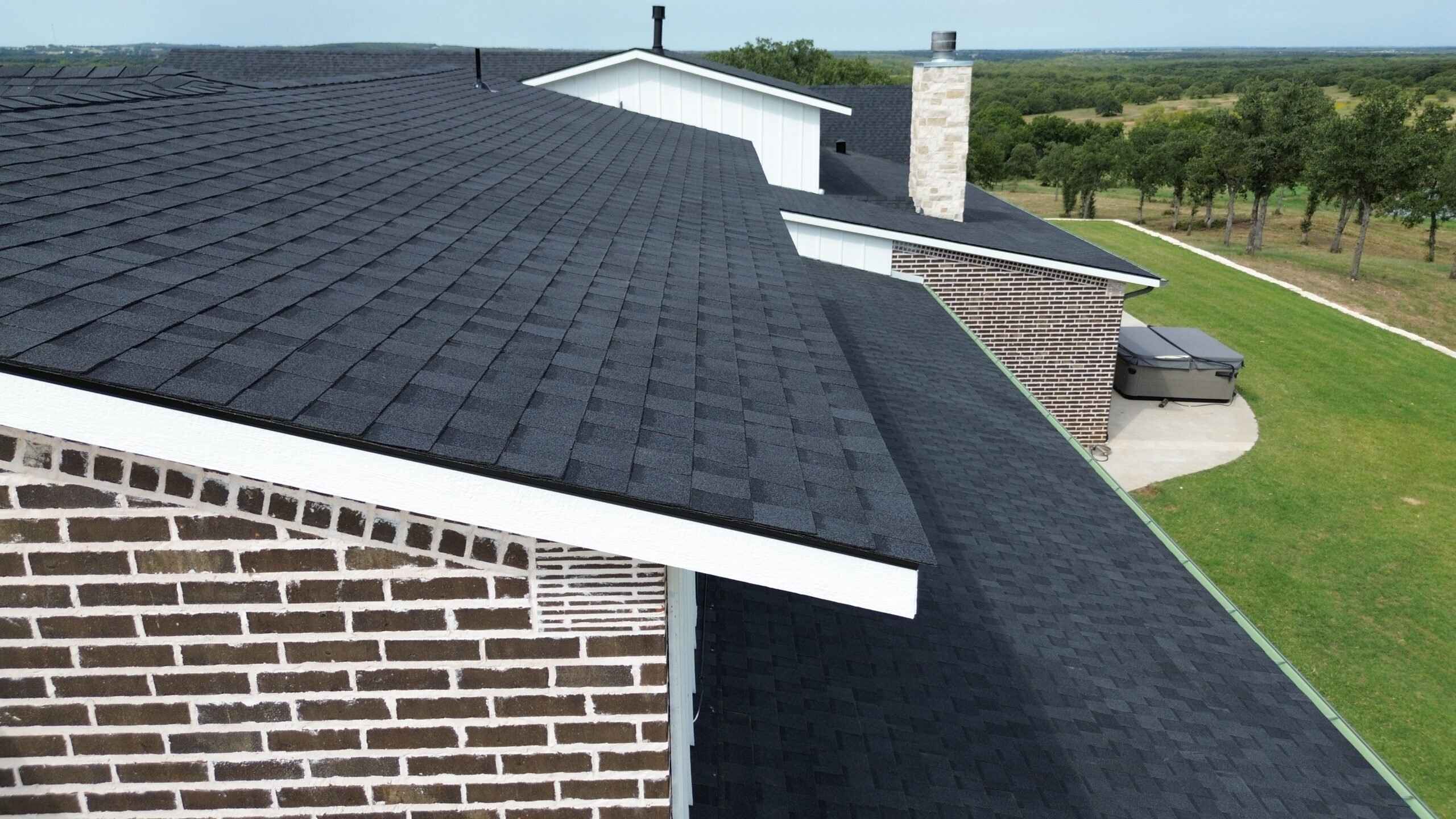
The waterproof membrane is the primary protective layer of every flat roofing system. Its purpose is to create a continuous barrier that prevents rainwater from entering the building while withstanding weather exposure for many years. Different roofing materials require different installation methods, and each system follows carefully developed procedures.
EPDM Installation Process
EPDM membranes are supplied in large rolls that reduce the number of seams across the finished roof. Installers carefully position the membrane and allow it to relax before permanently securing it. This step helps minimize wrinkles and improves overall fit.
The membrane may be fully adhered using specialized adhesives or mechanically fastened according to project requirements. Once secured, seams are sealed with manufacturer-approved tapes or bonding systems to create a watertight connection. Final inspections verify that every seam has been properly sealed before work continues.
TPO Installation Process
TPO membranes are installed by rolling the material across the prepared insulation surface and securing it using either mechanical fasteners or adhesive systems. Accurate alignment is essential because overlapping seams must remain consistent throughout the roof.
One of the defining features of TPO installation is heat welding. Specialized equipment melts adjacent membrane edges together, creating strong waterproof seams that often become stronger than the surrounding material itself. Proper welding temperature and speed are carefully monitored to achieve reliable results.
PVC Installation Process
PVC roofing follows a process similar to TPO installation but uses membranes specifically formulated for chemical resistance and durability. The sheets are positioned across the roof before being permanently secured using approved fastening methods.
Heat welding is again used to create watertight seams. Skilled installers inspect every welded joint to ensure continuous bonding without voids or incomplete fusion. Because seam quality directly affects long-term performance, thorough inspection remains a critical part of PVC installation.
Modified Bitumen Installation Process
Modified bitumen systems are available in several installation options. Some products use self-adhesive backing that simplifies installation while eliminating open flames. Others require cold adhesives or heat application depending on product specifications.
The membrane is carefully aligned and rolled into position while maintaining consistent overlap at seams. Pressure is applied to eliminate trapped air and improve adhesion. Proper installation produces a durable waterproof surface capable of resisting changing weather conditions.
Built-Up Roofing Installation Process
Built-Up Roofing requires the installation of multiple alternating layers of bitumen and reinforcing fabrics. Each layer strengthens the overall roofing system while improving waterproof performance. This process continues until the desired number of plies has been installed.
A protective surface layer of gravel or mineral aggregate is then added to shield the roofing materials from ultraviolet radiation and physical wear. Although labor intensive, this installation method produces a highly durable roofing system that has served residential buildings for decades.
Flashing and Edge Details
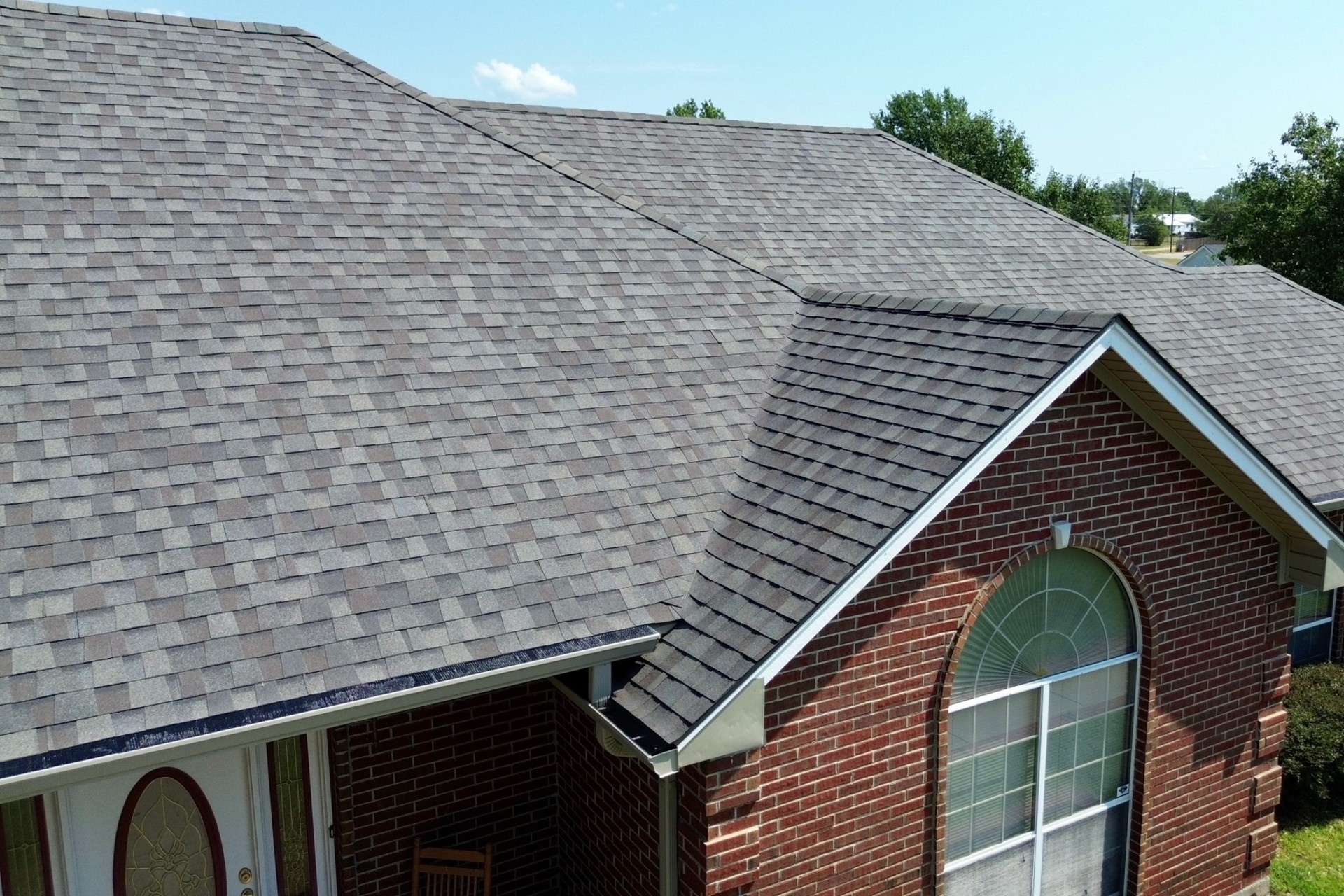
Even the best roofing membrane cannot perform effectively without properly installed flashing. Flashing protects vulnerable transition areas where the roof meets walls, chimneys, skylights, vents, and other structural features. These locations naturally experience greater movement and water exposure than flat roof surfaces.
Roof edges require specially designed edge metal that secures the membrane while protecting it from wind uplift. Proper edge detailing also directs water into gutters or drainage systems rather than allowing moisture to enter beneath the roofing materials.
Around plumbing vents and mechanical equipment, installers use prefabricated flashing components or custom-fabricated materials designed specifically for each penetration. These components are securely sealed to the roofing membrane to maintain continuous waterproof protection.
Chimneys require additional attention because they create multiple intersections between vertical and horizontal surfaces. Base flashing, counter flashing, and sealants work together to prevent water intrusion during heavy rain or snow.
Skylights also demand precise flashing installation. Because these openings interrupt the roof surface, improper flashing can quickly become a source of leaks. Professional installers follow manufacturer specifications to ensure every skylight connection remains weather resistant.
HVAC units often sit directly on the roof using specially constructed curbs. Flashing surrounding these curbs must accommodate vibration, thermal movement, and maintenance access while maintaining a watertight seal. Careful workmanship in these areas greatly improves long-term roofing performance.
Quality Control During Installation
Quality control is integrated throughout every stage of professional flat roof installation rather than being limited to the final inspection. Continuous evaluation helps identify small issues before they become major problems after the project has been completed.
Installers routinely inspect membrane seams as installation progresses. Every overlap is checked for proper adhesion, complete heat welding where applicable, and consistent waterproof sealing. Even minor seam defects are corrected immediately before additional materials are installed.
Fastener placement is also verified according to manufacturer specifications. Incorrect spacing or improper fastening techniques can reduce wind resistance and compromise the structural stability of the roofing system. Careful inspection ensures every fastening point performs as intended.
Drainage testing is commonly performed before project completion. Contractors verify that water flows efficiently toward drains, gutters, or scuppers without creating ponding areas. Any locations where water remains standing are corrected before final acceptance.
Many contractors also perform leak testing on completed roofing systems. Depending on the project, testing methods may include electronic leak detection, controlled water testing, or other inspection procedures designed to confirm waterproof integrity.
The final walkthrough includes careful examination of flashing, roof edges, penetrations, membrane surfaces, drainage components, and overall workmanship. Homeowners often receive maintenance recommendations, warranty information, and inspection schedules during this final stage.
Installation Method Comparison
The choice of roofing system depends on the home’s design, local climate, maintenance expectations, and available budget. The following comparison highlights the general characteristics of the most commonly used residential flat roof installation methods.
| Installation Method | Typical Lifespan | Installation Complexity | Maintenance Level | Best For |
|---|---|---|---|---|
| EPDM | 25 to 30 years | Moderate | Low | Homes seeking long-lasting and economical roofing |
| TPO | 20 to 30 years | Moderate | Low | Energy-efficient residential buildings |
| PVC | 25 to 35 years | Moderate to High | Low | Homes requiring excellent durability and chemical resistance |
| Modified Bitumen | 20 to 30 years | Moderate | Moderate | Residential properties in varying climates |
| Built-Up Roofing | 25 to 35 years | High | Moderate | Homes prioritizing maximum durability |
Steps Every Professional Installer Should Follow
Although individual roofing systems vary, experienced contractors generally follow a consistent sequence that promotes quality workmanship and long-term reliability.
- Perform a complete structural inspection of the existing roof.
- Repair or replace damaged roof deck materials.
- Verify roof slope and drainage layout.
- Install vapor barriers where required.
- Position insulation using approved fastening methods.
- Install the selected waterproof membrane.
- Complete flashing around edges and roof penetrations.
- Inspect membrane seams and attachment points.
- Test drainage performance and waterproof integrity.
- Conduct a final quality inspection before project completion.
Every one of these steps contributes to the finished roof’s performance. Skipping or rushing any stage increases the possibility of premature failures, costly repairs, or reduced service life.
Common Installation Mistakes That Affect Performance
A professionally installed flat roof can provide reliable protection for decades, but even small installation errors may shorten its lifespan. Many roofing problems that appear years later often begin with mistakes made during construction. Understanding these issues helps homeowners recognize the importance of quality workmanship and careful attention to detail.
One of the most common mistakes is improper seam sealing. Since flat roofing membranes rely on watertight seams, incomplete bonding or poor heat welding creates weak points where moisture can eventually enter the roofing system. Even a small opening can allow water to travel beneath the membrane, making leaks difficult to detect until damage becomes extensive.
Improper flashing installation is another frequent cause of roofing failures. Flashing protects roof edges, vents, chimneys, skylights, and other penetrations where water naturally concentrates. If flashing is not securely attached or correctly sealed, these transition points become vulnerable during heavy rain or snow.
Drainage errors can also significantly reduce roof performance. Flat roofs are designed to move water toward drains, gutters, or scuppers, but poor planning may leave low areas where water collects. Continuous ponding places additional stress on roofing materials and gradually weakens the waterproof membrane.
Incorrect insulation placement is another issue that affects both durability and energy efficiency. Gaps between insulation boards create thermal bridges that allow heat transfer while increasing stress on roofing materials. Uneven insulation may also interfere with proper drainage by creating unwanted depressions across the roof surface.
Another mistake involves using incompatible roofing products. Adhesives, primers, sealants, and membranes are engineered to work together as complete systems. Mixing products from different manufacturers without approval may reduce adhesion or void warranty coverage.
Weather conditions during installation also influence long-term performance. Installing roofing materials during heavy rain, excessive moisture, or unsuitable temperatures can interfere with proper bonding and curing. Experienced contractors monitor weather forecasts carefully and schedule installation under appropriate conditions.
Finally, poor workmanship remains one of the leading causes of premature roof failure. Experienced installers understand manufacturer specifications, building codes, and quality control procedures that help every roofing component function together. Choosing qualified professionals greatly reduces the likelihood of avoidable installation problems.
Maintenance After Installation
Although modern flat roofs require relatively little maintenance, regular care plays a major role in maximizing their lifespan. Preventive maintenance allows small concerns to be corrected before they develop into expensive repairs, helping homeowners protect their investment for many years.
Routine visual inspections are recommended at least twice each year, particularly during spring and autumn. Additional inspections following severe storms or unusually high winds help identify damage that may require immediate attention. Early detection often prevents minor defects from becoming significant structural issues.
Cleaning the roof surface is another essential maintenance task. Leaves, branches, dirt, and other debris can block drainage systems and trap moisture against the roofing membrane. Keeping the surface clean allows water to flow freely toward drains and reduces unnecessary wear.
Drainage components also require periodic inspection. Gutters, internal drains, and scuppers should remain free of obstructions throughout the year. Blocked drainage systems increase the likelihood of standing water, which places additional stress on roofing materials.
Flashing deserves special attention during maintenance inspections. Sealants may gradually deteriorate because of sunlight, temperature changes, and natural aging. Replacing damaged sealant before leaks develop helps maintain continuous waterproof protection around roof penetrations.
Roof membranes should also be examined for punctures, cuts, surface wear, or signs of movement. Small repairs completed promptly are generally less expensive than major restoration work following prolonged water intrusion.
When rooftop equipment such as air conditioning units or solar panels requires servicing, technicians should avoid damaging the roofing membrane. Using designated walk pads and following proper access procedures helps prevent accidental punctures during maintenance activities.
Professional inspections every few years provide an additional level of protection. Roofing specialists can identify subtle issues that may not be obvious during routine homeowner inspections and recommend preventive repairs before significant damage develops.
Signs Your Flat Roof Needs Professional Attention
Even with regular maintenance, every roof eventually shows signs of wear. Recognizing these warning signs allows homeowners to arrange professional inspections before damage spreads throughout the roofing system.
Some problems are immediately visible, while others develop gradually over time. Regardless of their appearance, early attention usually results in less expensive repairs and improved long-term performance.
Common warning signs include:
- Standing water remaining on the roof for more than 48 hours after rainfall.
- Visible punctures, tears, or cuts in the roofing membrane.
- Interior water stains appearing on ceilings or upper walls.
- Flashing pulling away from walls, chimneys, or roof penetrations.
- Blisters or bubbles developing beneath the membrane surface.
- Cracks around vents, skylights, or mechanical equipment.
- Membrane shrinkage causing exposed seams or loose edges.
- Unusual mold growth or persistent moisture inside the attic.
- Increased energy bills caused by damaged insulation or moisture infiltration.
These warning signs do not always indicate complete roof failure, but they should never be ignored. Professional assessment helps determine whether localized repairs are sufficient or if more extensive restoration is necessary.
How Weather Affects Residential Flat Roofs
Residential flat roofs experience constant exposure to changing weather conditions throughout the year. Every season introduces different challenges that influence roofing materials, waterproof membranes, and drainage systems. Understanding these environmental effects helps homeowners appreciate the value of routine inspections and preventive maintenance.
High summer temperatures expose roofing membranes to prolonged ultraviolet radiation. Continuous sunlight gradually ages roofing materials, particularly if protective coatings become worn over time. Reflective membranes such as TPO reduce heat absorption, helping lower roof temperatures while improving overall energy efficiency.
Rainfall places obvious demands on every flat roof system. Modern drainage designs remove water efficiently, but unusually heavy storms can temporarily increase the volume of runoff across the roof surface. Well-maintained drains and gutters ensure water continues flowing away from the building without unnecessary accumulation.
Cold weather introduces different challenges. Roofing materials naturally expand and contract as temperatures fluctuate between day and night. Modern membranes are designed to accommodate this movement, but repeated thermal cycling eventually contributes to normal material aging.
Snow adds temporary weight to the roof while also introducing melting and refreezing cycles. Proper structural design allows residential flat roofs to safely support anticipated snow loads, while effective drainage systems remove meltwater as temperatures rise.
Strong winds test the attachment strength of roofing membranes and edge details. Proper fastening methods and professionally installed flashing help resist wind uplift during severe weather events. Routine inspections following major storms verify that all roofing components remain securely attached.
Hail may occasionally damage roofing materials depending on stone size and storm intensity. While many modern membranes provide good impact resistance, significant hail events should be followed by professional inspections to identify hidden damage before leaks develop.
Changing weather patterns reinforce the importance of selecting roofing materials that match local climate conditions. Proper installation combined with routine maintenance allows residential flat roofs to perform reliably through many years of seasonal changes.
How to Extend the Lifespan of a Flat Roof
Every homeowner hopes to maximize the useful life of a roofing investment. Although material quality and installation standards establish the foundation for durability, ongoing care ultimately determines how long a flat roof continues performing at its best.
Preventive maintenance remains the most effective strategy for extending roof life. Small repairs completed early prevent moisture from reaching insulation, structural decking, and interior building components. Addressing minor concerns promptly often eliminates the need for extensive restoration later.
Regular inspections provide valuable opportunities to identify developing problems before they become serious. Homeowners who schedule consistent inspections generally experience fewer unexpected repairs and lower lifetime maintenance costs.
Keeping drainage systems clean also contributes significantly to roof longevity. Water should never remain on the roof longer than necessary. Maintaining clear gutters, drains, and scuppers minimizes the stress associated with standing water while protecting waterproof membranes.
Protective roof coatings may also help extend service life for certain roofing systems. These coatings improve ultraviolet resistance, reduce weathering, and refresh aging membrane surfaces. Professional evaluation determines whether protective coatings are appropriate for a particular roofing material.
Foot traffic should remain limited whenever possible. Although flat roofs provide easier access than steep roofs, unnecessary walking may gradually wear membrane surfaces. Designated walk pads installed around frequently serviced equipment help reduce localized wear.
Tree branches that extend over the roof should be trimmed regularly. Falling branches, leaves, and accumulated debris increase maintenance requirements while introducing unnecessary risks during storms. Proper landscaping contributes to cleaner roof surfaces throughout the year.
Finally, homeowners should maintain accurate records of inspections, repairs, maintenance activities, and warranty documentation. Organized maintenance records simplify future service while demonstrating that the roofing system has received appropriate care throughout its lifespan.
Frequently Asked Questions
How long does a residential flat roof installation usually take?
Most residential flat roof installations are completed within several days to one week, depending on roof size, weather conditions, material selection, and the complexity of the project. Larger homes or roofs requiring structural repairs may require additional time.
Which flat roofing material lasts the longest?
Several materials offer excellent longevity when properly installed and maintained. PVC and Built-Up Roofing systems often provide some of the longest service lives, while EPDM and TPO also deliver excellent long-term performance under appropriate conditions.
Can a new flat roof be installed over an existing roof?
In some situations, yes. Local building regulations, structural condition, moisture content, and the existing roofing system all determine whether an overlay installation is appropriate. A professional inspection is necessary before making this decision.
How often should a flat roof be inspected?
Most roofing professionals recommend inspections at least twice each year, along with additional inspections after severe storms. Regular maintenance helps identify developing issues before they require major repairs.
Are residential flat roofs energy efficient?
Yes. Modern flat roofs frequently incorporate high-performance insulation and reflective membranes that reduce heat transfer throughout the year. Proper installation improves indoor comfort while lowering heating and cooling costs.
Conclusion
Residential flat roofs have evolved into highly dependable roofing systems that combine modern design with outstanding functionality. Advances in waterproof membranes, insulation technology, and installation methods have transformed flat roofs into practical solutions capable of delivering decades of reliable performance when properly constructed.
Choosing the right installation method requires careful consideration of climate, budget, maintenance expectations, and long-term durability. Whether selecting EPDM, TPO, PVC, modified bitumen, or Built-Up Roofing, each system offers unique advantages when matched to the specific needs of the home. Professional guidance helps ensure the chosen roofing solution aligns with both structural requirements and homeowner expectations.
The installation process itself is equally important as the roofing material. Thorough structural preparation, effective drainage planning, precise membrane installation, carefully detailed flashing, and comprehensive quality control all contribute to the finished roof’s ability to resist weather, moisture, and everyday wear. Every stage of construction plays a vital role in creating a durable roofing system.
Long-term performance depends on consistent maintenance after installation. Routine inspections, prompt repairs, clean drainage systems, and professional evaluations help prevent small issues from becoming major problems. Homeowners who invest in preventive care often enjoy lower maintenance costs while extending the lifespan of their roofs.
Understanding flat roof installation methods allows homeowners to make informed decisions throughout every stage of a roofing project. By combining quality materials, experienced installation professionals, and ongoing maintenance, residential flat roofs can provide lasting protection, improved energy efficiency, and dependable performance for many years to come.