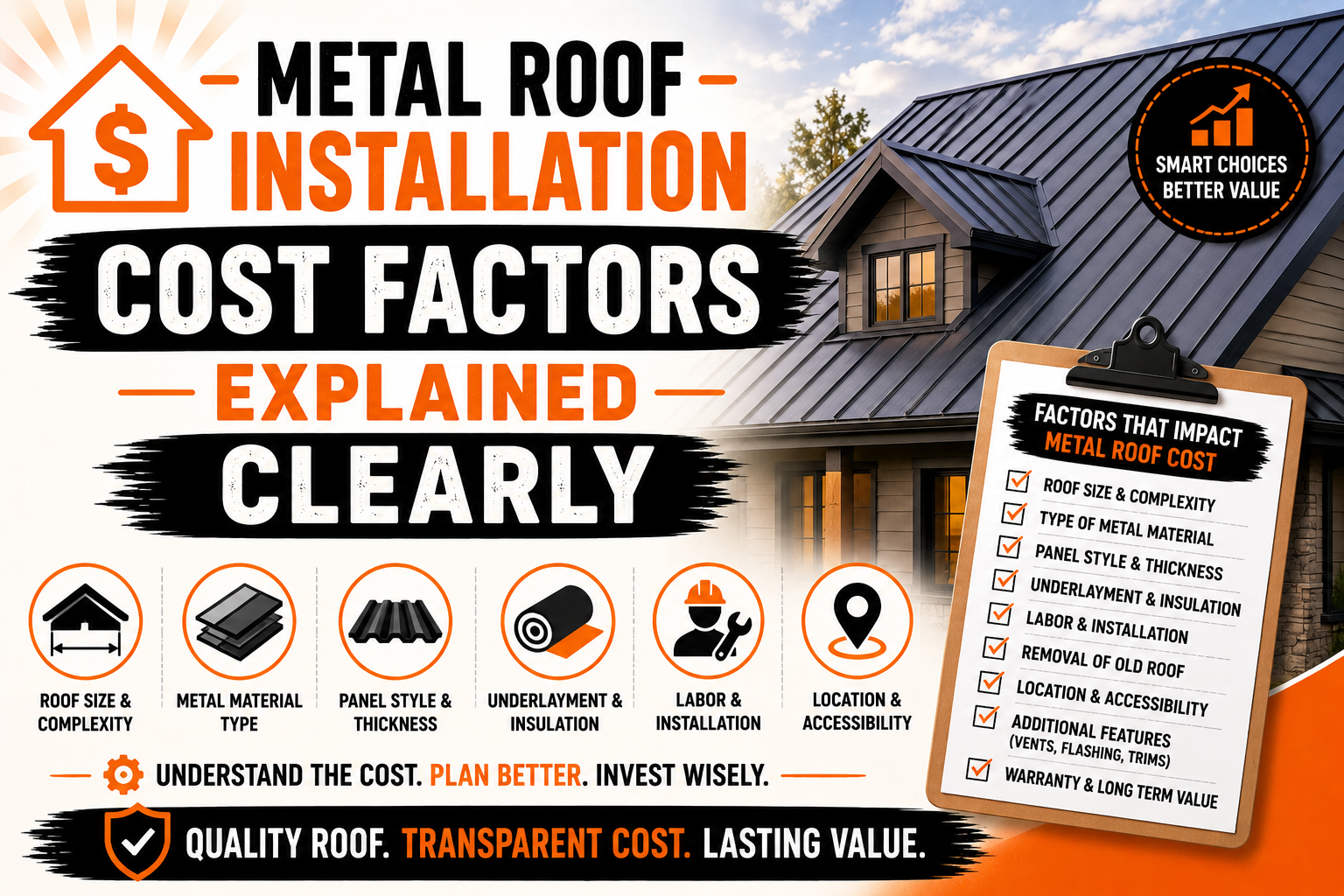
Metal Roof Installation Cost Factors Explained Clearly
Introduction
Installing a metal roof is one of the most significant investments a property owner can make. While the upfront cost is generally higher than many traditional roofing materials, metal roofing offers exceptional durability, energy efficiency, and long term performance that can make it a worthwhile investment. However, many homeowners are surprised to discover that there is no single price for installing a metal roof because every project is unique. Understanding what influences installation costs helps homeowners prepare realistic budgets and make informed decisions before work begins.
Metal roof installation costs are shaped by many interconnected factors rather than one simple price per square foot. The size of the roof, the type of metal selected, the complexity of the structure, local labor rates, and the overall scope of the project all contribute to the final estimate. Learning how these factors work together allows property owners to compare contractor quotes with greater confidence while avoiding unexpected expenses later in the project.
This guide explains the primary cost factors that influence metal roof installation in a clear and practical way. Instead of focusing only on numbers, it explores why certain roofing projects cost more than others and how each decision impacts the overall investment. By understanding these fundamentals, homeowners can approach their roofing project with realistic expectations and greater financial confidence.
Why Metal Roofing Is Becoming a Popular Investment
Metal roofing has become increasingly popular among homeowners, builders, and commercial property owners because it combines long lasting performance with modern design. Unlike many conventional roofing materials that require replacement after a few decades, metal roofs often remain in excellent condition for several decades when properly installed and maintained. This extended lifespan makes the higher initial investment easier to justify over time.
Another reason for its popularity is its excellent resistance to harsh weather conditions. Metal roofs can withstand heavy rain, strong winds, snow, and prolonged sun exposure without deteriorating as quickly as many other roofing materials. This durability reduces the frequency of repairs and helps property owners avoid repeated maintenance expenses throughout the roof’s lifetime.
Energy efficiency also contributes to the growing demand for metal roofing. Many modern metal roofing systems are designed with reflective coatings that reduce heat absorption during hot weather. Lower heat transfer into the building can help reduce cooling costs, making the roof more economical over many years of ownership.
Homeowners also appreciate the wide range of available styles and finishes. Today’s metal roofing products are available in various colors, textures, and profiles that complement both traditional and contemporary architectural designs. As a result, choosing a metal roof no longer means sacrificing appearance for durability.
Although these advantages make metal roofing attractive, they also influence installation costs. Premium materials, specialized manufacturing, and skilled installation all contribute to the overall project budget. Understanding these relationships helps homeowners recognize why metal roofing should be viewed as a long term investment rather than simply a construction expense.
Why Installation Costs Vary So Much
One of the biggest misconceptions about metal roofing is the belief that every installation follows a standard pricing structure. In reality, two houses with similar square footage can receive significantly different estimates because roofing projects involve many unique variables. Every roof presents different challenges that affect both material usage and labor requirements.
The first major factor is the physical design of the roof itself. A simple rectangular roof requires fewer materials and less labor than one with multiple peaks, valleys, dormers, or intersecting roof sections. Complex designs require additional cutting, measuring, and precision during installation, increasing both time and labor costs.
Material selection also plays a major role in pricing differences. Steel, aluminum, copper, and zinc all have different manufacturing costs, performance characteristics, and installation requirements. Even within the same material category, premium finishes and protective coatings can influence the overall project budget.
Geographic location introduces another layer of variation. Labor rates, transportation costs, permit requirements, and local building regulations differ from one region to another. Contractors also adjust pricing based on seasonal demand, project availability, and regional weather conditions.
The experience level of the roofing contractor further affects installation costs. Highly skilled professionals typically charge more because they bring years of expertise, specialized equipment, and higher quality workmanship. While their estimates may be higher, the investment often reduces the likelihood of future repairs caused by installation errors.
Understanding these variables helps homeowners realize that comparing roofing quotes involves much more than looking at the final price. Each estimate reflects a combination of project specific conditions that directly influence installation complexity and long term performance.
Roof Size and Overall Surface Area
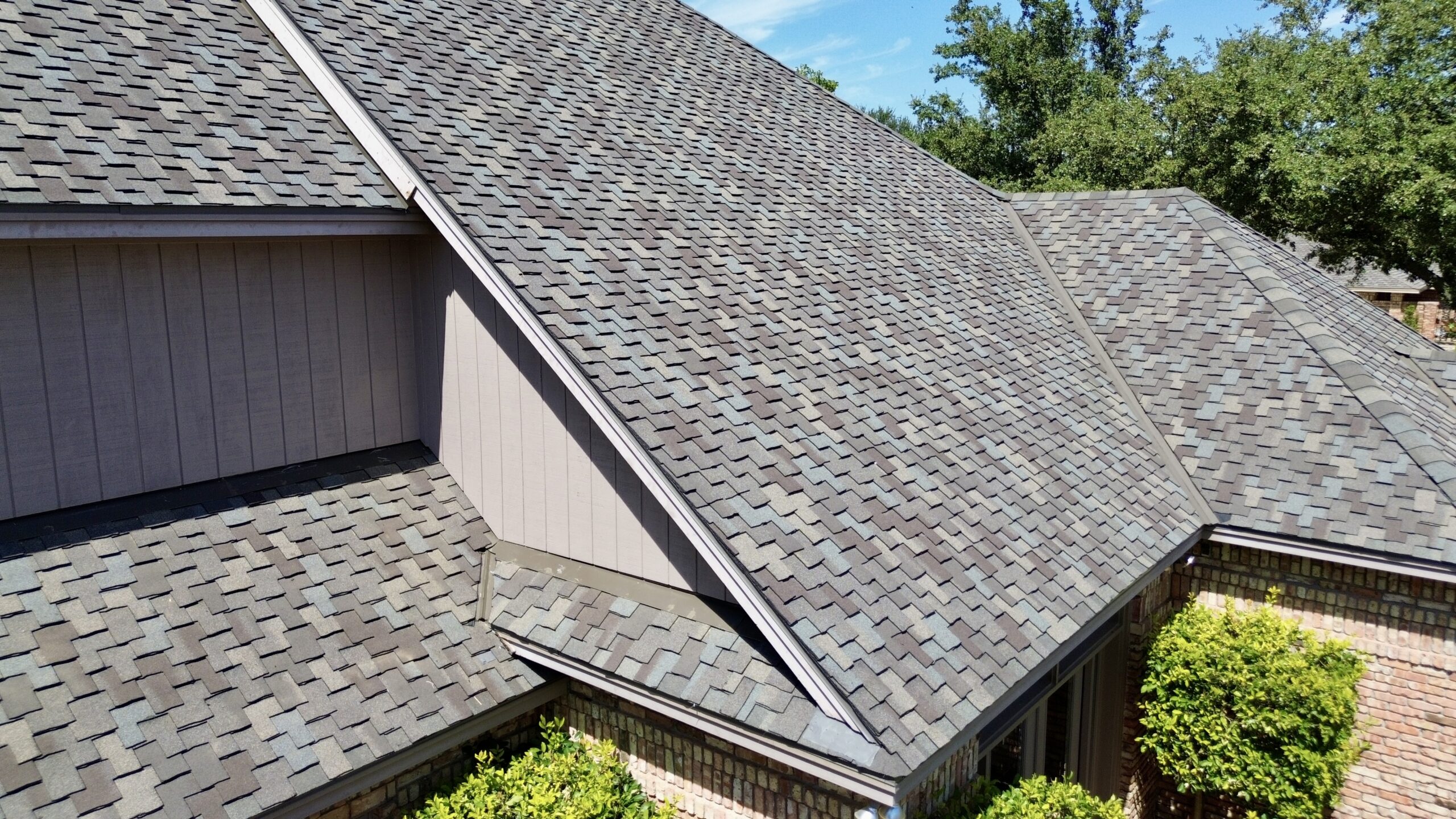
Roof size is one of the most obvious factors influencing installation costs because larger roofs require greater quantities of materials and more labor hours. Every additional section of roofing increases the amount of metal panels, underlayment, fasteners, flashing, and trim required to complete the project.
However, roof size involves more than simply measuring the home’s floor area. Roofing professionals calculate the actual roof surface, which includes slopes and angles rather than just the building footprint. A house with steep slopes often has considerably more roofing surface than its ground dimensions suggest.
Larger roofs also require additional installation time. Contractors spend more hours preparing the roof deck, installing moisture barriers, positioning panels, securing fasteners, and completing finishing details. As labor hours increase, the overall installation cost naturally rises.
Material waste is another consideration on larger projects. Roofs with numerous corners, valleys, or irregular shapes generate more offcuts during installation. These unavoidable material losses must be accounted for when estimating project costs, increasing the amount of roofing material that needs to be ordered.
Transportation and on site logistics also become more demanding as roof size increases. Delivering larger quantities of roofing materials, organizing staging areas, and safely moving heavy panels across the roof all require additional planning and manpower. These logistical requirements contribute to the final installation estimate even though they are often overlooked by homeowners.
Despite these additional costs, larger projects sometimes benefit from economies of scale. Contractors may achieve greater efficiency when working on expansive roof surfaces, allowing certain costs to be distributed across the entire project. Even so, roof size remains one of the strongest influences on total installation cost.
Roof Pitch and Roof Complexity
The shape of the roof has a significant impact on installation costs because it directly affects the difficulty of the work. Roof pitch refers to how steep the roof is, while roof complexity describes the number of architectural features that require specialized installation techniques.
Low slope roofs generally provide easier access for installers. Workers can move more efficiently across the surface, transport materials safely, and complete installation with fewer interruptions. This often reduces labor hours compared with steeper roofs.
Steep roofs present a very different challenge. Contractors must use additional safety equipment, specialized harness systems, roof brackets, and fall protection measures to protect workers throughout the installation process. Setting up and using this equipment requires extra time, increasing labor costs.
Complex roof designs require even greater attention to detail. Features such as valleys, hips, dormers, skylights, chimneys, vents, and intersecting roof sections create numerous areas where panels must be carefully measured and precisely cut. Each additional feature increases installation time and demands greater craftsmanship.
Weatherproofing these architectural details is equally important. Flashing must be accurately installed around every penetration to prevent water intrusion. Improper installation in these areas can lead to leaks, making precision essential throughout the project.
Roofs with complicated layouts also generate more material waste because panels must be trimmed to fit unusual shapes. Contractors include this expected waste when estimating material quantities, which increases the overall project cost.
For homeowners, understanding roof complexity helps explain why two homes with similar square footage may receive noticeably different installation estimates. The complexity of the roof often influences labor costs as much as the total roof size itself.
Choosing the Right Metal Roofing Material
One of the most important decisions in any roofing project is selecting the type of metal. Each material offers a different combination of durability, appearance, maintenance requirements, and price. Understanding these basic differences helps homeowners make informed choices based on both budget and long term expectations.
Steel is the most commonly installed metal roofing material because it offers an excellent balance between affordability and durability. Protective coatings help resist corrosion while providing reliable performance in many climates. Its versatility makes it suitable for residential, commercial, and agricultural buildings.
Aluminum is another popular option, particularly in coastal environments where salt exposure can accelerate corrosion. Because aluminum naturally resists rust, it performs exceptionally well in humid and marine climates. Although it generally costs more than steel, many homeowners consider the additional investment worthwhile for its corrosion resistance.
Copper represents one of the premium choices in metal roofing. It develops a distinctive natural patina over time that many homeowners find attractive. Copper is highly durable and requires minimal maintenance, but its higher material cost places it among the most expensive roofing options available.
Zinc is another premium roofing material valued for its longevity and ability to develop a protective surface layer as it ages. This natural characteristic helps minor scratches heal over time, extending the roof’s lifespan. Zinc also offers an elegant appearance that complements many architectural styles.
The selected material influences more than the purchase price alone. Weight, handling requirements, fastening methods, and installation techniques vary between different metals, affecting both labor time and project complexity. Choosing the appropriate material therefore requires balancing budget, climate conditions, design preferences, and expected long term performance.
Metal Roofing Panel Styles
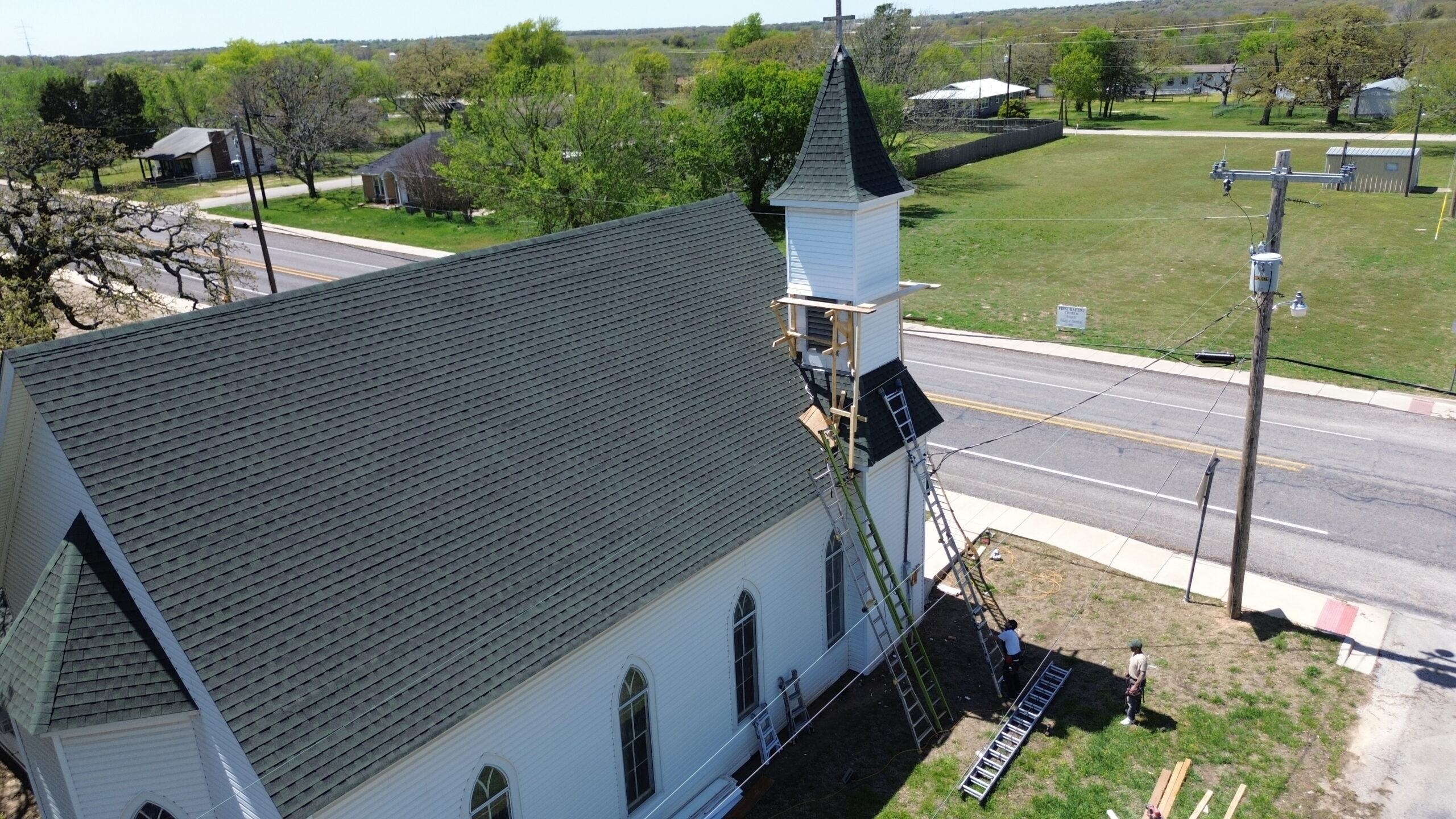
Beyond selecting the metal itself, homeowners must also choose the style of roofing panels. Different panel profiles influence installation complexity, appearance, maintenance requirements, and overall project cost. Understanding these options helps explain why roofing estimates can vary considerably even when using the same type of metal.
Standing seam roofing is widely regarded as one of the highest quality metal roofing systems available. Its concealed fasteners create a clean, modern appearance while reducing direct exposure to weather. Installing standing seam panels requires precise alignment and specialized equipment, making labor costs generally higher than simpler panel systems.
Corrugated metal panels have been used for many decades because of their strength, affordability, and relatively straightforward installation. Their distinctive ridged profile provides structural rigidity while allowing efficient water drainage. Because installation is generally less complex, corrugated roofing often represents one of the more economical options.
Metal shingles provide the appearance of traditional roofing materials while delivering the durability of metal. They are available in designs that resemble slate, wood shakes, or conventional shingles. Although visually appealing, these systems often require more individual pieces and careful alignment during installation, increasing labor time.
Stone coated metal roofing combines metal panels with a textured protective surface that resembles traditional roofing materials. This option offers attractive aesthetics while maintaining the strength and longevity associated with metal roofing. The additional manufacturing processes and specialized installation methods typically contribute to higher project costs.
Selecting the right panel style involves balancing visual appeal, performance expectations, maintenance preferences, and budget. Homeowners should consider how each profile complements the architectural design of the property while also understanding the installation requirements associated with each system.
Understanding Material Quality and Thickness
The quality of the roofing material is one of the biggest factors that determines the overall installation cost. While two metal roofs may appear similar from a distance, differences in material thickness, protective coatings, and manufacturing standards can significantly affect both price and long term performance. Investing in higher quality materials often means spending more initially, but it can reduce maintenance expenses and extend the life of the roof.
One important specification is the metal gauge, which refers to the thickness of the material. In general, thicker panels offer greater strength and resistance to impacts from hail, falling branches, and heavy weather conditions. They are less likely to dent under pressure, making them a preferred option for regions that experience severe storms or heavy snowfall.
Protective coatings are equally important because they shield the metal from corrosion and environmental damage. Galvanized steel, for example, is coated with zinc to improve rust resistance, while galvalume steel combines zinc and aluminum for even greater protection. Premium paint systems also help preserve the roof’s appearance by resisting fading, chalking, and peeling after years of sun exposure.
Choosing premium materials increases the initial installation cost, but the long term benefits often outweigh the higher purchase price. Better quality roofing typically requires fewer repairs, maintains its appearance longer, and offers stronger warranty protection. Homeowners who intend to remain in their property for many years often find this investment worthwhile.
Labor Costs and Professional Expertise
Labor is another major component of metal roof installation costs. Unlike some roofing materials that are relatively straightforward to install, metal roofing demands precision, specialized knowledge, and careful attention to detail. Small installation mistakes can lead to leaks, panel movement, or reduced performance, making skilled workmanship essential.
Experienced roofing contractors generally charge more than less established companies because they bring years of practical experience to each project. Their crews understand proper installation techniques, know how to handle different roofing systems, and can solve unexpected challenges without compromising quality. Although their rates may be higher, the quality of workmanship often justifies the additional expense.
Professional installers also use specialized tools designed specifically for metal roofing. Equipment for cutting panels, forming seams, securing concealed fasteners, and safely transporting materials across the roof represents a significant investment. These tools improve installation accuracy while helping ensure the finished roof performs as intended.
Safety is another factor that influences labor costs. Roofing work involves considerable risks, particularly on steep or complex roofs. Professional contractors invest in safety equipment, employee training, insurance coverage, and compliance with workplace safety standards. These costs become part of the project estimate but help protect both workers and property owners throughout the installation process.
Hiring experienced professionals may appear more expensive at first, but poor workmanship can result in costly repairs that far exceed any initial savings. A properly installed metal roof delivers better weather protection, improved energy efficiency, and a longer service life, making professional labor a valuable investment.
Roof Removal and Disposal Costs
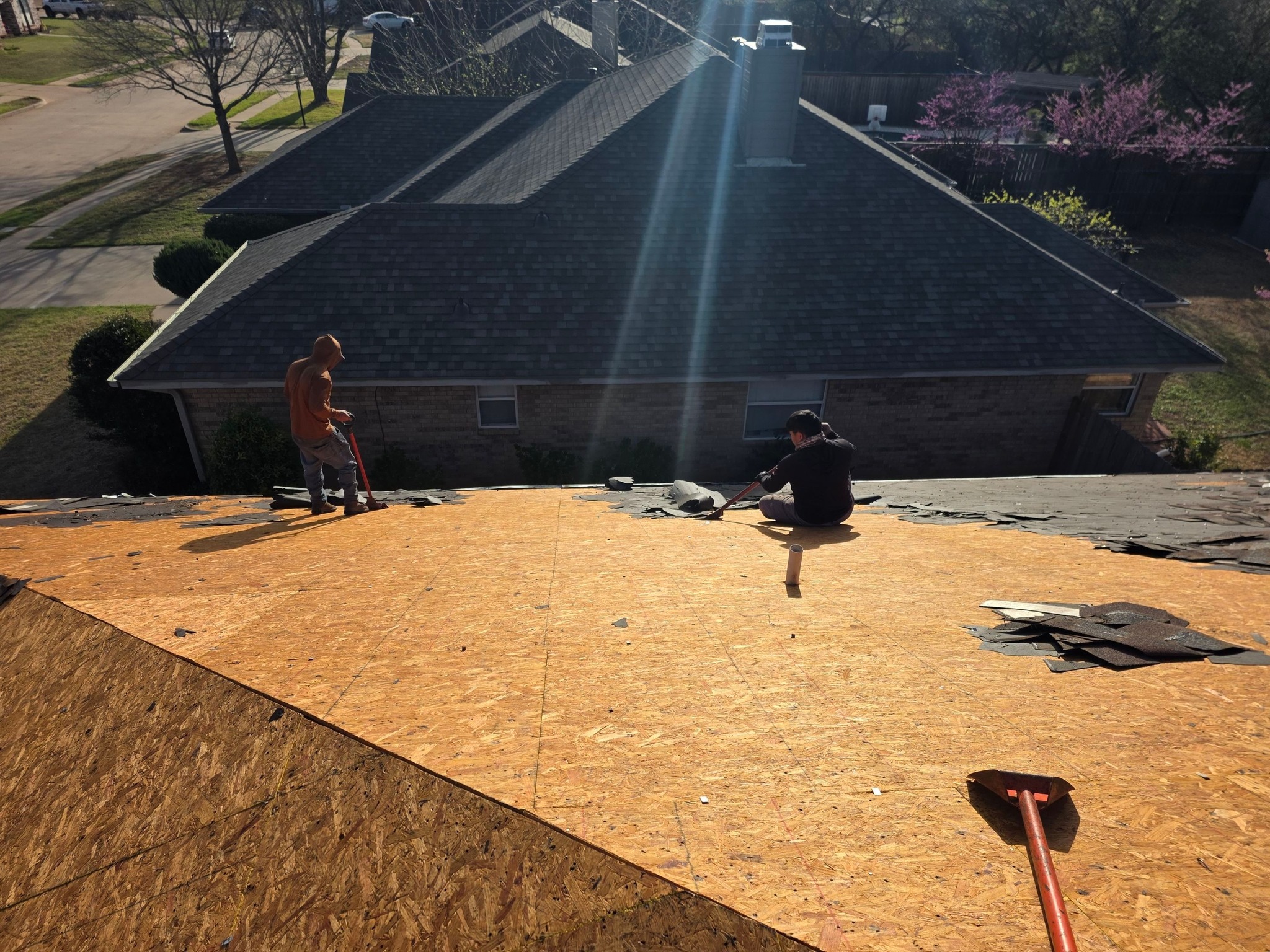
Not every metal roof installation begins with a clean roof deck. Many projects require the removal of an existing roofing system before the new materials can be installed. This demolition process introduces additional labor, equipment, and disposal expenses that increase the total project cost.
Removing old asphalt shingles is usually a straightforward process, but roofs with multiple layers require considerably more work. Contractors must carefully strip away each layer while protecting the roof structure underneath. Additional labor hours naturally increase the overall installation estimate.
Disposal costs also vary depending on the amount of waste generated. Old roofing materials must be transported to approved disposal facilities, where landfill or recycling fees may apply. Larger roofs produce greater volumes of waste, increasing transportation and disposal expenses.
In some situations, local building codes allow a new metal roof to be installed over an existing layer of shingles. While this approach may reduce demolition costs, it is not always appropriate. The existing roof must be structurally sound, relatively flat, and free from significant moisture damage before an overlay installation can be considered.
Professional contractors carefully inspect the existing roof before recommending whether removal is necessary. Although removing the old roof increases the project budget, it allows hidden structural issues to be identified and repaired before the new roofing system is installed.
Underlayment and Moisture Protection Systems
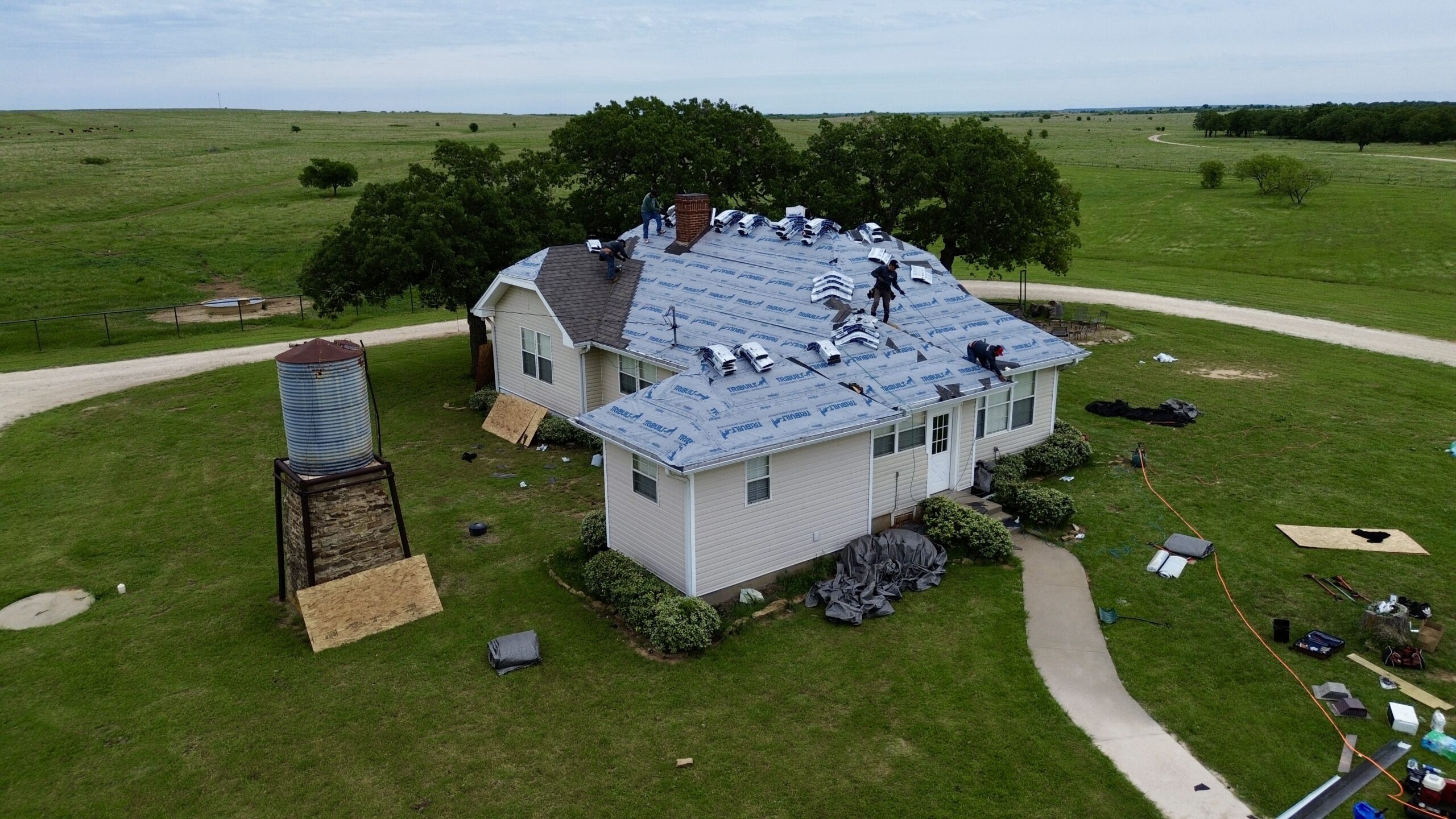
Many homeowners focus primarily on the visible metal panels, but the materials installed underneath the roof are equally important. Underlayment acts as a secondary moisture barrier, protecting the roof deck if water ever passes beneath the metal panels. The quality of this hidden layer directly influences the roof’s long term performance.
Synthetic underlayment has become increasingly popular because it offers improved durability, better tear resistance, and enhanced water protection compared to traditional felt paper. Although it typically costs more, many contractors recommend synthetic materials because they provide superior long term reliability.
In colder climates, ice and water shield membranes are often installed in vulnerable areas such as valleys, roof edges, and around penetrations. These self sealing membranes help prevent water infiltration caused by ice dams or wind driven rain. While they increase material costs, they provide valuable protection in challenging weather conditions.
Proper roof ventilation is another important component that affects both performance and installation cost. Adequate airflow helps regulate attic temperatures while reducing moisture buildup beneath the roofing system. Without proper ventilation, trapped heat and humidity can shorten the lifespan of roofing components and reduce energy efficiency.
Investing in quality moisture protection systems may slightly increase the initial budget, but these hidden components help prevent expensive water damage and structural repairs in the future. Their contribution to the overall performance of the roofing system should never be underestimated.
Flashing, Trim, Ridge Caps, and Roof Accessories
A metal roof consists of much more than large roofing panels. Numerous finishing components work together to create a weather resistant and visually appealing roofing system. These accessories may represent a smaller portion of the project budget, but they play a vital role in protecting the building.
Flashing is installed around chimneys, skylights, vents, valleys, and roof intersections to prevent water from entering vulnerable areas. Because these locations are more susceptible to leaks, flashing must be accurately fitted and securely installed. Poor flashing installation remains one of the leading causes of roofing problems.
Trim pieces provide clean transitions along roof edges while covering exposed panel ends. They also improve the finished appearance by creating neat, professional looking roof lines. Matching trim components often require custom fabrication to fit the specific dimensions of the roof.
Ridge caps protect the highest point where two roof slopes meet. Besides preventing water infiltration, they also contribute to attic ventilation when combined with ridge vent systems. Proper installation ensures both weather protection and effective airflow throughout the attic.
Additional accessories such as snow guards, pipe boots, gutters, downspouts, and decorative trim may also be included depending on the property’s location and design. Although each item adds to the overall cost, they contribute to the roof’s functionality, appearance, and long term reliability.
Permits, Inspections, and Local Building Codes
Many homeowners overlook the administrative requirements associated with roof replacement projects. In most areas, installing a new metal roof requires permits and inspections to ensure the work complies with local building regulations. These requirements introduce additional costs that should be included in the project budget.
Permit fees vary depending on the municipality, property size, and project scope. Contractors typically obtain the necessary permits on behalf of the homeowner, although the associated costs are usually included within the overall estimate. These permits authorize construction and help ensure compliance with local regulations.
Building inspections are often conducted during or after installation to verify that the roofing system meets structural and safety standards. Inspectors may evaluate fastening methods, flashing installation, ventilation systems, and overall workmanship before approving the completed project.
Local building codes may also require specific underlayment materials, wind resistance ratings, fire classifications, or energy efficiency standards. Meeting these requirements sometimes involves selecting upgraded materials that increase installation costs but improve the roof’s overall safety and performance.
Working with experienced contractors simplifies this process because they remain familiar with local regulations and inspection requirements. Their knowledge helps prevent delays while ensuring the finished roof complies with all applicable standards.
How Weather and Seasonal Demand Influence Installation Costs
The time of year chosen for roof installation can significantly affect overall project pricing. Roofing contractors experience periods of high and low demand throughout the year, and these fluctuations often influence labor availability, scheduling flexibility, and project costs.
Spring and summer are typically the busiest roofing seasons because weather conditions are generally favorable for construction. During these months, contractors often receive a high volume of project requests. Increased demand may lead to longer scheduling delays and slightly higher installation costs.
Autumn also remains a popular season for roof replacement as homeowners prepare for winter weather. Contractors often maintain busy schedules throughout this period, particularly in regions where snow and freezing temperatures are expected later in the year.
Winter installations may sometimes offer scheduling advantages because contractor availability improves in certain areas. However, extremely cold temperatures, snow, ice, and heavy rainfall can slow installation progress or temporarily halt construction. Weather related delays increase labor time and may offset any seasonal savings.
Unexpected storms can also affect project costs. Severe weather often creates a surge in roofing demand as damaged properties require emergency repairs and replacements. Increased demand for contractors and materials may temporarily raise prices until market conditions stabilize.
Planning a roofing project well in advance provides homeowners with greater scheduling flexibility and more opportunities to compare contractor estimates before peak demand begins.
Cost Comparison Table
The following table summarizes some of the most important factors that influence metal roof installation costs and explains how each one affects the overall project budget.
| Cost Factor | Influence on Installation Cost | Reason |
|---|---|---|
| Roof Size | High | Larger roofs require more materials and labor hours. |
| Roof Complexity | High | Multiple valleys, dormers, and steep slopes increase installation difficulty. |
| Metal Material | High | Premium metals cost more but often provide longer service life. |
| Panel Style | Medium to High | Some profiles require specialized installation techniques. |
| Material Thickness | Medium | Thicker panels improve durability but increase material costs. |
| Underlayment System | Medium | Premium moisture barriers improve protection and longevity. |
| Roof Removal | Medium to High | Demolition and disposal add labor and waste management costs. |
| Flashing and Accessories | Medium | Essential finishing components improve weather protection. |
| Labor Expertise | High | Skilled contractors generally charge more for quality workmanship. |
| Permits and Inspections | Low to Medium | Local regulations and compliance fees vary by location. |
| Seasonal Demand | Medium | Busy roofing seasons may increase contractor pricing. |
Planning a Realistic Roofing Budget
Creating a realistic budget involves looking beyond the price of the roofing panels alone. Every component, from underlayment and flashing to permits and labor, contributes to the final project cost. Homeowners who account for these elements from the beginning are less likely to face unexpected expenses once installation begins.
It is also wise to include a contingency fund for unforeseen repairs. During roof removal, contractors occasionally discover damaged decking, deteriorated structural components, or hidden moisture problems that must be corrected before the new roof can be installed. Preparing financially for these possibilities helps keep the project moving without unnecessary delays.
Comparing multiple detailed estimates is another valuable budgeting strategy. Instead of selecting the lowest quote immediately, homeowners should carefully review the materials, warranties, labor scope, and included services offered by each contractor. A slightly higher estimate may provide significantly better long term value through superior workmanship and higher quality materials.
Comparing Contractor Quotes Effectively
Receiving multiple estimates is one of the smartest steps homeowners can take before committing to a metal roof installation. However, comparing quotes involves much more than selecting the lowest price. Every estimate should be carefully reviewed to understand exactly what is included and whether the proposed roofing system meets your long term expectations.
A detailed quote should clearly outline the type of metal being installed, the panel style, underlayment, flashing materials, ventilation improvements, warranty coverage, and labor costs. Contractors who provide transparent estimates demonstrate professionalism and reduce the chances of misunderstandings once the project begins. If important details are missing, homeowners should request clarification before signing any agreement.
Another important consideration is the quality of materials specified in each estimate. Two contractors may quote different prices because they are offering different grades of steel, varying panel thicknesses, or different protective coatings. A slightly more expensive proposal may include premium products that significantly improve durability and reduce maintenance over the life of the roof.
Project timelines should also be compared carefully. Some contractors may complete the installation more quickly because they have larger crews or better equipment. While a shorter installation period can reduce inconvenience, homeowners should ensure that speed is not achieved by sacrificing workmanship or safety.
Warranties deserve close attention as well. Material warranties are provided by manufacturers, while workmanship warranties are offered by contractors. A strong workmanship warranty demonstrates confidence in installation quality and provides additional peace of mind should any installation related issues arise after the project is complete.
Questions to Ask Before Hiring a Contractor
Choosing the right contractor is just as important as selecting the right roofing material. Asking thoughtful questions helps homeowners evaluate professionalism, experience, and commitment to quality before work begins.
- How many years of experience do you have installing metal roofing systems?
- Are you licensed, insured, and properly certified for roofing work?
- Which type of metal roofing system do you recommend for my property and why?
- What materials, underlayment, and accessories are included in the estimate?
- Will the existing roof need to be removed before installation?
- How long is the estimated installation timeline?
- What manufacturer and workmanship warranties are provided?
- How will unexpected repairs be handled if hidden damage is discovered?
- Who will supervise the installation throughout the project?
- Can you provide references from recent metal roofing projects?
These questions encourage detailed discussions before construction begins. They also help homeowners compare contractors based on expertise, transparency, and overall value rather than focusing only on price.
Ways to Control Installation Costs Without Sacrificing Quality
Managing roofing expenses does not necessarily mean choosing the cheapest materials or contractor. Instead, it involves making informed decisions that balance budget with long term performance. Smart planning allows homeowners to reduce unnecessary costs while still investing in a durable roofing system.
Scheduling the installation well before peak roofing season can sometimes provide greater flexibility and more competitive pricing. Contractors with open schedules may be able to offer better availability, reducing delays that commonly occur during busy periods.
Selecting the appropriate roofing material for the local climate is another effective strategy. While premium materials offer excellent performance, not every property requires the highest priced option. Choosing a material that matches environmental conditions without paying for unnecessary upgrades helps maintain a balanced budget.
Regular roof maintenance also contributes to long term savings. Keeping gutters clean, removing debris, and addressing small issues promptly helps preserve the roof’s condition and reduces the likelihood of expensive repairs later.
Homeowners should also request detailed written estimates from several qualified contractors. Comparing complete project scopes rather than total prices provides a more accurate understanding of overall value and helps identify unusually low bids that may exclude important components.
Common Costly Mistakes Homeowners Make
Many roofing projects become more expensive than expected because of avoidable mistakes made during planning or contractor selection. Understanding these common errors helps homeowners protect both their investment and the long term performance of the roof.
Some of the most common mistakes include:
- Choosing a contractor based solely on the lowest price without reviewing qualifications.
- Ignoring the quality of underlayment and other hidden roofing components.
- Selecting materials that are not well suited for the local climate.
- Overlooking warranty details before signing the contract.
- Failing to obtain multiple written estimates for comparison.
- Delaying necessary repairs after installation, allowing small problems to become major issues.
- Not verifying licensing, insurance, and professional certifications.
Avoiding these mistakes often saves considerably more money than attempting to reduce costs by purchasing lower quality materials. Careful planning and informed decision making create better outcomes throughout the life of the roof.
Long Term Value Beyond Initial Installation Cost
Although metal roofing generally requires a higher initial investment than many traditional roofing materials, its long term value often offsets the additional expense. Looking beyond the installation price helps homeowners understand why metal roofing is frequently considered a cost effective solution over several decades.
One of the biggest financial advantages is longevity. Many metal roofs remain in excellent condition for fifty years or longer when professionally installed and properly maintained. During that same period, some traditional roofing materials may require replacement more than once, increasing total ownership costs.
Maintenance expenses also tend to be lower. Metal roofing resists cracking, warping, insect damage, and many forms of weather related deterioration. Fewer repairs translate into reduced maintenance spending throughout the roof’s service life.
Energy efficiency provides another important financial benefit. Reflective coatings reduce solar heat absorption, helping maintain more comfortable indoor temperatures during warm weather. Lower cooling demands may contribute to reduced utility costs over many years, particularly in regions with hot climates.
A professionally installed metal roof can also improve property value. Prospective buyers often appreciate durable roofing systems that require minimal maintenance and offer long remaining service lives. This added appeal may strengthen resale value while making the property more attractive in competitive real estate markets.
Insurance companies may also recognize the durability of metal roofing in certain regions. Because these roofs perform well against fire, wind, and severe weather, some homeowners may qualify for insurance discounts depending on local policies and provider requirements.
Signs That Paying More Can Actually Save Money
Many homeowners naturally focus on reducing upfront expenses, but there are situations where spending more initially results in lower overall ownership costs. Understanding these situations helps distinguish valuable investments from unnecessary upgrades.
Premium materials generally last longer and require fewer repairs throughout their service life. Better protective coatings resist corrosion more effectively, while thicker panels withstand impacts with greater resilience. Although these products cost more at the time of installation, they often reduce maintenance expenses over several decades.
Hiring experienced contractors represents another example of worthwhile spending. Skilled installers understand proper fastening methods, flashing installation, ventilation design, and manufacturer requirements. Correct installation reduces the likelihood of leaks, premature failures, and expensive repairs that commonly result from poor workmanship.
Higher quality underlayment and moisture protection systems also contribute significant long term value. Since these materials remain hidden beneath the roofing panels, homeowners may be tempted to reduce costs by selecting lower grade products. However, investing in reliable moisture barriers protects the roof structure from water damage that could otherwise require extensive repairs.
Comprehensive warranties provide another form of long term financial protection. Contractors and manufacturers that confidently support their products and workmanship help reduce future repair expenses should covered issues arise. A strong warranty often reflects confidence in both material quality and installation standards.
Ultimately, the goal is not to purchase the most expensive roofing system available but to invest wisely in components that provide measurable long term benefits. Balancing quality with budget creates better financial outcomes than focusing exclusively on reducing initial costs.
Final Thoughts on Metal Roof Installation Costs
Understanding the many factors that influence metal roof installation costs allows homeowners to approach roofing projects with greater confidence. Rather than viewing roofing estimates as simple price tags, it becomes easier to recognize how materials, labor, roof complexity, and installation quality all contribute to the finished result.
Every roofing project is unique because every property has different structural characteristics, environmental conditions, and homeowner priorities. A carefully prepared estimate reflects these individual requirements while ensuring the roofing system delivers reliable performance for decades.
Investing time in research before choosing materials and contractors helps prevent costly surprises later. Reviewing estimates carefully, asking detailed questions, and understanding exactly what is included creates a smoother installation process and leads to better long term satisfaction.
The most affordable estimate is not always the most economical choice over the life of the roof. Evaluating quality, durability, workmanship, warranties, and expected maintenance requirements provides a more complete picture of overall value.
Conclusion
Metal roof installation costs are influenced by a wide range of factors, including roof size, structural complexity, material selection, panel style, labor expertise, underlayment systems, accessories, permits, seasonal demand, and overall project scope. Each element contributes to the final investment while also affecting the roof’s durability, appearance, and long term performance.
Making informed decisions begins with understanding these cost factors rather than focusing only on the lowest quoted price. Homeowners who compare detailed estimates, choose experienced contractors, invest in quality materials, and plan realistic budgets are more likely to enjoy a roofing system that performs reliably for many decades.
Although metal roofing often requires a higher upfront investment than other roofing options, its exceptional lifespan, low maintenance requirements, energy efficiency, and lasting curb appeal frequently provide outstanding value over time. By considering both immediate expenses and long term benefits, property owners can confidently choose a roofing solution that protects their home while delivering lasting financial and practical advantages for years to come.