
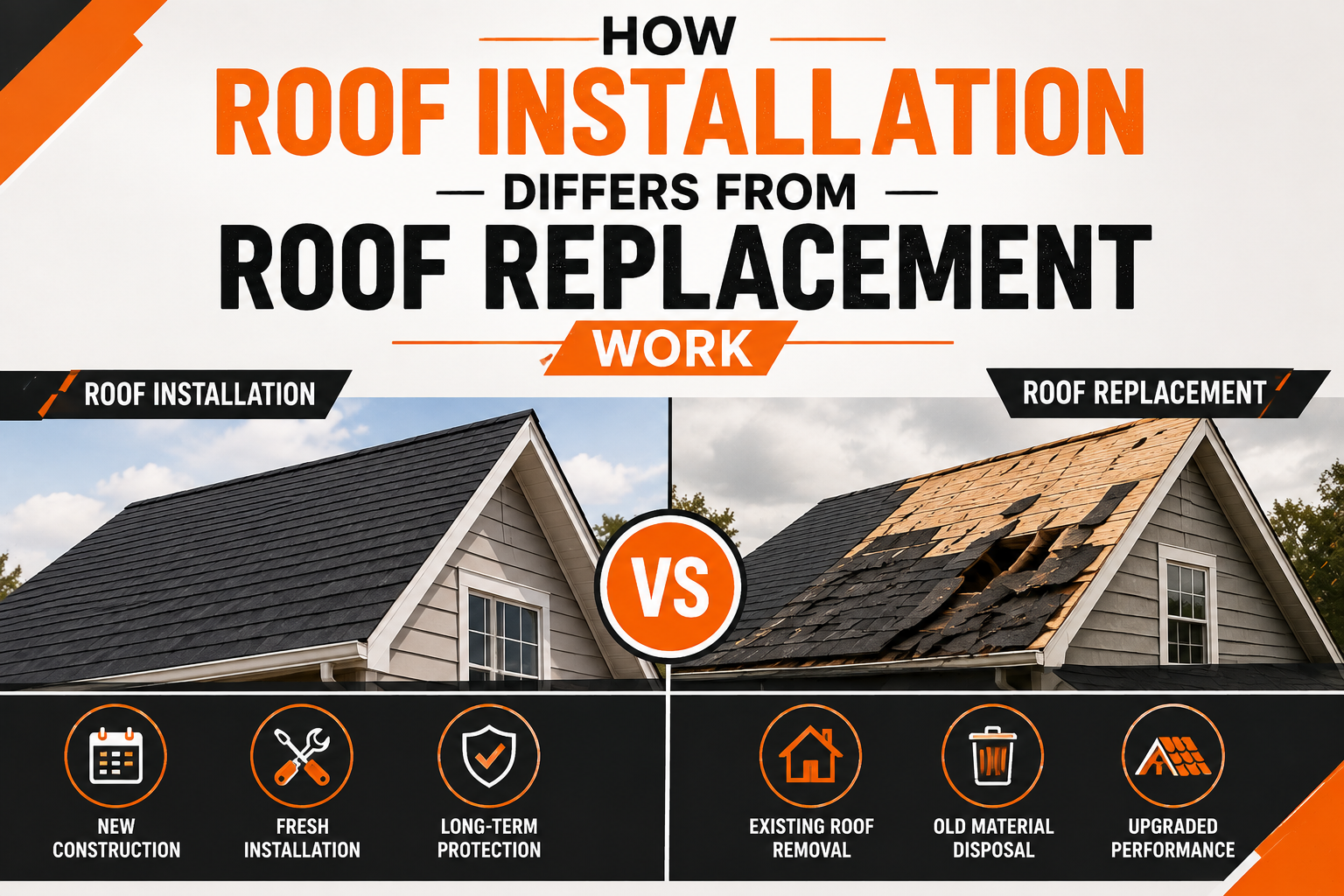
How Roof Installation Differs From Roof Replacement Work
Introduction
Many homeowners use the terms roof installation and roof replacement interchangeably, but they are not the same service. While both involve installing roofing materials, they differ in planning, construction methods, labor requirements, project timelines, and overall objectives. Understanding these differences helps homeowners choose the right roofing solution for their property while avoiding confusion during discussions with contractors.
A roof installation is typically performed on a newly constructed home or building where no roofing system previously existed. Every component, from the roof deck to the final roofing material, is installed for the first time. Since contractors begin with an unfinished structure, the process focuses on building a complete roofing system from the ground up.
Roof replacement, on the other hand, involves removing an existing roofing system that has reached the end of its useful life or suffered significant damage. Contractors must carefully remove old materials, inspect the underlying structure, repair any damaged areas, and then install a new roofing system. This additional demolition and repair work makes roof replacement a different type of project even though the finished result may appear similar.
Choosing between roof installation and roof replacement depends on the condition of the property, the age of the roof, and the overall construction project. By understanding how these two services differ, homeowners can make informed decisions, communicate more effectively with roofing professionals, and better understand the work taking place on their property.
What Is Roof Installation?
Roof installation refers to the process of building an entirely new roofing system on a structure that does not already have one. This service is most commonly performed during the construction of new homes, commercial buildings, garages, additions, or other newly built structures. Since no previous roof exists, contractors begin with the exposed roof framing before gradually adding each roofing layer.
The installation process starts with securing the roof deck to the structural framework. Once the deck has been inspected for proper alignment and stability, contractors install underlayment, waterproof barriers, drip edges, flashing, ventilation components, and finally the selected roofing material. Every layer is installed in a planned sequence to create a durable and weather resistant roofing system.
Because contractors are working on new construction, they do not need to remove existing roofing materials or repair damage caused by years of weather exposure. This allows the installation process to move in an organized progression while coordinating closely with other construction trades working on the building.
Roof installation also offers greater flexibility when selecting roofing materials. Homeowners and builders can evaluate different roofing styles, colors, ventilation systems, and drainage options before construction begins, making it easier to integrate the roof into the overall architectural design.
A successful roof installation provides the building with its first complete layer of protection against weather while supporting long term structural performance and energy efficiency.
What Is Roof Replacement?
Roof replacement is the process of removing an existing roofing system and installing a completely new one in its place. Unlike new roof installation, this project begins with an older roof that may have experienced years of weather exposure, wear, or structural deterioration. Contractors must first evaluate the existing roof before determining the best replacement approach.
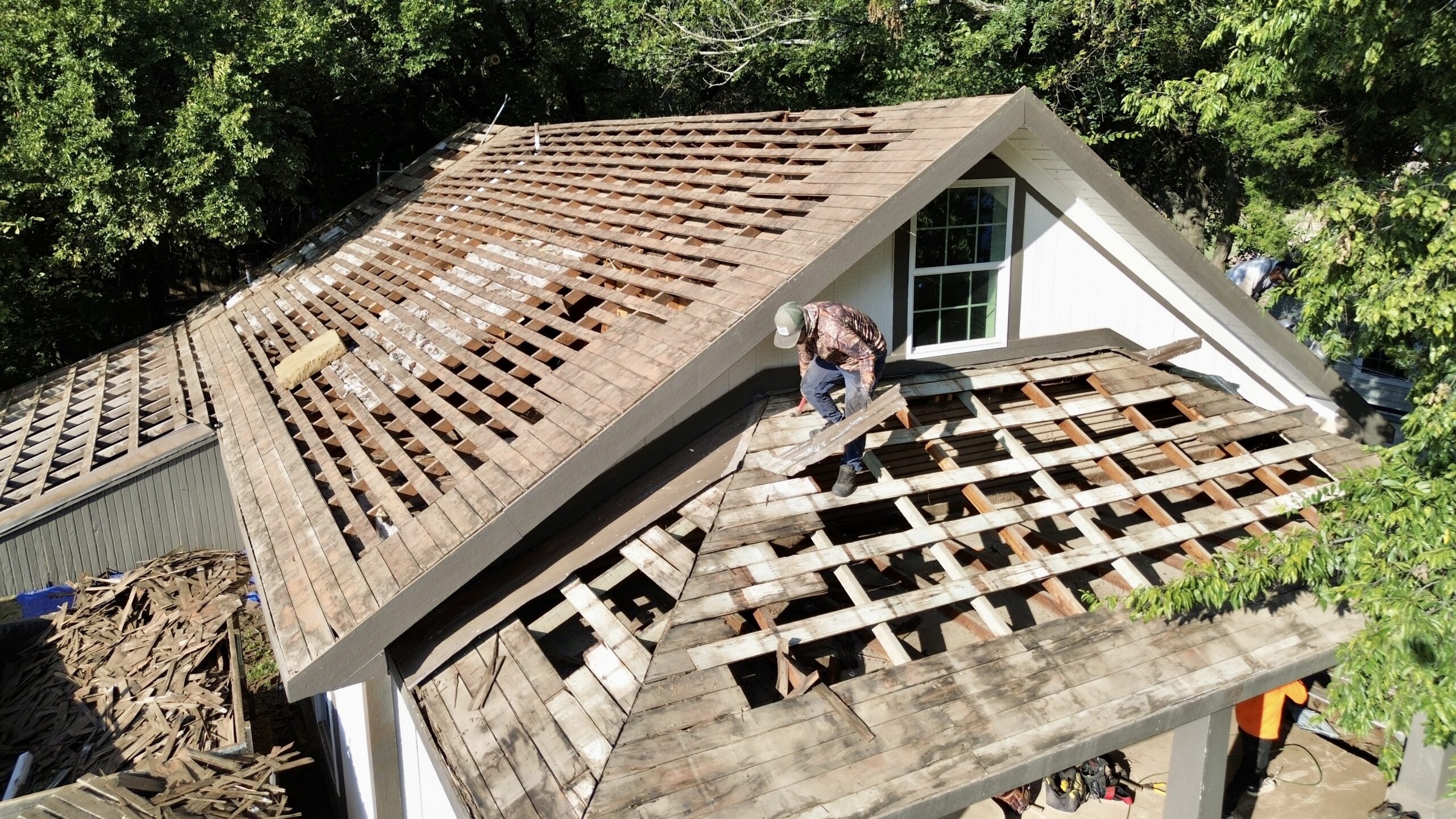
The project usually starts by removing shingles, metal panels, tiles, or other roofing materials down to the roof deck. This demolition phase allows contractors to inspect hidden structural components for moisture damage, rotting wood, loose fasteners, or other issues that could affect the new roofing system.
Once repairs have been completed, contractors install new protective layers using many of the same materials found in new roof installation. Underlayment, flashing, waterproof membranes, ventilation components, and roofing materials are added according to current building standards and manufacturer recommendations.
Roof replacement often improves more than the appearance of the home. Modern roofing products provide better weather protection, improved ventilation, increased energy efficiency, and stronger resistance to changing environmental conditions than many older roofing systems.
Although the installation of the new roof follows familiar construction principles, the need to remove old materials and repair hidden damage makes roof replacement a more complex project than many homeowners initially expect.
Why Homeowners Often Confuse the Two Services
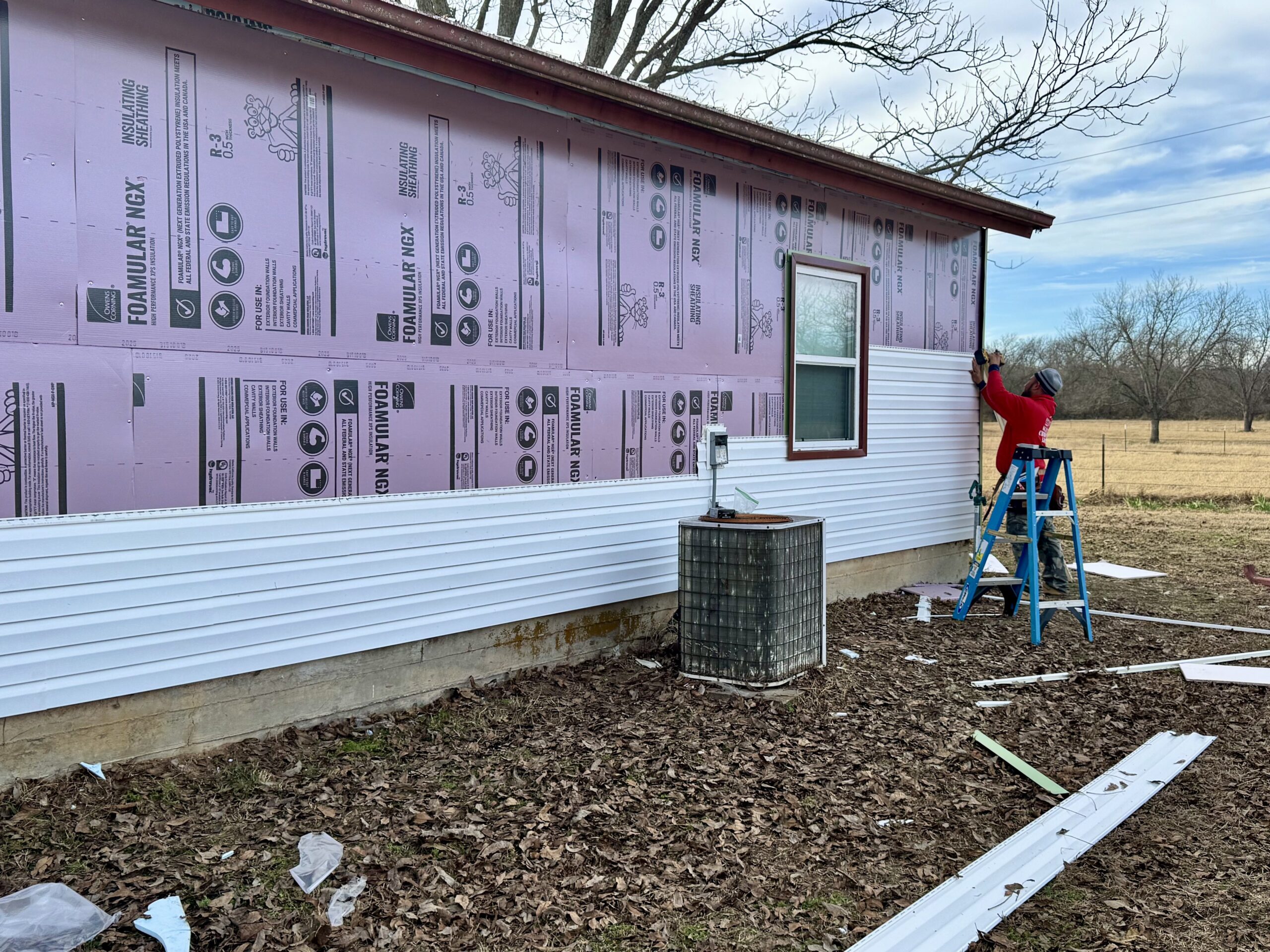
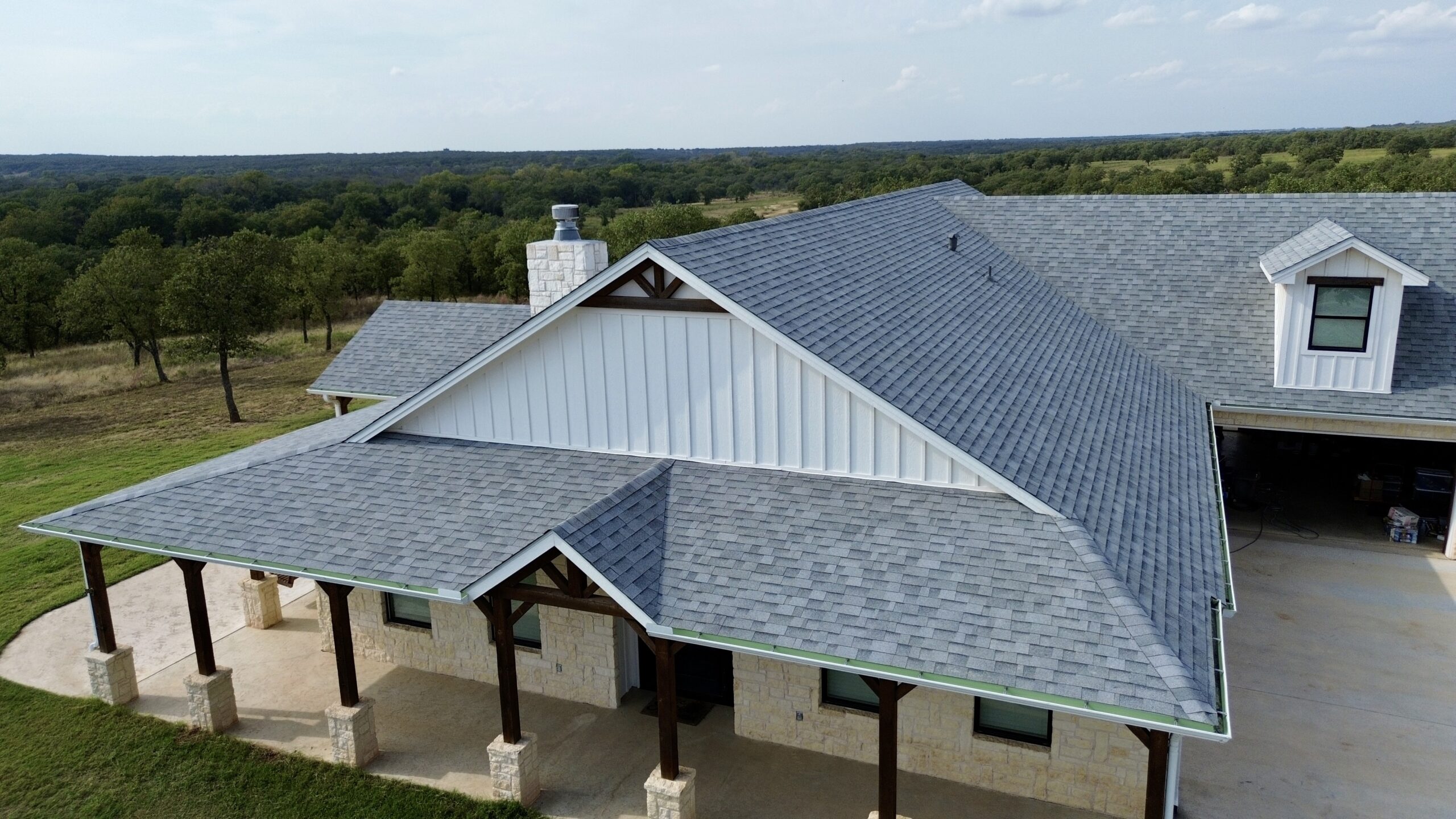
The finished appearance of a newly installed roof and a replaced roof can look nearly identical. In both cases, homeowners see new shingles, metal panels, or tiles covering the building. Because the visible result is so similar, many people assume the construction process is also the same.
Another reason for confusion is the way roofing terminology is sometimes used in everyday conversations. Contractors, neighbors, and homeowners may casually refer to any roofing project as a “new roof,” regardless of whether it involves new construction or replacement. While this description is understandable, it does not accurately distinguish between the two services.
Marketing materials and advertisements can also contribute to misunderstandings. Some roofing companies use broad language when describing their services, leaving homeowners unsure whether the information applies to new construction, roof replacement, or both.
Understanding the difference becomes important when requesting estimates or discussing project requirements. A contractor preparing a proposal for a roof installation will consider different factors than one estimating a roof replacement because the labor, materials, and project conditions vary significantly.
Knowing the correct terminology helps homeowners communicate their needs more clearly while ensuring contractors prepare accurate recommendations and estimates.
When a New Roof Installation Is Required
Roof installation is generally associated with construction projects where no previous roofing system exists. Since contractors begin with exposed framing, they have the opportunity to build every roofing layer according to current building practices without needing to remove existing materials.
Several situations commonly require roof installation:
- Construction of a new residential home.
- Building a detached garage or workshop.
- Adding a new room or second story to an existing house.
- Constructing commercial or industrial buildings.
- Building outdoor living structures with permanent roofing.
Each of these projects begins with structural framing rather than an existing roof. Contractors therefore focus entirely on building a complete roofing system instead of repairing or replacing older components.
New roof installation also allows homeowners to coordinate roofing decisions with the overall building design. Roofing materials, ventilation systems, insulation strategies, and drainage layouts can all be planned before construction begins, improving both appearance and performance.
Since the roofing system is installed alongside the rest of the building, scheduling often depends on the progress of other construction activities. Roofing contractors work closely with builders to ensure the project advances efficiently while protecting the structure from weather as soon as possible.
When Roof Replacement Is the Better Option
Roof replacement becomes necessary when an existing roofing system can no longer provide reliable protection. While minor damage may be repaired, widespread deterioration often makes replacement the more practical long term solution.
Several situations commonly indicate that roof replacement should be considered:
The roof has reached the end of its expected lifespan. Most roofing materials provide reliable performance for many years, but every product eventually experiences natural aging. As roofing materials deteriorate, repairs become more frequent and less effective.
Storm damage sometimes affects large portions of the roofing system. High winds, hail, falling trees, or severe weather may damage enough roofing material that replacement becomes more economical than repeated repairs.
Persistent leaks may indicate hidden structural issues beneath the roofing surface. Replacing the roofing system allows contractors to inspect and repair the roof deck while installing modern protective materials.
Homeowners renovating older homes may also choose roof replacement to improve energy efficiency, ventilation, and overall property value. Modern roofing systems often outperform older designs while providing improved weather resistance.
Determining whether replacement is necessary should always involve a professional inspection. Experienced roofing contractors evaluate the condition of the roof before recommending repair or complete replacement.
Key Planning Differences Between Installation and Replacement
Although both projects involve installing roofing materials, planning requirements differ considerably. Roof installation begins with a new structure, while roof replacement starts by evaluating an existing roof that may contain hidden challenges.
Planning for new roof installation focuses on design coordination. Contractors review architectural plans, roof slopes, ventilation layouts, drainage systems, and roofing material selections before work begins. Since everything is new, planning emphasizes creating an efficient construction sequence.
Roof replacement requires additional investigation before construction starts. Contractors inspect the existing roofing system, estimate demolition requirements, evaluate structural conditions, and determine whether repairs will be necessary after old materials have been removed.
Scheduling also differs between the two services. Roof installation is often coordinated with the broader construction schedule, while roof replacement must minimize the time an existing home remains exposed to weather. Contractors frequently complete replacement projects within a shorter timeframe once demolition begins.
Material ordering may also vary. Replacement projects sometimes require additional decking, flashing, or repair materials that cannot be fully estimated until the old roof has been removed and inspected.
Careful planning reduces unexpected delays while helping homeowners understand the differences between each type of roofing project.
Structural Considerations Before Either Project Begins
Whether installing a roof on new construction or replacing an existing one, structural evaluation remains one of the most important early steps. The roof serves as a major structural component of the building, making its foundation critical to long term performance.
For new construction, contractors verify that roof framing has been built according to approved plans before installing the roof deck. Proper spacing, alignment, and structural support ensure the roofing system will distribute loads safely across the building.
Roof replacement focuses more heavily on evaluating existing structural conditions. Contractors inspect roof decking, rafters, trusses, and supporting components for signs of moisture damage, wood deterioration, insect activity, or movement that may have developed over time.
Ignoring structural concerns before roofing work begins can create serious long term problems. Installing new roofing materials over weakened structural components simply conceals existing damage rather than correcting it.
Professional contractors address these concerns before moving forward with installation. Repairing structural issues at the beginning of the project creates a stable foundation that supports every roofing layer installed afterward.
Why Understanding the Difference Benefits Homeowners
Knowing whether a project involves roof installation or roof replacement allows homeowners to make more informed decisions throughout the construction process. It becomes easier to understand contractor recommendations, compare estimates, and set realistic expectations regarding project timelines and costs.
This knowledge also improves communication during consultations. Homeowners can describe their projects more accurately while asking questions specific to the type of roofing work being performed. Contractors, in turn, can provide recommendations that better match the property’s needs.
Perhaps most importantly, understanding these differences helps homeowners appreciate why project costs and schedules vary between new construction and replacement work. While both services produce a durable roofing system, the preparation, labor, and structural considerations involved are often very different.
With this foundation established, the next section will examine the roofing process itself, comparing each stage of new roof installation and roof replacement side by side. This comparison highlights how contractors approach similar roofing tasks differently depending on whether they are working on a newly constructed building or replacing an existing roof.
Preparing a New Construction Roof vs Removing an Existing Roof
The biggest difference between roof installation and roof replacement becomes clear before any new roofing materials are installed. A roof installation begins with an unfinished structure where contractors work directly on newly built framing and roof decking. Roof replacement starts with an existing roofing system that must first be removed before new work can begin.
For a new construction project, the building is typically still under development. Roofing contractors coordinate with builders after the framing has been completed and inspected. Since there are no old roofing materials to remove, crews can begin installing the roofing system immediately after confirming that the roof deck is ready.
Roof replacement requires a completely different starting point. Contractors first protect the surrounding property before removing shingles, metal panels, tiles, flashing, underlayment, and any other existing roofing materials. This demolition stage creates additional labor and requires careful planning to avoid damaging landscaping, gutters, windows, or nearby structures.
Removing an old roof also exposes hidden structural components that may not have been visible during the initial inspection. Contractors often discover damaged decking, deteriorated flashing, or moisture problems that require repair before installation can continue. These unexpected findings rarely occur during new roof installation because the structure has not yet been exposed to years of weather.
Safety planning also differs between the two projects. Roof replacement generates debris that must be managed throughout construction, while new installations mainly involve transporting new materials onto the roof. Both projects require strict safety procedures, but the nature of the work changes significantly depending on whether demolition is involved.
Although both services eventually lead to installing a new roofing system, their preparation stages differ considerably because one begins with an empty structure while the other starts with an aging roof that must be carefully removed.
Roof Deck Preparation Differences
The roof deck provides the foundation for every roofing system, making its condition essential regardless of the type of project. However, preparing the roof deck differs greatly between installation and replacement work because the starting conditions are not the same.
During new roof installation, contractors install fresh plywood or oriented strand board directly onto the roof framing. Since these materials are new, the primary objective is ensuring proper alignment, fastening, and structural support. Contractors verify that the deck meets current construction standards before installing waterproof layers.
Roof replacement focuses more heavily on inspection and repair. After removing the existing roofing materials, contractors carefully examine the deck for soft spots, moisture damage, loose panels, rotting wood, and structural weaknesses. Any damaged sections must be replaced before the new roofing system can be installed.
Older homes sometimes contain plank decking instead of modern plywood or OSB panels. Depending on local building codes and the type of new roofing material selected, contractors may recommend upgrading portions of the deck to improve performance and meet current standards.
Unexpected roof deck repairs are one reason replacement projects occasionally take longer than initially estimated. Since damage remains hidden beneath the old roofing system until demolition is complete, contractors cannot always determine the full scope of repairs beforehand.
Whether installing a roof for the first time or replacing an existing one, the roof deck must provide a strong and stable foundation. Every protective layer installed afterward depends on the structural integrity established during this stage.
Underlayment and Waterproofing Installation
Once the roof deck is ready, contractors begin installing underlayment and other waterproofing materials. Although the products used are often similar in both projects, the surrounding conditions influence how this stage is completed.
In a new roof installation, contractors apply underlayment to a clean and newly constructed roof deck. Since there are no previous roofing materials or fastener holes to consider, the installation follows a straightforward sequence from the lower roof edge toward the ridge.
During roof replacement, the deck may contain repaired sections, replaced panels, or new fastener locations following demolition. Contractors ensure these repairs are complete before applying underlayment across the entire roof surface. This creates a continuous moisture barrier despite the mixed conditions beneath it.
Ice and water shield installation also varies depending on the project. New construction allows contractors to incorporate waterproof membranes exactly where they are planned in the building design. Replacement projects often include expanded waterproofing in areas where previous leaks have occurred or where updated building codes require additional protection.
Professional contractors pay close attention to overlap, fastening methods, and material compatibility in both situations. Proper installation ensures water naturally flows downward without penetrating beneath protective layers.
Although homeowners rarely see these hidden materials after construction is complete, underlayment and waterproof membranes contribute significantly to the long term durability of both new and replacement roofing systems.
Flashing Installation in Both Projects
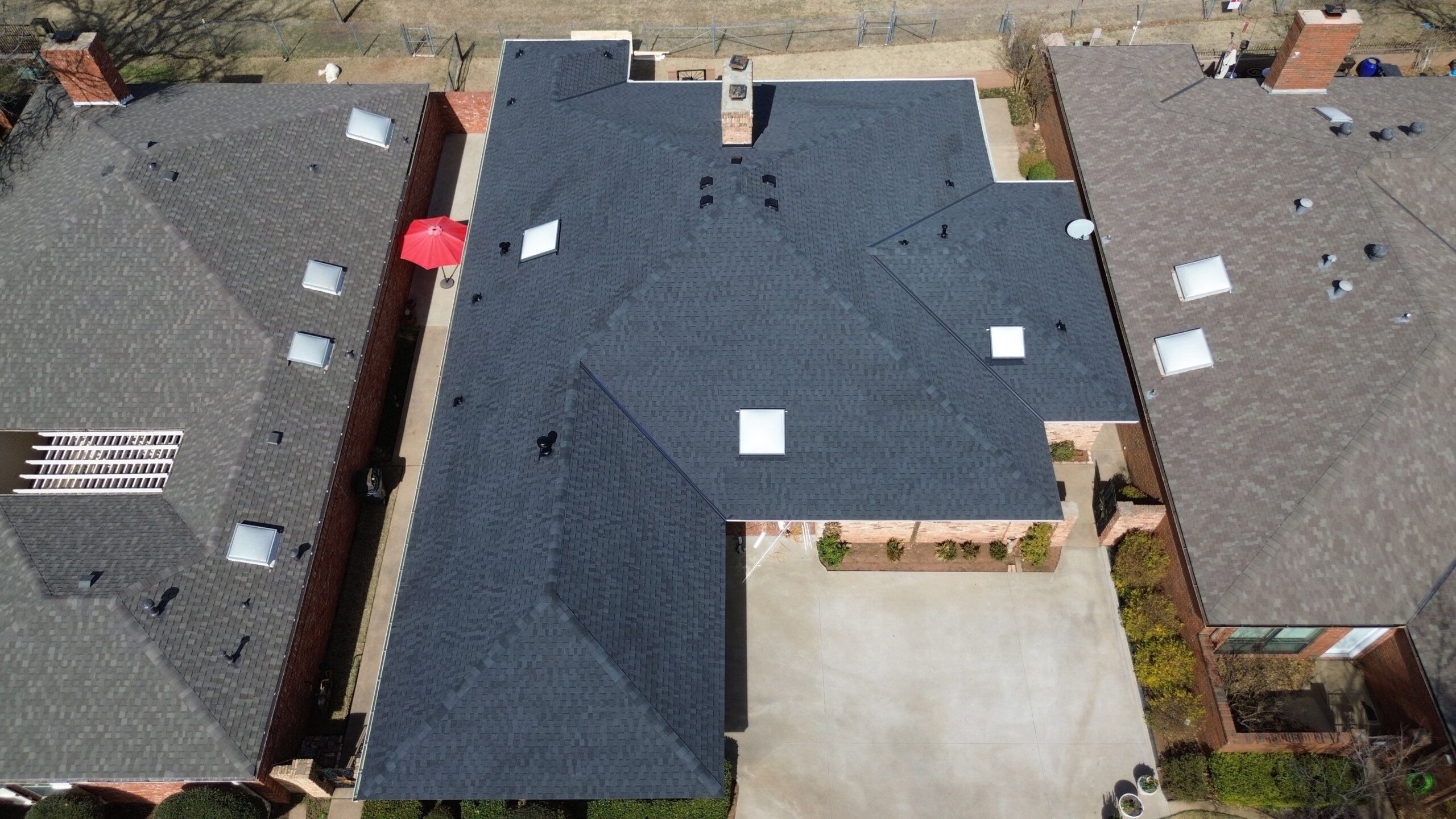
Flashing protects roof penetrations, valleys, chimneys, skylights, and wall intersections from water intrusion. While flashing serves the same purpose in both roof installation and roof replacement, the installation process differs because of existing conditions.
In new construction, flashing is installed for the first time alongside other roofing components. Contractors position each flashing piece according to architectural plans while coordinating with other building trades. This allows flashing to integrate smoothly with newly installed roofing materials and structural elements.
Roof replacement usually involves removing old flashing before installing new components. Reusing worn flashing may seem economical, but corrosion, bending, or hidden damage often reduce its effectiveness. Most professional contractors recommend replacing flashing whenever a complete roof replacement is performed.
Existing chimneys, skylights, and roof penetrations may also require additional repairs during replacement projects. Sealants, masonry, or surrounding structural components sometimes need attention before new flashing can be installed properly.
Proper flashing installation depends on careful overlap with underlayment, waterproof membranes, and roofing materials. Every component works together to guide water safely away from vulnerable areas rather than allowing it to enter the roofing system.
Whether installed during new construction or replacement work, flashing remains one of the most important hidden components protecting the home from moisture damage.
Roofing Material Installation Process
The installation of shingles, metal panels, tiles, or other roofing materials follows many of the same principles regardless of the project type. Contractors begin near the roof’s lower edge and work upward toward the ridge so overlapping materials naturally direct water away from the structure.
Despite these similarities, roof replacement often requires additional attention during material installation. Existing roof features may have shifted slightly over time, requiring careful adjustments to maintain straight layout lines and consistent spacing. Contractors also verify that repaired decking blends smoothly with existing structural sections before continuing.
New roof installation generally provides a more uniform working surface because every structural component has recently been built. This consistency often simplifies layout while allowing contractors to follow architectural measurements established during construction.
Material selection may also differ between the two services. Homeowners building new homes often coordinate roofing materials with exterior siding, windows, and landscaping as part of the overall design process. Roof replacement projects usually balance appearance with compatibility, ensuring the new roof complements the existing structure.
Fastener placement, manufacturer recommendations, and installation techniques remain equally important in both cases. Following approved procedures ensures roofing materials achieve their intended performance regardless of whether they are installed on a new or existing building.
Project Timeline and Labor Differences
One of the most noticeable differences between roof installation and roof replacement involves project scheduling. Although the actual installation of roofing materials may require similar amounts of time, the overall project duration often varies because replacement includes demolition and repairs.
New roof installation is usually coordinated with the broader construction schedule. Roofing crews begin once framing and decking have been completed, allowing the project to progress in a planned sequence with electricians, plumbers, and other construction professionals.
Roof replacement typically follows a more compressed schedule because the home already exists and needs to remain protected from weather. Contractors aim to remove old materials and install new protection as efficiently as possible to minimize exposure.
Labor requirements also differ. New installations focus almost entirely on construction, while replacement projects divide labor between demolition, debris removal, structural repairs, and installation. Additional workers may be assigned to cleanup and material handling during replacement projects because of the larger volume of waste generated.
Weather delays affect both types of roofing work, but replacement projects often require greater flexibility. Contractors monitor forecasts closely to avoid leaving the home exposed if unexpected rain develops after the old roof has been removed.
Understanding these scheduling differences helps homeowners set realistic expectations while appreciating why project timelines vary between new construction and replacement work.
Common Challenges Contractors Face During Each Project
Although both roofing services require skilled workmanship, contractors encounter different challenges depending on the nature of the project. New construction presents one set of obstacles, while replacement work introduces entirely different concerns.
During roof installation, contractors often coordinate closely with other construction teams. Delays in framing, exterior wall construction, or material deliveries may affect the roofing schedule. Since multiple trades work on the building simultaneously, communication plays an important role in maintaining project efficiency.
Roof replacement introduces more unpredictable conditions. Hidden moisture damage, deteriorated decking, insect damage, or outdated construction methods may only become visible after demolition has begun. Contractors must adapt quickly while maintaining project quality and safety.
Property protection is another significant difference. Replacement projects require careful handling of debris, landscaping protection, magnetic nail collection, and ongoing cleanup because homeowners usually remain in the house during construction. New construction sites generally have fewer completed landscaping features or finished outdoor spaces requiring protection.
Despite these challenges, experienced roofing contractors rely on careful planning, quality materials, and systematic installation procedures to deliver durable roofing systems in both situations.
Roof Installation vs Roof Replacement Comparison
The following table summarizes the primary differences between roof installation and roof replacement to provide a clear side by side comparison.
| Feature | Roof Installation | Roof Replacement |
|---|---|---|
| Starting Condition | New construction with no existing roof | Existing roof already in place |
| Demolition Required | No | Yes |
| Roof Deck Work | Install new decking | Inspect, repair, or replace damaged decking |
| Structural Repairs | Usually minimal | Often required after demolition |
| Flashing | Installed for the first time | Old flashing usually replaced |
| Project Coordination | Works with overall building construction | Focuses on protecting existing home |
| Cleanup | Primarily packaging and construction materials | Includes old roofing debris and nail removal |
| Unexpected Repairs | Less common | More likely after roof removal |
This comparison shows that while both services result in a completed roofing system, the work involved before roofing materials are installed differs substantially.
How Professional Contractors Adapt Their Approach
Professional roofing contractors understand that no two roofing projects are exactly alike. Rather than following the same routine for every job, they adjust their methods according to whether they are working on new construction or replacing an existing roof.
Before beginning work, contractors evaluate the property’s specific needs. For new construction, they review architectural plans, coordinate with builders, and prepare for an organized installation sequence. During roof replacement, they perform detailed inspections, estimate demolition requirements, and plan for possible structural repairs that may become necessary.
Material handling also changes depending on the project. New installations focus on delivering and organizing new roofing products efficiently, while replacement projects require debris removal systems alongside incoming materials. Maintaining an organized worksite improves safety while reducing delays.
Quality control remains equally important in both services. Contractors inspect every completed stage before proceeding to the next, ensuring each roofing layer performs as intended. This systematic approach allows them to deliver durable roofing systems regardless of whether the project involves a brand new structure or the replacement of an aging roof.
Understanding these process differences prepares homeowners to make informed decisions when choosing between roof installation and roof replacement. The final section of this guide will compare costs, maintenance expectations, material considerations, and practical factors that help determine which roofing service is the best solution for a particular property.
Cost Differences Between Roof Installation and Roof Replacement
Cost is one of the first questions homeowners ask when planning any roofing project. Although roof installation and roof replacement both involve installing a complete roofing system, the overall costs are often different because the scope of work is not the same. Understanding these differences helps homeowners prepare realistic budgets while avoiding unexpected expenses.
New roof installation is generally included as part of a larger construction project. Since contractors begin with a newly built structure, there are no demolition costs or disposal fees for old roofing materials. Labor is primarily focused on installing new components, making the work more predictable from start to finish.
Roof replacement typically involves additional expenses that do not exist during new construction. Contractors must remove and dispose of old roofing materials before installation begins. This demolition process requires extra labor, specialized equipment, and waste disposal services, all of which increase the overall project cost.
Structural repairs also influence replacement costs. Once the existing roof has been removed, contractors may discover damaged roof decking, deteriorated flashing, or moisture related problems that require immediate repair. These issues cannot always be identified during the initial inspection, making replacement projects more likely to include unexpected costs.
Material choices affect both services equally. Premium shingles, standing seam metal roofing, slate, clay tiles, and synthetic roofing materials all vary in price regardless of whether they are installed on a new home or an existing one. Homeowners should therefore consider both installation costs and long term value when selecting roofing materials.
Although roof replacement usually costs more because of additional labor and repairs, both services represent significant investments that protect the home for many years. Choosing quality workmanship rather than focusing only on the lowest price often delivers better long term value.
Material Selection Considerations
Selecting roofing materials involves much more than choosing a color that complements the home’s exterior. The type of roofing material influences durability, maintenance requirements, weather resistance, energy efficiency, and overall appearance. While these considerations apply to both services, homeowners often approach material selection differently depending on the type of project.
New roof installation provides complete design flexibility because the building is still under construction. Homeowners can coordinate roofing materials with siding, windows, brickwork, landscaping, and other architectural features before the home is completed. This planning allows the roof to become an integrated part of the overall design.
Roof replacement requires additional consideration because the existing home’s appearance already exists. The new roof should complement exterior finishes while maintaining compatibility with the building’s structural design. Some heavier roofing materials may require structural evaluation before installation on older homes.
Climate remains one of the most important factors in material selection. Areas with frequent rainfall, heavy snow, strong winds, or intense sunlight require roofing materials designed to perform well under those specific conditions. Choosing products suited to the local environment improves durability while reducing future maintenance.
Homeowners should also consider the expected lifespan of different roofing materials. While asphalt shingles remain a popular and affordable option, metal roofing, slate, and tile often provide significantly longer service lives. Balancing initial investment with expected longevity helps determine the most practical solution for each property.
Discussing these options with an experienced roofing contractor ensures material selection reflects both immediate preferences and long term performance goals.
Building Codes and Permit Requirements
Every roofing project must comply with local building regulations that promote structural safety and consistent construction standards. Although building code requirements apply to both roof installation and roof replacement, the approval process may differ depending on the project.
New roof installation usually forms part of a broader construction permit covering the entire building. Roofing work is inspected alongside structural framing, electrical systems, plumbing, and other major construction activities. Contractors coordinate these inspections as construction progresses.
Roof replacement often requires separate permits because the project affects an existing structure. Local authorities may review roofing materials, fastening methods, ventilation improvements, drainage systems, and structural repairs before approving the completed work.
Building codes frequently change as construction standards evolve. Modern roofing systems may require additional waterproof membranes, improved ventilation, stronger fastening methods, or updated fire resistance standards compared to roofs installed many years earlier. Roof replacement projects therefore provide an opportunity to upgrade the home according to current requirements.
Professional roofing contractors remain familiar with local regulations and usually manage the permitting process on behalf of homeowners. Confirming permit responsibilities before construction begins helps avoid misunderstandings while ensuring the project proceeds according to applicable standards.
Code compliance not only improves safety but also protects property value by ensuring the roofing system meets recognized construction requirements.
Long Term Maintenance Expectations
Whether a roof has been installed on a newly constructed home or recently replaced on an existing one, maintenance plays a vital role in preserving its performance. Every roofing system experiences continuous exposure to weather, making regular inspection and preventive care essential throughout its lifespan.
New roof installations benefit from beginning their service life with brand new structural components and roofing materials. Since every layer has been installed at the same time, maintenance initially focuses on monitoring normal weather related wear rather than correcting older construction issues.
Roof replacement projects may involve existing gutters, chimneys, skylights, or ventilation systems that continue serving alongside the newly installed roofing materials. Homeowners should therefore monitor both the new roof and older exterior components to ensure they continue functioning together properly.
Routine maintenance remains similar for both services. Gutters should be cleaned regularly to allow proper water drainage. Fallen branches, accumulated leaves, and storm debris should be removed promptly to prevent unnecessary stress on roofing materials.
Professional roof inspections every few years help identify developing concerns before they become expensive repairs. Experienced contractors can detect subtle signs of flashing movement, ventilation issues, or material deterioration that homeowners may not notice during routine visual inspections.
Consistent maintenance protects every roofing layer while maximizing the return on the investment made during installation or replacement.
Questions Homeowners Should Ask Before Hiring a Roofing Contractor
Selecting the right contractor is one of the most important decisions in any roofing project. Asking detailed questions before signing a contract helps homeowners compare companies based on experience, workmanship, and overall value rather than simply choosing the lowest estimate.
Useful questions include:
- Do you specialize in new roof installation, roof replacement, or both?
- Are you licensed and insured for roofing work in this area?
- Which roofing materials do you recommend for my property?
- Will the roof deck be inspected and repaired if necessary?
- How will flashing and ventilation be installed?
- What warranties cover materials and workmanship?
- How will the property be protected during construction?
- What cleanup procedures will be completed after the project?
These discussions provide valuable insight into a contractor’s professionalism and communication style. Contractors who answer questions clearly and explain their recommendations often demonstrate greater confidence in their workmanship.
Written contracts should also specify project scope, materials, estimated completion dates, payment schedules, and warranty details. Reviewing these documents carefully before construction begins reduces misunderstandings throughout the project.
Practical Checklist for Deciding Between Installation and Replacement
Choosing the appropriate roofing service depends on the property’s condition, construction stage, and long term goals. The following checklist summarizes practical factors homeowners should evaluate before making a decision.
- Determine whether the building is new construction or an existing home.
- Schedule a professional roof inspection to assess current structural conditions.
- Compare repair costs with complete replacement if an existing roof is damaged.
- Consider long term plans for the property before selecting roofing materials.
- Review local building code requirements and permit needs.
- Obtain detailed written estimates from experienced roofing contractors.
- Compare warranties, materials, and workmanship rather than price alone.
- Confirm project timelines and expected weather considerations.
- Review maintenance requirements for the selected roofing material.
- Choose a contractor with proven experience in the specific type of roofing project.
Following this checklist helps homeowners approach roofing decisions with confidence while reducing the likelihood of unexpected problems during construction.
Common Misconceptions About Roof Installation and Roof Replacement
Many homeowners believe roof installation is always easier than roof replacement because no demolition is required. While new construction eliminates the need to remove old materials, it also requires careful coordination with multiple construction trades, making planning equally important.
Another misconception is that roof replacement simply involves placing new shingles over the old roof. Although some older roofing methods allowed additional layers under limited circumstances, most modern replacement projects involve removing existing materials so the roof deck can be inspected properly. This approach improves structural reliability while allowing contractors to address hidden damage.
Some homeowners also assume both services require identical budgets because the same roofing materials may be used. In reality, demolition, disposal, structural repairs, and property protection often make roof replacement more labor intensive than new installation.
It is also common to believe that once a roof has been installed or replaced, no further attention is required. Every roofing system benefits from periodic maintenance regardless of how recently it was completed. Regular inspections and prompt repairs help preserve performance while extending the roof’s service life.
Understanding these misconceptions allows homeowners to make more informed decisions while developing realistic expectations for their roofing projects.
Conclusion
Although roof installation and roof replacement both result in a new roofing system, they are fundamentally different services that begin under very different conditions. Roof installation focuses on building a complete roofing system for a newly constructed structure, while roof replacement involves removing an existing roof, evaluating hidden structural conditions, and installing a new system in its place. These differences influence planning, labor, project timelines, and overall cost.
Throughout this guide, we explored how preparation, roof deck work, waterproofing, flashing, roofing material installation, and maintenance differ between the two services. While many installation techniques remain similar, roof replacement requires additional attention because existing materials, structural repairs, and demolition all become part of the project.
Selecting the right service depends on the property’s current condition rather than personal preference alone. New construction naturally requires roof installation, while aging or severely damaged roofs often benefit from complete replacement after a professional inspection. Understanding these distinctions allows homeowners to communicate more effectively with contractors and make informed decisions based on their property’s specific needs.
Regardless of which service is required, quality materials, experienced workmanship, and careful planning remain the foundation of every successful roofing project. Working with qualified professionals who follow manufacturer recommendations and local building codes helps ensure the completed roofing system delivers dependable protection, energy efficiency, and lasting value.
A roof is one of the most important structural components of any home. Whether installing a roof for the first time or replacing one that has reached the end of its lifespan, investing in proper planning, skilled installation, and regular maintenance provides long term protection that homeowners can rely on for many years to come.