
How to Choose the Right Contractor for Roof Replacement
Introduction
Replacing your roof is one of the largest investments you will make as a homeowner. A new roof protects your home from weather, improves energy efficiency, enhances curb appeal, and increases property value. However, the quality of these benefits depends largely on one important decision: choosing the right roofing contractor. Even the best roofing materials cannot perform as expected if they are installed incorrectly.
Many homeowners focus heavily on selecting roofing materials while spending less time evaluating the contractor who will complete the installation. This approach often leads to avoidable problems such as poor workmanship, project delays, unexpected costs, and warranty disputes. Hiring a qualified contractor requires more than comparing prices. It involves careful research, thoughtful questions, and a clear understanding of what separates experienced professionals from unreliable companies.
The roofing industry includes many reputable contractors who provide outstanding service, but it also includes businesses that may lack proper experience, licensing, or insurance. Knowing how to evaluate contractors before signing a contract helps protect your investment and reduces the likelihood of costly mistakes.
Choosing the right contractor is not simply about finding someone who can install a roof. It is about finding a professional who communicates clearly, follows industry standards, respects your property, completes work safely, and stands behind the finished product. A trustworthy contractor becomes a valuable partner throughout the entire replacement process.
This guide shares practical advice for selecting the best roofing contractor for your project. In this first part, we will explore why contractor selection matters, what qualities define a professional roofing company, how to evaluate your own roofing needs, where to find reliable contractors, how to research their reputation, and which qualifications every homeowner should verify before making a hiring decision.
Why Choosing the Right Roofing Contractor Is So Important
Many aspects of a roof replacement project influence its success, but none has a greater impact than the quality of the contractor performing the installation. The contractor is responsible for transforming materials into a complete roofing system that protects the home for many years. Even premium roofing products cannot compensate for poor installation practices.
A qualified contractor understands every part of the roofing system rather than focusing only on visible shingles. Proper installation includes roof decking, underlayment, flashing, ventilation, drainage systems, and fastening methods that work together to protect the home from moisture and weather damage. Missing or incorrectly installed components may create problems long before the roofing materials reach the end of their expected lifespan.
Hiring the wrong contractor can create expensive consequences. Poor workmanship may lead to leaks, premature material failure, reduced energy efficiency, mold growth, structural deterioration, or repeated repairs. These problems often cost far more to correct than the savings gained by selecting the lowest estimate.
Professional contractors also understand local building codes and permit requirements. Roofing regulations vary between locations, and experienced contractors ensure installations meet applicable standards before the project is considered complete. Compliance with local codes protects homeowners while simplifying future inspections, insurance claims, and property sales.
Communication represents another important advantage of hiring a qualified contractor. Roofing projects occasionally encounter unexpected challenges such as hidden structural damage or weather related delays. A professional contractor explains these situations clearly, discusses available options, and documents any necessary changes before continuing the project.
Safety is equally important. Roof replacement involves ladders, heavy materials, power tools, and elevated work areas that require specialized training and proper equipment. Established roofing companies prioritize worker safety while protecting homeowners and their property throughout construction.
Reliable contractors also maintain strong relationships with suppliers and manufacturers. These relationships often provide access to high quality materials, manufacturer training, and warranty programs that may not be available through less experienced companies.
Perhaps the greatest benefit of selecting the right contractor is peace of mind. Homeowners who trust their roofing professional can focus on the overall project instead of constantly worrying about workmanship, communication, or unexpected problems. That confidence often makes the entire roof replacement experience significantly less stressful.
Understanding What Makes a Professional Roofing Contractor
Not every company advertising roofing services offers the same level of expertise or professionalism. Understanding the qualities that distinguish experienced contractors helps homeowners evaluate potential candidates more effectively.
Professional roofing contractors begin with thorough inspections rather than immediate sales presentations. Before recommending replacement, they carefully examine the existing roof, identify visible and hidden concerns, and explain their findings in language homeowners can easily understand. This detailed evaluation demonstrates technical knowledge while ensuring recommendations are based on actual roof conditions.
Honesty is another defining characteristic. Experienced contractors explain both the strengths and limitations of different roofing materials instead of promoting a single product for every project. Their recommendations consider factors such as climate, budget, architectural style, maintenance expectations, and long term performance.
Professionalism is also reflected in communication. Reliable contractors respond to questions promptly, arrive on time for appointments, provide written documentation, and maintain respectful interactions throughout the planning process. Clear communication builds confidence long before construction begins.
Organization is equally important. Professional roofing companies prepare detailed estimates that clearly describe project scope, materials, labor, warranties, cleanup procedures, and payment schedules. Well organized documentation reduces misunderstandings while helping homeowners compare proposals more accurately.
Experienced contractors also invest in ongoing education. Roofing materials, installation techniques, and building regulations continue evolving over time. Companies committed to continuous training remain current with manufacturer recommendations and industry best practices, improving the quality of their installations.
Attention to detail often separates outstanding contractors from average ones. During inspections, experienced professionals notice issues that less qualified installers might overlook, including inadequate ventilation, deteriorated flashing, drainage problems, or structural concerns beneath the existing roofing system.
Respect for customer property is another sign of professionalism. Reliable contractors discuss how they will protect landscaping, outdoor furniture, vehicles, and surrounding structures before work begins. They also explain cleanup procedures and how debris will be managed throughout the project.
Professional roofing companies typically maintain stable business operations within their local communities. Long term presence demonstrates commitment to customer service while providing homeowners with greater confidence that the company will remain available if warranty support becomes necessary in the future.
Ultimately, professionalism involves far more than technical skill. It combines experience, communication, honesty, organization, safety, and accountability into a complete customer experience that extends well beyond installation day.
Knowing Your Roofing Needs Before Hiring
Before contacting roofing contractors, homeowners should first understand their own project requirements. Knowing what you hope to achieve makes contractor discussions more productive while helping professionals recommend solutions that align with your goals.
The first consideration is determining whether the roof truly requires replacement. Some roofing systems only need localized repairs, while others have reached the point where complete replacement provides greater long term value. A general understanding of your roof’s age, visible condition, and maintenance history helps guide these conversations.
Budget expectations should also be considered before requesting estimates. Homeowners do not need to determine an exact project cost, but establishing a comfortable spending range allows contractors to recommend appropriate materials and installation options without suggesting products far beyond available resources.
Material preferences may also influence contractor selection. Some roofing companies specialize in asphalt shingles, while others have extensive experience with metal roofing, tile, slate, or synthetic materials. Understanding your preferred roofing system helps identify contractors with relevant expertise.
Long term ownership plans deserve attention as well. Homeowners planning to remain in their home for decades may prioritize premium materials and extended warranties. Those preparing to sell within several years may focus more on appearance, resale value, and balanced investment decisions.
Energy efficiency has become another important consideration. Many homeowners wish to reduce heating and cooling costs through improved ventilation, reflective roofing materials, or upgraded insulation. Discussing these goals early helps contractors incorporate appropriate recommendations into their proposals.
Architectural style should also influence planning. Roofing materials and colors should complement the home’s overall appearance while remaining consistent with neighborhood design standards where applicable. Some homeowners associations also establish roofing guidelines that contractors should understand before recommending materials.
Timing is another important factor. While emergency replacements sometimes require immediate action, planned projects allow homeowners to compare contractors carefully, schedule work during favorable weather, and make thoughtful decisions without unnecessary pressure.
Preparing a simple list of project priorities before meeting contractors can be extremely helpful. Important considerations may include durability, budget, energy efficiency, appearance, warranty protection, environmental sustainability, or project completion timelines. Sharing these priorities allows contractors to tailor their recommendations more effectively.
When homeowners understand their own objectives first, contractor selection becomes much easier because proposals can be evaluated according to clearly defined goals rather than general impressions.
Where to Find Reliable Roofing Contractors
Finding qualified roofing contractors requires more than searching online and contacting the first company listed. Successful homeowners typically gather information from several trusted sources before narrowing their choices.
Personal recommendations often provide an excellent starting point. Friends, neighbors, relatives, and coworkers who recently completed roofing projects can share valuable insights regarding communication, workmanship, scheduling, and overall satisfaction. These firsthand experiences frequently reveal details that may not appear in advertisements or company websites.
Local community groups and neighborhood associations may also provide useful recommendations. Contractors with strong reputations often receive repeated referrals within the communities they serve because satisfied customers naturally recommend reliable professionals.
Online review platforms offer another helpful research tool. Rather than focusing on isolated opinions, homeowners should look for consistent patterns across many reviews. Repeated praise regarding professionalism, cleanliness, communication, and workmanship generally indicates dependable service. Likewise, recurring complaints about delays, poor communication, or unresolved warranty issues deserve careful attention.
Manufacturer websites frequently maintain directories of contractors trained or certified to install their roofing products. These programs often require contractors to meet specific standards regarding experience, training, and customer satisfaction. While certification alone does not guarantee quality, it demonstrates additional commitment to professional development.
Local business organizations may also help identify established roofing companies with long standing community involvement. Contractors who have operated successfully in the same area for many years often value their local reputation and ongoing customer relationships.
Home improvement shows, community events, and local trade exhibitions provide opportunities to meet contractors in person before scheduling inspections. Face to face conversations allow homeowners to evaluate communication style and professionalism while asking preliminary questions about services offered.
Insurance agents may also recommend reputable roofing contractors because they frequently work with companies experienced in storm damage repairs and insurance documentation. Although homeowners should still perform independent research, these referrals can provide useful starting points.
Regardless of where contractors are found, homeowners should avoid making hiring decisions based solely on advertisements, promotional discounts, or limited time offers. Quality roofing projects deserve careful evaluation rather than rushed commitments.
Creating a shortlist of at least three qualified contractors allows meaningful comparisons. Meeting multiple professionals provides different perspectives on the project while helping homeowners identify consistent recommendations regarding materials, repairs, and installation methods.
How to Research a Contractor’s Reputation
After identifying several potential contractors, the next step involves evaluating their reputation carefully. Reputation reflects far more than marketing success. It represents the contractor’s history of customer satisfaction, workmanship quality, reliability, and ethical business practices.
Begin by reading customer reviews from multiple sources rather than relying on a single platform. Consistency matters more than individual opinions. A contractor who repeatedly receives positive feedback regarding communication, punctuality, project management, and cleanup likely demonstrates those qualities regularly.
Pay attention to how contractors respond to negative reviews as well. Even highly respected companies occasionally encounter dissatisfied customers. Professional responses that acknowledge concerns respectfully and explain efforts to resolve issues often demonstrate accountability and commitment to customer service.
Request references from recent projects similar to your own. Speaking directly with previous customers allows homeowners to ask practical questions about scheduling, communication, workmanship, project cleanliness, and how the contractor handled unexpected challenges.
If possible, drive past completed roofing projects performed by the contractor. While homeowners should respect private property, viewing completed roofs from public areas provides an opportunity to observe general workmanship, material appearance, and overall installation quality.
Longevity within the community also contributes to reputation. Companies that have operated successfully for many years generally have stronger incentives to maintain customer satisfaction because their future business depends heavily on local referrals and repeat clients.
Professional affiliations may provide additional insight. Membership in respected industry organizations often demonstrates commitment to ethical business practices, continuing education, and professional standards. Although membership alone should not determine hiring decisions, it reflects additional involvement within the roofing industry.
Homeowners should also evaluate communication during the research process itself. Contractors who return phone calls promptly, answer questions thoroughly, and provide requested documentation without hesitation usually continue demonstrating similar professionalism throughout the project.
Reputation develops over time through consistent performance rather than advertising claims. Investing time in careful research helps homeowners distinguish established professionals from companies that may not deliver the same level of service.
Essential Qualifications Every Roofing Contractor Should Have
Before considering any contractor for a roof replacement project, homeowners should verify several essential qualifications. These requirements help protect both the investment and everyone involved in the construction process.
The most important qualifications include:
- Valid business licensing where required by local regulations.
- Current liability insurance.
- Active workers’ compensation coverage.
- Proven experience with your selected roofing material.
- Written estimates detailing project scope.
- Manufacturer warranty options.
- Workmanship warranty coverage.
- Positive local references.
- Knowledge of local building codes and permit requirements.
- Clear communication and professional documentation.
These qualifications establish a strong foundation for evaluating roofing contractors objectively rather than relying on sales presentations alone. Contractors who willingly provide documentation and answer questions transparently demonstrate confidence in their business practices and professionalism.
Comparing Roofing Estimates the Right Way
After narrowing your list of potential roofing contractors, the next important step is comparing their estimates. Many homeowners immediately focus on the total project price, assuming the lowest estimate offers the best value. In reality, roofing estimates often differ because contractors include different materials, labor standards, warranties, and project services. Comparing proposals carefully helps homeowners make informed decisions rather than choosing based solely on cost.
A professional roofing estimate should clearly explain every major component of the project. Instead of providing only a final price, it should identify roofing materials, underlayment, flashing replacement, ventilation improvements, labor costs, cleanup services, permit responsibilities, warranty coverage, and estimated project timelines. Detailed estimates demonstrate professionalism while reducing the likelihood of misunderstandings later.
Material quality deserves close attention during comparisons. Two contractors may both recommend asphalt shingles, but they could be offering products from different manufacturers or different product lines with varying durability and warranty protection. Homeowners should compare exact product names rather than assuming all roofing materials perform equally.
Labor quality is another important consideration. Skilled installation directly affects roof performance, regardless of material quality. Contractors who invest in experienced crews, proper training, and manufacturer approved installation practices often charge slightly higher prices, but their workmanship usually provides greater long term value.
Project timelines should also be reviewed carefully. While weather conditions can influence schedules, contractors should provide reasonable expectations regarding start dates and estimated completion times. Extremely short timelines may indicate rushed installation, while unusually long schedules should be discussed before making a decision.
Cleanup procedures often receive less attention than they deserve. Professional roofing companies include complete debris removal, magnetic nail collection, and final property inspections within their estimates. Homeowners should confirm these services rather than assuming they are automatically included.
Payment schedules provide another useful comparison point. Reputable contractors generally request a reasonable deposit followed by progress payments or payment after completion. Contractors demanding full payment before work begins should be approached with caution because this significantly increases financial risk for homeowners.
When comparing estimates, homeowners should also consider communication quality. Contractors who prepare organized, detailed proposals and explain recommendations patiently often continue demonstrating professionalism throughout the entire project.
Rather than selecting the lowest estimate immediately, homeowners should evaluate the complete value each contractor offers. A slightly higher investment may provide stronger warranties, better materials, improved workmanship, and greater confidence that the roof will perform as expected for many years.
Questions to Ask Before Hiring a Roofing Contractor
Hiring a roofing contractor is an important decision, and asking thoughtful questions helps homeowners evaluate experience, professionalism, and communication before signing a contract. These conversations also provide insight into how the contractor manages projects and responds to customer concerns.
One of the first questions should focus on experience. Homeowners should ask how long the contractor has been installing residential roofs and whether they have completed projects similar to the planned replacement. Experience with the specific roofing material being considered is especially valuable because installation requirements vary between different roofing systems.
Licensing and insurance should always be discussed. Homeowners should ask whether the company carries current liability insurance and workers’ compensation coverage and request documentation rather than relying solely on verbal confirmation. These protections reduce financial risk if accidents occur during construction.
It is also helpful to ask who will supervise the project on a daily basis. Some companies have dedicated project managers, while others rely on crew leaders or subcontractors. Knowing the primary point of contact makes communication easier throughout installation.
Homeowners should also discuss material recommendations in detail. Rather than simply accepting the contractor’s preferred product, ask why specific materials are recommended for your home, local climate, and long term goals. Professional contractors should explain both the advantages and limitations of each option without applying unnecessary sales pressure.
Warranty coverage deserves careful attention. Ask what manufacturer warranties and workmanship warranties are included and how warranty claims are handled if future problems develop. Understanding warranty responsibilities before construction begins prevents confusion later.
Project scheduling is another important topic. Homeowners should ask when work is expected to begin, how long the project will likely take, and what factors could affect the timeline. Clear expectations reduce frustration if weather or unexpected repairs require schedule adjustments.
Questions regarding property protection also provide valuable insight. Contractors should explain how landscaping, driveways, outdoor furniture, and surrounding structures will be protected during installation. Professional companies typically have established procedures for minimizing property damage while maintaining clean and organized work areas.
Communication procedures should also be discussed before hiring. Homeowners should ask how progress updates will be provided, who approves unexpected repairs, and how project changes will be documented. Contractors who communicate openly during the planning stage usually maintain the same transparency throughout construction.
Finally, ask for references from recent customers who completed similar roofing projects. Speaking directly with previous clients provides practical information regarding workmanship, communication, scheduling, and overall satisfaction that may not appear in online reviews.
Understanding Contracts, Warranties, and Insurance
A roofing contract is much more than a simple agreement to replace a roof. It serves as the official document defining responsibilities, expectations, materials, pricing, timelines, and warranty coverage for both the homeowner and the contractor. Reading the contract carefully before signing is one of the most effective ways to avoid misunderstandings later.
Every roofing contract should clearly describe the project scope. This includes the roofing materials being installed, removal of existing materials, flashing replacement, ventilation improvements, structural repairs if applicable, cleanup procedures, and final inspections. The more detailed the contract, the less room there is for confusion during construction.
Material descriptions should identify manufacturers, product names, colors, and installation methods whenever possible. Vague descriptions such as “premium shingles” or “quality roofing materials” provide little protection if questions arise later regarding what was actually agreed upon.
Payment terms should also be clearly explained. Contracts typically include an initial deposit, progress payments if necessary, and the final payment after satisfactory completion. Homeowners should never feel pressured to pay the full project cost before work begins.
Another important section involves change orders. Occasionally, contractors discover hidden damage after removing the old roof. The contract should explain how additional repairs will be documented, priced, and approved before extra work begins. Written approval protects both parties while ensuring homeowners understand unexpected costs.
Warranty information is equally important. Most roof replacement projects include two separate warranty categories.
The first is the manufacturer warranty, which covers defects in roofing materials. If shingles or other roofing products fail due to manufacturing issues, the manufacturer may provide replacement materials according to the warranty terms.
The second is the workmanship warranty, which covers installation quality provided by the roofing contractor. If problems result from improper installation rather than defective materials, the contractor is generally responsible for correcting those issues under the workmanship warranty.
Homeowners should understand how long each warranty lasts, what situations are covered, what maintenance requirements must be followed, and whether warranties transfer to future homeowners if the property is sold.
Insurance documentation should also be verified before construction begins. Contractors should maintain liability insurance that protects against accidental property damage as well as workers’ compensation coverage for employees working on the project. Requesting current certificates provides additional peace of mind.
Keeping copies of contracts, warranties, permits, inspection reports, invoices, and project photographs together in one organized location simplifies future maintenance and supports warranty claims if they become necessary.
Warning Signs That Indicate an Unreliable Contractor
While many roofing companies provide excellent service, homeowners should recognize warning signs that may indicate an unreliable or inexperienced contractor. Identifying these concerns before signing a contract helps prevent expensive problems later.
One of the most obvious warning signs is aggressive sales pressure. Contractors who demand immediate decisions or claim special pricing is available only for a limited time often discourage homeowners from comparing estimates or performing additional research. Professional contractors respect the importance of careful decision making.
Extremely low estimates should also be evaluated carefully. While competitive pricing is normal, estimates that are significantly lower than others may indicate reduced material quality, incomplete project scopes, inexperienced labor, or insufficient insurance coverage. Understanding why one estimate differs substantially from others helps homeowners avoid unpleasant surprises during construction.
Poor communication is another concern. Contractors who fail to return phone calls, provide incomplete answers, or avoid written documentation during the planning stage may continue demonstrating the same lack of responsiveness throughout the project.
Homeowners should also be cautious if a contractor refuses to provide proof of licensing or insurance. Professional companies willingly provide this documentation because they understand its importance to customers.
Another warning sign involves vague estimates or incomplete contracts. Professional roofing companies clearly describe materials, pricing, warranties, project timelines, and cleanup responsibilities in writing. Missing details often lead to misunderstandings later.
Requests for full payment before work begins also deserve caution. While reasonable deposits are common, reputable contractors generally structure payments according to project progress rather than requiring complete payment in advance.
Contractors who cannot provide recent references or examples of previous work should also be evaluated carefully. Established professionals are usually proud to share completed projects and satisfied customer experiences.
Finally, homeowners should trust their instincts during contractor meetings. Professionalism, honesty, organization, and respectful communication often become apparent during initial conversations. If something feels uncomfortable or inconsistent, continuing the search may be the best decision.
How to Verify Experience and Previous Projects
Experience is one of the strongest indicators of future performance, but homeowners should verify it through evidence rather than relying solely on advertising claims. Several practical methods help confirm whether a contractor has the expertise needed for a successful roof replacement.
Start by asking how many years the company has operated under its current business name. Long standing businesses often demonstrate stability and ongoing commitment to customer satisfaction. While newer companies may also perform excellent work, established contractors generally have more extensive project histories.
Request examples of completed projects similar to your own home. Contractors should be able to provide photographs, addresses where appropriate, or descriptions of comparable installations involving similar roofing materials and architectural styles.
Speaking directly with previous customers offers another valuable perspective. Ask references whether the contractor completed work on schedule, communicated effectively, respected the property, handled unexpected issues professionally, and responded appropriately to any warranty concerns after installation.
Homeowners should also ask about specialized experience. Installing asphalt shingles differs from working with metal roofing, tile, slate, or synthetic materials. Contractors familiar with your chosen roofing system are generally better prepared to deliver high quality results.
Manufacturer certifications may provide additional reassurance because many manufacturers require contractors to complete training before installing certain premium roofing systems. While certification alone does not guarantee quality, it demonstrates additional technical knowledge and commitment to professional development.
If possible, view completed projects from public areas. Observing finished roofs allows homeowners to evaluate appearance, alignment, and general workmanship while respecting the privacy of previous customers.
Verifying experience requires some additional effort, but it significantly reduces uncertainty when selecting the contractor responsible for protecting one of your home’s most valuable assets.
Expert Tips for Making the Final Hiring Decision
After comparing estimates, reviewing qualifications, checking references, and evaluating communication, homeowners eventually reach the final hiring decision. At this stage, it is helpful to step back and consider the complete picture rather than focusing on one factor alone.
The ideal roofing contractor combines technical knowledge, professional communication, quality workmanship, transparent pricing, strong warranties, proper licensing, insurance coverage, and positive customer experiences. Rarely does one contractor excel in every category perfectly, but the strongest candidates consistently perform well across all important areas.
Do not feel pressured to make an immediate decision. Taking time to review estimates, compare documentation, and discuss options with family members often leads to greater confidence in the final choice.
Consider how comfortable you felt during meetings and conversations. Contractors who listened carefully, answered questions honestly, and explained recommendations clearly usually create smoother working relationships throughout the project.
It is also worthwhile to think beyond installation day. Roof replacement is a long term investment, and the relationship with your contractor may continue through warranty support, maintenance advice, and future inspections. Choosing a company that values long term customer satisfaction often provides benefits well beyond the initial project.
Finally, remember that the lowest price rarely represents the lowest lifetime cost. Investing in experienced professionals, quality workmanship, and reliable warranty support often reduces maintenance expenses while providing greater peace of mind for many years.
Preparing for the Roofing Project After Hiring
Selecting the right roofing contractor is a major achievement, but the planning process does not end once the contract has been signed. Proper preparation before construction begins helps the project run more efficiently while reducing stress for both homeowners and the installation crew. Taking time to organize the property and establish clear communication creates the foundation for a successful roof replacement.
The first step is reviewing the project schedule with the contractor. Confirm the expected start date, estimated completion timeline, daily working hours, and any factors that could affect scheduling, such as weather conditions or material deliveries. Understanding the timeline allows homeowners to prepare their daily routines and avoid unnecessary surprises once construction begins.
Homeowners should also verify that all required permits have been obtained before work starts. In many areas, the roofing contractor handles permit applications, but homeowners should still confirm that everything has been approved. Beginning work without the necessary permits may result in delays, inspections, or additional expenses later.
Preparing the property is another important responsibility. Vehicles should be moved away from the driveway and work area to provide space for roofing crews, dumpsters, and material deliveries. This not only protects vehicles from falling debris but also allows workers to move safely and efficiently throughout the project.
Outdoor furniture, grills, potted plants, decorations, and children’s toys should also be relocated away from the home. Roofing work generates dust and debris, and although professional contractors take precautions, removing valuable items provides additional protection during construction.
Inside the home, vibrations from roofing work may cause pictures, mirrors, or decorative objects to shift. Homeowners should remove fragile wall decorations or secure them before installation begins. Items stored in the attic should also be covered because small amounts of dust may enter while the old roof is removed.
Families with pets should plan ahead as well. Roofing projects involve loud noises and frequent movement around the property, which can create anxiety for animals. Keeping pets indoors in a quiet room or arranging temporary care elsewhere helps maintain their comfort and safety throughout the project.
Communication with neighbors is another thoughtful step. Letting nearby homeowners know about the upcoming work prepares them for temporary construction noise, delivery trucks, and increased activity. This simple courtesy often helps maintain positive relationships within the neighborhood.
Finally, homeowners should organize all important project documents before construction begins. Keeping contracts, estimates, permits, warranties, insurance information, and contact details together in one location makes it much easier to reference important information if questions arise during installation.
Working Effectively With Your Roofing Contractor
A successful roof replacement depends not only on hiring a qualified contractor but also on maintaining a productive working relationship throughout the project. Good communication, mutual respect, and realistic expectations help ensure that the installation proceeds smoothly from beginning to end.
Establishing one primary point of contact is an effective way to simplify communication. Whether it is the company owner, project manager, or site supervisor, homeowners should know exactly who to contact with questions or concerns. This avoids confusion and ensures information is shared consistently throughout the project.
Regular communication should continue after construction begins. Homeowners do not need constant updates, but brief conversations at the end of each workday provide an opportunity to review completed work, discuss the next day’s schedule, and address any questions before they become larger concerns.
Unexpected situations occasionally arise during roof replacement. Hidden decking damage, deteriorated flashing, or structural issues may only become visible after the old roof has been removed. Professional contractors should explain these discoveries clearly, provide photographs if possible, discuss available solutions, and obtain approval before performing additional work.
Trust is another essential element of a successful working relationship. Homeowners hired the contractor because of their expertise, so it is important to allow them to perform their work without unnecessary interference. Asking questions is encouraged, but constantly directing every task can slow progress and create unnecessary tension.
Respect should work both ways throughout the project. Contractors should treat the homeowner’s property carefully, while homeowners should recognize that roofing work is physically demanding and influenced by weather conditions. A cooperative attitude helps create a more positive experience for everyone involved.
It is also helpful to understand normal construction activities. Roofing projects involve loud hammering, material deliveries, power tools, and workers moving around the property throughout the day. Preparing for these temporary disruptions makes them easier to manage and reduces unnecessary frustration.
If concerns arise during installation, they should be discussed promptly rather than waiting until the project is complete. Addressing questions early allows misunderstandings to be resolved quickly while keeping the project moving forward efficiently.
Professional contractors also appreciate informed homeowners. Asking thoughtful questions about ventilation, flashing, maintenance, or warranty requirements demonstrates genuine interest in protecting the long term performance of the new roof. Most experienced contractors are happy to explain their work and share maintenance recommendations.
Maintaining open communication and mutual respect throughout the project creates a partnership rather than simply a business transaction. This collaborative approach often contributes to higher quality results and greater overall satisfaction.
Final Inspection Before Making the Last Payment
The roof replacement project should never be considered complete until a thorough final inspection has been performed. Even if the roof appears finished from the ground, homeowners should review the completed work carefully before issuing the final payment. This inspection confirms that the installation meets professional standards and that every agreed service has been completed.
Begin the inspection by walking around the home with the contractor. View the roof from multiple angles and look for a neat, consistent appearance. Roofing materials should align properly without uneven rows, lifted edges, missing pieces, or noticeable installation irregularities.
Roof valleys, flashing, chimneys, skylights, plumbing vents, and roof edges deserve particular attention because these areas are more susceptible to leaks if installed incorrectly. Flashing should fit securely, and roof penetrations should appear properly sealed without obvious gaps or exposed fasteners.
The gutter system should also be inspected carefully. Gutters and downspouts should be free of roofing debris, excess granules, nails, and discarded materials. Proper drainage is essential for protecting both the roof and the home’s foundation after installation.
Inside the home, homeowners should inspect the attic if it is safely accessible. Look for signs of moisture, visible daylight entering through unintended openings, damaged insulation, or ventilation concerns. Any unusual findings should be discussed immediately with the contractor.
Cleanup quality is another important part of the inspection. Roofing companies should remove leftover materials, packaging, and debris before leaving the property. Magnetic tools are typically used to collect nails from driveways, lawns, and sidewalks, but homeowners should still perform a careful visual inspection to ensure the property is safe.
Request copies of all final documentation before issuing the last payment. Important documents include paid invoices, warranty certificates, permit approvals, inspection reports, maintenance recommendations, and receipts confirming project completion.
Take photographs of the completed roof from several angles. These images provide valuable documentation for future maintenance, warranty claims, insurance records, or eventual property sales.
If any concerns remain after the inspection, discuss them before closing the project. Professional contractors generally welcome reasonable questions and are willing to address legitimate issues before considering the work complete.
Only after confirming that the roof meets expectations and all contractual obligations have been fulfilled should the final payment be made.
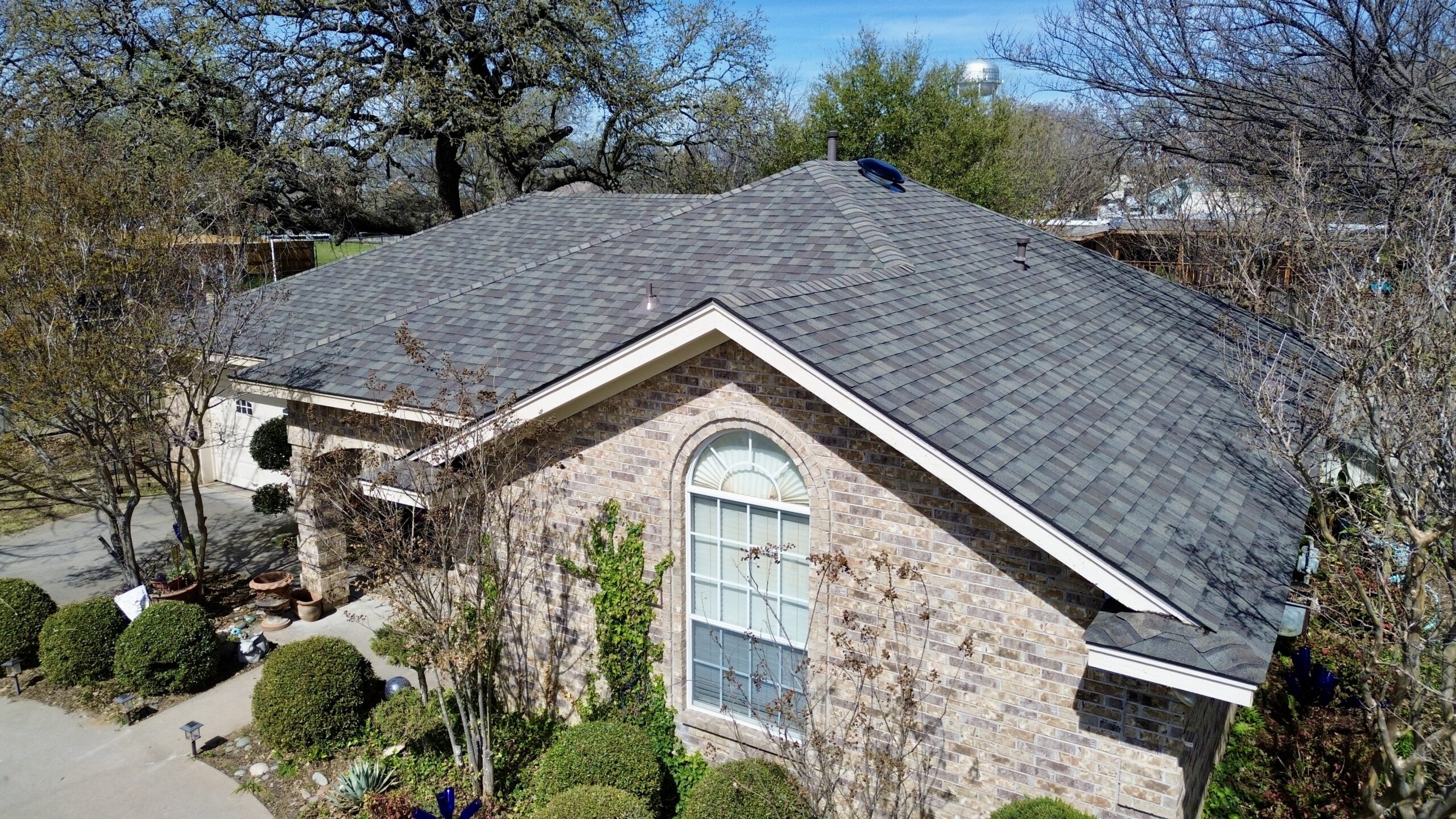
Complete Contractor Selection Checklist
Choosing a roofing contractor becomes much easier when homeowners follow a structured evaluation process. The following checklist summarizes the most important steps discussed throughout this guide.
- Determine whether your roof requires repair or replacement.
- Research several local roofing contractors.
- Verify business licensing and insurance coverage.
- Read reviews from multiple reliable sources.
- Request references from recent customers.
- Schedule detailed roof inspections.
- Obtain multiple written estimates.
- Compare materials, labor, warranties, and services rather than price alone.
- Ask detailed questions about project management and communication.
- Review contracts carefully before signing.
- Confirm permit responsibilities.
- Understand both manufacturer and workmanship warranties.
- Prepare your property before construction begins.
- Maintain regular communication throughout installation.
- Participate in the final roof inspection.
- Verify complete cleanup before making the last payment.
- Store contracts, warranties, permits, and invoices safely for future reference.
Following this checklist reduces the risk of overlooking important details during contractor selection. Each completed step contributes to a smoother roofing project and greater long term confidence in the finished installation.
Frequently Asked Questions
How many roofing estimates should I obtain?
Most homeowners benefit from obtaining at least three written estimates. Comparing several proposals provides a better understanding of pricing, materials, warranties, and contractor recommendations without creating unnecessary confusion.
Should I always choose the lowest estimate?
No. The lowest estimate does not always provide the best value. Homeowners should compare workmanship, material quality, warranty protection, experience, communication, and included services before making a decision.
How can I verify a contractor’s insurance?
Ask the contractor to provide current certificates showing liability insurance and workers’ compensation coverage. Reviewing official documentation is more reliable than relying on verbal assurances alone.
Is local experience important?
Yes. Contractors familiar with local weather conditions, building codes, permit requirements, and regional roofing challenges are often better equipped to recommend suitable materials and installation methods for your area.
What should I do if unexpected repairs are discovered?
Ask the contractor to explain the problem clearly, provide photographs if possible, describe available repair options, and prepare a written change order before performing additional work. Never rely solely on verbal agreements regarding unexpected costs.
How long should a roofing contractor guarantee workmanship?
Workmanship warranties vary depending on the contractor and roofing system. Homeowners should review warranty terms carefully and understand what is covered, how long coverage lasts, and what responsibilities remain with the homeowner.
Can I stay at home during roof replacement?
Yes, many homeowners remain at home during roof replacement. However, construction noise, vibrations, and increased activity may temporarily disrupt normal routines. Families with young children, elderly residents, or anxious pets may prefer spending part of the day elsewhere during the busiest construction periods.
Conclusion
Choosing the right contractor for a roof replacement is one of the most important decisions a homeowner can make. The quality of the installation directly affects the roof’s durability, weather resistance, energy efficiency, and overall lifespan. While selecting roofing materials is certainly important, the expertise and professionalism of the contractor ultimately determine how well those materials perform over time.
Throughout this guide, we have explored every major stage of the contractor selection process. From understanding your roofing needs and researching reputable companies to comparing estimates, reviewing contracts, verifying qualifications, and maintaining effective communication during construction, each step contributes to a more successful roofing project.
One of the key lessons is that contractor selection should never be rushed. Taking time to compare multiple professionals, verify licensing and insurance, review references, and ask meaningful questions provides valuable insight that cannot be gained through pricing alone. A careful hiring process reduces uncertainty while helping homeowners avoid costly mistakes that may affect the roof for many years.
The relationship with your contractor also extends beyond installation day. Final inspections, warranty support, maintenance recommendations, and future service needs all depend on working with a company that values long term customer satisfaction. Choosing a contractor with integrity, strong communication skills, and proven experience creates confidence throughout the project and long after the work has been completed.
Finally, remember that a roof is much more than a collection of shingles or panels. It is a complete system that protects your home’s structure, belongings, and occupants every day. Investing time in selecting the right contractor is an investment in the long term safety, comfort, and value of your property.
By following the expert guidance and practical strategies outlined throughout this complete guide, homeowners can approach roof replacement with confidence instead of uncertainty. Careful planning, thorough research, thoughtful questions, and informed decision making will help ensure your roofing project is completed professionally, efficiently, and to a standard that provides dependable protection for decades to come.