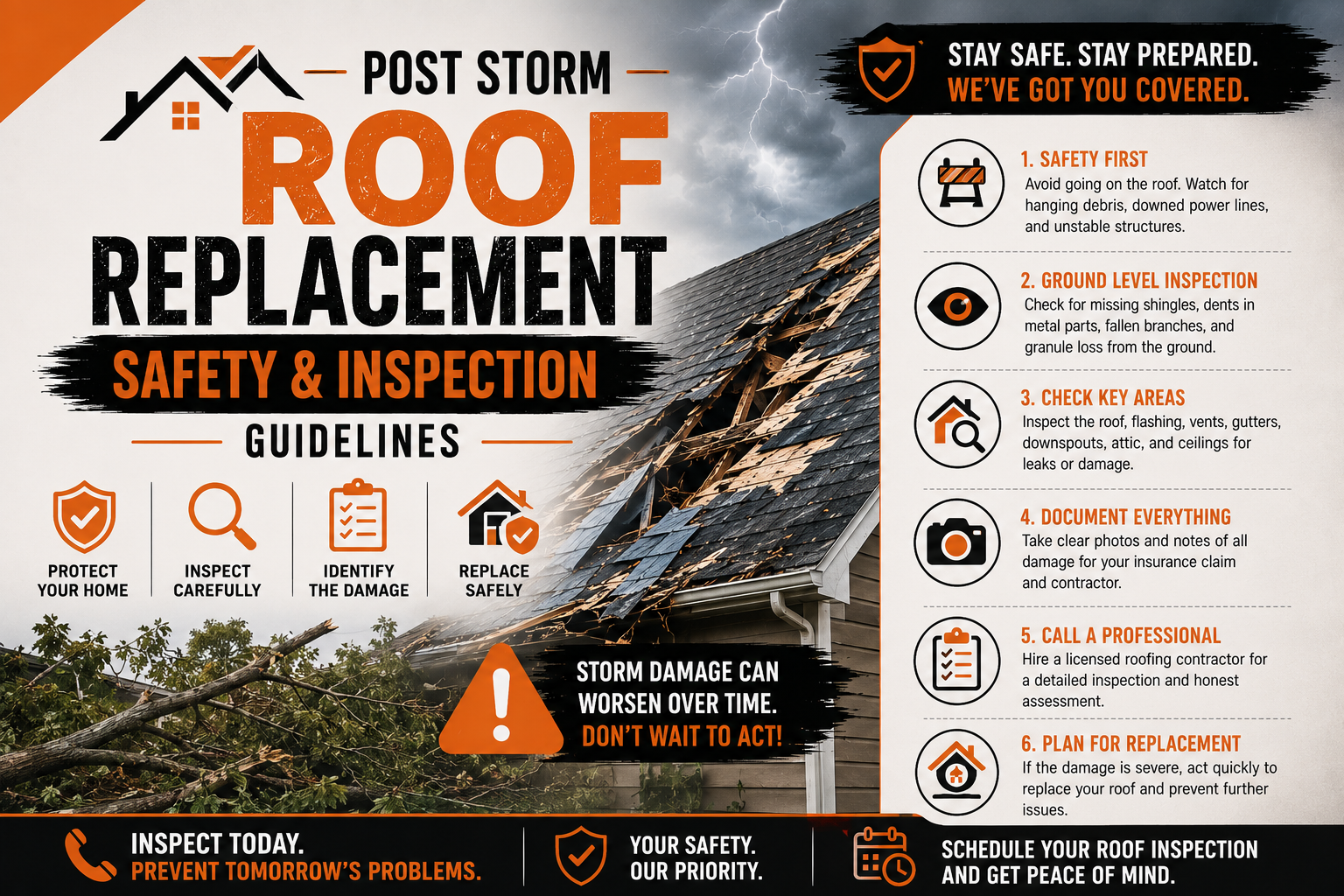
Post Storm Roof Replacement Safety and Inspection Guidelines
Introduction
Severe storms can leave a roof looking intact while hiding significant structural damage beneath the surface. High winds may loosen shingles without removing them, hail can weaken roofing materials without creating obvious holes, and heavy rain often exposes vulnerabilities that were impossible to detect before the storm. Because of these hidden risks, a careful and safety focused inspection is essential before deciding whether roof replacement is necessary.
Many homeowners are eager to inspect their property immediately after a storm passes. While this reaction is understandable, rushing onto a damaged roof can lead to serious injuries. Storms often leave behind slippery surfaces, weakened roof decking, unstable tree branches, and electrical hazards that make even a simple inspection dangerous.
A safe and organized inspection process helps identify the full extent of the damage while reducing the risk of accidents. It also provides valuable information for insurance claims, contractor evaluations, and replacement planning. Understanding what to inspect and what to avoid allows homeowners to protect both themselves and their property during the recovery process.
This guide explains the essential safety and inspection practices homeowners should follow after a major storm. In this first section, we will discuss why roof safety comes first, the most common forms of storm damage, immediate safety precautions, safe exterior and interior inspection methods, warning signs that require professional attention, and the best ways to document roof damage.
Why Roof Safety Comes First After a Storm
After a storm, it is natural to want immediate answers about the condition of the roof. However, personal safety should always take priority over property inspections. A damaged roof may appear stable from a distance while hiding serious structural weaknesses that increase the risk of falls or collapse.
Storms frequently weaken roof decking through water intrusion or impact damage. Even if shingles remain in place, the wood beneath them may no longer support a person’s weight safely. Walking across these weakened areas can cause sudden falls through the roof structure.
Loose roofing materials present another hazard. Shingles, flashing, vents, and gutters may have been partially detached during the storm. Stepping on unstable materials increases the likelihood of slipping or causing additional roof damage.
Electrical hazards are equally important. Fallen power lines, damaged service connections, or water entering electrical systems create potentially life threatening conditions. These risks may not always be immediately visible, making caution essential during every inspection.
Weather conditions after the storm also influence safety. Wet roofing materials remain slippery for many hours after rainfall, while strong winds may continue even after severe weather warnings have expired. Waiting until conditions improve significantly reduces inspection risks.
Prioritizing safety protects homeowners from injuries while ensuring that roofing professionals can later evaluate the property without unnecessary complications caused by unsafe emergency inspections.
Common Types of Post Storm Roof Damage
Storm damage varies depending on the type of weather event, roofing material, and overall condition of the roof before the storm occurred. Some damage is immediately visible, while other problems develop gradually over time.
Wind damage commonly affects asphalt shingles by lifting their edges or breaking the adhesive seals that hold them in place. Missing shingles are easy to recognize, but partially lifted shingles often appear normal until future storms allow water to enter beneath them.
Hail damage typically produces impact marks that remove protective granules from asphalt shingles. Larger hailstones may crack shingles, dent metal roofing panels, damage flashing, or break roof vents and skylights.
Heavy rain often exposes weaknesses around flashing, valleys, chimneys, and roof penetrations. Water entering through these areas may travel considerable distances before becoming visible inside the home.
Falling tree branches frequently create localized but severe structural damage. Besides puncturing roofing materials, heavy impacts may crack roof decking, damage rafters, bend gutters, and loosen supporting structures.
Flying debris during severe storms can also damage roofing systems. Branches, outdoor furniture, signs, and other airborne objects may strike the roof with enough force to crack or puncture roofing materials.
Storm damage sometimes extends beyond the roofing surface itself. Gutters, downspouts, fascia boards, soffits, siding, and attic ventilation components may all require inspection after severe weather.
Recognizing these different forms of damage helps homeowners understand why a thorough inspection is necessary before deciding whether repairs or full roof replacement are appropriate.
Immediate Safety Precautions for Homeowners
The first few hours after a storm require careful decision making. Although inspecting damage is important, ensuring everyone’s safety should remain the highest priority.
Begin by confirming that all family members are safe and that the home does not present immediate structural dangers. If portions of the roof have collapsed or major structural damage is visible, evacuate the affected areas until professionals evaluate the situation.
Avoid touching fallen power lines or damaged electrical equipment. Even lines that appear inactive should always be treated as energized until utility personnel confirm they are safe.
Check the property for unstable trees or hanging branches. Storm damaged limbs may fall hours after the weather has cleared, creating additional hazards during cleanup or inspection activities.
If water is leaking near electrical outlets, ceiling fixtures, or breaker panels, consider shutting off electricity to the affected areas if it can be done safely. When in doubt, contact a qualified electrician before entering areas with active water intrusion.
Wear appropriate footwear when walking around the property. Sturdy shoes with slip resistant soles provide better traction on wet surfaces and help protect against nails, broken glass, or other debris scattered by the storm.
Children and pets should remain away from damaged areas until inspections have been completed. Curiosity may lead them toward unstable structures or sharp debris that presents unnecessary risks.
Taking these precautions creates a safer environment before any inspection or temporary roof protection begins.
Conducting a Safe Exterior Roof Inspection
A careful exterior inspection provides valuable information without requiring homeowners to climb onto the roof. In many situations, ground level observations reveal enough evidence to justify a professional inspection.
Walk slowly around the perimeter of the home while looking upward at the roof. Missing shingles, damaged flashing, displaced ridge caps, sagging roof sections, bent gutters, and fallen tree branches are among the most common visible signs of storm damage.
Binoculars provide a closer view of higher roof areas while keeping the inspection safe. They make it easier to identify cracked shingles, exposed underlayment, damaged vents, and punctures without requiring ladder access.
Pay attention to debris on the ground as well. Large numbers of roofing granules in gutters or around downspouts often indicate hail damage or advanced shingle deterioration.
Inspect gutters and downspouts carefully. Bent sections, loose fasteners, and detached gutters frequently suggest that strong winds or falling debris affected the roof edge.
Observe the roofline from multiple angles. Uneven or sagging sections may indicate structural damage that requires immediate professional evaluation before anyone attempts to access the roof.
Avoid using ladders unless absolutely necessary and only if conditions are completely safe. Wet ground, unstable roofing materials, or continuing high winds significantly increase the risk of falls.
Professional roofing contractors have equipment designed specifically for safe roof access. Whenever major damage is suspected, allowing trained professionals to perform the close inspection is the safest choice.
Inspecting the Interior for Hidden Storm Damage
Not all storm damage is visible from outside the home. Water often enters through small openings before traveling through insulation or framing, making interior inspections equally important.
Begin in the attic if it can be entered safely. Look for sunlight shining through the roof, damp insulation, wet wood framing, water stains, or active dripping. These signs frequently identify roof damage before leaks become visible inside living spaces.
Inspect ceilings throughout the upper floor of the home. Brown stains, bubbling paint, peeling wallpaper, sagging drywall, or discoloration often indicate recent water intrusion from the roof.
Pay close attention to areas around chimneys, skylights, roof vents, and attic access openings. These locations are common sources of storm related leaks because multiple roofing materials meet in these areas.
Walls near exterior rooflines should also be inspected for moisture damage. Water may travel behind drywall before becoming visible, making early detection especially important.
A musty odor inside the attic or upper rooms may indicate hidden moisture accumulation. Even when no visible leak is present, persistent damp smells deserve further investigation because they may signal conditions favorable for mold growth.
If significant water intrusion is discovered, valuable belongings should be moved away from affected areas while temporary measures are arranged to prevent additional damage before replacement begins.
Warning Signs That Require Immediate Professional Attention
Certain types of storm damage indicate that homeowners should contact roofing professionals immediately rather than continuing with personal inspections.
Large holes in the roof require urgent attention because they expose the home’s interior directly to weather. Temporary protection should be installed as quickly as conditions allow to minimize additional water damage.
Visible sagging anywhere along the roofline often suggests structural weakening. Continuing to occupy areas beneath severely sagging sections may be unsafe until professionals determine the extent of the damage.
Extensive water entering multiple rooms usually indicates significant roofing failure. Active leaks affecting electrical systems, ceilings, or structural framing require prompt professional assessment.
Tree impacts deserve immediate evaluation even if the roof appears relatively undamaged. Heavy branches may compromise framing, roof decking, or load bearing components without creating large visible openings.
The following situations generally require immediate professional attention:
- Large sections of missing roofing materials.
- Visible structural sagging.
- Active ceiling collapse.
- Major tree impact damage.
- Water entering electrical systems.
- Exposed roof decking after severe wind damage.
Responding quickly to these warning signs helps reduce further property damage while improving overall safety for everyone inside the home.
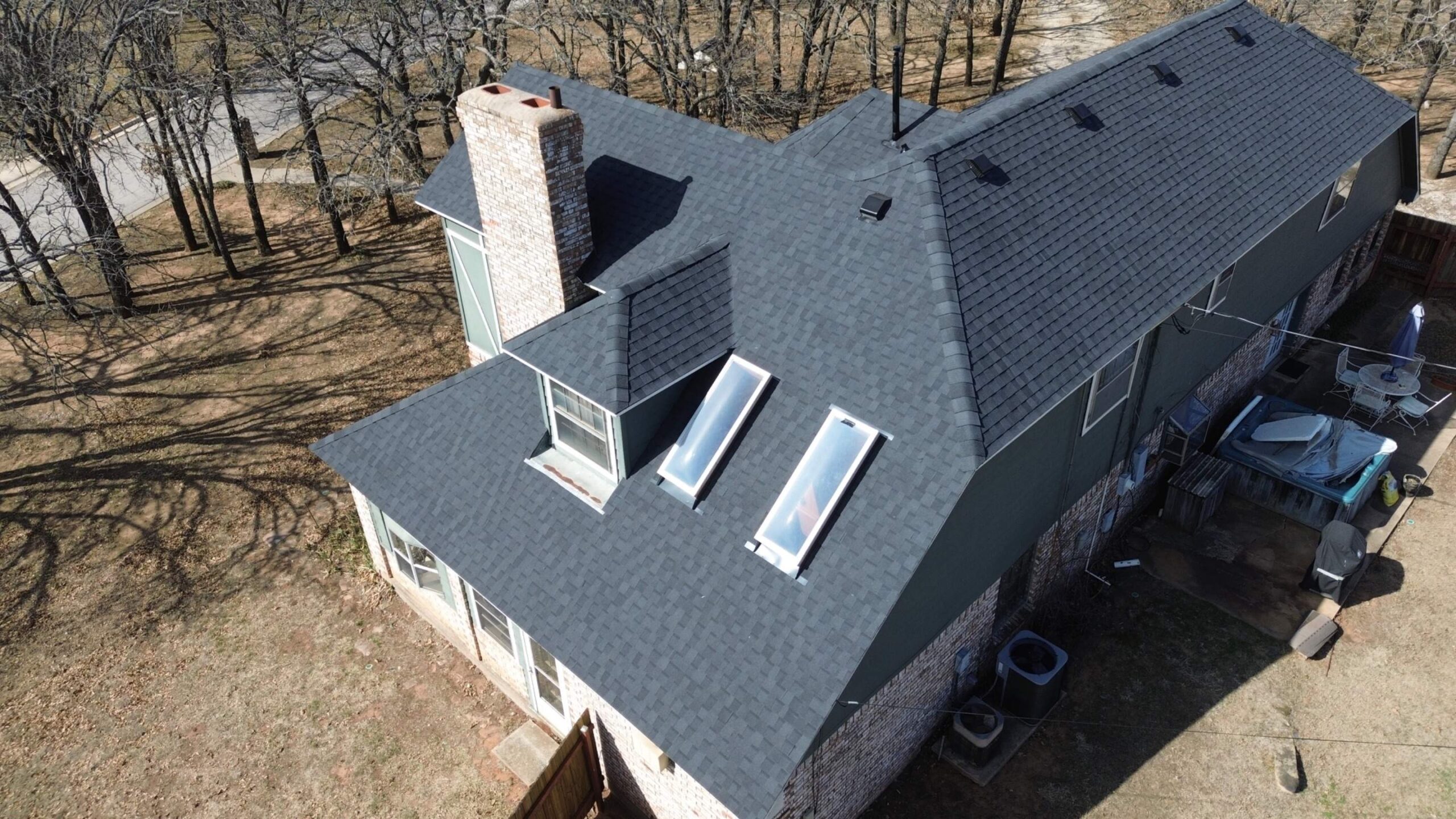
Documenting Roof Damage Safely
Accurate documentation is essential for insurance claims, contractor evaluations, and replacement planning. However, collecting this information should never place homeowners in unsafe situations.
Photograph the property from multiple ground level locations before moving debris or installing temporary protection. Capture both wide views of the home and close up images of visible roof damage.
Take photographs of damaged gutters, siding, windows, fallen branches, and any debris that contributed to the roof damage. These surrounding conditions help demonstrate the overall severity of the storm.
Inside the home, photograph ceiling stains, wet insulation, damaged flooring, peeling paint, and any personal property affected by water intrusion. Continue documenting changes if additional leaks develop before replacement begins.
Record the approximate date and time the storm occurred along with notes describing the observed damage. Keeping these observations organized makes future communication with insurance representatives and contractors much easier.
Videos can also provide useful documentation by showing the entire property in a continuous recording. Slowly walk around the home while capturing all visible damage from safe locations.
Avoid climbing onto the roof solely to obtain better photographs. Professional inspectors can safely capture detailed images during their evaluation while reducing unnecessary personal risk.
Proper documentation completed safely provides valuable evidence without compromising homeowner safety. In the next section, we will examine the professional roof inspection process, temporary safety measures before replacement, evaluating structural damage, avoiding common inspection mistakes, understanding how weather affects inspection safety, working with insurance adjusters and roofing contractors, and determining when full roof replacement becomes the safest long term solution.
Professional Roof Inspection Process After a Storm
A professional roof inspection provides a much more detailed evaluation than a visual inspection performed from the ground. Roofing contractors use their experience, specialized equipment, and systematic inspection methods to identify damage that may not be visible to homeowners. This thorough assessment helps determine whether the roof can be repaired or if a full replacement is the safest long term solution.
The inspection usually begins with an exterior assessment of the entire roofing system. Contractors examine shingles, flashing, vents, ridge caps, chimneys, skylights, gutters, and roof valleys. Every section is checked for storm related damage, loose materials, punctures, and signs of water infiltration.
Once the exterior inspection is complete, attention shifts to the attic and interior spaces. Contractors look for wet insulation, stained roof decking, mold growth, structural movement, and daylight entering through damaged sections of the roof. These findings often reveal hidden problems that cannot be identified from outside the home.
Roof measurements are also taken during the inspection. Accurate measurements help contractors prepare replacement estimates while ensuring that material quantities are calculated correctly. This information becomes especially important when insurance companies request detailed documentation.
Many roofing companies provide written inspection reports supported by photographs. These reports summarize the condition of the roof, describe damaged areas, and explain whether repair or replacement is recommended. Well prepared reports are valuable during insurance claims because they provide clear technical evidence of the roof’s condition.
Professional inspections also help identify pre existing issues that may have contributed to the storm damage. Understanding the overall condition of the roof allows homeowners to make informed decisions about long term protection rather than focusing only on the visible damage.
Temporary Safety Measures Before Roof Replacement
Roof replacement cannot always begin immediately after a storm. Insurance approvals, contractor scheduling, weather conditions, and material availability often create delays. During this waiting period, temporary safety measures help protect both the property and the people living inside it.
The most common temporary protection method is installing a heavy duty waterproof tarp over damaged roof sections. Properly secured tarps reduce water intrusion while preventing additional deterioration during future storms. Professional installation generally provides better protection because contractors know how to secure coverings without creating unnecessary damage.
Interior protection is equally important. Buckets should be placed beneath active leaks, while furniture, electronics, and valuable belongings should be moved away from affected areas. Plastic sheeting can provide additional protection for flooring and household items until permanent repairs begin.
If water has entered the attic or living spaces, fans and dehumidifiers should be used to remove excess moisture. Drying the affected materials quickly helps reduce the risk of mold growth and minimizes additional structural damage.
Damaged areas should be restricted whenever structural stability is uncertain. If ceilings begin sagging or large sections of the roof appear unstable, those areas should remain unoccupied until they have been evaluated by qualified professionals.
Temporary measures should never be viewed as permanent repairs. Their purpose is to stabilize the property and reduce further damage while preparations for roof replacement continue.
Evaluating Structural Damage Before Replacement
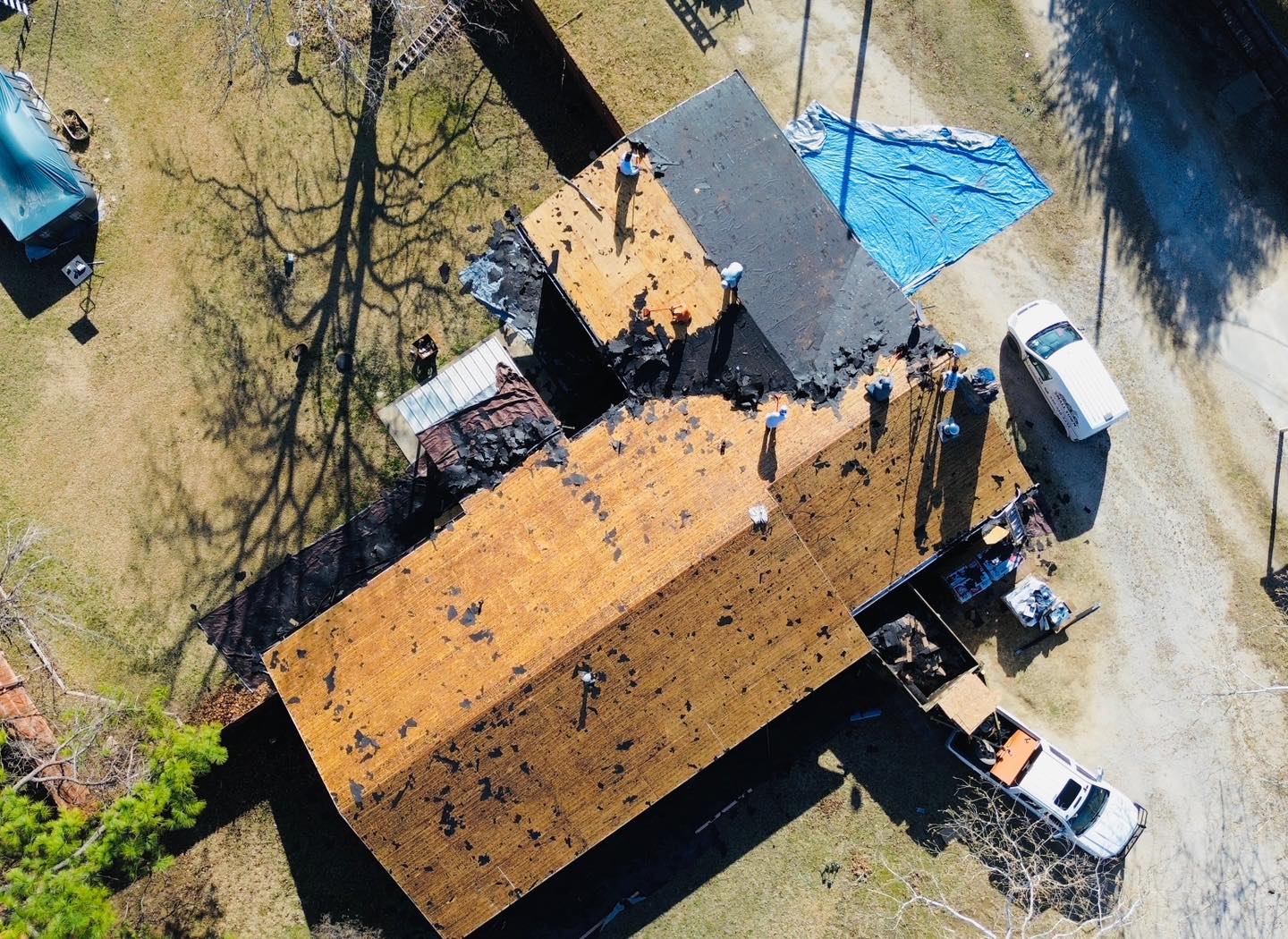
Storm damage often extends beyond shingles and visible roofing materials. Structural components beneath the roof surface may also suffer damage that affects the overall safety of the home. Evaluating these hidden elements is one of the most important steps before replacement begins.
Roof decking is carefully inspected for water damage, soft spots, cracks, and rot. Even when shingles appear only slightly damaged, prolonged moisture exposure may weaken the wood beneath them. Replacing compromised decking provides a stable foundation for the new roofing system.
Roof framing also deserves close attention. Rafters and trusses may shift after heavy tree impacts or severe wind events. Structural movement can affect the roof’s ability to support future loads if not corrected before replacement.
Contractors inspect fascia boards and soffits for signs of deterioration. These components help support gutters and protect roof edges, making them important parts of the overall roofing system.
Ventilation systems are another consideration. Storms sometimes damage ridge vents, attic vents, or intake vents that regulate airflow. Poor ventilation after replacement may reduce shingle lifespan and contribute to moisture accumulation inside the attic.
Water intrusion frequently affects insulation as well. Saturated insulation loses much of its thermal efficiency and may contribute to mold development if it remains wet. Replacing damaged insulation often improves both energy efficiency and indoor air quality after the roof replacement is complete.
A complete structural evaluation ensures that the replacement roof is installed on a sound and properly functioning support system rather than covering hidden problems that could lead to future failures.
Common Mistakes to Avoid During Post Storm Inspections
Homeowners often make well intentioned decisions after storms that unintentionally increase safety risks or complicate the roof replacement process. Understanding these common mistakes helps prevent additional damage while protecting everyone involved.
One of the most frequent mistakes is climbing onto the roof immediately after the storm. Wet roofing materials, loose shingles, and weakened decking create dangerous conditions that significantly increase the likelihood of falls.
Another mistake is assuming that visible damage represents the full extent of the problem. Storms frequently cause hidden structural damage that only becomes apparent during professional inspections. Ignoring these hidden issues may lead to more expensive repairs later.
Some homeowners begin permanent repairs before documenting the damage. Insurance companies often require evidence of the original condition before approving roof replacement claims. Thorough photographs and inspection reports should be obtained before major work begins whenever possible.
Discarding damaged roofing materials too quickly is another common error. Broken shingles, flashing, and other components may help demonstrate the extent of the storm damage during insurance evaluations.
Waiting too long to arrange a professional inspection can also create problems. Additional weather may worsen existing damage, making it more difficult to determine which issues resulted directly from the original storm.
The following practical recommendations help homeowners avoid unnecessary complications.
- Perform inspections from the ground whenever possible.
- Photograph all visible damage before moving debris.
- Arrange professional inspections promptly.
- Install temporary protection without delaying.
- Keep damaged roofing materials until inspections are complete.
- Record all communication related to the roof damage.
Following these practices improves both safety and documentation throughout the recovery process.
How Weather Conditions Affect Inspection Safety
Even after the storm has passed, weather continues to influence roof inspection safety. Conditions that appear calm at ground level may still create hazardous situations on elevated roofing surfaces.
Rain leaves roofing materials slippery for extended periods. Asphalt shingles, metal roofing, and tile surfaces all become significantly more difficult to walk on when wet. Waiting until the roof has dried reduces the likelihood of slips and falls.
Strong winds remain another concern. Moderate wind gusts can affect balance, particularly on steep roof slopes or while carrying inspection equipment. Wind may also loosen damaged materials that were partially detached during the storm.
Extreme heat creates additional risks during summer inspections. Roofing materials absorb significant amounts of solar heat, increasing the potential for heat related illnesses during prolonged inspections.
Cold weather presents different challenges. Ice, frost, and snow reduce traction while making damaged roofing materials more brittle. Walking on frozen roofing surfaces can cause additional breakage as well as increase personal injury risks.
Changing weather forecasts should also be monitored closely. If another storm is expected before the inspection is completed, temporary protection may become a higher priority than conducting a detailed evaluation.
Professional contractors regularly assess weather conditions before beginning inspections. Their experience helps ensure that evaluations are completed safely without exposing workers or homeowners to unnecessary risks.
Working With Insurance Adjusters and Roofing Contractors
Successful roof replacement projects often involve cooperation between homeowners, insurance adjusters, and roofing contractors. Each party plays a different role, but effective communication helps ensure that the damage is evaluated accurately.
Insurance adjusters determine whether the storm damage falls within the policy’s coverage. They document the observed damage, review photographs, and estimate repair or replacement costs according to the insurance policy.
Roofing contractors focus on the technical condition of the roofing system. Their inspections often identify structural issues, material failures, and installation requirements that influence the replacement project.
Many homeowners schedule the contractor’s inspection before or during the adjuster’s visit. Having both professionals review the roof together provides an opportunity to discuss damaged areas while they are being observed directly.
Communication should remain organized throughout the process. Inspection reports, photographs, repair estimates, insurance correspondence, and receipts should all be stored together for future reference.
If additional damage is discovered after the adjuster’s inspection, homeowners should notify both the contractor and the insurance company promptly. Early communication helps prevent delays once replacement planning begins.
Maintaining a cooperative approach benefits everyone involved and often leads to a smoother transition from inspection to roof replacement.
Deciding When Roof Replacement Is Necessary
Not every storm damaged roof requires complete replacement, but certain conditions make replacement the safest and most practical long term solution. The decision should be based on professional evaluations rather than appearance alone.
Age is one important consideration. Older roofs that have already experienced years of weather exposure may not respond well to localized repairs. Replacing the entire roof often provides better long term value than repeatedly repairing aging materials.
The extent of the damage also influences the decision. Widespread shingle loss, extensive hail damage, multiple leaks, or structural deterioration usually indicate that replacement is more appropriate than isolated repairs.
Recurring leaks may signal that the roofing system has reached the end of its useful life. Even if individual leaks can be repaired temporarily, repeated water intrusion often suggests broader material failure.
Contractors also consider the condition of the roof decking, ventilation system, flashing, and underlayment. If multiple components require replacement simultaneously, installing an entirely new roofing system frequently becomes the more reliable option.
Homeowners should compare the long term benefits of replacement with the ongoing costs of repeated repairs. A professionally installed replacement roof generally provides improved durability, better weather resistance, enhanced energy efficiency, and stronger manufacturer warranties.
Understanding these factors allows homeowners to make informed decisions that prioritize both safety and long term property protection. In the final section of this guide, we will discuss preparing the property for roof replacement, maintaining safety during construction, protecting family members and belongings, completing the final inspection, maintaining the new roof after installation, frequently asked questions, and the concluding recommendations for successful post storm roof replacement.
Preparing Your Property for Roof Replacement
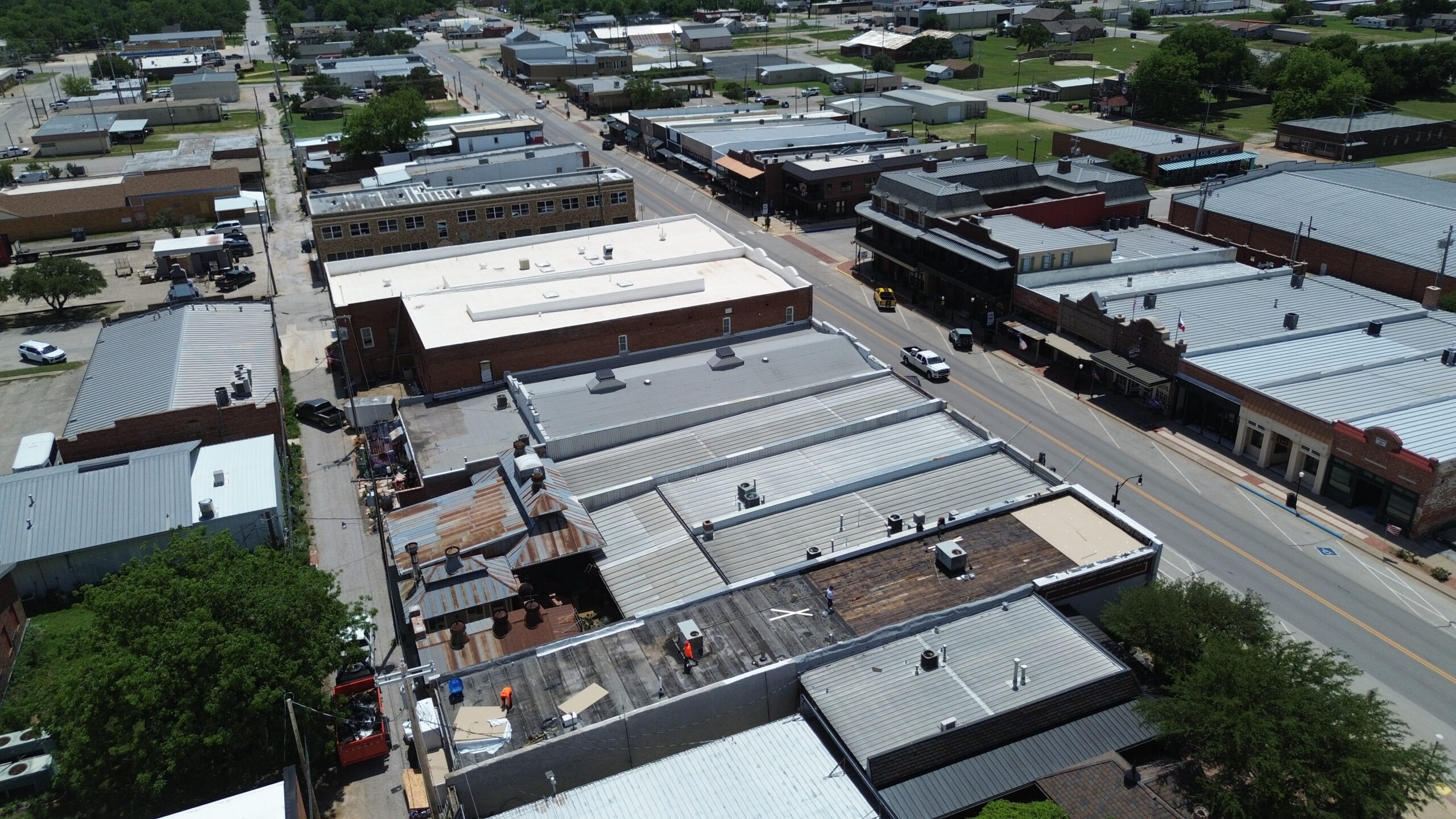
Once the inspection is complete and roof replacement has been approved, preparing the property helps the installation process move safely and efficiently. A little preparation before the roofing crew arrives reduces disruptions and protects both the home and everyone living in it.
Start by clearing the area surrounding the house. Vehicles should be parked away from the driveway and work zone to provide room for material deliveries, dumpsters, and contractor vehicles. This also protects vehicles from falling debris during the removal of old roofing materials.
Outdoor furniture, grills, potted plants, bicycles, and decorative items should be moved to a safe location. Roofing projects generate debris throughout the day, and clearing the work area reduces the chance of accidental damage.
Inside the home, fragile decorations, mirrors, and wall mounted artwork should be secured or temporarily removed. Vibrations created while removing the old roof may cause loosely mounted items to shift or fall.
Attic spaces should also be prepared before work begins. Valuable stored belongings should be covered with protective sheets because dust and small debris may enter during the replacement process. Organizing the attic beforehand also allows contractors to access areas that may require inspection.
Communication with the roofing contractor remains important during this stage. Homeowners should confirm the expected start date, daily work schedule, cleanup procedures, and estimated completion timeline so everyone understands what to expect throughout the project.
Safety Practices During the Roof Replacement Process
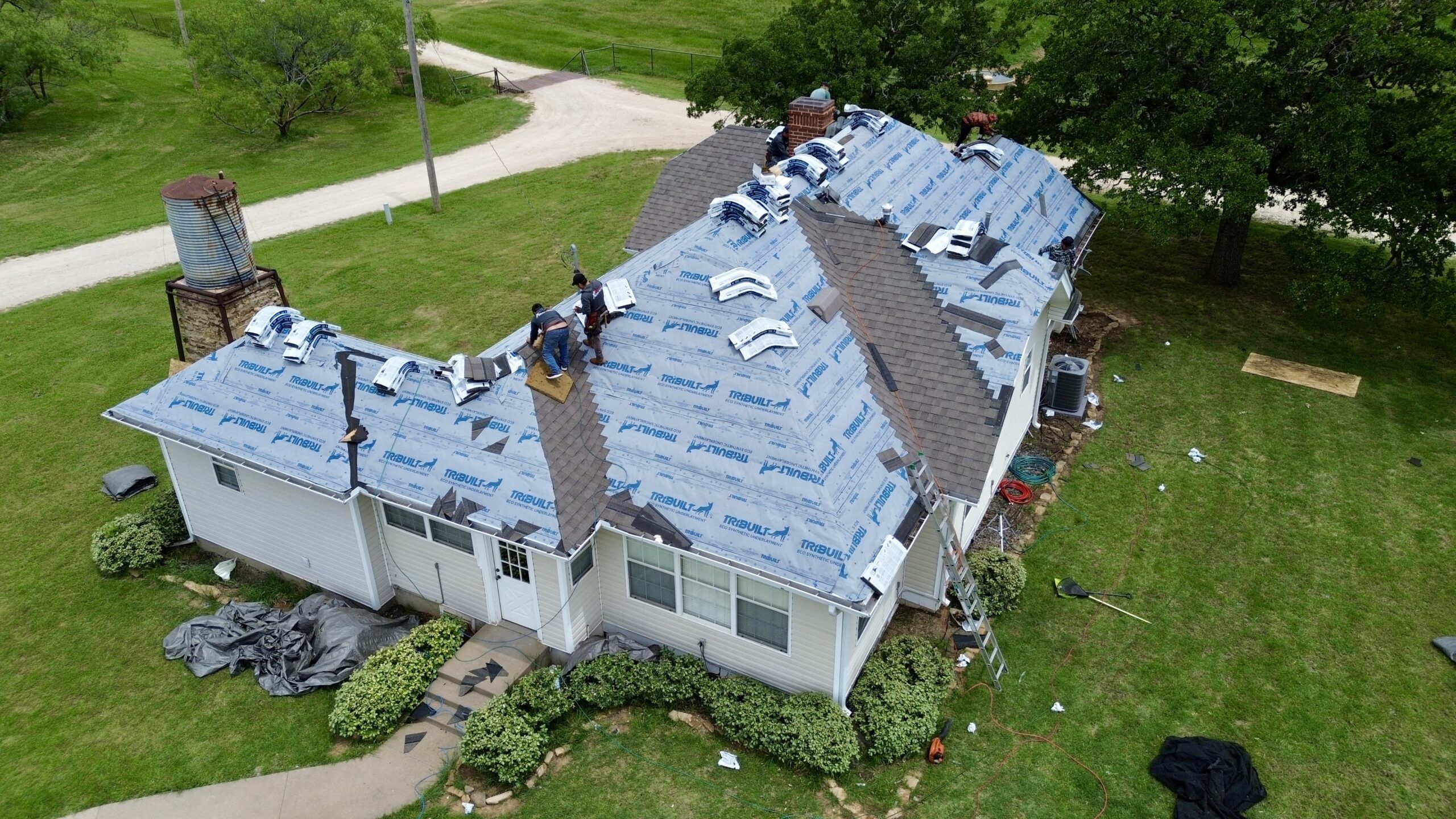
Roof replacement is a major construction project that involves heavy materials, specialized tools, ladders, and constant movement around the property. Following basic safety practices helps reduce risks for homeowners, visitors, and roofing crews.
The work area should remain restricted throughout the project. Family members should avoid walking beneath active roofing work because shingles, nails, and construction tools may occasionally fall despite careful safety procedures.
Children should be kept indoors or supervised in areas well away from the construction zone. Roofing projects naturally attract curiosity, but active work areas contain hazards that are not suitable for unsupervised access.
Pets also require additional attention during roof replacement. Loud noises, unfamiliar workers, and open gates may create stress or encourage pets to escape. Keeping pets indoors or arranging temporary care elsewhere often provides the safest solution.
Homeowners should avoid climbing ladders or attempting to inspect work while construction is underway. Roofing crews have designated safety procedures, and unexpected movement around ladders or roof access points can increase accident risks.
If questions arise during the installation, discuss them directly with the project supervisor rather than entering the work area. Good communication allows concerns to be addressed while maintaining a safe environment for everyone involved.
Protecting Family Members, Pets, and Personal Property
Roof replacement affects more than the roof itself. The activity around the property can temporarily impact daily routines, making it important to protect family members, pets, and household belongings throughout the project.
Sensitive individuals may notice increased noise levels during the removal of old roofing materials. If someone works from home or has medical conditions affected by loud sounds, planning alternative arrangements during the busiest portions of the project may be helpful.
Vehicles should remain outside the contractor’s designated work area until cleanup has been completed. Even with protective measures in place, small pieces of roofing material may occasionally fall around the perimeter of the home.
Important documents, electronics, and valuable belongings located in the attic or upper floor should be protected from dust. Covering these items with clean sheets or plastic coverings helps minimize cleanup after the project is finished.
Homeowners should also inspect nearby landscaping before work begins. Inform the contractor about irrigation systems, delicate plants, or decorative features that require additional protection during material delivery and debris removal.
Daily communication with the roofing crew helps everyone stay informed about progress and any temporary changes to property access. This coordination reduces inconvenience while improving overall project safety.
Final Roof Inspection After Replacement
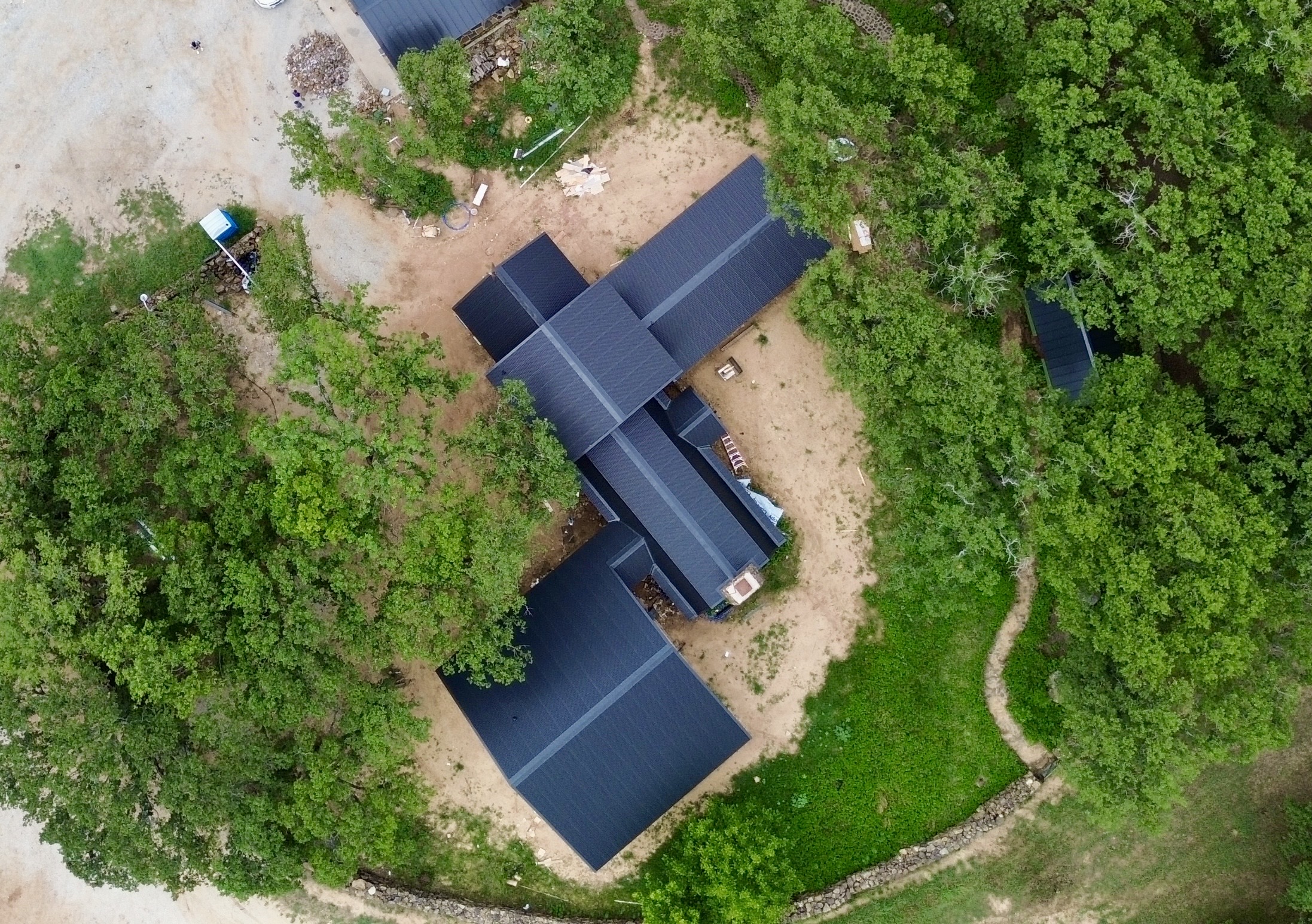
A thorough final inspection confirms that the replacement has been completed according to accepted installation standards and the agreed project scope. This step provides homeowners with confidence that the new roof is ready to protect the home for many years.
Contractors typically begin by inspecting the completed roofing surface. They verify that shingles or other roofing materials are aligned properly, flashing has been installed correctly, ventilation components are functioning, and roof penetrations have been sealed securely.
Gutters, downspouts, and roof edges should also be examined. Proper water drainage helps protect both the new roof and the home’s foundation by directing rainwater away from the structure.
Cleanup is another important part of the final inspection. Roofing crews generally remove leftover materials, collect loose nails using magnetic equipment, and clear debris from the property. Homeowners should walk around the property after cleanup to ensure the area has been restored properly.
Interior spaces deserve one final inspection as well. Ceilings, attic spaces, and upper walls should be checked for any signs of new leaks following the first rainfall after replacement. Identifying issues early allows prompt correction if adjustments are needed.
Warranty documents, maintenance recommendations, and project records should be collected before the contractor leaves. Keeping these documents organized provides valuable reference information for future maintenance or warranty service.
Long Term Maintenance Following Storm Related Roof Replacement
A new roof provides excellent protection, but regular maintenance remains essential for maximizing its lifespan. Ongoing inspections and routine care help identify small issues before they develop into expensive repairs.
Homeowners should perform visual inspections from the ground several times each year. Looking for missing shingles, damaged flashing, clogged gutters, or debris accumulation helps identify developing problems without requiring roof access.
Gutters should be cleaned regularly to maintain proper drainage. Overflowing gutters may allow water to back up beneath roofing materials, increasing the risk of moisture related damage over time.
Tree branches hanging above the roof should be trimmed whenever appropriate. Reducing contact between branches and roofing materials helps prevent abrasion during windy conditions while minimizing the risk of falling limbs during future storms.
Professional roof inspections are also valuable after major weather events, even when no obvious damage is visible. Early detection of hidden storm damage often prevents more extensive repairs later.
The following table outlines a practical long term maintenance schedule for homeowners after roof replacement.
| Maintenance Task | Recommended Frequency | Primary Benefit |
|---|---|---|
| Ground level roof inspection | Spring and fall | Early damage detection |
| Gutter cleaning | As needed, especially after leaf season | Proper drainage |
| Attic inspection | Twice each year | Detect hidden leaks |
| Tree branch trimming | When branches approach the roof | Reduce impact risks |
| Professional roof inspection | After major storms or every few years | Identify hidden damage |
| Warranty document review | Annually | Maintain warranty compliance |
Consistent maintenance protects the investment made during the roof replacement while reducing the likelihood of unexpected future repairs.
Post Storm Roof Inspection Checklist
Following an organized inspection process helps ensure that no important areas are overlooked after severe weather.
| Inspection Area | What to Check | Warning Signs | Recommended Action |
|---|---|---|---|
| Roof surface | Missing or damaged shingles | Exposed decking, punctures | Professional inspection |
| Flashing | Loose or bent sections | Visible gaps or leaks | Repair or replacement |
| Gutters | Dents, separation, debris | Poor drainage | Clean and inspect |
| Attic | Moisture and insulation | Water stains, mold | Investigate roof leaks |
| Ceilings | Interior water damage | Stains or sagging | Document and report |
| Property exterior | Fallen trees and debris | Structural impact | Secure area safely |
Using a checklist helps homeowners remain organized while preparing documentation for contractors and insurance companies.
Essential Post Storm Safety Steps
Following a structured sequence after a storm improves both safety and efficiency throughout the roof replacement process.
- Confirm that everyone in the home is safe.
- Wait until severe weather has completely passed.
- Perform a visual inspection from the ground.
- Document all visible damage with photographs.
- Install temporary protection if necessary.
- Arrange a professional roof inspection.
- Contact the insurance company if appropriate.
- Review inspection findings and replacement recommendations.
- Schedule the roof replacement with a qualified contractor.
- Complete the final inspection after installation.
These steps help homeowners move from storm recovery to permanent roof replacement in a safe and organized manner.
Important Roof Safety Tips
Simple precautions often prevent injuries and unnecessary property damage after severe weather.
- Never climb onto a storm damaged roof without proper training and safety equipment.
- Stay clear of fallen power lines and unstable trees.
- Keep children and pets away from damaged areas.
- Document damage before major cleanup begins.
- Continue monitoring temporary roof protection after additional storms.
- Report new leaks immediately to the roofing contractor.
- Save inspection reports, photographs, and repair records for future reference.
Following these recommendations helps protect both the home and everyone living in it throughout the recovery process.
Frequently Asked Questions
How soon should I inspect my roof after a storm?
Inspect the property as soon as weather conditions are completely safe. Begin with a ground level inspection and avoid climbing onto the roof unless it has been determined to be safe by qualified professionals.
Is it safe to walk on my roof if I only see a few missing shingles?
Not necessarily. Storm damage may weaken the roof decking or loosen surrounding roofing materials. Even limited visible damage can hide structural problems that increase the risk of falls.
Should I repair the roof before contacting my insurance company?
Emergency measures that prevent additional damage are generally appropriate, but permanent repairs should usually wait until the insurance company has had an opportunity to inspect the damage unless immediate safety concerns require action.
What if I cannot see any roof damage but notice water stains inside my home?
Interior water stains often indicate hidden roof damage. A professional inspection can determine where moisture is entering and whether replacement or repairs are necessary.
How often should a new roof be inspected after replacement?
Routine visual inspections from the ground should be performed several times each year, with professional inspections recommended after severe storms or whenever signs of damage appear.
Why is a final roof inspection important?
A final inspection confirms that the roofing materials have been installed correctly, all agreed work has been completed, cleanup is satisfactory, and the roof is ready to provide long term protection.
Conclusion
Recovering from a severe storm requires more than simply replacing damaged roofing materials. A safe inspection process, careful documentation, temporary protection, professional evaluations, and well planned replacement all work together to protect the home while reducing unnecessary risks.
Prioritizing personal safety throughout every stage of the recovery process is just as important as restoring the roof itself. Ground level inspections, timely professional assessments, and organized communication with contractors and insurance representatives help homeowners make informed decisions without exposing themselves to avoidable hazards.
Once the new roof has been installed, regular maintenance and periodic inspections help preserve its performance for years to come. By following proven post storm safety and inspection guidelines, homeowners can confidently navigate the recovery process, protect their investment, and ensure their replacement roof provides dependable protection against future storms.