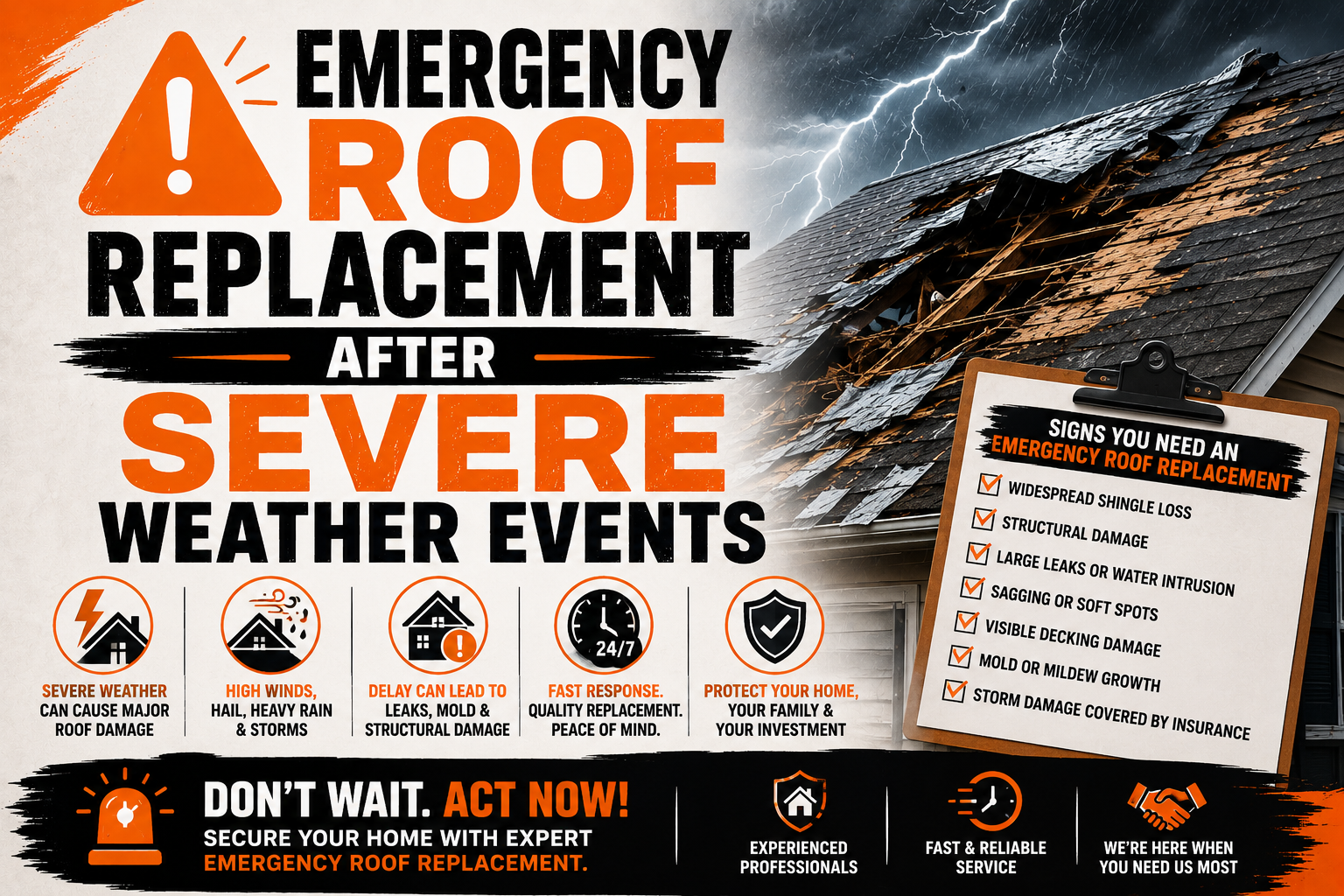
Emergency Roof Replacement After Severe Weather Events
Introduction
Severe weather can transform a secure home into a vulnerable structure within a matter of minutes. Powerful winds, large hail, heavy rain, falling trees, and other extreme weather conditions often cause damage that extends far beyond missing shingles. In some situations, the destruction is so extensive that immediate roof replacement becomes the only safe and practical solution.
Many homeowners hope temporary repairs will restore their roof after a storm. While emergency tarping and minor repairs are effective for limited damage, they cannot correct widespread structural failures or severe water intrusion. Continuing to rely on a compromised roof increases the risk of additional property damage, mold growth, and costly structural repairs.
Knowing when a roof replacement qualifies as an emergency helps homeowners make informed decisions during an already stressful situation. Acting quickly protects the home’s structural integrity, supports insurance claims, and reduces the likelihood of secondary damage while replacement plans are underway.
This guide explains what emergency roof replacement involves, the types of severe weather that commonly require immediate action, how to assess storm damage safely, and the first steps homeowners should take before professional contractors begin the replacement process.
What Qualifies as an Emergency Roof Replacement
Not every damaged roof requires immediate replacement. Many storms leave behind isolated damage that qualified roofing contractors can repair without replacing the entire roofing system. However, certain situations create immediate safety concerns that make full roof replacement the most appropriate solution.
Emergency roof replacement becomes necessary when the roof can no longer provide reliable protection from the elements. This typically occurs after widespread structural damage, major water intrusion, severe wind uplift, or impacts from large trees and heavy debris. In these cases, delaying replacement increases the likelihood of additional structural deterioration.
The extent of the damage is one of the most important considerations. If large portions of the roof covering have been removed or the roof deck has been exposed, temporary repairs usually provide only short term protection. Continued exposure to rain, sunlight, and changing temperatures rapidly accelerates further damage.
Structural integrity also plays a major role in determining whether replacement is considered an emergency. A roof that has begun sagging, shifting, or losing its ability to support normal loads may pose a serious safety hazard for everyone inside the home. Immediate professional evaluation becomes essential under these circumstances.
Emergency replacement decisions are not based solely on visible damage. Roofing professionals also consider hidden moisture, weakened framing, damaged underlayment, compromised flashing, and the overall condition of the roofing system before recommending complete replacement.
Difference Between Emergency Repairs and Emergency Replacement
Understanding the distinction between emergency repairs and emergency replacement helps homeowners respond appropriately after severe weather. Although both involve urgent action, they address different levels of damage.
Emergency repairs focus on stabilizing the roof temporarily. Contractors may install waterproof tarps, secure loose roofing materials, remove hazardous debris, or cover exposed sections of the roof. These measures reduce additional damage while permanent solutions are being planned.
Emergency roof replacement, however, addresses situations where the existing roof can no longer be restored safely through repairs. Instead of correcting isolated problems, contractors remove the damaged roofing system and install a completely new one that restores the home’s structural protection.
Temporary repairs often serve as an important first step before replacement begins. They protect the property during insurance evaluations, material ordering, permit approval, and project scheduling without replacing the need for permanent construction.
Signs That Immediate Roof Replacement Is Necessary
Although only a professional inspection can confirm whether replacement is required, several warning signs strongly suggest that the roof has experienced catastrophic damage.
Homeowners should pay close attention to the following conditions:
- Large sections of roofing material have been torn away.
- Roof decking is exposed or visibly damaged.
- The roof appears to sag or shift.
- Multiple active leaks develop throughout the home.
- Trees or large branches have struck the roof.
- Structural framing has been damaged.
- Water enters through numerous locations during rainfall.
- Roofing materials continue falling from the structure.
These warning signs indicate that the roof may no longer provide dependable protection. Immediate professional evaluation reduces the risk of further structural damage while helping determine the safest course of action.
Severe Weather Events That Commonly Require Emergency Roof Replacement
Every severe weather event affects roofing systems differently. Some storms primarily damage surface materials, while others compromise the roof’s structural foundation. Understanding these differences helps homeowners recognize situations where emergency replacement becomes more likely.
Hurricanes and Tropical Storms
Hurricanes combine destructive winds with prolonged heavy rainfall, creating one of the most challenging environments for residential roofs. Strong wind uplift removes shingles, tears away flashing, and exposes roof decking to continuous rain.
Flying debris carried by hurricane force winds frequently punctures roofing materials and damages roof penetrations. Once protective layers have been breached, water quickly spreads through insulation, decking, and structural framing.
Extended exposure to these conditions often results in damage too widespread for localized repairs. Emergency replacement restores the home’s ability to withstand future storms while correcting hidden moisture damage beneath the roof surface.
Tornadoes
Tornadoes generate extremely powerful winds capable of removing entire roofing systems within seconds. Even homes outside the tornado’s direct path may experience severe damage from airborne debris traveling at high speed.
The destructive forces associated with tornadoes frequently affect structural framing in addition to roofing materials. Rafters, trusses, roof decking, and supporting components may all require replacement before a new roof can be installed safely.
Because tornado damage often involves multiple structural systems, emergency roof replacement becomes an important part of the overall rebuilding process.
Severe Windstorms
Straight line winds can produce damage comparable to weaker tornadoes, especially when sustained over long periods. Roofing materials begin lifting at roof edges and ridges before larger sections gradually separate from the structure.
Wind driven rain compounds the damage by entering beneath partially lifted shingles. Moisture then spreads throughout the roofing system even before visible leaks appear inside the home.
Repeated wind exposure after the initial storm further weakens damaged roofing materials. Replacing the roof promptly helps prevent continued deterioration during future weather events.
Large Hailstorms
Large hailstones can strike roofing materials with tremendous force, fracturing shingles, cracking tiles, denting metal panels, and damaging protective coatings. Although some hail damage appears minor initially, repeated impacts often weaken roofing materials beyond repair.
Granule loss on asphalt shingles is particularly significant because it exposes the underlying material to accelerated aging. Over time, sunlight and moisture continue breaking down already damaged shingles until widespread leaks begin to develop.
When hail damage affects most of the roof surface, complete replacement usually provides greater long term value than repeated spot repairs.
Heavy Snow and Ice Storms
Winter storms create unique roofing challenges because damage results from both excessive weight and trapped moisture. Heavy snow places tremendous stress on the roof structure, especially when combined with older framing or existing weaknesses.
Ice dams form when melting snow refreezes near roof edges, preventing proper drainage. Water trapped behind the ice eventually penetrates beneath roofing materials and enters the home.
If structural deformation or widespread water damage occurs, emergency replacement may be necessary to restore safe load bearing capacity before additional storms arrive.
Falling Trees and Storm Debris
High winds frequently cause trees and large branches to fall onto homes. Even when impact damage appears limited to one area, the force may transfer throughout the roof structure, weakening decking and supporting members.
Storm debris such as utility poles, construction materials, outdoor furniture, and fencing can also puncture roofing systems. These impacts often create hidden structural damage beneath the visible point of contact.
Professional inspections determine whether localized repairs are possible or if structural damage requires emergency replacement.
Lightning and Fire Damage
Lightning strikes sometimes ignite roofing materials or damage electrical systems within the attic. Even when fires are extinguished quickly, heat and water from firefighting efforts may compromise large portions of the roofing system.
Fire damaged wood framing loses structural strength, while soaked insulation and decking often require complete replacement. Emergency roof replacement restores both structural integrity and weather protection following these events.
Immediate Safety Steps After Severe Weather
Safety should always remain the highest priority following any severe weather event. Before evaluating roof damage, homeowners should confirm that the property is safe to enter and that no immediate hazards remain.
Begin by observing the home from a safe distance. Look for leaning walls, collapsed roof sections, hanging tree limbs, broken utility lines, or signs that the structure has shifted. If major structural damage is visible, remain outside until emergency personnel or qualified professionals determine the building is safe.
Never climb onto a storm damaged roof. Wet surfaces, weakened decking, loose roofing materials, and hidden structural failures create extremely dangerous conditions. Ground level observations provide sufficient information for the initial assessment.
Electrical hazards require special attention. Water entering ceilings or attic spaces may come into contact with electrical wiring, increasing the risk of shock or fire. If electrical damage is suspected, avoid affected areas until power has been disconnected safely.
If the home has suffered catastrophic damage that threatens occupant safety, relocate temporarily until professionals complete a structural evaluation. Personal safety should always take precedence over property concerns.
Emergency Roof Damage Assessment
Once the property has been determined safe, homeowners can begin documenting visible storm damage. The purpose of this initial assessment is not to diagnose every roofing problem but to gather information that supports professional inspections and insurance claims.
Start with a careful exterior inspection from the ground. Walk around the property and look for missing shingles, displaced flashing, damaged gutters, fallen branches, exposed roof decking, or roofing materials scattered throughout the yard. Photographs taken from multiple angles provide valuable documentation of the storm’s impact.
Next, inspect the interior of the home. Examine ceilings, walls, and attic spaces for water stains, damp insulation, peeling paint, mold, or visible daylight entering through the roof structure. These observations often reveal hidden damage that cannot be seen from outside.
If active leaks are present, place containers beneath dripping water and move valuable belongings away from affected areas. These temporary actions reduce additional interior damage while waiting for professional assistance.
Contact a qualified emergency roofing contractor as soon as possible after documenting the damage. Early inspections help determine whether temporary stabilization is sufficient or if immediate replacement is necessary to protect the home.
Understanding Hidden Storm Damage
Visible roof damage represents only part of the problem following severe weather. Many of the most significant issues develop beneath the roofing surface, where homeowners cannot easily observe them.
Water entering beneath damaged shingles often saturates underlayment, insulation, and roof decking long before interior leaks become noticeable. Trapped moisture weakens wood, encourages mold growth, and reduces the effectiveness of insulation.
Wind can also loosen fasteners, separate flashing, and shift structural connections without creating immediate exterior symptoms. These hidden weaknesses reduce the roof’s ability to withstand future storms and may lead to sudden failures during subsequent weather events.
Moisture trapped inside attic spaces creates additional concerns by increasing humidity and promoting wood decay. Even small amounts of water entering repeatedly over several weeks can compromise large sections of the roofing system.
Because hidden damage is difficult to identify without specialized training and equipment, professional inspections play an essential role in emergency roof replacement decisions. Detecting these issues early allows contractors to develop accurate replacement plans before additional deterioration occurs.
Professional Emergency Roof Inspection Process
Once the immediate danger has passed and temporary protection has been installed, the next priority is a comprehensive professional inspection. Although homeowners can identify many visible signs of damage, only a detailed evaluation can determine whether the roof can be repaired safely or requires complete replacement. This inspection also provides the technical documentation needed for insurance claims and replacement planning.
Experienced roofing contractors follow a structured process to evaluate every part of the roofing system. Rather than focusing only on missing shingles or visible holes, they examine structural components, moisture intrusion, ventilation systems, and hidden damage that may continue affecting the home long after the storm has ended.
A thorough inspection also establishes the scope of work for the replacement project. Accurate findings allow contractors to prepare realistic estimates, identify required materials, and determine whether additional structural repairs will be necessary before a new roof is installed.
Comprehensive Roof Evaluation
The inspection begins with a detailed examination of the roof’s exterior. Contractors evaluate shingles, metal panels, flashing, valleys, ridge caps, vents, skylights, chimneys, and roof edges to identify damage caused by wind, hail, debris, or falling trees.
Every damaged area is photographed and documented carefully. These records support insurance claims while creating a clear reference for planning the replacement project. Inspectors also evaluate surrounding structures and landscaping because fallen branches, damaged fences, and scattered roofing materials often indicate the direction and intensity of the storm.
Roof penetrations receive special attention because these locations commonly experience leaks after severe weather. Flashing around chimneys, skylights, plumbing vents, and ventilation openings is inspected for separation, bending, or impact damage.
Inspectors also examine gutters and downspouts for signs of structural stress. Detached gutters, loose fasteners, or heavy accumulations of roofing granules may indicate widespread roof deterioration rather than isolated surface damage.
Structural Assessment
After evaluating the roof surface, contractors inspect the structural framework supporting the roofing system. This assessment determines whether the roof remains capable of safely supporting normal loads after the storm.
Roof decking is checked for soft areas, warping, cracking, rot, and moisture damage. Strong winds and heavy rainfall frequently allow water to penetrate beneath roofing materials, weakening wooden decking over time. Installing a new roof over damaged decking would reduce the long term performance of the replacement.
Rafters and trusses are also inspected for movement, splitting, or other signs of structural stress. Even when roofing materials appear repairable, hidden structural damage may require extensive rebuilding before replacement can proceed safely.
Inspectors pay close attention to roof alignment as well. Uneven ridges, sagging sections, or visible changes in roof shape often indicate that storm forces affected more than just the surface materials.
Moisture Detection
Hidden moisture is one of the greatest concerns following severe weather because it continues damaging the home long after the storm has ended. Professional inspections often include specialized tools that identify trapped moisture before visible symptoms develop.
Moisture meters measure the water content within roof decking, framing, and other structural materials. Elevated readings indicate that water has entered the roofing system even if interior ceilings remain dry.
Infrared imaging provides another valuable inspection method. Thermal cameras detect temperature differences caused by wet insulation and damp structural components. This technology allows contractors to identify hidden moisture without removing large sections of the roof.
Detecting moisture early improves replacement planning and helps prevent future mold growth, wood decay, and insulation damage.
Determining Repair Versus Replacement
One of the most important goals of the inspection is deciding whether repairs remain practical or if complete replacement provides the better long term solution. Contractors evaluate several factors rather than relying on a single observation.
The percentage of the roof affected is an important consideration. Extensive damage covering multiple roof sections often makes replacement more economical than repeatedly repairing isolated areas.
The roof’s age also influences the recommendation. Older roofs nearing the end of their expected lifespan rarely justify major repairs after severe weather because surrounding materials continue deteriorating even after damaged sections are replaced.
Structural condition is another deciding factor. If roof decking, framing, or support members have weakened significantly, complete replacement restores both safety and long term reliability.
Matching existing roofing materials may also become difficult for older roofs. If replacement materials are no longer available or noticeable differences would affect performance and appearance, installing a new roofing system often becomes the preferred option.
Emergency Stabilization Before Replacement
Roof replacement cannot always begin immediately after the inspection. Insurance approvals, permit requirements, weather conditions, and material availability may delay construction for several days or even weeks. During this period, contractors focus on stabilizing the damaged roof to minimize additional deterioration.
Emergency tarping remains one of the most common stabilization methods. Heavy duty waterproof coverings are secured over exposed areas to reduce water intrusion until permanent replacement begins. Proper installation is critical because loose tarps can fail during additional storms.
Loose roofing materials are also removed or secured to prevent them from becoming airborne hazards. Damaged flashing, unstable gutters, and partially detached roofing components may require temporary reinforcement until replacement crews arrive.
Interior protection is equally important. Contractors often recommend moving valuable belongings away from damaged areas, placing containers beneath active leaks, and improving attic ventilation to reduce trapped moisture.
Emergency Roof Replacement Process
Once planning is complete and materials are available, the replacement project begins. Although every home presents unique challenges, most emergency roof replacements follow a similar sequence designed to restore structural integrity as efficiently as possible.
The project starts with site preparation. Landscaping, windows, driveways, air conditioning units, and outdoor furniture are protected from falling debris before demolition begins. Safety barriers are installed where necessary to keep occupants and workers safe throughout construction.
Existing roofing materials are then removed carefully. Contractors strip away damaged shingles, underlayment, flashing, fasteners, and other roofing components until the roof deck is fully exposed. Complete removal allows hidden damage to be identified before new materials are installed.
Any deteriorated roof decking is replaced before construction continues. Structural repairs may also include reinforcing rafters, replacing damaged trusses, or strengthening framing connections affected by severe weather.
New waterproof underlayment is installed across the roof deck to provide an additional moisture barrier beneath the finished roofing material. Ice and water protection membranes may also be installed in valleys, roof edges, and other vulnerable locations depending on climate conditions.
Flashing installation follows next. New flashing is placed around chimneys, skylights, vents, roof valleys, and wall intersections to direct water away from critical areas. Proper flashing installation is essential for preventing future leaks.
Finally, the selected roofing material is installed according to manufacturer specifications. Careful fastening, alignment, and quality control ensure that the new roof performs as intended under future weather conditions.
After installation, the contractor performs a detailed final inspection. Workmanship, flashing, ventilation, drainage, and overall appearance are verified before cleanup begins. Nails, discarded materials, and construction debris are removed to restore the property to a safe condition.
Insurance and Financial Considerations
Insurance often plays a significant role in emergency roof replacement following severe weather. Understanding how the claims process works helps homeowners prepare for financial decisions while reducing unnecessary delays.
Most homeowners insurance policies cover roof replacement when damage results from sudden events such as hurricanes, tornadoes, hailstorms, severe wind, or falling trees. Coverage depends on the policy language, the cause of the damage, and the findings of the insurance inspection.
Prompt claim reporting is important because insurance companies expect homeowners to notify them as soon as practical after discovering storm damage. Early reporting also allows adjusters to inspect the property before temporary repairs or additional weather alter the evidence.
Detailed documentation strengthens the claim. Inspection reports, photographs, emergency repair invoices, contractor estimates, and records of temporary protection measures all help demonstrate the extent of the damage.
Working With Insurance Adjusters
Insurance adjusters evaluate the property independently after a claim has been filed. Their inspection determines whether repairs or replacement are appropriate under the policy and establishes the estimated cost of covered work.
Homeowners benefit from attending the inspection whenever possible. Walking through the property with the adjuster allows questions to be answered immediately while ensuring important damage receives proper attention.
Contractor inspection reports can also support the evaluation by providing technical observations that complement the adjuster’s findings. Clear communication between all parties often results in a smoother claims process.
Replacement Cost and Actual Cash Value
Insurance policies generally use one of two primary payment methods for roof replacement.
Replacement cost coverage pays the amount required to install a comparable new roof, subject to deductibles and policy limits. This type of coverage typically results in lower out of pocket costs for homeowners.
Actual cash value coverage considers depreciation based on the roof’s age and condition before the storm. Older roofs generally receive lower reimbursement because depreciation reduces the calculated value of the damaged materials.
Reviewing policy details before severe weather occurs helps homeowners understand their financial responsibilities if replacement becomes necessary.
Choosing the Right Roofing Material After Severe Weather
Replacing a roof after a major storm provides an opportunity to select materials that offer improved durability and weather resistance. The best choice depends on climate, budget, architectural style, maintenance preferences, and expected ownership plans.
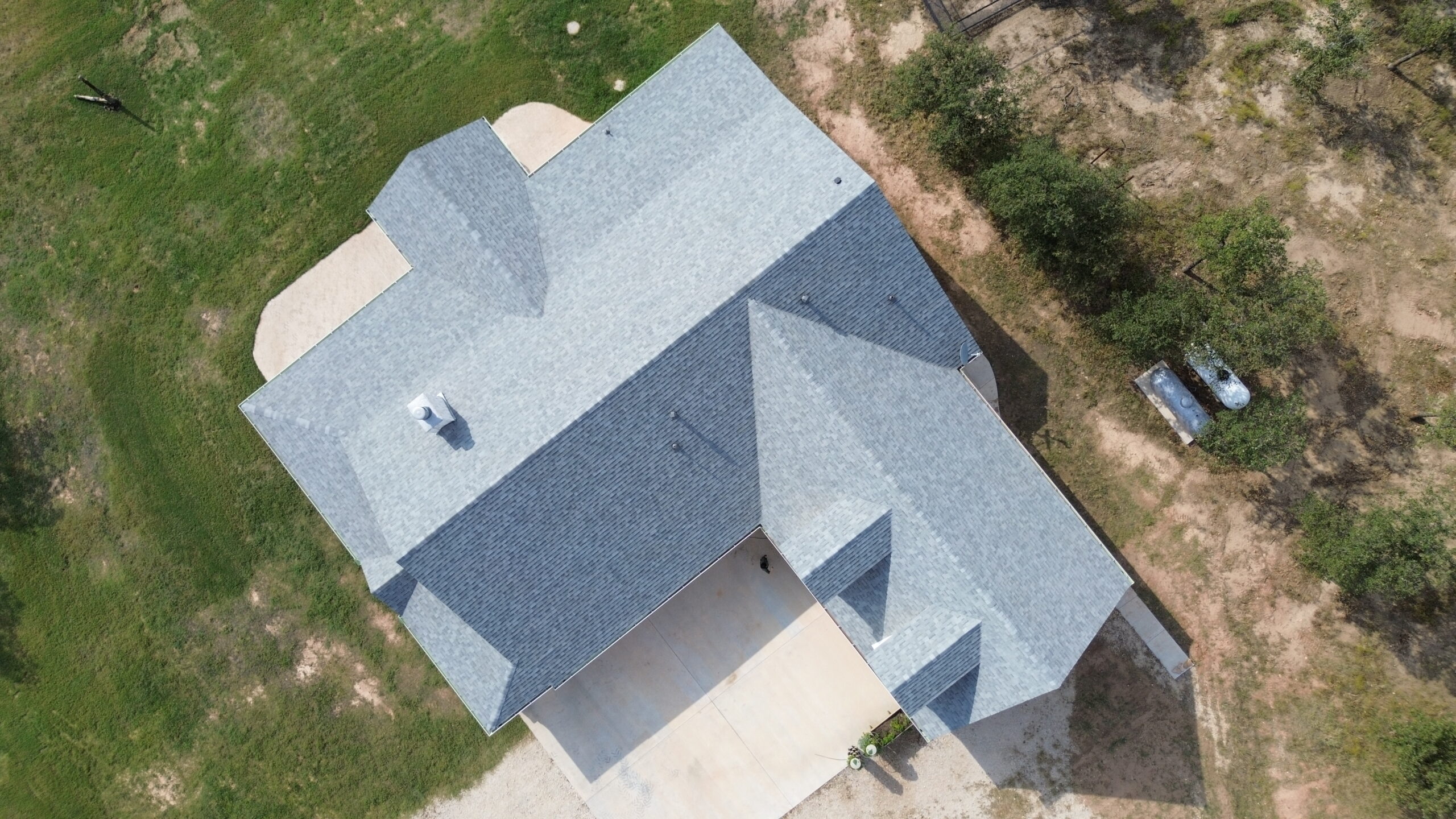
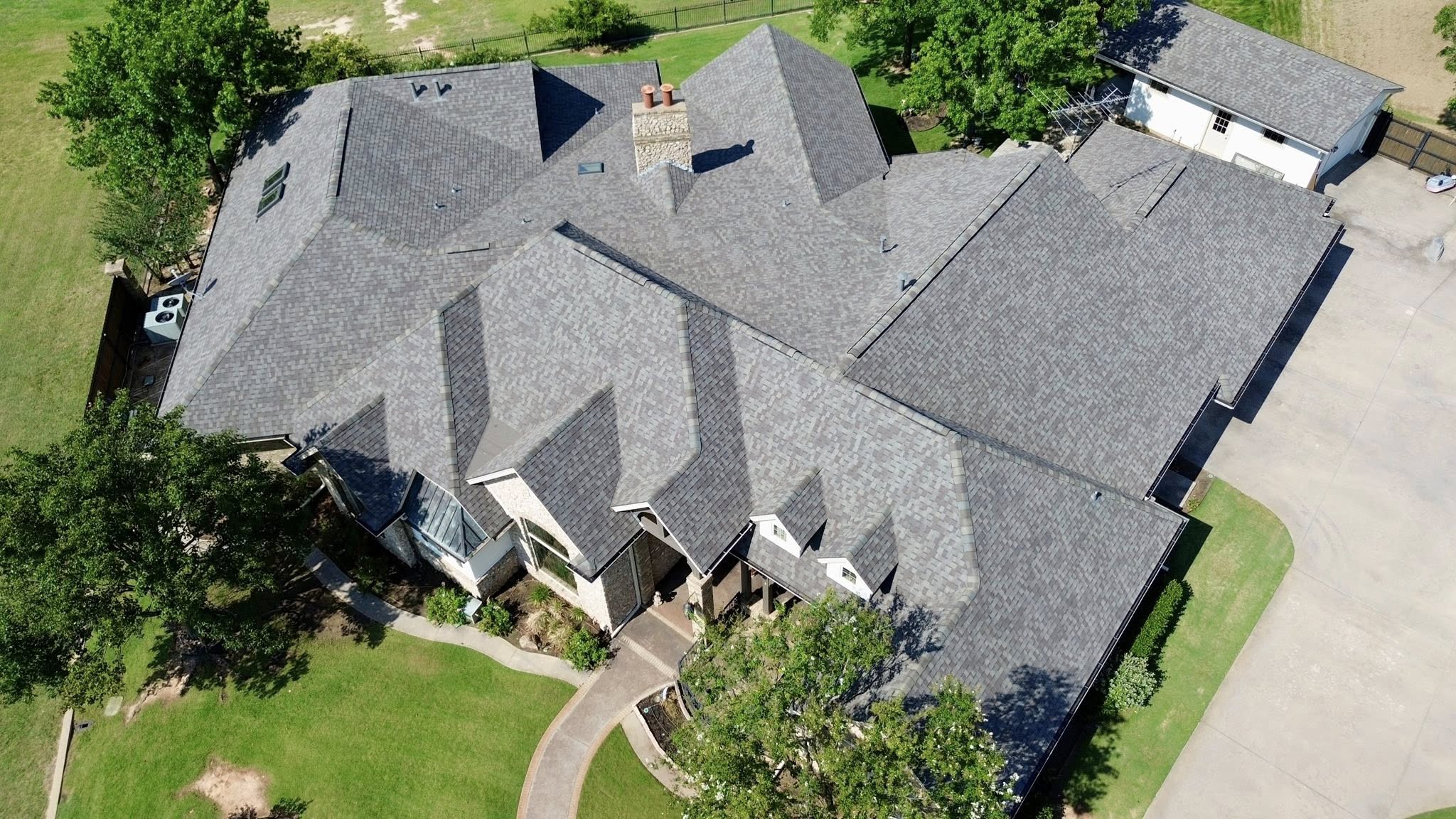
Asphalt shingles remain the most common residential roofing material because they combine affordability with dependable protection. Modern architectural shingles provide improved wind resistance compared with many older products and are available in a wide range of styles.
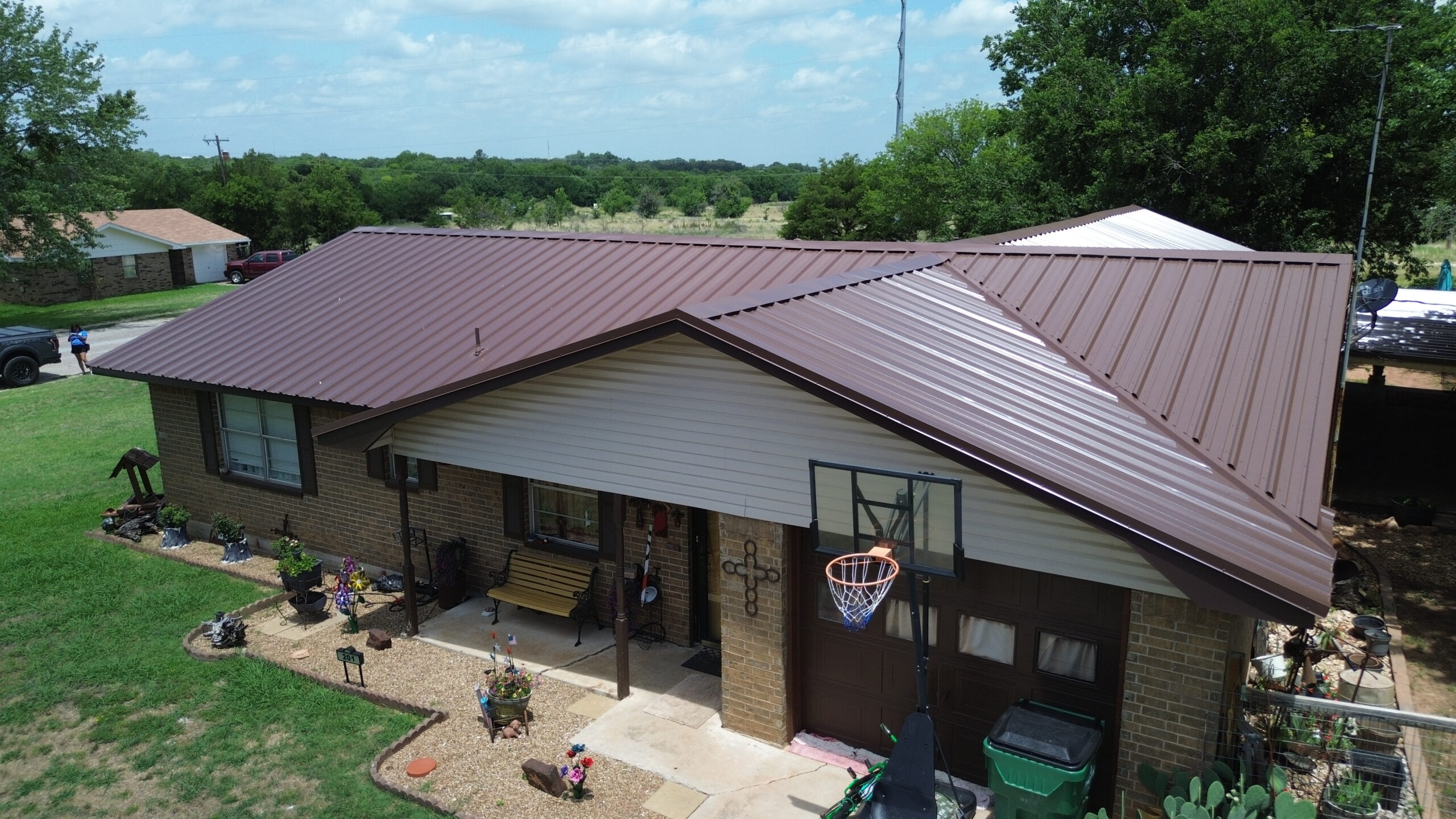
Metal roofing offers exceptional durability and performs particularly well in areas that experience frequent windstorms. Properly installed metal systems resist uplift effectively while providing a long service life with relatively low maintenance requirements.
Clay and concrete tile roofs offer impressive longevity and weather resistance. Although heavier than many other roofing systems, they provide outstanding durability when supported by an appropriate structural framework.
Natural slate remains one of the longest lasting roofing materials available. Its exceptional lifespan and weather resistance make it attractive for certain homes, although installation costs and structural requirements are generally higher.
Synthetic roofing materials continue growing in popularity because they combine the appearance of natural products with lighter weight and improved impact resistance. Many modern synthetic options provide excellent durability while reducing maintenance requirements.
Comparing Roofing Materials
The following comparison highlights several important characteristics homeowners should consider when selecting replacement materials after severe weather.
| Roofing Material | Typical Lifespan | Severe Weather Resistance | Maintenance Needs | Relative Cost |
|---|---|---|---|---|
| Asphalt Shingles | 20 to 30 years | Good | Moderate | Low |
| Metal Roofing | 40 to 70 years | Excellent | Low | Moderate to High |
| Clay or Concrete Tile | 50 to 100 years | Very Good | Low | High |
| Slate Roofing | 75 to 150 years | Excellent | Low | Very High |
| Synthetic Roofing | 30 to 50 years | Very Good | Low | Moderate |
Every roofing material offers unique advantages, and no single option is ideal for every home. Homeowners should consider local weather patterns, maintenance expectations, warranty coverage, and long term ownership goals before making a final decision.
Mistakes Homeowners Should Avoid During Emergency Roof Replacement
The days following a severe weather event are often stressful, and homeowners are frequently required to make important decisions in a short period of time. Acting quickly is essential, but rushing into the wrong decisions can create additional problems that are far more expensive than the original storm damage. Taking a thoughtful approach helps protect both the property and the investment being made in a new roof.
One of the most common mistakes is delaying a professional inspection because the damage appears minor from the ground. Storms often create hidden problems beneath the roofing materials, allowing moisture to spread through the roof deck and structural framing before visible leaks appear inside the home. Early inspections help identify these hidden issues before they become larger repairs.
Another mistake is relying on temporary repairs for too long. Emergency tarps and protective coverings are designed to reduce immediate water intrusion, but they are not permanent roofing solutions. Leaving temporary protection in place for extended periods increases the likelihood of water damage, mold growth, and structural deterioration.
Attempting major roof repairs without professional training also creates unnecessary risks. Storm damaged roofs may contain unstable decking, loose roofing materials, or weakened framing that cannot be identified from the surface. Climbing onto a compromised roof significantly increases the possibility of serious injury.
Hiring the first contractor who knocks on the door after a storm is another mistake homeowners should avoid. Severe weather often attracts contractors from outside the area, and while many are reputable, some may lack proper licensing, insurance, or long term local support. Verifying credentials and checking references provides greater confidence before signing a contract.
Poor documentation can also complicate insurance claims. Homeowners should continue photographing damage, saving invoices, and maintaining copies of inspection reports throughout the replacement process. Organized records make it easier to resolve questions if they arise later.
Finally, focusing only on the lowest estimate can result in disappointing outcomes. A proposal that appears less expensive may exclude important components such as flashing replacement, damaged decking repairs, upgraded underlayment, or proper ventilation improvements. Comparing the complete scope of work is more valuable than comparing price alone.
Protecting Your Home Before Replacement Is Complete
Although emergency roof replacement is a priority, construction cannot always begin immediately. Material availability, weather conditions, permit approvals, and insurance processing sometimes create unavoidable delays. During this waiting period, protecting the home from additional damage remains essential.
Professional emergency tarping continues to provide the most effective temporary protection for exposed roof sections. Heavy duty waterproof coverings reduce rain penetration while allowing contractors time to prepare for permanent replacement. These coverings should be inspected regularly, especially after additional storms or strong winds.
Interior protection is equally important. Active leaks should be monitored carefully, and containers should be placed beneath dripping water to reduce damage to flooring and furnishings. Plastic coverings can help protect furniture, electronics, and valuable belongings located beneath damaged roof sections.
Maintaining attic ventilation also helps control moisture while the replacement project is pending. Proper airflow reduces humidity levels and slows the development of mold, mildew, and wood deterioration inside the roofing system.
Homeowners should continue checking ceilings and attic spaces after each rainfall. Even if temporary protection has been installed, changing weather conditions may create new leaks that require prompt attention before replacement begins.
Communication with the roofing contractor should remain consistent throughout the waiting period. If additional storm damage occurs or temporary coverings require adjustment, notifying the contractor quickly helps ensure the property remains protected.
Preparing for Future Severe Weather
Replacing a damaged roof offers more than an opportunity to restore the home. It also provides the chance to improve the property’s ability to withstand future storms through better materials, stronger installation methods, and regular maintenance.
Impact resistant roofing materials have become increasingly popular in regions that experience frequent hailstorms and severe weather. These products are designed to absorb greater impact forces while reducing cracking and surface damage compared with many traditional roofing materials.
High wind installation methods also improve long term roof performance. Enhanced fastening systems, stronger adhesives, reinforced ridge components, and upgraded flashing all help roofing materials remain securely attached during severe wind events.
Modern waterproof underlayments provide another valuable layer of protection. If shingles or roofing panels become damaged during a future storm, the underlayment continues limiting water intrusion until repairs can be completed.
Improved attic ventilation contributes to overall roof durability as well. Balanced airflow reduces excessive heat during warmer months while minimizing condensation during colder seasons. This helps roofing materials maintain their performance throughout their expected lifespan.
Routine maintenance remains one of the most effective ways to prepare for severe weather. Annual roof inspections, gutter cleaning, flashing evaluations, and tree trimming all reduce the likelihood of extensive storm damage when extreme weather occurs.
Long Term Roof Maintenance After Replacement
A newly installed roof represents a significant investment that deserves ongoing attention. Regular maintenance extends the life of the roofing system while helping identify small issues before they develop into expensive structural repairs.
Homeowners should perform visual inspections from the ground after every major storm. Looking for displaced shingles, damaged flashing, loose gutters, or fallen branches allows potential problems to be identified quickly without climbing onto the roof.
Keeping gutters clean throughout the year also supports proper roof drainage. Blocked gutters allow water to accumulate near roof edges, increasing the possibility of moisture infiltration and wood deterioration during heavy rainfall.
Professional inspections every few years provide a more detailed evaluation than homeowners can perform themselves. Roofing specialists assess flashing, ventilation, drainage, and overall roof condition while identifying subtle signs of wear that may otherwise go unnoticed.
Maintaining organized records is equally valuable. Inspection reports, warranty documents, repair invoices, and photographs create a complete history of the roof that may simplify future insurance claims or increase buyer confidence if the home is sold.
Frequently Asked Questions
What qualifies as an emergency roof replacement?
Emergency roof replacement is necessary when severe weather has compromised the roof’s ability to protect the home safely. This typically includes extensive structural damage, widespread water intrusion, major wind uplift, or significant impacts from falling trees or heavy debris.
How quickly should replacement begin after severe weather?
Replacement should begin as soon as the property is safe, temporary protection has been installed, and insurance or financial arrangements have been completed. Delaying unnecessarily increases the risk of additional structural damage and interior moisture problems.
Will homeowners insurance cover emergency roof replacement?
Many insurance policies cover roof replacement when damage results from sudden weather events such as hurricanes, tornadoes, hailstorms, severe winds, or falling trees. Coverage depends on policy terms, deductibles, and the findings of the insurance inspection.
Can homeowners remain inside during roof replacement?
In many situations, homeowners can remain inside during replacement. However, construction generates significant noise and vibration, and contractors may recommend temporary relocation if extensive structural repairs create additional safety concerns.
How long does emergency roof replacement usually take?
Most residential emergency roof replacements are completed within one to several days after construction begins. Larger homes, complex roof designs, severe structural damage, or poor weather conditions may extend the project timeline.
What should homeowners do while waiting for replacement?
Homeowners should monitor temporary protective measures, inspect the home for new leaks after rainfall, protect valuable belongings from water damage, maintain communication with the roofing contractor, and retain all documentation related to the insurance claim and repair process.
Emergency Roof Replacement Checklist
Following a structured plan helps homeowners respond effectively after severe weather while reducing unnecessary delays.
- Confirm that everyone in the home is safe before inspecting the property.
- Stay off the roof and perform only a ground level visual inspection.
- Photograph all visible exterior and interior storm damage.
- Check ceilings, walls, and attic spaces for signs of water intrusion.
- Contact your insurance provider to report the damage.
- Arrange a professional emergency roof inspection.
- Install temporary protective coverings if active leaks are present.
- Save inspection reports, photographs, invoices, and receipts.
- Compare detailed replacement estimates from qualified contractors.
- Verify contractor licensing, insurance, and warranty information.
- Schedule roof replacement as soon as practical.
- Continue monitoring the property until permanent replacement has been completed.
Following these steps helps homeowners stay organized during a stressful situation while protecting both their home and their insurance claim. Careful planning also improves communication between contractors, adjusters, and property owners throughout the replacement process.
Conclusion
Severe weather can damage a roof with remarkable speed, leaving homeowners to make important decisions under difficult circumstances. While temporary repairs help reduce immediate water intrusion, they cannot restore a roof that has suffered widespread structural damage, extensive moisture penetration, or major material loss. Recognizing when emergency roof replacement is necessary protects both the home and everyone living inside it.
The recovery process begins with safety, followed by careful documentation and a comprehensive professional inspection. These early steps provide the information needed to determine the full extent of the damage while supporting insurance claims and replacement planning. Prompt action also reduces the likelihood of secondary damage that could significantly increase restoration costs.
Understanding the complete replacement process helps homeowners approach the project with greater confidence. From structural assessments and moisture detection to material selection, installation, and final inspections, every stage contributes to building a roofing system capable of providing dependable protection for decades. Choosing experienced contractors and quality materials further strengthens the long term value of the investment.
Emergency roof replacement should also be viewed as an opportunity to improve the home’s resilience against future storms. Modern roofing materials, reinforced installation methods, advanced waterproofing systems, and routine maintenance all work together to reduce the impact of severe weather in the years ahead. Preventive improvements made during replacement often deliver lasting benefits far beyond the initial repair.
Although severe weather cannot be prevented, homeowners can reduce its long term consequences through informed decisions and timely action. By understanding the warning signs of catastrophic roof damage, following a structured assessment process, working with qualified professionals, and investing in a properly installed replacement roof, homeowners can restore their property with confidence and ensure it remains prepared for whatever future storms may bring.