
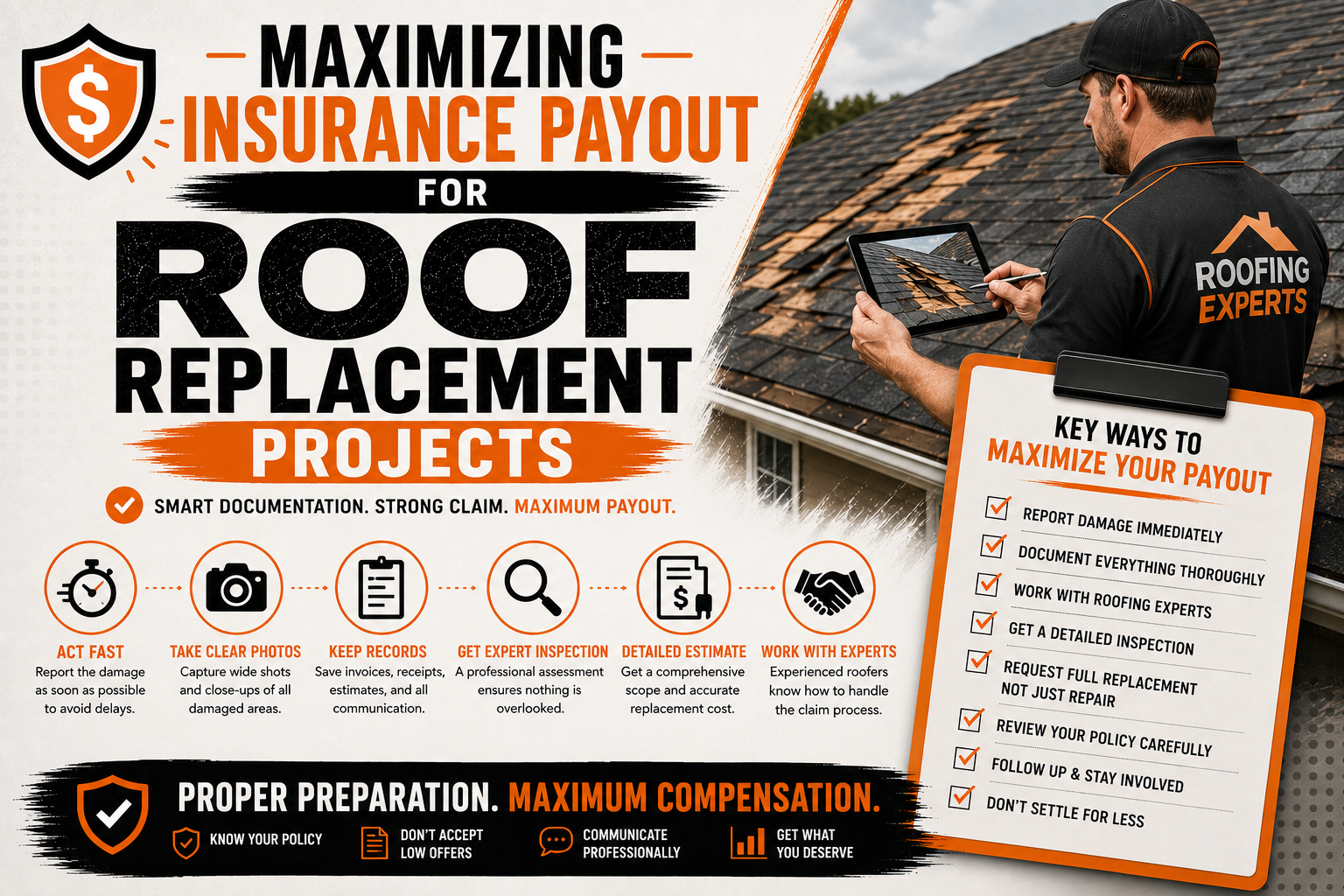
Maximizing Insurance Payout for Roof Replacement Projects
Introduction
A roof replacement is one of the largest home improvement expenses many homeowners will ever face. When severe weather, falling trees, hail, or strong winds damage a roof, insurance coverage can significantly reduce the financial burden. However, receiving the maximum insurance payout is not automatic. The outcome often depends on how well the damage is documented, how accurately the claim is prepared, and how effectively homeowners navigate the insurance process.
Many property owners assume their insurance company will automatically cover the full replacement cost once damage is reported. In reality, insurers carefully evaluate every claim using policy terms, inspection reports, photographs, repair estimates, and other supporting evidence. Missing documentation or misunderstandings about policy coverage can result in lower settlements than expected, even when the damage is legitimate.
Maximizing an insurance payout does not mean exaggerating damage or attempting to receive benefits beyond what the policy provides. Instead, it involves presenting complete and accurate evidence, understanding policy provisions, working with qualified roofing professionals, and ensuring that every covered item is included in the claim. A well prepared homeowner is often better positioned to receive a fair settlement than someone who submits incomplete information.
This guide explains how homeowners can strengthen roof replacement claims, avoid common mistakes, and work effectively with insurance companies throughout the process. From understanding policy coverage to documenting damage and communicating with adjusters, each step plays an important role in achieving the best possible outcome while remaining fully compliant with insurance requirements.
Why Maximizing Your Insurance Payout Matters
Roof replacement costs have increased considerably due to rising material prices, labor expenses, and transportation costs. Even homeowners with comprehensive insurance policies may still face deductibles and uncovered expenses if their claim is not properly supported. Maximizing the available insurance payout helps reduce personal financial responsibility while ensuring the roof is restored using appropriate materials and professional workmanship.
A larger insurance settlement also makes it easier to replace the roof completely instead of accepting temporary repairs that may not provide long term protection. In many cases, investing in a full replacement after significant storm damage prevents recurring leaks, structural deterioration, and repeated repair costs over the following years.
Proper insurance compensation benefits the entire property rather than only the roof itself. Water damage, insulation replacement, ceiling repairs, damaged gutters, flashing, ventilation systems, and other related components may also qualify for coverage when properly documented. A thorough claim helps ensure these connected repairs are not overlooked.
Receiving a fair payout also protects the long term value of the home. A professionally installed replacement roof improves structural integrity, energy efficiency, weather resistance, and curb appeal while reducing future maintenance concerns. Insurance benefits exist to restore covered losses, and understanding how to maximize legitimate coverage helps homeowners recover more effectively after unexpected damage.
Understanding How Roof Replacement Insurance Claims Work
Insurance claims follow a structured process designed to determine whether the reported damage qualifies for coverage under the policy. Understanding this process allows homeowners to prepare better documentation and avoid unnecessary delays throughout the claim.
The process usually begins when the homeowner reports roof damage to the insurance company. After receiving the claim, the insurer assigns an adjuster to inspect the property and evaluate the extent of the damage. The adjuster reviews photographs, contractor reports, weather information, maintenance history, and the insurance policy before making a recommendation.
If the damage is covered, the insurance company calculates the amount it believes is necessary to repair or replace the roof according to the policy terms. The settlement may include labor, materials, removal of damaged roofing, disposal costs, and certain related repairs depending on the policy and the extent of the damage.
Throughout the process, communication between the homeowner, contractor, and insurance company remains important. Providing requested documentation promptly helps prevent delays while ensuring the adjuster has enough information to evaluate the claim accurately.
Many homeowners mistakenly believe the first settlement offer cannot be questioned. In reality, additional documentation, contractor estimates, or supplemental inspections may justify adjustments when legitimate covered damage has not been fully considered.
Understanding how claims move from initial reporting to final payment allows homeowners to participate more confidently while making informed decisions at every stage.
Types of Roof Damage Commonly Covered by Insurance
Insurance policies generally cover sudden and accidental damage rather than deterioration caused by age or neglect. Understanding which types of damage typically qualify helps homeowners recognize when filing a claim may be appropriate.
Wind damage remains one of the most common reasons for roof replacement claims. High winds can remove shingles, loosen flashing, damage ridge caps, and expose underlying roofing materials to moisture. Flying debris carried by storms may also puncture roofing systems and create additional structural damage.
Hailstorms frequently produce widespread impact damage that shortens the life of roofing materials even when leaks have not yet developed. Cracked shingles, bruised asphalt surfaces, damaged vents, dented flashing, and granule loss are all examples of damage commonly associated with hail events.
Falling trees and large branches often create severe structural damage requiring immediate attention. Impact damage may affect roof decking, framing, gutters, chimneys, skylights, and interior ceilings if water enters through the damaged area.
Fire and lightning can also result in roof replacement when structural components are compromised. Depending on the extent of the damage, insurance may cover removal of damaged materials, rebuilding affected sections, and replacing associated roofing components.
Heavy snow and ice may qualify for coverage when they cause sudden structural failure or roof collapse. Ice dams can also contribute to water intrusion if melting snow backs up beneath roofing materials and enters the home.
While covered events vary between policies, most insurance companies distinguish sudden accidental damage from gradual wear caused by aging materials or poor maintenance. Reviewing your policy carefully helps clarify what situations are eligible for reimbursement.
Factors That Affect Your Insurance Payout Amount
Not every approved roof replacement claim results in the same level of compensation. Insurance companies evaluate multiple factors before determining how much they will pay, making it important for homeowners to understand what influences the final settlement.
The age of the roof is one of the most significant considerations. Older roofs may receive different compensation depending on whether the policy uses replacement cost or actual cash value calculations. Roof condition before the storm can also influence how the insurer evaluates the claim.
The severity and extent of the damage directly affect settlement amounts. Localized damage requiring limited repairs generally results in lower payouts than widespread damage affecting multiple roof sections or structural components.
Roofing material also plays an important role because replacement costs vary significantly between asphalt shingles, metal roofing, tile, slate, and other premium materials. Insurance companies consider the type of roof originally installed when calculating restoration costs.
Local labor rates and material prices influence estimates as well. Areas experiencing widespread storm damage often see temporary increases in construction costs due to high demand, and insurance estimates may reflect current market conditions.
Quality documentation strengthens claim credibility. Clear photographs, inspection reports, contractor assessments, maintenance records, and weather information provide evidence supporting the need for complete replacement rather than partial repairs.
Understanding these factors allows homeowners to prepare stronger documentation while setting realistic expectations about the claim evaluation process.
Understanding Actual Cash Value and Replacement Cost Value
One of the most important insurance concepts homeowners should understand is the difference between Actual Cash Value and Replacement Cost Value. These two methods determine how insurance companies calculate compensation, and they can significantly affect the amount received for a roof replacement.
Actual Cash Value, commonly called ACV, considers depreciation when calculating payment. As roofing materials age, their value decreases over time due to normal wear and expected lifespan. Under an ACV policy, the insurance company subtracts depreciation before issuing payment, which often leaves homeowners responsible for a larger share of replacement costs.
Replacement Cost Value, often referred to as RCV, works differently. Instead of reducing payment based on depreciation, an RCV policy generally reimburses the cost of replacing the damaged roof with materials of similar quality, subject to policy limits and deductibles. Many policies initially pay the depreciated amount and release the remaining balance after the replacement work has been completed and documented.
Understanding which type of coverage applies before filing a claim helps homeowners estimate potential costs and prepare financially for the replacement project. Reviewing policy language carefully also prevents misunderstandings during settlement discussions.
If any policy terms seem unclear, contacting the insurance company for clarification before beginning major repairs can help avoid confusion later in the claims process.
Reviewing Your Insurance Policy Before Filing a Claim
A careful review of the insurance policy should always occur before submitting a roof replacement claim. Policies vary between insurance providers, and even homeowners with similar properties may have different coverage limits, deductibles, endorsements, or exclusions.
Start by identifying the sections that describe roof coverage, storm damage, exclusions, depreciation, deductibles, and claim reporting deadlines. These provisions explain what the insurer expects from policyholders and outline the situations in which reimbursement may be available.
Pay attention to any special endorsements that modify standard roof coverage. Some policies include optional upgrades for enhanced replacement protection, while others apply separate conditions to older roofing systems or cosmetic damage.
It is also important to understand your deductible because this amount represents the portion of repair costs that remains the homeowner’s responsibility. Knowing this figure before filing the claim helps establish realistic financial expectations for the project.
If questions arise while reviewing the policy, contact the insurance company and request clarification. Understanding policy language before beginning the claim process reduces misunderstandings and helps homeowners prepare more complete documentation.
Steps to Take Immediately After Roof Damage Occurs
The actions taken during the first few hours after roof damage can influence both the insurance claim and the overall condition of the property. Responding quickly helps preserve evidence while reducing the risk of additional damage.
Begin by ensuring everyone’s safety before inspecting the property. Stay away from unstable roof sections, fallen electrical lines, and large tree limbs until hazards have been addressed by qualified professionals.
After conditions become safe, perform an initial visual inspection from the ground. Look for missing shingles, damaged gutters, fallen debris, exposed roofing materials, and other obvious signs of storm damage. Taking photographs immediately preserves evidence before weather conditions change.
If water is entering the home, take reasonable temporary measures to reduce additional damage. Cover exposed areas with tarps if it can be done safely, move valuable belongings away from leaks, and collect water using containers when necessary. Temporary repairs should prevent further deterioration without permanently altering the original damage before documentation is complete.
Record the approximate time of the storm, weather conditions, and any observations about what occurred. These details may become useful when discussing the claim with insurance representatives later.
Finally, contact a qualified roofing contractor to schedule a professional inspection. Early evaluations provide valuable documentation while helping homeowners understand the true extent of the damage before filing the insurance claim.
Documenting Roof Damage to Strengthen Your Claim
Strong documentation often separates successful roof replacement claims from those that encounter delays or reduced settlements. Insurance companies rely heavily on evidence, making accurate documentation one of the homeowner’s most valuable responsibilities.
Photograph the roof from multiple angles to capture both the overall condition and individual damaged areas. Include wide photographs showing the entire roof, medium range images identifying affected sections, and close ups highlighting cracks, missing shingles, dented flashing, exposed underlayment, and other visible damage.
Document interior evidence as carefully as exterior conditions. Ceiling stains, attic moisture, damaged insulation, peeling paint, warped drywall, and active leaks all help demonstrate how the roof damage has affected the home beyond the exterior surface.
Maintain written notes describing each damaged area, the date photographs were taken, and any temporary repairs completed to prevent further deterioration. These records help explain the visual evidence while creating a detailed timeline of events.
If possible, keep copies of weather reports, contractor inspection findings, maintenance records, and repair estimates together with the photographs. Organized documentation creates a stronger claim package that is easier for adjusters to review.
The more complete and organized the evidence becomes, the easier it is to demonstrate why a roof replacement is necessary and why the requested insurance payout accurately reflects the covered damage.
Common Mistakes That Reduce Insurance Payouts
Many homeowners unintentionally reduce their potential insurance settlement by making avoidable mistakes during the early stages of the claims process. Understanding these common errors helps prevent unnecessary complications while improving the overall quality of the claim.
Waiting too long to report roof damage is one of the most frequent problems. Delayed reporting may allow additional deterioration to occur and can create uncertainty regarding when the damage actually happened. Prompt communication demonstrates responsible property ownership while preserving stronger evidence.
Another mistake involves taking too few photographs. Limited documentation makes it difficult for adjusters to evaluate the full extent of the damage, especially if temporary repairs later cover important evidence. Comprehensive photographs from multiple angles provide much stronger support.
Some homeowners dispose of damaged roofing materials immediately after cleanup begins. Retaining representative pieces until the insurance company confirms they are no longer needed can provide useful physical evidence if questions arise later.
Hiring inexperienced or unqualified contractors may also complicate the claim. Poor inspections, incomplete estimates, and inaccurate documentation can reduce the credibility of otherwise legitimate damage.
Finally, many homeowners fail to read their insurance policy before filing a claim. Misunderstanding deductibles, exclusions, or depreciation provisions often leads to unrealistic expectations and unnecessary frustration during settlement discussions.
Avoiding these common mistakes establishes a stronger foundation for the remainder of the insurance claim process. In the next part, we will examine how professional inspections, adjuster communication, roofing estimates, supporting evidence, and organized documentation can further strengthen your claim and help maximize your insurance payout.
Scheduling a Professional Roof Inspection
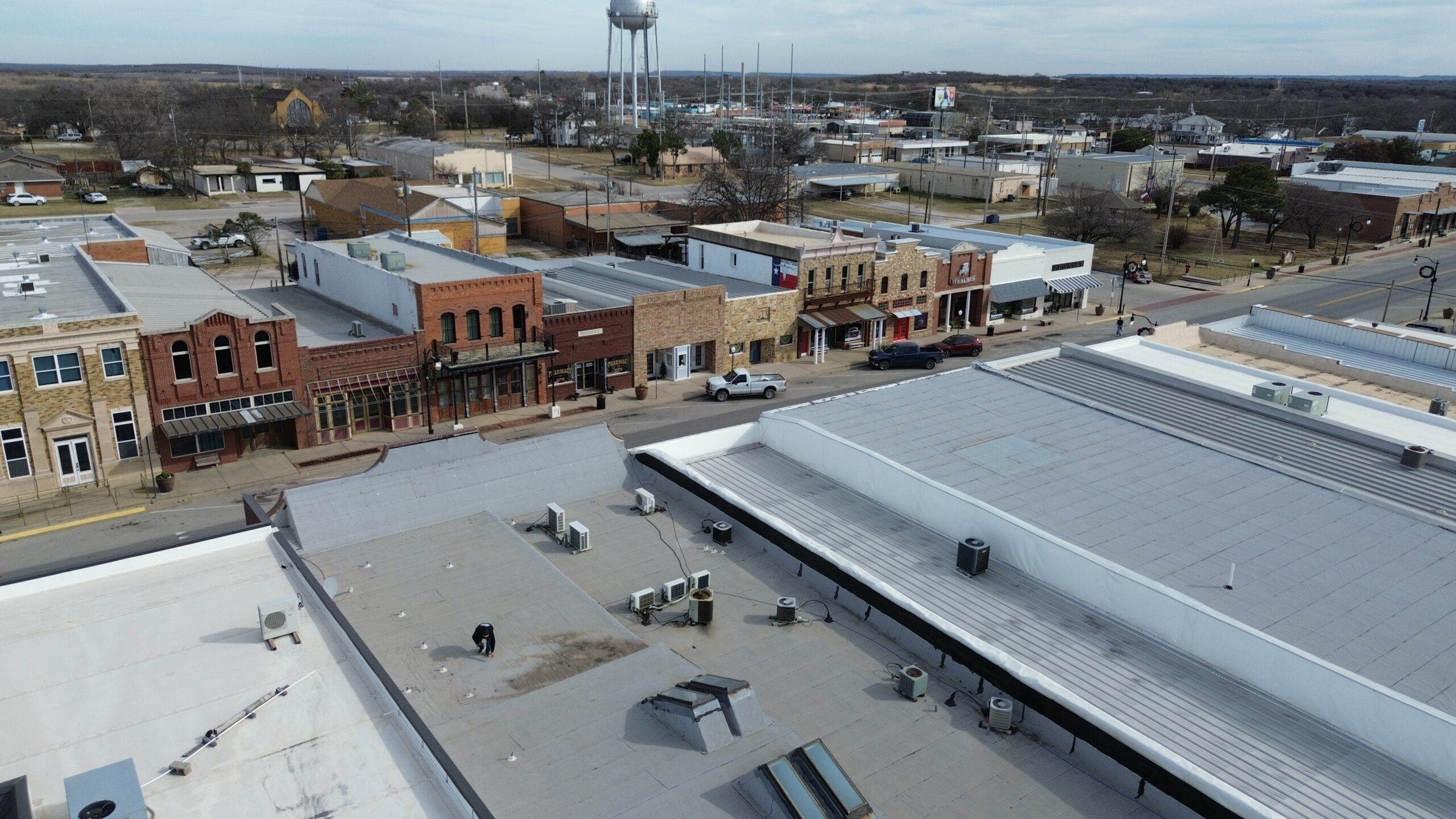
A professional roof inspection is one of the most valuable investments homeowners can make after storm damage. While personal observations are useful during the initial assessment, trained roofing professionals often identify hidden damage that may not be obvious to someone without roofing experience. Their findings provide technical evidence that supports the insurance claim while helping determine whether repairs or a complete replacement are necessary.
Schedule the inspection as soon as it is safe after the damaging event. Early inspections capture the roof’s condition before additional weather or temporary repairs alter the evidence. This timing also allows the contractor to compare visible damage with recent weather events, creating a stronger connection between the incident and the roof’s current condition.
During the inspection, contractors evaluate much more than missing shingles. They examine flashing, ridge caps, underlayment, roof decking, ventilation components, gutters, soffits, fascia, and other structural elements that contribute to the overall roofing system. Damage to these components may also qualify for insurance coverage if it resulted from the same event.
A detailed inspection report typically includes photographs, written observations, measurements, and recommendations for repair or replacement. This documentation becomes an important part of the insurance claim because it explains the technical reasons why replacement may be the most appropriate solution.
Choose a licensed and insured roofing contractor with experience handling insurance restoration projects. Contractors familiar with insurance claims understand the documentation adjusters expect and can provide reports that clearly explain the extent of the damage without making unsupported claims.
Gathering Evidence That Supports Full Roof Replacement
Insurance companies rely on evidence rather than assumptions when determining whether a roof should be repaired or replaced. Homeowners who gather comprehensive documentation improve the credibility of their claim while making it easier for adjusters to understand the full scope of the damage.
Begin with photographs that show both the overall roof and individual damaged areas. Wide angle images establish context, while close up photographs highlight missing shingles, cracked materials, hail impacts, lifted flashing, exposed underlayment, and structural concerns. Consistent image quality makes comparisons easier throughout the claims process.
Video recordings add another layer of documentation by showing how damage extends across the roof. Slowly recording the roof from multiple viewpoints allows adjusters to observe the relationship between damaged areas instead of viewing isolated photographs without context.
Written notes should accompany visual evidence whenever possible. Record the inspection date, weather conditions, observed damage, and any emergency measures taken to prevent additional deterioration. Organized notes create a timeline that supports the photographs and inspection reports.
Supporting evidence may also include weather reports, maintenance records, warranty information, previous inspection reports, receipts for emergency repairs, and contractor estimates. Together, these documents create a complete record that demonstrates the condition of the roof before and after the damaging event.
The goal is not simply to collect large amounts of documentation but to gather evidence that clearly explains why replacing the roof is necessary under the terms of the insurance policy.
Working Effectively With Insurance Adjusters
Insurance adjusters play a central role in determining the outcome of roof replacement claims. Building a professional and cooperative relationship with the adjuster helps ensure that all relevant information is considered during the inspection and evaluation process.
Before the adjuster arrives, organize all documentation into clearly labeled folders or digital files. Having photographs, contractor reports, maintenance records, receipts, and inspection notes readily available allows questions to be answered quickly during the visit.
Accompany the adjuster during the inspection whenever possible. While allowing them to conduct an independent evaluation, you can point out specific areas of concern and explain when the damage occurred. This ensures that important issues are not unintentionally overlooked.
If a roofing contractor is present during the inspection, they may also answer technical questions regarding roofing materials, installation methods, or structural concerns. Professional discussions between contractors and adjusters often help resolve differences before they become larger disputes.
Remain respectful and factual throughout every conversation. Insurance claims are evaluated using evidence rather than emotion, so clear communication supported by documentation is far more effective than speculation or assumptions.
After the inspection, request clarification if any findings are unclear. Understanding the adjuster’s observations helps homeowners prepare additional documentation if needed and reduces confusion during later stages of the claim.
Understanding Roofing Estimates and Insurance Scope of Work
One area that often causes confusion is the difference between a roofing contractor’s estimate and the insurance company’s scope of work. Although both documents describe the project, they are prepared for different purposes and may not always match exactly.
A contractor’s estimate reflects the actual cost of completing the roof replacement based on local labor rates, material prices, equipment, disposal costs, permits, and project specific requirements. It is designed to show what the contractor expects will be necessary to restore the property properly.
The insurance scope of work outlines the repairs the insurance company believes are covered under the policy. This document identifies damaged components, estimated quantities, labor allowances, and pricing used to calculate the proposed settlement.
Differences between these documents do not automatically indicate an error by either party. Material availability, updated building codes, regional construction costs, or hidden damage discovered during inspections can all influence project pricing.
Carefully compare both documents line by line to identify missing items or pricing differences. Discuss any discrepancies with both the contractor and the insurance representative so they can determine whether additional documentation or claim adjustments are appropriate.
Understanding these documents allows homeowners to participate more confidently in settlement discussions while ensuring that all covered work has been considered.
Negotiating Claim Differences Professionally
Sometimes the insurance company’s initial settlement does not fully reflect the contractor’s estimate or the actual scope of the roof replacement. When this occurs, professional communication supported by evidence is the most effective way to address the differences.
Begin by identifying exactly where the estimates differ. Missing roofing components, underestimated material quantities, labor costs, code required upgrades, or overlooked structural damage are common reasons why contractor estimates exceed initial insurance calculations.
Rather than making general statements that the settlement is too low, provide documentation supporting each requested adjustment. Photographs, inspection reports, manufacturer specifications, contractor explanations, and local building code requirements all strengthen the discussion.
Allow your roofing contractor to explain technical concerns directly if necessary. Contractors often have experience discussing roofing systems with insurance adjusters and can clarify why certain materials or installation methods are required.
Negotiations should remain professional and evidence based throughout the process. Most insurance companies are willing to review additional information when legitimate documentation demonstrates that covered work was unintentionally omitted or underestimated.
Maintaining organized records of every conversation, email, estimate revision, and inspection report also creates a useful reference if further review becomes necessary.
Additional Property Damage That Should Be Included in Your Claim
Roof replacement claims often involve more than shingles alone. Storms capable of damaging a roof frequently affect other parts of the property, and these related damages should be documented carefully to ensure they are considered during the insurance evaluation.
Gutters and downspouts commonly sustain damage from hail, wind, or falling debris. Dented metal, detached sections, bent brackets, or broken fasteners may require replacement as part of the overall restoration project.
Flashing around chimneys, skylights, vents, and roof valleys should also be inspected thoroughly. Damaged flashing can allow water intrusion even when the surrounding shingles appear relatively intact.
Interior water damage is another important consideration. Ceiling stains, damaged insulation, warped drywall, peeling paint, mold growth, and damaged flooring may all result from roof leaks following severe weather. These conditions should be photographed and documented before cleanup begins.
Outdoor structures deserve attention as well. Detached garages, sheds, fences, patios, solar panels, satellite dishes, and exterior HVAC equipment may have experienced the same weather event. Their condition can help demonstrate the severity of the storm while supporting related insurance claims.
Landscaping damage caused by fallen trees or large branches may also require documentation if covered under the policy. Although separate coverage limits sometimes apply, these losses should still be reported when they result from the same incident.
Comprehensive inspections ensure that no covered damage is overlooked, allowing homeowners to receive compensation for the full extent of the insured loss rather than focusing only on the roofing materials.
Keeping Records of Temporary Repairs and Expenses
After roof damage occurs, homeowners are generally expected to take reasonable steps to prevent additional deterioration. Temporary repairs protect the property while the insurance claim is being processed, but these actions should be documented carefully because many policies reimburse reasonable emergency expenses.
Keep receipts for tarps, plywood, fasteners, sealants, buckets, plastic sheeting, and any other materials purchased to reduce further damage. If professional emergency services were required, retain invoices that describe the work completed and the reasons those repairs were necessary.
Photograph the damage before and after temporary repairs whenever possible. These images demonstrate that the emergency measures were intended to prevent additional loss rather than permanently alter the original condition of the roof.
Record the dates when temporary repairs were completed and identify who performed the work. Written notes explaining why the repairs were necessary create useful context for insurance representatives reviewing the claim.
Store these receipts together with photographs, contractor reports, and insurance correspondence. Organized financial records simplify reimbursement requests while providing evidence that the homeowner acted responsibly after the damaging event.
Documents and Evidence That Strengthen a Roof Replacement Insurance Claim
The following table summarizes the most valuable documents homeowners should gather before and during the insurance claim process.
| Document or Evidence | Why It Is Important |
|---|---|
| Roof damage photographs | Provide visual proof of the damaged areas. |
| Video walkthroughs | Show the overall condition of the roof and property. |
| Professional inspection report | Offers technical evidence supporting replacement. |
| Roofing contractor estimate | Explains expected project costs and required work. |
| Weather reports | Connect damage to a covered weather event. |
| Maintenance records | Demonstrate responsible roof ownership. |
| Temporary repair receipts | Support reimbursement for emergency mitigation expenses. |
| Insurance correspondence | Tracks claim progress and important decisions. |
| Warranty documents | Confirm roofing material information and installation history. |
| Written inspection notes | Provide additional details that photographs may not capture. |
Collecting these documents before questions arise creates a stronger claim package while reducing delays during the review process.
Avoiding Common Claim Delays and Underpayments
Even well documented claims can experience delays when important procedural steps are overlooked. Understanding these common issues helps homeowners move through the insurance process more efficiently while protecting their potential settlement.
One frequent delay occurs when requested documents are submitted gradually instead of together. Providing complete documentation at the beginning reduces repeated requests for information and allows adjusters to review the claim more efficiently.
Another issue involves poor communication between homeowners, contractors, and insurance representatives. Responding promptly to phone calls, emails, and document requests helps keep the claim moving forward without unnecessary interruptions.
Some homeowners approve roofing work before fully understanding the insurance settlement. Reviewing the approved scope of work and discussing any differences with the contractor beforehand helps prevent unexpected costs during construction.
Failing to document newly discovered damage can also lead to underpayments. Hidden structural problems occasionally become visible only after roofing materials are removed. These findings should be photographed immediately and reported to the insurance company so they can be evaluated for possible supplemental coverage.
Finally, overlooking local building code requirements may affect the project budget. Some jurisdictions require upgrades to ventilation, flashing, underlayment, or other roofing components during replacement. If these improvements are covered by the policy, appropriate documentation helps ensure they are included in the settlement.
By staying organized, communicating consistently, and supporting every request with accurate documentation, homeowners place themselves in a much stronger position to receive a fair insurance settlement. In the final part of this guide, we will discuss supplemental claims, handling low settlement offers, choosing the right roofing contractor, understanding deductibles, completing the final inspection, answering frequently asked questions, and concluding with the key strategies for maximizing your roof replacement insurance payout.
Understanding Claim Supplements and Additional Payments
Even after an insurance company approves a roof replacement claim, additional covered costs may arise during construction. Roofing contractors occasionally discover hidden damage beneath the existing roofing materials that was impossible to identify during the initial inspection. In these situations, a claim supplement allows the insurance company to review the newly discovered damage and determine whether additional payment is appropriate.
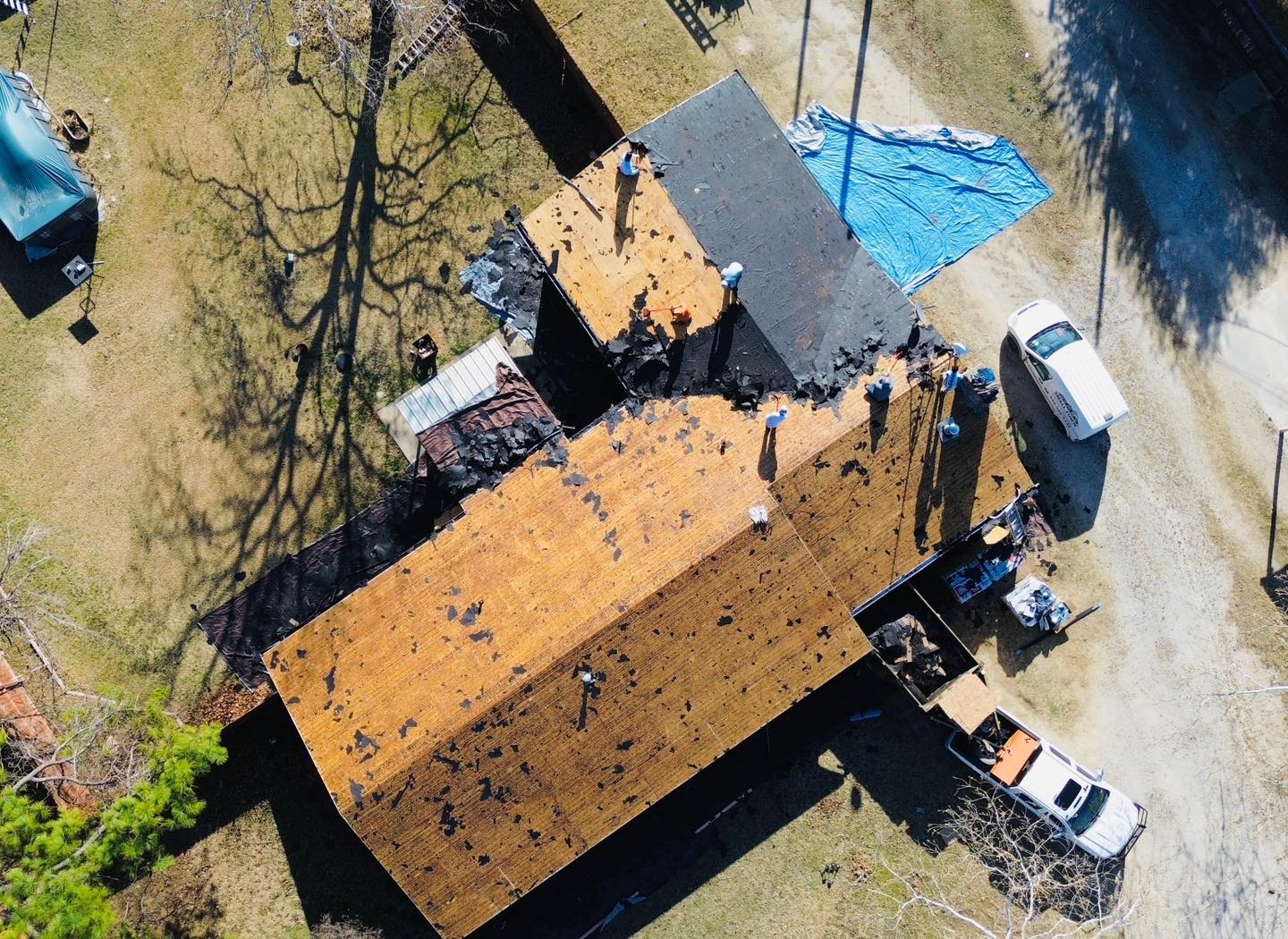
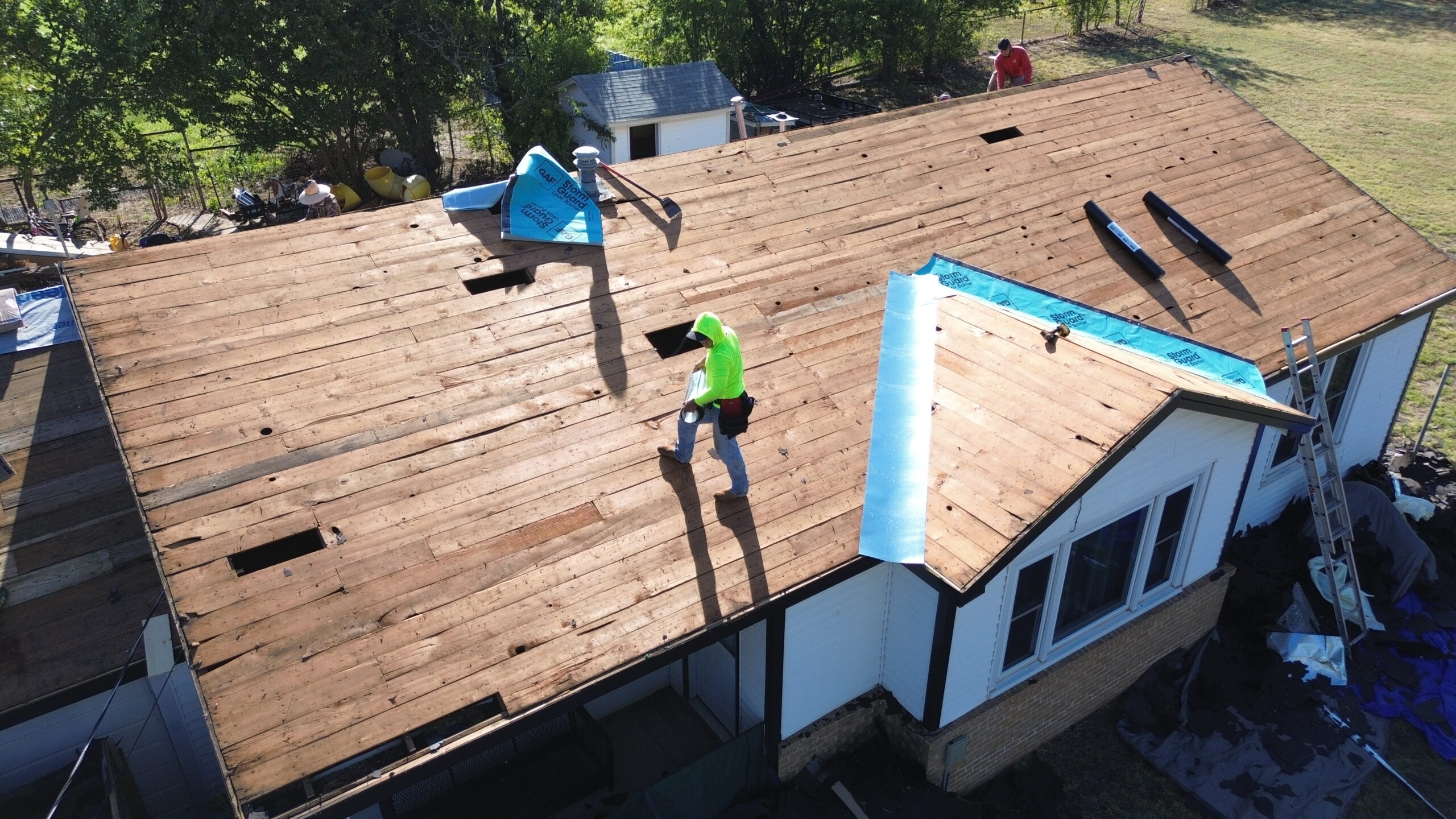
Hidden roof decking damage is one of the most common reasons supplements are requested. Once shingles and underlayment are removed, contractors may find rotten wood, water damaged sheathing, deteriorated structural components, or code related issues that require replacement before the new roof can be installed safely.
Supplements may also be necessary when local building codes require upgrades that were not included in the original insurance estimate. Updated ventilation systems, ice and water barriers, flashing improvements, or additional fastening requirements can increase project costs beyond the initial settlement.
Whenever new damage is discovered, it should be documented immediately. Contractors should photograph the affected areas, explain why the damage was hidden, and provide revised estimates showing the additional work required. This evidence helps the insurance company evaluate the supplemental request efficiently.
Homeowners should never assume supplemental payments are automatic. Instead, work closely with the roofing contractor and insurance representative to ensure all newly discovered covered damage is documented before repairs continue.
What to Do If Your Insurance Offer Is Too Low
Receiving an insurance settlement that appears lower than expected does not necessarily mean the claim is finished. Initial estimates are based on the information available during the first inspection, and legitimate differences can sometimes be resolved through additional documentation and professional communication.
Begin by comparing the insurance estimate with the roofing contractor’s proposal. Look carefully for missing materials, omitted labor, disposal costs, code required upgrades, flashing replacement, ventilation improvements, or other differences between the two documents.
Request clarification from the insurance adjuster if any line items appear unclear. Understanding how the settlement was calculated often helps identify whether additional documentation is needed or whether certain items were excluded because of policy limitations.
If the contractor believes important covered damage has been overlooked, ask them to prepare supporting documentation. Professional inspection reports, photographs, manufacturer specifications, and detailed explanations provide objective evidence that may justify a revised settlement.
Remain patient and professional throughout the review process. Insurance companies are generally willing to reconsider estimates when new evidence demonstrates that additional covered work is necessary. Calm communication supported by facts is usually more productive than emotional disagreements.
Keep records of every revised estimate, email, inspection report, and conversation. These documents provide a complete history of the claim and help ensure that all parties are working with the same information.
Handling Partial Claim Approvals
Some insurance claims result in partial approval rather than full roof replacement coverage. In these situations, the insurance company may agree that certain damage is covered while concluding that other portions of the roof do not qualify under the policy.
Review the approval documents carefully to understand exactly what has been approved and what has been excluded. Knowing the reasons behind the decision allows homeowners to determine whether additional documentation or clarification may change the outcome.
Discuss the partial approval with your roofing contractor. They can compare the approved scope of work with the actual roof condition and identify whether additional covered damage may have been overlooked during the original inspection.
If hidden damage is discovered after construction begins, notify the insurance company immediately instead of waiting until the project is complete. Prompt communication gives the insurer an opportunity to review the additional findings before repairs continue.
Sometimes partial approvals result from policy exclusions rather than disagreements about the damage itself. Understanding the policy language helps homeowners distinguish between uncovered conditions and situations where further documentation could support additional payment.
Even when full replacement is not initially approved, organized evidence and professional inspections may strengthen the claim if further review becomes necessary.
Choosing the Right Roofing Contractor for Insurance Projects
Selecting the right roofing contractor has a significant impact on both the quality of the replacement and the success of the insurance process. Experienced contractors understand insurance documentation requirements and can communicate technical roofing issues clearly without creating unnecessary confusion.
Research contractors before signing any agreements. Verify licensing, insurance coverage, certifications, and local experience. Companies with strong reputations and positive customer reviews are generally better equipped to manage complex insurance restoration projects.
Request detailed written estimates rather than accepting vague verbal pricing. Comprehensive proposals explain materials, labor, removal of existing roofing, disposal, flashing replacement, ventilation improvements, warranty coverage, and project timelines. Clear estimates make comparisons with insurance documents much easier.
Avoid contractors who promise guaranteed insurance approval or encourage homeowners to exaggerate damage. Ethical roofing professionals focus on documenting actual conditions while allowing the insurance company to make coverage decisions based on policy terms.
Good contractors also communicate effectively throughout the project. They explain inspection findings, answer homeowner questions, provide updated documentation when hidden damage is discovered, and coordinate with insurance representatives when technical clarification is needed.
Choosing an experienced contractor reduces misunderstandings while increasing confidence that the replacement project will meet both building standards and insurance requirements.
Understanding Deductibles and Out of Pocket Costs
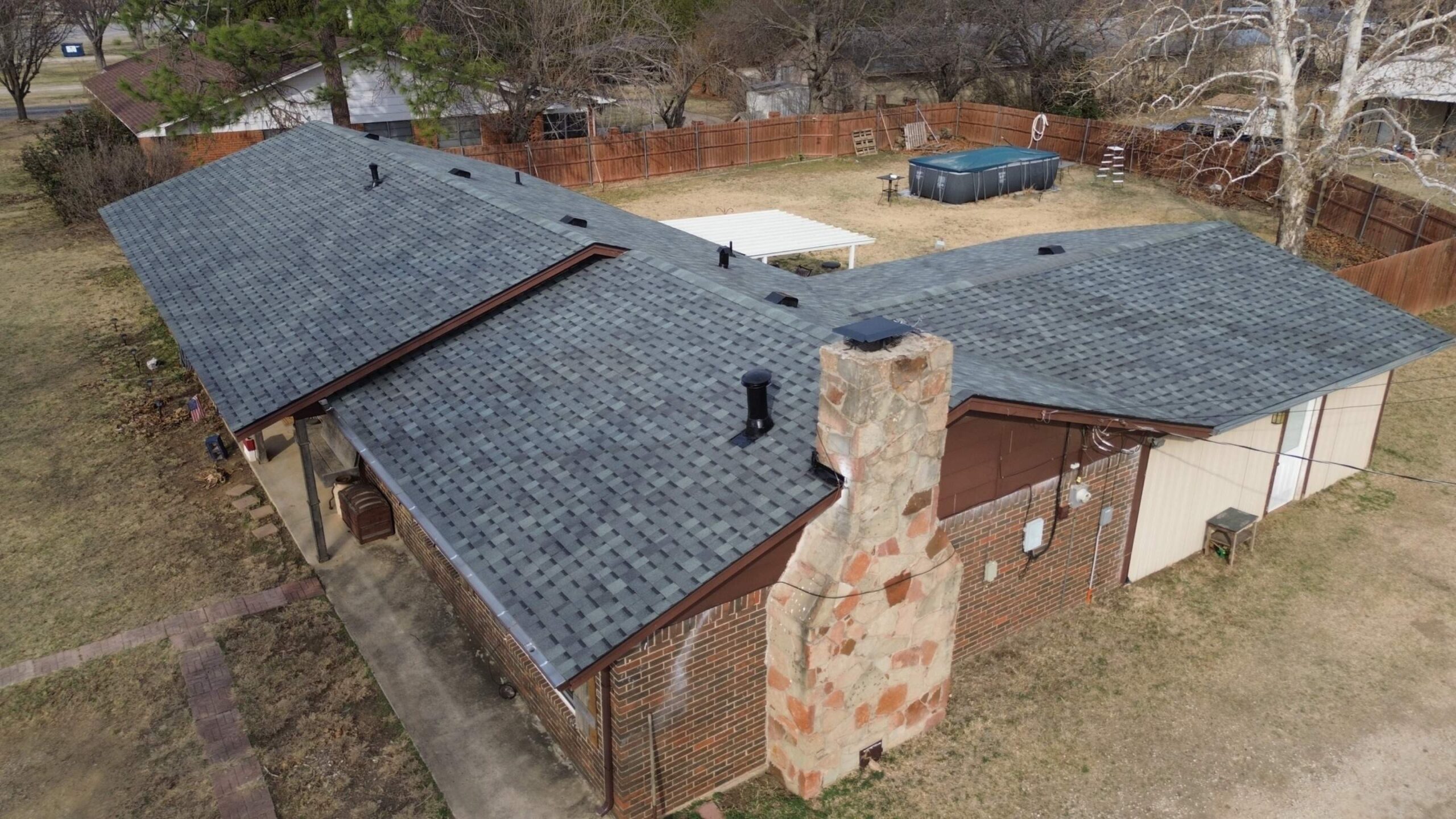
Although insurance coverage significantly reduces roof replacement expenses, homeowners are still responsible for understanding their financial obligations. One of the most important concepts is the policy deductible, which represents the amount the homeowner must pay before insurance benefits apply.
Deductibles vary between policies and may be fixed dollar amounts or percentages of the insured property’s value. Reviewing this information before construction begins helps homeowners plan their budget and avoid unexpected financial surprises.
Even after insurance approval, certain expenses may remain the homeowner’s responsibility. Optional upgrades, premium roofing materials beyond policy allowances, cosmetic improvements, or work unrelated to the covered damage may not qualify for reimbursement.
Request a detailed cost breakdown from the roofing contractor showing which expenses are expected to be covered by insurance and which costs remain outside the claim. This transparency prevents confusion during the payment process.
Homeowners should also understand how depreciation affects payment under Actual Cash Value policies. In many Replacement Cost Value policies, the insurance company releases recoverable depreciation after the roof replacement has been completed and required documentation has been submitted.
Careful financial planning ensures that the project proceeds smoothly while helping homeowners understand exactly how insurance benefits and personal expenses fit together.
Final Inspection Before Claim Closure
The final inspection is an important milestone because it confirms that the roof replacement has been completed according to the approved scope of work. This stage provides an opportunity to verify workmanship, resolve remaining concerns, and ensure all required documentation has been submitted before the insurance claim is officially closed.
Walk around the property with the roofing contractor after construction is finished. Inspect shingles, flashing, ridge caps, gutters, vents, skylights, and roof penetrations to ensure they have been installed correctly and match the agreed upon project specifications.
Check the property for cleanup as well. Roofing projects generate nails, old shingles, packaging materials, and other debris that should be removed before the contractor considers the project complete. A clean worksite reflects professional project management and reduces potential safety hazards.
Review warranty documents, final invoices, photographs of the completed work, and any required building inspection approvals. Keep copies of these records together with the original insurance claim documentation for future reference.
If your insurance company requires proof that the work has been completed before releasing final payments or recoverable depreciation, submit the requested documents promptly. Completing this final administrative step ensures that all available insurance benefits have been processed correctly.
A thorough final inspection protects both the homeowner and the contractor while confirming that the roof replacement has been completed to an acceptable standard.
Frequently Asked Questions About Roof Replacement Insurance Payouts
Can I choose my own roofing contractor?
Yes. Homeowners generally have the right to select the contractor they prefer. Choosing an experienced and reputable roofing company helps ensure quality workmanship and accurate documentation throughout the insurance process.
Will insurance always pay for a full roof replacement?
Not necessarily. Coverage depends on the insurance policy, the cause of the damage, the condition of the roof before the incident, and the results of the insurance inspection. Some claims may qualify only for repairs or partial replacement.
Should I accept the first insurance settlement offer?
Review the settlement carefully before making any decisions. If the contractor identifies legitimate differences supported by evidence, additional documentation may justify adjustments or supplemental payments.
What happens if hidden damage is found during construction?
The roofing contractor should document the newly discovered damage with photographs and written explanations before repairs continue. This information can be submitted as part of a supplemental insurance request if the damage is covered under the policy.
How long should I keep claim related documents?
Maintain copies of photographs, inspection reports, estimates, invoices, warranties, insurance correspondence, and payment records even after the project is complete. These documents may be valuable if future questions arise or additional claims become necessary.
Can routine roof maintenance affect my insurance claim?
Yes. Regular maintenance demonstrates responsible ownership and helps distinguish sudden storm damage from long term neglect. Well maintained roofs often provide stronger support for legitimate insurance claims.
Steps to Maximize Your Roof Replacement Insurance Settlement
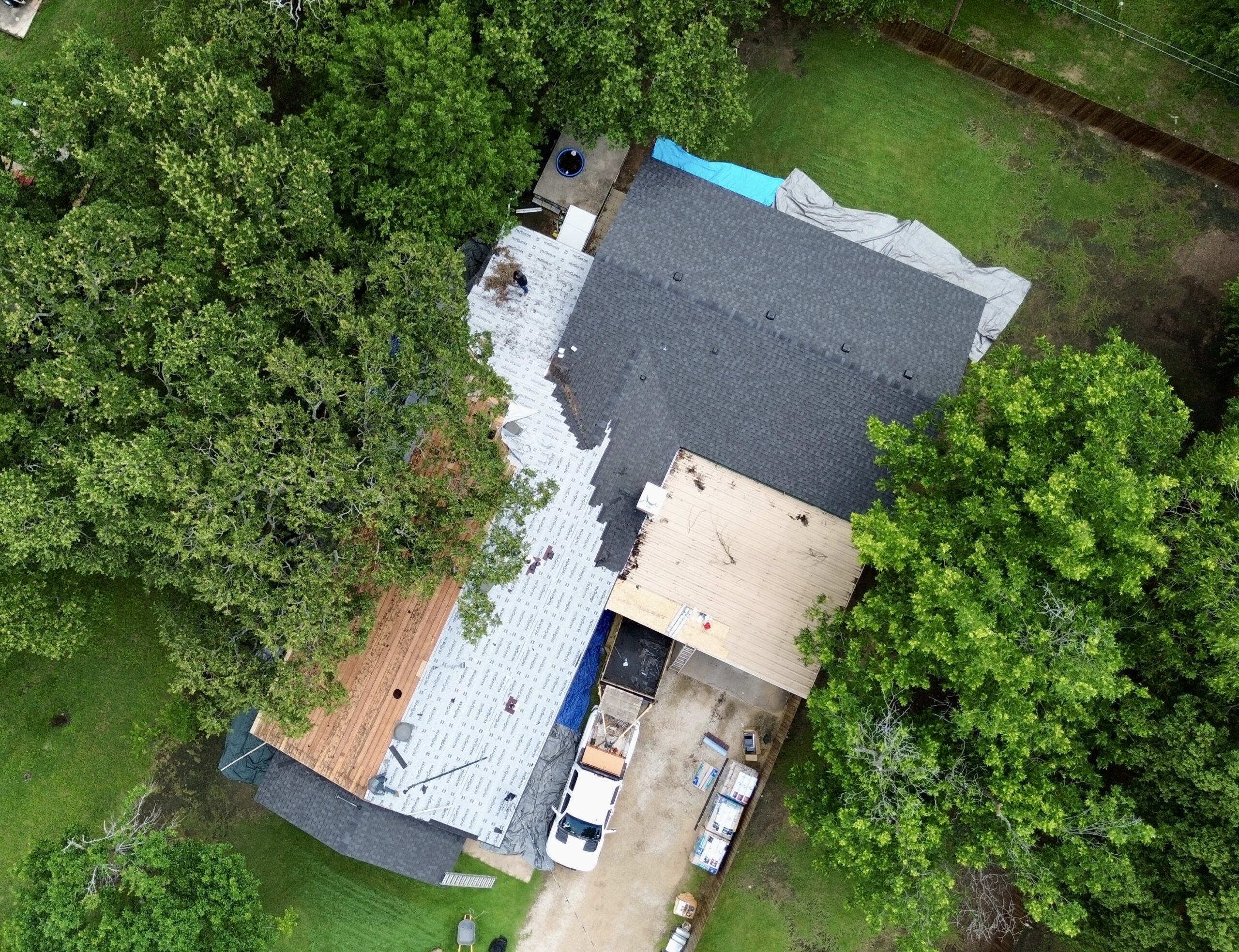
Following a structured approach helps homeowners improve both the efficiency of the claim process and the likelihood of receiving all available covered benefits.
- Review your insurance policy before filing a claim.
- Document all roof and interior damage with photographs and videos.
- Schedule a professional roof inspection as soon as possible.
- Keep detailed records of temporary repairs and related expenses.
- Organize all documents before meeting the insurance adjuster.
- Compare the contractor’s estimate with the insurance scope of work.
- Provide additional evidence whenever legitimate differences are identified.
- Document hidden damage immediately if discovered during construction.
- Complete a thorough final inspection before closing the project.
- Store all claim records and warranties for future reference.
Following these steps helps create a well supported insurance claim while reducing delays and improving communication throughout the roof replacement project.
Conclusion
Maximizing an insurance payout for a roof replacement project begins long before the final settlement is issued. It requires careful preparation, accurate documentation, professional inspections, and a clear understanding of how insurance policies evaluate covered losses. Homeowners who remain organized and informed are better equipped to present strong claims that accurately reflect the full extent of the damage.
Working with experienced roofing contractors, maintaining detailed records, and communicating professionally with insurance adjusters all contribute to a smoother claims process. Rather than focusing solely on the initial settlement, successful homeowners continue documenting the project from the first inspection through the final roof installation, ensuring that supplemental damage and eligible expenses are properly addressed when necessary.
Insurance is designed to restore covered property after unexpected damage, and homeowners who understand their policy while providing complete supporting evidence place themselves in the strongest possible position to receive a fair settlement. By applying the strategies discussed throughout this guide, you can protect your investment, reduce unnecessary out of pocket expenses, and complete your roof replacement project with greater confidence and financial security.