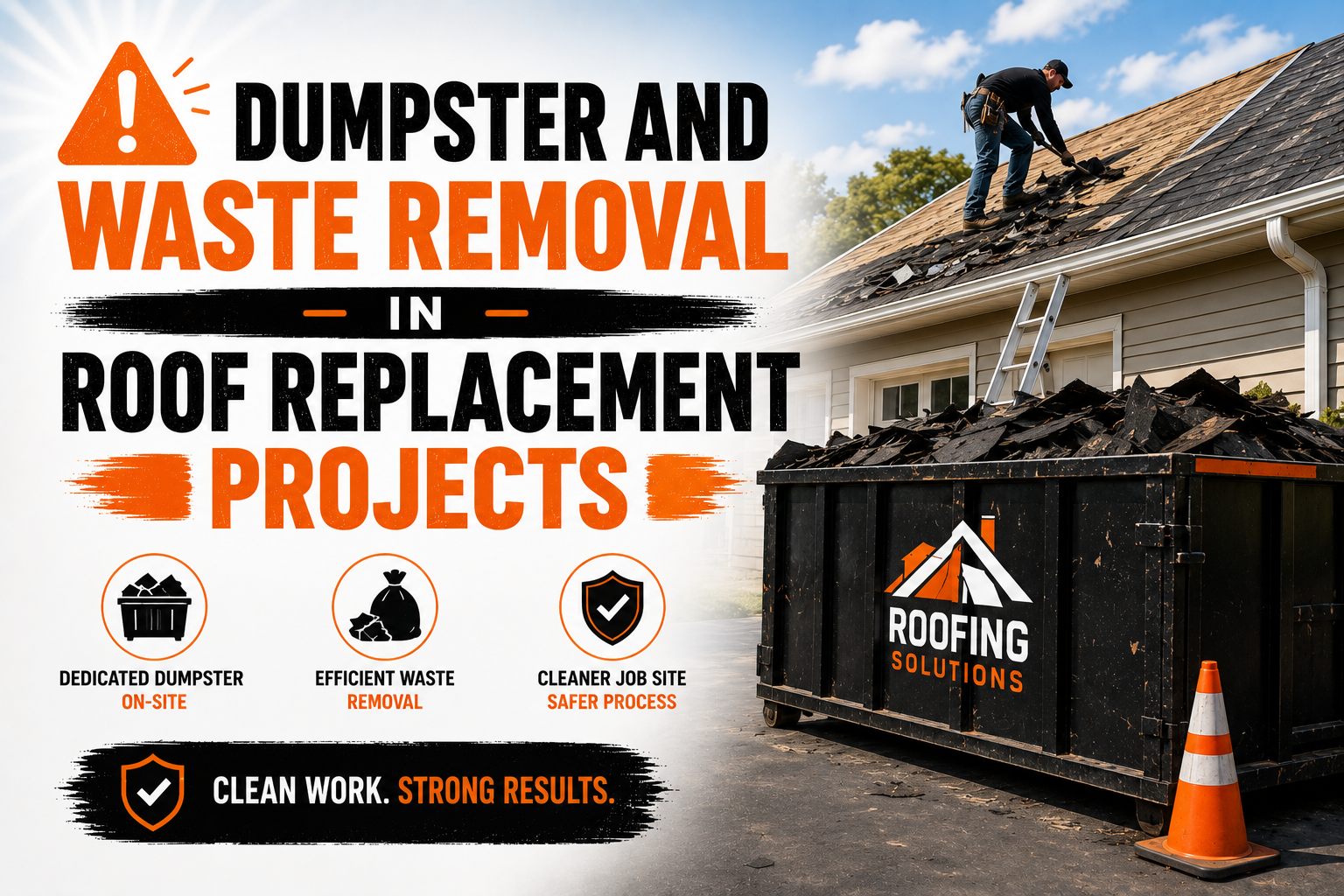
Dumpster and Waste Removal in Roof Replacement Projects
Introduction
Roof replacement projects create far more waste than many property owners expect. Old shingles, metal flashing, underlayment, nails, damaged wood, packaging materials, and other construction debris quickly accumulate as contractors remove the existing roofing system. Without a well planned waste management strategy, the work site can become disorganized, unsafe, and less efficient. That is why professional roofing contractors include dumpster placement and debris removal as essential parts of every roof replacement project.
A properly managed waste removal process keeps the work area clean while reducing hazards for workers, homeowners, and visitors. Contractors coordinate dumpster delivery before construction begins so roofing debris can be collected immediately instead of piling up around the property. This organized approach minimizes cleanup time, protects landscaping, and helps the project stay on schedule.
Effective waste management also supports environmental responsibility. Many roofing materials can be recycled or processed through specialized waste management facilities instead of being sent directly to landfills. Responsible disposal practices help reduce environmental impact while ensuring compliance with local regulations governing construction waste.
Understanding how dumpsters and waste removal fit into the overall roof replacement process helps homeowners prepare for the temporary disruptions that occur during construction. It also provides insight into why experienced roofing contractors invest time and resources in maintaining an organized job site from the first day of the project until the final cleanup.
This guide explores every stage of dumpster use and roofing waste removal, beginning with the importance of proper waste management and the planning that takes place before the first roofing material is removed.
Why Waste Management Matters During Roof Replacement
Waste management is one of the most overlooked aspects of roof replacement, yet it directly affects the safety, efficiency, and overall success of the project. Removing an old roof generates a continuous stream of debris, and contractors must manage that waste carefully to maintain an organized work environment. A structured disposal plan allows crews to focus on quality installation instead of constantly dealing with scattered materials.
One of the primary reasons waste management is important is worker safety. Loose shingles, exposed nails, broken flashing, and damaged wood create trip hazards that increase the risk of accidents on both the roof and the ground. By placing debris directly into designated dumpsters, contractors reduce these hazards while maintaining clear pathways for workers and equipment.
Proper waste management also protects the property itself. Roofing debris can damage landscaping, patios, vehicles, windows, outdoor furniture, and walkways if it is not handled carefully. Professional contractors use protective coverings, designated disposal areas, and controlled debris removal methods to minimize the possibility of accidental damage.
Project efficiency improves significantly when waste is removed continuously instead of waiting until the end of the installation. Clean work areas allow roofing crews to move freely, locate tools quickly, and complete each installation phase without unnecessary interruptions. This organized workflow often contributes to faster project completion while maintaining high workmanship standards.
Responsible waste disposal also reflects professionalism. Homeowners appreciate contractors who leave the property clean throughout the project rather than allowing debris to accumulate for several days. A tidy job site demonstrates attention to detail and reinforces confidence in the contractor’s overall approach to quality.
Types of Roofing Waste Generated During Replacement Projects
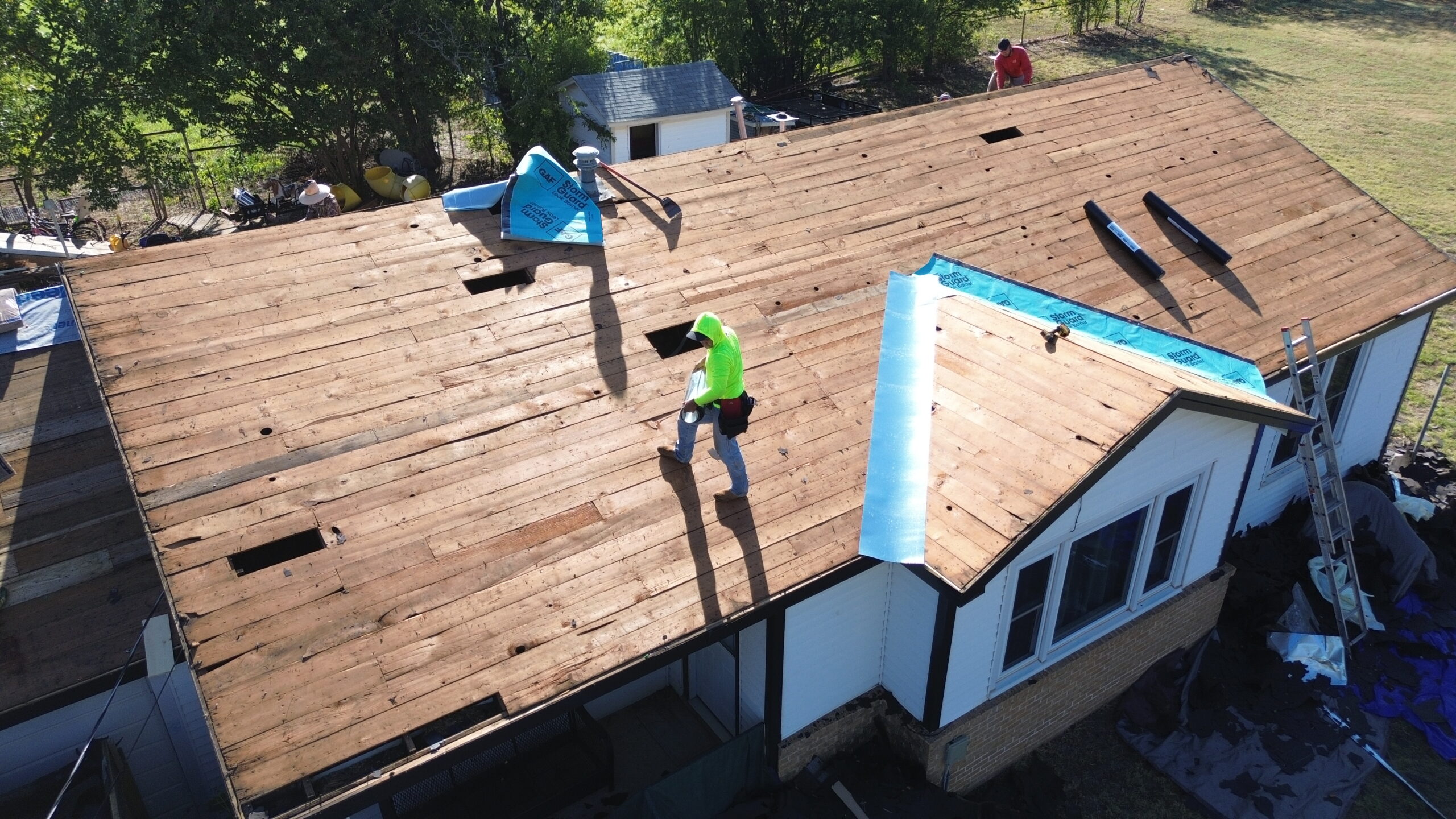
Roof replacement produces a wide variety of waste materials, each requiring appropriate handling and disposal. Understanding the types of debris generated helps explain why contractors carefully plan dumpster capacity before the project begins. Different roofing systems also produce different waste streams depending on the materials being removed.
Asphalt shingles represent one of the most common roofing waste materials. Older shingles become brittle after years of weather exposure and often break into smaller pieces during removal. These fragments accumulate rapidly, making continuous debris collection essential throughout the replacement process.
Metal roofing projects generate different types of waste. Contractors remove old metal panels, fasteners, flashing, ridge caps, and trim pieces that may be suitable for recycling. Sharp metal edges require careful handling to prevent injuries during removal and disposal.
Tile roofs create heavy debris consisting of broken clay or concrete tiles. These materials occupy significant dumpster space because of their weight and thickness. Contractors often adjust dumpster selection when working with tile roofs to accommodate the additional load safely.
Wood roofing systems may generate old cedar shakes, deteriorated decking, damaged fascia boards, and structural lumber requiring replacement. These materials can vary widely in size and condition depending on the age of the roof and the extent of moisture damage.
Additional waste generated during roof replacement often includes insulation fragments, underlayment, sealants, roofing felt, plastic wrapping, cardboard packaging, nails, screws, and damaged roof accessories. Although some of these items occupy relatively little space individually, they collectively contribute to the overall waste volume that contractors must manage efficiently.
Proper identification of these materials allows contractors to determine which items can be recycled and which require disposal through approved waste management facilities. This planning supports both environmental responsibility and efficient project execution.
Planning Dumpster Placement Before Roof Replacement Begins
Dumpster placement is carefully planned before roofing work begins because its location affects both project efficiency and property protection. Contractors evaluate the site to determine where waste containers can be positioned safely while remaining easily accessible to roofing crews throughout the installation process.
Accessibility is one of the most important considerations during placement planning. The dumpster should be located close enough to the building that crews can dispose of roofing materials quickly without carrying debris long distances. At the same time, sufficient clearance must remain for vehicles, pedestrians, emergency access, and daily household activities.
Contractors also consider the condition of the driveway or placement surface. Large dumpsters become extremely heavy as roofing waste accumulates, particularly during tile or slate roof replacement projects. Protective wooden boards are often placed beneath the dumpster to distribute weight more evenly and reduce the likelihood of surface damage.
Property features such as landscaping, irrigation systems, fences, overhead utility lines, and nearby structures are evaluated before delivery. Positioning the dumpster correctly helps prevent accidental contact with these features during both placement and removal.
Local regulations may also influence dumpster placement. Some municipalities require permits if a dumpster occupies part of a public street or sidewalk. Roofing contractors typically coordinate these requirements before the project begins to avoid delays or regulatory issues.
Careful planning allows contractors to integrate waste removal smoothly into the overall roof replacement schedule. A well positioned dumpster improves productivity while reducing unnecessary movement around the property.
Choosing the Right Dumpster Size for Roofing Projects
Selecting the appropriate dumpster size is an important planning decision because the container must accommodate the expected volume of roofing waste without requiring unnecessary replacements or creating excessive unused capacity. Professional roofing contractors estimate debris quantities based on the roof’s size, material type, and structural condition before recommending a suitable dumpster.
Small residential roof replacements generally require less disposal capacity than large homes or commercial buildings. However, even modest roofing projects can produce several tons of waste once shingles, underlayment, flashing, damaged decking, and packaging materials are removed.
The weight of roofing materials is another major consideration. Asphalt shingles are relatively dense, while clay tiles, concrete tiles, and slate roofing are considerably heavier. Contractors must account for both volume and weight because dumpsters have maximum load limits established by waste management companies.
Scheduling also influences dumpster selection. If the entire roof replacement will be completed within a short period, one appropriately sized dumpster may be sufficient. Larger or more complex projects may require multiple containers or scheduled waste pickups to maintain efficient disposal throughout construction.
Choosing the correct dumpster size offers several advantages:
- Reduces project interruptions caused by full containers.
- Improves job site organization throughout installation.
- Helps control waste disposal costs.
- Supports safer debris handling by preventing overfilled dumpsters.
- Allows roofing crews to maintain consistent productivity.
Contractors use their experience from previous projects to estimate waste generation accurately. Proper planning helps ensure that waste removal remains efficient from the beginning of the project until the final cleanup.
Factors That Affect Waste Volume
Every roof replacement project generates a different amount of waste because numerous variables influence the total quantity of debris removed from the building. Understanding these factors allows contractors to estimate disposal requirements more accurately during project planning.
Roof size is the most obvious factor affecting waste volume. Larger roofs naturally produce more roofing material, underlayment, flashing, and structural components that must be removed during replacement. Multi story buildings may also require additional handling procedures because debris must be transported safely from greater heights.
The type of roofing material significantly influences waste quantity as well. Lightweight asphalt shingles occupy less space than bulky clay or concrete tiles, while slate roofing produces extremely heavy debris that reaches dumpster weight limits quickly. Contractors adjust disposal plans accordingly to accommodate these differences.
The condition of the existing roof also affects waste generation. If moisture damage has weakened the roof deck, insulation, or structural framing, additional materials may require removal beyond the visible roofing surface. Unexpected repairs discovered during demolition often increase the total waste volume.
Previous roof installations sometimes add another layer of complexity. Some older buildings contain multiple layers of roofing installed over many years instead of removing the original materials. When contractors strip these accumulated layers, the amount of debris increases substantially compared to a single layer replacement.
Packaging materials associated with the new roofing products also contribute to waste generation. Cardboard boxes, plastic wrapping, wooden pallets, and protective shipping materials must all be managed responsibly throughout the installation process.
Accurate waste estimation helps contractors schedule appropriate disposal resources while reducing the likelihood of delays caused by insufficient dumpster capacity.
Preparing the Property for Dumpster Delivery
Before the dumpster arrives, roofing contractors take several steps to prepare the property for safe placement and efficient waste removal. Proper preparation minimizes disruption while protecting driveways, landscaping, and other exterior features from potential damage during construction.
Homeowners are usually informed of the planned delivery date so they can move vehicles away from the designated placement area. Clear access allows the delivery truck to position the dumpster accurately without unnecessary maneuvering around parked cars or obstacles.
If the dumpster will be placed on a driveway, contractors often install protective wooden boards beneath it before delivery. These boards distribute the container’s weight more evenly and help reduce pressure on concrete or asphalt surfaces as debris accumulates throughout the project.
Outdoor furniture, decorative planters, grills, bicycles, and other movable items are relocated away from the work zone. This precaution protects personal property while creating sufficient space for workers to transport roofing debris safely between the roof and the dumpster.
Contractors also evaluate overhead conditions before delivery. Tree branches, utility lines, balconies, and roof overhangs are checked to ensure the delivery vehicle can operate safely without damaging nearby structures.
Preparing the property in advance allows the dumpster to be positioned efficiently and reduces delays on the first day of roof replacement. This organized start supports a smoother installation process while maintaining the safety of both workers and homeowners.
Safety Precautions Around Roofing Dumpsters
Dumpsters play an essential role in roof replacement, but they also introduce temporary safety considerations that contractors carefully manage throughout the project. Because heavy debris is continuously added during construction, maintaining safe procedures around waste containers protects everyone on the property.
Roofing contractors establish designated disposal areas where only authorized workers handle construction debris. Restricting access helps prevent homeowners, visitors, children, and pets from entering potentially hazardous work zones while roofing materials are being removed.
Debris is placed into the dumpster in a controlled manner rather than being thrown randomly from the roof. Many contractors use debris chutes or carefully coordinated disposal techniques to minimize dust, reduce noise, and prevent materials from falling outside the container.
Workers also avoid overfilling dumpsters because excessive loads create transportation hazards and increase the possibility of materials falling during removal. Waste is distributed evenly throughout the container to maintain stability and comply with transportation regulations.
At the end of each workday, contractors inspect the area surrounding the dumpster to remove loose debris, collect exposed nails, and ensure walkways remain clear. Maintaining a clean site every evening improves safety while reducing cleanup requirements after the project is complete.
Property owners are typically advised to avoid standing near active debris removal areas while roofing crews are working overhead. Following these simple precautions helps create a safer environment throughout the roof replacement process and supports efficient waste management from the first day of construction onward.
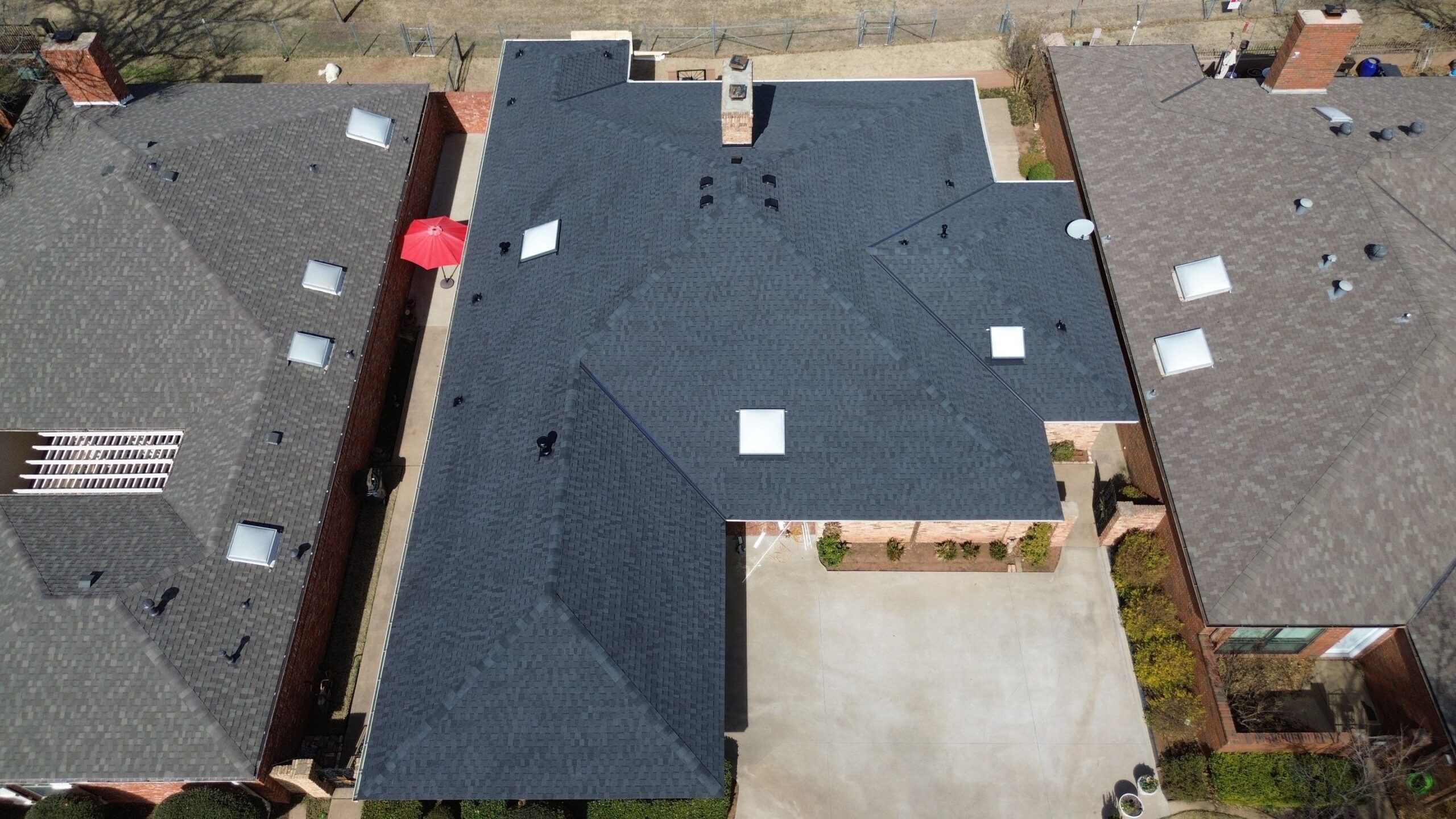
How Roofing Contractors Remove Roofing Debris Efficiently
Efficient debris removal is an important part of every roof replacement project because it allows roofing crews to work safely while maintaining steady progress. Rather than allowing waste to accumulate on the roof or around the property, professional contractors remove debris continuously throughout the installation process. This organized approach minimizes hazards and keeps the work area clean from start to finish.
Most contractors begin debris removal immediately after sections of the old roofing material are detached. Instead of stacking removed materials on the roof, workers transfer them directly into designated disposal systems. Depending on the building design and project size, contractors may use debris chutes, controlled drop zones, or manual carrying methods to transport waste safely to the dumpster.
Roofing crews coordinate their work so that removal and installation activities progress together. While one group removes old roofing materials, another prepares the roof deck or begins installing new components. This workflow reduces unnecessary delays and prevents waste from interfering with ongoing construction.
Contractors also pay close attention to weather conditions during debris removal. Strong winds can scatter lightweight materials such as roofing felt, packaging, and plastic coverings across neighboring properties. To prevent this, crews secure loose materials promptly and place them inside the dumpster as soon as possible.
Large pieces of wood, flashing, or roofing panels are handled carefully to reduce the risk of damaging windows, siding, gutters, or landscaping. Experienced contractors understand that controlled debris removal protects both the property and the newly installed roofing materials.
Maintaining an organized waste removal process allows roofing crews to work more efficiently while reducing safety risks throughout the replacement project.
Sorting and Handling Different Roofing Materials
Not all roofing debris is handled in the same way. Professional roofing contractors sort materials whenever practical because different products require different disposal or recycling methods. Proper sorting also improves environmental sustainability and helps comply with local waste management regulations.
Metal roofing materials are among the easiest items to separate because they often have significant recycling value. Old steel, aluminum, copper, and other metal components are collected separately whenever possible and transported to recycling facilities instead of being mixed with general construction waste.
Wood materials removed during roof replacement may also require separate handling. Damaged roof decking, fascia boards, and structural lumber are evaluated to determine whether they can be recycled, reused, or must be disposed of because of moisture damage or contamination.
Asphalt shingles represent one of the largest categories of roofing waste. In many areas, these shingles can be processed and recycled into products used for road construction or pavement manufacturing. Contractors familiar with local recycling programs often separate asphalt waste to support these initiatives.
Packaging materials such as cardboard, plastic wrapping, and wooden pallets are also sorted whenever practical. Recycling these materials reduces landfill waste while keeping the job site more organized throughout construction.
Proper material handling extends beyond recycling. Sharp objects such as nails, flashing, and metal trim are collected carefully to reduce injury risks for workers during transportation and disposal. Heavy materials are distributed evenly inside the dumpster to prevent unstable loading conditions.
Sorting roofing materials may require additional effort during construction, but it supports safer handling, responsible disposal, and improved environmental outcomes.
Recycling Opportunities for Roofing Waste
Modern roof replacement projects increasingly emphasize sustainability by recycling materials whenever possible. Rather than sending every removed roofing component directly to a landfill, many contractors partner with recycling facilities that specialize in processing construction debris. This approach conserves natural resources while reducing the environmental impact of roofing projects.
Asphalt shingles are among the most commonly recycled roofing materials. Specialized recycling facilities process old shingles into aggregate that can be incorporated into asphalt pavement for roads, parking lots, and other infrastructure projects. Recycling shingles reduces landfill usage while giving valuable materials a second purpose.
Metal roofing products are also highly recyclable. Aluminum, steel, copper, and other metals retain their value after removal and can often be melted down to manufacture new construction materials or industrial products. Recycling metal typically requires less energy than producing new metal from raw materials.
Wood removed during roof replacement may also be recycled depending on its condition. Clean lumber can sometimes be processed into mulch, composite wood products, or biomass fuel. Severely deteriorated or chemically treated wood generally requires alternative disposal methods.
Cardboard packaging, plastic wrapping, and certain protective materials associated with new roofing products can frequently enter standard recycling programs as well. Contractors who separate these materials reduce the amount of mixed waste entering disposal facilities.
Although recycling opportunities vary by location, responsible roofing companies remain informed about available programs in their service areas. Their efforts contribute to more sustainable construction practices while helping clients reduce the environmental footprint of roof replacement projects.
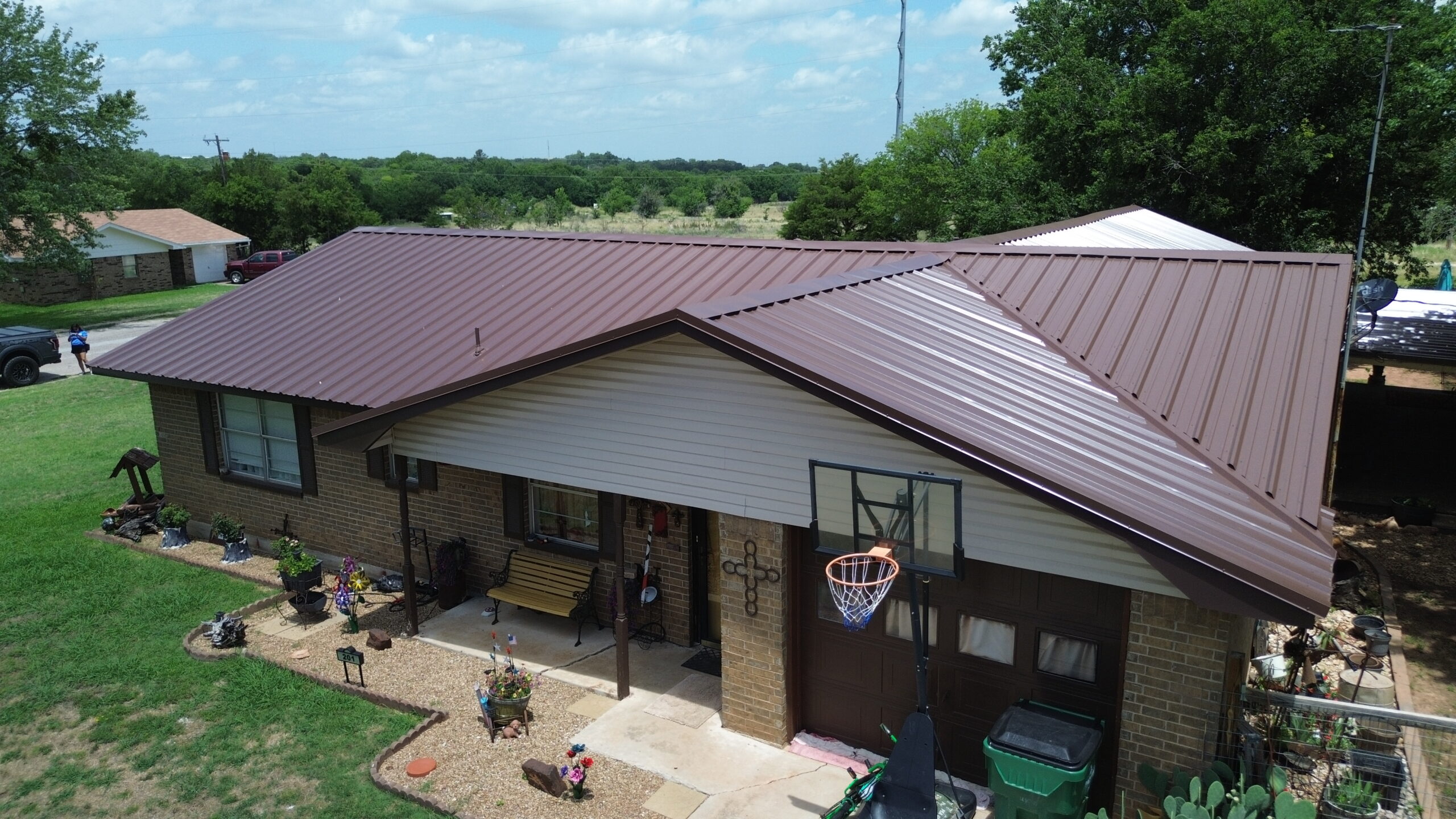
Managing Hazardous Roofing Materials Safely
Some older roofing systems contain materials that require specialized handling because they may present health or environmental risks. Roofing contractors identify these materials during inspections and follow appropriate safety procedures whenever hazardous waste is encountered during roof replacement.
One of the most well known hazardous roofing materials is asbestos, which was used in certain roofing products decades ago. Although modern roofing materials no longer contain asbestos, older buildings may still have roofing components that require professional testing before removal. If asbestos is confirmed, specially licensed contractors perform removal according to strict regulatory guidelines.
Lead based materials may also be present on older buildings, particularly in flashing, coatings, or painted surfaces. Contractors follow approved handling procedures to minimize dust generation and protect workers from unnecessary exposure.
Certain roofing adhesives, sealants, and chemical products require careful disposal because they cannot be discarded with ordinary construction waste. These materials are stored separately and transported to approved waste management facilities that handle hazardous construction products.
Contractors also provide workers with appropriate personal protective equipment whenever hazardous materials are present. Gloves, respirators, protective clothing, and eye protection help reduce exposure while maintaining a safe working environment.
Proper identification and handling of hazardous roofing materials protects workers, homeowners, neighboring properties, and the environment. Professional roofing companies understand that regulatory compliance is just as important as completing the installation itself.
Preventing Property Damage During Waste Removal
Removing roofing debris efficiently is only one part of the process. Contractors must also protect the surrounding property while transporting waste from the roof to the dumpster. Careful planning and attention to detail reduce the possibility of accidental damage throughout the project.
Protective coverings are commonly placed over shrubs, flower beds, air conditioning units, patios, and other vulnerable areas before roof removal begins. These coverings help absorb the impact of small debris while preventing roofing materials from becoming trapped in landscaping.
Contractors establish designated debris paths that minimize contact with windows, siding, fences, and outdoor equipment. Workers are trained to lower large materials carefully rather than dropping them from unnecessary heights. This controlled approach reduces the force of impact while protecting nearby structures.
Dumpsters themselves are positioned strategically to reduce the distance roofing materials must be transported. Shorter carrying distances decrease the likelihood of accidental drops while improving overall project efficiency.
Driveways and walkways receive regular inspections throughout the workday. Loose nails, roofing granules, and small debris are removed promptly instead of remaining on walking surfaces where they could create slipping or puncture hazards.
Weather conditions are also considered during waste removal. Strong winds may require additional precautions to secure lightweight materials before transporting them across the property. Contractors adjust their procedures as needed to maintain safety without compromising efficiency.
By combining careful planning with consistent attention throughout the project, roofing contractors significantly reduce the risk of property damage during waste removal.
Keeping the Job Site Organized Throughout the Project
An organized job site benefits everyone involved in a roof replacement project. Workers perform their tasks more efficiently, homeowners experience fewer disruptions, and the overall project progresses more smoothly when materials and waste are managed systematically.
Professional roofing contractors assign specific locations for equipment, materials, tools, and waste containers before construction begins. This organization reduces unnecessary movement around the property and helps workers locate everything they need quickly.
Debris is removed throughout the day instead of waiting until work is complete. Continuous cleanup prevents piles of roofing waste from blocking access routes or interfering with ongoing installation activities. Workers can move safely between different areas of the roof without navigating around discarded materials.
Supervisors regularly inspect the work site to ensure housekeeping standards remain consistent. Any loose packaging, unused materials, or scattered debris is collected before it creates potential hazards. This routine attention helps maintain both productivity and safety.
Communication among crew members also contributes to organization. Workers coordinate debris removal schedules, dumpster usage, and material deliveries so that each phase of the project supports the next. Good communication reduces delays while improving overall project efficiency.
Maintaining an organized work site reflects professional project management and demonstrates respect for the homeowner’s property. It also creates a safer environment where roofing crews can focus on delivering high quality workmanship.
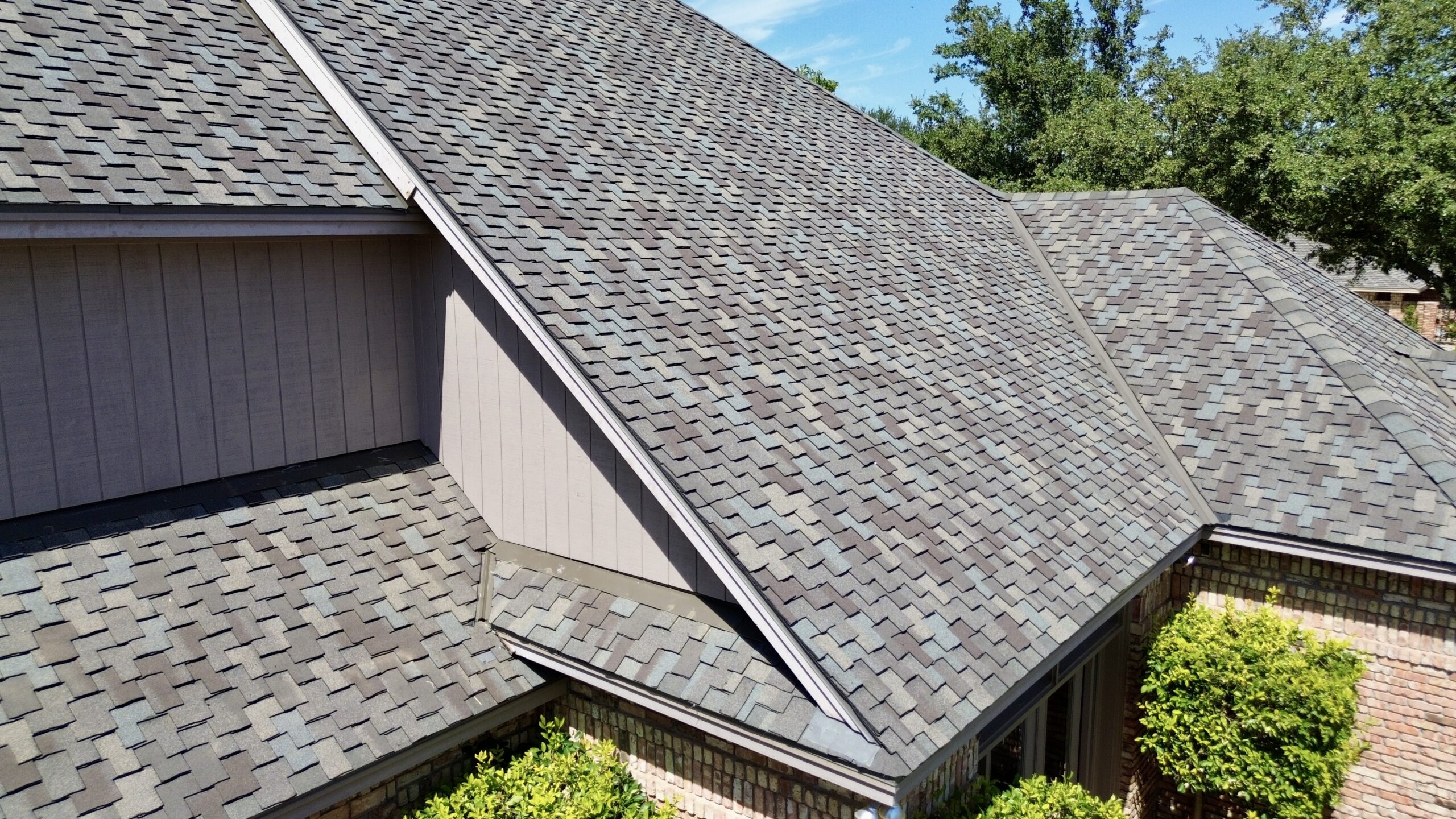
Local Regulations for Dumpster Use and Waste Disposal
Roof replacement projects must comply with local regulations governing dumpster placement, construction waste transportation, and disposal methods. Professional roofing contractors understand these requirements and incorporate them into project planning before work begins.
Some municipalities require permits when dumpsters occupy public streets, sidewalks, or other shared spaces. Contractors typically obtain these permits in advance to avoid delays, fines, or disruptions during the project. Private driveway placement may eliminate this requirement in certain locations.
Waste disposal regulations also determine how different roofing materials must be handled. Certain recyclable materials, hazardous products, and construction waste categories may require transportation to specific processing facilities rather than general landfills.
Transportation regulations establish weight limits for loaded dumpsters to ensure safe movement on public roads. Contractors monitor container loads carefully because overloaded dumpsters may not be accepted for transportation until excess material has been removed.
Noise ordinances can influence waste removal schedules as well. Some communities restrict construction activities during early morning or evening hours, requiring contractors to coordinate debris removal within approved working times.
Following local regulations protects both contractors and property owners while supporting responsible waste management practices. Compliance also helps projects proceed without unnecessary interruptions caused by regulatory issues.
Environmental Benefits of Responsible Roofing Waste Management
Responsible waste management provides environmental benefits that extend well beyond the boundaries of an individual roofing project. By reducing landfill waste, increasing recycling efforts, and handling materials appropriately, roofing contractors contribute to more sustainable construction practices.
Recycling roofing materials conserves valuable natural resources by reducing the demand for newly manufactured raw materials. Metals, asphalt shingles, cardboard, and certain wood products can often be processed into useful materials for future construction and infrastructure projects.
Reducing landfill waste also helps preserve limited disposal capacity for materials that cannot be recycled. Construction debris represents a substantial portion of landfill volume in many regions, making responsible recycling programs increasingly important for long term waste management.
Proper disposal of hazardous materials prevents potentially harmful substances from entering soil, groundwater, or nearby ecosystems. Licensed waste management facilities follow strict procedures to handle these products safely while minimizing environmental risks.
Organized waste removal also improves the cleanliness of surrounding neighborhoods. Secure dumpsters and regular debris collection reduce the chance of lightweight materials being carried by wind into nearby streets, parks, or neighboring properties.
Many homeowners now consider environmental responsibility when selecting roofing contractors. Companies that prioritize recycling and responsible waste disposal demonstrate a commitment not only to quality workmanship but also to sustainable business practices.
By integrating effective waste management into every stage of roof replacement, contractors help protect the environment while delivering cleaner, safer, and more efficient construction projects.
Final Dumpster Removal After Project Completion
Once the roof replacement has been completed and all construction debris has been collected, the final dumpster removal becomes one of the last major steps in the project. Although it may seem like a simple task, contractors coordinate dumpster pickup carefully to ensure the property is clean, safe, and fully restored before the project is officially finished.
Before requesting pickup, roofing crews inspect the dumpster to confirm that all roofing waste has been loaded properly. Materials are distributed evenly throughout the container, and no debris extends above the approved fill level. This helps ensure safe transportation while complying with waste management company requirements.
Contractors also perform one final inspection around the dumpster location. Loose debris, roofing granules, nails, and packaging materials that may have accumulated during loading are collected before the container leaves the property. This prevents waste from being left behind after the dumpster has been removed.
If protective wooden boards were placed beneath the dumpster to protect the driveway, they are removed carefully after pickup. Contractors then inspect the placement area for signs of surface damage, stains, or remaining debris. Any minor cleanup needed is completed immediately so the property is restored as closely as possible to its original condition.
Coordinating timely dumpster removal also benefits homeowners by reopening driveways, improving access to the property, and eliminating unnecessary visual clutter. Once the dumpster leaves, the project begins to look complete, allowing homeowners to fully appreciate the appearance of their new roof.
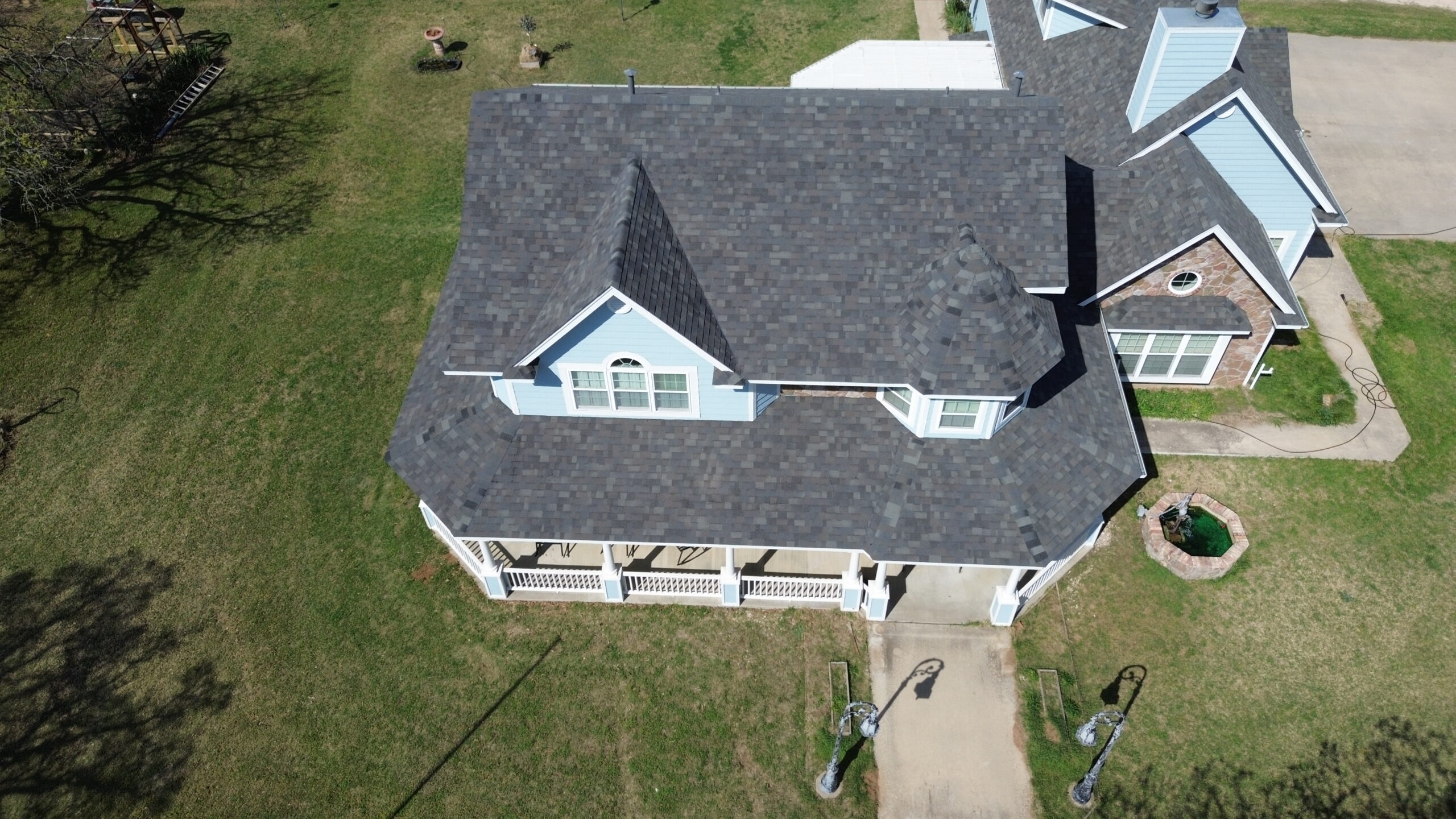
Post Project Site Cleanup and Magnetic Nail Sweep
Removing the dumpster does not mark the end of the cleanup process. Professional roofing contractors perform a detailed site cleanup to ensure no construction debris remains anywhere on the property. This final cleaning demonstrates attention to detail and helps protect homeowners from injuries or property damage after construction has ended.
Crews begin by walking the entire property, checking areas where roofing materials were transported throughout the project. Lawns, flower beds, sidewalks, patios, decks, driveways, and outdoor living spaces are inspected carefully for remaining debris.
One of the most important cleanup tasks is the magnetic nail sweep. Throughout roof removal and installation, thousands of roofing nails are extracted from the old roof. Even with careful debris handling, a small number of nails may reach the ground. Contractors use powerful rolling magnets to collect these hidden metal objects before leaving the property.
Gutters and downspouts also receive a final inspection. Roofing granules, dust, and small pieces of debris are removed to ensure rainwater flows properly through the drainage system. Clean gutters reduce the risk of future water overflow and foundation problems.
Windows, siding, outdoor furniture, and nearby structures are checked for dust or debris that may have accumulated during construction. If necessary, contractors wipe or rinse these surfaces so the property presents a clean, finished appearance.
This thorough cleanup process gives homeowners confidence that the project has been completed responsibly and that the property is safe for normal daily activities immediately after construction.
Common Waste Removal Challenges Contractors Face
Although roofing waste removal follows a structured process, contractors frequently encounter challenges that require experience and careful planning. Successfully overcoming these obstacles helps maintain project schedules while protecting both workers and property.
Weather remains one of the most common challenges. Strong winds can scatter lightweight roofing materials, packaging, and dust across neighboring properties if waste is not secured promptly. Rain may also make debris heavier, increasing handling difficulty while creating slippery working conditions around the dumpster.
Limited property access presents another challenge. Some homes have narrow driveways, restricted side yards, or limited space for large waste containers. In these situations, contractors may need to use smaller dumpsters, schedule additional pickups, or transport debris manually over longer distances.
Heavy roofing materials such as slate, clay tile, and concrete tile create additional disposal concerns because dumpsters have maximum weight limits. Contractors monitor loading carefully to avoid exceeding transportation regulations while ensuring work continues efficiently.
Unexpected structural repairs discovered during roof removal may also increase the total volume of waste. Damaged roof decking, insulation, fascia boards, or framing members often require replacement, producing more debris than originally estimated.
Projects located in densely populated neighborhoods may require additional coordination with neighbors, homeowners’ associations, or local authorities regarding dumpster placement, delivery schedules, and construction activity. Good communication helps minimize inconvenience while maintaining positive relationships throughout the project.
Experienced roofing contractors anticipate these challenges and develop practical solutions before they become significant delays. Their ability to adapt contributes to a smoother roof replacement experience for homeowners.
Homeowner Responsibilities During Waste Removal
Although roofing contractors manage the waste removal process, homeowners can also help ensure the project proceeds safely and efficiently. Simple preparations before and during construction reduce potential disruptions while allowing crews to perform their work more effectively.
Property owners should keep vehicles away from the designated dumpster area throughout the project. Clear access allows delivery trucks, waste removal vehicles, and roofing crews to move materials safely without unnecessary obstacles.
Children and pets should remain away from active construction zones during roofing work. Even well managed job sites contain heavy equipment, sharp materials, and ongoing debris removal activities that require restricted access for safety.
Homeowners should also avoid placing household trash inside the roofing dumpster unless specifically approved by the contractor. Construction dumpsters are intended for roofing waste, and mixing unrelated waste may violate disposal agreements or increase project costs.
If homeowners notice unusual concerns during construction, such as scattered debris, damaged landscaping, or unexpected obstacles, they should communicate directly with the project supervisor. Prompt communication allows issues to be addressed before they develop into larger problems.
Remaining informed about the project schedule also helps homeowners plan around temporary access restrictions caused by dumpster placement or waste removal activities. Understanding these temporary inconveniences makes the overall roof replacement process much less stressful.
A cooperative relationship between homeowners and contractors contributes to a safer work environment while supporting efficient project completion.
Common Roofing Waste Materials and Recommended Disposal Methods
The type of roofing waste generated during replacement determines how it should be handled after removal. The following table summarizes common materials and their preferred disposal methods.
| Roofing Waste Material | Typical Source | Recommended Disposal Method |
|---|---|---|
| Asphalt Shingles | Old roof covering | Recycle where facilities are available or dispose through approved landfill |
| Metal Panels and Flashing | Metal roofing systems | Metal recycling facility |
| Wood Decking | Damaged roof structure | Recycle if clean or dispose through construction waste facility |
| Roofing Felt and Underlayment | Moisture protection layers | Approved construction waste disposal |
| Cardboard Packaging | New roofing materials | Cardboard recycling program |
| Plastic Wrapping | Material packaging | Plastic recycling where accepted or approved disposal |
| Roofing Nails and Fasteners | Roof removal and installation | Scrap metal recycling when practical |
| Damaged Insulation | Roof repairs | Approved waste disposal facility |
| Sealants and Adhesives | Roofing accessories | Dispose according to local hazardous waste regulations if required |
Using the correct disposal method for each material supports environmental responsibility while helping contractors comply with local waste management regulations.
Tips for Choosing a Roofing Contractor with Proper Waste Management Practices
Selecting a roofing contractor involves more than comparing prices or reviewing roofing materials. Waste management practices also reflect the contractor’s professionalism, organization, and commitment to protecting the property throughout the project.
Experienced contractors include waste removal planning in their written proposals and explain how dumpsters will be positioned, how debris will be removed, and what cleanup procedures will be performed after installation. Clear communication about these details helps homeowners understand exactly what to expect.
A reliable contractor should also be familiar with local waste disposal regulations and recycling opportunities. Companies that prioritize responsible disposal often maintain relationships with recycling facilities and licensed waste management providers.
Before hiring a roofing contractor, consider asking the following questions:
- Will a dumpster be included in the project estimate?
- How will my driveway and landscaping be protected?
- Do you perform daily cleanup during construction?
- Will you conduct a magnetic nail sweep after completion?
- Which roofing materials do you recycle?
- How do you handle hazardous roofing materials if they are discovered?
- Who is responsible for obtaining permits related to dumpster placement if required?
- Is final site cleanup included in the contract price?
The answers to these questions provide valuable insight into how the contractor manages both the roofing work and the overall customer experience.
Best Practices for Maintaining a Safe Property During Roof Replacement
While contractors are responsible for construction safety, homeowners can support these efforts by following a few practical precautions throughout the project.
Helpful safety practices include:
- Keep children and pets away from active work areas.
- Avoid walking near the dumpster while debris is being removed.
- Park vehicles outside designated construction zones.
- Follow temporary access instructions provided by the contractor.
- Wear appropriate footwear when walking around the property during construction.
- Report any safety concerns to the project supervisor immediately.
These simple precautions reduce the likelihood of accidents while allowing roofing crews to complete their work efficiently.
Conclusion
Dumpster and waste removal are essential components of every successful roof replacement project. From the initial planning stages through final cleanup, professional roofing contractors manage construction debris carefully to maintain safety, improve efficiency, and protect the surrounding property. A well organized waste management strategy supports smoother project execution while reducing unnecessary disruptions for homeowners.
Proper dumpster selection, continuous debris removal, material sorting, recycling efforts, and responsible disposal all contribute to a cleaner and more environmentally responsible roofing project. Contractors who prioritize organized waste management not only improve job site safety but also demonstrate professionalism through careful attention to every stage of construction.
The final cleanup process, including magnetic nail sweeps, detailed property inspections, and timely dumpster removal, ensures the home is left in excellent condition once the work is complete. These finishing steps reflect the same commitment to quality that professional contractors apply throughout the roof replacement process.
For homeowners, understanding how dumpster and waste removal fit into roof replacement provides greater confidence when selecting a contractor and preparing for the project. Choosing an experienced roofing company with strong waste management practices helps ensure the replacement is completed efficiently, responsibly, and with minimal impact on the property and surrounding environment.