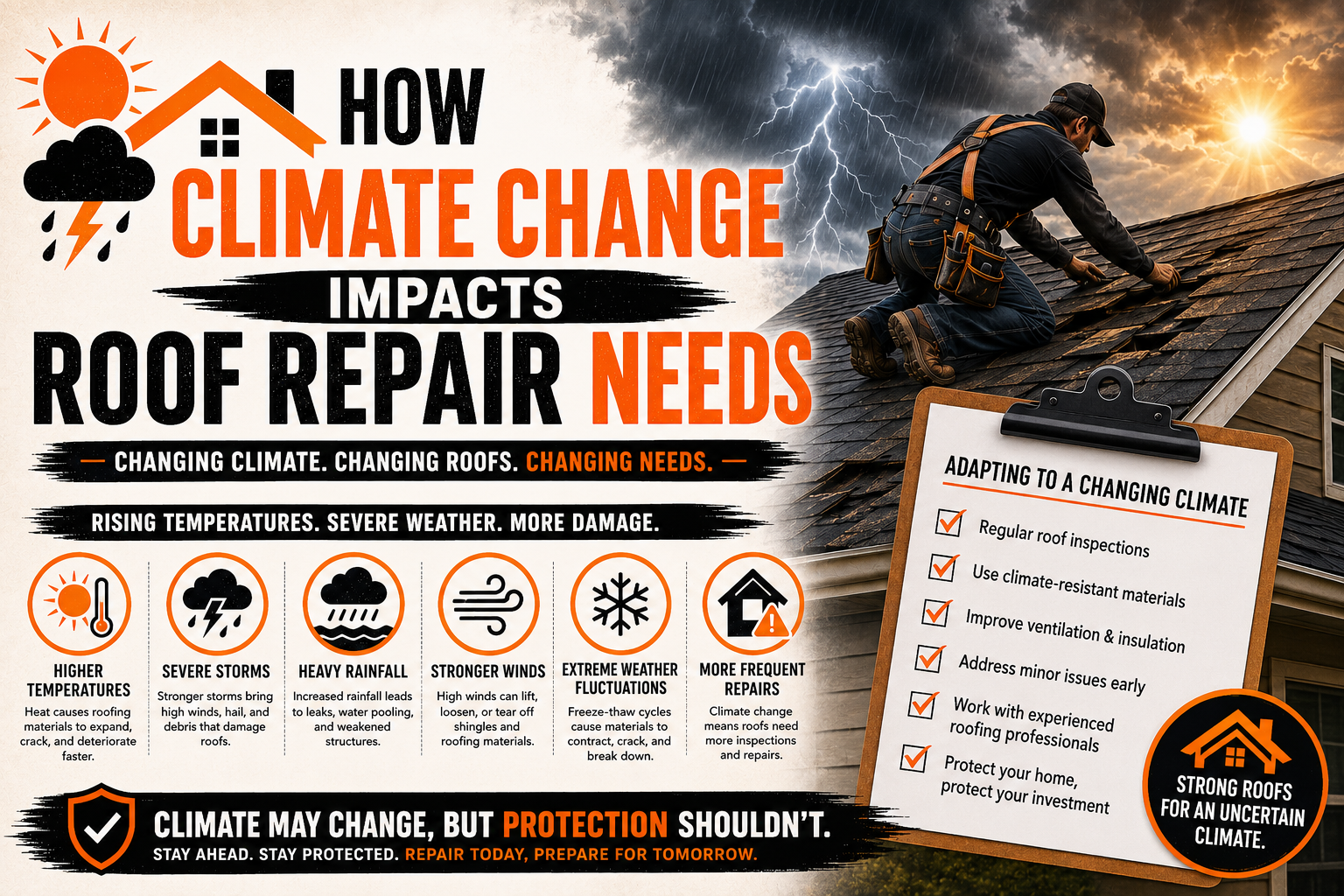
How Climate Change Impacts Roof Repair Needs
Introduction
Climate change is reshaping weather patterns around the world, and homeowners are beginning to see its effects in ways that were once considered uncommon. Rising temperatures, stronger storms, prolonged heatwaves, heavier rainfall, and more frequent extreme weather events are placing greater stress on residential roofing systems. As these conditions become more common, roofs that were designed for past climate patterns may require more frequent maintenance and repairs.
A roof serves as the home’s first line of defense against the environment. It protects the structure from rain, wind, sunlight, snow, and changing temperatures while helping regulate indoor comfort. When weather conditions become more intense or unpredictable, roofing materials experience greater wear and tear, reducing their ability to provide long term protection.
Many homeowners still view roof repair as something that happens only after visible damage appears. However, climate change has made preventive maintenance more important than ever. Small issues that might have remained manageable for years can now worsen rapidly when exposed to stronger storms, prolonged heat, or repeated cycles of heavy rainfall.
Modern roof repair planning must therefore consider more than the age of the roof or the type of roofing material. It should also account for changing local weather conditions, increasing climate risks, and the long term resilience of the roofing system. Understanding how climate change affects roofs allows homeowners to make smarter repair decisions and better protect their properties.
Climate related damage is not limited to one region or one type of weather. Homes in hot climates may experience accelerated material aging due to extreme heat, while properties in rainy regions face increased moisture exposure and leak risks. Coastal areas often contend with stronger winds and storms, while colder regions continue to experience freeze thaw cycles that weaken roofing materials over time.
Advances in roofing technology have introduced stronger materials, better waterproofing systems, and improved installation methods that help roofs withstand modern climate challenges. Even so, no roofing system is completely immune to changing environmental conditions. Regular inspections and timely repairs remain essential for preserving roof performance.
This guide explores how climate change influences roof repair needs, the types of damage homeowners should watch for, and the practical steps that can improve roof durability in an era of increasingly unpredictable weather.
Understanding the Connection Between Climate Change and Roofing
Climate change affects roofing systems because roofs remain continuously exposed to the environment. Unlike many other parts of a home, the roof absorbs direct sunlight, resists rainfall, withstands wind, and experiences constant temperature fluctuations throughout the year. These environmental pressures gradually weaken roofing materials even under normal conditions.
As global weather patterns continue changing, many regions are experiencing more frequent and more intense weather events. Heatwaves last longer, storms produce stronger winds, rainfall becomes heavier, and seasonal weather patterns become less predictable. Each of these changes contributes to additional stress on residential roofs.
Temperature extremes create repeated cycles of expansion and contraction within roofing materials. During hot weather, shingles, metal panels, flashing, and sealants expand. As temperatures fall, these materials contract. After years of repeated movement, small cracks, loose fasteners, and weakened seals begin to develop.
Changing rainfall patterns also influence roof performance. Heavy downpours place greater pressure on drainage systems while increasing the likelihood of water entering vulnerable roof areas. Roofs that previously handled moderate rainfall successfully may struggle during more intense storms.
Climate change also affects maintenance schedules. Homeowners who once inspected their roofs annually may now benefit from more frequent inspections, especially after severe weather events. Detecting damage early becomes increasingly valuable as weather conditions become more demanding.
Roof repair professionals have also observed changing patterns in the types of damage requiring repair. Instead of isolated leaks caused by normal aging, contractors are increasingly responding to storm related failures, wind damage, heat deterioration, and moisture problems associated with changing climate conditions.
Insurance providers have similarly recognized these trends. More frequent severe weather claims have increased awareness of the importance of preventive maintenance and resilient roofing systems. In many cases, maintaining detailed inspection records helps homeowners demonstrate responsible roof care following major weather events.
Understanding this connection between climate and roofing allows homeowners to view roof maintenance as an ongoing adaptation process rather than a simple reaction to isolated damage.
How Rising Temperatures Affect Roofing Materials
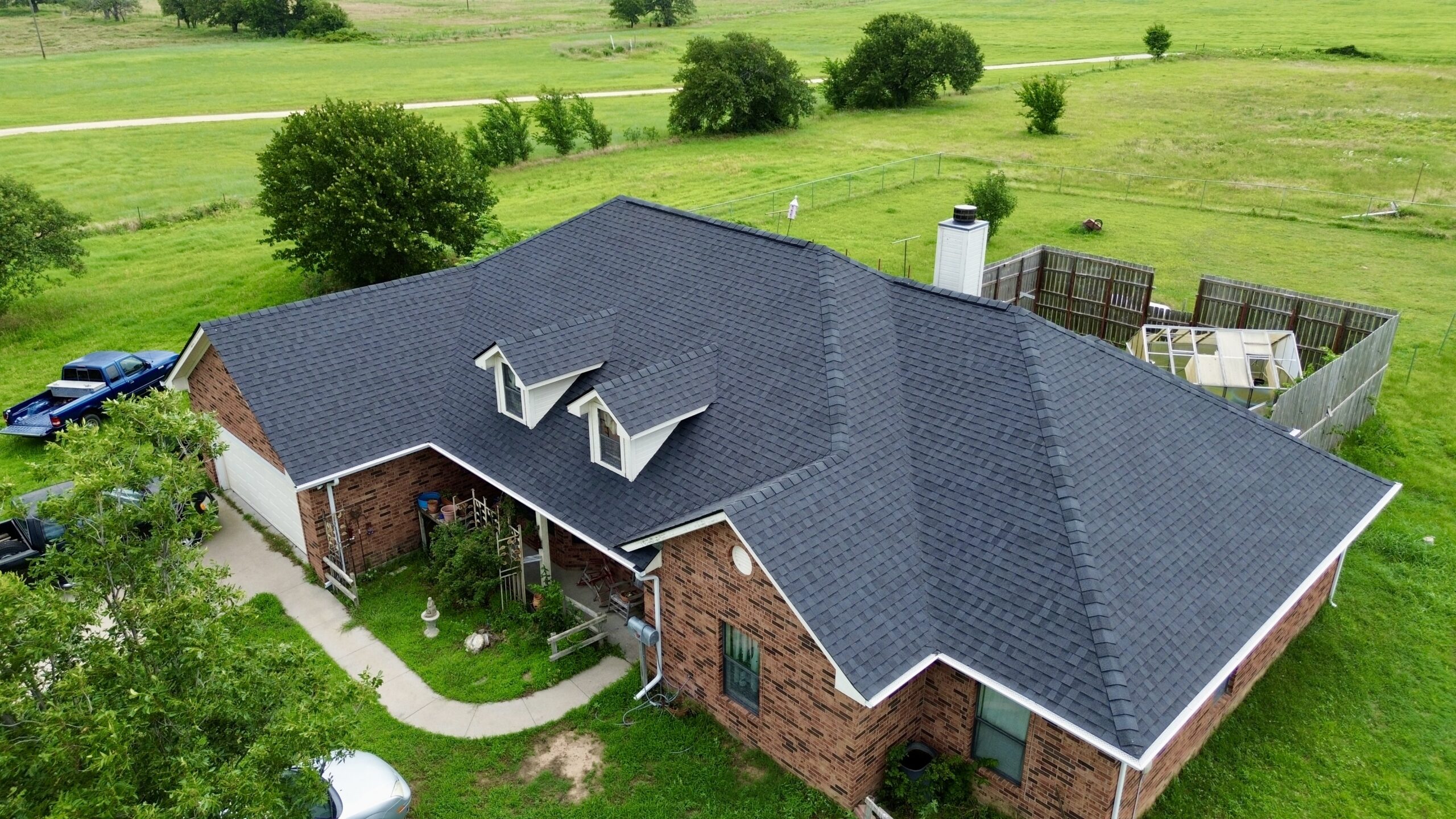
One of the most visible effects of climate change is the gradual increase in average temperatures and the growing frequency of prolonged heatwaves. Continuous exposure to high temperatures accelerates the aging process of many roofing materials, reducing their overall lifespan.
Asphalt shingles are particularly affected by prolonged heat exposure. High temperatures soften the asphalt while ultraviolet radiation gradually dries out protective oils within the material. Over time, shingles become brittle, increasing the likelihood of cracking, curling, or losing protective granules.
Metal roofing also responds to changing temperatures through thermal expansion and contraction. Although metal roofs remain highly durable, repeated movement places stress on fasteners, seams, and expansion joints. Without proper installation and periodic maintenance, these areas may eventually require repair.
Roof sealants experience similar challenges. Many sealants lose flexibility after prolonged exposure to intense sunlight, making them more likely to crack around flashing, vents, chimneys, and skylights. Once these seals deteriorate, water gains easier access to vulnerable roof openings.
Wood roofing materials also react to extreme heat. Dry conditions may cause wood shakes and shingles to shrink, creating small gaps that reduce weather resistance. Continued exposure to sunlight can also accelerate splitting and surface deterioration.
Heat affects more than visible roofing materials. Elevated attic temperatures place additional stress on insulation, ventilation systems, and roof decking. Without adequate airflow, trapped heat increases overall roof temperatures while contributing to moisture problems during cooler periods.
Energy efficiency also declines when roofs absorb excessive heat. Warmer roof surfaces transfer more heat into the attic, forcing cooling systems to work harder during summer months. This not only increases energy costs but also places additional stress on roofing components exposed to prolonged high temperatures.
Reflective roofing materials and cool roof technologies have become increasingly popular in response to these challenges. These systems reduce heat absorption by reflecting a greater percentage of incoming sunlight, helping lower roof temperatures and slowing material deterioration.
As temperatures continue rising in many regions, homeowners should expect more frequent inspections focused on heat related wear. Identifying early signs of deterioration allows repairs to be completed before structural damage develops.
Increased Rainfall and the Growing Risk of Roof Leaks
Many areas now experience heavier rainfall than in previous decades, even if the total number of rainy days has not changed significantly. Short periods of extremely intense rainfall place greater demands on roofing systems than light rain spread over several days.
Heavy rainfall tests every waterproof component of the roof. Flashing, underlayment, sealants, roof valleys, gutters, and drainage systems must all perform effectively under increased water volume. Weaknesses that remained unnoticed during moderate rainfall often become visible during intense storms.
Roof valleys deserve particular attention because they collect runoff from multiple roof slopes. During heavy downpours, these areas carry significantly larger volumes of water, increasing wear on roofing materials and raising the likelihood of leaks if maintenance has been neglected.
Gutters and downspouts also experience greater pressure. Blockages caused by leaves, branches, or debris prevent efficient drainage, allowing water to accumulate near roof edges. Standing water increases moisture exposure while encouraging leaks around fascia boards and roof decking.
Persistent moisture creates favorable conditions for mold, mildew, and wood rot. Even when leaks remain relatively small, prolonged water exposure gradually weakens structural components beneath the roofing surface.
Flat and low slope roofs face additional challenges because water drains more slowly than on steeper roof designs. Heavy rainfall increases the risk of ponding water, which places continuous stress on waterproof membranes and roofing joints.
Interior warning signs should never be ignored after periods of unusually heavy rain. Ceiling stains, damp insulation, peeling paint, and musty odors often indicate developing roof leaks that require immediate investigation.
Homeowners can reduce leak risks by maintaining drainage systems and scheduling inspections after major rainstorms. Preventive maintenance remains one of the most effective ways to prepare roofs for increasingly intense rainfall associated with changing climate conditions.
Stronger Storms, High Winds, and Structural Roof Damage
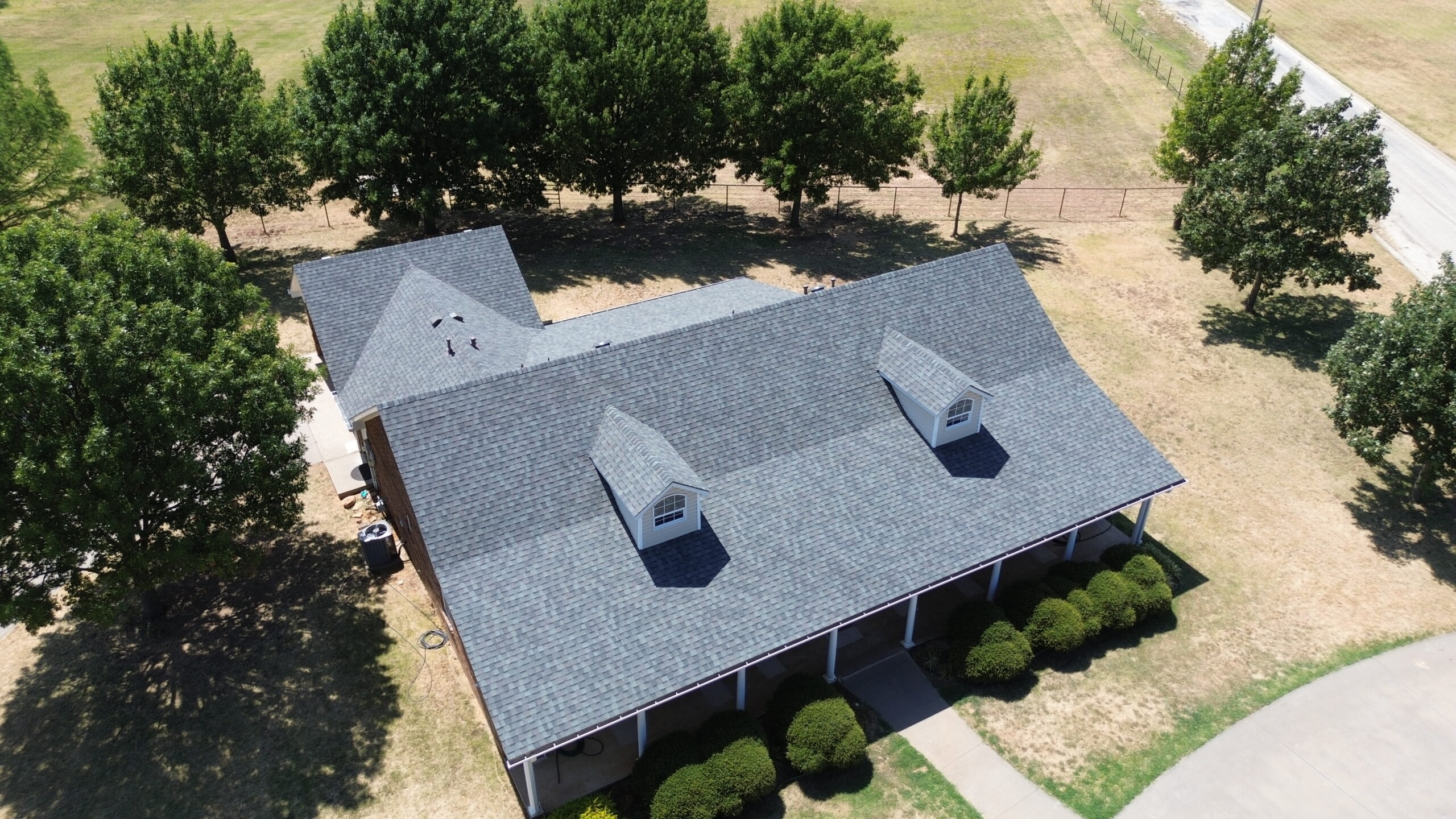
Climate scientists have observed an increase in the intensity of many storms affecting residential areas. Stronger winds create unique roofing challenges that extend far beyond simple shingle replacement. Wind damage often exposes deeper structural weaknesses requiring more comprehensive repairs.
High winds generate uplift forces that pull against roofing materials from below. Shingles, tiles, and metal panels may loosen gradually over time before eventually separating completely during severe storms. Even when materials remain attached, repeated wind exposure weakens fasteners and adhesives.
Roof edges are especially vulnerable because wind pressure is typically greatest along corners and overhangs. Damage often begins in these locations before spreading across larger sections of the roof during subsequent storms.
Flying debris presents another major hazard. Tree branches, outdoor furniture, signs, and other airborne objects may strike roofing materials with considerable force, causing punctures, cracks, or broken tiles. Some impacts create immediate leaks, while others weaken the roof enough for future water intrusion.
Storm damage also affects flashing systems. High winds may lift flashing around chimneys, skylights, and roof vents, creating openings where rainwater can enter during later storms. Because flashing protects many of the roof’s most vulnerable areas, even minor displacement deserves prompt attention.
Repeated storms occurring within short periods leave roofs with less time to recover between weather events. Small defects caused by one storm often worsen rapidly during the next, making regular inspections increasingly important throughout severe weather seasons.
Homeowners should inspect their property carefully after major wind events. Missing shingles, displaced flashing, damaged gutters, fallen branches, and visible roof debris all indicate that further professional evaluation may be necessary.
Storm preparedness has therefore become an essential part of modern roof maintenance. Rather than responding only after visible leaks develop, homeowners benefit from strengthening vulnerable roof components before severe weather arrives.
Hailstorms and Extreme Weather Events Causing Roof Deterioration
Extreme weather events have become more common in many regions, bringing increased risks from hailstorms, intense thunderstorms, and rapidly changing weather conditions. Hail, in particular, can damage roofing materials even when no immediate leaks become visible.
Hailstones strike roofing materials with concentrated impact force. Depending on their size and speed, they may crack shingles, dent metal roofing, fracture tiles, or weaken protective surface coatings. Damage is not always obvious immediately after the storm.
Granule loss on asphalt shingles is one of the most common forms of hail damage. These protective granules shield the underlying asphalt from ultraviolet radiation. Once they are removed, shingles deteriorate much more quickly under continued sunlight.
Metal roofs often survive hail without punctures but may develop dents that affect drainage or compromise protective coatings. While cosmetic damage does not always require immediate repair, deeper impacts should be evaluated carefully to prevent corrosion.
Tile roofs are particularly susceptible to cracking when struck by large hailstones. Even hairline fractures may allow moisture to reach the waterproof underlayment beneath the tiles, increasing long term leak risks.
Rapid temperature changes associated with severe weather also contribute to material stress. Roofing components that heat rapidly under sunlight before cooling quickly during storms experience repeated expansion and contraction cycles that gradually weaken seals and joints.
After any significant hailstorm or extreme weather event, homeowners should look for the following warning signs.
- Missing or damaged shingles
- Granules accumulating in gutters
- Cracked flashing or sealants
- Dented metal roofing panels
- Broken roof tiles
- Visible debris impact marks
- Water stains appearing after the storm
Prompt inspections following severe weather allow hidden damage to be identified before it develops into major structural problems.
Why Modern Roof Repair Planning Must Consider Climate Change
Traditional roof repair planning often focused primarily on age related deterioration. While roof age remains important, changing climate conditions now require homeowners to evaluate additional environmental risks when planning repairs or maintenance.
Repair strategies should consider local weather trends rather than relying solely on historical climate patterns. Areas experiencing stronger storms, increased rainfall, longer heatwaves, or changing seasonal conditions may require more durable repair materials and improved waterproofing systems.
Material selection has become increasingly important. Homeowners should evaluate roofing products based not only on appearance and initial cost but also on their ability to withstand expected environmental conditions over many years.
Repair schedules may also need adjustment. Waiting until annual inspections may no longer provide sufficient protection in regions frequently affected by severe weather. Additional inspections following major storms help identify developing problems before they become extensive repairs.
Climate resilient roof design extends beyond the roofing material itself. Proper ventilation, effective drainage, reinforced flashing, improved fastening methods, and high quality waterproof underlayments all contribute to stronger long term performance.
Budget planning should also account for increasing weather related maintenance needs. Investing in preventive repairs today often reduces the likelihood of expensive emergency repairs after future storms or prolonged weather extremes.
Finally, homeowners should recognize that climate adaptation is an ongoing process rather than a one time improvement. As environmental conditions continue evolving, roofing maintenance practices, repair strategies, and material choices should evolve as well.
Climate Change Effects on Different Roofing Materials
Climate change does not affect every roofing material in the same way. Each material responds differently to heat, moisture, wind, ultraviolet radiation, and rapid temperature changes. Understanding these differences helps homeowners choose repair methods and maintenance strategies that match their specific roof type.
Asphalt shingles remain one of the most widely used residential roofing materials, but they are highly influenced by prolonged exposure to sunlight and rising temperatures. Continuous ultraviolet radiation causes shingles to lose flexibility over time, making them more susceptible to curling, cracking, and granule loss. As weather becomes more extreme, these aging processes often occur faster than expected.
Metal roofing performs well in many climates because it resists moisture and withstands strong winds when installed correctly. However, repeated cycles of expansion and contraction caused by changing temperatures place additional stress on fasteners, seams, and flashing. Regular inspections help identify loose connections before they develop into leaks.
Clay and concrete tiles offer excellent durability in hot climates because they tolerate prolonged sunlight without significant deterioration. Even so, powerful hailstorms or falling debris associated with severe weather can crack individual tiles. Damaged tiles should be replaced promptly to prevent moisture from reaching the waterproof layers beneath them.
Wood shake roofs require careful moisture management. Higher temperatures may cause the wood to dry excessively, while periods of heavy rainfall increase the risk of rot, mold, and fungal growth. Consistent maintenance and proper ventilation are essential for preserving wood roofing in changing climates.
Slate roofing is known for exceptional longevity, but it is not immune to climate related damage. Freeze thaw cycles, heavy impacts, and structural movement may crack individual slate tiles over time. Professional repairs are often necessary because improper handling can damage surrounding pieces.
Flat roofing systems experience unique challenges during periods of intense rainfall. Standing water places continuous stress on waterproof membranes and increases the likelihood of moisture infiltration if drainage is inadequate. Regular inspection of drainage outlets and membrane seams becomes increasingly important as rainfall intensity increases.
Regardless of the roofing material, changing weather conditions require homeowners to adopt a more proactive maintenance approach. Understanding how each material responds to environmental stress improves repair planning and extends the overall lifespan of the roof.
Preventive Roof Repair Strategies for Changing Weather Conditions
Preventive maintenance has become more valuable than ever as climate conditions continue evolving. Instead of waiting for visible damage, homeowners can reduce repair costs and extend roof life by addressing vulnerabilities before severe weather causes major failures.
Routine inspections form the foundation of every preventive strategy. Examining the roof several times each year and after significant storms allows homeowners to identify loose materials, damaged flashing, blocked drainage systems, and deteriorating sealants before they create leaks.
Replacing worn sealants is one of the simplest yet most effective preventive measures. Sealants naturally lose flexibility with age and prolonged sunlight exposure. Renewing them before cracks develop helps maintain watertight protection around roof penetrations.
Strengthening vulnerable roof edges also improves weather resistance. High winds often create the greatest uplift forces along eaves, corners, and overhangs. Reinforcing these areas during planned maintenance reduces the likelihood of wind related damage.
Loose shingles, damaged tiles, or lifted metal panels should never be ignored. Even small defects become more vulnerable during heavy storms, allowing water to enter beneath surrounding roofing materials. Prompt repairs help prevent localized problems from spreading.
Waterproof underlayment should also be evaluated whenever significant repairs are performed. Replacing damaged underlayment while the roofing surface is already exposed provides an opportunity to improve long term moisture protection without requiring additional future work.
Preventive maintenance extends beyond the roof itself. Tree branches hanging over the house should be trimmed regularly to reduce the risk of impact damage during storms. Removing accumulated leaves and debris also improves drainage while limiting moisture retention.
Homeowners should consider scheduling professional inspections after unusually severe weather even when no obvious damage is visible. Experienced roofing specialists often identify subtle issues that remain hidden during routine visual inspections.
Preventive repairs require modest investments compared with large scale structural restoration. Addressing minor concerns early helps homeowners adapt their roofs to increasingly demanding climate conditions while avoiding unnecessary emergency repairs.
Improving Roof Drainage and Ventilation for Climate Resilience
Effective drainage and ventilation have become essential components of climate resilient roofing systems. As rainfall intensifies and temperatures continue rising in many regions, these systems play a greater role in protecting both the roof and the home’s structural integrity.
Roof drainage begins with proper slope design that directs water toward gutters and downspouts. Even small areas where water collects repeatedly may accelerate material deterioration and increase leak risks over time. Identifying and correcting drainage issues early greatly improves long term roof performance.
Gutters require regular maintenance because climate change often brings heavier rainfall combined with increased seasonal debris. Leaves, twigs, and dirt reduce water flow while allowing moisture to accumulate along roof edges. Cleaning gutters before rainy seasons helps maintain efficient drainage.
Downspouts should discharge water well away from the home’s foundation. Poor drainage around the building may contribute to soil erosion, basement moisture problems, and additional stress on roof overhangs. Extensions or drainage improvements may be beneficial where water consistently pools near the structure.
Roof valleys deserve careful inspection because they handle concentrated water flow during storms. Damaged flashing or accumulated debris within valleys significantly increases the likelihood of leaks under heavy rainfall. Routine cleaning and timely repairs help preserve these critical drainage channels.
Ventilation is equally important because it regulates heat and moisture beneath the roof. Proper airflow reduces excessive attic temperatures during summer while minimizing condensation during cooler months. Balanced ventilation also slows the deterioration of roofing materials exposed to changing weather conditions.
Both intake and exhaust ventilation should remain unobstructed. Blocking vents with insulation or stored items limits airflow and reduces the effectiveness of the ventilation system. Regular inspection helps ensure consistent performance throughout the year.
The following practices improve roof resilience in changing climates.
- Clean gutters before rainy seasons.
- Inspect roof valleys regularly.
- Check attic ventilation every six months.
- Remove debris after storms.
- Repair damaged flashing promptly.
- Ensure downspouts direct water away from the foundation.
Combining effective drainage with balanced ventilation creates a stronger roofing system that is better prepared to withstand modern climate challenges.
Choosing Climate Resistant Roofing Materials
Selecting roofing materials has become more complex as environmental conditions continue changing. Homeowners increasingly seek products that provide durability, energy efficiency, and reliable weather resistance under a wider range of climate conditions.
Material selection should begin by considering local weather patterns rather than focusing only on appearance or initial cost. Regions experiencing frequent hailstorms require impact resistant materials, while areas with prolonged heat benefit from products designed to reflect solar radiation.
Reflective roofing materials help reduce heat absorption by lowering surface temperatures. These products improve indoor comfort while reducing thermal expansion that contributes to material fatigue over time. Energy savings also become an added benefit in warmer climates.
High wind rated roofing systems offer stronger resistance during severe storms. Enhanced fastening methods, reinforced shingles, and improved installation techniques help roofing materials remain securely attached under greater wind pressures.
Synthetic roofing materials have gained popularity because they combine durability with lower maintenance requirements. Many modern composites resist moisture, ultraviolet radiation, and temperature fluctuations better than some traditional products while maintaining an attractive appearance.
Waterproof underlayments also deserve careful consideration. High performance synthetic membranes provide additional protection beneath the visible roofing surface and continue preventing water intrusion even if exterior materials become temporarily damaged.
Homeowners should also evaluate warranty coverage when selecting roofing materials. Longer warranties often reflect greater confidence in product durability, although proper installation remains essential for maintaining warranty protection.
The table below summarizes how different roofing materials generally perform under common climate related conditions.
| Roofing Material | Heat Resistance | Wind Resistance | Heavy Rain Performance | Maintenance Level |
|---|---|---|---|---|
| Asphalt Shingles | Moderate | Moderate | Good | Moderate |
| Metal Roofing | Excellent | Excellent | Excellent | Low |
| Clay Tiles | Excellent | Good | Excellent | Moderate |
| Concrete Tiles | Excellent | Good | Excellent | Moderate |
| Wood Shakes | Moderate | Moderate | Moderate | High |
| Slate Roofing | Excellent | Excellent | Excellent | Low to Moderate |
Selecting climate appropriate materials today often reduces future repair needs while improving overall roof reliability for many years.
Common Climate Related Roof Repair Mistakes to Avoid
As weather conditions become more demanding, certain repair mistakes have greater consequences than they once did. Avoiding these common errors helps homeowners maintain stronger, more resilient roofing systems.
One frequent mistake is delaying repairs after severe weather because no immediate leaks are visible. Hidden damage often develops beneath roofing materials, allowing moisture to enter gradually over time. Early inspections remain one of the most effective forms of preventive maintenance.
Another mistake involves replacing damaged roofing materials without investigating the underlying cause. Wind, drainage problems, poor ventilation, or structural movement may continue affecting the roof unless these contributing factors are addressed during repairs.
Many homeowners also underestimate the importance of flashing. Reusing aging flashing or applying excessive sealant instead of replacing damaged components frequently leads to recurring leaks during future storms.
Choosing roofing materials based solely on price may create long term problems as climate conditions continue evolving. Lower cost materials sometimes require more frequent repairs when exposed to increasingly intense weather events.
Ignoring attic ventilation is another costly oversight. Poor airflow accelerates heat buildup during summer while encouraging condensation during cooler seasons. Both conditions shorten the lifespan of roofing materials and increase repair requirements.
Improper gutter maintenance also contributes to unnecessary damage. Overflowing gutters expose roof edges to prolonged moisture while increasing the likelihood of leaks around fascia boards and soffits.
Some homeowners assume one repair permanently solves every roofing problem. Climate related maintenance should instead be viewed as an ongoing process requiring periodic inspections and timely preventive repairs as environmental conditions continue changing.
Avoiding these mistakes strengthens the entire roofing system while helping homeowners adapt more effectively to the challenges presented by a changing climate.
Signs Your Roof Has Been Damaged by Extreme Weather
Extreme weather does not always produce dramatic visible destruction. In many cases, roofing damage develops gradually or remains hidden until water begins entering the home. Recognizing early warning signs allows repairs to begin before structural deterioration becomes extensive.
Exterior inspections often reveal missing shingles, cracked tiles, bent flashing, damaged ridge caps, or loose metal panels after storms. Even small areas of visible damage deserve prompt attention because they expose underlying waterproof layers to continued weather exposure.
Granules collecting in gutters provide another important warning sign for asphalt shingle roofs. Excessive granule loss indicates accelerated surface wear that reduces protection against ultraviolet radiation and moisture.
Interior signs may appear days or even weeks after severe weather. Ceiling stains, peeling paint, damp insulation, mold growth, and musty odors frequently indicate hidden moisture intrusion requiring immediate investigation.
Roof sagging should never be ignored because it may indicate structural weakening caused by prolonged water exposure. Even slight changes in roof shape deserve professional evaluation before additional weather events occur.
Following major storms, homeowners should look for the following indicators.
- Missing or lifted roofing materials.
- Damaged flashing around roof penetrations.
- Loose gutters or detached downspouts.
- Water stains inside the attic.
- Cracked sealants around vents or chimneys.
- Debris impact damage.
- Persistent moisture after rainfall.
Early recognition of these warning signs allows homeowners to schedule repairs before relatively minor weather damage develops into significant structural problems.
Long Term Roof Maintenance in a Changing Climate
Long term roof maintenance has become increasingly important as climate patterns continue to evolve. A roof that receives consistent care is better prepared to withstand stronger storms, prolonged heat, heavy rainfall, and other extreme weather conditions. Rather than treating maintenance as an occasional task, homeowners should view it as an ongoing investment in the safety and value of their property.
Routine inspections remain the foundation of an effective maintenance program. Checking the roof at least twice each year and after major storms allows small problems to be identified before they develop into expensive structural repairs. Early detection also reduces the likelihood of emergency repairs during severe weather.
Maintenance records provide valuable long term benefits. Keeping photographs, inspection reports, repair invoices, and warranty information helps homeowners monitor the roof’s condition over time. These records also support insurance claims and simplify future maintenance planning.
Cleaning should become a regular part of roof care. Removing leaves, branches, moss, and other debris reduces moisture retention while improving drainage during periods of heavy rainfall. A clean roof also makes developing damage easier to identify during inspections.
Roof penetrations require continued attention because flashing and sealants naturally age with exposure to sunlight and changing temperatures. Annual inspections around chimneys, skylights, plumbing vents, and exhaust systems help maintain effective waterproofing.
Attic inspections are equally valuable. Moisture stains, damp insulation, mold growth, or poor ventilation often reveal roofing issues before they become visible inside living areas. Monitoring attic conditions provides another layer of protection against hidden climate related damage.
Professional inspections should complement homeowner maintenance. Roofing specialists have the experience and equipment needed to identify subtle defects that may not be visible during routine visual checks. Scheduling periodic professional evaluations improves long term roof reliability.
Homeowners should also review maintenance plans periodically as local weather conditions change. A roof that performed well under previous climate conditions may require more frequent inspections or upgraded repair methods as weather patterns become increasingly unpredictable.
Preparing Your Roof Before Severe Weather Seasons
Preparing a roof before severe weather arrives is one of the most effective ways to reduce future repair needs. Preventive preparation strengthens vulnerable areas while allowing homeowners to correct small issues before they are exposed to intense environmental conditions.
The preparation process should begin with a complete roof inspection. Missing shingles, damaged flashing, loose fasteners, cracked sealants, and blocked gutters should all be addressed before the start of storm season. Repairing these issues early greatly improves the roof’s ability to resist heavy rain and strong winds.
Tree maintenance is another important step. Branches extending over the roof increase the likelihood of impact damage during storms while also depositing leaves that block drainage systems. Regular trimming improves both safety and roof performance.
Drainage systems deserve careful attention before rainy seasons begin. Gutters and downspouts should be cleaned thoroughly to ensure water flows away from the roof efficiently. Proper drainage reduces standing water and limits moisture exposure around vulnerable roof edges.
Roof ventilation should also be inspected. Balanced airflow helps regulate attic temperature while reducing moisture accumulation beneath the roof. Proper ventilation improves the overall durability of roofing materials throughout changing weather conditions.
Emergency preparation should include documenting the roof’s condition with current photographs. These records provide valuable evidence if insurance claims become necessary following severe weather events. Clear documentation also makes it easier to identify new storm related damage during later inspections.
Homeowners should prepare an emergency contact list that includes roofing contractors, insurance providers, and utility companies. Having important contact information readily available allows faster responses if weather related damage occurs.
Preparation does not eliminate every climate related risk, but it significantly improves the roof’s ability to withstand challenging conditions while reducing the severity of potential damage.
Frequently Asked Questions About Climate Change and Roof Repair
Climate change has introduced new concerns for many homeowners regarding roof maintenance and repair. The following questions address some of the most common topics related to protecting roofs against changing weather conditions.
Does climate change really increase roof repair needs?
Yes. More frequent heatwaves, stronger storms, heavier rainfall, and changing seasonal weather patterns place additional stress on roofing materials. These conditions often accelerate wear and increase the need for preventive maintenance and timely repairs.
How often should I inspect my roof now?
Most homeowners should inspect their roofs at least twice each year and after significant storms. Properties located in areas experiencing frequent severe weather may benefit from additional inspections throughout the year.
Which weather condition causes the most roof damage?
There is no single answer because damage depends on the roofing material and local climate. High winds, heavy rainfall, hailstorms, prolonged heat, snow accumulation, and repeated freeze thaw cycles can all create serious roofing problems when conditions become extreme.
Can an older roof be upgraded to handle changing weather?
In many cases, yes. Improvements such as stronger flashing, upgraded underlayment, improved ventilation, better drainage systems, and impact resistant materials can significantly improve weather resistance without requiring complete replacement.
Do energy efficient roofs also improve climate resilience?
Many energy efficient roofing systems provide additional climate benefits. Reflective roofing materials reduce heat absorption while improved insulation and ventilation help regulate indoor temperatures and reduce stress on roofing components.
Should homeowners inspect the attic after severe storms?
Yes. Attic inspections often reveal hidden leaks before water stains appear inside living spaces. Damp insulation, moisture on roof decking, and musty odors may indicate developing problems that require immediate attention.
Is preventive maintenance still worthwhile if the roof appears undamaged?
Absolutely. Preventive maintenance identifies developing issues before they become visible, allowing smaller repairs that are generally less expensive than correcting major structural damage after a leak occurs.
Future Roofing Trends for Climate Adaptation
The roofing industry continues developing new technologies designed to improve resilience against changing climate conditions. As environmental challenges become more demanding, future roofing systems are expected to provide greater durability, improved energy efficiency, and enhanced weather protection.
Reflective roofing materials continue gaining popularity because they reduce heat absorption while lowering cooling costs during warmer months. These products help protect roofing materials from excessive thermal stress while improving indoor comfort.
Advanced waterproof membranes are becoming more effective as well. Modern synthetic materials provide stronger moisture barriers beneath roofing surfaces, reducing the likelihood of leaks even when exterior materials experience storm damage.
Impact resistant roofing products are another growing trend. Improved shingle designs, reinforced composites, and stronger fastening systems help roofs withstand hail, wind driven debris, and severe weather with less damage than traditional materials.
Smart roof monitoring technology is also becoming more accessible. Moisture sensors, weather monitoring systems, and digital inspection tools allow homeowners and contractors to identify developing problems earlier than traditional inspection methods.
Environmentally sustainable roofing materials continue attracting attention. Many manufacturers now produce recyclable roofing products while improving durability and reducing maintenance requirements. Longer lasting materials contribute to both environmental sustainability and lower long term ownership costs.
Improved installation methods also play an important role in climate adaptation. Stronger fastening systems, better flashing designs, and enhanced waterproofing details allow modern roofs to perform more reliably under increasingly demanding weather conditions.
As research continues, roofing technology will likely focus even more on resilience, sustainability, and long term performance. Homeowners planning future roof repairs or replacements may benefit from evaluating these emerging technologies alongside traditional roofing options.
Climate Resilient Roof Care Checklist
Adapting a roof to changing climate conditions is easier when maintenance tasks follow a consistent routine. The following checklist summarizes practical actions that help reduce weather related repair needs throughout the year.
- Inspect the roof twice each year.
- Check the roof after major storms.
- Clean gutters and downspouts regularly.
- Remove leaves and debris from roof valleys.
- Trim overhanging tree branches.
- Inspect flashing around chimneys, skylights, and vents.
- Monitor attic ventilation and insulation.
- Repair damaged roofing materials immediately.
- Keep maintenance records and photographs.
- Schedule periodic professional roof inspections.
Following these steps consistently strengthens roof performance while reducing the likelihood of expensive emergency repairs caused by increasingly unpredictable weather.
Conclusion
Climate change is reshaping the way homeowners approach roof maintenance and repair. Rising temperatures, heavier rainfall, stronger storms, hail, high winds, and shifting seasonal weather patterns all contribute to faster material deterioration and greater demands on residential roofing systems. As environmental conditions continue evolving, traditional maintenance schedules may no longer provide sufficient protection.
Understanding how different weather conditions affect roofing materials allows homeowners to make better repair decisions. Heat accelerates aging, excessive moisture increases leak risks, strong winds weaken roofing components, and severe storms create hidden structural damage that may not become visible until much later. Recognizing these risks early supports more effective preventive maintenance.
Modern roofing technology offers valuable solutions through improved waterproofing materials, stronger installation methods, enhanced ventilation systems, better drainage design, and climate resistant roofing products. However, even the most advanced materials require regular inspections, prompt repairs, and consistent maintenance to achieve their expected lifespan.
Preparing the roof before severe weather seasons, maintaining detailed inspection records, and responding quickly to developing issues all contribute to long term roof performance. These practices not only reduce repair costs but also improve safety, energy efficiency, and the overall value of the property.
Adapting to climate change does not require waiting for major damage to occur. Homeowners who invest in preventive care, choose durable materials, and maintain their roofs consistently are better positioned to protect their homes against increasingly unpredictable weather. A well maintained, climate resilient roof provides dependable protection, reduces long term maintenance expenses, and remains one of the most valuable investments in preserving the strength and longevity of any home.