Ultimate Guide to Residential Roof Repair Solutions
Introduction
Your roof is one of the most important parts of your home because it protects everything underneath it. It shields your family from rain, wind, snow, intense sunlight, and changing temperatures while also contributing to your home’s structural integrity and energy efficiency. Despite its importance, many homeowners only think about their roof when a visible problem appears.
Residential roof repair is not just about fixing leaks or replacing damaged shingles. It is about preserving your home’s value, preventing expensive structural damage, and ensuring your family remains safe and comfortable throughout the year. Addressing roof issues early can significantly reduce repair costs while extending the lifespan of the entire roofing system.
Many roofing problems begin as small issues that develop gradually over time. A single missing shingle, a cracked flashing, or a clogged gutter may seem insignificant today, but these seemingly minor defects can allow moisture to enter the roof structure. Once water penetrates the roofing system, it can damage insulation, ceilings, walls, and even the home’s foundation if left unresolved.
Modern residential roofing systems are designed to withstand years of exposure to harsh weather conditions. However, even the highest quality materials eventually experience wear and tear due to constant exposure to sunlight, heavy rain, hail, snow, wind, and fluctuating temperatures. Routine inspections and timely repairs are therefore essential components of responsible homeownership.
This comprehensive guide explores every major aspect of residential roof repair solutions. From identifying early warning signs to understanding repair techniques and choosing the right contractor, you will gain practical knowledge that helps you make informed decisions whenever your roof requires attention.
Why Residential Roof Repair Matters More Than Most Homeowners Realize
A healthy roof protects far more than just the interior of your home. It safeguards structural framing, electrical systems, insulation, flooring, furniture, and personal belongings from moisture damage. When roof problems are ignored, the damage often spreads beyond the roof itself, increasing repair costs substantially.
Water infiltration is one of the biggest threats to residential properties. Even a tiny leak can create damp conditions that encourage mold growth and wood rot. Over time, prolonged moisture exposure weakens structural components and creates unhealthy indoor air conditions for occupants.
Timely roof repairs also contribute to lower energy bills. Damaged roofing materials and compromised insulation allow conditioned air to escape more easily, forcing heating and cooling systems to work harder throughout the year. Restoring damaged roof sections improves insulation performance and helps maintain consistent indoor temperatures.
Property value is another important consideration. Buyers often view the roof as one of the first indicators of overall home maintenance. A well-maintained roof creates confidence, while visible roof damage may discourage potential buyers or reduce the property’s market value.
Insurance companies may also expect homeowners to maintain their roofs properly. Neglecting obvious maintenance issues can complicate insurance claims if preventable damage becomes significantly worse over time. Keeping the roof in good condition demonstrates responsible ownership and helps preserve insurance coverage.
Common Causes of Residential Roof Damage
Every roof experiences gradual aging, but several factors can accelerate deterioration. Understanding these causes allows homeowners to take preventive action before small problems become expensive repairs.
Weather remains the leading cause of roof damage in most residential areas. Strong winds can lift shingles, while hail may crack roofing materials and heavy rainfall can expose weak areas. Snow accumulation and repeated freeze thaw cycles place additional stress on roofing components throughout colder seasons.
Sunlight also contributes to roof deterioration. Continuous exposure to ultraviolet rays gradually dries out roofing materials, making them brittle and more susceptible to cracking. This natural aging process occurs slowly but becomes increasingly noticeable as the roof gets older.
Poor installation practices create long term problems as well. Incorrectly installed shingles, improperly sealed flashing, inadequate ventilation, or low quality workmanship often shorten the roof’s lifespan. These issues may not become apparent immediately but frequently result in recurring repair needs.
Falling branches and nearby trees present another common hazard. Overhanging limbs can scrape roofing materials during windy conditions, while falling branches may puncture or crack portions of the roof. Leaves that accumulate on the roof also trap moisture, increasing the risk of deterioration.
Improper roof ventilation contributes to hidden damage inside the attic. Excessive heat and humidity accelerate material degradation while encouraging mold growth and wood decay. Proper airflow helps regulate attic temperatures and extends the life of roofing materials.
Neglected maintenance allows minor defects to grow into significant structural problems. Gutters clogged with debris can force water beneath roofing materials, while small flashing gaps gradually widen under repeated weather exposure. Routine maintenance helps identify these issues before extensive damage develops.
Recognizing the Early Warning Signs of Roof Problems
Early detection remains one of the most effective ways to reduce repair costs. Homeowners who recognize warning signs quickly can often address localized damage before it spreads throughout the roofing system.
Interior water stains are among the most recognizable indicators of roof trouble. Brown or yellow discoloration on ceilings and walls often signals moisture entering through damaged roofing materials. These stains may appear far from the actual leak because water frequently travels along framing before becoming visible indoors.
Missing, curled, or cracked shingles should never be ignored. These visible defects expose underlying roofing layers to moisture and accelerate further deterioration. Replacing damaged shingles promptly helps maintain the roof’s protective barrier.
Granules collecting inside gutters often indicate aging asphalt shingles. As shingles lose their protective granules, they become more vulnerable to sunlight and weather damage. Excessive granule loss usually signals that repairs or replacement may soon become necessary.
Sagging roof sections require immediate attention because they often indicate structural problems beneath the roofing surface. Moisture damaged decking or weakened framing may no longer provide adequate support, increasing the risk of more serious structural failure.
Homeowners should also pay attention to unexplained increases in heating or cooling costs. Damaged roofing materials and compromised insulation reduce energy efficiency, making climate control systems work harder throughout the year.
Some warning signs are less obvious but equally important. These include musty odors in the attic, peeling interior paint, damp insulation, visible daylight entering the attic, and mold growth near roof penetrations. Professional inspections can identify these hidden problems before they become severe.
The following warning signs deserve prompt investigation:
- Water stains on ceilings or interior walls
- Missing, cracked, or curling shingles
- Loose flashing around chimneys and roof vents
- Excessive shingle granules in gutters
- Sagging roof areas
- Mold or mildew in the attic
- Higher than normal energy bills
- Persistent roof leaks after rainfall
Ignoring these symptoms often results in larger repair projects that involve decking replacement, insulation repairs, and interior restoration. Addressing them early usually limits repairs to smaller and more affordable sections of the roof.
Different Types of Residential Roofing Materials and Their Repair Needs
Residential roofs are constructed using a variety of materials, each offering unique benefits and requiring different repair techniques. Understanding these differences helps homeowners make better maintenance decisions while communicating more effectively with roofing professionals.
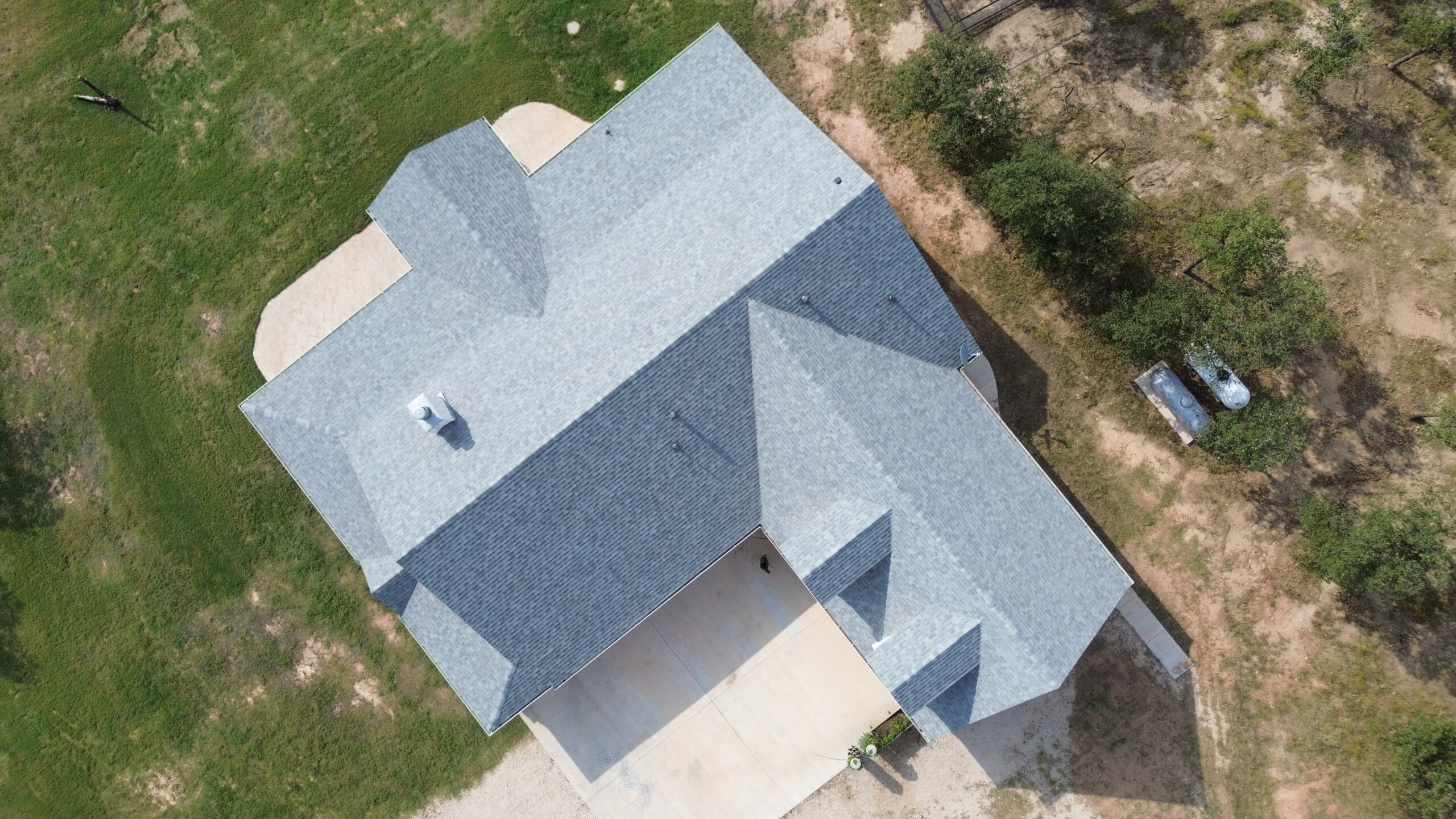
Asphalt shingles remain the most popular residential roofing material because they offer an excellent balance between affordability, durability, and ease of repair. Individual damaged shingles can often be replaced without disturbing large portions of the roof, making localized repairs relatively straightforward.
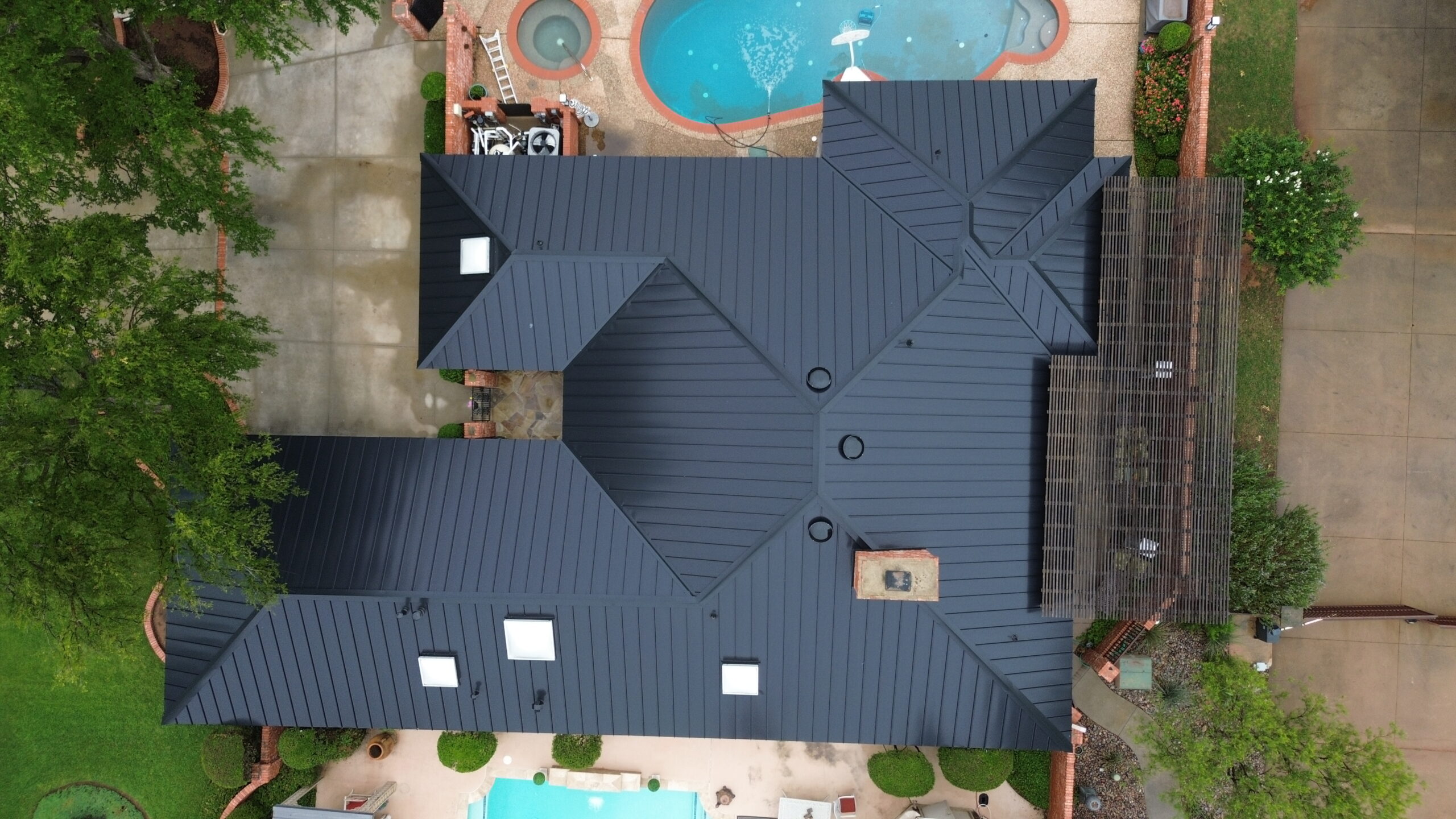
Metal roofing systems have become increasingly popular due to their longevity and weather resistance. Although metal roofs require fewer repairs overall, damaged panels, loose fasteners, or deteriorated sealants should be addressed promptly to prevent water infiltration and corrosion.
Clay and concrete tile roofs provide exceptional durability while enhancing architectural appeal. However, individual tiles may crack after impact or prolonged weather exposure. Repairs generally involve replacing damaged tiles while protecting the surrounding sections from unnecessary disturbance.
Slate roofs are known for their remarkable lifespan, often lasting well over a century with proper care. Repairs require specialized expertise because improper handling can crack surrounding slate pieces. Matching replacement slate also requires careful attention to maintain visual consistency.
Flat roofing systems are commonly installed on modern homes and residential extensions. These roofs rely heavily on waterproof membranes, making punctures and seam failures the most common repair concerns. Routine inspections are especially important because standing water can accelerate membrane deterioration.
Wood shake roofs offer natural beauty but require regular maintenance to resist moisture, insects, and decay. Individual shakes may split or warp over time, requiring replacement to maintain weather resistance and appearance.
Regardless of roofing material, regular inspections remain essential. Even premium roofing products benefit from timely maintenance that addresses minor defects before they evolve into widespread structural damage.
Roof Inspection Basics Every Homeowner Should Understand
Routine roof inspections form the foundation of effective roof maintenance. They allow homeowners to identify developing problems before significant damage occurs while providing valuable information for future repair planning.
Exterior inspections should begin from ground level whenever possible. Binoculars often provide a safe way to observe missing shingles, damaged flashing, sagging rooflines, or visible debris accumulation without climbing onto the roof. Safety should always remain the highest priority.
Attic inspections are equally valuable because many roofing problems first become visible from inside the attic. Moisture stains, mold growth, damp insulation, and daylight entering through roof penetrations often reveal hidden issues before they become noticeable indoors.
Professional roofing inspections provide a much more detailed assessment. Experienced roofers evaluate shingles, flashing, ventilation systems, underlayment, gutters, drainage patterns, structural integrity, and overall roof condition. They can also identify subtle warning signs that homeowners may overlook.
Many experts recommend scheduling professional roof inspections at least once every year. Additional inspections should follow major storms, hail events, hurricanes, or high wind conditions that may have caused hidden damage.
Documentation also plays an important role during inspections. Taking photographs of roof conditions over time helps homeowners monitor aging, compare changes, and provide valuable evidence for insurance claims if storm damage occurs in the future.
A proactive inspection routine helps homeowners budget more effectively for future maintenance while reducing the likelihood of unexpected emergency repairs.
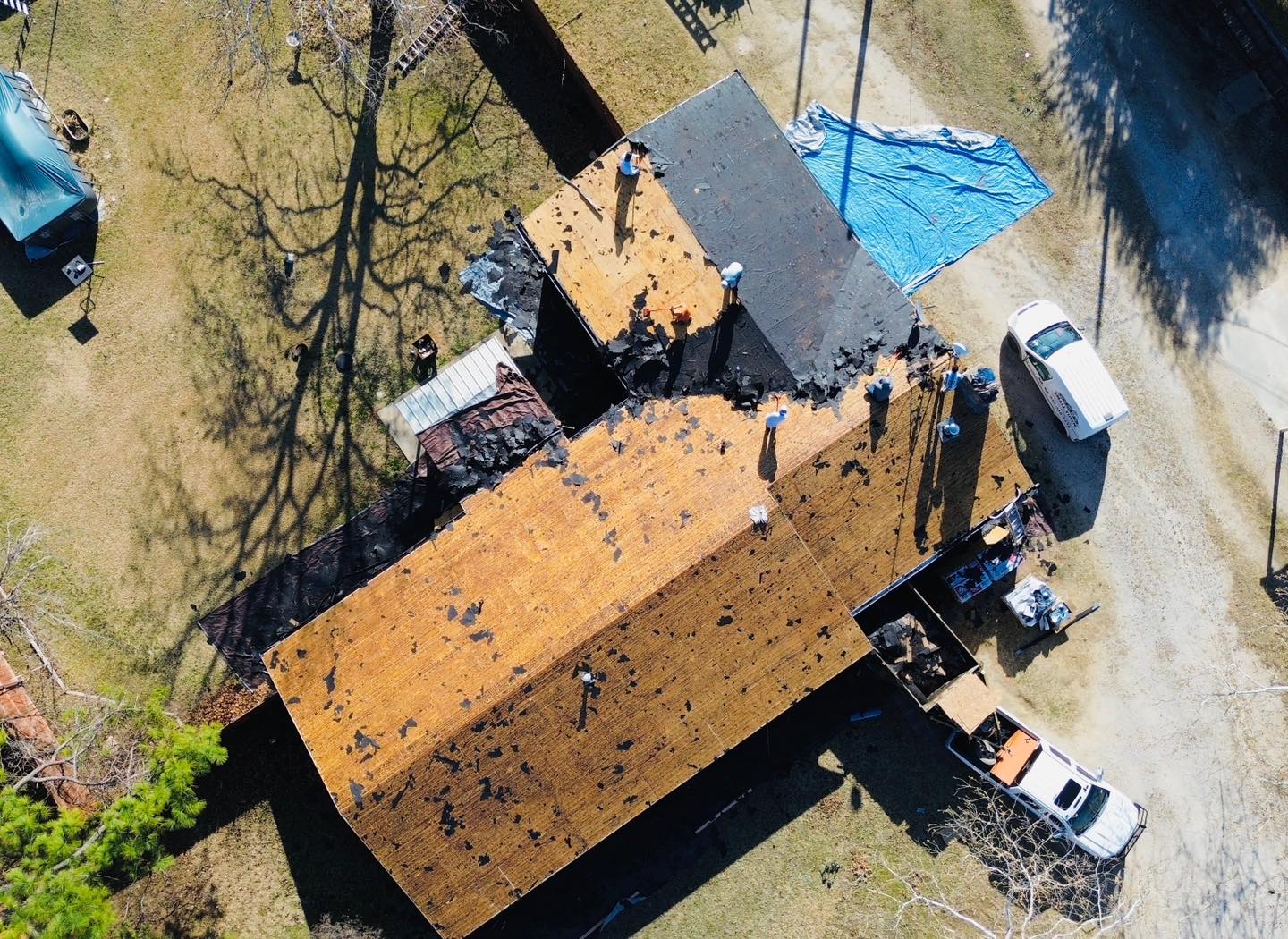
DIY Roof Repairs vs Professional Roofing Services
Many homeowners wonder whether roof repairs can be completed independently or require professional assistance. The answer depends largely on the complexity of the damage, the homeowner’s experience, and the safety risks involved.
Simple maintenance tasks such as removing leaves, cleaning gutters, or replacing a single accessible shingle may be manageable for experienced homeowners using proper safety equipment. Even these seemingly straightforward tasks require caution because roof work presents significant fall hazards.
Repairs involving flashing, structural components, extensive leaks, multiple damaged shingles, or storm related damage generally require professional expertise. Roofing contractors possess specialized equipment, safety training, and experience that enable them to diagnose underlying problems accurately and complete durable repairs.
Improper DIY repairs often create additional complications. Using incompatible materials, applying incorrect sealants, or installing shingles improperly may temporarily conceal problems while allowing hidden water intrusion to continue beneath the roofing surface.
Professional roofers also understand local building codes and manufacturer installation requirements. Their work is more likely to comply with warranty conditions while delivering repairs that perform reliably over the long term.
Cost considerations should include more than immediate repair expenses. While DIY projects may appear less expensive initially, mistakes can lead to larger repair bills if underlying issues remain unresolved. Professional repairs often provide greater long term value by addressing both visible damage and its root cause.
Choosing between DIY and professional services should therefore prioritize safety, repair quality, and long term roof performance rather than focusing solely on short term savings.
How Weather and Climate Affect Residential Roof Performance
Every residential roof operates within a unique environmental setting. Climate conditions significantly influence how quickly roofing materials age, how frequently repairs become necessary, and what maintenance strategies deliver the best results.
Homes located in regions with frequent rainfall often experience greater risks of moisture intrusion. Continuous exposure to rain increases stress on flashing, sealants, gutters, and drainage systems. Even minor defects become more significant under repeated wet conditions.
Wind represents another major challenge for residential roofs. Strong gusts can loosen shingles, displace flashing, and carry airborne debris that damages roofing materials. Wind driven rain also penetrates vulnerable roof joints more easily than vertical rainfall.
Hot climates create different challenges. Intense sunlight gradually weakens roofing materials through ultraviolet exposure while repeated heating and cooling cycles cause expansion and contraction. These movements eventually contribute to cracks, loose fasteners, and deteriorated sealants.
Cold climates introduce freeze thaw cycles that place additional stress on roofing systems. Water entering small cracks expands as it freezes, gradually widening openings and accelerating deterioration. Ice dams may also develop along roof edges, preventing proper drainage and forcing water beneath roofing materials.
Coastal homes face unique maintenance requirements due to salt exposure and high humidity. Salt accelerates corrosion of metal components while humid conditions increase the likelihood of mold growth and moisture related deterioration. Homeowners in these regions often benefit from more frequent inspections and preventive maintenance.
Understanding local weather conditions allows homeowners to adopt maintenance strategies that address their roof’s specific environmental challenges. Rather than reacting only after damage appears, proactive care helps preserve roofing materials and reduces the frequency of major repair projects.
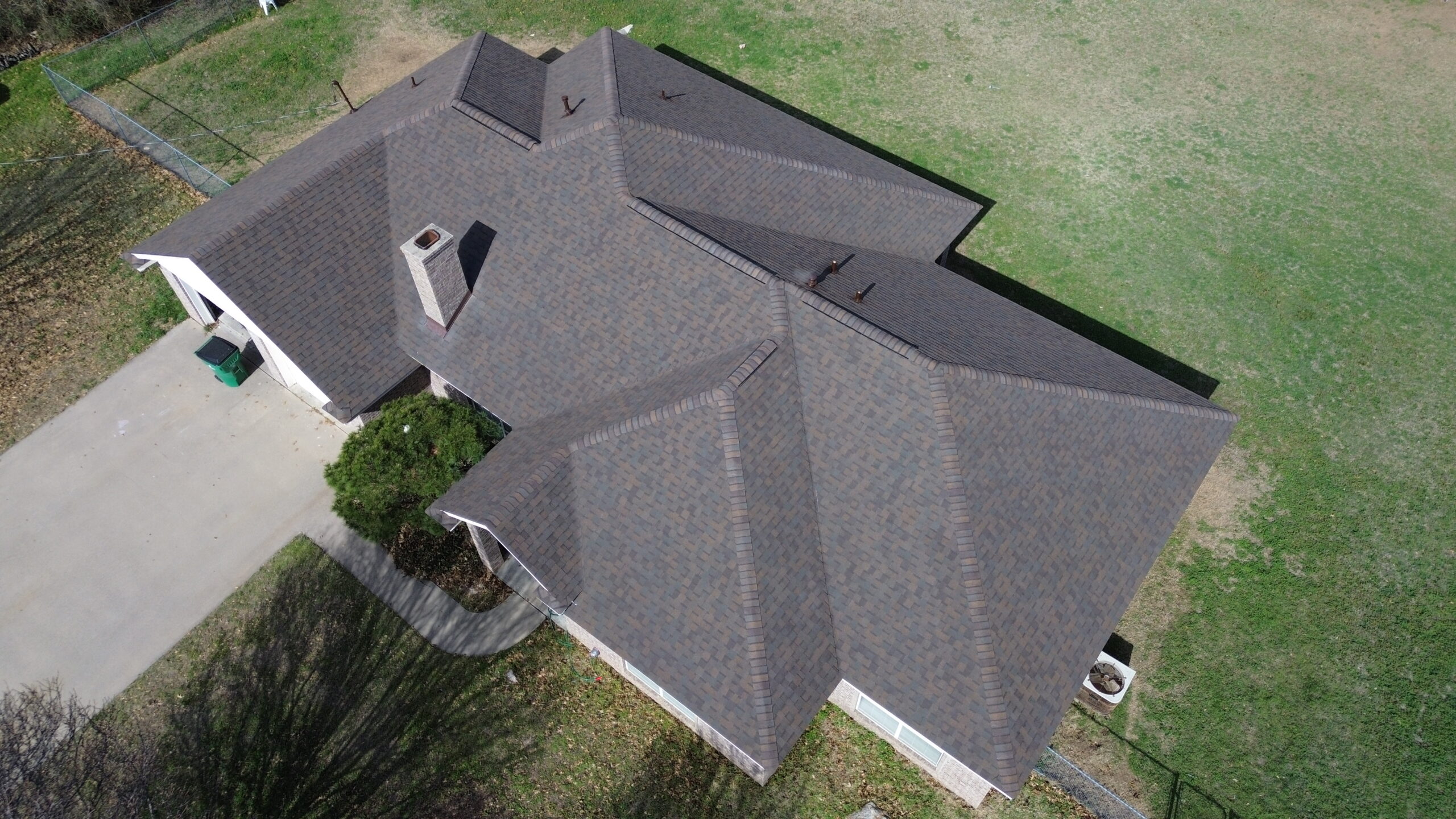
Residential Roof Repair Methods and Cost Considerations
A successful roof repair goes beyond replacing damaged materials. The best repair solutions address the root cause of the problem while restoring the roof’s ability to protect the home from future weather exposure. Understanding how different roofing systems are repaired allows homeowners to make informed decisions and communicate confidently with roofing professionals.
Repair methods vary depending on the roofing material, the extent of the damage, the age of the roof, and local weather conditions. While some repairs can be completed within a few hours, others require more extensive work to ensure the roofing system performs as intended for many years.
Repair Solutions for Asphalt Shingle Roofs
Asphalt shingles remain the most widely used residential roofing material because they are cost effective, durable, and relatively easy to repair. When damage is discovered early, repairs are usually localized and do not require replacing the entire roof.
One of the most common repairs involves replacing missing or damaged shingles. Strong winds, hail, falling branches, and aging materials can loosen or crack individual shingles. Roofing professionals carefully remove damaged pieces, inspect the underlying deck, and install matching replacement shingles that blend with the existing roof.
Curling shingles often indicate prolonged exposure to sunlight or moisture. If only a few shingles are affected and the roof is otherwise in good condition, targeted replacement is usually sufficient. However, widespread curling may suggest that the roof is approaching the end of its service life.
Roof leaks around chimneys, skylights, and plumbing vents frequently result from damaged flashing rather than defective shingles. Replacing flashing and resealing joints creates a watertight barrier that prevents future leaks while preserving surrounding roofing materials.
Roofing nails can also become loose over time due to expansion and contraction caused by changing temperatures. Exposed nail heads are resealed or replaced to prevent water from entering through small openings that may otherwise go unnoticed.
Granule loss becomes more common as asphalt shingles age. While moderate granule loss is part of the natural aging process, excessive deterioration leaves shingles vulnerable to ultraviolet damage and moisture penetration. Roofing contractors evaluate whether localized repairs remain practical or whether replacement offers a better long term solution.
Repairing Metal, Tile, Slate, and Flat Roof Systems
Different roofing materials require specialized repair techniques because each system responds differently to weather exposure and physical damage. Understanding these repair methods helps homeowners appreciate the importance of hiring contractors with experience working on their specific roof type.
Metal roofs generally require fewer repairs than many other roofing systems, but they are not maintenance free. Loose fasteners, damaged sealants, corrosion around joints, or dented panels can compromise weather resistance if left unaddressed. Contractors inspect each connection carefully before replacing damaged components and resealing vulnerable areas.
Tile roofs provide excellent durability but individual tiles may crack after severe storms or falling debris. Rather than disturbing large roof sections, professionals replace only damaged tiles while inspecting nearby pieces for hidden fractures. Proper installation ensures that replacement tiles maintain the roof’s appearance and weather protection.
Slate roofing requires exceptional care because individual slate pieces can break if handled incorrectly. Repairs involve carefully removing damaged slates without affecting surrounding sections, followed by installing matching replacement pieces using specialized fastening methods.
Flat roofs rely on waterproof membranes instead of overlapping shingles. Common repairs include sealing membrane punctures, repairing separated seams, replacing damaged flashing, and restoring drainage pathways that prevent standing water. Because flat roofs can conceal moisture beneath the surface, inspections often include checking for trapped water within insulation layers.
Wood shake roofs require repairs that preserve both structural performance and natural appearance. Split, decayed, or insect damaged shakes are replaced individually while maintaining consistent spacing and ventilation. Contractors also inspect the roof deck for hidden moisture damage before completing repairs.
Each roofing material has unique maintenance requirements, making professional expertise valuable when selecting repair methods that preserve both performance and longevity.
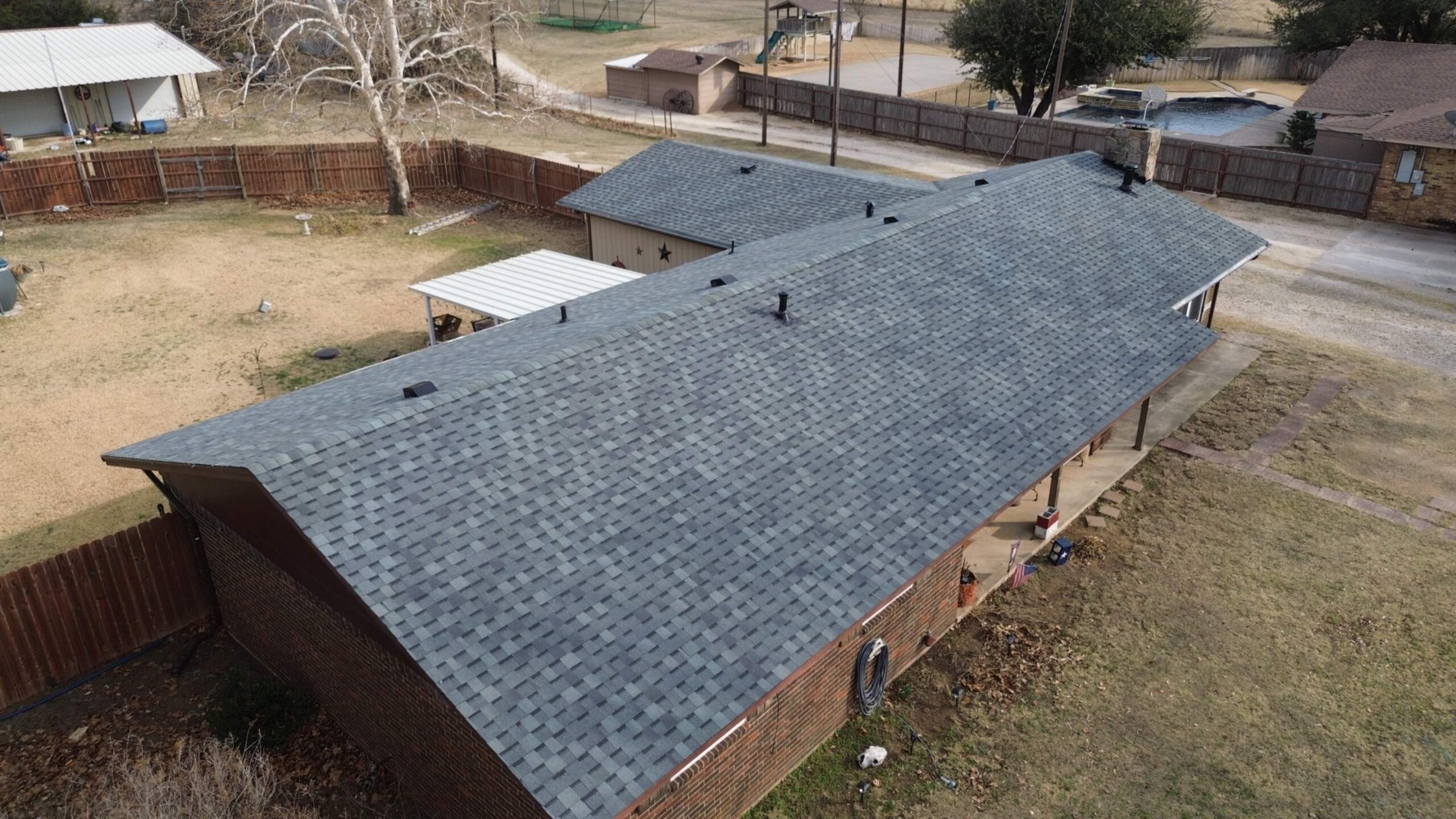
Emergency Roof Repairs After Storm Damage
Severe weather can cause sudden roof damage that requires immediate attention. High winds, hailstorms, hurricanes, heavy snowfall, and falling trees often create situations where delaying repairs allows water to enter the home and worsen existing damage.
Emergency roof repairs focus first on protecting the property from additional exposure. Temporary coverings such as heavy duty tarps may be installed over damaged areas until permanent repairs can be completed safely. These temporary measures reduce water intrusion and help minimize interior damage.
Storm damage inspections involve more than identifying visible defects. Roofing professionals evaluate flashing, underlayment, roof decking, gutters, vents, skylights, and surrounding structural components to determine whether hidden damage exists beneath the surface.
Wind damage frequently removes shingles without immediately creating visible leaks. Exposed underlayment may continue protecting the home temporarily, but prolonged exposure increases the likelihood of moisture penetration during subsequent storms.
Hail damage varies according to storm intensity and roofing material. Asphalt shingles may lose protective granules, metal panels may dent, and tiles may crack even when damage appears minor from ground level. Professional inspections help identify problems that homeowners may overlook.
After emergency repairs are completed, contractors typically recommend a comprehensive inspection to determine whether additional permanent repairs are necessary. This systematic approach ensures the entire roofing system returns to full functionality rather than addressing only the most obvious damage.
Roof Leak Detection and Permanent Repair Techniques
Finding the true source of a roof leak is often more challenging than repairing it. Water rarely travels directly downward after entering the roof. Instead, it may follow rafters, insulation, or structural framing before becoming visible inside the home.
Professional leak detection begins by inspecting the roof’s most vulnerable areas. Flashing around chimneys, skylights, plumbing vents, roof valleys, dormers, and ridge caps receives particular attention because these locations experience frequent water exposure.
Roofing contractors also examine attic spaces for water stains, damp insulation, mold growth, and daylight entering through roof penetrations. Combining interior and exterior inspections provides a clearer understanding of how water travels through the roofing system.
Once the leak source is identified, permanent repairs focus on eliminating the underlying cause rather than temporarily masking symptoms. Damaged flashing is replaced, cracked shingles are removed, deteriorated sealants are renewed, and compromised underlayment is repaired where necessary.
Some leaks originate from clogged gutters that force water beneath roofing materials. In these situations, restoring proper drainage becomes part of the permanent repair process. Cleaning gutters, correcting drainage slopes, and repairing downspouts help prevent recurring water intrusion.
Advanced moisture detection equipment is sometimes used when leaks remain difficult to locate. Infrared imaging and moisture meters allow roofing professionals to identify hidden water trapped beneath roofing materials without unnecessary removal of large roof sections.
Permanent repairs provide greater long term value because they restore the roofing system instead of simply delaying future problems.
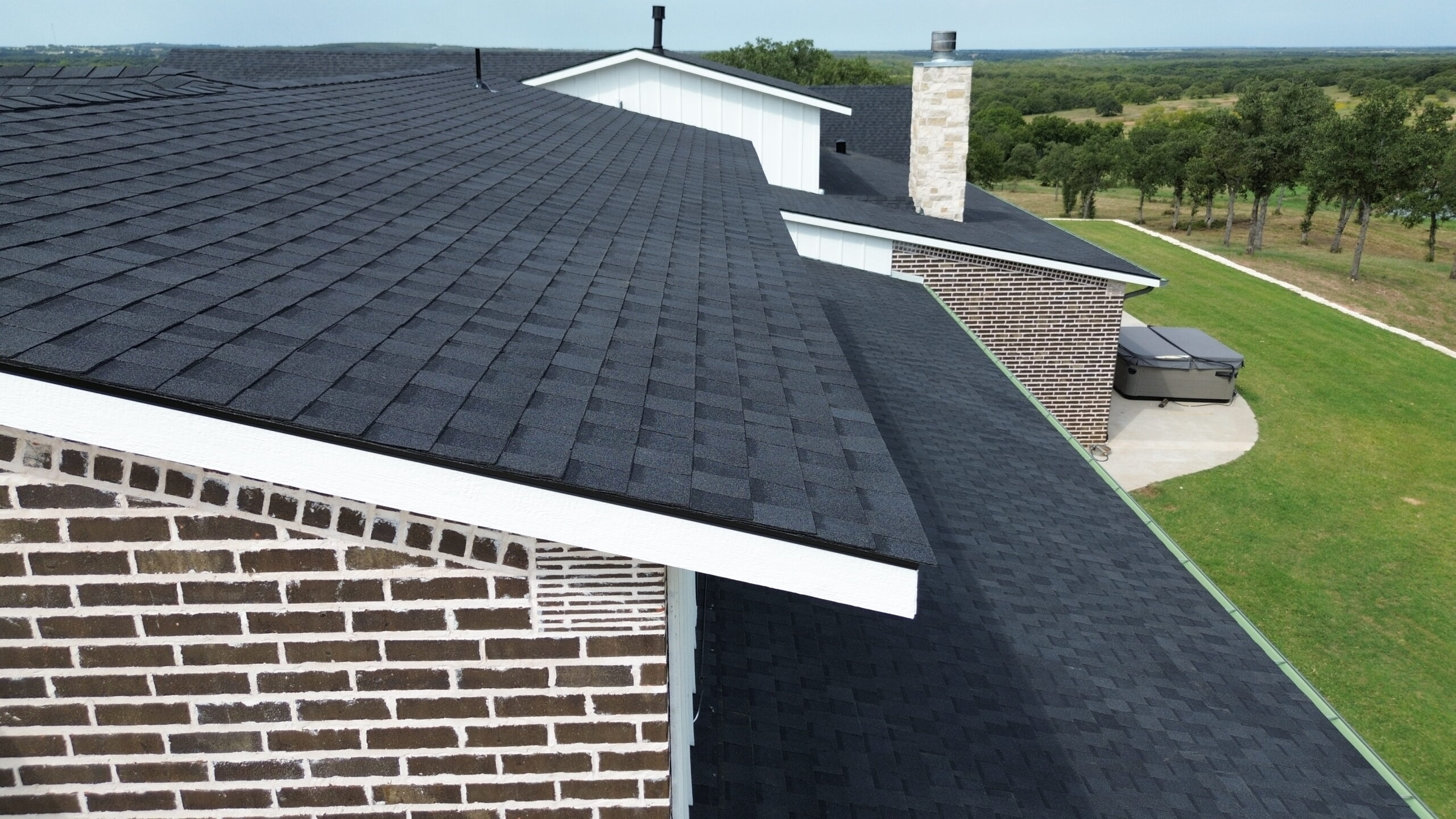
Factors That Influence Residential Roof Repair Costs
Roof repair costs vary considerably because every home presents different challenges. Understanding the factors that influence pricing helps homeowners prepare realistic budgets while comparing contractor estimates more effectively.
The extent of the damage remains the most significant cost factor. Replacing several shingles costs far less than repairing structural decking damaged by prolonged water exposure. Early intervention generally limits repair costs because smaller problems require fewer materials and less labor.
Roofing material also affects repair expenses. Asphalt shingles are usually less expensive to repair than slate, tile, or metal roofs because replacement materials are widely available and installation procedures are relatively straightforward.
Roof accessibility influences labor costs as well. Steep roofs, multi story homes, limited access points, and complex roof designs require additional safety equipment and more time to complete repairs. These factors naturally increase labor requirements.
Geographic location also plays an important role. Material prices, labor rates, local building regulations, and seasonal demand all influence repair costs. Areas experiencing frequent storms may see higher demand for roofing services, particularly after severe weather events.
The age of the roof affects repair decisions too. Older roofs often require additional inspection because surrounding materials may have weakened over time. Contractors may recommend replacing adjacent aging components to ensure repairs integrate effectively with the existing roof.
Permits, waste disposal, and unforeseen structural issues can also influence final project costs. Comprehensive inspections before work begins help reduce unexpected expenses while ensuring accurate repair planning.
Repair or Replace: How to Make the Right Decision
One of the most common questions homeowners face is whether repairing the roof remains practical or whether complete replacement provides better long term value. The answer depends on several factors rather than a single issue.
Age is an important consideration. A relatively new roof with isolated damage usually benefits from targeted repairs because most of the roofing system remains in good condition. Extensive replacement may be unnecessary when only small sections require attention.
Repeated repairs on an aging roof often become less cost effective over time. If leaks continue appearing in different areas or roofing materials show widespread deterioration, replacement may reduce future maintenance expenses while improving reliability.
Structural integrity also influences the decision. Damage limited to surface materials can often be repaired successfully, but extensive deterioration affecting roof decking or framing may justify a more comprehensive replacement project.
Energy efficiency provides another important consideration. Modern roofing materials often offer improved insulation performance and ventilation options compared to older systems. Homeowners planning to remain in their homes for many years may benefit from these long term energy savings.
Professional roof inspections provide valuable guidance because experienced contractors evaluate the roof’s overall condition rather than focusing solely on visible damage. Their recommendations consider safety, longevity, repair costs, and future maintenance requirements.
The following comparison highlights situations where repair or replacement may be the better option.
| Roof Condition | Recommended Solution | Typical Repair Complexity |
|---|---|---|
| A few missing or damaged shingles | Localized repair | Low |
| Small flashing leak | Flashing replacement and resealing | Low |
| Storm damage affecting one section | Sectional roof repair | Moderate |
| Multiple recurring leaks across the roof | Comprehensive inspection and possible replacement | High |
| Widespread structural water damage | Full roof replacement | Very High |
| Roof nearing the end of its expected lifespan | Replacement evaluation | High |
Every roof is unique, so the final decision should balance immediate repair costs with long term performance, maintenance expectations, and future property value.
Choosing a Reliable Residential Roofing Contractor
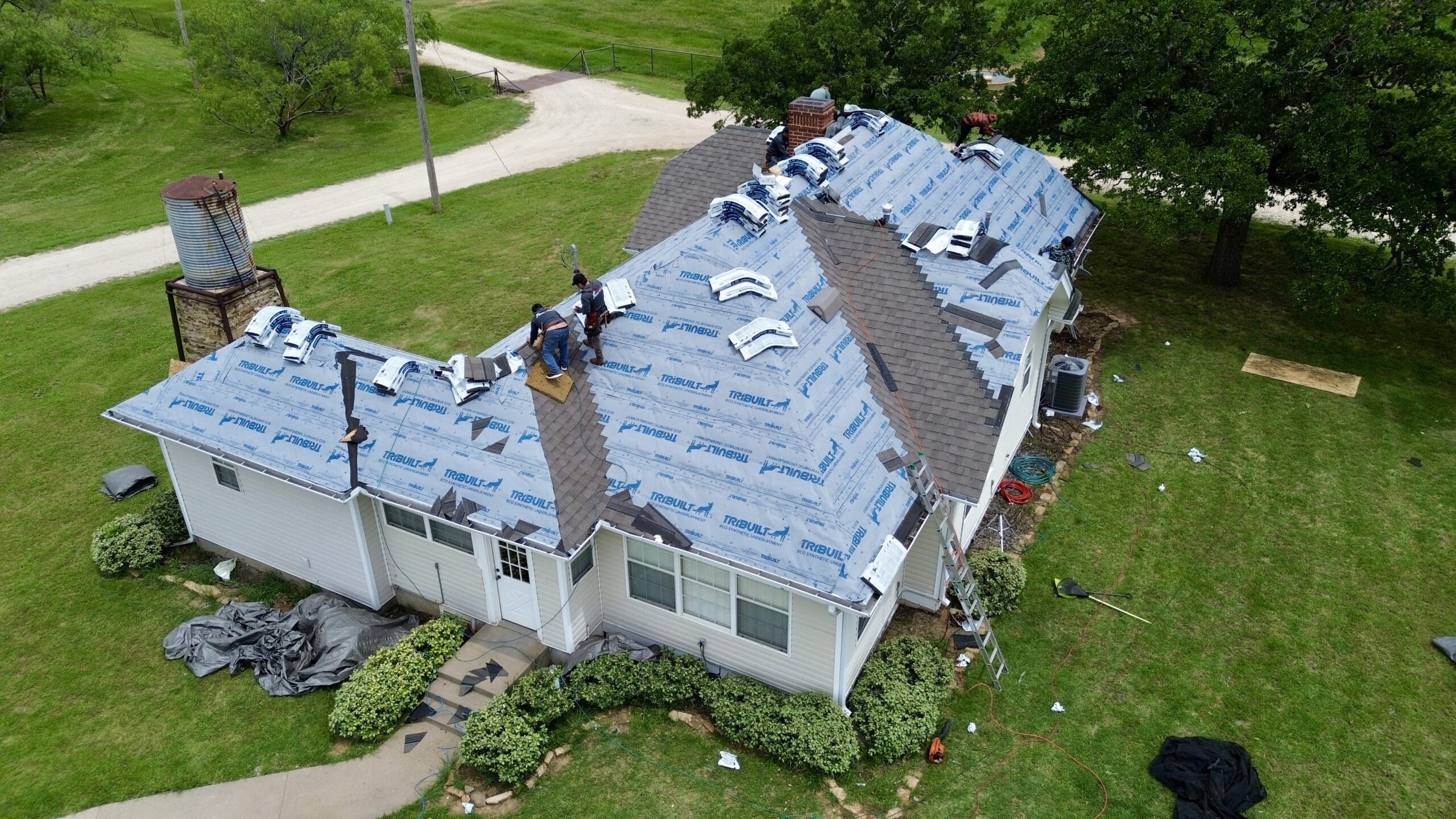
Even the highest quality roofing materials cannot compensate for poor workmanship. Selecting an experienced contractor is therefore one of the most important decisions homeowners make during any roof repair project.
A reputable contractor begins with a thorough inspection rather than offering immediate pricing without evaluating the roof. Detailed assessments identify both visible damage and hidden issues, allowing accurate repair recommendations based on the roof’s actual condition.
Clear written estimates demonstrate professionalism and reduce misunderstandings. Estimates should explain the scope of work, materials to be used, estimated completion time, warranty information, and total project cost. Transparent communication builds confidence before work begins.
Licensing, insurance, and relevant certifications provide additional assurance that the contractor meets industry standards. Insurance protects both the homeowner and the roofing crew in the event of accidents or property damage during repairs.
Homeowners should also ask about previous experience with their specific roofing material. Contractors who regularly repair asphalt shingles may not possess the same level of expertise required for slate, tile, or specialty roofing systems.
Customer reviews and references provide valuable insight into workmanship, reliability, communication, and project management. While no contractor receives perfect feedback, consistently positive experiences across multiple customers often indicate dependable service.
Quality contractors also prioritize safety throughout every stage of the repair process. Proper fall protection, equipment maintenance, and organized work practices help reduce risks while protecting both workers and homeowners.
Choosing a contractor based solely on the lowest price may result in inferior materials or incomplete repairs. Evaluating experience, reputation, communication, warranties, and workmanship often provides better long term value than focusing exclusively on initial project cost.
Long Term Roof Protection and Maintenance
Repairing a roof successfully is only part of protecting a home. Long term performance depends on consistent maintenance, timely inspections, and proactive care that prevents small issues from becoming major structural problems. Homeowners who adopt preventive maintenance strategies often enjoy longer roof lifespans, lower repair costs, and greater peace of mind.
Every roof experiences natural aging, but proper care slows that process considerably. By understanding how to maintain roofing materials and respond quickly to developing problems, homeowners can maximize the value of their roofing investment for many years.
Preventive Roof Maintenance Strategies
Preventive maintenance is one of the most effective ways to reduce the frequency and cost of roof repairs. Rather than waiting for visible damage to appear, homeowners should schedule regular inspections and maintenance activities throughout the year.
Keeping the roof surface free from leaves, branches, and other debris allows water to flow properly toward gutters and downspouts. Organic debris traps moisture against roofing materials, accelerating deterioration and encouraging mold growth.
Gutters deserve equal attention because clogged drainage systems often cause water to back up beneath shingles. Cleaning gutters regularly reduces the likelihood of leaks while protecting fascia boards and exterior walls from unnecessary moisture exposure.
Tree maintenance also contributes significantly to roof health. Trimming overhanging branches minimizes the risk of impact damage during storms while reducing the amount of leaves and debris accumulating on the roof surface.
Roof penetrations such as chimneys, skylights, and plumbing vents should be inspected periodically. Sealants naturally deteriorate over time, and replacing them before failure helps maintain a watertight roofing system.
Homeowners should also monitor attic conditions throughout the year. Adequate ventilation and insulation reduce heat buildup, moisture accumulation, and condensation that may otherwise shorten the roof’s lifespan from the inside.
Preventive maintenance may require a modest annual investment, but it usually costs far less than repairing extensive water damage or replacing an entire roofing system prematurely.
Seasonal Roof Care Checklist
Changing seasons expose residential roofs to different environmental challenges. A seasonal maintenance routine helps ensure the roof remains prepared for varying weather conditions throughout the year.
Spring is an excellent time to inspect the roof after winter weather. Homeowners should check for loose shingles, damaged flashing, clogged gutters, and debris left behind by storms. Addressing these issues early prepares the roof for seasonal rainfall.
Summer maintenance focuses on identifying damage caused by prolonged sunlight and high temperatures. Roofing materials expand during hot weather, making it important to inspect sealants, vents, and flashing for signs of deterioration.
Autumn preparations are equally important because falling leaves frequently block gutters and drainage systems. Clearing debris before winter helps prevent water backup and reduces the risk of ice formation in colder climates.
Winter inspections should generally be limited to safe ground level observations unless performed by professionals. Homeowners should watch for excessive snow accumulation, ice dams, and signs of interior leaks that may indicate weather related roof damage.
Following a consistent seasonal routine helps identify maintenance needs before severe weather creates larger problems. Small investments in seasonal care often produce significant long term savings.
Common Residential Roof Repair Mistakes to Avoid
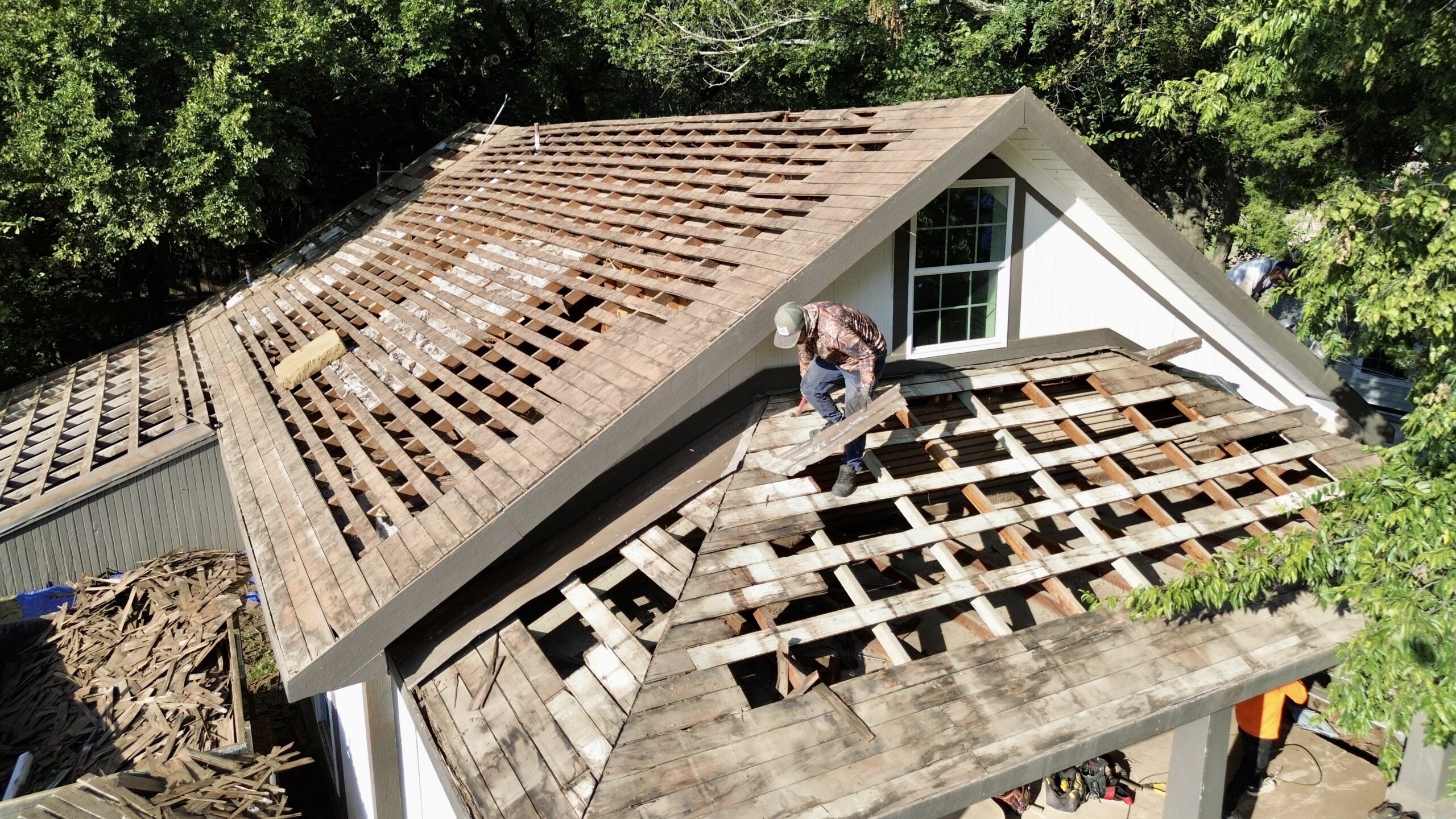
Even well intentioned homeowners sometimes make decisions that unintentionally worsen roof damage. Understanding these common mistakes helps prevent unnecessary repair expenses and extends the life of the roofing system.
One of the biggest mistakes is delaying repairs after discovering a leak. Water damage rarely remains confined to one location. Moisture spreads through insulation, framing, ceilings, and walls, increasing repair costs each day the problem remains unresolved.
Attempting complex repairs without proper knowledge or equipment also creates unnecessary risks. Incorrect installation techniques may temporarily hide problems while allowing hidden water intrusion to continue beneath roofing materials.
Using low quality replacement materials represents another common error. Inferior shingles, sealants, or flashing often deteriorate more quickly than surrounding roofing components, creating recurring maintenance issues that could have been avoided with higher quality products.
Some homeowners overlook attic ventilation when repairing roof damage. Poor ventilation contributes to excessive heat and moisture buildup, reducing the effectiveness of even professionally completed roof repairs.
Ignoring manufacturer recommendations may also shorten the roof’s lifespan. Roofing systems are designed to function as integrated assemblies, and using incompatible materials can affect both performance and warranty coverage.
Waiting until visible interior damage appears before scheduling an inspection is another costly mistake. By the time stains develop on ceilings or walls, moisture may already have caused significant hidden structural deterioration.
Avoiding these common mistakes improves repair quality while reducing the likelihood of repeated maintenance problems in the future.
How Proper Roof Repairs Increase Home Value and Energy Efficiency
A properly repaired roof provides benefits that extend far beyond preventing leaks. It enhances curb appeal, improves energy performance, and strengthens the overall value of the property.
Potential homebuyers often evaluate roof condition before making purchasing decisions. A well maintained roof demonstrates responsible ownership and reduces concerns about future repair expenses. This confidence can make a property more attractive in competitive housing markets.
Energy efficiency improves when damaged roofing materials, insulation, and ventilation systems function together effectively. A properly sealed roof reduces unwanted heat transfer, helping heating and cooling systems maintain comfortable indoor temperatures with less energy consumption.
Modern repair materials also offer performance improvements over older products. Enhanced sealants, improved underlayment systems, and more durable flashing designs contribute to better weather resistance while extending maintenance intervals.
Moisture control plays an equally important role. Preventing water intrusion protects insulation from becoming saturated, allowing it to maintain its thermal performance throughout the year. Dry insulation performs far more efficiently than insulation affected by prolonged moisture exposure.
Long term maintenance records documenting professional repairs may also provide value during future property transactions. Buyers appreciate evidence that the roof has been inspected and maintained consistently rather than neglected over time.
Investing in quality roof repairs therefore benefits both current living conditions and future property value.
Understanding Roof Warranties and Insurance Claims
Roof repairs often involve warranty coverage, insurance claims, or both. Understanding how these protections work helps homeowners avoid unnecessary expenses while ensuring eligible repairs receive appropriate financial support.
Manufacturer warranties generally cover defects in roofing materials for a specified period. These warranties do not usually cover damage caused by improper installation, poor maintenance, or severe weather events. Reading warranty terms carefully helps homeowners understand their responsibilities.
Workmanship warranties are provided by roofing contractors and cover installation related issues for an agreed period. Choosing contractors who stand behind their work provides additional confidence that repairs will perform as expected.
Insurance policies may cover sudden damage resulting from storms, hail, wind, falling trees, or other covered events. However, insurance companies often distinguish between unexpected damage and gradual deterioration caused by normal aging or neglected maintenance.
When roof damage occurs, homeowners should document the condition immediately by taking clear photographs of affected areas, interior damage, and surrounding property. This documentation supports insurance claims and helps establish the extent of the damage before temporary repairs begin.
Professional roof inspections also strengthen insurance claims because experienced contractors can identify hidden storm damage that may not be immediately visible. Detailed inspection reports provide valuable supporting evidence during the claims process.
Maintaining accurate records of inspections, repairs, warranties, and maintenance activities creates a valuable history that benefits both insurance claims and future property ownership.
Steps to Plan a Successful Residential Roof Repair Project
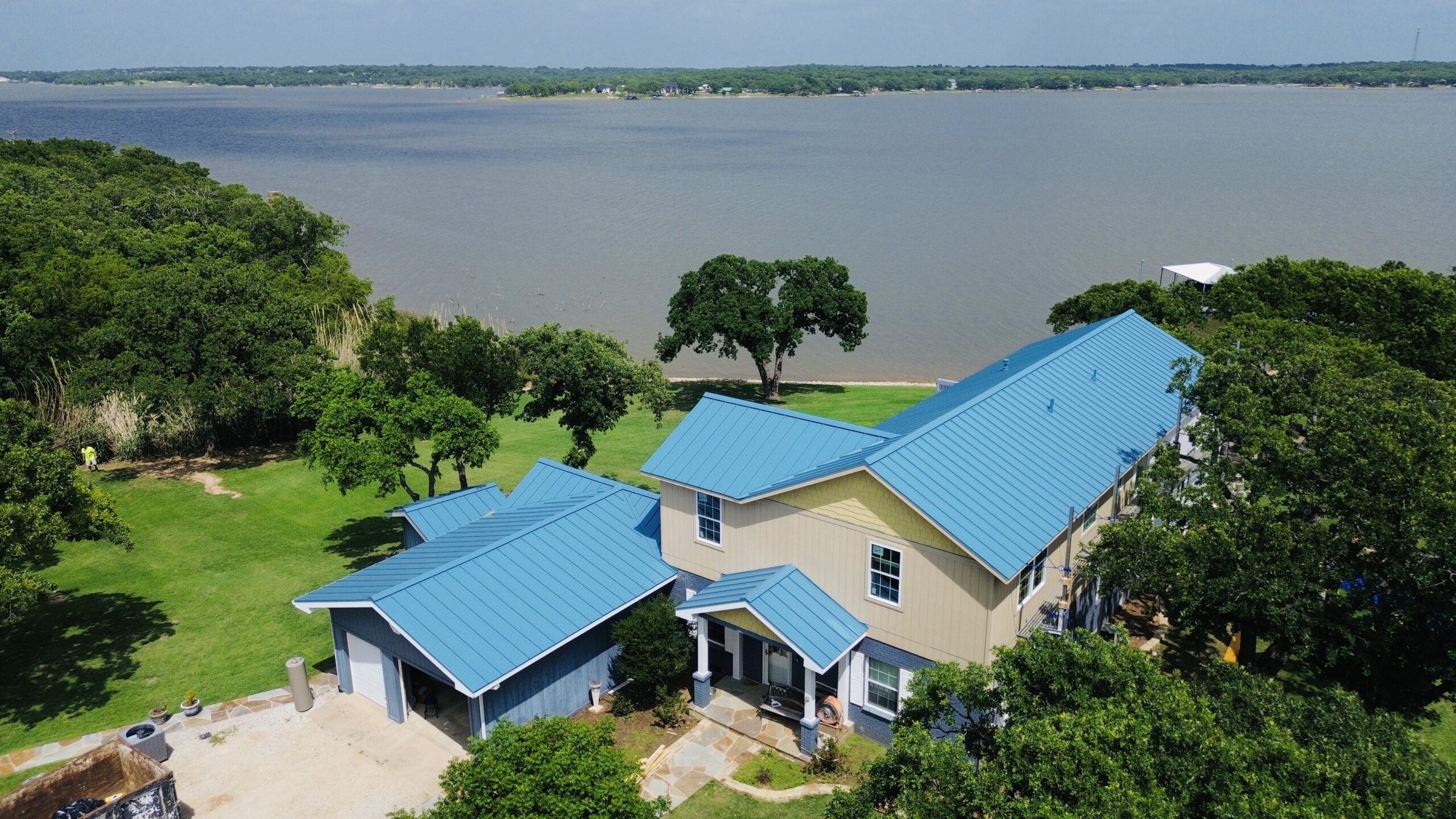
Planning ahead allows roof repair projects to proceed more smoothly while reducing unexpected delays and expenses. Following a structured approach helps homeowners make informed decisions throughout the repair process.
- Inspect the roof and identify visible signs of damage as early as possible.
- Schedule a professional inspection to confirm the cause and extent of the problem.
- Obtain detailed written estimates from reputable roofing contractors.
- Compare repair recommendations, materials, warranties, and project timelines.
- Verify contractor licensing, insurance, and customer references before hiring.
- Schedule repairs promptly to prevent additional weather related damage.
- Keep records of completed repairs, warranties, and future maintenance recommendations.
Following these steps encourages better planning while improving the quality and longevity of completed roof repairs.
Frequently Asked Questions About Residential Roof Repair
How often should a residential roof be inspected?
Most experts recommend a professional roof inspection at least once each year. Additional inspections are advisable after severe storms, hail events, or high wind conditions that may have caused hidden damage.
Can a small roof leak become a serious problem?
Yes. Even minor leaks can allow moisture to spread into insulation, framing, ceilings, and walls. Prompt repairs usually prevent much larger structural and interior restoration costs.
How long do residential roof repairs usually take?
Simple repairs may be completed within a few hours, while larger projects involving structural damage or multiple roof sections can require several days. Weather conditions and material availability may also influence project duration.
Is repairing a roof always less expensive than replacing it?
Not necessarily. Small localized damage is generally less expensive to repair, but repeated repairs on an aging roof may eventually cost more than installing a new roofing system.
What is the best season for roof repairs?
Mild weather during spring and autumn often provides ideal working conditions. However, urgent repairs should never be postponed simply to wait for a preferred season because ongoing water intrusion can quickly increase damage.
Can regular maintenance really extend roof lifespan?
Yes. Routine inspections, gutter cleaning, debris removal, timely repairs, and proper attic ventilation all contribute to extending the service life of residential roofing systems while reducing long term maintenance costs.
Conclusion
Residential roof repair is far more than a response to visible leaks or damaged shingles. It is an ongoing investment in the safety, durability, energy efficiency, and long term value of your home. Every repair, no matter how small, plays a role in protecting the structural integrity of the property and preventing expensive damage from developing over time.
Understanding the causes of roof deterioration, recognizing early warning signs, selecting appropriate repair methods, and working with qualified roofing professionals enables homeowners to make confident maintenance decisions. When combined with regular inspections and seasonal preventive care, these practices significantly reduce the likelihood of emergency repairs and unexpected expenses.
A well maintained roof not only withstands changing weather conditions more effectively but also improves indoor comfort, enhances curb appeal, and increases property value. Rather than viewing roof repairs as occasional emergency expenses, homeowners should consider them an essential part of responsible home maintenance and long term financial planning.
By applying the strategies outlined throughout this guide, homeowners can extend the lifespan of their roofing systems, improve overall home performance, and enjoy greater confidence knowing their homes remain protected through every season. Timely action, quality workmanship, and consistent maintenance are the foundation of lasting residential roof repair solutions.