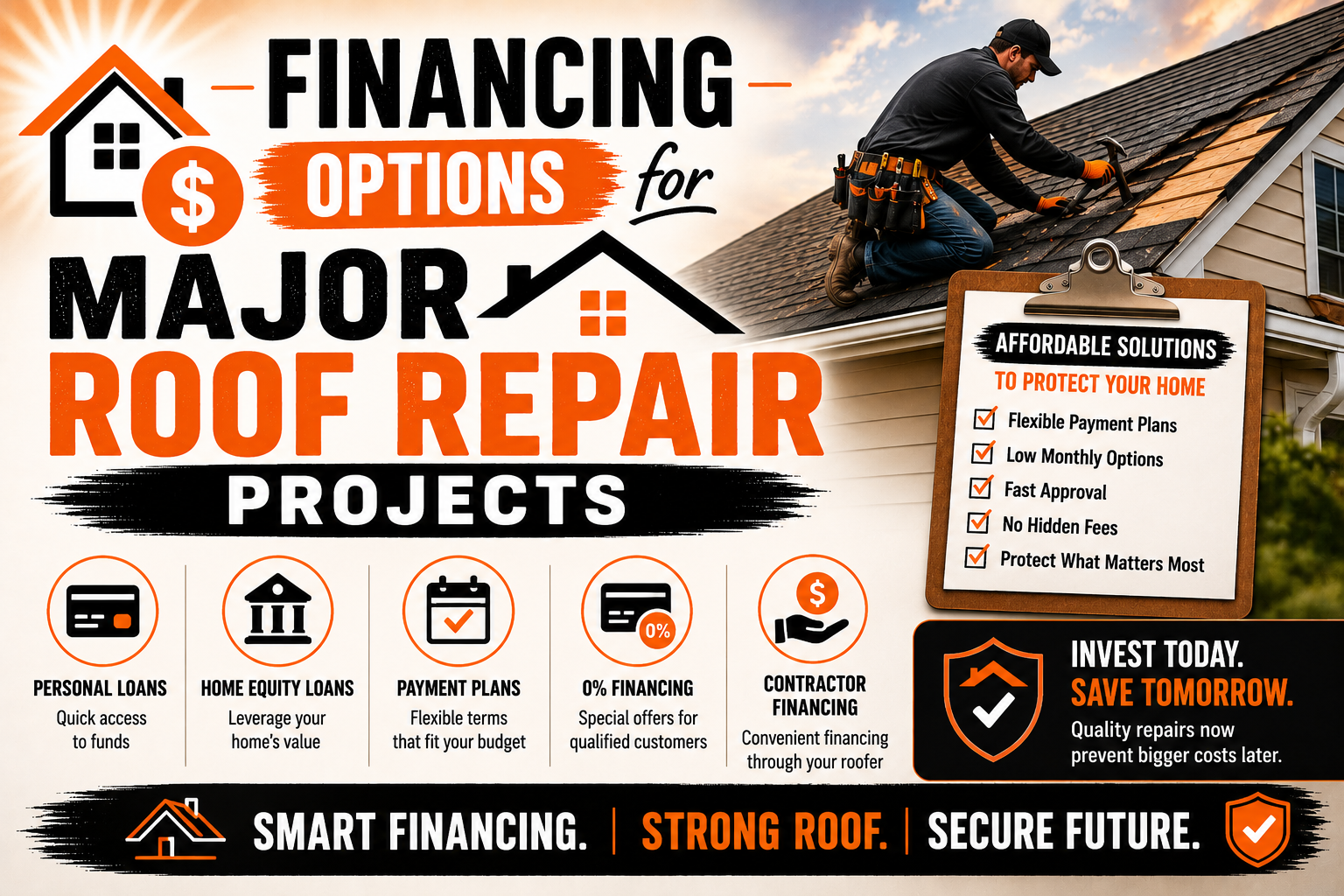
Financing Options for Major Roof Repair Projects
Introduction
A roof protects every part of a home from weather, moisture, and environmental damage, making it one of the most important structural components of any property. While routine maintenance can extend its lifespan, major roof repairs sometimes become unavoidable due to severe storms, aging materials, unexpected leaks, or structural damage. These large repair projects often require immediate attention because delaying them can result in more extensive and expensive problems throughout the home.
Unlike planned home improvement projects, significant roof repairs rarely happen at a convenient time. A homeowner may suddenly face damaged shingles after a windstorm, widespread leaks following heavy rainfall, or deteriorating roof decking discovered during an inspection. Because these situations demand prompt action, many homeowners must explore financing options to complete repairs without placing excessive strain on their household budget.
The cost of a major roof repair can vary significantly depending on the roofing material, the size of the damaged area, labor requirements, and the condition of the underlying structure. Even homeowners with emergency savings may find that a large repair project exceeds the amount they have set aside. Financing provides an opportunity to complete necessary work immediately while spreading payments over a manageable period.
Choosing the right financing method requires careful evaluation. Interest rates, repayment terms, eligibility requirements, and total borrowing costs differ across financial products, making it important to understand the available options before making a decision. Selecting financing based solely on monthly payment amounts can sometimes lead to higher long-term costs if loan terms are not carefully reviewed.
This guide explores financing options for major roof repair projects by examining why financing is often necessary, how homeowners can assess their financial situation, and the steps they should take before applying for funding. Understanding these fundamentals provides a strong foundation for making informed financial decisions while protecting the long-term value of the home.
Why Major Roof Repairs Often Require Financing
Roof repairs become expensive because they involve more than simply replacing damaged shingles. Large repair projects often require extensive labor, structural inspections, replacement materials, waterproofing systems, and sometimes repairs to insulation or roof decking. These combined expenses can quickly exceed the amount many homeowners have available in savings.
Unexpected timing is one of the primary reasons financing becomes necessary. Roof damage frequently occurs after severe weather events such as hailstorms, heavy rainfall, strong winds, or falling trees. Since these events cannot be predicted, homeowners may not have accumulated sufficient funds before repairs become urgent.
Major roof damage also requires immediate attention to prevent additional property loss. Water entering through damaged roofing materials can spread into ceilings, walls, insulation, flooring, and electrical systems within a short period. Delaying repairs while saving money may increase overall restoration costs far beyond the original roofing expense.
Many homeowners also face competing financial responsibilities. Mortgage payments, household utilities, education expenses, transportation costs, and daily living expenses often leave limited room for sudden repair bills. Financing allows essential roof repairs to proceed without disrupting every other aspect of the household budget.
Property value is another important consideration. A damaged roof affects both the safety and market value of a home. Buyers and mortgage lenders often view roofing issues as significant concerns, making timely repairs essential for preserving long-term property value. Financing enables homeowners to maintain their investment rather than postponing necessary work because of temporary financial limitations.
Rather than viewing financing as a sign of financial difficulty, many homeowners use it as a practical financial management tool. When selected carefully, financing provides flexibility while ensuring critical repairs are completed before damage becomes more extensive and costly.
Understanding the True Cost of Large Roof Repair Projects
The total cost of a major roof repair extends well beyond the visible roofing materials. Homeowners who understand the different components contributing to project expenses are better prepared to evaluate financing needs and develop realistic repayment plans.
Labor is often one of the largest portions of any roof repair estimate. Roofing requires skilled professionals who work under physically demanding and potentially hazardous conditions. Labor costs reflect not only installation work but also inspections, preparation, removal of damaged materials, cleanup, and final quality checks.
Material costs vary according to the type of roofing system involved. Standard asphalt shingles generally remain among the most affordable options, while metal roofing, slate, clay tile, and premium architectural products involve higher replacement costs. Matching existing materials can also influence pricing, particularly when older roofing products are no longer widely available.
Structural repairs may significantly increase project expenses. Water intrusion sometimes damages roof decking, rafters, insulation, or supporting components that must be repaired before new roofing materials can be installed. These hidden issues are often discovered only after contractors remove damaged sections of the roof.
Additional costs may include permits, debris disposal, temporary weather protection, specialized equipment, and repairs to interior finishes affected by water damage. While each individual expense may appear relatively modest, together they contribute substantially to the overall project budget.
Project timing also influences total cost. Emergency repairs performed immediately after severe storms often require temporary protective measures while contractors manage increased demand. Seasonal labor availability and material shortages may further affect pricing depending on local market conditions.
Understanding the complete scope of repair expenses helps homeowners avoid underestimating financing needs. Borrowing enough to complete the project properly often proves more economical than securing insufficient funds and facing additional borrowing later.
Factors That Influence Roof Repair Financing Needs
Every roofing project is different, and the amount of financing required depends on numerous factors beyond the visible damage. Evaluating these variables allows homeowners to select financing options that align with both the repair project and their financial circumstances.
The size of the damaged area is an obvious consideration. Small localized repairs generally require less financing than projects affecting multiple roof sections or extensive structural components. However, even limited damage may require additional repairs if moisture has spread beneath the roofing surface.
Roofing material also affects financing requirements. Premium materials often involve higher labor costs, specialized installation techniques, and more expensive replacement products. Homeowners with slate, tile, or metal roofing systems may therefore require larger financing amounts than those repairing standard asphalt shingles.
The age of the roof influences repair decisions as well. Older roofs nearing the end of their service life may require more extensive restoration or partial replacement. Contractors sometimes recommend broader repairs to ensure long-term performance, increasing the overall financing requirement.
Household financial resources naturally play an important role. Homeowners with substantial emergency savings may finance only a portion of the project, while others may require funding for the full repair cost. Existing debt obligations, monthly income, and available credit also affect borrowing decisions.
Insurance coverage can reduce financing needs in qualifying situations. If storm damage or another covered event contributes toward repair expenses, homeowners may only need financing for deductibles or uncovered portions of the project. Understanding expected insurance reimbursements helps determine the appropriate borrowing amount.
Future maintenance plans should also be considered. Financing a repair project may present an opportunity to complete additional preventive improvements that reduce future maintenance costs. Evaluating long-term needs alongside immediate repairs helps homeowners make more strategic financial decisions.
Assessing Your Financial Situation Before Choosing a Financing Option
Before applying for any type of financing, homeowners should carefully evaluate their overall financial position. Understanding income, expenses, savings, and existing financial commitments helps identify borrowing solutions that remain affordable throughout the repayment period.
The assessment should begin by reviewing monthly household income alongside recurring expenses such as mortgage payments, utilities, insurance, transportation, groceries, and existing loan obligations. Calculating available monthly cash flow provides a realistic picture of how much can comfortably be allocated toward loan repayments.
Emergency savings should also be evaluated. Even if financing is necessary, homeowners may reduce borrowing costs by contributing a portion of available savings toward the repair project. Preserving some emergency reserves remains important, however, because unexpected household expenses may arise while loan repayments are ongoing.
Existing debt levels deserve careful attention as well. Borrowers with multiple outstanding loans should consider how additional monthly payments will affect their overall financial stability. Selecting repayment terms that fit comfortably within the household budget reduces the likelihood of financial strain during the loan period.
Credit history also influences financing opportunities. Strong credit profiles generally provide access to lower interest rates and more favorable loan terms, reducing the total cost of borrowing. Reviewing credit reports before applying allows homeowners to identify potential issues that may affect loan approval.
Long-term financial goals should not be overlooked. Borrowing for essential roof repairs may be entirely appropriate, but homeowners should consider how repayment obligations align with future plans such as education expenses, retirement savings, or other major investments.
Taking time to assess personal finances before selecting a financing option helps homeowners make informed decisions that support both immediate repair needs and long-term financial stability.
Estimating Repair Costs and Setting a Realistic Budget
Accurate budgeting is an essential step before seeking financing because borrowing too little may delay project completion, while borrowing excessively increases long-term repayment costs. A realistic repair budget begins with obtaining a clear understanding of the project’s expected scope.
Professional roof inspections provide the most reliable foundation for cost estimation. Experienced contractors identify both visible damage and hidden structural concerns, allowing homeowners to develop budgets that reflect the complete repair rather than only the most obvious problems.
Obtaining multiple written estimates is equally valuable. Comparing proposals from qualified contractors helps homeowners understand differences in repair methods, materials, warranties, and project scope. Reviewing several estimates also provides greater confidence that the financing request accurately reflects expected expenses.
Budget planning should include contingency funds for unexpected discoveries. Roofing projects occasionally reveal concealed water damage, deteriorated decking, or additional repairs that were not visible during the initial inspection. Setting aside a reasonable financial buffer helps avoid interruptions if project costs increase.
Homeowners should also distinguish between essential repairs and optional improvements. Necessary structural work should receive priority, while aesthetic upgrades or nonessential enhancements can sometimes be scheduled separately if budget limitations exist. This approach allows financing to focus on protecting the home’s structural integrity first.
Creating a detailed budget also simplifies discussions with lenders. Clearly understanding project costs, expected insurance contributions, personal savings, and financing requirements demonstrates responsible financial planning while improving borrowing decisions.
A realistic budget ultimately provides confidence that sufficient funds will be available to complete repairs properly without creating unnecessary financial pressure after the project is finished.
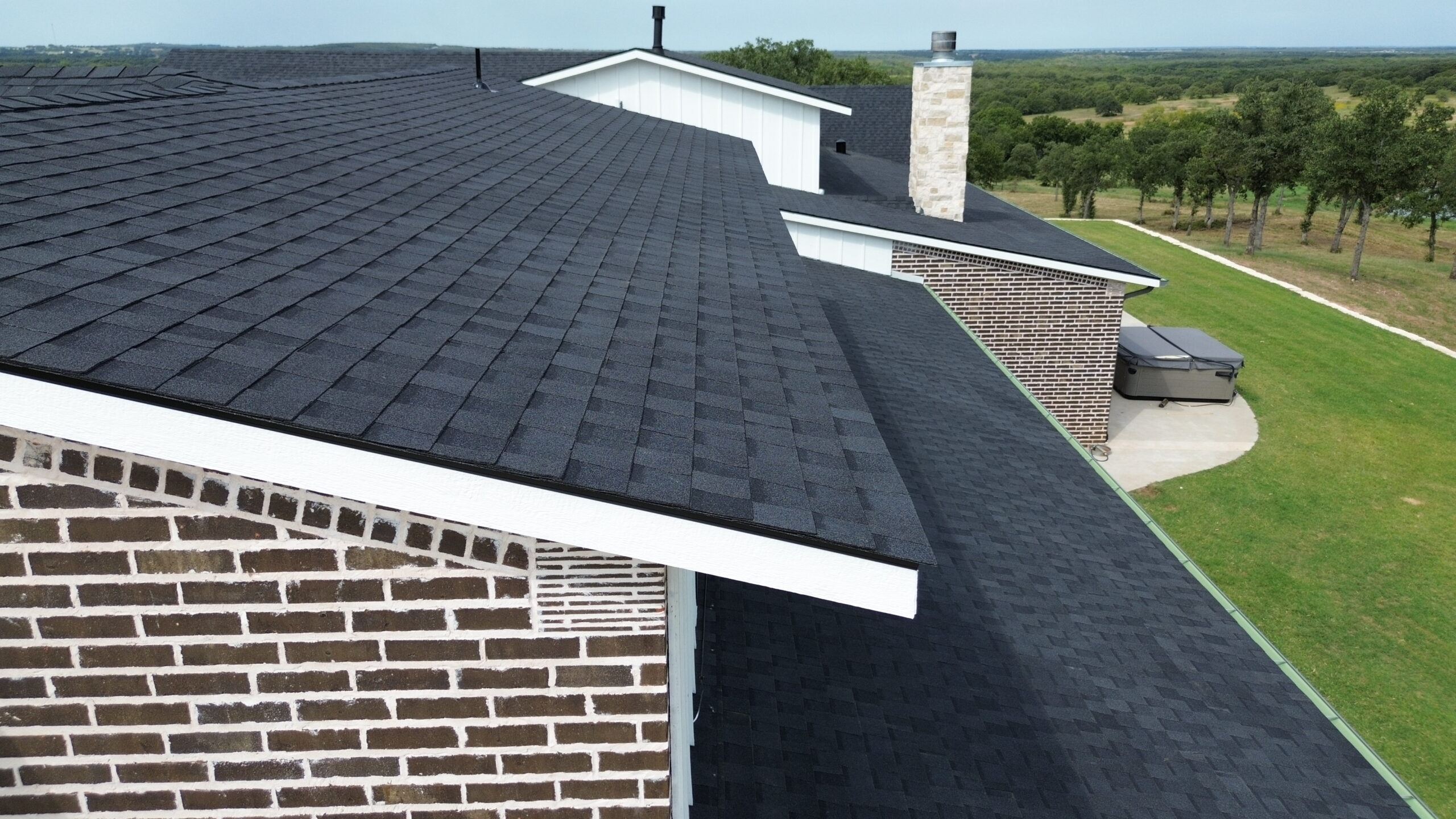
The Importance of Acting Quickly Before Damage Becomes More Expensive
One of the most important financial decisions homeowners can make is addressing significant roof damage promptly. While financing may seem like an additional expense, delaying necessary repairs often leads to substantially higher restoration costs over time.
Water intrusion spreads quickly once roofing materials are compromised. Moisture entering through damaged shingles or flashing can affect insulation, roof decking, ceilings, drywall, flooring, electrical systems, and even the home’s structural framing. Repairing these secondary issues often costs far more than completing the original roof repair immediately.
Small roofing problems also tend to worsen with continued weather exposure. A few missing shingles may seem manageable initially, but repeated rainfall and wind gradually enlarge the damaged area, increasing both labor requirements and material costs. Acting early usually limits the repair to a smaller, more affordable project.
Prompt repairs also help preserve energy efficiency. Damaged roofs frequently allow conditioned indoor air to escape while permitting outdoor temperatures to influence the interior environment. Heating and cooling systems must work harder, increasing utility costs until repairs are completed.
Another benefit of timely action is greater flexibility when selecting contractors. Homeowners facing immediate emergencies often have fewer scheduling options than those arranging repairs before conditions become critical. Earlier planning may provide additional time to compare estimates, review financing choices, and select experienced professionals.
Viewing financing as a means of preventing larger financial losses rather than simply borrowing money helps homeowners recognize the value of timely repairs. Addressing roofing problems early often reduces overall ownership costs while protecting the long-term condition of the property.
Preparing Financial Documents Before Applying for Funding
Applying for roof repair financing becomes much smoother when homeowners prepare the necessary documentation before contacting lenders. Organized financial records help demonstrate borrowing capacity while reducing delays during the approval process.
Income verification is typically one of the first requirements. Recent pay statements, tax returns, or other proof of consistent earnings help lenders evaluate repayment ability. Self-employed borrowers may need additional documentation demonstrating stable business income.
Information regarding existing financial obligations is also important. Mortgage statements, current loan balances, monthly payment information, and outstanding credit obligations provide lenders with a clearer understanding of the applicant’s overall financial position.
Contractor estimates should be prepared in advance as well. Detailed written proposals describing repair scope, materials, labor, warranties, and project costs help support financing requests while confirming the intended use of borrowed funds.
Insurance documentation may also be relevant when repairs involve covered storm damage. Claim information, adjuster reports, and estimated insurance reimbursements help determine how much financing will actually be required after insurance contributions have been considered.
Maintaining organized records benefits homeowners even beyond the financing process. Repair estimates, inspection reports, invoices, warranties, and loan documents provide valuable references for future maintenance planning and potential property resale.
Preparing these documents before applying allows homeowners to compare financing options more efficiently while demonstrating thoughtful financial planning throughout the borrowing process.
Common Financing Options for Major Roof Repair Projects
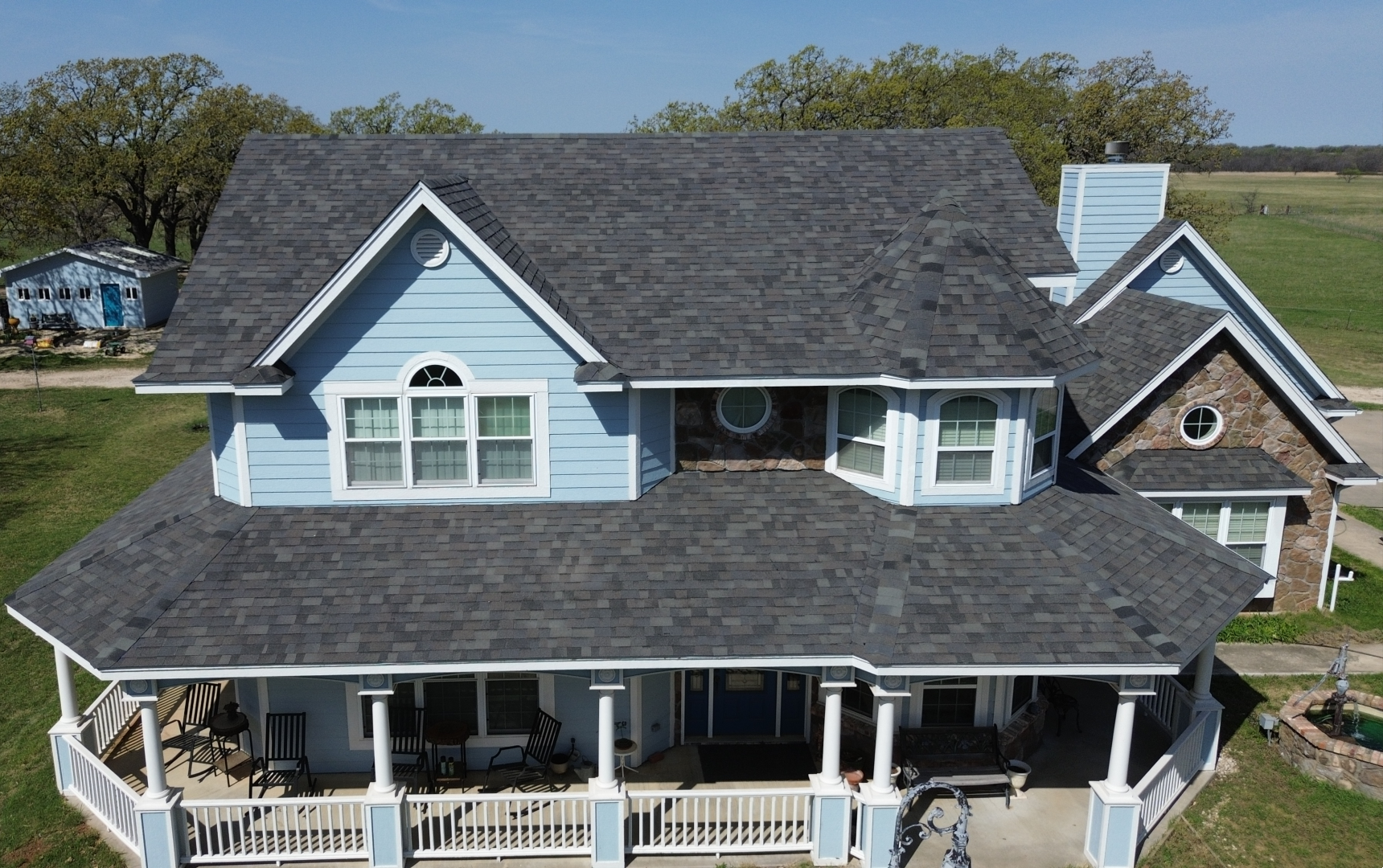
When a major roof repair becomes necessary, homeowners have several financing options available. Each option offers different advantages, repayment structures, eligibility requirements, and long-term costs. Choosing the right solution depends on the homeowner’s financial situation, the urgency of the repair, and the total amount that needs to be financed.
The first step is determining how much money is actually required. Borrowing only the amount necessary helps minimize interest costs while reducing long-term repayment obligations. Homeowners should use detailed contractor estimates and insurance information to calculate realistic financing needs before submitting loan applications.
The speed of funding is another important consideration. Emergency roof repairs often cannot wait for lengthy approval processes because continued water intrusion may cause significant structural damage. Some financing options provide funds within a few days, while others require additional documentation and longer review periods.
Repayment flexibility should also be evaluated carefully. Monthly payments should fit comfortably within the household budget without affecting essential living expenses. Selecting affordable repayment terms reduces financial pressure while helping homeowners complete repairs promptly.
The total cost of borrowing extends beyond the interest rate alone. Application fees, closing costs, annual charges, and repayment terms all contribute to the overall expense of financing. Comparing complete loan costs rather than focusing only on monthly payments provides a more accurate basis for decision making.
Understanding the strengths and limitations of each financing option enables homeowners to select solutions that support both immediate repair needs and long-term financial stability.
Personal Loans for Roof Repairs
Personal loans are among the most common financing options for homeowners facing major roof repair expenses. These loans provide a fixed amount of money that is repaid through regular monthly installments over an agreed period. Because they are generally unsecured, homeowners do not need to use their property as collateral.
One of the primary advantages of personal loans is their relatively straightforward application process. Many financial institutions offer online applications, allowing borrowers to receive approval decisions within a short period. This speed can be especially valuable when roof damage requires immediate repairs to prevent further property loss.
Fixed interest rates provide predictable monthly payments throughout the repayment period. Homeowners know exactly how much they will pay each month, making household budgeting more manageable. Stable payment schedules also reduce uncertainty compared with financing options that involve variable interest rates.
Loan eligibility often depends on factors such as credit history, income stability, debt levels, and overall financial profile. Borrowers with stronger credit generally qualify for more favorable interest rates, reducing the total cost of borrowing over the life of the loan.
Personal loans can also be used for a wide range of repair-related expenses. In addition to roofing work, homeowners may apply remaining funds toward interior repairs caused by water damage, insulation replacement, or related restoration projects if permitted under the loan agreement.
Although personal loans often carry higher interest rates than financing secured by home equity, they offer the advantage of avoiding collateral requirements. For homeowners seeking relatively fast access to funding without placing their property at additional financial risk, personal loans remain an attractive financing solution.
Home Equity Loans and Home Equity Lines of Credit
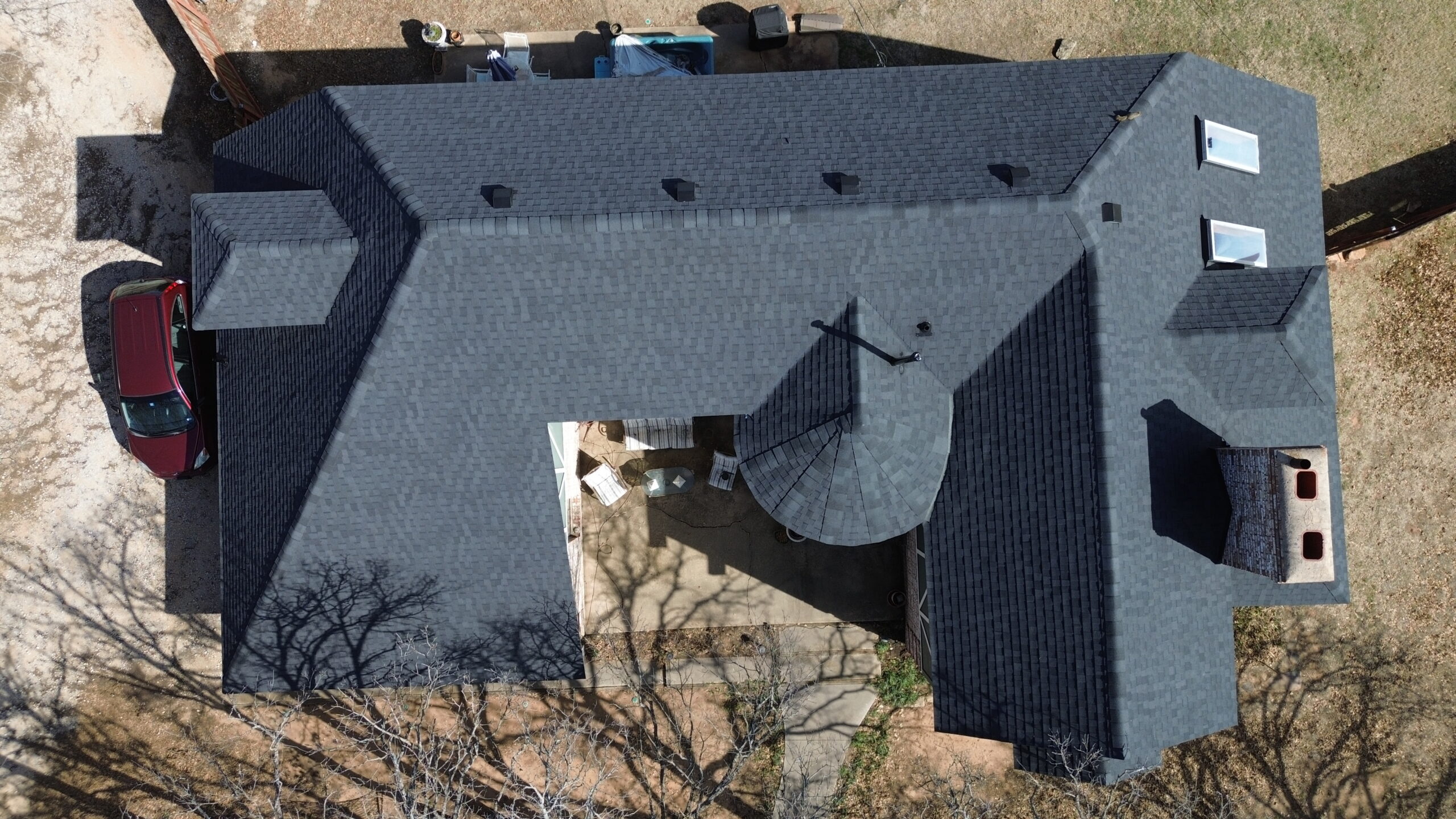
Homeowners who have built equity in their property may consider financing roof repairs through home equity products. These financing options allow borrowers to use the value accumulated in their home to obtain funds for significant repair projects.
A home equity loan provides a lump sum that is repaid through fixed monthly installments over a predetermined period. Because the loan is secured by the property, lenders often offer lower interest rates than many unsecured borrowing options. Predictable repayment schedules make budgeting easier while allowing homeowners to finance larger repair projects.
A home equity line of credit functions differently. Instead of receiving the entire amount at once, homeowners gain access to a revolving credit line from which funds can be withdrawn as needed during the approved borrowing period. This flexibility is particularly useful when repair costs may change as contractors uncover additional structural issues during construction.
Both financing methods require homeowners to have sufficient equity available in their property. Lenders evaluate property value, existing mortgage balances, credit history, and household income before determining borrowing eligibility and loan limits.
Although lower interest rates make these products financially attractive, homeowners should recognize that the property serves as collateral. Failing to meet repayment obligations could place the home at financial risk, making responsible borrowing and realistic budgeting especially important.
Application processes for home equity financing may also take longer than unsecured personal loans because property evaluations and additional documentation are often required. Homeowners facing immediate emergency repairs should consider whether available approval timelines align with the urgency of the roofing project.
When used responsibly, home equity financing can provide an economical solution for large repair projects that significantly protect or enhance the long-term value of the property.
Credit Cards and Contractor Financing Programs
Credit cards and contractor financing programs provide additional financing options, particularly when homeowners require immediate access to funds for emergency roof repairs. Although these solutions offer convenience, they should be evaluated carefully because borrowing costs can vary considerably.
Credit cards often provide the fastest access to financing. Homeowners with sufficient available credit can authorize emergency repairs immediately without completing separate loan applications. This convenience is valuable when severe weather has caused active leaks requiring urgent attention.
Some credit card providers offer promotional financing periods during which qualifying purchases may be repaid with reduced or deferred interest if balances are paid within the specified timeframe. These promotional offers can reduce borrowing costs when homeowners have a realistic plan to repay the balance before standard interest rates apply.
Contractor financing programs represent another convenient option. Many roofing companies partner with financial institutions to offer payment plans directly to customers. These programs often streamline the financing process because repair estimates and financing applications are coordinated simultaneously.
Repayment terms vary among contractor financing programs. Some provide fixed monthly payments over several years, while others include promotional interest rates for limited periods. Homeowners should carefully review repayment conditions, potential fees, and future interest rate changes before signing financing agreements.
Although convenient, credit cards generally carry higher interest rates than many traditional loan products if balances remain unpaid for extended periods. Large roof repair projects financed entirely through standard credit card borrowing may therefore become significantly more expensive over time.
These financing methods are often most appropriate for relatively moderate repair expenses, temporary funding while awaiting insurance reimbursements, or situations where borrowers intend to repay balances quickly. Evaluating repayment capacity before using revolving credit helps prevent unnecessary long-term financial strain.
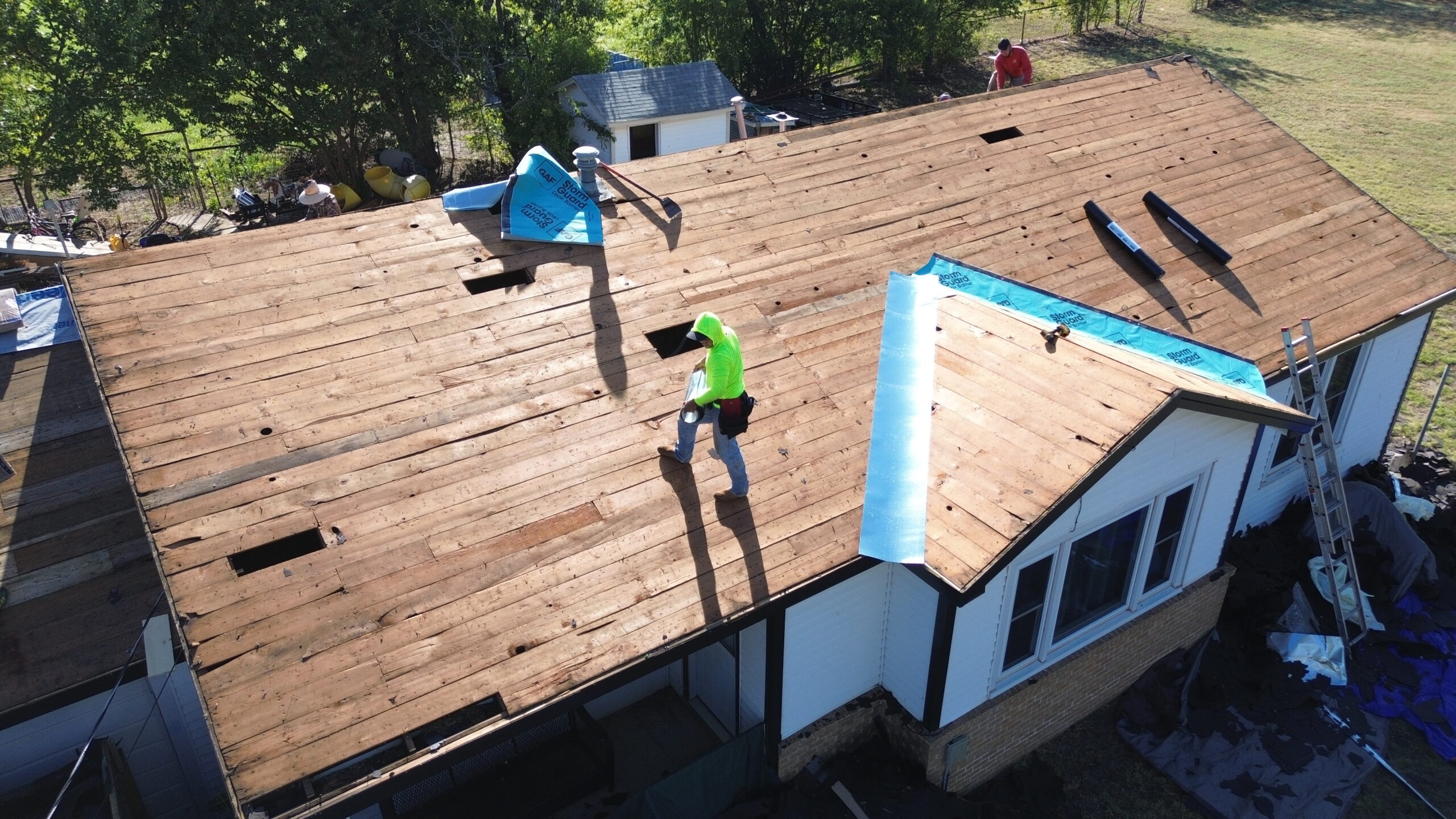
Table: Comparison of Common Roof Repair Financing Options
Selecting the right financing method becomes easier when homeowners compare key characteristics rather than focusing on only one feature such as monthly payment or approval speed.
| Financing Option | Best Suited For | Major Advantages | Important Considerations |
|---|---|---|---|
| Personal loan | Medium to large repair projects | Fixed payments, predictable budgeting, no home collateral | Interest rates depend on credit profile |
| Home equity loan | Large planned repairs | Lower interest rates, fixed repayment schedule | Home serves as collateral |
| Home equity line of credit | Repairs with uncertain final costs | Flexible access to funds as needed | Variable payments may apply |
| Credit card | Small emergency repairs or temporary funding | Immediate access to available credit | Higher long-term interest if not repaid quickly |
| Contractor financing | Homeowners seeking convenient application process | Financing integrated with repair project | Terms vary by contractor and lender |
| Insurance reimbursement with supplemental financing | Covered storm damage with remaining out-of-pocket costs | Reduces borrowing requirement | Coverage depends on policy conditions |
Comparing financing products from several lenders allows homeowners to identify solutions that balance affordability, flexibility, and long-term financial stability.
Government Assistance and Local Financing Programs
In some areas, homeowners may qualify for government-supported assistance or community financing programs designed to improve housing safety and maintain residential properties. Although eligibility requirements vary, these programs can provide valuable support for qualifying roof repair projects.
Certain local governments offer low-interest loan programs that encourage essential home maintenance. These initiatives may focus on preserving older housing, improving neighborhood safety, or assisting homeowners with limited financial resources. Interest rates are often more favorable than many commercial borrowing options, making these programs attractive when available.
Some nonprofit organizations also provide financial assistance or rehabilitation programs for eligible homeowners. Assistance may include grants, reduced-interest loans, deferred payment arrangements, or partnerships with approved contractors to complete essential repairs.
Disaster recovery programs occasionally become available following severe storms, hurricanes, floods, or other natural disasters. When widespread roof damage affects entire communities, government agencies may establish temporary financial assistance initiatives to help homeowners restore damaged properties more quickly.
Eligibility for these programs typically depends on factors such as household income, property location, age of the home, ownership status, or the nature of the damage. Application processes often require documentation demonstrating financial need, repair estimates, and proof of property ownership.
Because funding availability changes over time, homeowners should research local housing authorities, municipal programs, and community development organizations when exploring financing alternatives. Combining available assistance with traditional financing may significantly reduce overall borrowing requirements.
Government and community programs should therefore be considered as part of a broader financing strategy rather than being overlooked during the planning process.
Comparing Interest Rates, Repayment Terms, and Total Borrowing Costs
Interest rates receive considerable attention when comparing financing products, but they represent only one aspect of the total borrowing cost. Homeowners should evaluate the complete financial impact of each financing option before making a commitment.
Fixed interest rates provide payment stability because monthly installments remain consistent throughout the repayment period. This predictability simplifies household budgeting and protects borrowers from changing market conditions that could otherwise increase future payments.
Variable interest rates may initially appear lower than fixed alternatives, but they can change over time depending on economic conditions and lender policies. Homeowners should understand how future rate adjustments might affect monthly payments before selecting variable-rate financing.
Repayment terms also influence affordability. Longer repayment periods generally reduce monthly payments, making loans easier to manage within the household budget. However, extending repayment usually increases the total amount of interest paid over the life of the loan.
Application fees, closing costs, administrative charges, and other financing expenses should also be reviewed carefully. Even relatively small fees contribute to the overall borrowing cost and may influence which financing option provides the best long-term value.
Prepayment policies deserve attention as well. Some financing products allow borrowers to repay loans early without penalty, reducing total interest expenses if household finances improve. Others may include restrictions or additional charges for early repayment.
Evaluating the complete borrowing picture rather than focusing solely on monthly payments enables homeowners to select financing solutions that minimize long-term financial costs while meeting immediate repair needs.
Choosing the Right Financing Solution Based on Your Situation
No single financing option is appropriate for every homeowner because financial circumstances, repair costs, and personal priorities differ significantly from one household to another. Selecting the right solution requires balancing affordability, flexibility, repayment comfort, and project urgency.
Homeowners with excellent credit may prioritize financing products offering lower interest rates and predictable repayment schedules. Strong credit profiles often provide access to more favorable borrowing terms, reducing the total cost of financing substantial roof repair projects.
Those facing urgent emergency repairs may value approval speed more highly than obtaining the absolute lowest interest rate. Preventing additional water damage can produce greater overall savings than delaying repairs while searching for marginally better financing terms.
Borrowers with available home equity may prefer secured financing because lower interest rates often make large projects more affordable over the long term. However, homeowners uncomfortable using their property as collateral may find unsecured financing more suitable despite somewhat higher borrowing costs.
Monthly budget capacity should remain a central consideration throughout the decision-making process. Financing should support necessary repairs without creating repayment obligations that strain household finances or interfere with other essential expenses.
Homeowners should also think beyond the current repair project. Selecting financing that allows comfortable repayment while preserving some emergency savings helps maintain financial resilience if future household expenses arise unexpectedly.
Carefully comparing multiple financing options before making a final decision helps homeowners protect both their property and their long-term financial well-being. Choosing financing thoughtfully ensures that major roof repairs strengthen the home’s value without creating unnecessary financial pressure in the years ahead.
Managing Loan Repayments Without Financial Stress
Securing financing for a major roof repair is only the first step. Successfully managing loan repayments is equally important because a well-planned repayment strategy helps homeowners maintain financial stability while protecting their investment. Careful budgeting ensures that roof repairs solve one problem without creating another in the form of unnecessary financial strain.
The repayment plan should begin with a realistic review of monthly income and recurring expenses. Mortgage payments, utility bills, insurance premiums, transportation costs, groceries, and other financial obligations should be considered before determining how much can comfortably be allocated toward loan payments. Choosing a repayment amount that fits within the household budget reduces the risk of missed payments and financial pressure.
Automatic payments can simplify the repayment process. Scheduling monthly payments through a bank account helps homeowners avoid missed due dates, potential late fees, and negative effects on their credit history. Consistent payments also make it easier to track financial progress throughout the loan term.
Whenever possible, homeowners may consider making additional payments toward the principal balance. Even small extra contributions can reduce the total amount of interest paid over the life of the loan while shortening the repayment period. Before doing so, borrowers should confirm that their financing agreement allows early repayments without penalties.
Maintaining an emergency savings fund while repaying the loan is also important. Although much of the household budget may be directed toward loan payments, preserving some financial reserves helps manage unexpected expenses without relying on additional borrowing. This balance between repayment and emergency preparedness supports long-term financial stability.
Regularly reviewing the household budget during the repayment period allows homeowners to adjust spending if financial circumstances change. Small budget adjustments made early often prevent larger financial challenges later while ensuring loan obligations remain manageable.
Insurance Claims and Their Role in Roof Repair Financing
Insurance can significantly reduce the amount homeowners need to finance when major roof damage results from covered events. Understanding how insurance and financing work together allows homeowners to borrow only what is truly necessary while minimizing long-term repayment costs.
Many homeowners insurance policies cover damage caused by events such as hail, high winds, falling trees, or fire. When these incidents damage the roof, insurance may contribute toward repair expenses after deductibles and policy conditions have been applied. Financing may then be used only to cover deductibles, uncovered repairs, or costs that exceed insurance reimbursement.
Promptly reporting roof damage is essential. Delays in filing claims may complicate inspections or allow additional deterioration that is not covered under the policy. Contacting the insurance provider soon after discovering the damage helps initiate the claims process while supporting timely repairs.
Professional inspections also play an important role during insurance claims. Roofing contractors can document the extent of damage, prepare detailed repair estimates, and identify structural issues that may not be immediately visible. Accurate documentation assists both homeowners and insurance adjusters when evaluating repair requirements.
Homeowners should carefully review settlement information before finalizing financing arrangements. Knowing the expected insurance contribution allows borrowers to request financing that reflects only the remaining out-of-pocket expenses rather than the full project cost.
Keeping copies of inspection reports, repair invoices, photographs, insurance correspondence, and warranty documents provides valuable records for future maintenance and potential claims. Organized documentation simplifies communication with lenders and insurance providers throughout the repair process.
Using insurance strategically alongside financing helps homeowners reduce borrowing while ensuring that necessary repairs are completed without unnecessary financial delays.
Mistakes to Avoid When Financing Roof Repairs
Financing provides valuable flexibility, but certain mistakes can increase borrowing costs and create unnecessary financial challenges. Understanding these common errors helps homeowners make informed decisions throughout the financing process.
One of the most common mistakes is borrowing more money than necessary. While having a financial cushion for unexpected project costs is sensible, excessive borrowing increases interest expenses and extends repayment obligations. Preparing accurate repair estimates before applying for financing helps determine the appropriate loan amount.
Another mistake is selecting financing based solely on the lowest monthly payment. Longer repayment periods often reduce monthly installments but increase the total amount of interest paid over time. Evaluating total borrowing costs provides a more complete picture than considering monthly payments alone.
Failing to compare multiple financing options can also prove expensive. Interest rates, repayment terms, application fees, and loan conditions vary among lenders. Taking time to review several offers often leads to more favorable financing arrangements and lower long-term costs.
Ignoring the details of financing agreements is another avoidable error. Borrowers should understand interest rate structures, repayment schedules, late payment policies, prepayment conditions, and any additional fees before signing loan documents. Careful review reduces the likelihood of unexpected financial obligations later.
Some homeowners postpone essential repairs while searching for financing. Unfortunately, roof damage often worsens with continued exposure to weather, increasing both repair costs and financing needs. Acting promptly after securing appropriate funding usually minimizes long-term expenses.
Finally, relying exclusively on credit without maintaining any emergency savings can create future financial difficulties. Unexpected household expenses may arise while loan repayments are ongoing, making it important to preserve some financial flexibility even after financing has been approved.
Avoiding these common mistakes helps homeowners use financing as an effective financial management tool rather than allowing borrowing costs to become unnecessarily burdensome.
Long Term Financial Planning for Future Roof Maintenance
Major roof repairs often encourage homeowners to think more carefully about future maintenance planning. Developing long-term financial strategies after completing repairs helps reduce the likelihood of facing similar financial challenges again.
Creating a dedicated home maintenance fund is an excellent starting point. Monthly contributions, even if relatively modest, gradually build financial reserves that can be used for future roof inspections, routine maintenance, or unexpected repairs. Consistent saving reduces dependence on borrowing when future maintenance becomes necessary.
Annual roof inspections should also become part of the long-term financial plan. Professional evaluations identify developing problems before they become major structural issues, allowing repairs to remain relatively affordable. Preventive maintenance often costs significantly less than emergency restoration following prolonged water damage.
Budget reviews should occur regularly as well. Construction costs, roofing materials, and labor rates change over time, making it important to adjust maintenance savings goals periodically. Updating financial plans ensures emergency funds remain aligned with current repair costs.
Homeowners should continue maintaining organized records of inspections, repairs, warranties, financing documents, and insurance information. These records simplify future maintenance planning while providing valuable documentation if insurance claims become necessary.
Learning from previous repair experiences can also improve future financial decisions. Understanding which repairs were most expensive, how financing affected household budgets, and which maintenance activities proved most valuable helps homeowners refine their long-term planning strategies.
Viewing roof maintenance as a recurring financial responsibility rather than an occasional emergency creates greater stability and reduces the likelihood of unexpected financial pressure in the future.
Practical Tips for Borrowing Responsibly
Responsible borrowing helps homeowners finance essential roof repairs while maintaining long-term financial health.
- Borrow only the amount required to complete the repair project properly.
- Compare financing offers from multiple lenders before making a decision.
- Review interest rates, repayment terms, fees, and total borrowing costs carefully.
- Choose monthly payments that fit comfortably within the household budget.
- Continue maintaining an emergency savings fund during the repayment period.
- Read all financing agreements thoroughly before signing any documents.
- Make loan payments on time to protect your credit history and avoid additional charges.
- Consider paying extra toward the principal balance when financially possible and permitted by the loan agreement.
Following these practices helps homeowners minimize borrowing costs while completing essential roof repairs without unnecessary financial stress.
Steps to Choose the Best Roof Repair Financing Option
A structured approach makes it easier to identify financing that supports both immediate repair needs and long-term financial goals.
- Obtain detailed roof inspection reports and written repair estimates from qualified contractors.
- Determine whether insurance will contribute toward repair costs before calculating financing needs.
- Review household income, monthly expenses, existing debt, and available emergency savings.
- Compare several financing options, including personal loans, home equity products, contractor financing, and other available programs.
- Evaluate interest rates, repayment periods, fees, and the total cost of borrowing rather than focusing only on monthly payments.
- Select repayment terms that comfortably fit within the household budget while avoiding unnecessary financial strain.
- Carefully review all financing documents and confirm the conditions for early repayment or additional fees before signing.
- Complete repairs promptly and continue rebuilding emergency savings after the project is finished to prepare for future maintenance needs.
Following these steps helps homeowners make confident financing decisions while protecting both their property and their financial well-being.
Conclusion
Major roof repairs are often unavoidable, and because they frequently arise without warning, financing becomes an important tool for many homeowners. Whether damage results from severe weather, aging materials, or structural deterioration, addressing roofing problems promptly helps prevent additional damage while preserving the safety, comfort, and value of the home. Selecting the right financing solution allows essential repairs to move forward without overwhelming the household budget.
Several financing options are available, each offering different advantages depending on individual financial circumstances. Personal loans provide predictable repayment schedules and quick access to funds, while home equity products may offer lower interest rates for homeowners with sufficient equity. Credit cards, contractor financing programs, and government assistance initiatives can also provide valuable solutions when used appropriately. Understanding how these options differ enables homeowners to choose financing that aligns with both their immediate needs and long-term financial goals.
Responsible borrowing extends beyond securing loan approval. Comparing lenders, understanding total borrowing costs, maintaining realistic repayment plans, and preserving emergency savings all contribute to stronger financial outcomes. Combining financing with available insurance benefits further reduces borrowing requirements and minimizes long-term repayment obligations. Careful planning before signing any financing agreement helps homeowners avoid unnecessary costs while improving overall financial stability.
Long-term maintenance planning is equally important after major repairs are completed. Regular roof inspections, preventive maintenance, organized financial records, and dedicated savings reduce the likelihood of future emergencies while extending the lifespan of the roofing system. These proactive habits often lower ownership costs and decrease dependence on financing for future repair projects.
Ultimately, financing should be viewed as a practical resource that enables homeowners to protect one of their property’s most valuable assets. By carefully evaluating financing options, borrowing responsibly, and maintaining a long-term approach to roof care, homeowners can complete major roof repairs with confidence while preserving both their home and their financial security for years to come.