
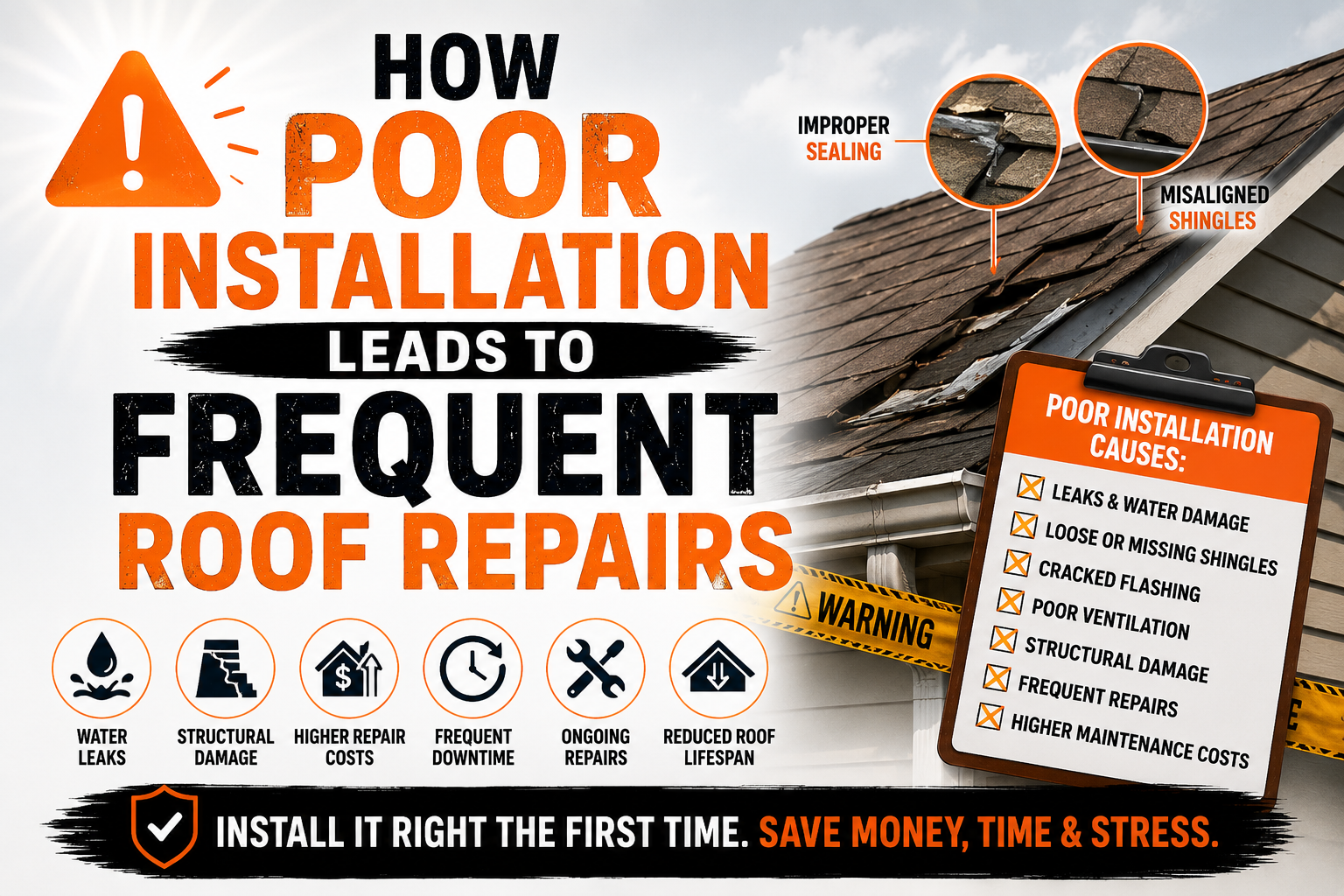
How Poor Installation Leads to Frequent Roof Repairs
Introduction
A roof is one of the most important structural components of any building. It protects the property from rain, wind, sunlight, snow, and changing temperatures while helping maintain a comfortable indoor environment. Even the highest quality roofing materials, however, cannot perform as intended if they are installed incorrectly.
Many homeowners assume that roofing materials alone determine the durability of a roof. In reality, proper installation is just as important as the materials themselves. A roof built with premium products can still develop leaks, loose shingles, and structural issues if installation mistakes are made during construction or replacement.
Poor roof installation often leads to a cycle of repeated repairs. Small errors that seem insignificant at first can gradually become major problems as the roof faces everyday weather conditions. Instead of lasting for decades, an improperly installed roof may require frequent maintenance and costly repairs within only a few years.
The financial impact extends beyond repair expenses. Improper installation can increase energy bills, reduce property value, damage interior finishes, and shorten the lifespan of the entire roofing system. In severe cases, structural repairs may become necessary if water intrusion continues unnoticed.
Understanding how installation quality affects long term roof performance helps property owners make informed decisions when hiring contractors and planning roofing projects. Investing in proper installation from the beginning often saves significant time, money, and frustration over the life of the roof.
Understanding the Importance of Proper Roof Installation
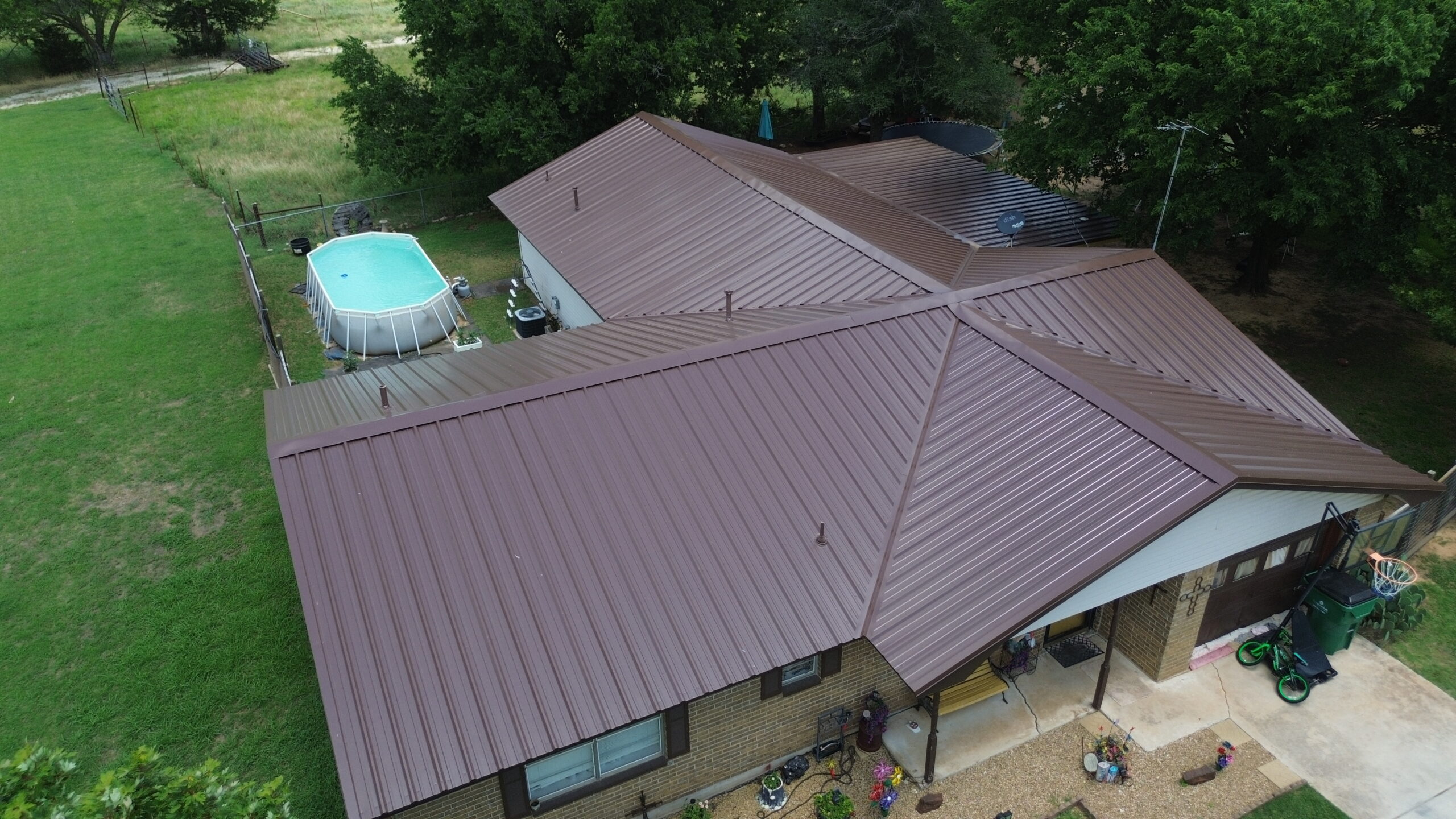
Roof installation involves much more than attaching shingles or placing roofing panels onto a structure. Every component must work together to create a durable barrier against weather while supporting proper drainage, ventilation, and structural stability. Each layer contributes to the overall performance of the roofing system.
A properly installed roof begins with careful preparation. Contractors inspect the roof deck, replace damaged wood, verify structural integrity, and ensure the surface is clean before installing underlayment and roofing materials. Skipping any of these steps increases the likelihood of future problems.
Correct installation techniques also ensure that roofing materials perform according to the manufacturer’s specifications. Shingles, flashing, vents, sealants, and fasteners are all designed to function within specific installation guidelines. Ignoring these recommendations reduces both durability and warranty protection.
Professional installation also considers local weather conditions. Roofs in areas with heavy rainfall require effective drainage systems, while regions with strong winds demand secure fastening methods. Adapting installation practices to the local climate helps the roof withstand environmental challenges for many years.
Proper installation supports the overall efficiency of the building as well. Well sealed roofing systems reduce air leakage, protect insulation, and improve temperature regulation. These benefits contribute to lower energy consumption and increased indoor comfort.
Many roofing failures that appear years later actually begin during installation. Minor errors may remain hidden until repeated exposure to weather gradually weakens the roofing system. Careful workmanship from the beginning helps prevent these avoidable problems.
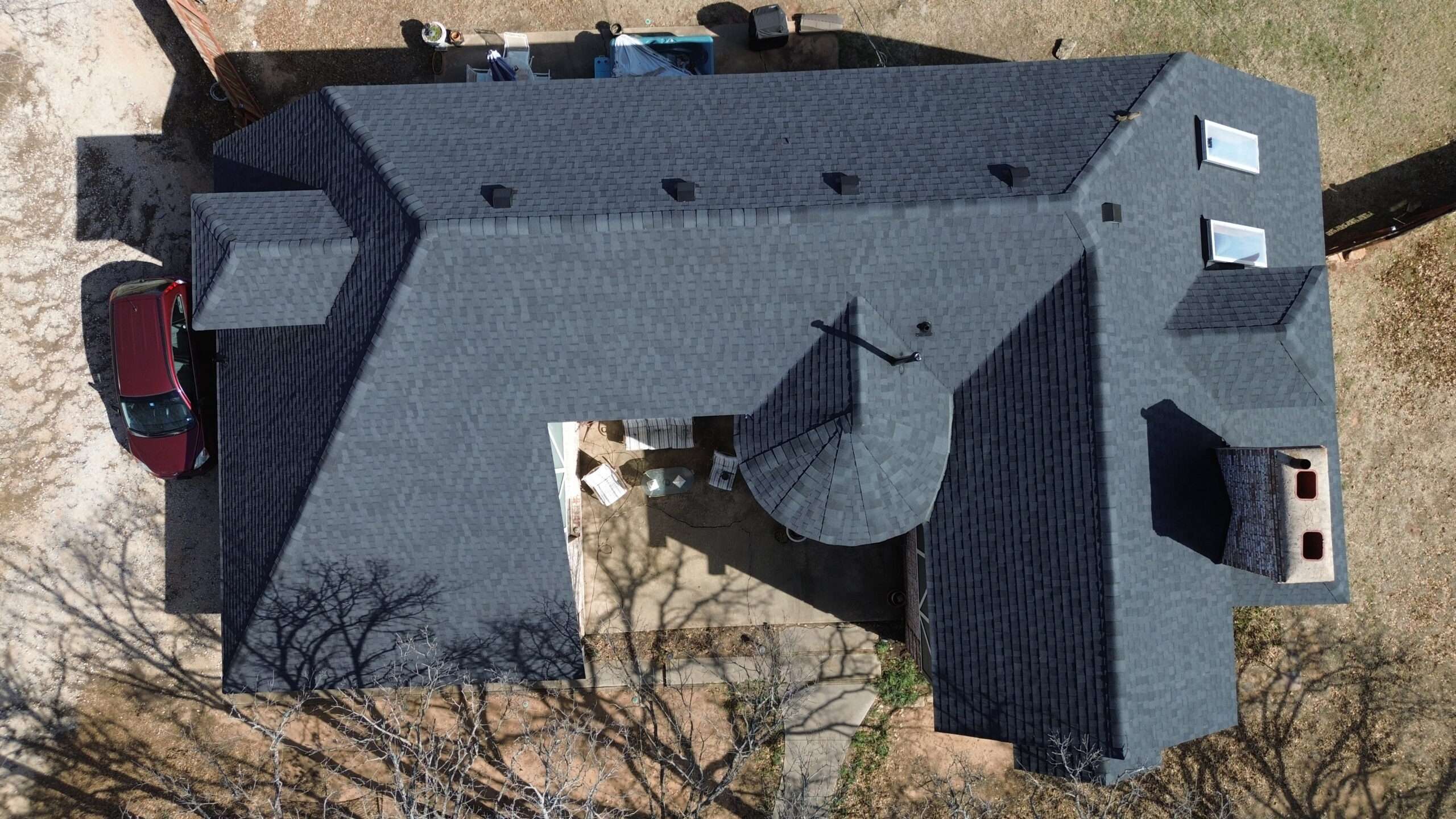
What Happens During a Professional Roof Installation
Understanding the installation process makes it easier to recognize why attention to detail is essential. Every stage builds upon the previous one, creating a complete roofing system that functions as a single protective barrier.
The first step involves inspecting the existing roof structure. Contractors examine the roof deck for rot, moisture damage, loose sections, or structural weaknesses. Damaged decking is repaired or replaced before any new materials are installed.
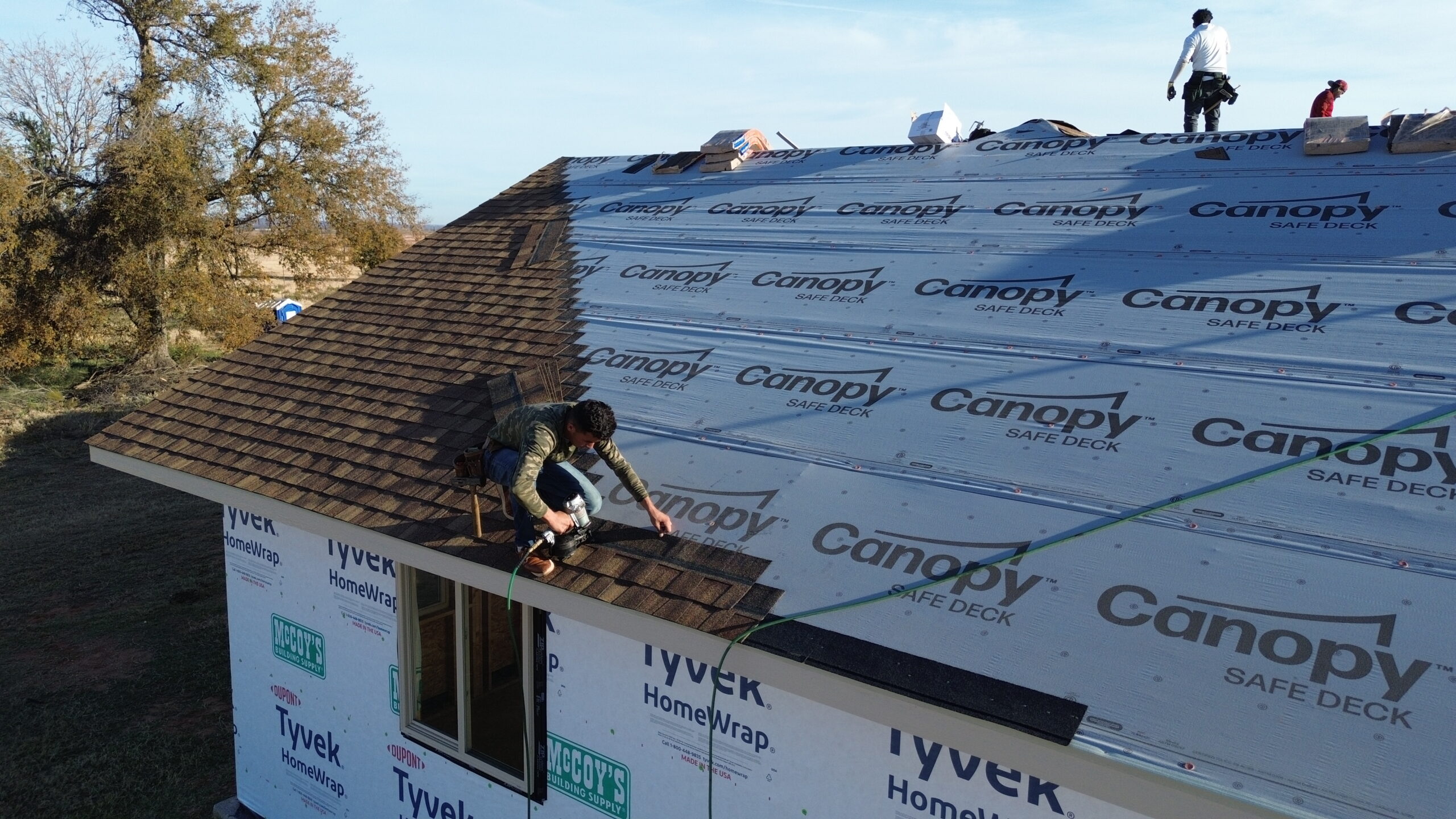
Once the roof deck is ready, an underlayment is applied. This protective layer serves as a secondary barrier against moisture and helps protect the structure if the outer roofing materials become damaged. Proper placement of the underlayment is essential for preventing future leaks.
Flashing is then installed around roof penetrations such as chimneys, skylights, valleys, and plumbing vents. These areas are naturally more vulnerable to water intrusion because different materials meet at these locations. Proper flashing installation directs water safely away from these critical points.
Roofing materials are installed according to manufacturer guidelines. Whether using asphalt shingles, metal panels, clay tiles, or another roofing product, proper alignment, fastening, and overlapping ensure effective water shedding and wind resistance.
Ventilation systems are incorporated throughout the installation process. Ridge vents, soffit vents, and other ventilation components promote continuous airflow beneath the roof. Proper ventilation helps regulate attic temperatures while reducing moisture accumulation.
Finally, contractors inspect the completed roof to verify that all components have been installed correctly. This final quality check helps identify any minor issues before the roof is exposed to regular weather conditions.
Each phase requires precision because mistakes made early in the installation process often affect every layer placed above it. Careful workmanship at every stage contributes to a roofing system that performs reliably for decades.
Common Roof Installation Mistakes
Roof installation errors vary in severity, but even relatively small mistakes can create long term maintenance problems. Understanding these common issues helps property owners recognize why hiring experienced professionals is so important.
Incorrect shingle alignment is one of the most frequent installation mistakes. Misaligned shingles create uneven gaps that allow wind driven rain to penetrate beneath the roof covering. Over time, moisture damages the underlayment and roof deck.
Improper nailing also causes significant problems. Nails driven too high, too low, too deep, or at incorrect angles reduce the roof’s ability to resist strong winds. Loose shingles may gradually lift, crack, or detach completely during storms.
Poor flashing installation remains one of the leading causes of roof leaks. Flashing that is improperly sealed or incorrectly positioned allows water to enter around chimneys, skylights, and roof valleys. These leaks often remain hidden until interior damage becomes noticeable.
Contractors sometimes reuse damaged flashing instead of installing new components during roof replacement. Although this may reduce immediate costs, worn flashing often fails much sooner than new roofing materials, creating unnecessary repair needs.
Incorrect ventilation installation creates another common issue. Insufficient airflow allows excessive heat and moisture to accumulate beneath the roof. These conditions reduce insulation performance while accelerating the deterioration of roofing materials.
Skipping drip edge installation also contributes to premature roof damage. Drip edges direct rainwater away from roof edges and prevent moisture from entering beneath roofing materials. Without this protection, water can damage fascia boards and roof decking.
The table below summarizes several common installation mistakes and their long term effects.
| Installation Mistake | Long Term Effect | Likely Repair Required |
|---|---|---|
| Improper shingle alignment | Water infiltration | Shingle replacement and leak repair |
| Incorrect nail placement | Wind damage and loose shingles | Refastening or replacing roofing sections |
| Poor flashing installation | Roof leaks | Flashing replacement and sealing |
| Inadequate ventilation | Heat and moisture buildup | Ventilation upgrades |
| Missing drip edge | Water damage at roof edges | Drip edge installation and wood repair |
| Poor underlayment installation | Moisture penetration | Partial roof repair or replacement |
Most of these problems develop gradually rather than immediately. As weather repeatedly stresses the roof, small installation errors become increasingly expensive to repair.
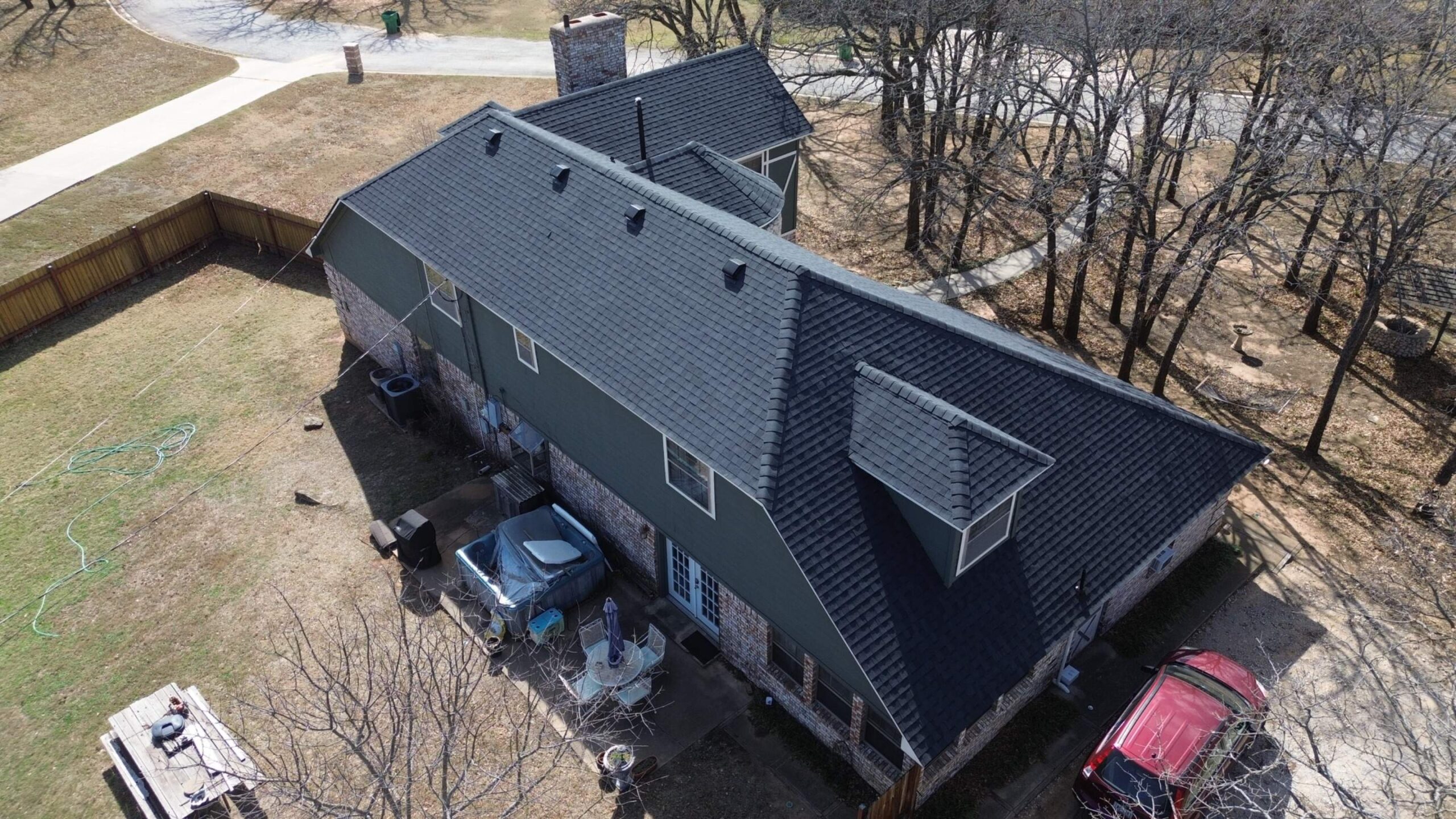
How Improper Installation Weakens the Roofing System
A roofing system functions as a series of interconnected components rather than independent materials. When one element is installed incorrectly, surrounding components also become vulnerable. This chain reaction explains why installation quality has such a significant influence on long term roof performance.
Improper installation weakens the roof’s ability to resist wind uplift. Strong winds naturally create lifting forces along roof edges and ridges. If shingles or panels are not securely fastened, these forces gradually loosen roofing materials until damage occurs.
Water management also becomes less effective. Roofing systems rely on overlapping materials and properly installed flashing to guide rainwater safely off the roof. Installation errors interrupt this drainage path, allowing moisture to reach areas that should remain dry.
Thermal expansion places additional stress on poorly installed roofs. Roofing materials naturally expand during warm weather and contract as temperatures fall. Proper installation allows for this movement, while incorrect fastening or spacing increases the risk of cracking and separation.
Structural movement creates further challenges. Buildings naturally settle over time, and roofing systems must accommodate minor shifts without losing their protective function. Poor installation limits this flexibility, making damage more likely as the structure ages.
Improper installation can also reduce resistance to ultraviolet radiation. Gaps, exposed underlayment, and loose roofing materials increase direct sun exposure, accelerating material deterioration. As roofing components age more rapidly, repair frequency increases.
These weaknesses rarely remain isolated. Water intrusion, structural movement, temperature fluctuations, and weather exposure often interact, causing damage to spread beyond the original installation error. Addressing problems early helps prevent widespread deterioration.
Early Warning Signs of Poor Roof Installation
Recognizing the signs of poor installation allows property owners to address problems before they require major repairs. Some warning signs appear shortly after installation, while others become noticeable only after months or years of weather exposure.
Visible unevenness across the roof surface is often one of the first indicators. Shingles that appear crooked, lifted, or inconsistently spaced may suggest installation problems rather than normal wear. A professionally installed roof should have a uniform appearance.
Loose or missing shingles soon after installation are another warning sign. Roofing materials should remain securely attached under normal weather conditions. Early movement often indicates improper fastening techniques or incorrect nail placement.
Water stains on ceilings or upper walls may indicate hidden roof leaks. Even if leaks appear minor, they often suggest flashing problems or improperly sealed roof penetrations. Prompt inspection helps prevent extensive interior damage.
Excessive granule loss from new asphalt shingles can sometimes indicate installation issues. While some granule shedding is normal, unusually rapid deterioration may result from improper handling or incorrect installation practices.
Drafts inside the attic or upper floors also deserve attention. Air leakage may indicate gaps around flashing, vents, or roof penetrations that were not properly sealed during installation. These openings reduce both energy efficiency and indoor comfort.
The following signs should never be ignored after a new roof installation.
- Uneven or lifted shingles.
- Water stains on ceilings or attic surfaces.
- Loose flashing around chimneys or vents.
- Persistent attic moisture or condensation.
- Unexpected increases in heating or cooling costs.
- Roofing materials shifting after moderate wind.
Early inspections are especially important during the first year after installation. Identifying problems while they remain small often allows repairs to be completed quickly before more extensive damage develops.
Poor roof installation rarely causes immediate catastrophic failure. Instead, it creates hidden weaknesses that gradually worsen as the roof experiences rain, wind, sunlight, and changing temperatures.
How Poor Installation Causes Frequent Roof Repairs
Poor roof installation creates problems that rarely remain isolated. What begins as a minor installation error often develops into repeated repair needs as the roof faces everyday exposure to weather and temperature changes. Instead of enjoying years of reliable performance, property owners may find themselves scheduling repairs far sooner than expected.
One common issue is recurring roof leaks. If flashing is installed incorrectly or roofing materials are not properly aligned, water can enter the roofing system during heavy rain. Although a leak may be repaired temporarily, it often returns because the original installation problem remains unresolved.
Loose roofing materials also contribute to frequent maintenance. Improper fastening allows shingles, tiles, or metal panels to shift over time. Strong winds gradually worsen the problem, making repeated repairs necessary after each severe weather event.
Moisture trapped beneath roofing materials creates another cycle of damage. Water that enters through small openings weakens the roof deck, damages insulation, and encourages mold growth. As these problems spread, repair costs increase because multiple components require attention.
Poor installation can also affect roof valleys where two roof slopes meet. Valleys carry large amounts of rainwater during storms, making proper installation essential. Even small alignment errors in these areas increase the likelihood of leaks and repeated maintenance.
Improperly sealed roof penetrations create similar challenges. Chimneys, skylights, plumbing vents, and exhaust outlets require precise flashing and sealing. If these details are overlooked, water intrusion becomes an ongoing issue rather than a one time repair.
The repeated nature of these repairs often frustrates property owners. Instead of addressing the underlying installation error, temporary fixes may only treat the visible symptoms. Correcting the original installation problem usually provides a more permanent and cost effective solution.
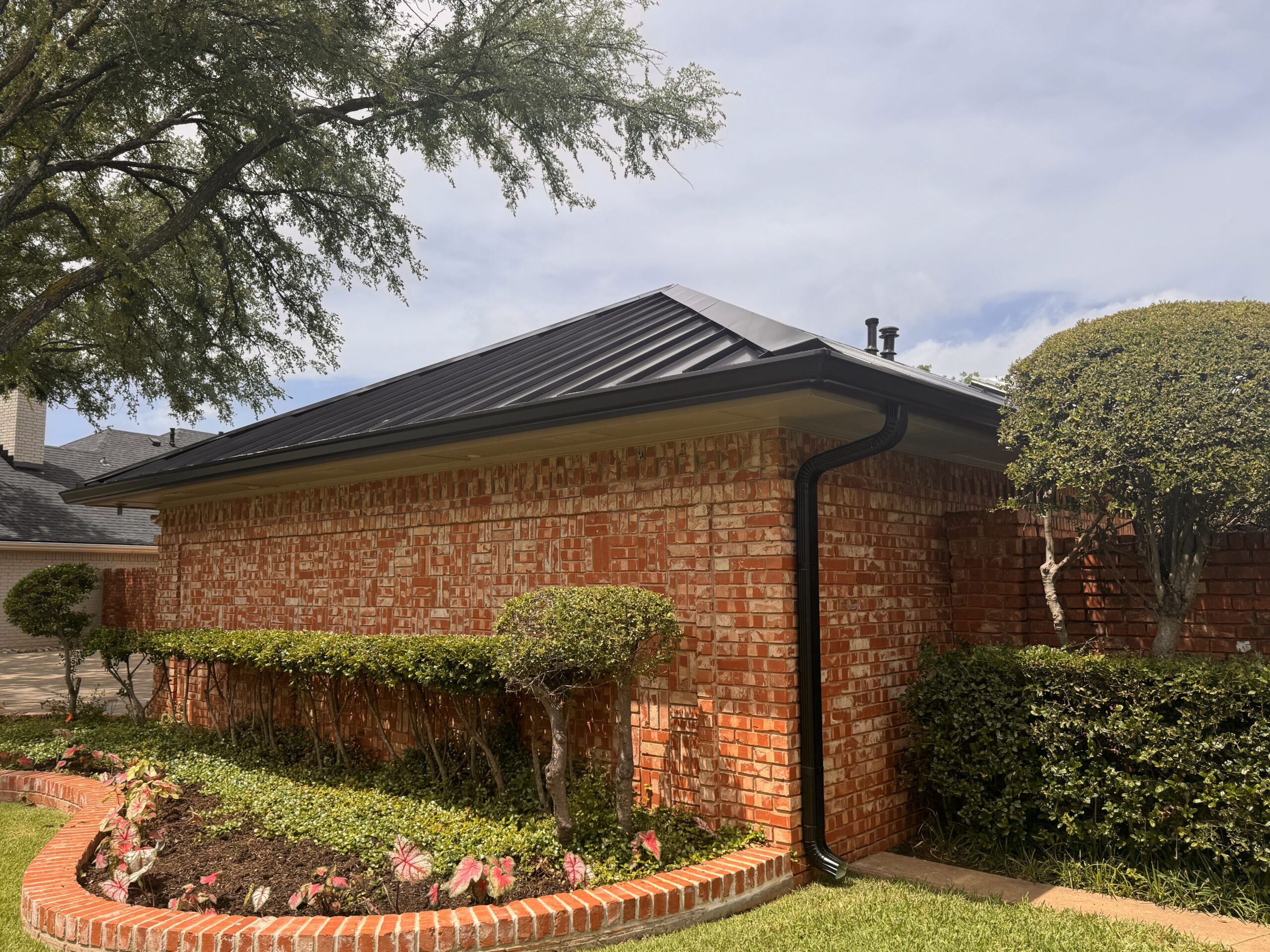
Weather Damage Becomes Worse on Poorly Installed Roofs
Every roof is designed to withstand changing weather conditions, but poor installation reduces that ability significantly. Even moderate weather can cause substantial damage when roofing components have not been installed correctly.
Heavy rainfall exposes weaknesses in flashing, underlayment, and roofing material alignment. Water naturally follows the path of least resistance, entering through gaps created by installation mistakes. Continued moisture exposure gradually damages structural components beneath the roof surface.
Strong winds create lifting forces that test the strength of roofing fasteners. Correctly installed roofing materials remain secure under normal wind conditions, while poorly fastened sections may loosen or detach completely. Once the first section fails, surrounding materials become more vulnerable.
Snow and ice create additional challenges in colder climates. Improper insulation and ventilation contribute to uneven roof temperatures, increasing the likelihood of ice dam formation. These ice dams trap water on the roof, allowing it to seep beneath roofing materials and damage the underlying structure.
Extreme heat also accelerates deterioration. High temperatures cause roofing materials to expand, while cooler temperatures cause them to contract. Improper installation prevents this natural movement from occurring evenly, increasing the risk of cracks, separation, and premature wear.
Hailstorms often reveal hidden installation problems. Roofing materials that were improperly secured or supported may sustain greater damage than a properly installed roof under the same conditions. Repairs therefore become more extensive following severe weather.
Season after season, environmental exposure magnifies even minor installation errors. What initially appeared to be a small defect can eventually compromise the overall integrity of the roofing system.
The Financial Cost of Improper Roof Installation
Many property owners choose roofing contractors based primarily on the lowest price. While reducing initial costs may seem attractive, poor installation often leads to significantly higher expenses over the life of the roof.
Repeated repair bills are usually the first financial consequence. Small leaks, loose shingles, damaged flashing, and water intrusion require ongoing maintenance that gradually exceeds the savings achieved through inexpensive installation.
Interior repairs add another layer of expense. Water entering through the roof can damage ceilings, walls, insulation, flooring, electrical systems, and personal belongings. In many cases, repairing interior damage costs more than correcting the roofing issue itself.
Energy costs also increase. Air leaks and damaged insulation reduce the roof’s ability to regulate indoor temperatures. Heating and cooling systems must operate longer to maintain comfort, resulting in higher monthly utility bills.
Structural repairs become necessary when moisture reaches the roof deck or supporting framework. Rotting wood, weakened framing, and mold growth require extensive restoration before roofing repairs can even begin. These hidden costs often surprise property owners who delayed correcting installation problems.
Insurance claims may also become more complicated. Some policies limit coverage for damage caused by poor workmanship rather than unexpected events. Property owners may therefore bear much of the repair expense themselves if installation defects are determined to be the primary cause.
Business owners may experience additional financial losses. Roof leaks can interrupt operations, damage equipment, and create unsafe working conditions. Lost productivity and temporary closures increase the overall economic impact of poor installation.
Impact on Energy Efficiency and Indoor Comfort
Roof installation directly influences a building’s energy performance. A properly installed roof creates a continuous barrier that helps regulate indoor temperatures, while installation errors allow unwanted heat transfer and air leakage.
Gaps around flashing, vents, or roofing materials allow conditioned air to escape throughout the year. During winter, heated indoor air rises and exits through these openings. In summer, outside heat enters the building more easily, increasing cooling demands.
Damaged or compressed insulation further reduces efficiency. Water entering through installation defects weakens insulation and lowers its thermal resistance. Even small amounts of moisture can significantly reduce insulation performance.
Poor attic ventilation creates additional energy problems. Without proper airflow, heat accumulates beneath the roof during summer, raising indoor temperatures. Excess moisture during colder months also reduces insulation effectiveness and encourages mold growth.
Occupants often notice uneven temperatures throughout the building. Upper floors may become excessively warm during summer or difficult to heat during winter. These comfort issues usually indicate roofing or insulation deficiencies rather than HVAC equipment failure.
The relationship between roof installation and energy efficiency can be summarized below.
| Installation Issue | Effect on Energy Efficiency | Resulting Indoor Impact |
|---|---|---|
| Air leaks around flashing | Conditioned air escapes | Higher heating and cooling costs |
| Damaged insulation | Reduced thermal resistance | Uneven indoor temperatures |
| Poor attic ventilation | Heat and moisture buildup | Reduced comfort and higher energy use |
| Improper sealing | Increased outside air infiltration | Drafts and HVAC overuse |
| Moisture intrusion | Insulation performance declines | Greater temperature fluctuations |
Improving energy efficiency often requires correcting the original installation defects rather than simply increasing insulation or replacing HVAC equipment. Addressing the source of the problem provides more effective long term results.
How Poor Installation Affects Roof Lifespan
Every roofing material is designed with an expected service life under normal conditions. Asphalt shingles may last several decades, while metal, tile, and slate roofs often remain functional much longer. Poor installation, however, can dramatically shorten these expected lifespans.
Improper fastening allows roofing materials to shift repeatedly under wind pressure. This constant movement increases wear, weakens fasteners, and exposes underlying layers to moisture. Components that should remain stable gradually deteriorate much sooner than expected.
Water intrusion also accelerates aging. Moisture weakens roof decking, corrodes metal components, and reduces the effectiveness of protective coatings. Over time, multiple roofing layers begin to fail together rather than individually.
Ultraviolet exposure creates additional stress. Roofing materials that are incorrectly aligned or partially exposed receive uneven sunlight, causing faster deterioration. The resulting cracks and brittleness increase the frequency of repairs.
Inadequate ventilation shortens roof life as well. Excessive attic heat causes roofing materials to age more rapidly, while trapped moisture contributes to mold growth and wood decay. Balanced ventilation helps preserve both roofing materials and structural components.
Maintenance becomes more difficult on an improperly installed roof. Contractors may repeatedly repair the same areas because the underlying installation errors continue affecting surrounding materials. Eventually, extensive deterioration may leave replacement as the only practical option.
Property owners who invest in proper installation from the beginning generally enjoy longer roof service life, lower maintenance costs, and greater confidence in the building’s overall performance.
Repairing Installation Errors Versus Replacing the Roof
When installation defects become apparent, property owners often wonder whether repairs are sufficient or if complete replacement is necessary. The answer depends on the extent of the damage and the overall condition of the roofing system.
Repairs are usually appropriate when installation mistakes are limited to specific areas. Flashing corrections, replacing damaged shingles, improving ventilation, and resealing roof penetrations can restore proper performance without replacing the entire roof. Correcting these defects early often prevents more extensive damage.
Replacement becomes a better option when installation problems affect large portions of the roof. Widespread moisture damage, structural deterioration, repeated leak history, or extensive fastening errors may indicate that isolated repairs cannot provide reliable long term performance.
Before making this decision, property owners should carefully evaluate several important factors.
- The age of the current roof.
- The extent of installation related damage.
- The condition of the roof deck and supporting structure.
- The number of previous repairs already completed.
- The estimated cost difference between repair and replacement.
- The expected remaining lifespan after repairs.
A professional inspection provides valuable guidance during this process. Experienced roofing contractors can identify hidden structural issues, evaluate moisture damage, and recommend the most practical solution based on the roof’s actual condition.
Choosing repairs simply because they appear less expensive may not always provide the best value. If major installation defects remain uncorrected, additional repairs are likely in the future. Addressing the root cause rather than repeatedly treating the symptoms usually results in greater long term savings.
How to Choose a Qualified Roofing Contractor
Selecting the right roofing contractor is one of the most important decisions in any roofing project. Even high quality materials cannot compensate for poor workmanship, while skilled installation can significantly extend the life of the roof. Taking time to evaluate contractors carefully helps reduce the risk of costly repairs in the future.
A reputable contractor begins with a detailed roof inspection before recommending any work. They examine the roof deck, flashing, ventilation, insulation, and existing roofing materials to understand the condition of the entire system. This thorough approach ensures that hidden problems are identified rather than covered up.
Experience with similar roofing systems is another important consideration. Different roofing materials require different installation techniques, and contractors should be familiar with the specific system being installed. Proven experience often leads to better workmanship and fewer installation errors.
Property owners should also request a written estimate that clearly explains the scope of work. A detailed proposal should include materials, labor, project timeline, warranty information, and any additional recommendations. Clear documentation reduces misunderstandings and provides confidence before work begins.
Communication is equally important throughout the project. Reliable contractors answer questions, explain their installation methods, and provide updates as work progresses. Open communication helps property owners understand the value of proper installation rather than focusing only on the initial project cost.
Checking previous customer reviews and references can provide valuable insight into a contractor’s reputation. Consistently positive feedback regarding workmanship, professionalism, and after service support often indicates a company that values long term customer satisfaction.
Best Practices That Ensure Proper Roof Installation
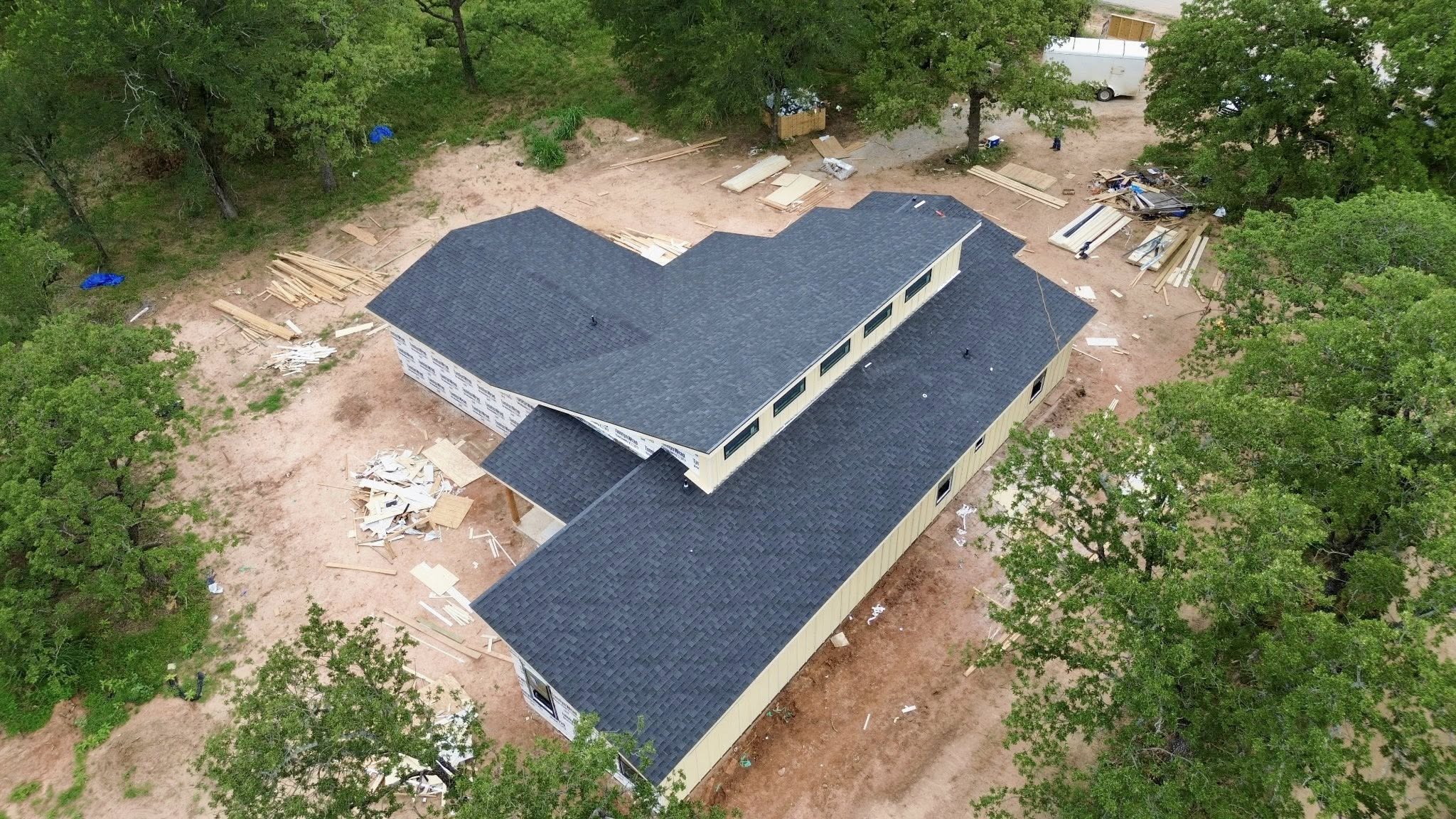
Professional roof installation follows established industry standards that minimize future maintenance needs. These best practices help roofing systems perform efficiently under a wide range of weather conditions while extending their overall lifespan.
Proper preparation always comes first. Contractors should inspect the roof deck carefully, replacing any damaged or weakened sections before new roofing materials are installed. A strong foundation supports every layer above it and reduces the likelihood of future structural issues.
Using high quality underlayment provides additional protection against moisture. This secondary barrier helps prevent water intrusion if outer roofing materials become damaged during severe weather. Proper installation of the underlayment is essential for maintaining long term durability.
Correct flashing installation is equally important. Flashing should be carefully fitted around roof valleys, chimneys, skylights, vents, and other roof penetrations. These areas experience greater water exposure, making accurate installation critical for preventing leaks.
Following manufacturer installation guidelines helps ensure roofing materials perform as intended. Every product is designed with specific fastening patterns, spacing requirements, and installation methods. Ignoring these recommendations increases the risk of premature failure.
Proper ventilation should also be incorporated into every roofing project. Balanced intake and exhaust ventilation help regulate attic temperature and control moisture levels. This protects insulation, roofing materials, and structural components from unnecessary deterioration.
Final inspections complete the installation process. Contractors should verify that every component has been installed correctly before considering the project finished. Careful quality control reduces the likelihood of hidden defects that could require future repairs.
Preventive Maintenance After Roof Installation
Even a perfectly installed roof requires regular maintenance to preserve its performance. Preventive care helps identify minor issues before they become major repair projects, allowing the roofing system to achieve its expected service life.
Annual roof inspections provide one of the most effective forms of preventive maintenance. Professional inspections identify loose shingles, deteriorating flashing, damaged sealants, and blocked ventilation openings before significant damage occurs. Early repairs are generally less expensive and less disruptive than emergency restoration.
Cleaning gutters is another essential maintenance task. Leaves, branches, and debris restrict water flow, causing rainwater to accumulate along roof edges. Proper drainage protects roofing materials while reducing the risk of water intrusion.
Property owners should also inspect the roof after severe weather events. Strong winds, hail, and heavy rainfall may create damage that is not immediately visible from the ground. Prompt inspections help prevent hidden problems from becoming larger structural concerns.
Attic maintenance is equally valuable. Checking for moisture, mold, insulation movement, or signs of leaks allows roofing issues to be detected from inside the building. A dry, properly ventilated attic supports both structural durability and energy efficiency.
Simple maintenance practices can significantly reduce the likelihood of repeated repairs.
- Schedule professional roof inspections every year.
- Clean gutters and downspouts regularly.
- Remove debris from the roof surface.
- Trim tree branches that extend over the roof.
- Check the attic for moisture or leaks after storms.
- Repair minor damage before it spreads.
These preventive measures require relatively little investment compared with the cost of repairing widespread water damage or replacing an entire roofing system.
Frequently Asked Questions
Can poor roof installation really cause leaks within the first year?
Yes, it can. Incorrect flashing, improper shingle placement, poorly installed underlayment, or inadequate sealing may allow water to enter the roof soon after installation. Many early leaks are directly related to workmanship rather than material failure.
What is the most common roof installation mistake?
Improper flashing installation is one of the most common causes of roofing problems. Flashing protects vulnerable areas such as chimneys, skylights, valleys, and vents. When installed incorrectly, these locations often become the first sources of leaks.
How can I tell if my roof was installed properly?
A professional inspection is the most reliable way to evaluate installation quality. Inspectors examine roofing materials, flashing, ventilation, fastening methods, and overall workmanship. They can identify hidden issues before they develop into expensive repairs.
Does poor installation affect the manufacturer’s warranty?
In many cases, yes. Roofing manufacturers generally require their products to be installed according to specific guidelines. Failure to follow these instructions may limit or void warranty coverage, leaving the property owner responsible for future repair costs.
Is repairing installation mistakes less expensive than replacing the roof?
If the problems are identified early and affect only limited areas, repairs are usually more affordable than complete replacement. However, widespread installation defects combined with structural damage may make replacement the more practical long term solution.
How often should a newly installed roof be inspected?
A newly installed roof should be inspected within the first year, especially after severe weather. After that, annual inspections and additional inspections following major storms help ensure the roofing system continues performing as intended.
Conclusion
Proper roof installation is the foundation of a durable, weather resistant, and energy efficient roofing system. Regardless of the quality of the materials used, poor workmanship can create weaknesses that lead to leaks, structural damage, reduced energy efficiency, and frequent repairs. Small installation mistakes often remain hidden at first, but they gradually worsen as the roof is exposed to rain, wind, sunlight, and changing temperatures.
Repeated roof repairs are often symptoms of an underlying installation problem rather than isolated defects. Improper flashing, incorrect fastening, poor ventilation, damaged underlayment, and inadequate sealing allow moisture and air to enter the roofing system. Unless these root causes are corrected, repairs may provide only temporary relief while the original issues continue to cause damage.
Investing in qualified roofing professionals significantly reduces these risks. Experienced contractors follow manufacturer guidelines, use proper installation techniques, conduct thorough inspections, and ensure every component of the roofing system works together effectively. Careful workmanship at the beginning often eliminates many of the maintenance issues that develop later.
Routine maintenance also plays an important role in preserving installation quality. Annual inspections, prompt repairs, clean drainage systems, and regular attic checks help protect the roof from gradual deterioration. Preventive maintenance not only extends roof lifespan but also reduces long term ownership costs.
Choosing quality over short term savings is one of the smartest decisions a property owner can make. While professional installation may require a larger initial investment, it minimizes future repair expenses, improves energy efficiency, protects the building’s structure, and increases the overall value of the property. A properly installed roof provides reliable protection, lasting performance, and peace of mind for many years, making it one of the most worthwhile investments in any residential or commercial building.