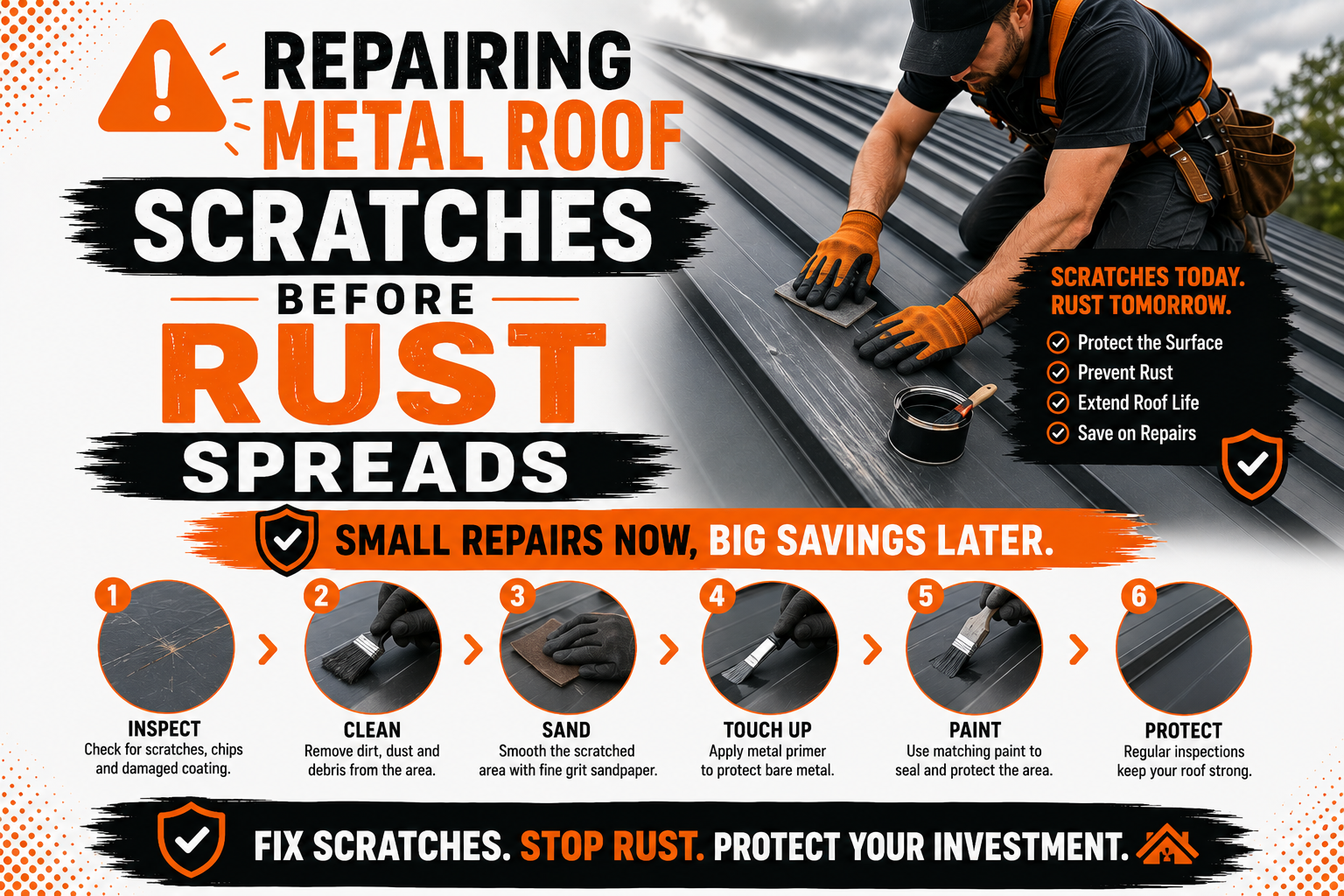
Repairing Metal Roof Scratches Before Rust Spreads
Introduction
Metal roofing is valued for its strength, long lifespan, and ability to withstand harsh weather conditions. Modern metal roof panels are manufactured with protective coatings that shield the underlying metal from moisture, ultraviolet radiation, and corrosion. These coatings allow metal roofs to remain attractive and structurally sound for decades when they are properly maintained. However, even the most durable roofing system can become vulnerable if its protective surface is scratched.
A scratch on a metal roof may appear insignificant at first glance, but it can become the starting point for much larger problems. When a scratch penetrates the protective paint or coating, the bare metal underneath is exposed to air and moisture. This exposure creates the ideal conditions for oxidation, eventually leading to rust formation. If the damaged area is ignored, corrosion can gradually spread beneath the surrounding coating, weakening the roofing panel and increasing repair costs.
Rust does not develop overnight. It begins as a slow chemical process that accelerates when exposed to rain, humidity, standing water, salt, or airborne contaminants. Small scratches that could have been repaired easily often grow into larger areas of corrosion simply because they were left untreated for too long. Early attention is one of the most effective ways to preserve both the appearance and structural integrity of a metal roof.
Not every scratch requires the same repair method. Minor surface marks that affect only the paint may need little more than cleaning and touch up coating, while deeper scratches that expose bare metal require additional preparation to prevent corrosion. Understanding the severity of the damage allows property owners to choose the most effective repair approach.
Regular inspections also play an important role in preventing rust. Many scratches develop gradually during routine maintenance, severe weather, falling branches, or accidental foot traffic. Identifying these small defects before corrosion begins helps extend the lifespan of the roofing system and reduces long term maintenance expenses.
This guide explains why roof scratches should never be ignored, how corrosion develops after surface damage, the common causes of scratches, and the proper methods for inspecting a metal roof before repairs begin. Later sections will explore cleaning techniques, repair procedures, protective coatings, preventive maintenance, and long term strategies for keeping rust from spreading across metal roofing panels.
Why Metal Roof Scratches Should Never Be Ignored
Protective coatings are the first line of defense against corrosion on a metal roof. These coatings prevent moisture and oxygen from reaching the underlying metal, slowing the natural oxidation process that causes rust. Once the coating is damaged, however, this protective barrier becomes compromised.
Even a narrow scratch can expose enough bare metal for corrosion to begin. Rainwater, humidity, morning dew, and airborne pollutants settle into the damaged area and gradually react with the exposed surface. As oxidation continues, rust expands beyond the original scratch and begins lifting the surrounding coating.
Small scratches often remain unnoticed because they rarely cause immediate leaks or structural concerns. Unlike storm damage, which creates obvious problems, scratch related corrosion develops gradually over months or years. This slow progression makes routine inspections especially important.
Ignoring scratches also increases maintenance costs over time. Repairing a fresh scratch generally requires minimal cleaning and a protective touch up coating. Once rust develops, additional work becomes necessary to remove corrosion, prepare the surface, apply primers, and restore protective finishes.
Rust spreading beneath paint creates another challenge. Corrosion often travels under intact coatings before becoming visible from the surface. By the time bubbling paint or flaking finishes appear, the affected area may be considerably larger than the original scratch.
The structural strength of the roofing panel may also decline if corrosion continues unchecked. Although surface rust develops slowly, prolonged oxidation eventually reduces metal thickness, making panels more vulnerable to wind damage, impact, and water penetration.
Aesthetic appearance is another important consideration. Rust stains, peeling paint, and discolored panels reduce curb appeal while giving the impression of poor building maintenance. Commercial properties may also experience negative effects on customer perception when visible roof deterioration becomes noticeable.
Prompt repair preserves both appearance and performance. Addressing scratches before corrosion develops helps maintain the roof’s protective coating while avoiding more extensive restoration work later.
How Scratches Lead to Rust Formation
Rust forms through a natural chemical reaction between iron, oxygen, and moisture. Although many metal roofing materials include protective coatings that slow this process, exposed steel remains susceptible once those coatings become damaged.
The process begins when a scratch penetrates the paint or factory applied finish. Bare metal exposed within the scratch comes into direct contact with moisture from rainfall, humidity, condensation, or dew. Oxygen in the surrounding air combines with the moisture, initiating oxidation.
Initially, corrosion may appear as slight discoloration or tiny orange spots within the scratched area. At this stage, the damage usually remains superficial and can often be corrected with relatively simple repairs. If left untreated, oxidation continues beneath the surface.
Rust occupies more volume than the original metal. As corrosion expands, it creates pressure beneath the surrounding protective coating. This pressure causes paint to blister, crack, or separate from the roofing panel, exposing additional metal to environmental conditions.
Once the coating begins lifting, moisture spreads into newly exposed areas. The corrosion process accelerates because larger portions of bare metal become vulnerable. What began as a narrow scratch gradually develops into a wider area of deteriorating coating and expanding rust.
Environmental conditions strongly influence how quickly rust spreads. Coastal regions with salt laden air, industrial environments containing airborne chemicals, and areas with frequent rainfall generally experience faster corrosion than dry inland climates.
Standing water also increases corrosion risks. Roof sections that retain moisture because of debris accumulation or poor drainage provide favorable conditions for oxidation to continue throughout the year.
Temperature fluctuations contribute indirectly as well. Expansion and contraction caused by changing temperatures may enlarge scratches or weaken surrounding coatings, allowing moisture to reach additional metal surfaces.
Understanding how rust develops highlights why prompt scratch repair is far more effective than attempting to restore panels after widespread corrosion has already formed.
Common Causes of Scratches on Metal Roofing
Metal roof scratches originate from many different sources. Some occur during installation, while others develop gradually throughout the normal lifespan of the roofing system. Identifying these causes helps property owners reduce future damage while improving maintenance practices.
Foot traffic is one of the most common sources of scratches. Maintenance personnel servicing HVAC equipment, solar panels, antennas, or other rooftop installations may accidentally drag tools or footwear across painted metal surfaces. Improper walking techniques can also damage protective coatings.
Tree branches frequently contact roofs during windy weather. Even relatively small branches moving repeatedly against the roof surface can create scratches that remove protective paint over time. Severe storms may also drop larger limbs directly onto roofing panels.
Airborne debris during high winds presents another risk. Gravel, roofing materials from nearby buildings, branches, and other wind driven objects may strike the roof with enough force to damage protective finishes without necessarily denting the metal.
Improper cleaning methods often contribute to surface damage. Using abrasive brushes, steel wool, harsh scrapers, or unsuitable cleaning equipment may scratch protective coatings during routine maintenance. Selecting appropriate cleaning tools helps preserve the roof finish.
Construction work performed near the roof can also create scratches. Dropped tools, ladders, scaffolding, and building materials occasionally contact roofing panels during maintenance or renovation projects.
Snow removal presents seasonal challenges in colder climates. Metal shovels and aggressive ice removal equipment may scrape protective coatings if used carelessly. Plastic tools designed specifically for roofing applications reduce this risk.
Animals occasionally contribute to roof damage as well. Birds, rodents, or larger wildlife rarely scratch metal directly, but their movement may drag twigs, stones, or debris across painted surfaces.
Improper storage of equipment on the roof increases the likelihood of accidental scratches. Sliding tools or construction materials across metal panels should always be avoided because even minor contact may damage factory finishes.
Understanding these common causes allows building owners to implement maintenance practices that reduce unnecessary wear while protecting the roof’s long term appearance and performance.
Identifying Different Types of Roof Scratches
Not every scratch requires the same repair procedure. Determining the depth and severity of the damage helps ensure that repairs restore both appearance and corrosion resistance without unnecessary work.
Surface scratches affect only the outer paint or clear protective finish. These marks usually appear as fine lines that remain the same color as the surrounding panel because the underlying metal has not been exposed. They rarely present an immediate corrosion risk but should still be monitored.
Moderate scratches penetrate through the paint and expose primer layers beneath the finish. Although bare metal may not yet be visible, these scratches reduce the effectiveness of the protective coating and deserve timely repair.
Deep scratches expose bare metal directly to environmental conditions. These areas present the highest corrosion risk because moisture and oxygen immediately contact the roofing material. Prompt treatment significantly reduces the likelihood of rust formation.
Impact related scratches often occur alongside small dents or deformations. Falling branches, hail, or airborne debris may remove protective coatings while also altering the shape of the panel. These damaged areas require careful inspection because hidden coating separation may extend beyond the visible scratch.
Clusters of small scratches sometimes develop where repeated abrasion has occurred. Tree branches brushing against the roof, repeated foot traffic, or abrasive cleaning methods often create these patterns. Multiple scratches increase the total exposed area and accelerate corrosion if left untreated.
Older repairs should also be evaluated during inspections. Fading touch up paint, cracked coatings, or peeling repair materials may indicate previous scratches that require additional maintenance.
Accurately identifying scratch severity helps determine whether simple touch up work is sufficient or whether more extensive corrosion prevention measures are necessary.
Inspecting a Metal Roof for Surface Damage
Regular inspections provide the best opportunity to identify scratches before corrosion develops. Rather than waiting for visible rust to appear, property owners should examine roofing surfaces routinely as part of their preventive maintenance program.
Ground level inspections should always be performed first whenever possible. Binoculars or high resolution cameras often reveal obvious scratches, discoloration, peeling paint, or impact damage without requiring immediate roof access.
Once rooftop access is safe, inspections should proceed systematically across the roof. Working in organized sections reduces the likelihood of overlooking damaged areas while improving documentation.
Particular attention should be given to roof edges, valleys, ridges, flashing, and areas surrounding rooftop equipment. These locations experience greater maintenance activity and are therefore more likely to develop accidental scratches.
Inspectors should also evaluate panel surfaces beneath overhanging tree branches or areas exposed to frequent wind driven debris. Repeated contact often produces scratches that gradually enlarge over time.
Surface discoloration deserves careful examination because early corrosion sometimes appears before obvious rust becomes visible. Small orange spots, faded paint, bubbling coatings, or slight texture changes may indicate developing oxidation beneath the protective finish.
Photographing every damaged area provides valuable maintenance records. Organized documentation allows future inspections to determine whether scratches remain stable or require additional repairs.
Interior inspections can also provide useful information. Although scratches alone rarely produce immediate leaks, moisture stains beneath severely corroded roof sections may indicate that surface damage has progressed further than expected.
Routine inspections performed consistently throughout the year significantly improve the chances of identifying small defects before corrosion spreads across larger portions of the roofing system.
Safety Precautions Before Inspecting or Repairing Roof Scratches
Working safely on a metal roof should always take priority over completing repairs quickly. Roofing surfaces become particularly slippery when wet, dusty, frosted, or covered with loose debris. Careful preparation reduces accident risks while protecting both workers and the roofing system.
Repairs should never begin during rain, strong winds, thunderstorms, or other unstable weather conditions. Dry, calm weather provides the safest environment for roof inspections and coating repairs.
Proper fall protection equipment should always be used when working on elevated roofing systems. Secure ladders, approved harnesses, and stable anchor points help reduce fall hazards during maintenance activities.
Foot placement is equally important because walking incorrectly may create new scratches while inspecting existing damage. Weight should be distributed according to manufacturer recommendations to avoid unnecessary stress on roofing panels.
Cleaning supplies, tools, and repair materials should be organized carefully before beginning work. Dragging equipment across painted roofing surfaces may create additional scratches that require future repairs.
Electrical hazards must also be considered, particularly when working near rooftop HVAC equipment, solar panels, antennas, or overhead utility lines. Any damaged electrical systems should be addressed before roof repairs continue.
The following precautions improve both safety and repair quality:
- Inspect the roof only during safe weather conditions.
- Use approved fall protection equipment.
- Keep tools organized to prevent accidental scratches.
- Walk carefully on supported roof sections.
- Watch for electrical hazards around rooftop equipment.
- Stop work immediately if unsafe conditions develop.
Proper preparation protects workers while helping ensure repairs focus on existing scratches rather than creating new damage.
In the next part of this guide, we will examine how to clean scratched areas correctly, repair both minor and deep scratches, remove early rust before it spreads, select the proper primers and touch up coatings, compare repair methods for different levels of damage, and avoid the most common mistakes that reduce the effectiveness of metal roof scratch repairs.
Cleaning Scratched Areas Before Repairs
Proper surface preparation is one of the most important steps in repairing a scratched metal roof. Even the highest quality primer or touch up coating cannot bond effectively to a dirty or contaminated surface. Dust, dirt, grease, oxidation, and loose paint must all be removed before repairs begin.
The cleaning process should start with removing loose debris from the damaged area. Leaves, dust, sand, and other particles can interfere with coating adhesion and may trap moisture beneath repair materials. A soft brush or clean microfiber cloth is usually sufficient for light surface cleaning.
After loose debris has been removed, the scratched area should be washed using a mild cleaning solution that is compatible with metal roofing finishes. Harsh chemicals and abrasive cleaners should be avoided because they may damage the surrounding factory coating. Gentle cleaning preserves the existing finish while preparing the damaged section for repair.
Stubborn dirt or light oxidation may require additional cleaning with a non abrasive pad. Care should be taken not to enlarge the scratch or remove healthy coating from surrounding areas. Working slowly produces better results than applying excessive pressure.
Once cleaning is complete, the area should be rinsed thoroughly to remove any cleaning residue. Soap left on the roof surface can reduce the adhesion of primers and touch up coatings. Clean water helps ensure that repair materials bond directly to the prepared metal surface.
The roof must also be completely dry before repair products are applied. Moisture trapped beneath coatings may cause blistering, poor adhesion, or premature coating failure. Allowing sufficient drying time is essential for achieving durable repairs.
Cleaning also provides an opportunity to inspect the full extent of the damage. Dirt often hides fine scratches, early rust spots, or coating defects that become visible only after the surface has been cleaned.
Taking the time to prepare the damaged area properly creates a strong foundation for every step that follows in the repair process.
Repairing Minor Surface Scratches
Minor scratches usually affect only the outer paint layer without exposing bare metal. Although these scratches rarely create an immediate corrosion risk, repairing them promptly helps preserve the roof’s appearance and prevents gradual deterioration of the protective coating.
The first step is confirming that the scratch has not penetrated through the primer or exposed the underlying metal. If only the finish coat has been affected, extensive repairs are generally unnecessary. A properly matched touch up coating is often enough to restore protection.
Touch up products should always be compatible with the original roofing finish. Using manufacturer recommended coatings improves color consistency while maintaining long term weather resistance. Generic paints may not provide the same level of flexibility or ultraviolet protection.
Application should be limited to the damaged area rather than covering large portions of the surrounding panel. Thin, even layers typically produce better adhesion and a more uniform appearance than thick applications.
Multiple light coats are usually preferable to one heavy coat. Thin applications cure more evenly and reduce the likelihood of visible brush marks or uneven texture. Sufficient drying time should be allowed between coats according to product recommendations.
After the repair has cured, the surface should blend smoothly with the surrounding roofing panel. Properly repaired minor scratches often become nearly invisible while restoring the protective barrier against moisture and ultraviolet exposure.
Even when repairs appear successful, the area should remain part of future inspection routines. Monitoring repaired scratches helps ensure that coatings continue performing as expected over time.
Addressing minor scratches early prevents them from becoming larger repairs involving rust removal and panel restoration.
Treating Deep Scratches That Expose Bare Metal
Deep scratches require more comprehensive repairs because the protective coating has been breached completely. Exposed metal begins reacting with moisture and oxygen immediately, making prompt treatment essential for preventing corrosion.
The repair process begins with carefully examining the entire damaged area. Some scratches extend farther beneath the surrounding coating than initially visible. Cleaning often reveals additional exposed metal that should be included in the repair.
If oxidation has not yet developed, the bare metal should be protected as soon as possible after cleaning. Delaying repairs allows corrosion to begin even when the scratch appears relatively small.
Where light surface oxidation has already formed, it should be removed before applying protective coatings. The repaired surface should be smooth, clean, and free of loose corrosion products to promote strong coating adhesion.
A metal primer formulated for roofing applications should be applied before the finish coating. Primers improve adhesion while providing additional corrosion protection beneath the final paint layer. Skipping this step often reduces repair durability.
Once the primer has cured properly, the finish coating can be applied using thin, even layers. Matching the original roof color preserves appearance while maintaining uniform protection across the repaired panel.
Edges of the repaired area deserve careful attention because coating failure often begins where new and existing finishes meet. Smooth transitions improve both appearance and long term weather resistance.
After the repair has cured completely, the panel should be inspected to confirm that all exposed metal has been covered. Complete coverage prevents moisture from reaching vulnerable areas and significantly reduces the risk of future rust.
Removing Early Rust Around Scratches
When scratches remain untreated for an extended period, early rust may begin forming around the exposed metal. Removing this corrosion before applying new coatings is essential because painting over active rust rarely stops the oxidation process.
The first step is determining how deeply the corrosion has penetrated. Light surface rust usually appears as a thin orange or brown discoloration that has not significantly weakened the metal. This type of corrosion is generally easier to remove than advanced rust.
Loose rust particles should be eliminated carefully without causing unnecessary damage to surrounding coatings. Removing unstable corrosion products creates a sound surface for primers and protective finishes.
Once visible rust has been removed, the area should be cleaned thoroughly to eliminate dust and residue. Any remaining particles may interfere with coating adhesion or continue promoting corrosion beneath the repair.
Some repair systems include rust converting products that stabilize remaining microscopic oxidation before priming. These materials help prevent corrosion from reappearing beneath the finish coating when used according to manufacturer instructions.
After the treated surface has dried completely, corrosion resistant primer should be applied to isolate the repaired metal from moisture. The primer creates an additional protective barrier while improving finish coat adhesion.
The final touch up coating should fully overlap both the repaired area and a small portion of the surrounding intact coating. This overlap helps seal the repair while reducing the likelihood of moisture entering beneath the new finish.
Early rust removal is significantly less expensive and less time consuming than replacing severely corroded roofing panels later.
Choosing the Right Primers, Paints, and Touch Up Coatings
Selecting compatible repair materials is essential for maintaining the long term durability of a metal roof. Even well prepared repairs may fail prematurely if the primer or finish coating is not designed for the roofing material.
Primers provide the foundation for successful repairs by promoting adhesion and protecting exposed metal from corrosion. Products specifically formulated for metal roofing generally perform better than general purpose primers because they are designed to accommodate thermal expansion and outdoor weather exposure.
Finish coatings should match both the original roof color and coating system whenever possible. Consistent color improves appearance, while compatible materials reduce the risk of peeling or uneven weathering.
Ultraviolet resistance is another important consideration. Roofing surfaces receive continuous sunlight throughout the year, and coatings lacking adequate UV protection may fade, chalk, or lose flexibility more quickly.
Flexibility also plays a major role in repair performance. Metal roofing expands and contracts with changing temperatures, and repair coatings should move with the panels rather than cracking under repeated thermal cycles.
Products designed specifically for exterior metal roofing generally provide better moisture resistance than standard architectural paints. These specialized coatings help preserve the repaired area during prolonged exposure to rain, snow, humidity, and temperature extremes.
Color matching should not be overlooked during repairs. Although slight differences may seem acceptable initially, weathering often makes mismatched repairs more noticeable over time. Manufacturer approved touch up systems usually provide the best visual results.
Investing in quality repair materials improves both appearance and long term protection, reducing the likelihood of repeated maintenance in the same area.
Comparing Repair Methods for Different Scratch Severity Levels
The appropriate repair method depends on how deeply the scratch has penetrated the protective coating. Matching the repair approach to the severity of the damage produces better long term results.
| Scratch Severity | Typical Condition | Recommended Repair | Priority Level |
|---|---|---|---|
| Light surface scratch | Finish coat affected only | Clean and apply matching touch up coating | Medium |
| Moderate scratch | Paint damaged with primer exposed | Clean, apply primer if needed, then finish coating | High |
| Deep scratch | Bare metal exposed | Remove oxidation, apply primer, then touch up coating | High |
| Scratch with light rust | Early surface corrosion | Remove rust, prime, and repaint | High |
| Scratch with spreading corrosion | Rust extending beneath coating | Remove damaged coating, treat corrosion, refinish area | Very High |
| Deep gouge with panel damage | Structural surface damage | Professional evaluation and possible panel replacement | Critical |
Selecting the proper repair method helps preserve the roof’s protective finish while preventing corrosion from spreading beyond the original damaged area.
Common Mistakes to Avoid When Repairing Metal Roof Scratches
Even small repair mistakes can shorten the life of an otherwise well maintained roofing system. Understanding these common errors helps ensure repairs remain effective for many years.
One frequent mistake is painting directly over dirt or loose rust. Contaminated surfaces prevent proper adhesion, causing new coatings to peel or blister shortly after application.
Another common error is ignoring very small scratches because they appear harmless. Minor coating damage may not look serious, but even narrow scratches can expose metal to moisture and begin the corrosion process.
Using abrasive grinding tools too aggressively is another problem. Removing excessive amounts of healthy coating enlarges the repair area unnecessarily while increasing labor and material requirements.
Applying thick layers of paint in a single coat often produces uneven curing and visible surface irregularities. Multiple thin coats generally provide stronger adhesion and a smoother appearance.
Using incompatible primers or touch up paints may also reduce repair quality. Products that are not designed for metal roofing may crack, fade, or separate from the existing finish after repeated weather exposure.
Neglecting surrounding areas during the repair process is another oversight. Nearby scratches, loose coatings, or early corrosion should be addressed at the same time to reduce future maintenance needs.
Finally, delaying repairs after identifying exposed metal allows corrosion to spread beneath the surrounding finish. Prompt action remains the most effective strategy for preserving both the appearance and structural integrity of the roofing system.
The next part of this guide will explain how to protect repaired areas from future rust, prevent new scratches during routine maintenance, establish long term inspection practices, determine when professional repairs or panel replacement become necessary, answer frequently asked questions, and conclude with the key strategies for maximizing the lifespan of a scratched metal roof.
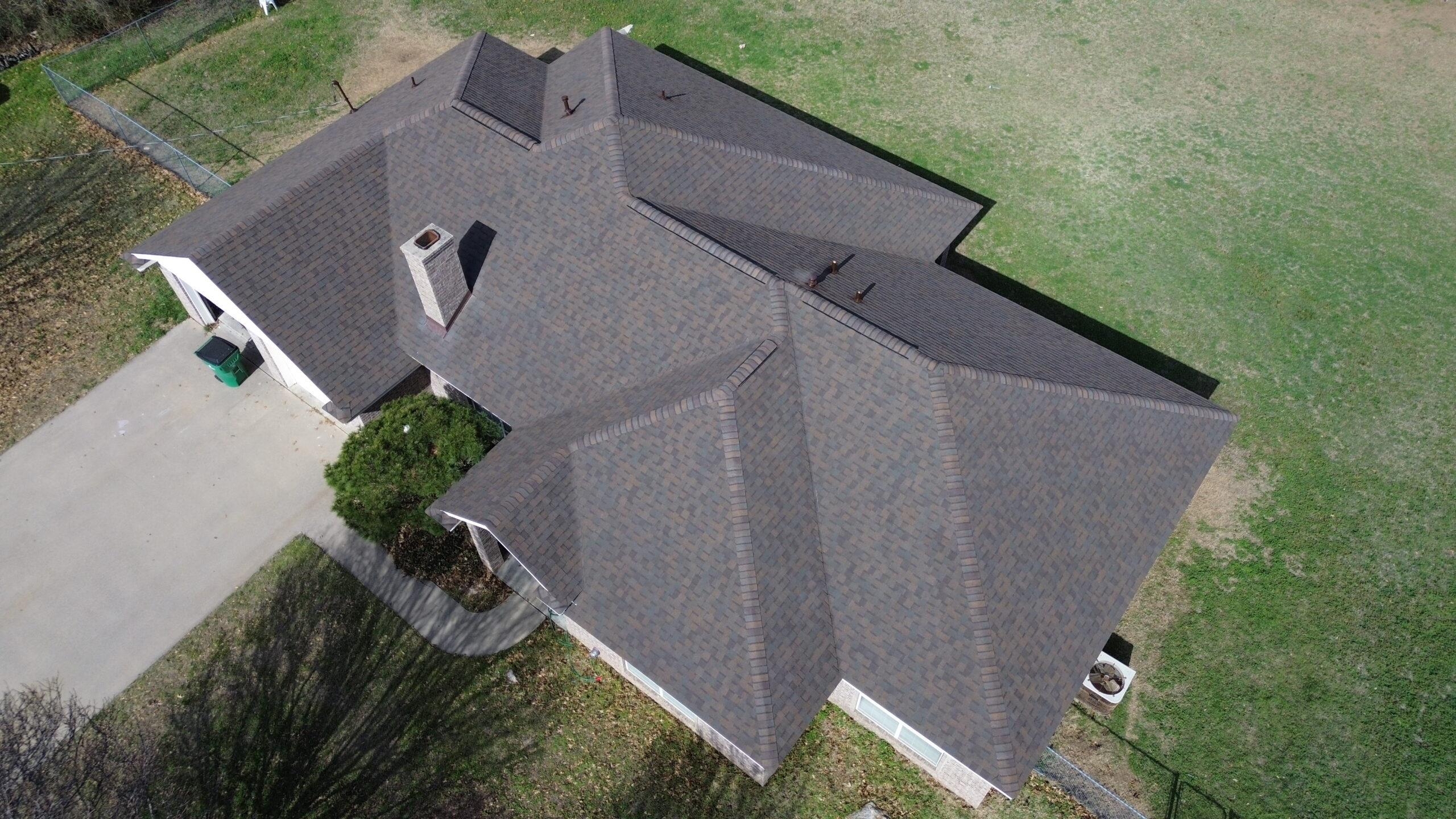
Protecting Repaired Areas from Future Rust
Repairing a scratch is only the first step in preserving the life of a metal roof. Once the damaged area has been restored, it should be protected against future exposure to moisture, sunlight, and environmental contaminants. Long term protection prevents corrosion from returning and helps the repaired section perform as well as the surrounding roof.
One of the most effective ways to protect repaired areas is by ensuring that every layer of the repair system has fully cured before being exposed to severe weather. Primers and finish coatings require adequate drying time to develop their full protective properties. Rushing this process can weaken adhesion and reduce long term durability.
Routine cleaning also contributes to corrosion prevention. Dirt, leaves, pollen, and other debris trap moisture against the roof surface, increasing the likelihood of oxidation around repaired scratches. Keeping the roof clean allows repaired coatings to dry quickly after rain and reduces prolonged moisture exposure.
Roof drainage should also be maintained carefully. Standing water accelerates corrosion by keeping repaired areas wet for extended periods. Clean gutters, downspouts, and valleys allow water to leave the roof efficiently, reducing the risk of rust developing near repaired sections.
Protective roof coatings can provide an additional layer of defense for older roofing systems. These coatings help shield repaired areas from ultraviolet radiation, moisture, and airborne contaminants while maintaining a more uniform appearance across the roof.
Nearby tree branches should be trimmed regularly to prevent repeated contact with roofing panels. Branches rubbing against the roof during windy conditions can create new scratches directly beside recently repaired areas, making preventive trimming an important part of roof maintenance.
Property owners should also monitor repaired sections after severe weather. Strong winds, hail, and flying debris may damage protective coatings, making early inspection essential for identifying new scratches before corrosion begins.
Consistent care after repairs helps preserve both the repaired area and the overall lifespan of the roofing system.
Preventing New Scratches During Roof Maintenance
Many roof scratches occur during routine maintenance rather than during severe weather. Careful work practices significantly reduce the chance of creating new damage while servicing rooftop equipment or performing inspections.
Whenever roof access is necessary, workers should wear footwear with clean, non marking soles. Dirt, gravel, or small stones trapped in shoe treads can scratch painted roofing panels while walking across the surface. Cleaning footwear before climbing onto the roof is a simple but effective preventive measure.
Tools should never be dragged directly across metal roofing panels. Instead, equipment should be carried carefully or placed on protective pads when temporary storage is necessary. Sliding heavy tools or ladders across the roof often creates scratches that expose the protective coating.
Maintenance personnel should follow recommended walking paths whenever possible. Stepping on manufacturer approved support locations minimizes both structural stress and accidental surface damage. Walking carelessly across unsupported areas increases the risk of denting or scratching panels.
Cleaning equipment should also be selected carefully. Soft brushes, microfiber cloths, and non abrasive cleaning pads remove dirt effectively without damaging protective finishes. Abrasive pads, steel brushes, or harsh scraping tools should never be used on painted metal roofing.
Contractors performing rooftop work should protect surrounding roofing panels before moving materials or equipment. Temporary protective coverings reduce the chance of accidental scratches during construction, equipment installation, or maintenance projects.
Routine maintenance practices should include the following precautions:
- Wear clean footwear with soft, non marking soles.
- Carry tools instead of dragging them across the roof.
- Use non abrasive cleaning materials.
- Protect roofing panels during construction work.
- Trim nearby tree branches regularly.
- Inspect the roof after maintenance activities.
Preventing scratches is always more economical than repairing corrosion after protective coatings have been damaged.
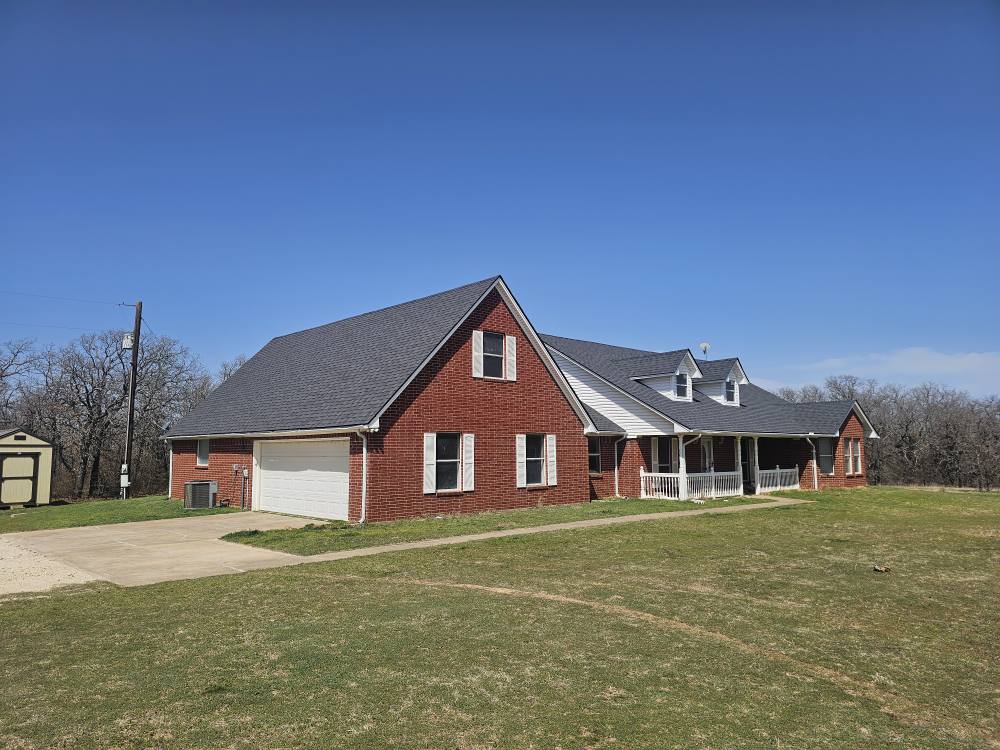
Long Term Inspection and Maintenance Practices
Long term roof performance depends on consistent inspection and maintenance rather than occasional repairs. Regular evaluations allow property owners to identify small scratches, coating damage, and early corrosion before they develop into larger restoration projects.
Most metal roofs benefit from inspections at least once or twice each year. Additional inspections should be scheduled after severe storms, hail events, or periods of unusually high winds because these conditions often create new surface damage.
Inspection routines should remain consistent so that no section of the roof is overlooked. Roof edges, valleys, ridges, flashing, penetrations, and areas beneath overhanging trees deserve particular attention because scratches commonly develop in these locations.
Previously repaired scratches should also be examined during every inspection. Monitoring repaired areas helps confirm that coatings remain intact and corrosion has not returned beneath the repaired surface.
Cleaning should be incorporated into every maintenance program. Removing leaves, branches, dirt, and organic debris reduces moisture retention while making scratches easier to identify during visual inspections.
Drainage systems require equal attention. Blocked gutters and downspouts allow water to remain on the roof longer than intended, increasing the risk of corrosion around scratches and repaired sections.
Keeping accurate maintenance records provides additional long term value. Documenting inspection dates, repair locations, weather events, and maintenance activities helps identify recurring problems while supporting warranty claims and future repair planning.
A proactive maintenance strategy extends roof life by addressing minor issues before they affect the structural integrity of the roofing system.
When Scratches Require Professional Repair or Panel Replacement
Although many surface scratches can be repaired successfully using touch up coatings, some situations require professional evaluation. Determining when damage exceeds simple maintenance helps property owners avoid ineffective repairs and protect the long term performance of the roof.
Deep scratches extending across large portions of a panel often deserve professional inspection. If the protective coating has been removed extensively or the panel has been gouged significantly, localized touch up work may not provide sufficient protection.
Scratches accompanied by dents, bends, or panel deformation should also receive professional attention. Structural damage may affect panel alignment, drainage, or attachment systems in addition to the visible coating damage.
Extensive rust spreading beyond the original scratch usually indicates that corrosion has progressed beneath the surrounding finish. In these situations, removing only visible rust may leave hidden deterioration untreated. A larger restoration or panel replacement may provide better long term results.
Repeated corrosion in the same location may suggest an underlying moisture problem, poor drainage, or coating failure rather than isolated scratch damage. Identifying the root cause prevents recurring repairs that address only the symptoms.
Roof age should also influence repair decisions. Older roofs with widespread coating deterioration may benefit more from comprehensive restoration than repeated localized touch up repairs.
Property owners should consider professional evaluation under the following conditions:
- Deep scratches exposing large areas of bare metal.
- Scratches combined with dents or structural panel damage.
- Rust spreading beneath surrounding coatings.
- Repeated corrosion in previously repaired areas.
- Widespread coating failure across multiple panels.
- Uncertainty about the extent of hidden corrosion.
Professional inspections help determine whether localized repairs remain practical or whether broader restoration will provide greater long term value.
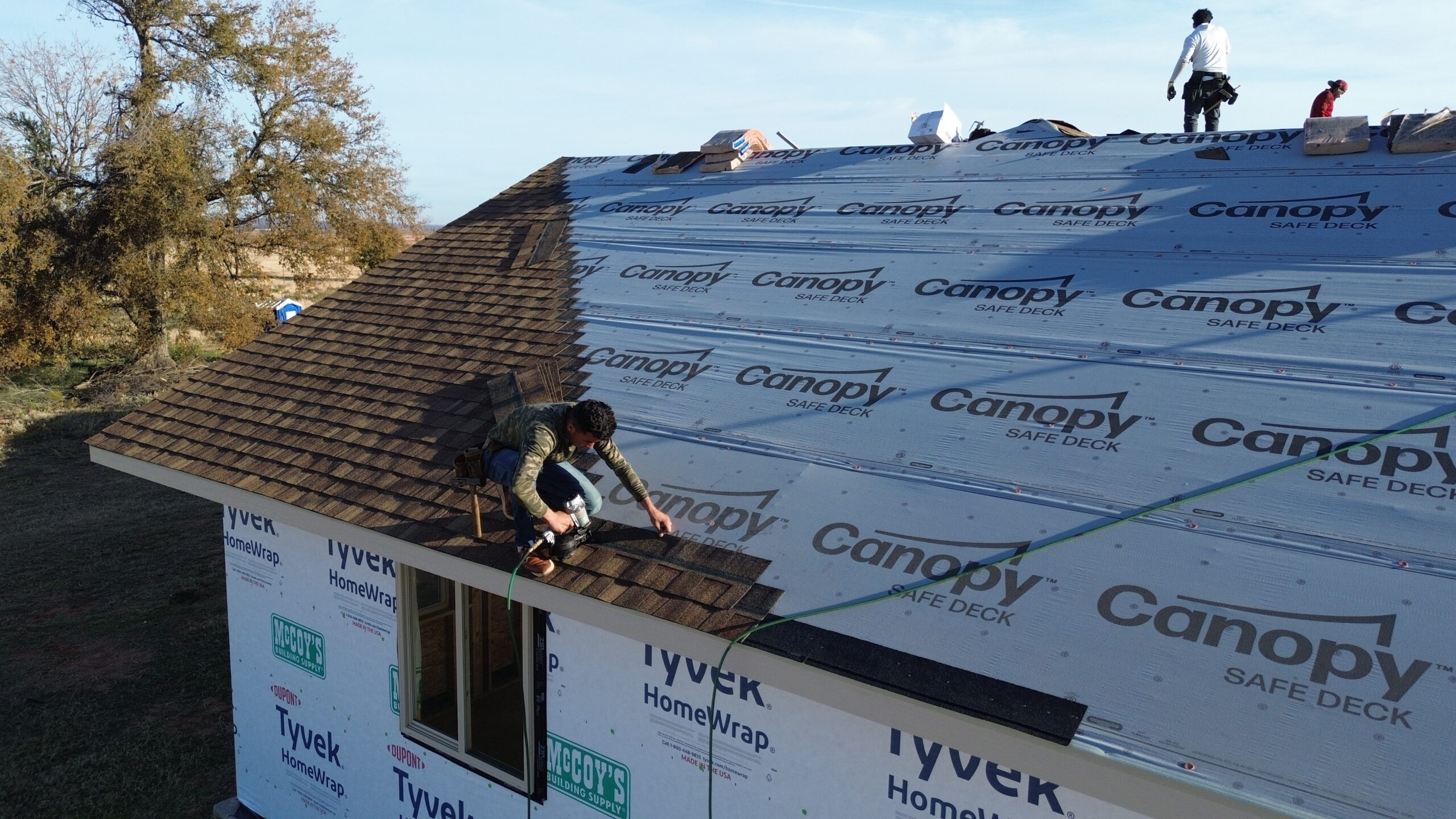
Benefits of Prompt Scratch Repairs
Addressing scratches as soon as they are discovered provides significant advantages beyond improving the appearance of the roof. Early repairs interrupt the corrosion process before moisture can damage the underlying metal, helping preserve both structural strength and protective coatings.
One of the greatest benefits is reduced repair cost. Treating a fresh scratch usually requires only cleaning and touch up coating, while repairing advanced corrosion often involves rust removal, priming, repainting, or panel replacement. Early action minimizes both labor and material expenses.
Prompt repairs also extend the overall lifespan of the roofing system. Preventing corrosion from spreading allows roofing panels to maintain their original strength and weather resistance for many additional years.
Appearance is another important consideration. Freshly repaired scratches blend much more effectively with the existing roof than large rust stained areas requiring extensive refinishing. Maintaining an attractive roof enhances curb appeal and protects property value.
Water resistance improves when scratches are repaired before coatings begin separating. Intact protective finishes prevent moisture from reaching the metal while reducing the likelihood of future leaks associated with corrosion.
Timely maintenance also supports more predictable long term budgeting. Scheduled preventive repairs generally cost less than emergency restoration projects caused by widespread rust or structural deterioration.
By responding quickly to even minor surface damage, property owners protect their investment while reducing the need for major roofing repairs later.
Frequently Asked Questions
Can a small scratch really cause rust on a metal roof?
Yes. If a scratch penetrates the protective coating and exposes bare metal, moisture and oxygen can begin the oxidation process. Repairing scratches early prevents corrosion from developing.
Should every scratch be repaired immediately?
Deep scratches exposing bare metal should be repaired as soon as possible. Minor surface scratches that affect only the finish coat should also be monitored and repaired promptly to preserve the protective coating.
Can I paint directly over rust?
No. Loose or active rust should be removed before primer and finish coatings are applied. Painting over untreated corrosion usually results in continued rust development beneath the new coating.
How often should a metal roof be inspected for scratches?
Most roofing professionals recommend inspecting metal roofs at least once or twice each year. Additional inspections should be performed after severe storms, nearby construction work, or maintenance activities on the roof.
Will touch up paint stop rust permanently?
When applied correctly to a properly prepared surface, compatible touch up coatings provide long lasting protection. However, routine inspections remain important because weather and aging gradually affect all protective finishes.
Can scratched metal roofing panels always be repaired?
Many scratches can be repaired successfully. However, panels with severe corrosion, structural damage, or widespread coating failure may require professional restoration or replacement.
Conclusion
Scratches may seem like minor cosmetic imperfections, but they can quickly become the starting point for corrosion if they expose the underlying metal. Once moisture and oxygen reach the damaged surface, rust begins forming and gradually spreads beneath surrounding coatings, reducing both the appearance and structural integrity of the roofing system. Addressing scratches early is one of the simplest and most effective ways to prevent expensive long term damage.
Successful repairs depend on careful inspection, proper cleaning, removal of early corrosion when necessary, and the use of compatible primers and protective touch up coatings. Matching the repair method to the severity of the scratch ensures that the damaged area regains its resistance to moisture, ultraviolet exposure, and environmental contaminants. Thorough surface preparation remains the foundation of every durable repair.
Long term protection requires more than repairing existing scratches. Routine inspections, careful maintenance practices, proper roof cleaning, and prompt attention after storms all help prevent new surface damage from developing into widespread corrosion. By treating scratches before rust has the opportunity to spread, property owners can preserve the appearance, durability, and service life of their metal roofing system for many years while avoiding unnecessary repair and replacement costs.