
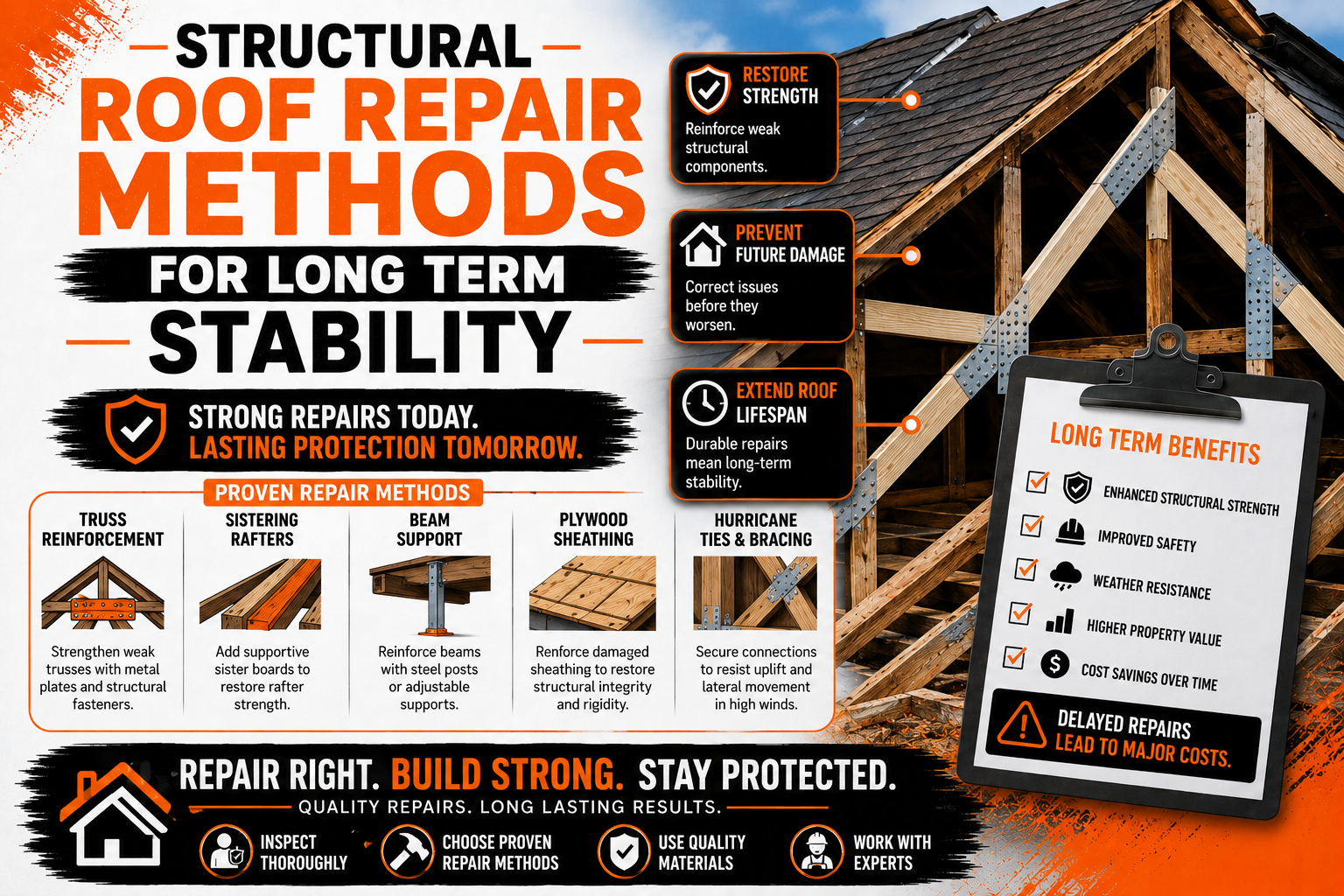
Structural Roof Repair Methods for Long Term Stability
Introduction
A roof does much more than protect a home from rain, wind, and sunlight. It serves as one of the primary structural systems of the building, supporting roofing materials while transferring loads safely through the walls and into the foundation. When structural components begin to weaken, the entire roofing system becomes more vulnerable to movement, water intrusion, and long term deterioration.
Many homeowners notice roof leaks, missing shingles, or visible damage without realizing that the underlying structural framework may also require attention. Cosmetic repairs improve appearance and weather protection, but they cannot restore strength if rafters, trusses, beams, or roof decking have already been compromised. Lasting stability depends on repairing the structural system itself rather than only replacing the exterior roofing materials.
Structural roof damage rarely develops overnight. It usually begins with relatively minor problems such as moisture intrusion, aging materials, excessive loading, or small framing defects that gradually become more serious. As these issues progress, structural loads become unevenly distributed, increasing stress throughout the roof and eventually affecting other parts of the home.
Ignoring structural problems often leads to larger repair projects, higher costs, and greater safety concerns. Roof framing that continues weakening may contribute to sagging rooflines, ceiling cracks, wall movement, recurring leaks, and reduced structural reliability during severe weather. Identifying these issues early allows homeowners to preserve the roof before extensive reconstruction becomes necessary.
Long term roof stability requires more than repairing damaged wood. Successful structural repairs address the root causes of deterioration, strengthen the supporting framework, improve moisture management, and create a maintenance plan that helps prevent future problems. This comprehensive approach extends the life of the roof while protecting the overall value of the property.
This guide explains what makes a roof structurally stable, explores the common causes of structural damage, identifies warning signs that should never be ignored, and outlines the planning process that supports effective long term repairs.
What Makes a Roof Structurally Stable?
A structurally stable roof is one that safely supports its own weight while resisting environmental forces throughout its service life. Stability depends on the proper interaction of many different structural components rather than the strength of any single element.
Roof framing forms the primary support system. Rafters or engineered trusses carry the weight of roofing materials and distribute structural loads evenly toward the load bearing walls below. Their design ensures that the roof maintains its shape while resisting both permanent and temporary loads.
Support beams provide additional structural strength across larger spans where individual rafters or trusses require reinforcement. These beams help distribute concentrated loads efficiently while preventing excessive deflection or movement in the roof structure.
Roof decking creates a continuous surface that supports roofing materials while increasing the rigidity of the framing system. Properly installed decking helps tie structural members together, allowing the roof to function as a unified assembly instead of a collection of separate components.
Structural connectors also play a critical role. Nails, screws, bolts, hurricane ties, brackets, and metal connector plates secure framing members together while allowing loads to transfer safely throughout the structure. Strong connections improve resistance to wind uplift, seasonal movement, and changing roof loads.
Load bearing walls provide the pathway through which roof loads travel toward the foundation. If these walls remain stable and properly aligned, the roof framing above receives consistent structural support that helps preserve long term alignment.
The foundation ultimately supports the entire roofing system by distributing structural loads into the surrounding soil. A stable foundation allows every component above it to perform as intended, while foundation movement may gradually influence roof alignment and framing performance.
Ventilation and moisture control also contribute significantly to structural stability. Dry framing retains its strength far longer than wood exposed to prolonged humidity or repeated water intrusion. Effective ventilation therefore supports both structural durability and overall roof longevity.
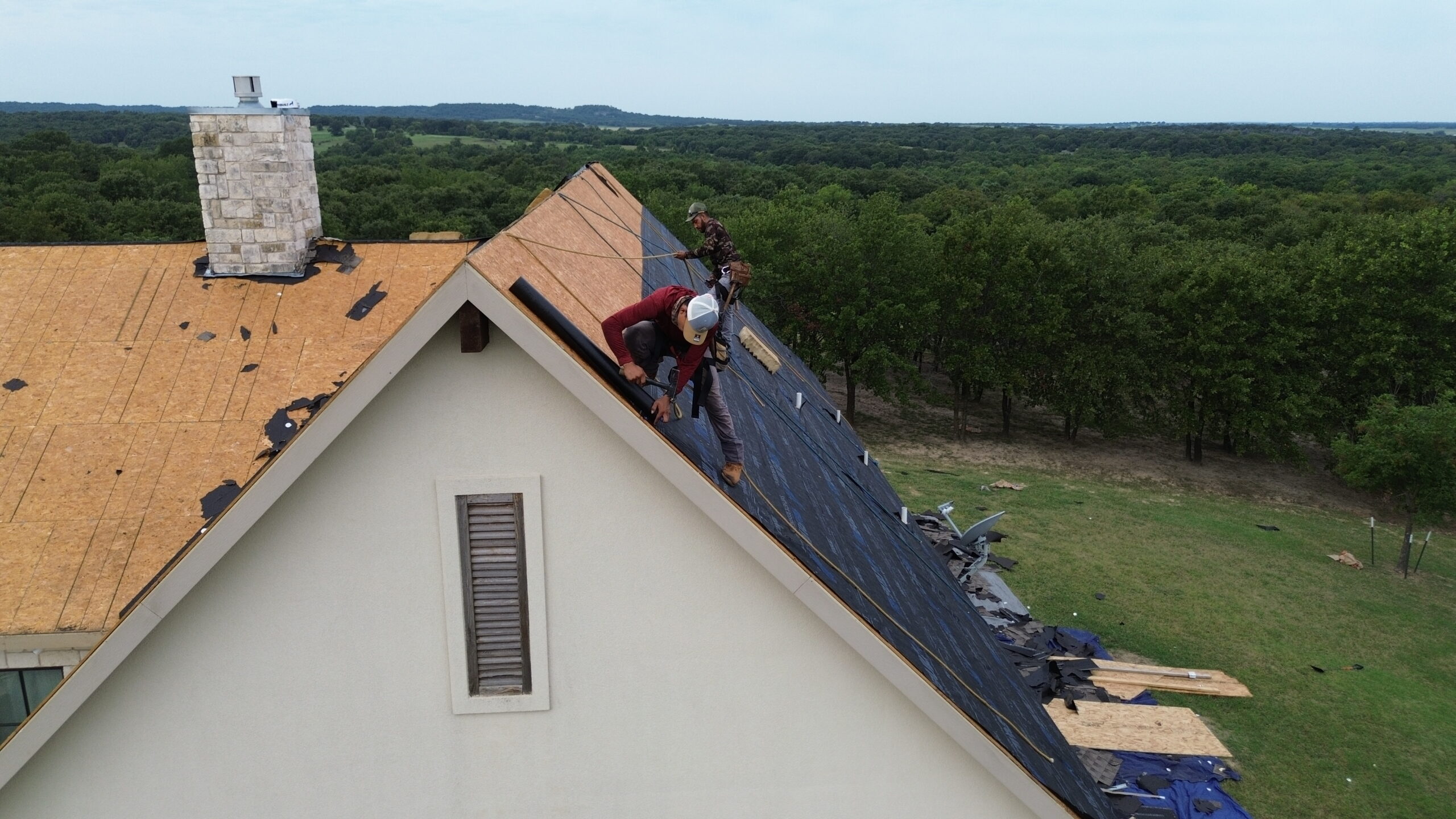
Common Causes of Structural Roof Damage
Structural roof damage develops for many reasons, but most cases involve gradual deterioration rather than sudden failure. Understanding the common causes helps homeowners recognize potential risks before major structural problems occur.
Moisture remains the leading cause of structural roof deterioration. Water entering through damaged shingles, flashing failures, roof penetrations, or poor drainage gradually weakens wooden framing and roof decking. Persistent moisture creates ideal conditions for wood rot, fungal decay, and mold growth that reduce structural strength over time.
Poor attic ventilation accelerates moisture related damage even when roof leaks are not present. Warm indoor air rises into the attic where it condenses on cooler structural surfaces. Without adequate airflow, condensation remains trapped and continuously exposes framing members to excessive humidity.
Aging materials naturally contribute to structural weakening. Wood experiences decades of expansion and contraction as temperatures and humidity change throughout the seasons. Fasteners loosen, connectors corrode, and framing members gradually respond to repeated structural loading.
Excessive roof loads place additional stress on the structural framework. Multiple layers of roofing materials, heavy tiles, snow accumulation, rooftop equipment, and solar panel installations all increase the weight carried by rafters, trusses, and support beams. Older structures may not have been designed for these additional loads.
Storm damage can also affect structural performance. Strong winds strain framing connections, hail damages roofing materials, and falling tree branches may crack structural members. Even if the roof covering appears relatively intact, hidden structural damage may still be present.
Insect activity poses another significant threat. Termites, carpenter ants, and wood boring insects gradually weaken structural framing from within. Because this damage often develops inside the wood, substantial deterioration may occur before visible warning signs appear.
Improper repairs occasionally create additional structural problems. Temporary fixes, undersized replacement materials, or incorrectly installed framing may alter load distribution and increase stress throughout the roofing system.
Deferred maintenance allows relatively small issues to become much larger structural concerns. Minor leaks, clogged gutters, damaged flashing, and loose roofing materials all increase the likelihood of moisture reaching the structural framework.
How Structural Problems Affect the Entire Roofing System
A roof functions as a complete structural system in which every component supports the performance of the others. Damage affecting one area rarely remains isolated because structural loads continuously move throughout the framing network.
When a single rafter weakens, neighboring rafters begin carrying additional weight. This redistribution allows the roof to remain functional temporarily, but it also increases stress across a larger portion of the framing system. Over time, more structural members may begin showing signs of deterioration.
Support beams experience similar effects. If framing above transfers uneven loads, beams may begin deflecting or developing localized stress. These changes influence the structural performance of surrounding components and may contribute to roof alignment problems.
Roof decking also responds to structural movement. Weak framing beneath the decking often produces soft spots, uneven roof surfaces, or visible sagging. Damaged decking further reduces the rigidity of the roof, allowing movement to continue spreading through the structure.
Structural movement frequently extends beyond the roof itself. Ceiling cracks, sticking doors, uneven floors, and wall movement sometimes develop as roof loads redistribute through the building. These interior symptoms often indicate that structural problems have progressed beyond the roofing system alone.
Water intrusion compounds these effects by weakening additional framing members. Moisture spreads through wood fibers, insulation, and structural connections before becoming visible inside the home. The longer water remains trapped within the roof structure, the greater the likelihood of widespread deterioration.
Environmental forces continue affecting weakened roofs during every season. Wind uplift, heavy rainfall, snow loads, and daily temperature changes place additional stress on already compromised framing, accelerating structural decline if repairs are delayed.
Understanding how structural problems spread throughout the roofing system highlights the importance of addressing the underlying causes rather than repairing only the visible damage.

Recognizing the Early Warning Signs of Roof Structural Failure
Structural roof problems usually provide several warning signs before serious damage develops. Homeowners who recognize these symptoms early often avoid much larger repair projects later.
One of the clearest indicators is a sagging roofline. Roof ridges and roof slopes should appear straight and evenly supported. Visible dips, uneven sections, or gradual changes in alignment often suggest that structural framing has weakened.
Recurring roof leaks deserve immediate attention even if they appear relatively minor. Water entering the roof structure gradually damages framing, decking, insulation, and structural connectors long before widespread interior damage becomes visible.
Interior ceiling cracks may indicate structural movement within the roof framing. Although not every crack reflects serious structural damage, widening cracks or those that repeatedly reappear should be evaluated alongside other warning signs.
Doors and windows that become difficult to operate sometimes indicate changes in structural alignment. As roof loads redistribute, supporting walls may shift slightly, affecting door and window openings throughout the home.
Soft areas on the roof surface often indicate deteriorated roof decking beneath the roofing materials. These weakened sections reduce structural rigidity and frequently develop after prolonged moisture exposure.
Visible cracks in attic framing deserve careful attention. Large splits, excessive bowing, twisting, or separation at structural joints may indicate that framing members are no longer supporting loads as originally intended.
Rusted metal connectors, loose fasteners, or separating framing joints also suggest structural deterioration. Since connectors play an essential role in transferring loads safely, any visible movement at these locations requires professional inspection.
Unusual creaking, popping, or cracking sounds from the roof structure during changing temperatures may indicate structural movement. While some seasonal expansion is normal, increasing structural noises combined with other symptoms often suggest developing problems.
Why Timely Structural Repairs Matter
Prompt structural repairs provide benefits that extend far beyond correcting visible damage. Addressing problems early preserves the integrity of the entire roofing system while reducing long term repair costs and improving overall building safety.
Small structural defects are generally easier and less expensive to repair than widespread deterioration. Reinforcing one weakened beam or replacing several damaged rafters requires considerably fewer resources than rebuilding large sections of the roof after years of neglected damage.
Early repairs also help prevent moisture from spreading throughout the roof structure. Eliminating leaks before water reaches additional framing members reduces the amount of structural replacement required and helps preserve existing materials.
Maintaining proper structural alignment protects other parts of the home as well. Stable roof framing reduces unnecessary stress on walls, ceilings, floors, and foundations, minimizing the likelihood of secondary structural damage developing elsewhere in the building.
Timely repairs improve the roof’s ability to withstand severe weather. Strong framing, secure structural connections, and sound decking provide greater resistance against high winds, heavy rainfall, snow loads, and changing environmental conditions.
Repairing structural issues promptly may also increase property value. Buyers often view well maintained roofs as indicators of responsible home ownership, while unresolved structural concerns may reduce market appeal and complicate future property transactions.
Perhaps most importantly, early intervention improves occupant safety. A properly maintained structural roof system provides reliable support throughout changing weather conditions while reducing the risk of unexpected structural failures.
Roof Structure Inspection Checklist
Routine inspections play an essential role in identifying structural roof problems before they become severe. Evaluating multiple structural components together provides a more complete understanding of the roof’s overall condition.
During a comprehensive structural inspection, attention is commonly focused on the following areas:
- Roof ridge for sagging or uneven alignment.
- Rafters, trusses, and support beams for cracks or warping.
- Roof decking for soft spots or moisture damage.
- Structural connectors and fasteners for corrosion or movement.
- Interior ceilings for cracks or water stains.
- Attic framing for mold, wood rot, or insect activity.
- Flashing around chimneys, skylights, and roof penetrations.
- Ventilation openings for proper airflow.
- Gutters and drainage systems for effective water management.
- Overall roof alignment and evidence of structural movement.
Evaluating these components together helps identify patterns that may not be obvious when individual defects are viewed separately. Even relatively small concerns can indicate developing structural issues when several warning signs appear simultaneously.
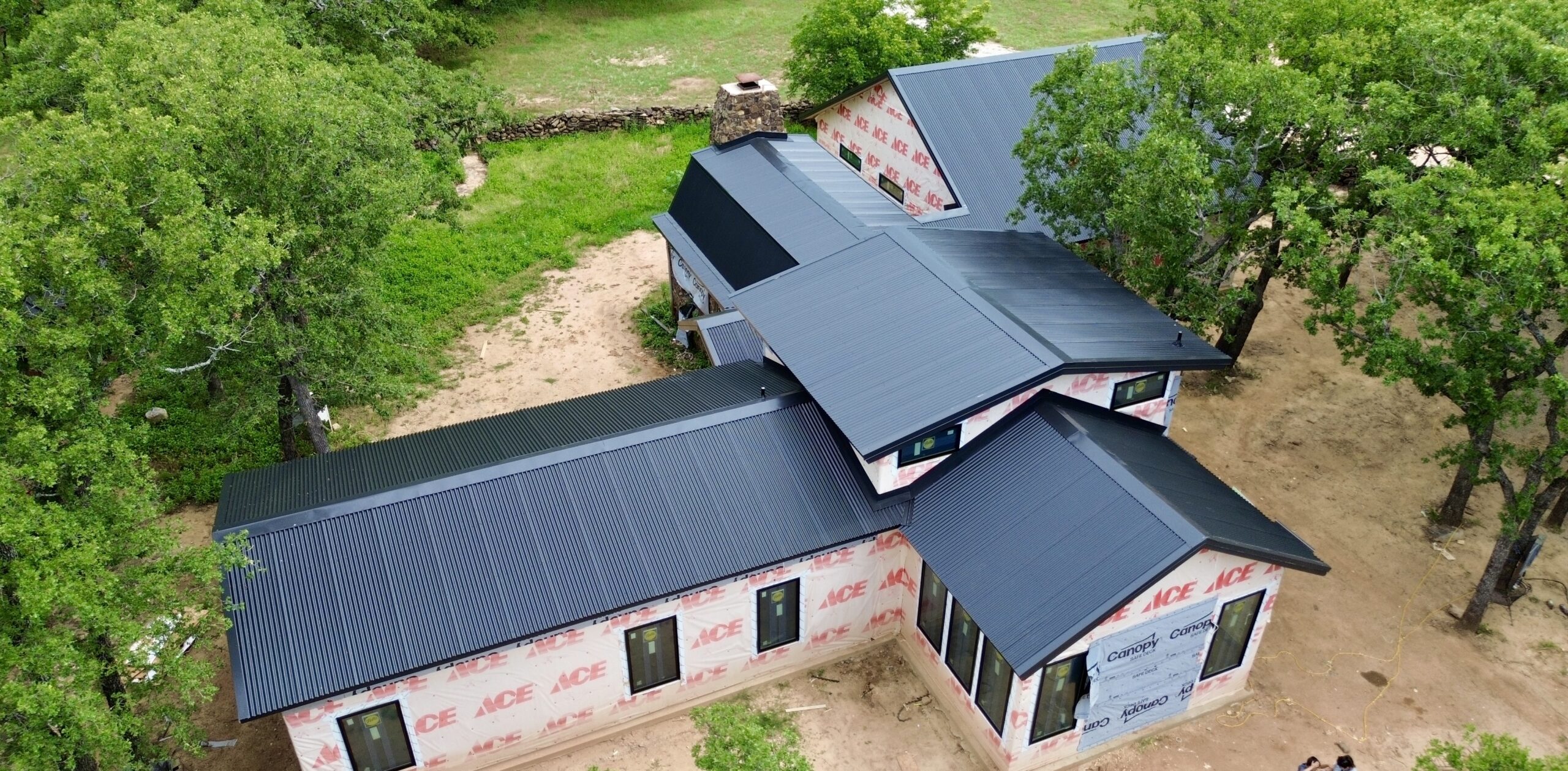
Building a Long Term Repair Strategy
Successful structural roof repairs begin with careful planning rather than immediate construction. Understanding the extent of the damage, identifying its underlying causes, and selecting appropriate repair methods creates a stronger foundation for long lasting results.
The first priority is determining why structural damage developed. Moisture intrusion, aging materials, excessive loading, poor ventilation, foundation movement, or previous construction defects all require different corrective approaches. Solving only the visible damage without addressing the root cause often leads to recurring structural problems.
Repair planning should also consider the overall condition of the roof. Structural framing, decking, insulation, flashing, roofing materials, and ventilation systems all work together. Evaluating these components as one integrated system helps ensure that repairs provide lasting performance rather than temporary improvement.
Long term strategies often include preventative upgrades in addition to structural repairs. Improving attic ventilation, strengthening framing connections, replacing damaged decking, upgrading drainage systems, and correcting moisture problems all contribute to a more durable roofing system.
Future maintenance should also become part of the repair plan. Scheduling regular inspections, monitoring structural performance, and addressing small concerns promptly helps preserve the effectiveness of completed repairs while reducing the likelihood of future structural deterioration.
Now, we will examine proven structural roof repair methods, evaluate reinforcement techniques for rafters, trusses, beams, and roof decking, compare common repair solutions, and explain how professionals restore long term structural stability through carefully planned repair procedures.
Evaluating the Severity of Structural Damage
Before any structural roof repair begins, it is essential to determine how much of the roofing system has been affected. Structural damage often extends beyond the area where visible problems first appear because loads are shared across multiple framing members. A thorough evaluation helps ensure that repairs address every weakened component instead of only the most obvious damage.
Professional inspections usually begin with an exterior assessment of the roof. Inspectors look for sagging rooflines, uneven ridges, damaged roofing materials, soft roof surfaces, and visible signs of structural movement. They also examine flashing, gutters, and roof penetrations to identify sources of moisture that may have contributed to the damage.
The attic provides valuable insight into the structural condition of the roof. Rafters, trusses, beams, roof decking, and structural connectors are inspected for cracks, wood rot, warping, insect activity, mold growth, and excessive deflection. Since much of the structural framework is visible from inside the attic, many hidden problems can be identified before major reconstruction becomes necessary.
Moisture detection equipment is frequently used during the evaluation process. Moisture meters and thermal imaging devices help locate damp framing, saturated insulation, and concealed water intrusion that cannot be seen during a standard visual inspection. Identifying hidden moisture prevents repairs from overlooking ongoing structural deterioration.
Inspectors also evaluate how structural loads are being distributed throughout the roof. If one framing member has weakened, surrounding components often carry additional weight. Understanding these changing load paths allows repair plans to restore proper structural balance rather than simply replacing damaged materials.
The inspection does not end with the roof alone. Ceiling cracks, wall movement, sticking doors, and foundation settlement may all provide evidence that structural stress has spread throughout the building. Evaluating the entire structure leads to more accurate repair recommendations and longer lasting results.
Repairing Rafters, Trusses, Beams, and Roof Decking
Every structural component within the roof performs a specific function, so repair methods vary depending on the type and extent of the damage. Restoring long term stability requires strengthening each affected element while maintaining proper load distribution across the entire roofing system.
Rafters are often repaired by reinforcing weakened sections or replacing damaged members when deterioration becomes severe. Small areas affected by localized damage may be strengthened using engineered reinforcement techniques, while extensive cracking, rot, or deformation generally requires full replacement of the affected rafter.
Roof trusses require specialized repair methods because they are engineered systems designed to function as complete structural assemblies. Damaged truss members are reinforced or replaced according to engineering recommendations to ensure that the original load carrying capacity is restored without compromising the surrounding structure.
Support beams receive careful attention because they carry concentrated structural loads across larger spans. Beams showing excessive sagging, splitting, or moisture damage may be reinforced using engineered lumber or steel components. In situations involving advanced deterioration, replacing the beam provides the safest long term solution.
Roof decking is repaired wherever moisture, age, or structural movement has reduced its strength. Replacing damaged decking restores a solid foundation for roofing materials while increasing the rigidity of the roof structure. New decking also improves the attachment of underlayment and shingles, helping protect the repaired framing beneath.
Structural repairs often include replacing damaged insulation, correcting ventilation problems, and repairing flashing. These improvements protect newly repaired framing from future moisture exposure while supporting the long term performance of the roofing system.
Every repair is designed to restore structural continuity throughout the roof. Rather than treating components individually, professionals ensure that rafters, trusses, beams, decking, and connectors function together as a unified structural system.
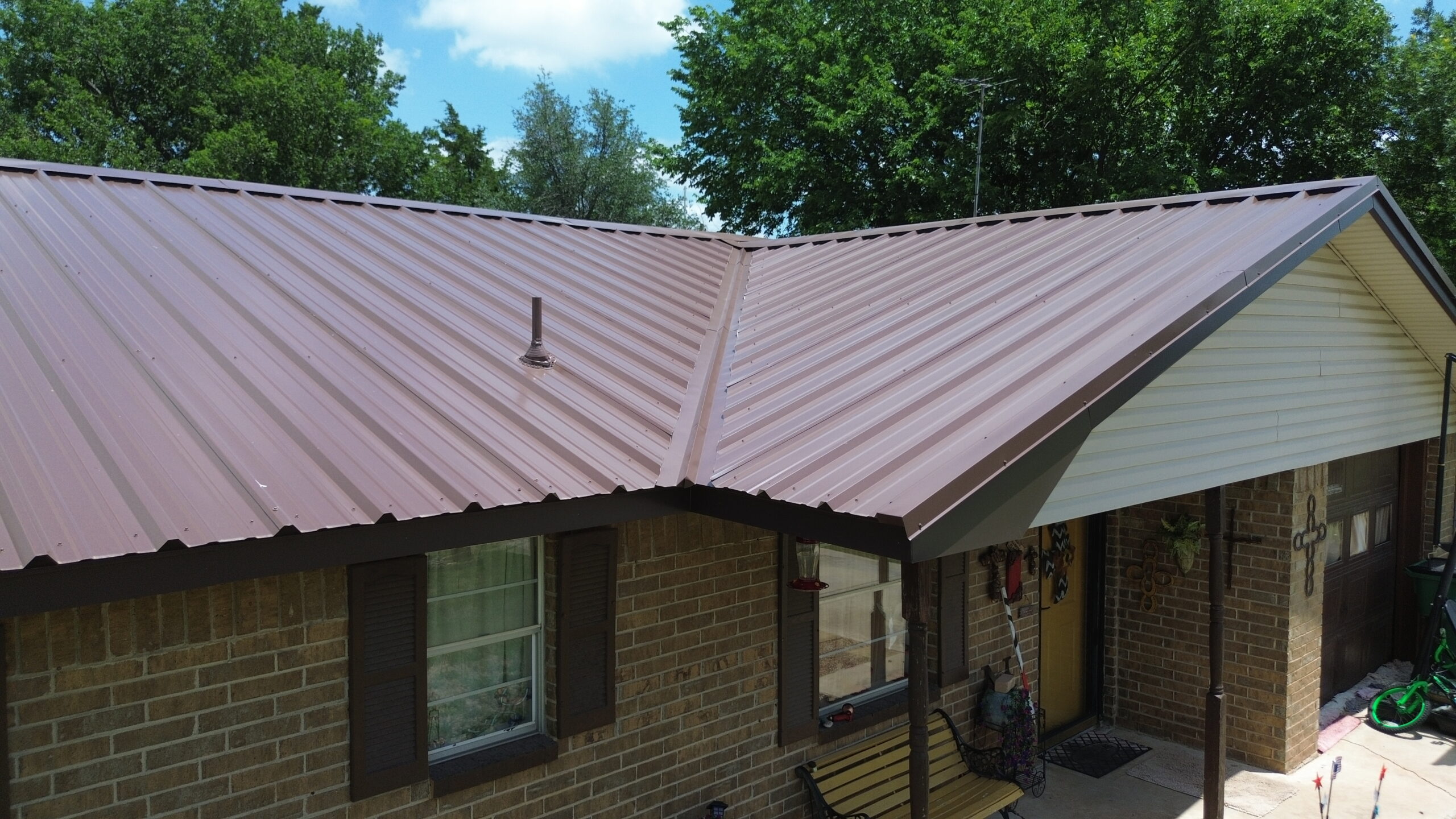
Reinforcing Structural Connections for Greater Strength
Strong structural connections are essential for maintaining roof stability over many years. Even high quality framing materials cannot perform effectively if the joints connecting them become loose, corroded, or weakened. Reinforcing these connections significantly improves the overall durability of the roofing system.
Modern structural fasteners provide greater strength than many products used in older construction. Heavy duty structural screws, bolts, and engineered fasteners improve load transfer between framing members while reducing the likelihood of future movement. These upgrades are particularly valuable in roofs that have experienced decades of seasonal expansion and contraction.
Metal reinforcement brackets are commonly installed at critical structural joints. These brackets strengthen areas where rafters connect to beams, where trusses meet supporting walls, and where framing members experience concentrated loads. Reinforcing these locations improves resistance to both gravity loads and wind uplift.
Hurricane ties provide another important structural improvement. Although often associated with high wind regions, these connectors also help maintain framing alignment under normal loading conditions by securing roof members more effectively to supporting walls.
Connector plates used in roof trusses may require replacement if corrosion or structural movement has weakened their performance. New engineered connector systems restore the ability of the truss to transfer loads efficiently throughout the framing assembly.
Structural adhesives are occasionally incorporated alongside mechanical fasteners in certain repair situations. When used appropriately, these materials improve bonding between framing components while reducing localized movement that may contribute to long term structural wear.
Upgrading structural connections during roof repairs often provides lasting benefits that extend beyond the immediate repair area. Stronger joints improve the roof’s overall ability to withstand changing weather conditions while helping preserve structural alignment throughout its service life.
Comparing Common Structural Roof Problems and Their Repair Methods
The following table summarizes common structural roof issues along with repair methods frequently used to restore long term stability.
| Structural Problem | Typical Cause | Common Repair Method | Priority Level |
|---|---|---|---|
| Sagging rafters | Long term overloading or aging | Reinforce or replace affected rafters | High |
| Damaged roof trusses | Moisture, impact, or structural stress | Engineer approved reinforcement or replacement | High |
| Cracked support beams | Excessive structural loading | Install reinforcement or replace beam | High |
| Weak roof decking | Water damage or age | Replace damaged decking panels | High |
| Loose framing connections | Seasonal movement or aging fasteners | Upgrade structural connectors and fasteners | Medium |
| Wood rot in framing | Persistent moisture intrusion | Replace damaged wood and eliminate moisture source | High |
| Corroded metal connectors | High humidity or water exposure | Install new structural hardware | Medium |
| Uneven roof alignment | Structural movement or settlement | Correct framing and restore load distribution | High |
Every structural repair project should be based on a comprehensive inspection because similar symptoms may result from different underlying causes. Accurate diagnosis ensures that repair methods address the actual source of the structural problem.
The Structural Roof Repair Process Step by Step
Although every project differs according to the roof’s condition, structural roof repairs generally follow a logical sequence that restores stability while protecting the home throughout construction.
- Complete a detailed structural inspection to identify all damaged framing components.
- Determine and correct the underlying cause of the structural deterioration.
- Remove roofing materials only where access to structural repairs is required.
- Install temporary supports before replacing or reinforcing major structural members.
- Repair or replace damaged rafters, trusses, beams, and roof decking.
- Upgrade structural connectors, fasteners, and reinforcement hardware where needed.
- Improve ventilation, drainage, and moisture control to protect repaired framing.
- Reinstall roofing materials and perform a final structural inspection to verify long term stability.
Following this sequence allows each stage of the repair to build upon the previous one. Correcting structural issues before replacing roofing materials ensures that the finished roof rests on a strong and properly aligned framework.
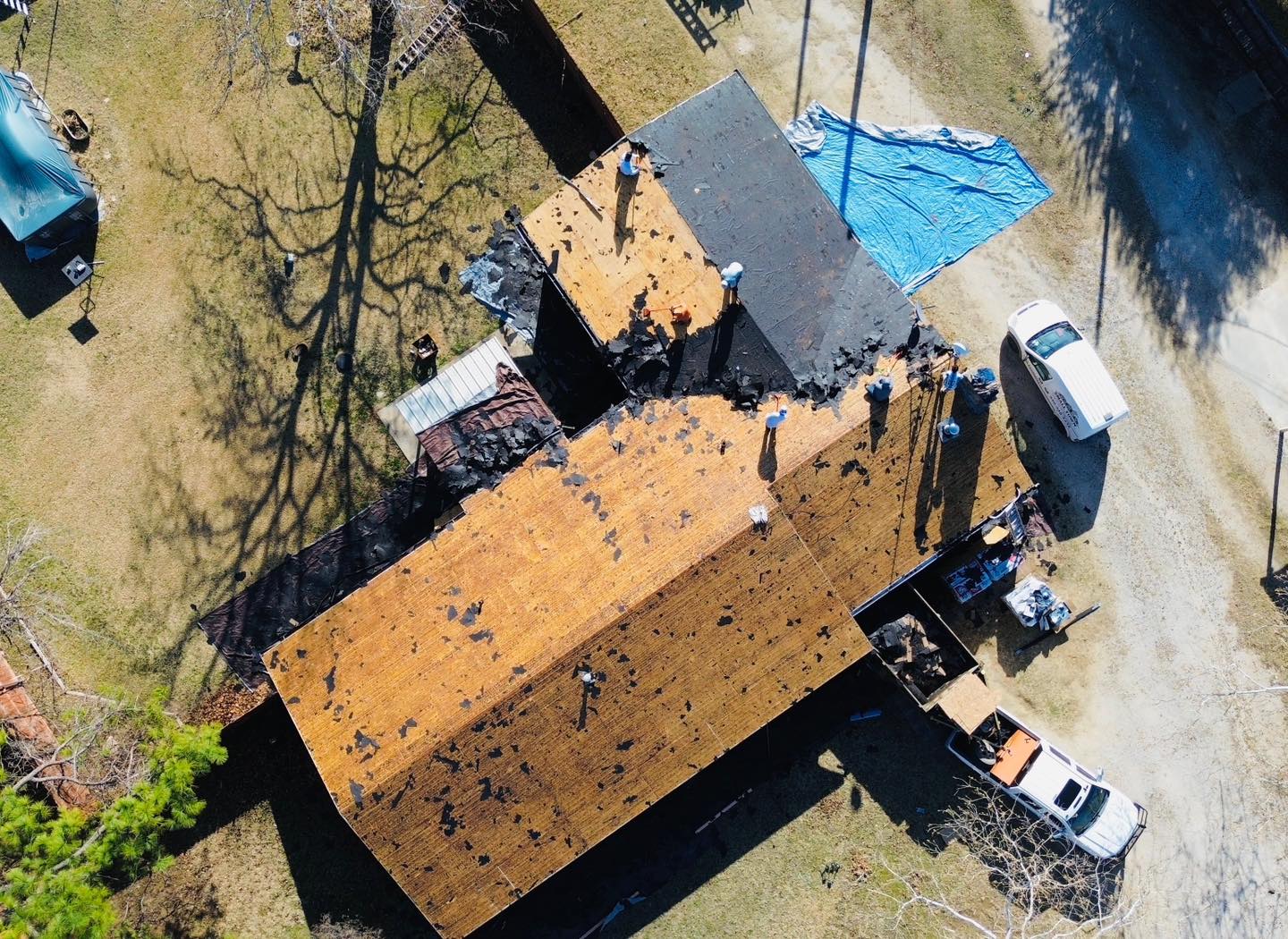
Materials Used for Long Lasting Structural Roof Repairs
The quality of repair materials plays a major role in determining how well structural improvements perform over time. Modern construction products provide greater durability while remaining compatible with many existing roof structures.
Pressure treated lumber is widely used when replacing framing that may encounter occasional moisture. Its resistance to decay makes it especially useful in areas where humidity or minor water exposure cannot be completely avoided.
Engineered wood products such as laminated veneer lumber provide exceptional strength and dimensional consistency. These materials are commonly used for beams, headers, and reinforcement projects because they resist warping and perform reliably under heavy structural loads.
Structural steel components offer additional reinforcement where existing framing requires increased support. Steel plates, channels, and brackets strengthen critical structural areas while allowing many original framing members to remain in place.
Modern roof decking materials provide greater moisture resistance than many older products. When combined with high quality underlayment and flashing systems, they create a more durable roof assembly that better protects the structural framework beneath.
Advanced fastening systems improve structural reliability throughout the roof. Heavy duty screws, engineered bolts, metal brackets, and hurricane ties create stronger framing connections that help the roof withstand both everyday loading and severe weather conditions.
Protective wood treatments may also be applied during repairs to improve resistance against insects and fungal decay. Although proper ventilation and moisture control remain essential, these treatments provide additional long term protection for structural framing.
Factors That Influence Repair Costs and Project Timelines
The cost of structural roof repairs varies because every roof presents unique conditions. Understanding the factors influencing pricing and project duration helps homeowners prepare for the repair process more effectively.
The extent of structural damage remains the most significant factor affecting repair costs. Reinforcing several framing members requires substantially fewer materials and less labor than rebuilding large sections of the roof. Hidden deterioration discovered during construction may also expand the scope of the project.
Roof design influences both labor requirements and repair complexity. Steep roof pitches, multiple valleys, dormers, skylights, and complex framing systems require additional time, specialized equipment, and experienced installers. More intricate roofs generally require longer project schedules.
Material selection affects both immediate costs and future maintenance needs. Premium engineered lumber, upgraded structural connectors, moisture resistant decking, and enhanced protective treatments often involve higher initial expenses but provide greater long term value.
Accessibility also influences project timelines. Limited attic access, landscaping obstacles, multi story homes, or restricted work areas may require additional planning and equipment that increase labor requirements.
Weather conditions play an important role throughout construction. Rain, strong winds, or extreme temperatures may delay roofing activities to protect exposed structural components and ensure proper installation of repair materials.
Permit requirements vary depending on local building regulations and the extent of structural modifications. Larger repair projects often require engineering approval or municipal inspections before work begins, making advance planning an important part of the overall schedule.
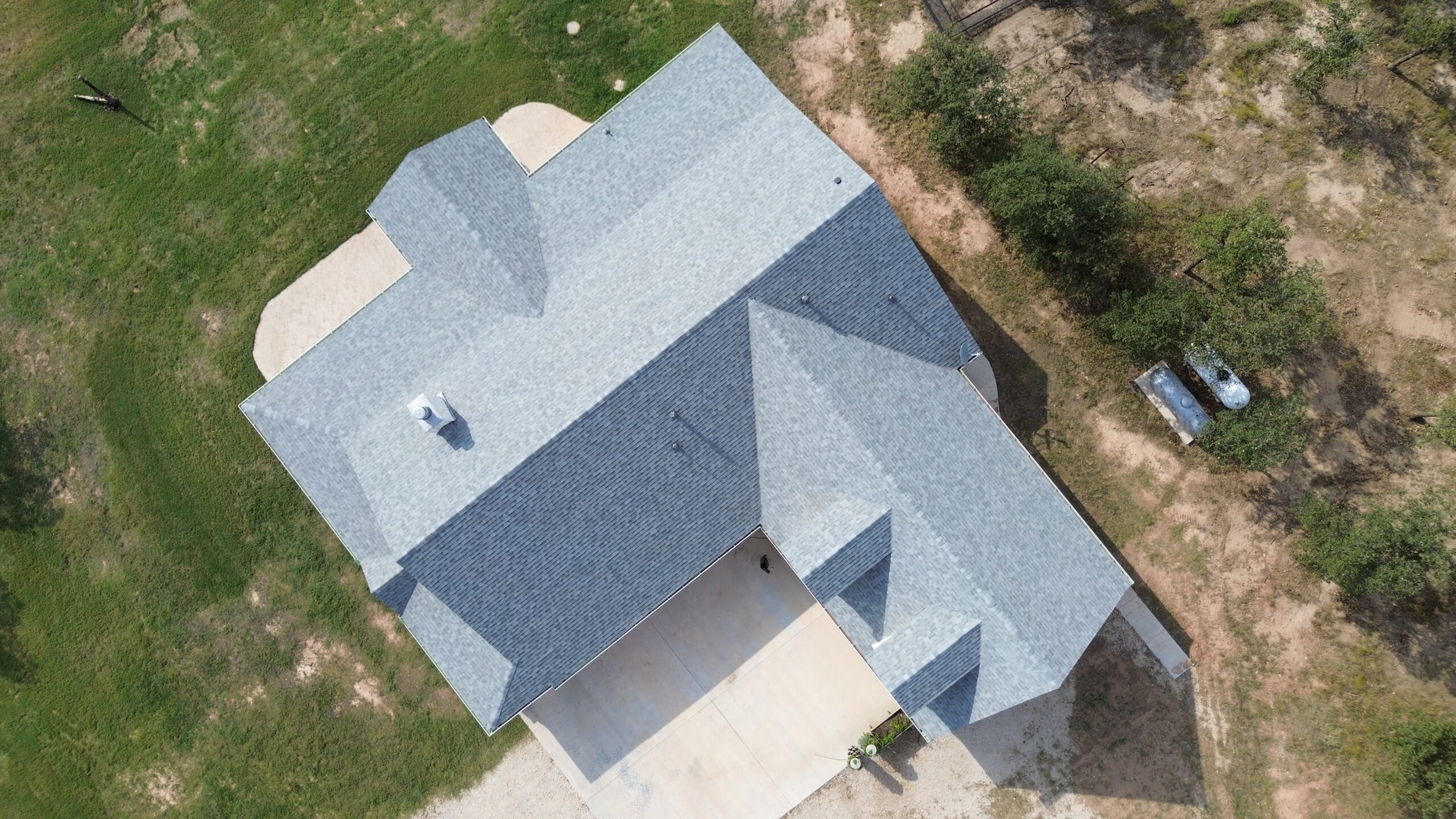
Ensuring Structural Safety During Roof Repairs
Structural roof repairs involve significant construction activity, making safety an essential consideration throughout every stage of the project. Protecting workers, occupants, and the building itself helps ensure successful long term results.
Temporary structural supports are frequently installed before damaged framing is removed. These supports maintain proper load distribution while repairs are underway and prevent unnecessary movement that could affect surrounding structural components.
Roofing materials are typically removed only from the sections requiring immediate repair. Limiting the exposed work area reduces the possibility of weather related damage while allowing contractors to maintain better control over structural stability during construction.
Professional roofing crews use specialized fall protection equipment whenever working at elevated heights. Harnesses, guardrails, secure ladders, and personal protective equipment help create a safer working environment while supporting efficient project completion.
Temporary waterproof coverings protect exposed structural framing whenever weather conditions become uncertain. Preventing additional moisture from entering the roof during repairs helps preserve newly installed structural materials and reduces the likelihood of future deterioration.
Construction debris should be removed regularly to maintain an organized work site and minimize accidental damage to completed repairs. A clean work area also allows contractors to identify additional structural concerns as construction progresses.
Clear communication between homeowners, contractors, and structural professionals supports safer and more effective project management. Regular updates regarding repair progress, structural findings, and any necessary adjustments help ensure that the completed roof provides lasting stability for many years.
At last, we will explore maintenance strategies that preserve structural roof repairs, discuss moisture control and ventilation improvements, examine common mistakes that shorten the lifespan of repairs, answer frequently asked questions, and conclude with practical recommendations for achieving long term structural roof stability.
Preventative Maintenance After Structural Repairs
Completing structural roof repairs is a major step toward restoring the integrity of a home, but long term stability depends on consistent maintenance after the work is finished. Even the highest quality repairs require regular attention to ensure the structural framework remains strong as the roof continues to age. A proactive maintenance routine helps protect the investment while reducing the likelihood of future structural problems.
Annual roof inspections are one of the most effective ways to monitor the condition of repaired structural components. Professional evaluations identify small changes before they develop into significant issues, allowing homeowners to address minor concerns while repairs remain simple and affordable. Routine inspections also confirm that previous structural work continues performing as intended.
Roofing materials should be checked regularly for signs of wear or storm damage. Missing shingles, damaged flashing, cracked sealants, or loose fasteners create opportunities for water to enter the roof structure. Prompt repairs help prevent moisture from reaching the framing that was previously reinforced.
Attic inspections are equally important because many structural issues develop beneath the roof covering. Homeowners should look for water stains, mold growth, damp insulation, unusual wood movement, or changes in framing alignment. Identifying these warning signs early often prevents more extensive structural repairs later.
Cleaning gutters and downspouts throughout the year also protects structural framing. Proper drainage moves water away from the roof efficiently, reducing the chance of moisture entering vulnerable areas around roof edges, valleys, and flashing details.
Tree branches extending over the roof should be trimmed periodically. Falling limbs may damage roofing materials during storms, while accumulated leaves trap moisture against the roof surface. Maintaining adequate clearance helps preserve both the roof covering and the structural framework beneath it.
Maintaining detailed records of inspections and repairs provides long term benefits as well. Comparing reports over time makes it easier to identify gradual structural changes and plan maintenance before problems become more serious.
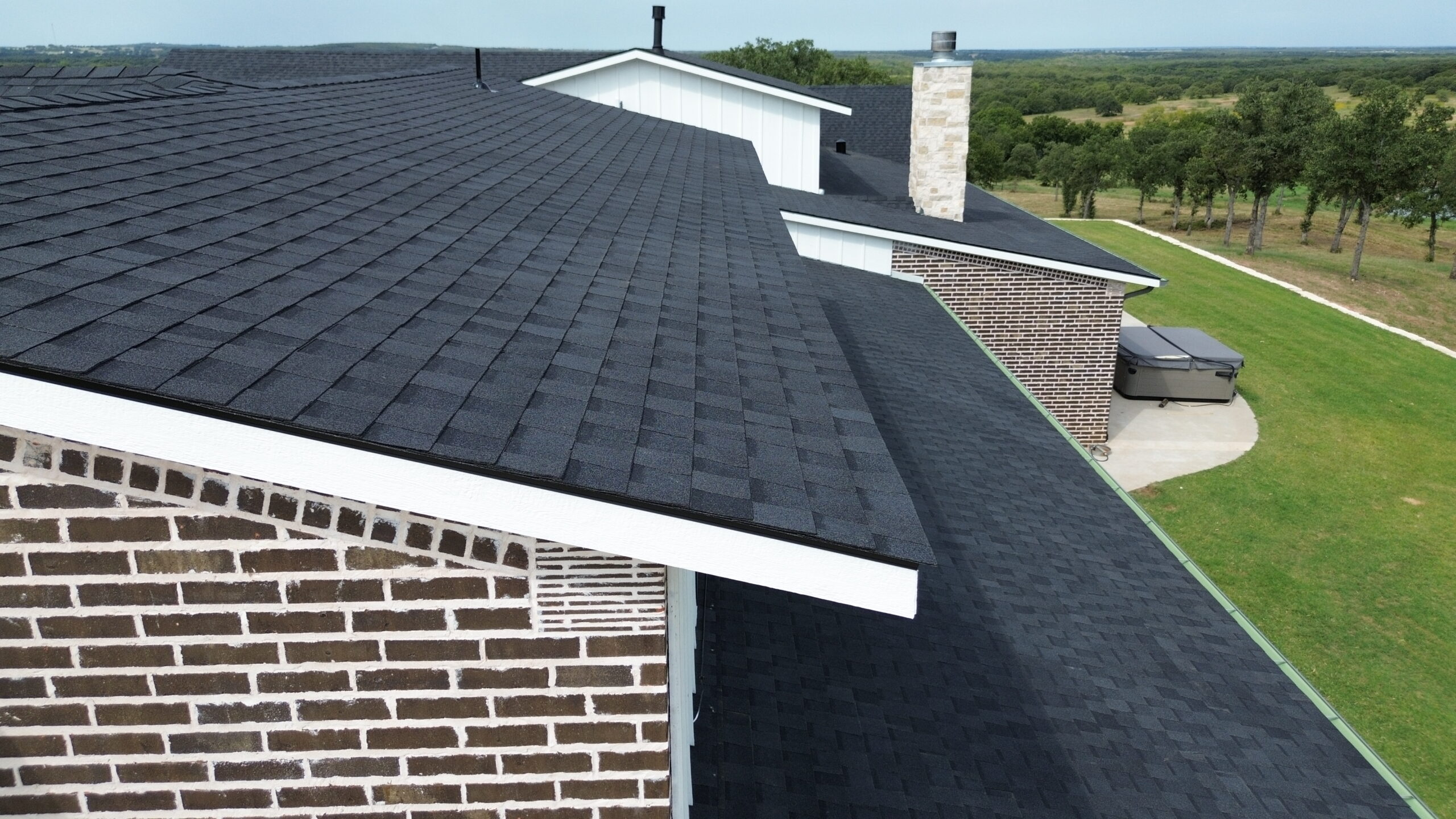
Managing Moisture and Ventilation to Protect Roof Framing
Moisture control is one of the most important factors influencing the lifespan of structural roof repairs. Even reinforced framing can deteriorate if excessive moisture continues affecting the roofing system. Proper ventilation and water management therefore remain essential long after repairs have been completed.
Balanced attic ventilation allows warm, humid air to leave the attic before condensation forms on structural framing. Good airflow keeps rafters, trusses, beams, and roof decking drier while reducing temperature fluctuations that contribute to seasonal wood movement.
Soffit vents and ridge vents often provide effective natural ventilation. Fresh air enters through lower intake vents while warm air exits near the roof peak, creating continuous circulation that improves attic conditions throughout the year. Proper airflow also helps reduce energy consumption by maintaining more consistent attic temperatures.
Bathroom fans, kitchen exhaust systems, and clothes dryer vents should discharge outside the home rather than into the attic. Venting moist indoor air into enclosed roof spaces significantly increases humidity levels and creates favorable conditions for mold growth and wood deterioration.
Roof leaks should always be repaired immediately regardless of their size. Even a slow drip may expose structural framing to prolonged moisture, gradually weakening the wood and reducing the effectiveness of previous repairs. Eliminating water intrusion early helps preserve the structural improvements already completed.
Attic insulation also contributes to moisture management. Adequate insulation reduces temperature differences that encourage condensation while improving energy efficiency throughout the home. Dry insulation performs better and protects structural framing more effectively than insulation that has become saturated.
Monitoring attic conditions after severe storms provides another opportunity to detect moisture problems before they become structural concerns. Early action often prevents widespread deterioration while extending the lifespan of the repaired roof.
Strengthening Older Roof Structures for Future Performance
Older homes often benefit from additional structural improvements beyond the repairs needed to correct existing damage. Reinforcing the roof for future performance increases its ability to handle changing environmental conditions while reducing long term maintenance requirements.
Strengthening critical framing areas is one effective strategy. Additional reinforcement members, engineered lumber, or structural steel components may be installed where repeated loading or aging has reduced the original structural capacity. These upgrades improve load distribution without requiring complete roof reconstruction.
Modern structural connectors also enhance long term performance. Replacing older fasteners with heavy duty screws, reinforced brackets, and hurricane ties strengthens framing joints while improving resistance to wind uplift and structural movement.
Homes located in regions with frequent storms or heavy snowfall may benefit from targeted reinforcement at high stress locations. Improving structural support in these areas helps the roof withstand temporary loading without developing permanent deformation.
If homeowners plan future improvements such as solar panels, heavier roofing materials, or attic conversions, evaluating structural capacity beforehand is highly recommended. Reinforcing the roof before adding extra weight helps prevent overloading and extends the lifespan of the structural system.
Replacing aging roof decking during major repair projects also improves long term performance. New decking provides greater rigidity while creating a stronger foundation for modern roofing materials and improved waterproofing systems.
Combining structural reinforcement with ongoing maintenance creates a comprehensive protection strategy. The roof remains better prepared for future weather conditions while retaining the strength provided by the original repair work.
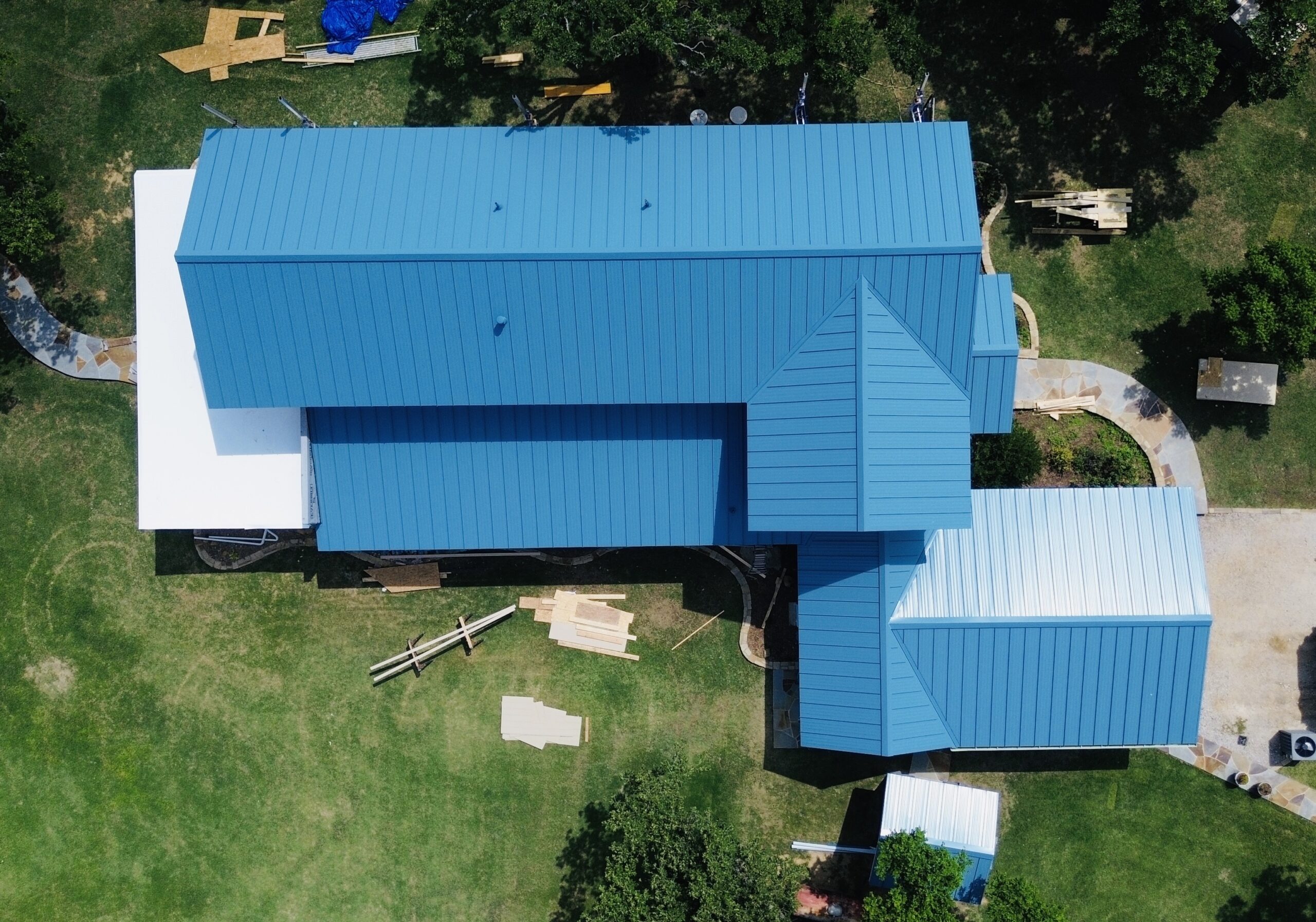
Common Mistakes That Reduce the Lifespan of Structural Repairs
Many structural roof problems return because important maintenance practices are overlooked after repairs have been completed. Avoiding these common mistakes helps maximize the lifespan of structural improvements while protecting the entire roofing system.
One of the most common mistakes is addressing visible structural damage without correcting its underlying cause. Reinforcing framing while ignoring roof leaks, poor ventilation, drainage problems, or foundation movement allows deterioration to continue affecting the repaired structure.
Postponing maintenance after repairs have been completed is another frequent error. Small roofing defects such as loose flashing, damaged shingles, or clogged gutters often appear insignificant at first, but they may eventually expose structural framing to moisture once again.
Selecting repair materials based only on the lowest cost may also reduce long term performance. Lower quality framing, connectors, or decking often require more frequent maintenance and may not provide the same durability as premium structural products.
Some homeowners overload their roofs after repairs by installing heavier roofing materials or rooftop equipment without evaluating structural capacity. Additional weight increases stress on framing members and may shorten the lifespan of both new and existing structural components.
Attempting structural modifications without professional guidance creates unnecessary risks. Roof framing is carefully designed to distribute loads throughout the building, and altering structural members without engineering approval may weaken the entire system.
Ignoring warning signs after repairs have been completed is equally problematic. New ceiling cracks, recurring roof leaks, unusual structural noises, or slight roof sagging should always be investigated promptly rather than monitored indefinitely.
Finally, failing to schedule periodic professional inspections allows gradual deterioration to continue unnoticed. Ongoing evaluations remain one of the most effective methods for protecting structural repairs over the long term.
When a Complete Structural Roof Replacement Is the Better Option
Although structural repairs successfully restore many roofs, some situations require complete replacement to provide the safest and most practical long term solution. Determining when replacement is appropriate depends on the overall condition of the roofing system and the extent of the structural deterioration.
Extensive framing damage affecting multiple rafters, trusses, beams, and roof decking often makes comprehensive replacement more efficient than repeated localized repairs. Rebuilding the structural system provides a stronger foundation while incorporating modern construction materials and engineering methods.
Older roofs nearing the end of their service life also deserve careful evaluation. Investing heavily in structural repairs beneath roofing materials that will soon require replacement may result in duplicate labor and additional costs later. Coordinating both projects often provides better long term value.
Repeated moisture problems may indicate widespread hidden deterioration throughout the structural framework. If roof leaks continue despite multiple repair attempts, replacing larger sections of the roof may provide a more reliable solution than continued patchwork repairs.
Major remodeling projects frequently create opportunities for structural replacement as well. Home additions, attic conversions, or architectural redesigns often require updated roof framing capable of supporting new loading conditions more effectively.
Future ownership plans should also influence the decision. Homeowners planning to remain in the property for many years may benefit from the reliability, reduced maintenance requirements, and improved property value associated with a completely rebuilt structural roof system.
Professional structural evaluations remain essential before deciding between repair and replacement. Every roof presents different challenges, and recommendations should always be based on detailed inspections rather than assumptions.
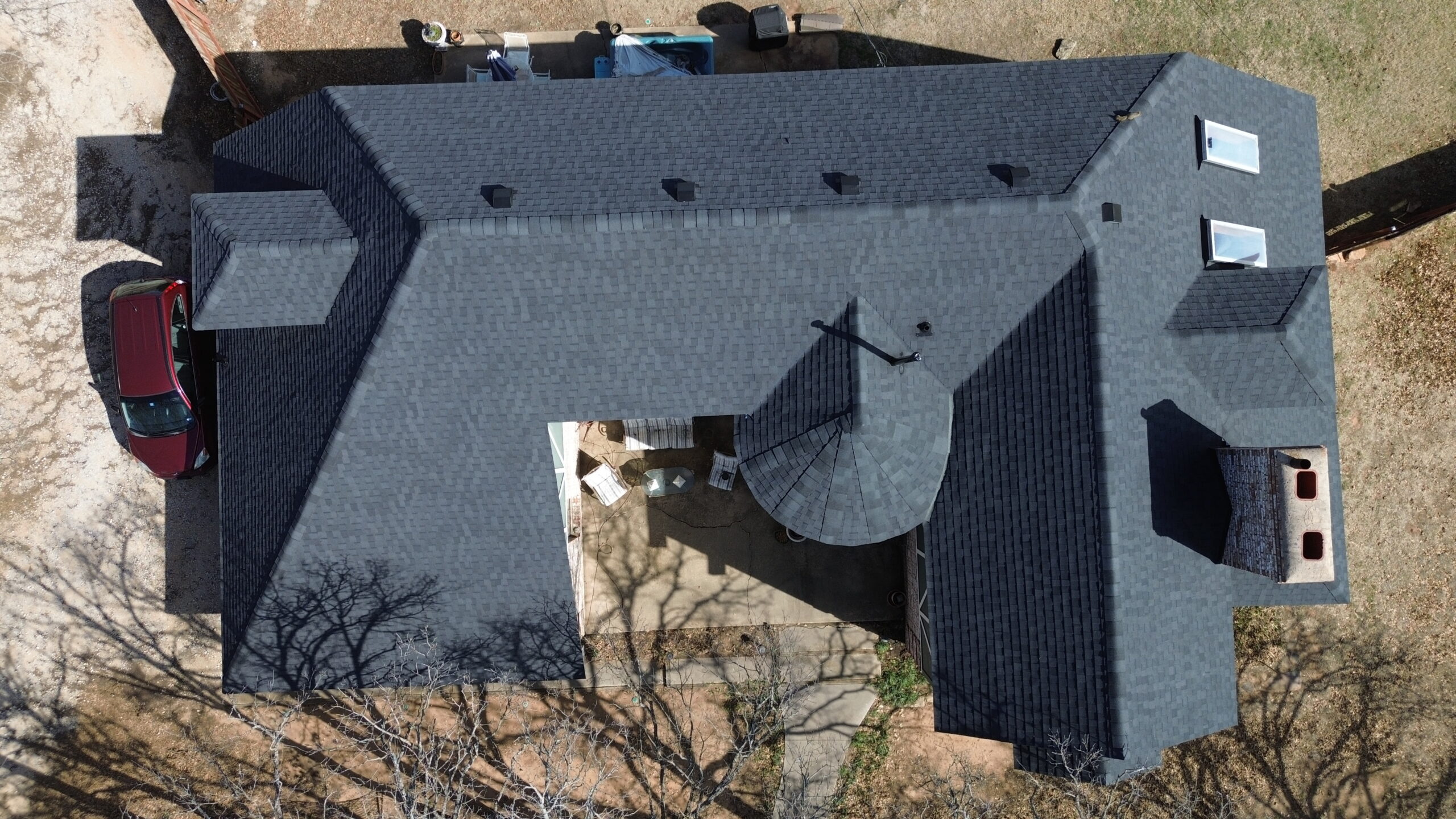
Frequently Asked Questions About Structural Roof Repairs
How long do structural roof repairs usually last?
When structural repairs are completed correctly using quality materials and supported by regular maintenance, they can last for several decades. Their longevity depends on climate, maintenance practices, ventilation, and the condition of the surrounding roof system.
Can structural roof repairs be completed without replacing the entire roof?
Yes. Many structural issues involving rafters, trusses, beams, or roof decking can be repaired while preserving the existing roof covering if the roofing materials remain in good condition. The appropriate approach depends on the extent of the structural damage.
What is the most common cause of structural roof failure?
Long term moisture exposure is one of the leading causes of structural roof deterioration. Water intrusion, poor ventilation, and condensation gradually weaken framing members while promoting wood rot and mold growth.
How often should structural roofs be inspected?
Most roofing professionals recommend annual inspections along with additional evaluations after severe storms. Older homes or roofs that have previously undergone structural repairs may benefit from more frequent inspections.
Can strengthening roof framing improve resistance to storms?
Yes. Reinforced framing, upgraded structural connectors, and properly installed roof decking improve the roof’s ability to resist high winds, heavy rainfall, and temporary loading. These improvements also contribute to greater long term structural stability.
Does better attic ventilation help preserve structural repairs?
Proper attic ventilation helps reduce humidity and condensation that can damage structural framing. While ventilation alone does not strengthen the roof, it plays an important role in protecting repaired structural components from future moisture related deterioration.
Conclusion
Structural roof repair methods are most effective when they focus on restoring the entire roofing system rather than simply correcting visible damage. Rafters, trusses, beams, roof decking, connectors, and supporting walls all work together to provide strength and stability. Addressing every part of this structural network ensures that repairs deliver lasting performance instead of temporary improvement.
Long term stability depends on identifying the underlying causes of structural deterioration before repairs begin. Moisture intrusion, inadequate ventilation, aging materials, excessive roof loads, and poor maintenance all contribute to weakening structural components over time. Correcting these issues alongside the structural repairs helps prevent the same problems from returning.
Routine maintenance remains essential even after major repairs have been completed. Regular inspections, prompt leak repairs, effective attic ventilation, clean drainage systems, and continued monitoring allow homeowners to protect their investment while extending the lifespan of the repaired roof. Small maintenance tasks performed consistently often prevent much larger structural issues from developing.
A structurally sound roof protects far more than the building beneath it. It enhances safety, improves energy efficiency, preserves property value, and provides dependable performance through changing weather conditions year after year. By combining quality structural repair methods with thoughtful long term maintenance, homeowners can ensure their roofing system remains stable, durable, and reliable for decades to come.