

Preventing Ice Dams Through Proper Roof Maintenance
Introduction
Winter brings beautiful snow covered landscapes, cozy evenings, and festive celebrations, but it also introduces several challenges for homeowners. One of the most damaging winter roofing problems is the formation of ice dams. Although they may appear harmless from the ground, ice dams can quietly cause expensive structural damage, water leaks, insulation problems, and mold growth if they are not addressed in time.
Many homeowners assume that heavy snowfall is the primary reason ice dams develop. In reality, the issue is often caused by poor roof maintenance, inadequate insulation, improper attic ventilation, and hidden air leaks. These factors create uneven roof temperatures that allow snow to melt and refreeze repeatedly, eventually creating a barrier of ice along the roof edge.
The good news is that ice dams are largely preventable. With regular roof inspections, seasonal maintenance, and proper attention to your home’s insulation and ventilation systems, you can significantly reduce the risk of costly winter roof damage. Preventive maintenance is far less expensive than repairing ceilings, replacing insulation, or fixing structural damage caused by trapped water.
This guide explores everything homeowners need to know about preventing ice dams through proper roof maintenance. By understanding why they form and how routine care protects your roof, you can enjoy the winter season with greater confidence while extending the life of your roofing system.
What Are Ice Dams?
An ice dam is a ridge of ice that forms along the lower edge of a roof. Once this ridge becomes thick enough, it prevents melting snow from draining off the roof properly. Instead, water becomes trapped behind the ice barrier and begins pooling on the roof surface.
Unlike rainwater, trapped meltwater has nowhere to go. As more snow melts during warmer daylight hours, the pooled water gradually works its way beneath roofing materials. Once water penetrates under shingles or flashing, it can seep into the attic, ceilings, insulation, and interior walls.
Ice dams typically develop after a combination of heavy snowfall and fluctuating temperatures. Warm areas of the roof melt snow while colder roof edges remain below freezing. This constant melting and refreezing cycle continues until a substantial ridge of ice forms.
Many homeowners first notice large icicles hanging from gutters and assume they are simply decorative winter features. In reality, long icicles often indicate poor roof drainage and may signal that an ice dam has already begun forming.
How Ice Dams Develop on a Roof
Ice dam formation is a gradual process rather than a single event. Understanding each stage helps explain why preventive roof maintenance is so effective.
The process begins when snow accumulates across the roof after a winter storm. Snow itself is not the problem because a uniformly frozen roof usually remains stable throughout the winter.
Trouble starts when heat escapes from the living space into the attic. This warmth raises the temperature of certain sections of the roof, especially near the center or upper portions. As these warmer areas heat up, the snow resting on them begins to melt.
Gravity causes the melted water to travel downward toward the roof edge. The eaves usually extend beyond the heated portion of the home, making them significantly colder than the rest of the roof.
When the flowing meltwater reaches these colder edges, it freezes again. Over time, each new cycle adds another layer of ice until a thick ridge forms along the roofline.
Eventually, additional meltwater cannot flow past the frozen barrier. Instead, it pools behind the ice dam and begins searching for the easiest path downward. Unfortunately, that path is often beneath roofing materials rather than over them.
As water infiltrates beneath shingles, it enters parts of the roof that were never designed to handle standing water. This is why even a relatively new roof can suffer extensive damage when ice dams are ignored.
The Science Behind Snow Melt and Refreezing
Ice dams are created by temperature differences rather than snowfall alone. Understanding this simple concept helps homeowners appreciate why insulation and ventilation are so important.
A roof performs best during winter when its surface remains consistently cold. If the entire roof stays below freezing, the snow remains frozen until outdoor temperatures naturally rise.
Problems begin when one section of the roof becomes warmer than another. Heat escaping from the attic warms the roof deck from underneath, causing snow directly above those warmer areas to melt.
The meltwater then travels downward until it reaches colder roof edges. Since these edges remain below freezing, the water quickly turns back into ice.
Each melting cycle contributes another thin layer to the growing ice ridge. After several days of fluctuating temperatures, the accumulation becomes large enough to block proper drainage.
This repeated freeze and thaw cycle explains why homes with poor attic insulation often experience severe ice dams even when neighboring houses remain unaffected.
Why Some Homes Are More Vulnerable Than Others
Not every home experiences ice dams with the same frequency. Certain construction features, maintenance issues, and environmental conditions make some roofs significantly more susceptible.
Older homes often have insufficient attic insulation compared to modern building standards. Heat escapes more easily through the ceiling, warming the roof surface unevenly throughout winter.
Complex roof designs also increase the likelihood of ice dam formation. Valleys, dormers, skylights, intersecting rooflines, and multiple roof elevations create areas where snow naturally accumulates and drainage becomes slower.
Large north facing roof sections remain colder for longer periods because they receive less direct sunlight. Meanwhile, south facing sections may warm during the day, increasing the melting and refreezing cycle.
Homes surrounded by tall trees can experience uneven snow distribution and varying roof temperatures throughout the day. While shade helps during summer, it can contribute to winter icing patterns.
Poor gutter maintenance further increases the problem. Gutters clogged with leaves, twigs, or debris cannot move water efficiently, allowing ice to accumulate more quickly along the roof edge.
Even small maintenance issues can combine over time. A minor insulation gap, slightly blocked ventilation, and partially clogged gutters may individually seem insignificant, but together they create ideal conditions for ice dam development.
Common Causes of Ice Dams
Although weather plays a role, maintenance deficiencies are often the primary reason ice dams become a recurring problem. Understanding these causes allows homeowners to focus on prevention instead of repeated repairs.
Some of the most common causes include:
- Inadequate attic insulation that allows excessive heat to escape.
- Poor attic ventilation that traps warm air beneath the roof.
- Air leaks around light fixtures, plumbing vents, and attic access points.
- Clogged gutters that prevent proper drainage.
- Heavy snow accumulation left on the roof for extended periods.
- Roof sections with inconsistent surface temperatures.
- Damaged roofing materials that allow easier water penetration.
Many homeowners address only the visible ice while overlooking these underlying causes. As a result, the same problem often returns every winter despite repeated ice removal efforts.
Long term prevention always begins by identifying why the roof develops uneven temperatures in the first place. Once those conditions are corrected, ice dam formation becomes much less likely.
Warning Signs That an Ice Dam Is Forming
Early detection can prevent thousands of dollars in repairs. Many warning signs appear well before water begins leaking into the home, giving homeowners an opportunity to take action.
Large icicles hanging from gutters are among the earliest indicators. While small icicles are common during winter, unusually thick or numerous icicles often suggest that excessive melting is occurring higher on the roof.
Snow melting unevenly across the roof is another warning sign. If some areas remain covered while others become bare, heat may be escaping through the attic beneath those warmer sections.
Ice buildup along gutters and roof edges should never be ignored. Thick ridges of ice indicate that meltwater is freezing before it can drain away.
Inside the home, water stains on ceilings or upper walls often signal that trapped water has already penetrated beneath roofing materials. Damp attic insulation and visible condensation may also indicate excessive heat loss contributing to ice dam formation.
Homeowners should also watch for peeling paint near rooflines, musty odors in the attic, or frost forming on attic rafters. These seemingly unrelated symptoms often point to moisture issues caused by poor winter roof performance.
Recognizing these signs early allows maintenance problems to be corrected before extensive structural damage develops.
The Hidden Damage Ice Dams Can Cause
Many people underestimate the destructive potential of ice dams because most of the damage occurs out of sight. By the time interior leaks become visible, water may have already affected multiple parts of the home’s structure.
Roof shingles are among the first components to suffer. Water trapped behind the ice slowly works beneath roofing materials, weakening adhesives and damaging the protective underlayment beneath.
Wooden roof decking can absorb moisture over time. Continuous exposure to trapped water may cause warping, rot, or deterioration that compromises the roof’s structural integrity.
Attic insulation also suffers when it becomes wet. Damp insulation loses much of its thermal effectiveness, allowing even more heat to escape and worsening future ice dam formation.
Water entering interior walls creates ideal conditions for mold and mildew growth. These hidden moisture problems can spread long before visible stains appear on painted surfaces.
Electrical systems may also be affected if water reaches wiring hidden inside ceilings or walls. Although this occurs less frequently, it represents a serious safety concern that should never be ignored.
Repair costs can quickly escalate because multiple building components are often affected simultaneously. What begins as a simple ice ridge on the roof can eventually require repairs to roofing materials, insulation, drywall, flooring, paint, and even structural framing.
Why Preventive Roof Maintenance Matters More Than Repairs
Many homeowners only think about roof maintenance after leaks appear. Unfortunately, waiting until visible damage occurs often means hidden problems have already been developing for weeks.
Preventive maintenance focuses on identifying weaknesses before winter weather exposes them. A well maintained roof sheds snow and water more efficiently while maintaining a consistent surface temperature throughout the season.
Routine inspections also allow small issues to be corrected while repair costs remain manageable. Replacing a damaged shingle or sealing a minor attic air leak is far less expensive than repairing widespread water damage.
Maintenance extends beyond the roofing materials themselves. Gutters, attic insulation, ventilation systems, flashing, soffits, and fascia all work together to protect the home during winter.
Regular maintenance also increases the overall lifespan of the roof. When moisture is prevented from entering the roofing system, materials experience less deterioration over time and continue performing effectively for many years.
Perhaps most importantly, preventive maintenance provides peace of mind during severe winter storms. Instead of worrying about leaks each time temperatures fluctuate, homeowners can feel confident that their roofing system is prepared for changing weather conditions.
Essential Roof Inspection Areas Before Winter
A thorough inspection before winter arrives is one of the most effective ways to reduce the risk of ice dams. Identifying small maintenance issues early allows repairs to be completed before freezing temperatures make roofing work more difficult.
Homeowners should pay close attention to several key areas during a seasonal roof inspection.
- Roof shingles should be checked for cracks, curling, missing sections, or loose fasteners that could allow water infiltration.
- Flashing around chimneys, skylights, vents, and roof intersections should be examined for gaps or corrosion that may permit water entry.
- Gutters and downspouts should be free of leaves, dirt, and debris to ensure proper drainage during snowmelt.
- Attic insulation should provide even coverage without compressed or water damaged sections that reduce thermal performance.
- Ventilation openings should remain unobstructed to promote consistent airflow throughout the attic.
- Soffits and fascia should be inspected for moisture damage, cracks, or signs of previous leaks that may require repair before winter.
A comprehensive inspection provides valuable insight into how well the entire roofing system will perform during the cold months ahead. Rather than focusing on a single component, homeowners should evaluate how insulation, ventilation, drainage, and roofing materials work together to prevent ice dam formation.
By understanding how ice dams develop and recognizing the conditions that encourage their growth, homeowners are better prepared to take preventive action. The next part explores the practical maintenance strategies that significantly reduce ice dam risks, from improving attic insulation and ventilation to managing snow accumulation and maintaining effective roof drainage.
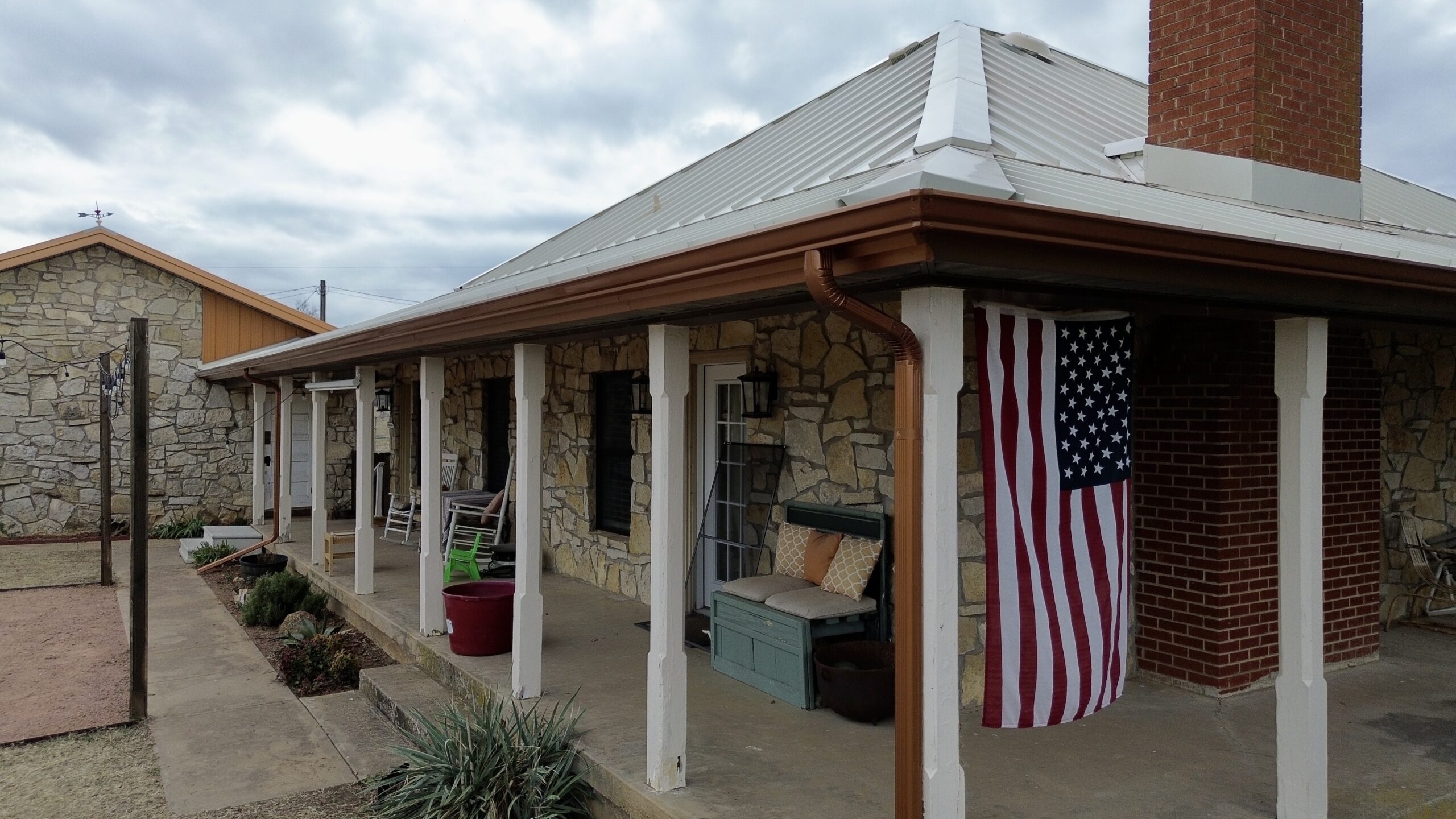
Roof Maintenance Strategies That Prevent Ice Dams
Understanding how ice dams form is only the first step toward protecting your home. The next step is implementing practical maintenance strategies that eliminate the conditions that allow ice to develop in the first place. Rather than relying on temporary fixes every winter, homeowners can create a roofing system that performs efficiently throughout the season by focusing on insulation, ventilation, drainage, and regular maintenance.
Preventive maintenance is most effective when it becomes part of a yearly routine instead of a reaction to visible problems. Small improvements made before winter can significantly reduce the likelihood of costly repairs later. The following maintenance practices address the root causes of ice dams while helping extend the lifespan of your entire roofing system.
Keeping Gutters and Downspouts Clean
Gutters play a critical role in directing melting snow away from your roof and foundation. When gutters become clogged with leaves, twigs, dirt, or other debris, water cannot flow freely through the drainage system. During freezing temperatures, trapped water quickly turns into ice, creating additional barriers that contribute to ice dam formation.
Cleaning gutters at least twice a year is one of the simplest yet most effective preventive maintenance tasks. The best times are typically during late fall after most leaves have dropped and again before winter weather becomes severe. Homes surrounded by mature trees may require more frequent cleaning throughout the year.
Downspouts deserve the same level of attention as gutters. Even if gutters remain relatively clean, a blocked downspout prevents water from leaving the system efficiently. Overflowing water freezes near the roof edge, increasing the amount of ice that accumulates around the eaves.
During inspections, homeowners should also check for sagging gutters, loose fasteners, separated joints, and damaged sections. Even minor alignment problems can cause standing water that freezes much faster than moving water.
Installing gutter guards may reduce the amount of debris entering the system, although they are not completely maintenance free. Periodic inspections are still necessary to ensure water flows properly throughout the entire drainage system.
Improving Attic Insulation for Consistent Roof Temperatures
Attic insulation is one of the most important defenses against ice dams because it limits the amount of heat escaping from the living space. A properly insulated attic helps keep the roof surface at a more consistent temperature, preventing snow from melting unevenly.
Many older homes were built with insulation levels that no longer meet current energy efficiency recommendations. Over time, insulation can also become compressed, damaged by moisture, or disturbed during repairs, reducing its effectiveness.
Adding insulation does more than prevent ice dams. It also improves indoor comfort, lowers heating costs, and reduces energy waste throughout the year. Homeowners often notice these benefits almost immediately after upgrading attic insulation.
Proper insulation requires complete and even coverage. Small gaps around corners, attic access doors, or irregular roof framing can allow significant heat loss despite otherwise adequate insulation levels.
Different insulation materials provide varying performance characteristics depending on the home’s design and climate. Common options include fiberglass batts, blown in cellulose, spray foam insulation, and mineral wool products. Selecting the appropriate material depends on factors such as attic accessibility, existing insulation, and local building requirements.
One important consideration is maintaining proper airflow. Insulation should never block attic ventilation openings because restricting airflow creates additional moisture and temperature problems.
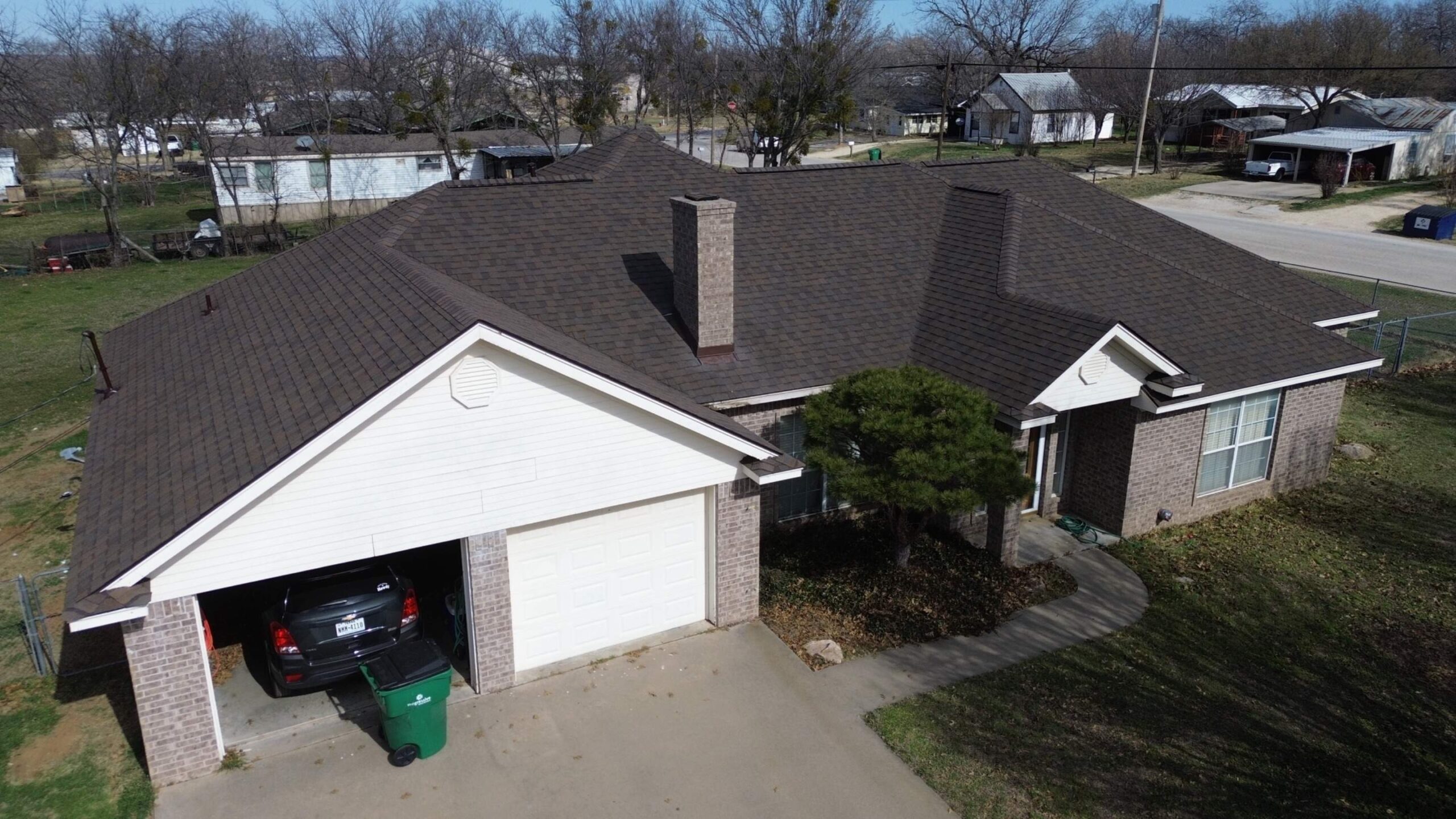
The Importance of Proper Attic Ventilation
While insulation slows heat transfer, ventilation removes excess warm air and moisture from the attic. These two systems work together rather than replacing one another. Even excellent insulation cannot compensate for poor attic ventilation.
Ventilation allows cold outside air to enter through soffit vents while warmer air exits through ridge vents or roof vents near the peak. This continuous airflow helps maintain a roof temperature that remains closer to the outdoor environment.
Without adequate ventilation, warm air accumulates beneath the roof deck. The roof surface warms unevenly, increasing snow melt across upper sections while colder roof edges continue freezing the runoff.
Proper ventilation also helps control humidity inside the attic. Excess moisture from cooking, bathing, laundry, and daily household activities naturally rises through the home. If this moisture cannot escape, condensation develops on framing members, insulation, and roof decking.
Over time, excessive attic moisture contributes to mold growth, wood deterioration, and reduced insulation performance. Preventing these issues improves both winter roof performance and overall home durability.
Homeowners should ensure that ventilation pathways remain unobstructed throughout the year. Stored boxes, insulation, or construction materials should never block soffit vents or restrict airflow through the attic.
Sealing Air Leaks That Contribute to Ice Dams
Air leaks are often overlooked because they are hidden inside ceilings, walls, and attic spaces. Even relatively small openings allow warm indoor air to escape into the attic, creating localized hot spots that encourage snow melt.
Common air leakage areas include recessed lighting fixtures, plumbing vent penetrations, electrical wiring openings, exhaust fan ducts, attic access hatches, and chimney chases. Individually these gaps may seem insignificant, but together they can release substantial amounts of heated air.
Professional energy audits frequently identify air leaks that homeowners never realize exist. Many contractors use thermal imaging cameras or blower door tests to locate hidden areas of heat loss throughout the home.
Sealing these openings with appropriate materials such as caulk, expanding foam, weatherstripping, or specialized air barriers reduces heat transfer into the attic. Once warm air leakage is minimized, the roof maintains a more uniform temperature during winter.
Air sealing also improves heating efficiency by keeping conditioned air inside the living space. As a result, homeowners often experience lower utility bills while simultaneously reducing the conditions that promote ice dam formation.
Managing Snow Accumulation Safely
Snow itself is not harmful when it remains evenly frozen across the roof. Problems begin when large accumulations combine with heat loss and fluctuating temperatures, creating repeated melting and refreezing cycles.
After particularly heavy snowstorms, removing excess snow from the roof may reduce the likelihood of ice dam development. However, this task should always be approached with safety as the highest priority.
Roof rakes designed specifically for snow removal allow homeowners to remove snow while standing safely on the ground. These long handled tools help clear several feet of snow from the roof edge without requiring anyone to climb onto an icy roof.
Snow removal should be performed carefully to avoid damaging shingles or flashing. Aggressive scraping can remove protective roofing granules or crack roofing materials, creating new maintenance issues.
Homeowners should avoid using sharp metal tools, axes, or chisels to break ice from the roof surface. These methods frequently damage roofing materials while creating dangerous falling ice hazards.
If snow accumulation becomes excessive or roof access appears unsafe, professional snow removal services provide a safer alternative. Experienced roofing professionals have the equipment and training necessary to remove snow without causing unnecessary roof damage.
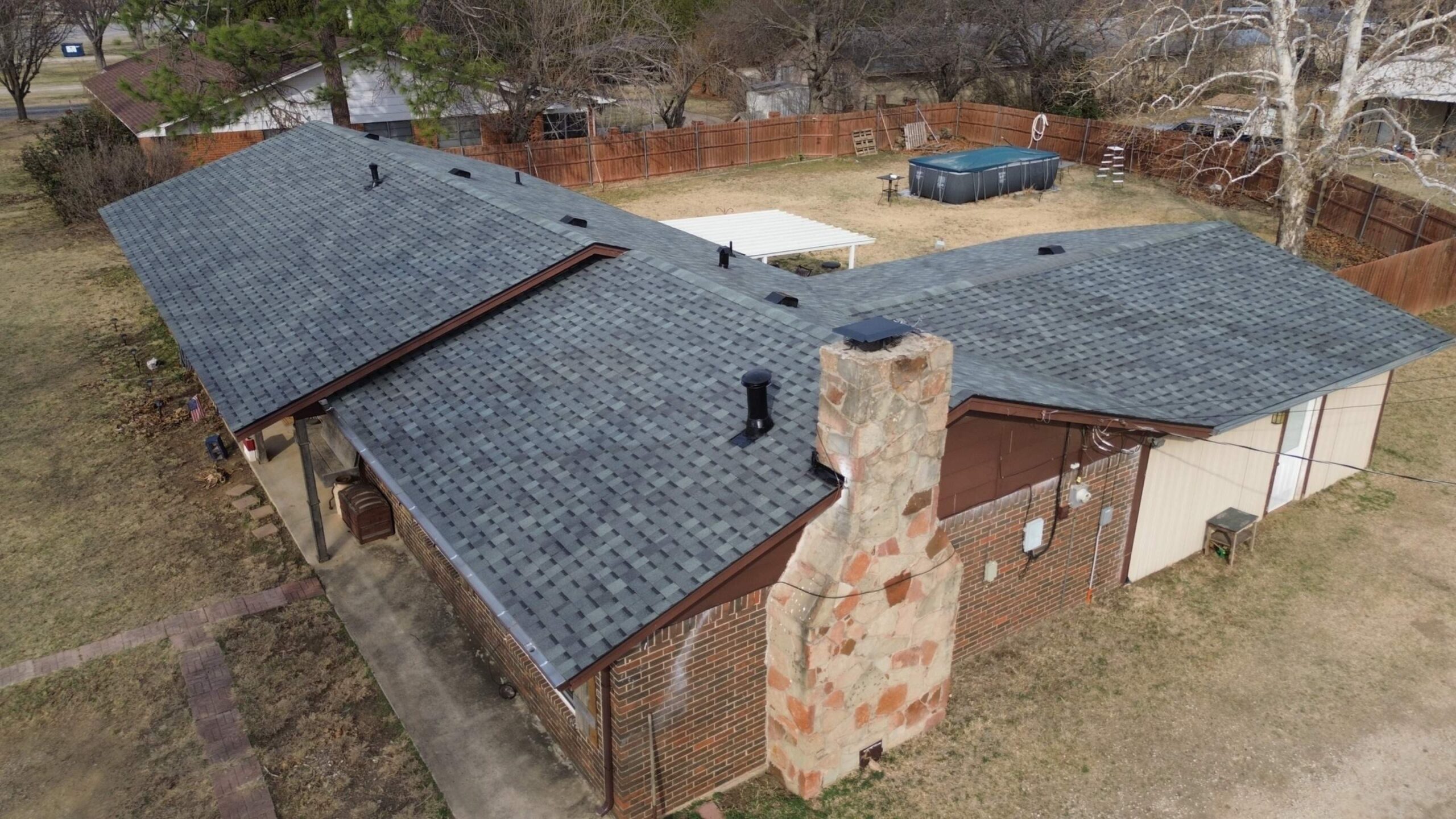
Roof Materials and Design Features That Reduce Ice Dam Risks
Although maintenance remains the most important preventive measure, certain roofing materials and design features naturally reduce the likelihood of ice dam formation. Homeowners planning roof replacements may benefit from considering these options during the design process.
Modern roofing underlayments provide improved protection against water infiltration compared to older materials. Waterproof ice and water shield membranes installed along roof edges create an additional barrier beneath shingles where ice dams commonly develop.
High quality roofing materials also resist moisture damage more effectively. Durable shingles, properly installed flashing, and weather resistant underlayments improve the roof’s ability to withstand occasional winter water exposure.
Roof design influences how snow accumulates and drains throughout the winter season. Steeper roof slopes generally shed snow more efficiently than low slope roofs, although every design requires proper insulation and ventilation to perform well.
Simple roof layouts with fewer valleys, dormers, skylights, and intersecting rooflines often experience fewer drainage complications. While architectural complexity adds visual appeal, it also creates additional locations where snow and ice can accumulate.
When replacing a roof, homeowners should discuss winter performance improvements with their roofing contractor. Incorporating preventive features during a planned replacement is usually more cost effective than retrofitting them later.
Seasonal Roof Maintenance Checklist
Preventing ice dams requires year round attention rather than waiting until the first snowfall arrives. Regular inspections and seasonal maintenance help identify small issues before they become expensive winter problems.
The following table summarizes recommended maintenance activities throughout the year.
| Season | Primary Maintenance Tasks | Why It Matters |
|---|---|---|
| Spring | Inspect for winter damage, replace damaged shingles, examine flashing, check attic for leaks | Repairs winter damage before rainy seasons and prevents future water intrusion. |
| Summer | Improve attic insulation, seal air leaks, inspect ventilation, schedule roof maintenance | Warm weather provides ideal conditions for preventive repairs and upgrades. |
| Fall | Clean gutters, clear downspouts, trim overhanging branches, perform full roof inspection | Prepares the roof for snowfall and ensures proper drainage throughout winter. |
| Winter | Monitor snow accumulation, watch for warning signs, remove excess snow safely when necessary | Reduces ice dam formation while protecting the roof during severe weather. |
Following a consistent maintenance schedule helps spread repair costs over time while reducing emergency situations during winter. Instead of responding to unexpected leaks, homeowners remain proactive by addressing small issues before freezing temperatures arrive.
Seasonal inspections also provide an opportunity to evaluate previous repairs. Components that performed well during one winter can still develop wear over time, making regular inspections an essential part of long term roof care.
By combining proper insulation, effective ventilation, routine inspections, and responsible snow management, homeowners greatly reduce the conditions that allow ice dams to develop. The final part of this guide examines professional solutions, safe ice removal techniques, common mistakes to avoid, long term investments that strengthen roof performance, frequently asked questions, and a complete conclusion tying together every aspect of effective ice dam prevention.
When to Call a Roofing Professional
Routine maintenance performed by homeowners can prevent many winter roofing issues, but some situations require professional expertise. Ice dams often indicate underlying problems that cannot be fully resolved without a detailed inspection of the entire roofing system. A qualified roofing contractor can identify hidden issues that may not be visible from the ground or inside the attic.
If water is leaking into the home during winter, professional assistance should be sought immediately. Delaying repairs allows moisture to spread into insulation, drywall, wooden framing, and electrical systems. Even if the leak appears minor, the damage behind walls and ceilings can become extensive over time.
Recurring ice dams are another reason to schedule a professional inspection. Removing the ice without addressing the underlying cause only provides temporary relief. Roofing specialists can evaluate attic insulation, ventilation, flashing, roof decking, and drainage systems to determine why the problem continues to occur.
Professional inspections are also valuable before purchasing an older home or after severe winter storms. Identifying roof weaknesses early allows homeowners to plan repairs before another winter season places additional stress on the roofing system.
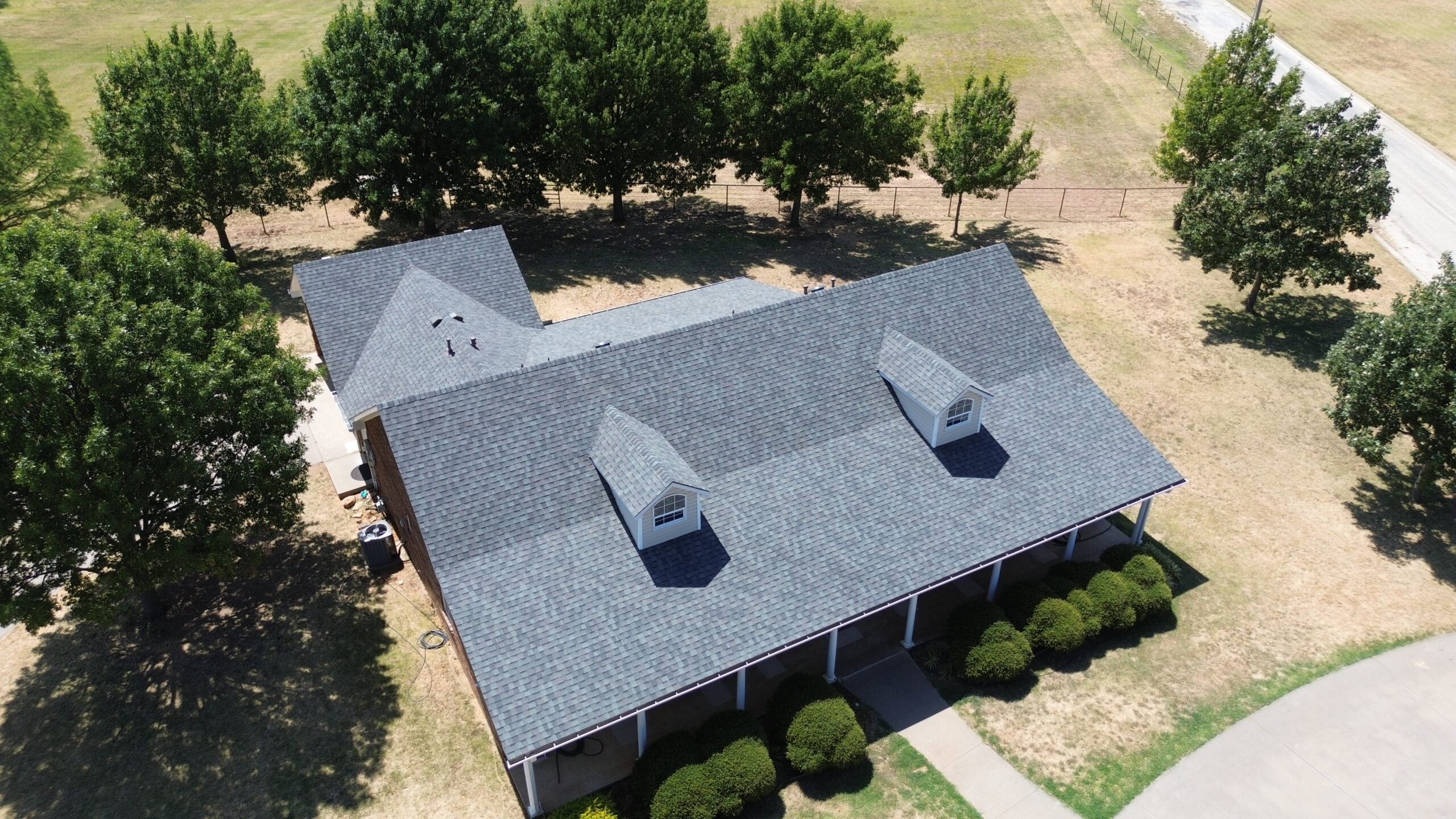
Safe Ice Dam Removal Methods
When an ice dam has already formed, removing it safely is essential. Many homeowners make the mistake of attacking thick ice with tools that damage roofing materials, creating even larger repair bills than the ice dam itself.
Roofing professionals typically use methods designed to remove ice while protecting the roof structure. One common technique involves placing calcium chloride filled fabric tubes across the ice dam. As the material slowly melts channels through the ice, trapped water can drain safely from the roof.
Professional steam removal is another effective option. Specialized low pressure steam equipment melts the ice without damaging shingles, flashing, or gutters. Although this service may cost more than temporary methods, it significantly reduces the risk of accidental roof damage.
Homeowners should remember that removing an existing ice dam does not eliminate the conditions that caused it. Long term prevention always requires improvements to insulation, ventilation, air sealing, and overall roof maintenance.
Mistakes Homeowners Should Avoid
Many winter roofing problems become worse because of well intentioned but ineffective solutions. Avoiding common mistakes can protect both the roof and the homeowner’s safety.
Some of the most common mistakes include:
- Chipping ice with hammers, axes, or metal tools that damage shingles.
- Climbing onto an icy roof without proper safety equipment.
- Ignoring small ceiling stains until significant water damage develops.
- Assuming large icicles are only decorative instead of warning signs.
- Delaying gutter cleaning until after snowfall begins.
- Covering attic vents with insulation or stored belongings.
- Focusing only on removing ice instead of correcting heat loss.
Each of these mistakes addresses the symptoms rather than the underlying cause. Ice dams develop because of temperature differences within the roof system, not simply because snow falls during winter.
Preventive maintenance is always safer, less expensive, and more effective than emergency repairs. A proactive approach helps homeowners avoid dangerous situations while preserving the condition of the roof.
Long Term Investments That Protect Your Roof
Some improvements require a larger initial investment but provide benefits for decades. These upgrades not only reduce ice dam formation but also improve energy efficiency, indoor comfort, and property value.
High performance attic insulation is among the most valuable long term improvements. Modern insulation materials maintain stable indoor temperatures while reducing heating and cooling costs throughout the year.
Upgrading attic ventilation can also deliver lasting benefits. Ridge vents, soffit vents, and balanced airflow systems help regulate attic temperatures regardless of the season. Improved ventilation also reduces moisture buildup that contributes to mold growth and wood deterioration.
Replacing an aging roof offers another opportunity to improve winter performance. Modern roofing systems often include advanced waterproof underlayments, improved flashing systems, and ice and water shield membranes that provide additional protection near roof edges.
Air sealing projects deserve equal attention. Closing hidden gaps around plumbing penetrations, wiring, attic access panels, and recessed lighting improves energy efficiency while helping maintain consistent roof temperatures during winter.
Homeowners planning major renovations should also consider improving attic access, adding insulation baffles, or redesigning ventilation pathways. These upgrades contribute to a healthier roofing system that performs reliably for many years.
Cost of Prevention Versus Cost of Repairs
Many homeowners postpone preventive maintenance because they believe it represents an unnecessary expense. However, comparing maintenance costs with potential repair costs quickly demonstrates why prevention offers far greater value.
Minor maintenance tasks such as gutter cleaning, attic inspections, sealing air leaks, and replacing damaged shingles typically require relatively modest investments. These services help prevent problems before water enters the home.
Once an ice dam causes interior leaks, repair costs increase significantly. Water may damage drywall, insulation, flooring, paint, trim, electrical components, furniture, and personal belongings. Mold remediation and structural repairs can further increase expenses.
The following comparison illustrates the difference between preventive maintenance and reactive repairs.
| Preventive Maintenance | Potential Repair After Ice Dam Damage |
|---|---|
| Gutter cleaning | Ceiling replacement |
| Roof inspection | Interior drywall repairs |
| Air leak sealing | Wet insulation replacement |
| Attic insulation upgrades | Mold remediation |
| Ventilation improvements | Structural wood repairs |
| Minor shingle replacement | Roof deck replacement |
| Seasonal maintenance | Complete roof restoration |
Although exact costs vary depending on location and the extent of damage, preventive maintenance consistently costs far less than repairing widespread water intrusion. Investing in regular roof care also reduces the likelihood of emergency repairs during severe winter weather when contractor availability may be limited.
Frequently Asked Questions About Ice Dams
Many homeowners have similar concerns about ice dams and winter roof maintenance. The following answers address some of the most common questions.
Do all snowy climates experience ice dams?
Not necessarily. Ice dams develop because of uneven roof temperatures rather than snowfall alone. Homes with excellent insulation and proper ventilation often avoid ice dams even in regions with heavy snowfall.
Are large icicles always a sign of an ice dam?
Large icicles do not automatically confirm that an ice dam exists, but they often indicate excessive roof melting. They should be treated as a warning sign that the roof’s drainage and temperature balance deserve closer inspection.
Can a new roof completely prevent ice dams?
A new roof can reduce the risk, especially if it includes modern waterproof membranes and quality installation. However, insulation, ventilation, and air sealing remain equally important. Even a recently installed roof can develop ice dams if heat continues escaping through the attic.
Is removing snow from the roof always necessary?
Not always. Many roofs safely support normal snow accumulation throughout winter. Snow removal becomes more beneficial after exceptionally heavy storms or when recurring ice dams have previously been a problem.
How often should roof inspections be scheduled?
Most roofing professionals recommend at least one comprehensive inspection each year, preferably during fall before winter weather arrives. Additional inspections after severe storms or major weather events can identify damage before it worsens.
Final Winter Roof Maintenance Tips
Developing a consistent maintenance routine is the most effective strategy for preventing ice dams year after year. Homeowners who inspect and maintain their roofs regularly experience fewer winter emergencies and lower long term repair costs.
The following habits provide lasting protection throughout the winter season.
- Schedule a complete roof inspection before the first snowfall each year.
- Clean gutters and downspouts regularly to maintain proper drainage.
- Monitor attic insulation and ventilation for consistent performance.
- Seal new air leaks whenever they are discovered.
- Watch for warning signs such as large icicles or uneven snow melting.
- Remove excessive snow safely using appropriate equipment when necessary.
- Address small roofing problems immediately instead of waiting until spring.
These simple practices become even more effective when combined with professional inspections every few years. Small maintenance efforts performed consistently often eliminate the conditions that allow ice dams to develop.
Homeowners should also maintain records of inspections, repairs, and upgrades. This information helps identify recurring issues while providing valuable documentation for future maintenance planning or property sales.
Conclusion
Ice dams are among the most preventable causes of winter roof damage, yet they continue to affect thousands of homes every year. While heavy snowfall and freezing temperatures cannot be controlled, the condition of the roofing system can be managed through regular maintenance, proper insulation, effective ventilation, and careful attention to attic air leaks. Preventive measures address the root causes of ice dam formation rather than simply treating the visible symptoms.
A healthy roof functions as a complete system in which shingles, flashing, gutters, insulation, ventilation, and structural components work together to protect the home. When one element fails, the entire system becomes more vulnerable to moisture intrusion, heat loss, and ice accumulation. Routine inspections help identify these weaknesses early, allowing repairs to be completed before winter conditions turn small issues into major structural problems.
Investing in preventive roof maintenance provides benefits far beyond avoiding ice dams. Homeowners often experience improved energy efficiency, lower heating costs, increased indoor comfort, longer roof life, and greater confidence during severe winter weather. These advantages make regular maintenance one of the most valuable investments in long term home protection.
Whether your home is located in a region with occasional snowfall or long, harsh winters, preparing your roof before cold weather arrives is the best defense against costly damage. By understanding how ice dams form and following consistent maintenance practices throughout the year, you can protect your home, preserve your roofing system, and enjoy every winter season with far fewer concerns about leaks, repairs, and unexpected expenses.