
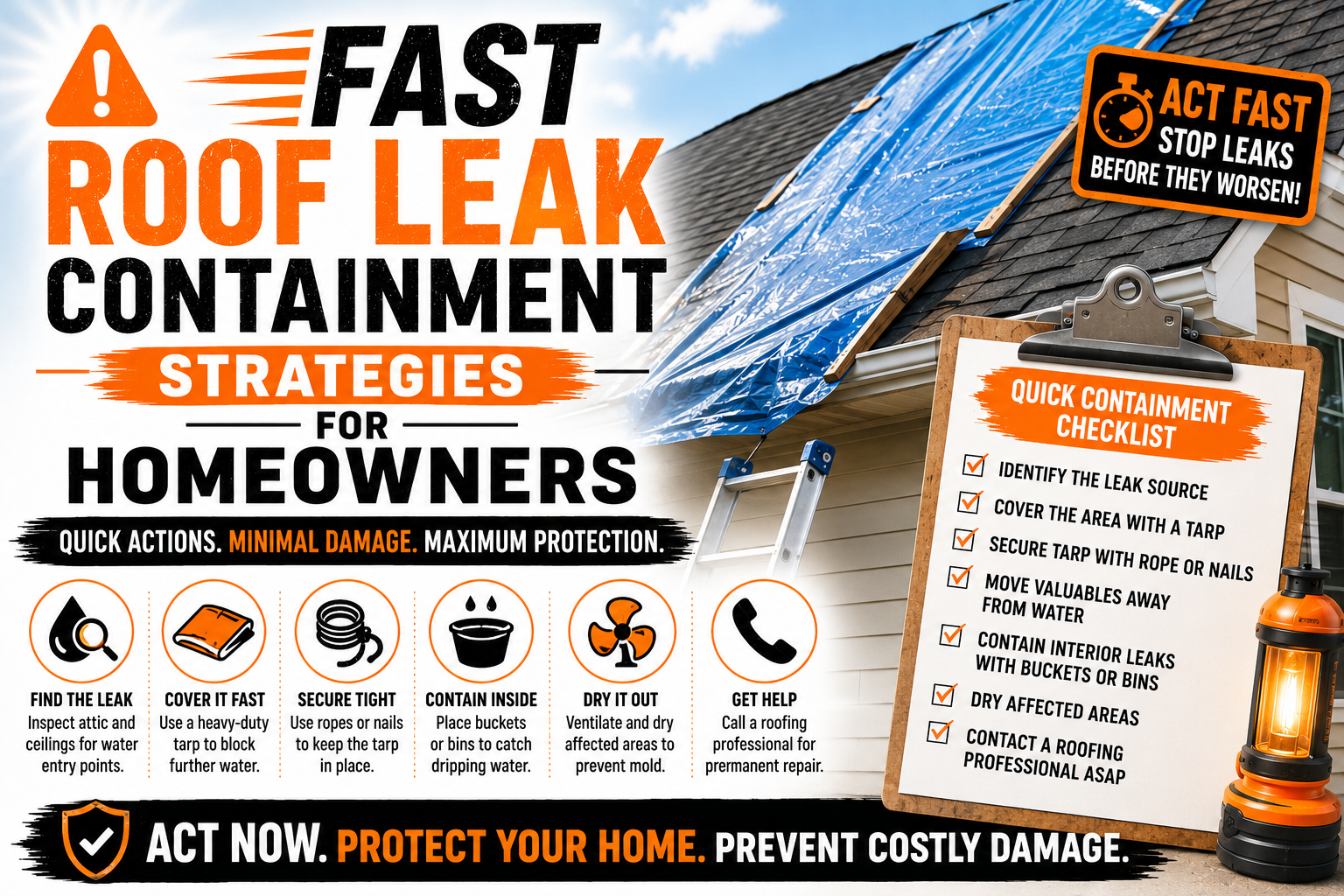
Fast Roof Leak Containment Strategies for Homeowners
Introduction
A roof leak can quickly turn from a minor inconvenience into a costly emergency if it is not addressed immediately. Even a small amount of water entering your home can damage ceilings, walls, insulation, flooring, furniture, and electrical systems within a short period. Taking fast action can significantly reduce repair costs while protecting your home’s structural integrity.
Many homeowners assume that a small drip is not a serious concern. In reality, roof leaks often travel through hidden pathways before becoming visible inside the house. By the time water reaches your ceiling, it may have already caused considerable damage beneath the roofing materials.
Emergency leak containment is not the same as permanent roof repair. Temporary containment focuses on slowing or stopping water intrusion until qualified roofing professionals can identify and repair the source of the leak. Knowing the proper steps helps minimize damage while keeping everyone inside the home safe.
Roof leaks can occur at any time of the year. Heavy rain, hail, strong winds, fallen branches, damaged flashing, clogged gutters, aging shingles, and ice dams are just a few of the factors that can create openings for water to enter your home.
The first few minutes after discovering a leak are often the most important. Acting calmly, protecting valuable belongings, and using safe temporary containment methods can prevent a manageable problem from becoming a major restoration project.
This guide explains practical roof leak containment strategies that homeowners can use during an emergency. You will also learn how to recognize warning signs, protect your home from further damage, and understand when it is time to call professional roofing contractors.
Why Fast Roof Leak Containment Matters
Water is one of the most destructive forces affecting residential properties. Unlike obvious structural damage, water often spreads quietly through ceilings, wall cavities, insulation, and framing before homeowners realize the full extent of the problem.
A roof leak that is ignored for several hours can soak insulation and drywall. Once these materials become saturated, they lose their effectiveness and may require complete replacement even if the roof is repaired shortly afterward.
Wood framing is especially vulnerable to prolonged moisture exposure. Continuous water intrusion weakens rafters, roof decking, and ceiling joists, increasing the risk of structural deterioration over time. Moisture also creates favorable conditions for mold growth, which may begin developing within a relatively short period under the right conditions.
Electrical systems deserve particular attention during a roof leak. Water entering light fixtures, ceiling fans, outlets, or electrical wiring creates potential shock hazards that should never be underestimated. If water is approaching electrical components, shutting off power to the affected area should be considered if it can be done safely.
Personal belongings can also suffer extensive damage. Furniture, electronics, family photographs, important documents, clothing, and flooring materials often absorb water quickly. Moving valuable items away from the leak as soon as possible helps reduce losses while making cleanup easier.
Fast containment also helps insurance claims proceed more smoothly. Many insurance policies expect homeowners to take reasonable steps to reduce additional damage after discovering a covered loss. Prompt action demonstrates that you made a good faith effort to protect the property.
Every minute that water continues entering your home increases both repair costs and restoration time. Although temporary containment will not solve the underlying roofing problem, it can greatly limit the overall impact until permanent repairs begin.
Recognizing the Early Signs of a Roof Leak
Roof leaks do not always begin with water dripping from the ceiling. In many cases, your home provides subtle warning signs long before the leak becomes obvious. Recognizing these indicators early gives you more time to contain the problem before serious damage occurs.
One of the most common warning signs is a brown or yellow water stain spreading across the ceiling. These stains usually indicate that moisture has been collecting above the drywall for some time before finally becoming visible.
Peeling paint or bubbling drywall can also signal hidden moisture. Water trapped behind painted surfaces gradually weakens the bond between the paint and the wall, causing noticeable bubbling or flaking.
A persistent musty odor inside certain rooms often suggests moisture accumulation. Even if you cannot see visible water, damp insulation or wooden framing may already be supporting mold growth behind finished surfaces.
Dripping sounds inside walls or ceilings during rainfall deserve immediate attention. Water frequently travels along rafters, pipes, or electrical wiring before reaching a visible opening, making the actual source of the leak difficult to locate without professional inspection.
Dark spots appearing on attic wood or insulation may indicate ongoing water intrusion. Routine attic inspections after major storms often reveal developing roof leaks before they spread into living areas.
Warped flooring located beneath ceiling leaks may indicate that water has been entering the home longer than expected. Hardwood, laminate, and some vinyl flooring materials can expand or deform after prolonged moisture exposure.
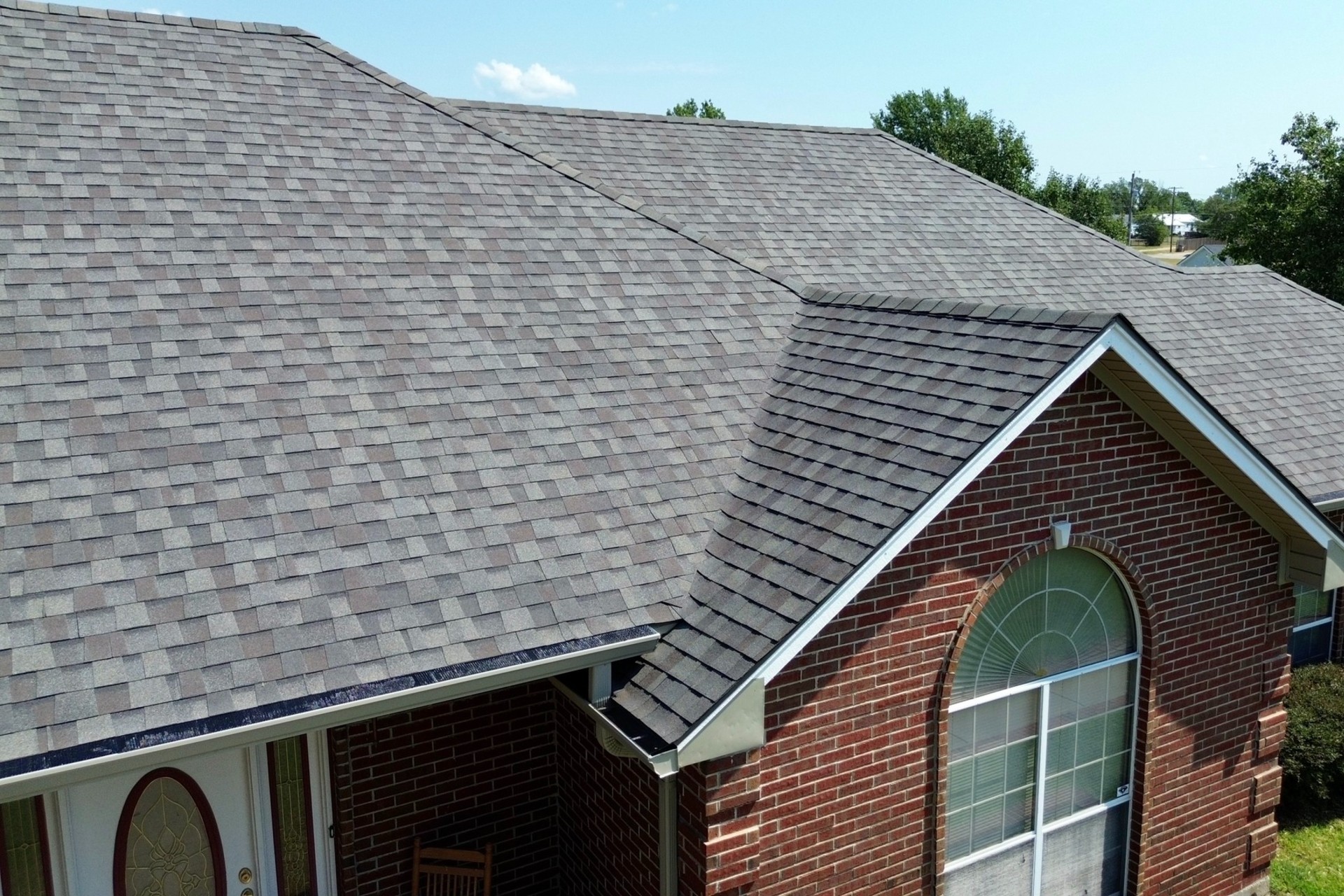
Exterior warning signs should also be taken seriously. Missing shingles, damaged flashing, clogged gutters, cracked roof vents, loose chimney flashing, or fallen tree branches all increase the likelihood of water entering the roofing system.
The following warning signs should never be ignored because they often indicate active roof leaks:
- Ceiling stains that continue growing after rainfall.
- Water dripping from light fixtures or ceiling fans.
- Peeling paint or bubbling drywall.
- Damp attic insulation.
- Moldy or musty odors indoors.
- Missing or damaged roofing materials.
- Wet spots around skylights or chimneys.
- Visible water running down interior walls.
Responding to these warning signs promptly often prevents extensive structural repairs. Even if the leak appears small, arranging a professional inspection as soon as possible remains one of the most effective ways to protect your home.
Immediate Safety Steps Before Containing a Leak
Before attempting any temporary containment measures, your safety should come first. Roof leaks often involve slippery surfaces, electrical hazards, weakened ceilings, and unstable roofing materials that can create dangerous conditions.
Begin by identifying where the water is entering your home. Remember that the visible drip may not be directly beneath the actual roof leak because water frequently follows framing members before finding a path through the ceiling.
If water is approaching electrical fixtures or outlets, avoid touching affected equipment. Shut off electricity to the impacted area only if you can safely access the electrical panel without standing in water.
Place buckets, containers, or waterproof tubs beneath active drips to collect incoming water. Empty these containers regularly to prevent overflow and additional damage to flooring or furniture.
Move valuable belongings away from the affected area whenever possible. Electronics, rugs, important paperwork, upholstered furniture, and sentimental items should be relocated to dry rooms until the leak is controlled.
If water begins pooling inside a sagging ceiling, avoid standing directly underneath it. A ceiling holding a large volume of water may collapse unexpectedly as the weight continues increasing.
In some situations, carefully puncturing the center of a bulging ceiling with a screwdriver allows water to drain into a controlled container. This technique should only be attempted if the ceiling appears likely to collapse from the weight of trapped water and the area can be managed safely.
Wear shoes with good traction while moving around wet floors. Slippery surfaces increase the risk of falls during already stressful emergency situations.
If severe weather is still ongoing, never climb onto the roof. Wet roofing materials become extremely slippery, while high winds and lightning significantly increase the danger of serious injury.
Following a clear order of priorities helps homeowners remain focused during an emergency:
- Protect everyone inside the home.
- Eliminate electrical hazards if it is safe to do so.
- Collect incoming water using buckets or containers.
- Move valuable belongings away from the leak.
- Reduce additional interior water damage.
- Contact a professional roofing contractor for permanent repairs.
These steps provide a structured approach that minimizes confusion during stressful situations. Acting methodically often results in better outcomes than rushing into unsafe repairs.
How to Minimize Interior Water Damage
Once the immediate leak has been identified and basic safety measures are in place, the next objective is limiting the spread of water throughout the home. The faster moisture is controlled, the lower the likelihood of expensive repairs later.
Start by protecting flooring beneath the leak. Waterproof tarps, plastic sheeting, or heavy-duty garbage bags can provide temporary protection for carpets, hardwood floors, and other moisture-sensitive surfaces.
If furniture cannot be moved, cover it with plastic sheeting secured loosely around the edges. This helps prevent water from soaking upholstery while still allowing airflow that reduces condensation beneath the covering.
Use towels or absorbent cloths around collection buckets to catch small splashes. Regularly replacing wet towels with dry ones keeps moisture from spreading across the floor.
Ventilation plays an important role during leak containment. If weather conditions permit, opening windows can improve airflow and accelerate drying. Portable fans may also help circulate air, but they should never be used near standing water or exposed electrical hazards.
Dehumidifiers are particularly useful after a roof leak because they remove excess moisture from the air. Lower indoor humidity reduces the chance of mold growth while helping damp building materials dry more efficiently.
If insulation becomes soaked, it should not simply be left in place to dry naturally. Wet insulation loses much of its thermal performance and may trap moisture against wooden framing for extended periods.
Continue monitoring the affected area even after rainfall stops. Water trapped inside roofing materials or insulation may continue dripping long after the storm has passed.
Quick interior protection does not eliminate the need for roof repairs, but it greatly reduces secondary damage. By controlling moisture early, homeowners often avoid larger restoration projects involving drywall replacement, flooring repairs, or mold remediation.
Essential Emergency Supplies Every Homeowner Should Have
Roof leaks rarely occur at convenient times. Storms often happen during evenings, weekends, or holidays when immediate professional assistance may not be available. Keeping a small emergency preparedness kit allows homeowners to respond more effectively while waiting for permanent repairs.
A sturdy bucket is one of the simplest yet most useful tools during a roof leak. Multiple containers of different sizes make it easier to collect water from several locations if the leak spreads.
Heavy-duty plastic sheeting provides temporary protection for furniture, flooring, and other household items. Waterproof materials help redirect water away from valuable belongings while reducing cleanup time later.
Absorbent towels and microfiber cloths help remove standing water quickly. Keeping several clean towels available allows you to rotate them as they become saturated during extended rainfall.
A reliable flashlight becomes essential if power outages accompany severe weather. Battery-powered lighting allows you to inspect affected areas safely without relying on electrical fixtures that may have been exposed to water.
Work gloves offer protection when handling wet materials, broken ceiling pieces, or storm debris. They also improve grip while moving heavy containers filled with collected rainwater.
Basic supplies that every homeowner should consider keeping available include:
- Buckets and waterproof containers.
- Plastic sheeting or waterproof tarps.
- Absorbent towels and microfiber cloths.
- Flashlights with extra batteries.
- Work gloves.
- Utility knife.
- Duct tape for temporary interior securing.
- Contact information for a trusted roofing contractor and your insurance provider.
Preparing these supplies before an emergency occurs allows you to respond immediately instead of searching for materials while water continues damaging your home. Even a simple emergency kit can make a significant difference during the critical first hour after discovering a roof leak.
Temporary Roof Leak Containment Methods
Once immediate safety measures have been completed, temporary containment becomes the next priority. These methods are designed to reduce water intrusion until professional roof repairs can be performed. They are not permanent solutions, but they can significantly limit additional property damage.
One of the most effective temporary measures is placing a waterproof tarp over the damaged section of the roof. This should only be done when weather conditions are safe and by someone with the proper experience and safety equipment. Attempting to climb onto a wet or storm-damaged roof without training can lead to serious injuries.
If accessing the roof is unsafe, focus on containing the leak from inside the home. Position containers beneath active drips and use plastic sheeting to direct water into those containers instead of allowing it to spread across ceilings or walls.
Waterproof tape or temporary roofing repair tape may help slow minor leaks around accessible roof penetrations. However, these products work best on small openings and should never be considered a substitute for professional repairs.
If a skylight is leaking, inspect the surrounding area from inside the home rather than attempting repairs on the roof. Leaks around skylights often result from damaged flashing or failed seals, both of which require proper repair techniques.
Roof vents and plumbing vent boots are also common leak locations. Temporary interior containment can reduce damage, but the underlying problem should be corrected by a qualified roofing contractor before another storm arrives.
Attic leak containment can sometimes prevent water from reaching finished living spaces. Placing plastic sheeting beneath the leak and directing water toward a bucket helps protect insulation and ceilings below while reducing the spread of moisture.
Every temporary solution should be monitored regularly. Water flow may increase during heavier rainfall, requiring buckets to be emptied more frequently or protective coverings to be adjusted.
The purpose of temporary containment is to buy valuable time. The sooner permanent repairs are completed, the lower the risk of hidden structural damage and mold development.
Preventing Mold and Secondary Water Damage
Stopping the active leak is only part of the recovery process. Moisture that remains trapped inside the home continues causing damage even after rainfall ends. Preventing mold and secondary deterioration requires drying affected materials as quickly as possible.
Begin by removing standing water from floors, furniture, and other surfaces. Water left in place for extended periods soaks deeper into building materials, making restoration more difficult and expensive.
Increase air circulation throughout the affected area. Opening windows during dry weather allows fresh air to enter the home, while portable fans help move moist air away from damp surfaces. Improved airflow encourages faster drying and reduces humidity levels.
Dehumidifiers are especially useful after roof leaks because they remove excess moisture from the indoor air. Lower humidity helps drywall, wood, insulation, and flooring dry more efficiently while reducing conditions that encourage mold growth.
Inspect nearby walls and ceilings carefully over the following days. Moisture sometimes spreads beyond the original leak area, creating hidden damp spots that may not be immediately visible.
Carpets and rugs should be dried thoroughly if they become wet. Leaving moisture trapped beneath floor coverings creates an ideal environment for mold and unpleasant odors to develop.
Wooden furniture deserves special attention after water exposure. Wiping surfaces dry immediately and allowing adequate ventilation helps prevent warping, staining, and long-term damage.
Insulation that becomes saturated often loses much of its effectiveness. Depending on the extent of water exposure, replacement may be necessary to restore proper thermal performance and eliminate trapped moisture.
Continue monitoring humidity levels even after repairs are complete. Hidden moisture sometimes takes days to become noticeable, making follow-up inspections an important part of the recovery process.
Common Mistakes to Avoid During Emergency Leak Response
During stressful situations, homeowners often make decisions that unintentionally increase property damage or place themselves at unnecessary risk. Understanding these common mistakes helps you respond more safely and effectively.
One of the biggest mistakes is delaying action because the leak appears small. Even slow drips can allow significant amounts of water to enter the home over several hours, damaging insulation, framing, and drywall before the full extent of the problem becomes obvious.
Another common error is attempting permanent roof repairs during severe weather. Rain, high winds, lightning, and slippery roofing materials create dangerous working conditions that are best left to trained professionals once the weather improves.
Some homeowners focus only on the visible leak while ignoring the surrounding area. Water often travels along rafters and ceiling joists before dripping into the home, meaning the actual roof opening may be located several feet away from the visible water stain.
Using inappropriate materials for temporary repairs is another frequent mistake. Household fabrics, cardboard, or thin plastic sheets provide very limited protection against ongoing rainfall and may quickly fail.
Ignoring attic inspections after a leak is also problematic. Even if water does not appear inside living spaces, hidden moisture in the attic can continue damaging insulation and wooden framing without obvious warning signs.
Waiting too long to contact a roofing contractor often increases repair costs. Temporary containment slows additional damage, but it cannot correct broken shingles, damaged flashing, deteriorated roof decking, or other structural problems.
Some homeowners forget to document the damage before cleanup begins. Taking photographs of affected areas helps create a clear record for insurance claims while showing contractors the original condition of the property.
Finally, many people re-enter hazardous areas without considering safety. Sagging ceilings, wet electrical systems, and weakened structural components should always be approached with caution until professionals determine the home is safe.
When to Call a Professional Roofing Contractor
Although homeowners can often perform basic containment measures, permanent roof repairs require professional expertise. Knowing when to make that call helps prevent minor leaks from becoming major restoration projects.
If water continues entering the home despite your temporary containment efforts, professional assistance should be arranged immediately. Persistent leaks usually indicate damage that cannot be addressed using temporary materials alone.
Missing shingles following a windstorm often expose the roof to additional water intrusion. While the damage may appear limited from the ground, underlying underlayment or decking may also have been affected.
Leaks around chimneys, skylights, roof valleys, and flashing typically require specialized repair techniques. These areas contain multiple overlapping materials that must be installed correctly to maintain a watertight seal.
If you notice ceiling sagging or signs of structural movement, stop attempting containment and seek professional help immediately. Excessive water accumulation may weaken ceiling materials enough to create a collapse hazard.
Homes with repeated leaks in the same location deserve a thorough inspection. Recurring problems often indicate hidden structural issues or installation defects that temporary repairs cannot solve.
A professional roofing contractor performs a comprehensive assessment rather than focusing only on the visible leak. They evaluate shingles, flashing, roof decking, ventilation, drainage systems, structural framing, and other components that influence long-term roof performance.
Many contractors also provide emergency response services following severe storms. Temporary tarping, debris removal, moisture assessment, and immediate stabilization help protect the home until full repairs can be scheduled.
Choosing an experienced and properly licensed contractor gives homeowners greater confidence that repairs will address both the visible damage and the underlying cause of the leak.
Emergency Roof Leak Containment Comparison Table
Different leak situations require different temporary responses. Understanding which containment method is appropriate for each scenario helps homeowners protect their property while waiting for permanent repairs.
| Leak Situation | Recommended Temporary Action | Main Benefit | Professional Repair Needed |
|---|---|---|---|
| Ceiling drip | Place bucket beneath leak and protect flooring | Limits interior water damage | Yes |
| Water pooling in ceiling | Carefully drain bulge into container if safe | Reduces ceiling collapse risk | Yes |
| Missing shingles | Install emergency roof tarp when safe | Minimizes rain intrusion | Yes |
| Leak around skylight | Protect interior and monitor water flow | Prevents further indoor damage | Yes |
| Damaged flashing | Use temporary containment inside the home | Limits secondary damage | Yes |
| Attic leak | Redirect water into bucket using plastic sheeting | Protects insulation and ceilings | Yes |
| Heavy storm damage | Keep occupants safe and avoid roof access | Prevents injuries | Yes |
| Multiple leak locations | Contain each leak separately and document damage | Reduces widespread water damage | Yes |
The table highlights an important point: temporary containment reduces immediate damage, but every roof leak should receive a professional inspection. Proper repairs ensure the roofing system can continue protecting the home during future storms.
What Happens During Professional Roof Leak Repairs
After the immediate emergency has been controlled, professional roof repairs become the most important step in restoring your home’s protection. Experienced roofing contractors focus on identifying the actual source of the leak rather than simply repairing the location where water became visible inside the house. This approach helps prevent recurring problems and ensures the roof performs as intended.
The repair process usually begins with a detailed roof inspection. Contractors examine shingles, flashing, roof valleys, chimneys, skylights, vents, gutters, and roof penetrations to locate every area where water may be entering. They also inspect the attic because hidden moisture often reveals leak paths that cannot be seen from the exterior.
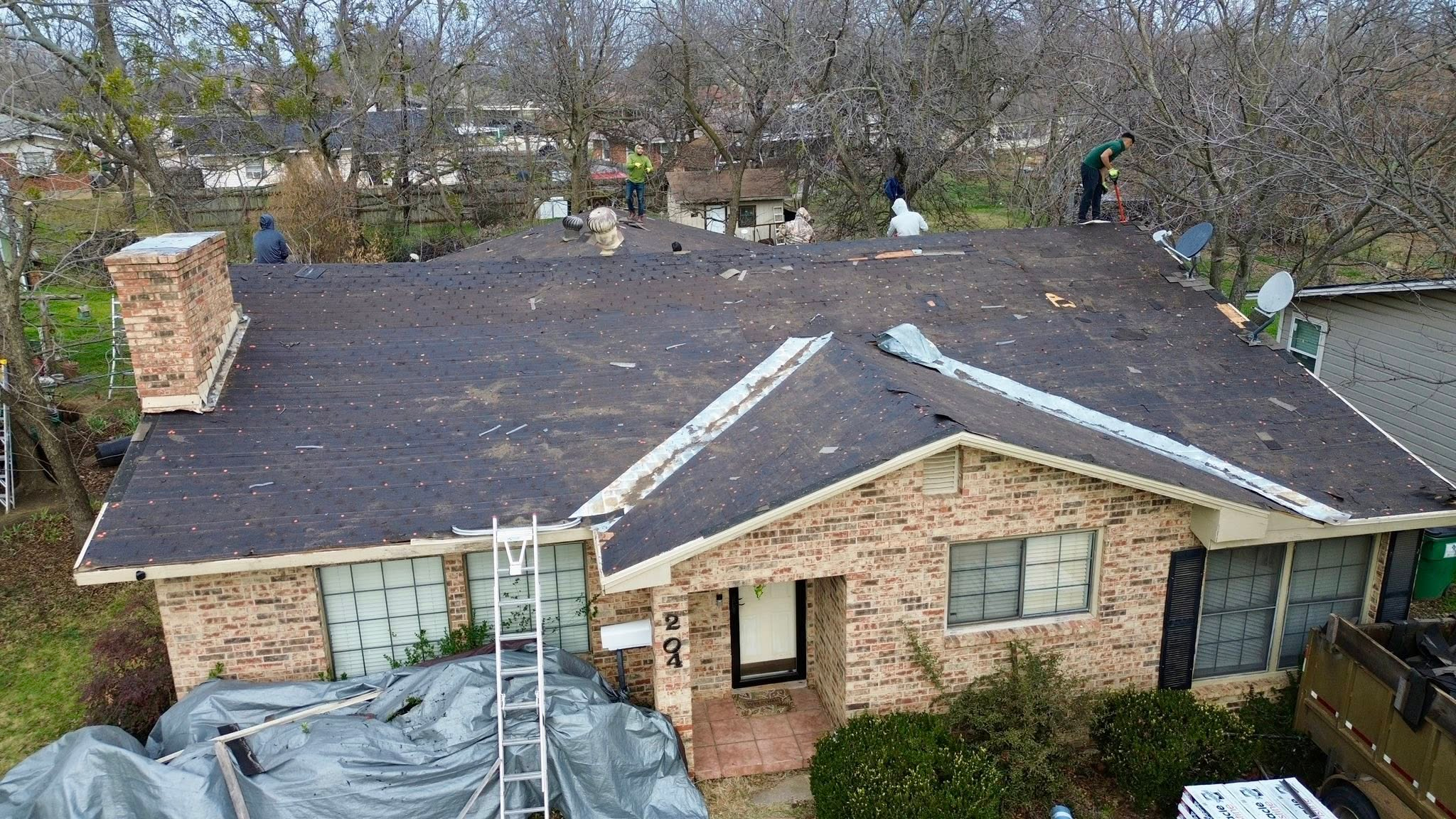
Once the source of the leak has been identified, damaged roofing materials are carefully removed. Broken shingles, deteriorated flashing, damaged underlayment, or compromised roof decking are replaced before new materials are installed. Removing damaged components completely is essential because covering them without repair often leads to future leaks.
If water has reached the structural framing, contractors evaluate whether repairs are necessary before rebuilding the roof. Rotten wood, weakened rafters, or damaged decking reduce the roof’s ability to withstand future weather events. Addressing these issues during the repair process helps restore the roof’s structural strength.
Flashing receives special attention because it protects areas where different roofing components meet. Chimneys, skylights, roof vents, dormers, and valleys depend on properly installed flashing to keep water out. Even small flashing defects can allow repeated water intrusion during heavy rainfall.
Roofing underlayment is another important component that may need replacement. This protective layer sits beneath the shingles and provides an additional barrier against moisture. If it has been torn, punctured, or saturated with water, installing new underlayment helps improve long-term protection.
After repairs are completed, contractors inspect the finished work carefully. They verify that roofing materials are properly secured, flashing is correctly installed, and all repaired sections meet current installation standards. This final inspection helps ensure the leak has been fully resolved before the project is considered complete.
Many professional roofing companies also recommend a follow-up inspection after the next major rainfall. Confirming that repairs continue performing properly provides additional peace of mind and allows any unexpected concerns to be addressed quickly.
Preventing Future Roof Leaks Through Regular Maintenance
The most effective way to deal with roof leaks is preventing them before they occur. Routine maintenance helps identify developing problems while repairs remain relatively simple and affordable. A well-maintained roof also lasts longer and performs better during severe weather.
Scheduling professional roof inspections at least once each year allows contractors to identify early signs of wear. Small issues such as cracked sealant, loose flashing, damaged shingles, or deteriorating roof vents can often be repaired before they allow water to enter the home.
Gutters and downspouts should be cleaned regularly to maintain proper drainage. Leaves, twigs, and debris restrict water flow, causing rainwater to back up beneath roofing materials. Overflowing gutters can also increase the amount of water reaching fascia boards and exterior walls.
Tree branches hanging over the roof deserve regular trimming. During storms, branches may scrape shingles, damage flashing, or fall directly onto the roof. Keeping limbs safely away from the roofing system reduces the likelihood of impact damage.
Homeowners should also inspect the attic periodically. Water stains, damp insulation, mold growth, or daylight shining through the roof are all signs that professional attention may be needed. Catching these problems early often prevents costly structural repairs.
Ventilation plays a significant role in roof health throughout the year. Proper airflow helps regulate attic temperature while reducing moisture accumulation. Excess humidity trapped inside the attic contributes to wood rot, mold growth, and premature deterioration of roofing materials.
After every major storm, perform a visual inspection from the ground. Look for missing shingles, bent flashing, fallen branches, damaged gutters, or other visible changes. Although ground inspections cannot identify every issue, they often reveal damage that should be evaluated professionally.
Small roof repairs should never be postponed unnecessarily. What begins as a loose shingle or minor flashing defect may eventually develop into widespread water damage affecting ceilings, insulation, framing, and interior finishes.
Preventive maintenance also protects your financial investment. Spending modest amounts on inspections and routine repairs often prevents the much larger expenses associated with emergency leak restoration and structural reconstruction.
Roof Leak Emergency Checklist
Preparing for a roof leak before one occurs helps homeowners respond more confidently during stressful situations. Keeping the following checklist in mind makes it easier to prioritize safety while reducing additional property damage.
- Stay calm and identify the location of the leak.
- Move family members away from affected areas if necessary.
- Shut off electricity to the affected area if it can be done safely.
- Place buckets or waterproof containers beneath active drips.
- Protect furniture, flooring, and personal belongings with plastic sheeting.
- Watch for ceiling sagging or signs of structural instability.
- Take photographs of visible damage for insurance documentation.
- Contact a qualified roofing contractor as soon as possible.
- Continue monitoring the leak until professional repairs are completed.
- Schedule a complete roof inspection even if the leak appears to have stopped.
Reviewing this checklist periodically helps ensure everyone in the household understands the appropriate response before an emergency happens. Quick action combined with safe decision-making greatly reduces the impact of unexpected roof leaks.
Frequently Asked Questions
Can I permanently repair a roof leak myself?
Minor maintenance may be possible for experienced homeowners, but permanent roof leak repairs often require specialized knowledge, safety equipment, and proper installation techniques. Professional repairs provide greater confidence that the leak has been completely resolved.
How quickly should I respond after discovering a roof leak?
Immediately. Even a small leak can spread through ceilings, insulation, and wall cavities within a short period. Prompt containment helps reduce structural damage and lowers overall repair costs.
Is a ceiling stain always caused by a roof leak?
Not always. Plumbing leaks, HVAC condensation, and other moisture sources may also create ceiling stains. A professional inspection helps determine the exact cause before repairs begin.
Should I wait until the rain stops before calling a roofing contractor?
No. Many roofing companies offer emergency services and can provide guidance while the storm is still in progress. Although permanent repairs may require better weather, early communication often speeds up the response process.
Can a small leak lead to mold growth?
Yes. Moisture trapped inside ceilings, walls, insulation, or wooden framing creates favorable conditions for mold development if not dried promptly. Fast containment and proper drying are important parts of preventing secondary damage.
How often should my roof be inspected?
Most roofing professionals recommend a comprehensive inspection at least once a year and after major storms. Regular inspections help identify developing issues before they become expensive repairs.
Conclusion
A roof leak may begin with only a few drops of water, but its effects can spread quickly throughout the home if immediate action is not taken. Understanding how to contain a leak safely, protect your belongings, and reduce additional moisture damage gives homeowners valuable time until permanent repairs can be completed.
Throughout this guide, we explored the importance of rapid leak containment, early warning signs, essential safety precautions, temporary containment methods, mold prevention, common mistakes, professional repair procedures, and long-term maintenance practices. Each step contributes to a complete strategy that protects both your family and your property.
While temporary measures play an important role during emergencies, they should never replace professional roof repairs. Proper inspections, quality materials, and expert workmanship ensure the underlying cause of the leak is corrected rather than simply covered up. Investing in permanent repairs helps restore the roof’s ability to withstand future storms and changing weather conditions.
Routine maintenance remains one of the most valuable tools for preventing future roof leaks. Regular inspections, clean gutters, proper attic ventilation, prompt repairs, and storm damage assessments allow small issues to be addressed before they develop into costly emergencies. Preventive care not only extends the lifespan of the roof but also protects the overall structure of the home.
If you ever discover a roof leak, remember that your first priorities are safety, quick containment, and professional assistance. Acting promptly can significantly reduce repair costs, limit water damage, and help preserve the comfort and value of your home for years to come.