
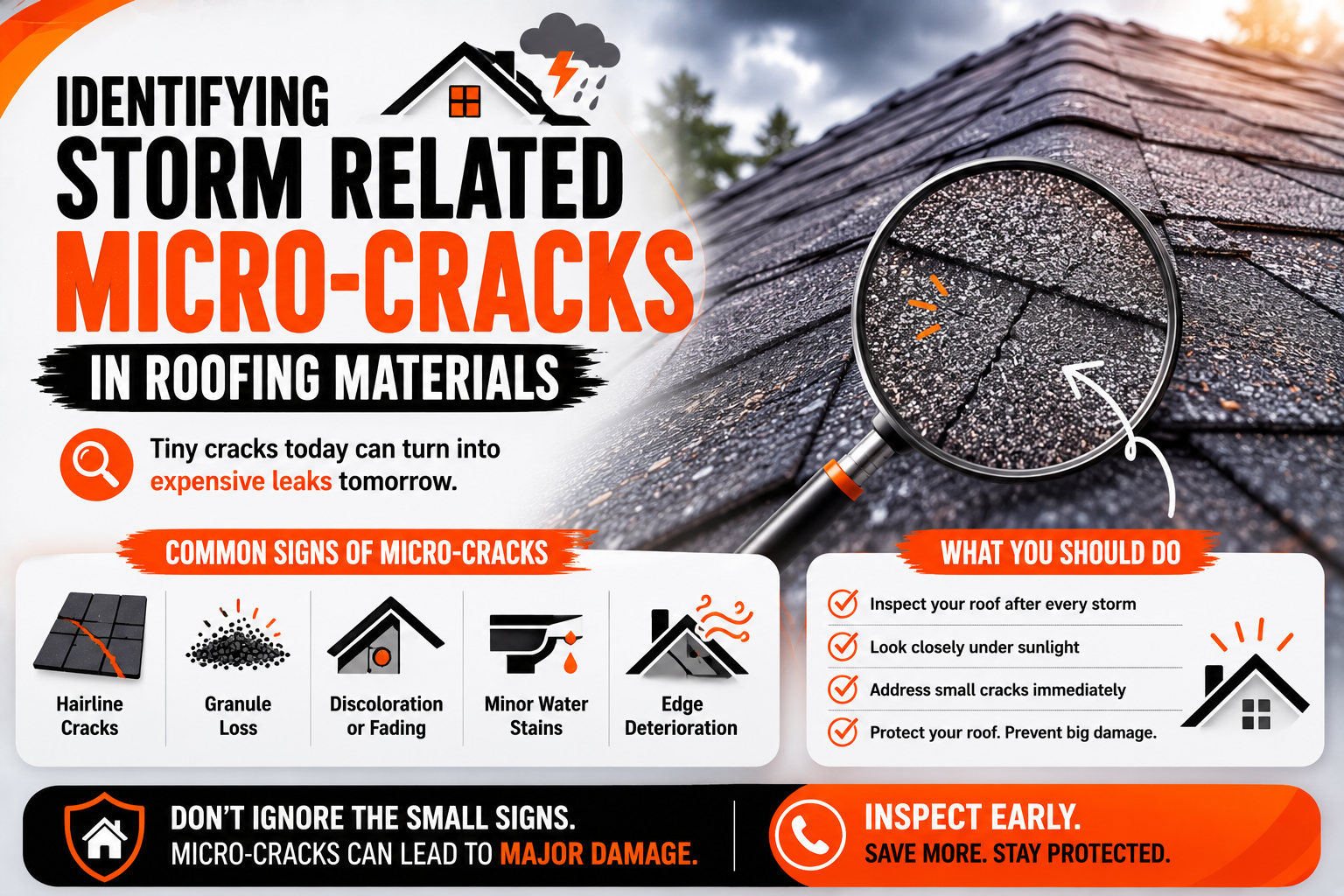
Identifying Storm Related Micro-Cracks in Roofing Materials
Introduction
Storm damage is not always dramatic or immediately visible. While missing shingles, fallen tree branches, and leaking ceilings are obvious signs of a damaged roof, some of the most serious problems begin with tiny fractures that are nearly impossible to see from the ground. These microscopic cracks, commonly referred to as micro-cracks, can compromise the protective performance of roofing materials long before homeowners notice any visible symptoms.
Micro-cracks often develop after severe weather events such as hailstorms, high winds, heavy rain, and sudden temperature changes. Although these cracks may measure only a fraction of a millimeter in width, they weaken the outer surface of roofing materials and create pathways for moisture to enter the roof system. Over time, repeated weather exposure causes these small defects to expand, increasing the likelihood of leaks, structural deterioration, and costly repairs.
Many homeowners assume that if the roof looks normal after a storm, no significant damage has occurred. Unfortunately, storm related micro-cracks frequently remain hidden beneath the surface or blend into the texture of roofing materials. Damage that appears insignificant immediately after a storm may continue developing for months before interior signs finally become noticeable.
The challenge with micro-cracks is that they rarely remain isolated. Once moisture enters through these tiny openings, it can affect underlayment, roof decking, insulation, flashing, and structural framing. Water infiltration also accelerates material deterioration by encouraging mold growth, wood rot, corrosion, and repeated expansion during freeze and thaw cycles in colder climates.
Different roofing materials respond differently to storm impacts. Asphalt shingles may develop surface fractures after hail impacts, while clay tiles can form hairline cracks that are difficult to identify without close inspection. Metal roofing may experience microscopic coating failures that eventually allow corrosion to begin, even when the panels themselves appear undamaged.
Understanding how storm related micro-cracks develop allows homeowners to recognize hidden risks before they become major roofing problems. Early identification helps preserve the roof’s structural integrity, reduces long term repair costs, and supports more accurate insurance claims following severe weather events.
This guide explains how storms create micro-cracks, identifies the roofing materials most vulnerable to hidden damage, discusses why these fractures often go unnoticed, and highlights the warning signs that should never be ignored after severe weather.
What Are Storm Related Micro-Cracks in Roofing Materials
Micro-cracks are extremely small fractures that develop within the surface or internal structure of roofing materials. Unlike large cracks or visible breaks, these defects are often too small to detect during a routine visual inspection from the ground. Despite their size, they can significantly reduce a roof’s ability to resist moisture and withstand future weather events.
These tiny fractures may occur on the outer surface of roofing materials or extend into deeper structural layers. Some remain limited to protective coatings, while others penetrate through shingles, tiles, or metal finishes, weakening the material’s overall performance. The depth and location of the crack largely determine how quickly additional damage develops.
Storm related micro-cracks differ from manufacturing imperfections because they result from sudden external forces. Hail impacts, wind driven debris, rapid temperature fluctuations, and repeated mechanical stress during severe weather all create conditions capable of producing microscopic fractures.
Many micro-cracks remain stable immediately after they form. However, repeated exposure to sunlight, rain, changing temperatures, and daily expansion and contraction gradually widens these small openings. What begins as an invisible defect may eventually become a visible crack that allows water to penetrate the roofing system.
The danger increases because micro-cracks often appear in clusters rather than individually. A single hailstorm can create hundreds of tiny fractures across different sections of the roof without causing obvious visible destruction. Collectively, these small defects significantly reduce the roof’s long term durability.
Because the damage is often hidden, professional inspections frequently identify micro-cracks before homeowners become aware of any problems. Early detection allows targeted repairs that prevent widespread deterioration throughout the roofing system.
How Severe Weather Creates Micro-Cracks
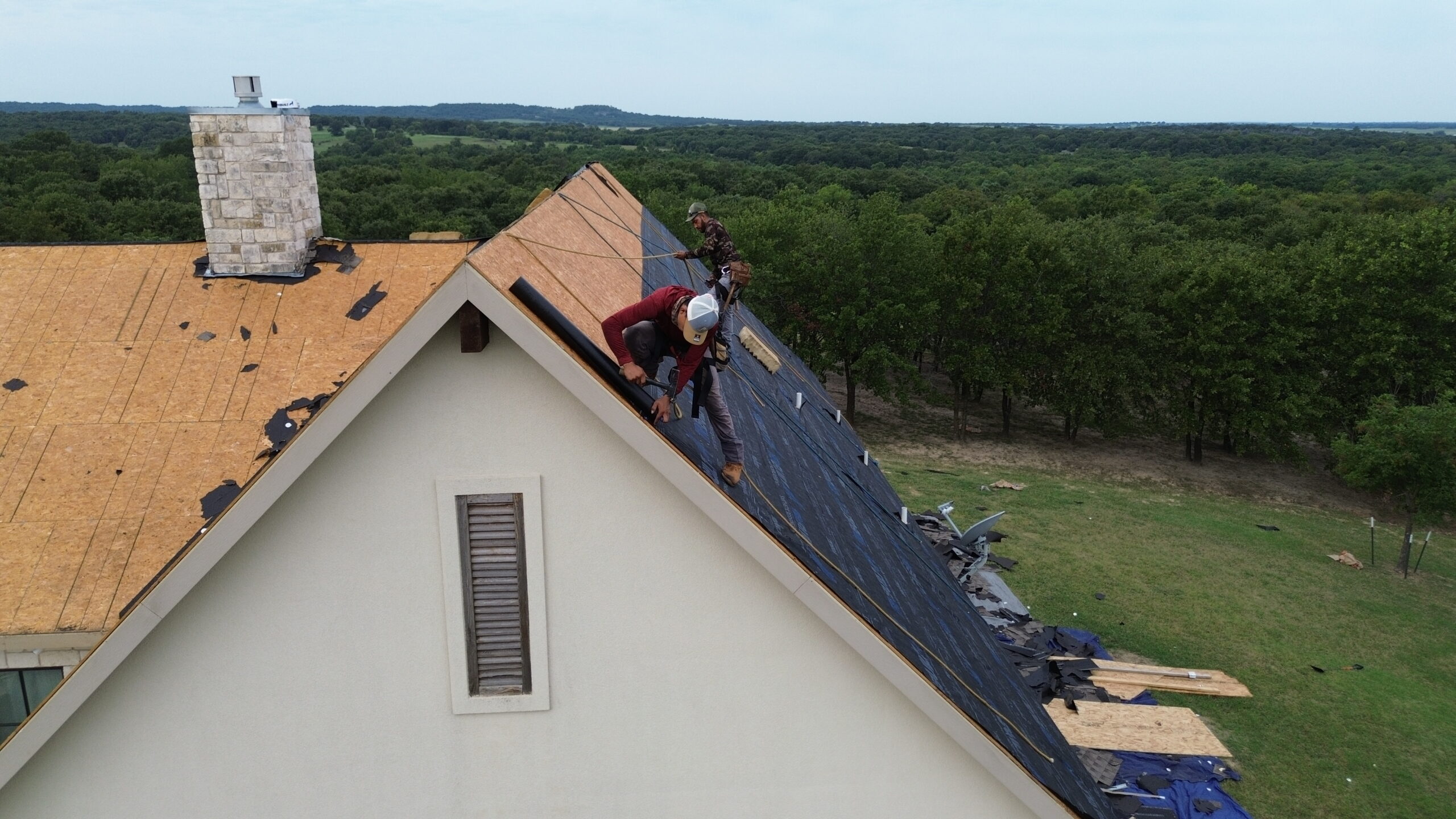
Storms expose roofing materials to powerful forces that often exceed their normal design conditions. Although roofs are engineered to withstand challenging weather, repeated or extreme impacts gradually weaken protective surfaces and create microscopic fractures.
Hail is one of the most common causes of storm related micro-cracking. Even relatively small hailstones strike the roof with considerable force, producing localized stress that may fracture shingles, crack tile glazes, or damage protective coatings on metal roofing. The visible damage may appear minimal while microscopic fractures extend beneath the surface.
High winds contribute to micro-crack formation in several ways. Roofing materials repeatedly flex as gusts create uplift forces, causing continuous movement around fasteners and joints. This repeated stress gradually weakens brittle materials and increases the likelihood of small surface fractures.
Wind driven debris presents another significant hazard. Branches, gravel, roof tiles, and other airborne objects may strike the roof at high speed during storms. Even impacts that fail to produce obvious visible damage can create microscopic cracks that continue growing long after the storm has passed.
Rapid temperature changes associated with severe weather also play an important role. Roofing materials naturally expand during warm conditions and contract when temperatures drop. Storms often produce sudden temperature shifts that increase thermal stress within already weakened materials, contributing to crack formation.
Heavy rainfall itself may not directly create micro-cracks, but it accelerates the effects of existing damage. Water enters small fractures and increases deterioration through repeated wetting and drying cycles. In colder climates, trapped moisture expands during freezing temperatures, widening previously invisible cracks.
Repeated storms produce cumulative effects as well. A roof that survives one hailstorm without visible damage may become more vulnerable during future weather events because earlier microscopic fractures have already reduced the material’s overall strength.
Roofing Materials Most Susceptible to Micro-Cracking
Every roofing material responds differently to severe weather. Some materials absorb impact energy effectively, while others develop microscopic fractures more easily because of their composition, age, or installation characteristics.
Asphalt shingles are among the roofing materials most commonly affected by storm related micro-cracks. Hail impacts often fracture the asphalt layer beneath the protective granules, weakening the shingle without immediately creating visible holes. As weather exposure continues, these hidden fractures gradually expand.
Clay tiles offer excellent durability but remain vulnerable to hairline cracking after sudden impacts. Small fractures may develop beneath the glazed surface where they remain difficult to detect until moisture penetration begins affecting the underlying roof structure.
Concrete roof tiles generally resist weather well but can also develop fine cracks following repeated hail impacts or heavy falling debris. Although the damage may appear cosmetic initially, moisture entering these fractures gradually weakens the material over time.
Slate roofing provides exceptional longevity, yet its rigid composition makes it susceptible to microscopic impact fractures. Small cracks often form around impact points before eventually spreading across the tile through repeated thermal movement.
Metal roofing systems rarely crack through their structural panels after ordinary storms, but their protective coatings often sustain microscopic damage. Once these coatings become compromised, corrosion may begin developing beneath the surface long before rust becomes visible.
Wood shakes experience different forms of micro-cracking because natural wood fibers expand and contract with changing moisture levels. Storms accelerate this movement, producing small surface checks that may eventually allow deeper water penetration.
Synthetic roofing materials vary considerably depending on their composition. Some modern products demonstrate excellent impact resistance, while others become more brittle as they age, increasing their susceptibility to microscopic storm damage.
Older roofing materials generally develop micro-cracks more readily than newer installations. Years of ultraviolet exposure, weathering, and natural aging reduce flexibility, making materials less capable of absorbing sudden storm impacts without developing hidden fractures.
Why Micro-Cracks Are Often Difficult to Detect
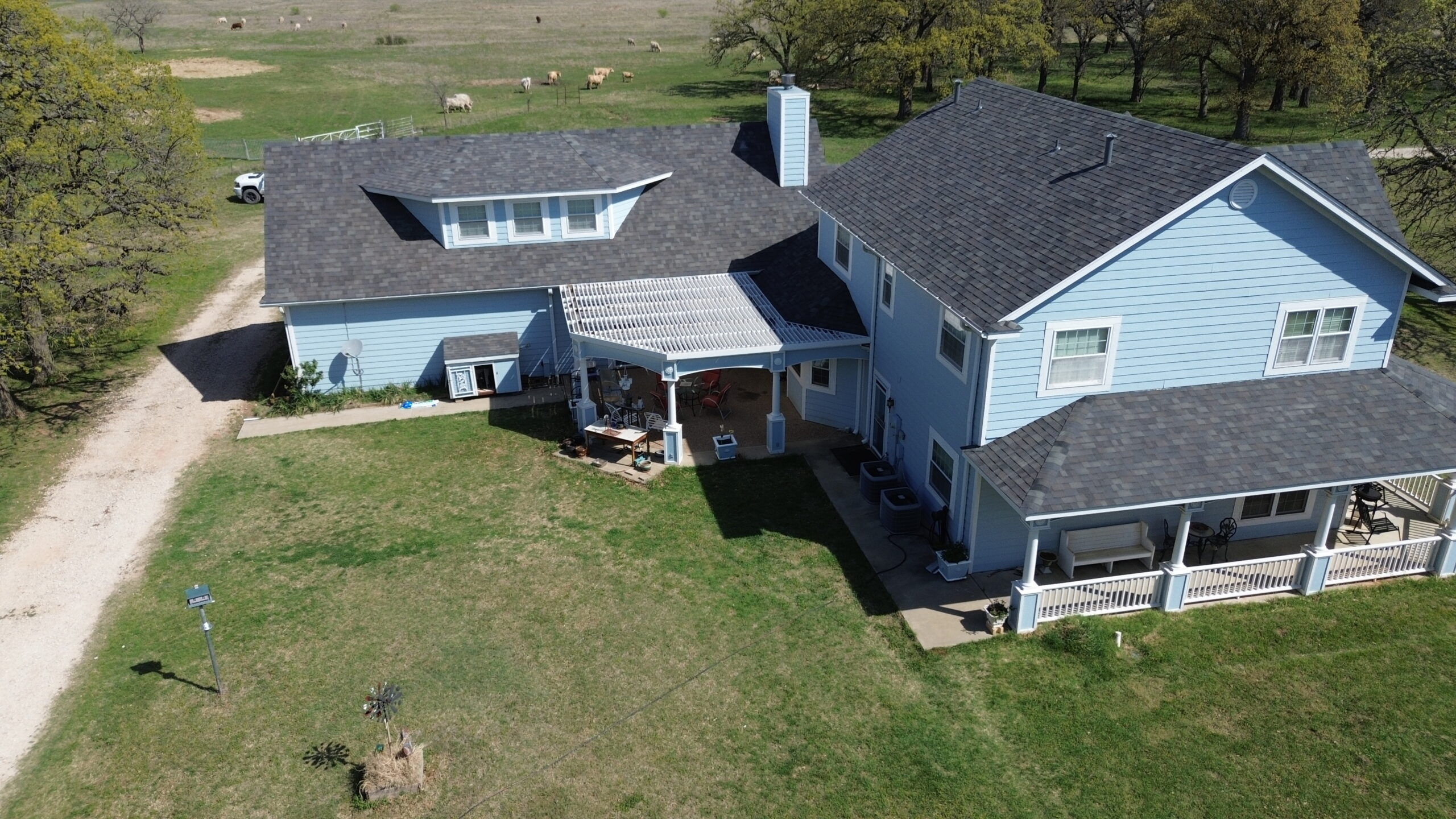
One of the greatest challenges associated with storm related micro-cracks is that they rarely produce immediate visual evidence. Homeowners frequently assume the roof escaped serious damage because no missing shingles or obvious punctures are visible from the ground.
The small size of these fractures makes them difficult to identify even during close visual inspections. Many cracks measure less than the width of a human hair and remain hidden beneath protective granules, surface coatings, or textured roofing finishes.
Lighting conditions also affect visibility. Tiny fractures may only become noticeable when viewed from specific angles or under certain lighting conditions. Bright midday sunlight often conceals surface irregularities that become easier to identify during lower angle morning or evening light.
Some roofing materials naturally contain texture variations that resemble minor imperfections. Distinguishing between harmless surface characteristics and genuine storm related micro-cracks requires experience with the specific roofing material being inspected.
Storm damage frequently occurs across large roof areas rather than concentrating in one obvious location. Inspecting every section carefully becomes difficult without proper equipment, particularly on steep or multi level roofs where safe access is limited.
Homeowners also face safety concerns when attempting roof inspections themselves. Climbing onto a storm damaged roof increases the risk of falls, especially if structural damage, loose materials, or wet surfaces are present. Ground level observations rarely provide enough detail to identify microscopic defects accurately.
Because many micro-cracks remain hidden beneath the surface, advanced inspection methods often become necessary. Professional roofing contractors use close visual examinations, magnification tools, moisture detection equipment, and years of experience to identify damage that would otherwise remain unnoticed.
Early Warning Signs That May Indicate Hidden Roof Damage
Although micro-cracks themselves are often difficult to see, they frequently produce secondary warning signs as the damage progresses. Recognizing these indicators allows homeowners to arrange professional inspections before structural deterioration becomes more extensive.
One of the earliest warning signs is the appearance of isolated water stains on ceilings after heavy rainfall. Even small discolorations may indicate that moisture has entered through microscopic roof damage and begun affecting interior building materials.
Attic inspections often reveal problems before living areas show visible damage. Damp insulation, darkened roof decking, moisture on framing members, or small beams of daylight entering through the roof all suggest that hidden damage may exist above.
Changes in roofing appearance also deserve attention. Shingles that appear unusually brittle, loose granules collecting in gutters, slight tile discoloration, or small coating defects on metal roofing may indicate that storm impacts have weakened the roofing surface.
Unexplained increases in indoor humidity can also develop after hidden roof damage. Moisture entering the attic gradually affects insulation and ventilation, creating conditions that allow humidity levels to rise throughout the upper portions of the home.
Homeowners may also notice moldy or musty odors following storms even when no obvious leaks are visible. Persistent moisture trapped beneath roofing materials creates an environment where mold begins developing before stains become apparent inside the home.
Repeated leaks that appear only during heavy rainfall deserve particular attention. Micro-cracks often admit small amounts of water under specific weather conditions, making leaks intermittent rather than continuous during the early stages of deterioration.
Why Immediate Identification Matters
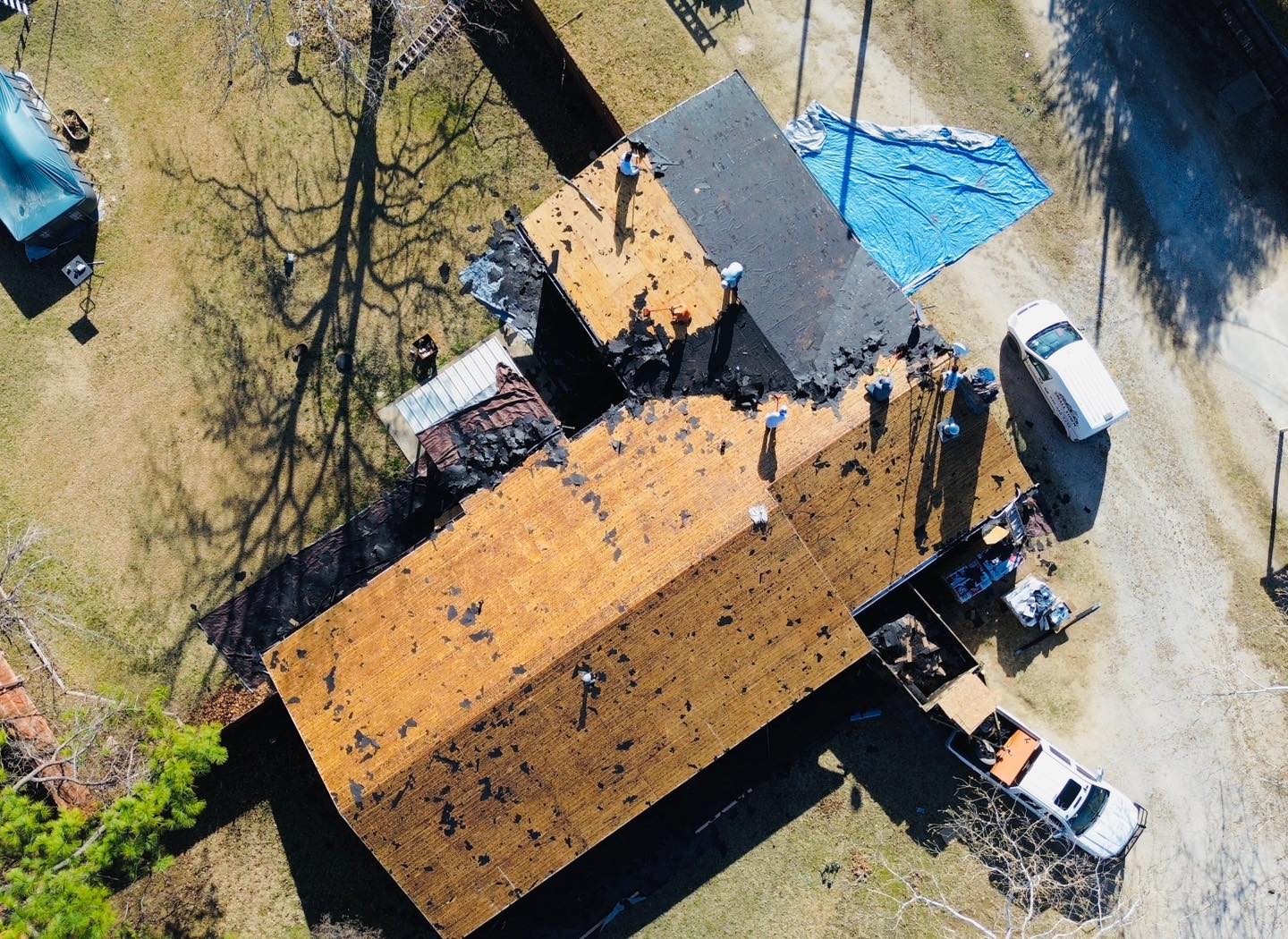
Finding storm related micro-cracks early significantly reduces the likelihood of widespread roof damage. While the fractures themselves may appear insignificant, their long term effects often become far more expensive than the original storm damage that created them.
Moisture entering through microscopic openings gradually weakens underlayment, roof decking, insulation, and structural framing. Because this deterioration occurs out of sight, homeowners may remain unaware until repairs become far more extensive than a simple surface restoration.
Early identification also allows roofing professionals to perform localized repairs before additional roofing materials become affected. Replacing or sealing limited damaged areas is generally more economical than addressing widespread water damage months later.
Insurance considerations provide another reason for prompt inspections. Many policies require storm damage to be reported within specified timeframes, and early documentation helps establish a clear connection between the weather event and the resulting roof damage. Professional inspection reports, photographs, and written assessments also strengthen claim documentation by identifying hidden storm related issues before they worsen.
Finally, identifying micro-cracks shortly after a storm helps preserve the overall lifespan of the roofing system. Addressing small defects before they expand prevents unnecessary deterioration, improves long term weather resistance, and allows the roof to continue protecting the home effectively through future seasons.
Professional Methods Used to Detect Roof Micro-Cracks
Because storm related micro-cracks are often too small to identify during a routine visual inspection, roofing professionals use a combination of experience, specialized techniques, and diagnostic tools to evaluate the condition of the roof. Their goal is to determine whether severe weather has compromised the roofing materials before more noticeable damage develops. A thorough inspection focuses on both visible defects and hidden structural concerns.
The inspection usually begins with a careful visual examination of the roof surface. Contractors look for subtle changes in texture, discoloration, impact marks, missing protective granules, fine surface fractures, and irregular wear patterns. Although these signs may appear minor, they often indicate that microscopic damage exists beneath the visible surface.
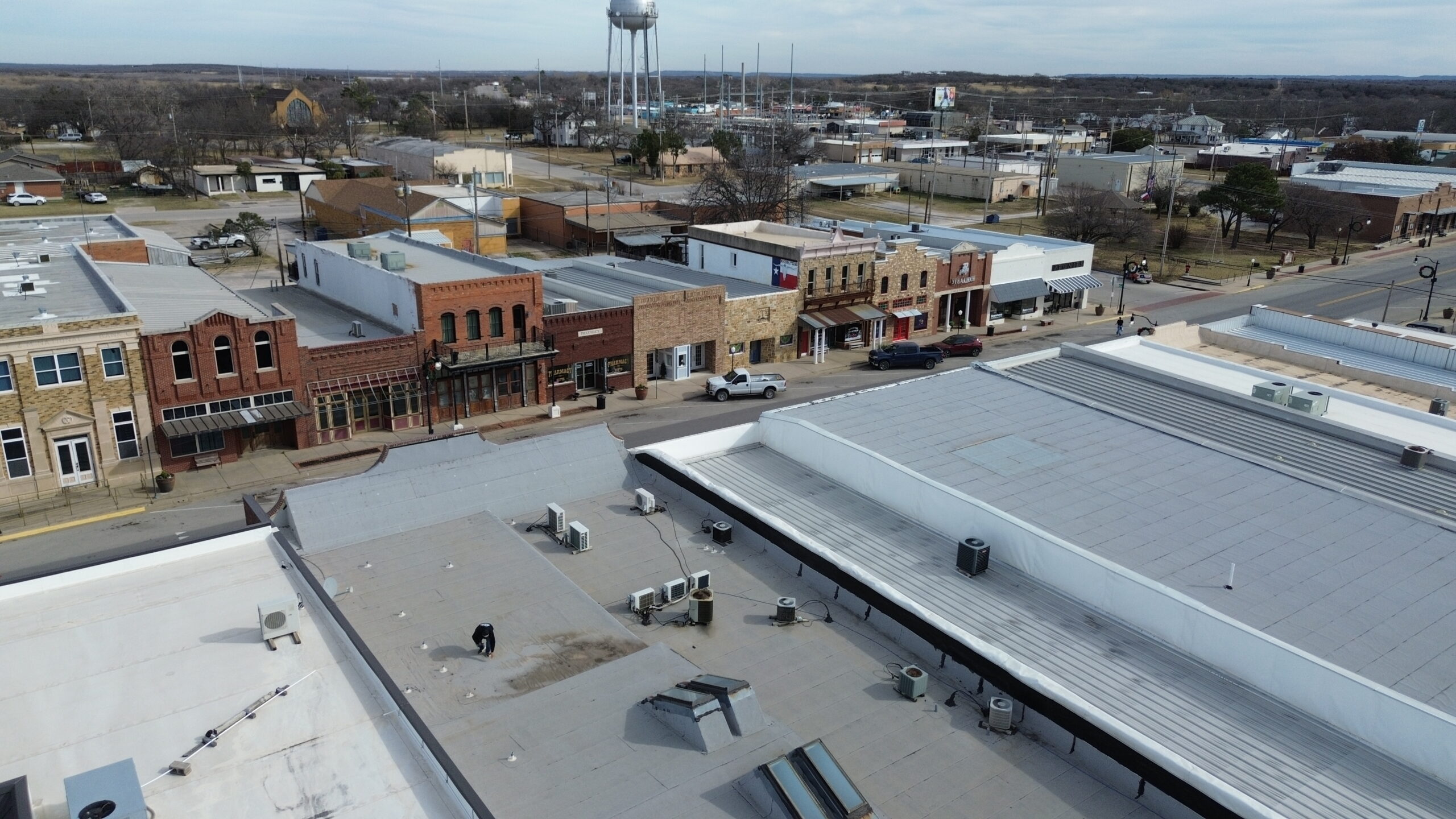
Close range inspections allow roofing professionals to evaluate individual roofing materials more accurately. By examining shingles, tiles, metal panels, flashing, and roof penetrations from a safe position, they can identify tiny defects that are impossible to recognize from the ground. This detailed approach helps distinguish genuine storm damage from normal weathering.
Magnification tools are sometimes used to inspect suspected impact areas more closely. Enlarged views make fine fractures easier to identify and help determine whether a crack affects only the surface coating or extends deeper into the roofing material. Understanding the depth of the damage is important when deciding whether repairs or replacement are necessary.
Moisture detection equipment also plays a valuable role during inspections. Moisture meters can identify damp roofing components before visible leaks appear inside the home. Detecting hidden moisture early allows contractors to locate areas where micro-cracks may already be allowing water to enter the roofing system.
Thermal imaging technology provides another effective method for identifying concealed roof damage. Temperature differences caused by trapped moisture often appear as distinct patterns during thermal scans, helping inspectors locate areas that require closer examination. While thermal imaging does not reveal the cracks themselves, it identifies the consequences of hidden damage before major structural deterioration occurs.
Attic inspections complete the evaluation process. Contractors examine roof decking, rafters, insulation, ventilation systems, and structural framing for signs of moisture intrusion, staining, mold growth, or daylight entering through damaged roofing materials. Combining exterior and interior observations provides a much more complete understanding of the roof’s condition.
How Micro-Cracks Lead to Water Intrusion and Structural Damage
Although micro-cracks begin as extremely small defects, they create opportunities for moisture to penetrate roofing materials that were originally designed to remain watertight. Even tiny openings become significant when repeatedly exposed to rain, humidity, and changing temperatures throughout the year.
Rainwater entering through micro-cracks often travels beneath the visible roofing surface before becoming noticeable indoors. Instead of dripping directly through the ceiling, water may follow underlayment, roof decking, rafters, or insulation, allowing damage to spread across a much larger area than the original crack.
Once moisture reaches wooden roof decking, gradual deterioration begins. Wood absorbs water, expands, and weakens over time, reducing its structural strength. Repeated wetting and drying cycles eventually contribute to warping, softening, and decay that compromise the roof’s ability to support normal loads.
The underlayment also becomes vulnerable after prolonged moisture exposure. This secondary moisture barrier provides important protection beneath roofing materials, but continuous water intrusion gradually reduces its effectiveness. As the underlayment deteriorates, even small storms can produce more significant interior leaks.
Insulation suffers as well when hidden moisture remains trapped inside the roof system. Wet insulation loses much of its thermal resistance, making the home less energy efficient while increasing heating and cooling costs. Damp insulation also provides favorable conditions for mold development, affecting indoor air quality over time.
Metal components within the roofing system may experience corrosion after repeated moisture exposure. Fasteners, flashing, brackets, and connectors gradually weaken as rust develops, reducing their ability to secure roofing materials during future storms.
In colder climates, freeze and thaw cycles accelerate the deterioration process. Water entering micro-cracks expands as it freezes, placing additional pressure on surrounding roofing materials. This repeated expansion gradually enlarges microscopic fractures, transforming hidden damage into visible structural defects.
Differences Between Storm Related Micro-Cracks and Normal Roof Aging
Distinguishing storm related damage from normal aging is one of the most important aspects of roof inspections. While both conditions affect roofing materials over time, they develop through different processes and often require different repair approaches.
Storm related micro-cracks usually appear suddenly after a specific weather event. Hail impacts, flying debris, strong wind uplift, or rapid temperature changes create localized damage that can often be linked to a documented storm. These fractures frequently occur in clusters across exposed sections of the roof rather than developing evenly.
Normal aging follows a much slower progression. Years of sunlight, changing temperatures, moisture exposure, and natural material expansion gradually reduce the flexibility of roofing materials. This process typically produces uniform wear rather than concentrated impact related damage.
The appearance of the damage also differs. Storm related micro-cracks often accompany hail impact marks, displaced granules, dented metal surfaces, or localized fractures surrounding points of impact. Age related deterioration generally presents as gradual fading, surface weathering, curling shingles, or widespread material brittleness.
Roof age provides additional context during inspections. A relatively new roof showing sudden localized cracking shortly after severe weather is more likely experiencing storm damage than age related deterioration. Conversely, older roofs nearing the end of their expected lifespan often display more uniform weather related wear.
Inspection history can also help distinguish between these conditions. Comparing current observations with previous inspection reports allows contractors to identify newly developed damage that appeared after a specific storm. This comparison is particularly valuable when supporting insurance claims.
Understanding the difference between storm damage and normal aging helps ensure repairs address the actual cause of the problem. It also provides homeowners with more accurate information regarding maintenance planning, insurance coverage, and long term roofing decisions.
Comparing Micro-Cracks Across Different Roofing Materials
Not every roofing material develops micro-cracks in the same way. Material composition, flexibility, impact resistance, and protective coatings all influence how storms affect different roofing systems.
| Roofing Material | Typical Storm Related Micro-Crack Characteristics | Common Long Term Risk |
|---|---|---|
| Asphalt Shingles | Fine fractures beneath protective granules after hail impacts | Moisture penetration and granule loss |
| Metal Roofing | Microscopic coating damage and fine surface fractures | Corrosion and protective coating failure |
| Clay Tiles | Hairline cracks caused by impact or sudden stress | Water infiltration and tile breakage |
| Concrete Tiles | Small surface fractures that expand over time | Progressive cracking and moisture absorption |
| Slate Roofing | Impact fractures around localized strike points | Tile separation and water intrusion |
| Wood Shakes | Surface checking accelerated by storm exposure | Moisture absorption and wood decay |
| Synthetic Roofing | Varies depending on material composition and age | Progressive material weakening if untreated |
While each roofing material responds differently, all micro-cracks deserve prompt evaluation after severe weather. Early repairs generally prevent the gradual progression from microscopic damage to widespread structural deterioration.
Common Inspection Mistakes That Overlook Hidden Damage
Even careful homeowners sometimes overlook storm related roof damage because micro-cracks rarely produce immediate visual evidence. Certain inspection mistakes increase the likelihood that these hidden defects remain undetected until more extensive problems develop.
One common mistake is performing inspections only from ground level. While binoculars may reveal missing shingles or large impact damage, microscopic fractures cannot usually be identified without a much closer examination. Ground based observations provide useful information but should not be considered a complete roof assessment.
Another mistake involves inspecting the roof only once immediately after the storm. Some forms of damage become more noticeable after repeated rainfall or changing temperatures. Follow up inspections often reveal developing issues that were not visible during the initial evaluation.
Focusing exclusively on the most obvious damage can also lead to overlooked problems. A fallen tree branch or damaged gutter naturally attracts attention, but less noticeable impact areas elsewhere on the roof may contain numerous micro-cracks that continue worsening over time.
Some homeowners assume that the absence of interior leaks means the roof escaped damage. In reality, moisture may travel through roofing materials and structural components for weeks before becoming visible inside the home. Waiting for leaks to appear often allows hidden deterioration to spread significantly.
Ignoring attic inspections represents another missed opportunity for early detection. Moist insulation, darkened decking, mold growth, or small water stains frequently provide evidence of hidden roof damage before visible ceiling leaks develop. Attic observations often reveal problems that exterior inspections alone cannot detect.
Finally, delaying professional inspections after severe weather remains one of the most costly mistakes. Roofing specialists possess the training and equipment needed to identify subtle forms of storm damage that homeowners may never notice during routine property inspections.
The Importance of Timely Professional Roof Assessments
Prompt professional inspections provide significant advantages after severe storms, even when the roof appears undamaged from the ground. Early evaluations allow hidden micro-cracks to be identified before moisture, structural deterioration, and expensive repairs become unavoidable.
Professional assessments begin with a comprehensive evaluation of the entire roofing system rather than focusing only on obvious damage. Contractors examine roofing materials, flashing, roof penetrations, gutters, ventilation systems, underlayment, attic spaces, and structural framing to determine whether storm impacts have affected multiple components. This broader perspective helps uncover damage that isolated visual inspections may overlook.
Timely assessments also improve repair planning. Small localized repairs completed shortly after a storm often prevent the need for much larger restoration projects months later. Addressing hidden defects before they expand preserves the roof’s structural integrity while extending its overall service life.
Insurance claims benefit from early inspections as well. Professional reports prepared soon after a weather event provide detailed documentation linking observed damage to the storm. Photographs, written findings, and moisture evaluations strengthen claim documentation while helping establish that the damage resulted from a specific event rather than gradual deterioration.
Another important benefit is protecting the home’s interior. Detecting hidden moisture before it reaches ceilings, insulation, flooring, and wall systems reduces the likelihood of mold growth, wood decay, electrical concerns, and costly interior repairs. Preventing secondary damage often saves considerably more than the cost of an early inspection.
Professional roof assessments also provide homeowners with greater confidence when making maintenance decisions. Instead of relying on assumptions or visible appearances alone, property owners receive expert recommendations based on the actual condition of the roofing system. This allows informed decisions regarding repairs, continued monitoring, or replacement planning while ensuring the roof remains prepared to withstand future storms.
Repair Options for Storm Related Roof Micro-Cracks
Once storm related micro-cracks have been identified, selecting the appropriate repair method becomes the next priority. The best solution depends on the roofing material, the number of affected areas, the depth of the cracks, and whether moisture has already entered the roofing system. Addressing the damage promptly helps prevent the fractures from expanding into more serious structural problems.
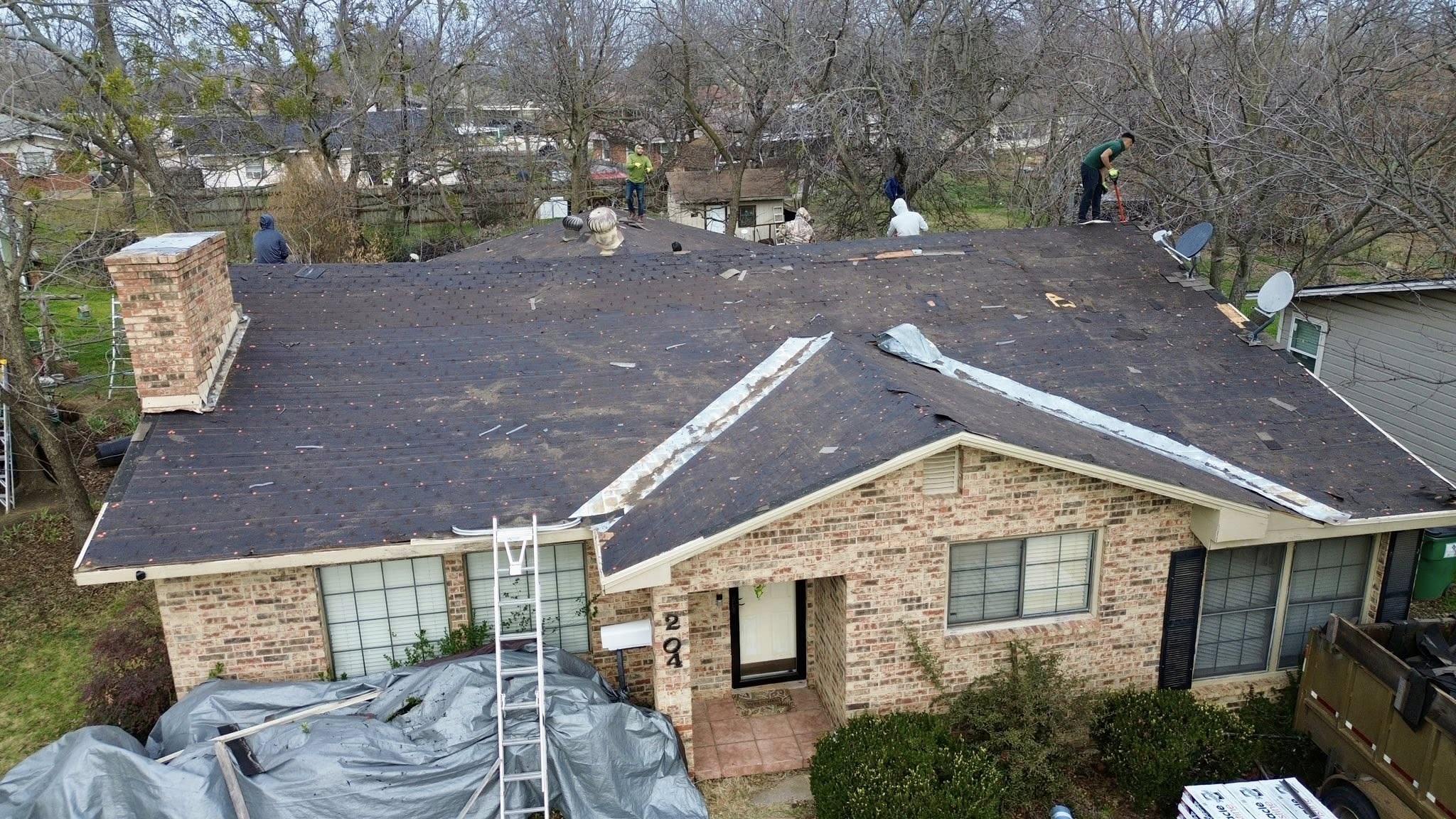
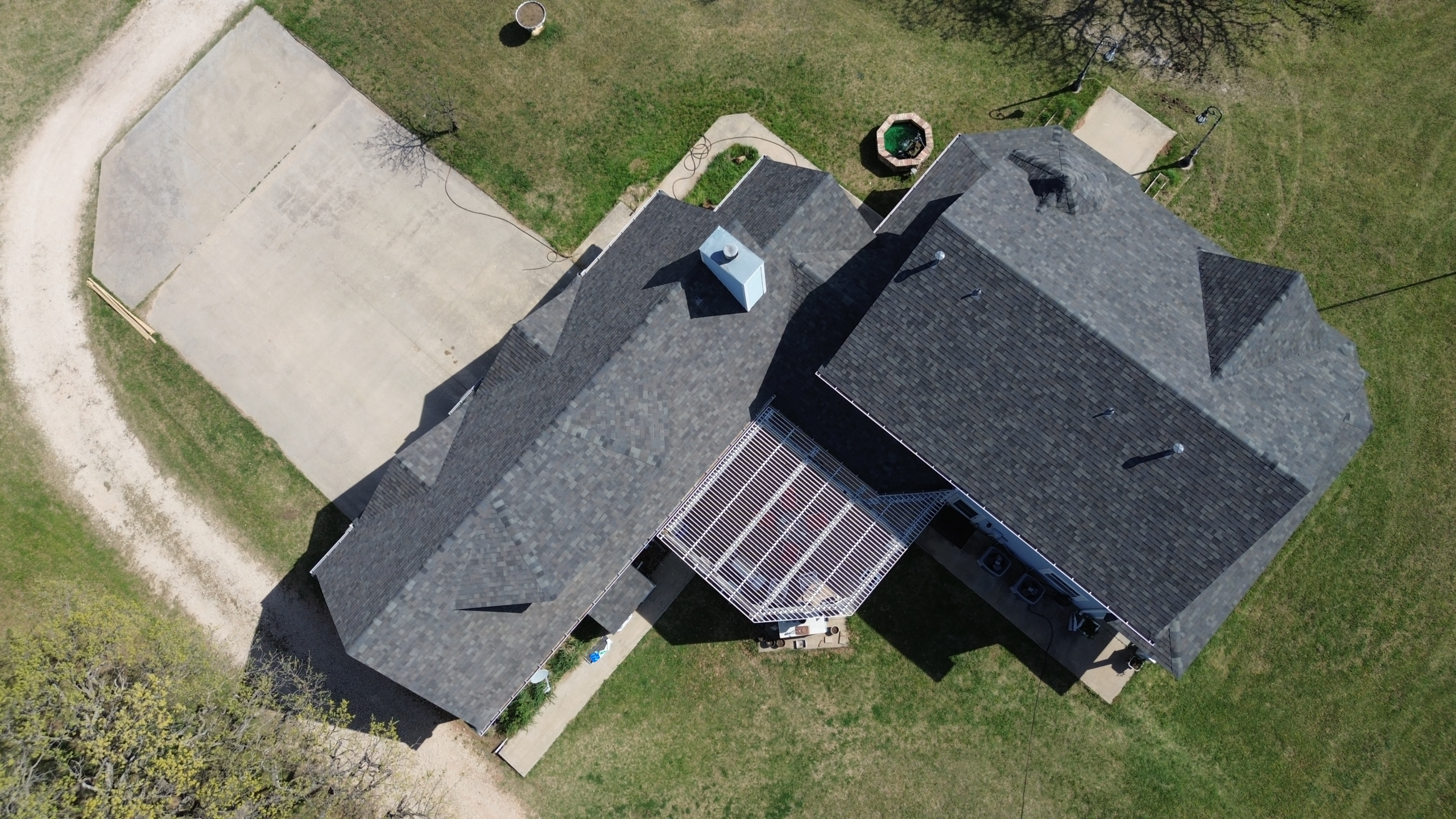
For asphalt shingle roofs, repairs often involve replacing individual shingles that contain impact damage or compromised protective granules. If the surrounding shingles remain in good condition, localized replacement usually restores the roof’s ability to shed water effectively. Matching the replacement shingles with the existing roof also helps maintain a consistent appearance.
Metal roofing systems may require repair of damaged protective coatings rather than replacing entire panels. Specialized sealants or coating restoration products can protect exposed metal surfaces when the structural panel itself remains sound. If storm impacts have bent or weakened the panels, replacement of the affected sections may provide a more durable solution.
Tile roofs require careful handling because even minor repair work can crack neighboring tiles if performed improperly. Individual clay or concrete tiles containing hairline fractures are typically replaced rather than repaired. This approach helps maintain the roof’s weather resistance while preventing hidden moisture infiltration beneath damaged tiles.
Wood shake roofs present different repair considerations because the material naturally expands and contracts with changing moisture conditions. Severely cracked or split shakes should generally be replaced to maintain proper roof performance. Contractors also inspect nearby shakes for developing damage that may not yet be visible from the ground.
Synthetic roofing products often have manufacturer specific repair procedures. Following these recommendations helps preserve warranty coverage while ensuring that replacement materials perform consistently with the existing roof.
Repairs should always extend beyond the visible crack itself. Contractors inspect underlayment, flashing, roof decking, and nearby roofing materials to verify that hidden moisture has not already caused secondary damage. This comprehensive approach provides a more reliable long term repair than focusing only on surface defects.
Preventing Micro-Cracks During Future Storm Seasons
Although storms cannot be controlled, homeowners can take practical steps to reduce the likelihood of micro-cracks developing during future severe weather events. Preventive maintenance strengthens the roofing system while improving its ability to withstand repeated environmental stress.
Routine roof inspections provide one of the most effective preventive measures. Identifying aging materials, loose fasteners, deteriorated flashing, or worn protective coatings before storm season allows small maintenance issues to be corrected before they contribute to larger problems. Well maintained roofs generally perform better during severe weather than neglected systems.
Tree maintenance also plays an important role in reducing impact related damage. Trimming overhanging branches and removing dead limbs lowers the risk of falling debris striking the roof during high winds. Healthy trees are less likely to shed large branches that could produce localized impact damage.
Cleaning gutters and roof drainage systems helps prevent standing water from accumulating after storms. Proper drainage reduces prolonged moisture exposure that may accelerate the expansion of existing microscopic cracks. Efficient water management also protects fascia boards, soffits, and roof edges from unnecessary deterioration.
Roof ventilation deserves equal attention because balanced airflow helps regulate attic temperatures and moisture levels throughout the year. Proper ventilation reduces thermal stress within roofing materials, minimizing repeated expansion and contraction that may contribute to crack development over time.
When roof replacement eventually becomes necessary, selecting impact resistant roofing materials may provide additional protection. Modern products designed for severe weather often demonstrate improved resistance to hail impacts, flying debris, and rapid temperature changes compared with many older roofing materials.
Regular maintenance should continue even during years without major storms. Small repairs completed early help preserve the overall strength of the roofing system, allowing it to respond more effectively when severe weather eventually occurs.
Essential Steps to Take If You Suspect Roof Micro-Cracks
If you believe your roof may have developed storm related micro-cracks, taking a systematic approach helps protect both the roofing system and the interior of the home.
- Inspect the property safely from the ground after the storm and look for obvious signs of roof damage or fallen debris.
- Check the attic for damp insulation, water stains, moldy odors, or visible daylight entering through the roof structure.
- Photograph any visible damage, impact marks, interior stains, or storm debris for future documentation.
- Avoid walking on the roof unless it is absolutely necessary and safe to do so, as damaged areas may be unstable.
- Arrange a professional roof inspection as soon as practical, especially after hailstorms or severe wind events.
- Keep records of the storm date, inspection reports, photographs, and repair estimates in case an insurance claim becomes necessary.
- Complete recommended repairs promptly to prevent hidden moisture damage from spreading throughout the roofing system.
Following these steps helps identify hidden damage while reducing the likelihood of more extensive structural deterioration. Early action also simplifies repair planning and supports accurate documentation if insurance coverage is available.
Long Term Roof Maintenance Practices That Reduce Hidden Damage
Consistent maintenance is one of the most effective ways to protect roofing materials from long term deterioration. While maintenance cannot prevent every storm related micro-crack, it helps preserve the roof’s overall strength and improves its ability to withstand future weather events.
- Schedule professional roof inspections at regular intervals and after major storms.
- Trim overhanging tree branches that could strike the roof during high winds.
- Clean gutters and roof drainage systems to promote efficient water runoff.
- Replace damaged shingles, tiles, flashing, or sealants before minor defects become larger problems.
- Monitor attic spaces for signs of moisture, mold, or insulation damage.
- Keep maintenance records and inspection reports for future reference.
These simple practices help detect developing issues before they become expensive structural repairs. They also extend the useful life of the roofing system by reducing unnecessary stress caused by moisture, debris, and deferred maintenance.
Insurance Considerations for Storm Related Micro-Crack Damage
Storm related micro-cracks can present unique challenges during the insurance claims process because the damage is often difficult to see immediately after severe weather. Proper documentation and timely inspections play a critical role in demonstrating that the damage resulted from a covered storm rather than gradual aging.
Homeowners should begin documenting conditions as soon as it is safe after the storm. Photographs of the roof, surrounding property, hailstones if present, fallen branches, and interior water intrusion provide valuable evidence that supports the claim. Even when micro-cracks themselves are not visible, documenting the overall storm impact establishes important context.
Professional inspection reports often become one of the strongest pieces of supporting documentation. Roofing specialists can identify hidden storm damage, explain how the observed defects relate to recent weather events, and provide detailed written assessments that insurance adjusters can review during claim evaluation.
Timely reporting is equally important. Many insurance policies contain deadlines for reporting storm damage, and delaying the claim may make it more difficult to demonstrate the connection between the storm and the observed roof damage. Reporting concerns promptly allows inspections to occur while evidence remains relatively fresh.
Keeping organized records throughout the process also provides long term benefits. Inspection reports, repair estimates, invoices, photographs, correspondence, and maintenance records create a complete history that supports both current and future insurance discussions if additional storm damage occurs.
Because insurance policies differ, homeowners should review their individual coverage carefully to understand deductibles, exclusions, and documentation requirements. Clear communication with both the roofing contractor and the insurance provider helps ensure that the claim accurately reflects the full extent of the storm related damage.
When Roof Replacement Becomes the Better Solution
While many storm related micro-cracks can be repaired successfully, there are situations where replacing the roof provides greater long term value than continuing with localized repairs. The decision depends on the overall condition of the roofing system rather than the presence of individual cracks alone.
Roof age is one of the most important considerations. Older roofs approaching the end of their expected service life may already contain widespread weather related deterioration before the storm occurs. Adding repairs to aging materials often provides only a temporary improvement before additional issues develop elsewhere.
The extent of the micro-cracking also influences repair decisions. When inspections reveal hundreds of impact related fractures distributed across large portions of the roof, replacing isolated sections may not restore the roof’s long term performance effectively. A complete replacement provides a more consistent and durable solution.
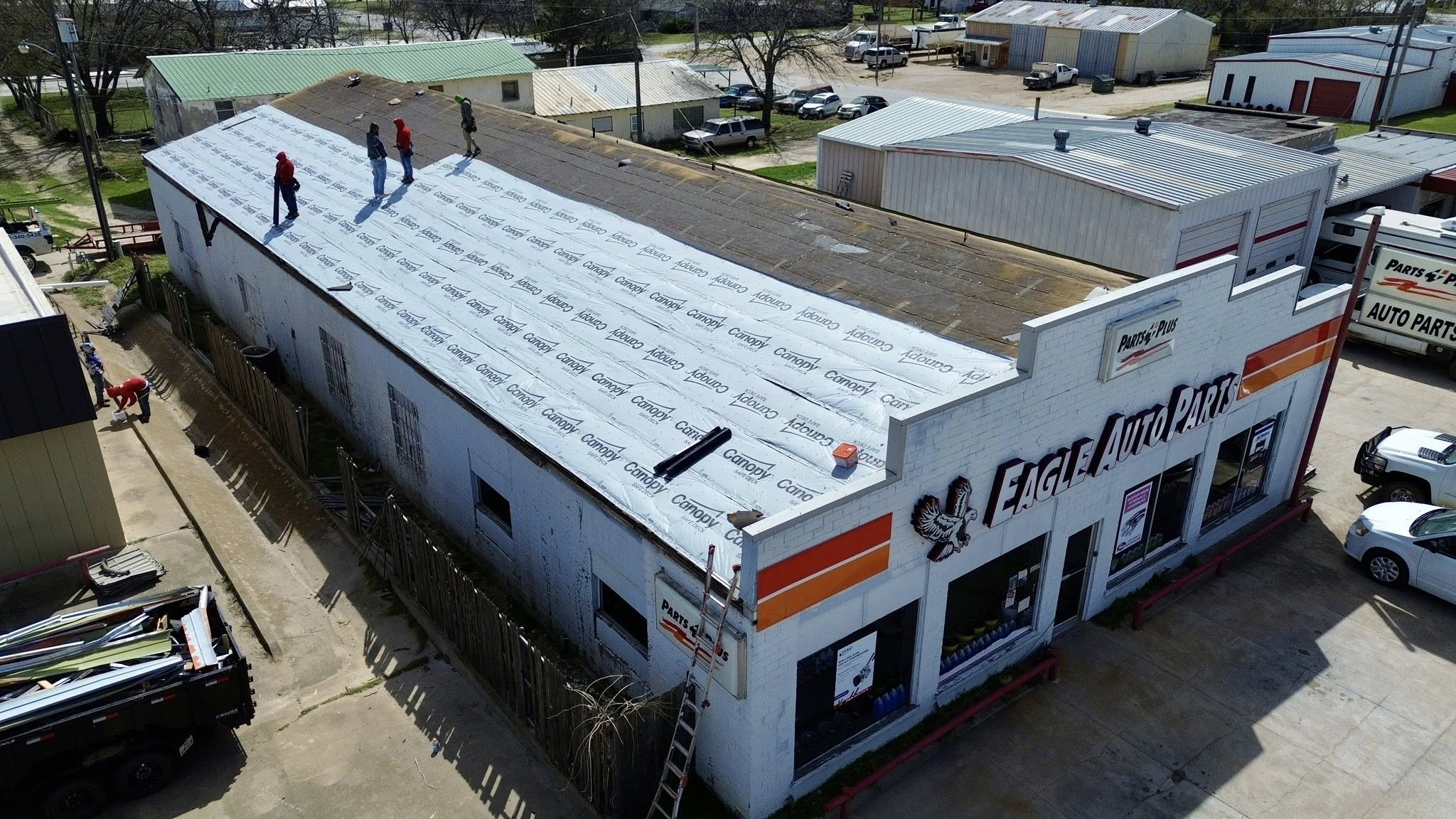
Hidden structural damage further supports replacement in some situations. If moisture has already affected roof decking, underlayment, insulation, flashing, or framing components, comprehensive restoration may require removing large portions of the existing roofing system. Replacing the roof during this process often proves more practical than combining extensive structural repairs with aging roofing materials.
Repeated storm exposure should also be considered. Roofs that have experienced multiple severe weather events over several years may contain cumulative hidden damage even if previous repairs were completed successfully. Replacing the roof provides an opportunity to restore the entire roofing system while incorporating newer materials designed to perform better during future storms.
Modern roofing products offer additional advantages beyond improved durability. Many contemporary materials provide enhanced impact resistance, better weather protection, improved energy efficiency, and stronger manufacturer warranties. These benefits contribute to greater long term value while reducing the likelihood of similar storm related damage in the future.
The decision should always be based on a comprehensive professional evaluation rather than appearance alone. Detailed inspections help homeowners compare repair costs, remaining roof lifespan, and future maintenance requirements before selecting the most appropriate long term solution.
Conclusion
Storm related micro-cracks may be among the smallest forms of roof damage, but they often produce some of the most significant long term consequences. These tiny fractures weaken roofing materials, allow hidden moisture intrusion, and gradually compromise the structural integrity of the entire roofing system. Because they are rarely visible from the ground, they frequently remain undetected until more extensive damage develops.
Professional inspections provide the most reliable method for identifying these hidden defects before they lead to widespread deterioration. Combining close visual examinations with moisture detection, attic inspections, and specialized diagnostic tools allows roofing professionals to uncover damage that homeowners may never notice during routine observations. Early identification creates opportunities for targeted repairs that preserve the roof and reduce future restoration costs.
Preventive maintenance also plays a critical role in minimizing the effects of severe weather. Regular inspections, proper drainage, tree trimming, timely repairs, and the use of durable roofing materials all improve the roof’s ability to withstand storms while reducing the likelihood that microscopic damage will develop into major structural problems.
Understanding how to identify storm related micro-cracks in roofing materials allows homeowners to respond more effectively after severe weather. Prompt inspections, accurate documentation, and professional repairs protect not only the roof itself but also the entire home, helping preserve its value, safety, and long term performance for many years to come.