

Detecting Roof Leak Paths in Multi-Level Homes
Introduction
Roof leaks are among the most frustrating problems homeowners encounter because the location where water becomes visible is often far from where it actually enters the roofing system. This challenge becomes even greater in multi-level homes, where complex roof layouts, varying elevations, intersecting rooflines, and multiple attic spaces create numerous pathways for water to travel. As a result, locating the true source of a leak requires much more than simply examining the area directly above a ceiling stain.
Unlike single-story homes with relatively straightforward roof structures, multi-level properties often feature multiple roof sections connected at different heights. Water entering through one portion of the roof may flow beneath underlayment, travel along framing members, or move between floors before finally appearing inside the living space. This hidden movement makes roof leak detection more complicated and increases the likelihood of misdiagnosis if inspections focus only on the visible signs of water damage.
Many homeowners assume that every water stain indicates a leak directly overhead. In reality, gravity, roof slope, insulation, ventilation systems, and structural framing all influence the direction water travels after it penetrates the roof. Understanding these hidden pathways is essential because repairing the wrong area wastes both time and money while allowing the actual leak to continue causing damage.
Another factor that complicates leak detection is the wide variety of roofing components found on multi-level homes. Valleys, dormers, skylights, chimneys, roof vents, step flashing, and intersecting roof planes all create areas where water management becomes more complex. Even when these features are properly installed, years of weather exposure can gradually weaken protective materials and increase the risk of water intrusion.
Hidden roof leaks can affect much more than the roof itself. Moisture that remains undetected inside walls, ceilings, or attic spaces may damage insulation, weaken wooden framing, promote mold growth, and reduce the overall durability of the home. By the time visible symptoms appear indoors, water may have already traveled a considerable distance from its original entry point.
This guide explains how roof leak paths develop in multi-level homes, why they are often difficult to trace, and what homeowners should know about identifying hidden water movement before it leads to extensive structural damage. Understanding these principles provides a strong foundation for recognizing leak patterns and making informed repair decisions.
Why Roof Leaks Are More Difficult to Trace in Multi-Level Homes
Multi-level homes contain architectural features that naturally increase the complexity of roof drainage. Instead of one continuous roof plane directing water toward the gutters, these homes often include several roof sections connected at different elevations. Every transition between roof levels creates additional joints, flashing systems, and drainage changes that influence how water behaves during rainfall.
When water enters a roofing system, it does not necessarily drip straight into the room below. It may first encounter roof decking, underlayment, rafters, insulation, or structural beams that redirect its path. In multi-level homes, these materials often extend across different elevations, allowing water to travel significant distances before finally becoming visible inside the home.
Another reason leak detection becomes difficult is the presence of multiple attic spaces. Some multi-level homes contain separate attic compartments connected only by small framing openings, while others have partially finished attic areas hidden behind walls or ceilings. Water moving through these concealed spaces may remain unnoticed for long periods before causing visible interior damage.
Complex roof geometry further complicates inspections. Valleys where two roof slopes meet collect large volumes of rainwater during storms, while roof intersections require carefully installed flashing to maintain a watertight seal. If any of these components fail, water may spread beneath roofing materials before reaching interior living spaces.
The greater the number of roof elevations, the more opportunities water has to change direction. Instead of following a direct downward path, moisture may move across horizontal framing, around insulation, or beneath roofing materials before finally reaching ceilings or walls. This indirect movement explains why locating the actual leak source often requires a comprehensive roof inspection rather than a quick visual assessment.
Seasonal weather also influences leak behavior. Wind driven rain, melting snow, and prolonged storms may expose weaknesses that remain hidden during light rainfall. Homeowners sometimes notice leaks only under specific weather conditions, making diagnosis even more challenging without understanding how water interacts with different roof levels.
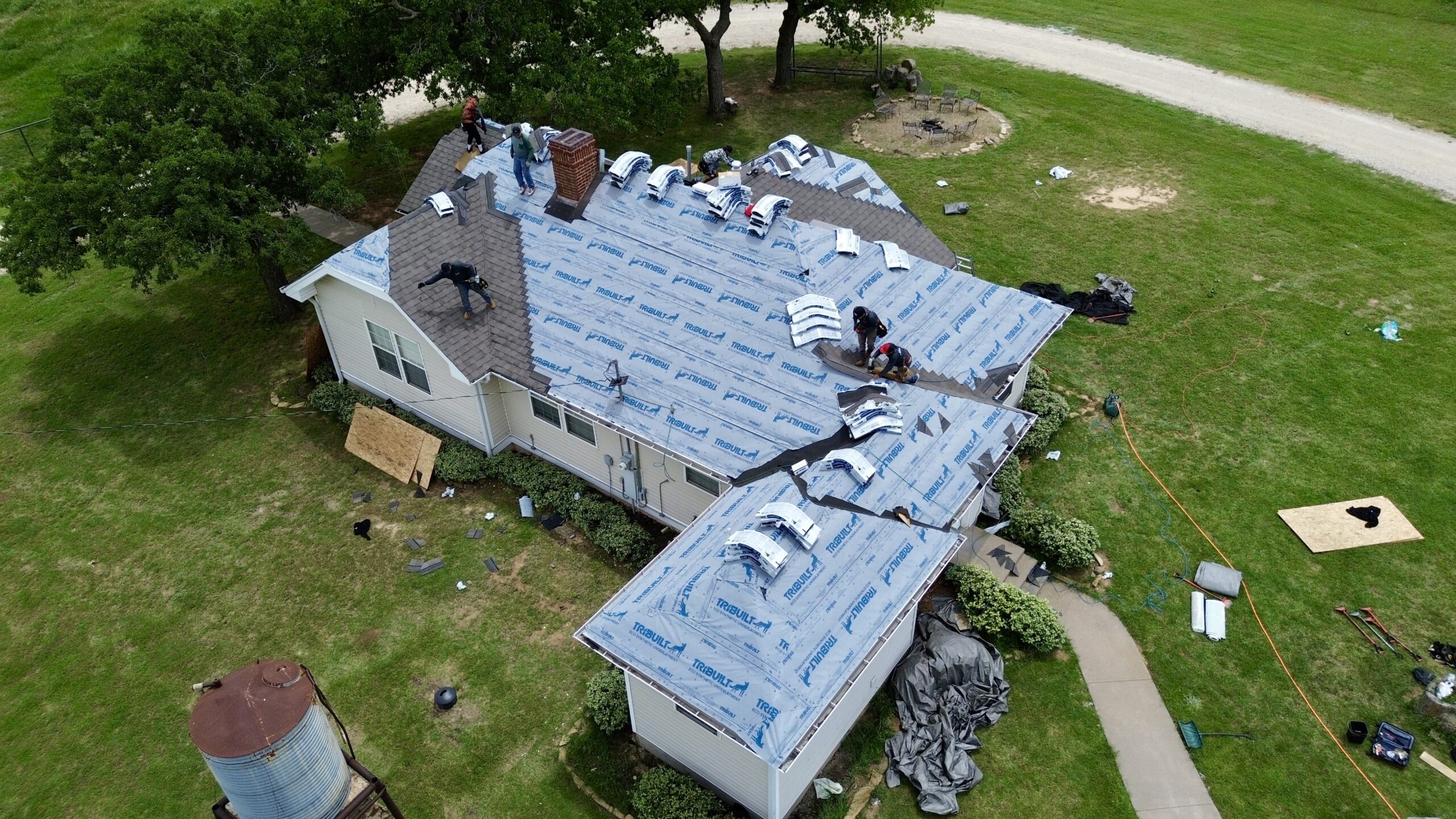
Understanding How Water Travels Through Multi-Level Roof Structures
Water follows the path of least resistance after entering a roofing system, but that path is rarely straightforward inside a multi-level home. Once moisture passes beneath shingles or flashing, it encounters numerous structural components capable of redirecting its movement. These hidden pathways often determine where water eventually appears inside the building.
Roof decking is frequently the first surface water contacts after penetrating the roof covering. Instead of immediately dripping downward, water may spread across the decking until it reaches a seam, nail hole, or framing connection where it can continue moving deeper into the structure. Because roof decking is installed in overlapping sections, moisture may travel along these joints before becoming visible.
Rafters and trusses also influence leak paths. Water reaching these structural members often follows their surfaces due to gravity and surface tension, carrying moisture horizontally as well as vertically. A leak entering near the roof peak may eventually appear several rooms away if framing directs the water toward another section of the home.
Insulation can temporarily absorb significant amounts of moisture before leaks become visible. Fiberglass insulation slows water movement by holding moisture within its fibers, while cellulose insulation may retain even greater amounts of water. During this period, hidden damage continues developing even though ceilings remain dry.
Wall cavities create another hidden pathway. Once water reaches the top of an interior wall, it may travel downward inside the wall assembly before eventually staining drywall or trim near windows, doors, or baseboards. Homeowners sometimes mistake these symptoms for plumbing leaks because the visible damage appears far below the roof.
Air movement inside attics also affects moisture distribution. Ventilation systems help regulate attic temperature and humidity, but they may also influence how moisture evaporates or accumulates after a roof leak occurs. Poor ventilation allows damp conditions to persist longer, increasing the likelihood of mold growth and wood deterioration.
Common Roof Designs Found in Multi-Level Homes
The architectural style of a multi-level home has a significant impact on how water flows across the roof and how leak paths develop beneath roofing materials. Different roof designs create unique drainage patterns, requiring specialized flashing systems and careful installation to prevent water intrusion.
One of the most common configurations is a combination of gable roofs positioned at different elevations. These roofs create valleys where adjoining slopes meet, concentrating large volumes of rainwater into relatively narrow drainage channels. Valleys are highly effective when properly installed, but they also become vulnerable if flashing deteriorates or debris restricts water flow.
Hip roofs are another popular choice for multi-level homes because they provide good wind resistance and efficient drainage. However, the multiple sloping surfaces increase the number of ridges and intersections that require careful waterproofing. Any weakness in these transition areas can create opportunities for water intrusion.
Many modern homes combine several roof styles within the same structure. Dormers, attached garages, covered porches, and second-story additions each introduce new roof intersections that require customized flashing and drainage solutions. While these architectural features enhance the home’s appearance, they also increase the complexity of roof maintenance.
Split-level homes often include roof sections positioned directly above different floor elevations. Water entering one roof level may move through framing before reaching another section of the home, making leak detection particularly challenging. Understanding the relationship between roof levels and interior spaces helps inspectors narrow down potential leak sources more efficiently.
Regardless of the roof style, every transition between roof sections represents a location where proper installation and regular maintenance are essential. The more complex the roof design, the greater the importance of monitoring flashing, valleys, and intersecting rooflines for signs of wear.
The Relationship Between Roof Slope, Gravity, and Leak Movement
Gravity plays a central role in determining how water moves through a roofing system, but roof slope influences that movement in ways many homeowners do not realize. Steeper roof sections generally encourage faster drainage across the surface, reducing the amount of time water remains in contact with roofing materials. Shallower slopes, however, allow water to move more slowly, increasing opportunities for moisture to enter vulnerable areas.
When water penetrates beneath shingles, gravity continues pulling it downward, but structural components frequently redirect its path. Instead of falling directly into the room below, moisture may flow along roof decking, framing members, or flashing before changing direction again. Each roof level introduces additional surfaces capable of influencing water movement.
Roof valleys illustrate this relationship particularly well. Water from two separate roof slopes converges into one drainage channel, increasing both flow volume and velocity during heavy rainfall. If flashing within the valley becomes damaged or obstructed, large amounts of water may quickly enter the roofing system and spread beneath surrounding materials.
Wind can temporarily counteract gravity by forcing rain upward beneath shingles and flashing. During severe storms, water may enter roof assemblies from directions that would never occur during calm weather. This explains why some roof leaks appear only during storms accompanied by strong winds.
Snow and ice introduce additional complications. Melting snow follows the roof slope until it encounters ice dams or blocked drainage paths, causing water to back up beneath shingles. In multi-level homes, these conditions often develop at roof transitions where drainage patterns change, increasing the likelihood of hidden water intrusion.
Understanding how roof slope and gravity interact helps explain why leak detection requires evaluating the entire drainage system rather than focusing only on the location of visible interior damage. Following the probable path of water movement often leads inspectors closer to the true source of the leak.
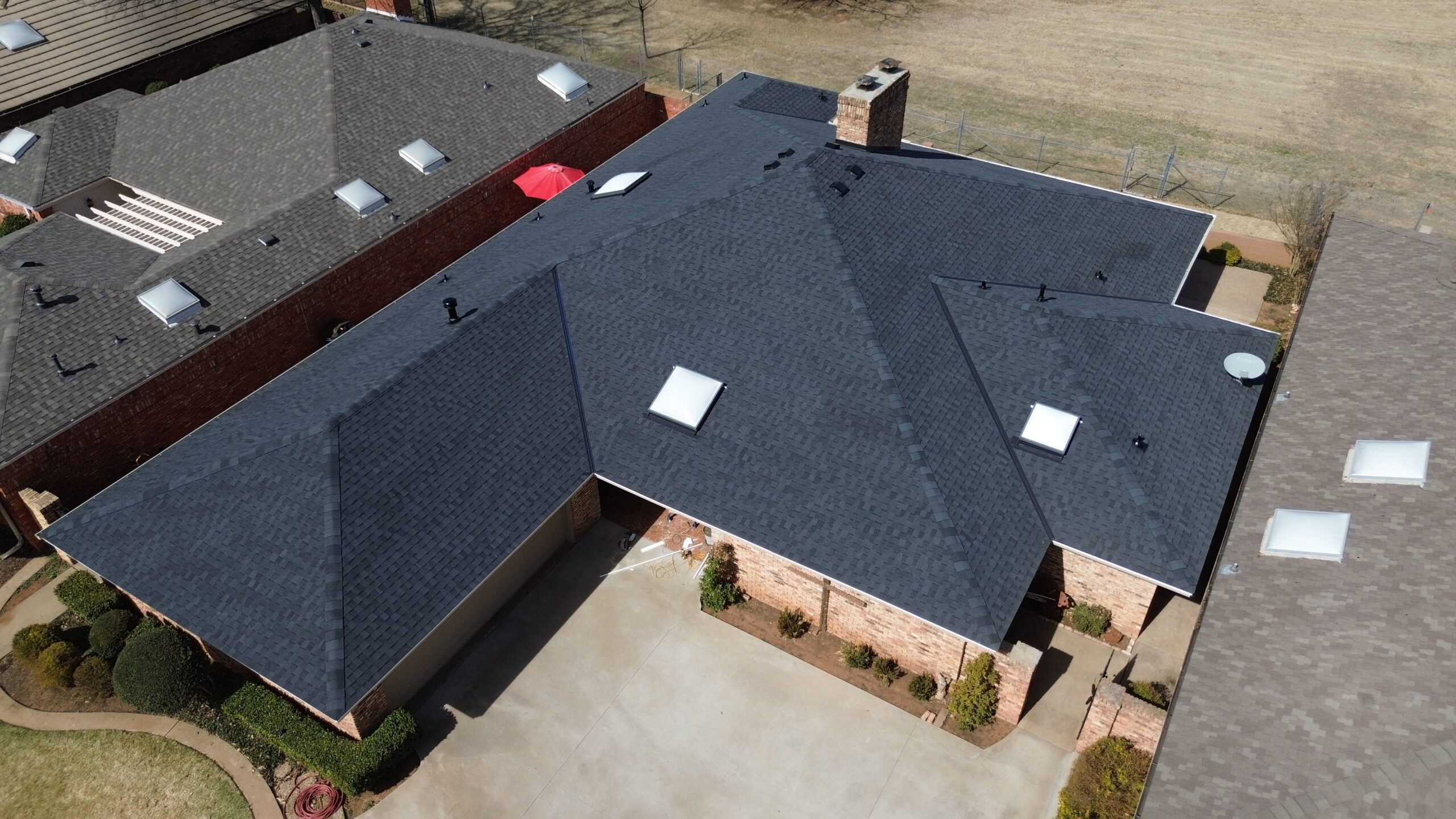
Early Warning Signs That Indicate Hidden Leak Paths
Roof leaks rarely appear without warning. In many cases, subtle indicators develop long before significant water damage becomes visible inside the home. Recognizing these early signs allows homeowners to investigate potential problems before moisture spreads through multiple levels of the structure.
One of the earliest warning signs is a faint ceiling stain that gradually becomes darker after rainfall. Although the stain itself may appear small, it often represents water that has traveled a considerable distance through hidden structural components. Monitoring whether the stain changes size after storms provides valuable information about ongoing roof leakage.
Peeling paint, bubbling drywall, and soft ceiling surfaces are also common indicators of concealed moisture. These symptoms develop as building materials repeatedly absorb water, eventually losing their ability to maintain their original appearance and structural strength. Even minor surface changes should not be ignored because they often indicate that moisture has been present for some time.
Musty odors inside upper floors or attic spaces frequently signal hidden roof leaks before visible staining occurs. Persistent dampness encourages mold and mildew growth within insulation, wood framing, and enclosed wall cavities. Addressing the moisture source promptly helps prevent further damage and improves indoor air quality.
Exterior warning signs are equally important. Missing shingles, damaged flashing, cracked sealants, clogged valleys, loose roof vents, and accumulated debris all increase the likelihood of water intrusion during heavy rainfall. Routine roof inspections from the ground or by qualified professionals can identify many of these issues before they affect the interior of the home.
Early detection remains one of the most effective ways to minimize repair costs in multi-level homes. Identifying developing leak paths before extensive structural damage occurs protects the roof, insulation, framing, ceilings, and interior finishes from long-term moisture related deterioration. In the next part, we will examine the most common entry points for roof leaks in multi-level homes, explain why water often appears far from the actual leak source, explore the factors that make leak detection more challenging, review professional leak tracing methods, and compare common leak sources using a practical reference table.
The Most Common Entry Points for Roof Leaks in Multi-Level Homes
Every roof contains areas that are naturally more vulnerable to water intrusion than large uninterrupted roof surfaces. In multi-level homes, these vulnerable points increase because the roof includes more intersections, elevation changes, and architectural features that require specialized flashing and waterproofing. While properly installed roofing systems provide excellent protection, even minor deterioration at these locations can eventually allow moisture to enter.
Roof valleys are among the most common leak sources because they collect runoff from two roof slopes and concentrate large volumes of water into a narrow channel. During heavy rainfall, valleys experience greater water flow than most other roof areas, making proper flashing and debris removal essential. If leaves, branches, or other debris restrict drainage, standing water can increase pressure on roofing materials and expose hidden weaknesses.
Chimneys also create common leak points because they interrupt the roof surface and require multiple flashing components to remain watertight. Step flashing, counter flashing, and sealants must all work together to prevent water from entering where the chimney meets the roof. Even a small separation in one flashing section may allow water to travel beneath surrounding roofing materials.
Roof vents, plumbing stacks, skylights, and exhaust outlets require similar protection. These penetrations depend on flashing systems, vent boots, and weather resistant seals that gradually wear as they are exposed to sunlight, rain, snow, and changing temperatures. Once these protective materials begin deteriorating, moisture can enter the roof system even if nearby shingles remain in good condition.
Roof to wall intersections deserve careful attention as well. Whenever a roof meets a vertical wall, properly installed step flashing is necessary to direct water away from the joint. If flashing becomes loose, corroded, or improperly integrated beneath siding and shingles, rainwater may enter the structure and travel unnoticed inside wall cavities.
Gutters and downspouts can indirectly contribute to roof leaks when they become clogged. Overflowing water may back up beneath shingles near roof edges or valleys, exposing areas that were designed to shed flowing water rather than withstand prolonged standing moisture. Maintaining effective drainage helps reduce unnecessary stress on vulnerable roof components.
Why Water Often Appears Far from the Actual Leak Source
One of the most confusing aspects of roof leak detection is the distance water can travel after entering the roofing system. Many homeowners expect the visible leak to appear directly beneath the damaged area of the roof, but this is rarely the case in multi-level homes. Hidden structural components frequently redirect water before it reaches ceilings or walls.
After passing through a damaged section of roofing, water often spreads across roof decking until it encounters a seam, fastener, or framing member. From there, gravity may carry the moisture along rafters or trusses rather than allowing it to drip immediately downward. The final point where water becomes visible indoors may be several feet, or even several rooms, away from the original leak.
Insulation can further delay the appearance of leaks by absorbing moisture over extended periods. Water may accumulate inside insulation until it reaches saturation, at which point it begins dripping into ceilings below. This delayed response often makes it difficult to connect interior water damage with the weather event that caused it.
Wall framing creates another hidden pathway. Moisture entering near the roofline can flow inside wall cavities before emerging around windows, electrical outlets, trim, or baseboards. These symptoms are sometimes mistaken for plumbing issues because they appear far below the roof surface.
Multi-level construction increases the number of surfaces that influence water movement. Floor framing, ceiling joists, stairwell walls, and intersecting roof sections all provide opportunities for water to change direction before becoming visible. Following these potential pathways is one of the most important parts of professional roof leak diagnosis.
The appearance of a ceiling stain should therefore be viewed as evidence of water movement rather than proof of the leak’s exact location. Successful repairs depend on tracing moisture back through the structure until the original entry point is identified.
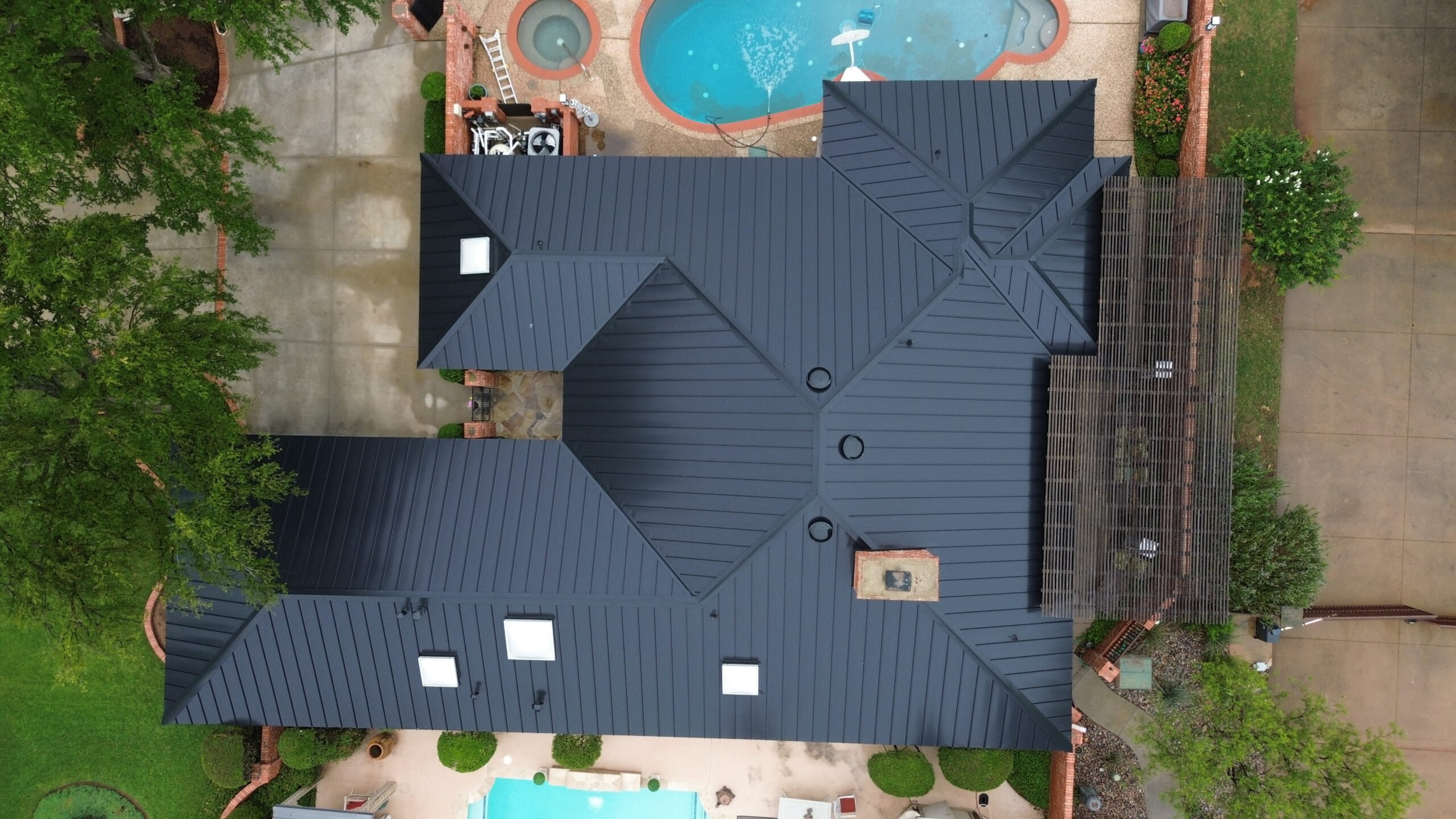
Factors That Make Leak Detection More Challenging
Roof leak detection involves more than finding damaged roofing materials. Many environmental and structural factors influence how leaks develop, when they appear, and how easily they can be located. In multi-level homes, these variables often interact, creating situations where leaks occur only under very specific conditions.
Changing weather patterns are one of the most significant factors. Some leaks become visible only during prolonged rainfall because moisture requires time to penetrate multiple roofing layers. Others occur only during storms with strong winds that force rain beneath flashing or shingles from unusual directions.
Seasonal temperature changes also complicate inspections. Roofing materials expand during warm weather and contract as temperatures fall, causing flashing, sealants, and fasteners to move slightly throughout the year. Small openings may develop only under certain temperature conditions, making leaks appear inconsistent even though the underlying defect remains present.
Architectural complexity adds another layer of difficulty. Dormers, skylights, multiple chimneys, intersecting rooflines, and covered porches each require specialized waterproofing details. The greater the number of transitions within the roofing system, the more potential leak sources inspectors must evaluate.
Hidden structural spaces can also delay discovery. Finished attics, vaulted ceilings, enclosed wall cavities, and inaccessible framing areas often conceal water movement until significant moisture accumulation has already occurred. By the time visible stains develop, the leak may have existed for months.
Previous repair attempts sometimes make diagnosis even more complicated. Temporary patches, excessive roofing cement, or improperly applied sealants may cover the visible symptoms without correcting the original problem. Professional inspections often involve evaluating both the current leak and the condition of earlier repair work.
Professional Methods Used to Trace Roof Leak Paths
Professional roofing contractors use systematic inspection methods to identify the true source of roof leaks rather than relying solely on visible water stains. Their approach considers roof design, drainage patterns, structural framing, and weather conditions to trace moisture back to its point of entry.
The inspection typically begins with an exterior examination of the roofing system. Contractors evaluate shingles, flashing, valleys, roof penetrations, gutters, ridge lines, and roof intersections for signs of deterioration or improper installation. Particular attention is given to areas where multiple roofing components meet because these locations experience greater water exposure.
Interior inspections are equally important. Contractors examine attic spaces, insulation, framing, roof decking, and ceiling surfaces for water stains, mold growth, damp wood, or discoloration. Following moisture patterns inside the structure often provides valuable clues about the direction water has traveled.
When visual inspections alone cannot identify the source, controlled water testing may be performed. During this process, sections of the roof are carefully wetted in a planned sequence while another inspector monitors the interior for signs of water intrusion. This method helps isolate the specific location where moisture enters the roofing system.
Advanced diagnostic equipment may also be used in certain situations. Moisture meters measure hidden water within building materials, while infrared imaging can identify temperature differences associated with damp insulation or concealed moisture. These technologies improve inspection accuracy without requiring unnecessary removal of roofing materials.
Professional inspections focus not only on finding existing leaks but also on identifying conditions likely to cause future problems. Recommending preventive repairs during the inspection process often helps homeowners avoid more extensive structural damage later.
Comparing Common Leak Sources and Their Symptoms
Different roofing components produce different patterns of water intrusion. Recognizing these patterns helps narrow the list of possible leak sources and improves the efficiency of roof inspections. Although a professional evaluation is often necessary for accurate diagnosis, understanding these relationships helps homeowners communicate observations more effectively.
| Potential Leak Source | Typical Interior Symptoms | Common Exterior Indicators | Recommended Action |
|---|---|---|---|
| Roof Valley | Large ceiling stains after heavy rain | Debris buildup or damaged valley flashing | Inspect flashing and clear drainage path |
| Chimney Flashing | Water stains near fireplace walls or ceilings | Loose counter flashing or cracked sealant | Repair or replace flashing system |
| Roof Vent | Localized ceiling stains near upper floors | Cracked vent boot or damaged flashing | Replace vent boot or flashing |
| Skylight | Moisture around skylight opening | Deteriorated seals or flashing | Inspect seals and flashing assembly |
| Roof to Wall Intersection | Water inside upper wall cavities | Damaged or missing step flashing | Restore proper flashing installation |
| Clogged Gutters | Leaks near roof edges | Overflowing gutters and standing water | Clean gutters and improve drainage |
Although these symptoms provide useful guidance, they should not be considered definitive proof of a specific leak source. Water frequently changes direction after entering the roof, particularly in multi-level homes, making professional inspection valuable when the source cannot be confirmed through visual observation alone.
Understanding the relationship between common leak sources and interior symptoms helps homeowners respond more quickly when problems develop. Early identification reduces the likelihood of prolonged moisture exposure and minimizes the extent of structural repairs that may eventually become necessary.
In the final part of this guide, we will discuss how homeowners can inspect for roof leak clues, explain practical steps to minimize damage while waiting for repairs, review preventive maintenance practices for multi-level roofing systems, examine situations where repairs become more extensive than expected, answer frequently asked questions, and conclude with the key lessons for detecting and preventing roof leaks in multi-level homes.
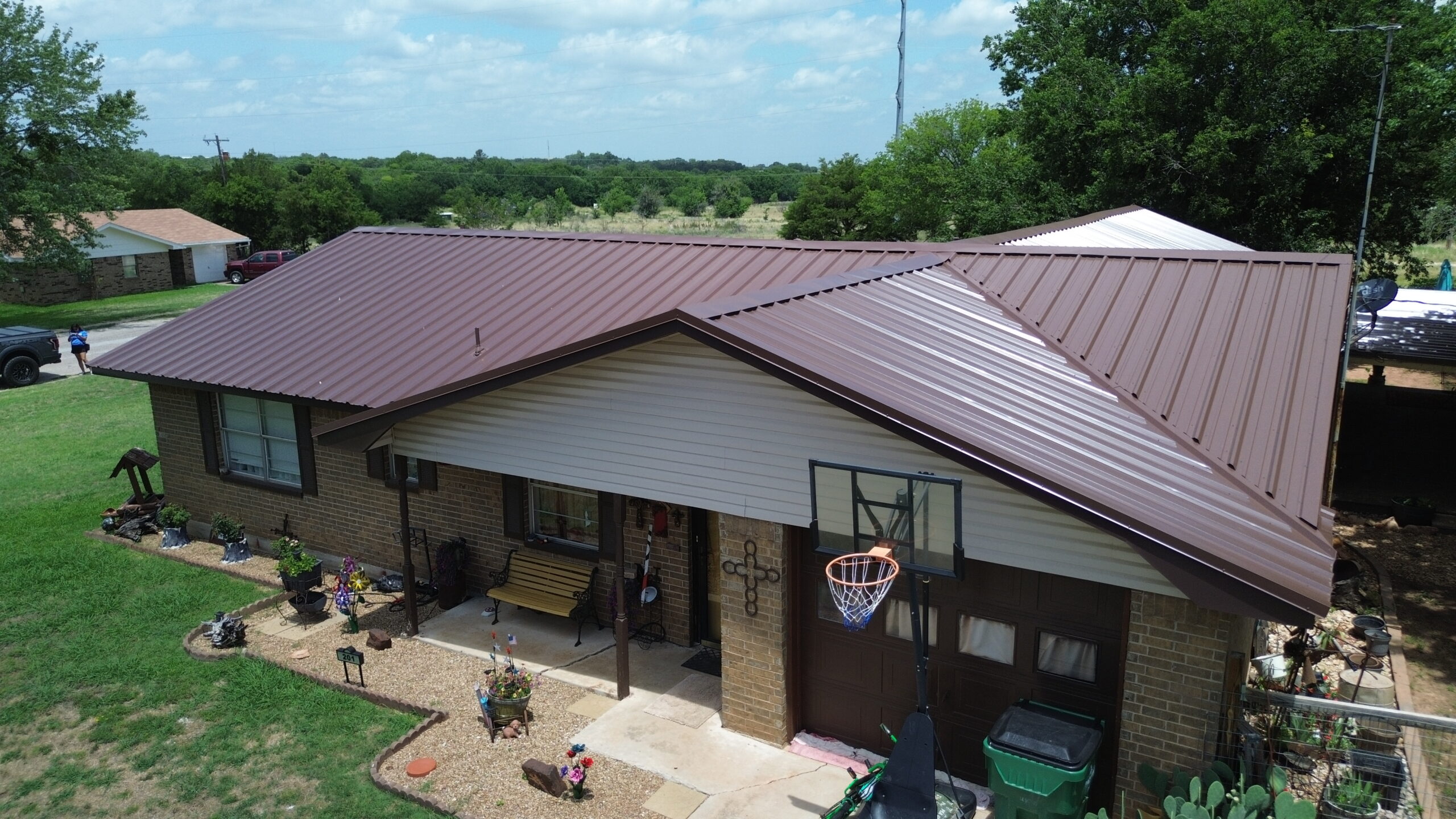
How Homeowners Can Inspect for Roof Leak Clues
While some roof leaks require professional evaluation, homeowners can perform basic inspections that help identify warning signs before significant damage develops. The goal is not to climb onto the roof unnecessarily, but to observe both the interior and exterior of the home for changes that may indicate hidden water intrusion. Early detection often limits repair costs and reduces the likelihood of long-term structural damage.
Interior inspections should begin with ceilings, upper walls, and attic spaces after periods of heavy rainfall. Fresh water stains, peeling paint, bubbling drywall, damp insulation, and musty odors may all indicate that moisture is moving through the roofing system. Comparing these observations after multiple storms can help determine whether the problem is active or the result of an older leak.
Attics provide valuable evidence because many roof leaks become visible there before reaching finished living spaces. Homeowners should look for dark stains on roof decking, damp rafters, mold growth, rusted fasteners, or compressed insulation that appears unusually wet. Using a flashlight during daylight hours can also reveal small openings where sunlight passes through damaged roofing materials.
Exterior observations can often be completed safely from the ground using binoculars if necessary. Missing shingles, loose flashing, damaged roof vents, sagging gutters, debris accumulation in roof valleys, and visible storm damage all deserve closer evaluation. These conditions do not always indicate an active leak, but they increase the likelihood that water intrusion may develop if left unaddressed.
It is also helpful to document observations with photographs and notes. Recording when leaks occur, which rooms are affected, and what weather conditions were present provides useful information for roofing professionals. Accurate records often shorten the inspection process because contractors can focus on the conditions most closely associated with the reported leak.
Steps to Minimize Damage While Waiting for Repairs
Roof leaks should be repaired as soon as possible, but weather conditions, contractor availability, or the need for insurance evaluations may occasionally delay permanent repairs. During this period, homeowners can take practical steps to reduce additional damage and protect the home’s interior from continued moisture exposure.
- Move furniture and valuables away from the affected area. Protecting personal belongings prevents unnecessary damage while reducing cleanup after the repair is completed.
- Place containers beneath active leaks. Buckets or waterproof containers help collect dripping water and reduce damage to flooring and furnishings.
- Relieve trapped ceiling water carefully. If a ceiling begins to bulge with accumulated water, carefully draining it can reduce the risk of a larger ceiling collapse. This should be done cautiously and only when it is safe to do so.
- Improve indoor ventilation. Using fans and dehumidifiers helps remove excess moisture from indoor spaces and reduces conditions that encourage mold growth.
- Arrange for professional roof inspection promptly. Temporary measures reduce immediate damage, but they should never replace permanent roof repairs performed by qualified professionals.
These steps are intended to reduce the effects of ongoing water intrusion rather than eliminate the leak itself. Delaying permanent repairs for extended periods allows moisture to continue affecting structural materials, often increasing both repair costs and restoration time.
Preventive Maintenance for Multi-Level Roofing Systems
Consistent maintenance is one of the most effective ways to reduce roof leak risks in multi-level homes. Because these properties contain numerous roof intersections, valleys, flashing systems, and drainage pathways, routine inspections help identify developing issues before they become major structural problems.
Preventive maintenance also extends the overall lifespan of roofing materials by reducing unnecessary stress caused by standing water, debris accumulation, and neglected repairs. Homeowners who address small concerns promptly often avoid the extensive restoration projects associated with long-term water intrusion.
- Inspect the roof after major storms for visible damage.
- Keep gutters and downspouts clean to maintain proper drainage.
- Remove leaves and debris from roof valleys and around roof penetrations.
- Check flashing around chimneys, skylights, vents, and roof intersections regularly.
- Schedule professional roof inspections every few years or whenever unusual moisture signs appear.
- Repair damaged shingles, flashing, and sealants before water enters the roofing system.
Preventive maintenance should be viewed as an ongoing process rather than a one-time project. Regular attention to roofing components helps preserve both the structural integrity of the home and the long-term performance of the roofing system.
When Roof Repairs Become More Extensive Than Expected
Some roof leaks appear minor when first discovered but reveal more significant damage once repairs begin. Because water often travels through hidden structural spaces before becoming visible, the full extent of moisture exposure may not be known until roofing materials are removed for inspection. This is especially common in multi-level homes where leak paths can extend across several roof sections.
Repeated moisture exposure may weaken roof decking, damage insulation, and reduce the strength of wooden framing. If these structural components have deteriorated, simply replacing shingles or flashing will not restore the roof’s overall integrity. Damaged materials must be repaired or replaced before new roofing components are installed.
Older roofing systems sometimes present additional challenges because multiple components reach the end of their service life at approximately the same time. A roof that requires repeated repairs around valleys, flashing, vents, and shingles may ultimately benefit from more comprehensive replacement rather than continuing to address isolated problems individually.
Hidden mold growth is another issue that can increase the scope of repairs. Persistent moisture trapped inside attics or wall cavities creates favorable conditions for mold development, requiring remediation before restoration work can be completed safely. Addressing both the leak source and the resulting moisture damage helps prevent recurring problems.
A thorough professional inspection provides the information needed to determine whether localized repairs are sufficient or whether broader restoration is the more practical long-term solution. Making decisions based on the overall condition of the roofing system helps homeowners protect both their investment and the structural reliability of the home.
Frequently Asked Questions
Why is it difficult to locate roof leaks in multi-level homes?
Multi-level homes contain multiple roof elevations, framing systems, attic spaces, and roof intersections that allow water to travel considerable distances before becoming visible. The point where water appears indoors is often different from the location where it entered the roof.
Can a small ceiling stain indicate a larger roofing problem?
Yes. Even a small stain may represent water that has traveled through hidden structural components for an extended period. The visible stain often reflects only a portion of the total moisture movement occurring within the roofing system.
Should I inspect my attic after every major storm?
Inspecting the attic after severe weather is a good practice because it allows homeowners to identify damp insulation, water stains, or active leaks before they spread to finished living spaces. Early detection often reduces repair costs.
Do clogged gutters affect roof leak development?
Yes. Blocked gutters can cause water to overflow and remain on the roof longer than intended. This increases moisture exposure around roof edges, flashing, and valleys, raising the likelihood of water intrusion.
Can roof leaks occur only during certain storms?
Yes. Some leaks appear only during heavy rain, prolonged storms, or strong winds that force water beneath roofing materials. These weather dependent leaks are often more difficult to diagnose without careful inspection.
When should a roofing professional be contacted?
A professional inspection is recommended whenever recurring leaks, expanding ceiling stains, mold growth, damaged flashing, or storm related roof damage is observed. Prompt evaluation helps prevent additional structural deterioration.
Conclusion
Detecting roof leak paths in multi-level homes requires an understanding of how water behaves after it enters the roofing system. Unlike simple roof structures, multi-level homes contain multiple elevations, intersecting rooflines, valleys, attic spaces, and framing systems that allow moisture to travel far from its original entry point. This hidden movement often makes leak detection much more challenging than locating visible water stains alone.
Successful leak detection depends on evaluating the entire roofing system rather than focusing only on the area where interior damage appears. Roof valleys, flashing, chimneys, skylights, vents, gutters, and roof to wall intersections all deserve careful attention because they represent common points of water intrusion. Recognizing early warning signs and understanding how structural components influence water movement improve the likelihood of identifying the true source of a leak.
Routine inspections, preventive maintenance, and timely repairs remain the most effective strategies for protecting multi-level homes from water damage. Addressing deteriorated roofing materials, maintaining proper drainage, and responding quickly to small warning signs help preserve the integrity of the roof while minimizing expensive structural repairs. Working with experienced roofing professionals further ensures that hidden leak paths are accurately traced and permanently corrected.
By understanding how roof leak paths develop and following a proactive maintenance approach, homeowners can reduce the risk of long-term moisture damage and extend the service life of their roofing system. Detecting problems early, responding promptly, and maintaining the roof consistently provide the best defense against the complex challenges that roof leaks present in multi-level homes.