
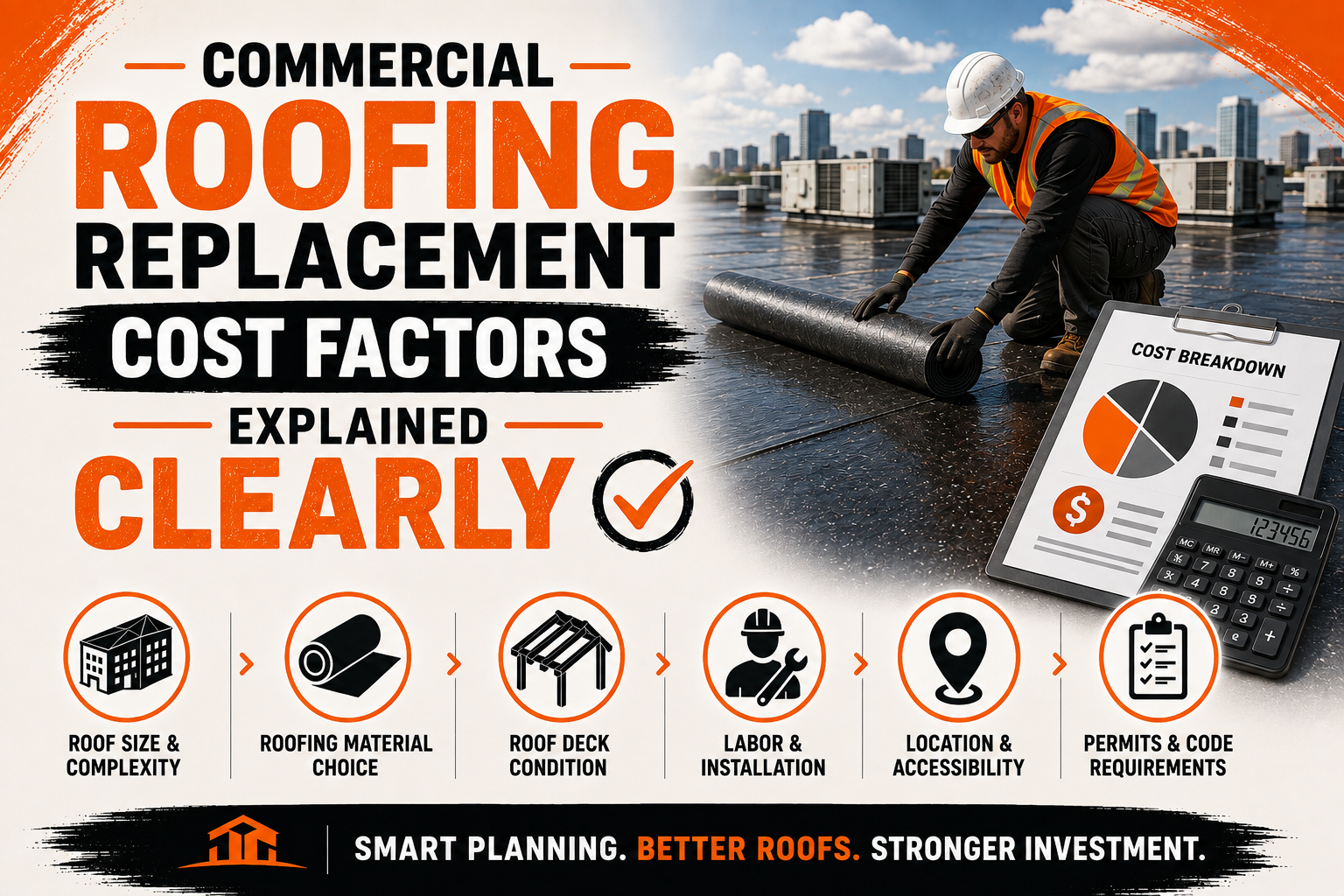
Commercial Roofing Replacement Cost Factors Explained Clearly
Introduction
Commercial roof replacement is a major investment that can affect a business’s property budget, daily operations, and long-term maintenance expenses. The final cost is rarely determined by one factor because every building has different dimensions, roofing conditions, access requirements, materials, and installation challenges. Understanding the main cost factors helps property owners create realistic budgets and compare contractor proposals more effectively.
The first number a business receives from a roofing contractor should not automatically be treated as the final project cost. A detailed estimate may include removal of the existing roof, surface preparation, insulation, new roofing materials, labor, flashing, drainage work, equipment, disposal, and other project requirements. Additional costs can also arise when concealed conditions are discovered after the existing roof is removed.
Commercial roofing replacement should therefore be evaluated as a complete system rather than simply a material purchase. A lower-priced membrane or panel does not necessarily mean a lower overall project cost if installation requirements, preparation work, or long-term maintenance expenses are higher. The most useful comparison considers both the initial investment and the expected performance of the completed roofing system.
Several major factors influence commercial roof replacement pricing. Roof size, existing roof condition, material selection, insulation requirements, accessibility, and installation complexity are among the most important. Understanding these factors before requesting proposals can help businesses plan ahead and avoid unexpected financial surprises.
Roof Size and Overall Project Scope
Roof size is one of the most obvious factors affecting replacement cost. Larger commercial buildings generally require more roofing materials, insulation, fasteners, flashing, labor, equipment, and disposal services. However, the total cost is not always calculated simply by multiplying roof area by a standard price.
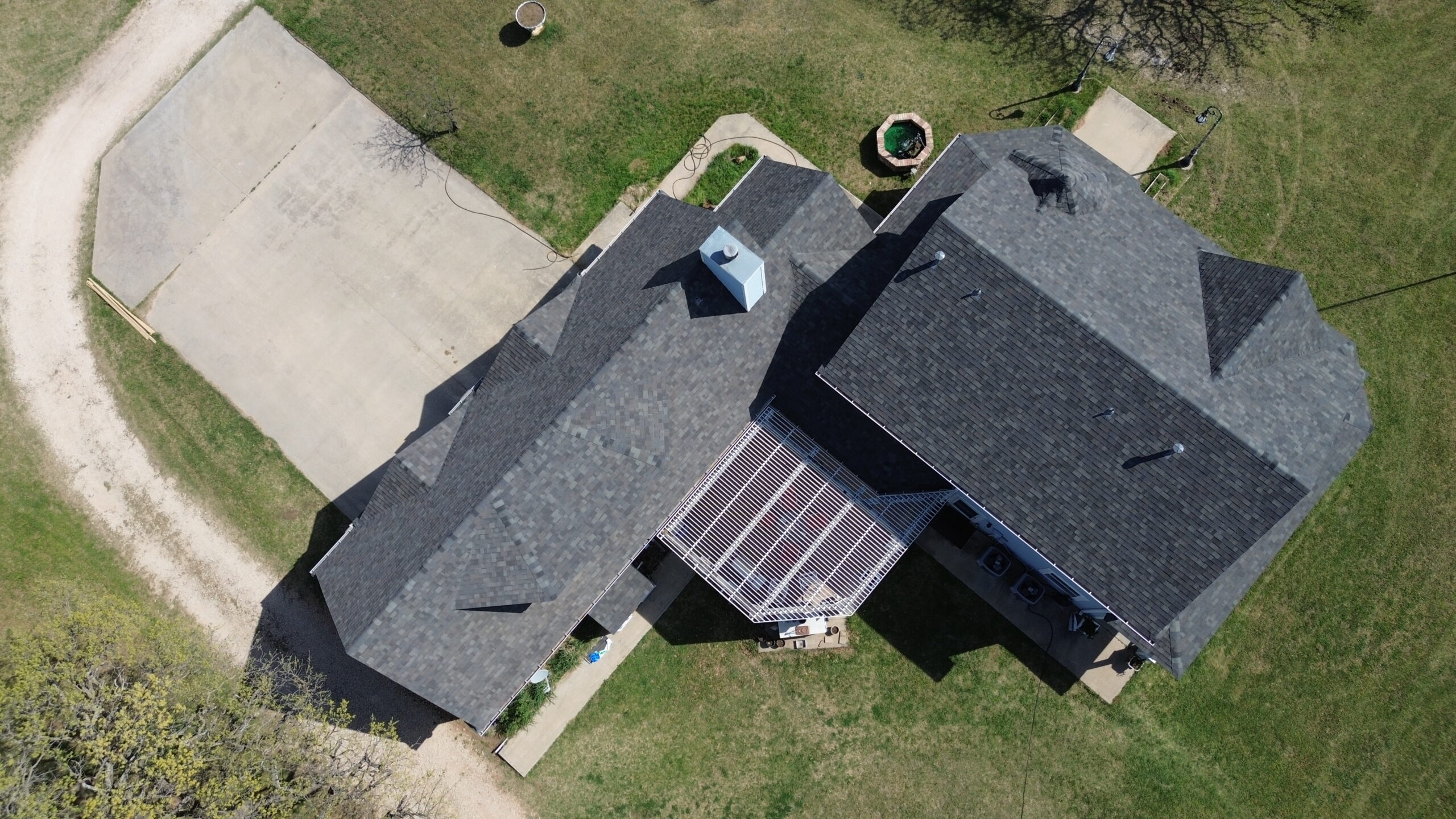
The shape and configuration of the roof can significantly affect the project. A large, simple roof with few penetrations may be easier to replace than a smaller roof containing numerous HVAC units, skylights, drains, parapets, curbs, and complicated transitions.
Roof geometry can also influence labor requirements. Flat or low-slope commercial roofs are common, but different slopes, levels, sections, and elevations can create additional installation challenges. Contractors may need more time to move materials and equipment across complicated roof layouts.
The total project scope should therefore be defined before comparing estimates. Businesses should understand whether the proposal covers complete tear-off, surface preparation, insulation, membrane or panel installation, flashing, edge components, drainage work, cleanup, and other necessary tasks.
A larger roof can sometimes benefit from installation efficiencies because materials and crews can be organized across a substantial area. However, these efficiencies should not be assumed because building access and roof complexity can have a major effect on labor and equipment requirements.
Property owners should provide contractors with accurate building information whenever possible. Existing drawings, previous roofing records, inspection reports, and roof plans can help contractors develop more accurate estimates.
The roof’s total area is an important starting point, but it should always be considered alongside the complexity and complete scope of the replacement project.
Existing Roof Condition and Required Tear-Off Work
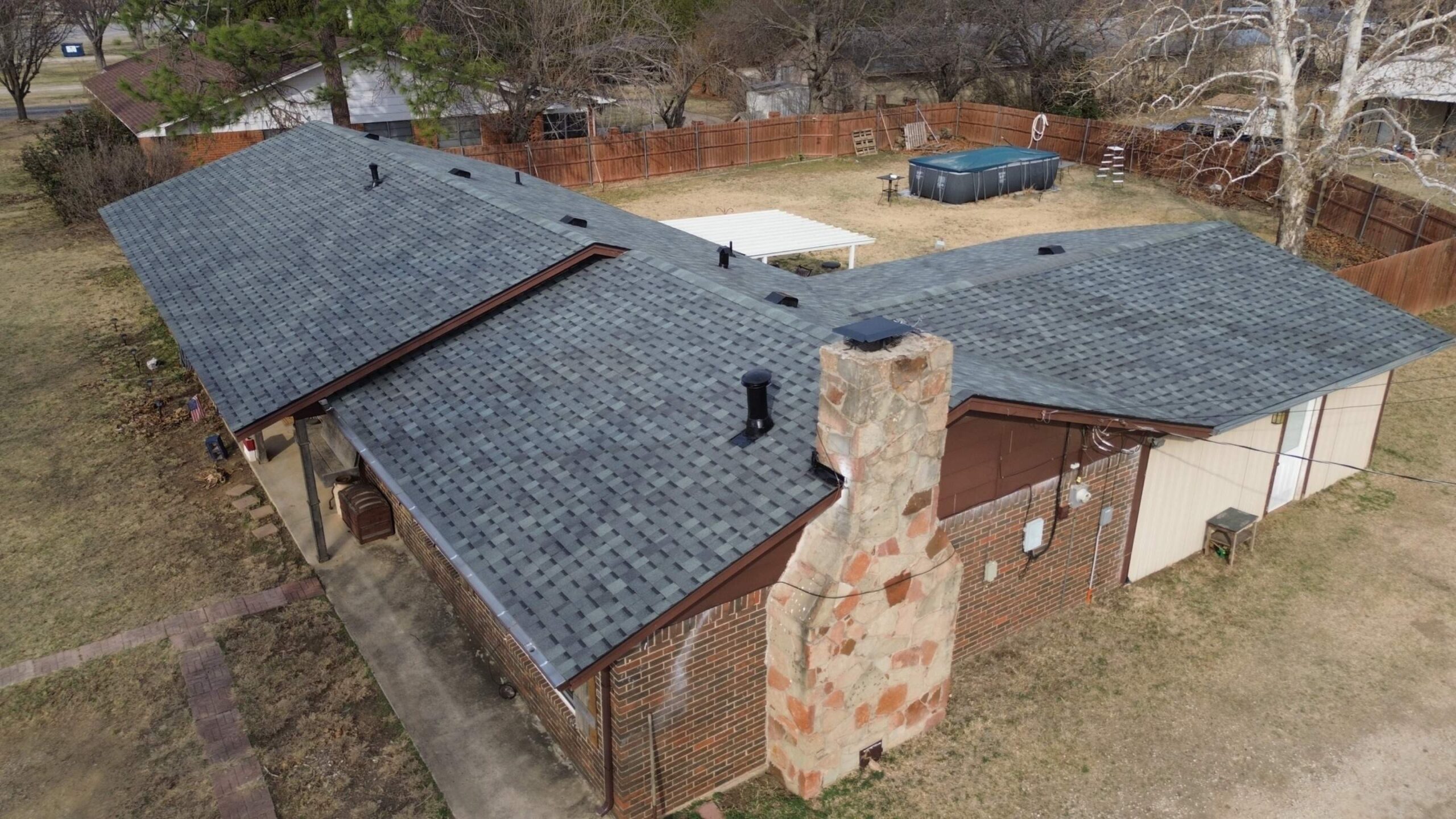
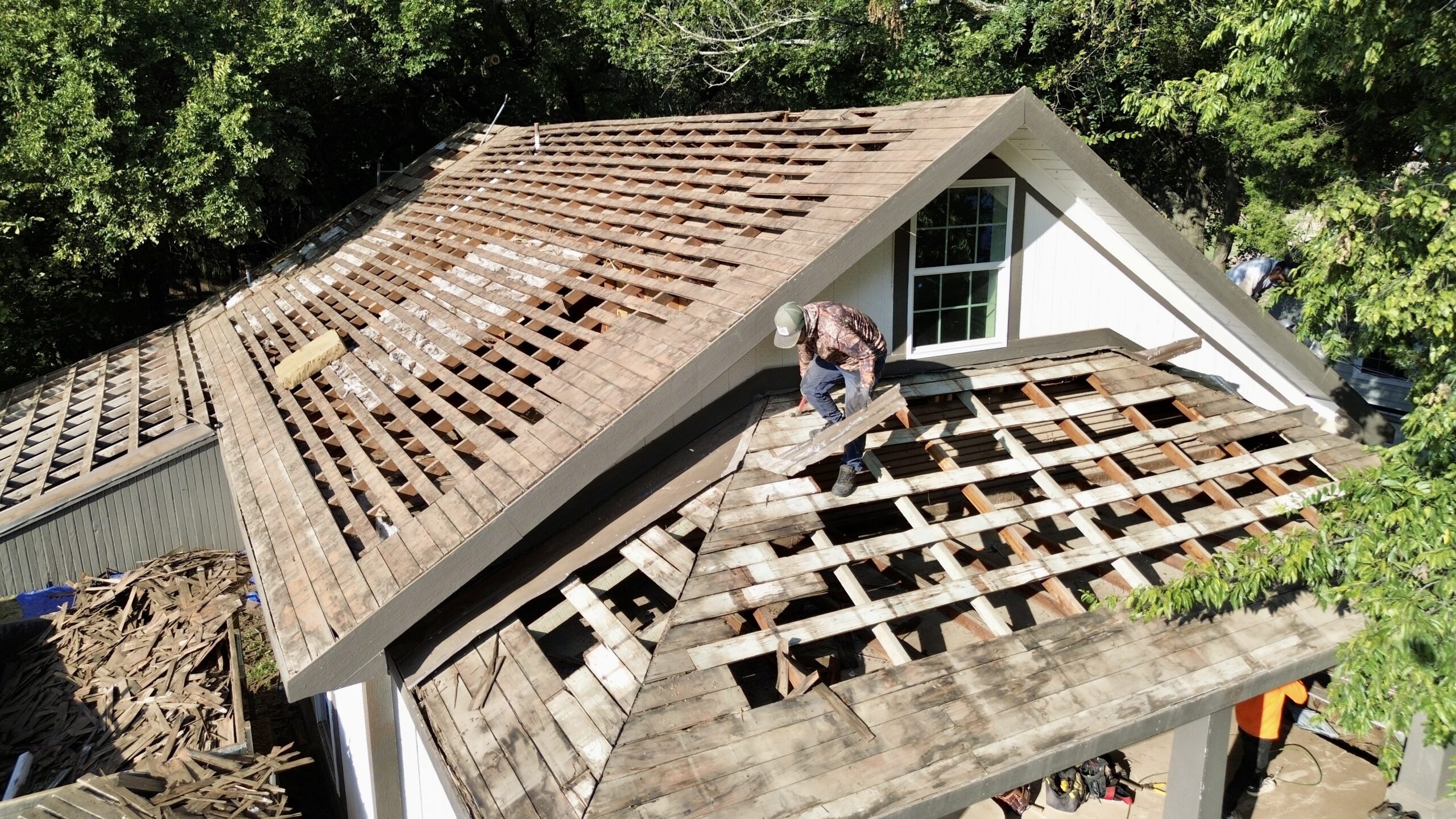
The condition of the existing roofing system can have a major effect on replacement costs. Before installing a new system, contractors may need to remove existing roofing materials, insulation, flashing, edge components, and other layers. The amount of material that must be removed can influence labor, disposal, equipment, and project duration.
Some commercial buildings have multiple roofing layers from previous repairs or replacements. Removing several layers generally requires more work than removing a single existing system. The contractor may need to account for additional labor and disposal when developing the estimate.
The existing roof may also contain damaged areas that are not visible during a basic inspection. Wet insulation, deteriorated decking, hidden moisture, or damaged structural components may become apparent after tear-off begins.
This is one reason commercial roofing estimates sometimes include allowances or unit prices for concealed conditions. A contractor can estimate likely conditions, but it may not be possible to determine the full extent of hidden damage until the existing assembly is opened.
Tear-off requirements can also depend on the selected replacement system. Some projects may allow certain existing components to remain under specific conditions, while others may require complete removal. The final approach should be based on the roofing design, building conditions, applicable requirements, and manufacturer’s specifications.
Disposal is another cost associated with tear-off. Old membrane materials, insulation, metal components, wood, fasteners, and other debris need to be collected and transported appropriately. Larger quantities of material may require additional containers, hauling, and disposal services.
Property owners should ask contractors to clearly explain what the estimate includes for removal. A proposal that excludes significant tear-off work may appear cheaper than a proposal that includes complete removal.
Understanding the existing roof condition before construction can therefore make the budget more accurate. Professional inspections can help identify visible problems and provide information that supports better project planning.
Choice of Commercial Roofing Material
The selected roofing material is another major cost factor. Commercial properties can use several roofing systems, and each has different material prices, installation requirements, maintenance expectations, and performance characteristics.
Single-ply membranes are widely used in commercial applications and may include different membrane types and thicknesses. Modified bitumen and built-up roofing systems are also used for many low-slope buildings. Metal roofing can be appropriate for certain commercial structures, particularly where its durability and appearance suit the building.
The material itself is only one part of the cost. Different systems can require different attachment methods, adhesives, fasteners, seams, flashing details, tools, and installation procedures.
Material thickness and quality can also influence pricing. A thicker or more specialized product may cost more initially but could provide characteristics that are valuable for the building’s expected service conditions.
Businesses should avoid selecting a roofing system based entirely on the lowest material price. The system needs to be compatible with the building, existing roof structure, climate, drainage design, maintenance expectations, and operational requirements.
Warranty requirements may also influence material selection. Some manufacturers have specific requirements for installation, components, inspections, and approved contractors when enhanced warranty coverage is desired.
Color and finish can affect costs in some applications as well. Metal roofing, coated systems, and certain other products may have different pricing depending on the selected finish or appearance.
The best material choice is therefore the one that balances initial cost with expected performance. Businesses should evaluate service life, maintenance requirements, energy characteristics, warranty conditions, and installation complexity alongside the purchase price.
Insulation and Roof Assembly Requirements
Insulation is an important part of many commercial roofing replacement projects and can represent a substantial portion of the total budget. Its purpose extends beyond improving indoor comfort because it can contribute to the building’s thermal performance and overall roof assembly.
The amount and type of insulation required depend on the existing roof, building design, climate, energy objectives, and applicable project requirements. A replacement project may provide an opportunity to improve insulation that has deteriorated or no longer meets the property’s needs.
Wet or damaged insulation generally requires special attention. If moisture has spread through the existing assembly, affected materials may need to be removed before new insulation is installed.
The number of insulation layers can also affect material and labor costs. Some roofing designs use multiple layers to achieve the desired thermal performance or to create tapered areas for improved drainage.
Tapered insulation can increase project costs when it is used to correct ponding problems. However, it may provide valuable long-term benefits when the existing roof has inadequate drainage.
Insulation attachment methods can also influence labor. Depending on the roofing system, insulation may be mechanically attached, adhered, or installed using another approved method.
Businesses should discuss insulation objectives with their roofing contractor before finalizing the project scope. Simply replacing the visible roofing surface without considering the underlying insulation can result in missed opportunities to improve the building assembly.
The right insulation strategy should balance upfront cost, thermal performance, moisture conditions, drainage needs, and long-term property goals.
Roof Accessibility and Building Layout
How easily workers and equipment can access a commercial roof can have a significant effect on replacement costs. A building with convenient access, adequate staging space, and straightforward material movement may require fewer labor hours than a property with difficult access conditions.
Tall buildings can create additional challenges. Contractors may need cranes, lifts, hoists, or other equipment to move roofing materials and debris. Equipment requirements can increase both direct project costs and the time required to organize the work.
Restricted access can also affect material handling. If materials cannot be delivered close to the work area, workers may need to transport them over greater distances or use specialized equipment.
The surrounding property matters as well. Parking areas, loading zones, landscaping, neighboring buildings, power lines, and other obstacles can affect where equipment and materials can be positioned.
Occupied commercial properties may require additional planning. Contractors may need to coordinate work around employees, customers, tenants, deliveries, production activities, or other building operations.
Limited access can also increase project duration. More complicated logistics may reduce the amount of roofing work that crews can complete each day.
Property owners should explain access restrictions before requesting final estimates. Providing contractors with accurate information about roof height, entry points, staging areas, operating hours, and site limitations can help produce more realistic proposals.
Labor and Installation Complexity
Labor is another major component of commercial roof replacement costs. The amount of labor required depends on the size of the project, roofing system, existing roof condition, site accessibility, installation method, and complexity of the building.
Simple roof layouts can generally be easier to install than properties with numerous penetrations, levels, curbs, skylights, parapets, and transitions. Every additional detail requires careful preparation and installation to maintain weather resistance.
The selected roofing system also affects labor requirements. Some materials or installation methods require specialized training, equipment, or procedures. More complex systems may therefore require additional skilled labor.
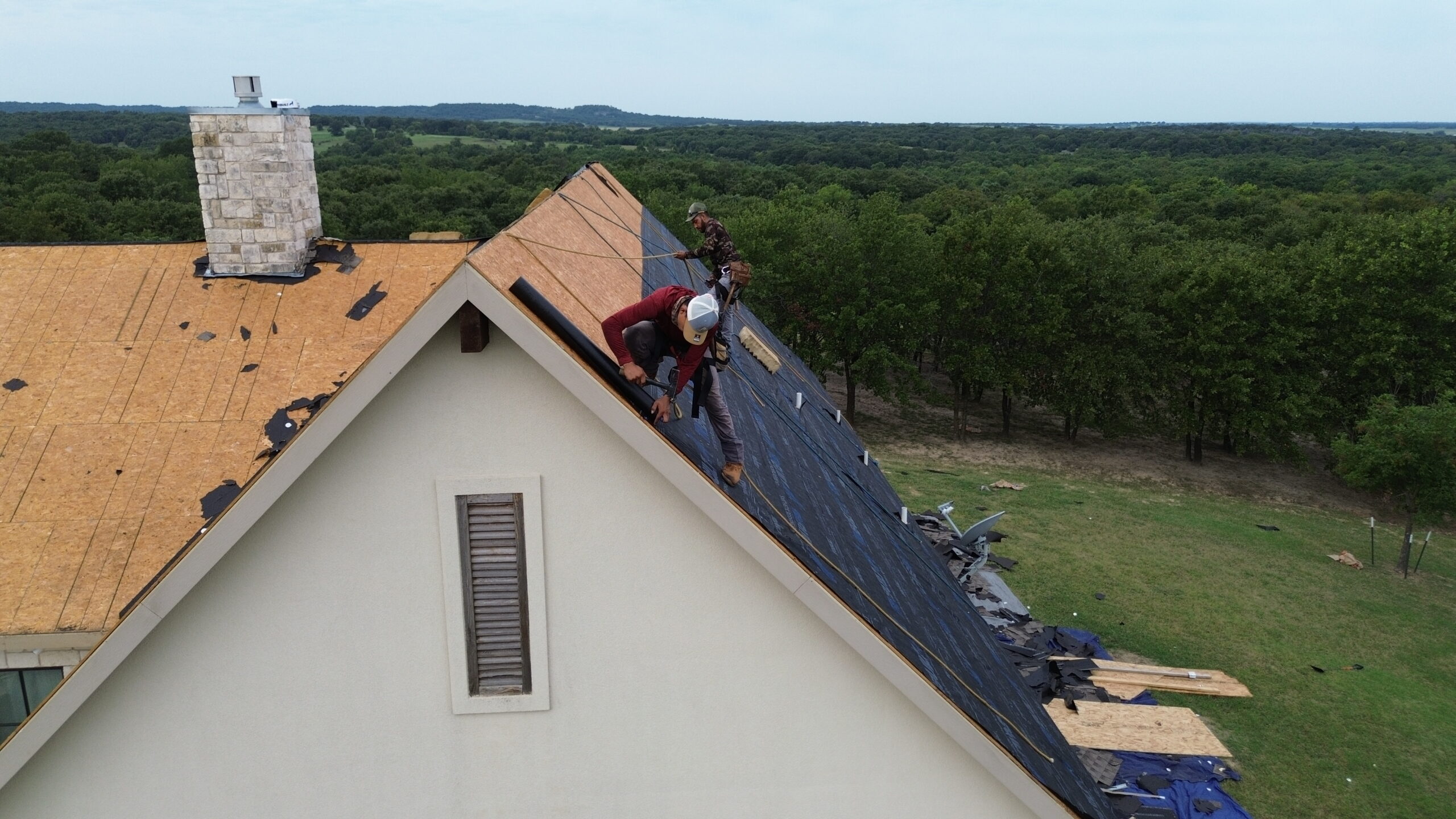
Tear-off can add significant labor requirements as well. Crews may need to remove several layers of roofing materials, separate debris, prepare the deck, and install new components before the final roofing surface can be completed.
Safety requirements are also part of the project. Commercial roofing work often requires planning for fall protection, controlled access, material handling, equipment operation, and other safety measures. Proper safety practices can affect project planning and labor requirements but are essential for responsible construction.
Weather can influence labor productivity as well. Rain, strong winds, extreme temperatures, or other conditions may temporarily prevent certain installation activities depending on the roofing system.
A detailed estimate should identify the major labor components rather than providing only a single unexplained installation charge. Businesses can then better understand what they are paying for and compare proposals more accurately.
Commercial roof replacement costs are shaped by much more than the price of the new roofing material. Roof size, project scope, existing roof condition, tear-off requirements, material selection, insulation, accessibility, and labor complexity can all influence the final investment.
Roof Deck Damage and Structural Repairs
The condition of the roof deck can have a major impact on commercial roofing replacement costs. The deck sits beneath the insulation and roofing system, so damage may remain hidden until the existing roof is removed. When deterioration is discovered, additional labor and materials may be required before the new roofing system can be installed.
Different roof deck materials can experience different problems. Steel decks may develop corrosion from long-term moisture exposure, while wood decks can experience rot or deterioration. Concrete decks may have cracks or other conditions that require professional evaluation before replacement work proceeds.
A limited amount of deck damage does not necessarily make the project significantly more expensive. Individual damaged sections can sometimes be repaired or replaced while the remaining deck is retained. However, widespread deterioration can require much more extensive work and may significantly increase the project budget.
Moisture is one of the most common causes of concealed deck problems. Long-term roof leaks can allow water to move through insulation and eventually reach the structural deck. This is why recurring leaks should be investigated before replacement rather than ignored until the tear-off stage.
Contractors may include allowances or unit prices for potential deck replacement in their estimates. These provisions help establish how unexpected work will be priced if concealed damage is discovered.
Structural concerns may require additional professional assessment. If the deck or supporting structure appears compromised, an appropriately qualified professional may need to evaluate the condition before roofing work continues.
Property owners should ask whether the proposal includes deck inspection, preparation, and repair allowances. Understanding these terms before construction begins can make the final budget easier to manage.
A realistic commercial roofing budget should therefore include some consideration for concealed conditions. While it may not be possible to know the exact amount of deck damage before tear-off, planning for potential repairs can reduce financial surprises.
Flashing, Penetrations, and Edge Metal Costs
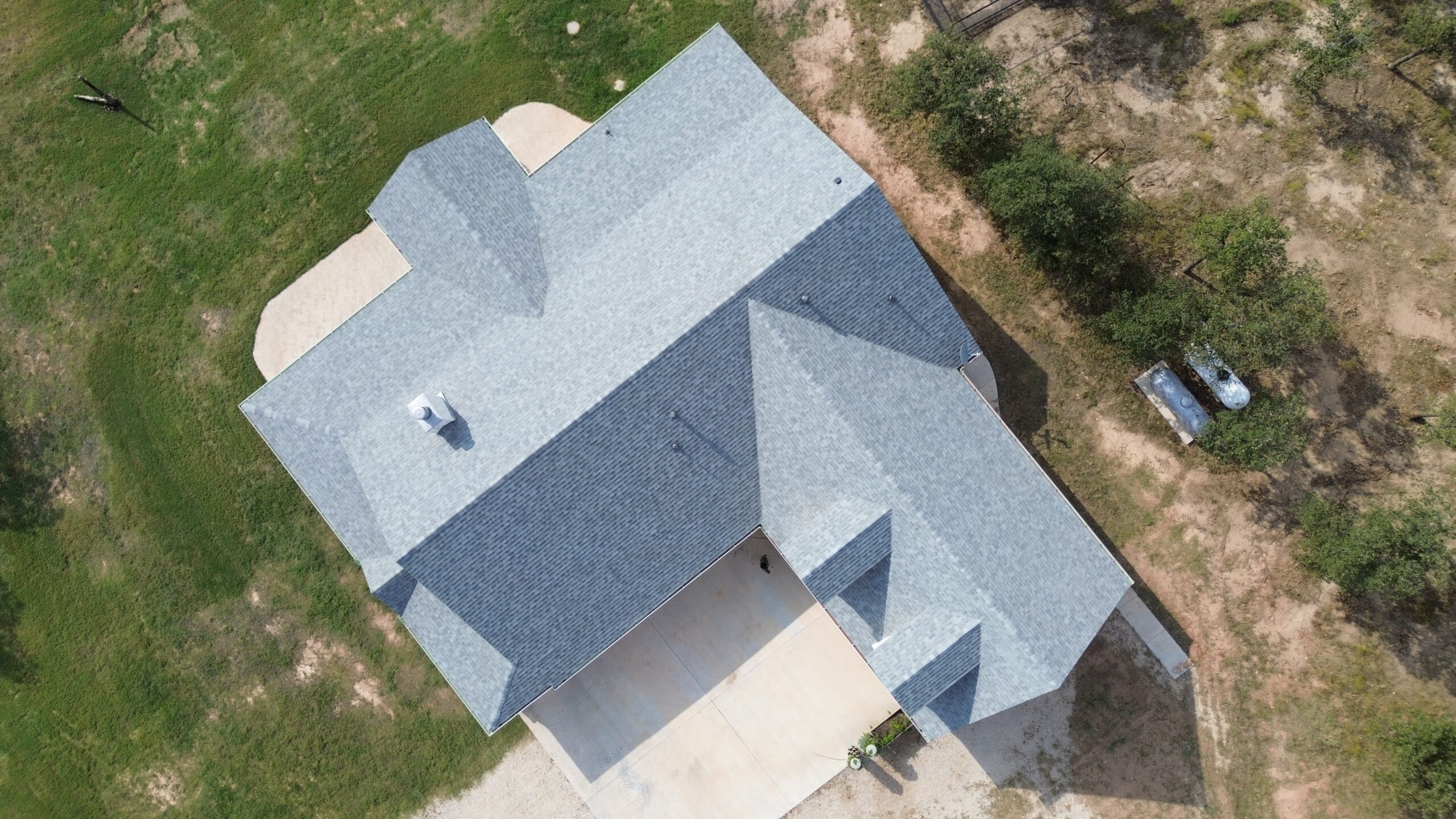
Flashing is a critical component of a commercial roofing system because it protects areas where the roof meets walls, curbs, equipment, pipes, vents, drains, and other building elements. These details require careful installation and can contribute significantly to replacement costs when the roof contains many penetrations.
A simple roof with few penetrations may require relatively limited flashing work. A building with numerous HVAC units, skylights, vents, pipes, parapets, and rooftop equipment can require considerably more labor and materials.
Existing flashing may also be difficult to reuse. During replacement, contractors may need to remove deteriorated components and install new flashing that is compatible with the new roofing system.
Perimeter edge metal can be another important expense. Roof edges are exposed to wind and weather and require properly installed components to help protect the roofing system. Damaged or outdated edge details may need to be replaced as part of the project.
The number and condition of rooftop penetrations should therefore be included in the initial assessment. Contractors need to know how many areas require new flashing and whether existing equipment will remain in place.
Mechanical equipment can complicate these details further. HVAC units and other installations may require temporary movement, specialized flashing, or careful coordination between roofing and mechanical contractors.
A proposal should clearly identify what flashing and edge work is included. Businesses should avoid comparing estimates based only on membrane quantities because two contractors may have very different assumptions about these details.
Properly installed flashing can help protect the entire roofing investment. Cutting costs on critical transition areas may create future leak risks and additional maintenance expenses.
Drainage Improvements and Ponding Water Solutions
Drainage is another factor that can significantly influence commercial roofing replacement costs. A roof needs an effective method of moving water away from the building, and replacement can reveal drainage problems that need to be corrected as part of the project.
Existing drains may be blocked, damaged, undersized, or poorly positioned. Scuppers and gutters can also deteriorate or fail to move water effectively. If these components need repair or replacement, the work can add to the total project cost.
Ponding water may indicate an inadequate roof slope. In some cases, tapered insulation can be installed to improve drainage. Although this can increase material and labor costs, it may help address persistent water accumulation.
Structural conditions can also contribute to ponding. If the roof deck has deflected or settled, simply installing new roofing materials may not solve the underlying problem. Additional investigation may therefore be necessary.
Drainage improvements should be considered before installation begins. A new roofing membrane placed over an unresolved drainage problem may continue to experience the same conditions as the old system.
Businesses should ask contractors to identify drainage improvements separately in their estimates. This makes it easier to understand how much of the budget is related to the existing drainage system and how much is related to the new roofing surface.
Although drainage work may increase the initial project cost, it can support better long-term roof performance. Effective water management can help reduce standing water, moisture exposure, and certain maintenance problems.
Permits, Inspections, and Project Requirements
Commercial roofing projects may involve permits, inspections, code requirements, and other administrative costs depending on the property and location. These requirements can vary considerably from one project to another.
Some projects may require permits before construction begins. Permit fees can depend on project scope, local requirements, building characteristics, or other factors.
Inspections may also be required during or after construction. These can involve local authorities, building officials, manufacturers, consultants, or other parties depending on the project.
Warranty requirements can add another layer of project requirements. Certain manufacturer warranties may require specific materials, installation procedures, inspections, or approved contractors.
Businesses should ask contractors whether permits and inspection fees are included in the proposal. If these items are excluded, they should be accounted for separately in the project budget.
Compliance requirements can also influence installation methods. A replacement project may need to address applicable building or energy requirements that were not part of the original roof installation.
The cost of compliance should not be treated as an unnecessary extra. Meeting applicable requirements helps support proper construction and can prevent problems that might otherwise create delays or additional expenses.
A detailed proposal should identify major administrative and inspection requirements whenever they are known. This provides the business with a clearer picture of the actual project investment.
Rooftop Equipment and Mechanical Coordination
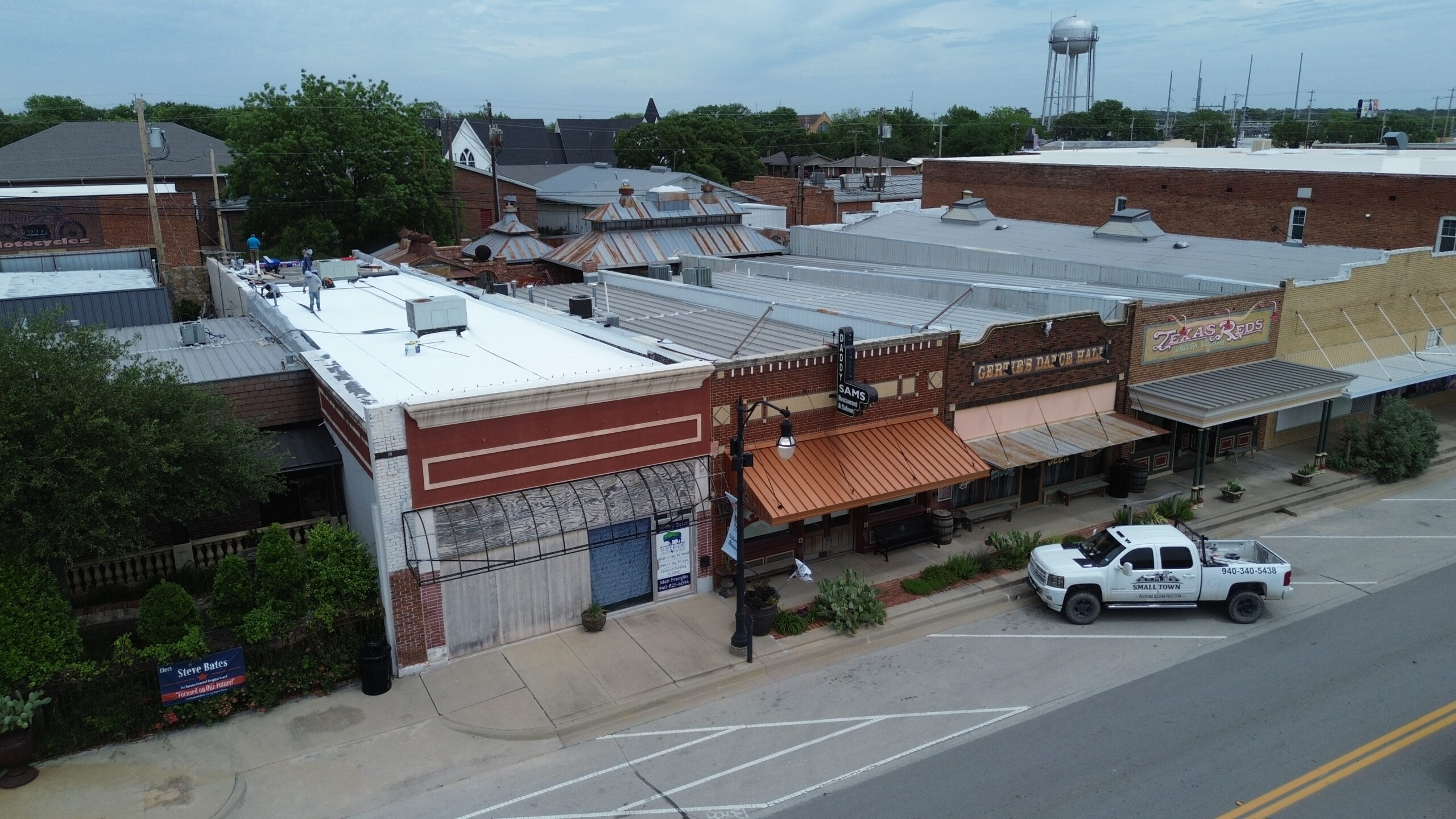
Commercial roofs frequently contain HVAC units, vents, exhaust systems, electrical equipment, communication equipment, solar installations, and other rooftop components. These systems can significantly influence the cost and complexity of replacement work.
Roofing contractors must work around these components while maintaining proper weatherproofing. Some equipment may need to be temporarily moved, raised, protected, or coordinated with another contractor.
HVAC units can be particularly challenging because their curbs and penetrations must be properly integrated with the new roofing system. If existing curbs are damaged or unsuitable, additional work may be required.
Solar panels and other rooftop installations can create similar challenges. The business may need to coordinate removal and reinstallation with specialized contractors, which can add labor and scheduling requirements.
Communication equipment and electrical systems may also require careful protection during construction. The roofing contractor should know about these systems before developing the final scope.
Equipment access can affect the project schedule as well. Roofing work may need to be coordinated with mechanical maintenance or equipment shutdowns.
Businesses should identify rooftop equipment during the planning stage. This helps contractors develop more accurate estimates and reduces the possibility of unexpected coordination costs.
The best approach is to treat the roof and rooftop equipment as interconnected parts of the building. Proper planning can prevent damage, reduce delays, and ensure that new roofing details are correctly installed around existing systems.
Disposal, Cleanup, and Material Handling Costs
Removal of the existing roofing system generates a significant amount of debris. Commercial roofing materials may include membrane, insulation, metal components, fasteners, flashing, wood, and other materials that must be collected and transported from the site.
Disposal costs can depend on the quantity and type of material removed. A larger roof with multiple existing layers will generally generate more debris than a smaller roof with a single system.
Material handling also affects the budget. Roofing materials must be delivered to the property and transported to the work area, while removed materials need to be moved from the roof to appropriate collection containers.
Tall or difficult-to-access buildings may require specialized equipment for this process. Cranes, hoists, lifts, or other machinery can add to the project cost.
Site restrictions can make disposal more complicated. Limited staging areas, restricted truck access, neighboring properties, or occupied parking areas may require additional planning.
Cleanup should be included in the project scope. A professional roofing project should address removal of construction debris and leave the work area in an appropriate condition.
Businesses should review estimates carefully to determine whether disposal, hauling, containers, and cleanup are included. A proposal that excludes these costs may appear cheaper than one that includes the complete process.
Proper planning for material handling can also improve project efficiency. Coordinating deliveries, staging areas, and debris removal helps keep the construction site organized and can reduce unnecessary delays.
Weather, Location, and Seasonal Conditions
Weather and geographic conditions can affect commercial roofing replacement costs by influencing labor productivity, scheduling, material handling, and project duration. Roofing work may be affected by rain, strong winds, extreme temperatures, or other environmental conditions depending on the selected system.
Rain can interrupt certain installation activities and create additional requirements for protecting exposed roof areas. Contractors may need to secure materials and temporarily protect sections of the roof when weather changes.
Strong winds can also affect material handling and installation. Safety requirements may prevent crews from performing certain tasks during unfavorable conditions.
Seasonal conditions can influence scheduling and contractor availability. Busy construction periods may create longer lead times for qualified crews and materials.
The building’s location can also affect transportation and logistics. Remote properties may require additional travel or delivery costs, while dense urban locations may have limited staging and parking options.
Local labor and material availability can influence pricing as well. If specialized materials or experienced commercial roofing crews are difficult to source in a particular market, the project may require additional planning.
Businesses should discuss seasonal scheduling with contractors early. Planning the project during a suitable weather period can help reduce delays and improve construction efficiency.
Weather cannot always be controlled, but a realistic schedule can account for reasonable delays. Building flexibility into the project plan is better than assuming that every construction day will proceed exactly as planned.
Commercial roof replacement costs extend beyond the roofing material and installation labor. Roof deck conditions, flashing, drainage, permits, rooftop equipment, disposal, access, weather, and location can all influence the final investment.
Roof Warranty and Long-Term Performance Considerations
Warranty coverage can influence the overall value of a commercial roofing replacement project. A roofing warranty may cover certain material defects, workmanship issues, or system performance requirements, but the exact terms vary by manufacturer and contractor. Businesses should review warranty conditions carefully instead of assuming that every roofing proposal provides identical protection.
Some roofing systems may offer enhanced manufacturer warranties when specific materials and installation procedures are used. These requirements can affect the initial project cost because approved components, inspections, or certified installation may be necessary.
Workmanship coverage is another important consideration. A manufacturer’s material warranty may not cover problems caused by improper installation, which is why businesses should understand what the roofing contractor guarantees separately. The duration, exclusions, maintenance requirements, and procedures for making a claim should all be reviewed before signing a contract.
Long-term performance should also be considered when evaluating the initial price. A lower-cost roofing system may require more maintenance or reach replacement age sooner, while a higher-quality system may provide greater durability when properly installed and maintained.
The goal should not be to select the most expensive warranty or roofing system automatically. Instead, businesses should determine which combination of materials, installation quality, and warranty coverage provides appropriate protection for the property.
A detailed proposal should clearly identify the warranty included in the project. Understanding this information before installation helps prevent confusion if a roofing problem develops later.
Maintenance Requirements and Lifecycle Costs
The initial replacement price is only one part of the total cost of owning a commercial roofing system. Maintenance, inspections, repairs, cleaning, drainage work, and eventual replacement can all contribute to the roof’s lifecycle cost.
Regular inspections can help identify small problems before they become major failures. Contractors may find damaged flashing, loose components, blocked drains, membrane punctures, or other issues that can be corrected before they cause widespread damage.
Maintenance requirements vary depending on the roofing system and property conditions. Some buildings may require more frequent attention because of rooftop equipment, heavy foot traffic, nearby trees, environmental exposure, or other factors.
Drainage maintenance is particularly important. Drains, scuppers, gutters, and other water-management components should remain clear so that rainfall can move away from the roof efficiently.
Rooftop traffic should also be controlled. Maintenance workers and contractors can accidentally damage roofing materials if appropriate access routes are not provided. Walk pads or designated paths may help protect vulnerable areas where regular access is required.
Businesses should include expected maintenance costs when evaluating roofing options. A system that has a slightly higher installation cost may provide better long-term value if it meets the building’s needs and remains manageable to maintain.
Lifecycle thinking can help property owners avoid focusing only on the initial invoice. The more useful question is how much the roofing system is likely to cost and deliver over the period the business expects to own and operate the property.
Emergency Replacement vs Planned Replacement Costs
Emergency roof replacement can be significantly more challenging than a planned project. When a roof fails unexpectedly, the business may have limited time to evaluate contractors, compare materials, and schedule construction.
An emergency can also create additional expenses before replacement begins. Temporary repairs, water removal, interior protection, damaged inventory, equipment relocation, and emergency service may all add to the total cost.
Planned replacement provides greater flexibility. Property owners can inspect the existing roof, obtain multiple proposals, evaluate different systems, establish a budget, and coordinate construction with business activities.
Timing can also affect contractor availability. A planned project can be scheduled during an appropriate period, while an emergency may require whichever qualified contractor can respond quickly.
Businesses should therefore consider replacement before the roof reaches complete failure. Warning signs such as recurring leaks, widespread deterioration, extensive repairs, and increasing maintenance costs can provide valuable time to begin planning.
Emergency situations cannot always be avoided. Severe storms, accidents, fire, and other unexpected events can cause sudden damage. However, proactive maintenance and inspections can help identify aging conditions before they become emergencies.
The cost difference between planned and emergency replacement is not always predictable, but the business disruption associated with emergency work can be substantial. Planning ahead generally provides more control over the financial and operational aspects of the project.
How Contractors Prepare Commercial Roofing Estimates
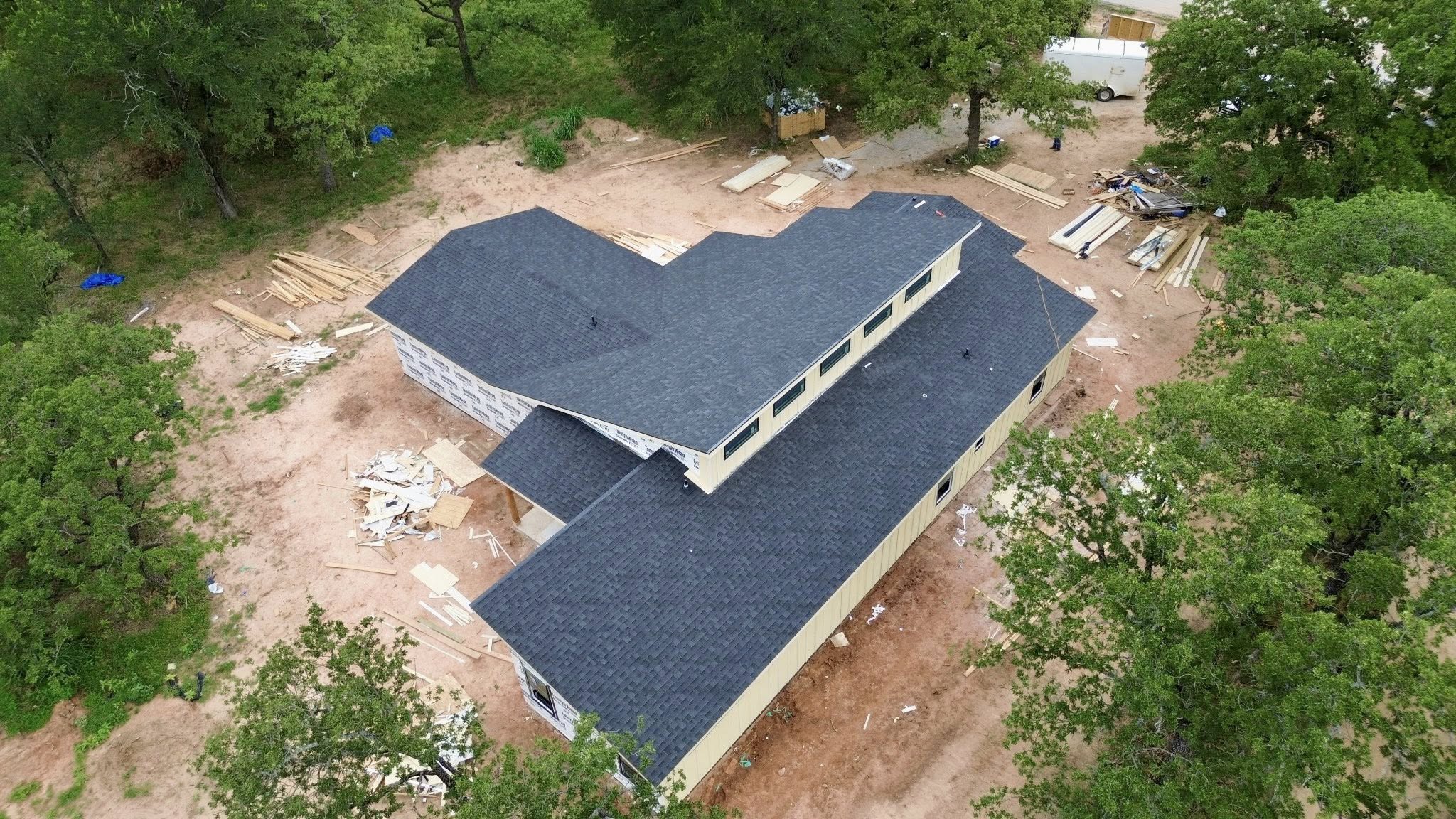
A commercial roofing estimate should be based on the actual conditions of the property rather than a generic price. Contractors typically consider roof dimensions, existing materials, access, labor requirements, tear-off, insulation, flashing, drainage, equipment, and other project conditions.
The inspection process is important because the contractor needs to understand what is visible and identify potential concealed problems. Measurements, photographs, roof plans, and existing records can help improve estimate accuracy.
The contractor should also identify the proposed roofing assembly. The estimate should explain the major materials, insulation, attachment method, flashing, edge components, and other important details.
Tear-off and disposal should be clearly described. Businesses should know whether the proposal includes removal of all existing roofing layers or assumes that certain materials will remain.
Potential concealed conditions should also be addressed. Unit pricing or allowances for damaged decking, wet insulation, or other unexpected conditions can help establish how additional work will be handled.
Labor and equipment should be reflected in the proposal as well. Cranes, lifts, dumpsters, staging areas, and other requirements may affect the final price.
A detailed estimate makes it easier for businesses to compare contractors. Instead of choosing based only on the final number, property owners can compare the actual scope and determine whether each proposal provides similar materials and services.
Ways Businesses Can Control Replacement Costs
Controlling commercial roofing costs begins with planning. Businesses can reduce unnecessary expenses by identifying problems early, maintaining accurate roof records, and scheduling replacement before the system experiences a major failure.
Regular inspections can help prevent small defects from becoming expensive problems. Early identification gives property owners time to evaluate whether repair or replacement is appropriate.
Obtaining several detailed proposals can also help businesses understand market pricing. However, proposals should be compared based on equivalent scopes rather than simply selecting the lowest number.
Material selection should be based on building requirements. Choosing an inappropriate low-cost system can create future repair expenses, while selecting a suitable system can provide better long-term value.
Businesses can also control costs by preparing the site properly. Providing clear access information, identifying rooftop equipment, arranging staging areas, and coordinating operating schedules can help contractors work more efficiently.
A realistic contingency should be included in the budget. Hidden deck damage, wet insulation, or other concealed conditions may become visible during tear-off, so having funds available for reasonable unexpected work can prevent major project delays.
Maintenance after installation is another way to protect the investment. Promptly addressing minor problems can reduce the chance of expensive damage later.
Cost control should therefore focus on total value rather than simply reducing the initial price. Good planning, appropriate materials, skilled installation, and preventive maintenance can support a more predictable long-term roofing budget.
How to Compare Commercial Roofing Replacement Quotes
Comparing roofing quotes requires careful attention to scope. Two proposals can have very different prices because they include different materials, preparation requirements, warranties, or exclusions.
Businesses should first confirm the proposed roofing system. The membrane, metal panels, insulation, thickness, attachment method, and other major components should be identified clearly.
The tear-off scope should be compared next. One contractor may include complete removal while another may assume that some existing materials remain. These proposals should not be treated as equivalent without understanding the difference.
Flashing, edge metal, drains, penetrations, and rooftop equipment coordination should also be reviewed. These details can significantly affect project performance and cost.
The handling of concealed conditions deserves attention as well. Businesses should understand whether damaged decking and wet insulation are included, excluded, or priced through predefined allowances.
Warranty coverage should be compared carefully. A proposal with a lower price may provide different material and workmanship protection than a more comprehensive proposal.
Contractor qualifications also matter. Experience with similar commercial properties, safety performance, references, communication, and project management should form part of the evaluation.
A simple comparison can include:
| Cost and Scope Factor | What Businesses Should Review |
|---|---|
| Roofing materials | Type, thickness, quality, and system compatibility |
| Tear-off | Number of existing layers and removal scope |
| Insulation | Type, thickness, replacement, and drainage requirements |
| Flashing and edges | Penetrations, parapets, curbs, and perimeter details |
| Deck repairs | Allowances, unit prices, or exclusions |
| Drainage | Drains, scuppers, gutters, and ponding solutions |
| Warranty | Manufacturer and contractor coverage |
| Cleanup | Debris removal, hauling, and final site cleanup |
The final decision should consider the complete value of each proposal rather than focusing on the lowest initial price.
Conclusion
Commercial roofing replacement costs are influenced by a wide range of factors, and understanding them is essential for realistic business planning. Roof size, existing conditions, material selection, insulation, labor, accessibility, structural repairs, drainage, flashing, equipment, disposal, permits, weather, warranties, and maintenance can all affect the final investment.
The first step toward accurate budgeting is understanding the existing roofing system. A professional inspection can identify visible deterioration and potential concealed problems while providing useful information for determining whether full replacement is necessary.
Businesses should also consider long-term value instead of focusing only on installation price. A roofing system that provides appropriate durability, manageable maintenance requirements, reliable warranty coverage, and suitable performance may offer greater value than a cheaper system with higher future costs.
Detailed contractor proposals are especially important. Each estimate should clearly explain the roofing system, tear-off scope, insulation, flashing, drainage, deck allowances, disposal, warranties, and other major project requirements.
Planning ahead can also reduce the financial impact of replacement. Businesses that replace aging roofs before complete failure have more time to compare contractors, select materials, establish budgets, and schedule construction around normal operations.
Unexpected conditions should still be considered. Damaged decking, wet insulation, difficult access, weather delays, and equipment coordination can affect the final cost, so a reasonable contingency can make the project budget more resilient.
Cost control should never depend solely on choosing the lowest bid. The quality of materials, installation practices, contractor experience, warranty protection, and expected lifecycle costs all contribute to the actual value of a commercial roofing investment.
Ultimately, a successful commercial roof replacement is about balancing upfront investment with long-term performance. By understanding the major cost factors, reviewing detailed proposals, planning for potential complications, and maintaining the completed system properly, businesses can make more confident roofing decisions and protect their properties for years to come.