
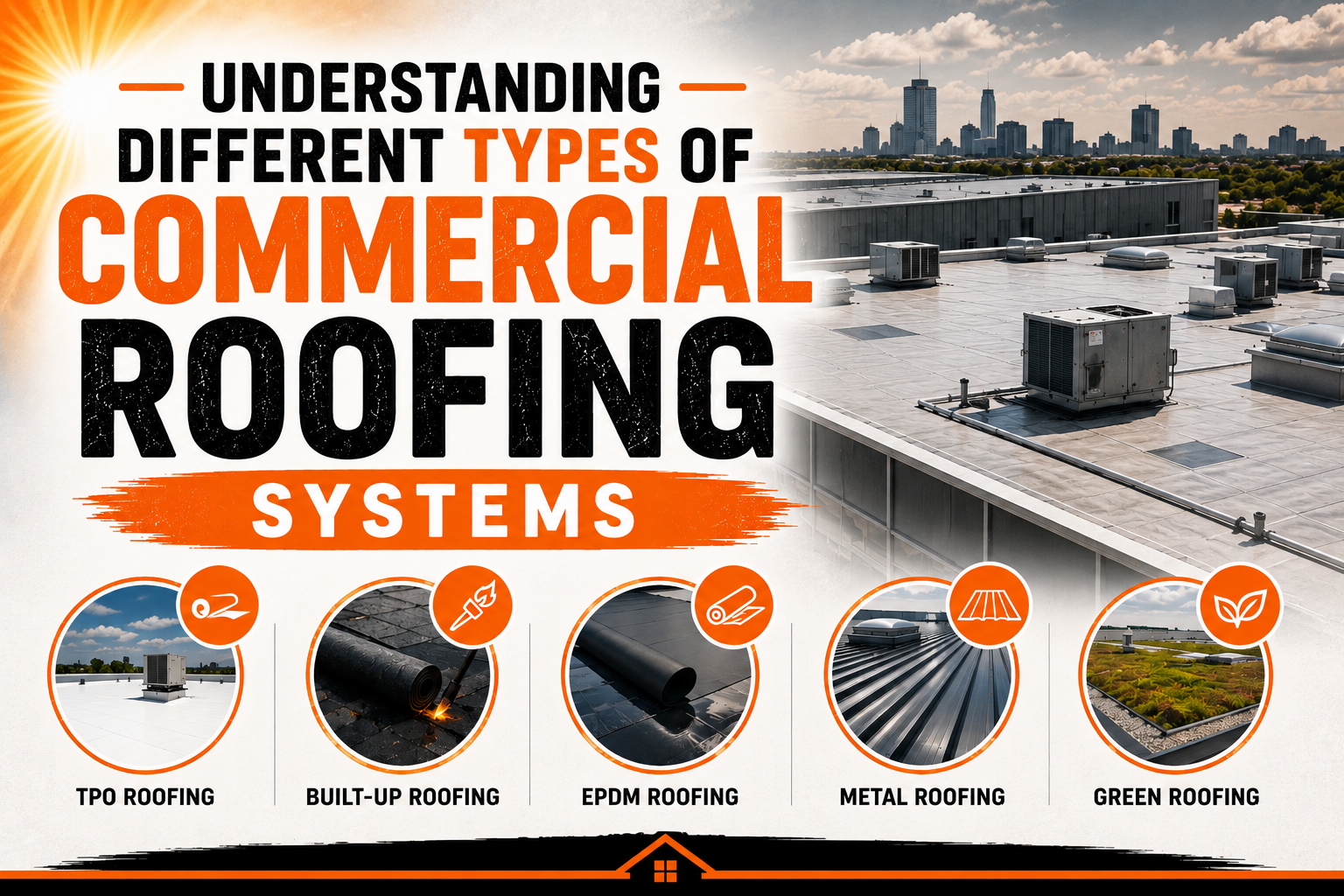
Understanding Different Types of Commercial Roofing Systems
Introduction
Commercial roofing systems are designed to protect business properties from rain, wind, sunlight, temperature changes, and other environmental conditions. Unlike residential roofs, which often use steep slopes and familiar materials such as shingles, commercial roofs frequently use low-slope designs and specialized systems that cover large areas. Understanding the differences between these systems helps property owners make better decisions about installation, repairs, maintenance, and long-term building performance.
There is no single commercial roofing system that is ideal for every property. An office building, warehouse, retail center, industrial facility, and institutional property can have very different structural and operational requirements. Roof size, slope, drainage, equipment, climate, foot traffic, energy goals, budget, and expected service life all influence which system may be most suitable.
Commercial roofing systems also contain more than the visible roof surface. The complete assembly may include a structural deck, insulation, vapor-control components, membranes or panels, flashing, drainage components, fasteners, adhesives, and protective features. These elements must work together to provide reliable weather protection and support the building’s overall performance.
Before selecting a roofing material, property owners should understand how the major system types differ. Each has its own installation methods, advantages, limitations, maintenance requirements, and cost considerations. Learning these fundamentals provides a useful foundation for evaluating commercial roofing options.
Understanding How Commercial Roofing Systems Differ
Commercial roofing systems can differ significantly in their materials, construction methods, attachment methods, maintenance requirements, and expected performance. Some systems use flexible membranes, while others rely on multiple asphalt-based layers, metal panels, or specialized protective coatings. The best choice depends on the specific conditions of the building.
Roof slope is one of the first characteristics to consider. Many commercial buildings use low-slope roofs that are designed to move water toward drains, scuppers, or gutters. Because these roofs do not rely on steep slopes to shed water quickly, waterproofing and drainage design become particularly important.
The existing roof deck can also affect system selection. Commercial roof decks may be constructed from steel, concrete, wood, or other materials. The selected roofing system must be compatible with the deck and appropriate attachment methods must be used to create a secure assembly.
Building operations are another important consideration. Some roofs contain HVAC units, vents, pipes, skylights, electrical equipment, or other rooftop installations. Maintenance personnel may need regular access to these areas, which means the roofing system may require designated walkways or additional protection.
Climate and environmental exposure also influence the decision. A building exposed to intense sunlight may require different performance characteristics than one located in an area with frequent heavy rainfall or strong winds. Local weather conditions should be considered when evaluating durability and water-management requirements.
Cost should be evaluated beyond the initial installation price. Property owners should consider expected service life, maintenance, repair frequency, energy performance, restoration possibilities, and eventual replacement requirements. A system with a higher initial cost may provide better long-term value if it performs reliably and requires less intervention.
Understanding these differences helps property owners compare roofing systems based on the needs of their building instead of choosing solely according to popularity or price.
Single-Ply Membrane Roofing Systems
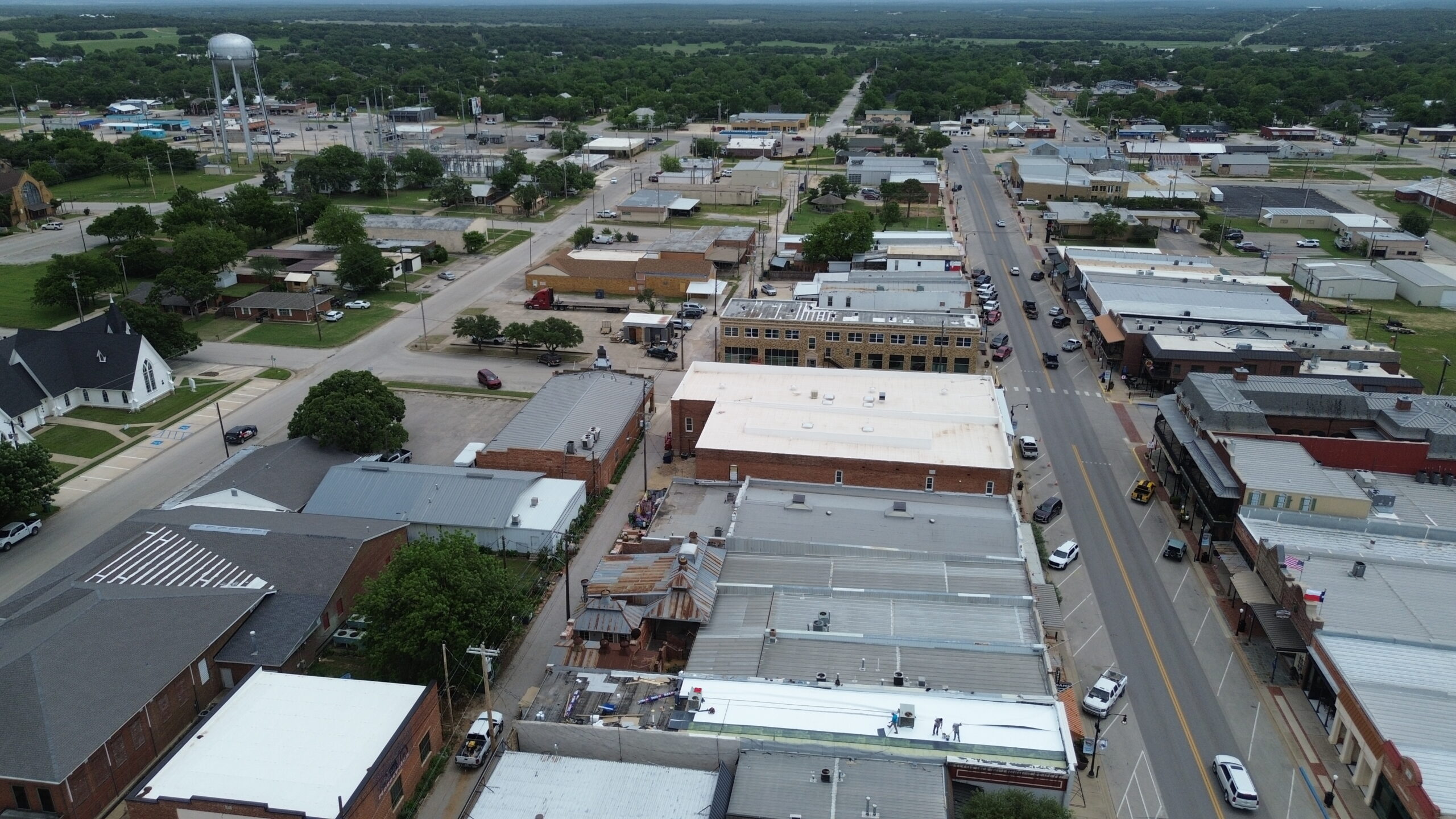
Single-ply membrane roofing systems are widely used on commercial buildings because they provide a flexible waterproofing layer over the roof assembly. These systems generally use large sheets or membranes that are installed over insulation or another prepared surface. Their relatively lightweight construction and range of installation methods make them suitable for many low-slope commercial applications.
There are several types of single-ply membranes, with thermoplastic and thermoset materials being common categories. Different membrane types have different characteristics related to flexibility, chemical resistance, weather exposure, seam construction, and installation. Property owners should compare the specifications of individual products rather than assuming all single-ply systems perform identically.
Installation methods can vary depending on the membrane and project design. Some systems are mechanically attached using approved fasteners, while others may be adhered to the substrate. Certain thermoplastic membranes can use heat-welded seams to create continuous connections between sheets.
One advantage of single-ply systems is their ability to cover large roof areas efficiently. The membrane provides a relatively continuous weather-resistant surface, while seams and penetrations can be detailed according to the manufacturer’s requirements.
Maintenance remains important even when the membrane is durable. Punctures, damaged seams, flashing problems, and equipment-related damage can compromise waterproofing. Regular inspections can identify these problems before they result in significant interior damage.
Single-ply membranes may also be considered during restoration projects, depending on the condition of the existing roof. However, compatibility with existing materials, insulation, moisture conditions, and attachment methods should be evaluated by qualified professionals.
Property owners should consider the complete roof assembly rather than selecting a membrane in isolation. Insulation, drainage, flashing, edge details, and installation quality all contribute to the system’s overall performance.
Built-Up Roofing Systems
Built-up roofing, often associated with traditional commercial roof construction, uses multiple layers to create a reinforced waterproofing assembly. These systems have been used on commercial properties for many years and remain an option for certain low-slope applications.
A built-up roof generally consists of alternating layers of reinforcing material and asphalt-based components. The number and arrangement of layers can vary depending on the system design and project requirements. The layered construction creates redundancy that can contribute to durability and resistance to weather exposure.
One of the characteristics of built-up roofing is its substantial construction. Multiple layers provide a robust assembly, which can be useful for commercial properties where long-term protection is a priority. The surface may also receive additional protective surfacing depending on the system.
Installation can be more labor-intensive than some single-ply alternatives because multiple layers need to be properly placed and integrated. Project planning should account for material handling, labor requirements, roof access, and appropriate safety procedures.
Built-up systems require regular inspection of areas such as flashing, seams, edges, drains, and penetrations. Damage or deterioration should be addressed promptly to prevent moisture from reaching lower layers of the assembly.
Drainage remains essential for built-up roofing. Although the system may provide strong waterproofing, prolonged standing water can still contribute to deterioration and should be investigated. Roof drains, scuppers, gutters, and other drainage components should be maintained regularly.
Property owners considering built-up roofing should evaluate the building’s existing structure and long-term goals. The system may be appropriate where durability and traditional multi-layer construction are valued, but installation requirements and project costs should be considered carefully.
The overall value of built-up roofing depends on proper design and installation. A well-maintained system can provide reliable protection, but neglecting drainage, flashing, or surface damage can reduce its useful performance.
Modified Bitumen Roofing Systems
Modified bitumen roofing systems are asphalt-based commercial roofing systems designed to provide flexibility and weather protection. They combine asphalt with modifying materials and reinforcing layers to create membranes suited to commercial applications. These systems can be used on low-slope buildings where durable waterproofing is required.
Modified bitumen membranes are commonly manufactured in rolls and can be installed using different approved methods. Depending on the product, installation may involve adhesives, mechanical attachment, or heat-based methods. The correct technique depends on the specific membrane and project specifications.
The reinforcing layer within the membrane can contribute to dimensional stability and strength. Different products may use different reinforcement materials, which can affect performance characteristics. Property owners should review product specifications when comparing modified bitumen options.
One potential benefit of modified bitumen is its flexibility. This can be useful where the roof experiences temperature changes and normal building movement. However, proper detailing remains essential around seams, penetrations, transitions, and roof edges.
Maintenance should focus on areas that are vulnerable to damage or moisture entry. Flashing, seams, drains, equipment curbs, and membrane surfaces should be inspected regularly. Any punctures, cracks, loose components, or other defects should be evaluated before they expand.
Modified bitumen systems can sometimes be restored rather than completely replaced, depending on their age and condition. Professional assessment is necessary to determine whether the existing roof is suitable for restoration or whether replacement is more appropriate.
The system can be a practical choice for properties where established asphalt-based roofing technology is desired. However, the final decision should consider installation requirements, building conditions, climate, expected service life, maintenance needs, and total project cost.
Metal Commercial Roofing Systems
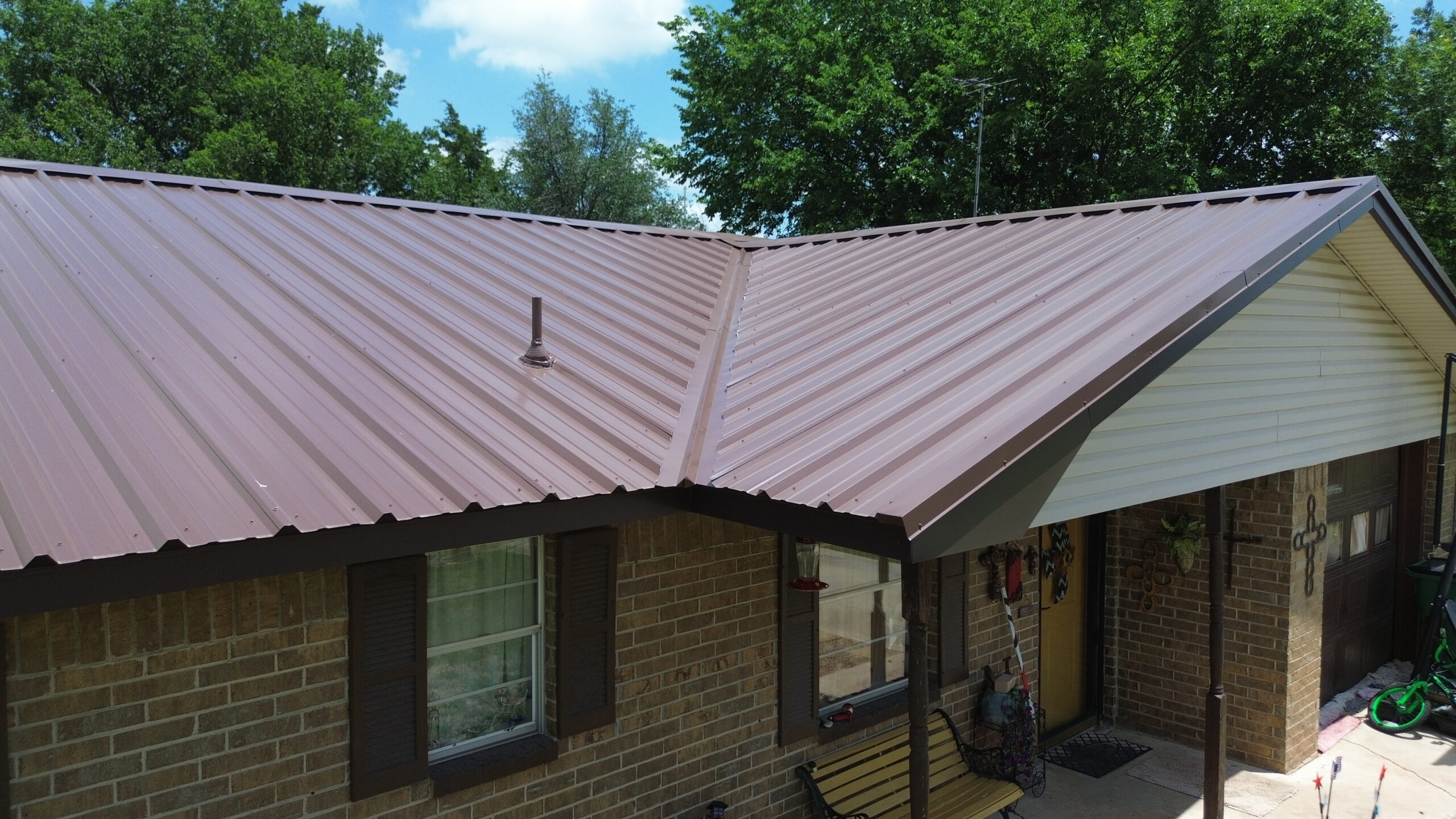
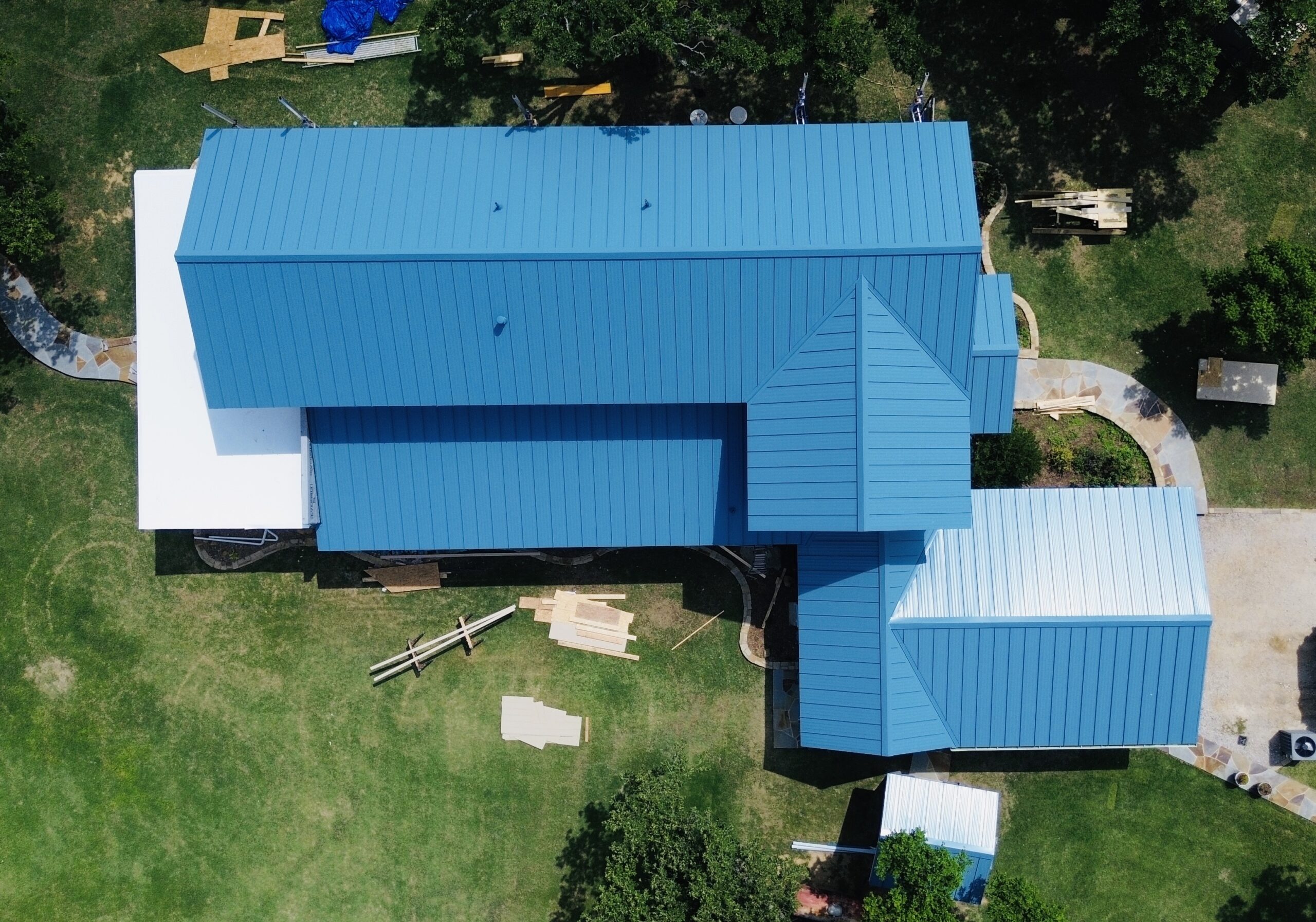
Metal roofing systems provide another important option for commercial buildings, particularly properties where durability and long-term performance are major priorities. Commercial metal roofs can use panels made from different metals and may be available in various profiles, finishes, and installation configurations.
Standing seam systems are commonly associated with commercial metal roofing. These systems use raised seams that connect adjacent panels while reducing the number of exposed fasteners on the roof surface. Other metal systems may use different panel designs and attachment methods depending on the building.
One advantage of metal roofing is its resistance to many forms of environmental exposure. Properly selected and installed panels can provide long-term protection against rain and sunlight. However, performance depends heavily on appropriate detailing, fastening, coatings, and maintenance.
Thermal movement should be considered during metal roof design. Metal panels can expand and contract as temperatures change, so the system must be designed to accommodate this movement. Poor detailing can contribute to stress around seams, fasteners, penetrations, and other connection points.
Flashing is particularly important on metal roofs. Roof edges, walls, vents, skylights, equipment curbs, and other transitions must be properly integrated with the metal panels. Water can enter when connections are poorly designed or when sealants and flashing deteriorate.
Metal roofing can also support certain energy-efficiency goals, depending on the material, finish, insulation, and overall roof assembly. Reflective finishes may influence solar heat gain, although the actual building benefit depends on climate and other building characteristics.
Maintenance should include checking fasteners, seams, coatings, flashing, drainage, and signs of corrosion or physical damage. Debris should be removed from areas where it could retain moisture or interfere with drainage.
For commercial properties seeking a durable roofing solution with a distinct appearance, metal systems can be worth considering. However, property owners should evaluate structural compatibility, installation quality, thermal movement, maintenance requirements, and long-term costs before making a final decision.
Spray Polyurethane Foam Roofing Systems
Spray polyurethane foam roofing, commonly called SPF roofing, is a commercial roofing approach that combines insulation and waterproofing into a continuous sprayed layer. The material is applied directly to an appropriately prepared roof surface, where it expands and forms a seamless layer. Because it can cover irregular areas and create a continuous surface, SPF can be useful for certain commercial buildings with complex roof conditions.
One of the main characteristics of SPF roofing is its seamless construction. Traditional roofing systems contain seams between sheets or panels, while properly applied foam can create a continuous surface with fewer potential pathways for water. The foam can also be shaped to help direct water toward drains and other designated drainage points.
SPF systems generally include a protective coating over the foam. The coating helps protect the underlying material from ultraviolet exposure, moisture, physical damage, and environmental conditions. The specific coating type should be selected according to the roofing assembly and expected exposure.
Proper surface preparation is essential for SPF installation. The existing roof must be evaluated for moisture, structural concerns, contamination, and compatibility with the proposed system. Any unsuitable areas should be repaired or removed before the foam is applied.
Professional application is particularly important because installation conditions can influence the quality of the finished foam. Temperature, moisture, wind, surface condition, and application technique can all affect how the material expands and bonds. Experienced contractors should follow the product manufacturer’s requirements during installation.
Maintenance usually focuses on the protective coating and areas where physical damage may occur. Foot traffic, equipment work, severe weather, or falling objects can damage the protective surface. Regular inspections can help identify areas requiring repair or recoating.
SPF can sometimes be used as part of a restoration strategy instead of complete roof replacement. However, the existing roof must be suitable for the system, and moisture or structural problems should be addressed first. A professional assessment is therefore important before choosing this approach.
For appropriate commercial properties, SPF can provide a combination of thermal insulation, water resistance, and continuous coverage. Its suitability depends on building conditions, installation requirements, maintenance expectations, and long-term project goals.
Liquid-Applied Roofing Systems
Liquid-applied roofing systems use specially formulated materials that are spread or sprayed over an existing roof surface to create a continuous protective membrane. These systems can be used for restoration projects when the underlying roof remains structurally sound and suitable for the selected coating or membrane.
One of the primary characteristics of liquid-applied systems is their ability to form a seamless surface. The material can flow around penetrations, irregular shapes, equipment curbs, and other complicated areas. This can make the system useful for roofs where conventional sheet materials would require numerous seams and detailed cuts.
Several types of liquid-applied materials are available, and their properties can vary significantly. Some are designed for particular substrates or environmental conditions, while others have specialized characteristics related to flexibility, ultraviolet resistance, or waterproofing. Product selection should be based on the existing roof and project requirements.
Surface preparation is one of the most important parts of the process. Dirt, loose materials, existing damage, moisture, and incompatible substances may interfere with adhesion. The existing roof should therefore be inspected and prepared according to the selected system’s requirements.
Repairs may need to be completed before the liquid material is applied. Damaged membrane areas, deteriorated flashing, drainage problems, or wet insulation cannot necessarily be corrected simply by covering them with a coating. The underlying roof must be suitable for restoration.
Liquid-applied systems can also be useful around complicated penetrations. When properly installed, the material can create continuous protection around vents, pipes, curbs, and other transitions. However, these areas still require careful preparation and detailing.
Maintenance should include periodic inspection of the coating surface, seams, flashing, drainage components, and areas exposed to foot traffic. Over time, recoating may be necessary depending on the product and environmental exposure.
The potential benefit of liquid-applied roofing is that it can sometimes restore an existing roof without requiring complete removal. This may reduce certain construction disruptions, but the approach is not appropriate for every building. Property owners should compare restoration potential, expected service life, installation requirements, and long-term costs before choosing a liquid-applied system.
Green and Vegetative Commercial Roofing Systems
Green or vegetative roofing systems incorporate living plants and growing media into portions of a commercial roof. These systems can provide a distinctive approach to roof design while supporting certain environmental and building-management objectives. They require considerably different planning and maintenance from conventional commercial roofs.
A green roof typically includes several layers that separate the vegetation and growing medium from the waterproofing system. These may include drainage components, root barriers, protective layers, and specialized growing media. The underlying waterproofing system must be designed to withstand the conditions created by the green roof assembly.
Structural capacity is an important consideration. Vegetation, growing media, retained water, drainage components, and other layers can add significant weight to the roof. A structural professional should evaluate the building before a green roof is installed or substantially modified.
Drainage is also critical. The system must manage rainfall while providing appropriate moisture conditions for the vegetation. Blocked drainage can affect both the plants and the underlying roofing assembly, making regular inspection especially important.
Green roofs can vary from systems with relatively limited vegetation to more extensive designs with deeper growing media and a broader variety of plants. The appropriate design depends on the building structure, climate, maintenance capacity, budget, and desired use of the roof.
Maintenance requirements can be higher than those of conventional systems. Vegetation needs appropriate care, while drainage outlets and waterproofing components must remain accessible for inspection. Property owners should establish a maintenance plan before installation rather than assuming the system will maintain itself.
Access should also be carefully planned. Workers need safe pathways to inspect drainage areas, maintain plants, and evaluate roofing components. Protective walkways can help prevent unnecessary damage to the waterproofing system.
Green roofing can be an attractive option for organizations with environmental goals or properties where rooftop landscaping provides a useful function. However, it should be treated as a complete building system rather than simply adding plants to an existing roof. Structural design, waterproofing, drainage, vegetation, maintenance, and access must all be considered together.
Ballasted Commercial Roofing Systems
Ballasted roofing systems use weight, often in the form of approved aggregate or specialized pavers, to hold roofing membranes in position instead of relying entirely on mechanical fasteners or adhesives. This approach has been used on various commercial buildings and can provide certain installation and protection characteristics.
A typical ballasted system includes a waterproofing membrane installed over the roof assembly, with ballast placed above it according to the system design. The weight helps resist movement caused by wind and can provide physical protection to the membrane.
The supporting roof structure must be able to handle the additional weight. This makes structural evaluation an important part of planning. The design should also account for the distribution of ballast and any other loads associated with equipment, maintenance personnel, or stored materials.
Ballast placement must be carefully controlled. It should provide appropriate coverage without interfering with drains, expansion joints, flashing, equipment, or other critical components. Improperly positioned ballast can create drainage or maintenance problems.
One potential benefit is that the membrane may receive additional protection from direct exposure and certain types of physical damage. However, the system still requires regular inspection, and the membrane should not be assumed to be immune from deterioration.
Drainage maintenance is particularly important because ballast can make some areas more difficult to inspect and access. Drains should remain clear, and inspection pathways should be planned so maintenance personnel can reach important roof components.
Repairs can also require additional planning. Accessing the membrane may involve temporarily moving ballast from the affected area. Property owners should understand these maintenance requirements before selecting a ballasted system.
Ballasted roofing can be suitable for certain commercial buildings where the structure, roof design, and maintenance strategy support the approach. However, structural capacity, drainage, wind exposure, access, and future repair requirements should all be evaluated before installation.
Roof Coating Systems and Restoration Options
Roof coatings can provide a restoration option for commercial roofs that remain fundamentally sound but need additional protection. A coating is applied over an existing roof surface to create a protective layer that may improve resistance to weather exposure and extend the useful service life of the underlying system.
The success of a coating project depends heavily on the condition of the existing roof. Significant structural deterioration, widespread moisture, severely damaged membranes, or unsuitable substrates may make coating inappropriate. A professional assessment should determine whether restoration is technically feasible.
Preparation typically involves cleaning the existing surface and repairing identified defects. Loose materials, damaged areas, deteriorated flashing, and other problems may need to be addressed before the coating is installed. Skipping preparation can reduce adhesion and compromise the performance of the finished system.
Different coatings have different properties and application requirements. Some may provide strong resistance to sunlight, while others may have different characteristics related to flexibility, water exposure, or temperature changes. The selected product should be compatible with the existing roofing material.
Coatings can also help seal certain vulnerable areas when properly applied. However, they should not be viewed as a universal solution for every leak or roof defect. Problems beneath the existing roof assembly may continue even when the surface appears properly coated.
Regular inspections remain necessary after restoration. Property owners should monitor the coating for cracking, wear, damage, ponding, or deterioration around penetrations and edges. Maintenance requirements vary according to the product and environmental conditions.
Restoration can sometimes reduce the disruption associated with complete replacement because the existing roofing system may remain in place. However, the decision should consider expected remaining life, warranty conditions, maintenance costs, and the long-term condition of the existing assembly.
A properly planned coating system can be a useful tool for extending commercial roof performance. Its value depends on choosing the right product, preparing the existing roof correctly, applying the coating according to specifications, and maintaining the finished surface.
Comparing Commercial Roofing Systems for Different Buildings
Different commercial properties have different roofing requirements, so comparing systems should begin with the building rather than the material. A large warehouse may prioritize cost-effective durability and simple maintenance, while an office complex may require greater attention to rooftop equipment, energy performance, appearance, and occupant comfort.
Industrial properties may experience chemical exposure, mechanical activity, heavy equipment access, or frequent maintenance traffic. The roofing system should be evaluated for compatibility with these conditions. Protective pathways and specialized detailing may also be necessary.
Retail buildings often have large roof areas combined with customer-facing operations below. Reliability and drainage are important because leaks can disrupt business activities and damage inventory or interior finishes. Construction scheduling may also need to minimize disruption to customers and employees.
Office buildings may place greater emphasis on energy performance and occupant comfort. Insulation, reflective roof surfaces, rooftop mechanical equipment, and maintenance access can all influence system selection. The roof should support the building’s broader energy and operational objectives.
Warehouses and distribution facilities may require roofing systems capable of covering large areas efficiently. Maintenance access, drainage, durability, and compatibility with rooftop equipment should be considered alongside installation cost.
Institutional buildings such as schools and healthcare facilities may require particularly careful planning because occupants, equipment, and daily operations can be sensitive to construction disruptions. Roofing work may need to be phased or scheduled around building activities.
A comparison should therefore consider several factors:
| Factor | Why It Matters |
|---|---|
| Building structure | Determines compatible roof assemblies |
| Roof slope | Influences drainage and waterproofing |
| Climate | Affects weather and material exposure |
| Building use | Determines durability and access needs |
| Rooftop equipment | Influences detailing and maintenance |
| Budget | Affects material and installation choices |
| Maintenance | Determines long-term management requirements |
| Service life | Helps evaluate overall investment value |
The best commercial roofing system is not necessarily the most expensive or the most commonly installed. It is the system that matches the property’s structure, operating conditions, climate, maintenance capabilities, performance objectives, and long-term budget.
By comparing roofing systems according to these practical factors, property owners can make more informed decisions and avoid selecting materials based solely on appearance or initial cost.
Choosing a Commercial Roofing System Based on Building Needs
Choosing a commercial roofing system should begin with the building itself rather than with a specific material or brand. Every property has different structural characteristics, operating conditions, roof access requirements, drainage arrangements, and maintenance expectations. A roofing system that performs well on one commercial property may not provide the same value on another.
The first consideration should be the existing roof structure and deck. Property owners need to understand whether the building can support the selected system and whether the existing deck is suitable for the proposed installation. Structural limitations can affect the feasibility of heavier systems, additional insulation, ballast, rooftop equipment, or other upgrades.
The roof slope also influences system selection. Low-slope commercial roofs require carefully designed drainage and waterproofing because rainfall must move toward designated outlets rather than simply flowing quickly from the surface. Membrane systems, built-up roofing, modified bitumen, coatings, and other options can be evaluated according to the specific slope and drainage design.
Building operations are equally important. A roof containing HVAC units, solar equipment, vents, pipes, or other installations may require regular maintenance access. Property owners should consider protective walkways and appropriate detailing around equipment so that routine access does not unnecessarily damage the roofing system.
Expected foot traffic should also influence the choice. A roof that rarely receives visitors may have different protection requirements from one used frequently by maintenance teams. Areas with regular access can benefit from planned pathways and protective surfaces.
The building’s future plans should also be considered. If major equipment changes, solar installations, expansions, or other improvements are expected, the roofing system should be selected with those plans in mind. Installing a system without considering future modifications can create additional costs later.
Budget remains an important factor, but the initial price should not be the only consideration. Property owners should compare installation costs, expected service life, maintenance requirements, repair frequency, energy performance, and replacement needs. A complete life-cycle perspective can reveal the true value of different systems.
The right roofing system should therefore provide an appropriate balance between structural compatibility, weather protection, durability, maintenance, operating requirements, and long-term financial value.
Commercial Roofing Systems and Climate Conditions
Climate has a major influence on how commercial roofing systems perform over time. Roofs are exposed continuously to sunlight, rain, wind, temperature changes, and other environmental conditions. Understanding these exposures helps property owners choose materials and construction details that can withstand the conditions common in their area.
High temperatures and intense sunlight can place significant stress on roofing materials. Repeated heating and cooling can cause expansion and contraction, while ultraviolet exposure can contribute to surface deterioration. Materials and protective coatings should therefore be selected according to their ability to handle the expected environmental exposure.
Heavy rainfall creates a different set of challenges. Commercial roofs need reliable drainage systems capable of moving water away efficiently. Drains, scuppers, gutters, and downspouts should be properly sized, installed, and maintained so water does not remain on the roof unnecessarily.
Strong winds can affect membranes, metal panels, flashing, edges, and other roof components. Attachment methods and edge details should be designed according to the property’s exposure and applicable requirements. Vulnerable components should receive particular attention during inspections.
Cold climates introduce additional considerations related to temperature changes, moisture, and freeze-related conditions. Roofing assemblies should be designed to handle the environmental conditions expected at the property. Insulation and moisture management can also influence overall building performance.
Storm-prone areas may require additional attention to impact resistance and secure installation. After severe weather, professional inspections can help identify damage that may not be obvious from ground level.
Climate should also influence maintenance schedules. Buildings exposed to heavy rainfall, strong storms, intense sunlight, or frequent temperature changes may benefit from more frequent inspections. Property owners should consider local conditions when developing their maintenance plans.
No roofing system is completely maintenance-free, regardless of its advertised durability. Selecting materials appropriate for the local climate and maintaining them properly provides a stronger foundation for long-term performance.
Maintenance Requirements for Different Roofing Systems
Maintenance requirements vary according to the type of commercial roofing system, but every roof benefits from regular inspection and preventive care. Maintenance helps identify minor problems before they become larger failures and allows property owners to make repairs while they are still manageable.
Single-ply membranes should be inspected for punctures, seam problems, membrane damage, flashing deterioration, and issues around penetrations. Rooftop equipment work should also be monitored because tools, fasteners, or careless movement can damage the membrane.
Built-up roofing requires attention to surface condition, flashing, drainage, edges, and areas showing signs of deterioration. Because the system contains multiple layers, early identification of surface problems can help prevent moisture from reaching deeper components.
Modified bitumen systems should be checked for membrane damage, seams, flashing, and signs of aging. Areas around equipment and penetrations deserve particular attention because movement or maintenance activity can affect the roofing assembly.
Metal roofs require inspections of seams, fasteners, flashing, protective finishes, drainage, and areas showing signs of corrosion or physical damage. Thermal movement can also affect connections over time, making appropriate detailing and periodic inspection important.
SPF systems require attention to the protective coating and areas exposed to physical damage. The coating may require maintenance or renewal over time depending on its condition and environmental exposure.
Liquid-applied systems should be inspected for cracking, wear, surface deterioration, flashing problems, and drainage issues. The coating should remain continuous and properly attached to the prepared substrate.
Green roofs require a broader maintenance program because vegetation, growing media, drainage layers, and waterproofing all need attention. Plants may require care while drains and inspection areas must remain accessible.
Ballasted systems require careful inspection of drainage, ballast distribution, exposed components, and membrane areas that can be accessed. Maintenance may require temporarily moving ballast to reach specific sections of the roof.
A useful maintenance program should include regular inspections, drainage cleaning, storm assessments, prompt repairs, and accurate documentation. Property owners should follow applicable manufacturer recommendations and work with qualified professionals when specialized maintenance is required.
Commercial Roofing System Lifespan and Long-Term Value
The expected service life of a commercial roofing system depends on many factors, including material quality, installation, climate, maintenance, building use, and exposure to physical damage. Property owners should avoid treating lifespan figures as guarantees because actual performance can vary considerably between buildings.
Installation quality has a major influence on long-term performance. Even a high-quality material can deteriorate prematurely when seams, flashing, drainage, penetrations, or attachment methods are installed incorrectly. Professional installation should therefore be treated as part of the roofing investment rather than an optional expense.
Maintenance can also influence how long a system remains useful. Prompt repairs can prevent localized problems from spreading into larger sections of the roof. Regular inspections also help property owners understand whether the system is performing normally or showing signs of accelerated deterioration.
The building environment can affect service life as well. Frequent rooftop traffic, equipment maintenance, chemical exposure, severe weather, and poor drainage can place additional stress on roofing materials. Systems should be selected and maintained according to the conditions they will actually experience.
Long-term value should be evaluated beyond the initial installation price. Property owners can compare expected maintenance requirements, repair costs, energy performance, service life, and replacement timing when considering different options.
A simple life-cycle comparison can help identify the broader financial picture. A system with a lower purchase price may require more frequent repairs, while a higher-quality system may have greater initial costs but provide longer service with fewer interventions.
Warranties should also be reviewed carefully. Material warranties and workmanship warranties can have different conditions and limitations. Property owners should understand maintenance requirements, exclusions, inspection obligations, and procedures for making claims.
Keeping complete roofing records can improve long-term management. Installation information, material specifications, inspection reports, repairs, photographs, and warranty documents can help future contractors understand the roof’s history.
The best commercial roofing investment is therefore one that balances initial cost with performance, maintenance, durability, energy considerations, and future replacement requirements. Looking at the complete ownership period provides a more realistic picture of roofing value.
Common Mistakes When Selecting Commercial Roofing Systems
One common mistake is choosing a roofing system based primarily on its initial price. Although controlling construction costs is important, the least expensive option may not provide the lowest total cost over the roof’s useful life. Property owners should compare complete project scopes and long-term maintenance expectations.
Another mistake is selecting a system without evaluating the existing roof structure. The building deck, slope, drainage arrangement, insulation, and existing materials can all affect compatibility. A professional assessment should be completed before a major roofing system is selected.
Ignoring drainage is another serious planning error. Even durable roofing materials can experience problems when water remains on the roof for extended periods. Drainage design and maintenance should therefore be treated as central parts of the roofing system.
Some property owners also focus heavily on the visible membrane or panels while overlooking supporting components. Insulation, flashing, edge details, fasteners, seams, and penetrations all contribute to performance. A strong roofing system requires attention to the complete assembly.
Choosing a contractor without checking qualifications can also create problems. Property owners should evaluate relevant experience, insurance, references, project documentation, and knowledge of the selected roofing system. Installation quality has a direct relationship with long-term performance.
Another mistake is failing to plan for rooftop equipment and future access. Maintenance personnel may need to reach HVAC units, vents, electrical equipment, or other installations. Without appropriate pathways and protection, routine activity can damage the roofing surface.
Property owners may also neglect maintenance after installation. A new roof can still develop problems caused by severe weather, equipment work, drainage restrictions, or physical damage. Preventive inspections remain important throughout the life of the system.
Finally, selecting a roofing system without considering future building plans can create unnecessary complications. Property owners should think about possible expansions, equipment changes, solar installations, or other major modifications before finalizing the roofing design.
Avoiding these mistakes requires a methodical selection process. Building conditions, climate, operations, maintenance, cost, and future needs should all be evaluated before the final roofing decision is made.
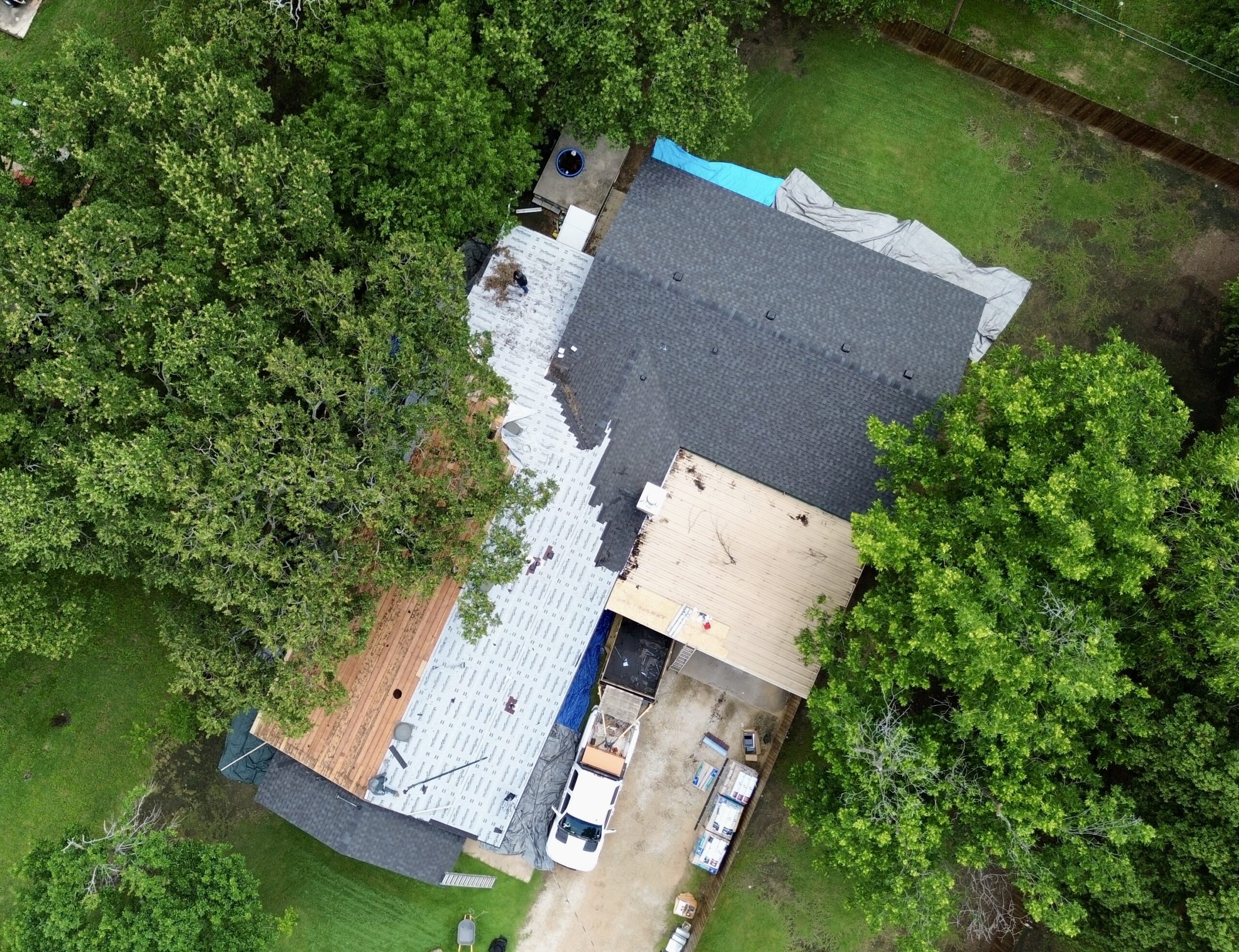
Creating a Practical Commercial Roofing Selection Plan
A practical selection plan brings all the previous considerations together into a structured decision-making process. Property owners should begin by documenting the building’s current roofing condition and identifying the most important performance requirements. This creates a clear starting point for comparing available systems.
The next step is to define the property’s priorities. These may include durability, waterproofing, energy performance, low maintenance, storm resistance, appearance, or cost control. Priorities can vary between properties, so the selection process should reflect the building’s actual needs.
Property owners should then evaluate appropriate roofing system categories. Single-ply membranes, built-up roofing, modified bitumen, metal roofing, SPF, liquid-applied systems, green roofs, ballasted systems, and restoration coatings each have different applications. Professional guidance can help narrow the choices to systems compatible with the building.
Contractor proposals should be compared using the same project requirements. Each proposal should clearly identify materials, preparation, insulation, flashing, drainage, installation methods, warranties, cleanup, and expected schedule. Comparing complete scopes makes price differences easier to understand.
The selection process should also include long-term planning. Property owners should consider inspection schedules, maintenance costs, potential repairs, expected service life, and eventual replacement. This prevents the decision from focusing only on the installation phase.
A practical selection checklist can include:
- Evaluate the existing roof and structural conditions.
- Identify climate and weather exposure.
- Determine roof slope and drainage requirements.
- Review building operations and rooftop equipment.
- Define durability, energy, and maintenance goals.
- Compare compatible roofing system types.
- Obtain detailed proposals from qualified contractors.
- Review warranties and installation requirements.
- Compare initial and long-term costs.
- Establish a maintenance and inspection strategy.
After selecting the system, property owners should maintain complete documentation. Material specifications, installation records, warranties, inspection reports, and repair history should be kept together for future reference.
The final decision should be based on overall suitability rather than a single feature. A commercial roofing system provides the best value when it matches the building’s structure, climate, operating requirements, maintenance capabilities, and long-term financial objectives.
Conclusion
Understanding different types of commercial roofing systems gives property owners a stronger foundation for making informed building decisions. Single-ply membranes, built-up roofing, modified bitumen, metal roofing, SPF, liquid-applied systems, green roofs, ballasted systems, and coating-based restoration each offer different characteristics and potential applications.
No roofing system is automatically the best choice for every commercial property. Building structure, roof slope, climate, drainage, rooftop equipment, foot traffic, energy objectives, maintenance requirements, and budget all influence which system is appropriate.
Installation quality and ongoing maintenance are just as important as material selection. Proper flashing, drainage, seams, penetrations, insulation, and attachment methods help the complete roofing assembly perform effectively. Regular inspections and prompt repairs can also protect the system from premature deterioration.
Long-term value should remain a central part of the decision. Property owners should consider the complete ownership cost, including installation, maintenance, repairs, energy performance, service life, and eventual replacement rather than focusing only on the initial price.
A thoughtful commercial roofing selection process begins with understanding the building and ends with a long-term management plan. By comparing systems according to actual property requirements and working with qualified professionals, property owners can choose roofing solutions that provide dependable protection, practical maintenance, and stronger value throughout the life of the building.