
Complete Residential Roofing Planning Guide for Homeowners
Introduction
Planning a residential roofing project is one of the most important responsibilities a homeowner can take on when protecting a property. A roof does much more than cover the top of a house. It helps control indoor comfort, protects walls and belongings from weather, supports energy efficiency, and contributes significantly to the overall appearance and value of the property. Because roofing work can involve substantial costs, careful planning helps homeowners avoid rushed decisions and unnecessary expenses.
A successful roofing project begins long before materials arrive at the property. Homeowners need to understand the condition of the existing roof, determine what they want from a new or repaired system, consider the local climate, establish a realistic budget, and select materials that match the home’s structure. Taking time to evaluate these factors creates a stronger foundation for decisions and makes it easier to communicate expectations with a roofing professional.
Residential roofing planning also involves thinking beyond the immediate project. A roof should be selected and installed with its future maintenance, durability, energy performance, and replacement needs in mind. By approaching roofing as a long-term investment rather than a simple construction task, homeowners can make choices that provide reliable protection for many years.
Understanding the Importance of Residential Roofing Planning
A roof is continuously exposed to changing environmental conditions. Sunlight, rain, wind, temperature changes, moisture, dust, and storms can gradually affect roofing materials and the components beneath them. Even a roof that appears to be in acceptable condition from the ground may have developing problems that require closer inspection. Proper planning allows homeowners to identify these concerns before they become expensive structural or interior damage.
One of the first benefits of planning is the ability to distinguish between repair and replacement. Minor problems such as isolated damaged shingles, deteriorated flashing, or small areas of leakage may sometimes be addressed through targeted repairs. However, an aging roof with widespread deterioration may require replacement rather than repeated repairs. Understanding the overall condition of the system helps homeowners spend money where it will have the greatest long-term benefit.
Planning is also important because a roofing system consists of multiple components rather than a single layer of material. Shingles, tiles, metal panels, underlayment, flashing, ventilation components, roof decking, insulation, gutters, and drainage systems can all influence performance. If one component is overlooked, the finished roof may not perform as effectively as expected.
A well-planned roofing project can also improve household comfort and operating efficiency. Proper ventilation and insulation can help manage heat and moisture in the attic, while appropriate roofing materials can contribute to the home’s overall energy performance. These considerations are especially important when homeowners are already planning other improvements to the building envelope.
Before making major decisions, homeowners should establish the primary purpose of the project. Their priorities might include:
- Repairing leaks and preventing further water damage
- Replacing an aging or severely damaged roof
- Improving energy efficiency and indoor comfort
- Increasing resistance to local weather conditions
- Improving the home’s exterior appearance and property value
Having clear priorities makes later decisions easier because homeowners can evaluate materials and contractors according to their actual needs rather than choosing based only on appearance or initial price.
Assessing Your Home’s Existing Roof
A detailed assessment of the existing roof should be one of the earliest steps in any residential roofing plan. Homeowners should not rely only on visible problems because some roofing failures begin beneath the surface. A professional inspection can provide a more complete understanding of the roof’s condition and identify areas that may require repair, replacement, or further investigation.
From ground level, homeowners can look for obvious warning signs such as missing, cracked, curled, or damaged roofing materials. Discoloration may indicate moisture-related problems, while sagging areas can suggest issues involving the roof structure or decking. Excessive granules in gutters can also indicate deterioration of asphalt shingles, particularly when the roof is approaching the later portion of its service life.
Interior areas can provide additional clues. Water stains on ceilings or walls, peeling paint, damp insulation, musty odors, or visible moisture around attic areas may indicate that water is entering the building envelope. However, the location of an interior stain does not always identify the exact source of a leak because water can travel along roofing materials and structural components before becoming visible inside the home.
Homeowners should also consider the roof’s age and maintenance history. A roof that has been regularly inspected and maintained may perform differently from a roof of similar age that has experienced repeated leaks, storm damage, or poor repairs. Keeping records of previous roofing work can help contractors understand what has already been done and whether certain components may need additional attention.
During an assessment, particular attention should be given to areas where different materials or structures meet. Flashing around chimneys, vents, skylights, valleys, and roof edges can be vulnerable to water intrusion when damaged or improperly installed. Gutters and downspouts should also be checked because poor drainage can contribute to moisture problems around the roof and foundation.
The goal of an assessment is not simply to find visible defects. It is to understand how the entire roofing system is performing and whether its components are working together properly. This information becomes the foundation for deciding what work is actually necessary.
Identifying Signs That Your Roof Needs Attention
Recognizing roofing problems early can help homeowners prevent relatively small defects from becoming major repairs. Roofing materials naturally age, but deterioration does not always happen evenly. Certain sections may experience greater exposure to sunlight, wind, standing water, or falling branches, causing localized damage before the rest of the roof shows obvious signs of aging.
Water intrusion is one of the most important warning signs. A homeowner may notice stains on ceilings, damp areas in the attic, or moisture appearing around windows and exterior walls. Even a small leak should receive attention because continued moisture exposure can damage insulation, wood components, interior finishes, and other parts of the building.
Visible roofing damage should also be taken seriously. Cracked tiles, broken shingles, loose materials, exposed fasteners, and damaged metal components can create pathways for water and wind. After severe weather, homeowners should visually check the roof from a safe location and arrange a professional inspection when damage is suspected.
Another concern is poor drainage. Gutters filled with debris, disconnected downspouts, or areas where water remains on the roof can increase moisture exposure. Effective drainage is particularly important because water should be directed away from roofing surfaces and the home’s foundation rather than allowed to accumulate.
Homeowners should also watch for signs of roof movement or structural deterioration. Sagging roof sections are not normal cosmetic issues and may indicate problems that require professional evaluation. Because structural conditions can present safety risks, homeowners should avoid attempting to investigate or repair questionable areas themselves.
The presence of several warning signs at the same time can indicate that a broader evaluation is necessary. Instead of repeatedly addressing individual symptoms, homeowners should determine whether the roofing system is reaching the point where replacement would provide a more reliable long-term solution.
Choosing the Right Residential Roofing System
Selecting a roofing system involves more than choosing a color or material based on appearance. The right system should suit the home’s architectural design, climate, structural characteristics, maintenance expectations, and available budget. Homeowners should evaluate how different materials are expected to perform under the environmental conditions experienced by the property.
Asphalt shingles remain a common choice for residential properties because they are available in many styles and price ranges. Metal roofing can provide strong durability and may be suitable for homeowners seeking long service life and weather resistance. Clay or concrete tiles can offer distinctive appearance and durability, although their weight and installation requirements should be evaluated carefully.
Other roofing options may be appropriate depending on the building design and local conditions. The important point is that there is no single roofing material that is ideal for every home. Material selection should be based on performance requirements rather than popularity alone.
Homeowners should consider several factors when comparing roofing systems. These include expected service life, installation requirements, maintenance needs, resistance to wind and moisture, appearance, energy performance, and total ownership cost. A material with a higher initial price may provide greater long-term value if it offers extended durability and lower maintenance requirements.
Compatibility with the existing structure is equally important. Some roofing materials are heavier than others, and the roof structure must be capable of supporting the selected system. A qualified roofing professional can evaluate these requirements and identify whether structural improvements or additional preparation are needed before installation.
Color and design should also be considered, particularly when the roof replacement is part of a broader exterior renovation. Roofing color can influence how large or small the home appears and should complement siding, brick, stone, trim, windows, and other exterior elements. Choosing a style that fits the property’s architecture can improve curb appeal while maintaining a cohesive appearance.
Establishing a Realistic Roofing Budget
Budget planning is one of the most important stages of a residential roofing project. Homeowners should avoid basing their entire decision on the lowest available estimate because roofing costs depend on much more than the visible covering material. Labor, roof size, slope, accessibility, underlayment, flashing, ventilation, decking repairs, disposal, permits, and other project requirements can all affect the final cost.
A realistic budget should begin with an understanding of the property’s current condition. If the roof decking is damaged or ventilation is inadequate, these issues may need to be addressed during the project. Discovering such conditions after work begins can increase the final cost, so homeowners should discuss possible additional expenses with contractors before approving the project.
It is also useful to compare estimates based on the complete scope of work rather than simply comparing total prices. Two contractors may provide different prices because their proposals include different materials, warranties, preparation work, or installation methods. A detailed estimate makes it easier to understand what is actually included and reduces the risk of unexpected charges.
Homeowners should also consider the long-term cost of ownership. A cheaper roof may have a lower initial price but require more frequent repairs or earlier replacement. Conversely, investing in a durable system with appropriate installation and maintenance may provide better value over its service life.
A roofing budget should therefore account for both immediate and future expenses. Setting aside a reasonable reserve for unexpected conditions can provide additional financial protection, especially for older roofs where hidden deterioration may not be visible until materials are removed.
The best roofing plan balances cost, performance, durability, appearance, and future maintenance. By evaluating these factors together, homeowners can avoid making a short-term decision that creates larger expenses later.
Selecting a Qualified Residential Roofing Contractor
Choosing the right roofing contractor is one of the most important decisions in a residential roofing project. Even high-quality roofing materials can perform poorly when they are installed incorrectly or when important components are overlooked. Homeowners should therefore evaluate contractors based on experience, workmanship, communication, documentation, and their ability to handle the specific requirements of the property.
Before hiring a contractor, homeowners should verify that the company is properly established and has experience with residential roofing projects similar to theirs. Licensing and insurance requirements vary by location, so these should be confirmed according to local regulations. It is also useful to review recent projects, customer feedback, references, and the contractor’s approach to handling problems that may appear during installation.
A professional contractor should be willing to explain the proposed roofing system in clear language. Homeowners should understand which materials will be installed, what preparation work is included, how ventilation and flashing will be addressed, and how debris will be removed. A contractor who avoids detailed questions or pressures a homeowner to make an immediate decision may not be the best choice for a major roofing investment.
Homeowners should also compare several detailed estimates rather than selecting a contractor based solely on the lowest price. The estimates should describe the scope of work, materials, labor, removal of existing roofing, cleanup, warranties, and any expected additional charges. Comparing these details makes it easier to identify differences between proposals.
Communication should continue throughout the project. A reliable contractor should explain when work is expected to begin, how weather could affect the schedule, and how unexpected conditions will be handled. Clear communication helps homeowners understand what is happening and reduces misunderstandings once construction begins.
Understanding Roofing Estimates and Contracts
A detailed roofing estimate gives homeowners a clearer picture of the project’s expected cost and scope. A professional estimate should identify the roofing material, approximate quantity, labor charges, removal and disposal costs, and other major components required for installation. It should also explain whether items such as underlayment, flashing, ventilation, decking repairs, and gutters are included.
Homeowners should carefully review the difference between an estimate and the final contract. An estimate provides projected costs, while the contract establishes the agreed terms of the project. Important details should be documented rather than relying on verbal promises because written information provides a clearer reference if questions arise later.
A roofing contract should normally address several key areas, including:
- Scope of work and materials
- Project price and payment schedule
- Expected project timeline
- Warranty information
- Cleanup and debris removal
- Procedures for unexpected repairs or additional costs
Payment terms deserve particular attention. Homeowners should understand when deposits or progress payments are due and what portion of the project is expected to be paid at each stage. Large upfront payments may require additional caution, especially when the contractor has not yet demonstrated progress or provided sufficient documentation.
The contract should also explain how unexpected conditions will be handled. For example, removing an old roof may reveal damaged decking that could not reasonably be identified during the initial inspection. The homeowner and contractor should have an agreed process for documenting these conditions, approving additional work, and determining the associated cost.
Warranties should be reviewed separately rather than treated as a minor contract detail. There may be different warranties for roofing materials and installation workmanship, and their terms can vary considerably. Homeowners should understand what is covered, how long coverage lasts, and whether maintenance or specific installation requirements affect warranty protection.
Planning the Roofing Project Timeline
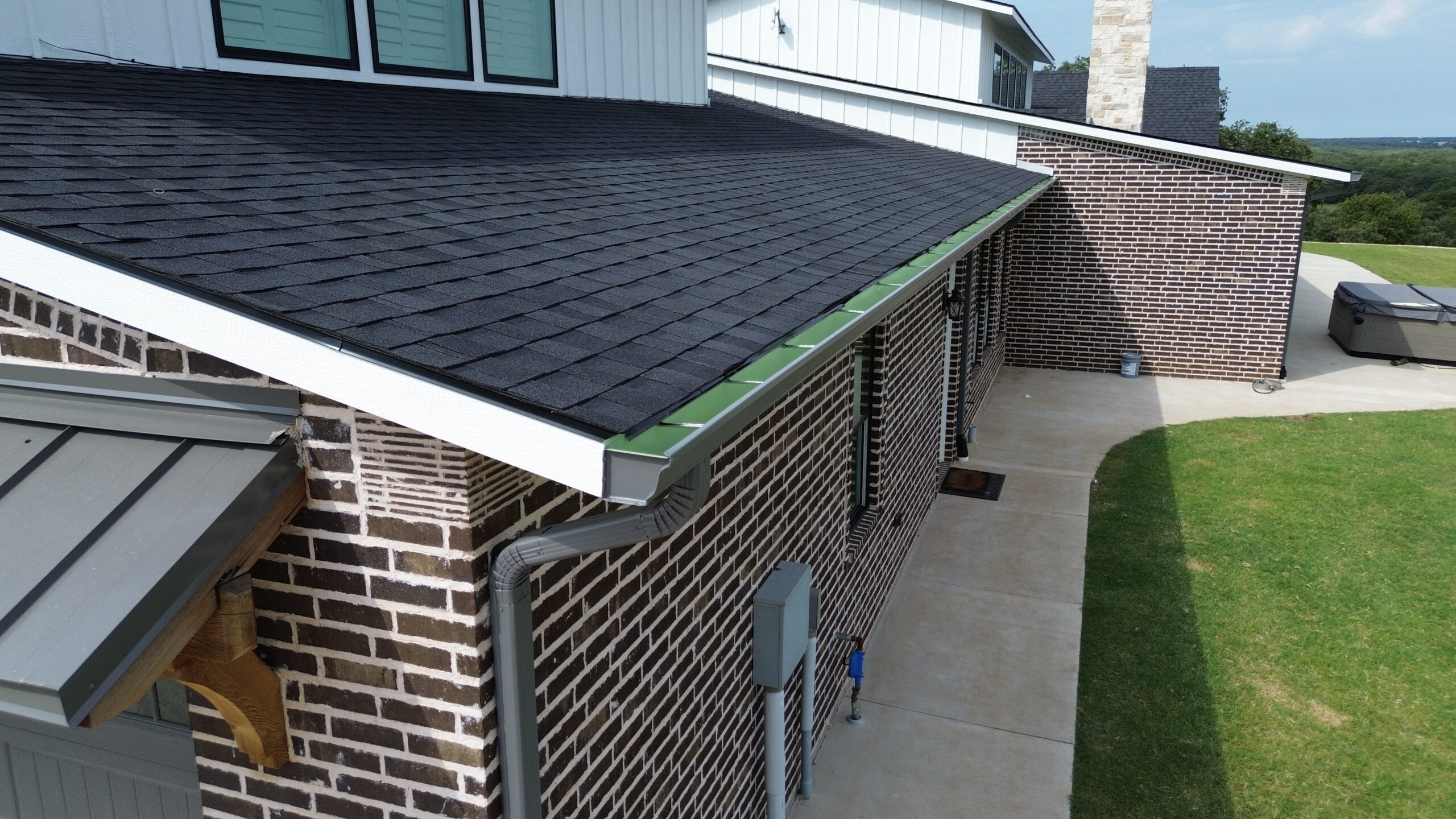
A roofing project should have a realistic timeline that accounts for preparation, material delivery, installation, inspections, and cleanup. Homeowners often focus only on the number of days required to install the roof, but several activities take place before and after the actual installation. Understanding the complete sequence makes it easier to prepare the household.
Material availability can affect the schedule. Certain roofing colors, styles, or specialty materials may require additional ordering time, particularly when demand is high. Homeowners should confirm that the selected materials are available before finalizing the project start date.
Weather is another major scheduling factor. Rain, strong winds, extreme temperatures, or other severe conditions may interrupt roofing work. Delays caused by unsafe weather should not automatically be considered poor project management because roof installation requires appropriate conditions for worker safety and material performance.
The general project sequence may include several stages:
- Final inspection and project preparation
- Delivery of roofing materials and equipment
- Removal of existing roofing where required
- Inspection and repair of the roof deck
- Installation of underlayment, flashing, and roofing materials
- Installation or adjustment of ventilation and drainage components
- Final inspection, cleanup, and project completion
Homeowners should prepare for temporary disruption during this process. Roofing installation can create significant noise, particularly during removal and fastening operations. If someone in the household works from home, studies remotely, or has difficulty with construction noise, alternative arrangements may be useful.
The homeowner should also discuss daily cleanup expectations with the contractor. Nails, packaging, old roofing materials, and other debris can create safety concerns around the property. A professional project should include appropriate cleanup procedures rather than leaving the homeowner responsible for construction waste.
Preparing Your Home and Property for Roof Work
Preparing the property before roofing begins can protect belongings, reduce disruptions, and help workers complete the project efficiently. Homeowners should discuss preparation requirements with the contractor because the appropriate steps depend on the building and the type of roofing work being performed.
Outdoor furniture, decorations, gardening equipment, and other movable objects should generally be relocated away from the work area. Vehicles may also need to be moved because roofing materials and debris can fall around the perimeter of the house during removal and installation. The contractor should identify where workers will need access and where materials will be stored.
Interior preparation may also be helpful. Roofing work can cause vibrations that affect items stored in attics or on upper floors. Homeowners may choose to secure fragile objects and organize attic belongings before construction begins, particularly if the roof requires extensive removal.
Pets and children should be kept away from active construction areas. Roofing materials, equipment, ladders, nails, and debris can create hazards even when workers are following appropriate safety procedures. Establishing restricted areas around the house can help keep everyone safe.
Homeowners should also identify important exterior features that need protection. Landscaping, outdoor lighting, air-conditioning equipment, and other property features may be located close to the roof edges. Discussing these areas with the contractor before work begins allows protective measures to be planned instead of handled after damage occurs.
Access to the property should remain clear during the project. Roofing crews may need space for ladders, tools, delivery vehicles, and waste containers. Planning these access points in advance can reduce interruptions and improve overall project efficiency.
Planning Roof Decking, Flashing, Underlayment, and Ventilation
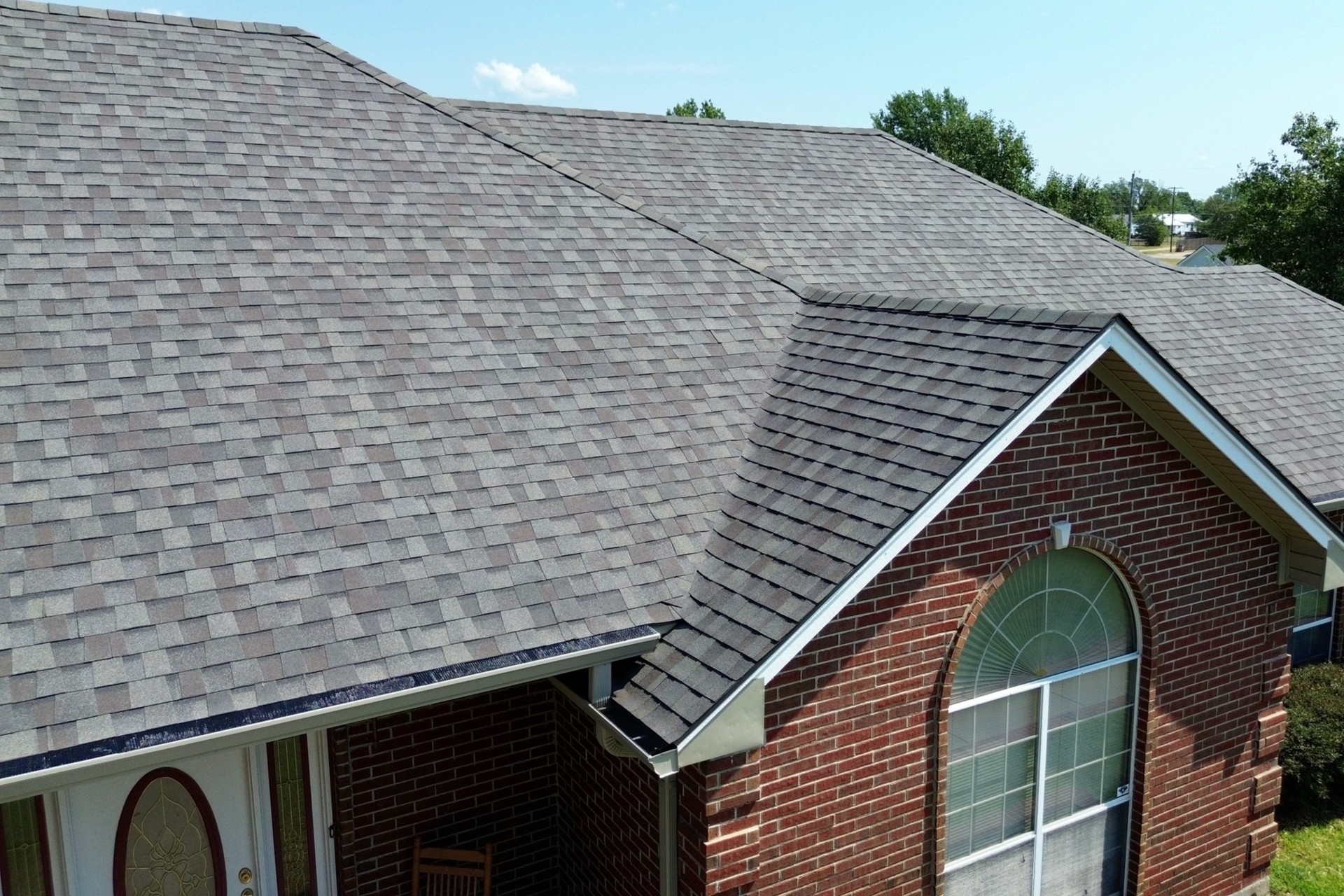
The visible roofing material receives most of the homeowner’s attention, but several less visible components are equally important to system performance. Underlayment, roof decking, flashing, and ventilation work together to protect the structure and manage moisture. These components should therefore be included in the overall roofing plan rather than treated as optional details.
Roof decking forms the structural surface beneath the roofing material. If sections of the decking are weakened by moisture, age, or other damage, they may need to be repaired or replaced. Installing new roofing over severely compromised decking can create problems because the supporting surface must be sufficiently sound for proper installation.
Underlayment provides an additional protective layer beneath many roofing materials. It can help reduce the risk of moisture reaching the roof deck and provides an important secondary barrier. The specific underlayment should be selected according to the roofing system, local requirements, and recommendations from qualified professionals.
Flashing is particularly important around areas where the roof meets another structure or where openings pass through the roofing system. Chimneys, skylights, vents, walls, valleys, and roof edges can all require carefully installed flashing. Poorly designed or deteriorated flashing is a common pathway for water intrusion, so these areas deserve careful attention during planning and installation.
Ventilation should also be considered as part of the complete roofing system. Proper attic ventilation can help manage heat and moisture and may contribute to longer-lasting roofing materials and improved indoor comfort. The ventilation approach should be compatible with the roof design and balanced with the home’s insulation strategy.
Homeowners should ask contractors to explain how these components will be handled before approving the project. A roof should not be evaluated only by its visible surface because the layers underneath and around it play a major role in long-term performance.
Choosing Drainage Systems and Planning for Weather Conditions
Effective water drainage is essential for residential roofing because rainwater needs a controlled path away from the roof and building. Gutters, downspouts, roof slopes, valleys, and drainage outlets all contribute to this process. A roofing plan should therefore consider the entire drainage system rather than focusing only on the roof covering.
Gutters should be appropriately positioned and maintained so water can flow efficiently. Damaged, sagging, blocked, or poorly connected gutters can allow water to overflow against exterior walls or accumulate near the foundation. Downspouts should direct water away from the property where practical and should not discharge in ways that create recurring moisture problems.
Roof design should also account for the local climate. Homes in areas with heavy rainfall may require particular attention to drainage and water resistance, while properties exposed to strong winds may require roofing systems designed and installed according to appropriate wind-resistance requirements. Regions with intense sunlight may benefit from materials and designs selected with heat exposure in mind.
Seasonal conditions should influence project planning as well. Homeowners should consider whether the roof needs to be completed before a period of heavy storms, extreme heat, or other challenging weather. However, rushing installation solely to meet a preferred date can create problems if proper preparation or safe working conditions are sacrificed.
Weather planning should continue after installation. Homeowners should know what steps to take following severe storms, including when to request an inspection. Roof damage is not always visible from ground level, and prompt professional evaluation can help identify issues before temporary damage develops into larger water intrusion problems.
A well-planned roofing system combines appropriate materials, sound installation, effective drainage, suitable ventilation, and realistic maintenance expectations. When these elements are considered together, homeowners can make decisions that support reliable performance rather than focusing on a single component or the lowest initial price.
The planning process should ultimately prepare homeowners not only for installation but also for the years that follow. Understanding the roof’s materials, warranties, maintenance requirements, drainage system, and expected service life gives homeowners the information they need to protect their investment. These considerations also create a strong foundation for developing a practical long-term roofing maintenance strategy.
Creating a Long-Term Residential Roof Maintenance Plan
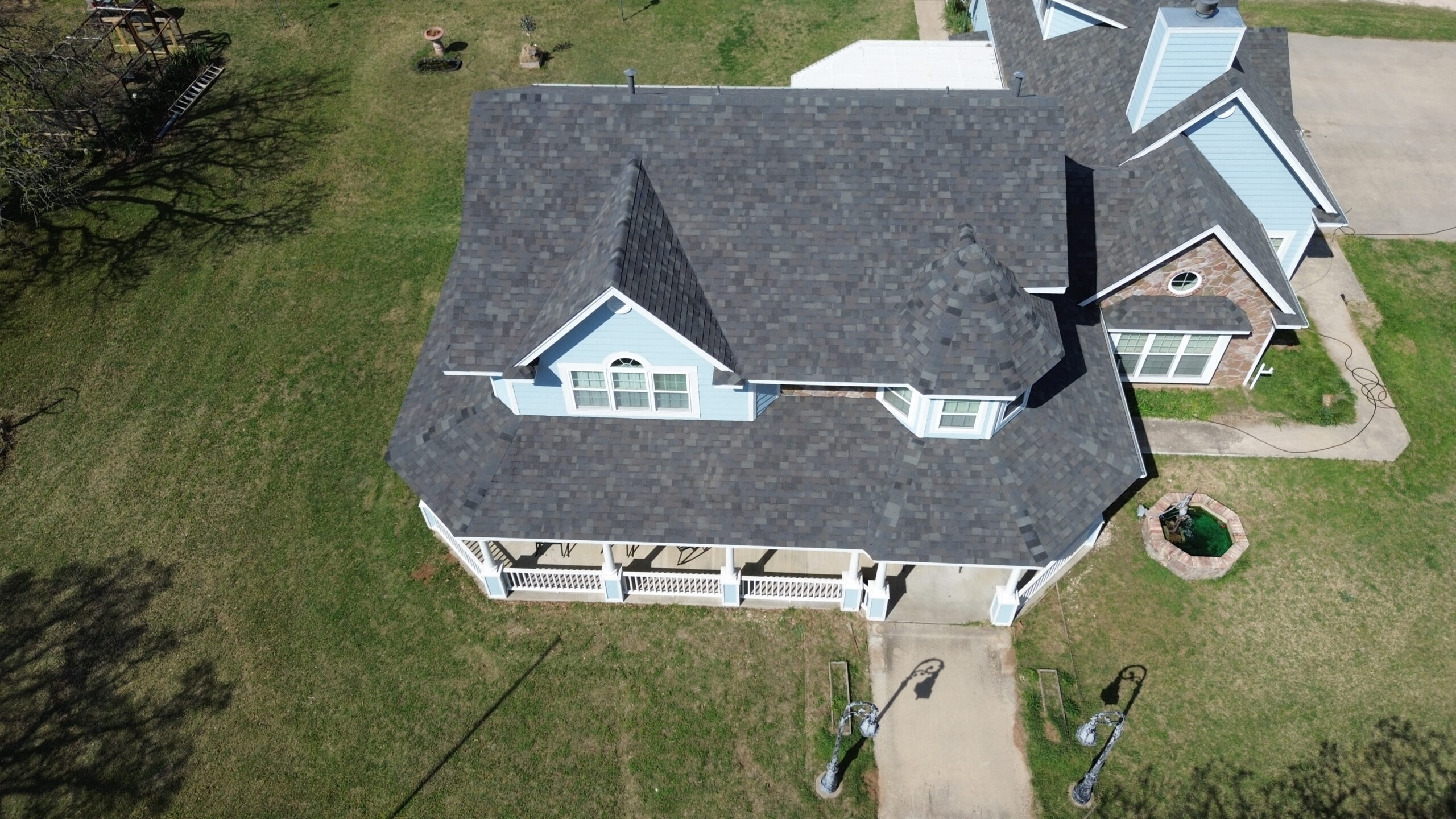
Completing a roofing project does not mean the homeowner’s responsibility ends. Regular maintenance is essential for preserving the roof’s condition, identifying developing problems, and protecting the investment made in the property. A well-maintained roof can provide reliable service for many years, while neglected issues can gradually develop into expensive repairs.
Homeowners should establish a simple maintenance routine based on the roofing material, property conditions, and local weather. The roof does not necessarily need constant attention, but it should be checked regularly and after significant weather events. Keeping records of inspections, repairs, material information, and warranty documents can also make future maintenance easier.
Regular inspections should focus on both the roof surface and supporting components. Homeowners can safely observe visible areas from the ground, while professional roof inspections can identify conditions that cannot be evaluated without specialized knowledge or safe roof access. Problems should be addressed before they affect larger portions of the system.
Common maintenance priorities include keeping drainage pathways clear, checking visible flashing, monitoring roofing materials for damage, and watching interior areas for signs of moisture. Trees near the house should also be managed because falling branches and accumulated leaves can damage roofing materials or interfere with drainage.
Maintenance should be viewed as preventive care rather than an unnecessary expense. Spending a reasonable amount on inspections and minor repairs can help reduce the likelihood of major damage later. A consistent maintenance plan also gives homeowners a better understanding of how their roof is aging and when future replacement may become necessary.
Planning Regular Inspections and Repairs
Regular roof inspections provide homeowners with an opportunity to identify problems while they are still manageable. An inspection should examine more than missing or damaged shingles. It should consider flashing, roof edges, valleys, drainage components, ventilation areas, and other features that can affect overall performance.
Professional inspections are especially useful for older roofs or properties that have experienced severe weather. A qualified roofing professional can identify deterioration that may not be visible from the ground and can help homeowners determine whether repairs are sufficient or replacement should be considered.
After major storms, an inspection may be appropriate even when no obvious damage is visible. Wind can loosen roofing materials, while hail or falling branches can create damage that becomes more noticeable later. Early identification allows homeowners to document problems and arrange repairs before water enters the building.
Small repairs should not automatically be postponed because they appear minor. Damaged flashing, loose roofing materials, or deteriorated sealants can create pathways for moisture. When these issues are corrected promptly, homeowners may avoid more extensive damage involving insulation, decking, ceilings, walls, or interior finishes.
Homeowners should also keep maintenance records. Dates of inspections, descriptions of repairs, roofing material information, contractor details, and warranty documents can help establish a useful history. This information can be valuable when planning future repairs or discussing the roof with another contractor.
Maintaining Drainage, Flashing, and Roof Components
A roof’s performance depends heavily on components that homeowners may not notice every day. Gutters, downspouts, flashing, vents, valleys, and roof edges all contribute to keeping water away from vulnerable parts of the home. Maintaining these components should therefore be included in the overall residential roofing plan.
Gutters should be kept free of leaves, branches, dirt, and other debris that restrict water flow. When water cannot move properly through the drainage system, it may overflow against the roof edge or exterior walls. Homeowners should also watch for sagging gutters, loose connections, and damaged downspouts that may require professional repair.
Flashing deserves particular attention because it protects transition areas where water can enter. Areas around chimneys, skylights, vents, walls, and roof valleys should be monitored for visible deterioration or separation. If flashing appears damaged, homeowners should have it evaluated instead of attempting temporary repairs that may hide the underlying problem.
Roof penetrations should also be monitored because every opening creates an area where water must be carefully managed. Plumbing vents, exhaust vents, skylights, and other roof features need appropriate seals and flashing. Deterioration around these areas can cause leaks even when the main roofing surface remains in good condition.
Vegetation management is another important consideration. Branches that hang directly over the roof can scrape against roofing materials or fall during storms. Leaves and organic debris can also retain moisture and interfere with drainage, so maintaining appropriate clearance around the roof can support better long-term performance.
These maintenance tasks may appear simple, but together they help protect the complete roofing system. Homeowners who regularly monitor these areas are more likely to discover developing problems before they become major structural or interior issues.
Planning for Storm Damage and Emergency Roofing Needs
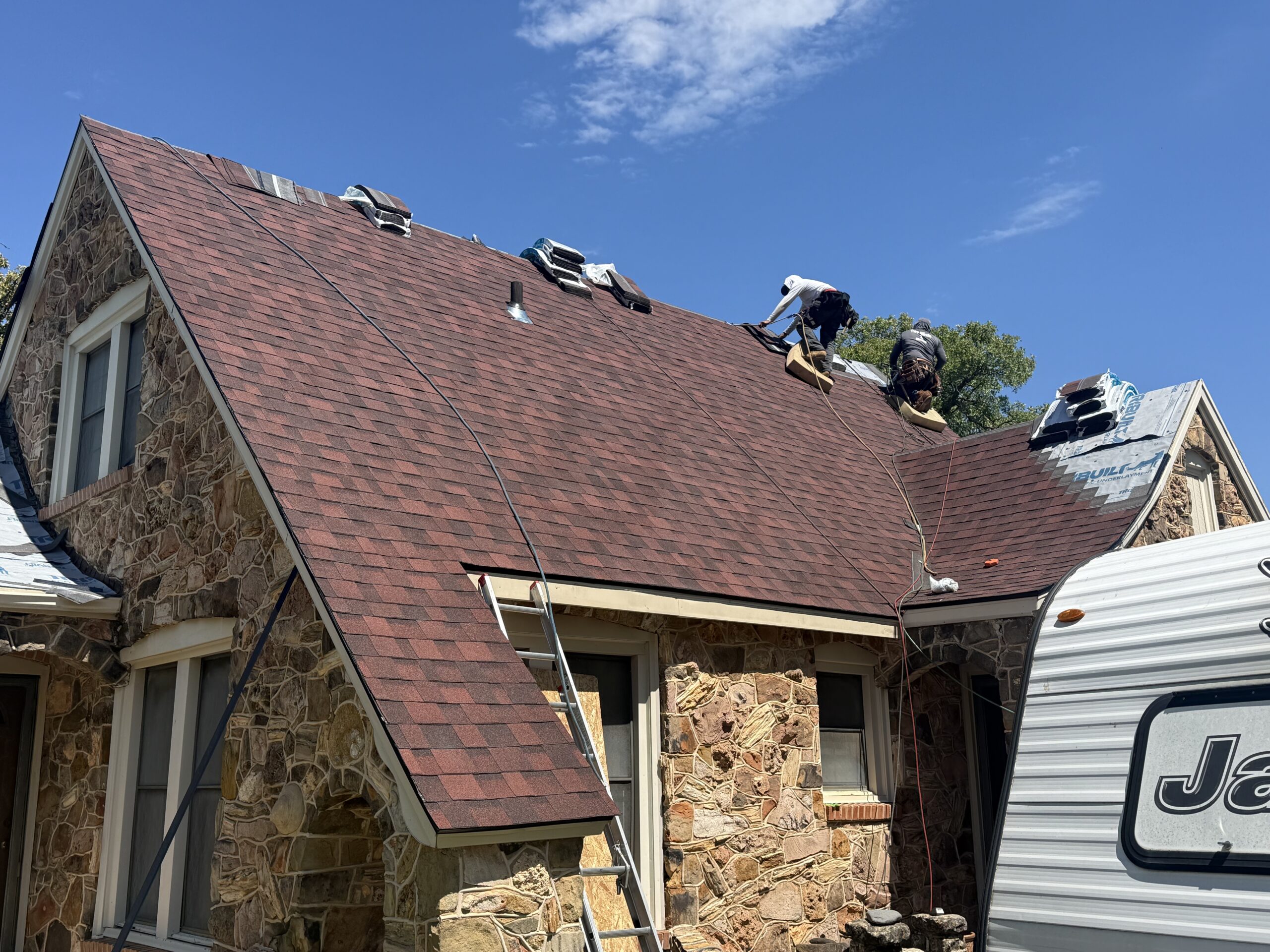
Severe weather can change the condition of a roof quickly. Strong winds, hail, heavy rain, falling branches, and other events can damage roofing materials even when the roof was recently installed. Homeowners should include storm response in their long-term roofing plan so they know what to do if damage occurs.
After a severe weather event, homeowners should first consider personal safety. Climbing onto a damaged or wet roof can be dangerous, particularly when roofing materials are loose or structural damage is suspected. A professional inspection is safer and can provide a more accurate assessment of the roof’s condition.
Temporary protection may sometimes be necessary when a roof has been damaged and permanent repairs cannot be completed immediately. Qualified professionals can determine appropriate temporary measures to reduce additional exposure to rain or other weather. Homeowners should avoid unsafe do-it-yourself attempts that could increase damage or create personal safety risks.
Documentation can also be important after a storm. Homeowners may photograph visible damage from safe locations and keep records of the date and circumstances of the event. If insurance coverage may apply, documentation and professional inspection reports can help support the evaluation process.
Emergency repairs should focus on preventing further damage while a permanent solution is planned. A temporary repair does not necessarily resolve the underlying roofing problem, so homeowners should follow up with a complete assessment. Repeated temporary fixes may become costly when a broader repair or replacement would provide a more dependable solution.
Storm preparedness should also include keeping important roofing information accessible. Material specifications, installation records, warranties, contractor information, and previous inspection reports can help speed up decision-making when urgent work is required.
Deciding Between Roof Repair and Replacement
One of the most important long-term decisions homeowners face is determining whether a damaged roof should be repaired or replaced. The answer depends on the roof’s age, overall condition, extent of damage, previous repairs, material type, and expected remaining service life. There is no single rule that applies to every property.
Repairs may make sense when damage is limited to a relatively small area and the surrounding roofing system remains in good condition. Fixing isolated leaks, damaged flashing, or a small number of compromised roofing materials can extend the useful life of a roof when the underlying structure is sound.
Replacement may become more practical when deterioration is widespread. Repeated leaks, extensive material damage, significant decking problems, or an aging roof approaching the end of its expected service life can indicate that continued repairs may provide diminishing value. A professional evaluation can help homeowners understand these trade-offs.
The financial comparison should include future maintenance rather than focusing only on the immediate repair price. If a roof requires frequent repairs, the cumulative cost may eventually approach the cost of a replacement without providing the same long-term reliability. Conversely, replacing a roof that only needs a simple repair may create an unnecessary expense.
Homeowners should also consider whether they are planning other property improvements. If exterior renovations, insulation upgrades, solar installations, or major structural work are planned, coordinating roofing work can sometimes improve project efficiency. The correct decision depends on the specific property and should be evaluated with qualified professionals.
The objective is to choose the option that provides appropriate protection and value over the expected ownership period. A careful assessment allows homeowners to avoid both premature replacement and excessive spending on a roof that is no longer economical to maintain.
Building a Practical Long-Term Roofing Strategy
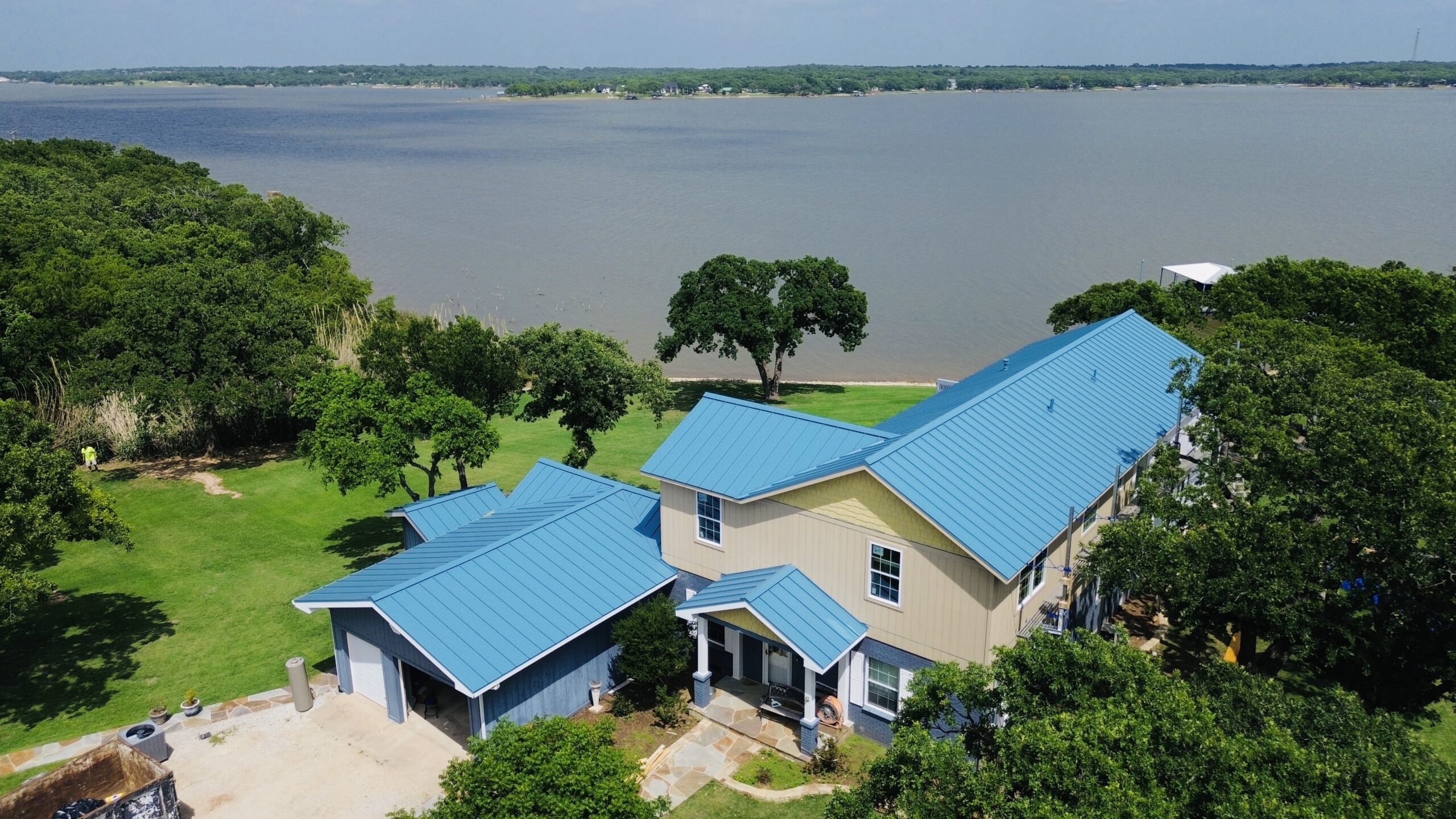
A successful residential roofing plan should continue beyond the initial installation or repair. Homeowners can create a long-term strategy by combining regular inspections, preventive maintenance, timely repairs, storm preparation, and future replacement planning. This approach makes roofing decisions more predictable and reduces the likelihood of unexpected problems.
A useful strategy begins with knowing the roof’s basic information. Homeowners should record the installation date, roofing material, contractor, warranty details, ventilation configuration, and significant repairs. This information provides a reference point when evaluating changes in condition over time.
Homeowners should also establish priorities for different stages of the roof’s life. During the early years, the focus may be on routine inspection and maintenance. As the roof ages, inspections may become increasingly important, particularly if weather exposure or previous repairs have affected its condition.
Future replacement should not come as a complete surprise. Monitoring the roof’s age and condition gives homeowners an opportunity to plan financially before urgent replacement becomes necessary. Setting aside funds gradually can make a future roofing project easier to manage.
A practical homeowner roofing checklist can include:
- Keep roofing and warranty records in an accessible location.
- Inspect visible roofing areas regularly and after severe weather.
- Keep gutters and downspouts clear.
- Monitor flashing, roof penetrations, and drainage areas.
- Address leaks and visible damage promptly.
- Keep trees and branches from creating unnecessary roof hazards.
- Arrange professional inspections when the roof is aging or problems are suspected.
- Review repair costs against the roof’s remaining expected service life.
Long-term planning should also account for changing household needs. A homeowner may eventually add solar equipment, improve attic insulation, renovate exterior walls, or sell the property. Understanding the existing roofing system helps ensure these future projects are planned around the roof rather than creating conflicts with it.
The strongest roofing strategy is one that balances protection, maintenance, performance, appearance, and cost. Homeowners do not need to predict every future problem, but they can reduce uncertainty by maintaining records, inspecting the roof regularly, and responding to problems before they become severe.
Conclusion
Residential roofing is a long-term investment that requires more planning than simply selecting a roofing material and arranging installation. Homeowners need to understand the condition of the existing roof, establish clear priorities, choose appropriate materials, set a realistic budget, select a qualified contractor, and ensure that important components such as decking, flashing, underlayment, ventilation, and drainage are properly considered.
A well-planned roof should also be supported by regular maintenance and professional inspections. Addressing small problems early, keeping drainage systems functional, monitoring roof penetrations, and responding appropriately after severe weather can help protect the home from avoidable damage. When repair and replacement decisions are based on the roof’s overall condition rather than short-term cost alone, homeowners can make more practical financial choices.
The best residential roofing plan is ultimately one that looks beyond installation day. By treating the roof as a complete system and planning for its maintenance, future repairs, energy performance, weather exposure, and eventual replacement, homeowners can protect their property and improve long-term value. Careful planning today can make roofing decisions easier, more predictable, and more cost-effective throughout the life of the home.