

How Contractors Manage Residential Roofing Projects
Introduction
Residential roofing projects require careful planning because a roof replacement or major repair involves many tasks that must happen in the correct order. Contractors need to assess the existing roof, select suitable materials, organize workers, schedule deliveries, protect the property, and make sure the finished system meets applicable requirements. Without proper coordination, even a straightforward roofing project can experience delays, material shortages, unexpected costs, or workmanship problems.
Professional roofing contractors generally begin by understanding the condition of the existing roof and the homeowner’s goals. A project may involve a complete replacement, a partial repair, storm damage restoration, or an upgrade to a more energy-efficient roofing system. The contractor’s management approach should reflect the size and complexity of the work rather than treating every project in exactly the same way.
Effective project management also involves communication. Homeowners need to know what will happen, when the crew will arrive, what disruptions to expect, and how unexpected issues will be handled. Contractors who establish clear communication at the beginning can reduce confusion throughout the project and make it easier to resolve decisions when hidden roof conditions are discovered.
The project management process begins well before workers arrive at the property. Inspection, estimating, material selection, scheduling, permits, and site preparation all influence what happens during installation. Understanding these early stages helps homeowners recognize how professional contractors organize a roofing project from the beginning.
Initial Roof Inspection and Project Assessment
The first major management task is a detailed assessment of the existing roof. Contractors need to understand the current condition before determining the appropriate repair or replacement strategy. A visual inspection can identify obvious issues, but experienced professionals may also examine flashing, roof penetrations, ventilation, gutters, underlayment where accessible, and areas that may have experienced water intrusion.
The contractor typically considers the roof’s age, material, slope, previous repairs, and exposure to weather. Signs of deterioration may include cracked or missing shingles, damaged metal panels, deteriorated flashing, sagging areas, granule loss, visible moisture damage, or other abnormalities. The extent of these issues helps determine whether localized repair or complete replacement is more appropriate.
Roof assessment also involves looking beyond the visible surface. Some problems become apparent only after existing roofing materials are removed. Damaged decking, inadequate ventilation, or concealed moisture can increase the amount of work required. A professional contractor should explain that these possibilities exist and establish a process for handling them before the project begins.
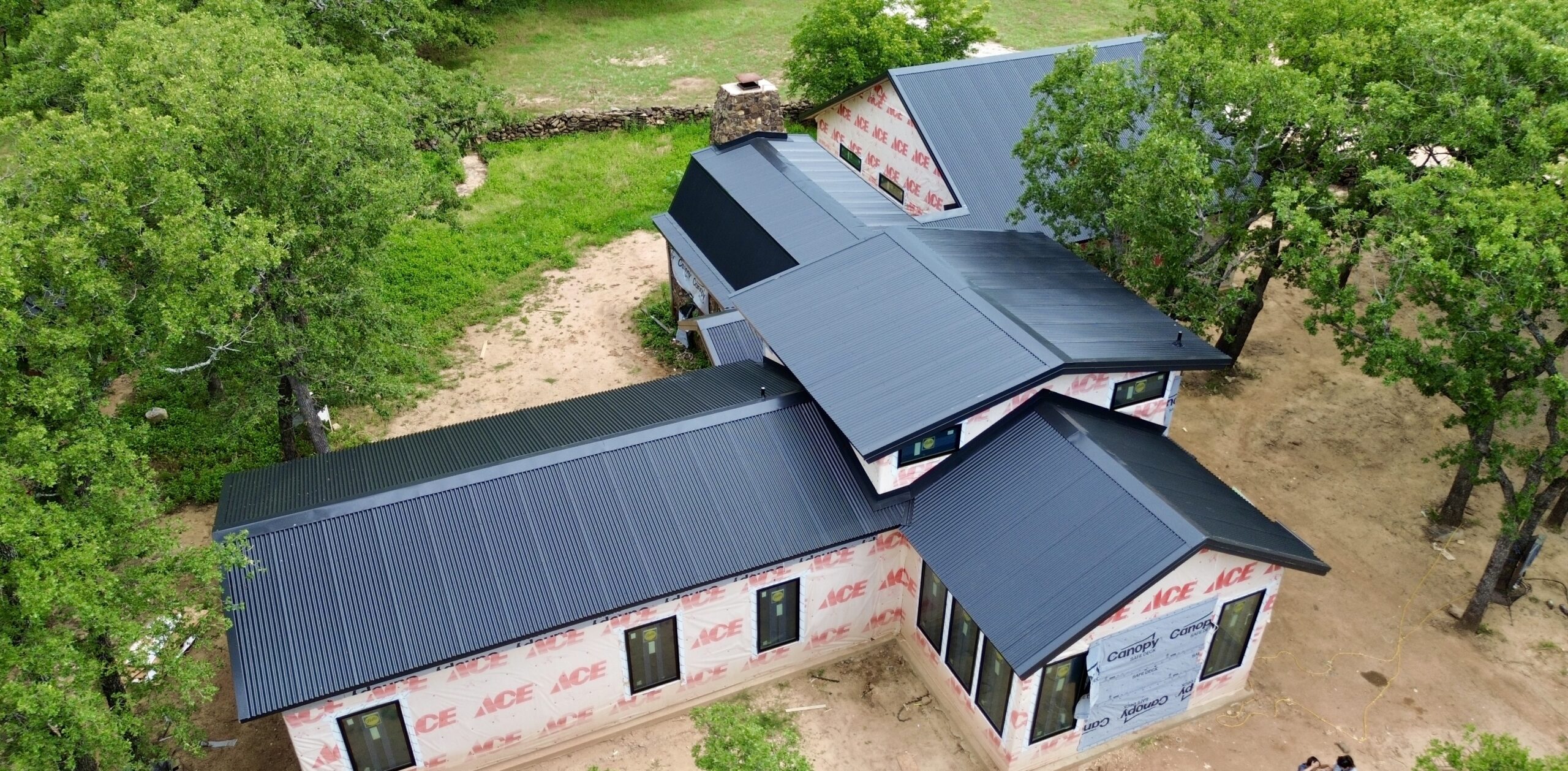
The home’s design also influences the project plan. A simple roof with limited penetrations may be relatively straightforward, while a complex roof with multiple slopes, valleys, dormers, chimneys, skylights, and intersecting sections requires more detailed planning. Contractors need to account for each area so materials, labor, and installation time are estimated accurately.
A thorough assessment can help contractors identify potential risks before work starts. For example, a roof with difficult access may require additional equipment or more labor for material movement. Similarly, fragile landscaping, tight property lines, nearby structures, or limited parking can influence how the crew will operate on the site.
The assessment stage is therefore more than simply deciding how many shingles are needed. It establishes the technical and logistical foundation for the entire project. When contractors invest enough time in evaluating the roof, they are better prepared to create an accurate scope of work and reduce avoidable surprises.
Preparing the Roofing Project Plan
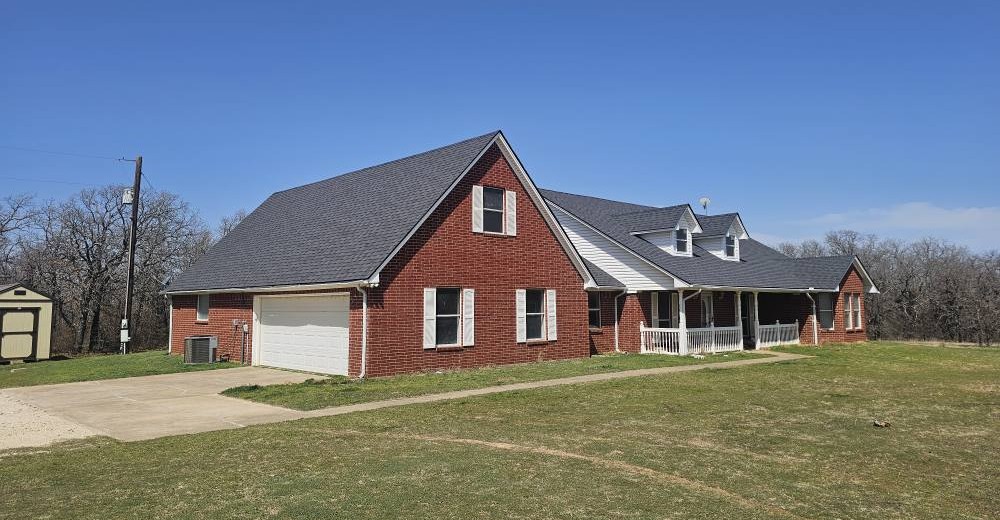
Once the roof has been assessed, the contractor can develop a project plan that defines the work from start to finish. A project plan normally identifies the roofing system, materials, labor requirements, anticipated schedule, equipment needs, disposal arrangements, and other important activities. The level of detail depends on the project’s size and complexity.
The scope of work should explain what will be removed, repaired, or installed. For a complete replacement, this may include removing old roofing, inspecting the roof deck, replacing damaged decking, installing underlayment, replacing flashing, improving ventilation where needed, installing the new roof covering, and completing final cleanup.
A well-prepared plan also identifies responsibilities. The contractor should know who will order materials, who will supervise the crew, who will coordinate permits, and who will communicate with the homeowner. Assigning these responsibilities before work starts can prevent confusion when multiple people or subcontractors are involved.
The project plan should also account for possible changes. Roofing projects can uncover hidden conditions that were not visible during the initial inspection. Instead of improvising when such issues occur, professional contractors can establish a change-order process that explains how additional work will be documented, priced, approved, and scheduled.
Scheduling is another essential component. Contractors need to coordinate the expected start date with material availability, crew schedules, weather conditions, equipment delivery, and any inspections required by local authorities. A project may have an estimated timeline rather than a guaranteed completion date because roofing work is affected by conditions outside the contractor’s control.
A typical project plan may include:
- Pre-project inspection and measurements
- Material ordering and delivery coordination
- Site protection and crew preparation
- Roof removal and surface inspection
- Installation of the new roofing system
- Final inspection, cleanup, and documentation
The plan creates a framework that allows contractors to manage the project systematically. It also gives homeowners a clearer understanding of what will happen and when. While the schedule can change because of weather or unexpected conditions, having a documented plan makes those changes easier to manage.
Estimating Costs, Materials, and Labor
Accurate estimating is one of the most important parts of roofing project management. Contractors must calculate the quantity of roofing materials needed, labor requirements, disposal expenses, equipment costs, and other project-specific charges. An estimate that is too low can create financial pressure later, while an unnecessarily high estimate may make the project less competitive.
Material calculations begin with accurate roof measurements. Contractors may measure each roof section and account for slopes, valleys, ridges, hips, penetrations, and waste. Different roofing materials require different installation calculations, so estimating is not simply a matter of measuring the home’s floor area.
The contractor must also select the appropriate components for the roofing system. These can include shingles or panels, underlayment, flashing, fasteners, ventilation products, drip edges, sealants, and other accessories. Using compatible components is important because the roof needs to function as a complete system rather than as a collection of unrelated products.
Labor is another major part of the estimate. Contractors consider the number of workers needed, project complexity, removal time, installation time, access conditions, and cleanup requirements. A steep roof or complex design may require more labor than a simple single-slope structure, even when the overall roof area is similar.
Disposal costs should also be included when existing roofing materials are being removed. Old shingles, underlayment, damaged decking, packaging, and other debris must be collected and transported properly. Contractors need to consider the number of loads, container requirements, and disposal arrangements when developing the overall project cost.
Unexpected conditions should be addressed carefully. A contractor may identify visible problems during the initial inspection but cannot know every condition hidden beneath the existing roofing. The contract should explain how concealed damage will be handled so that homeowners understand when additional charges may apply.
A detailed estimate allows the homeowner and contractor to compare expectations before work begins. It should identify the major materials, labor, preparation work, cleanup, payment terms, warranties, and potential additional work. Clear estimating is not only about calculating price but also about defining what the price actually includes.
Scheduling Crews, Materials, and Equipment
Roofing projects depend heavily on coordination because labor, materials, equipment, permits, and weather all need to align. Contractors must determine when materials should arrive, when the crew can start, and whether special equipment will be necessary. Good scheduling helps prevent idle workers and reduces the time the property remains under construction.
Material delivery should be planned carefully. Roofing materials can be heavy and require suitable placement on the property. Contractors need to choose delivery locations that provide convenient access without damaging driveways, landscaping, or other structures.
Crew scheduling is equally important. The contractor may assign a specific team based on the type of roofing system and the project’s complexity. Some workers may handle removal and preparation, while others focus on installation or specialized details. The project manager or site supervisor coordinates these activities so that work progresses efficiently.
Equipment may include ladders, safety systems, tools, lifting devices, trailers, dumpsters, and other site equipment. The contractor needs to determine what is required before the crew arrives. Missing equipment can slow the project and increase labor costs, while excessive equipment can create unnecessary site congestion.
Weather forecasting is an important part of scheduling. Contractors often monitor upcoming conditions to choose suitable installation windows. Rain can interfere with removal and installation, while strong winds can create safety concerns. Proper scheduling means allowing enough flexibility to pause work when conditions are unsuitable rather than forcing the crew to continue.
Material availability can also affect the schedule. Certain colors, profiles, or specialty roofing products may have longer lead times. Contractors should order materials early enough to reduce the risk of delays, especially for larger projects or products that are not routinely stocked.
Homeowners should receive reasonable notice about the expected start date and any major changes. While a contractor cannot control every scheduling factor, consistent communication can make interruptions easier to manage. A professional contractor should explain delays rather than leaving the homeowner uncertain about when work will resume.
Preparing the Property Before Roofing Work Begins
Site preparation is a major management responsibility because roofing work can affect more than the roof itself. Before demolition begins, contractors need to consider how materials will enter the property, where debris will be collected, and how surrounding areas will be protected. Proper preparation can reduce the risk of damage and make the work area safer for everyone.
The contractor may need to protect landscaping, windows, doors, siding, vehicles, patios, and outdoor equipment. Tarps, protective barriers, temporary coverings, or designated material areas can help control falling debris. These measures are especially important during roof removal when old materials can drop from elevated surfaces.
Access should also be planned. Roofing crews need safe routes for carrying materials and moving equipment around the property. The contractor may coordinate with the homeowner about driveway access, parking areas, gates, and outdoor furniture that needs to be moved before work starts.
Temporary storage areas should be selected carefully. Roofing materials should be placed where they can be accessed efficiently without creating unnecessary hazards or damaging the property. Heavy materials may require specific placement considerations, particularly on structures with limited access or sensitive surfaces.
Safety preparation also includes establishing work boundaries. Children, pets, and visitors should be kept away from active roofing areas because falling materials and equipment can create hazards. Contractors should explain which areas of the property need to remain clear while the crew is working.
The contractor may also arrange waste containers and debris removal before demolition begins. Having a designated disposal system allows workers to move waste away from the active work area efficiently. It can also reduce the chance of nails, sharp materials, or loose debris remaining around the property.
Before the first roofing materials are removed, a final site review can be useful. The contractor and homeowner can confirm access arrangements, property protection measures, material locations, expected working hours, and any special concerns. This final coordination step helps ensure that everyone understands how the project will operate.
Effective preparation sets the stage for the installation phase. When contractors organize the property, materials, equipment, workers, and schedule in advance, the project is more likely to progress smoothly. This early management work may not be as visible as installing the roof itself, but it plays a major role in controlling quality, safety, timing, and overall project performance.
Managing Roof Removal and Surface Preparation
Once the property has been prepared, the roofing contractor can begin the removal and preparation stage. This part of the project requires careful organization because workers need to remove existing materials without causing unnecessary damage to the roof deck, surrounding property, or other building components. The contractor also needs to maintain a safe work area while materials are being removed.
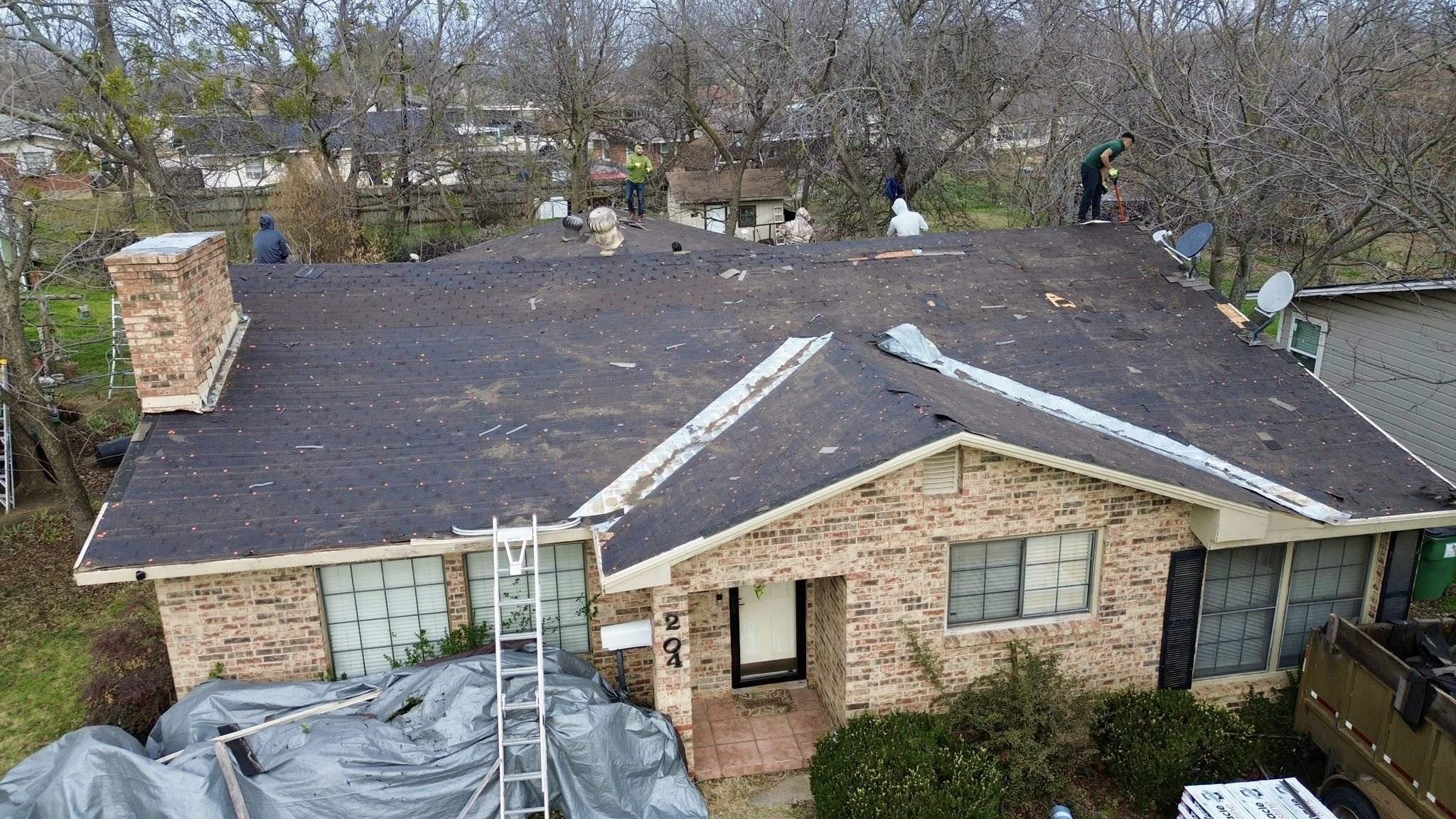
Roof removal usually begins with taking off the existing roofing layers according to the project’s scope. Depending on the roof’s construction, this may include shingles, underlayment, flashing, vents, or other components. Contractors need to remove these materials systematically so that the underlying structure can be inspected properly.
The roof deck becomes particularly important during this stage. Once the old roofing is removed, contractors can identify damaged, deteriorated, or weakened decking that was not visible during the initial inspection. Moisture exposure can cause wood-based decking to deteriorate over time, so any affected sections may need to be repaired or replaced before the new roofing system is installed.
Professional contractors generally separate the removal and inspection processes rather than immediately installing new materials. This gives the project manager an opportunity to assess the condition of the substrate and determine whether additional work is necessary. Homeowners should be informed when concealed damage is discovered, especially if the repair will change the original project cost.
Surface preparation also includes making sure the roof is clean and suitable for the next installation stage. Loose materials, debris, nails, and damaged components should be removed from the work area. The contractor may also inspect roof edges, valleys, penetrations, and transition points for conditions that could interfere with proper installation.
Flashing requires special attention during preparation. Existing flashing around chimneys, skylights, vents, walls, and other penetrations may be damaged or unsuitable for reuse. Contractors need to determine whether these components should be repaired or replaced so the new roof has adequate protection against water intrusion.
Ventilation can also be reviewed during this stage. If the existing roof has inadequate intake or exhaust ventilation, the contractor may recommend improvements before completing the new roofing system. Proper preparation can help ensure that the finished roof performs as intended rather than simply placing new material over existing problems.
Debris management continues throughout removal. Roofing materials should be collected and moved into appropriate containers or designated disposal areas so the property remains reasonably organized. Contractors also need procedures for finding and removing loose nails and sharp fragments from walkways, lawns, driveways, and other accessible areas.
Coordinating Roofing Crews and Subcontractors
Managing a residential roofing project often requires coordinating several workers with different responsibilities. Depending on the size of the contractor and project, the crew may include roofers, supervisors, material handlers, equipment operators, or specialized subcontractors. Effective coordination helps ensure that everyone understands the schedule, responsibilities, and expected quality standards.
The project supervisor typically serves as the central point of coordination on the job site. This person may assign tasks, monitor progress, communicate with the homeowner, inspect completed work, and respond to unexpected conditions. Having a clear supervisor can reduce confusion when several workers are performing different tasks simultaneously.
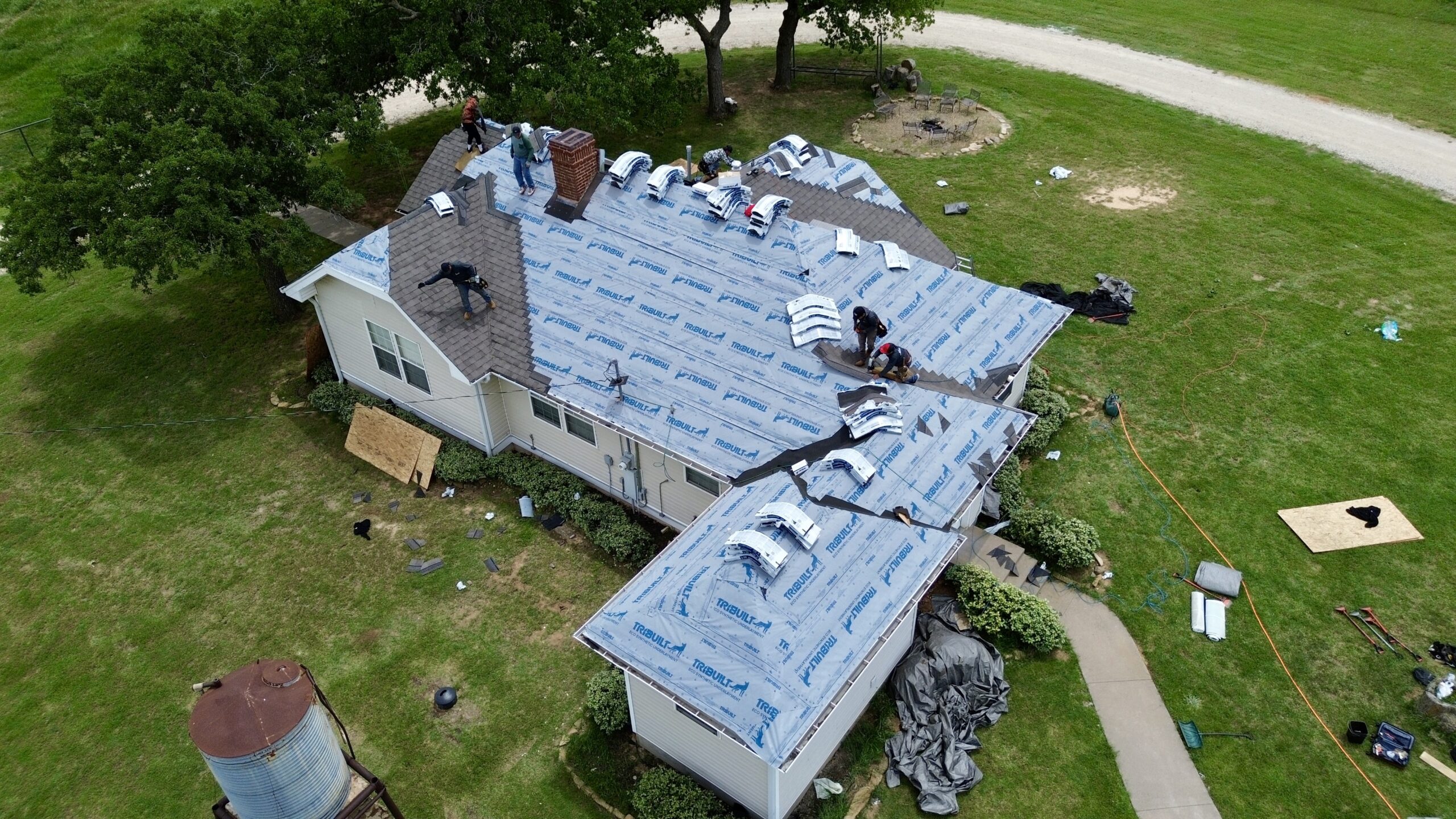
Crew assignments should reflect the requirements of the roofing system. Some workers may focus on tear-off and preparation, while others handle underlayment, shingles, metal panels, flashing, ventilation, or finishing details. Contractors need to coordinate these activities so that one task does not interfere with another.
Subcontractors can introduce additional management considerations. If another company is responsible for part of the work, the primary contractor should establish clear expectations regarding schedules, workmanship, insurance, safety, and communication. Homeowners should know whether subcontractors are involved and which company remains responsible for the completed project.
Crew communication is especially important when the roof design is complicated. Valleys, dormers, skylights, chimneys, multiple roof slopes, and unusual transitions require workers to understand the installation plan. Miscommunication in these areas can create errors that may not become obvious until the roof is exposed to severe weather.
The project manager may also hold brief site meetings or provide daily instructions to keep the crew aligned. These discussions can cover weather conditions, material availability, safety concerns, areas that require special attention, and progress from the previous work period. Consistent communication helps reduce avoidable mistakes.
Homeowners may occasionally notice different workers arriving at different stages of the project. This does not automatically indicate a problem, because roofing companies may organize crews according to the tasks involved. What matters is whether the contractor maintains supervision, accountability, and consistent quality throughout the work.
Effective crew management ultimately connects people with the project plan. The contractor must make sure the right workers are available at the right time and that every part of the roofing system is installed according to the agreed scope. Good coordination can improve efficiency without sacrificing attention to detail.

Managing Materials and Quality Control
Material management begins well before installation because roofing products need to arrive in the correct quantities, colors, sizes, and specifications. Contractors are responsible for coordinating orders, deliveries, storage, and distribution so workers can access the required materials when needed. Poor material management can lead to delays, unnecessary handling, or installation mistakes.
A contractor may order shingles, metal panels, underlayment, flashing, ventilation products, fasteners, sealants, and other components based on the approved project scope. Quantities should account for the roof’s measured dimensions and expected installation requirements. Specialty products may require additional planning because they may not be readily available from every supplier.
Material deliveries should be inspected when they arrive. Contractors may check for visible damage, incorrect quantities, or products that do not match the approved specifications. Identifying problems before installation is much easier than discovering them after materials have already been placed on the roof.
Storage is another important consideration. Roofing materials should be protected from unnecessary exposure, placed in suitable areas, and handled according to manufacturer recommendations. Improper stacking or careless movement can damage products before they are installed.
Quality control takes place throughout the installation process rather than only at the end. Supervisors may inspect underlayment, flashing, fastening patterns, alignment, seams, roof edges, ventilation, and other details as work progresses. Early inspection allows errors to be corrected before additional layers conceal them.
Contractors also need to ensure that products are compatible with one another. A roofing system includes several components that work together, and using an inappropriate accessory can affect performance. Manufacturers often provide installation requirements that specify compatible underlayments, fasteners, ventilation products, and other components.
Quality control should include checking completed sections before the crew moves to the next stage. For example, flashing and underlayment may be inspected before shingles or panels cover them. This sequential approach gives the project manager a better opportunity to catch installation problems while they remain accessible.
Homeowners can also contribute to quality management by communicating concerns promptly. They should not interfere with active roofing work, but they can ask the project supervisor about unusual observations or request updates on important decisions. Professional contractors should be able to explain the work without creating unnecessary confusion.
Consistent quality control protects the homeowner’s investment and the contractor’s reputation. A roof that looks attractive from the ground may still contain installation problems hidden beneath the surface. Careful inspections during each stage help ensure that the completed system performs properly rather than simply appearing finished.
Handling Weather Delays and Unexpected Problems
Weather is one of the most significant factors contractors must manage during residential roofing projects. Roofing materials and installation procedures can be affected by rain, strong winds, extreme temperatures, and other environmental conditions. A contractor needs to balance the project schedule with safe and appropriate working conditions.
Rain can create immediate problems when an existing roof has been opened. Contractors may need to use temporary protection to prevent water from entering the building if weather changes unexpectedly. Managing these situations quickly can help limit interior damage and protect exposed roofing materials.
Strong winds can also affect safety and installation quality. Lightweight materials can become difficult to handle, while ladders, equipment, and loose debris can create additional hazards. A responsible contractor should know when conditions are unsuitable and be willing to pause work rather than forcing the crew to continue.
Unexpected problems can arise even when the original inspection was thorough. Contractors may discover concealed water damage, deteriorated decking, inadequate ventilation, damaged flashing, structural concerns, or previously hidden repairs. These findings can change the project’s scope and schedule.
When additional work is necessary, the contractor should document the problem and explain why it matters. Photographs can help demonstrate hidden conditions and give homeowners a clearer understanding of the situation. Additional costs should be discussed and approved according to the contract’s change-order process before major extra work is performed.
Material problems can also create unexpected delays. A supplier may deliver the wrong color, an order may arrive incomplete, or a particular product may become temporarily unavailable. Good contractors maintain communication with suppliers and develop practical solutions without making unauthorized substitutions.
Scheduling flexibility is therefore essential. A professional contractor may provide an estimated completion period rather than a rigid promise because weather and hidden conditions cannot always be predicted. The important factor is whether the contractor communicates changes clearly and manages them responsibly.
Unexpected problems do not automatically indicate poor planning. Some conditions are impossible to identify until the roof is opened. What matters is how the contractor responds. Transparent communication, proper documentation, and careful decision-making can turn an unexpected problem into a manageable project adjustment.
Maintaining Safety and Protecting the Property
Safety management is a continuous responsibility during roofing work. Roofers operate at elevated heights while handling tools and heavy materials, so contractors need procedures that reduce risks to workers, residents, visitors, and surrounding property. Safety should be incorporated into every stage of the project rather than treated as a separate activity.
Crew members should have access to appropriate safety equipment and follow established procedures for working at heights. Contractors also need to manage ladders, access routes, tools, materials, and debris in ways that reduce hazards. The specific methods used can vary according to the project and applicable safety requirements.
Homeowners should keep children and pets away from active work areas. Even when crews are careful, falling materials, tools, and loose debris can create risks. Contractors should communicate which areas should remain clear and help homeowners understand any temporary access restrictions.
Property protection is equally important. Before work begins, contractors may use coverings or barriers to protect landscaping, siding, windows, doors, vehicles, outdoor furniture, and other areas. These protections may need to be adjusted as the crew moves around the house.
Debris control is especially important during roof removal. Falling shingles, nails, wood fragments, and other materials can spread beyond the immediate work area. Contractors should use appropriate collection methods and perform regular cleanup throughout the project rather than waiting until the final day.
Material placement should also be managed carefully. Heavy loads should be positioned where they can be handled safely without causing unnecessary damage to surfaces or creating access problems. Equipment and waste containers should be placed with consideration for driveways, walkways, and emergency access.
Safety management also includes monitoring weather and site conditions. A safe roofing operation may need to pause when surfaces become slippery, winds increase, or visibility is reduced. Continuing under unsafe conditions can create unnecessary risks for the crew and the property.
Protecting the property demonstrates the contractor’s professionalism. A successful roofing project should improve the roof without leaving avoidable damage elsewhere around the home. Careful planning, daily cleanup, proper equipment, and clear communication all contribute to safer and more controlled operations.
Communicating With Homeowners Throughout the Project
Communication between the contractor and homeowner should continue from the first day of installation through project completion. Roofing work can involve changes that are difficult to predict in advance, so regular updates allow homeowners to understand what is happening and make informed decisions when needed.
Before work begins each day, the contractor may provide information about the day’s planned activities. This can help homeowners understand when the crew will arrive, which areas of the property may be affected, and whether temporary restrictions will be necessary.
Progress updates are particularly valuable when the project takes several days. Homeowners should have a reasonable way to ask questions and receive information about scheduling, materials, unexpected conditions, and completed work. The communication method may be phone calls, text messages, email, or direct conversations with the site supervisor.
When additional work is discovered, the contractor should explain the issue before proceeding when practical. Homeowners should understand what caused the problem, why the additional work is recommended, how it changes the project, and what effect it will have on the cost or schedule.
Documentation can strengthen communication. Written change orders, updated schedules, material selections, inspection records, and payment information help both parties maintain the same understanding of the project. Verbal discussions can be useful, but important changes should generally be recorded in writing.
Contractors should also communicate about delays. Weather, material availability, inspection timing, or hidden damage can affect schedules. A professional contractor should provide updates as soon as reasonably possible rather than allowing homeowners to discover delays on their own.
The homeowner’s role is also important. Clear questions, timely decisions, and reasonable access to the property can help the contractor maintain progress. When homeowners communicate concerns early, contractors have a better opportunity to address them before they become larger problems.
Good communication ultimately supports every other part of project management. It helps coordinate schedules, control costs, manage unexpected conditions, maintain quality, and create realistic expectations. When contractors and homeowners communicate openly throughout the project, residential roofing work is more likely to remain organized and reach completion with fewer misunderstandings.
Monitoring Installation and Workmanship
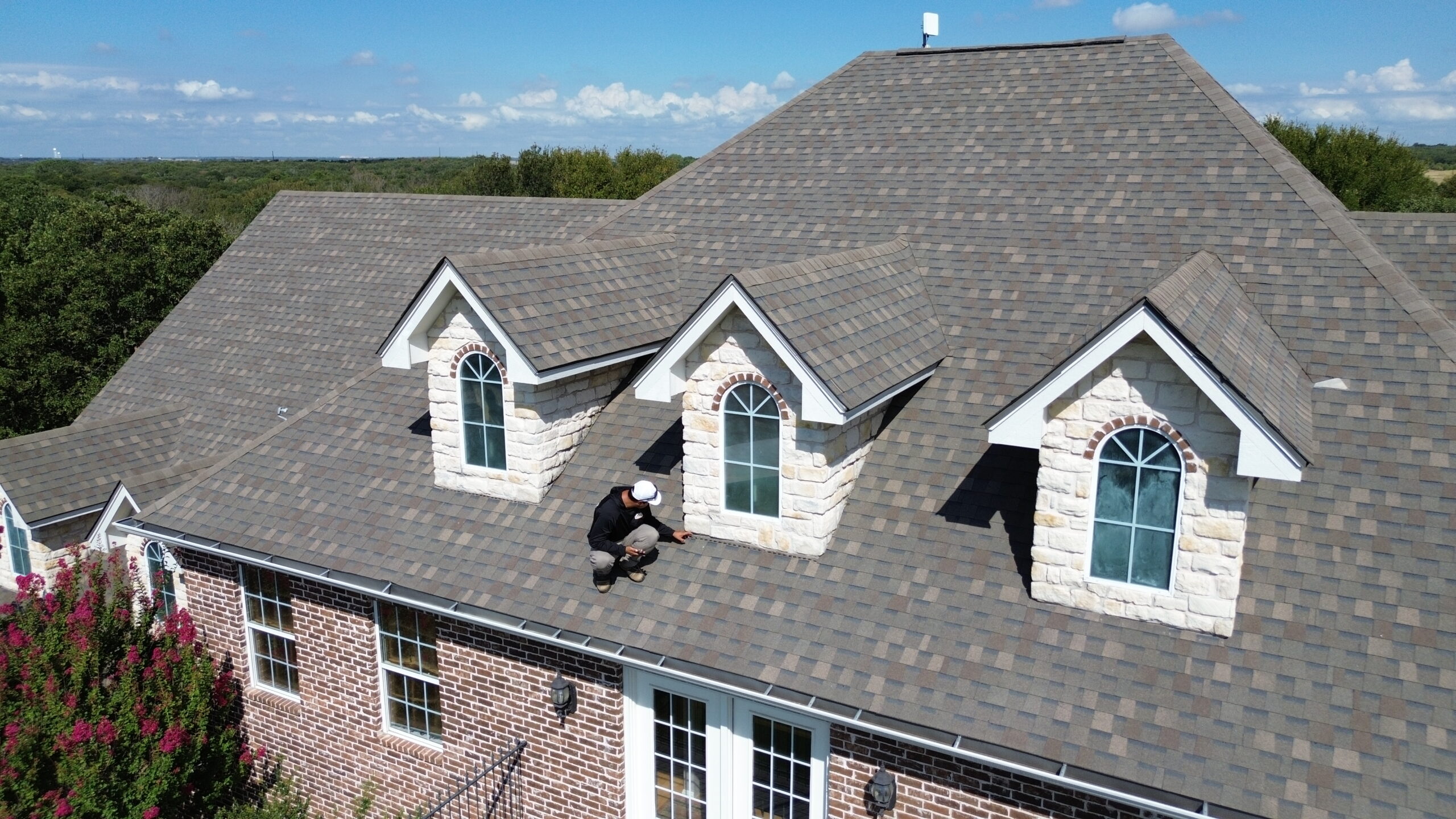
Once roofing installation begins, contractors need to continuously monitor the quality of the work rather than waiting until the final day to inspect the roof. Supervisors typically compare installation progress against the approved project plan, manufacturer requirements, and applicable construction standards. Regular monitoring allows mistakes to be identified while they are still accessible and easier to correct.
Workmanship checks may cover underlayment, flashing, fasteners, shingle alignment, panel seams, roof edges, valleys, ridge areas, ventilation, and penetrations. These details can have a major effect on the roof’s ability to resist water and weather exposure. A roof can appear complete from the ground while still containing installation problems that require attention.
Contractors should also monitor whether materials are being installed according to the product specifications. Different roofing systems have specific requirements for fastening, overlap, spacing, flashing, and accessory installation. Following these instructions helps maintain expected performance and can also support applicable manufacturer warranty requirements.
Progress monitoring can be especially important on complex roofs. Areas around chimneys, skylights, dormers, walls, and multiple roof intersections often require more detailed installation. Supervisors may spend additional time reviewing these locations because they represent potential points of water intrusion if not handled properly.
Quality control should continue as each stage is completed. For example, a contractor may inspect the roof deck before underlayment is installed, review flashing before it is covered, and examine finished roofing sections before moving to another area. This sequential approach helps prevent mistakes from becoming hidden beneath later layers.
Contractors may also document important stages with photographs or inspection records. These records can help demonstrate what work was completed and provide useful information for future maintenance or warranty questions. Documentation is especially valuable when portions of the roof become inaccessible after installation.
Homeowners should not expect to supervise every technical detail themselves. Instead, they can ask the project manager how quality is being checked and who is responsible for final workmanship. A professional contractor should have an internal process for identifying and correcting defects before the project reaches completion.
Managing Inspections, Permits, and Building Code Requirements
Roofing project management also involves ensuring that the work meets applicable legal and construction requirements. Depending on the location and scope of the project, permits may be required before work begins, while inspections may occur during or after installation. Contractors need to coordinate these steps with the local authority when they are responsible for doing so.
Permits help establish that the planned work meets applicable building regulations. The contractor may need to provide project information, material specifications, structural details, or other documentation as part of the permit process. The requirements vary by location, so contractors must understand the rules that apply to the specific property.
Inspections can take place at different stages depending on the project. An inspector may check areas that will later be covered by additional roofing materials, making timing an important part of project coordination. Contractors need to schedule the work so that required inspections can take place without unnecessarily delaying progress.
Building codes can address roofing materials, structural support, ventilation, flashing, drainage, wind resistance, and other construction details. Contractors should ensure that the installation follows the applicable standards rather than relying solely on their usual methods. This is particularly important when working in regions with strong weather conditions or specialized construction requirements.
When inspectors identify an issue, the contractor may need to correct the work before the project can be approved. Good project management allows enough flexibility for these situations. The contractor should communicate inspection results to the homeowner and explain what corrective work is required when the issue affects the schedule or scope.
Permit records and inspection results should be retained after completion. Homeowners may need these records later for insurance questions, property transactions, renovations, or other administrative purposes. A professional contractor should be able to provide copies of relevant documentation when the project is complete.
The contractor’s role is not simply to install materials quickly. Managing compliance is part of completing the project responsibly. Coordination between the roofing crew, project manager, local authorities, and homeowner helps ensure that the final roof is not only functional but also properly documented and compliant with applicable requirements.
Handling Final Cleanup and Project Completion
As installation nears completion, contractors shift their attention from active roofing work to cleanup, finishing details, and preparation for the final inspection. Cleanup is an important part of project management because roofing materials can create debris that extends well beyond the immediate work area.
The crew may collect leftover shingles, metal pieces, packaging, underlayment scraps, nails, wood fragments, and other waste produced during the project. Construction debris should be placed in the designated disposal container or removed from the property according to the project agreement.
Nail and small debris collection deserves particular attention. Tiny pieces can remain hidden in grass, driveways, walkways, or around landscaping even after larger debris has been removed. Contractors may use specialized cleanup tools and conduct repeated checks to reduce the amount of remaining material.
Property protection measures should also be removed carefully. Temporary coverings, barriers, equipment, and material storage areas should be cleared without damaging landscaping, siding, windows, gutters, or other parts of the home. Any property concerns discovered during removal should be communicated to the homeowner.
The contractor should also perform a finishing inspection of visible roofing components. This may include checking ridge areas, roof edges, flashing, penetrations, gutters, ventilation features, and other details. Small finishing issues can often be corrected at this stage before the project is formally completed.
Remaining materials may be handled according to the contract. Some homeowners may receive leftover roofing materials for future repairs, while others may prefer the contractor to remove them. Any arrangement should be clear so that materials are not accidentally discarded or left in an unsuitable location.
Completion also involves administrative tasks. Final invoices, warranty documents, product information, permit records, inspection results, and maintenance recommendations may be assembled for the homeowner. A well-organized closeout package provides useful records for future reference.
The project should not be considered complete simply because the visible roof has been installed. Cleanup, final checks, documentation, and homeowner approval are also important parts of effective roofing management. A thorough closeout helps ensure that the property is returned to normal condition and that the homeowner understands what has been completed.
Conducting the Final Roof Inspection and Walkthrough
The final inspection provides an opportunity for the contractor and homeowner to review the completed project together. This walkthrough should confirm that the agreed scope of work has been addressed and that obvious defects, incomplete items, or cleanup concerns have been resolved.
The contractor should examine the roof systematically. Visible roofing surfaces, flashing, roof edges, vents, valleys, penetrations, gutters, and other components can be reviewed for consistency and proper finishing. Any concerns identified during the walkthrough should be documented and addressed before final completion when possible.
The homeowner can use this stage to ask questions about the new roofing system. The contractor may explain maintenance requirements, recommended inspections, ventilation considerations, and signs of potential problems that should receive attention. Providing this information helps homeowners take better care of the roof after the contractor leaves.
The final walkthrough can also confirm that property cleanup has been completed. Homeowners may check driveways, lawns, walkways, patios, and other surrounding areas for remaining debris. If something needs further attention, it is better to identify it before the contractor’s crew fully leaves the site.
Final documentation should also be reviewed. Homeowners may receive warranty information, receipts, material specifications, inspection records, photographs, and other project documents. These records should be stored safely because they can be useful for future maintenance, repairs, insurance matters, or property transactions.
Payment should be handled according to the contract. Homeowners should confirm that the agreed work and approved changes have been completed before making the final payment. Contractors should also provide a clear final invoice showing the balance and any documented adjustments.
A final walkthrough is most effective when it is collaborative rather than confrontational. The goal is to identify incomplete work or questions and resolve them while the project information is still fresh. Clear communication at this stage can prevent minor concerns from becoming long-term disagreements.
Managing Warranties, Documentation, and Follow-Up
The contractor’s responsibilities may continue after the physical roofing work is finished. Warranty management and follow-up are important parts of a complete residential roofing project. Homeowners should understand which protections apply to roofing materials and which cover workmanship.
Manufacturer warranties generally relate to the roofing products themselves, while contractor workmanship warranties address certain installation-related problems. The terms, duration, exclusions, and maintenance conditions can vary. Contractors should explain the difference and provide the relevant documents in writing.
The contractor should also ensure that warranty information identifies the appropriate products and, when applicable, the installation company. Homeowners should keep these records together with the contract, final invoice, permits, inspection documents, and photographs. An organized file can make future warranty claims or repairs much easier to manage.
Follow-up communication can be useful after completion, particularly for major roofing projects. Some contractors may offer a post-project inspection or check-in to confirm that the roof is performing properly. While the specific service varies by company, continued communication can demonstrate a commitment to the quality of the completed work.
Maintenance guidance is another important part of follow-up. Homeowners may need information about recommended inspection frequency, gutter maintenance, signs of roof deterioration, ventilation, and cleaning practices. Understanding these requirements can help extend the service life of the roofing system.
Contractors should also explain what to do if a problem appears after completion. Homeowners should know who to contact, how warranty concerns are submitted, and what documentation may be needed. Clear procedures reduce confusion if a leak or installation issue is discovered later.
Project documentation can also be useful during a future roof repair or replacement. Information about the roofing materials, installation date, flashing details, ventilation, and previous repairs gives future contractors a better understanding of the roof’s history. Good records can therefore continue to provide value long after the original project is completed.
Conclusion
Effective residential roofing project management begins long before the first shingle or panel is installed and continues until the final inspection and follow-up are complete. Contractors must coordinate inspection, planning, estimating, materials, labor, safety, scheduling, quality control, inspections, cleanup, and documentation throughout the process.
Successful management depends on preparation and flexibility. Contractors need a clear project plan, but they must also be prepared to respond when weather changes, materials are delayed, or hidden roof conditions are discovered. A professional approach focuses on solving these issues responsibly while keeping the homeowner informed.
Quality control is another essential part of successful management. Regular inspections during installation help contractors identify problems before they become hidden or expensive to correct. Attention to flashing, ventilation, fasteners, roof edges, penetrations, and other details can have a major influence on the finished roof’s performance.
Communication ties the entire process together. Homeowners should receive reasonable updates about scheduling, progress, unexpected conditions, payments, inspections, and completion. Contractors who communicate clearly can create realistic expectations and reduce misunderstandings throughout the project.
The final stages are equally important. A roof should not be considered complete until installation has been reviewed, required inspections have been completed, debris has been removed, documentation has been delivered, and outstanding concerns have been addressed. Proper closeout ensures that the homeowner receives not only a finished roof but also the information needed to maintain it.
Ultimately, effective roofing project management is about coordinating people, materials, time, safety, and quality toward one goal: delivering a reliable roofing system that protects the home for years to come. When contractors manage each stage carefully and maintain open communication with homeowners, residential roofing projects can be completed more efficiently, safely, and professionally.