

Comparing Residential Roofing Companies Effectively
Introduction
Choosing the right residential roofing company is an important decision because the quality of the contractor can influence the roof’s durability, appearance, weather resistance, maintenance requirements, and long-term cost. Homeowners often receive several estimates that appear similar at first, but the companies may differ significantly in experience, materials, workmanship, communication, warranties, and project management. Comparing these factors carefully can help homeowners avoid choosing a contractor based only on the lowest price.
A roofing company should be evaluated as a complete service provider rather than simply as a source of roofing materials and labor. A professional contractor should be able to inspect the existing roof, explain the recommended work, provide a clear estimate, use appropriate materials, follow installation requirements, and maintain safe working practices. The company should also communicate clearly before, during, and after the project.
Price naturally matters when planning a roofing project, but it should not be the only comparison point. An unusually low estimate may exclude important work such as damaged decking replacement, proper underlayment, flashing repairs, ventilation improvements, or cleanup. A slightly higher quote may provide better materials, more complete preparation, stronger warranty protection, and more reliable workmanship.
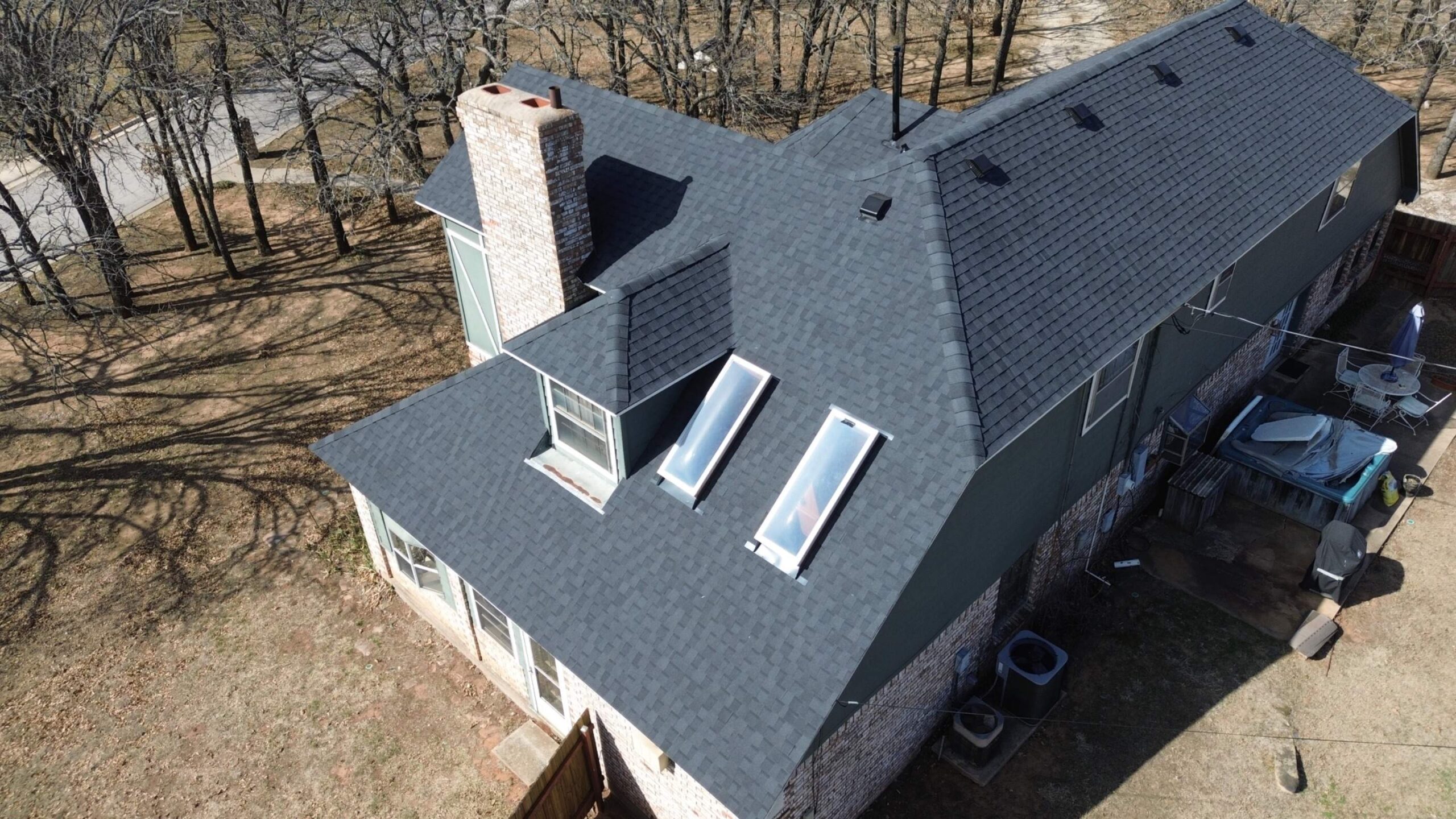
Homeowners should also consider the company’s ability to handle the specific type of roof involved. A simple roof with one material may require different expertise than a complex residential roof with multiple slopes, valleys, skylights, chimneys, dormers, or unusual architectural details. The contractor’s previous experience should match the requirements of the property.
A useful comparison process involves collecting information from multiple companies and evaluating them using the same criteria. This creates a more accurate picture of what each contractor is actually offering. Instead of comparing only total prices, homeowners can examine the scope of work, materials, labor, schedule, warranty, safety procedures, and customer service.
Evaluating Roofing Company Experience
Experience is one of the first factors homeowners should consider when comparing residential roofing companies. A contractor with substantial experience may have encountered a wider range of roof conditions, installation challenges, weather conditions, and repair situations. However, the number of years in business should not be the only measure of competence.
Homeowners should look for experience that is relevant to their particular project. A contractor who mainly works on small asphalt shingle roofs may not have the same expertise with tile, metal, slate, synthetic materials, or complex roof structures. The type of experience matters as much as the length of time the company has operated.
Previous projects can provide useful information about workmanship and project quality. Homeowners may ask whether the company has completed projects similar to their own and whether examples of previous work are available. Photographs can provide some insight, although physical inspection of completed projects or references may provide stronger evidence when available.
Experience with local conditions is also valuable. Roofing companies familiar with the area’s climate may understand common issues involving strong winds, heavy rainfall, intense sunlight, humidity, or seasonal temperature changes. They may also be more familiar with common residential building designs and local project requirements.
A company should be able to explain why a particular roofing system is appropriate for the property. If a contractor immediately recommends a replacement without carefully examining the roof, this may indicate that the assessment process is not sufficiently detailed.
Homeowners should also ask about the workers who will actually perform the installation. Some companies use their own crews, while others rely heavily on subcontractors. Subcontracting is not automatically a problem, but homeowners should understand who will be responsible for the work and how quality will be monitored.
A contractor’s experience should ideally include both installation and problem-solving. Roofing projects can reveal unexpected issues after old materials are removed, such as damaged decking or inadequate ventilation. An experienced company should have a clear process for handling these discoveries.
When comparing experience, homeowners can consider several questions:
- How long has the company been operating?
- What roofing materials does it regularly install?
- Has it completed projects similar to the homeowner’s roof?
- Does it use employees, subcontractors, or both?
- Can it provide relevant references or examples of previous work?
- Does it understand local weather and roofing conditions?
Experience should therefore be evaluated based on relevance, workmanship, project management, and knowledge rather than relying on one number alone.
Comparing Roofing Estimates and Project Scope
Obtaining multiple estimates is one of the most useful ways to compare residential roofing companies. However, homeowners should not compare only the final price shown at the bottom of each estimate. Two contractors may quote very different amounts because they are proposing different materials, preparation methods, labor, or project scopes.
A professional estimate should clearly describe what work is included. It should explain whether the contractor plans to remove existing roofing materials, inspect the decking, install underlayment, replace damaged components, improve ventilation, install flashing, complete cleanup, and dispose of construction waste.
Material specifications should also be clear. The estimate should identify the general type and quality of roofing material being proposed rather than using vague descriptions such as “standard shingles.” Different product grades can have different durability, appearance, performance, and warranty characteristics.
The estimate should also identify whether accessories are included. Roofing systems often require drip edges, flashing, underlayment, fasteners, ventilation components, sealants, and other materials. Excluding these items from the original estimate can make a quote appear cheaper than it actually is.
Labor should be clearly described as well. Some contractors may charge separately for roof preparation, decking replacement, flashing work, or other services. Understanding these details helps homeowners compare companies on an equivalent basis.
Potential additional costs should also be discussed. Hidden structural damage cannot always be identified before the old roofing material is removed, so a contractor may need to explain how unexpected repairs will be handled. The homeowner should understand the approval process before additional work begins.
A simple comparison can help homeowners identify major differences:
| Comparison factor | What to check |
|---|---|
| Roof removal | Whether old roofing is included |
| Decking | Inspection and replacement process |
| Underlayment | Type and installation method |
| Flashing | Replacement or reuse details |
| Ventilation | Existing system and proposed improvements |
| Roofing material | Product type, grade, and specifications |
| Labor | What installation work is included |
| Cleanup | Debris removal and disposal |
| Additional work | Procedure for unexpected repairs |
| Warranty | Material and workmanship coverage |
Homeowners should also look at the payment structure. The estimate or contract should explain when payments are expected and what conditions apply to each stage. Clear payment terms can reduce misunderstandings during the project.
The cheapest estimate is not necessarily the best value. A contractor who includes proper preparation, better materials, complete flashing, appropriate ventilation, and thorough cleanup may offer a higher-quality project even if the initial price is greater.
Assessing Roofing Materials and Installation Quality
The roofing material selected for a home affects appearance, durability, maintenance, energy performance, and expected service life. When comparing companies, homeowners should examine not only what material is being proposed but also why the contractor recommends it.
Different roofing materials are appropriate for different conditions. Asphalt shingles are common for residential applications, while metal, tile, slate, synthetic, and other systems may provide different benefits. The roof’s slope, structural capacity, climate, appearance, budget, and maintenance expectations should influence the choice.
Contractors should be able to explain the advantages and limitations of the recommended material. A good recommendation should be connected to the home’s actual requirements rather than being based only on what the company commonly installs.
Material quality should also be considered. Two contractors may offer the same general type of roofing but use products with different specifications. Homeowners should compare product information carefully instead of assuming that similar-looking materials perform identically.
Installation quality is equally important. Even high-quality roofing materials can fail prematurely when they are installed incorrectly. Fastener placement, alignment, underlayment, flashing, ventilation, roof edges, valleys, and penetrations all require careful attention.
Homeowners should ask how the company maintains quality during installation. A contractor may have supervisors or quality-control procedures to inspect completed work. Understanding these practices can provide insight into how seriously the company approaches workmanship.
Manufacturer requirements should also be considered. Roofing products often have specific installation instructions that contractors need to follow. A company that understands and follows these requirements is more likely to produce a roof that performs as intended.
The proposed material should also be evaluated for maintenance requirements. Some roofing systems may require periodic inspections, cleaning, coating, or specialized repairs. Knowing these requirements in advance can help homeowners make a more informed decision.
Energy performance can be another comparison factor. In warm climates, reflective materials may help reduce solar heat absorption, while insulation and ventilation can contribute to overall roof performance. However, the contractor should explain the expected benefits realistically rather than promising unrealistic energy savings.
The best roofing company should provide a balance between suitable materials and professional installation. Homeowners should compare both parts of the equation because neither material quality nor workmanship alone guarantees a successful roofing project.
Checking Licensing, Insurance, and Professional Credentials
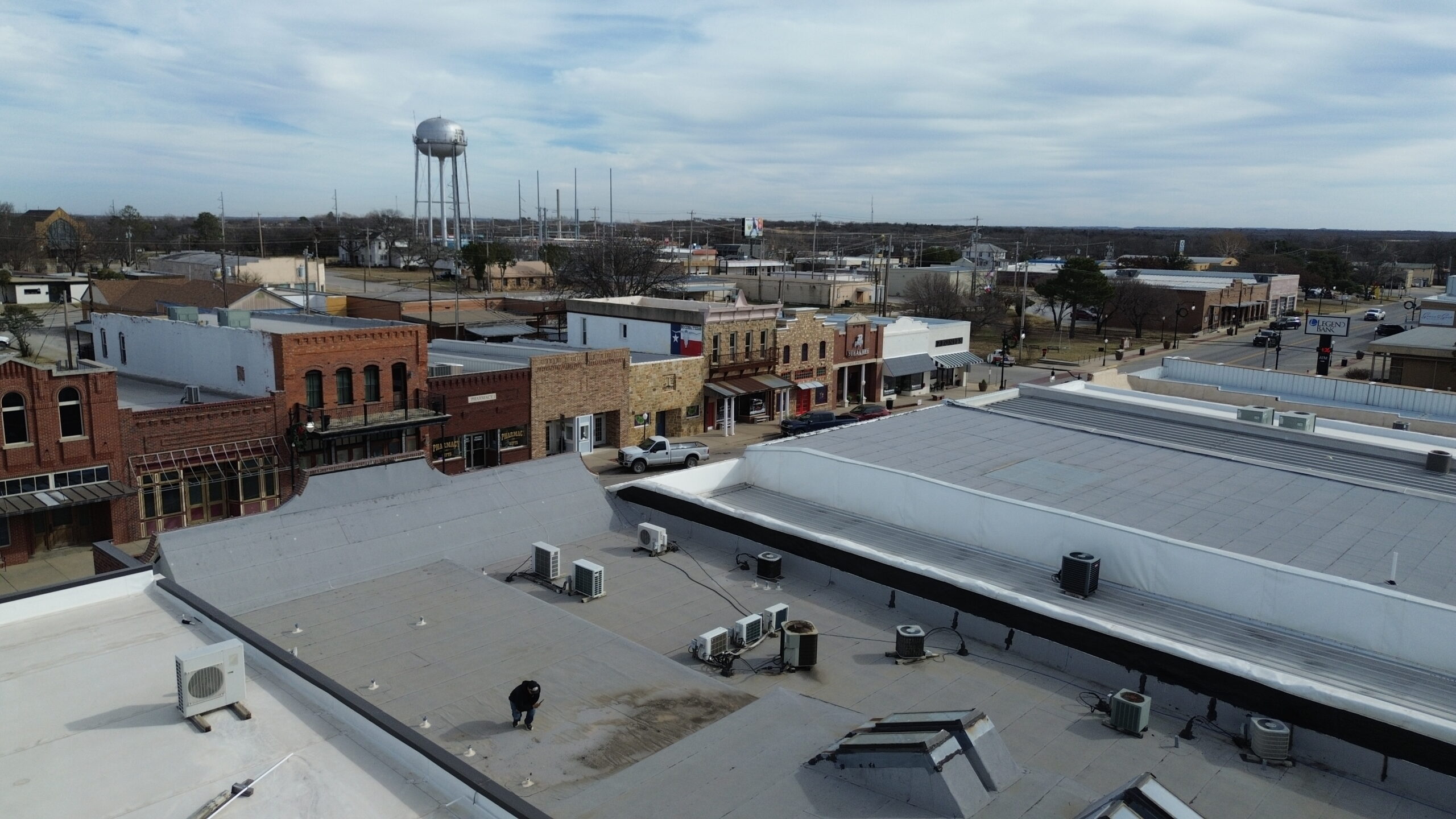
Before hiring a roofing company, homeowners should verify that the contractor has the credentials required for the type of work being performed in their area. Licensing requirements can vary by location, so homeowners should understand which credentials apply to residential roofing contractors where they live.
Insurance is another important consideration. Roofing work involves significant risks because workers operate at heights and handle heavy materials and equipment. A properly insured contractor can provide important protection for the business, workers, and property owner.
Homeowners should ask for evidence of relevant insurance coverage rather than relying only on verbal assurances. Depending on local requirements and the company’s structure, this may include liability coverage and worker-related insurance.
Professional credentials or manufacturer certifications can provide additional information, although they should not be treated as a guarantee of quality. Some manufacturers offer training or certification programs for contractors who install their products. These credentials can be useful when evaluating whether a company has experience with a particular roofing system.
Local reputation can also help with comparison. Homeowners may review references, project history, or customer feedback to identify recurring patterns. A single complaint does not necessarily define a company, but repeated concerns involving communication, unfinished work, poor cleanup, or warranty disputes may deserve attention.
Contractors should also be willing to provide basic business information. A professional company should generally have clear contact details and a documented process for estimates, contracts, payments, and warranty questions.
Homeowners should be cautious when a contractor avoids providing documentation or pressures them to make immediate decisions. Roofing is a significant investment, and responsible companies should give homeowners enough information to compare their options.
Verifying credentials before signing a contract can help reduce unnecessary risk. It also provides an opportunity to distinguish established professional practices from contractors who may lack the resources or experience needed for a complex roofing project.
Comparing Warranties and Long-Term Protection
Warranty coverage is an important factor when comparing residential roofing companies because it can affect the homeowner long after the installation is finished. Contractors may offer different levels of workmanship protection, while roofing manufacturers provide separate product warranties. These two forms of coverage should be examined independently rather than treated as the same thing.
A manufacturer warranty generally relates to the roofing product itself. Its coverage can depend on the specific product, installation requirements, maintenance conditions, and other terms. Homeowners should review the actual warranty documentation rather than relying only on a contractor’s verbal description.
A workmanship warranty is provided by the contractor and relates to the quality of installation. It may cover certain installation-related problems for a specified period, but the terms can vary significantly between companies. A longer warranty is not automatically better if the contractor has poor communication or unclear procedures for handling claims.
Homeowners should ask how warranty claims are submitted and who is responsible for addressing them. A contractor may require homeowners to contact the company directly, while product-related issues may involve the manufacturer. Knowing the process in advance can prevent confusion if a problem occurs.
Warranty exclusions should receive particular attention. Some warranties may exclude damage caused by severe weather, improper maintenance, unauthorized modifications, or installation conditions outside the manufacturer’s requirements. Understanding these exclusions helps homeowners develop realistic expectations.
Contractors should also explain whether warranty coverage can be transferred if the property is sold. Transferability can vary by product and contractor, and there may be specific procedures or deadlines that must be followed.
A strong comparison should consider:
- Length of workmanship coverage
- Manufacturer product warranty
- What types of defects are covered
- Major exclusions and limitations
- Claim submission procedures
- Transferability requirements
- Contractor responsibility after installation
Homeowners should keep copies of contracts, invoices, product information, and warranty documents in a safe place. These records can become valuable if repairs or warranty claims are needed later.
The most important point is to compare the actual terms rather than choosing a company because it advertises an impressive warranty period. A clear, realistic warranty supported by a responsive contractor can provide more practical value than a longer warranty that is difficult to use.
Evaluating Communication and Customer Service
Communication can strongly influence the overall roofing experience. Even a technically good project can become frustrating if the contractor does not answer questions, explain delays, or provide updates. When comparing roofing companies, homeowners should pay attention to communication before signing a contract because early behavior can indicate how the company may handle the project later.
A professional contractor should respond to questions clearly and provide enough information for the homeowner to understand the proposed work. The company does not need to provide technical explanations for every minor detail, but important decisions should be explained in understandable language.
Response time can also be useful when comparing companies. A contractor who consistently ignores calls or takes an unreasonable amount of time to answer basic questions may be difficult to reach if an issue occurs during installation.
The estimate process provides an early opportunity to evaluate customer service. Contractors should arrive when promised, inspect the property properly, and explain the findings. A company that provides a price without conducting an adequate inspection may not be evaluating the project carefully enough.
Communication should continue after the contract is signed. Homeowners should know when materials will arrive, when work is expected to begin, and what conditions could change the schedule. Regular updates can reduce uncertainty and help homeowners prepare for temporary disruptions.
Unexpected discoveries should be handled professionally. If damaged decking or another issue is found, the contractor should explain the problem, provide information about the required repair, and obtain appropriate approval before adding significant work to the project.
Homeowners should also consider how the contractor handles disagreements. A professional company should have a clear process for addressing concerns rather than becoming difficult to reach after receiving payment.
Customer service can be evaluated through several practical observations:
- Does the contractor answer questions clearly?
- Does the company provide written information?
- Are appointments and inspection times respected?
- Does the contractor explain unexpected costs?
- Are project updates provided during the work?
- Is there a clear contact person for concerns?
A company that communicates consistently can make the entire project easier to manage. Good communication does not guarantee perfect workmanship, but it provides an important foundation for resolving issues quickly and maintaining a positive working relationship.
Reviewing Project Timelines and Scheduling Practices
The expected project timeline is another important factor when comparing residential roofing companies. Homeowners often want the roof completed quickly, but speed should not come at the expense of preparation, safety, or installation quality.
Contractors should provide a realistic estimate of how long the project may take. The actual schedule can depend on roof size, complexity, material availability, weather, crew size, and unexpected repairs.
A company that promises an unusually short completion time should be evaluated carefully. Roofing involves several stages, including material delivery, preparation, removal, installation, inspection, and cleanup. Rushing these steps can increase the likelihood of mistakes.
Weather is one of the most important scheduling variables. Rain, strong winds, extreme temperatures, or other unsuitable conditions can interrupt roofing work. A professional contractor should explain how weather delays are handled instead of promising an exact completion date that may not be realistic.
Material availability should also be considered. Some roofing products may require special ordering, and delays can occur if materials are not available when expected. Homeowners should ask when materials will be ordered and whether the contractor has confirmed availability.
The contractor’s crew organization can influence efficiency as well. A large crew may complete a project quickly, but crew size alone does not determine quality. Homeowners should consider whether the company has a clear project-management process and appropriate supervision.
A good schedule should also include time for final inspection and cleanup. Contractors should not consider the project finished immediately after the last visible roofing material is installed.
Homeowners can compare companies using a simple schedule checklist:
| Scheduling factor | Questions to ask |
|---|---|
| Start date | When is work expected to begin? |
| Duration | How many working days are anticipated? |
| Materials | Are products available and ready for delivery? |
| Weather | How are weather delays handled? |
| Unexpected repairs | How will additional work affect the schedule? |
| Final inspection | When will quality checks be completed? |
| Cleanup | Is complete site cleanup included? |
The best contractor is not necessarily the one offering the fastest completion. A realistic schedule that allows enough time for careful preparation and installation is generally more valuable than an aggressive timeline that creates pressure to rush.
Assessing Safety and Jobsite Management
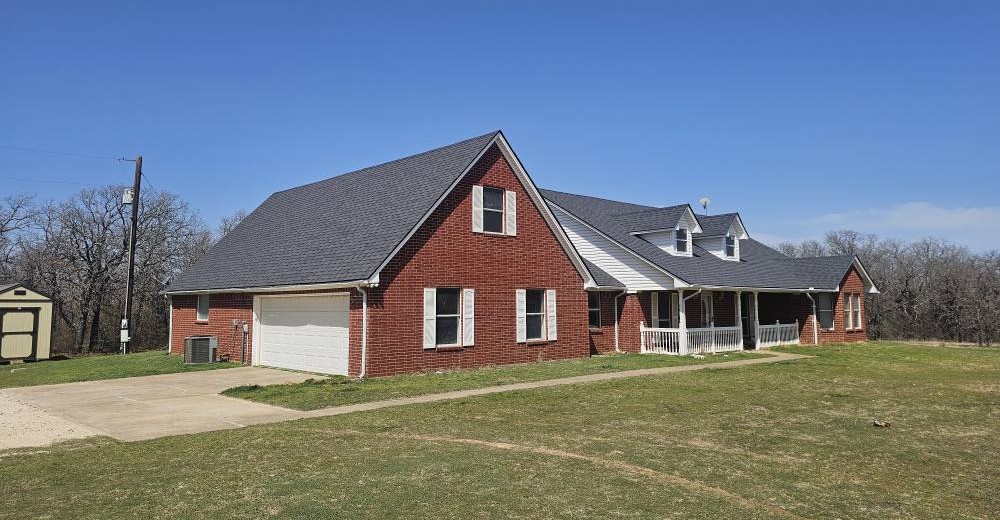
Roofing is a high-risk construction activity, so safety practices should be part of every contractor comparison. Homeowners should consider how a company manages workers, equipment, materials, ladders, fall protection, debris, and the surrounding property.
A professional roofing company should have appropriate procedures for working at height. The exact equipment and methods may vary depending on the project, but contractors should demonstrate that worker safety is taken seriously.
Jobsite organization can provide useful clues about a company’s professionalism. Materials should be stored appropriately, tools should be managed safely, and debris should not be allowed to accumulate in areas where it could create unnecessary hazards.
Protection of the homeowner’s property is also important. Roofing work can create falling debris, dust, noise, and temporary access restrictions. Contractors should take reasonable measures to protect landscaping, windows, vehicles, outdoor equipment, and other vulnerable areas.
Daily cleanup practices can make a major difference. Roofing nails and small pieces of material can remain around the property after installation if the crew does not clean carefully. A professional company should have a process for removing debris throughout the project and performing a final cleanup before leaving.
Homeowners should also ask how the contractor handles weather-related safety concerns. A company that continues working during dangerous conditions simply to maintain a schedule may not be making responsible decisions.
The contractor should communicate any temporary restrictions that affect the homeowner. For example, residents may need to avoid certain areas during material delivery or remain aware of overhead work.
Safety should not be treated as an optional extra that increases the project price. Responsible safety practices protect workers, homeowners, visitors, and property while contributing to better overall project management.
Comparing Materials, Energy Performance, and Maintenance
Roofing materials should be compared based on more than color and appearance. Homeowners should consider durability, climate suitability, maintenance, energy performance, expected service life, and compatibility with the home’s structure.
Different contractors may recommend different materials for the same property. This does not necessarily mean one contractor is wrong, but homeowners should understand the reasoning behind each recommendation.
Climate is particularly important. In hot regions, reflective roofing surfaces and appropriate insulation may help reduce solar heat gain. In colder environments, insulation and air sealing may be more important for limiting heat loss.
Maintenance requirements can also vary. Some roofing materials may require periodic inspections or specialized maintenance, while others may have relatively simple upkeep requirements. Homeowners should understand these responsibilities before making a decision.
Energy performance should be considered as part of the complete roof system. Roofing material alone does not determine the home’s energy efficiency. Insulation, ventilation, air leakage, roof color, attic conditions, and the home’s overall design can all influence energy performance.
Homeowners should be cautious about contractors making unrealistic energy-saving claims. A responsible contractor should explain potential benefits without guaranteeing a specific reduction in energy bills unless there is a reliable basis for the estimate.
Durability is another important factor. A material with a higher initial cost may provide better long-term value if it has a longer service life and lower maintenance requirements. However, the material should still be appropriate for the home’s structure and local conditions.
When comparing materials, homeowners can consider the following:
- Expected service life
- Weather resistance
- Maintenance requirements
- Energy performance
- Structural weight
- Appearance
- Repairability
- Availability of replacement materials
- Environmental considerations
A contractor should be able to explain how the proposed material fits the property rather than simply recommending the product that the company installs most frequently.
Comparing material options carefully can help homeowners avoid selecting a roof based only on short-term cost. The goal should be a system that provides suitable performance and value throughout its expected service life.

Looking Beyond the Lowest Roofing Bid
Price is an important part of any residential roofing decision, but choosing the lowest bid without understanding what it includes can lead to problems. Contractors may offer different prices because their materials, labor, preparation, warranties, or project scopes are different.
A low estimate may be reasonable if the company has efficient operations and offers a comparable scope of work. However, a significantly lower price deserves careful examination. Homeowners should ask whether important components have been excluded or whether lower-cost materials are being proposed.
The highest bid should not automatically be considered the best either. A more expensive contractor should be able to explain what additional value is included, such as higher-quality materials, more extensive preparation, stronger warranties, better project management, or additional services.
The best comparison is based on overall value. Homeowners should consider the combination of price, materials, workmanship, experience, communication, safety, schedule, warranty, and long-term maintenance.
A written contract should bring these details together before work begins. It should clearly identify the agreed scope, materials, pricing, payment terms, project responsibilities, and procedures for changes.
Homeowners should avoid contractors who use pressure tactics to force immediate decisions. A major roofing project deserves enough time for the homeowner to compare estimates and understand the terms.
A strong contractor comparison process can be summarized as follows:
- Collect estimates from several qualified companies.
- Compare each estimate using the same categories.
- Verify materials and project scope.
- Review licensing, insurance, warranties, and references.
- Evaluate communication and scheduling practices.
- Select the contractor offering the strongest overall value.
The right roofing company should provide confidence through clear information rather than relying on a low price or aggressive sales approach. By comparing the complete project instead of focusing on one number, homeowners can make a more informed decision and improve the likelihood of receiving a durable, professionally installed roof.
Checking References, Reviews, and Previous Projects
References and customer feedback can provide useful information when comparing residential roofing companies. While online reviews should not be the only factor in a hiring decision, they can reveal patterns in communication, workmanship, scheduling, cleanup, and customer service that may not be obvious from an estimate.
Homeowners should look for feedback from customers who had projects similar to their own. A contractor may have many positive reviews for small repairs but limited experience with complete roof replacements. Comparing relevant projects gives a more accurate picture of what the company can deliver.
References can be particularly valuable because they allow homeowners to ask direct questions about the roofing experience. When possible, homeowners can ask whether the contractor completed the project on time, communicated clearly, handled unexpected problems professionally, and returned to address concerns after completion.
Previous project photographs can also help evaluate workmanship. Homeowners should look for details rather than simply judging whether the finished roof looks attractive. Areas such as valleys, flashing, roof edges, chimneys, skylights, and other transitions can provide clues about the contractor’s attention to detail.
Online reviews should be evaluated carefully. A company with hundreds of reviews may have a stronger track record than one with only a few, but the quality and consistency of the feedback still matter. Repeated complaints about similar issues may deserve more attention than an isolated negative review.
Homeowners should also consider how the company responds to criticism. A professional response that acknowledges a concern and explains how it was addressed can demonstrate a willingness to communicate. However, repeated unresolved complaints may indicate a customer service problem.
Local reputation can be useful as well. Roofing companies that have operated in an area for an extended period may have established relationships with suppliers, homeowners, and other professionals. This does not guarantee quality, but it can provide additional information when combined with other evaluation factors.
The goal is not to find a company with a perfect record. Instead, homeowners should look for consistent evidence of reliable workmanship, honest communication, professional behavior, and satisfactory project completion.
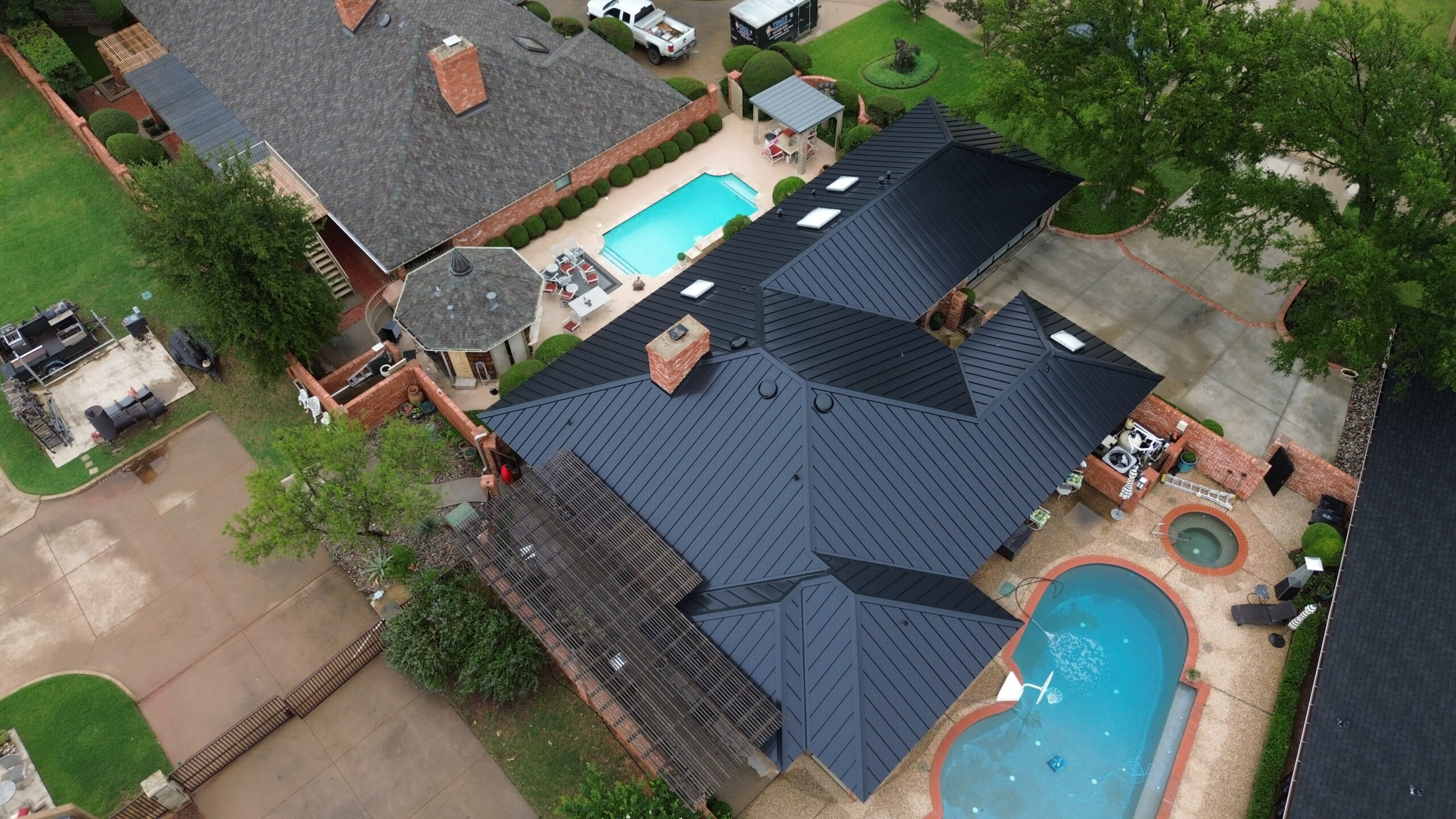
Understanding Contracts and Project Responsibilities
A detailed written contract is one of the most important documents in a residential roofing project. It establishes what the contractor has agreed to provide and helps both parties understand their responsibilities before work begins.
The contract should clearly identify the roofing work included in the project. It should describe the roofing material, preparation, removal of existing materials, installation, flashing, ventilation, cleanup, and other significant components where applicable.
Pricing should also be clearly documented. Homeowners should understand the total project cost, payment schedule, deposit requirements, and circumstances that could result in additional charges. Any changes to the original scope should be documented rather than relying only on verbal agreements.
Unexpected roof conditions should have a defined procedure. For example, damaged decking may only become visible after the existing roofing materials are removed. The contract should explain how such conditions will be communicated and approved before additional work proceeds.
The project timeline should also be included when possible. While weather and unexpected conditions can change the schedule, homeowners should still have a reasonable understanding of the expected start and completion periods.
Material specifications are another important part of the contract. Vague descriptions can create confusion if the contractor later substitutes a different product. The documentation should identify the agreed roofing system clearly enough for the homeowner to understand what is being installed.
Warranty responsibilities should be addressed as well. The contract should distinguish between manufacturer product warranties and contractor workmanship coverage. Homeowners should know who to contact if a problem occurs after installation.
Cleanup and disposal should not be overlooked. Roofing projects can generate significant amounts of debris, and homeowners should know whether removal and disposal are included in the agreed price.
A well-written contract protects both sides by reducing uncertainty. It provides a reference point if questions arise during construction and helps ensure that the completed project matches the homeowner’s expectations.
Identifying Warning Signs Before Hiring a Contractor
Comparing roofing companies also means identifying warning signs that may indicate a higher level of project risk. Homeowners should pay attention to how a contractor behaves before the contract is signed because certain practices can create problems later.
One warning sign is pressure to make an immediate decision. Roofing is a major investment, and homeowners should have enough time to review estimates, compare contractors, and understand the proposed work. High-pressure sales tactics can make it harder to identify important differences between companies.
Another concern is an estimate that is unusually vague. A contractor should be able to explain the basic scope of work, materials, labor, and important exclusions. If the estimate contains very little detail, it becomes difficult to compare it fairly with other proposals.
Large unexplained differences in pricing should also be investigated. A lower price may result from efficient operations, but it may also mean that important materials or services have been excluded. Homeowners should ask questions rather than assuming that the cheapest offer provides the same project.
Contractors who refuse to provide relevant documentation should also be approached carefully. Licensing, insurance, contracts, warranties, and material information are important parts of a professional roofing project.
Another warning sign is a contractor who recommends immediate replacement without conducting a proper inspection. Some roofs may require repair rather than complete replacement, while others may have hidden problems that need to be investigated before a recommendation is made.
Poor communication during the estimate stage can also be significant. If a contractor repeatedly misses appointments, ignores questions, or provides inconsistent information before receiving the contract, homeowners may face greater communication difficulties later.
Homeowners should also be cautious about requests for unusual payment arrangements or significant payments without clear documentation. Payment terms should be transparent and connected to the agreed project.
Warning signs do not automatically prove that a contractor is unreliable, but they should encourage homeowners to investigate further. Comparing several companies makes it easier to identify unusual practices and choose a contractor with a more professional approach.
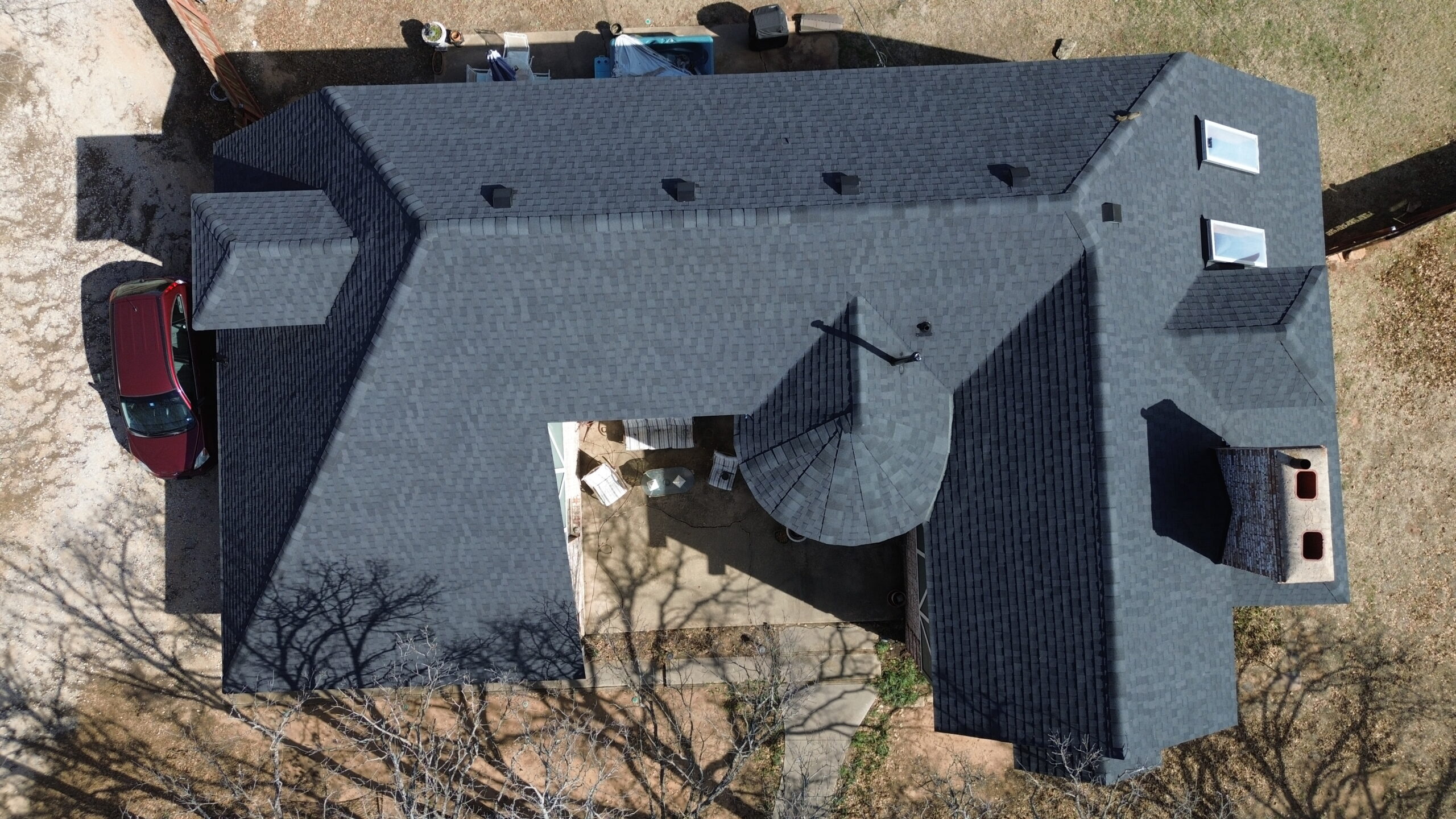
Evaluating Professionalism During the Selection Process
Professionalism can be difficult to measure through a single credential, but it becomes easier to evaluate when homeowners observe how a contractor handles the entire selection process. The way a company communicates, inspects the property, prepares estimates, and answers questions can reveal its approach to customer service and project management.
A professional contractor should arrive prepared for the inspection. The company representative should examine the roof carefully and ask relevant questions about previous repairs, leaks, ventilation, and homeowner concerns.
The contractor should also explain recommendations rather than simply presenting a price. If replacement is suggested, the homeowner should understand why the existing roof is no longer suitable and what improvements are included in the proposed system.
Professionalism also involves realistic expectations. A responsible contractor should explain that weather, hidden damage, material availability, and other conditions can influence the project. Avoiding unrealistic promises can demonstrate that the company is focused on completing the work properly rather than simply winning the contract.
Written communication is another useful indicator. Estimates, contracts, material details, warranty information, and change orders should be documented clearly. This reduces confusion and creates a reliable record of decisions.
The company’s willingness to answer technical questions can also be informative. Homeowners do not need to become roofing experts, but they should receive understandable explanations about major decisions.
A professional contractor should also respect the property. During the selection process, representatives should avoid causing unnecessary damage or leaving debris behind. Their behavior during the initial visit can provide clues about how carefully they may manage the property during construction.
Homeowners should compare the overall experience rather than focusing on one interaction. A company that consistently demonstrates preparation, transparency, responsiveness, and respect is generally easier to work with throughout a major roofing project.
Making the Final Roofing Company Decision
After collecting estimates, checking credentials, reviewing references, and comparing materials, homeowners need to evaluate the information as a whole. The final decision should be based on the contractor’s ability to deliver the required roofing system rather than on one attractive feature.
Price should remain part of the decision, but it should be considered alongside project scope and long-term value. A contractor offering a moderately higher price may provide better preparation, more appropriate materials, stronger workmanship coverage, or more complete project management.
Homeowners can create a simple comparison document to organize the information from each company. Recording the same categories for every contractor makes differences easier to identify and reduces the chance of overlooking important details.
The comparison should include experience, licensing, insurance, materials, scope of work, price, warranty, schedule, communication, references, and maintenance expectations. Any unanswered questions should be resolved before the contract is signed.
Homeowners should also consider whether they feel comfortable communicating with the contractor. Roofing projects can take several days or longer, and unexpected conditions may require decisions during construction. A contractor who listens and communicates clearly can make these situations easier to manage.
The final decision should be made after reviewing the complete written proposal. If important details discussed verbally are missing from the paperwork, homeowners should request clarification before proceeding.
A useful final comparison might look like this:
| Factor | What a strong contractor should provide |
|---|---|
| Experience | Relevant residential roofing experience |
| Estimate | Detailed and easy to understand |
| Materials | Suitable products with clear specifications |
| Workmanship | Proper installation and quality control |
| Credentials | Appropriate licensing and insurance |
| Warranty | Clear product and workmanship coverage |
| Communication | Responsive and transparent service |
| Schedule | Realistic project timeline |
| Safety | Professional jobsite procedures |
| References | Relevant examples and satisfactory feedback |
No comparison system can guarantee that a roofing project will be completely problem-free. However, evaluating contractors systematically can reduce uncertainty and improve the chances of selecting a dependable company.

Conclusion
Comparing residential roofing companies effectively requires more than collecting several prices and choosing the lowest number. A roofing contractor should be evaluated based on experience, materials, workmanship, communication, safety, warranties, scheduling, reputation, and the overall scope of work.
The first step is to make sure each contractor is being compared on similar terms. Estimates should clearly explain what is included, which materials will be installed, how preparation will be handled, and what happens if hidden damage is discovered.
Experience should also be relevant to the specific property. A contractor who understands the home’s roofing material, design, climate, and potential challenges is better positioned to provide an appropriate solution.
Licensing, insurance, references, and previous projects provide additional information about a company’s professionalism. These factors do not replace careful evaluation of the estimate, but they can help homeowners distinguish between contractors with different levels of experience and reliability.
Warranty coverage deserves careful attention because product warranties and workmanship warranties serve different purposes. Homeowners should understand coverage periods, exclusions, claim procedures, and maintenance requirements before committing to a contractor.
Communication is another major consideration. A contractor who provides clear answers, written information, realistic schedules, and timely updates can make the project much easier to manage. Good communication is particularly important when unexpected roof conditions or weather delays affect the original plan.
Homeowners should also look beyond the finished roof and consider how the contractor manages safety, property protection, cleanup, and documentation. These details can have a significant effect on the overall project experience.
Warning signs such as high-pressure sales tactics, vague estimates, unexplained pricing differences, poor communication, and reluctance to provide documentation should be investigated carefully. Taking time to compare contractors can help homeowners avoid decisions based solely on urgency or attractive pricing.
Ultimately, the best residential roofing company is not necessarily the cheapest or the most expensive. It is the company that offers a suitable roofing system, clear project scope, qualified workmanship, appropriate materials, dependable communication, reasonable warranty protection, and strong overall value.
A thoughtful comparison gives homeowners greater confidence before making a major investment. By reviewing each contractor using the same standards and asking detailed questions, homeowners can make a more informed decision and improve the likelihood of receiving a durable, professionally installed roof that provides reliable protection for years to come.